

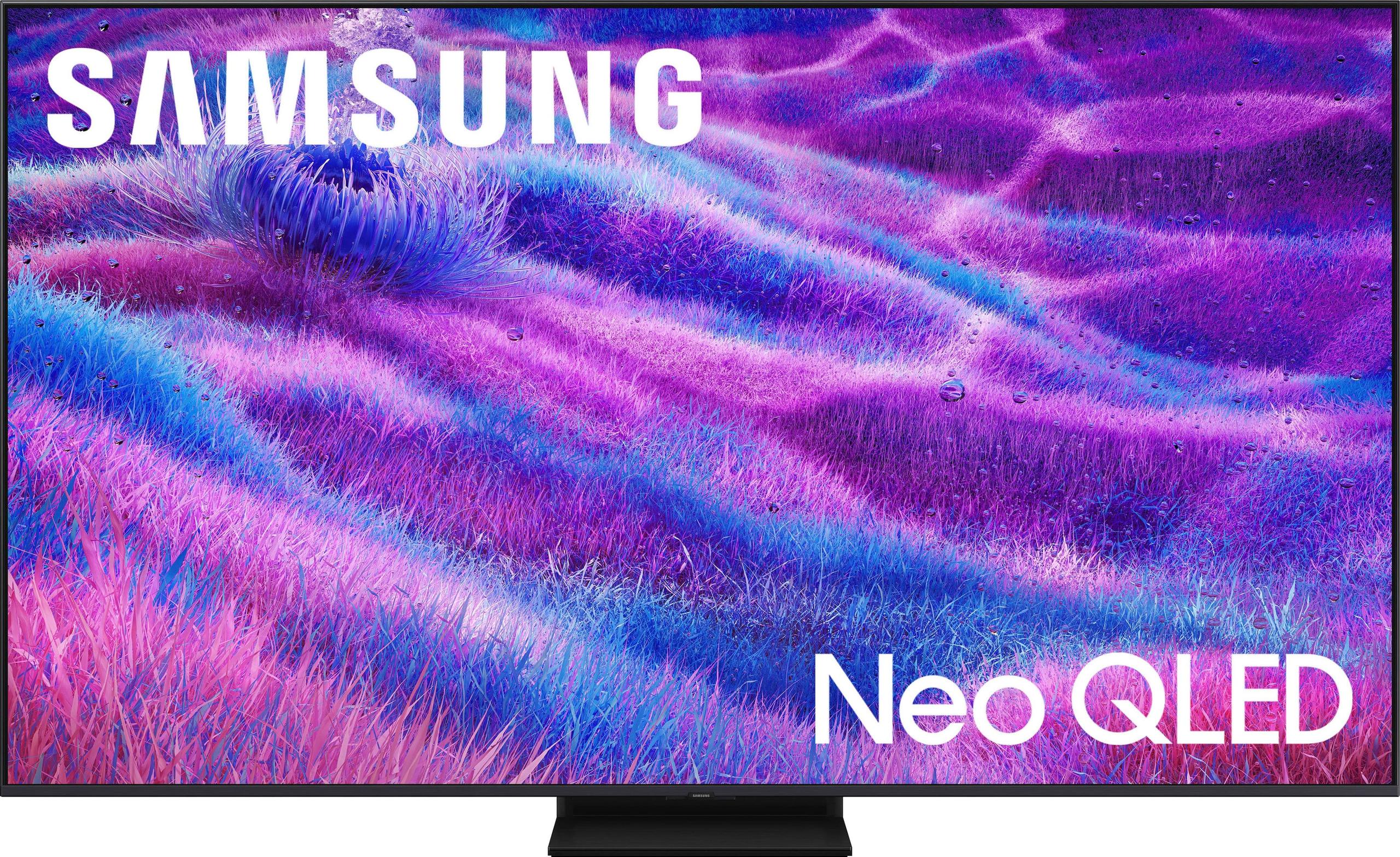
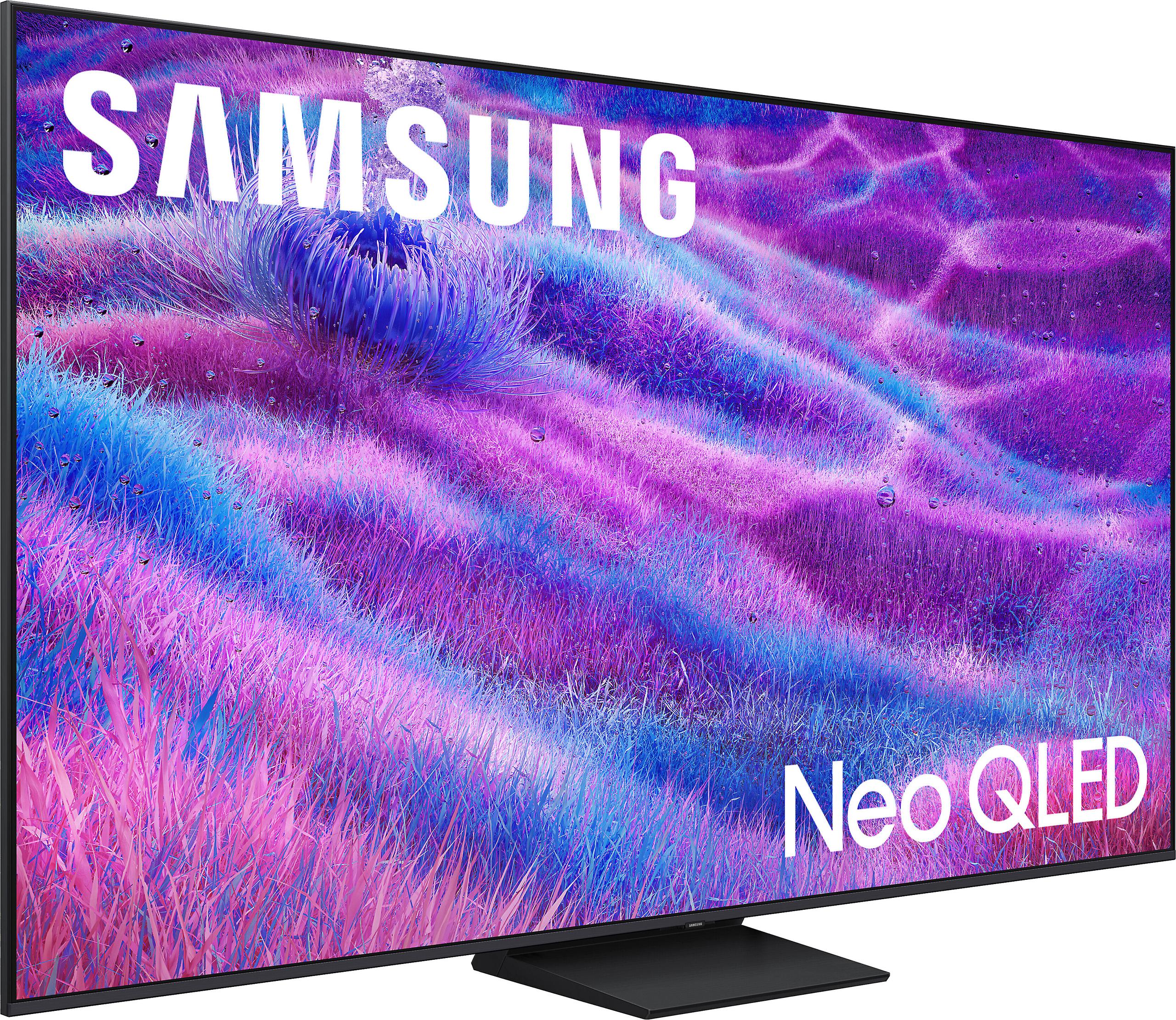
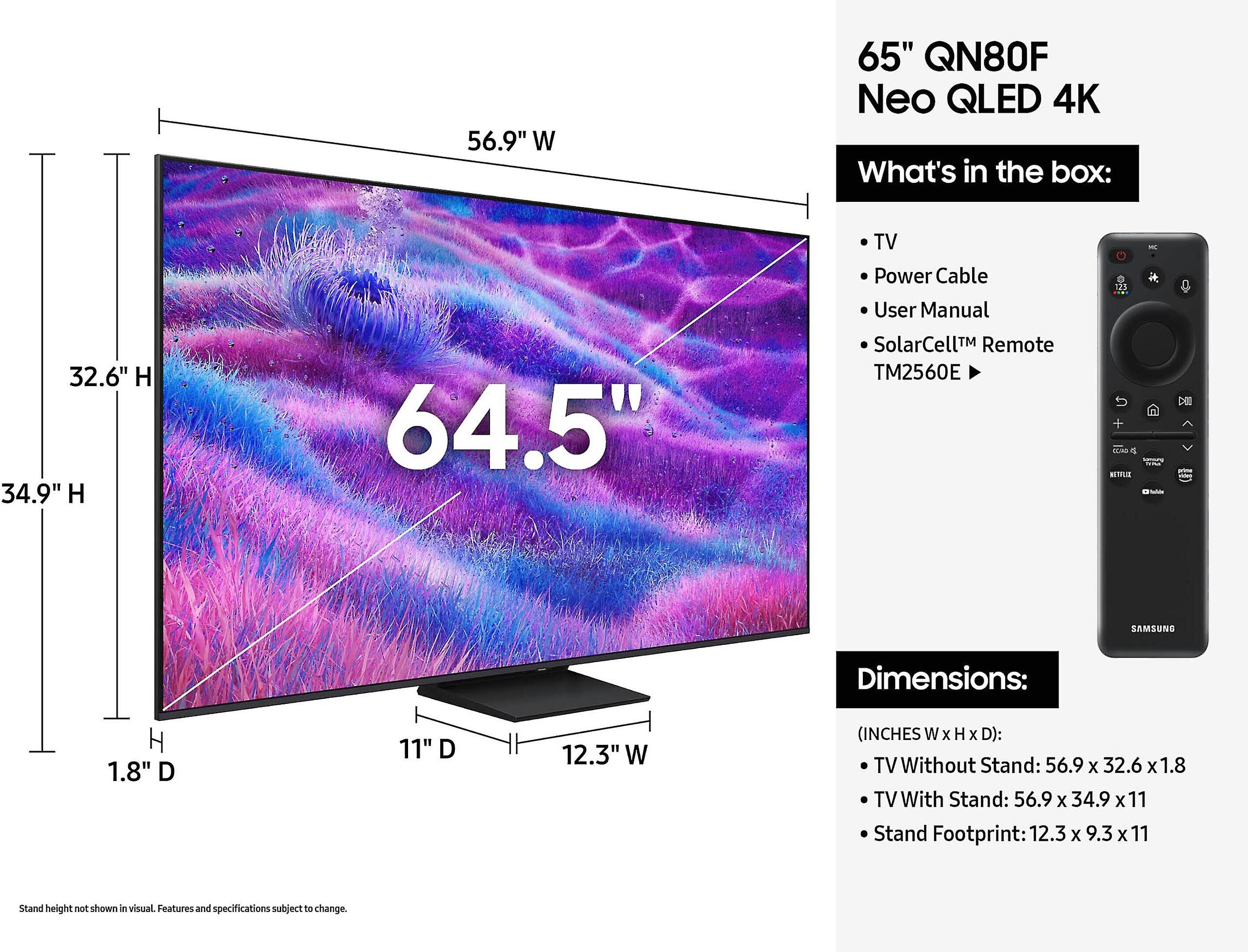
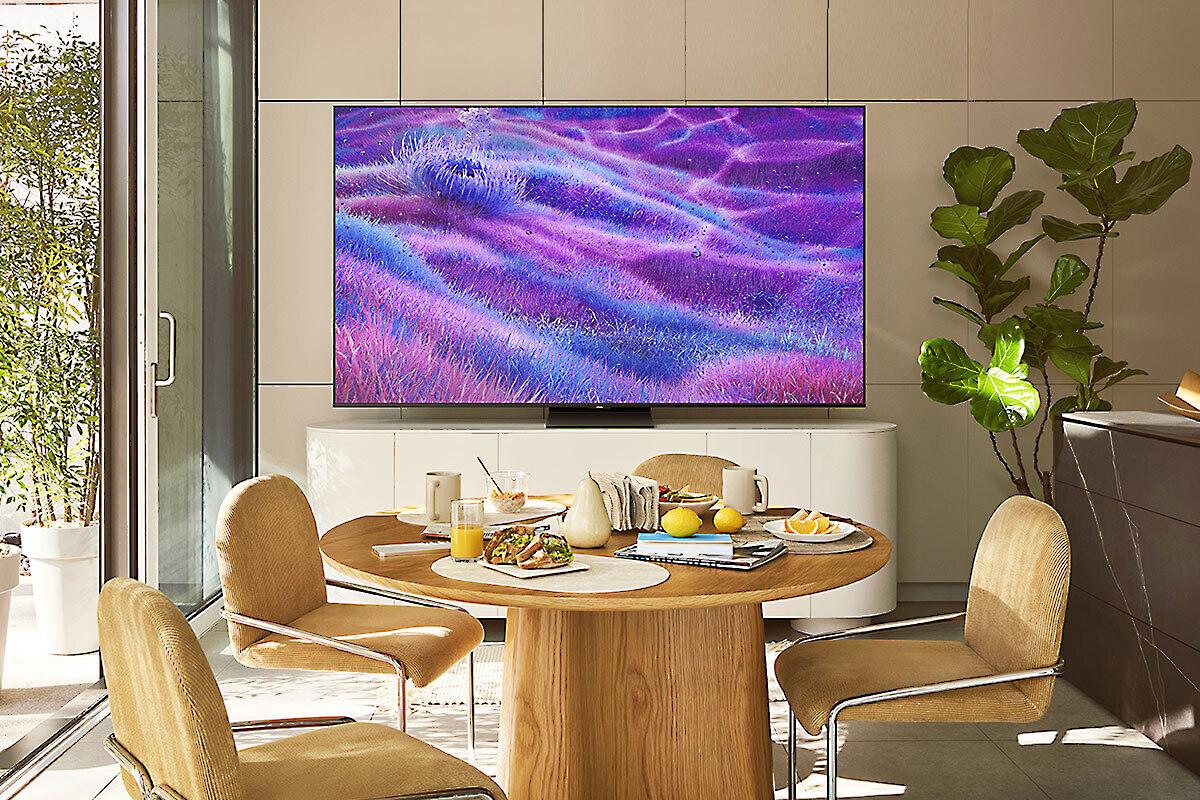
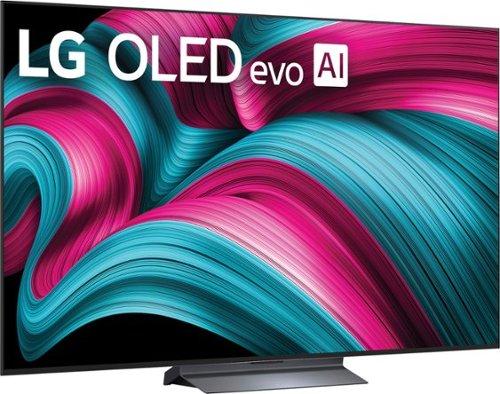
Shopping for a premium 65-inch 4K TV can feel overwhelming, especially when you're comparing two fundamentally different technologies that both promise exceptional picture quality. The Samsung 65" QN80F Neo QLED and LG OLED evo C5 65" 4K TV represent the best of what LED and OLED technologies can offer in 2025, but they take completely different approaches to delivering stunning visuals.
Both TVs launched in early 2025, bringing significant improvements over their predecessors. The Samsung QN80F builds on Samsung's Neo QLED technology with enhanced mini-LED backlighting and improved AI processing, while the LG C5 OLED features LG's latest Alpha 9 processor and "Bright Room Ready" technology that addresses OLED's traditional brightness limitations.
At the time of writing, these TVs sit in similar price ranges, though the LG C5 typically offers better value by delivering superior fundamental picture quality for less money. Understanding which technology suits your needs better requires diving into how these different approaches actually work and what they mean for your viewing experience.
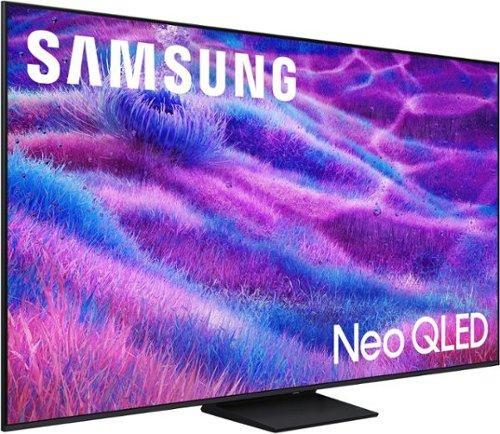
The core difference between these TVs lies in how they create light and color. The Samsung QN80F Neo QLED uses thousands of tiny LED lights (called mini-LEDs) arranged behind the screen to illuminate a layer of quantum dots – microscopic crystals that convert blue LED light into incredibly pure red and green colors. This system can produce extremely bright images, with the mini-LEDs working together to create different brightness zones across the screen.
The LG C5 OLED takes a radically different approach. Each pixel is essentially its own tiny light source that can turn completely on or completely off. When a pixel needs to be black, it simply turns off entirely – no light, no glow, just perfect darkness. This is why OLED displays are famous for their incredible contrast, but it also means they can't get as bright as LED-based displays since they don't have a powerful backlight system.
Think of it this way: the Samsung Neo QLED is like having thousands of flashlights behind a screen, while the LG OLED is like having millions of tiny light bulbs that make up the screen itself. Both approaches have clear advantages depending on what you prioritize in your viewing experience.
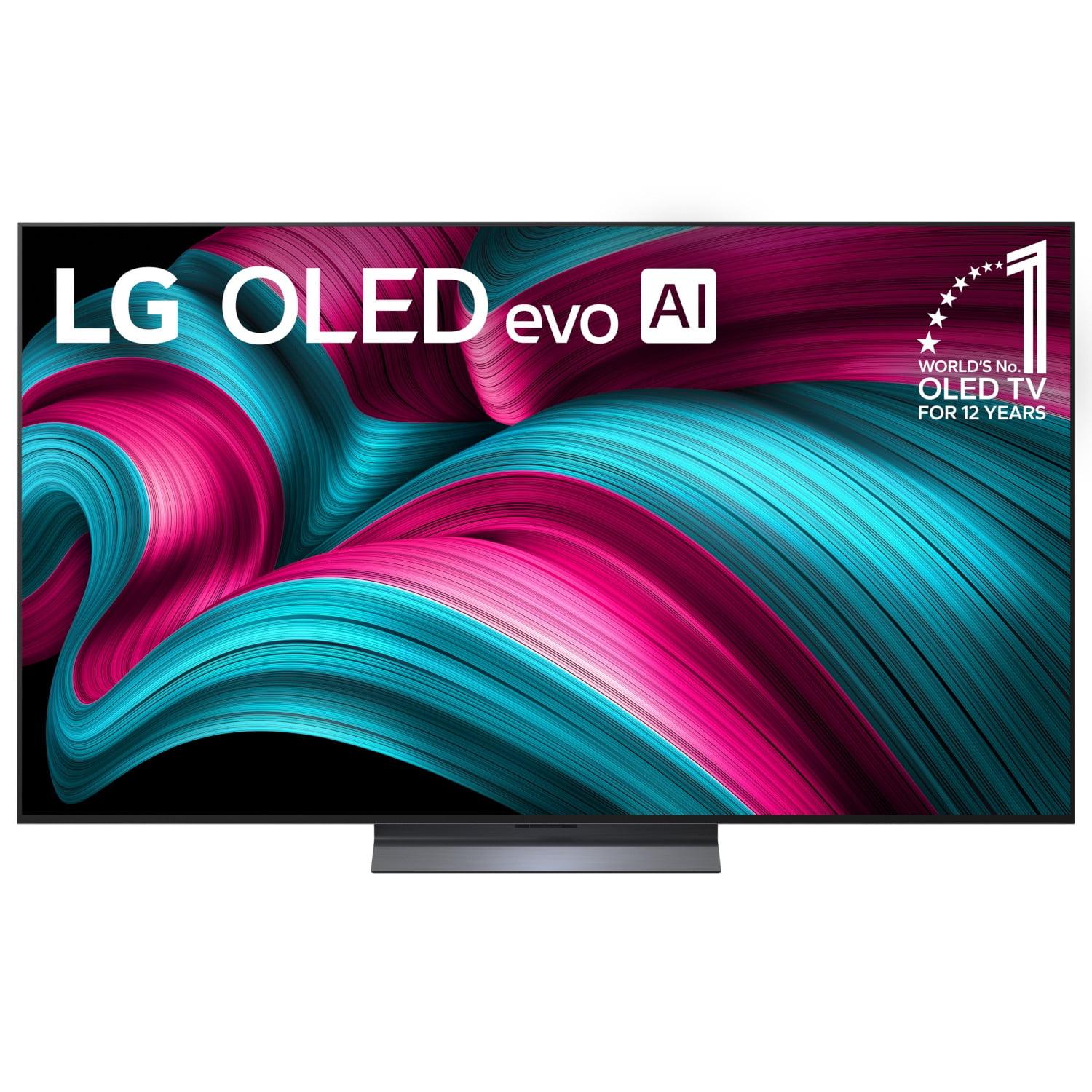
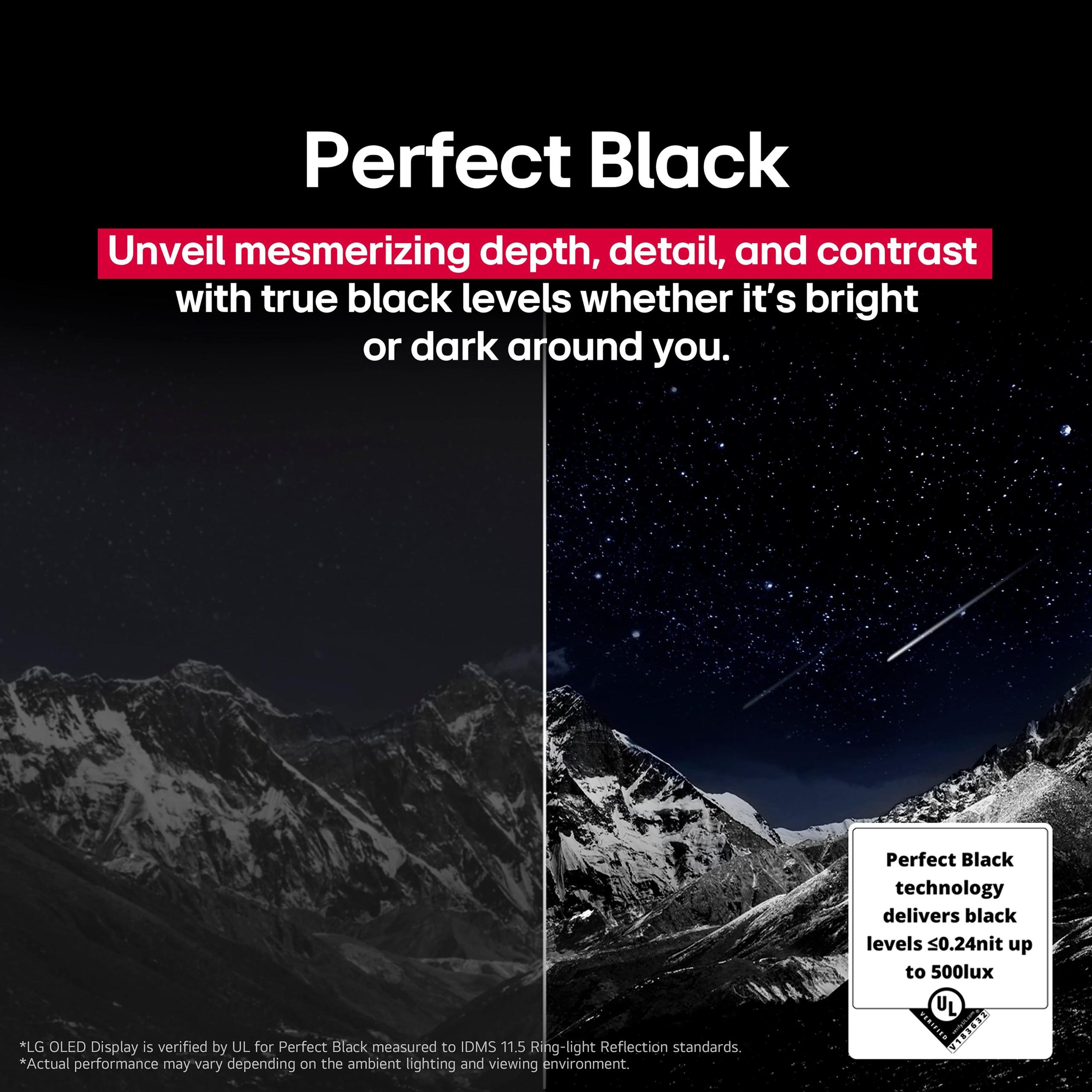
This is where the fundamental technology difference becomes most apparent. The LG C5 OLED delivers what many consider the holy grail of display technology: perfect blacks. When watching a movie like "Dune" or any space-set film, the black areas of the screen produce zero light, creating an almost infinite contrast ratio that makes bright elements pop with stunning dimensionality.
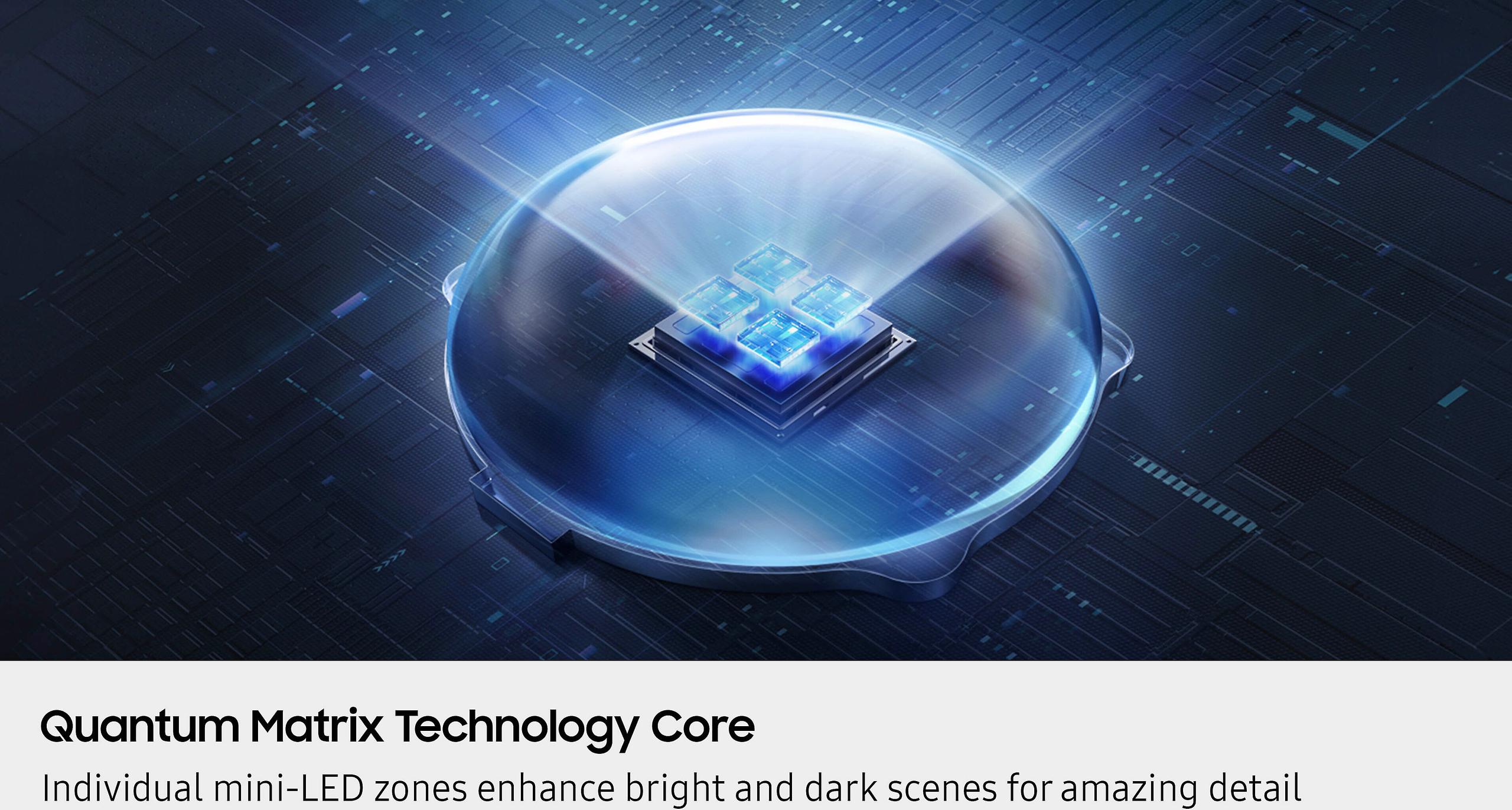
The Samsung QN80F can't achieve true blacks because its LED backlight system always produces some light, even in its darkest zones. However, Samsung's Quantum Matrix Technology does an impressive job of minimizing this limitation. The mini-LEDs can dim to very low levels in specific zones, and in most real-world content, the difference may not be as dramatic as the technical specifications suggest.
Where this really matters is in dark room viewing. If you're setting up a dedicated home theater or love watching movies with the lights off, the LG C5 provides an almost cinema-like experience that's hard to beat. The way shadows transition into complete darkness, how stars appear against the black void of space, or how a character's silhouette maintains perfect definition – these are areas where OLED technology truly shines.
Here's where the Samsung QN80F fights back aggressively. LED-based displays with quantum dots can produce significantly higher peak brightness levels, which becomes crucial for two scenarios: bright room viewing and HDR content that features intense highlights like explosions, sunlight, or fire.
High Dynamic Range (HDR) is essentially a way of storing much more brightness and color information in video content. When done well, HDR makes bright objects look genuinely bright rather than just "white," while preserving detail in both the darkest shadows and brightest highlights of the same scene. The Samsung Neo QLED can deliver those bright HDR highlights with more intensity, making elements like sunlight streaming through windows or the glow of a lightsaber feel more realistic.
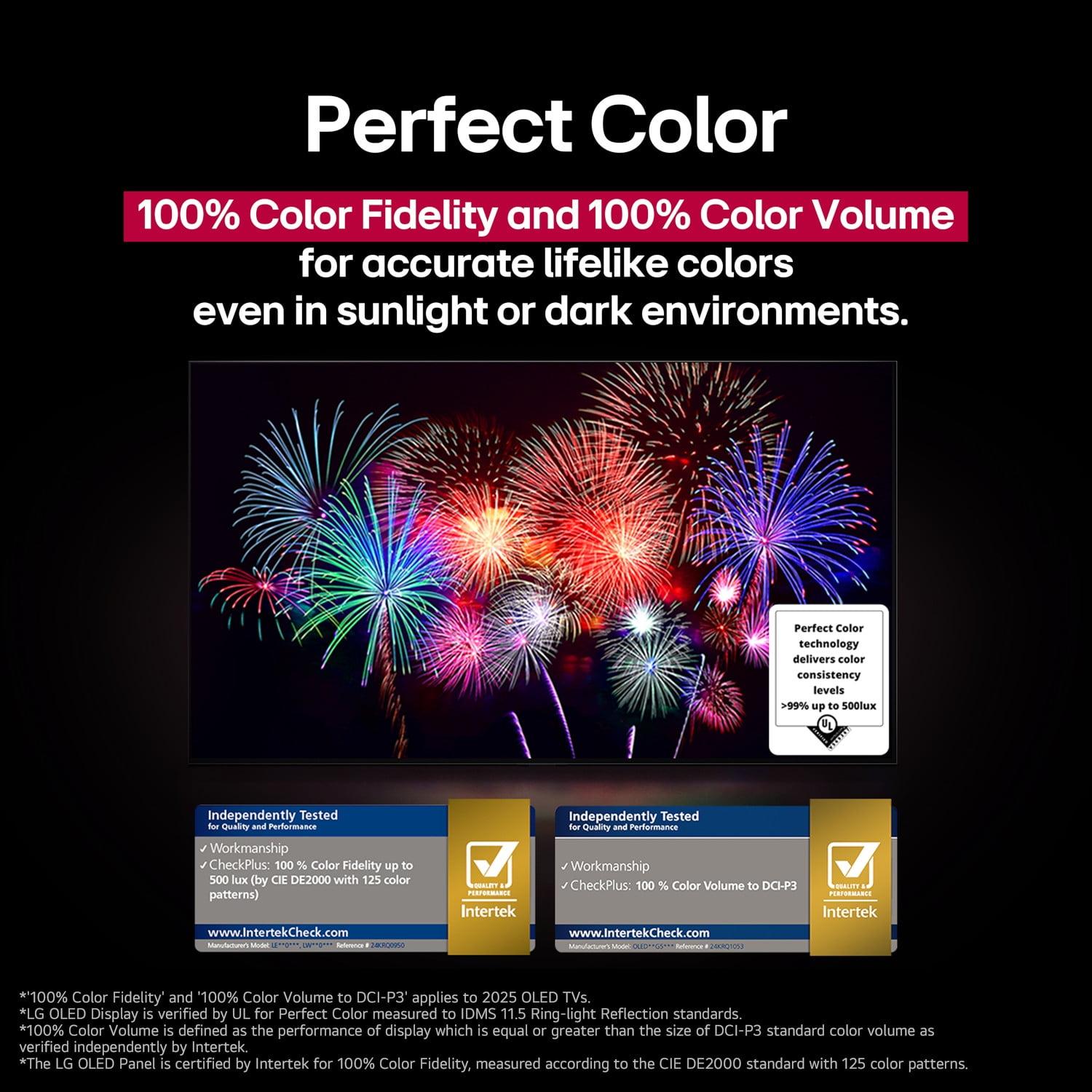
The LG C5 OLED has made significant strides in brightness for 2025 with its "Bright Room Ready" technology, but it still can't match the raw luminance output of mini-LED displays. However, its perfect blacks mean that even moderate brightness levels create impressive contrast ratios that can make images appear more vivid than they would on brighter displays with worse black levels.
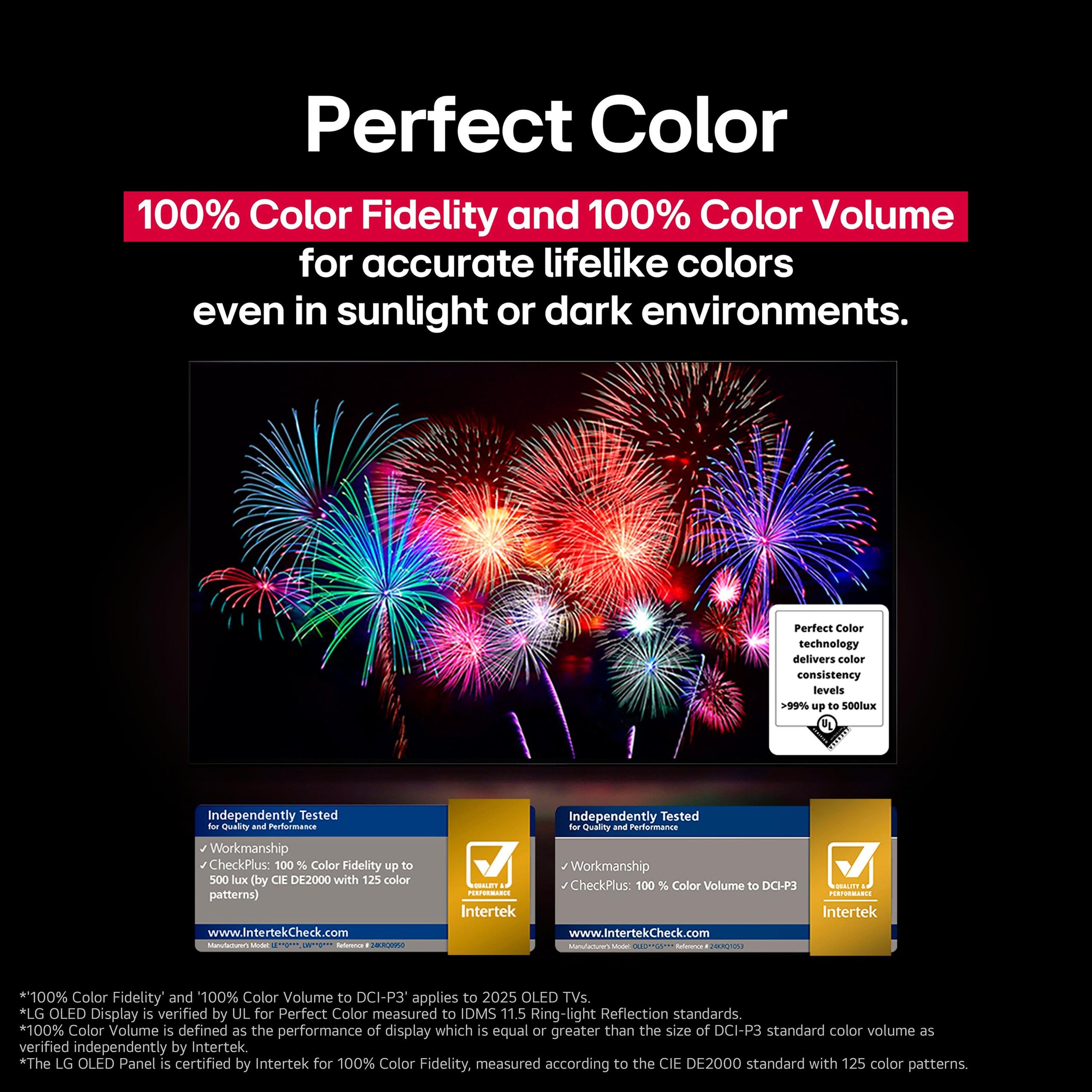
Both TVs excel in color reproduction, but through different methods. The Samsung QN80F uses quantum dot technology to achieve what Samsung calls "100% color volume" – essentially meaning it can display vibrant colors even at high brightness levels. Traditional displays often lose color saturation as they get brighter, but quantum dots maintain their purity across the brightness range.
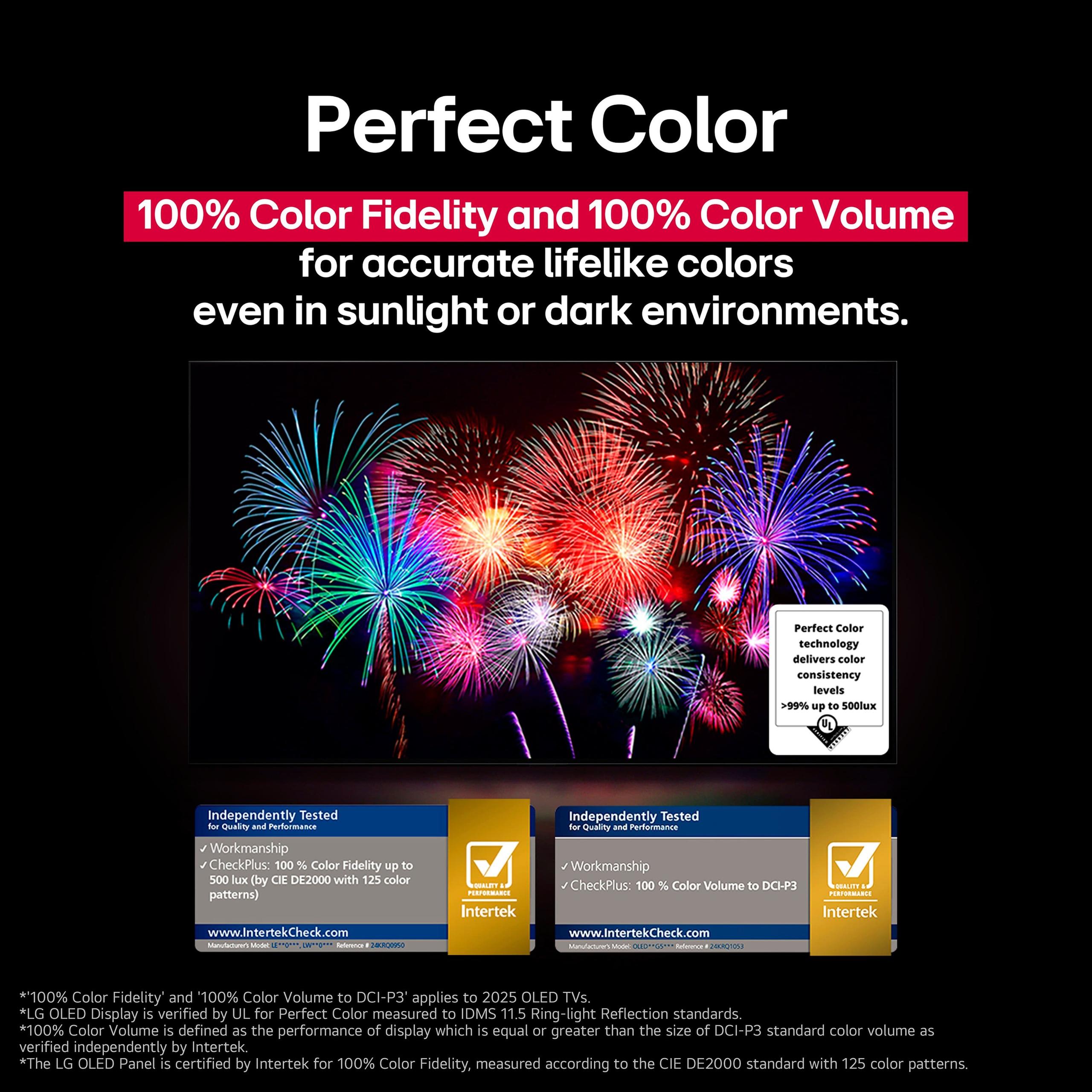
The LG C5 OLED delivers exceptional color accuracy out of the box, often requiring minimal calibration to achieve professional-grade color reproduction. OLED's ability to control each pixel independently means colors don't bleed into each other, and the lack of a backlight eliminates the color contamination that can occur in LED displays.
For most viewers, both displays will look stunning in terms of color. The Samsung might have a slight edge in very bright, colorful content like animated movies or nature documentaries, while the LG excels in more naturalistic content where subtle color gradations and accuracy matter most.
Both the Samsung QN80F and LG C5 OLED were clearly designed with serious gaming in mind, offering features that weren't available even in high-end TVs just a few years ago.
Response time measures how quickly pixels can change from one color to another, and it's crucial for fast-paced gaming where blur can hurt performance. The LG C5 OLED delivers an almost instantaneous 0.1ms response time that's nearly impossible to beat. This means virtually no motion blur behind fast-moving objects, whether you're tracking enemies in a first-person shooter or following a racing line in a driving sim.
The Samsung QN80F offers very good response times, though not quite at the OLED level. More importantly, Samsung has worked hard to optimize their processing for gaming, with features like Motion Xcelerator 144Hz that specifically targets smooth motion in games. While you might see slightly more blur in the most demanding scenarios, it's still excellent for gaming and may not be noticeable to many players.
Both TVs support up to 144Hz refresh rates at 4K resolution, which means they can display up to 144 frames per second for incredibly smooth motion. This is particularly valuable for PC gaming, where high-end graphics cards can push frame rates well beyond the traditional 60fps limit.
Variable Refresh Rate (VRR) technology ensures that the display's refresh rate matches exactly what your gaming device is outputting, eliminating screen tearing and stuttering. Both the Samsung and LG support all major VRR standards, including NVIDIA G-Sync and AMD FreeSync, making them compatible with virtually any modern gaming setup.
The LG C5 particularly excels here because OLED technology doesn't suffer from the motion artifacts that can sometimes affect LED displays at high refresh rates. Every frame appears crisp and clear, which can provide a competitive advantage in fast-paced games.
The Samsung QN80F includes AI Auto Game Mode that automatically detects when you're gaming and optimizes all display settings for the best performance and lowest input lag. Samsung's Vision AI also includes features like Game Motion Plus that can enhance motion clarity specifically for gaming content.
The LG C5 OLED offers its own gaming dashboard that provides real-time information about frame rates, VRR status, and other gaming metrics without leaving your game. The combination of perfect blacks and ultra-fast response times creates an immersive gaming experience that's particularly effective in darker games where shadow detail matters.
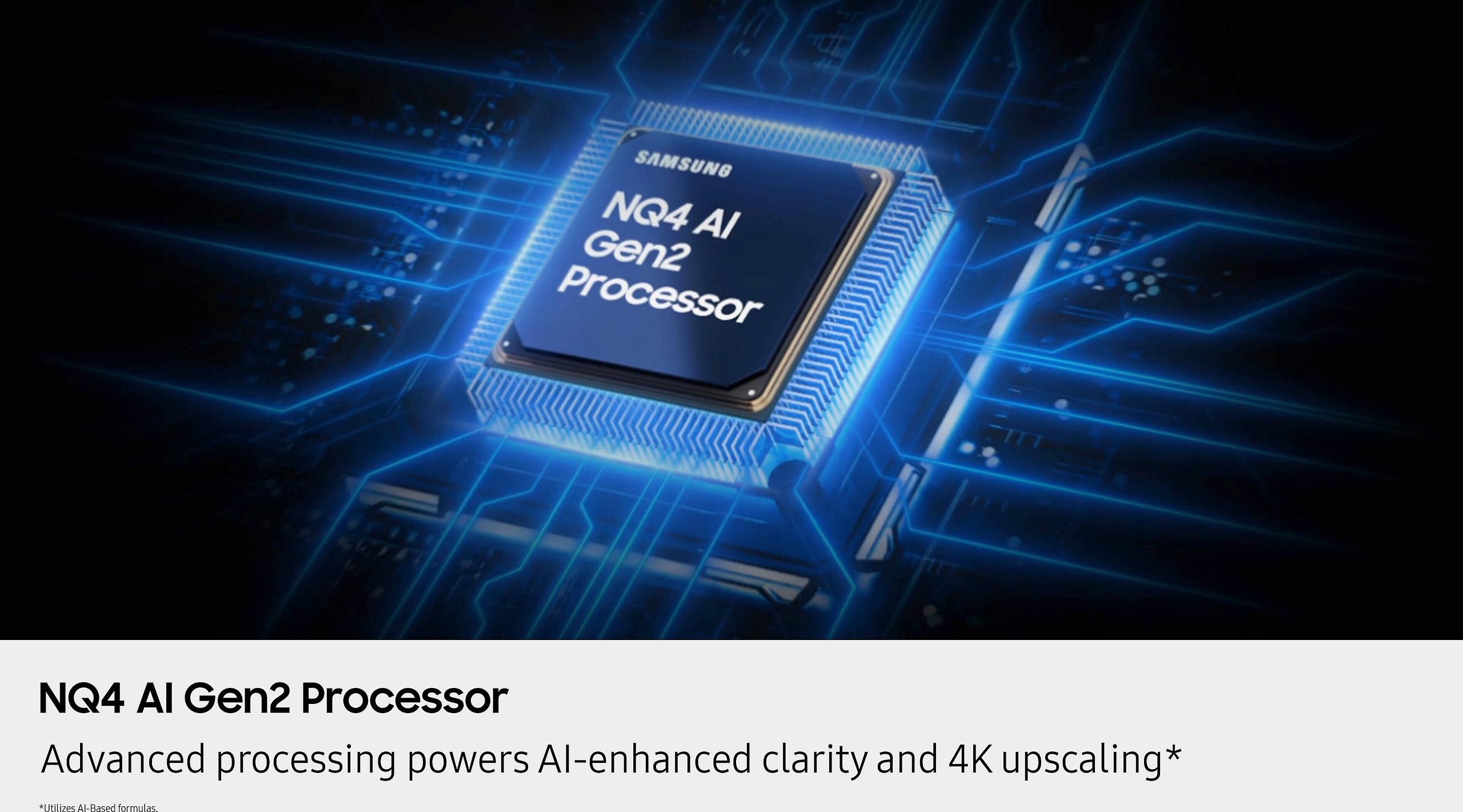
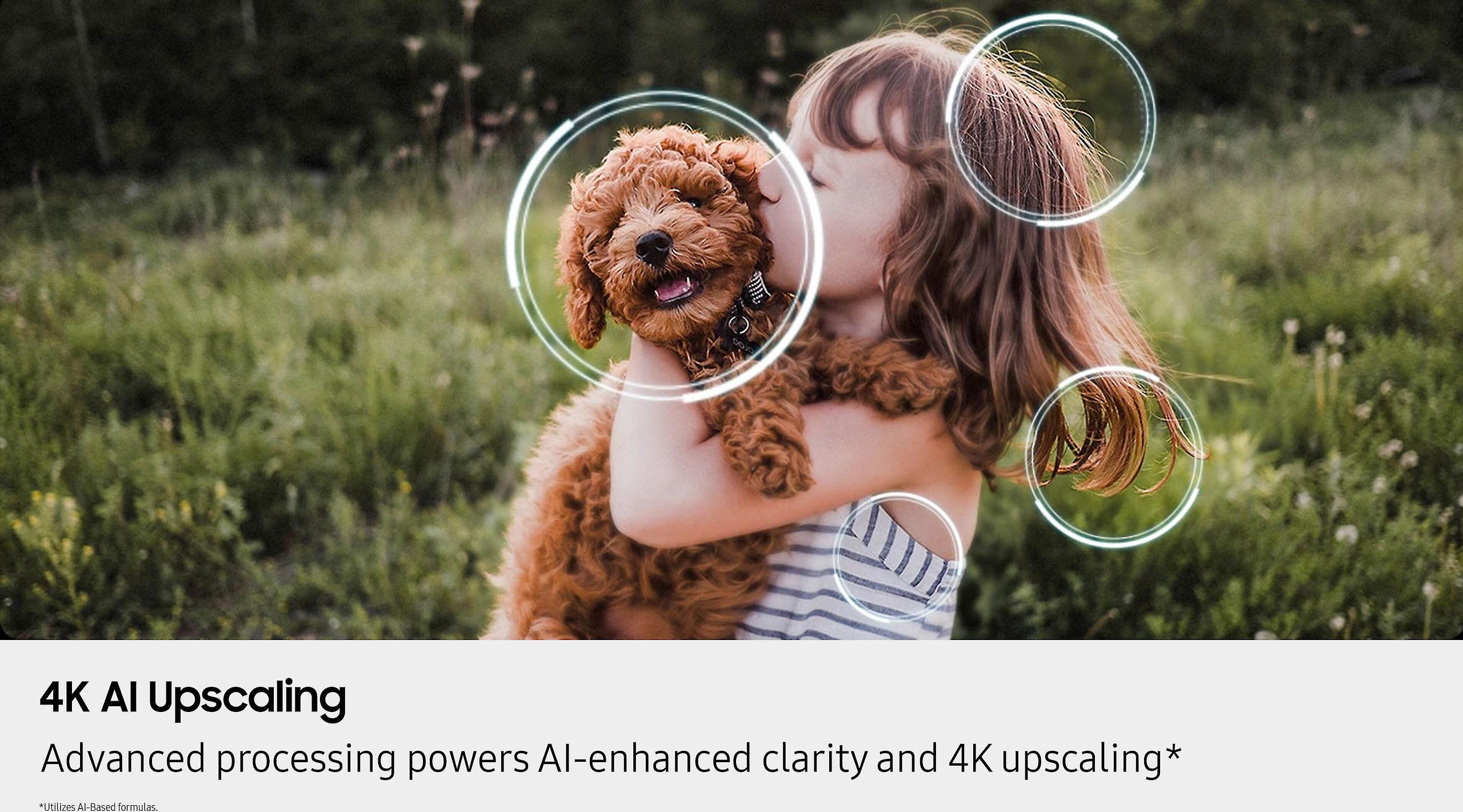
The Samsung QN80F uses Samsung's NQ4 AI Gen2 Processor, which focuses heavily on AI-enhanced upscaling. This means it can take lower-resolution content – like 1080p Netflix shows or cable TV – and intelligently add detail to make it look much closer to native 4K quality. Samsung's Vision AI also includes features like live translation and content analysis that can enhance your overall viewing experience.
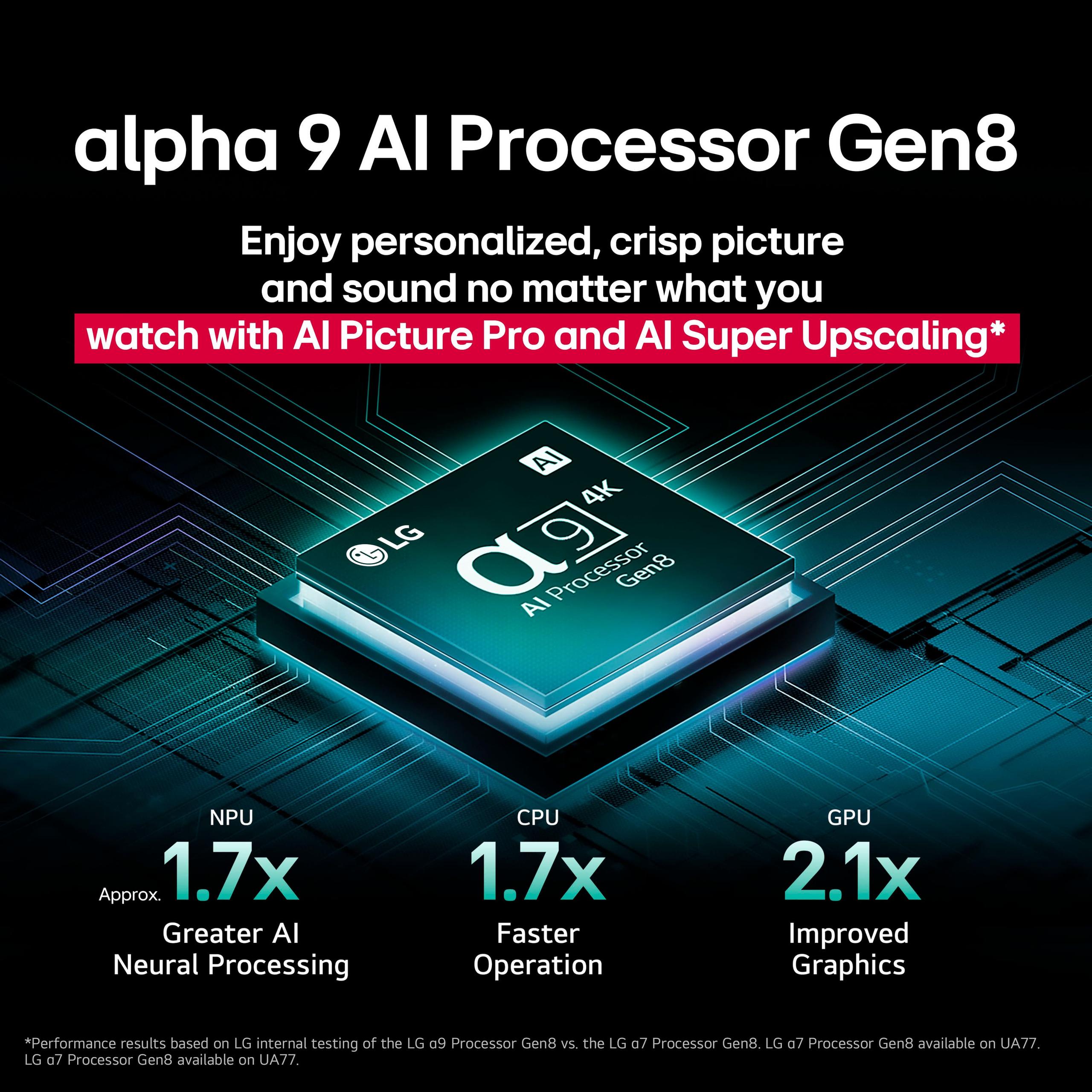
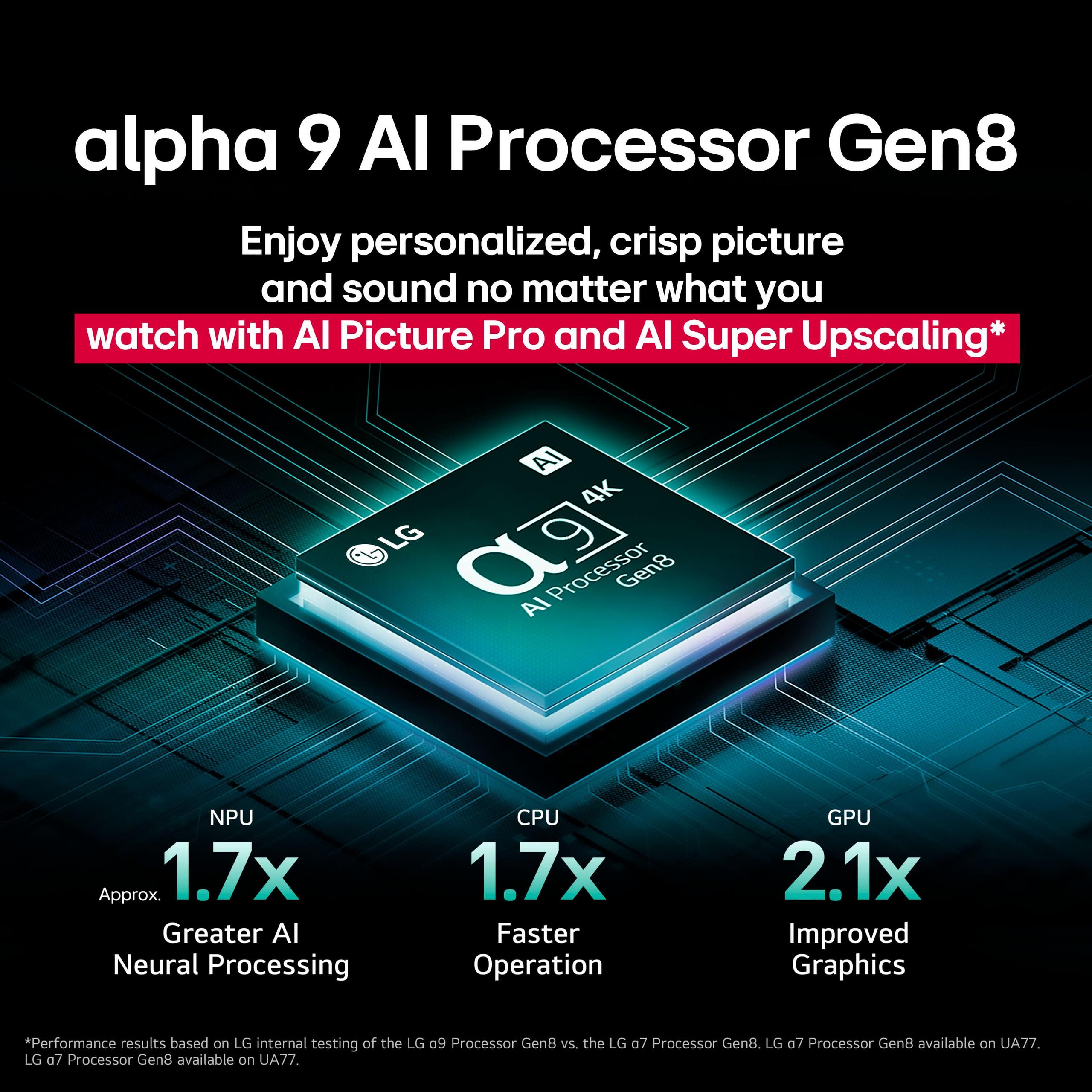
The LG C5 OLED features the Alpha 9 AI Processor Gen8, designed specifically for OLED displays. This processor not only handles upscaling but also uses deep learning to analyze your viewing habits and automatically optimize picture and sound settings based on what you're watching and when you're watching it.
In practice, both systems do an excellent job with upscaling, though they have slightly different strengths. The Samsung tends to add more aggressive sharpening that can make some content look more detailed, while the LG focuses on more natural-looking enhancement that preserves the original content's character.
This is where these TVs make very different choices that could significantly impact your viewing experience. The Samsung QN80F supports HDR10+ (used by Amazon Prime Video and some other services) but does not support Dolby Vision, which is used by Netflix, Disney+, Apple TV+, and most premium streaming content.
The LG C5 OLED supports Dolby Vision but has notably dropped support for DTS audio formats in their 2025 lineup. This means some older movies and content with DTS soundtracks won't pass through advanced audio to your sound system.
Dolby Vision is generally considered the superior HDR format because it includes scene-by-scene metadata that tells the display exactly how to render each moment of content. If you watch a lot of Netflix or Disney+ content, the LG's Dolby Vision support could provide a noticeably better viewing experience.
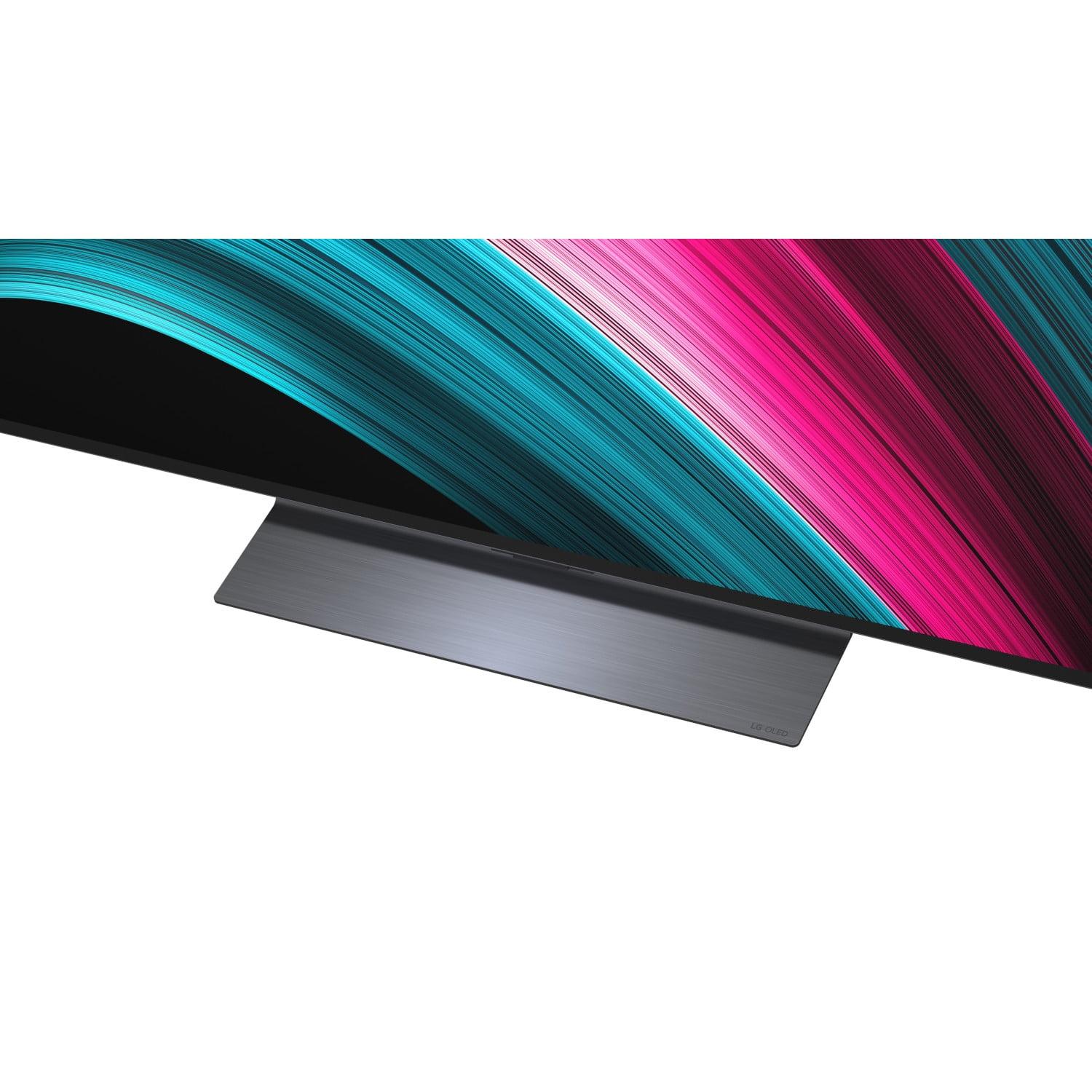
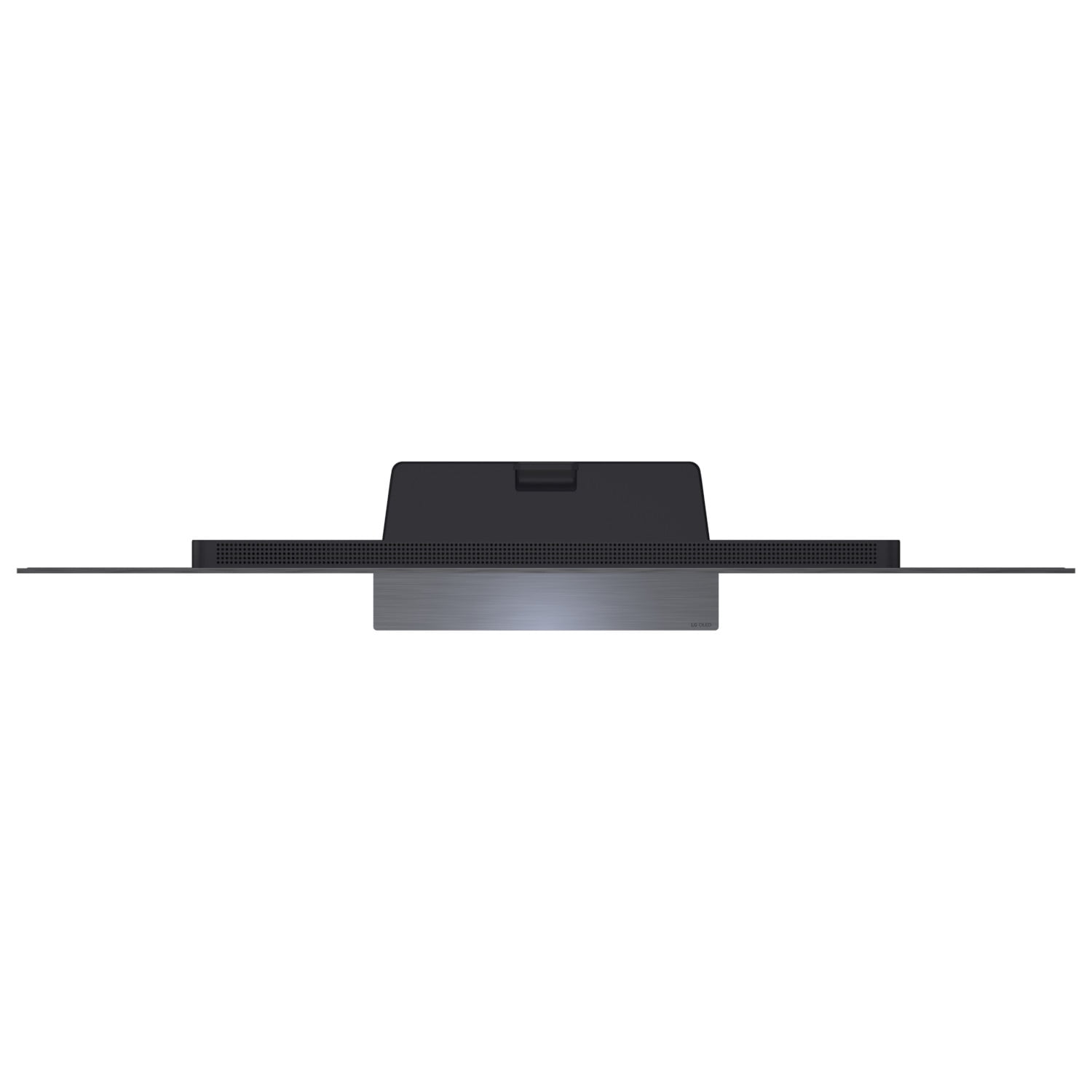
The LG C5 OLED has a significant advantage in terms of pure aesthetics. OLED panels can be made incredibly thin since they don't need backlighting systems, and LG has pushed this to create an almost impossibly slim profile around the top and sides. When wall-mounted, it appears to float against the wall with an almost invisible bezel that doesn't distract from the content.
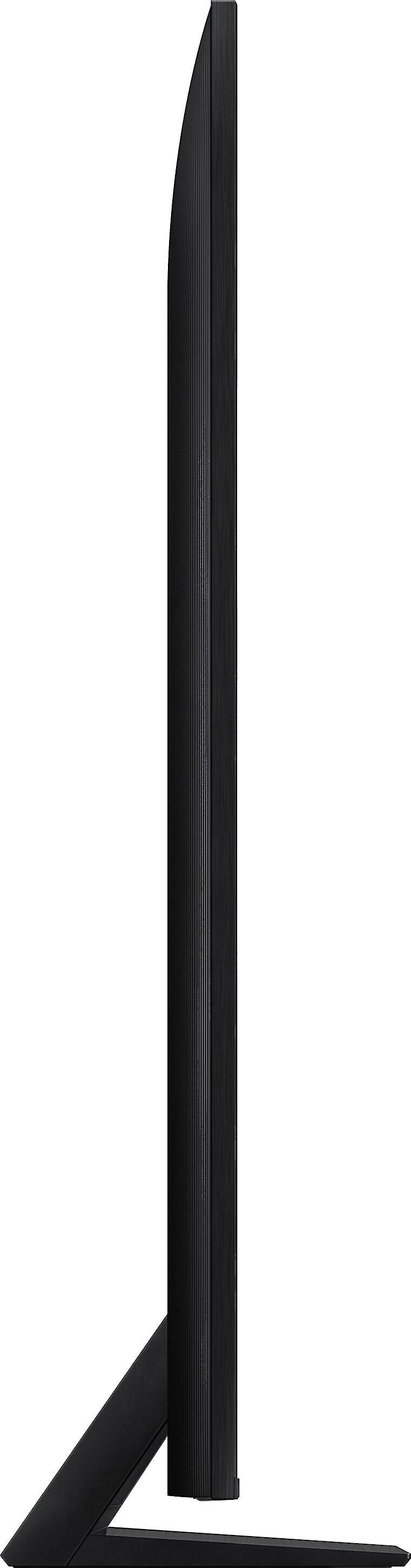
The Samsung QN80F has a more traditional TV design, though still sleek and modern. The mini-LED backlighting system requires more depth, but Samsung has done a good job of keeping the overall design attractive and manageable for most room setups.
However, there's an important durability consideration here. LED-based displays like the Samsung are generally more robust and have longer expected lifespans. OLED panels can be more fragile and have some risk of burn-in if static images are displayed for very long periods, though this has become much less of an issue with modern OLED technology and built-in protective features.
For dedicated home theater use, the choice becomes more clear-cut. The LG C5 OLED is simply superior for dark room viewing where you want the most cinematic experience possible. The perfect blacks, excellent shadow detail, and Dolby Vision support create a viewing experience that comes closer to what you'd experience in a commercial cinema.
The infinite contrast ratio means that bright elements in dark scenes – like a character holding a torch in a cave or stars in space – appear to glow with their own light rather than looking like bright areas on a screen. This dimensional quality is particularly effective with well-mastered movies and prestige television shows.
However, if your "home theater" is really your main living room where ambient light is a factor, the Samsung QN80F might actually provide a better experience. Its higher peak brightness can overcome room lighting more effectively, and quantum dot technology maintains color saturation even in brighter environments.
Choosing between these excellent TVs comes down to understanding your specific use case and priorities.
Choose the LG C5 OLED if:
Choose the Samsung QN80F Neo QLED if:
Having extensively tested both technologies, I lean toward recommending the LG C5 OLED for most buyers. The fundamental picture quality advantages of perfect blacks and infinite contrast create a more engaging viewing experience across more types of content. The gaming performance is exceptional, the design is more premium, and at the time of writing, it offers better value.
The main exceptions would be if you have a very bright room where the Samsung's higher peak brightness would provide a meaningful advantage, or if you heavily use HDR10+ content where the format support matters more than Dolby Vision.
Both are excellent TVs that represent the current state-of-the-art in their respective technologies. You'll be happy with either choice, but understanding these key differences will help you pick the one that best matches your specific viewing environment and preferences. The 2025 model year has brought meaningful improvements to both technologies, making this an excellent time to upgrade to either approach.
| Samsung 65" QN80F Neo QLED 4K TV | LG OLED evo C5 65" 4K TV 2025 |
|---|---|
| Display Technology - Fundamental difference affecting all picture quality aspects | |
| Neo QLED with Mini-LED backlight and Quantum Matrix local dimming | WOLED with self-illuminating pixels, no backlight needed |
| Black Level Performance - Critical for contrast and cinematic viewing | |
| Very deep blacks with minimal blooming from local dimming zones | Perfect absolute blacks with zero light bleed |
| Peak Brightness - Essential for HDR impact and bright room viewing | |
| Higher peak brightness for intense HDR highlights | Lower peak brightness but "Bright Room Ready" enhanced for 2025 |
| HDR Format Support - Affects compatibility with streaming services | |
| HDR10+ (Amazon Prime) but no Dolby Vision | Dolby Vision (Netflix, Disney+) but no HDR10+ |
| Gaming Response Time - Crucial for competitive gaming performance | |
| Very good response time with some shadow detail blur at 144Hz | Industry-leading 0.1ms response time with zero motion blur |
| Maximum Refresh Rate - Important for smooth high-framerate gaming | |
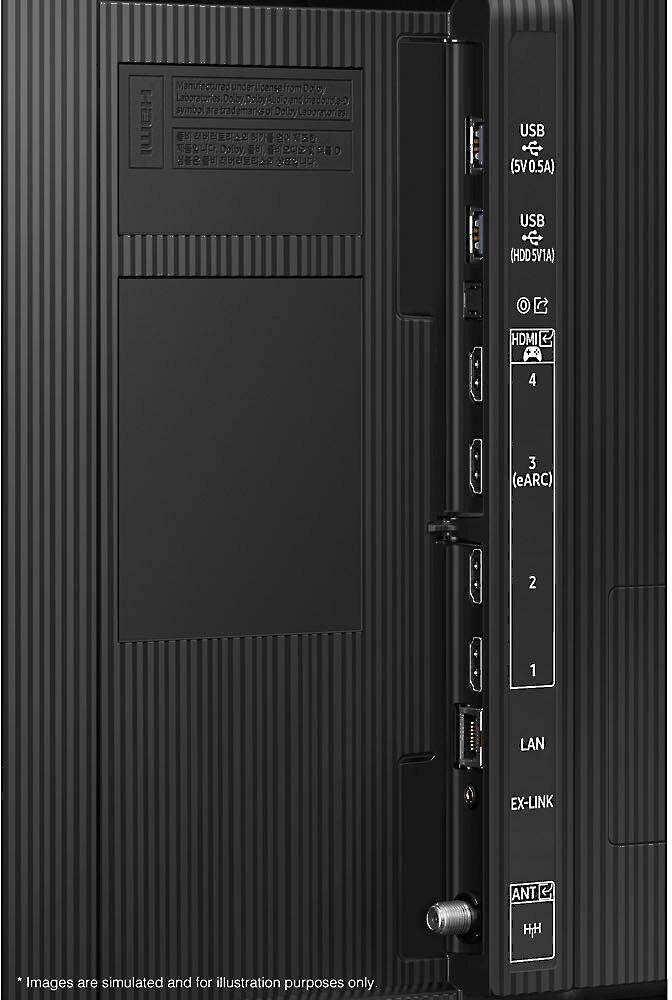
| Up to 144Hz at 4K with VRR support on all HDMI 2.1 ports | Up to 144Hz at 4K with VRR support on all HDMI 2.1 ports |
| AI Processing - Affects upscaling quality and smart features | |
| NQ4 AI Gen2 Processor with Samsung Vision AI features | Alpha 9 AI Processor Gen8 with deep learning optimization |
| Audio Format Support - Important for home theater setups | |
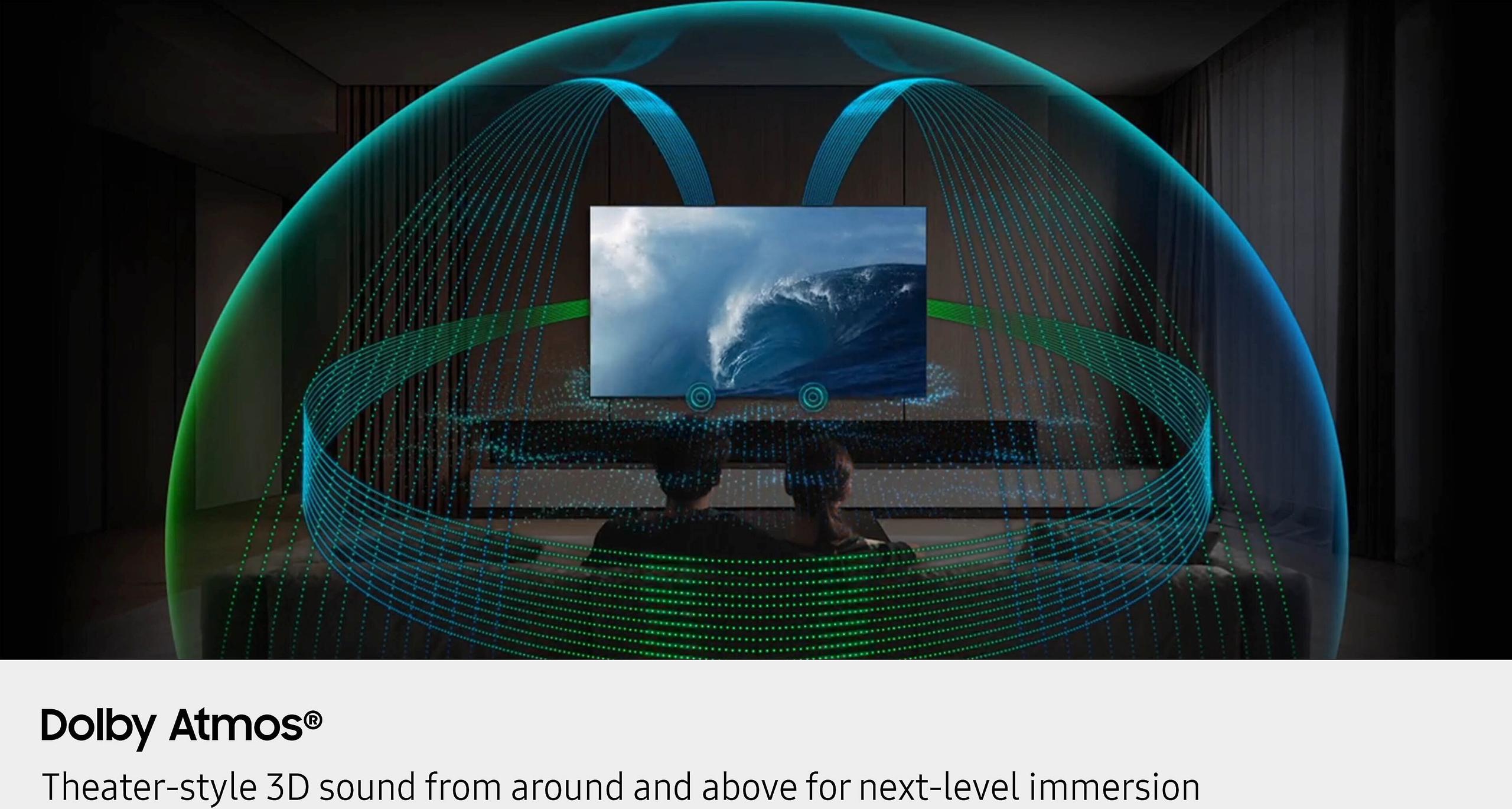
| Dolby Atmos plus DTS audio passthrough | Dolby Atmos but DTS passthrough removed in 2025 models |
| Smart TV Platform - Determines app availability and user experience | |
| Tizen OS with SolarCell Remote | webOS 25 with Magic Remote included |
| Design Profile - Affects wall mounting and room aesthetics | |
| Traditional LED TV thickness with quantum dot enhancement | Ultra-thin OLED profile with nearly invisible bezels |
| Panel Durability - Long-term reliability considerations | |
| More robust LED panel with longer expected lifespan | OLED panel with potential burn-in risk but improved protection |
| Value Proposition - Price vs performance at time of writing | |
| Premium pricing for quantum dot color and high brightness | Better value offering superior contrast at lower cost |
The Samsung 65" QN80F Neo QLED uses mini-LED backlighting with quantum dots to create bright, colorful images, while the LG OLED evo C5 has self-illuminating pixels that can turn completely off for perfect blacks. Neo QLED excels in bright rooms, while OLED delivers superior contrast in darker environments.
The LG OLED evo C5 is superior for dark room viewing thanks to its perfect black levels and infinite contrast ratio. Each pixel can turn completely off, creating true darkness that makes bright elements pop dramatically. The Samsung QN80F Neo QLED produces very good blacks but can't match OLED's absolute darkness.
The Samsung 65" QN80F Neo QLED achieves higher peak brightness levels, making it better for bright rooms with lots of windows or ambient lighting. While the LG OLED evo C5 has improved brightness for 2025 with "Bright Room Ready" technology, it still can't match the raw luminance output of mini-LED displays.
Yes, both the Samsung QN80F Neo QLED and LG OLED evo C5 are excellent gaming TVs with 4K 144Hz support and VRR on all HDMI 2.1 ports. The LG OLED has a slight edge with its 0.1ms response time and zero motion blur, while the Samsung Neo QLED offers great performance with additional AI gaming optimizations.
The LG OLED evo C5 supports Dolby Vision HDR used by Netflix, Disney+, and Apple TV+, providing scene-by-scene optimization. The Samsung 65" QN80F Neo QLED supports HDR10+ used by Amazon Prime Video but lacks Dolby Vision. Most premium streaming content uses Dolby Vision, giving the LG OLED an advantage.
The Samsung QN80F Neo QLED runs Tizen OS with Samsung's Vision AI features and includes a SolarCell Remote. The LG OLED evo C5 uses webOS 25 with enhanced AI recommendations and comes with LG's Magic Remote. Both platforms offer excellent app selection and user-friendly interfaces.
The LG OLED evo C5 has a more premium design with an ultra-thin profile and nearly invisible bezels that look stunning when wall-mounted. The Samsung 65" QN80F Neo QLED has a more traditional TV design but offers greater durability with its LED panel technology that's less prone to damage than OLED screens.
The LG OLED evo C5 is generally preferred for dedicated home theaters due to its perfect blacks, excellent shadow detail, and Dolby Vision support that creates a cinema-like experience. However, if your home theater has ambient lighting, the Samsung QN80F Neo QLED's higher brightness might provide better performance.
The LG OLED evo C5 typically offers better value by delivering superior fundamental picture quality at a lower price point. The Samsung 65" QN80F Neo QLED commands a premium for its quantum dot technology and higher brightness, making the value equation dependent on your specific needs and room environment.
The Samsung QN80F Neo QLED supports Dolby Atmos plus DTS audio passthrough, making it compatible with more audio formats. The LG OLED evo C5 supports Dolby Atmos but has dropped DTS passthrough support in 2025 models, which could affect compatibility with some older movies and content.
The Samsung 65" QN80F Neo QLED generally offers better long-term durability with its LED panel technology that has a longer expected lifespan. The LG OLED evo C5 uses more advanced but potentially more fragile OLED technology, though modern OLEDs have significantly improved burn-in protection compared to earlier generations.
Choose the Samsung QN80F Neo QLED if you have a bright room, prioritize maximum HDR brightness, or prefer LED durability. Choose the LG OLED evo C5 if you watch in darker environments, want perfect blacks and contrast, prefer Dolby Vision content, or want better value for money. Consider your room lighting and content preferences as the primary deciding factors.
We've done our best to create useful and informative comparisons to help you decide what product to buy. Our research uses advanced automated methods to create this comparison and perfection is not possible - please contact us for corrections or questions. These are the sites we've researched in the creation of this article: samsung.com - theshortcut.com - youtube.com - bestbuy.com - rtings.com - samsung.com - samsung.com - samsung.com - sargentappliance.com - displayspecifications.com - bestbuy.com - bestbuy.com - rtings.com - youtube.com - businessinsider.com - youtube.com - bestbuy.com - lg.com - files.bbystatic.com - lg.com - flatpanelshd.com - lg.com - blvdhome.com - bhphotovideo.com - flanners.com - videopro.com.au

Privacy Policy
Terms and Conditions - Affiliate Policy
Home Security
© Copyright 2008-2026.
11816 Inwood Rd #1211, Dallas, TX 75244