


When you're shopping for a premium 65-inch TV, you're not just buying a screen—you're choosing how entertainment fits into your life. The television market has split into fascinating directions lately, with some TVs prioritizing pure performance while others blend seamlessly into your living space as functional art pieces.
The TCL 65" NXTVISION QLED 4K Art Frame TV and Samsung 65" QN80F Neo QLED 4K TV represent these two distinct philosophies perfectly. Released in 2024 and 2025 respectively, these TVs showcase how manufacturers are pushing boundaries in different directions—one focusing on lifestyle integration, the other on cutting-edge performance technology.
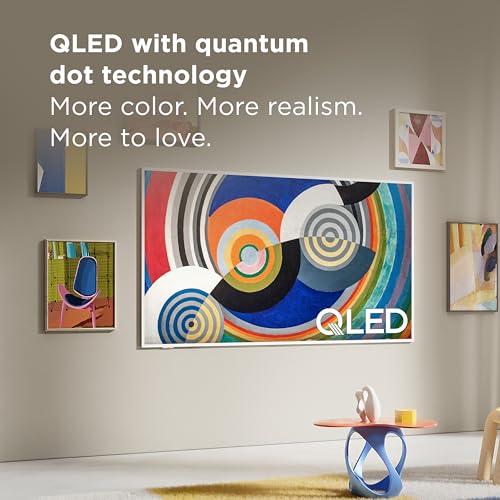
Before diving into specifics, it's worth understanding what QLED technology brings to the table. QLED stands for Quantum Dot Light Emitting Diode, which sounds complex but essentially means these TVs use microscopic particles called quantum dots to produce more accurate and vibrant colors than traditional LED displays. Think of quantum dots as tiny color filters that can produce incredibly pure reds, greens, and blues—the building blocks of every color you see on screen.
Both TVs use this quantum dot technology, but they implement it differently based on their target audiences. The key considerations when choosing between premium QLEDs include picture quality in various lighting conditions, gaming capabilities, smart features, design aesthetics, and overall value proposition.
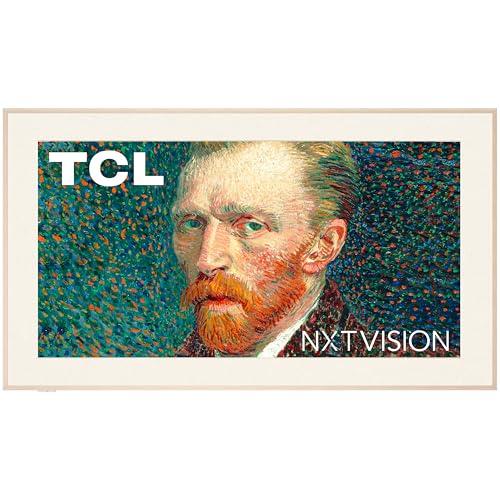
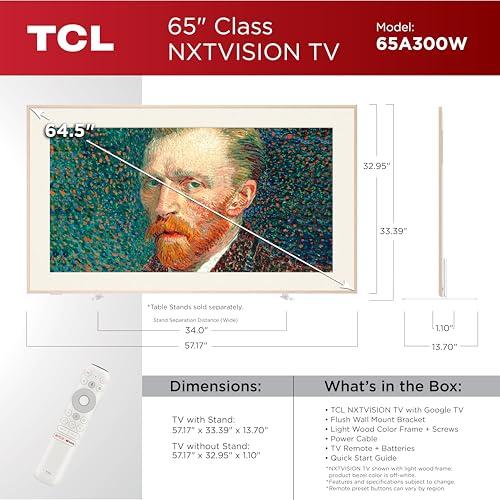
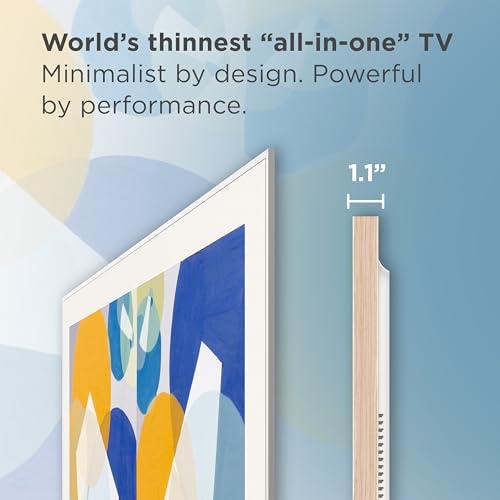
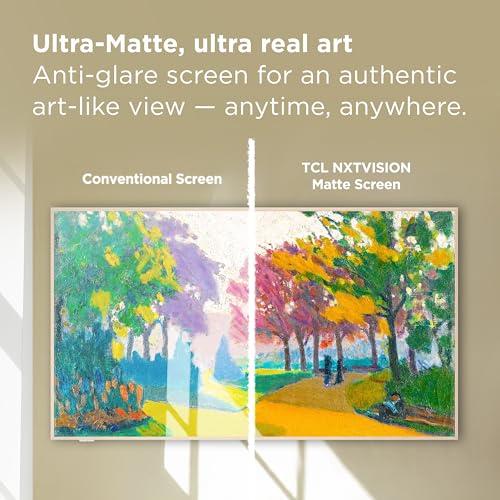
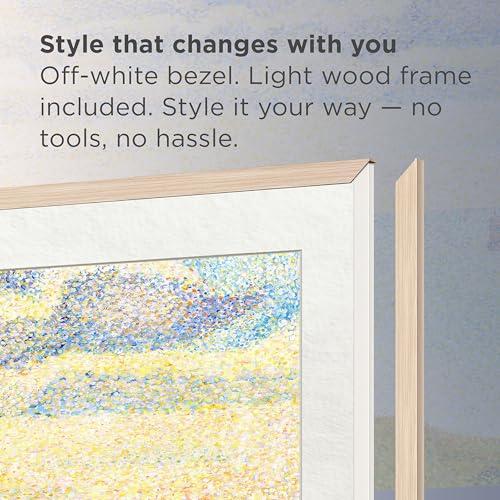
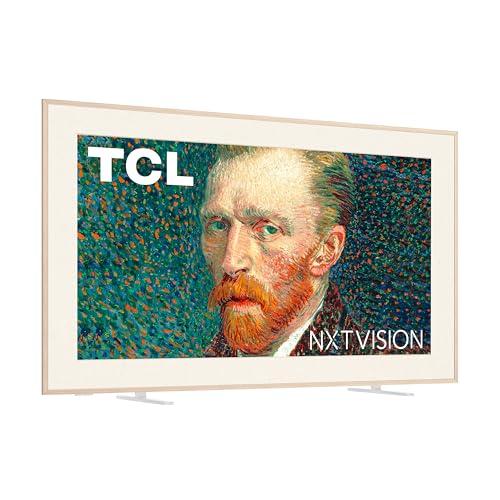
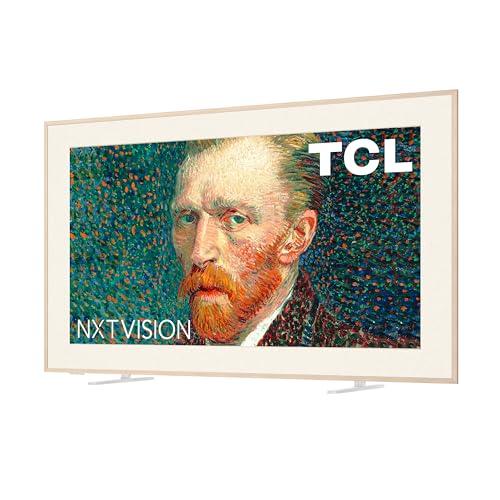
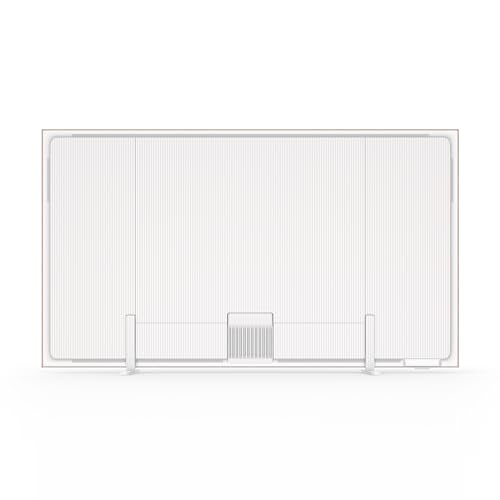
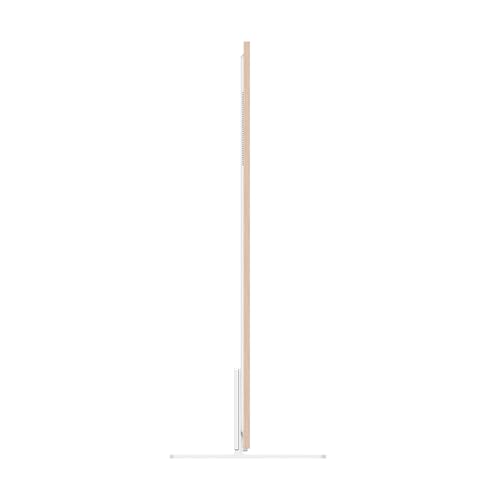
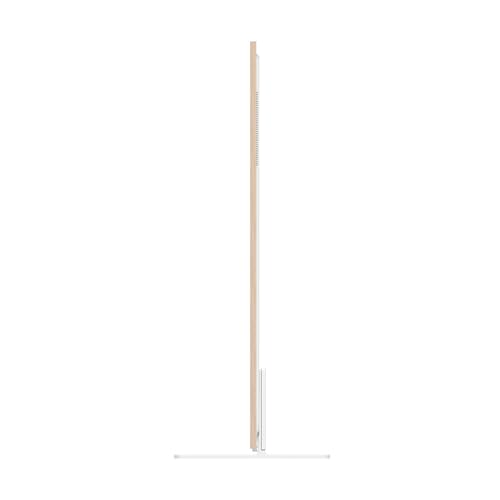
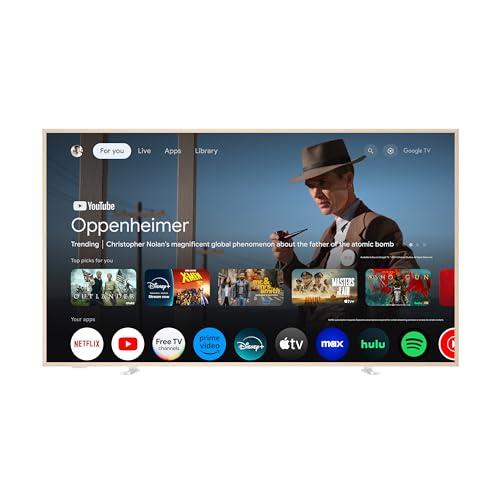
The TCL NXTVISION takes the "lifestyle TV" approach, originally launched as the NXTFRAME before being rebranded in 2025. Its ultra-slim 1.1-inch profile and included magnetic wood frame transform it into a piece of wall art when you're not actively watching content. The Ultra Matte Anti-Glare Screen—a specialized coating that diffuses reflections—makes this illusion incredibly convincing, especially in bright rooms.
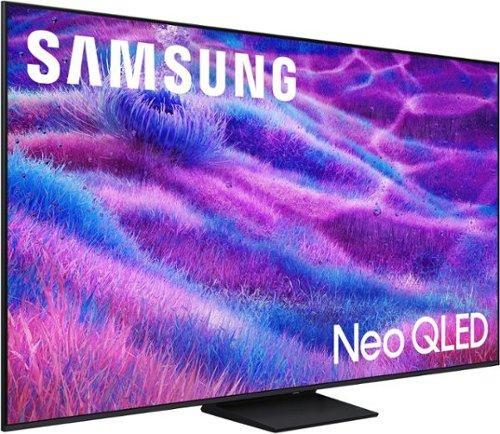
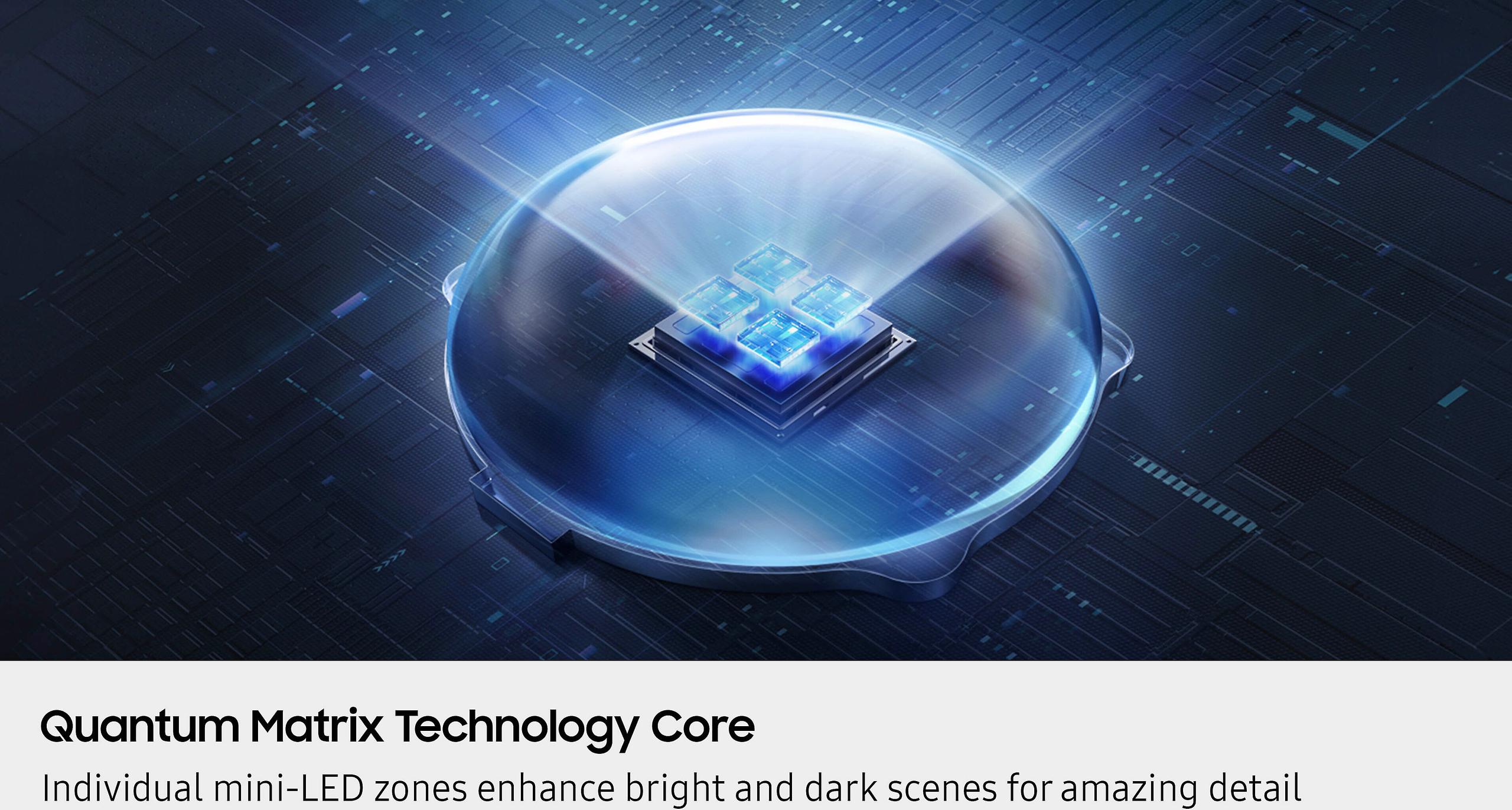
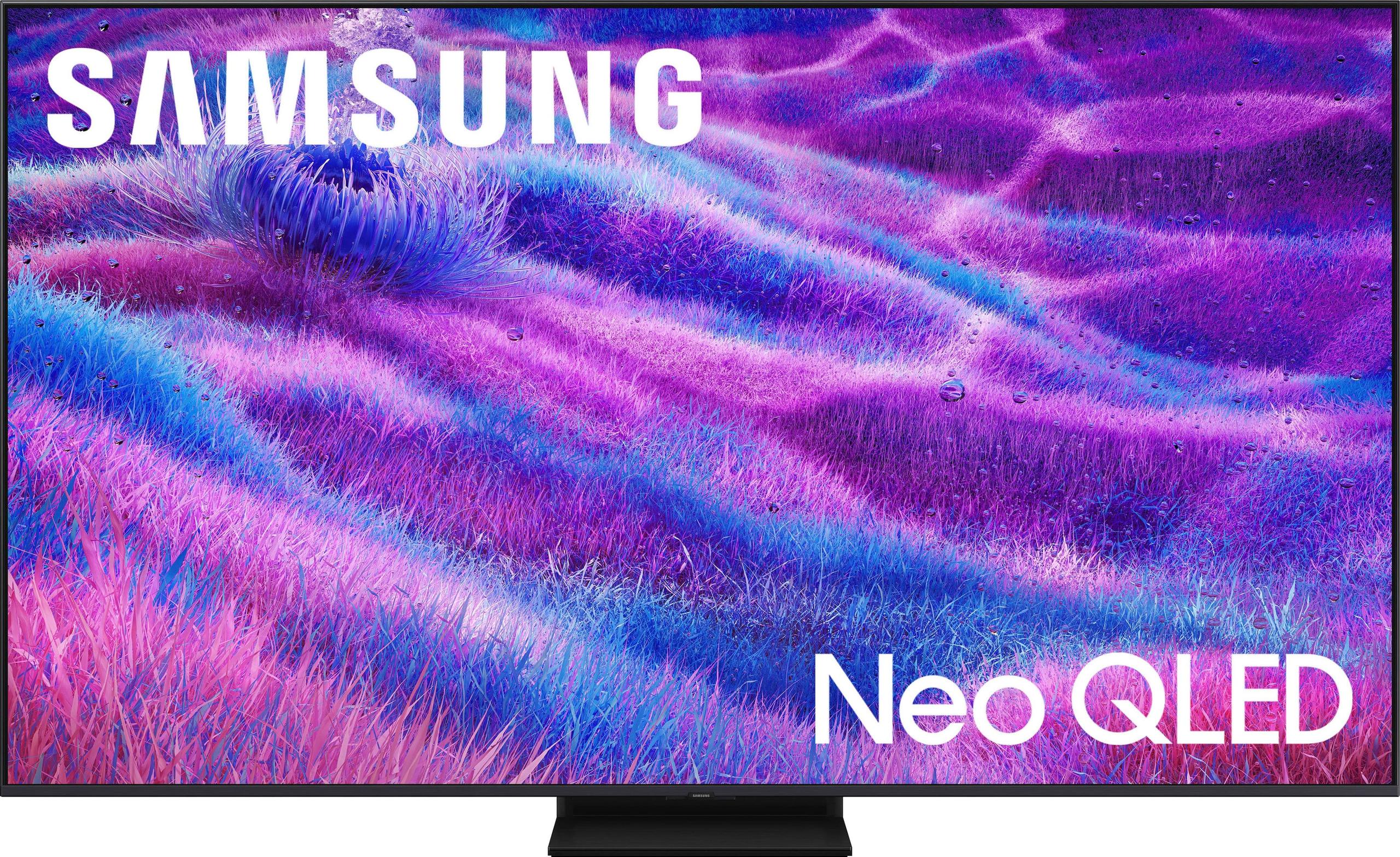
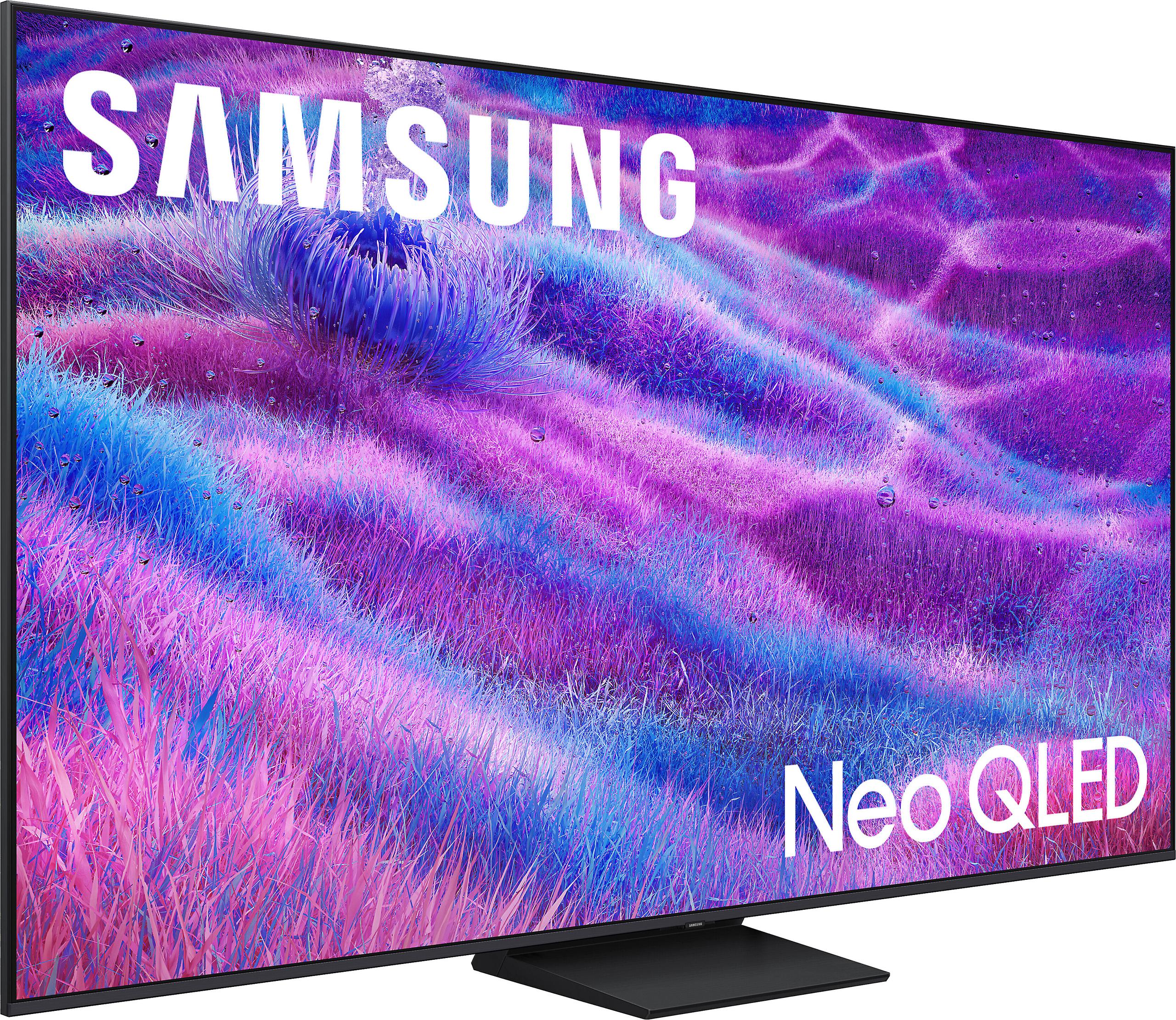
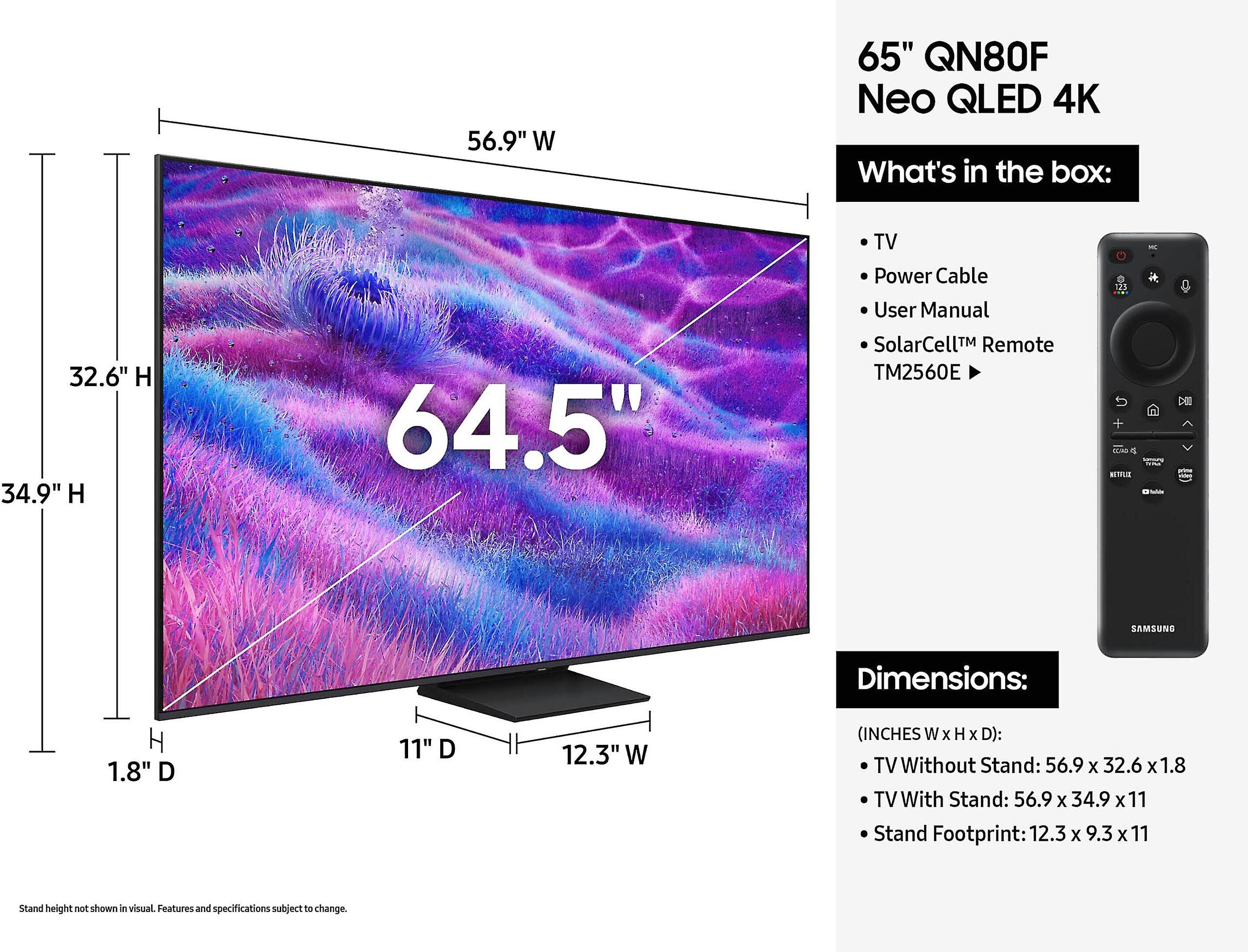
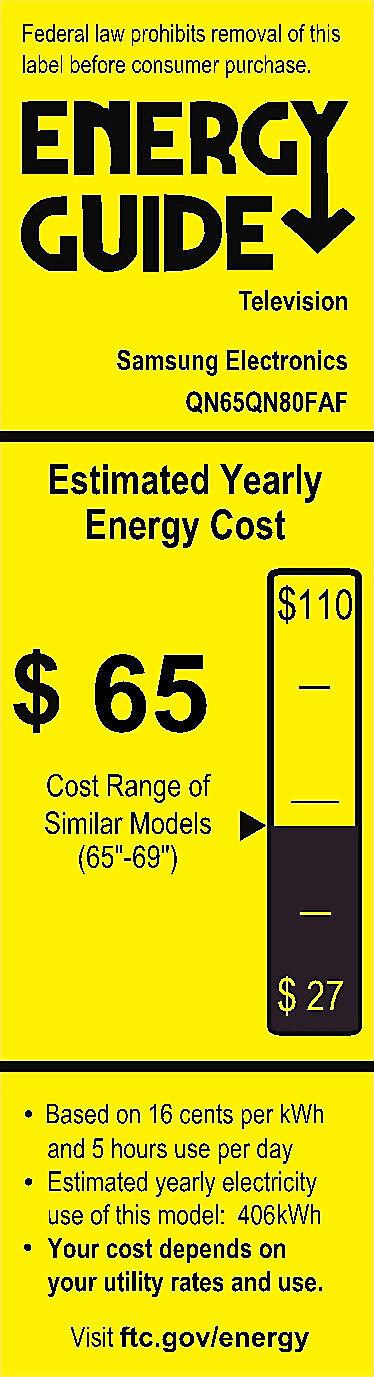
The Samsung QN80F, launched in 2025, represents Samsung's refined approach to premium TV performance. It incorporates Mini LED backlighting technology, which uses thousands of tiny LEDs behind the screen for precise brightness control. This Quantum Matrix Technology creates dramatically better contrast by allowing different areas of the screen to be independently brightened or dimmed.
The Samsung QN80F dominates in conventional picture quality metrics. Its Mini LED backlight system provides what's called "local dimming"—imagine having thousands of individual flashlights behind your TV screen that can turn on and off independently. This creates much deeper blacks and brighter highlights, essential for HDR (High Dynamic Range) content that contains both very dark and very bright elements in the same scene.
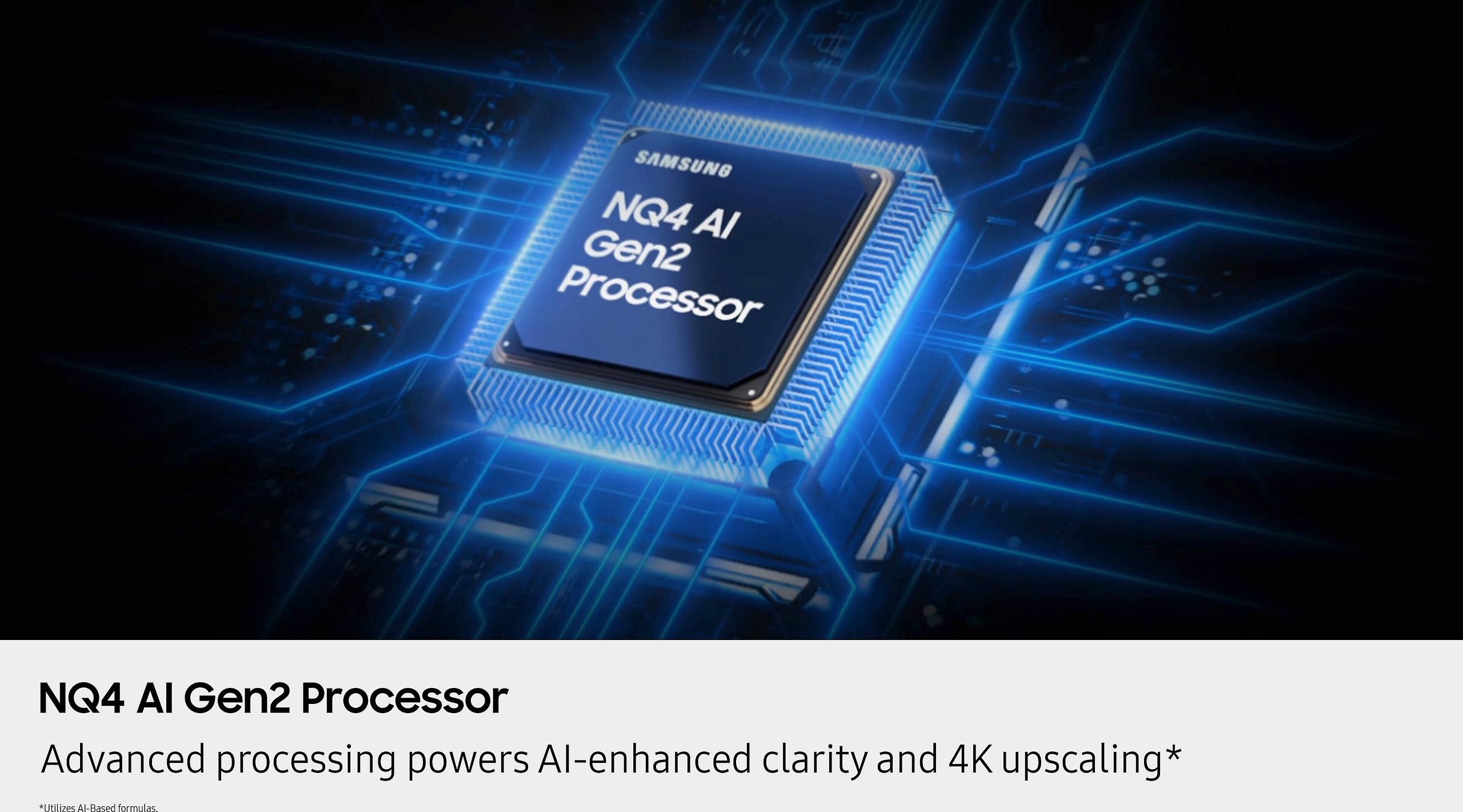
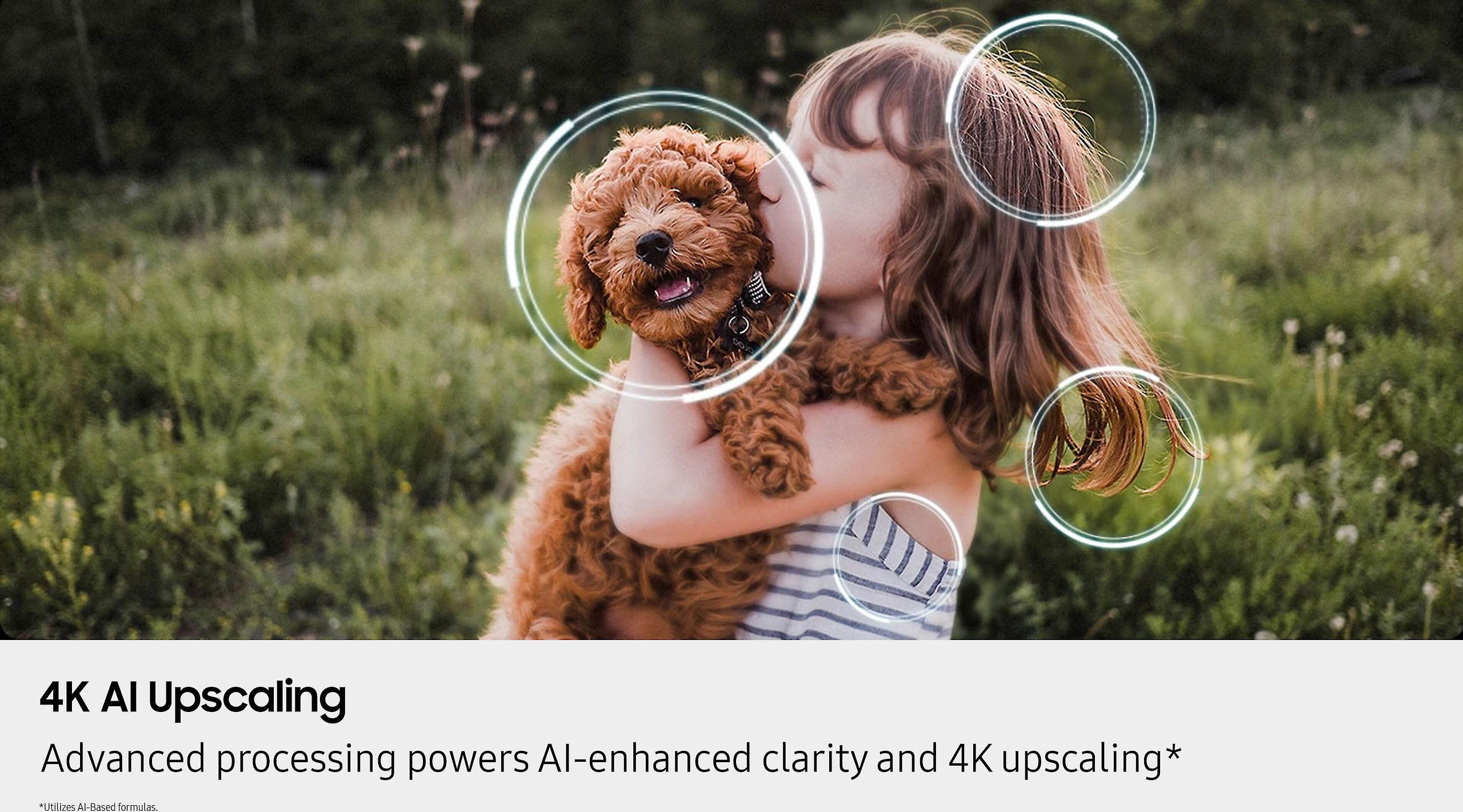
The NQ4 AI Gen2 Processor in the Samsung continuously analyzes what you're watching and adjusts picture settings in real-time. When watching a dark movie scene, it enhances shadow details without washing out the blacks. During bright outdoor scenes, it boosts colors and contrast to make everything pop. This AI processing makes a noticeable difference with lower-quality content, like older movies or compressed streaming video.
Based on professional reviews and user feedback, the Samsung QN80F delivers superior color accuracy in both standard dynamic range (SDR) and HDR content. HDR content appears more realistic because the TV can achieve higher peak brightness levels—think of how bright a sunny sky looks compared to a shaded area in real life.
Where the TCL NXTVISION truly excels is in bright room viewing, thanks to its Ultra Matte Anti-Glare Screen. This isn't just marketing speak—the matte coating fundamentally changes how the TV interacts with ambient light. Instead of reflecting room lighting back at you (creating annoying glare), the matte surface diffuses light, maintaining picture quality even with windows or lamps nearby.
However, this comes with trade-offs. The matte coating slightly reduces overall brightness and can make colors appear less saturated in very dark rooms. The TCL NXTVISION also lacks the local dimming technology found in the Samsung, meaning black levels aren't as deep, and HDR content doesn't have the same dramatic contrast.
The QLED Pro Quantum Dot technology in the TCL uses KSF (potassium fluorosilicate) phosphor coating, which enhances color separation, particularly for reds and greens. While colors are vibrant and pleasing, professional reviews suggest they're not as accurate as the Samsung's when measured against broadcasting standards.
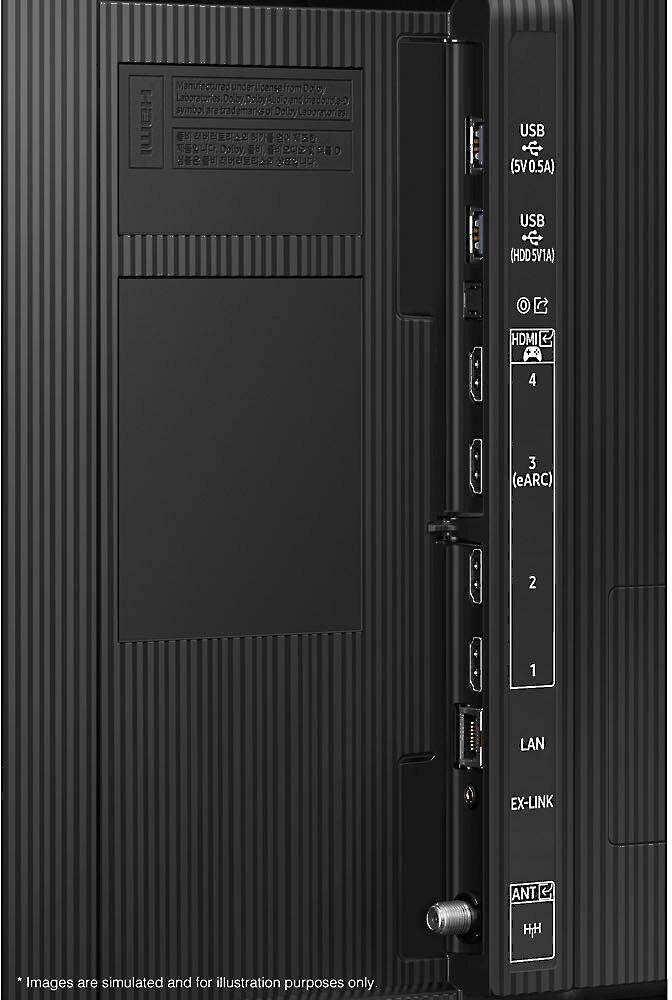
For serious gamers, the Samsung QN80F offers a more complete package. All four HDMI ports support HDMI 2.1 specifications, meaning you can connect multiple next-generation consoles or gaming PCs without sacrificing features. The 120Hz native refresh rate provides smooth motion for fast-paced games, while Variable Refresh Rate (VRR) technology eliminates screen tearing by synchronizing the TV's refresh rate with your gaming device's output.
The AI Auto Game Mode automatically detects when you're gaming and optimizes settings for minimal input lag—the delay between when you press a button and see the action on screen. Lower input lag is crucial for competitive gaming where split-second reactions matter.
The TCL NXTVISION offers impressive gaming specs on paper, with its Game Accelerator 240 supporting 4K at 144Hz and 1080p at 240Hz—higher refresh rates than the Samsung. However, only two of its four HDMI ports support these high-bandwidth connections, which might limit your setup options if you have multiple gaming devices.
Based on technical reviews, the TCL has some gaming quirks that matter for enthusiasts. VRR only works in Game Mode, forcing you to choose between optimal color accuracy and smooth gaming performance. There's also reported screen flashing at 144Hz due to gamma adjustments, which could be distracting during gameplay.
The pixel response time—how quickly individual pixels can change from one color to another—is described as mediocre on the TCL NXTVISION, leading to noticeable blur during fast motion. This isn't ideal for competitive gaming but may not bother casual players.
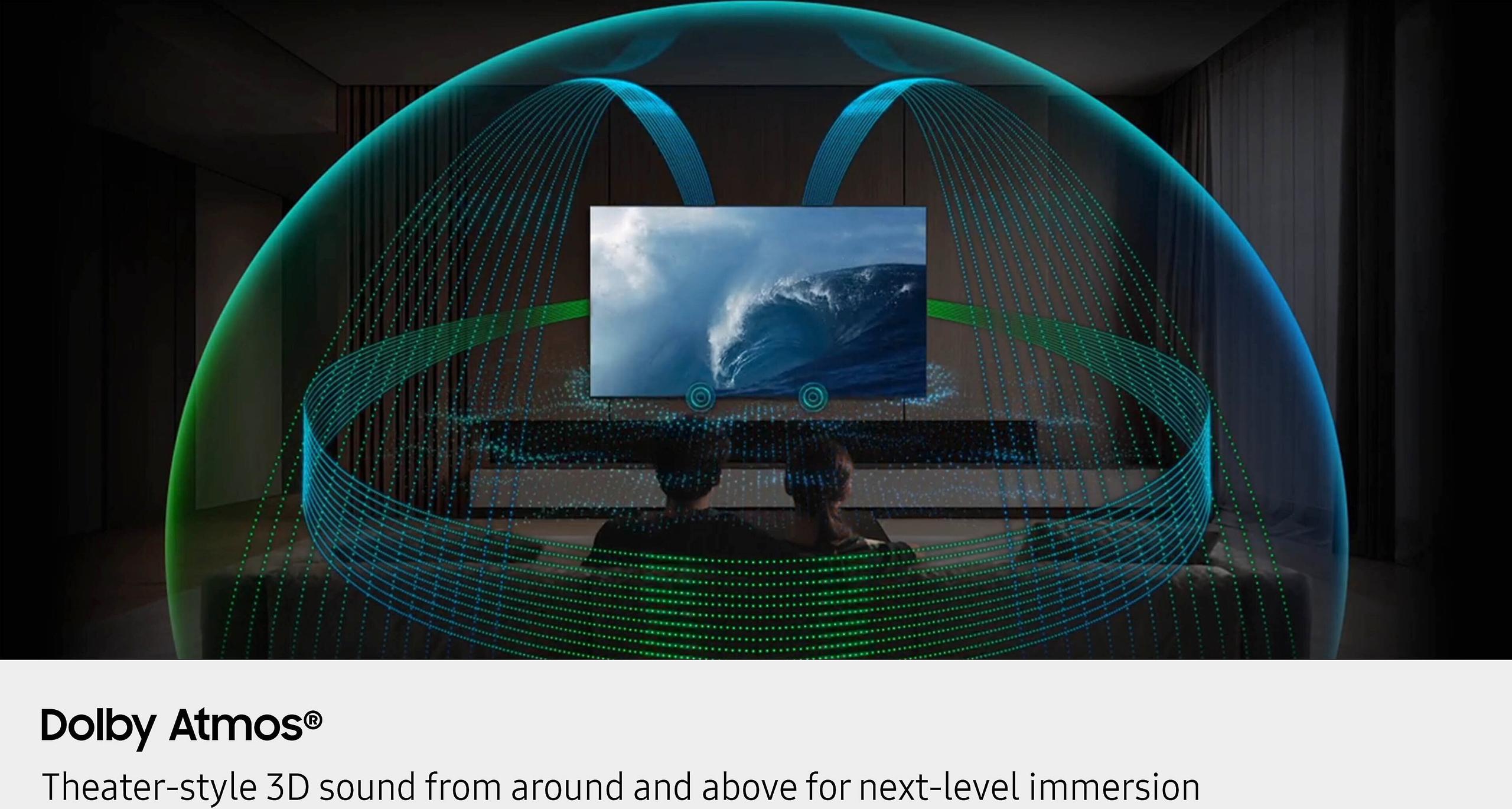
Both TVs support Dolby Atmos, the premium surround sound format that creates three-dimensional audio by bouncing sound off your ceiling and walls. However, the Samsung QN80F takes audio processing further with Adaptive Sound Pro, which uses AI to analyze your room's acoustics and the type of content you're watching, then adjusts audio accordingly.
For home theater setups, both TVs support eARC (enhanced Audio Return Channel) through one of their HDMI ports, allowing you to send high-quality audio to a soundbar or receiver. The Samsung's superior processing and four HDMI 2.1 ports give it an edge in complex multi-device home theater configurations.
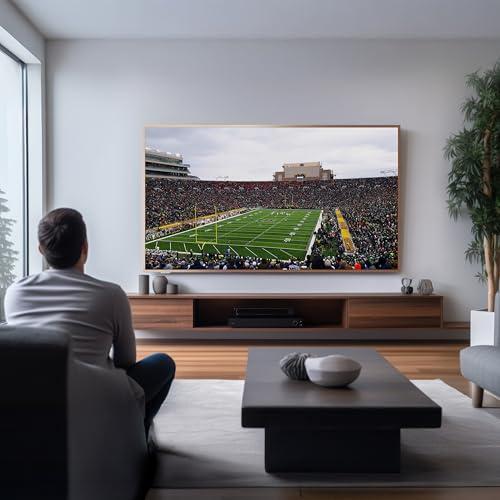
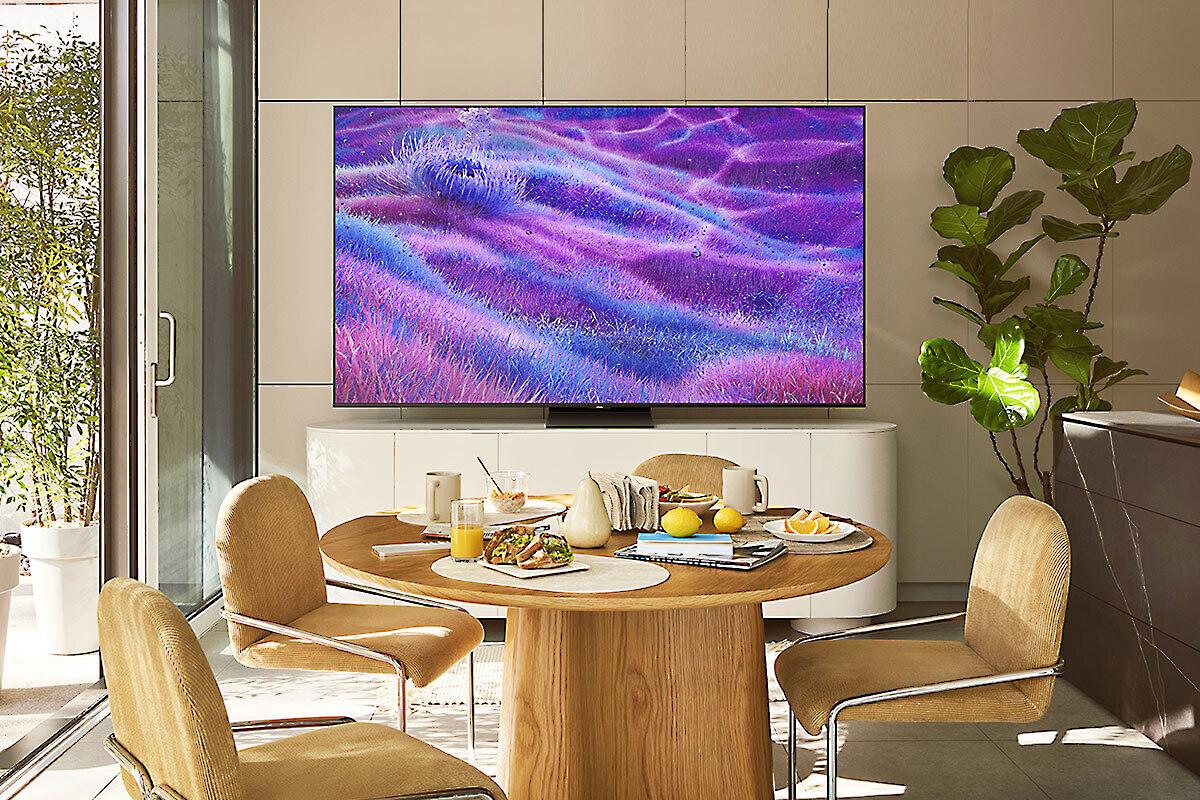
Traditional home theater advice suggests dark rooms for optimal viewing, where the Samsung QN80F would excel with its superior contrast and local dimming. However, many people watch TV in mixed lighting conditions, where the TCL NXTVISION's anti-glare screen becomes invaluable.
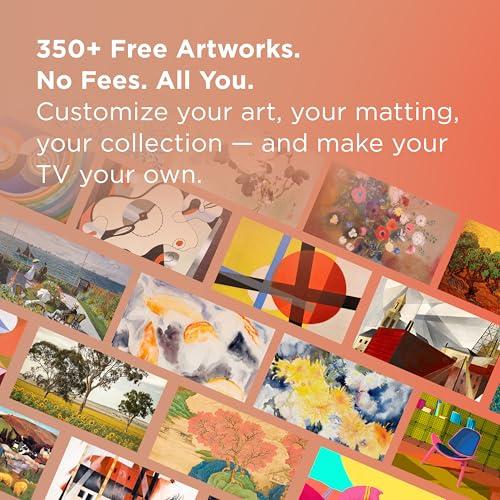
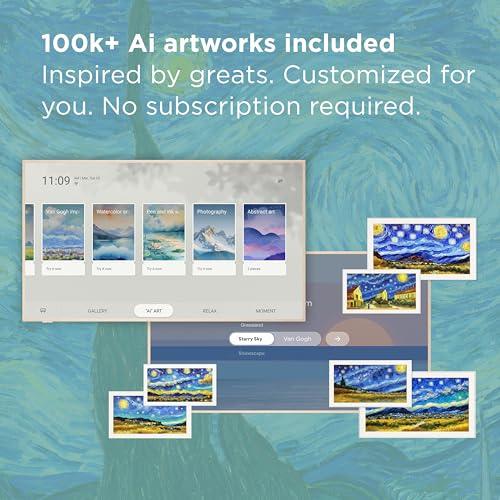
The TCL's art mode functionality adds a unique dimension to home theater spaces. When not watching content, it can display classic paintings, personal photos, or AI-generated artwork, maintaining the room's aesthetic rather than showing a black screen.
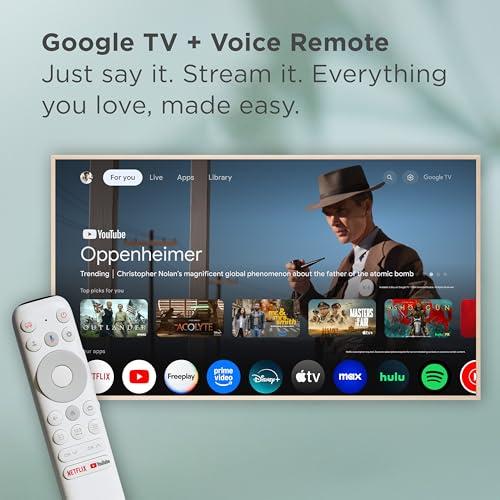
The TCL NXTVISION runs Google TV, which offers excellent integration with Google services and a vast app ecosystem. The hands-free voice control means you can adjust volume, change channels, or search for content without finding the remote—particularly useful when the TV is displaying art and you don't want to interrupt the aesthetic.
The Samsung QN80F features Samsung's Tizen platform with the new Vision AI suite, including features like Live Translate for foreign content and Generative Wallpaper that creates AI artwork. The enhanced Bixby voice assistant can process multiple commands simultaneously and understand context better than previous versions.
Both platforms access all major streaming services, but Google TV tends to provide better content discovery across multiple services, while Samsung's platform integrates more deeply with Samsung's ecosystem of devices.
The Samsung QN80F's four HDMI 2.1 ports provide better future-proofing for evolving gaming and entertainment devices. As new consoles and streaming devices adopt higher bandwidth requirements, having more high-speed ports becomes increasingly valuable.
The TCL NXTVISION's two HDMI 2.1 ports should suffice for most users, but might feel limiting if you have multiple gaming consoles, a high-end streaming device, and a soundbar all competing for connections.
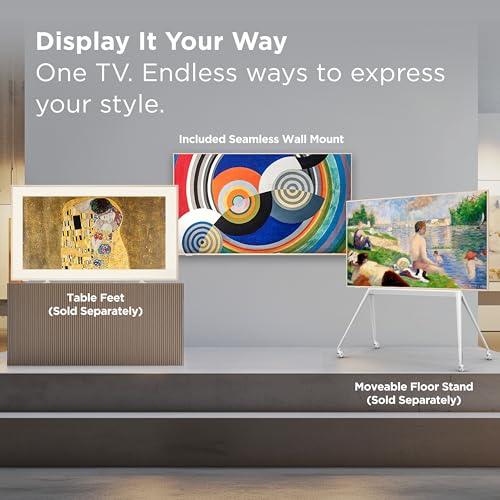
At the time of writing, the TCL NXTVISION typically costs significantly less than the Samsung QN80F, making it an attractive option for budget-conscious buyers seeking premium features. The TCL includes everything needed for wall mounting—the flush mount and decorative frame—while Samsung often charges extra for premium mounting solutions.
However, value isn't just about initial price. The Samsung's superior build quality, more comprehensive warranty support, and proven longevity in the premium TV market might justify the higher cost for some buyers.
The TCL NXTVISION delivers exceptional value if you prioritize the unique art display functionality and bright room viewing. You're essentially getting two products—a capable TV and a digital art frame—for the price of a single premium television.
Live in a bright space with lots of windows or ambient lighting where the anti-glare screen will make a meaningful difference. The TV excels in family rooms, kitchens, or any space where you can't control lighting conditions perfectly.
Value the aesthetic integration and want your TV to contribute positively to your room's design when not in use. The art display functionality isn't just a gimmick—it genuinely transforms how a TV fits into your living space.
Prefer Google's ecosystem and want straightforward voice control integration. The hands-free functionality works well for smart home setups where you're already using Google Assistant.
Want premium QLED features without the premium price tag. The TCL NXTVISION delivers solid performance and unique features at a more accessible price point.
Prioritize picture quality above all else and primarily watch in controlled lighting conditions. The Mini LED backlighting and superior processing create a noticeably better viewing experience for movies and high-quality content.
Are a serious gamer who needs multiple HDMI 2.1 connections and optimal gaming performance. The four high-bandwidth ports and consistent gaming features make it better for multi-console setups.
Want the most advanced smart features and AI processing. Samsung's Vision AI suite and enhanced voice control offer more sophisticated functionality for tech enthusiasts.
Value proven reliability and comprehensive support. Samsung's established presence in the premium TV market provides confidence for long-term ownership.
Both TVs represent excellent examples of how the premium QLED market has evolved, but they serve different priorities. The TCL NXTVISION succeeds as a lifestyle product that happens to be a very good TV, while the Samsung QN80F is a superb TV with advanced smart features.
Your choice ultimately depends on your viewing environment, aesthetic preferences, and performance priorities. If your TV needs to look good even when it's off, and you watch primarily in bright conditions, the TCL's unique approach offers genuine advantages. If you want the best possible picture quality and gaming performance, regardless of other considerations, the Samsung delivers superior traditional TV performance.
Neither choice is wrong—they're just optimized for different aspects of modern TV ownership. Consider how you actually use your TV daily, where it's located, and what features matter most to your viewing experience, and the right choice becomes clear.
| TCL 65" NXTVISION QLED 4K Art Frame TV | Samsung 65" QN80F Neo QLED 4K TV |
|---|---|
| Display Technology - Core picture quality foundation | |
| QLED Pro Quantum Dot with edge-lit LED backlight | Neo QLED with Mini LED backlighting and Quantum Matrix Technology |
| Local Dimming - Critical for contrast and HDR performance | |
| No local dimming (uniform backlighting) | Mini LED local dimming with precise zone control |
| Anti-Glare Technology - Essential for bright room viewing | |
| Ultra Matte Anti-Glare Screen (superior glare reduction) | Glare-Free Technology (good but less effective than matte) |
| Gaming Refresh Rate - Smooth motion for competitive gaming | |
| Up to 144Hz (4K), 240Hz (1080p) via Game Accelerator 240 | 120Hz native with VRR up to 144Hz |
| HDMI 2.1 Ports - Future-proofing for gaming and streaming devices | |
| 2 out of 4 HDMI ports support 2.1 (limiting for multi-device setups) | All 4 HDMI ports support 2.1 (maximum flexibility) |
| Processing Power - AI optimization and upscaling quality | |
| AIPQ PRO Processor with AI image optimization | NQ4 AI Gen2 Processor with advanced AI processing |
| Design Philosophy - How it fits into your living space | |
| 1.1" ultra-slim art frame with magnetic wood borders | Traditional premium TV design with modern aesthetics |
| Art Display Features - Added functionality when TV is off | |
| 400+ curated artworks, AI art generation, personal photo gallery | Generative Wallpaper feature only |
| Smart Platform - App ecosystem and voice control | |
| Google TV with hands-free Google Assistant | Samsung Tizen with Vision AI suite and enhanced Bixby |
| Audio Technology - Built-in sound quality | |
| 20W speakers with Dolby Atmos and Enhanced Dialogue Mode | Dolby Atmos with Adaptive Sound Pro and room optimization |
| Installation Package - What's included for setup | |
| Flush wall mount and decorative frame included | Standard mounting hardware (premium mounts sold separately) |
| Peak Brightness - HDR performance and daytime visibility | |
| Moderate peak brightness (optimized for matte screen) | Higher peak brightness with Mini LED boost |
| Color Accuracy - Professional content viewing quality | |
| Vibrant but less accurate colors (consumer-friendly tuning) | Superior color accuracy with professional-grade processing |
| Value Proposition - Performance per dollar spent | |
| Dual-function TV/art display at lower premium price point | High-end performance TV with comprehensive feature set |
The Samsung 65" QN80F Neo QLED 4K TV delivers superior picture quality for traditional viewing thanks to its Mini LED backlighting and Quantum Matrix Technology. This provides deeper blacks, brighter highlights, and better HDR performance. The TCL 65" NXTVISION QLED 4K Art Frame TV offers good picture quality but lacks local dimming, making it less impressive for dark room movie watching.
The TCL 65" NXTVISION QLED 4K Art Frame TV excels in bright rooms due to its Ultra Matte Anti-Glare Screen, which significantly reduces reflections and maintains picture quality even with ambient light. While the Samsung 65" QN80F Neo QLED 4K TV has glare-reduction technology, it's not as effective as the TCL's matte coating for daytime viewing.
The Samsung 65" QN80F Neo QLED 4K TV provides more consistent gaming performance with four HDMI 2.1 ports, 120Hz native refresh rate, and AI Auto Game Mode. The TCL 65" NXTVISION QLED 4K Art Frame TV offers higher refresh rates on paper (up to 240Hz) but only through two HDMI 2.1 ports and has some gaming quirks that may affect performance.
Yes, but with different capabilities. The TCL 65" NXTVISION QLED 4K Art Frame TV is specifically designed as an art TV with 400+ curated artworks, AI art generation, and a matte screen that mimics canvas texture. The Samsung 65" QN80F Neo QLED 4K TV offers basic Generative Wallpaper features but isn't primarily designed for art display.
Both offer excellent smart features but different approaches. The TCL 65" NXTVISION QLED 4K Art Frame TV uses Google TV with hands-free Google Assistant integration. The Samsung 65" QN80F Neo QLED 4K TV features Samsung's Tizen platform with Vision AI suite including Live Translate and enhanced Bixby that can process multiple commands simultaneously.
The Samsung 65" QN80F Neo QLED 4K TV is better suited for dedicated home theater use due to its superior contrast, local dimming, and peak brightness performance in dark rooms. It also offers four HDMI 2.1 ports for multiple devices. The TCL 65" NXTVISION QLED 4K Art Frame TV works well for mixed-use spaces but isn't optimized for dark room viewing.
The Samsung 65" QN80F Neo QLED 4K TV offers more advanced audio with Dolby Atmos and Adaptive Sound Pro that adjusts based on room acoustics and content type. The TCL 65" NXTVISION QLED 4K Art Frame TV provides decent audio with Dolby Atmos support and Enhanced Dialogue Mode, but the Samsung's AI-driven audio optimization gives it an edge.
The TCL 65" NXTVISION QLED 4K Art Frame TV typically offers better value, providing unique art display functionality and solid performance at a lower price point, including flush wall mount and decorative frame. The Samsung 65" QN80F Neo QLED 4K TV costs more but delivers premium performance and build quality that may justify the higher price for performance-focused users.
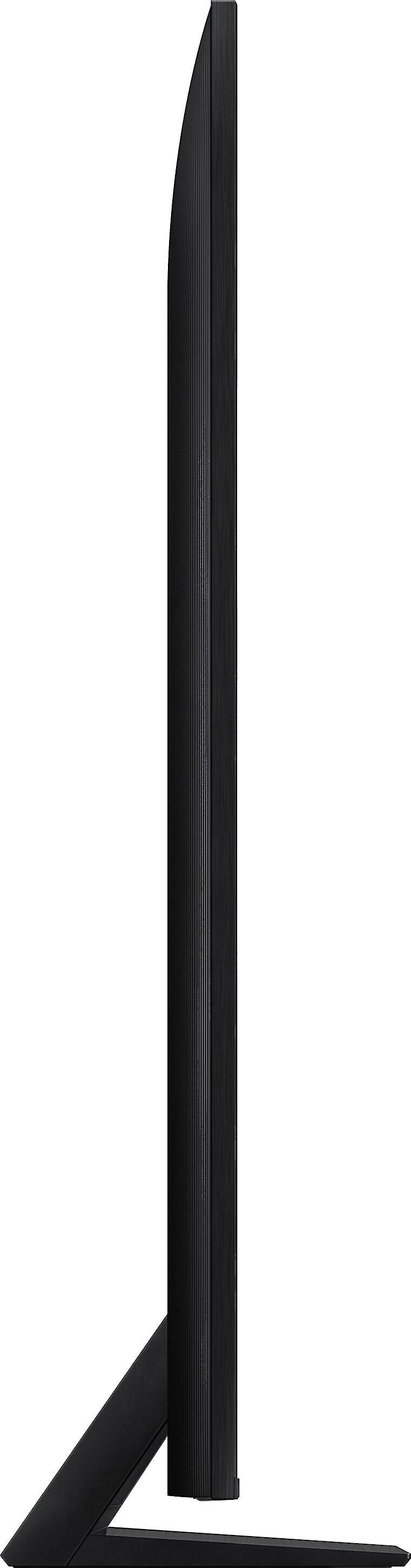
The TCL 65" NXTVISION QLED 4K Art Frame TV is easier to wall mount, coming with a proprietary flush wall mount system and measuring only 1.1 inches deep for a seamless installation. The Samsung 65" QN80F Neo QLED 4K TV uses standard VESA mounting but doesn't include premium mounting hardware, which may need to be purchased separately.
The Samsung 65" QN80F Neo QLED 4K TV offers superior connectivity with all four HDMI ports supporting HDMI 2.1 specifications, providing more flexibility for gaming consoles, streaming devices, and soundbars. The TCL 65" NXTVISION QLED 4K Art Frame TV has only two HDMI 2.1 ports, which may limit complex setups but should suffice for most users.
Both TVs handle sports well, but differently. The Samsung 65" QN80F Neo QLED 4K TV offers better motion clarity and processing for fast action in controlled lighting. The TCL 65" NXTVISION QLED 4K Art Frame TV excels for daytime sports viewing due to its anti-glare screen, making it ideal for watching games during the day or in bright rooms.
Choose the TCL 65" NXTVISION QLED 4K Art Frame TV if you want a TV that doubles as wall art, have a bright room, and prefer Google's ecosystem. Select the Samsung 65" QN80F Neo QLED 4K TV if you prioritize maximum picture quality, gaming performance, and advanced smart features, especially for darker viewing environments.
We've done our best to create useful and informative comparisons to help you decide what product to buy. Our research uses advanced automated methods to create this comparison and perfection is not possible - please contact us for corrections or questions. These are the sites we've researched in the creation of this article: rtings.com - tcl.com - bestbuy.com - tcl.com - bestbuy.com - tcl.com - youtube.com - rcwilley.com - businessinsider.com - bestbuy.com - target.com - youtube.com - support.tcl.com - nfm.com - woodruffappliance.com - flatpanelshd.com - tcl.com - samsung.com - theshortcut.com - youtube.com - bestbuy.com - rtings.com - samsung.com - samsung.com - samsung.com - sargentappliance.com - displayspecifications.com - bestbuy.com

Privacy Policy
Terms and Conditions - Affiliate Policy
Home Security
© Copyright 2008-2026.
11816 Inwood Rd #1211, Dallas, TX 75244