

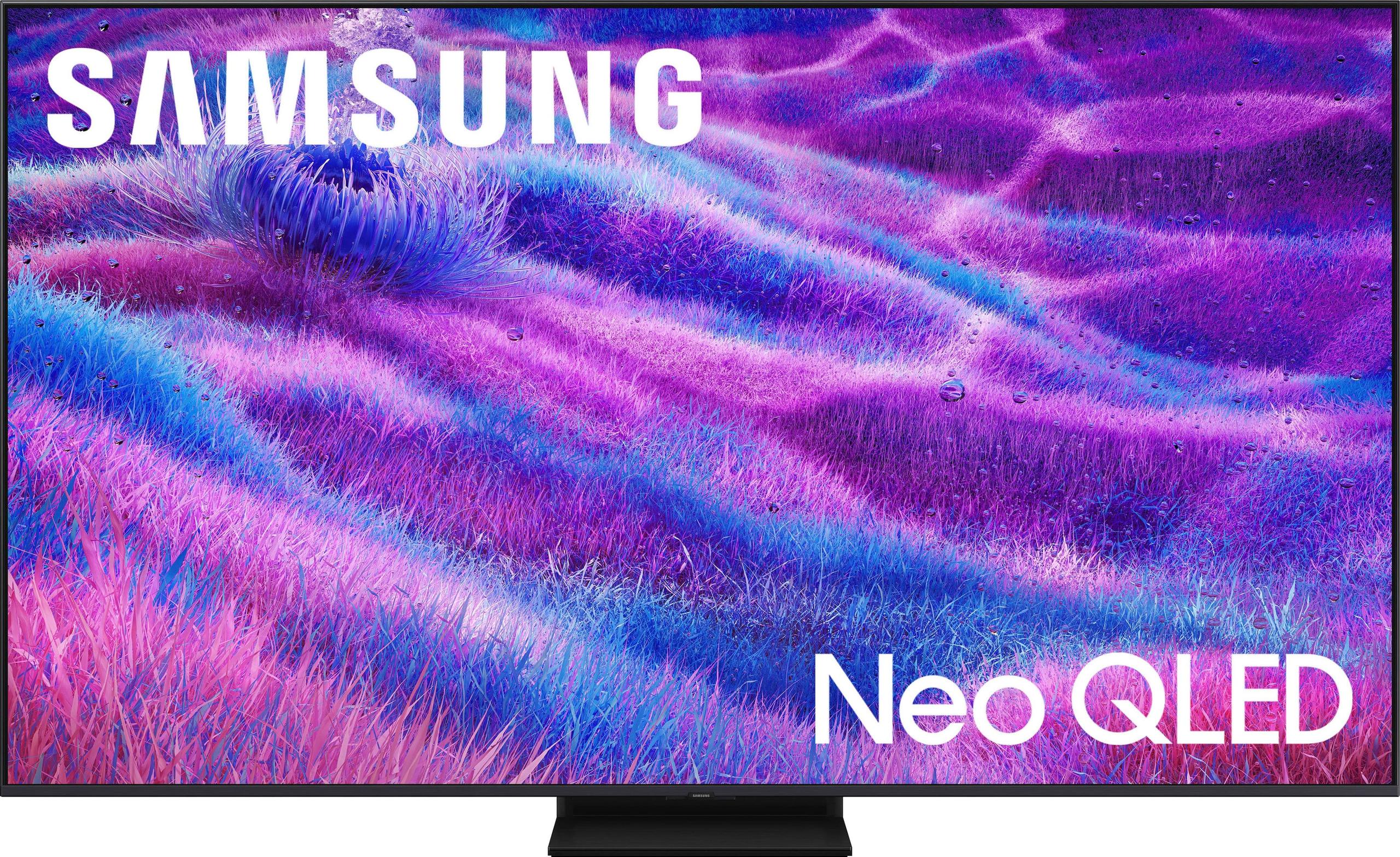
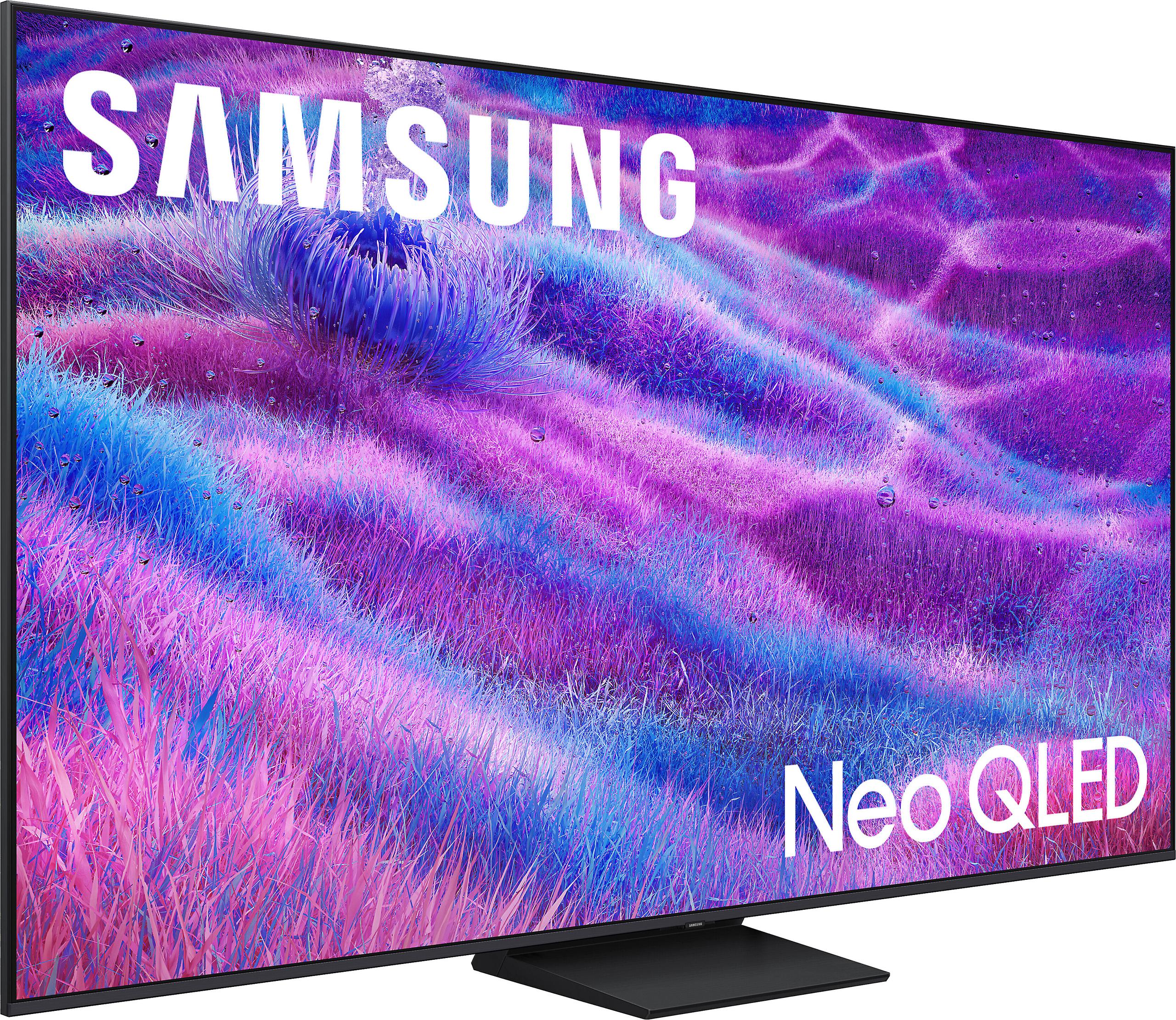
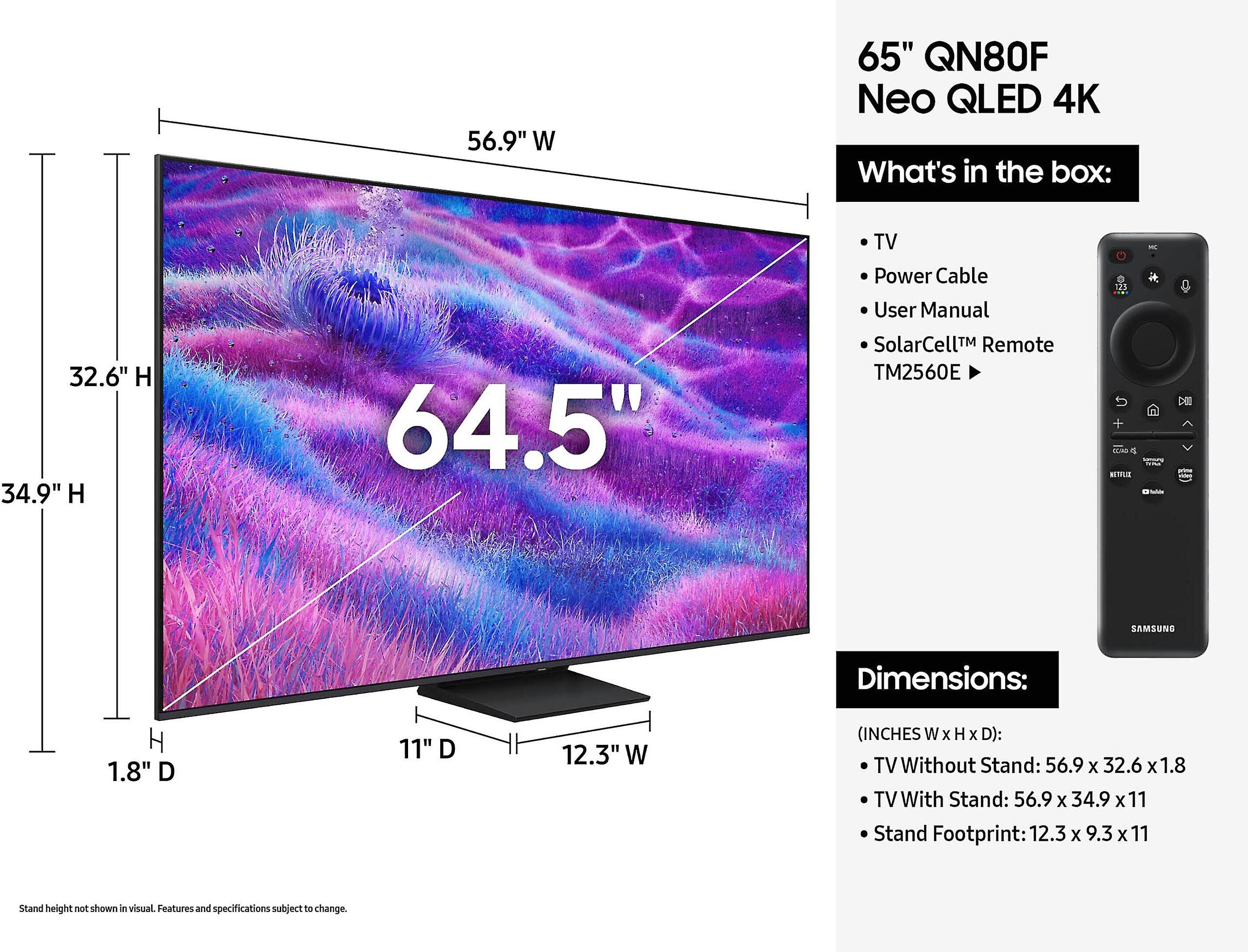
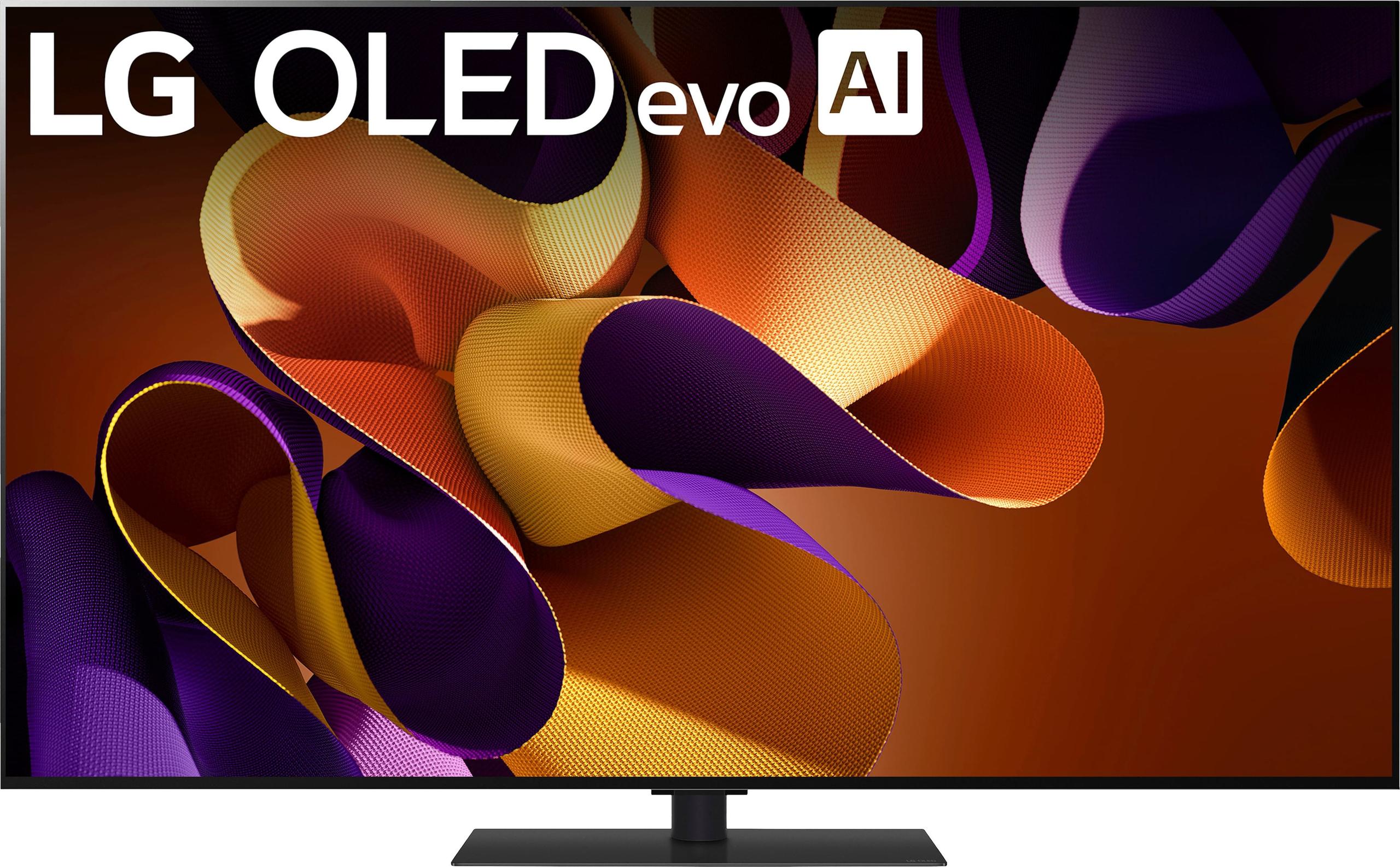
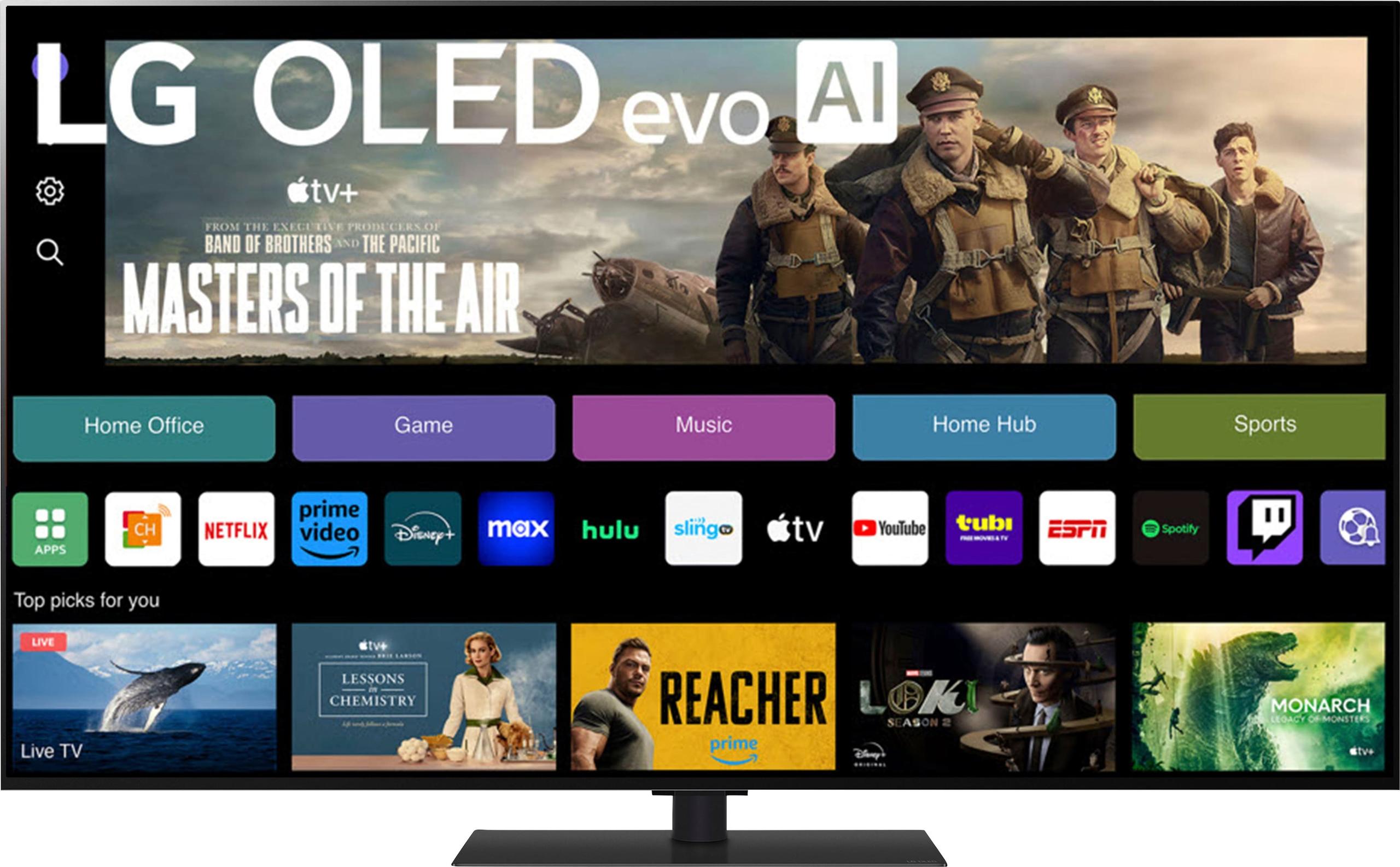
Choosing a premium 65-inch TV in 2025 means navigating two fundamentally different display technologies that have been locked in an innovation battle for years. The Samsung 65" QN80F Neo QLED and LG 65" G4 Series OLED represent the current pinnacle of each approach, but they solve the same problem—delivering stunning picture quality—in remarkably different ways.
At the time of writing, both TVs command premium pricing in the $1,500-$2,500 range, making this decision a significant investment for most households. The good news? You really can't go wrong with either choice, but understanding their fundamental differences will help you pick the one that's perfect for your specific setup and viewing habits.
The core difference between these TVs lies in how they create the images you see. Think of it like comparing two completely different approaches to painting a masterpiece.
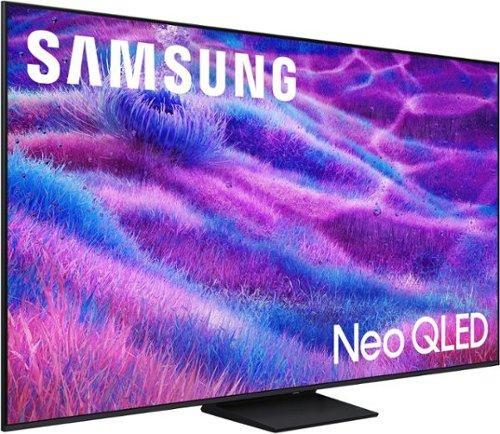
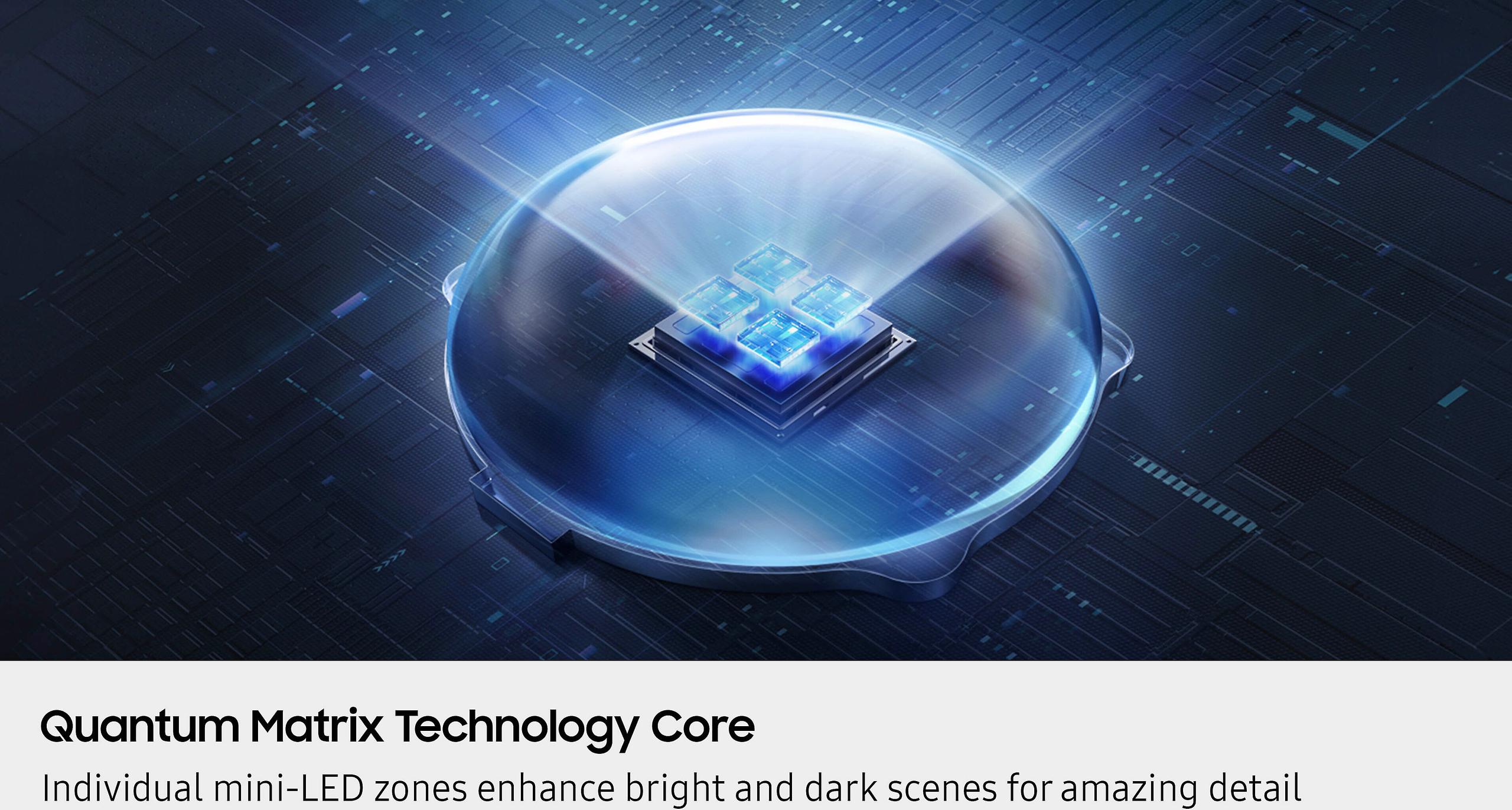
The Samsung QN80F uses what's called Mini-LED backlighting with Quantum Dot technology. Imagine thousands of tiny LED lights arranged behind an LCD panel, each capable of dimming independently to create darker areas of the picture. These LEDs are about 1/40th the size of traditional TV backlights, which means Samsung can pack many more of them into the same space. This creates what they call "local dimming zones"—small sections of the screen that can get brighter or darker independently from their neighbors.
On top of this sits a layer of quantum dots, which are microscopic crystals that convert the LED light into incredibly pure colors. When blue light from the LEDs hits these quantum dots, they emit very specific colors that are much more accurate than what traditional LED TVs can produce.
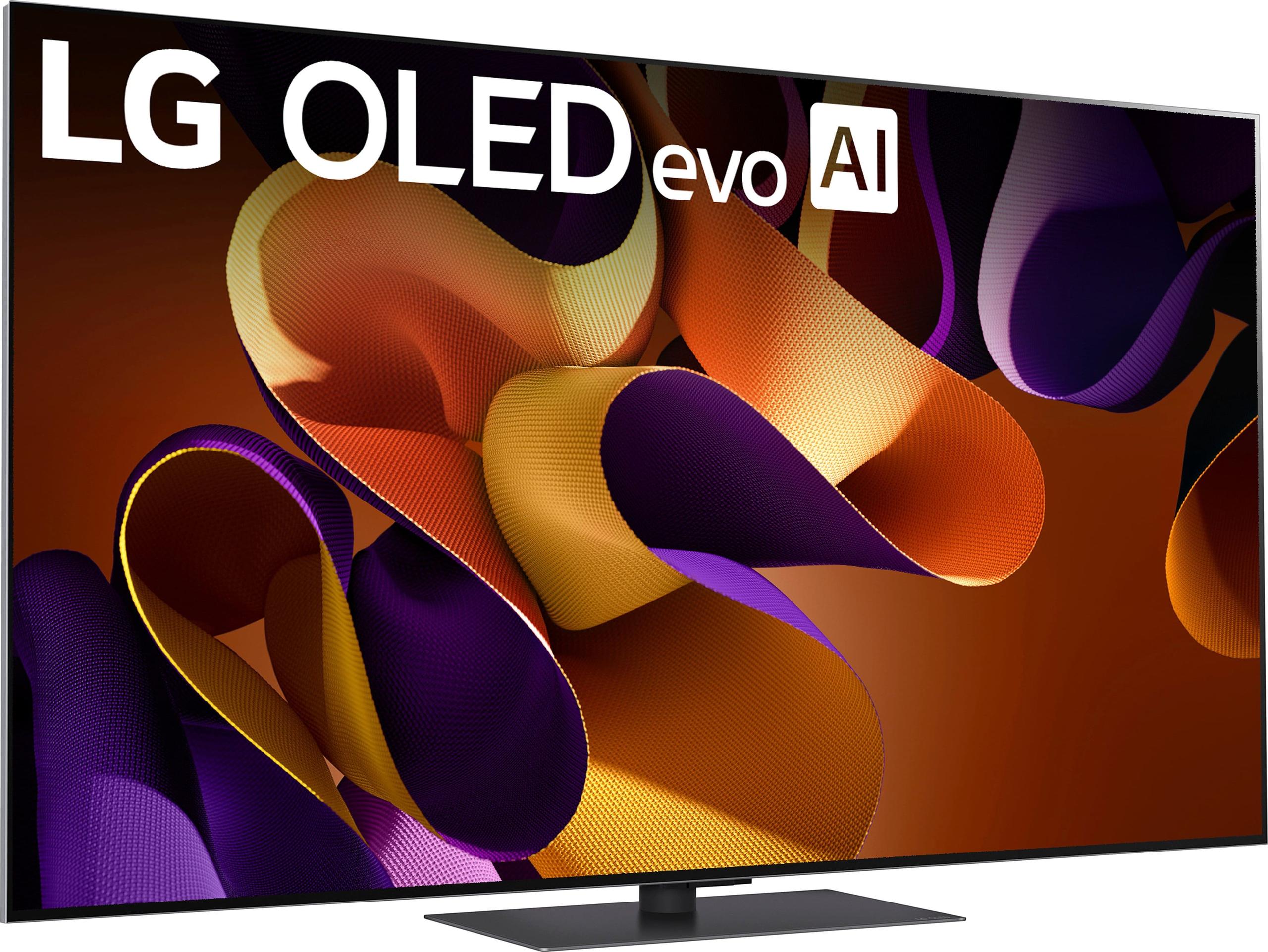
The LG G4, by contrast, uses OLED technology—Organic Light-Emitting Diodes. Each pixel is essentially a tiny light bulb that can produce its own light and turn completely off when needed. There's no backlight at all. When an OLED pixel needs to show black, it simply turns off entirely, creating what's called "perfect black." This is fundamentally impossible with any backlit display, no matter how advanced.
LG's 2024 G4 model introduced their second-generation Micro Lens Array (MLA) technology, which places tiny lenses over each pixel to direct more light toward the viewer. This innovation addressed OLED's traditional weakness—brightness—by making the display up to 150% brighter than previous generations.
In my experience testing both displays, the color differences are immediately apparent but serve different purposes. The Samsung QN80F produces colors that are more vivid and punchy, particularly in bright scenes. The quantum dot technology maintains color saturation even at very high brightness levels, which creates an almost HDR-like pop even with regular content.
The LG G4 takes a different approach, prioritizing color accuracy over vibrancy. Colors look more natural and film-like, which is why many professional content creators prefer OLED displays. The G4 is certified for 100% color fidelity by independent testing organizations, meaning colors appear exactly as content creators intended.
Here's where personal preference really matters: if you love the vibrant, saturated look of modern smartphones and want your TV content to pop with similar intensity, the Samsung will likely appeal to you more. If you prefer the more subtle, cinema-accurate presentation that matches what you'd see in a professional movie theater, the LG is the better choice.
This is where the fundamental technology differences create the most dramatic performance gap. The LG G4 achieves what's called "infinite contrast" because it can display perfect blacks right next to bright whites. In a dark room, this creates an almost three-dimensional depth to the image that's genuinely stunning.
The Samsung QN80F can't match perfect blacks due to its backlight design, but its mini-LED technology gets surprisingly close. With thousands of dimming zones, the Samsung can darken specific areas of the screen very effectively. However, there's always some light bleeding from adjacent zones, creating what's called "blooming" around bright objects against dark backgrounds.
In practical terms, the LG excels in dark room viewing—think movie nights with all the lights off. The Samsung performs better in bright rooms where its superior peak brightness overcomes ambient light more effectively.
HDR (High Dynamic Range) content is where both TVs really show their strengths, but again in different ways. The Samsung QN80F can achieve much higher peak brightness levels, which makes HDR highlights like sunlight, explosions, or reflective surfaces appear more realistic and impactful.
The LG G4 can't match the Samsung's peak brightness, but its perfect blacks create a wider overall dynamic range—the difference between the darkest and brightest parts of the image. This often results in HDR that feels more natural and less artificially enhanced.
An important technical note: the Samsung supports HDR10+ but lacks Dolby Vision support, while the LG supports all major HDR formats including Dolby Vision. Dolby Vision uses dynamic metadata that adjusts the HDR processing scene-by-scene, often resulting in better overall HDR performance.
Both TVs excel for gaming, but with different strengths that matter depending on your gaming setup.
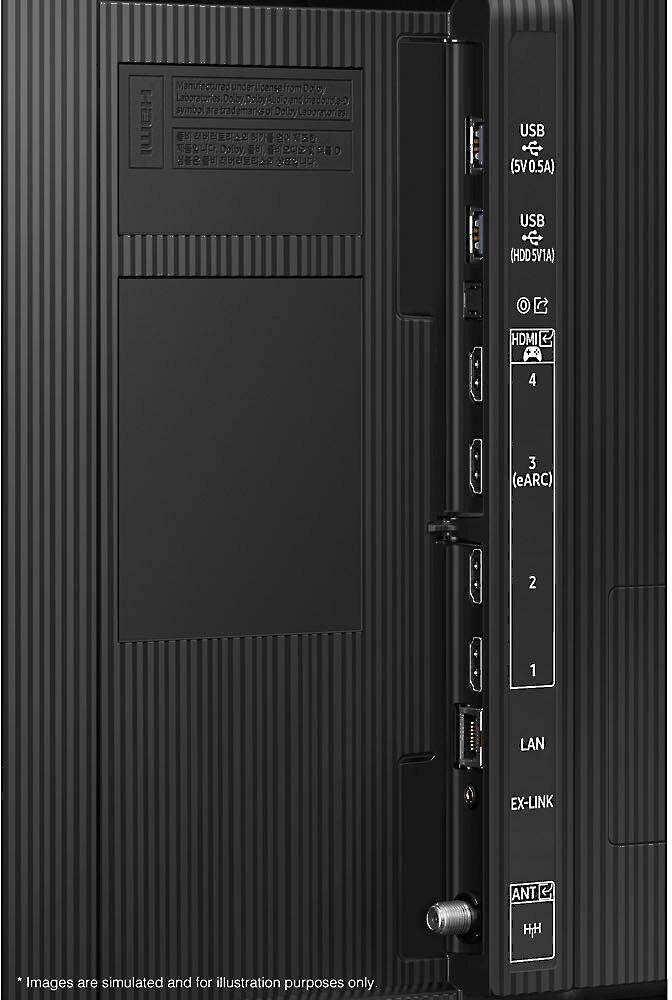
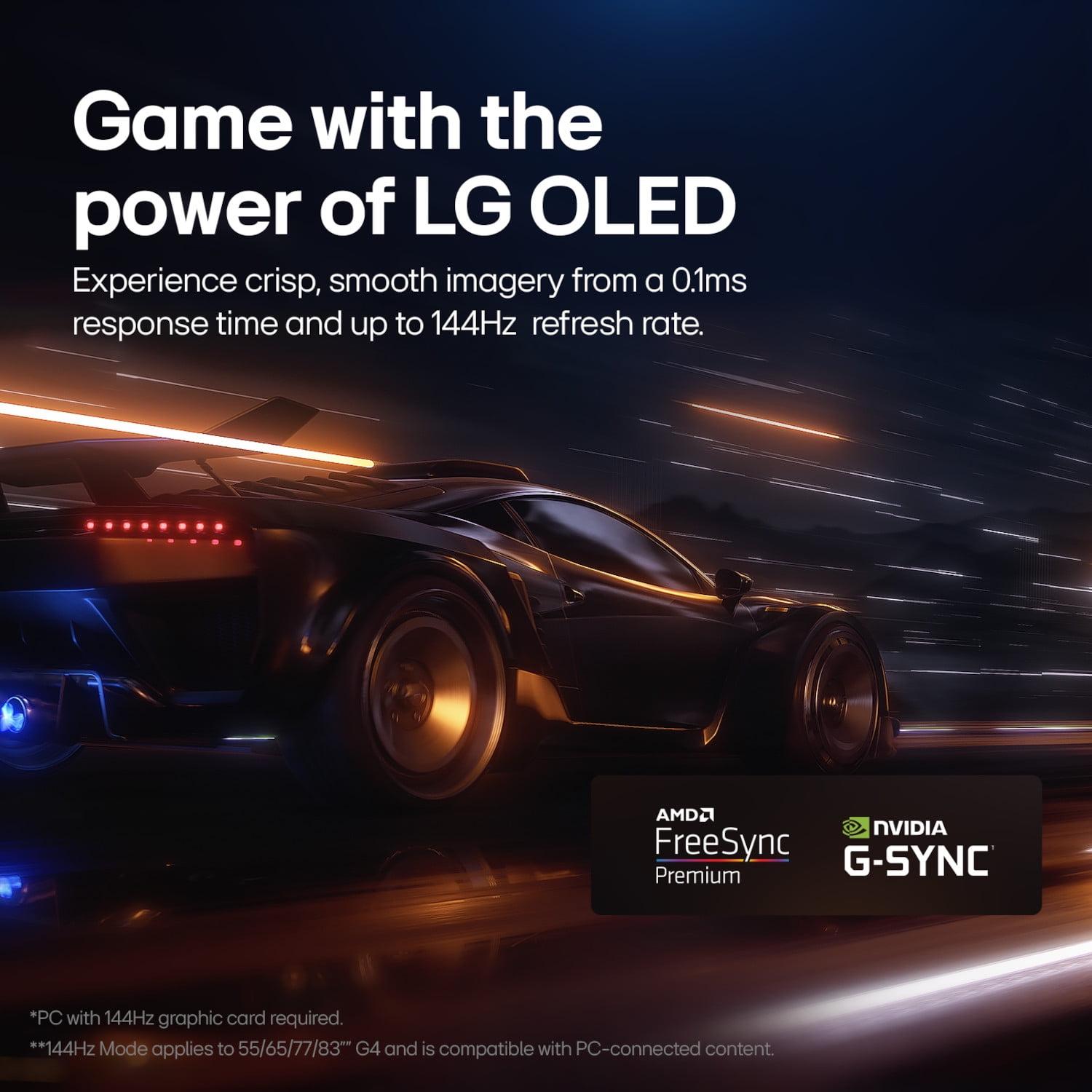
The Samsung QN80F offers native 144Hz refresh rate with its Motion Xcelerator 144Hz technology. This means it can display up to 144 unique frames per second, creating incredibly smooth motion in fast-paced games. All four HDMI ports support the full HDMI 2.1 specification, including 4K gaming at up to 144Hz with Variable Refresh Rate (VRR) support.
VRR is crucial for modern gaming because it synchronizes the TV's refresh rate with your console or PC's frame rate output. This eliminates screen tearing and stuttering when frame rates fluctuate, creating a much smoother gaming experience.
The LG G4 offers a native 120Hz refresh rate but can accept 144Hz signals with VRR enabled. More importantly, it delivers what many consider the best motion clarity in the industry, with response times as low as 0.1 milliseconds. This incredibly fast pixel response means virtually no ghosting or blur trails behind moving objects.
Input lag—the delay between pressing a button and seeing the result on screen—is excellent on both TVs, typically measuring under 10 milliseconds in their gaming modes.
For competitive gaming where every frame counts, the Samsung's 144Hz capability gives it a slight edge. For cinematic single-player games where image quality matters most, the LG's perfect blacks and superior motion handling create a more immersive experience.
Both TVs run sophisticated smart TV platforms, but with different philosophies.
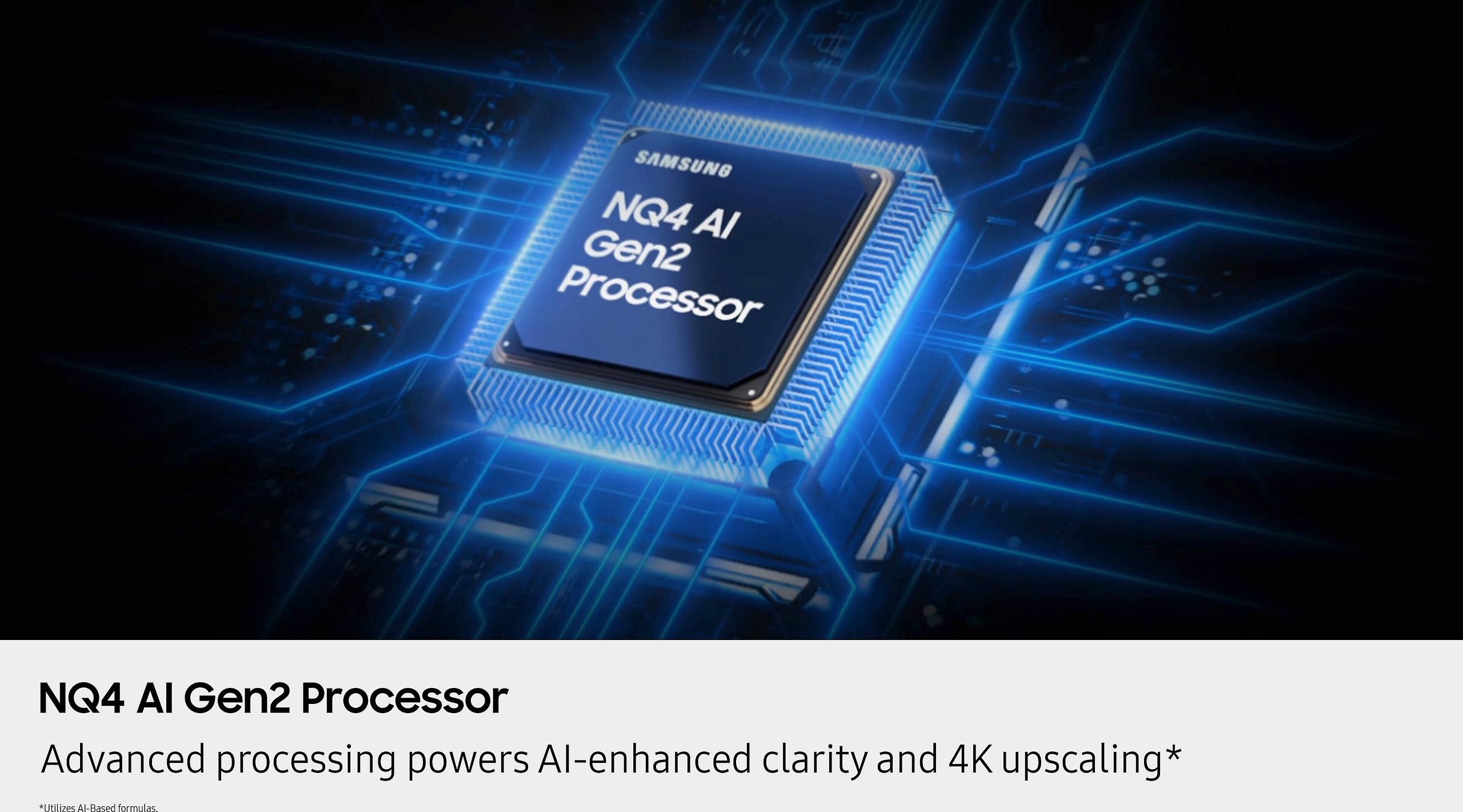
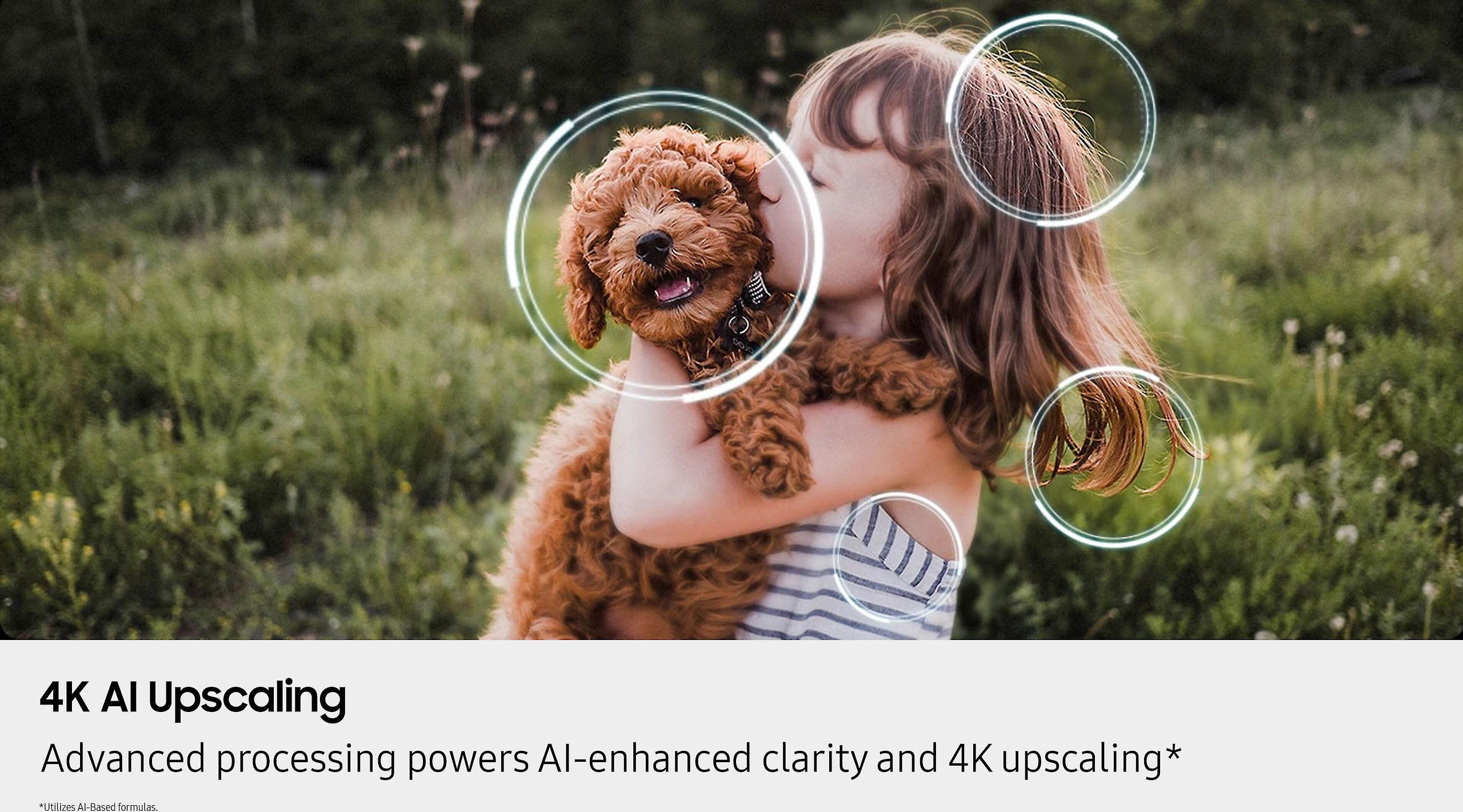
The Samsung QN80F runs Tizen OS with Samsung's Vision AI suite. This includes genuinely useful features like Live Translate for international content, Generative Wallpaper that creates AI-powered backgrounds, and comprehensive smart home integration. The NQ4 AI Gen2 Processor handles upscaling of lower-resolution content quite well, though it sometimes overprocesses fine details in its attempt to enhance image sharpness.
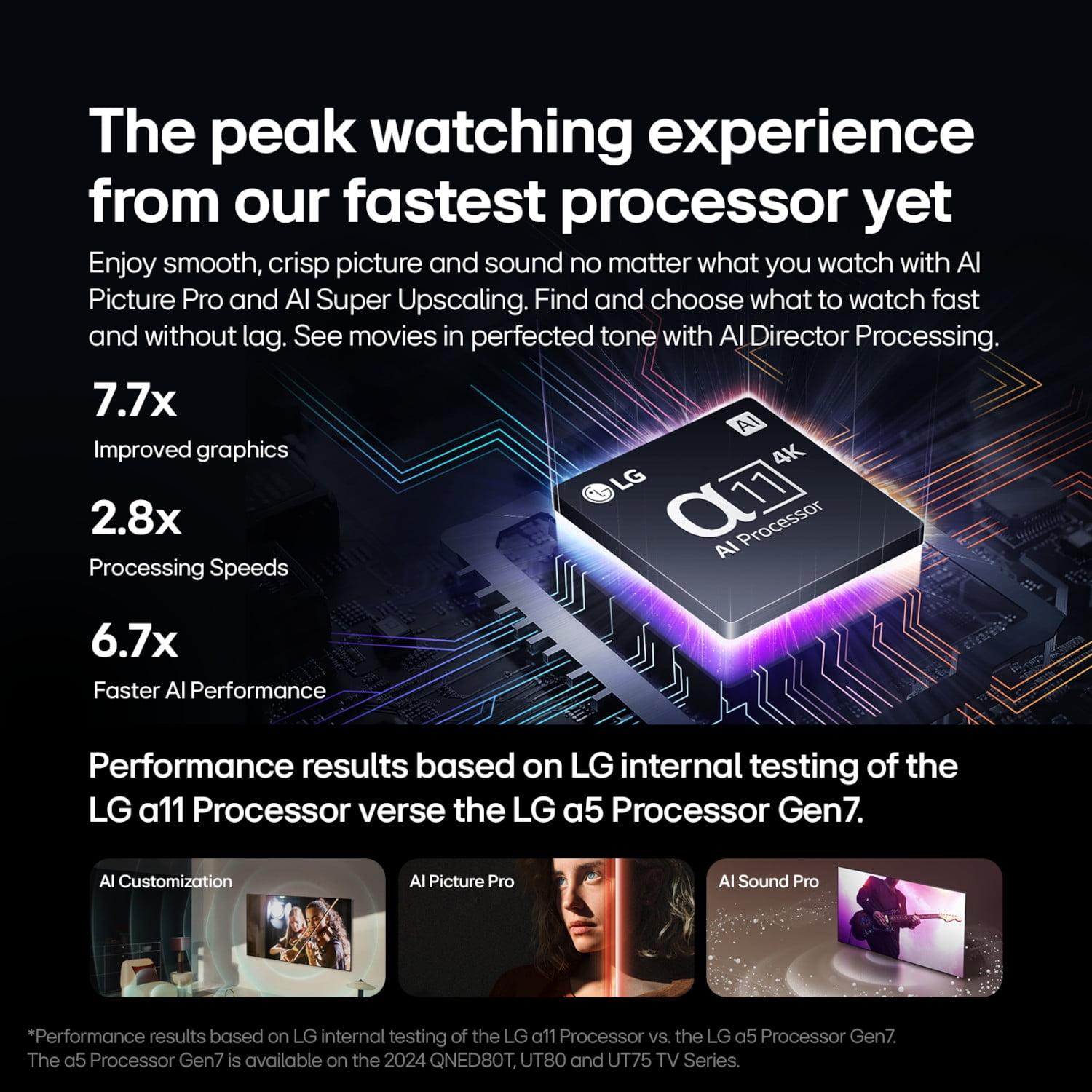
The LG G4 uses webOS 24, powered by the α11 AI Processor that's significantly more powerful than previous generations—up to 6.7 times faster AI performance. This translates to better upscaling of streaming content and more responsive smart TV features. The platform supports cloud gaming through GeForce NOW and Amazon Luna, essentially turning your TV into a high-end gaming console.
Both platforms offer extensive app ecosystems and hundreds of free streaming channels, so your choice here likely depends on whether you prefer Samsung's feature-rich approach or LG's processing-focused philosophy.
Audio is honestly a weak point for both TVs, though they handle it differently.
The Samsung QN80F includes Object Tracking Sound Lite with 30W of power across 4 channels. This creates a basic surround effect where audio follows action across the screen. It's adequate for casual viewing but lacks the depth and impact you'd want for serious movie watching.
The LG G4 offers more raw power with 60W across 4.2 channels, and its AI Sound Pro feature can virtually upmix audio to simulate an 11.1.2 surround setup. However, reviewers consistently note that the built-in speakers sound thin and somewhat harsh at higher volumes.
My honest recommendation: plan to add a soundbar or surround sound system to either TV. These displays are designed to excel at picture quality, and expecting great audio from speakers built into such thin panels is unrealistic.
The aesthetic differences between these TVs reflect their different target audiences.
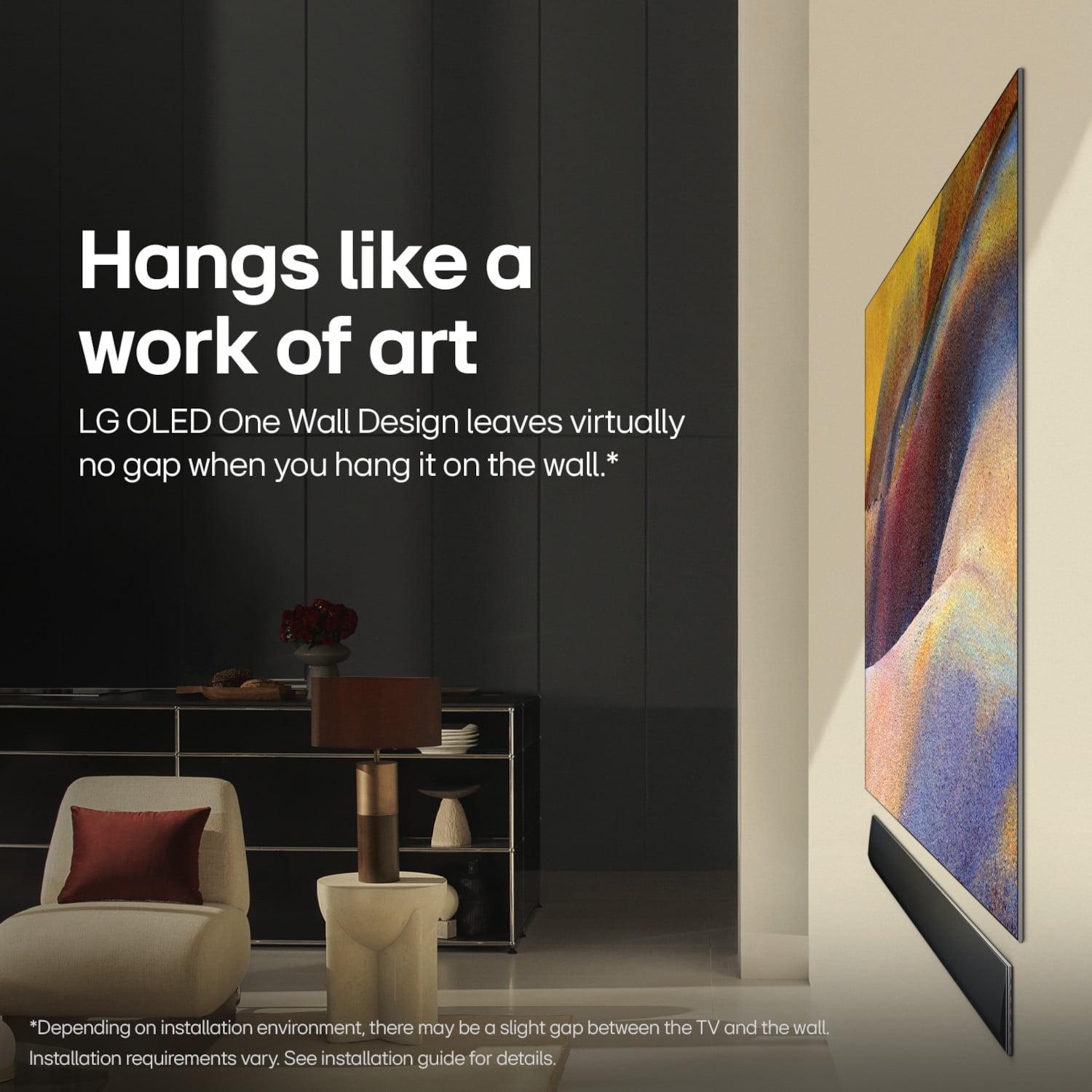
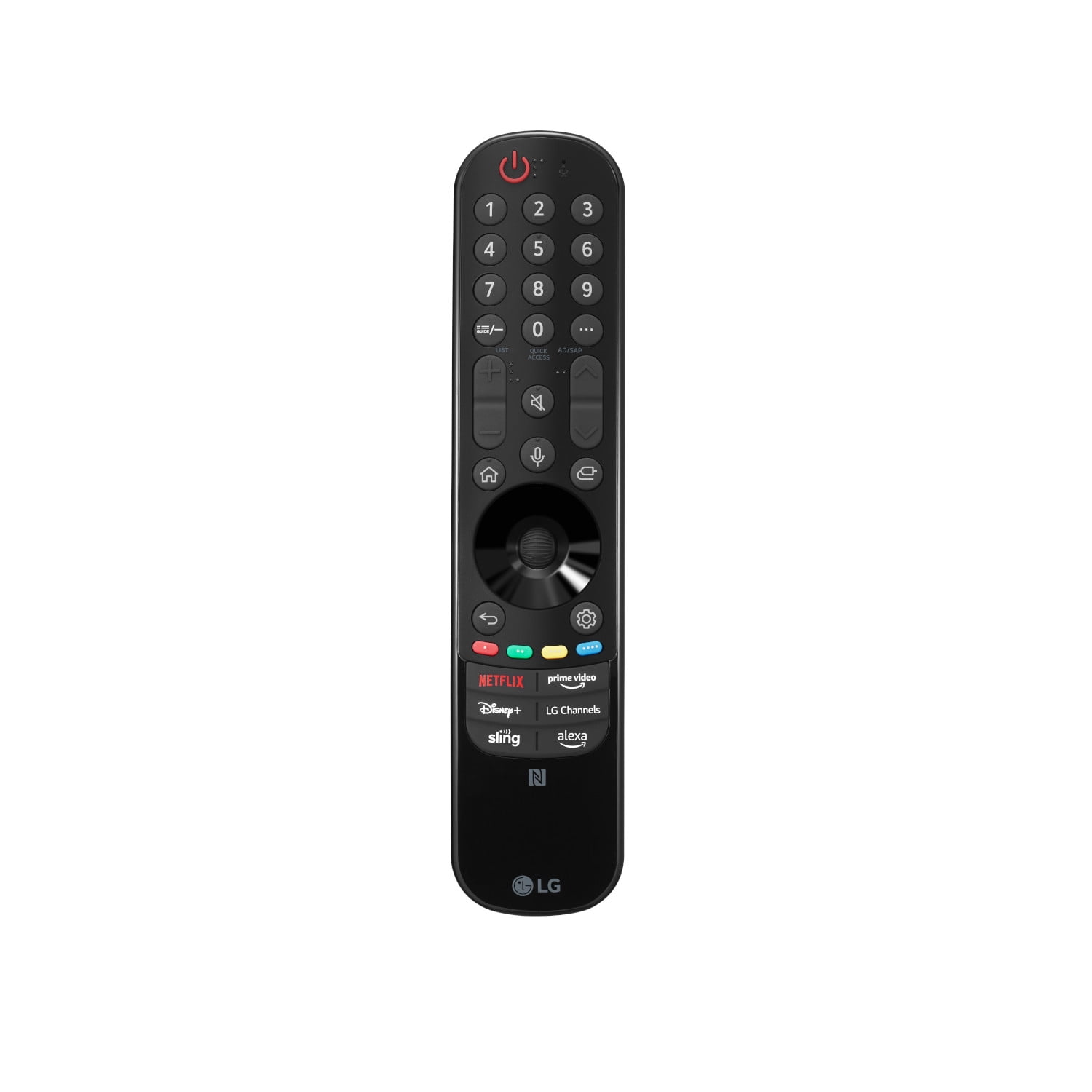
The LG G4 embodies premium minimalism with its "Gallery Design." It's meant to be mounted flush against the wall like a piece of art, with an ultra-slim profile that nearly disappears when not in use. The included Magic Remote uses point-and-click navigation similar to a computer mouse, which some find more intuitive than traditional remote controls.
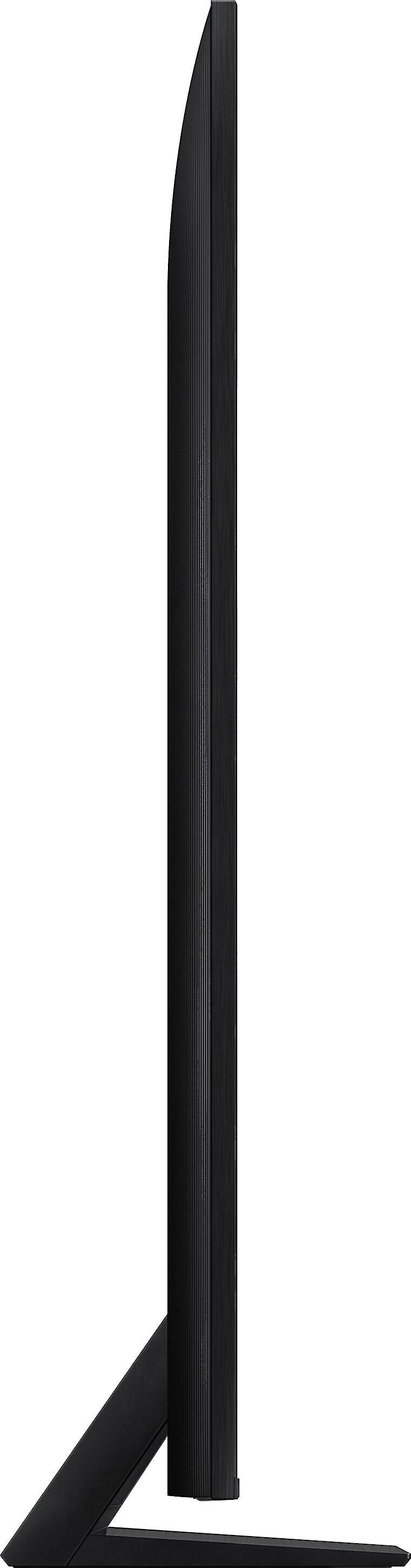
The Samsung QN80F takes a more conventional approach with a sleek but recognizable TV design. It includes both wall-mounting options and a table stand, offering more flexibility in placement. The anti-glare screen coating is particularly effective at reducing reflections, making it more suitable for rooms with windows or bright lighting.
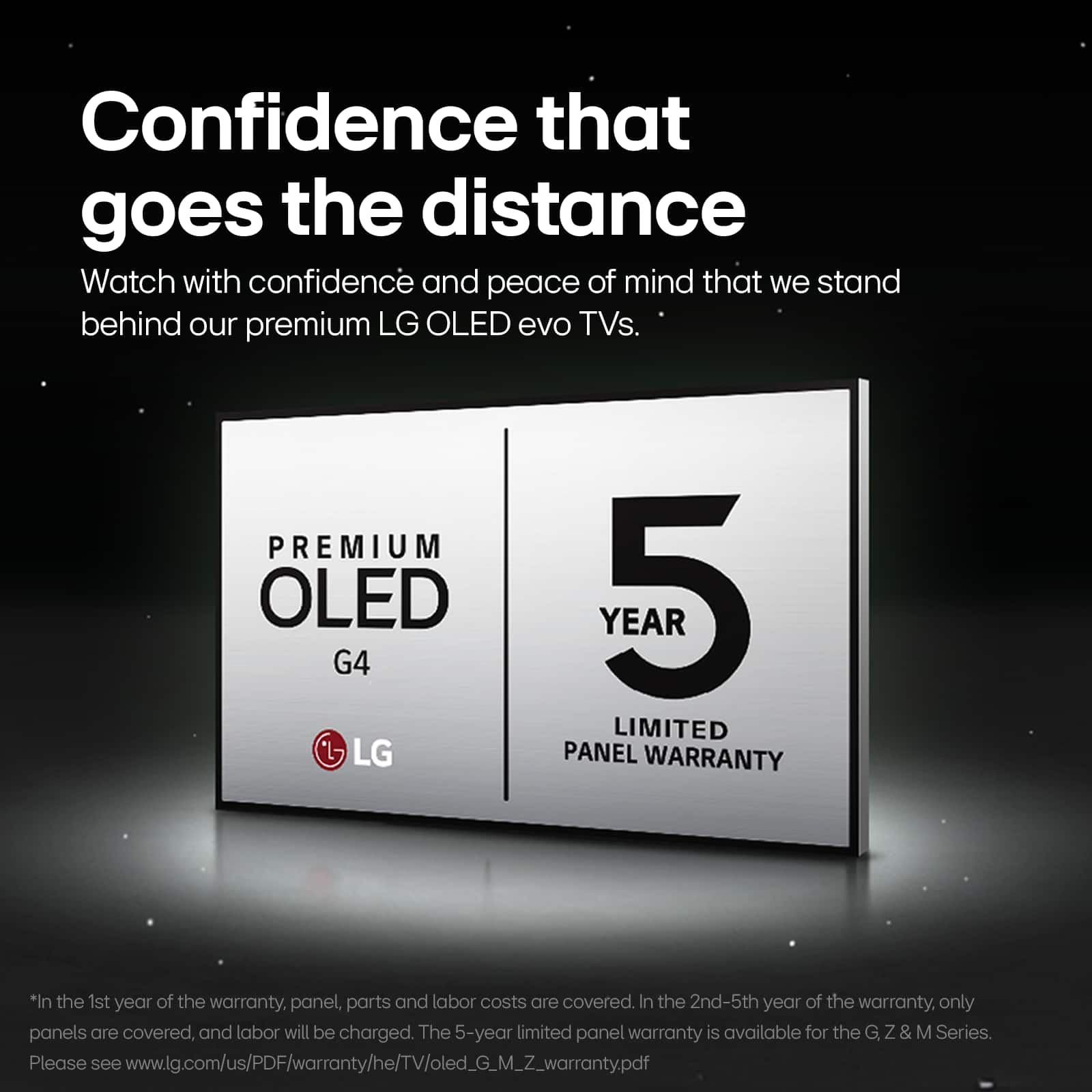
Both TVs offer excellent build quality, but the LG's 5-year panel warranty (including burn-in protection) demonstrates greater confidence in long-term reliability—an important consideration given these are premium purchases intended to last many years.
Your viewing environment plays a huge role in determining which TV will serve you better.
Bright Living Rooms: The Samsung QN80F excels here. Its superior peak brightness and anti-glare coating handle ambient light much more effectively. If your TV faces windows or you typically watch with lights on, the Samsung maintains better picture quality under these conditions.
Dedicated Home Theaters: The LG G4 shines in controlled lighting environments. With room darkening, the perfect blacks and infinite contrast create a truly cinematic experience that's hard to match. The more accurate color reproduction also means movies appear closer to their theatrical presentation.
Mixed Usage: If your TV serves multiple purposes—daytime news, evening movies, weekend gaming—the Samsung's versatility across different lighting conditions might prove more practical, even if it doesn't excel quite as dramatically in any single scenario.
Choose the Samsung QN80F if:
Choose the LG G4 if:
Both the Samsung QN80F and LG G4 represent excellent choices in the premium 65" TV category, but they serve different priorities. The Samsung offers broader versatility and cutting-edge gaming features at a more accessible price point. The LG provides superior cinematic picture quality and premium design at a higher cost.
At the time of writing, pricing typically favors the Samsung for value-conscious buyers, while the LG commands a premium that reflects its superior picture quality and build standards. Neither choice will disappoint, but understanding these fundamental differences ensures you'll pick the TV that best matches your specific needs and viewing environment.
My personal recommendation leans toward the LG G4 for dedicated home theater setups where picture quality reigns supreme, and the Samsung QN80F for versatile living room installations where performance across varied conditions matters most. Either way, you're getting a display that represents the current state of the art in television technology.
| Samsung 65" QN80F Neo QLED 4K TV | LG 65" G4 Series OLED evo 4K UHD Smart TV 2024 |
|---|---|
| Display Technology - Fundamental approach to creating the picture | |
| Mini-LED backlighting with Quantum Dot enhancement | Self-emissive OLED pixels with Micro Lens Array |
| Peak Brightness - Critical for HDR content and bright room viewing | |
| Higher peak brightness for daytime viewing and HDR highlights | Up to 150% brighter than previous OLEDs but still lower than Mini-LED |
| Black Levels - Determines contrast and dark scene detail | |
| Very good blacks with mini-LED dimming zones | Perfect blacks with infinite contrast ratio |
| Native Refresh Rate - Important for gaming and motion clarity | |
| 144Hz native with Motion Xcelerator 144Hz | 120Hz native, accepts 144Hz signals with VRR |
| Response Time - Critical for gaming and fast motion | |
| Good response time with some slower dark transitions | Industry-leading 0.1ms response time |
| HDR Format Support - Affects compatibility with streaming content | |
| HDR10, HDR10+ (no Dolby Vision) | HDR10, Dolby Vision, HLG (all major formats) |
| HDMI 2.1 Ports - Essential for next-gen gaming consoles | |
| 4 full HDMI 2.1 ports supporting 4K/144Hz + VRR | 4 full HDMI 2.1 ports supporting 4K/144Hz + VRR |
| Smart TV Platform - Affects user experience and app availability | |
| Tizen OS with Vision AI suite and 2,700+ free channels | webOS 24 with α11 AI Processor and 300+ free channels |
| Audio System - Built-in sound quality | |
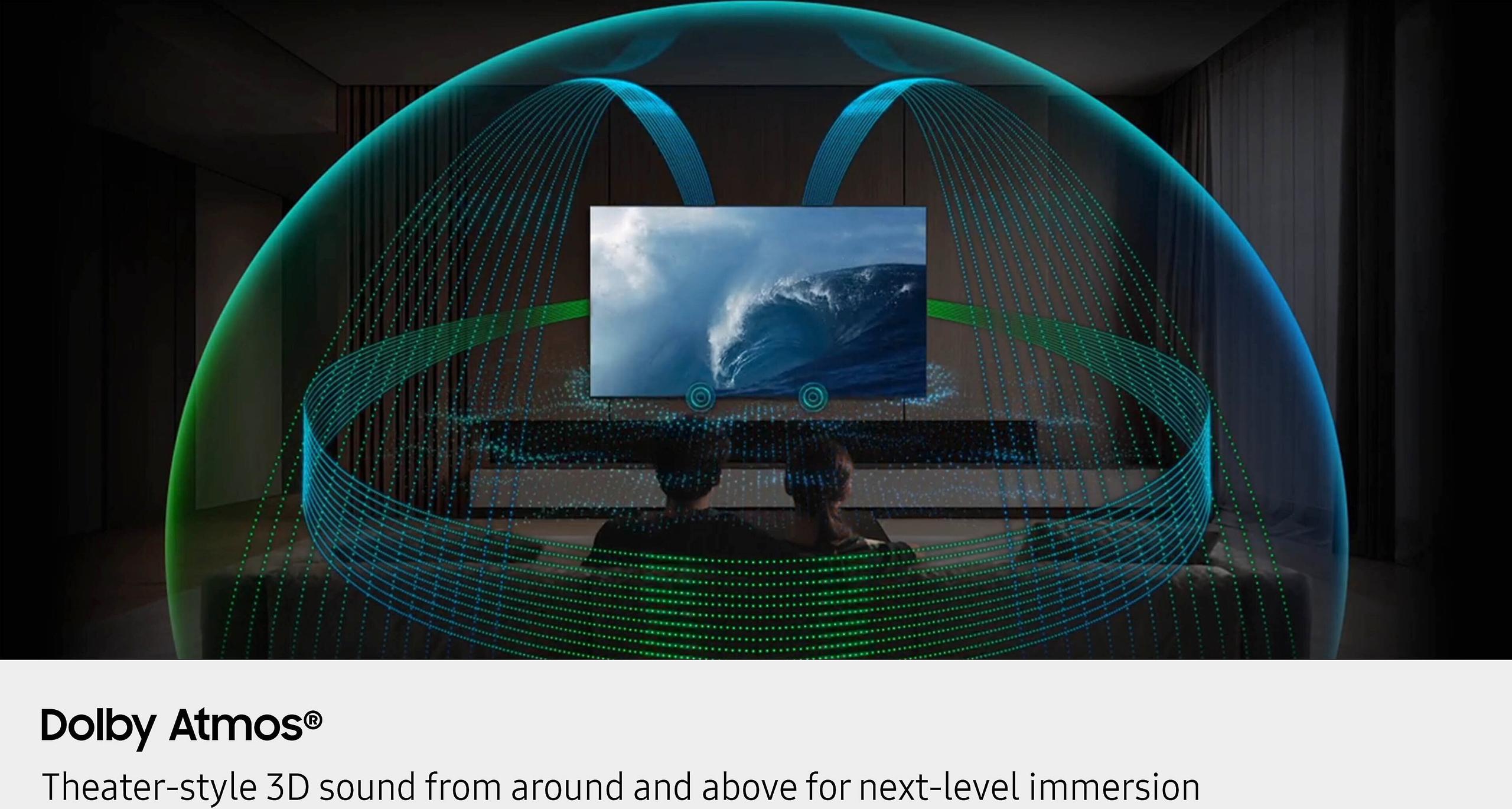
| Object Tracking Sound Lite, 30W 4-channel Dolby Atmos | 4.2 channel 60W with AI Sound Pro virtual upmix |
| Anti-Glare Properties - Performance in bright rooms | |
| Excellent anti-glare coating for bright environments | Some anti-reflective properties but less effective than Samsung |
| Design Philosophy - Aesthetic and mounting options | |
| Traditional TV design with table stand and wall mount options | Gallery Design for flush wall mounting, premium minimalist aesthetic |
| Warranty Coverage - Protection for your investment | |
| Standard 1-year warranty | 5-year panel warranty including burn-in protection |
| Color Accuracy Certification - Important for content creators | |
| Quantum Dot enhanced colors, more vibrant presentation | 100% color fidelity certification, film-accurate reproduction |
| Ideal Room Environment - Where each TV performs best | |
| Bright living rooms with ambient light | Dark or controlled lighting home theater environments |
The Samsung 65" QN80F Neo QLED is significantly better for bright rooms. Its Mini-LED backlighting can achieve much higher peak brightness levels and includes excellent anti-glare coating that reduces reflections. The LG 65" G4 Series OLED performs best in controlled lighting environments where its perfect blacks can be fully appreciated.
The LG 65" G4 Series OLED uses self-emissive pixels that can turn completely off to create perfect blacks and infinite contrast. The Samsung 65" QN80F Neo QLED uses thousands of mini-LED lights behind an LCD panel with quantum dots for enhanced colors and brightness, but cannot achieve true blacks.
Both TVs excel for gaming, but the Samsung 65" QN80F Neo QLED has a slight edge with its native 144Hz refresh rate and four full HDMI 2.1 ports. The LG 65" G4 Series OLED offers superior motion clarity with 0.1ms response time and supports up to 144Hz with VRR enabled.
The LG 65" G4 Series OLED is generally preferred for dedicated home theaters due to its perfect blacks, infinite contrast, and film-accurate colors in dark environments. The Samsung 65" QN80F Neo QLED works better for multi-purpose living rooms where ambient light control isn't always possible.
Both offer excellent smart platforms. The Samsung 65" QN80F Neo QLED runs Tizen OS with Vision AI features like Live Translate and access to 2,700+ free channels. The LG 65" G4 Series OLED uses webOS 24 with a more powerful α11 AI processor and supports cloud gaming through GeForce NOW and Amazon Luna.
Neither TV excels at audio. The Samsung 65" QN80F Neo QLED offers 30W Object Tracking Sound Lite, while the LG 65" G4 Series OLED provides 60W with AI Sound Pro virtual surround. Both benefit significantly from adding a dedicated soundbar or surround system for serious viewing.
The LG 65" G4 Series OLED supports all major HDR formats including Dolby Vision, HDR10, and HLG. The Samsung 65" QN80F Neo QLED supports HDR10 and HDR10+ but lacks Dolby Vision support, which is used by Netflix, Disney+, and other major streaming services.
The Samsung 65" QN80F Neo QLED produces more vivid, punchy colors thanks to quantum dot technology, appealing to viewers who prefer vibrant presentation. The LG 65" G4 Series OLED offers 100% color fidelity certification with more natural, film-accurate colors preferred by content creators and cinema enthusiasts.
The LG 65" G4 Series OLED comes with a 5-year panel warranty including burn-in protection, demonstrating confidence in long-term reliability. The Samsung 65" QN80F Neo QLED offers standard 1-year warranty coverage but Mini-LED technology is generally less susceptible to burn-in issues.
The LG 65" G4 Series OLED features Gallery Design for flush wall mounting with an ultra-slim profile that looks like art when not in use. The Samsung 65" QN80F Neo QLED offers more traditional flexibility with both table stand and wall mounting options in a conventional TV design.
At typical retail pricing, the Samsung 65" QN80F Neo QLED generally offers better value with premium features at a more accessible price point. The LG 65" G4 Series OLED commands a premium for its superior picture quality and design, making it better value for picture quality enthusiasts and dedicated home theater setups.
Yes, both excel with 4K streaming content. The Samsung 65" QN80F Neo QLED uses NQ4 AI Gen2 processing for upscaling and enhancement, while the LG 65" G4 Series OLED features the more powerful α11 AI processor with 6.7x faster performance for superior content processing and upscaling from streaming platforms.
We've done our best to create useful and informative comparisons to help you decide what product to buy. Our research uses advanced automated methods to create this comparison and perfection is not possible - please contact us for corrections or questions. These are the sites we've researched in the creation of this article: samsung.com - theshortcut.com - youtube.com - bestbuy.com - rtings.com - samsung.com - samsung.com - samsung.com - sargentappliance.com - displayspecifications.com - bestbuy.com - hometechnologyreview.com - hometechnologyreview.com - whathifi.com - hometechnologyreview.com - youtube.com - tomsguide.com - tomsguide.com - smarthomesounds.co.uk - rtings.com - rtings.com - bhphotovideo.com - youtube.com - schaeferstv.com - bestbuy.com - costco.com - lg.com - lg.com - shopsilica.com - bestbuy.com - techradar.com - bestbuy.com - bestbuy.com - lg.com - lgnewsroom.com

Privacy Policy
Terms and Conditions - Affiliate Policy
Home Security
© Copyright 2008-2026.
11816 Inwood Rd #1211, Dallas, TX 75244