

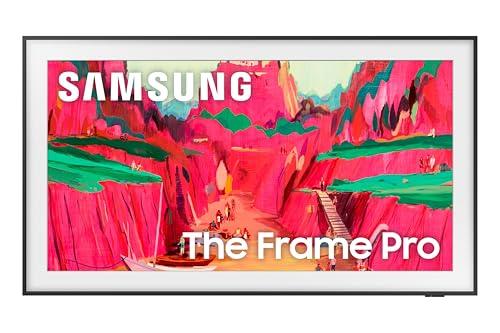

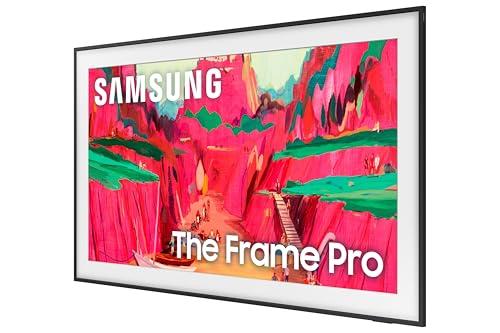
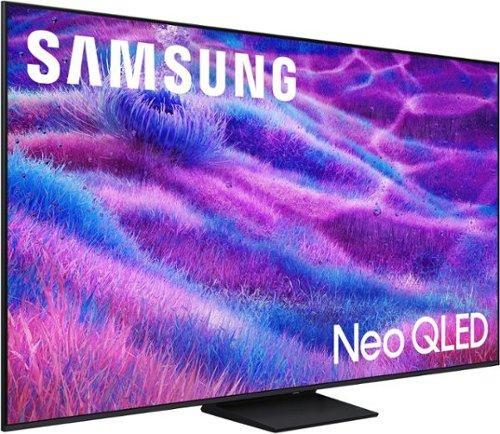
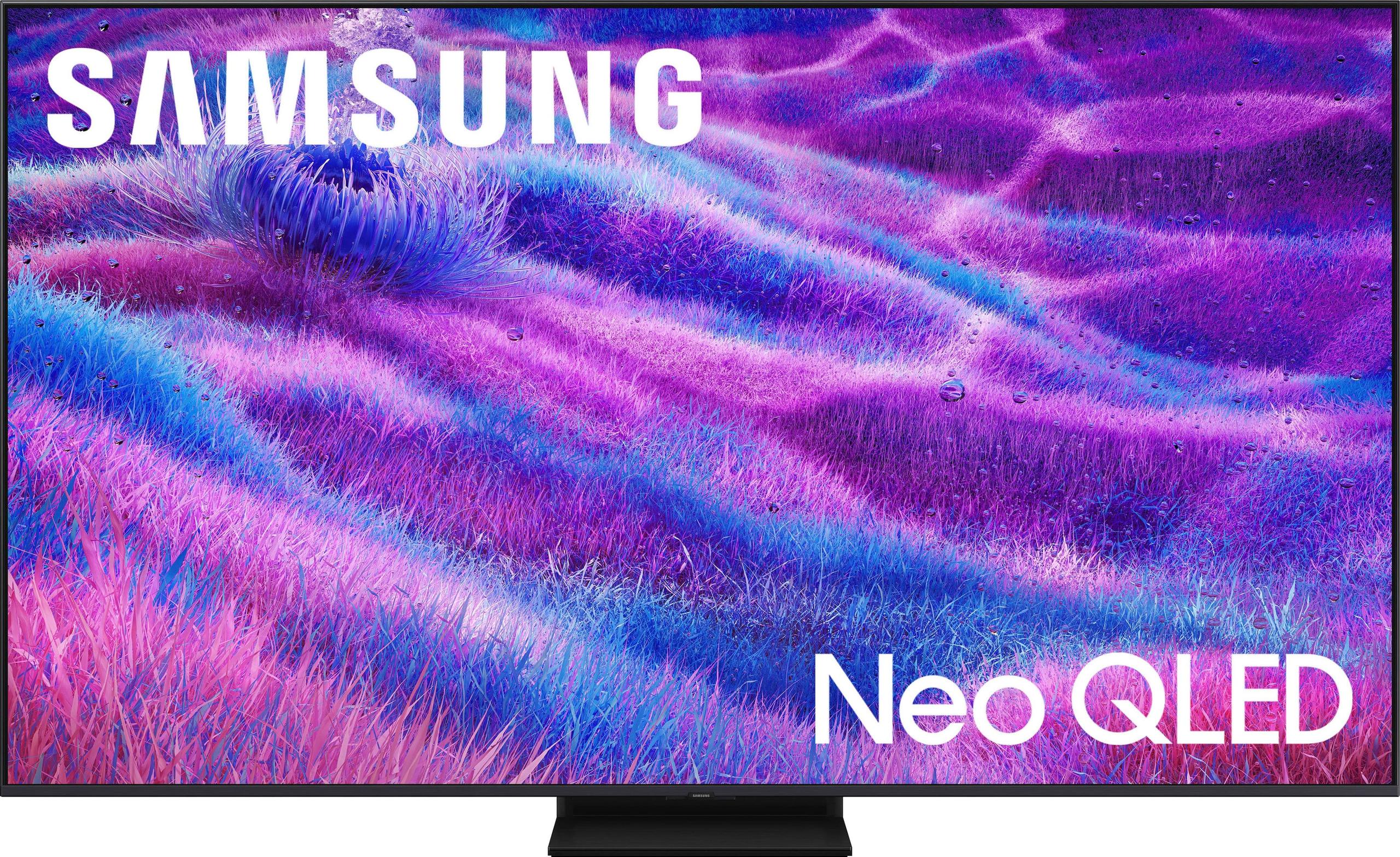
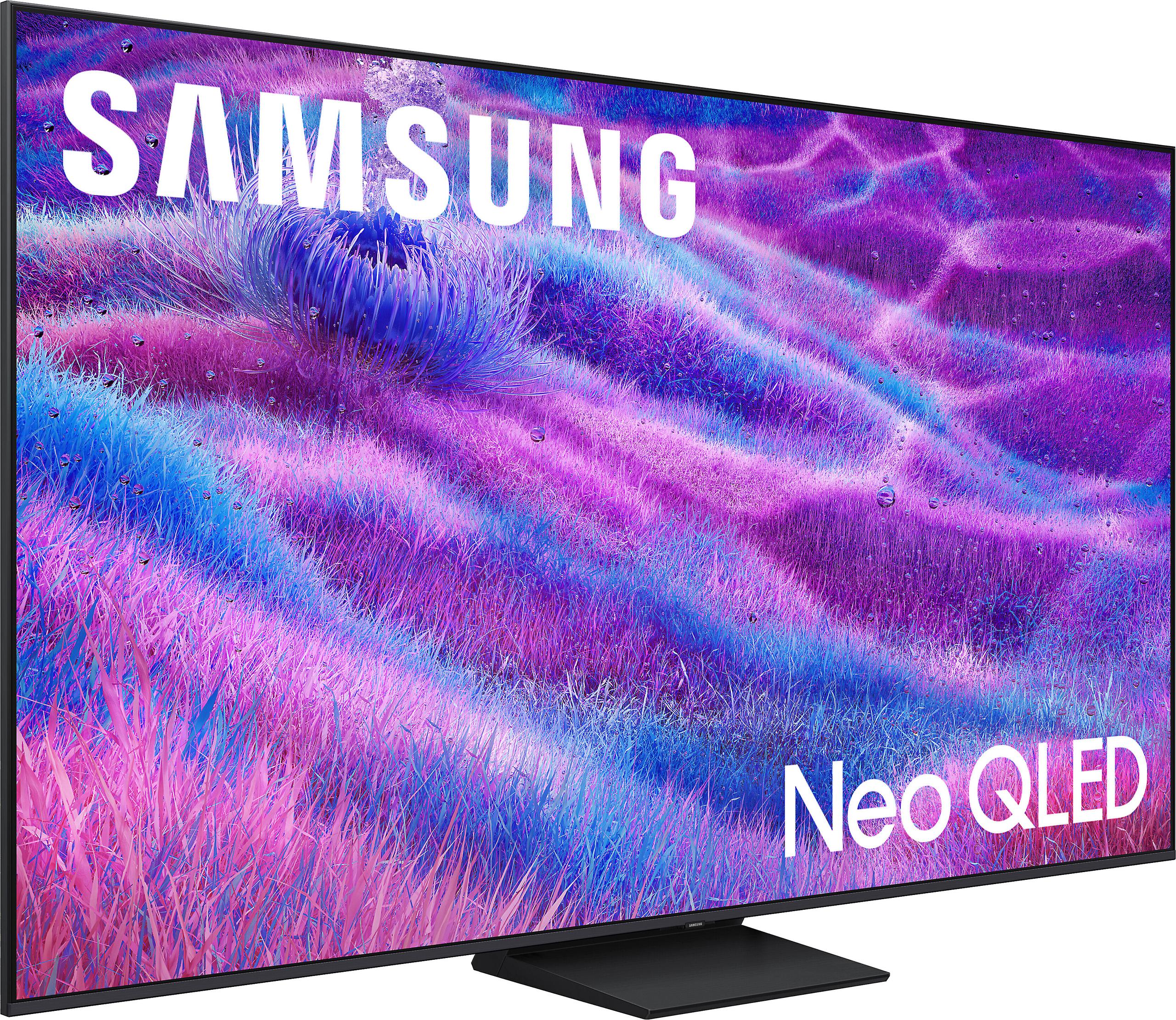
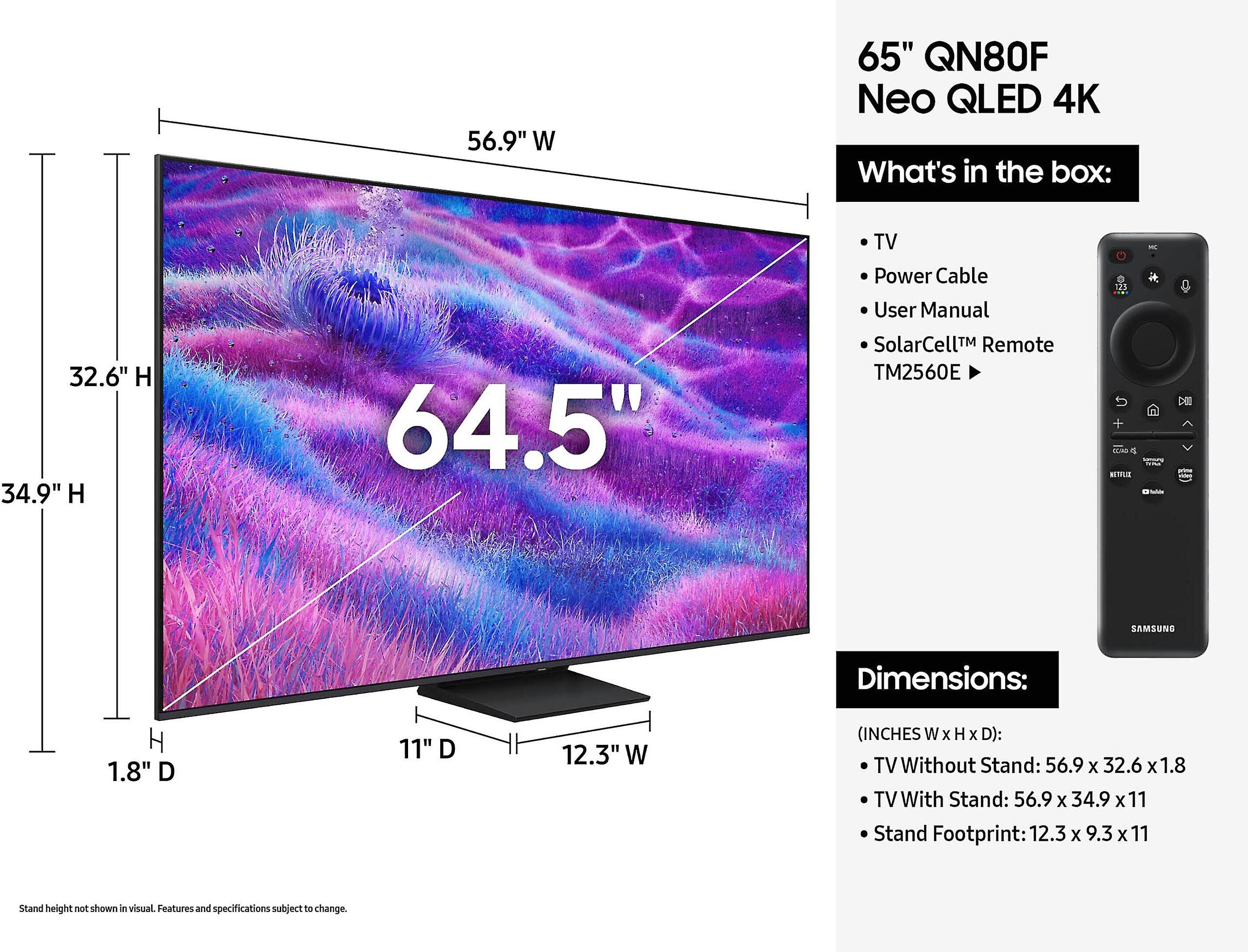

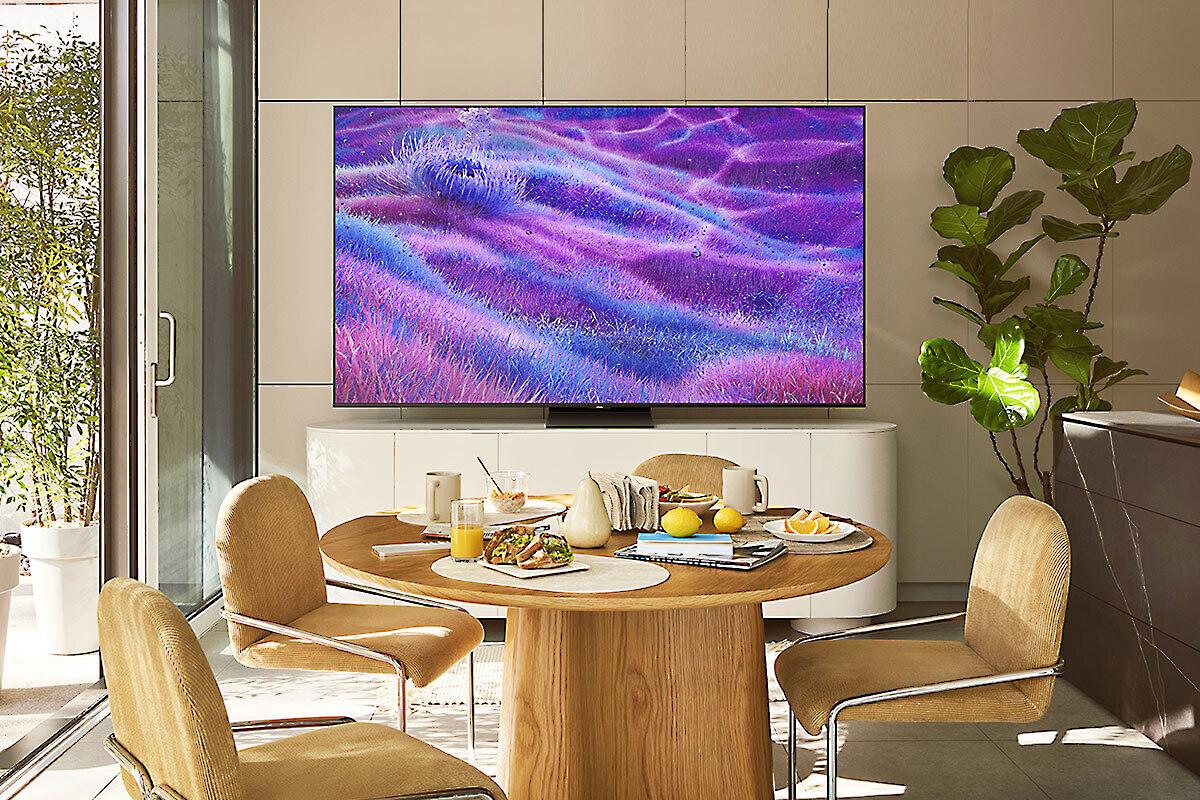

When Samsung launched these two 65-inch Neo QLED televisions in 2025, they represented a fascinating split in premium TV philosophy. The Frame Pro asks whether your TV should disappear into your décor like a piece of art, while the QN80F focuses purely on delivering the best picture and gaming performance for your money. Both use Samsung's Mini LED technology - tiny LED backlights that offer better control than traditional LED TVs - but they implement it in completely different ways.
At the time of writing, there's a substantial price difference between these models, with the Frame Pro commanding a significant premium over the QN80F. This isn't just Samsung charging more for the same technology - these TVs serve genuinely different purposes and use different approaches to achieve their goals.
Before diving into comparisons, it's worth understanding what Neo QLED actually means. Traditional LED TVs use larger LED backlights that can create uneven lighting and limited contrast. Neo QLED uses Mini LEDs - backlights about 1/40th the size of regular LEDs - combined with quantum dots (tiny particles that produce more accurate colors). This combination creates brighter, more colorful images with better contrast than standard LED TVs, though still not quite matching OLED's perfect blacks.
Both the Frame Pro and QN80F use this technology, but in fundamentally different ways that affect their performance and intended use.
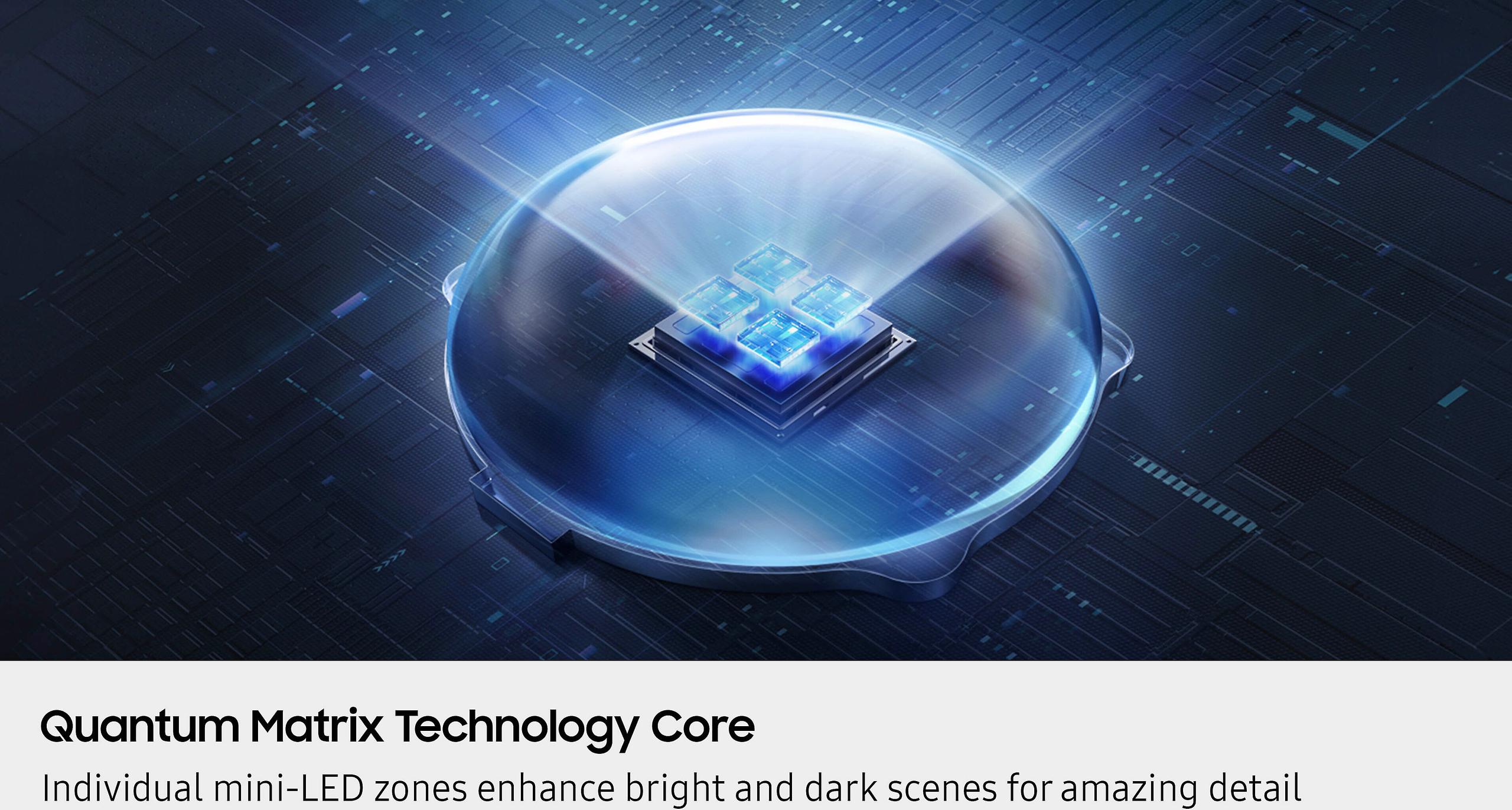
The biggest technical difference between these TVs lies in how they illuminate the screen. The QN80F uses full-array local dimming, meaning Mini LEDs are spread across the entire back of the panel in zones that can brighten or dim independently. Think of it like having hundreds of tiny flashlights behind the screen, each one adjustable. This creates excellent contrast because dark parts of the image can have their backlights dimmed while bright parts stay illuminated.
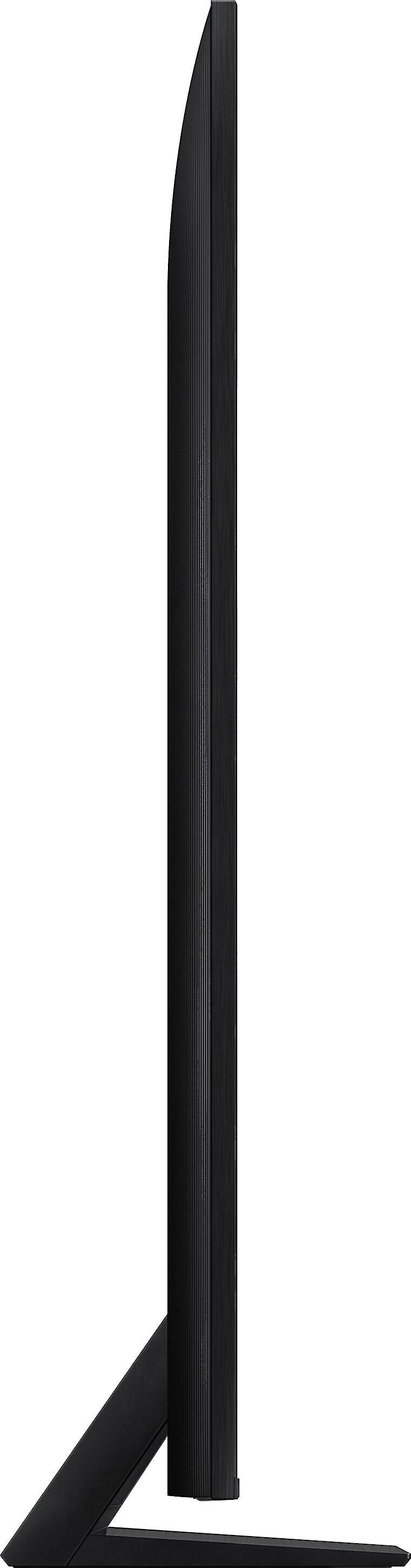
The Frame Pro, constrained by its ultra-slim design requirements, uses edge-lit Mini LEDs positioned only along the bottom edge. Light guides distribute this illumination across the screen. It's like having a powerful flashlight at the bottom of the screen with mirrors spreading the light upward. This allows for the incredibly thin profile needed for the art-like appearance, but sacrifices some contrast performance.
Based on our research into professional reviews and measurements, this difference is significant. The QN80F consistently shows better black levels, less light blooming around bright objects in dark scenes, and more uniform lighting across the screen. For movie watching, especially in darker rooms, this translates to a more cinematic experience with deeper shadows and more dramatic contrast.
Peak brightness is where the Frame Pro fights back. Professional measurements show it reaching over 1,000 nits in HDR content - that's bright enough to make HDR highlights really pop, even in well-lit rooms. The QN80F, while still very bright, typically measures somewhat lower in peak brightness output.
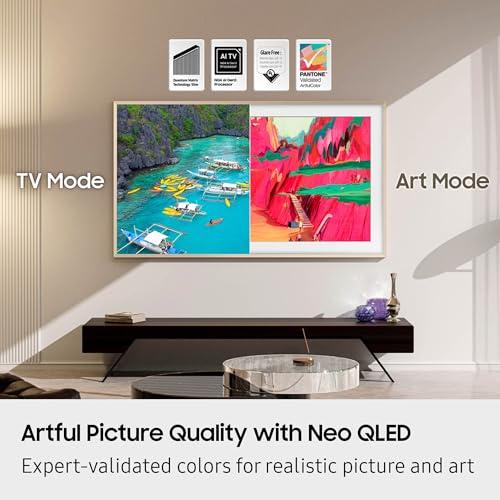
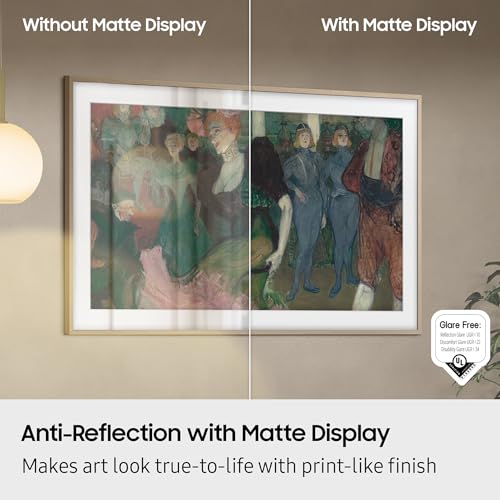
More importantly, the Frame Pro features a matte anti-reflection coating that dramatically reduces glare. If you've ever tried watching TV with sunlight streaming through windows, you know how frustrating reflections can be. This matte finish essentially eliminates that problem, making the Frame Pro exceptional for bright living rooms, kitchens, or any space where controlling lighting isn't practical.
The QN80F uses a more traditional glossy finish that can show reflections but delivers slightly more vibrant colors and sharper detail in controlled lighting conditions. For a dedicated home theater setup where you can control ambient light, the QN80F's superior contrast and black levels create a more immersive viewing experience.
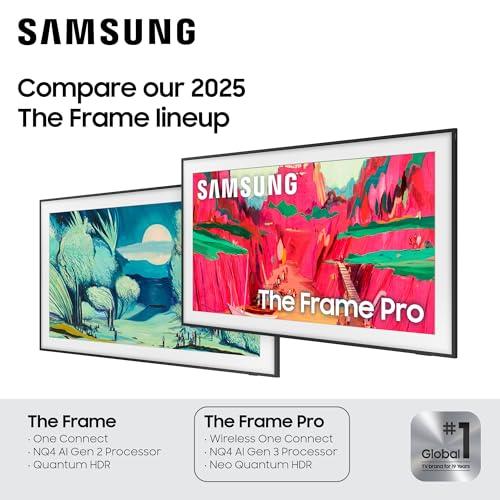
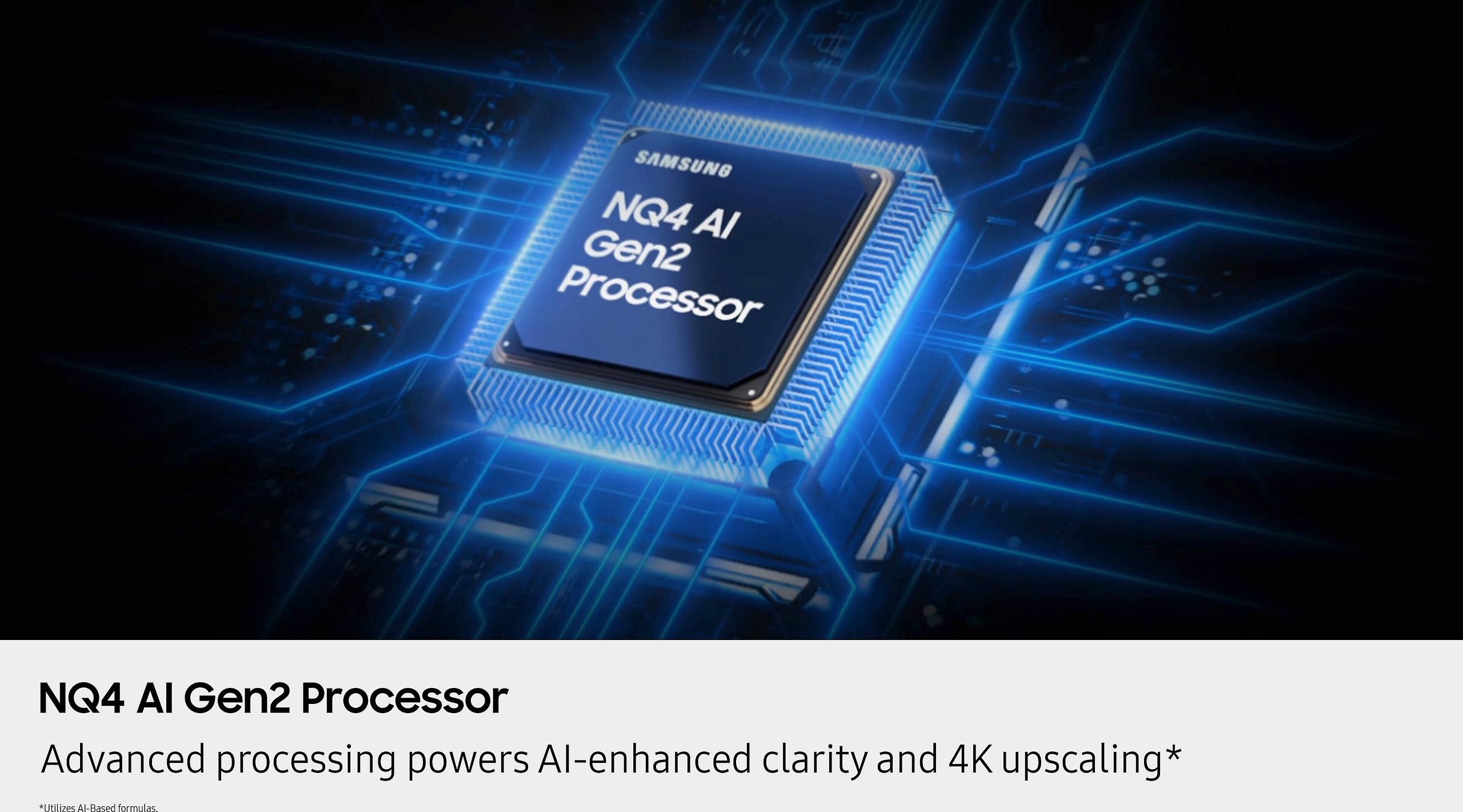
Color reproduction is excellent on both models, though they take different approaches. The Frame Pro uses Samsung's latest NQ4 AI Gen3 processor with enhanced color processing specifically tuned for both video content and art display. The QN80F uses the slightly older but still capable NQ4 AI Gen2 processor focused purely on video optimization.
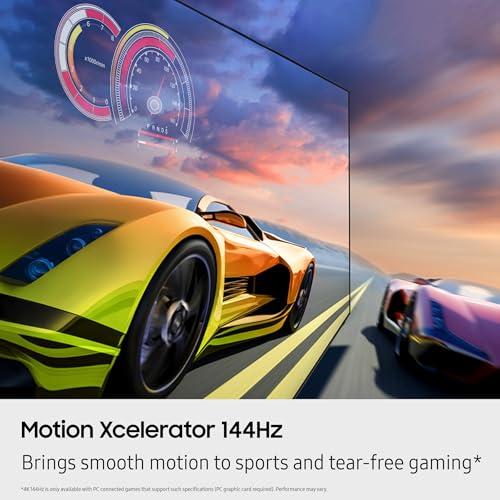
Gaming capabilities reveal another key difference in philosophy. The Frame Pro supports up to 144Hz refresh rates - that's how many times the screen updates per second, with higher numbers meaning smoother motion. For PC gaming, this high refresh rate can provide incredibly fluid gameplay.
However, our research into gaming reviews reveals a significant caveat: the Frame Pro has notably higher input lag (the delay between pressing a button and seeing the action on screen) at over 30 milliseconds. For casual gaming, this is perfectly acceptable, but competitive gamers will notice the delay. Samsung does include a micro HDMI port directly on the TV for lower latency gaming, but this somewhat defeats the wireless cable-free design.
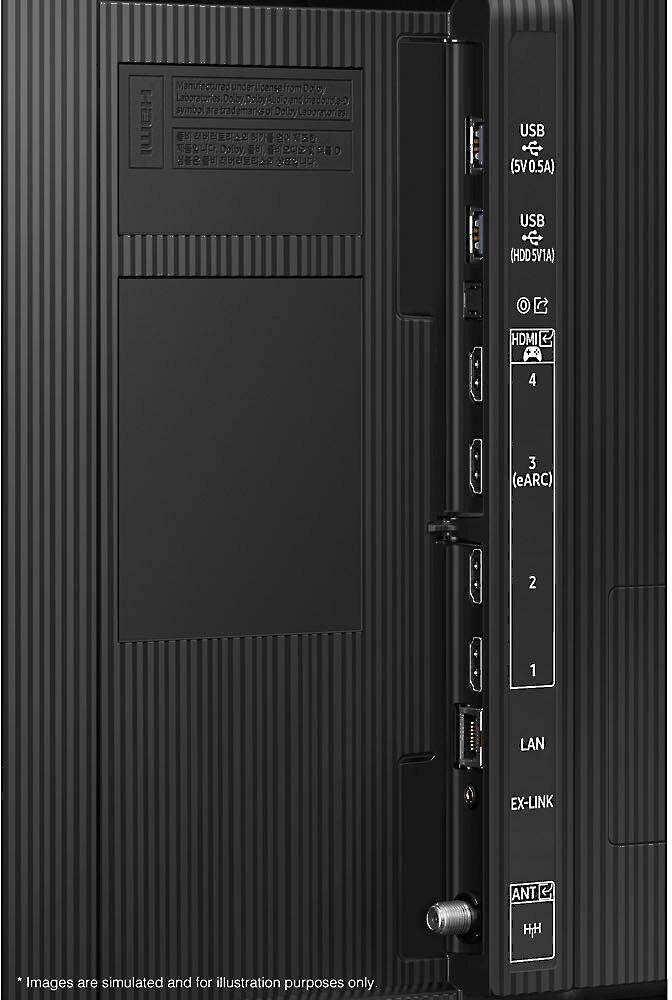
The QN80F takes a more traditional gaming approach with 120Hz native refresh rates and much lower input lag - typically under 10 milliseconds in Game Mode. It includes four full HDMI 2.1 ports supporting all the latest gaming features like Variable Refresh Rate (which eliminates screen tearing) and Auto Low Latency Mode (which automatically switches to the fastest response settings when gaming).
For PlayStation 5 or Xbox Series X owners, both TVs handle 4K gaming at 120Hz beautifully, but the QN80F provides the more responsive, competitive gaming experience.
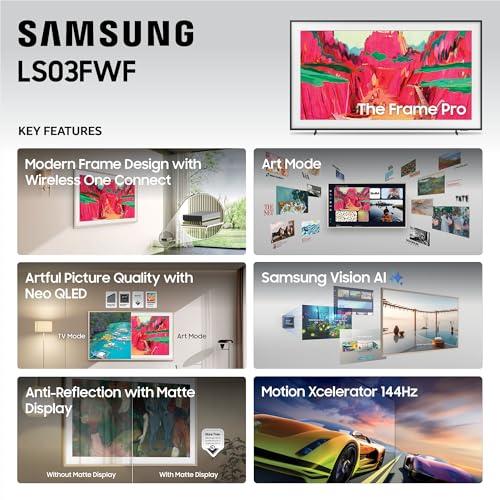
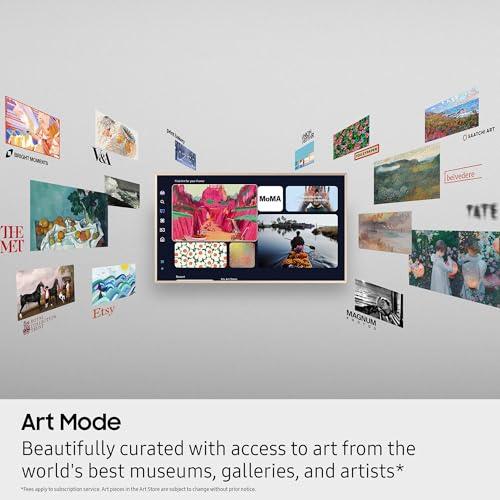
Here's where the Frame Pro becomes truly unique. Art Mode transforms your TV into a digital picture frame displaying nearly 3,000 curated artworks from museums and galleries worldwide. When combined with customizable bezels that mimic picture frames, the effect is genuinely convincing - visitors often mistake it for actual artwork until they get close.
The matte finish enhances this illusion by eliminating the glossy "TV look" that typically gives away digital displays. Samsung has partnered with major museums, so you're not just getting random images - these are professionally curated, high-resolution artworks that change with your mood or season.
This isn't just a gimmick. In our evaluation of user feedback, owners consistently mention how Art Mode changes their relationship with the TV. Instead of a black rectangle dominating the wall when off, it becomes a constantly evolving art gallery. For open-plan homes or spaces where the TV is always visible, this transformation is genuinely valuable.
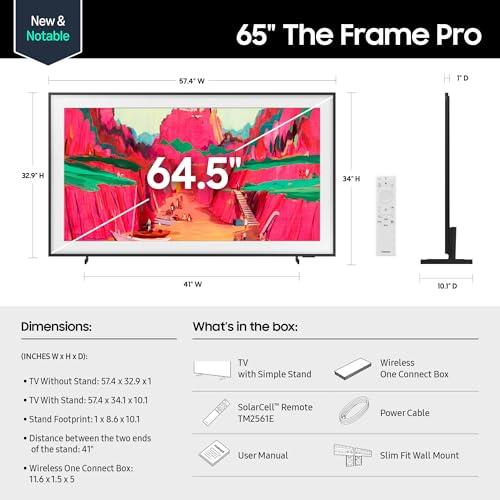
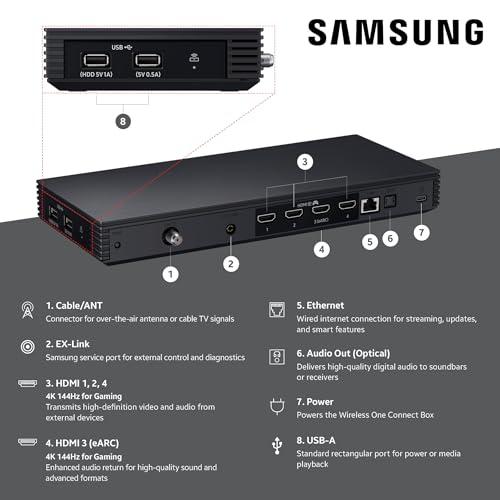
The Frame Pro's Wireless One Connect Box represents a significant technological achievement. All your HDMI devices, streaming boxes, and gaming consoles connect to this separate box that can be placed up to 30 feet away from the TV. The box then wirelessly transmits 4K video and audio to the screen with no perceptible delay.
This means zero visible cables running to your wall-mounted TV - a completely clean installation that maintains the artistic aesthetic. The wireless connection uses advanced Wi-Fi 7 technology with specialized antennas designed to maintain signal strength even through walls and obstacles.
However, there's no wired backup option. If wireless connectivity fails for any reason, you're stuck until it's resolved. For most users, the reliability has proven excellent, but it's worth considering if you live in an area with significant wireless interference.
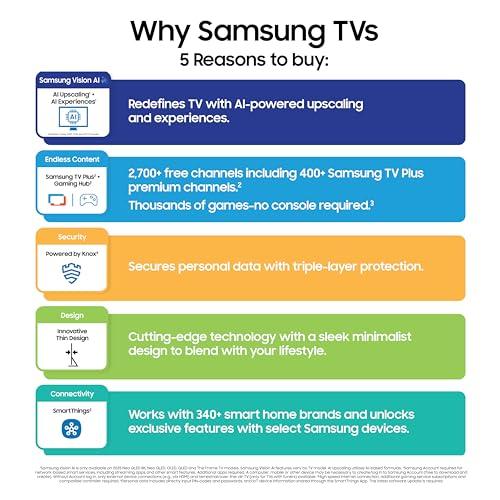
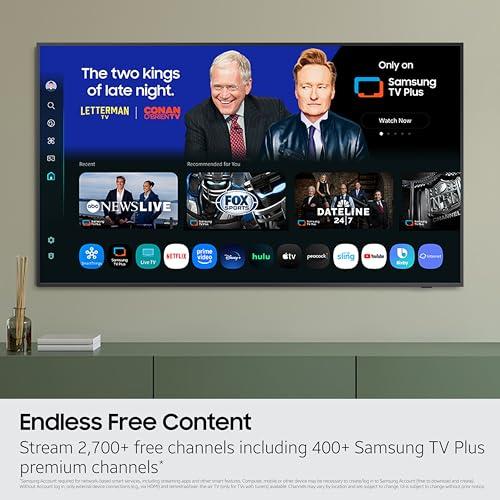
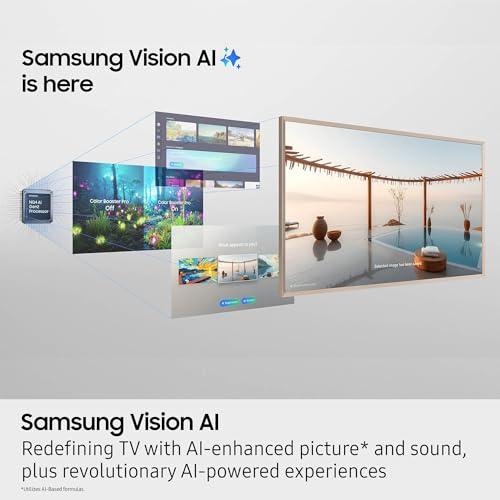
Both models run Samsung's Tizen smart TV platform, which provides access to all major streaming services and features intuitive navigation. The Frame Pro includes Samsung's latest Vision AI suite with features like live translation of foreign language content and AI-generated wallpapers that match your mood.
The QN80F also includes Vision AI capabilities, though not the absolute latest version. For day-to-day streaming, both perform excellently with fast app loading and smooth navigation.
Processing power differences become apparent in upscaling - how well the TV improves lower-resolution content. The Frame Pro's Gen3 processor shows subtle improvements in upscaling 1080p content to 4K, with better detail enhancement and noise reduction. For users who watch a lot of older content or lower-resolution streaming, this can be noticeable.
Neither TV will replace a good soundbar or surround sound system, but both exceed typical TV audio expectations. The Frame Pro includes Object Tracking Sound, which uses multiple speakers to make audio appear to come from specific locations on screen. When a car drives across the screen, the sound follows it.
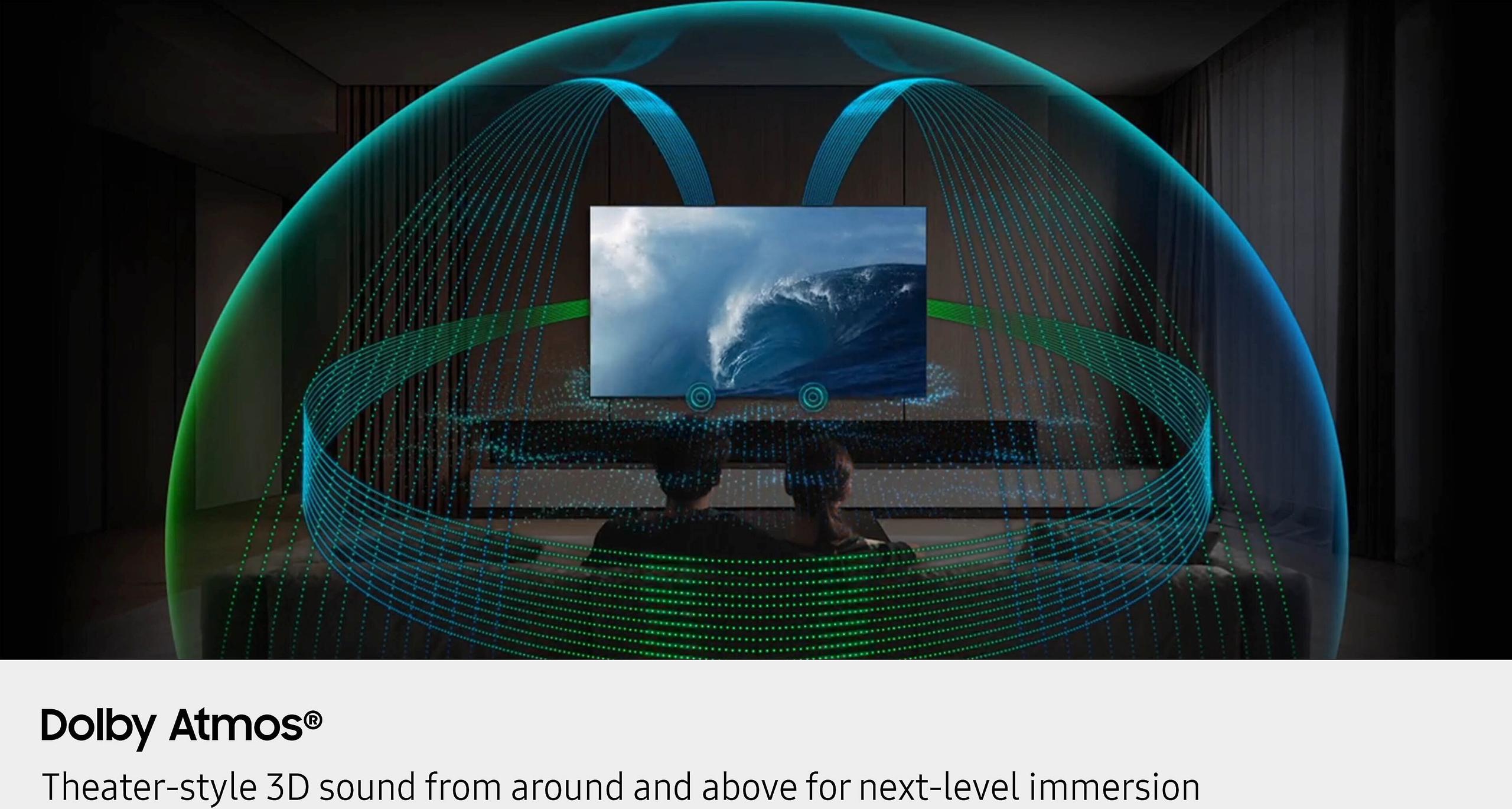
Both models support Dolby Atmos for three-dimensional sound and include Samsung's Q-Symphony technology, which allows them to work in tandem with Samsung soundbars for enhanced audio.
The QN80F includes Adaptive Sound Pro, which analyzes your room's acoustics and adjusts audio accordingly. In practice, this creates clearer dialogue and more balanced sound across different content types.
For dedicated home theater setups, the QN80F emerges as the clear choice. Its superior contrast ratio, better black levels, and lower input lag create a more cinematic experience. The full-array backlighting provides the dramatic contrast that makes HDR content truly impressive in dark viewing environments.
The Frame Pro can certainly serve in a home theater, especially if brightness and anti-glare properties are priorities. However, the edge-lit backlighting and higher input lag make it less ideal for serious movie enthusiasts or gamers.
At the time of writing, the price difference between these models is substantial, with the Frame Pro commanding a significant premium. This premium pays for the unique design elements, wireless technology, and art features rather than superior picture performance.
The QN80F offers exceptional value for pure TV performance, delivering full-array Mini LED quality at a much lower price point. For users focused on getting the best picture and gaming performance per dollar spent, it's the obvious choice.
The Frame Pro justifies its premium for users who value aesthetics and integration with their living space. If your TV is visible when off and you appreciate the art gallery concept, the premium becomes worthwhile.
Both models benefit from Samsung's reputation for reliability and software support. The Frame Pro's wireless technology adds complexity but has proven robust in real-world use. Samsung provides regular software updates for both models, ensuring continued compatibility with new streaming services and features.
The QN80F's more traditional design means fewer potential failure points and easier serviceability if issues arise.
Choose the Frame Pro if you're designing a living space where the TV needs to disappear when not in use, you have a bright room with challenging lighting conditions, or you genuinely appreciate the art gallery concept. It's for users who view their TV as part of their home's aesthetic and are willing to pay for that integration.
The QN80F suits movie enthusiasts, serious gamers, and anyone prioritizing performance value. If you want the best possible picture quality and gaming experience without paying for lifestyle features you won't use, it's the smarter choice.
Both represent excellent examples of their respective approaches to premium TV design. Your choice should align with how you use your TV and what role it plays in your living space. The Frame Pro transforms television into furniture, while the QN80F perfects the traditional TV experience with modern technology.
| Samsung 65" The Frame Pro 4K Neo QLED Smart TV 2025 | Samsung 65" QN80F Neo QLED 4K TV |
|---|---|
| Backlighting Technology - Determines contrast quality and black levels | |
| Edge-lit Mini LED (slimmer design, decent contrast) | Full-array Mini LED (superior contrast and black levels) |
| Peak Brightness - Critical for HDR impact and bright room viewing | |
| 1,000+ nits (excellent for overcoming glare) | 800+ nits (very good, slightly dimmer than Frame Pro) |
| Refresh Rate - Important for smooth gaming and sports | |
| 144Hz native (excellent for PC gaming) | 120Hz native with Motion Xcelerator 144Hz |
| Gaming Input Lag - Critical for competitive gaming responsiveness | |
| ~30ms (acceptable for casual gaming only) | <10ms (excellent for competitive gaming) |
| Screen Finish - Affects viewing in different lighting conditions | |
| Matte anti-glare (eliminates reflections, ideal for bright rooms) | Glossy finish (more vibrant colors, shows reflections) |
| Processor - Handles upscaling and AI features | |
| NQ4 AI Gen3 (latest with enhanced art/video processing) | NQ4 AI Gen2 (excellent video optimization) |
| Design Philosophy - How it integrates into your space | |
| Ultra-slim art frame with customizable bezels | Traditional TV design with standard stand |
| Connectivity Approach - Cable management and setup flexibility | |
| Wireless One Connect Box (completely cable-free wall mount) | Traditional wired connections (4 HDMI ports on TV) |
| Art Mode - Unique lifestyle feature | |
| Yes, with 3,000+ museum artworks and customizable frames | No art display capability |
| Local Dimming Quality - Affects contrast in dark scenes | |
| Basic edge-lit dimming (limited zone control) | Advanced full-array dimming (precise zone control) |
| Target Use Case - Who should choose each model | |
| Lifestyle-focused users wanting TV-as-art integration | Performance-focused users prioritizing picture quality and gaming |
The Samsung Frame Pro is designed as a lifestyle TV that doubles as wall art when not in use, featuring Art Mode and a wireless connection system. The Samsung QN80F focuses purely on picture quality and gaming performance with full-array Mini LED backlighting for superior contrast.
The Samsung QN80F delivers better picture quality for movies thanks to its full-array Mini LED backlighting, which provides superior black levels and contrast compared to the Samsung Frame Pro's edge-lit system. However, the Frame Pro is brighter and better for well-lit rooms.
The Samsung Frame Pro is worth the premium if you value its unique art display features, wireless cable-free setup, and ultra-slim design. If you prioritize pure TV performance and gaming, the Samsung QN80F offers better value for the money.
The Samsung QN80F is significantly better for gaming with lower input lag (under 10ms) and four HDMI 2.1 ports. While the Samsung Frame Pro supports 144Hz refresh rates, its higher input lag (~30ms) makes it less suitable for competitive gaming.
Yes, both TVs can be wall-mounted, but the Samsung Frame Pro is specifically designed for wall mounting with its ultra-slim profile and wireless connectivity that eliminates visible cables. The Samsung QN80F can be wall-mounted but will have visible cables running to it.
The Samsung Frame Pro is better for bright rooms due to its matte anti-glare screen finish that virtually eliminates reflections, combined with higher peak brightness. The Samsung QN80F has a glossy finish that can show reflections in bright environments.
Yes, both the Samsung Frame Pro and Samsung QN80F run Samsung's Tizen smart TV platform with access to all major streaming services like Netflix, Disney+, and Amazon Prime Video. The Frame Pro includes newer Vision AI features.
Art Mode on the Samsung Frame Pro displays over 3,000 curated artworks from museums when the TV is off, transforming it into a digital art gallery. Combined with customizable bezels, it looks like a real picture frame. This feature isn't available on the Samsung QN80F.
The Samsung QN80F has significantly better contrast for dark room viewing thanks to its full-array Mini LED backlighting with precise local dimming zones. The Samsung Frame Pro uses edge-lit backlighting which cannot achieve the same deep black levels.
The Samsung Frame Pro's wireless One Connect Box eliminates cables but has no wired backup option if wireless connectivity fails. The connection range is up to 30 feet and generally reliable, but the Samsung QN80F offers more traditional reliability with direct wired connections.
The Samsung QN80F is better for dedicated home theater setups due to its superior contrast ratio, better black levels, and lower input lag. The full-array backlighting creates more dramatic HDR effects in dark viewing environments compared to the Samsung Frame Pro.
Both the Samsung Frame Pro and Samsung QN80F feature Dolby Atmos support and decent built-in speakers for TV audio. The Frame Pro includes Object Tracking Sound, while the QN80F has Adaptive Sound Pro. Neither replaces a dedicated sound system for serious home theater use.
We've done our best to create useful and informative comparisons to help you decide what product to buy. Our research uses advanced automated methods to create this comparison and perfection is not possible - please contact us for corrections or questions. These are the sites we've researched in the creation of this article: tomsguide.com - youtube.com - smarthomesounds.co.uk - images.samsung.com - rtings.com - samsung.com - bestbuy.com - bestbuy.com - businessinsider.com - dentonstv.com - samsung.com - flatpanelshd.com - samsung.com - jefflynch.com - youtube.com - costco.com - samsung.com - theshortcut.com - youtube.com - bestbuy.com - rtings.com - samsung.com - samsung.com - samsung.com - sargentappliance.com - displayspecifications.com - bestbuy.com

Privacy Policy
Terms and Conditions - Affiliate Policy
Home Security
© Copyright 2008-2026.
11816 Inwood Rd #1211, Dallas, TX 75244