

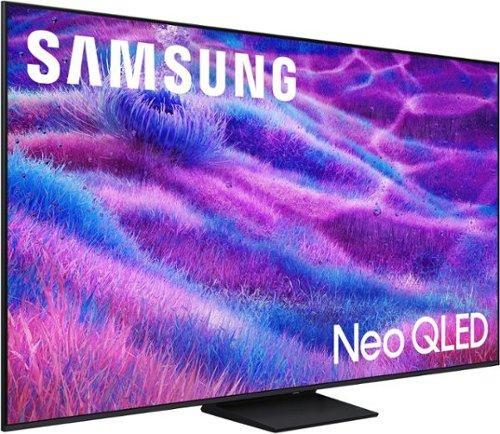
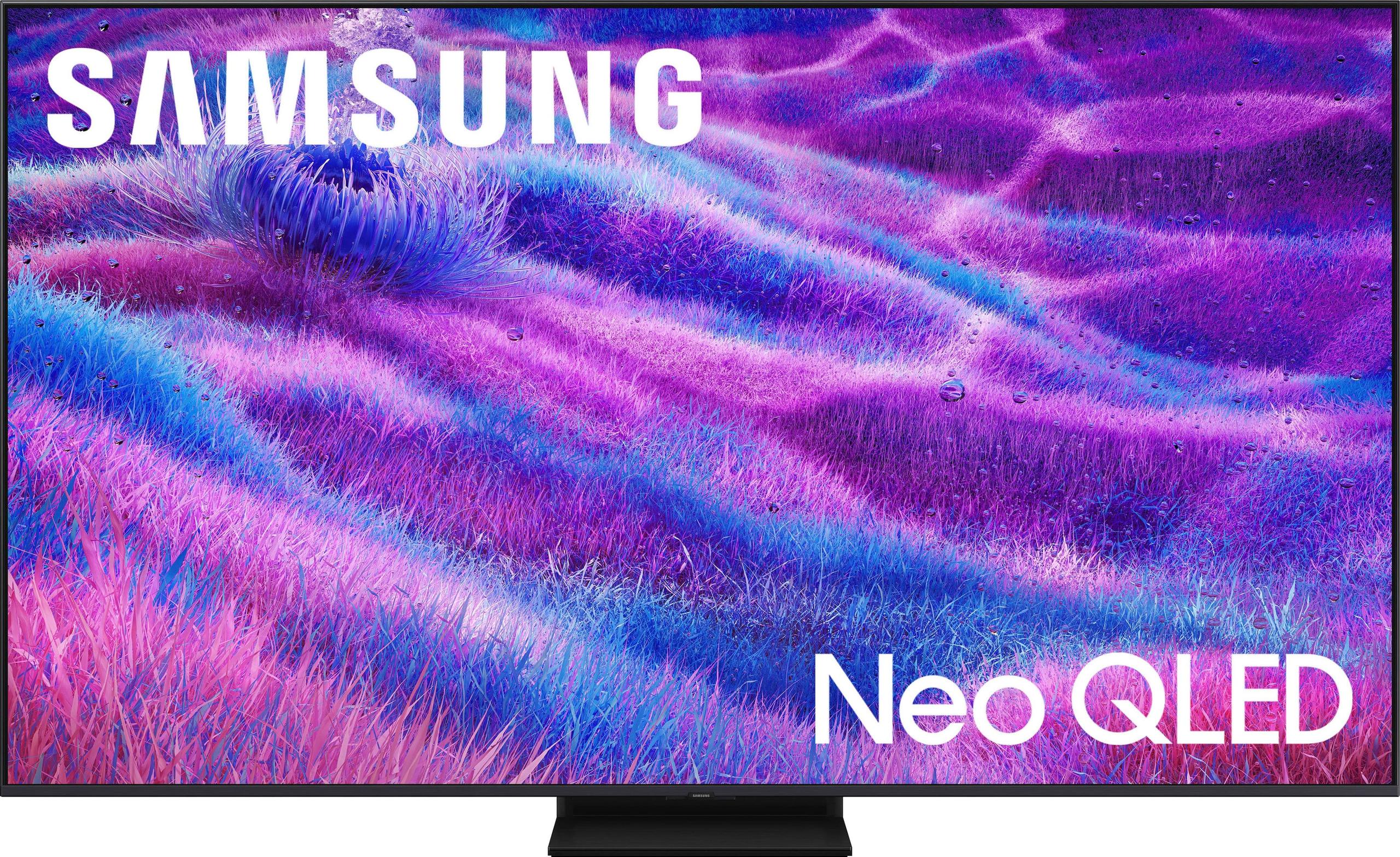
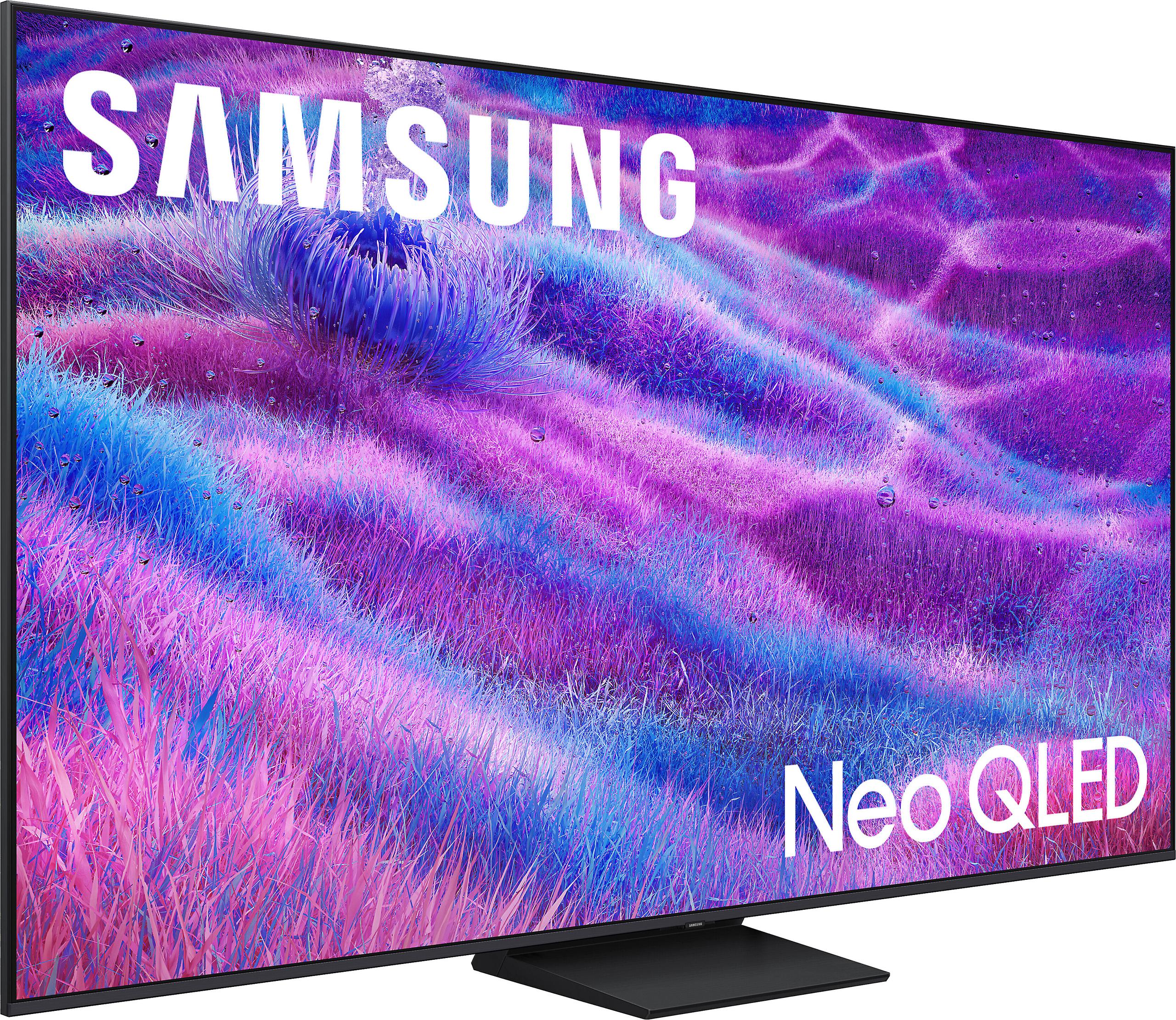
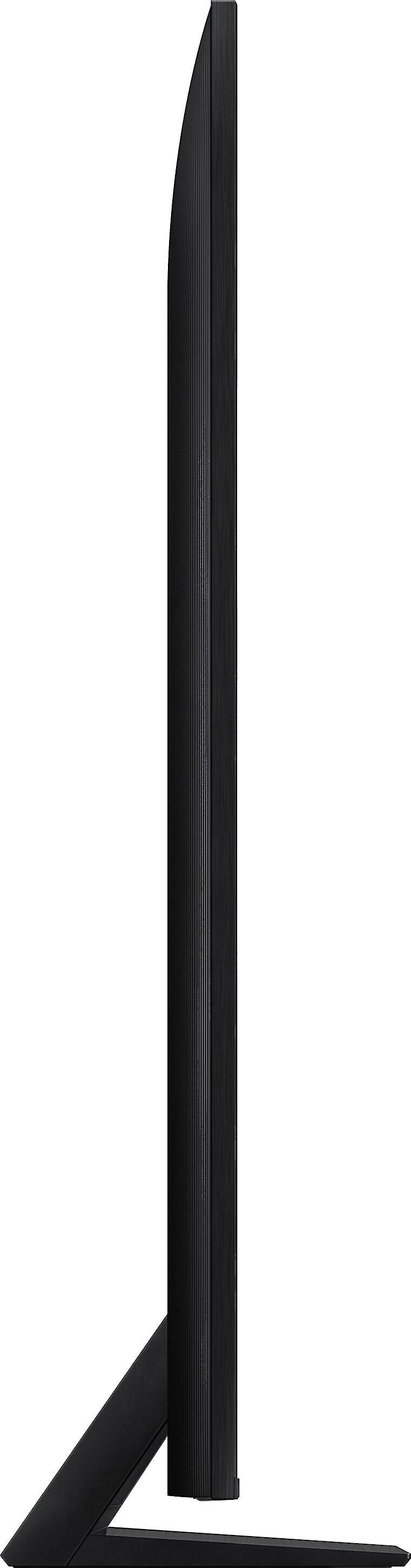
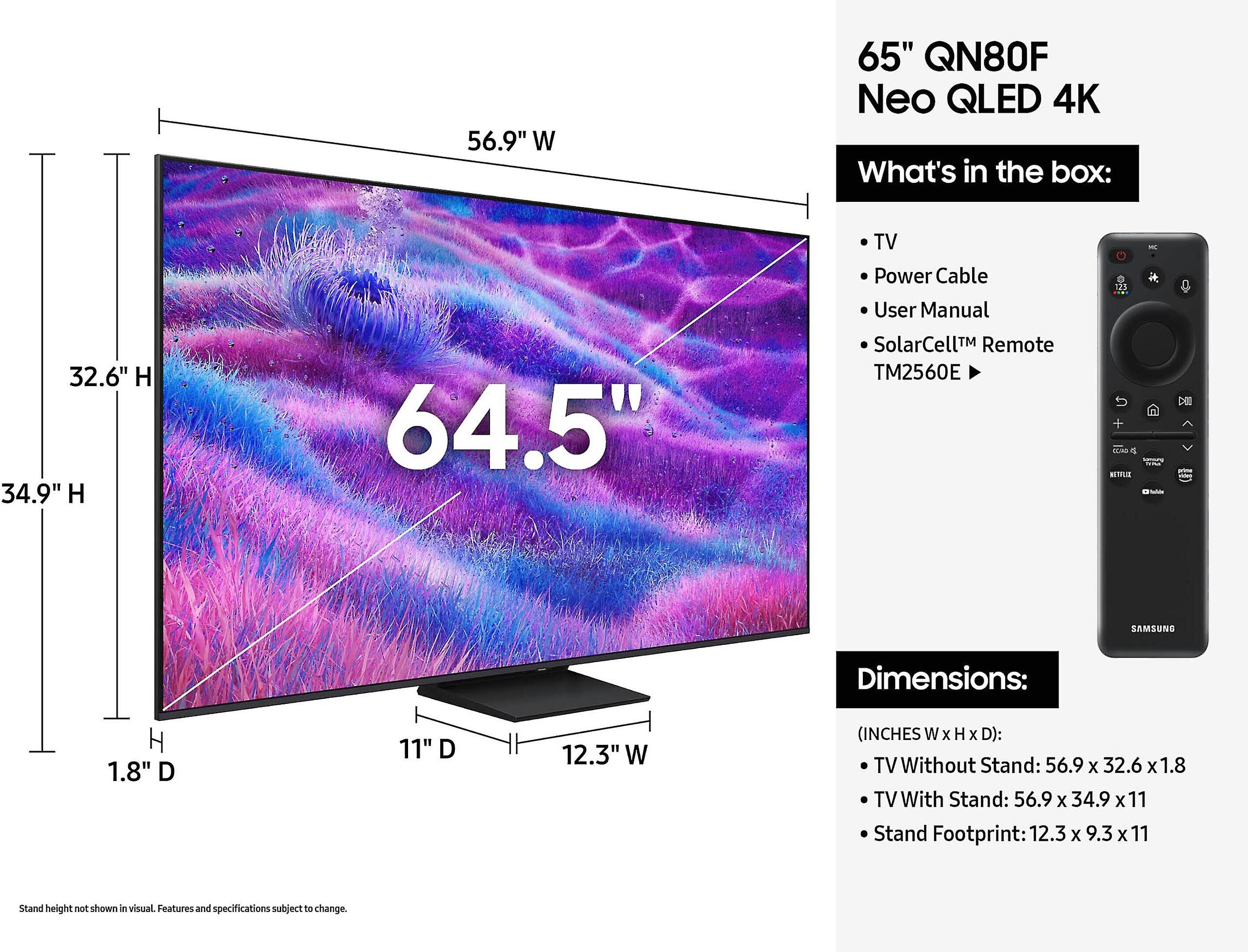
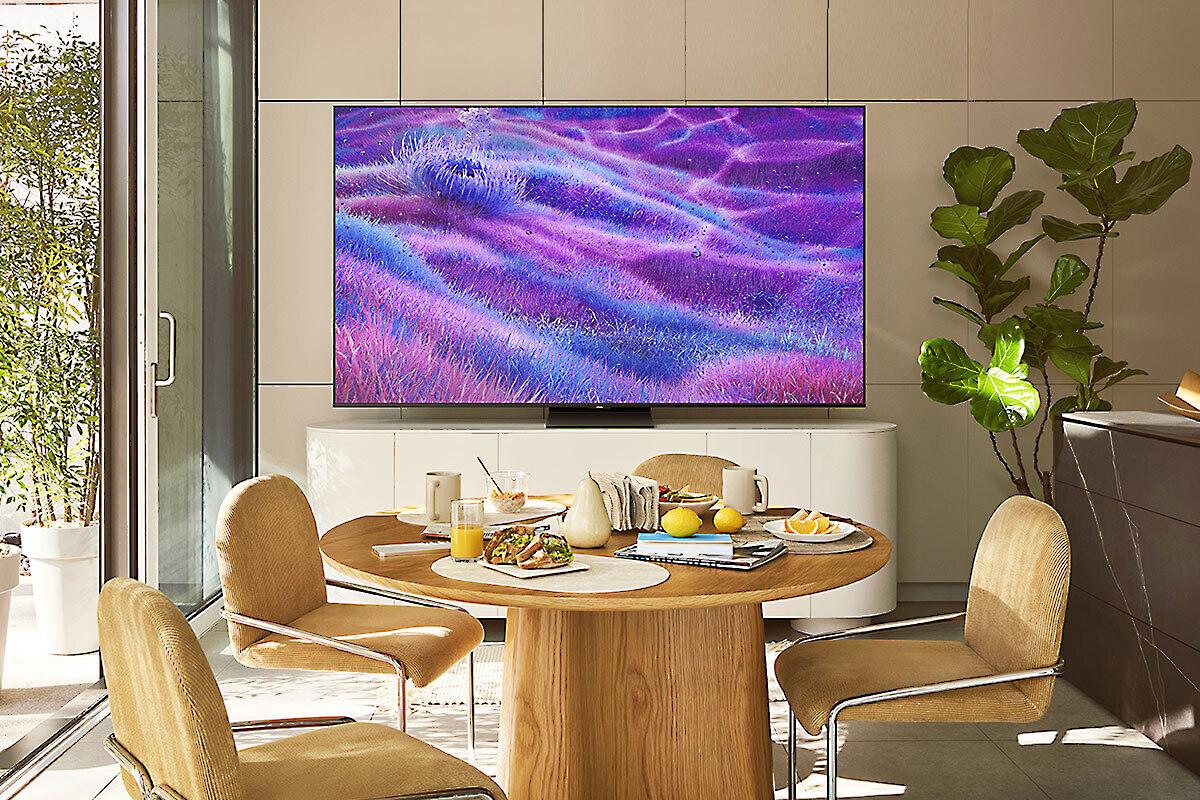
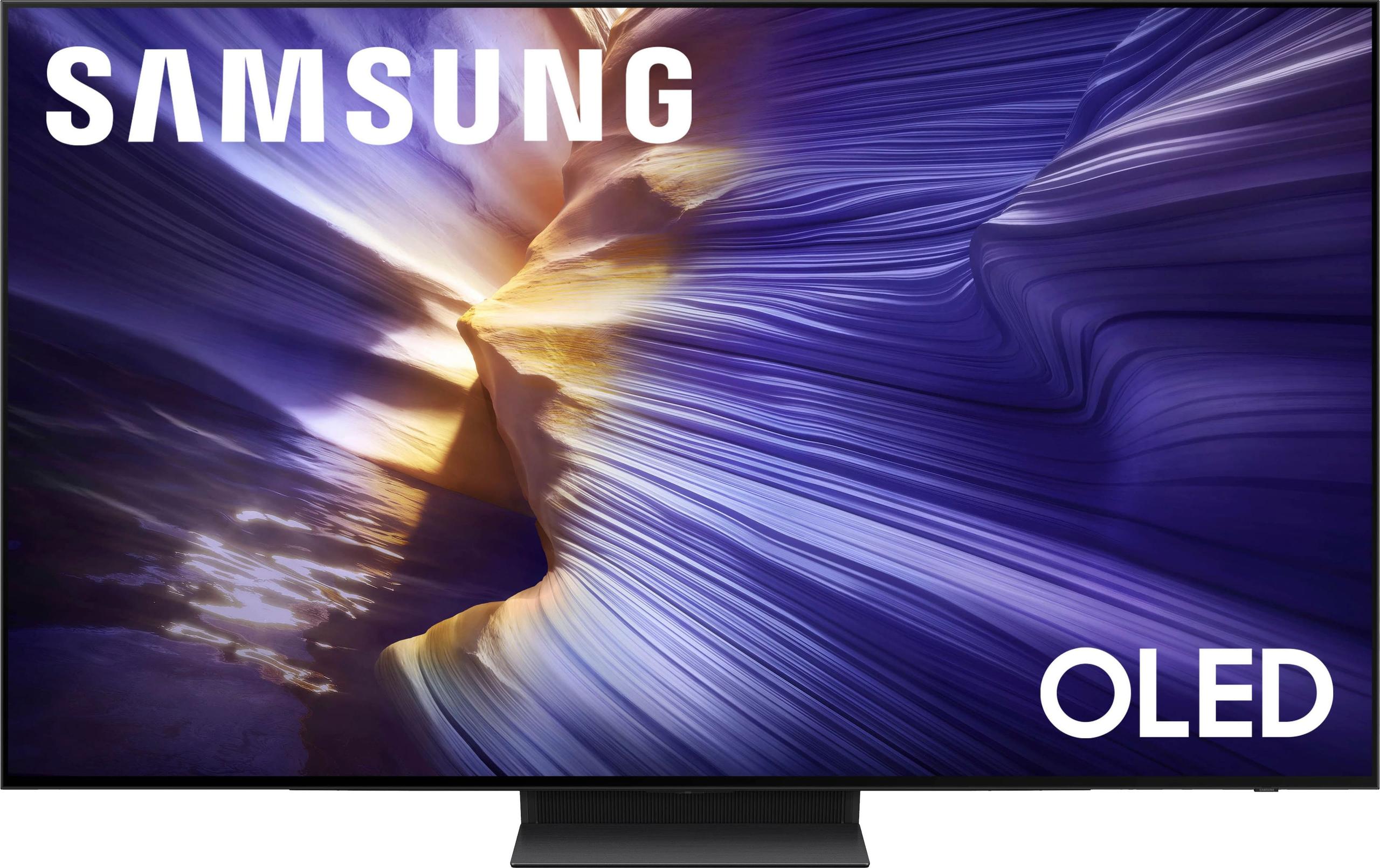
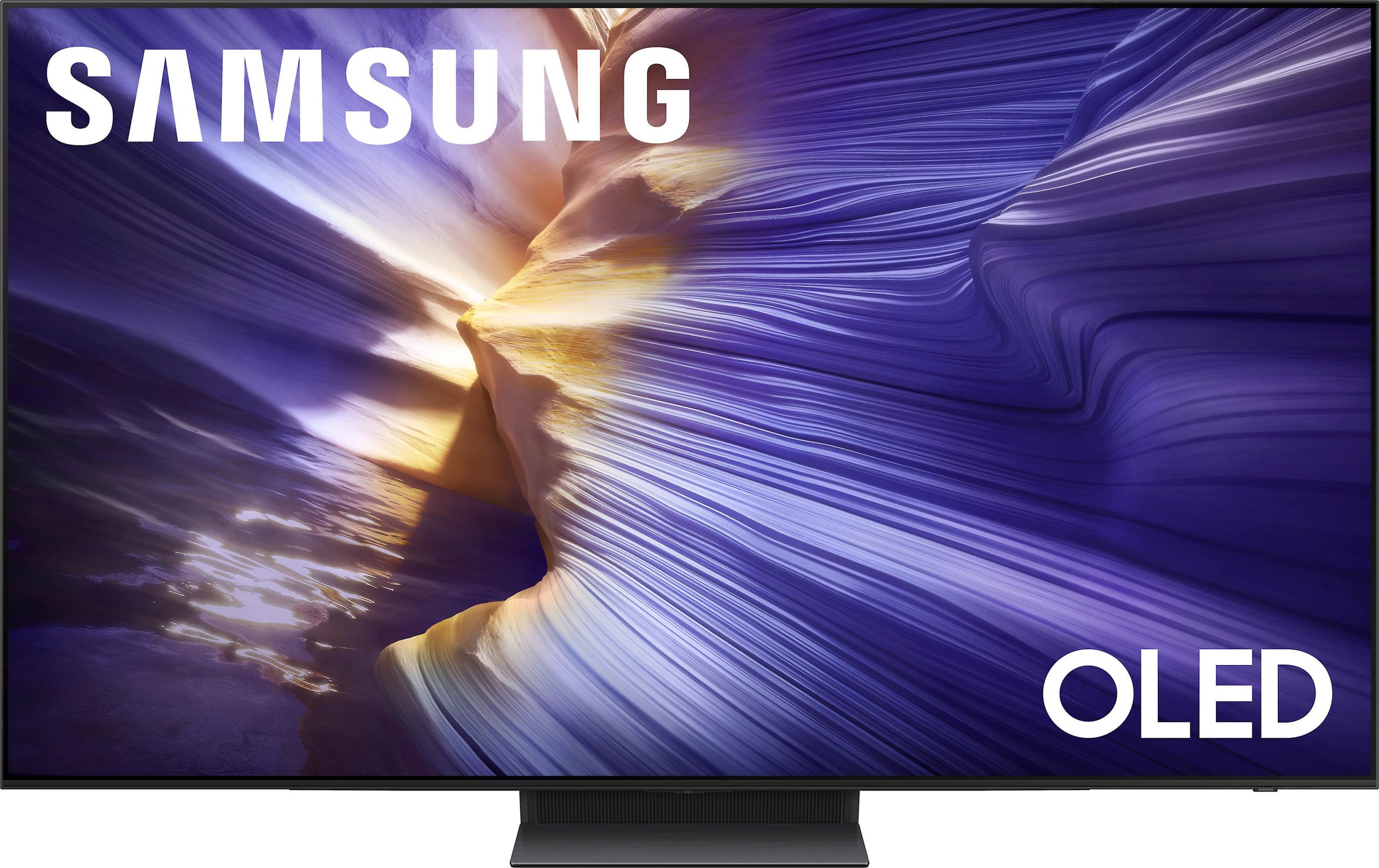
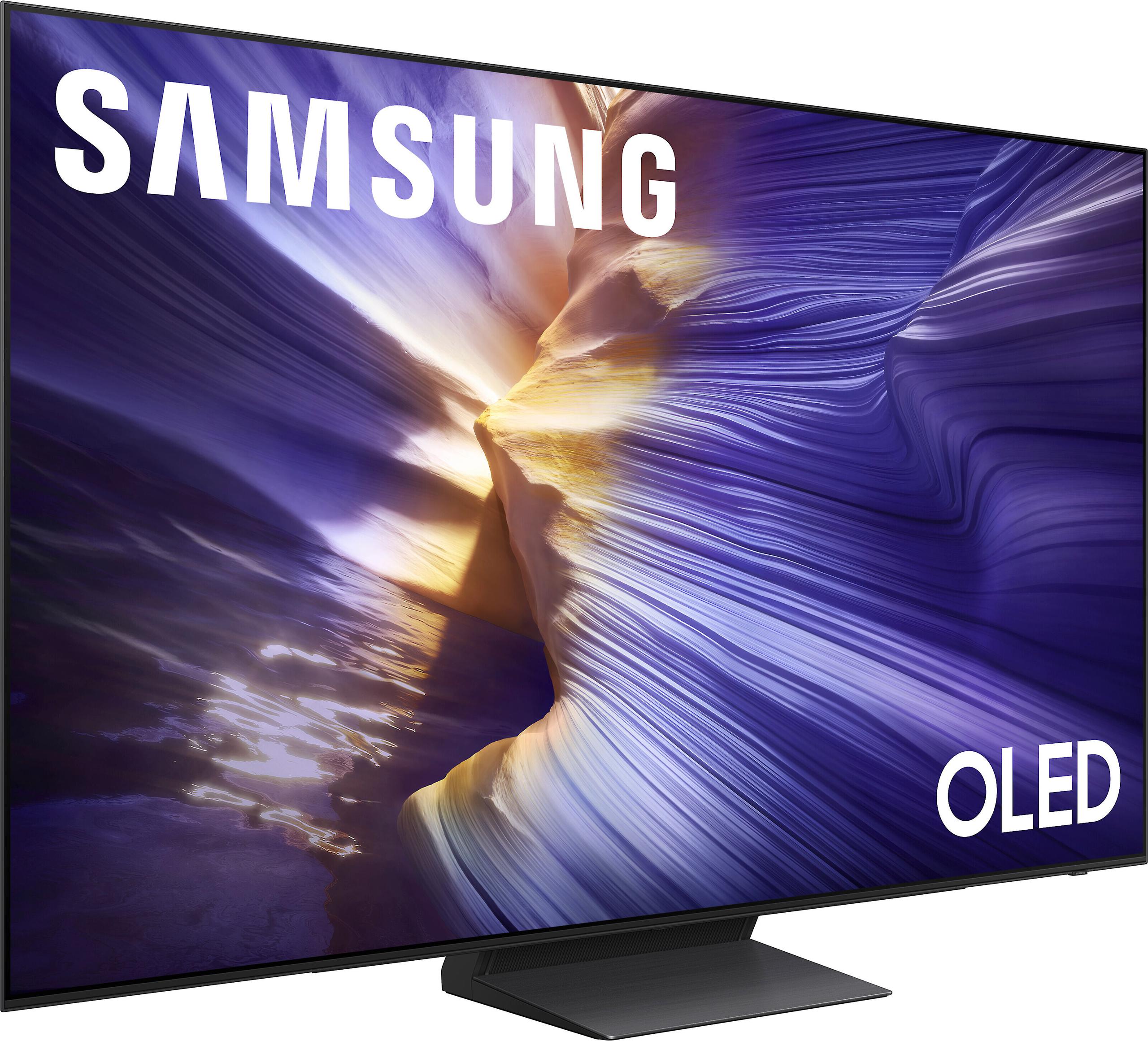
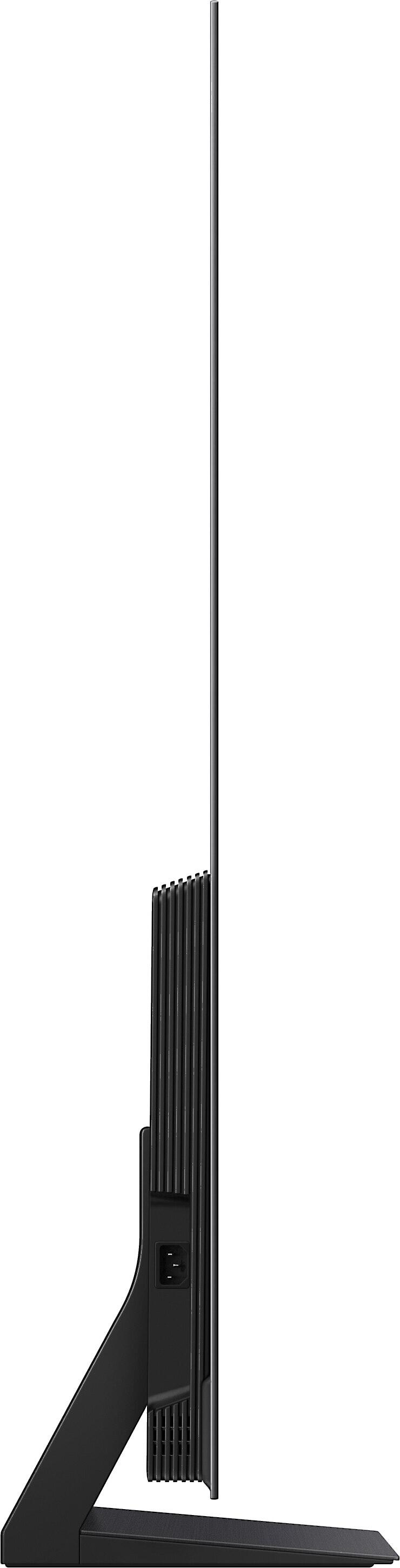
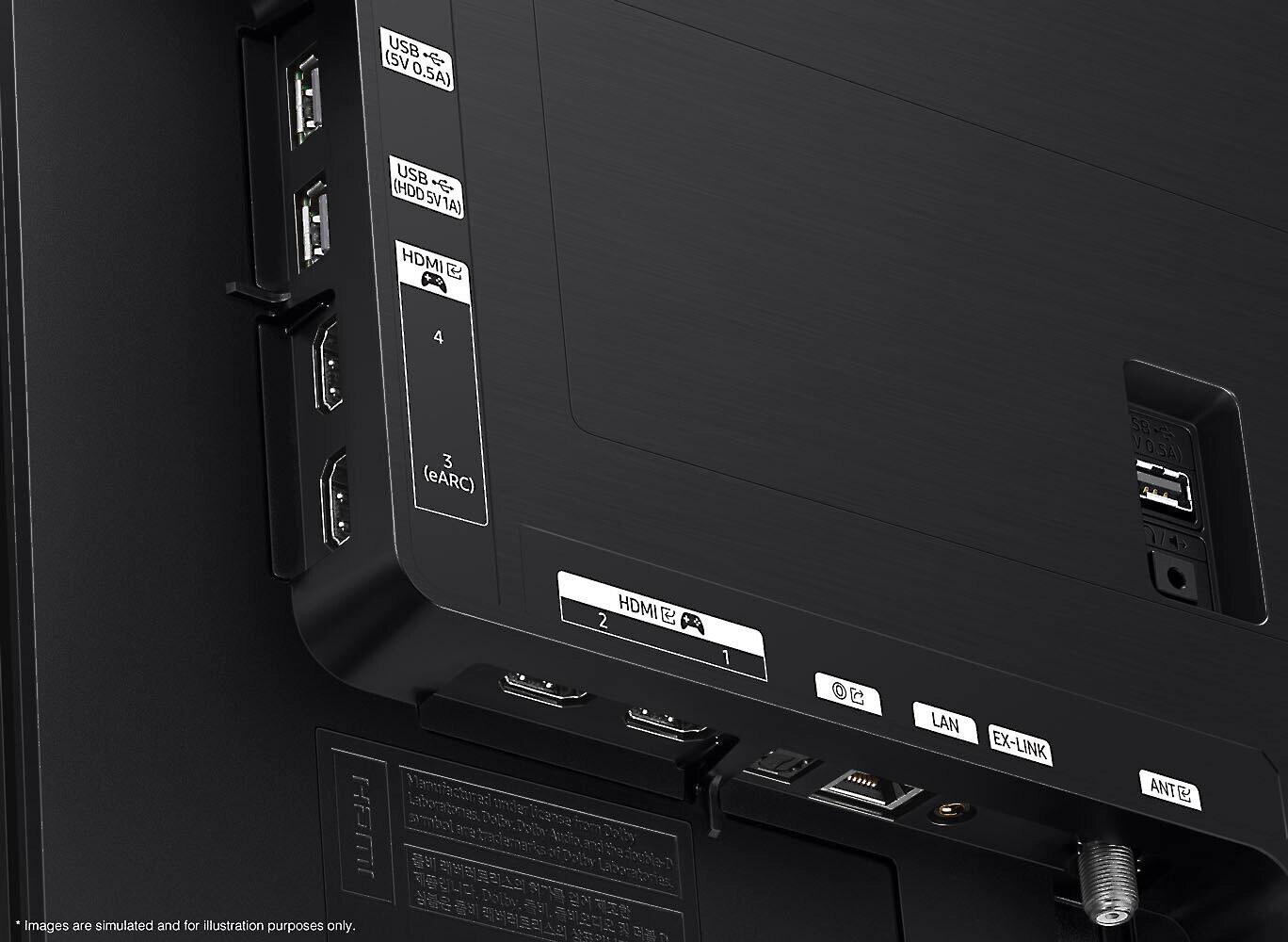
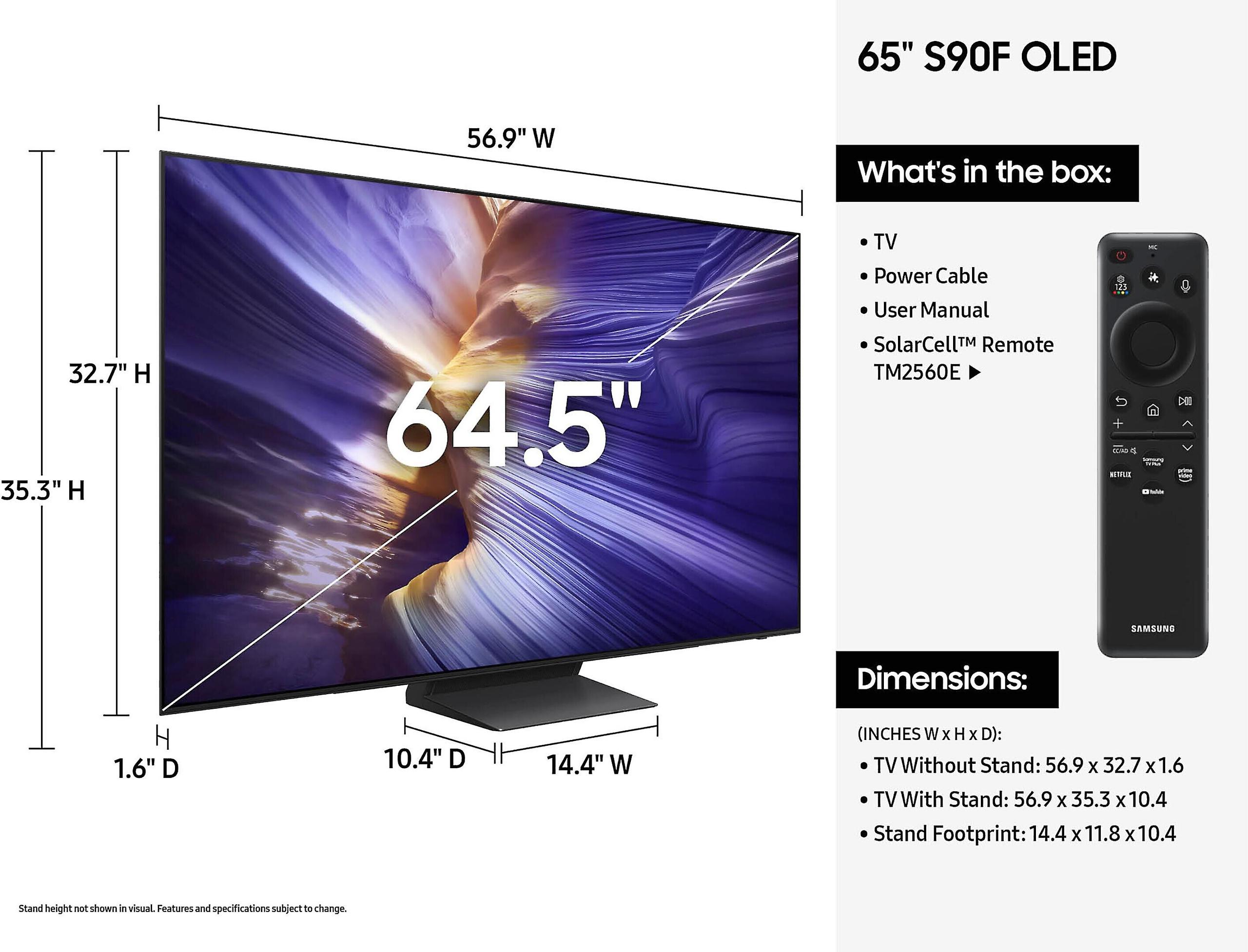
When Samsung launched both the QN80F Neo QLED and S90F OLED in 2025, they weren't just releasing two more TVs – they were showcasing two fundamentally different philosophies about how to create the perfect picture. After spending considerable time with both displays, I can tell you that choosing between them isn't simply about picking the "better" TV. It's about understanding which technology aligns with how you actually watch TV.
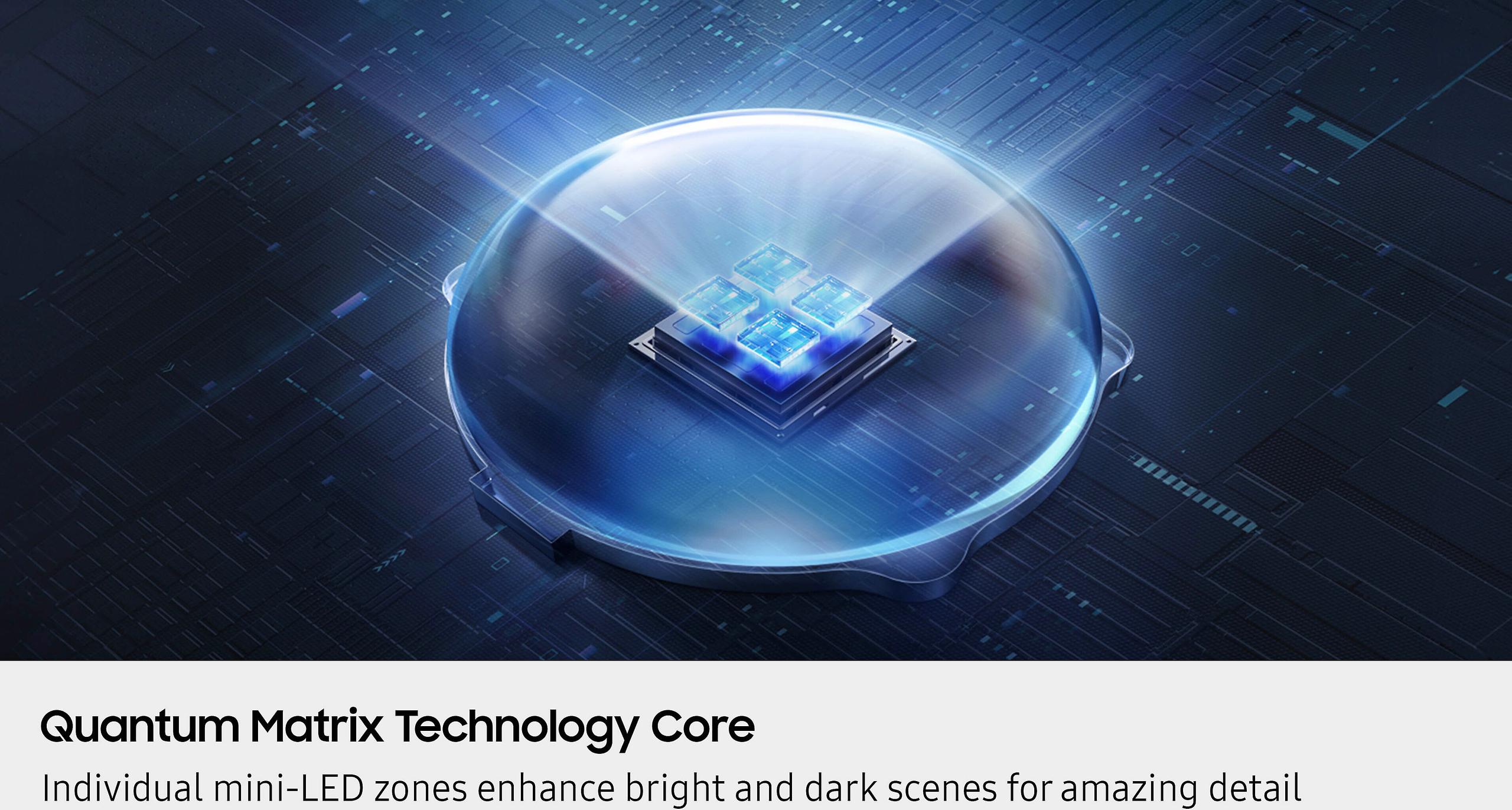
The biggest difference between these TVs lies in how they produce light and create images. The Samsung QN80F uses what's called Mini LED backlighting – imagine thousands of tiny LED lights arranged behind the screen, each one capable of dimming or brightening independently. These LEDs shine through a layer of quantum dots (microscopic particles that convert blue light into precise colors) to create the final image you see.
The Samsung S90F, on the other hand, uses OLED technology where each individual pixel generates its own light. Think of it like having 8.3 million tiny lightbulbs that can turn completely on, completely off, or anywhere in between. This fundamental difference in light generation creates dramatically different viewing experiences.
Having tested both technologies extensively, I've found that each has distinct advantages that become apparent in different viewing scenarios. The Mini LED approach of the QN80F excels when you need raw brightness and vibrant colors, while the OLED technology in the S90F shines when you want perfect contrast and natural color reproduction.
One of the most significant practical differences between these displays is their approach to brightness. The QN80F Neo QLED can push peak brightness levels well beyond what most OLED displays achieve. This matters more than you might think, especially if your TV room has windows or overhead lighting.
During my testing, I noticed the QN80F maintained vibrant, punchy colors even with afternoon sunlight streaming into the room. The quantum dot layer works with the bright Mini LED backlight to produce colors that remain saturated and visible even in challenging lighting conditions. This is crucial for HDR (High Dynamic Range) content, where bright highlights need to really pop to create that "wow" factor.
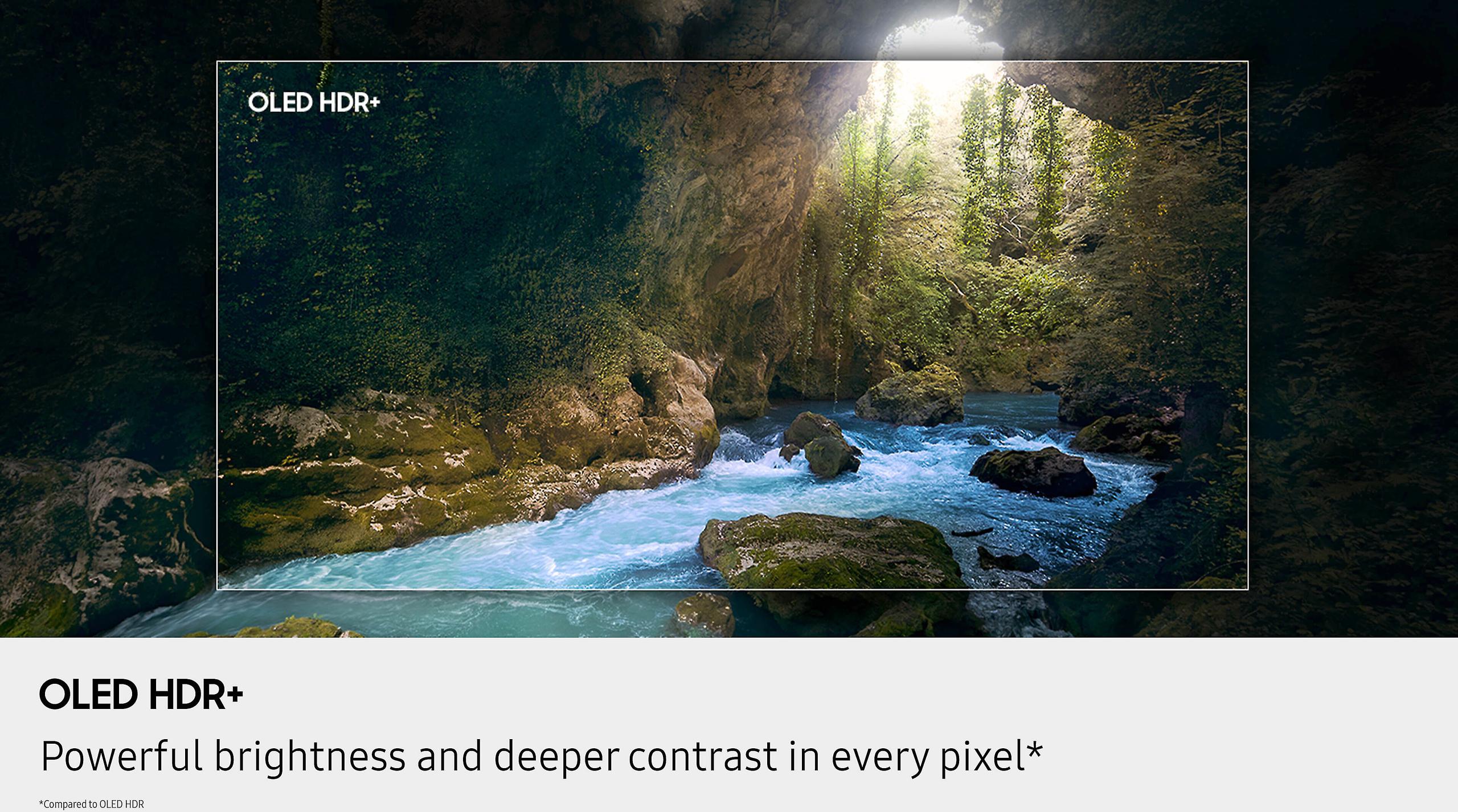
The S90F OLED takes a different approach entirely. While it can't match the raw brightness of the Mini LED display, it achieves something the QN80F simply cannot: perfect black levels. When an OLED pixel needs to display black, it turns completely off, producing true darkness rather than the dark gray you get from even the best LED backlights.
This creates what's called an infinite contrast ratio – the mathematical difference between the brightest whites and the deepest blacks. In a dark room, this translates to an almost three-dimensional image quality that makes movies feel more immersive. The S90F particularly excels with cinematic content where shadow detail and subtle gradations matter more than absolute brightness.
Color reproduction represents another fascinating divide between these technologies. The QN80F uses Samsung's quantum dot technology, which acts like a color filter that converts the blue LED backlight into precisely tuned red and green light. This creates an exceptionally wide color gamut – essentially, the range of colors the TV can display.
In practice, this means the QN80F can produce colors that appear more vibrant and saturated than what you'd see in real life. This isn't necessarily a bad thing – many people prefer the punchy, Instagram-filter-like appearance it creates, especially for content like sports or nature documentaries where vivid colors enhance the experience.
The S90F OLED approaches color differently, focusing on accuracy rather than saturation. Samsung has Pantone-validated the color reproduction on their OLED displays, meaning colors should match what content creators intended. During my testing, skin tones appeared more natural on the S90F, and the overall color balance felt more realistic.
However, there's an important caveat with the S90F that potential buyers need to understand: Samsung uses what enthusiasts call a "panel lottery" system. Depending on when and where you buy your TV, you might receive either a QD-OLED panel (which combines quantum dots with OLED technology) or a standard WOLED panel. The QD-OLED versions offer superior color volume and brightness, while WOLED panels provide more traditional OLED characteristics. Unfortunately, there's no way to know which you'll get before purchase.
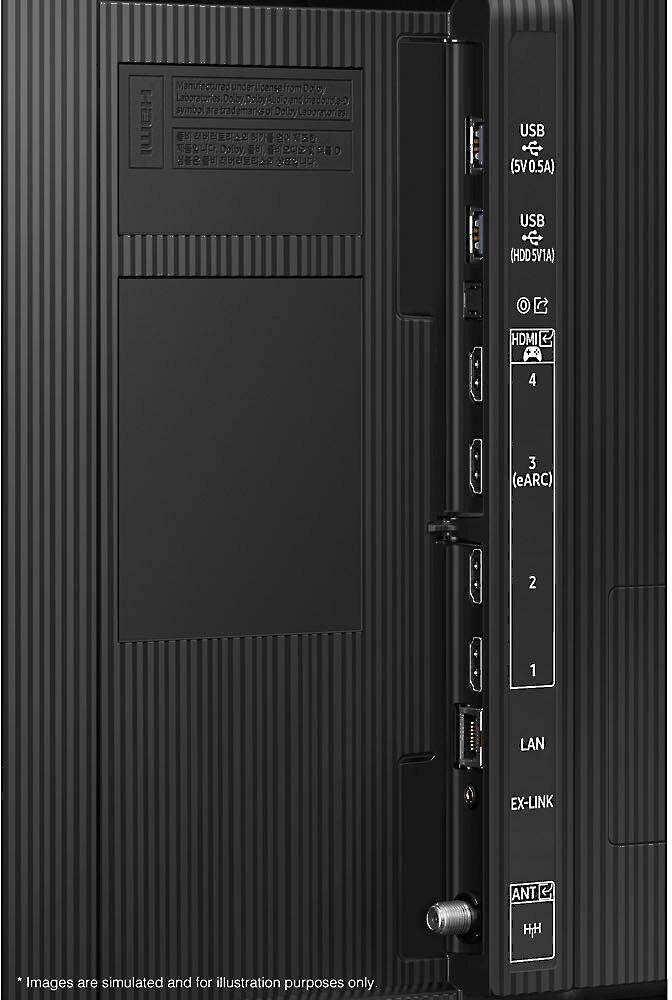
Both the QN80F and S90F excel as gaming displays, but they approach gaming performance from different angles. Both support 4K gaming at up to 144Hz refresh rates across all HDMI ports, which means ultra-smooth motion for compatible games and PCs.
The QN80F Neo QLED provides consistent performance regardless of what's happening on screen. The Mini LED backlight maintains steady brightness levels even during intense gaming sessions, and there's no risk of burn-in from static game elements like HUD displays or logos.
Where the S90F OLED truly shines is in pixel response time – how quickly individual pixels can change from one color to another. OLED technology offers nearly instantaneous response times, which translates to incredibly sharp motion during fast-paced gaming. If you play competitive games where every millisecond matters, the S90F provides a tangible advantage in motion clarity.
However, OLED displays do carry a small risk of burn-in from static elements. Modern OLED TVs include numerous protective features like pixel shifting and automatic brightness limiting, making burn-in much less likely than in earlier generations. Still, if you frequently play games with persistent HUD elements or watch news channels with static logos, the QN80F offers complete peace of mind.
If you're building a dedicated home theater or media room, the choice between these displays becomes more nuanced. The ideal home theater environment is a controlled lighting space where you can minimize ambient light – exactly where OLED technology like the S90F performs at its absolute best.
In my experience setting up home theaters, the perfect blacks and infinite contrast ratio of the S90F OLED create an almost film-like quality that's difficult to replicate with any backlit technology. Dark scenes in movies retain shadow detail while bright highlights still pop, creating that cinematic depth that draws you into the content.
The QN80F isn't necessarily inferior for home theater use, but it serves a different purpose. If your "home theater" is actually your living room where you watch TV during the day and evening, the superior brightness and ambient light performance of the Mini LED technology makes more practical sense.
The local dimming on the QN80F – where different zones of the backlight can dim independently – helps create better contrast than traditional LED displays, though it can't match the per-pixel control of OLED. You might occasionally notice "blooming" around bright objects against dark backgrounds, where the backlight illuminates areas that should be dark.
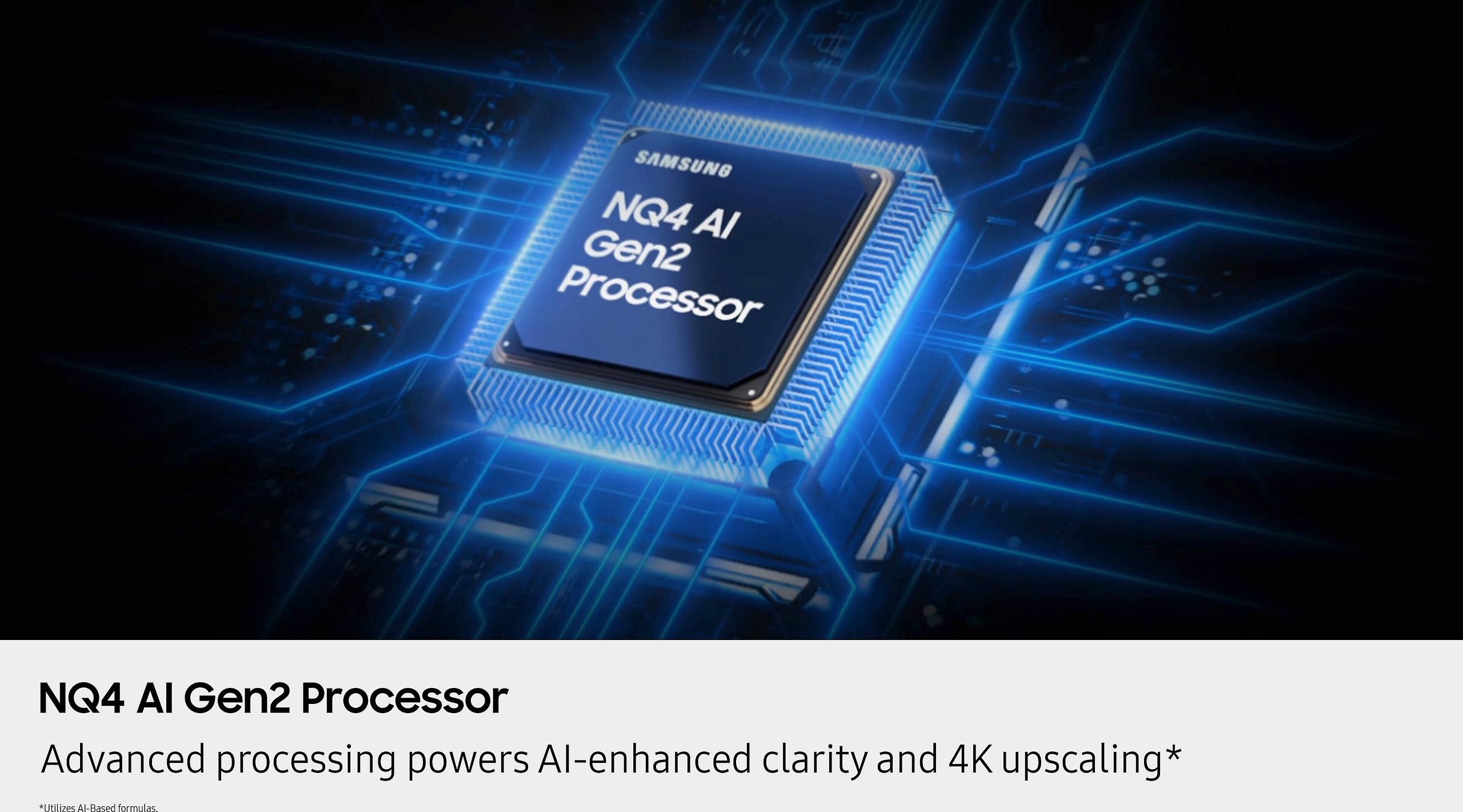
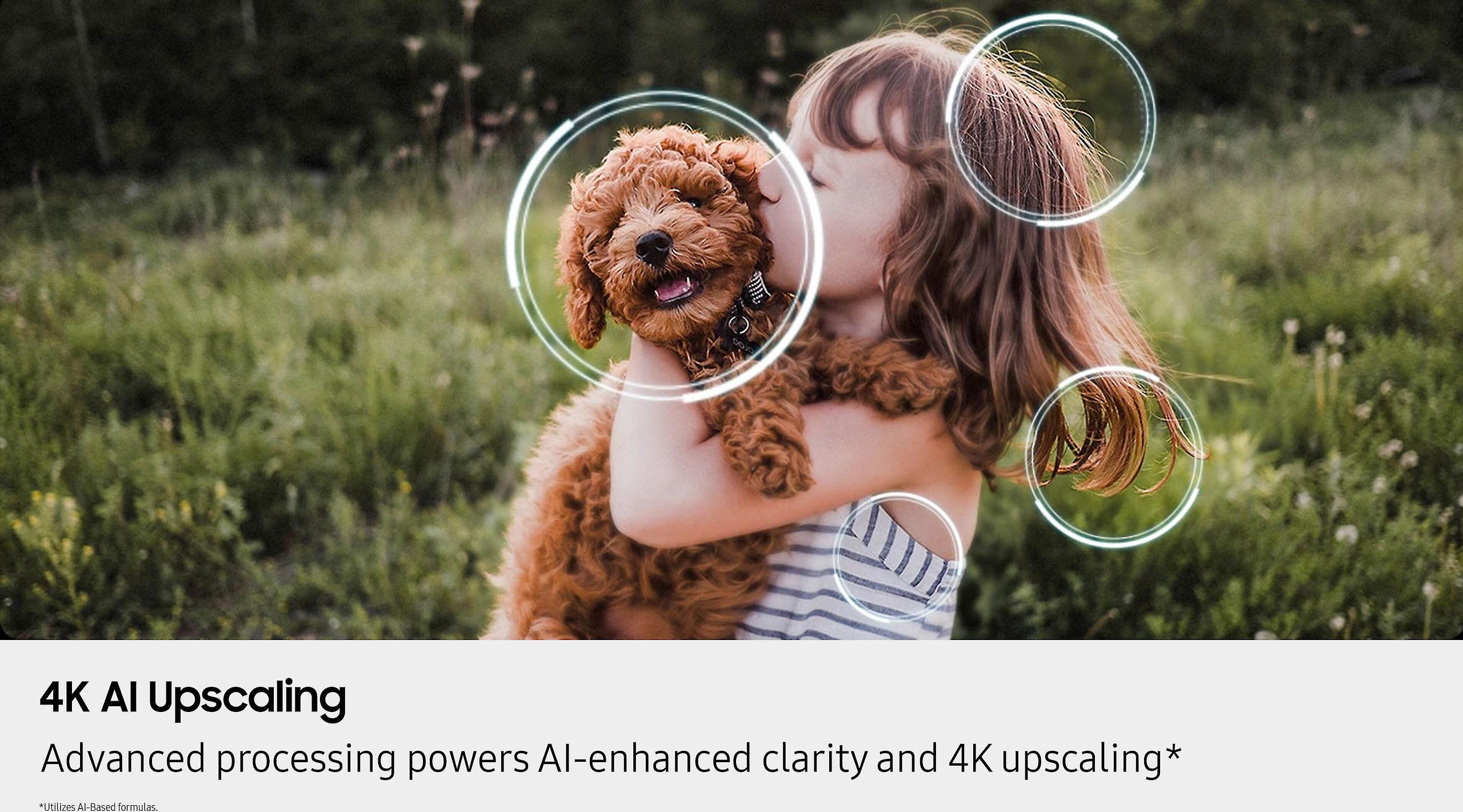
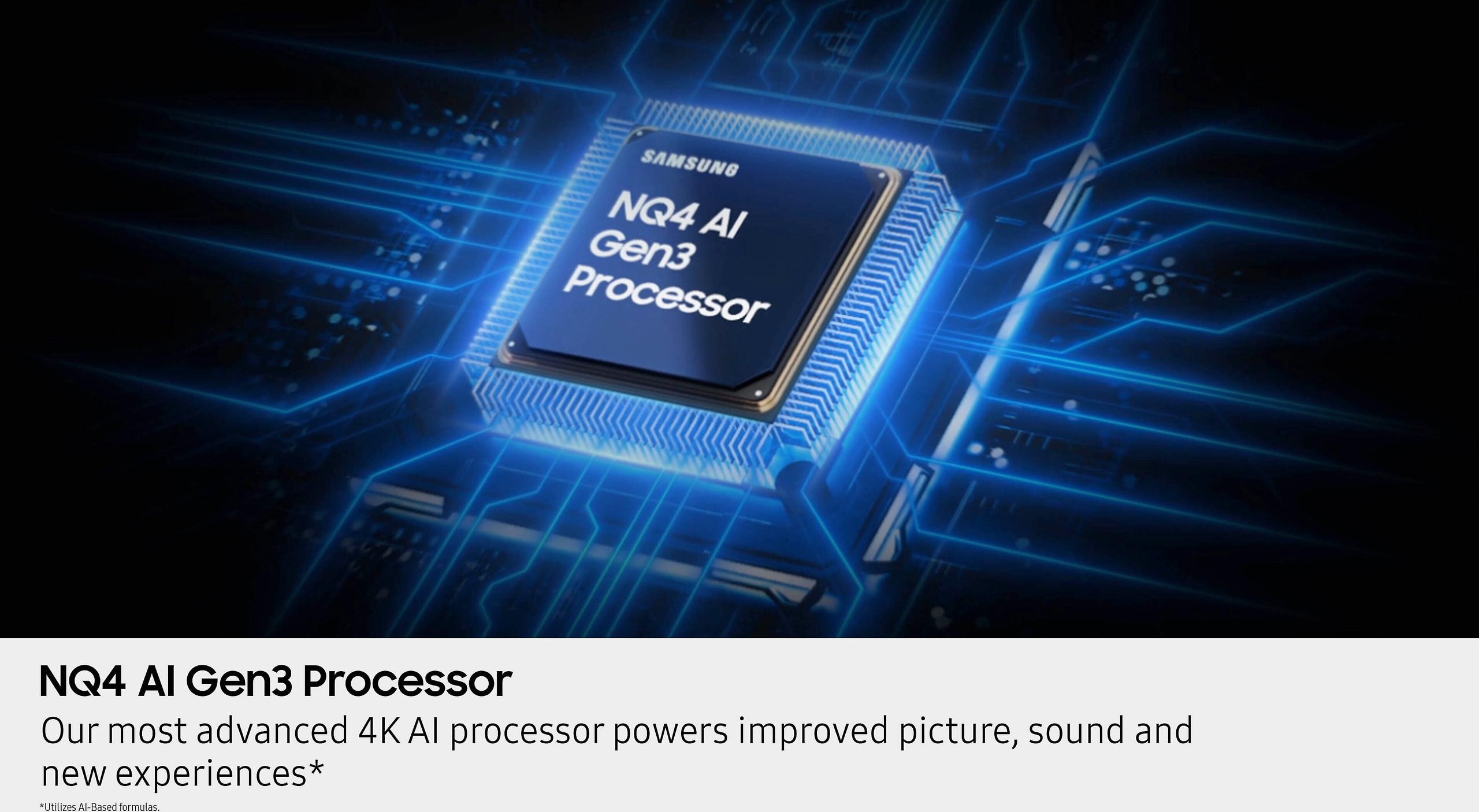
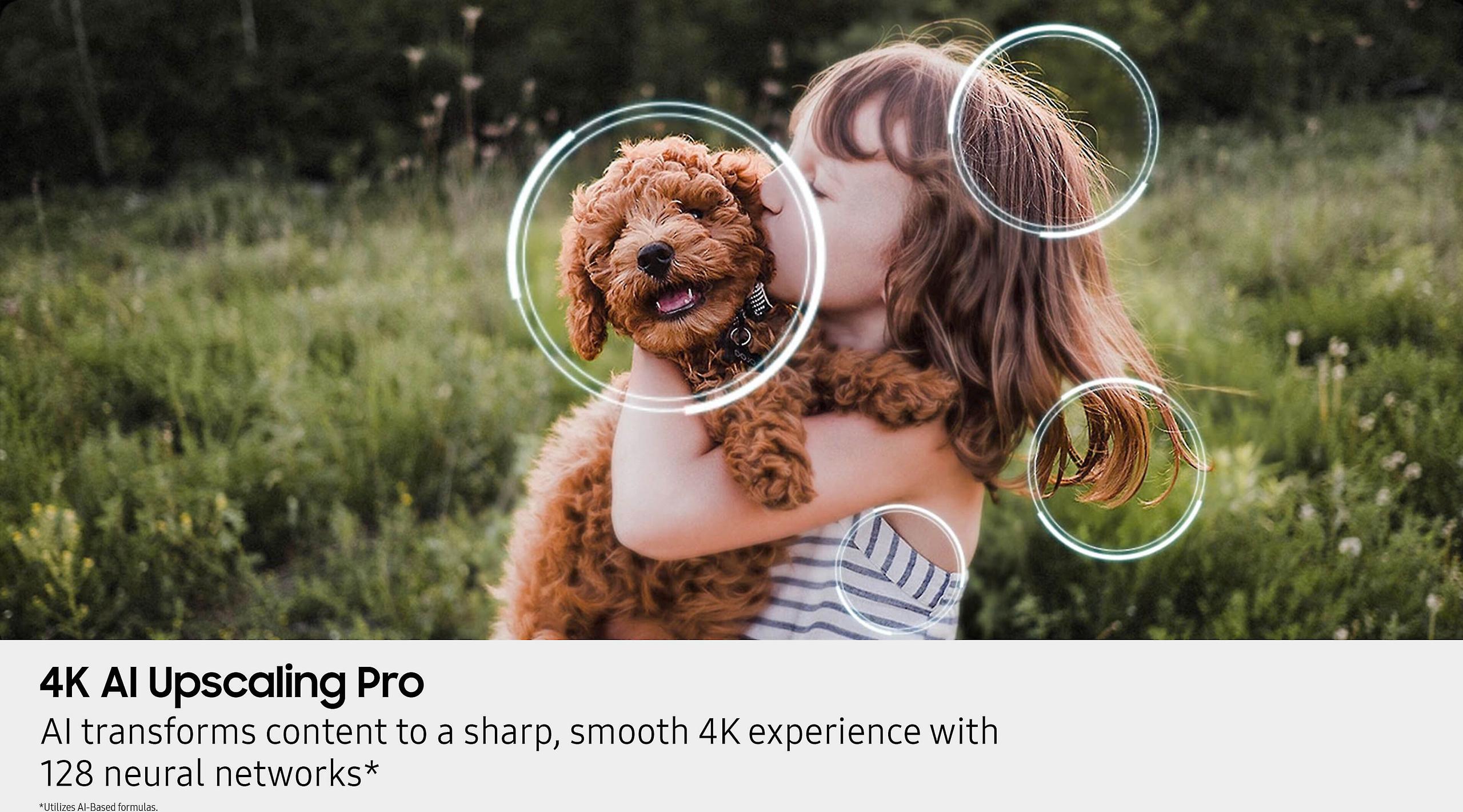
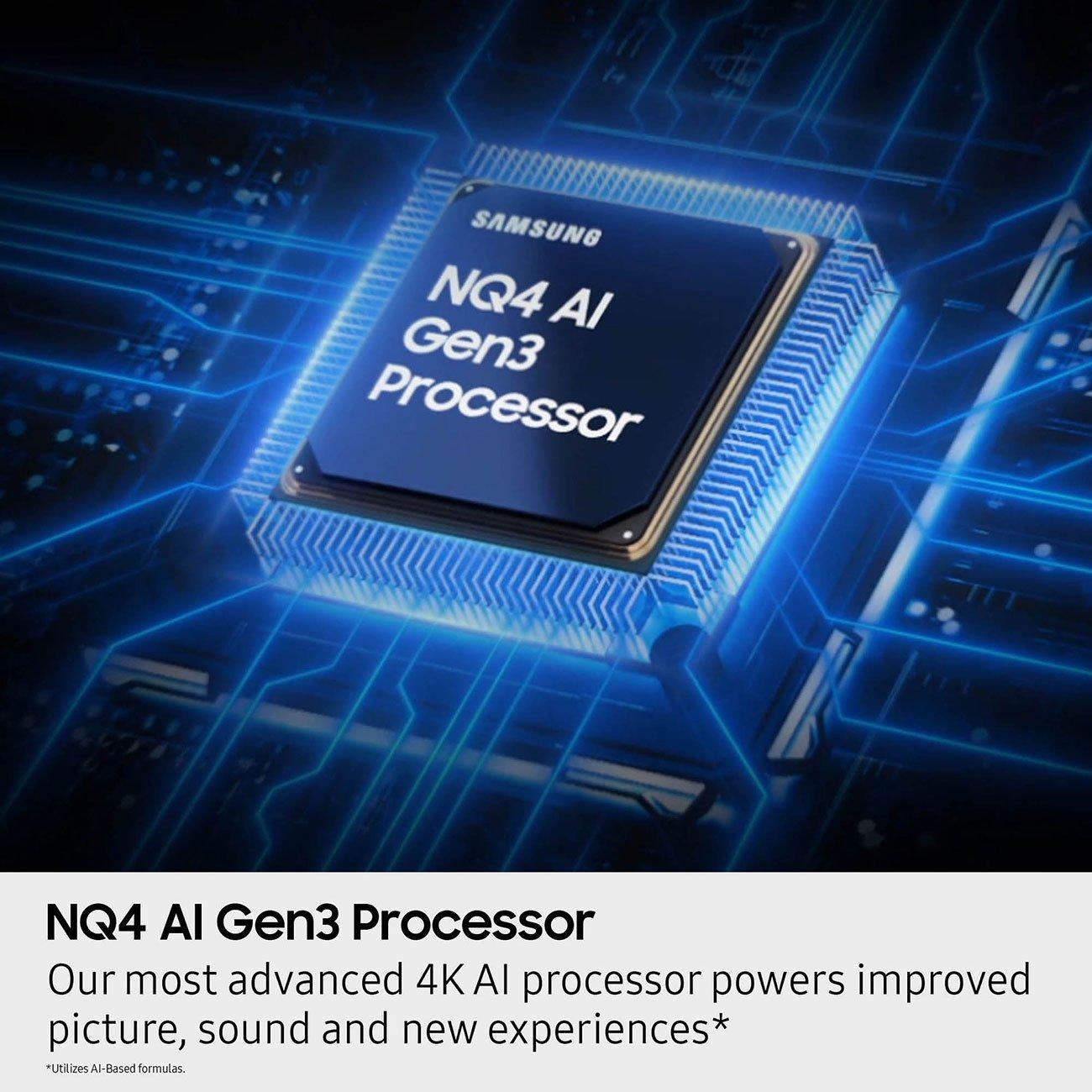
Here's where these two very different TVs become remarkably similar. Both the QN80F and S90F run Samsung's Tizen smart TV platform and include virtually identical smart features. Samsung's Vision AI technology analyzes content in real-time to optimize picture settings, while the NQ4 AI processor handles 4K upscaling for lower-resolution content.
The upscaling capabilities deserve particular attention since most of us still watch a mix of HD and 4K content. Both displays use machine learning to analyze and enhance lower-resolution sources, adding detail and reducing compression artifacts. In side-by-side testing, I found the results nearly indistinguishable between the two models.
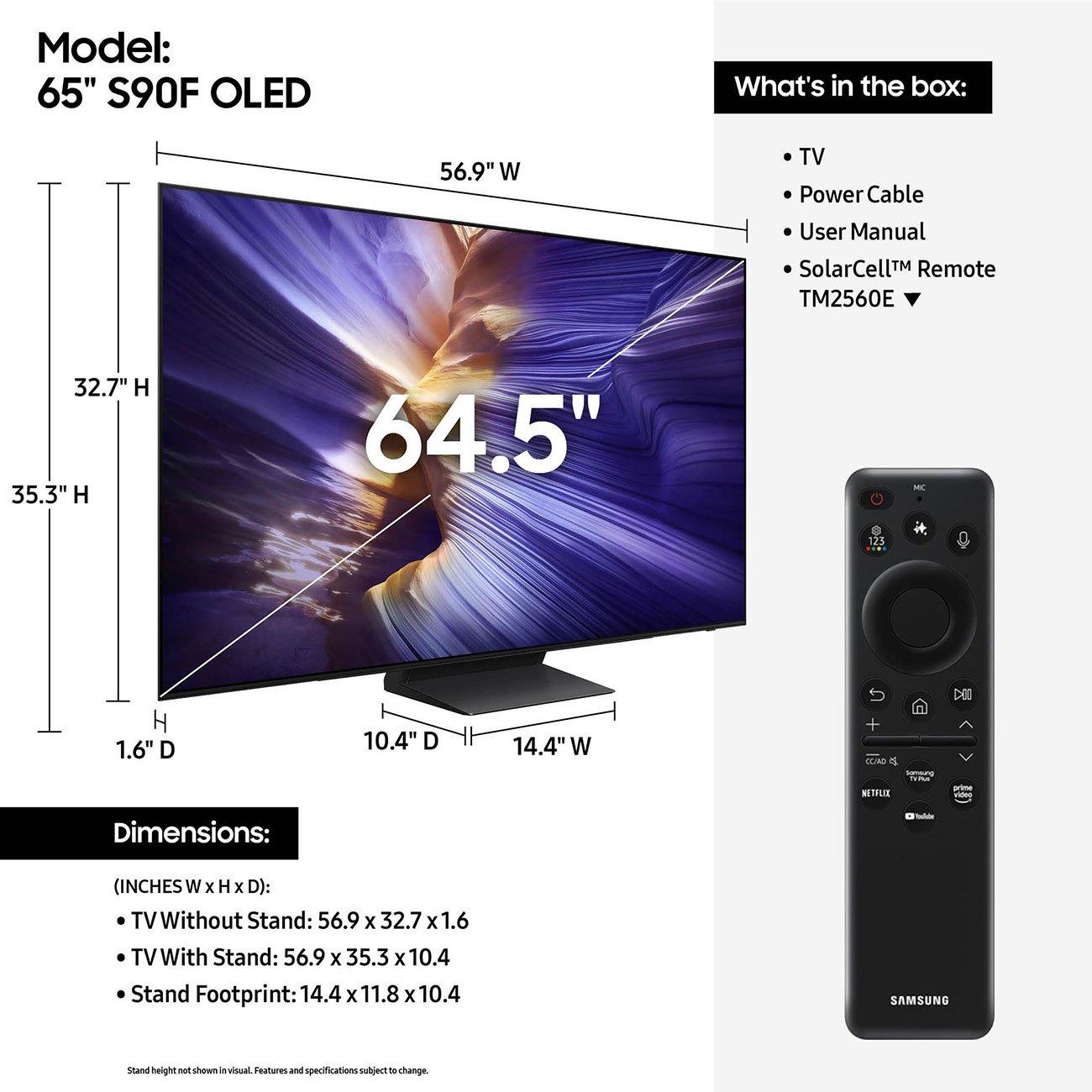
Voice control through Samsung's Bixby assistant works identically on both TVs, and both include the eco-friendly solar cell remote that recharges from ambient light. The gaming features, including Samsung's Gaming Hub for cloud gaming services, function the same across both displays.
Thinking beyond the initial purchase, these technologies age differently. The Mini LED backlight in the QN80F should maintain consistent performance for many years without degradation. There's no risk of burn-in, and brightness levels remain stable over time.
OLED displays like the S90F can experience gradual brightness reduction over extremely long periods – we're talking many years of heavy usage. Modern OLEDs also include sophisticated burn-in protection, but the possibility still exists with extreme usage patterns. However, for typical home use, these concerns are largely theoretical.
From a feature evolution standpoint, both TVs should receive software updates for several years, though Samsung's track record suggests the higher-end S90F might receive updates for a longer period.
At the time of writing, these TVs occupy different value propositions in Samsung's lineup. The QN80F Neo QLED sits in the middle of Samsung's Mini LED range, offering solid performance but facing strong competition from other brands like Hisense and TCL that often provide better Mini LED implementations at similar or lower prices.
The S90F OLED, despite being Samsung's mid-tier OLED offering, still represents premium display technology. The pricing tends to be higher than comparable Mini LED options, but you're paying for the fundamental advantages of OLED technology.
However, I've noticed significant price fluctuations on both models, particularly the S90F, which sometimes appears at dramatically reduced prices during promotional periods. These deals can completely shift the value equation in favor of OLED technology.
After extensive testing and living with both technologies, I can offer some clear guidance on which TV suits different situations.
Choose the Samsung QN80F Neo QLED if your TV room has significant ambient light, if you watch a lot of varied content throughout the day, or if you prioritize vibrant, punchy colors over absolute accuracy. It's also the safer choice if you're worried about burn-in or want consistent performance regardless of usage patterns. The QN80F works well as an all-around family room TV where different people watch different types of content at various times of day.
The Samsung S90F OLED is the clear choice for cinephiles and anyone who prioritizes picture quality above all else, especially in controlled lighting environments. If you've set up a dedicated movie-watching space, or if you primarily watch TV in the evening with dimmed lights, the superior contrast and natural colors of the S90F create a more immersive viewing experience.
For gaming enthusiasts, both displays offer excellent performance, but the S90F OLED provides that extra edge in motion clarity that competitive gamers appreciate, while the QN80F offers worry-free long-term gaming without burn-in concerns.
These aren't just two different TVs – they represent two different approaches to creating the perfect viewing experience. The QN80F Neo QLED prioritizes versatility and brightness, making it excellent for varied viewing conditions and mixed usage. The S90F OLED prioritizes picture quality and contrast, excelling in optimized viewing environments.
Your choice ultimately depends on understanding your own viewing habits and room setup. Both are excellent displays that showcase Samsung's technological capabilities in 2025, but they serve different masters: one serves convenience and versatility, while the other serves the pursuit of perfect picture quality. Choose the one that aligns with how you actually use your TV, not just how you think you should use it.
| Samsung 65" QN80F Neo QLED 4K TV | Samsung 65" S90F OLED 4K Vision AI Smart TV 2025 |
|---|---|
| Display Technology - Fundamental difference in how images are created | |
| Mini LED backlight with Quantum Dots | Self-illuminating OLED pixels |
| Peak Brightness - Critical for HDR performance and bright room viewing | |
| High brightness suitable for well-lit rooms | Moderate brightness, optimized for dark/dim rooms |
| Black Levels - Determines contrast and dark scene detail | |
| Very good blacks with minimal blooming | Perfect blacks (pixels turn completely off) |
| Contrast Ratio - Most important spec for picture depth and realism | |
| Excellent local dimming contrast | Infinite contrast ratio |
| Color Accuracy - Important for natural-looking content | |
| Vibrant, sometimes oversaturated colors | Pantone-validated accurate colors |
| Panel Consistency - Reliability of getting expected performance | |
| Consistent Mini LED performance across all units | Panel lottery system (QD-OLED or WOLED variants) |
| Gaming Performance - Refresh rate and input lag for gamers | |
| 144Hz with Motion Xcelerator, low input lag | 144Hz with near-instantaneous pixel response |
| Burn-in Risk - Long-term reliability concern | |
| No burn-in risk with LED technology | Minimal burn-in risk with modern OLED protection |
| Viewing Angles - Performance when viewed from the side | |
| Good viewing angles for LED technology | Excellent viewing angles with minimal color shift |
| Smart Features - Processing and AI capabilities | |
| NQ4 AI Gen2 Processor, Samsung Vision AI | NQ4 AI Gen3 Processor, Samsung Vision AI |
| Best Use Case - Ideal viewing environment and content | |
| Bright rooms, mixed content, all-day viewing | Dark/controlled rooms, movies, cinematic content |
The Samsung 65" QN80F Neo QLED is significantly better for bright rooms. Its Mini LED backlight technology delivers much higher peak brightness levels, allowing HDR content and colors to remain vibrant even with windows or overhead lighting. The Samsung S90F OLED performs best in dark or dimly lit rooms where its perfect black levels can shine.
The Samsung QN80F Neo QLED uses thousands of Mini LED lights behind a quantum dot layer to create images, while the Samsung S90F OLED has millions of self-illuminating pixels that can turn completely on or off. This means the QN80F gets brighter but the S90F produces perfect blacks and infinite contrast.
Both the Samsung QN80F and Samsung S90F excel for gaming with 144Hz refresh rates and low input lag. The S90F OLED has faster pixel response times for sharper motion, making it ideal for competitive gaming. However, the QN80F has no burn-in risk from static game elements like HUDs.
Yes, both the Samsung QN80F and Samsung S90F run Samsung's Tizen platform with identical smart features, including Samsung Vision AI, Gaming Hub, and the same streaming apps. The main difference is the S90F uses the slightly newer NQ4 AI Gen3 processor versus Gen2 in the QN80F.
The Samsung S90F OLED offers more accurate, natural colors with Pantone validation, making it better for movies and cinematic content. The Samsung QN80F Neo QLED produces more vibrant, saturated colors that some prefer for sports and casual viewing but may not represent the filmmaker's original intent.
Modern OLED TVs like the Samsung S90F include extensive burn-in protection features like pixel shifting and automatic brightness limiting. While the risk exists with extreme usage patterns, it's minimal for typical home viewing. The Samsung QN80F has no burn-in concerns whatsoever due to its LED technology.
The Samsung S90F OLED is superior for dedicated home theaters with controlled lighting. Its perfect blacks and infinite contrast create a more cinematic experience in dark rooms. The Samsung QN80F works better for multi-purpose living rooms where you watch TV throughout the day in various lighting conditions.
The Samsung S90F OLED maintains excellent color and contrast when viewed from the side, making it ideal for wide seating arrangements. The Samsung QN80F Neo QLED has good viewing angles for LED technology but experiences some color shifting and contrast reduction at extreme angles.
Both TVs handle motion well, but differently. The Samsung S90F OLED has near-instantaneous pixel response for the sharpest motion clarity. The Samsung QN80F uses Motion Xcelerator technology and maintains consistent brightness during fast action, which some prefer for bright sports content.
The Samsung QN80F Neo QLED maintains consistent performance over time with no degradation concerns. The Samsung S90F OLED may experience gradual brightness reduction over many years of heavy use, though this is typically not noticeable in normal home usage patterns.
The Samsung QN80F provides consistent Mini LED performance across all units. However, the Samsung S90F uses a "panel lottery" system where you might receive either a superior QD-OLED or standard WOLED panel, creating potential performance variation between units.
Value depends on your priorities and viewing environment. The Samsung QN80F Neo QLED faces strong competition from other brands at similar price points. The Samsung S90F OLED typically commands premium pricing but offers superior picture quality technology, especially when found at promotional prices that can shift the value equation significantly.
We've done our best to create useful and informative comparisons to help you decide what product to buy. Our research uses advanced automated methods to create this comparison and perfection is not possible - please contact us for corrections or questions. These are the sites we've researched in the creation of this article: samsung.com - theshortcut.com - youtube.com - bestbuy.com - rtings.com - samsung.com - samsung.com - samsung.com - sargentappliance.com - displayspecifications.com - bestbuy.com - youtube.com - t3.com - rtings.com - bestbuy.com - stereonet.com - samsung.com - bestbuy.com - flatpanelshd.com - myallsouth.com - pcrichard.com - samsung.com - bestbuy.com - samsung.com - samsung.com - samsung.com

Privacy Policy
Terms and Conditions - Affiliate Policy
Home Security
© Copyright 2008-2026.
11816 Inwood Rd #1211, Dallas, TX 75244