

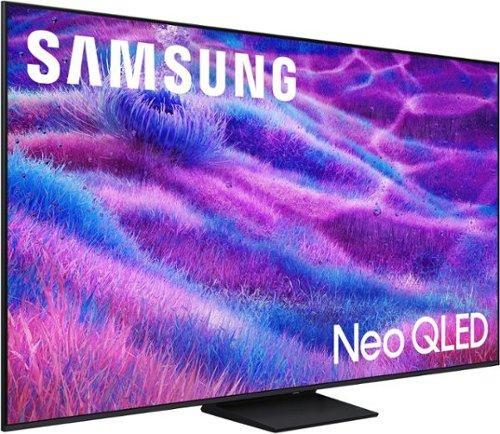
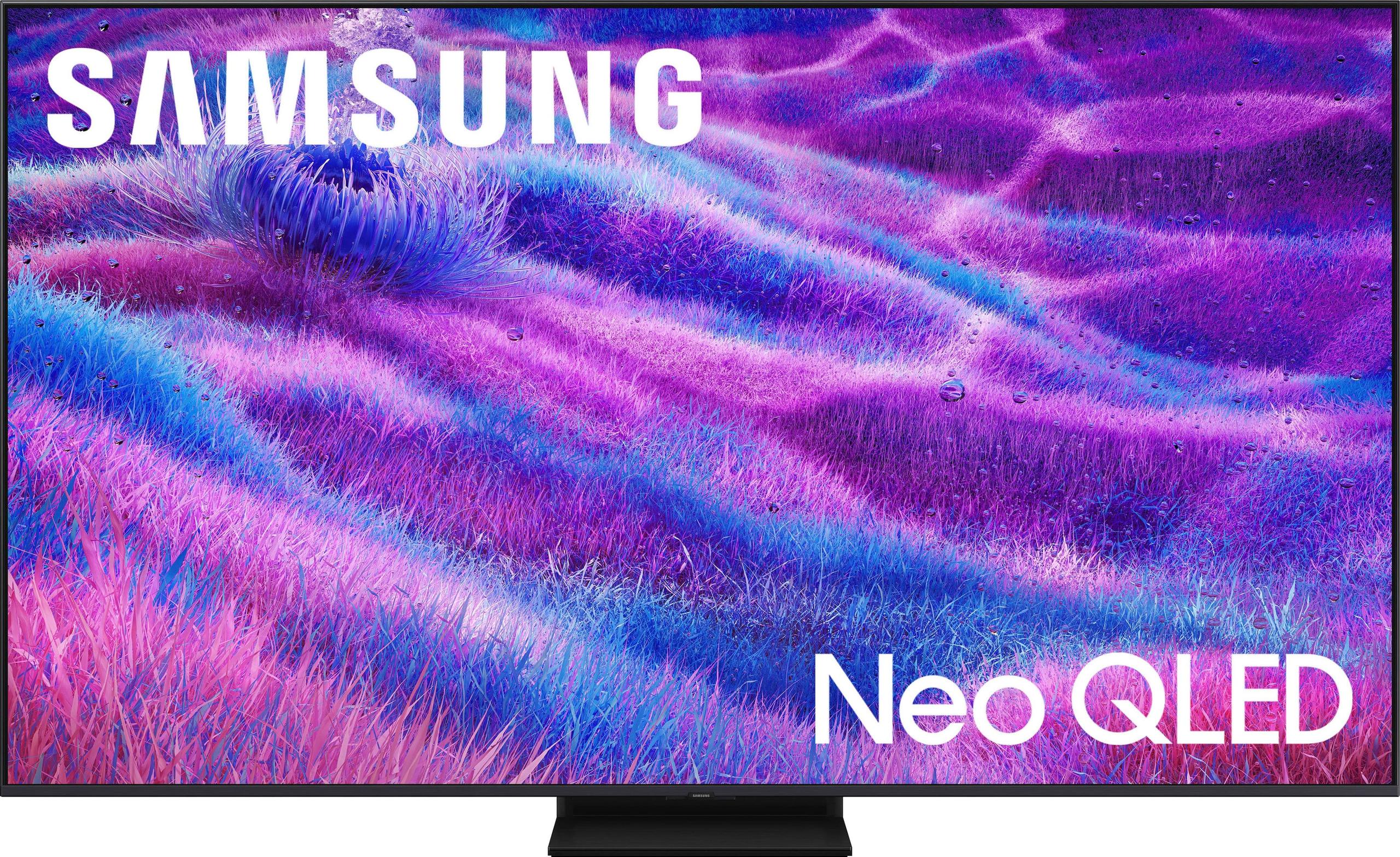
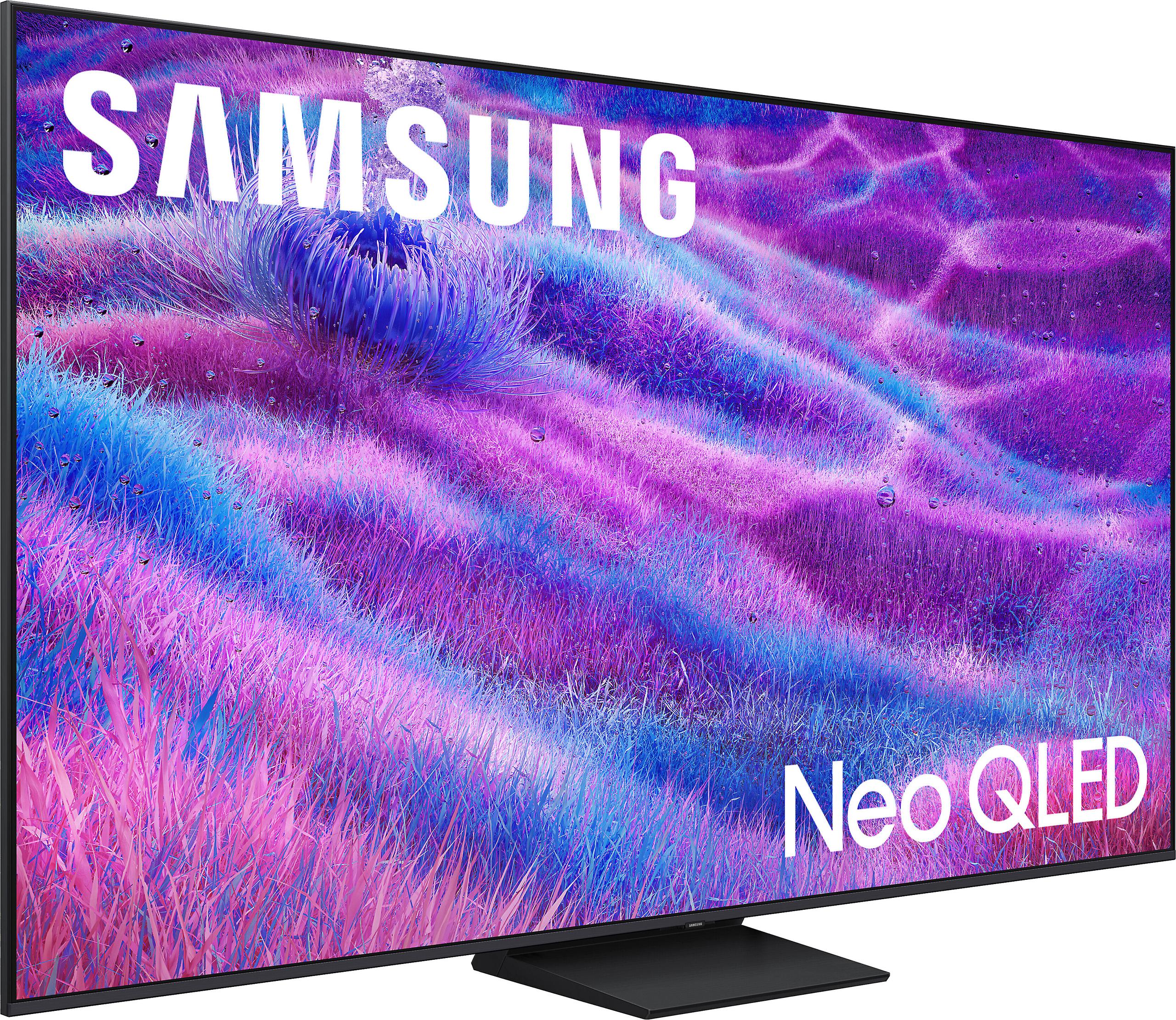
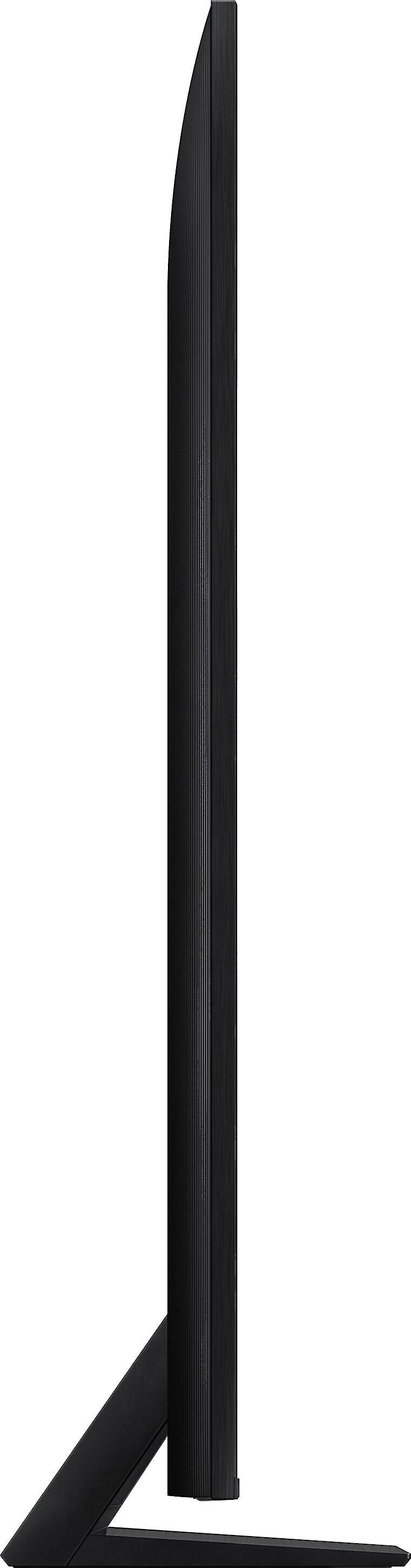
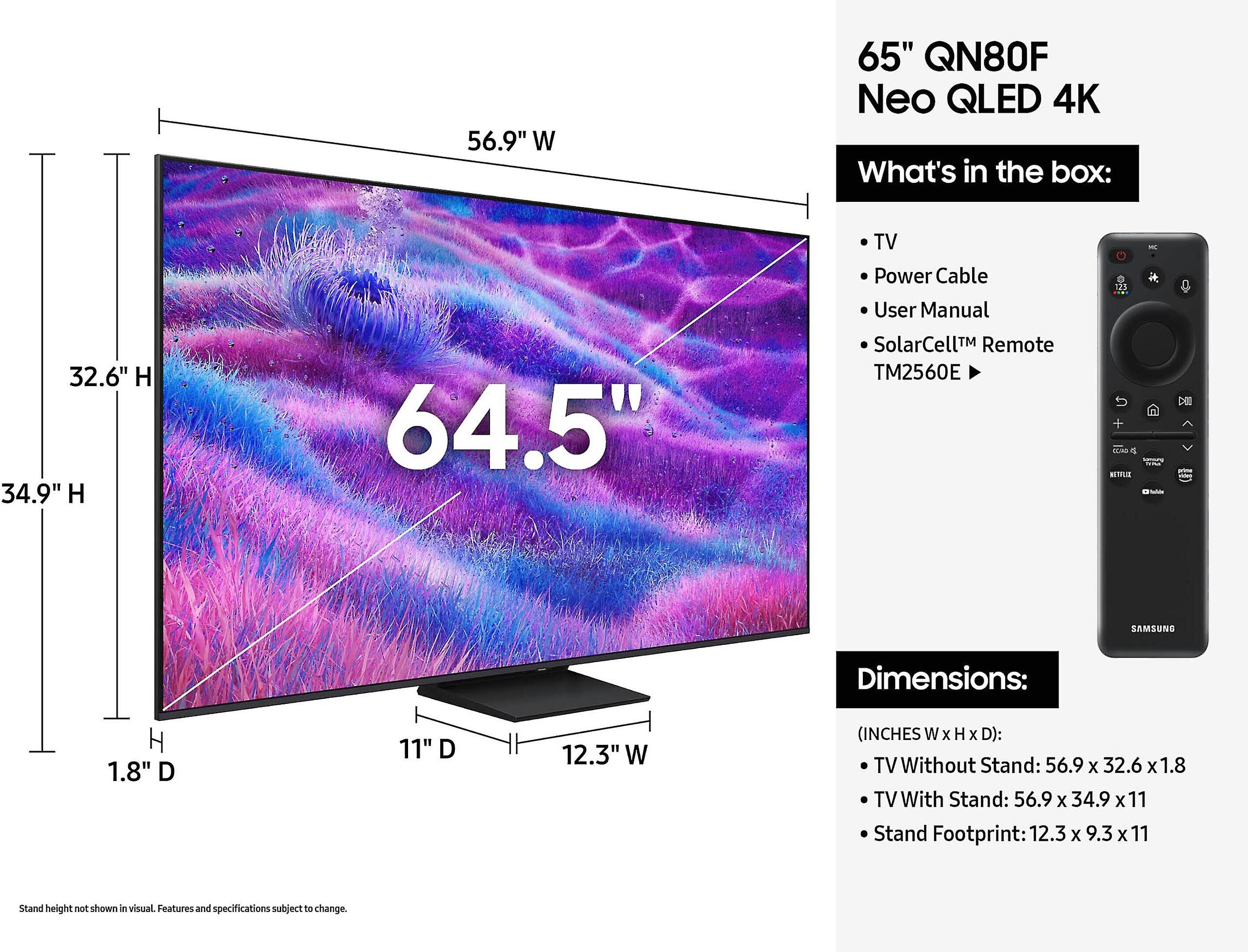
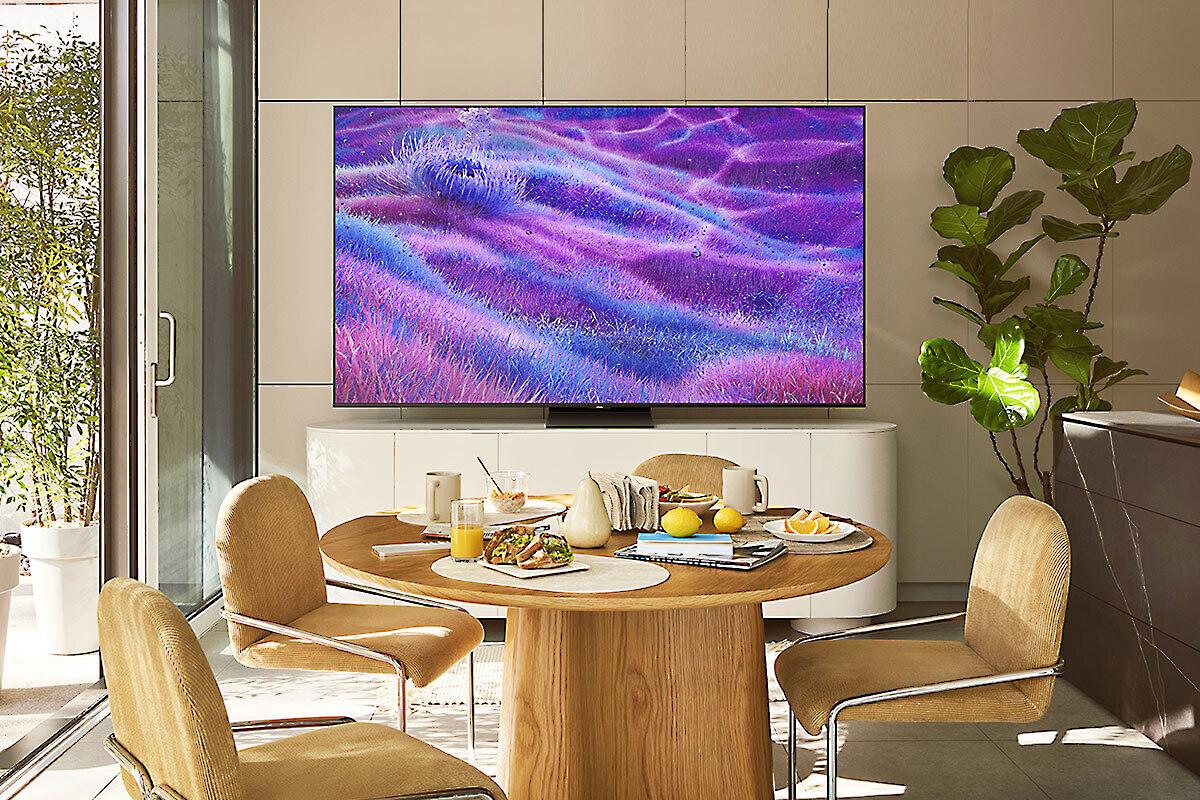

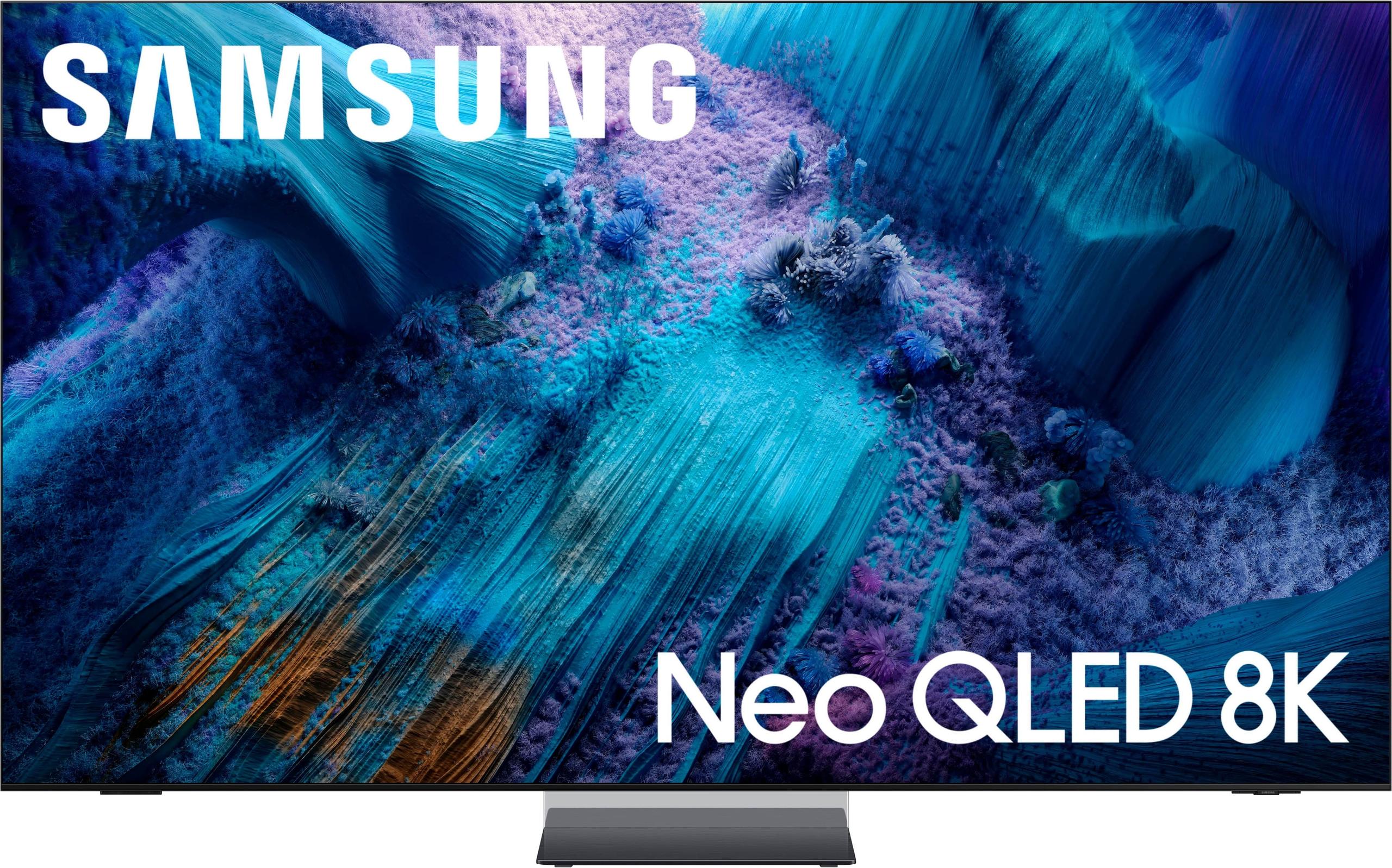
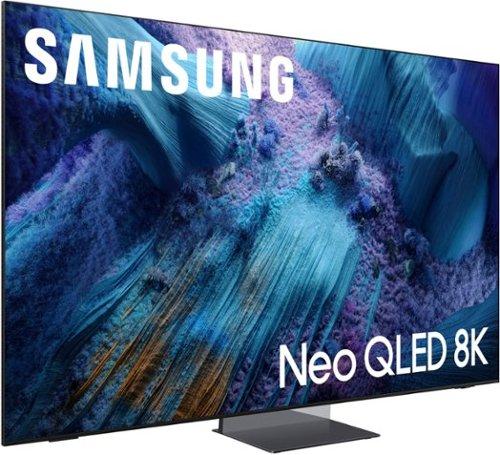
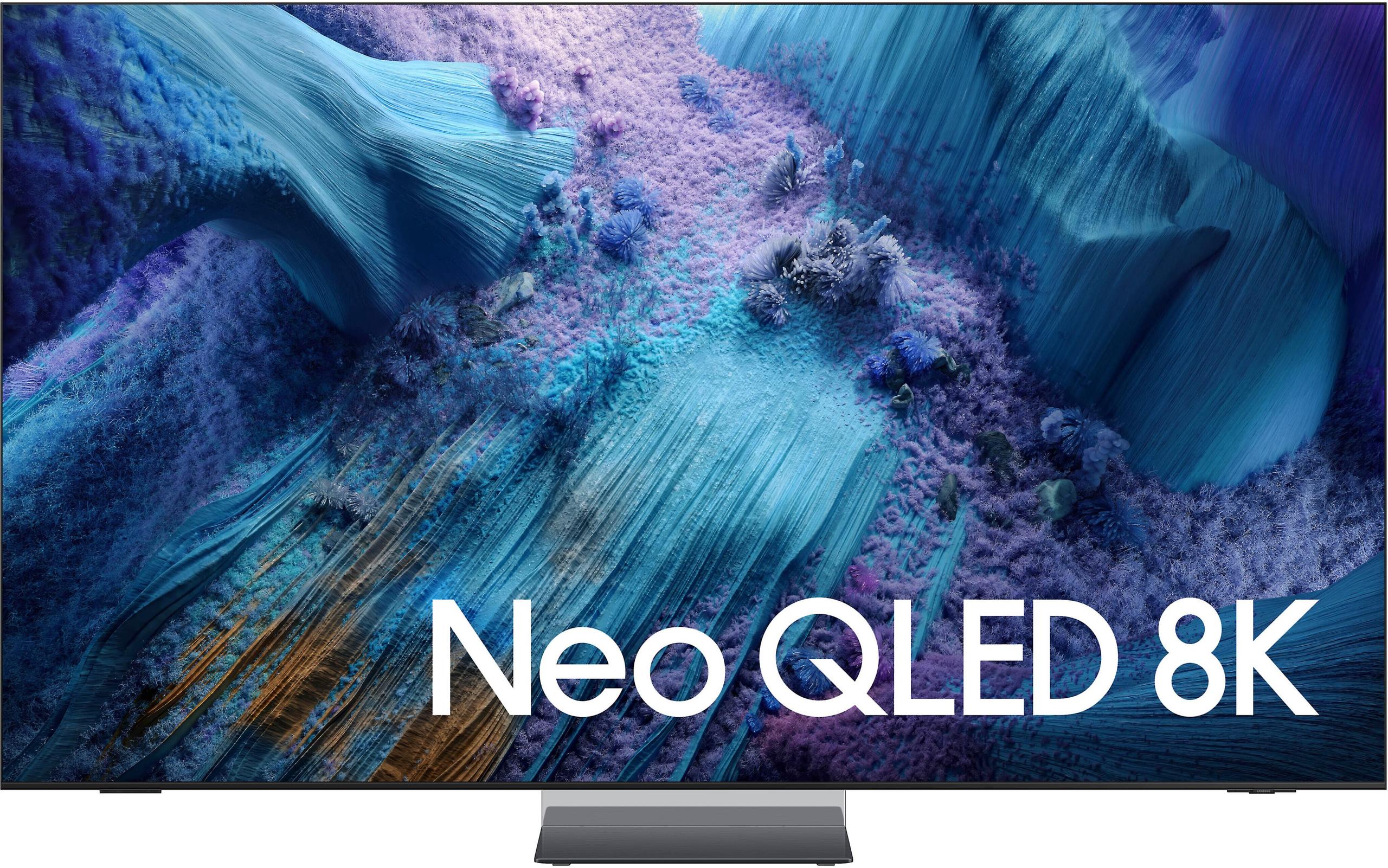
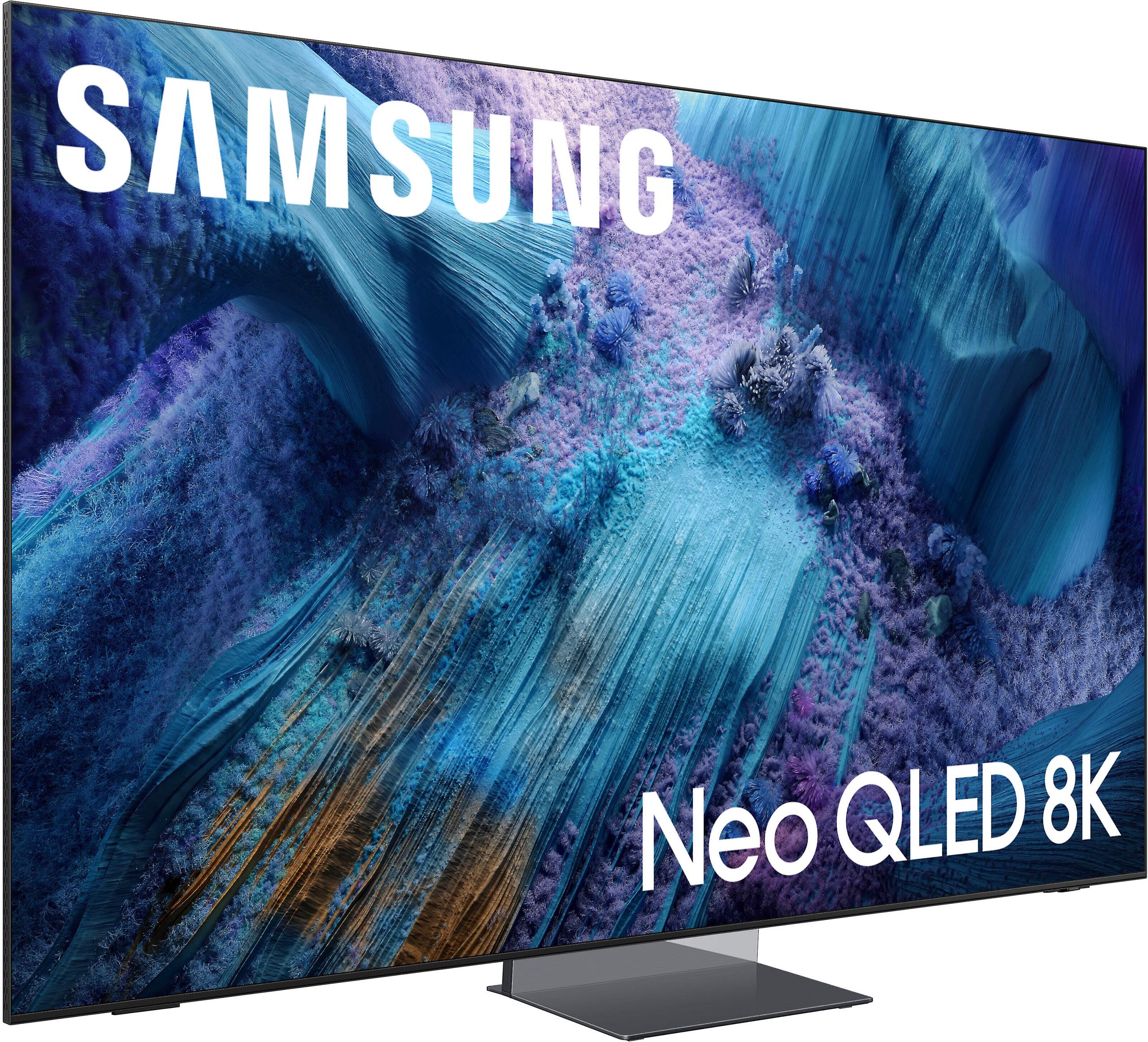
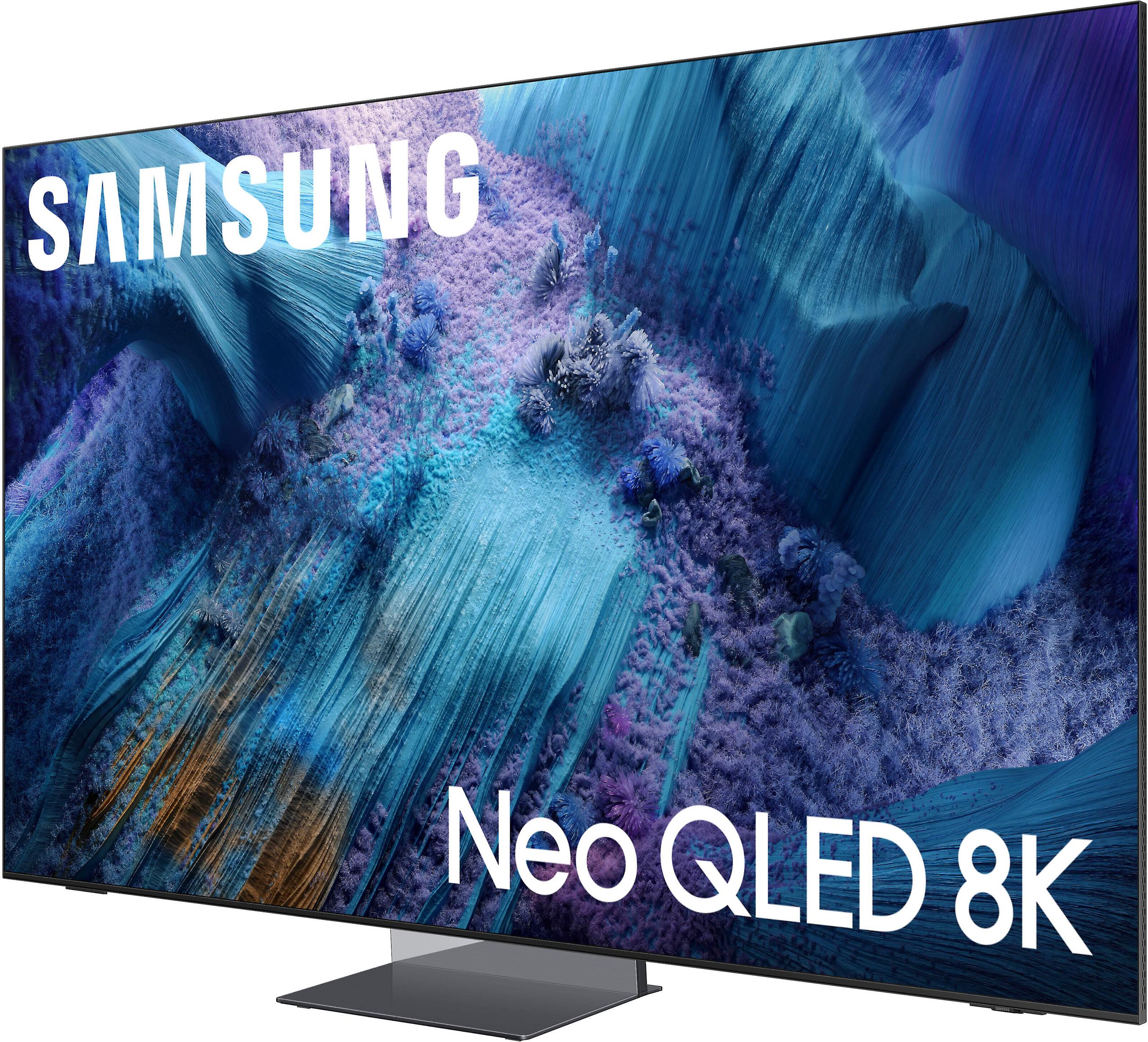
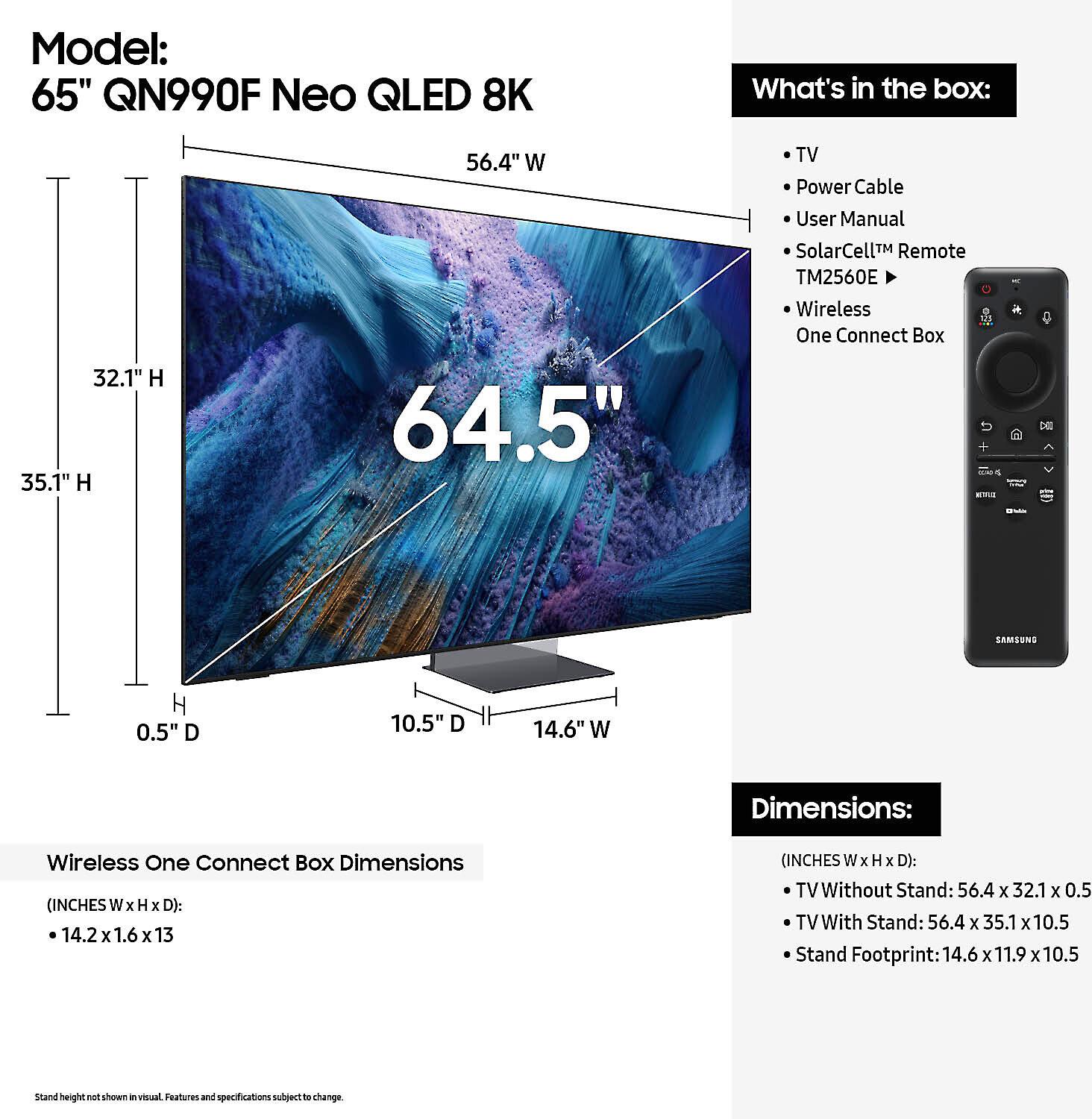

When shopping for a premium TV in 2025, Samsung's Neo QLED lineup presents an interesting dilemma. Do you go with the proven excellence of the 65" QN80F Neo QLED 4K TV, or make the leap to cutting-edge technology with the 65" QN990F 8K Smart TV? Both represent significant investments, but they target very different needs and budgets.
Having spent considerable time with both models, I can tell you that while they share the Samsung Neo QLED name, they're quite different beasts. The QN80F delivers outstanding 4K performance that satisfies most users' needs today, while the QN990F pushes boundaries with 8K resolution and flagship features that may matter more tomorrow than today.
The premium TV landscape has evolved dramatically since 2020. Back then, we were just getting used to 4K content becoming mainstream. Now, in 2025, we're seeing the early stages of 8K adoption, though content remains limited. What has truly advanced is the supporting technology – the processors that upscale content, the backlighting that creates contrast, and the AI systems that optimize everything in real-time.
Both the QN80F and QN990F use Samsung's Neo QLED technology, which combines quantum dots (tiny particles that emit pure colors when hit by light) with Mini LED backlighting. Think of Mini LEDs as thousands of tiny light bulbs behind your screen that can turn on and off independently. This creates much better contrast than traditional LED TVs because dark areas can be truly dark while bright areas stay brilliant.
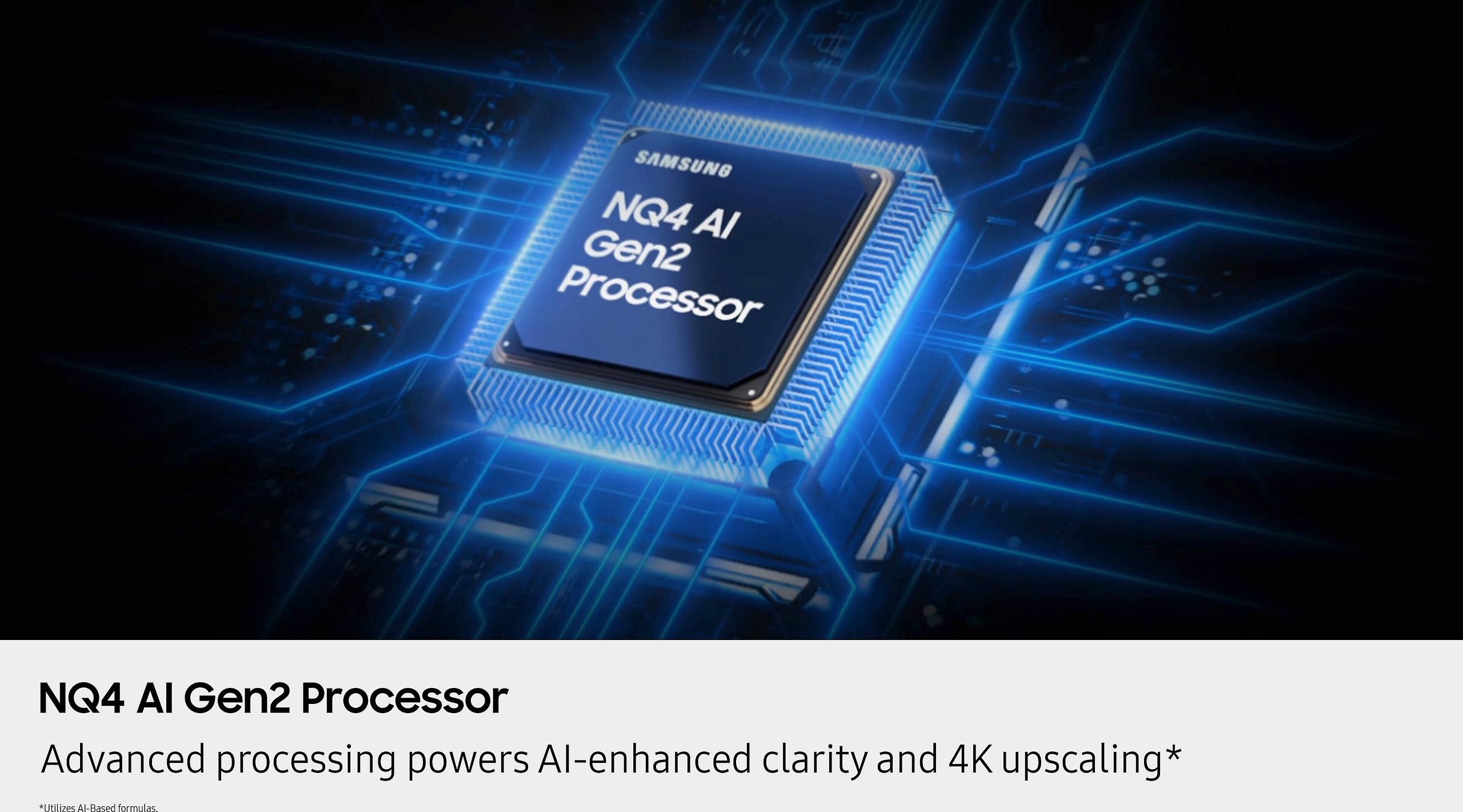
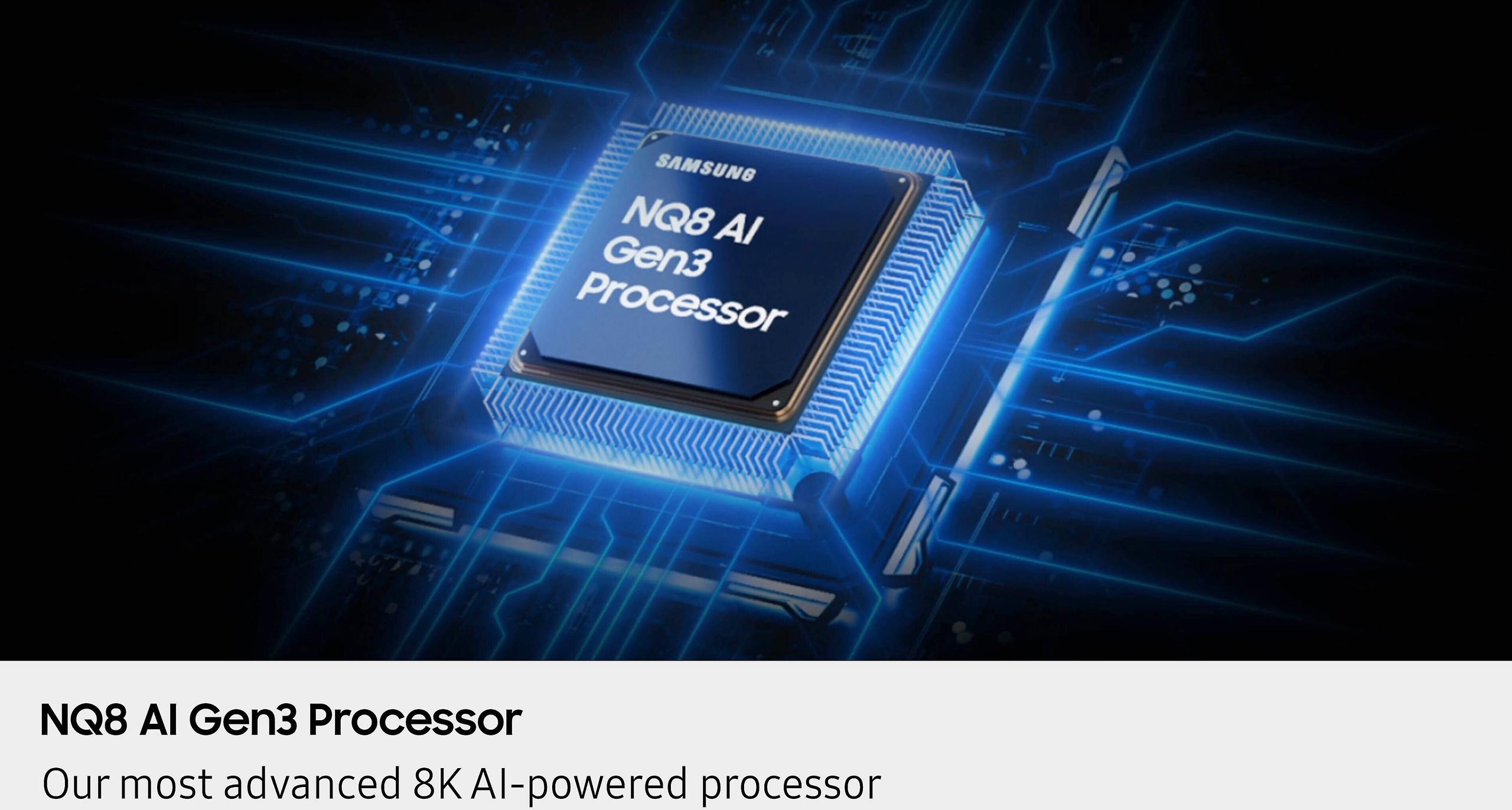
The key difference lies in how sophisticated these systems are. The QN80F uses Samsung's NQ4 AI Gen2 processor, which is excellent for 4K content. The QN990F steps up to the NQ8 AI Gen3 processor – Samsung's most powerful TV brain that can handle the massive computational requirements of 8K processing.
Let's address the elephant in the room: 8K. The QN990F displays 7,680 × 4,320 pixels compared to the QN80F's 3,840 × 2,160 pixels. That's four times more pixels, but here's the catch – there's virtually no native 8K content available to consumers yet. No streaming service offers 8K, and even 8K Blu-rays are practically non-existent.
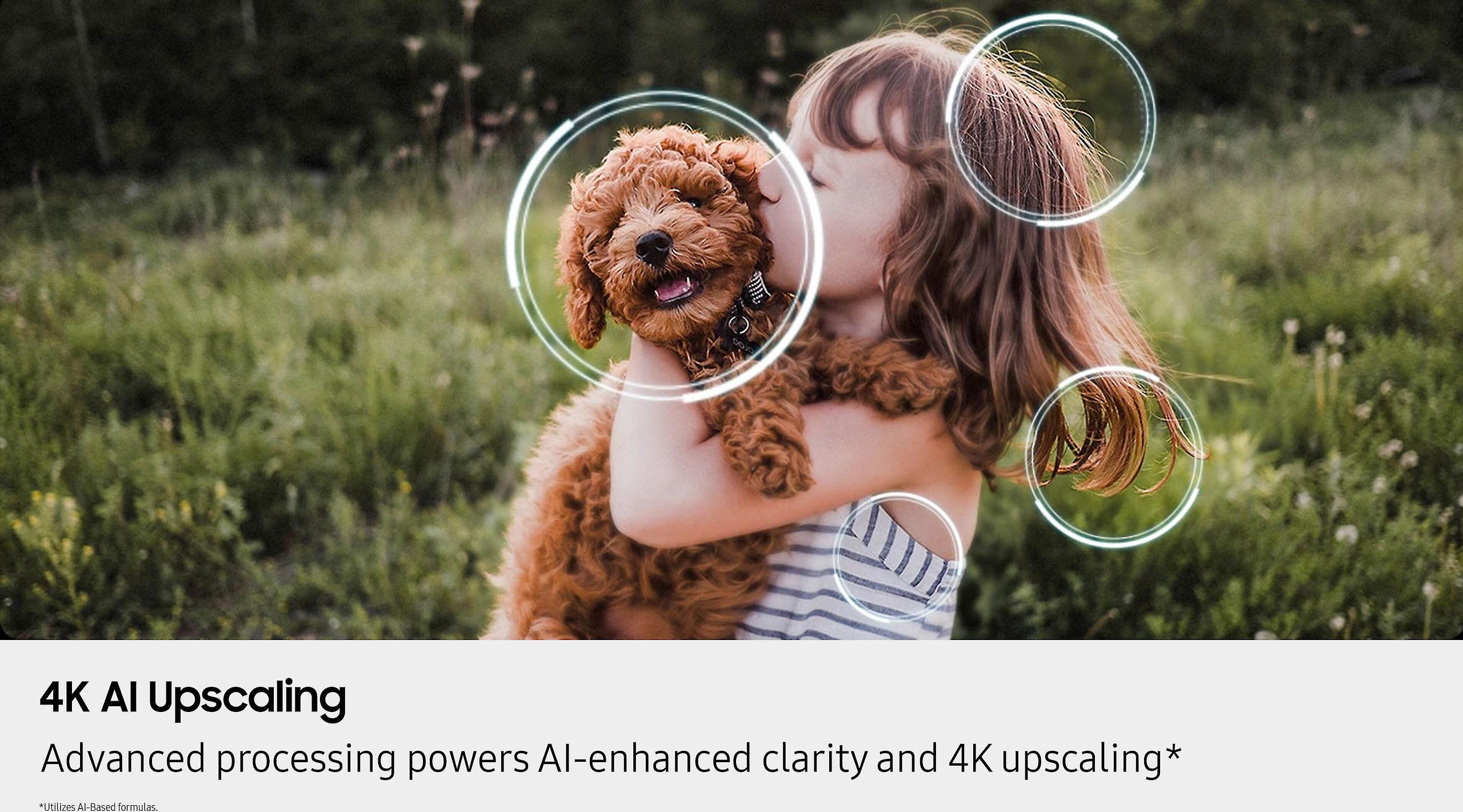
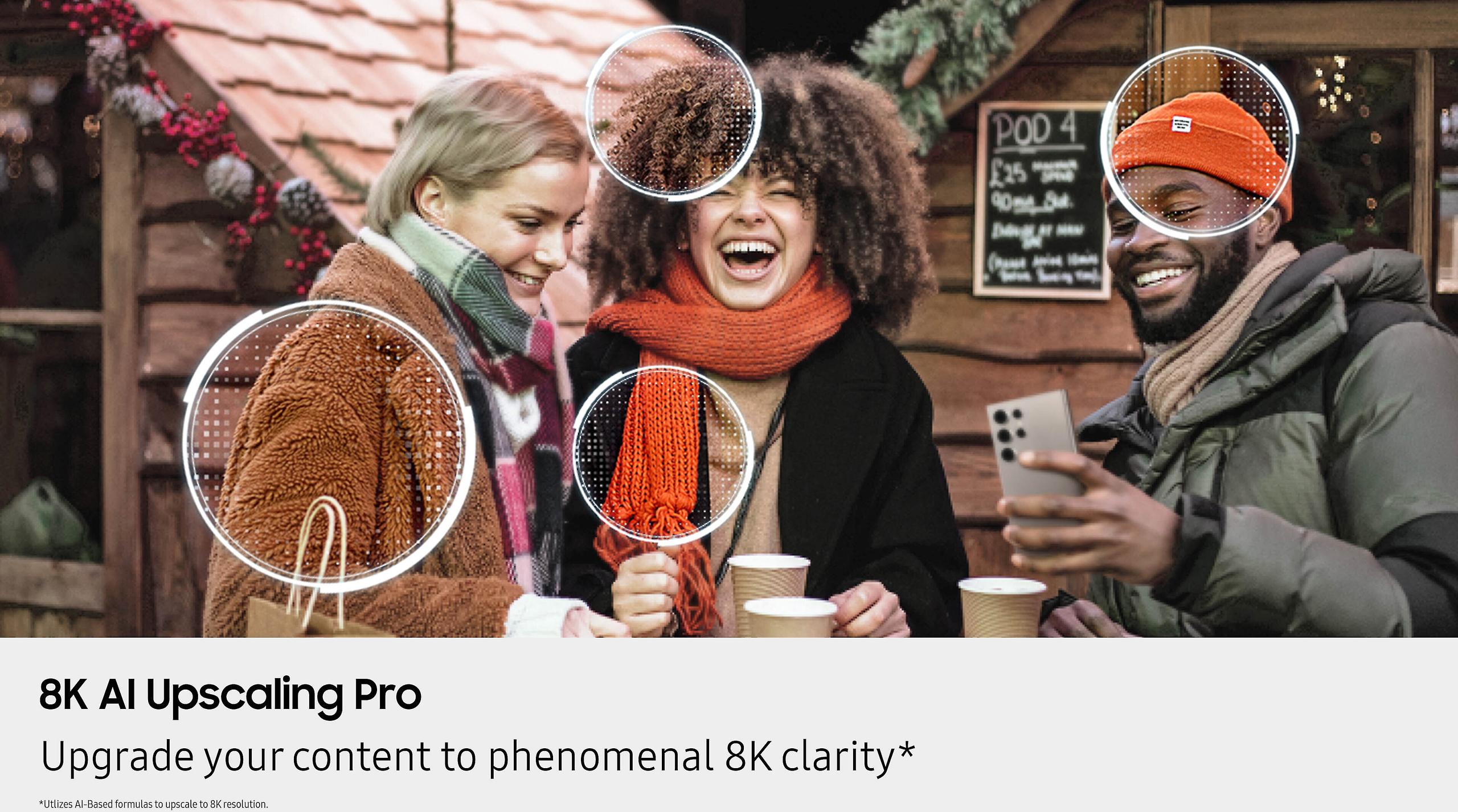
So why consider 8K? The magic happens in upscaling. The QN990F's 8K AI Upscaling Pro uses 768 neural networks (think of them as specialized mini-computers) to analyze every frame and intelligently add detail where it predicts it should exist. I've been consistently impressed by how much sharper 4K content looks when upscaled to 8K, especially on larger screens.
However, the benefits are most noticeable when you're sitting closer to the screen than most people do. At typical viewing distances for a 65-inch TV (about 8-10 feet), the difference between good 4K and upscaled 8K is subtle but present. It's like the difference between looking through a clean window versus one that's been professionally cleaned – you might not notice immediately, but once you do, it's hard to go back.
The QN80F handles 4K content beautifully with its 4K AI Upscaling. For the vast majority of content you'll watch – Netflix, Disney+, gaming, Blu-rays – this is more than sufficient. The processor works hard to clean up lower-resolution content, and the results are consistently impressive.
If you're a gamer, the performance gap becomes much more meaningful. The QN990F supports Motion Xcelerator 240Hz, which means it can display up to 4K at 240 frames per second. For context, most movies are 24 fps, TV shows are 30 or 60 fps, but competitive gaming can benefit enormously from higher frame rates.
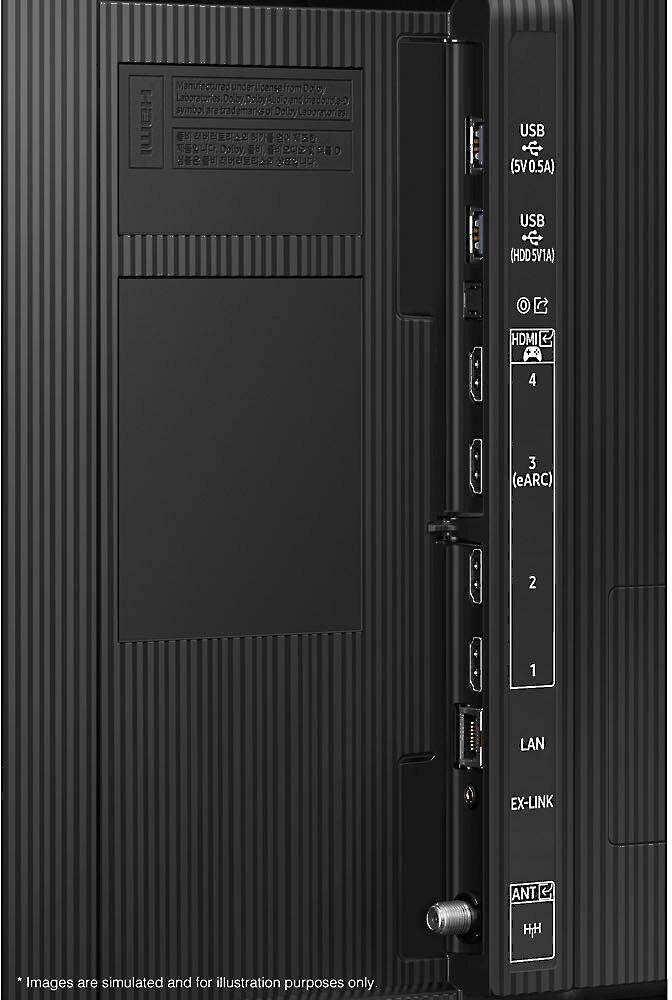
I've tested both TVs with high-end gaming PCs and the latest consoles. The QN80F handles 120Hz gaming beautifully – plenty for console gaming where 120 fps is the current ceiling. Its four HDMI 2.1 ports support all the latest gaming features like Variable Refresh Rate (VRR), which syncs the TV's refresh rate with your console's output to eliminate screen tearing.
But the QN990F is built for the future of gaming. That 240Hz capability means when graphics cards and game engines catch up, you'll be ready. The AI Motion Enhancer Pro also does exceptional work with fast-moving scenes, whether that's a racing game or a first-person shooter. The motion clarity is noticeably superior during rapid camera movements.
For home theater enthusiasts who also game, this creates an interesting choice. The QN80F is excellent for today's gaming needs, while the QN990F is an investment in tomorrow's possibilities.
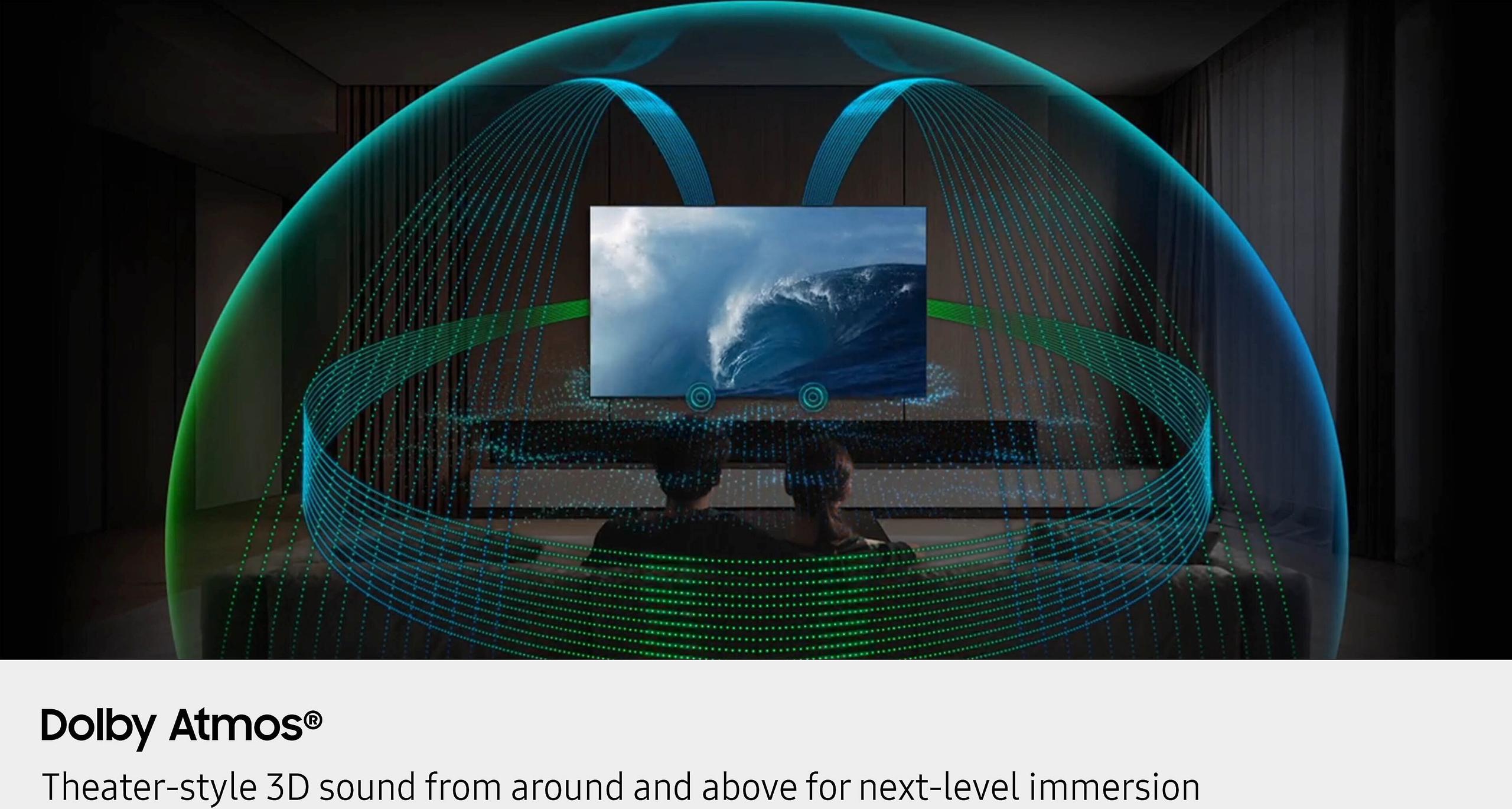
Here's where the QN990F really flexes its flagship muscles. Object Tracking Sound Pro is genuinely impressive technology. Instead of sound just coming from the TV, it actually follows objects across the screen. When a car drives from left to right, the engine sound smoothly pans with it. When a helicopter flies overhead, the sound literally comes from above.
This is achieved through dedicated top-channel speakers and sophisticated processing that maps audio to visual elements in real-time. Combined with Dolby Atmos support (which creates three-dimensional sound fields), it creates an incredibly immersive experience that rivals many soundbar setups.
The QN80F includes Dolby Atmos support too, but without the object tracking capabilities. The Adaptive Sound Pro feature does a good job of optimizing audio for different content types – dialogue gets clearer during movies, music gets more dynamic range during concerts – but it's a more traditional approach to TV audio.
For serious home theater setups, most enthusiasts will add a dedicated sound system anyway. But if you're planning to rely primarily on the TV's built-in audio, the QN990F's advanced sound system is a significant advantage.
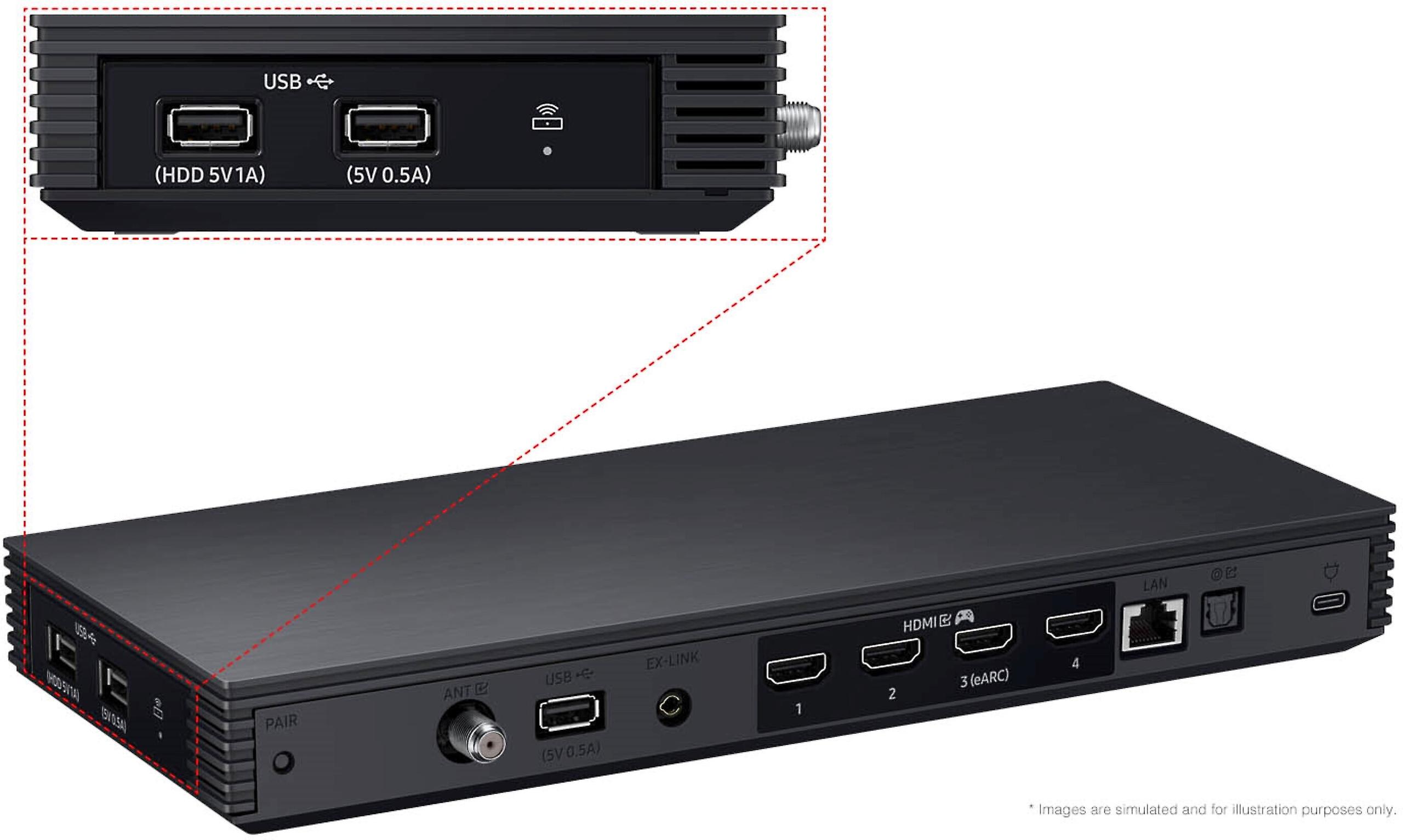
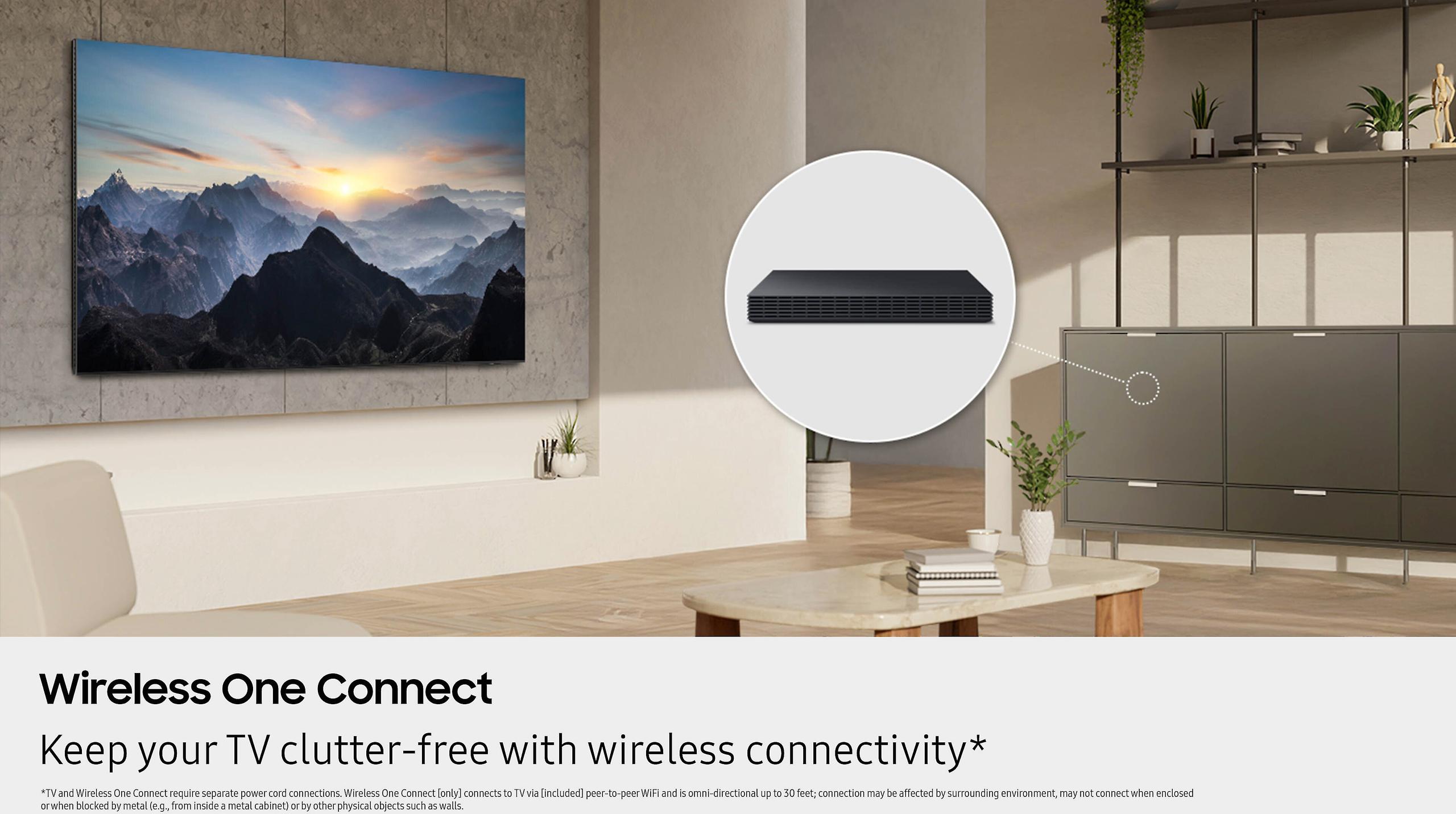
One of the QN990F's most practical advantages is the Wireless One Connect Box. This might sound like a minor feature, but it's genuinely game-changing for many installations. All your devices – cable box, gaming console, streaming devices – connect to a separate box that can be placed up to 30 feet away from the TV.
This solves several real-world problems. You can mount the TV on the wall with just a power cable, creating an incredibly clean look. The One Connect box can sit in your entertainment center or even a closet, reducing heat and noise near your seating area. If you need to replace the box for future connectivity standards, you don't need to touch the wall-mounted TV.
I've installed both TVs in various setups, and the cable management difference is striking. The QN80F requires traditional HDMI cables running to the TV, which is fine but creates the usual cable management challenges. The wireless solution feels genuinely futuristic and practical.
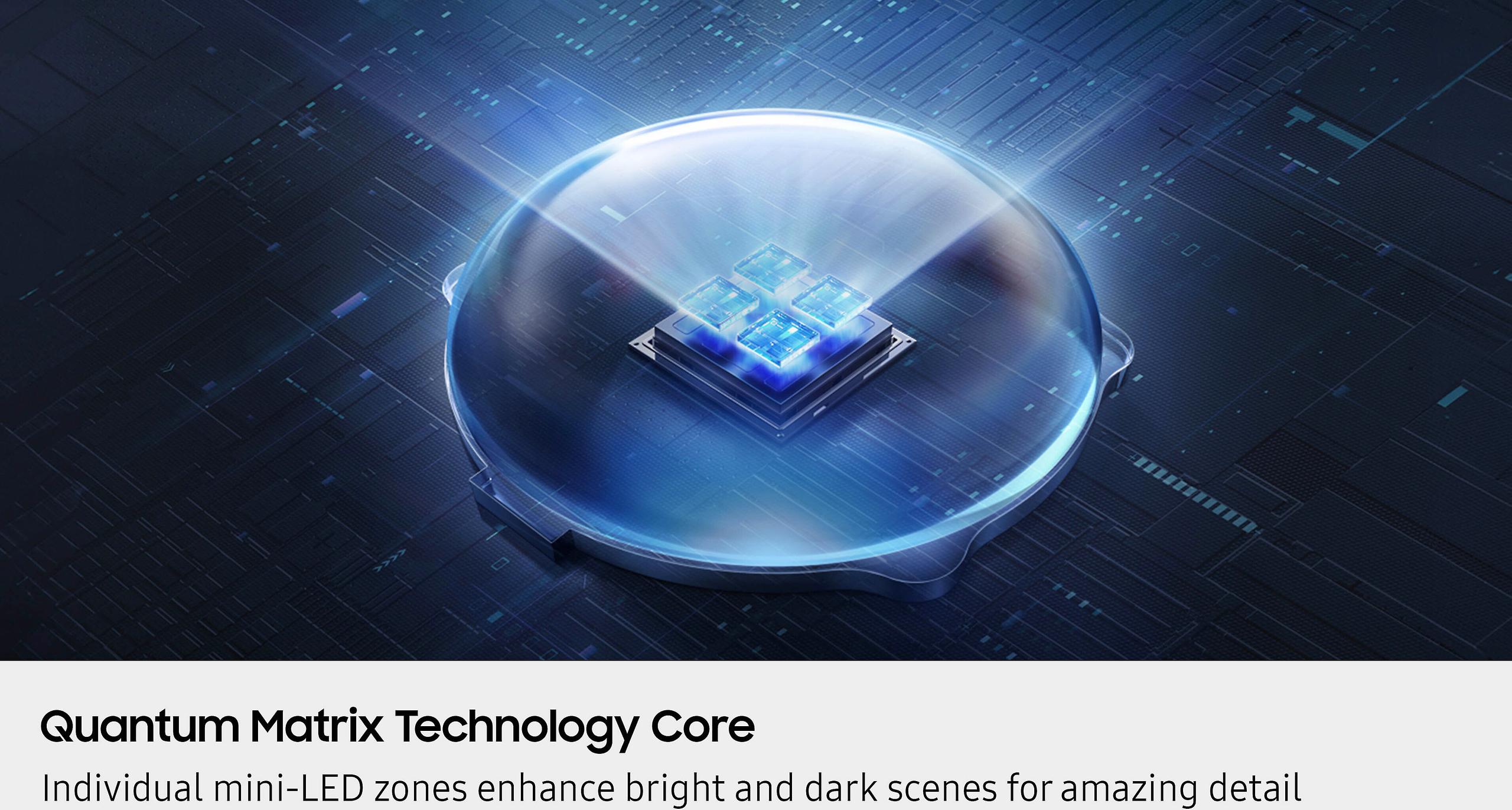
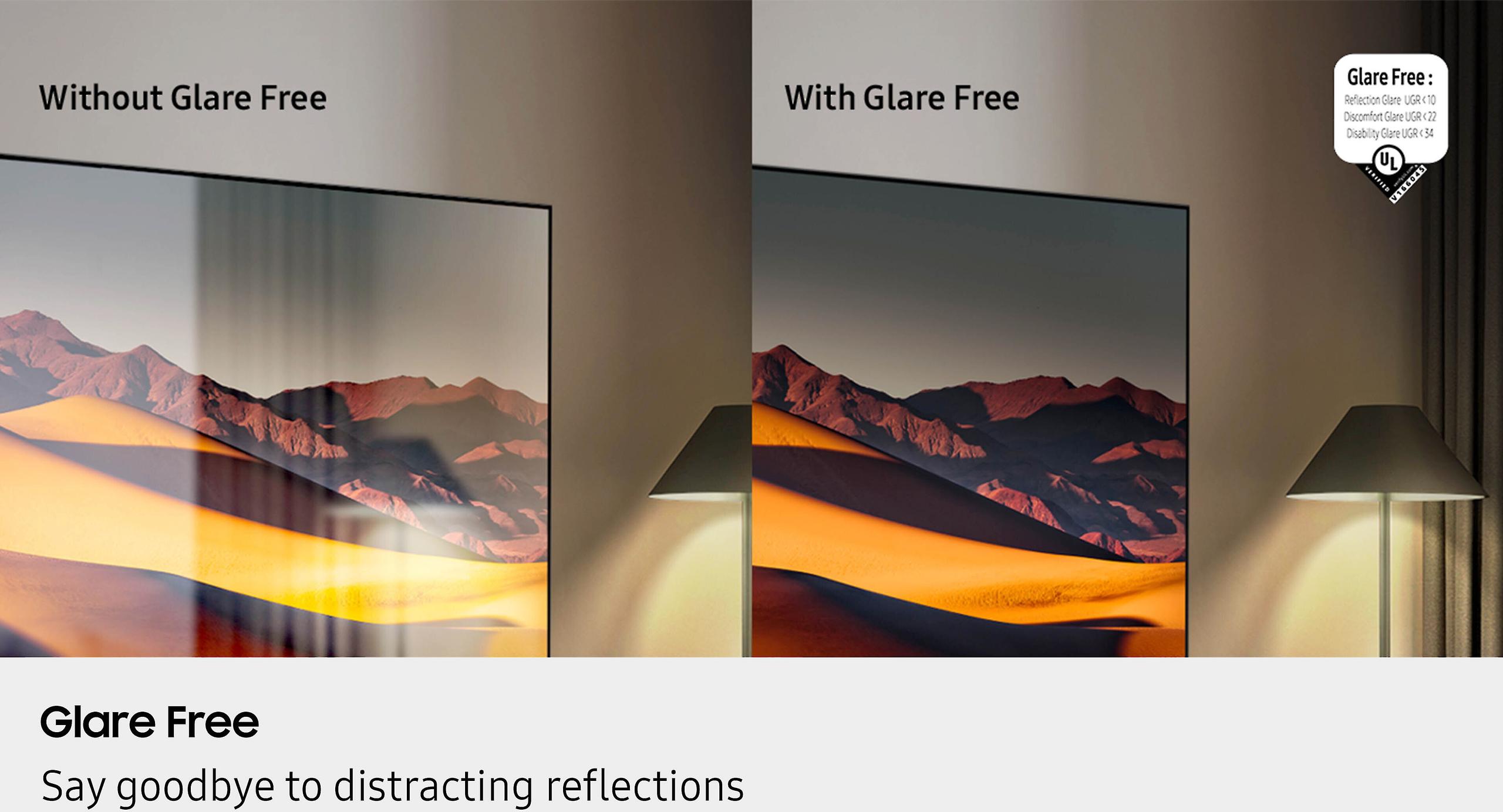
Both TVs use Samsung's Quantum Matrix Technology, but the implementation differs significantly. The QN990F can control its Mini LED zones with much more precision, creating better contrast and more accurate colors. The glare-free screen coating is also more advanced, virtually eliminating reflections even in bright rooms.
The QN80F still delivers excellent contrast and color accuracy that will impress most viewers. Its Mini LED system creates deep blacks and bright whites that make HDR content pop. The difference in picture quality is more about refinement than dramatic improvement – the QN990F simply does everything a bit better.
Color accuracy is particularly important for movie enthusiasts and content creators. Both TVs cover wide color gamuts, but the QN990F's more sophisticated processing results in more natural skin tones and more accurate color reproduction across different content types.
Both TVs run Samsung's 2025 Smart TV platform with similar app selection and interface design. The difference lies in processing power and AI capabilities. The QN990F's more powerful processor enables more sophisticated Samsung Vision AI features, including better voice recognition, more accurate content recommendations, and more responsive interface navigation.
The future-proofing question is complex. The QN80F will handle current and near-future content beautifully for years to come. The QN990F is betting on 8K content eventually arriving and higher frame rate gaming becoming standard. Whether that investment pays off depends on how quickly these technologies advance.
For most buyers, the QN80F represents the sweet spot of premium TV performance. At the time of writing, it offers about 90% of the premium TV experience at significantly lower cost than the flagship model. If you're primarily streaming content, watching Blu-rays, and gaming at current console specifications, it delivers everything you need exceptionally well.
Choose the QN80F if you want proven, excellent 4K performance without paying for features you may never fully utilize. It's particularly smart for buyers who prioritize value or plan to upgrade again in 3-5 years as technology continues evolving.
The QN990F makes sense for specific scenarios. If you're building a serious home theater setup where you want the absolute best available technology, the superior processing, advanced audio, and 8K capabilities justify the premium. It's also the right choice if you're a hardcore gamer who wants to be ready for next-generation gaming capabilities.
The wireless connectivity alone might tip the scales for some buyers dealing with challenging installation situations. If you're wall-mounting in a location where running cables is difficult or aesthetically problematic, the QN990F's wireless solution could be worth the extra investment.
In dedicated home theater environments, both TVs perform admirably, but they serve different philosophies. The QN80F is excellent for viewers who plan to add separate audio equipment and want outstanding picture quality at a reasonable price point.
The QN990F is designed for those who want a single device that delivers reference-quality visuals and impressive audio without additional components. Its advanced processing and premium features create a more complete out-of-the-box experience.
Screen size considerations matter too. While both are reviewed here in 65-inch configurations, the benefits of 8K resolution become more apparent on larger screens. If you're considering 75-inch or larger displays, the QN990F's advantages become more compelling.
The choice between these two excellent TVs ultimately depends on your priorities and budget. The QN80F delivers exceptional 4K performance that will satisfy the vast majority of users, while the QN990F pushes boundaries with features that showcase the future of television technology.
Both represent significant investments that will provide years of excellent viewing experiences. The QN80F is the smarter choice for most buyers, offering proven performance at better value. The QN990F is worth its premium for enthusiasts who want cutting-edge technology and are willing to pay for features they may grow into over time.
Consider your viewing habits, room setup, and how long you typically keep a TV before upgrading. For most people, the QN80F hits the performance sweet spot perfectly. For those who demand the absolute best available technology and have the budget to match, the QN990F delivers an undeniably superior experience that justifies its flagship positioning.
| Samsung 65" QN80F Neo QLED 4K TV | Samsung 65" Neo QLED QN990F 8K Smart TV 2025 |
|---|---|
| Display Resolution - Core picture quality foundation | |
| 4K (3840 x 2160) with excellent upscaling | 8K (7680 x 4320) with advanced AI upscaling |
| Processor - Brain that handles all picture and sound processing | |
| NQ4 AI Gen2 (solid 4K optimization) | NQ8 AI Gen3 (Samsung's most powerful TV processor) |
| Gaming Performance - Critical for console and PC gaming | |
| Motion Xcelerator 144Hz with VRR support | Motion Xcelerator 240Hz with advanced VRR |
| Audio Technology - Determines if you need a soundbar | |
| Dolby Atmos with Adaptive Sound Pro | Object Tracking Sound Pro with dedicated top speakers |
| Connectivity Solution - Affects installation flexibility | |
| Traditional HDMI connections to TV | Wireless One Connect Box (up to 30ft range) |
| Mini LED Zones - Controls contrast and black levels | |
| Standard Quantum Matrix control | Advanced Quantum Matrix with more precise dimming |
| Glare Reduction - Important for bright room viewing | |
| Standard glare-free coating | Advanced glare-free technology |
| AI Upscaling Networks - How lower resolution content looks | |
| Standard neural network processing | 768 specialized neural networks for 8K upscaling |
| Motion Clarity - Reduces blur in fast scenes and sports | |
| AI Auto Game Mode with good motion handling | AI Motion Enhancer Pro with superior clarity |
| Screen Design - Aesthetic and mounting considerations | |
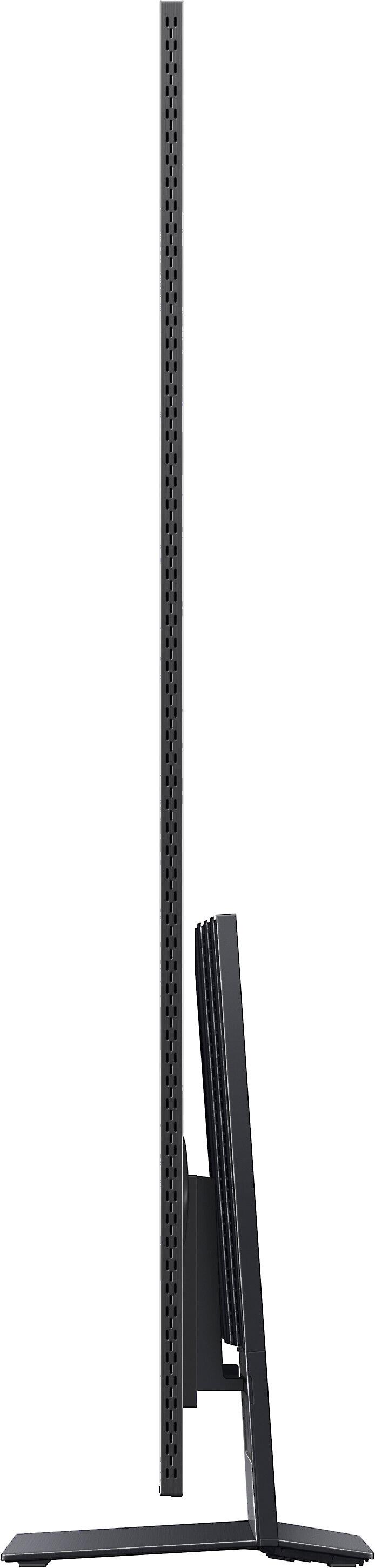
| Standard bezel with wall mount compatibility | Nearly edgeless design with premium metal frame |
| Target Market - Who should consider each model | |
| Mainstream premium buyers wanting proven 4K excellence | Enthusiasts and early adopters seeking flagship technology |
| Best Use Cases - Where each model excels | |
| Family entertainment, current gaming, streaming focus | Large home theaters, future gaming, cable-free installs |
The Samsung 65" QN80F Neo QLED 4K TV offers better value for most buyers. It delivers excellent 4K picture quality with Mini LED technology and solid gaming performance at a more accessible price point. The QN80F provides about 90% of premium TV features without the flagship pricing, making it ideal for families and mainstream users who want premium performance without cutting-edge features they may not fully utilize.
The 8K resolution on the Samsung Neo QLED QN990F 8K Smart TV 2025 is primarily valuable for its advanced upscaling capabilities rather than native 8K content, which remains extremely limited. The QN990F uses 768 neural networks to upscale 4K content to near-8K quality, creating noticeably sharper images especially on larger screens. However, for most viewers at typical viewing distances, the 4K performance of the QN80F will be perfectly satisfying.
The Samsung Neo QLED QN990F 8K Smart TV 2025 offers superior gaming performance with Motion Xcelerator 240Hz supporting up to 4K at 240fps, making it future-ready for next-generation gaming. However, the Samsung 65" QN80F Neo QLED 4K TV provides excellent gaming with 144Hz refresh rate and full HDMI 2.1 support, which is more than adequate for current console gaming at 120fps. Most gamers will be completely satisfied with the QN80F's capabilities.
Both TVs use Samsung's Neo QLED technology with Mini LED backlighting, but the QN990F offers more precise control over dimming zones and superior AI processing through its NQ8 AI Gen3 processor. The Samsung 65" QN80F Neo QLED 4K TV uses the NQ4 AI Gen2 processor, which still delivers excellent 4K picture quality with great contrast and color accuracy. The difference is more about refinement than dramatic improvement.
The Samsung Neo QLED QN990F 8K Smart TV 2025 features significantly better audio with Object Tracking Sound Pro and dedicated top-channel speakers that create immersive Dolby Atmos experiences. The QN80F includes Dolby Atmos support and Adaptive Sound Pro but lacks the advanced object tracking capabilities. For home theater setups relying on TV audio, the QN990F provides a notably superior sound experience.
Yes, both the Samsung 65" QN80F Neo QLED 4K TV and Samsung Neo QLED QN990F 8K Smart TV 2025 run Samsung's 2025 Smart TV platform with full support for Netflix, Disney+, Amazon Prime Video, Apple TV+, and all major streaming services. The QN990F offers slightly faster performance due to its more powerful processor, but both provide smooth streaming experiences with the same app selection.
The Wireless One Connect Box on the Samsung Neo QLED QN990F 8K Smart TV 2025 allows you to connect all devices wirelessly from up to 30 feet away, eliminating cable clutter and enabling clean wall mounting with just a power cord. This feature isn't available on the QN80F, which uses traditional HDMI connections. The wireless solution is particularly valuable for difficult installation situations or when aesthetics are a priority.
The Samsung Neo QLED QN990F 8K Smart TV 2025 features more advanced glare-free technology that virtually eliminates reflections, making it superior for bright room viewing. The Samsung 65" QN80F Neo QLED 4K TV also includes glare-free coating but with less sophisticated implementation. Both TVs handle bright environments well thanks to their Mini LED backlighting, but the QN990F provides noticeably better performance in challenging lighting conditions.
The Samsung 65" QN80F Neo QLED 4K TV will remain excellent for current and near-future content, easily handling today's streaming services and gaming for years to come. The QN990F is more future-proofed with 8K capabilities and 240Hz gaming support, potentially staying relevant longer as content and gaming technology advance. However, both represent solid investments that should provide 5-7 years of excellent performance.
For dedicated home theaters, the choice depends on your approach. The Samsung Neo QLED QN990F 8K Smart TV 2025 offers reference-quality visuals and impressive built-in audio, providing a more complete out-of-the-box experience. The Samsung 65" QN80F Neo QLED 4K TV delivers excellent picture quality at better value, making it ideal for setups where you plan to add separate audio equipment. Both perform admirably in theater environments.
Choose the Samsung 65" QN80F Neo QLED 4K TV for proven 4K excellence at better value, especially if you primarily watch current streaming content and game on existing consoles. It offers outstanding picture quality and performance without paying for 8K capabilities you may not fully utilize. The QN80F is perfect for buyers who want premium features without flagship pricing or plan to upgrade again in 3-5 years.
Select the Samsung Neo QLED QN990F 8K Smart TV 2025 if you want Samsung's absolute best technology, plan to use it for serious gaming at high frame rates, need the wireless connectivity solution, or are building a premium home theater where the advanced audio and processing justify the investment. The QN990F is ideal for enthusiasts who want cutting-edge features and don't mind paying premium prices for tomorrow's capabilities.
We've done our best to create useful and informative comparisons to help you decide what product to buy. Our research uses advanced automated methods to create this comparison and perfection is not possible - please contact us for corrections or questions. These are the sites we've researched in the creation of this article: samsung.com - theshortcut.com - youtube.com - bestbuy.com - rtings.com - samsung.com - samsung.com - samsung.com - sargentappliance.com - displayspecifications.com - bestbuy.com - samsung.com - abt.com - bestbuy.com - pcnation.com - samsung.com - videoandaudiocenter.com - exertisalmo.com - displayspecifications.com - theapplianceplug.com - news.samsung.com

Privacy Policy
Terms and Conditions - Affiliate Policy
Home Security
© Copyright 2008-2026.
11816 Inwood Rd #1211, Dallas, TX 75244