

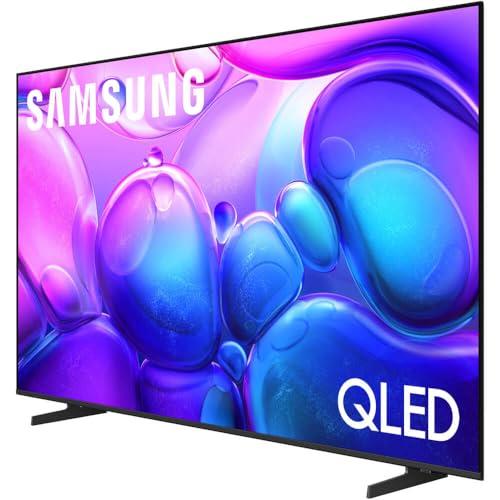
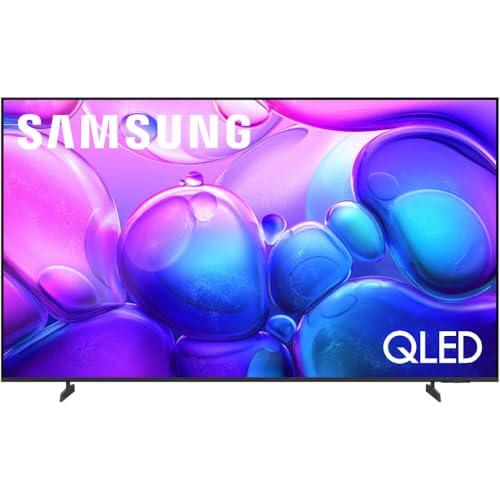
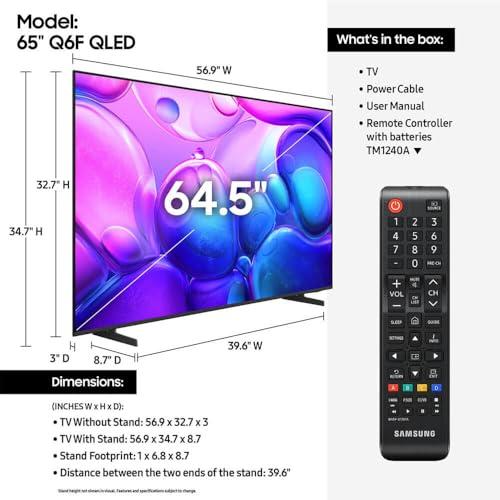
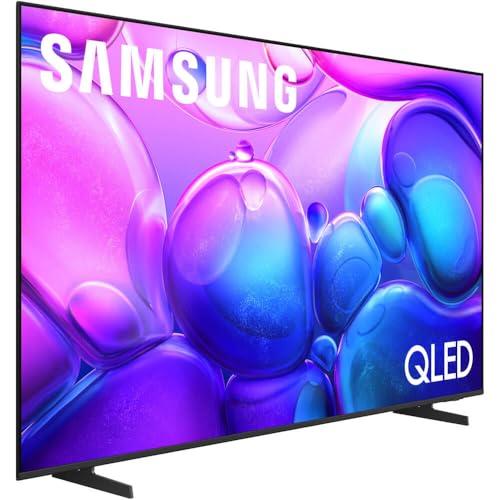
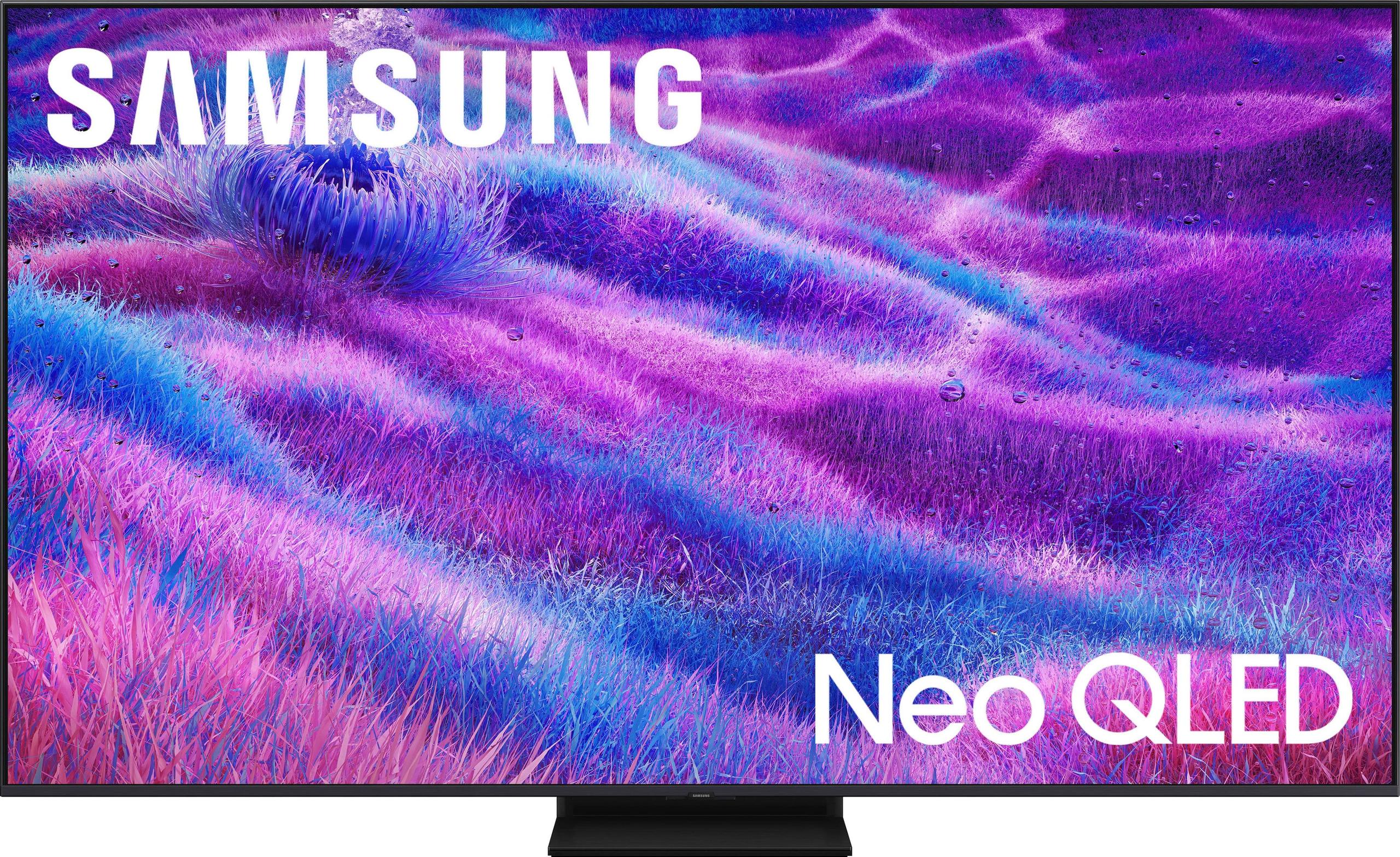
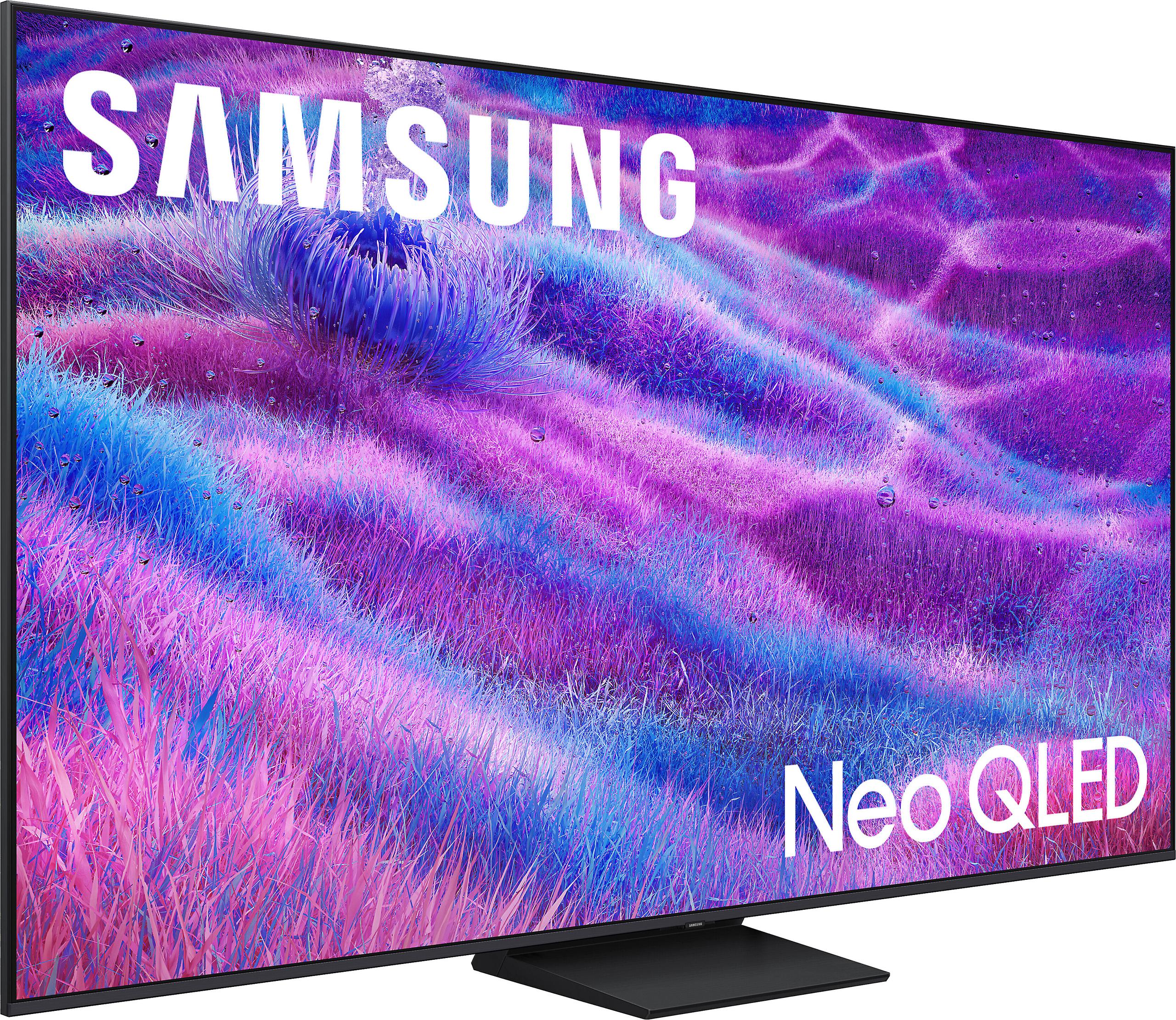
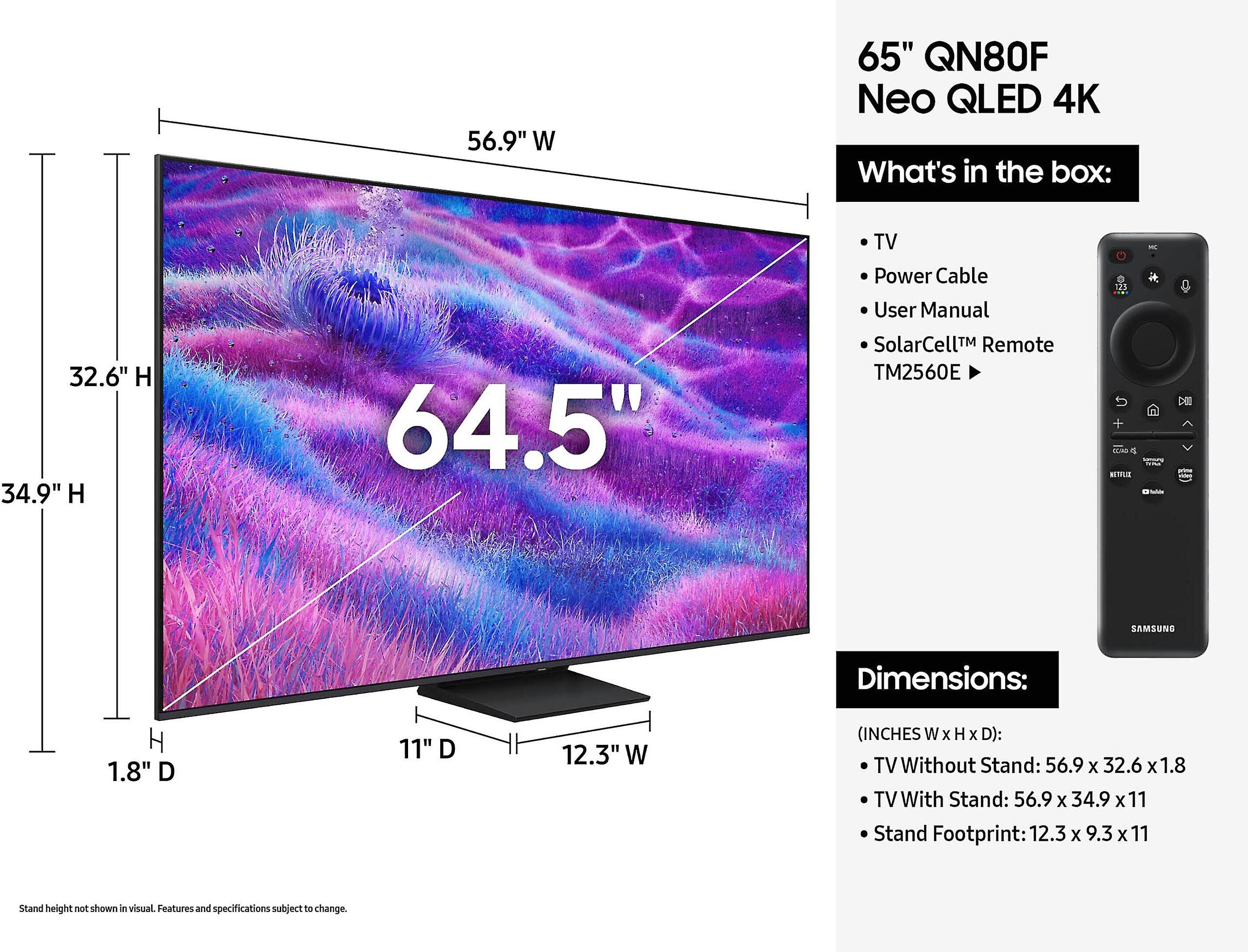
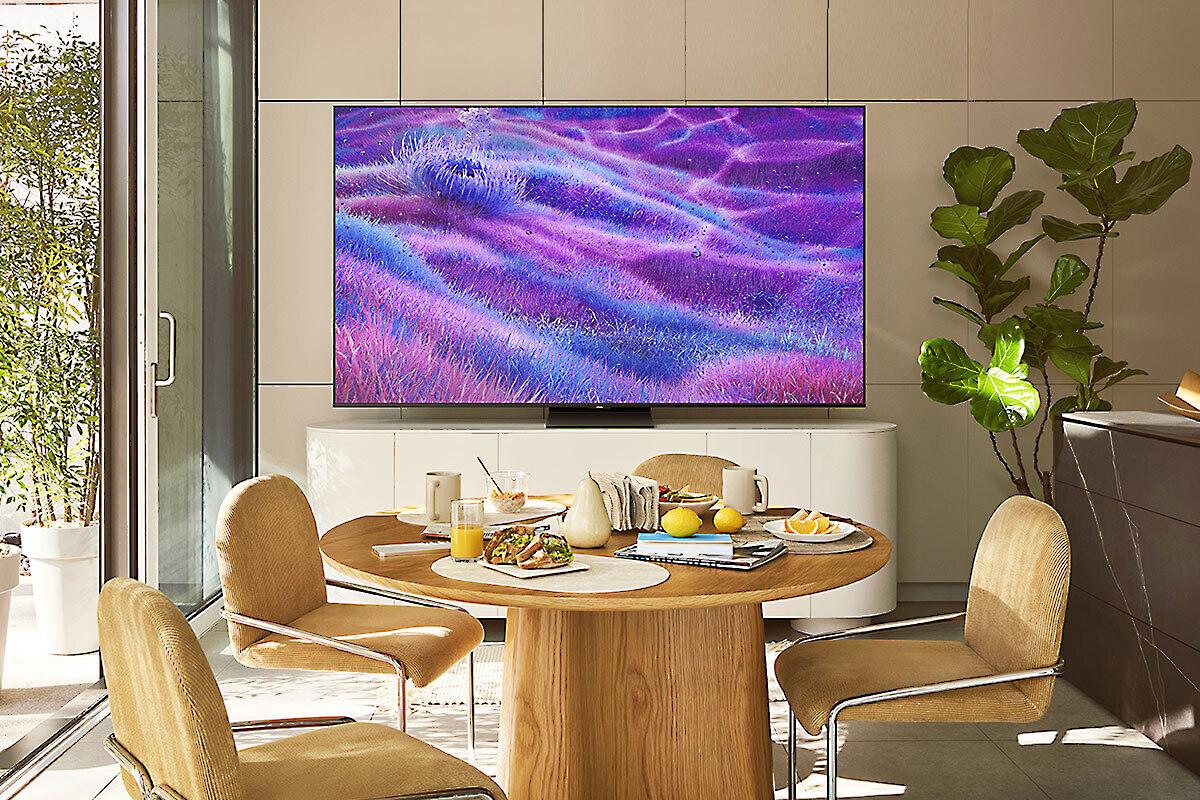
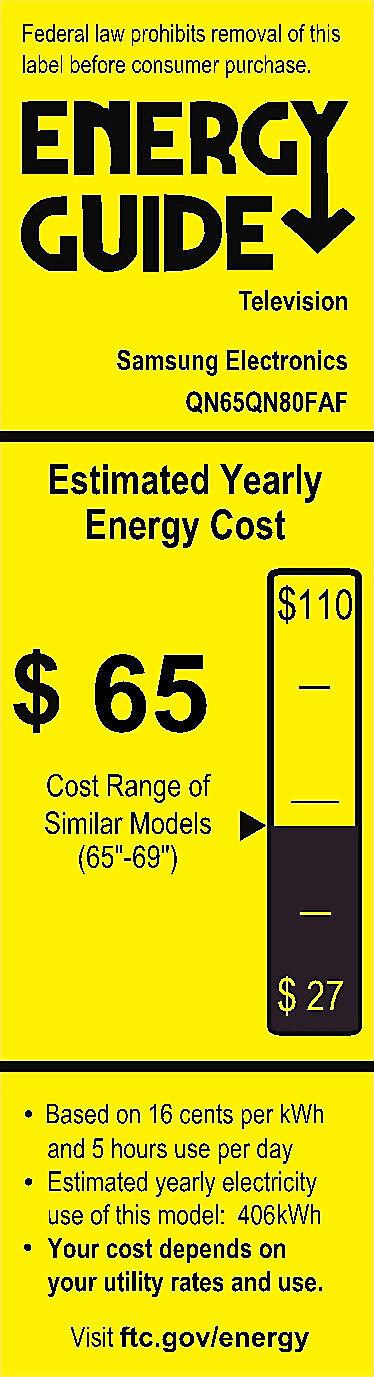
Samsung released both the 65" QLED Q6F and 65" QN80F Neo QLED in 2025 as part of their latest TV lineup, but these two models couldn't be more different in their approach to delivering 4K entertainment. While they share Samsung's signature Quantum Dot technology and smart TV features, the performance gap between them is substantial enough that they're really targeting completely different types of viewers.
The TV market in 2025 has become increasingly sophisticated, with manufacturers pushing brightness levels higher, adding more gaming features, and integrating AI processing that would have seemed like science fiction just a few years ago. Understanding where each of these Samsung models fits in this landscape—and more importantly, which one matches your viewing habits and budget—requires diving into what makes each tick.
Before we compare specific models, it's crucial to understand what separates a budget QLED from a premium one. The technology differences aren't just marketing speak—they fundamentally change how your content looks and feels.
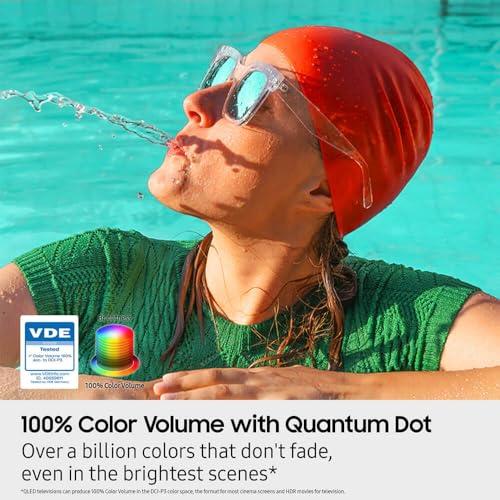
Quantum Dot technology is Samsung's answer to OLED displays, using microscopic semiconductor particles that emit pure colors when hit with light. Think of quantum dots as incredibly precise color filters that can produce more accurate and vibrant colors than traditional LED TVs. Both the Q6F and QN80F use this technology, but how it's implemented makes all the difference.
The bigger story is backlighting. Traditional LED TVs place lights around the edges of the screen (edge-lit) or behind it in a grid pattern. Mini LED technology, which powers the QN80F, uses thousands of tiny LEDs that are much smaller than traditional ones, allowing for hundreds of dimming zones instead of just a few dozen. This means the TV can make one part of the screen incredibly bright while keeping another section completely dark—something that's essential for good contrast in movies and games.
Local dimming is the technical term for this zone-by-zone brightness control. When you're watching a movie with a bright explosion against a dark night sky, local dimming allows the TV to display that explosion at full brightness while keeping the sky properly black. TVs without good local dimming show that sky as grayish instead of true black.
The Samsung Q6F uses Samsung's entry-level QLED implementation with edge-lit backlighting and basic Quantum Dot technology. This approach keeps costs down while still delivering the wider color range that makes QLED appealing. However, the edge-lit design means light has to travel across the entire screen from the sides, making it harder to achieve uniform brightness and deep blacks.
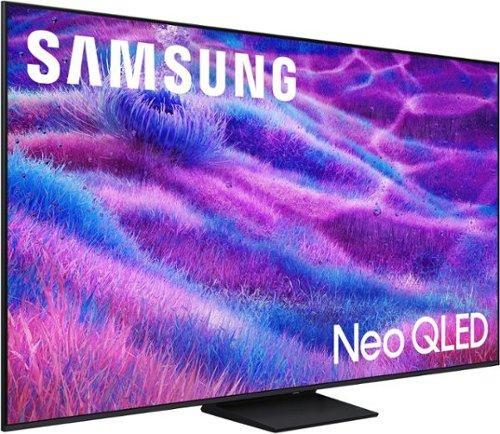
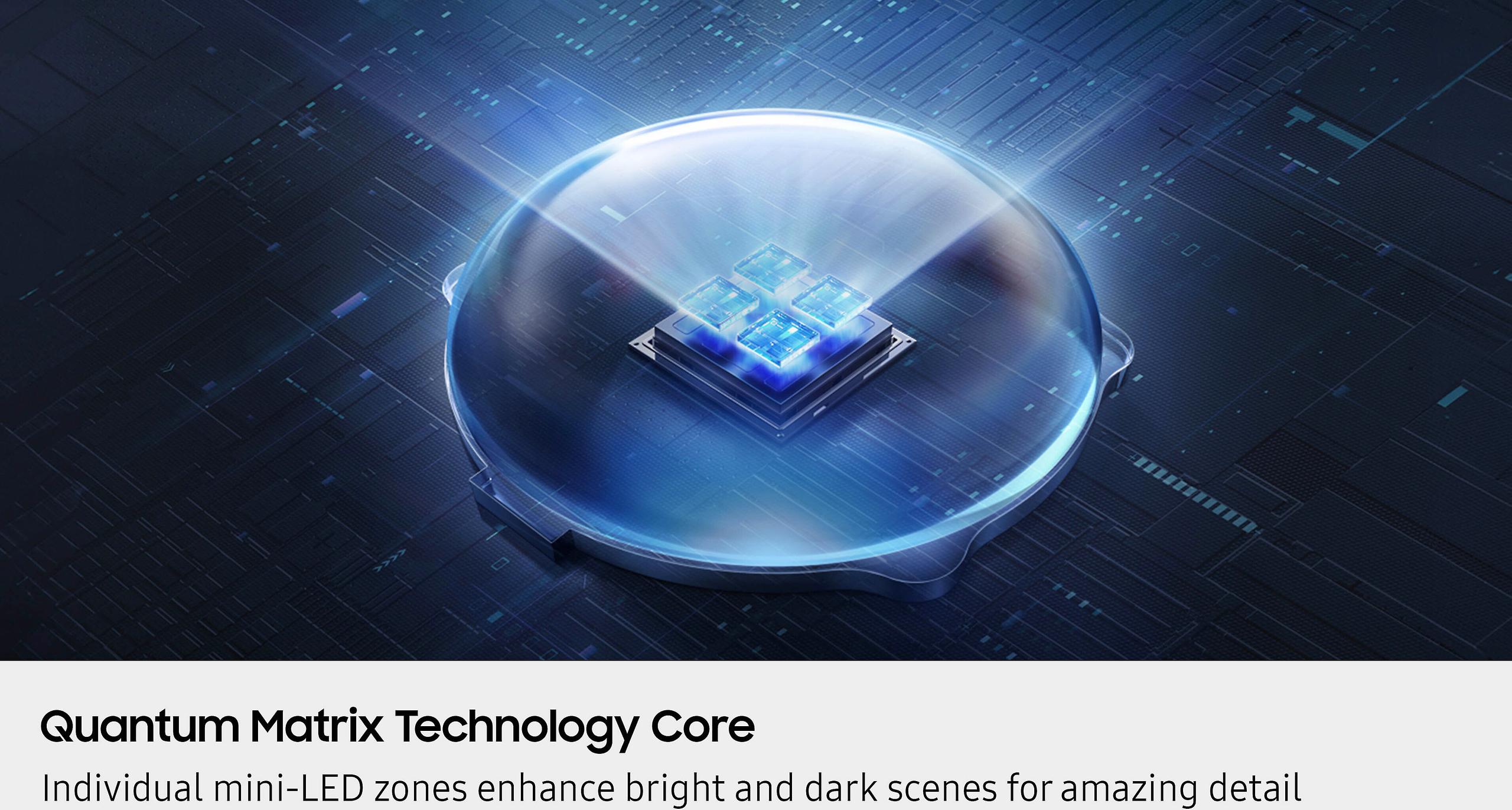
In contrast, the QN80F features Samsung's Neo QLED technology with Mini LED backlighting and what they call Quantum Matrix Technology Core. This system uses thousands of Mini LEDs controlled by hundreds of dimming zones, allowing for incredibly precise light control. The result is a display that can show bright highlights and deep blacks simultaneously—something the Q6F simply cannot match.
Our research into professional reviews reveals that the brightness difference is dramatic. The QN80F achieves over 1,100 nits of peak brightness in HDR content, making it suitable for bright rooms and delivering that "wow factor" when watching HDR movies. The Q6F, while respectable for its price range, produces significantly less brightness and struggles with contrast in challenging scenes.
HDR (High Dynamic Range) content has become the standard for premium entertainment, from Netflix originals to PlayStation 5 games. HDR content contains brightness and color information that goes far beyond what older TVs could display. The QN80F supports HDR10+ Adaptive, which adjusts the picture scene-by-scene for optimal brightness and contrast. The Q6F handles basic HDR but lacks the brightness and processing power to really make HDR content shine.
One limitation both models share is the absence of Dolby Vision support—a premium HDR format supported by many streaming services and 4K Blu-ray discs. This isn't necessarily a dealbreaker since HDR10+ covers most content, but it's worth noting if you're particular about having every format supported.
Color performance tells a similar story. Both use Quantum Dot technology, but the QN80F combines this with its superior backlighting to produce colors that are not only more accurate but also remain vibrant at different brightness levels. The Q6F delivers good color for its price point, but you'll notice the difference side-by-side, especially in bright, colorful content like animated movies or nature documentaries.
Gaming has become a crucial differentiator in modern TVs, and here the gap between these models becomes a chasm. The QN80F is built for serious gaming, while the Q6F handles casual gaming adequately but nothing more.
The QN80F supports 4K gaming at up to 144Hz refresh rate, which means it can display 144 individual frames per second. For context, most movies play at 24 frames per second, and standard TV content runs at 60fps. This higher refresh rate makes fast-paced games like first-person shooters and racing games appear incredibly smooth, with less motion blur and more responsive controls.
Variable Refresh Rate (VRR) is another gaming game-changer that the QN80F supports fully. VRR allows the TV to sync its refresh rate with your gaming console or PC, eliminating screen tearing (where the image appears to split horizontally) and reducing input lag. Combined with Auto Low Latency Mode (ALLM), which automatically switches the TV to its fastest gaming mode when it detects a console, the QN80F delivers input lag as low as 9.9 milliseconds.
To put that in perspective, anything under 20ms is considered excellent for gaming, and under 10ms is what competitive gamers prefer. The Q6F, limited to 60Hz with basic gaming features, simply can't compete in this arena.
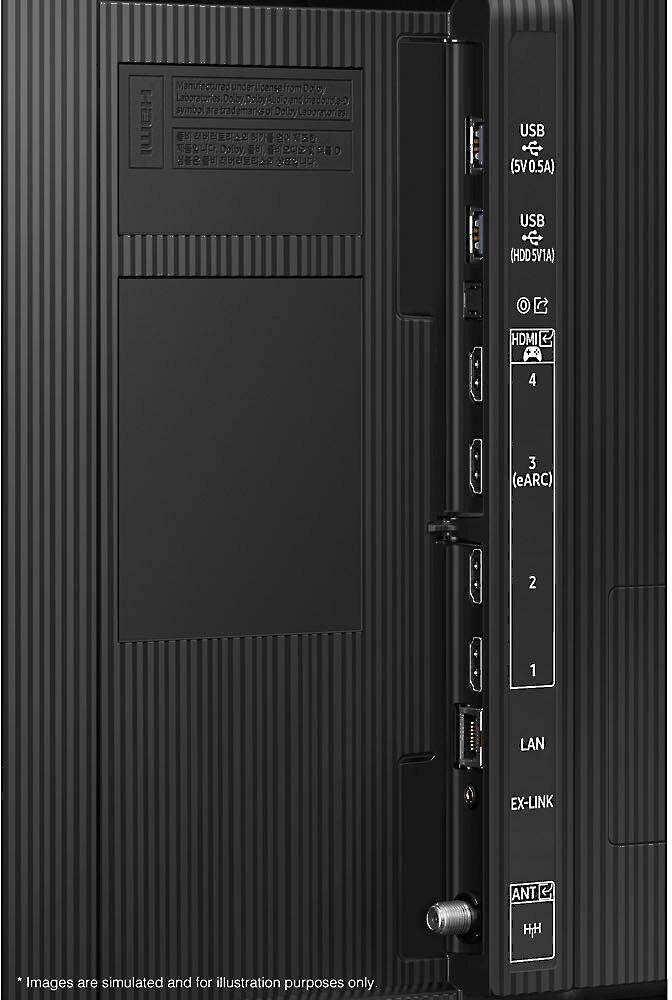
The QN80F includes four HDMI 2.1 ports, each capable of handling 4K at 144Hz with full VRR support. This means you can connect a PlayStation 5, Xbox Series X, gaming PC, and Apple TV 4K simultaneously without sacrificing gaming performance on any input. The Q6F has fewer gaming-optimized ports and lacks these advanced features entirely.
Samsung's Gaming Hub, available on the QN80F, integrates cloud gaming services directly into the TV interface. You can play Xbox Game Pass or NVIDIA GeForce Now games without needing a console, though you'll still want a wireless controller. It's a nice convenience feature that showcases how gaming integration has evolved beyond just connecting external devices.
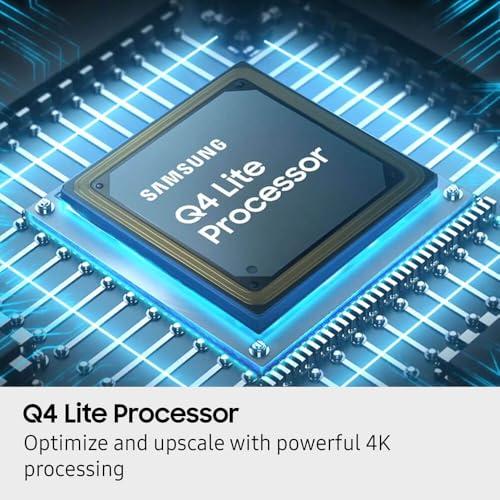
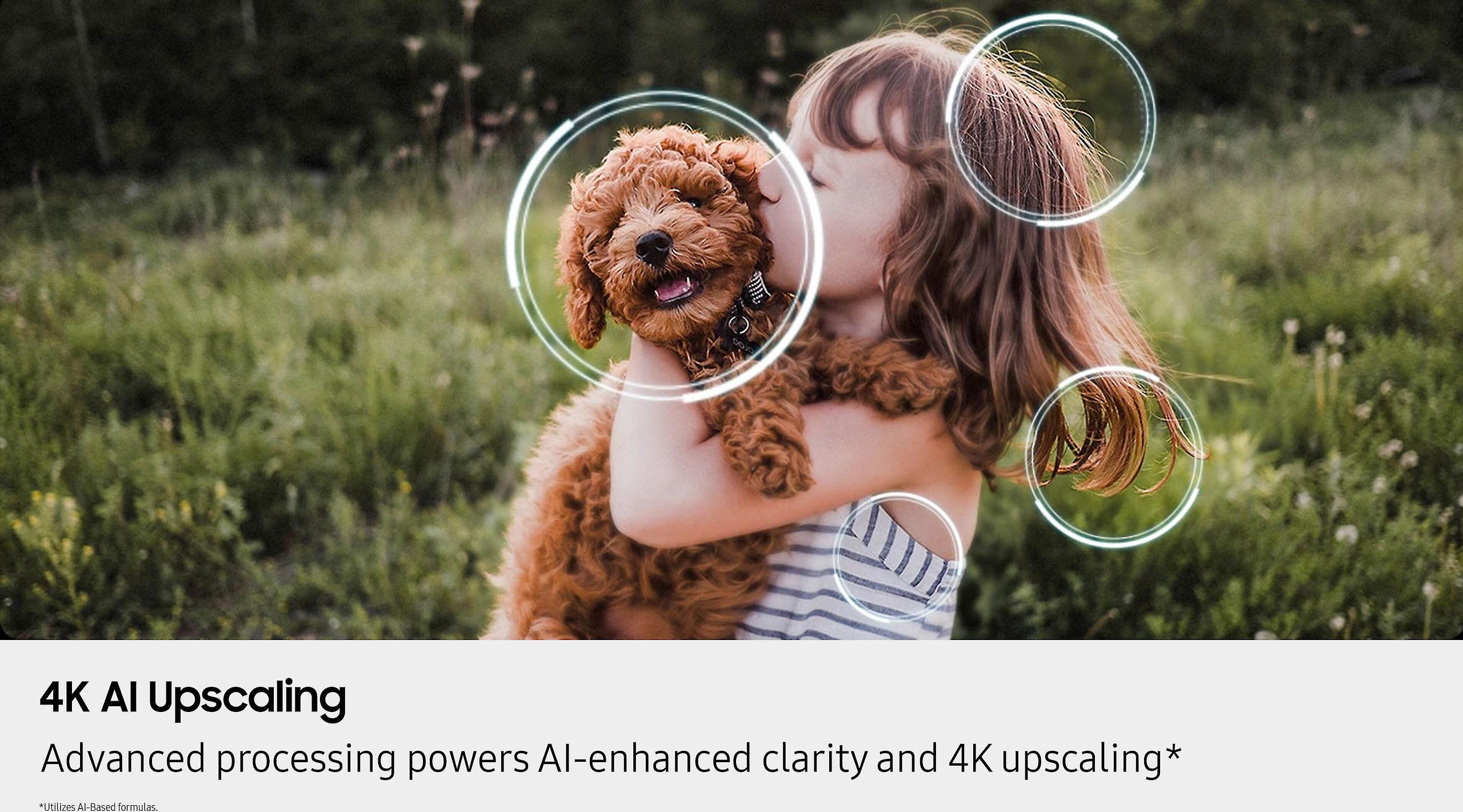
The processor difference between these models illustrates why premium TVs cost more. The Q6F uses Samsung's Q4 Lite Processor, which handles basic 4K upscaling and standard smart TV functions adequately. 4K upscaling takes lower-resolution content (like 1080p Netflix shows or cable TV) and uses algorithms to estimate what it would look like in 4K resolution.
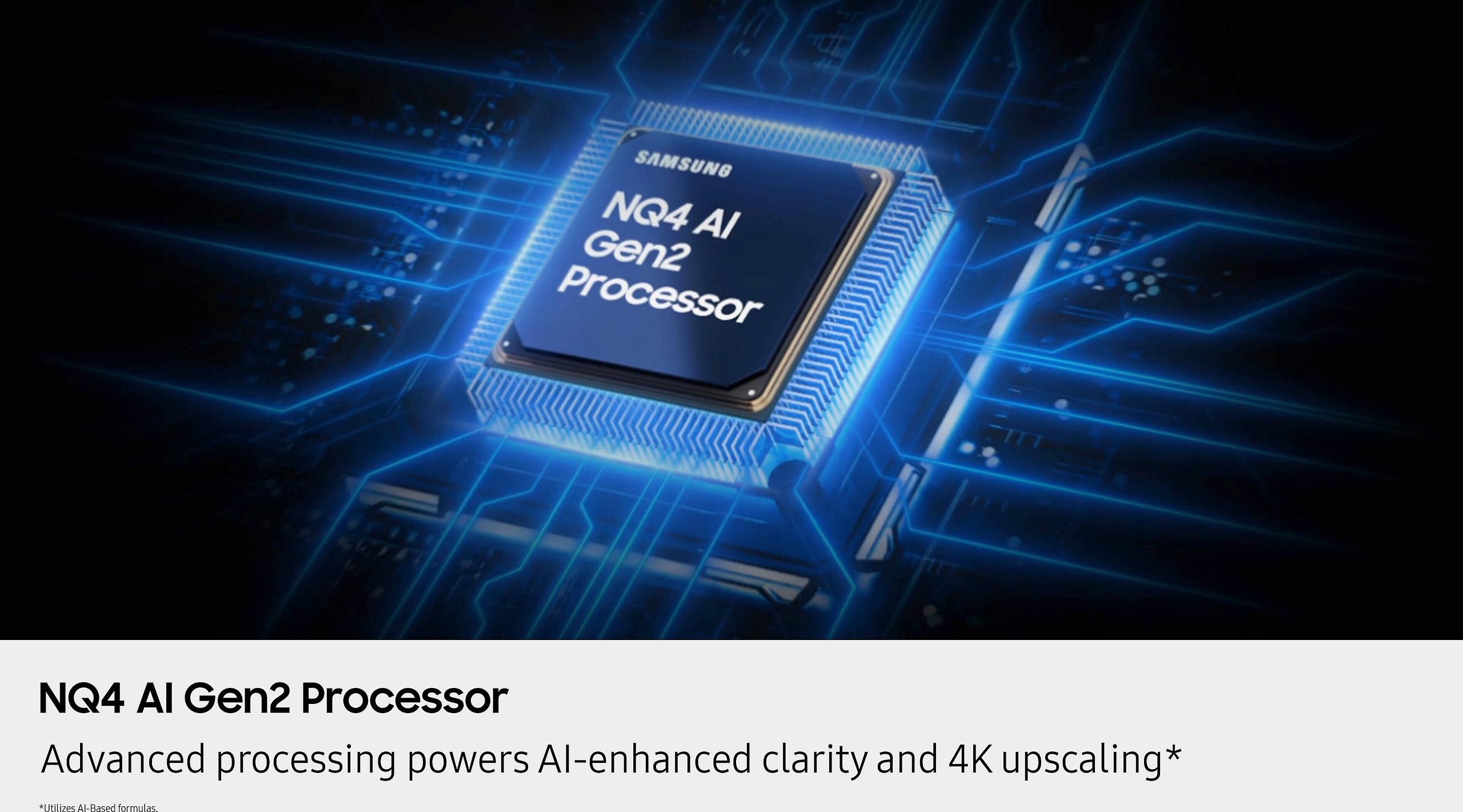
The QN80F steps up dramatically with the NQ4 AI Gen2 Processor, which employs 20 neural networks—essentially specialized AI algorithms—to analyze and optimize picture and sound in real-time. This isn't marketing fluff; the difference is visible in how the TV handles different types of content.
For example, when watching a dark movie scene, the QN80F's AI can identify faces and subtly brighten them for better visibility while keeping the overall scene appropriately dark. It can recognize different content types—sports, movies, animation—and adjust processing accordingly. The upscaling quality is also significantly better, making older content look more detailed and less artificial.
Real Depth Enhancer is one of those AI features that sounds gimmicky but actually works well. It analyzes the image to identify foreground and background elements, then applies subtle processing to enhance the sense of depth and dimensionality. In practice, this makes movies feel more immersive and three-dimensional.
The QN80F also includes some genuinely useful smart features like Generative Wallpaper, which uses AI to create custom background images based on your preferences and mood. While this might seem frivolous, it's actually quite impressive technically and makes the TV feel more personalized when not actively watching content.
Both models run Samsung's Tizen smart TV platform, which remains one of the most polished and responsive interfaces in the industry. The home screen is customizable, app loading is fast, and the overall experience feels more like using a tablet than traditional "smart" TV interfaces that often feel clunky.
Samsung TV Plus provides hundreds of free streaming channels, from news to entertainment, without requiring additional subscriptions. The content quality varies, but it's a nice bonus that both models include. Voice control through Bixby, Alexa, and Google Assistant works reliably, though I find the physical remote more intuitive for most tasks.
The QN80F comes with Samsung's solar-charged remote, which can also charge via USB-C. It's a small touch that eliminates the annoyance of dead batteries and reflects Samsung's attention to user experience details on their premium models.
Both TVs support Apple AirPlay, Samsung's SmartThings integration for smart home control, and screen mirroring from phones and tablets. The implementation is seamless, making it easy to share photos, videos, or even use your TV as a second monitor for presentations.
Audio represents the biggest weakness for both models, though this is common across most TVs. The Q6F provides adequate sound for casual viewing, while the QN80F includes slightly more sophisticated audio processing with Adaptive Sound Pro, which can identify dialogue and enhance clarity.
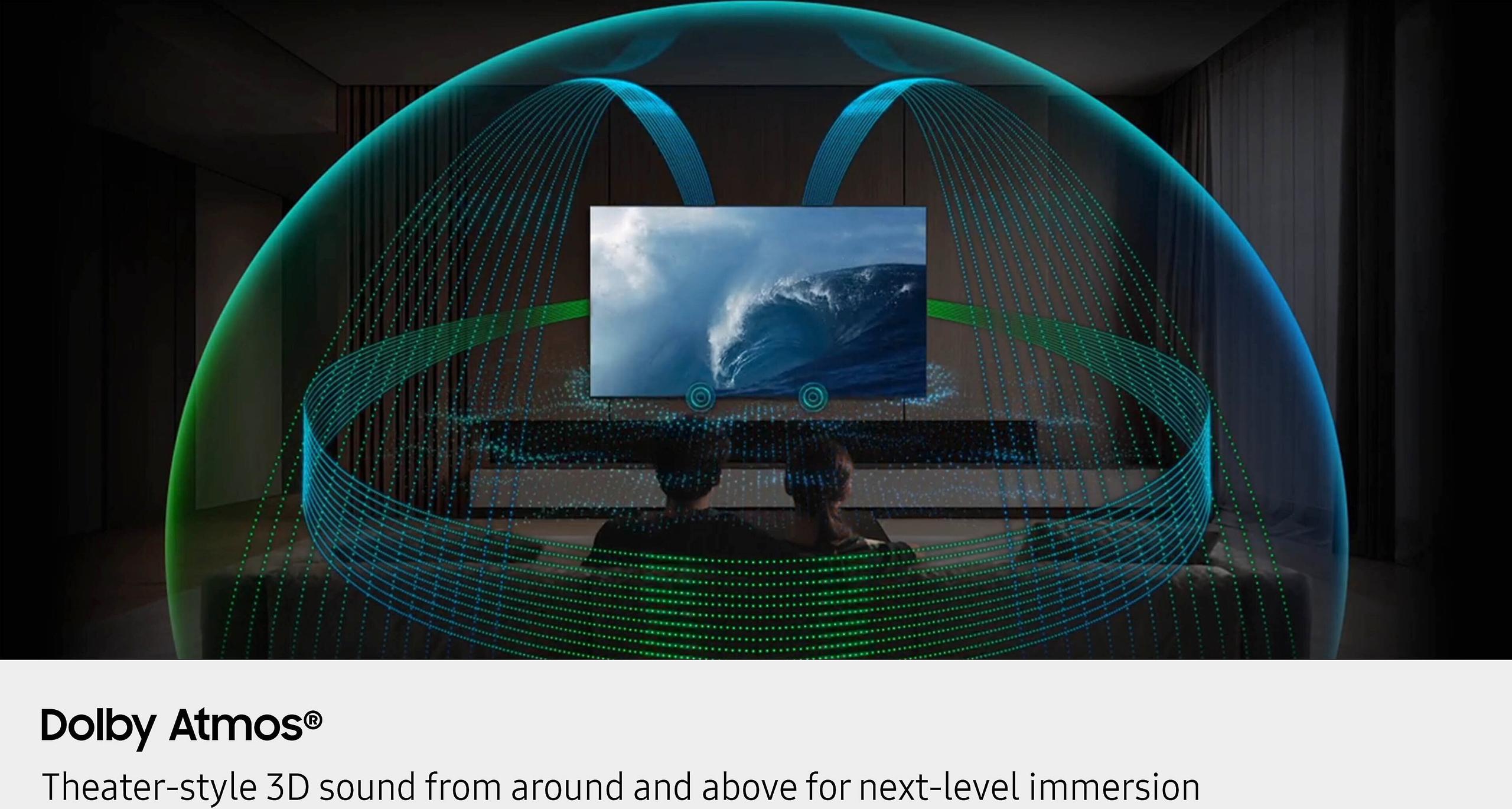
Both support Dolby Atmos, a surround sound format that creates three-dimensional audio by precisely placing sounds in space around you. However, TV speakers simply can't reproduce the full Dolby Atmos experience—that requires a proper soundbar or surround sound system.
The reality is that if you're investing in either of these TVs, especially the QN80F, you should budget for a quality soundbar. Samsung's Q-Symphony feature allows compatible soundbars to work in harmony with the TV's built-in speakers for fuller sound, but even basic soundbars provide a significant improvement over any TV's internal speakers.
At the time of writing, the Q6F represents solid value in the entry-level QLED segment, typically priced several hundred dollars below the QN80F. For many viewers, this price difference will be the deciding factor, and that's perfectly reasonable.
The Q6F delivers genuine QLED color benefits, Samsung's reliable smart TV platform, and adequate performance for streaming, cable TV, and casual gaming. If your primary use case is Netflix, YouTube, and occasional gaming, the Q6F provides excellent value and you probably won't feel like you're missing out.
However, the QN80F faces tougher value competition in its price range. Brands like TCL and Hisense offer Mini LED TVs with similar specifications at lower prices, often with additional features like Dolby Vision support. The QN80F's advantages lie in Samsung's superior processing, more polished software experience, and better long-term software support.
For gaming enthusiasts, the value equation shifts significantly. The QN80F's 144Hz gaming capabilities and comprehensive HDMI 2.1 support make it a worthwhile investment if you own or plan to buy current-generation gaming consoles. The gaming features alone justify much of the price premium for serious players.
In a dedicated home theater setup, the QN80F clearly performs better, but both models have limitations for serious cinephiles. The QN80F's superior contrast and brightness make it much more suitable for HDR movie watching, especially in rooms with some ambient light.
However, neither model supports Dolby Vision, which is increasingly common on 4K Blu-ray releases and streaming services. If you're building a high-end home theater, you might want to consider OLED options from LG or Sony that support both Dolby Vision and Dolby Atmos more comprehensively.
For most living rooms—where you're dealing with windows, lamps, and general ambient light—the QN80F's brightness advantage becomes crucial. OLED TVs, while superior in dark rooms, can struggle with bright environments. The QN80F handles bright rooms well while still delivering respectable black levels.
The Q6F works fine in typical living room setups but doesn't excel in any particular scenario. It's the kind of TV that does everything adequately without being particularly impressive in any area.
The choice between these models comes down to your priorities and budget constraints. The Q6F makes sense if you're primarily interested in getting a large, reliable Samsung TV with good color and smart features at the most affordable price point. It's perfect for families who watch a mix of streaming content, cable TV, and occasional gaming without needing cutting-edge performance.
Choose the Q6F if you:
The QN80F justifies its premium pricing for viewers who will actually use its advanced features. The Mini LED backlighting, 144Hz gaming support, and AI processing make it a significantly more capable TV that will remain relevant longer as content and gaming continue evolving.
Choose the QN80F if you:
Samsung released these models as part of their 2025 lineup to serve distinctly different market segments, and they succeed in that goal. The Q6F provides an accessible entry point into Samsung's QLED ecosystem, while the QN80F showcases what's possible when you don't need to worry about hitting the lowest possible price point.
The technology improvements in 2025 TVs compared to even 2022 models are substantial, particularly in gaming support and AI processing. Both of these Samsung models reflect those advances, but the QN80F does so much more comprehensively.
Ultimately, your decision should align with how you actually use your TV. If you're honest about your viewing habits and they lean toward casual consumption, the Q6F will serve you well and save you money. If you want a TV that excels at everything from the latest games to premium HDR movies, the QN80F delivers that performance—just be prepared to pay for it.
| Samsung 65" QLED Q6F 4K Smart TV 2025 | Samsung 65" QN80F Neo QLED 4K TV |
|---|---|
| Display Technology - The foundation that determines picture quality | |
| Edge-lit LED with Quantum Dot | Mini LED with Neo QLED and Quantum Matrix Technology |
| Local Dimming - Critical for contrast and black levels | |
| No advanced local dimming (basic UHD Dimming) | Supreme UHD Dimming with hundreds of zones |
| Peak Brightness - Essential for HDR content and bright rooms | |
| Moderate brightness suitable for controlled lighting | 1,106 nits peak brightness, excellent for any environment |
| Refresh Rate - Determines motion smoothness and gaming capability | |
| 60Hz native (basic motion handling) | 120Hz native, up to 144Hz for gaming |
| Gaming Features - Make or break for console/PC gaming | |
| Basic Auto Game Mode, 60Hz limit | 4K@144Hz, VRR, ALLM, 9.9ms input lag, Gaming Hub |
| HDMI Connectivity - Affects future device compatibility | |
| 3 HDMI ports (standard features) | 4 HDMI 2.1 ports (full gaming feature support) |
| Processor - Determines upscaling quality and smart features | |
| Q4 Lite Processor (basic 4K upscaling) | NQ4 AI Gen2 Processor with 20 AI neural networks |
| HDR Support - Important for streaming and 4K content | |
| Quantum HDR (basic HDR10+) | Neo Quantum HDR with HDR10+ Adaptive |
| AI Features - Enhance convenience and picture optimization | |
| Basic Vision AI Scene Recognition | Advanced AI Mode, Real Depth Enhancer, Generative Wallpaper |
| Audio Quality - Both benefit significantly from external soundbars | |
| 20W 2CH speakers with basic processing | Enhanced audio with Adaptive Sound Pro and Dolby Atmos |
| Smart TV Platform - Both use Samsung's excellent Tizen OS | |
| Tizen with standard smart features | Tizen with premium features and solar remote |
| Best For - Who should choose each model | |
| Budget-conscious buyers, casual viewing, secondary rooms | Gaming enthusiasts, home theater setups, future-proofing |
The primary difference is the display technology. The Samsung Q6F uses traditional edge-lit LED backlighting with basic Quantum Dot technology, while the Samsung QN80F features advanced Mini LED backlighting with Neo QLED technology. This gives the QN80F significantly better contrast, brightness, and local dimming control for superior picture quality.
The Samsung QN80F is dramatically better for gaming. It supports 4K gaming at up to 144Hz refresh rate, has VRR (Variable Refresh Rate), ALLM (Auto Low Latency Mode), and just 9.9ms input lag. The Samsung Q6F is limited to 60Hz gaming with basic features, making it suitable only for casual gaming.
Yes, the picture quality difference is substantial. The Samsung QN80F delivers over 1,100 nits peak brightness compared to the Q6F's more modest output. The Mini LED backlighting provides much better contrast, deeper blacks, and more vibrant colors, especially noticeable in HDR content and dark scenes.
The Samsung QN80F is much better for bright rooms due to its superior peak brightness and anti-glare technology. The Samsung Q6F can struggle with reflections and maintaining picture quality in well-lit environments, making the QN80F the clear choice for daytime viewing.
Both the Samsung Q6F and Samsung QN80F run Samsung's Tizen smart TV platform with access to all major streaming apps like Netflix, Disney+, and Amazon Prime Video. However, the QN80F includes advanced AI features like Generative Wallpaper and enhanced processing that the Q6F lacks.
Both TVs have average built-in sound quality that benefits from adding a soundbar. The Samsung QN80F includes slightly better audio processing with Adaptive Sound Pro and Dolby Atmos support, but the difference isn't dramatic enough to be a primary deciding factor between the models.
Yes, the Samsung Q6F is excellent for casual viewing including streaming services, cable TV, and everyday entertainment. It provides good color reproduction, reliable smart TV features, and Samsung's quality build. Unless you need premium gaming features or the best possible picture quality, the Q6F handles typical viewing very well.
The Samsung Q6F has 3 HDMI ports with standard features, while the Samsung QN80F has 4 HDMI 2.1 ports. The QN80F's ports support advanced gaming features like 4K@144Hz and VRR, making it better for connecting multiple gaming devices and future-proofing your setup.
The Samsung QN80F is significantly better for movies and HDR content due to its Mini LED backlighting, higher peak brightness, and superior contrast ratio. It supports HDR10+ Adaptive for optimized scene-by-scene brightness. While the Samsung Q6F supports basic HDR, it lacks the brightness and contrast needed to fully showcase premium HDR content.
Yes, both the Samsung Q6F and Samsung QN80F support Bixby, Alexa, and Google Assistant voice control. They also include Samsung SmartThings integration for smart home control, Apple AirPlay, and screen mirroring. The smart home functionality is essentially identical between both models.
The Samsung QN80F is more future-proof due to its advanced gaming features, superior processing power, and HDMI 2.1 connectivity. As content becomes more demanding and gaming standards evolve, the QN80F will remain capable longer. The Samsung Q6F is reliable but may feel outdated sooner, especially for gaming.
Choose the Samsung Q6F if you want good value for casual viewing, streaming, and don't need advanced gaming features. Choose the Samsung QN80F if you're a gamer, want the best picture quality for movies, plan to keep the TV for many years, or have a primary living room setup where picture quality matters most. The QN80F justifies its premium for users who will utilize its advanced capabilities.
We've done our best to create useful and informative comparisons to help you decide what product to buy. Our research uses advanced automated methods to create this comparison and perfection is not possible - please contact us for corrections or questions. These are the sites we've researched in the creation of this article: tomsguide.com - bestbuy.com - samsung.com - rtings.com - youtube.com - rtings.com - bestbuy.com - samsung.com - samsung.com - samsung.com - manuals.plus - shopjetson.com - samsung.com - samsung.com - samsung.com - samsung.com - bestbuy.com - jefflynch.com - samsung.com - theshortcut.com - youtube.com - bestbuy.com - rtings.com - samsung.com - samsung.com - samsung.com - sargentappliance.com - displayspecifications.com - bestbuy.com

Privacy Policy
Terms and Conditions - Affiliate Policy
Home Security
© Copyright 2008-2026.
11816 Inwood Rd #1211, Dallas, TX 75244