

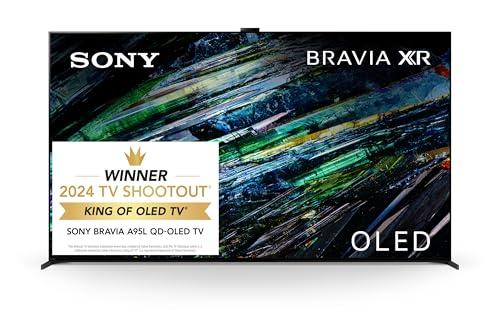
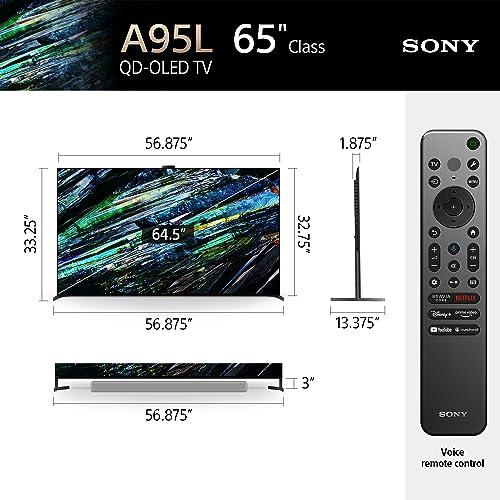
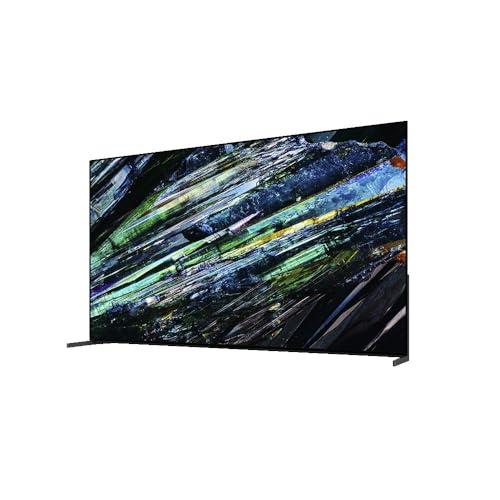


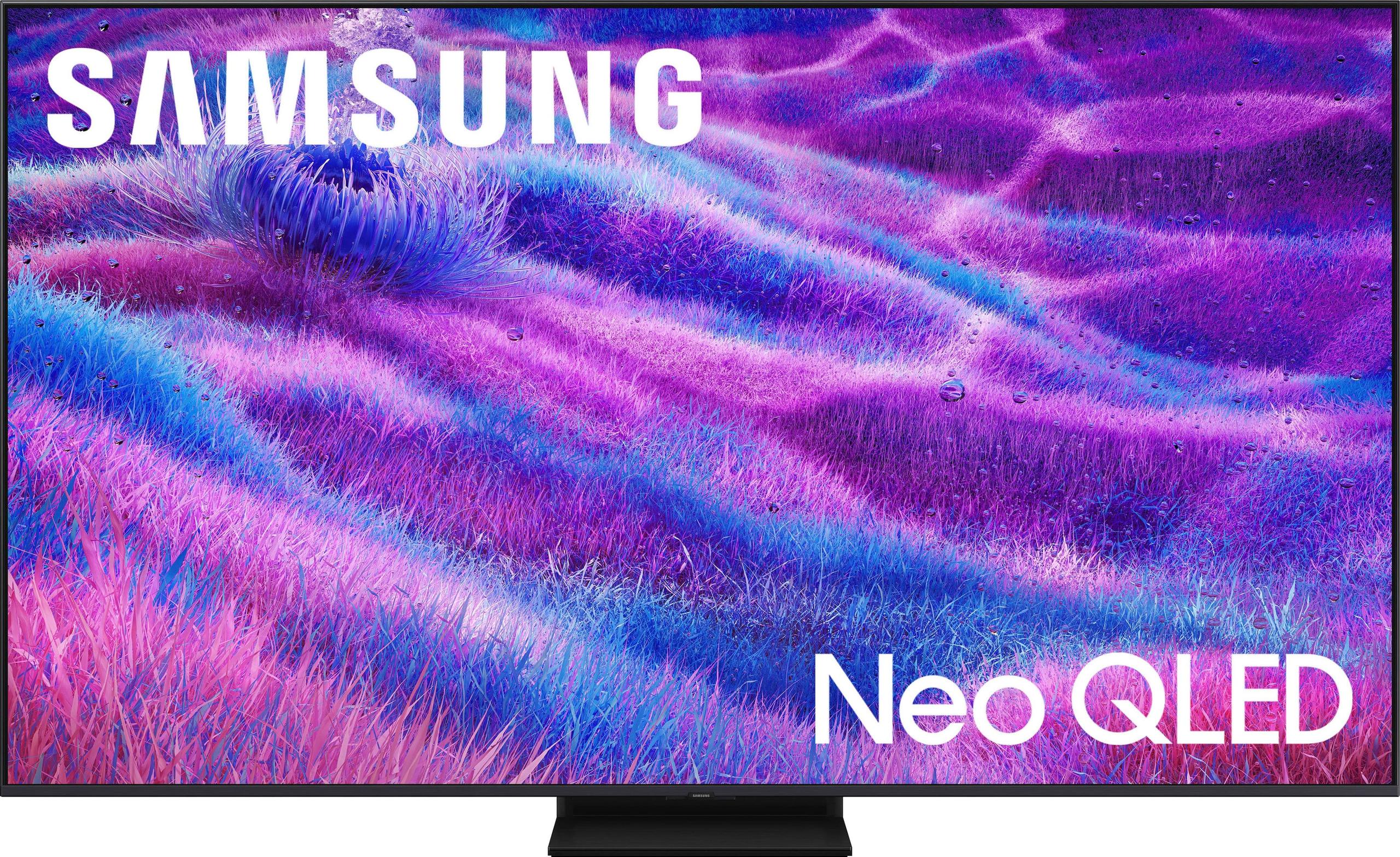
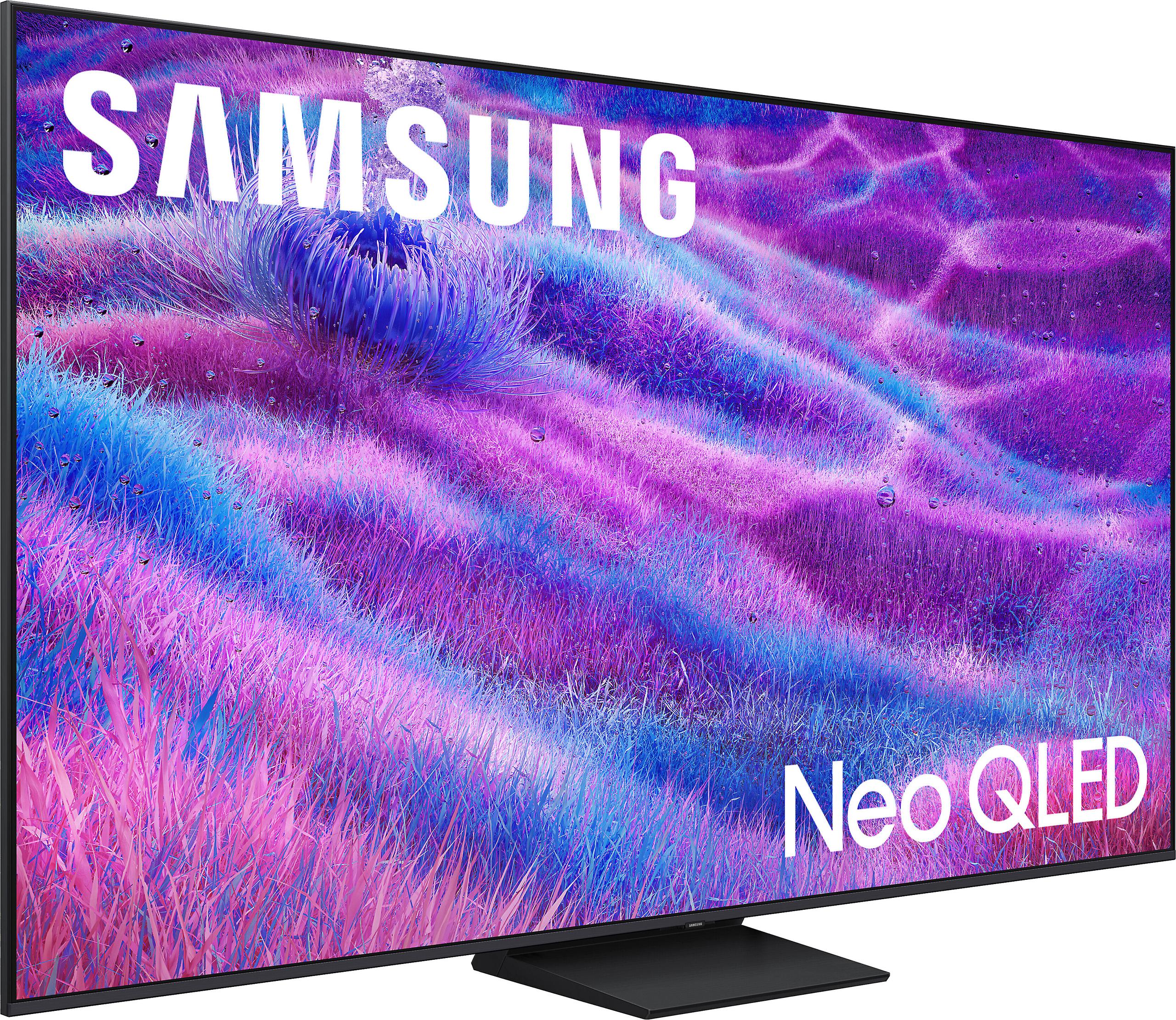
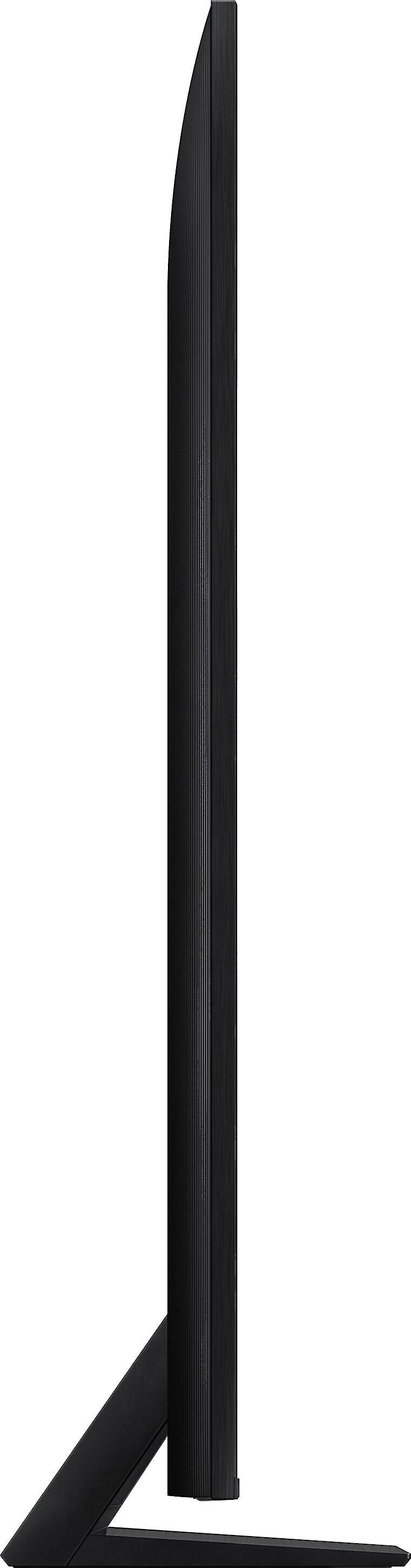
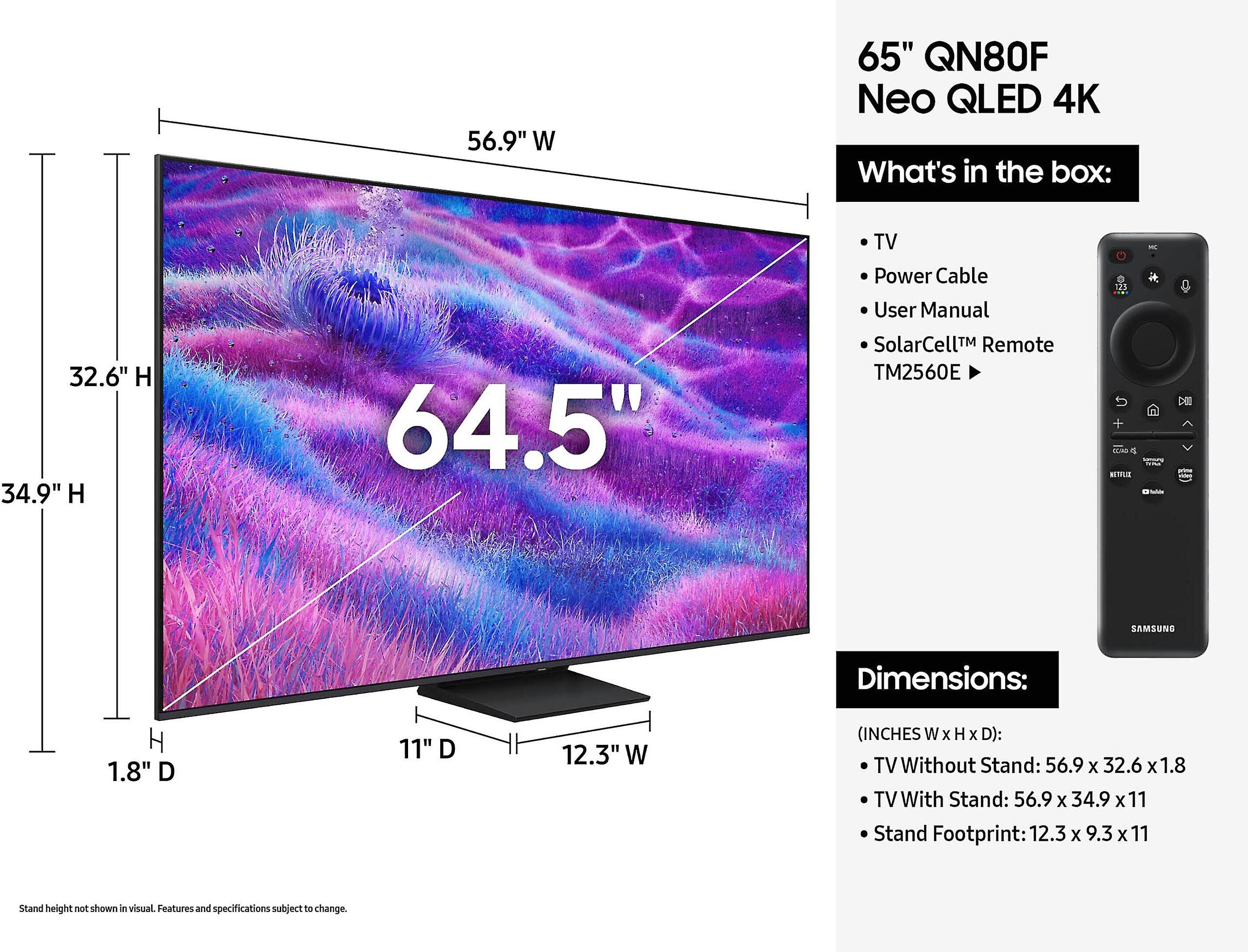
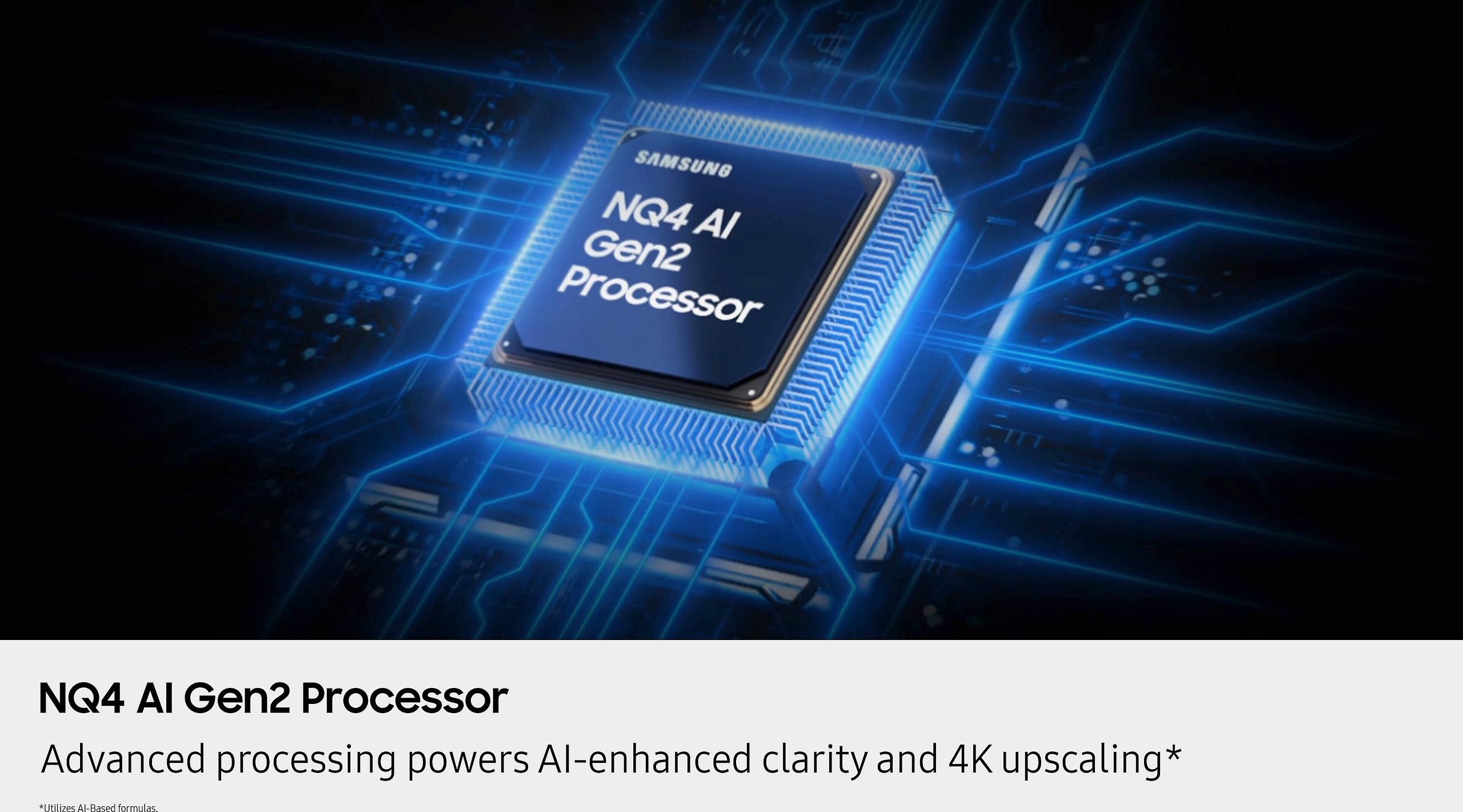
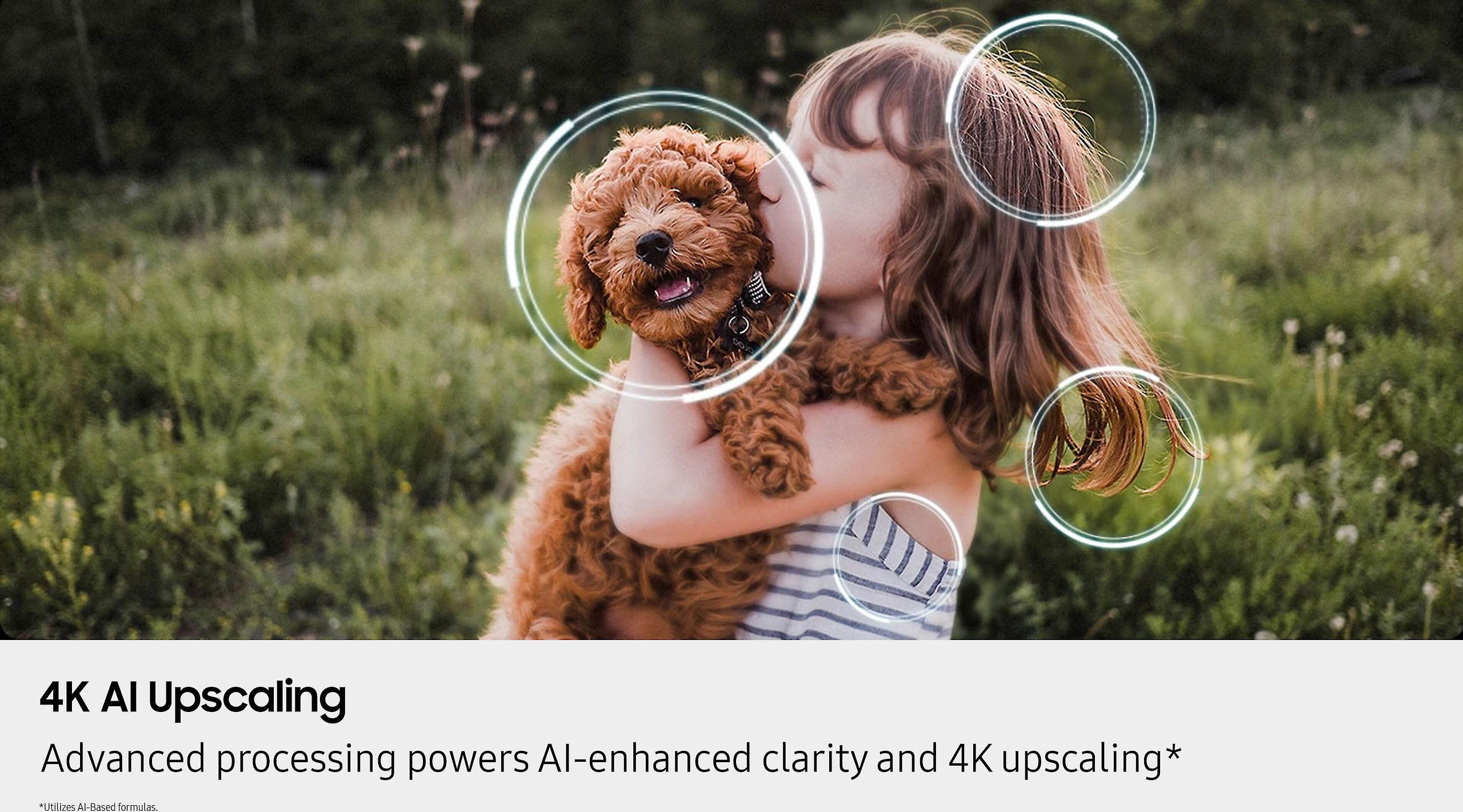
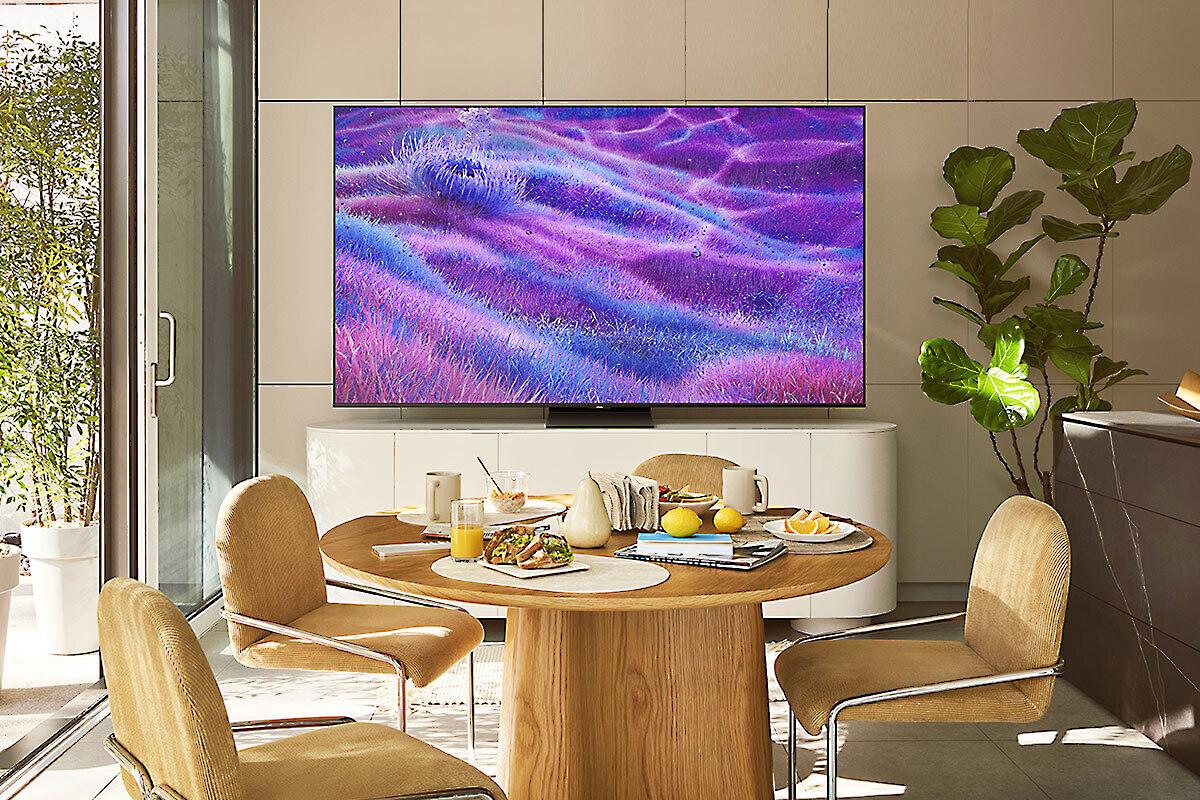
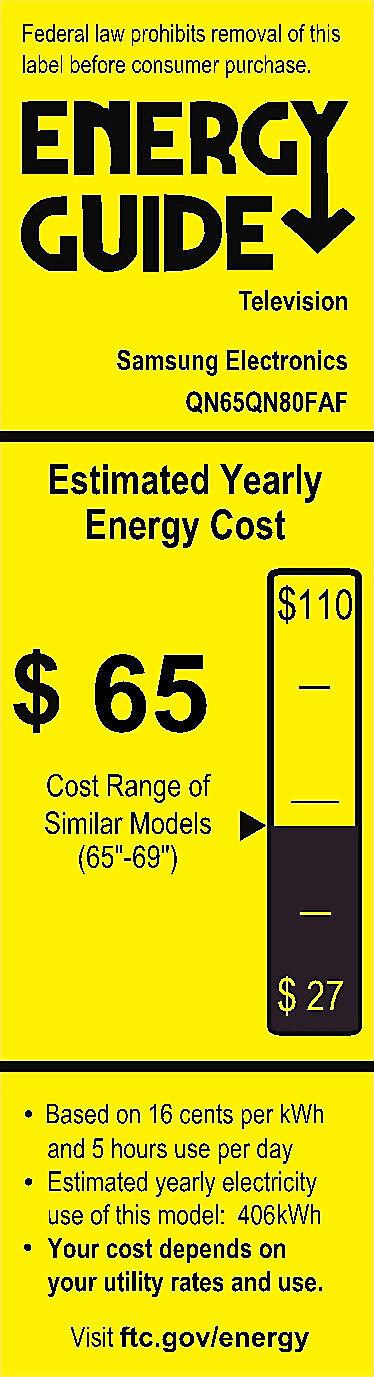
Choosing a premium 65-inch TV in 2024 means navigating two fundamentally different technologies that each promise exceptional performance. The Sony BRAVIA XR A95L, released in 2023, represents the pinnacle of QD-OLED technology, while Samsung's QN80F Neo QLED, launched in 2025, showcases the latest in Mini-LED advancement. Both TVs cost several thousand dollars at the time of writing, but they achieve their premium status through completely different approaches.
Understanding these differences matters because your choice between OLED and LED technology will shape your viewing experience for years to come. Let's break down what each technology does and why it matters for your specific needs.
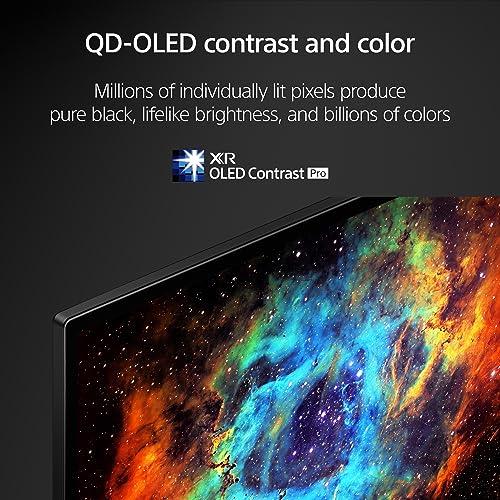
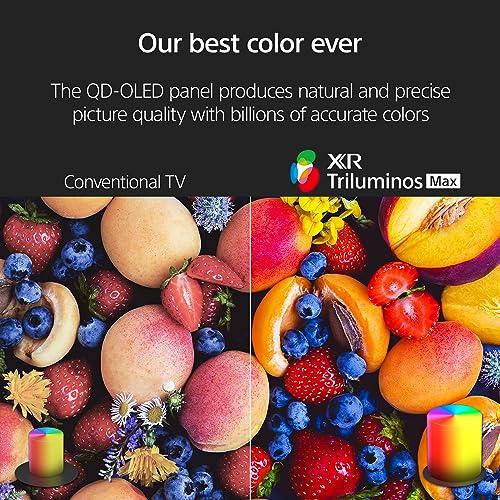
The core difference between these TVs lies in how they create light and color. The Sony A95L uses QD-OLED technology, where each pixel generates its own light through organic compounds that emit photons when electricity passes through them. This self-emissive property means when a pixel needs to be black, it simply turns off completely – creating perfect blacks that no backlit display can match.
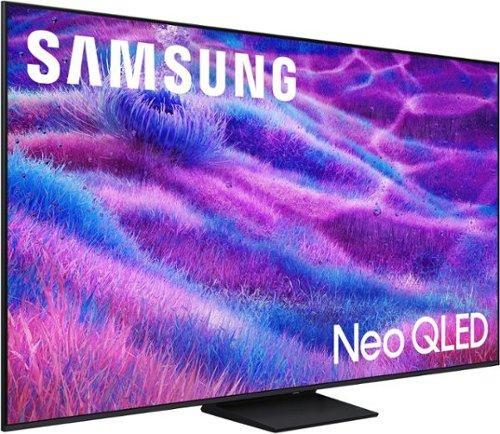
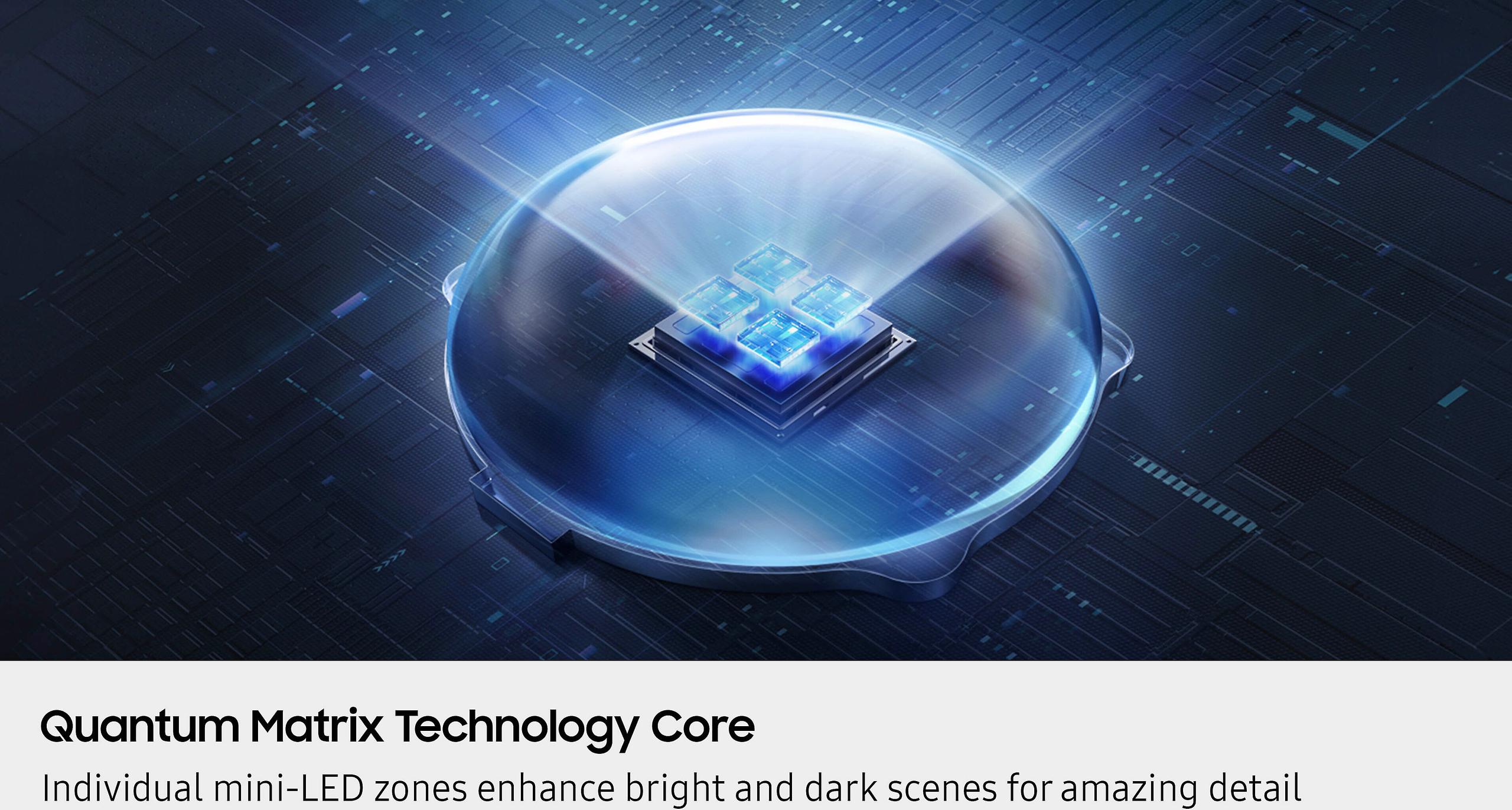
Samsung's QN80F takes the LED approach but elevates it with Mini-LED backlighting. Instead of using large LED zones behind the screen, it employs thousands of tiny LEDs that can be controlled individually. These Mini-LEDs shine through quantum dot filters that convert the blue LED light into precise colors. The quantum dots act like microscopic color factories, producing more accurate reds and greens than traditional LED phosphors.
Both approaches have merit, but they excel in different scenarios. OLED technology delivers unmatched contrast and viewing angles but traditionally struggles with peak brightness. Mini-LED technology can achieve blazing brightness levels but faces challenges with light bleeding and uniformity that OLED naturally avoids.
When evaluating picture quality, contrast ratio stands as the most critical metric. Contrast determines how well a TV can display both the darkest shadows and brightest highlights simultaneously – essential for that cinematic "pop" that makes movies feel immersive.
The Sony A95L achieves theoretically infinite contrast because its pixels can turn completely off. When you're watching a space scene with stars against the void, those black areas truly appear black rather than the dark gray you might see on LED displays. This creates an immediate sense of depth that's particularly noticeable in dark viewing environments.
However, the Samsung QN80F counters with superior peak brightness. While exact measurements vary by unit, Neo QLED displays typically reach 2,000-3,000 nits in small highlight areas, compared to the A95L's approximately 1,300 nits. This brightness advantage becomes crucial when watching HDR content with sun glints, explosions, or other bright effects – the Samsung makes these elements truly pop in ways that feel almost three-dimensional.
Color accuracy represents another key battleground. Sony has built its reputation on reference-quality color reproduction that honors the filmmaker's intent. The A95L includes Netflix Calibrated and BRAVIA CORE Calibrated modes that deliver colors as close to broadcast monitors as possible. Skin tones appear natural, and the overall image maintains a cinematic quality that many enthusiasts prefer.
Samsung takes a different approach with the QN80F, emphasizing color volume and vibrancy. The Quantum Matrix Technology allows for more saturated colors that many viewers find immediately appealing. While this might not always match the creator's exact intent, it creates images that feel dynamic and engaging, particularly for sports and nature content where vivid colors enhance the experience.
Gaming performance has become increasingly important as 4K gaming consoles mature. Input lag – the delay between pressing a button and seeing the result on screen – can make or break competitive gaming experiences.
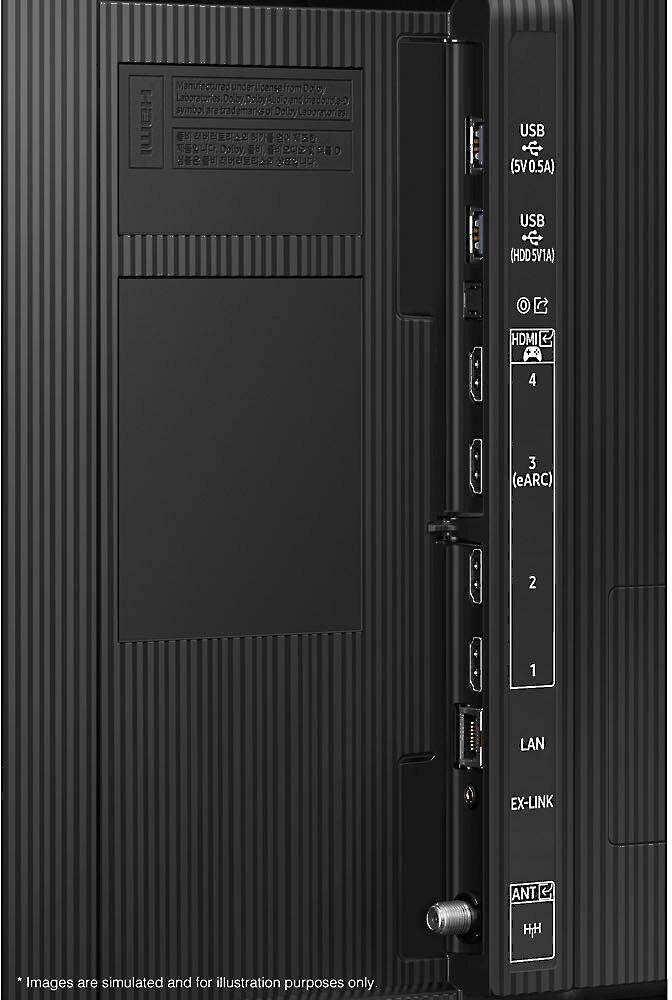
The Samsung QN80F takes the lead in pure gaming specifications. Its four HDMI 2.1 ports all support 4K at 120Hz with Variable Refresh Rate (VRR) up to 144Hz, making it future-proof for high-refresh gaming. The AI Auto Game Mode automatically detects gaming content and optimizes settings for the lowest possible input lag. Based on user reports and technical reviews, the QN80F achieves input lag measurements in the low teens of milliseconds – exceptional for competitive gaming.
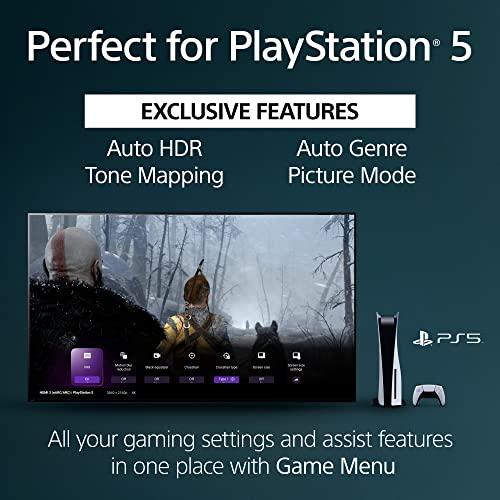
The Sony A95L offers only two HDMI 2.1 ports with 4K at 120Hz capability, and its input lag typically measures slightly higher than Samsung's offering. However, OLED's instant pixel response time creates advantages in motion clarity that LED displays struggle to match. When playing fast-paced games, the A95L's pixels transition instantly without the sample-and-hold blur that can affect LED displays during rapid movement.
For console gaming, both TVs support ALLM (Auto Low Latency Mode) and VRR, ensuring smooth gameplay with modern consoles. The choice often comes down to whether you prioritize the absolute lowest input lag (Samsung) or the clearest motion during gameplay (Sony).
HDR (High Dynamic Range) content represents the biggest advancement in TV technology since the transition to digital. Both TVs support HDR10 and Dolby Vision, but they handle this content very differently.
The Sony A95L excels at HDR tone-mapping – the process of translating HDR content to fit the TV's capabilities. Sony's Cognitive Processor XR analyzes each scene and makes intelligent decisions about how to balance bright highlights with shadow details. This often results in more natural-looking HDR that maintains the director's artistic vision while maximizing the impact within the display's brightness limitations.
Samsung's QN80F leverages its superior peak brightness to deliver more aggressive HDR presentations. When HDR content calls for 4,000 nits but your display can only produce 3,000, Samsung tends to push those highlights harder, creating more dramatic impact. The Auto HDR Remastering feature also attempts to enhance standard dynamic range content, though results can vary depending on the source material.
For home theater enthusiasts, the Sony's approach often feels more cinematic and "correct," while the Samsung delivers more immediate impact that can be particularly effective for HDR gaming and sports content.
The smart TV platform significantly impacts daily usability, and these two TVs take markedly different approaches.
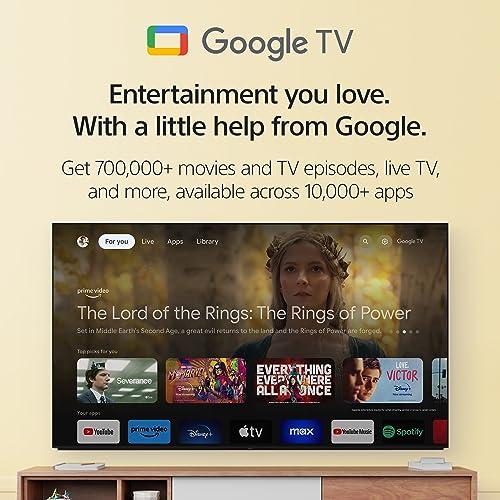
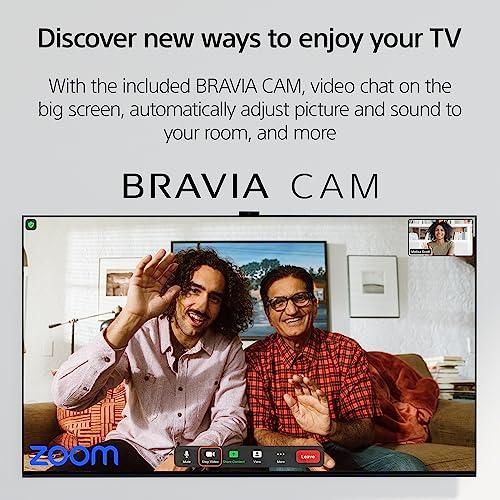
The Sony A95L runs Google TV, which provides excellent app selection and integration with Google services. The included BRAVIA CAM enables Ambient Optimization Pro, automatically adjusting picture and sound based on your viewing position and room lighting. This feature works surprisingly well, particularly for optimizing dialogue clarity and overall picture brightness throughout the day.
Samsung's QN80F showcases the company's Vision AI suite, representing a more aggressive push into AI-powered convenience features. Live Translate can provide real-time subtitles in multiple languages, while Generative Wallpaper creates custom backgrounds based on your preferences. The Pet & Family Care features use the TV's sensors to monitor activity and provide insights about household routines.
Both platforms offer voice control, but Samsung's Bixby has evolved to handle multiple simultaneous commands more effectively than previous generations. Google Assistant on the Sony integrates more seamlessly with existing Google ecosystem devices but may feel limited if you're heavily invested in other smart home platforms.
Audio often gets overlooked in TV comparisons, but both manufacturers have invested heavily in sound technology that can reduce the need for external speakers in smaller rooms.
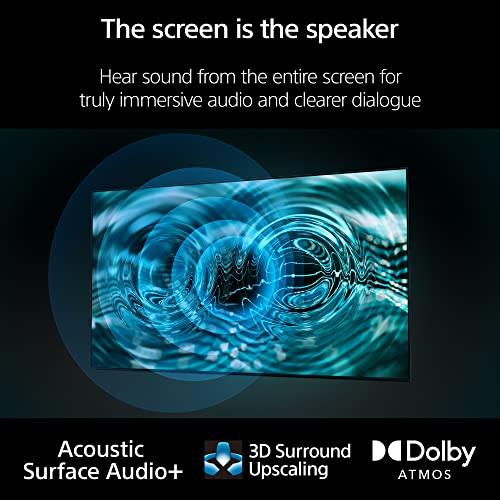
The Sony A95L uses Acoustic Surface Audio+, turning the entire screen into a speaker through actuators that vibrate the display panel. This creates remarkably precise dialogue placement – voices appear to come directly from actors' mouths rather than from speakers below the screen. The technology works particularly well for dialogue-heavy content and creates a more immersive experience without external audio equipment.
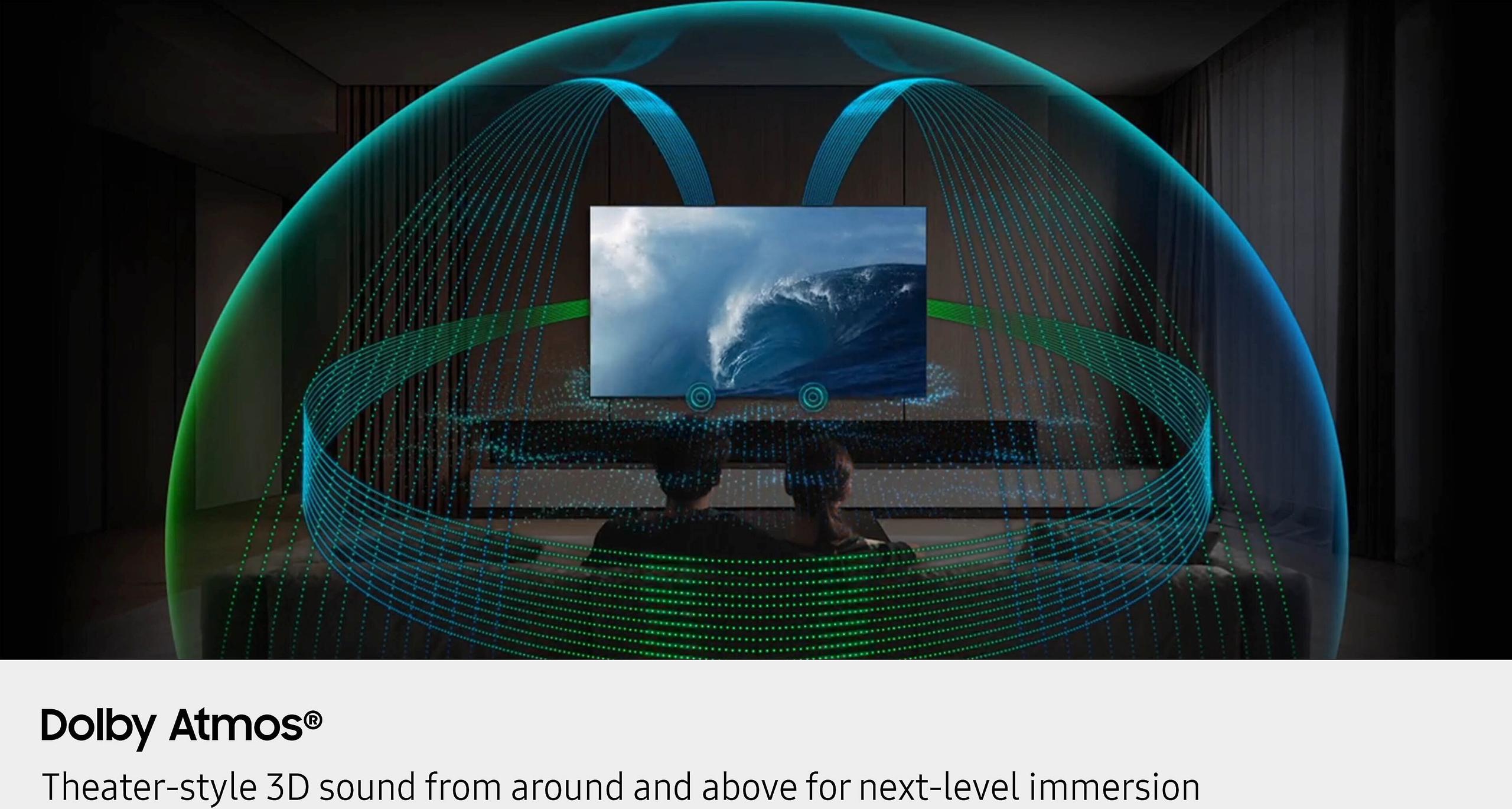
Samsung's QN80F employs traditional speakers enhanced with Adaptive Sound Pro, which uses AI to analyze audio content and optimize clarity for different types of content. The system automatically adjusts dialogue levels, balances background music, and even considers room acoustics to provide cleaner sound.
For serious home theater setups, both TVs support advanced audio pass-through, but the Sony's DTS support gives it an edge for users with existing DTS-encoded content libraries.
Your room's lighting conditions dramatically affect which TV will perform better. This factor alone might determine your choice regardless of other preferences.
The Sony A95L performs best in controlled lighting environments where you can minimize reflections and ambient light. In dark or dimly lit rooms, the perfect blacks create an almost three-dimensional viewing experience that's genuinely stunning. However, in bright rooms with lots of windows, the screen can appear somewhat dim and reflective, reducing the impact of OLED's contrast advantages.
The Samsung QN80F includes new glare-free coating technology that significantly reduces reflections from surrounding light sources. Combined with its superior peak brightness, this makes it much better suited for bright living rooms, kitchens, or other well-lit spaces where you might watch TV during the day. The Mini-LED backlighting maintains good contrast even when competing with ambient light.
At the time of writing, both TVs command premium prices, but they target slightly different market segments. The Sony A95L, being a 2023 model, may offer better pricing as newer OLED models arrive, while the Samsung QN80F represents current-generation technology that commands full retail pricing.
From a longevity perspective, OLED displays face potential burn-in concerns with static content, though modern panels have significantly improved in this area. The A95L includes various protection mechanisms, and real-world burn-in has become rare with normal viewing habits. LED displays don't face burn-in risks but can experience backlight degradation over many years of use.
The Samsung's four HDMI 2.1 ports provide better future-proofing for gaming and external devices, while the Sony's superior processing might age better as streaming quality improves and you feed it more diverse content types.
After extensive research into professional reviews, user feedback, and technical specifications, clear patterns emerge about who should choose each TV.
Choose the Sony A95L if you prioritize cinematic picture quality and have a dedicated viewing room or can control ambient lighting. This TV rewards viewers who appreciate reference-quality color reproduction and natural image presentation. It's particularly compelling for movie enthusiasts, streaming content viewers, and anyone who values the "film-like" quality that OLED technology enables. The superior upscaling also makes it excellent for viewers who watch mixed content quality from various sources.
The Samsung QN80F makes more sense for bright, multi-purpose rooms where the TV needs to perform well under various lighting conditions. Its gaming advantages, AI features, and superior brightness make it ideal for families who use their TV for everything from morning news to late-night gaming sessions. The additional HDMI ports and lower input lag particularly benefit households with multiple gaming consoles or external devices.
Both TVs represent excellent values in the premium segment, but they reward different priorities. The Sony asks you to optimize your environment to showcase its strengths, while the Samsung adapts better to whatever environment you place it in. Understanding this fundamental difference helps clarify which approach better matches your lifestyle and viewing preferences.
In the end, both the Sony A95L and Samsung QN80F will deliver exceptional performance that far exceeds mid-range alternatives. Your choice should align with your room conditions, content preferences, and whether you lean toward reference accuracy or enhanced vibrancy. Either way, you're investing in display technology that will provide years of premium entertainment.
| Sony BRAVIA XR A95L 65" QD-OLED | Samsung 65" QN80F Neo QLED |
|---|---|
| Display Technology - Fundamental difference affecting all performance aspects | |
| QD-OLED (Quantum Dot OLED) - Perfect blacks, wide viewing angles | Neo QLED Mini-LED - High brightness, quantum dot enhanced colors |
| Peak Brightness - Critical for HDR impact and bright room viewing | |
| ~1,300 nits (excellent for dark rooms, limited in bright spaces) | ~2,000-3,000 nits (exceptional for bright rooms and HDR highlights) |
| Contrast Ratio - Determines depth and cinematic quality | |
| Infinite (pixels turn completely off for true blacks) | High but finite (excellent local dimming with Mini-LEDs) |
| Gaming Ports - Important for console and PC gaming setups | |
| 2 HDMI 2.1 ports with 4K@120Hz, VRR, ALLM | 4 HDMI 2.1 ports with 4K@144Hz, VRR, ALLM |
| Input Lag - Critical for competitive gaming performance | |
| ~20ms (good for casual gaming, higher than Samsung) | ~10-15ms (excellent for competitive gaming) |
| Viewing Angles - How picture quality holds up from the side | |
| Excellent (178°, no color shift or brightness loss) | Good (some color shift at extreme angles typical of VA panels) |
| Smart Platform - Daily usability and app ecosystem | |
| Google TV with BRAVIA CAM optimization features | Tizen OS with Vision AI suite (Live Translate, Pet Care, etc.) |
| Audio Technology - Built-in sound quality and placement | |
| Acoustic Surface Audio+ (screen acts as speaker for precise dialogue) | Traditional speakers with Adaptive Sound Pro AI optimization |
| Color Accuracy - Important for filmmakers' intent and natural images | |
| Reference-quality with Netflix/BRAVIA CORE calibrated modes | Consumer-enhanced with vivid, punchy colors out of box |
| Ideal Room Conditions - Where each TV performs best | |
| Dark to moderately lit rooms (controlled lighting preferred) | Any lighting condition, especially bright living spaces |
| Release Year - Technology generation and current value | |
| 2023 (mature QD-OLED tech, potentially better pricing) | 2025 (latest Mini-LED advancement, current-gen pricing) |
The Samsung QN80F Neo QLED is significantly better for bright rooms due to its higher peak brightness and anti-glare coating. While the Sony A95L QD-OLED excels in dark environments, it can appear dim and reflective in well-lit spaces. The Samsung's Mini-LED backlighting maintains good contrast even with ambient light present.
QD-OLED in the Sony A95L uses self-emissive pixels that turn completely off for perfect blacks, while Neo QLED in the Samsung QN80F uses thousands of tiny LEDs behind the screen with quantum dot color enhancement. OLED provides better contrast and viewing angles, while Neo QLED offers higher brightness and no burn-in concerns.
The Samsung QN80F is better for gaming with four HDMI 2.1 ports supporting up to 144Hz, lower input lag, and AI Auto Game Mode. The Sony A95L offers only two HDMI 2.1 ports and higher input lag, though its instant pixel response provides excellent motion clarity for single-player games.
Both offer excellent smart features but with different approaches. The Sony A95L uses Google TV with BRAVIA CAM for ambient optimization, while the Samsung QN80F features Samsung's Vision AI suite including Live Translate and Pet Care monitoring. Samsung offers more AI-powered convenience features.
The Sony A95L typically provides better movie picture quality with perfect blacks, accurate colors, and superior upscaling. Its Netflix and BRAVIA CORE calibrated modes deliver reference-quality images that honor filmmakers' intent. The Samsung offers more vibrant colors but may not be as cinematically accurate.
Only the Sony A95L QD-OLED has potential burn-in risks from static content, though modern OLED panels have significantly improved protection mechanisms. The Samsung QN80F Neo QLED uses LED technology and has no burn-in concerns, making it worry-free for varied content including news channels and gaming.
The Sony A95L is generally preferred for dedicated home theaters due to its perfect blacks, accurate colors, and wide viewing angles in controlled lighting. It also supports DTS audio pass-through and can function as a center channel speaker with compatible Sony soundbars.
The Sony A95L offers superior viewing angles with no color shift or brightness loss when viewed from the side, thanks to OLED technology. The Samsung QN80F has good but not exceptional viewing angles typical of VA LCD panels, with some color shifting at extreme angles.
The Samsung QN80F achieves much higher peak brightness for HDR highlights, making sun glints and explosions more impactful. The Sony A95L reaches about 1,300 nits compared to the Samsung's 2,000-3,000 nits, but offers better HDR tone-mapping for more natural presentations.
Both offer advanced audio technology. The Sony A95L uses Acoustic Surface Audio+ where the screen acts as a speaker for precise dialogue placement. The Samsung QN80F has traditional speakers with Adaptive Sound Pro AI that optimizes audio based on content type and room acoustics.
Value depends on your priorities and room conditions. The Sony A95L may offer better pricing as a 2023 model while delivering reference-quality picture performance. The Samsung QN80F provides more gaming features, brightness, and AI capabilities as current-generation technology.
The Samsung QN80F offers four HDMI 2.1 ports all supporting full gaming features, making it ideal for multiple consoles and devices. The Sony A95L has only two HDMI 2.1 ports with gaming features, which may limit connectivity for users with multiple gaming systems.
We've done our best to create useful and informative comparisons to help you decide what product to buy. Our research uses advanced automated methods to create this comparison and perfection is not possible - please contact us for corrections or questions. These are the sites we've researched in the creation of this article: rtings.com - youtube.com - rtings.com - avsforum.com - rtings.com - smarthomesounds.co.uk - smarthomesounds.co.uk - rtings.com - smarthomesounds.co.uk - youtube.com - tomsguide.com - avsforum.com - rtings.com - perfectrec.com - flatpanelshd.com - videoandaudiocenter.com - sonypremiumhome.com - bestbuy.com - sony.com - electronics.sony.com - displayspecifications.com - donstv.com - youtube.com - static.pcrichard.com - smarthomesounds.co.uk - youtube.com - electronics.sony.com - electronics.sony.com - displayspecifications.com - samsung.com - theshortcut.com - youtube.com - bestbuy.com - rtings.com - samsung.com - samsung.com - samsung.com - sargentappliance.com - displayspecifications.com - bestbuy.com

Privacy Policy
Terms and Conditions - Affiliate Policy
Home Security
© Copyright 2008-2026.
11816 Inwood Rd #1211, Dallas, TX 75244