

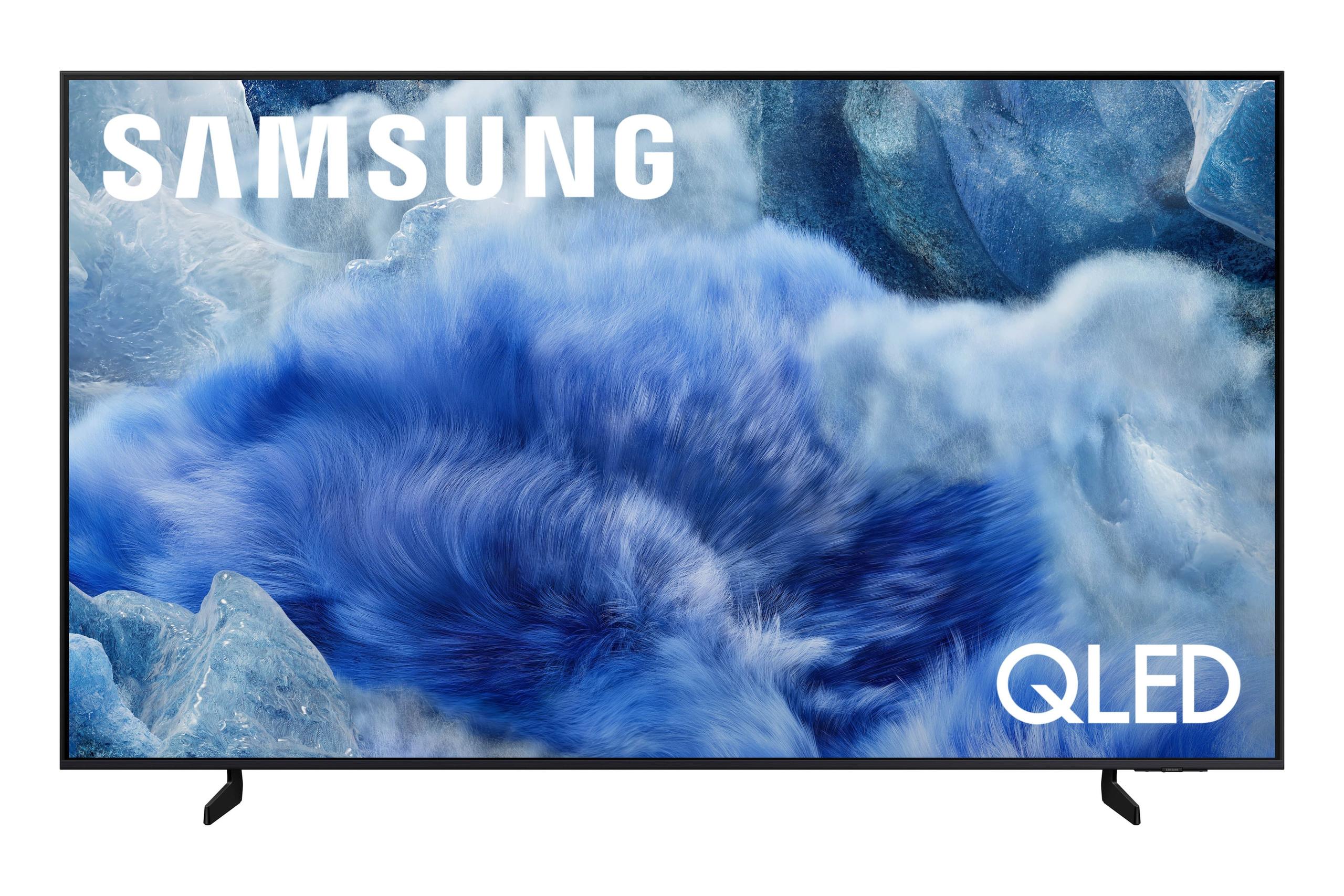
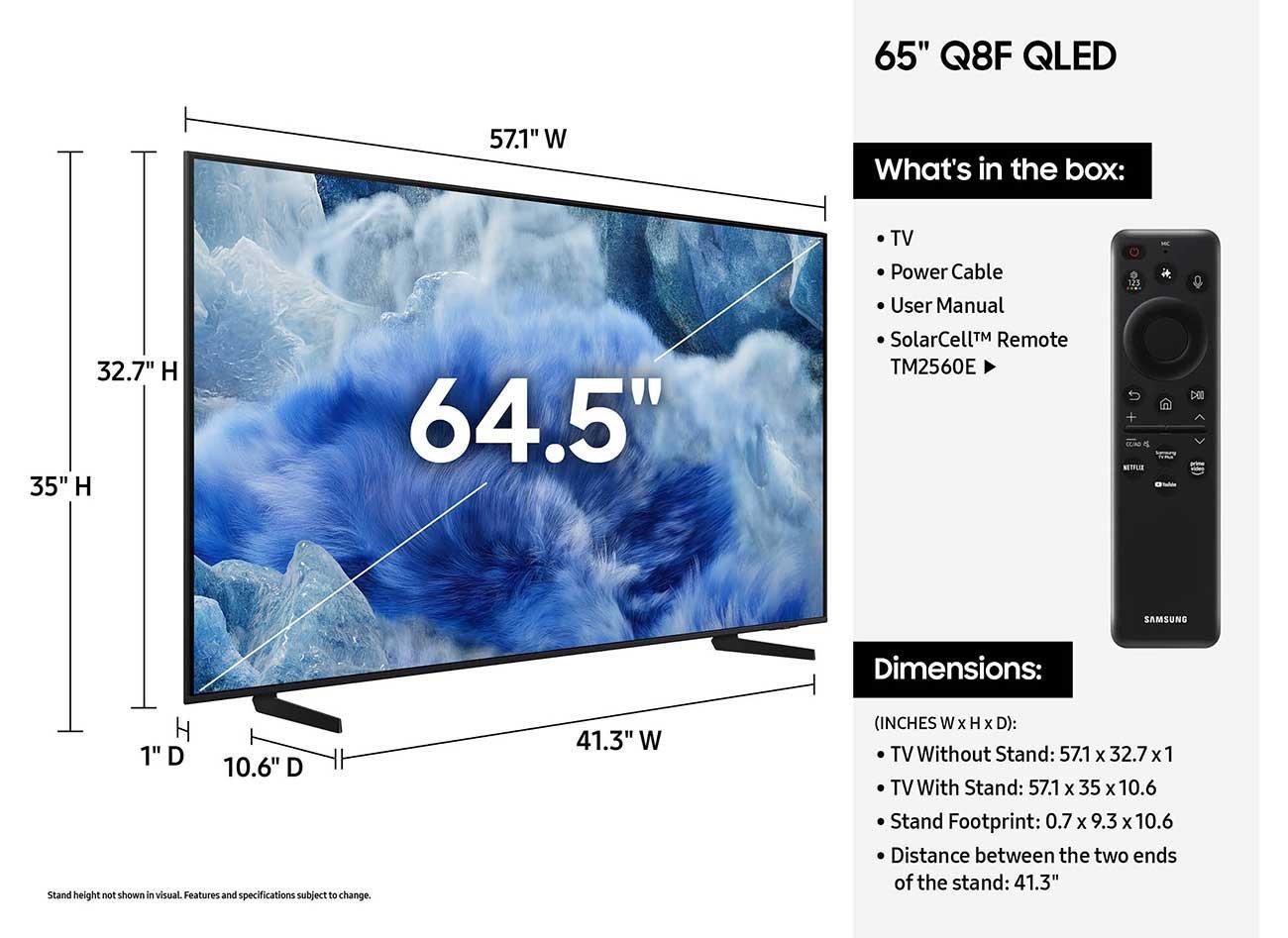
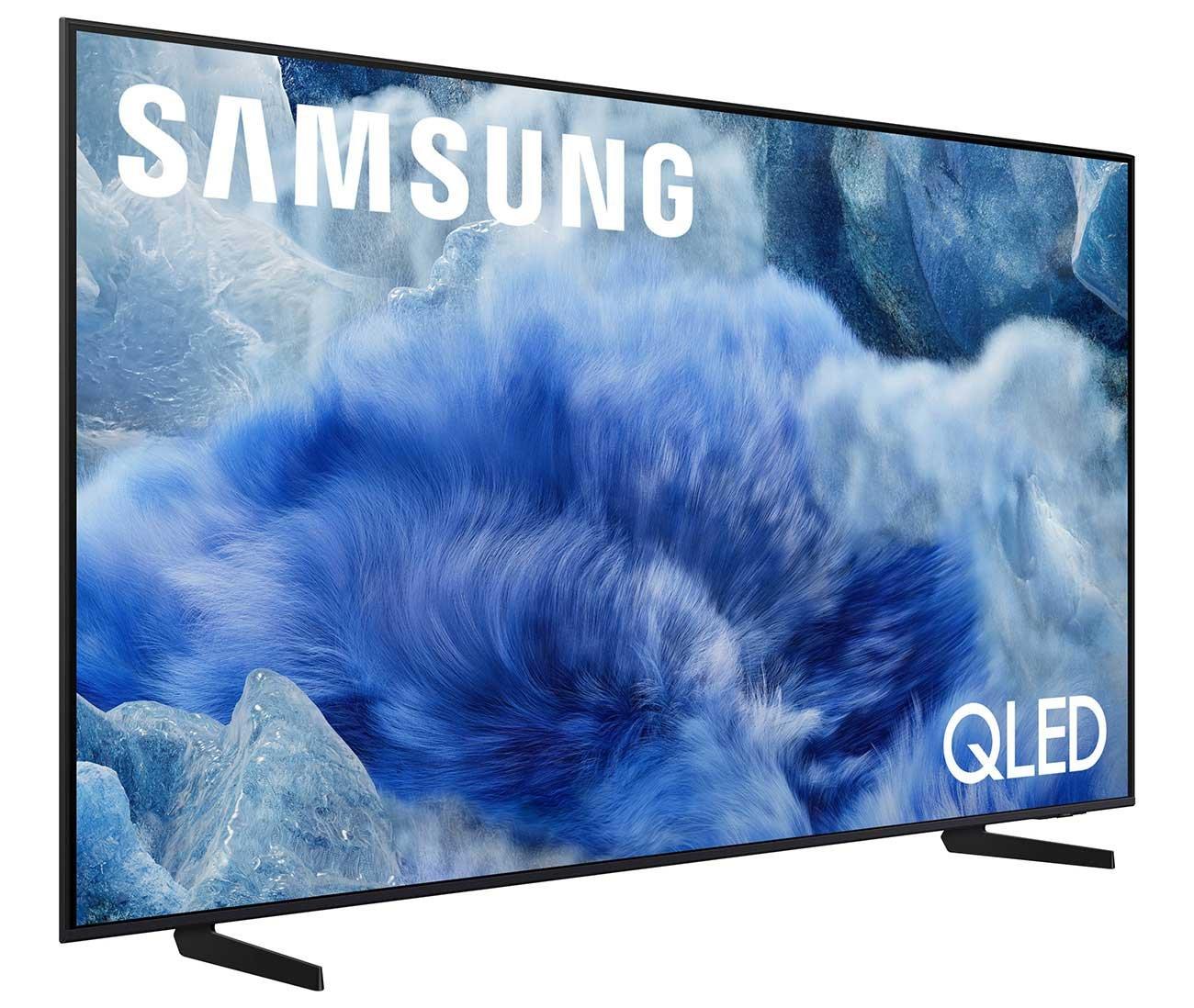
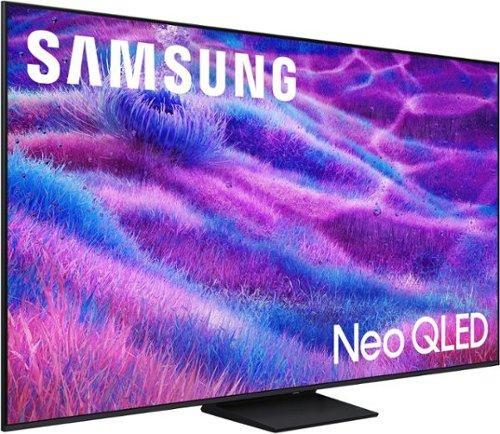
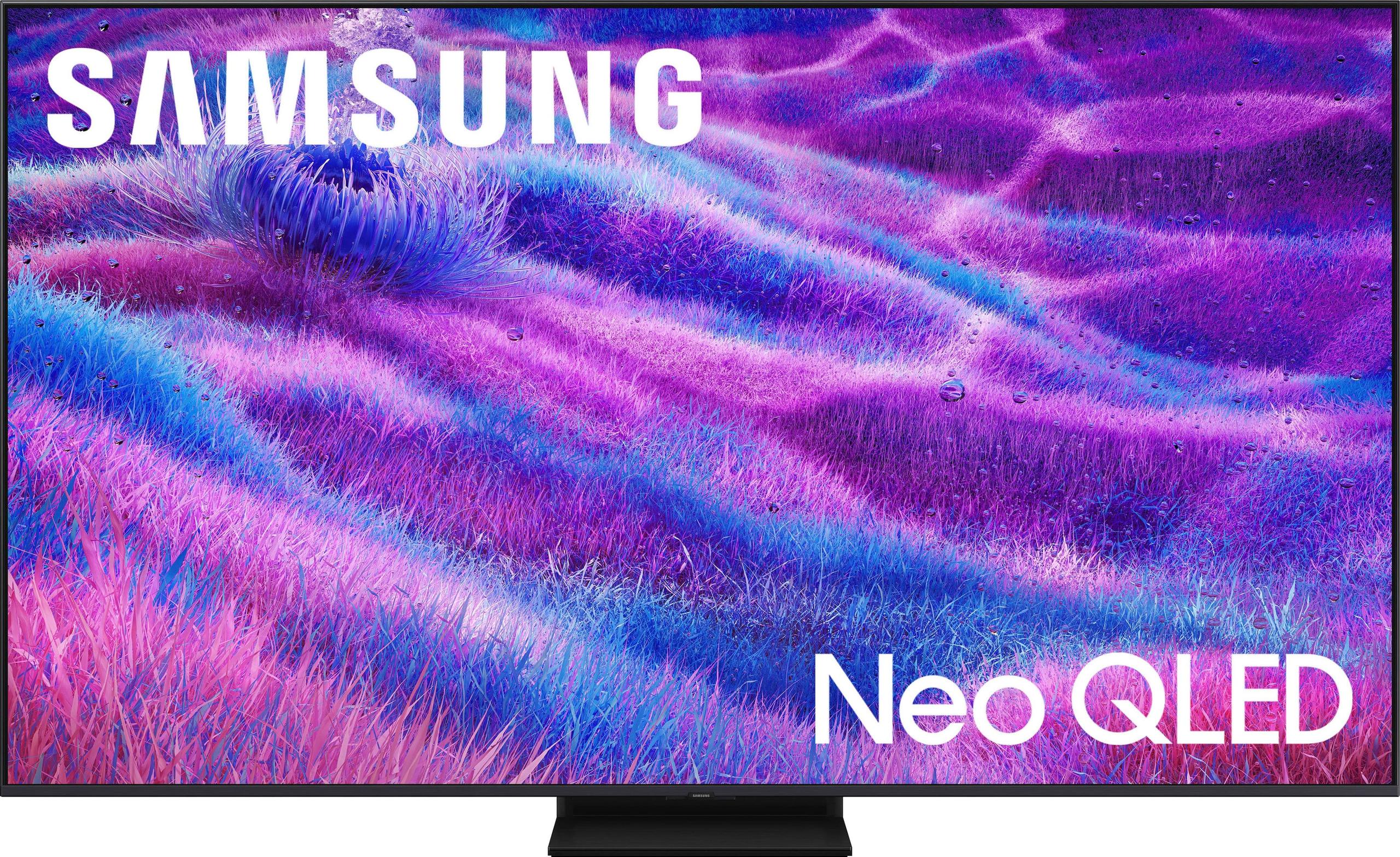
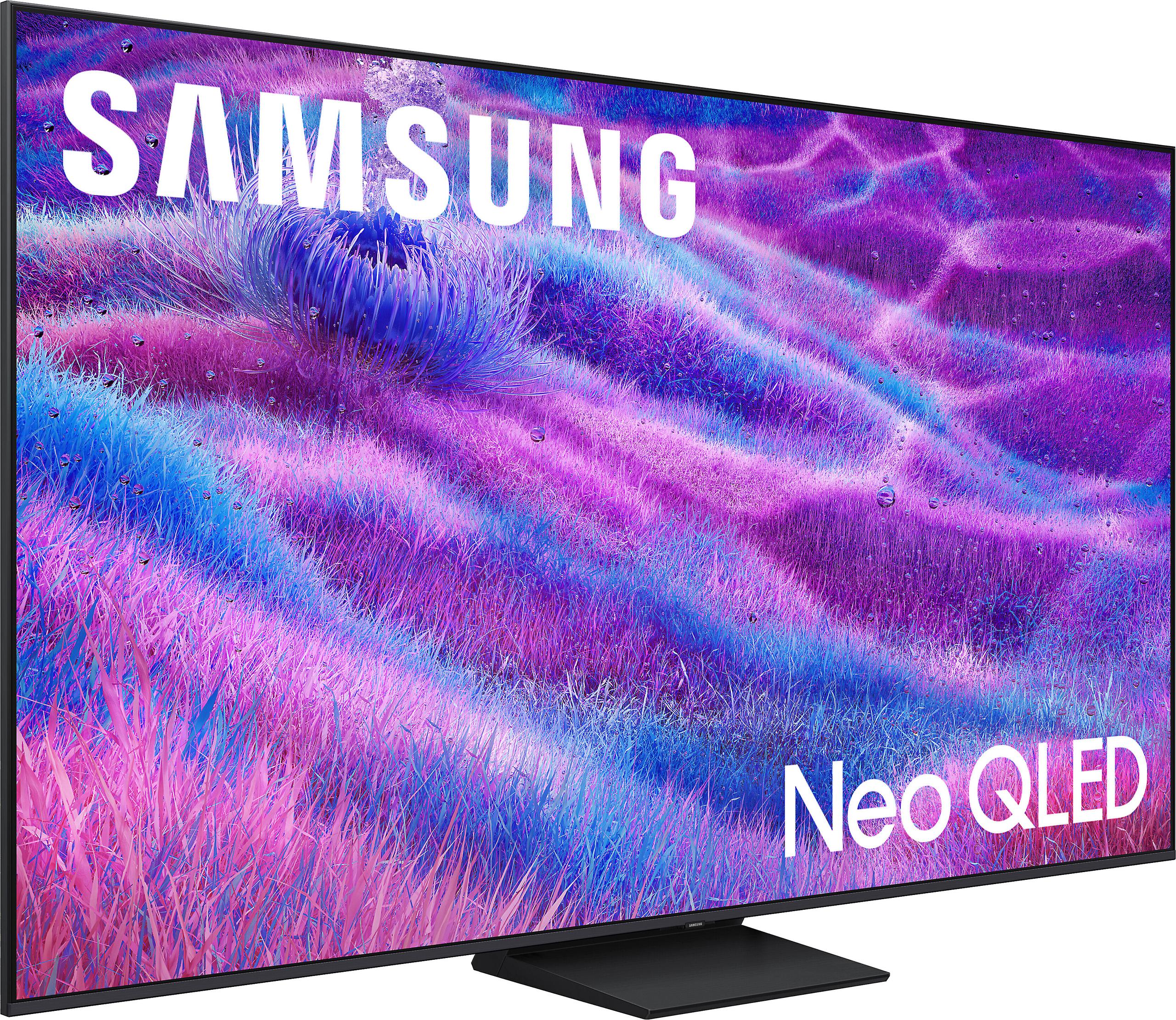
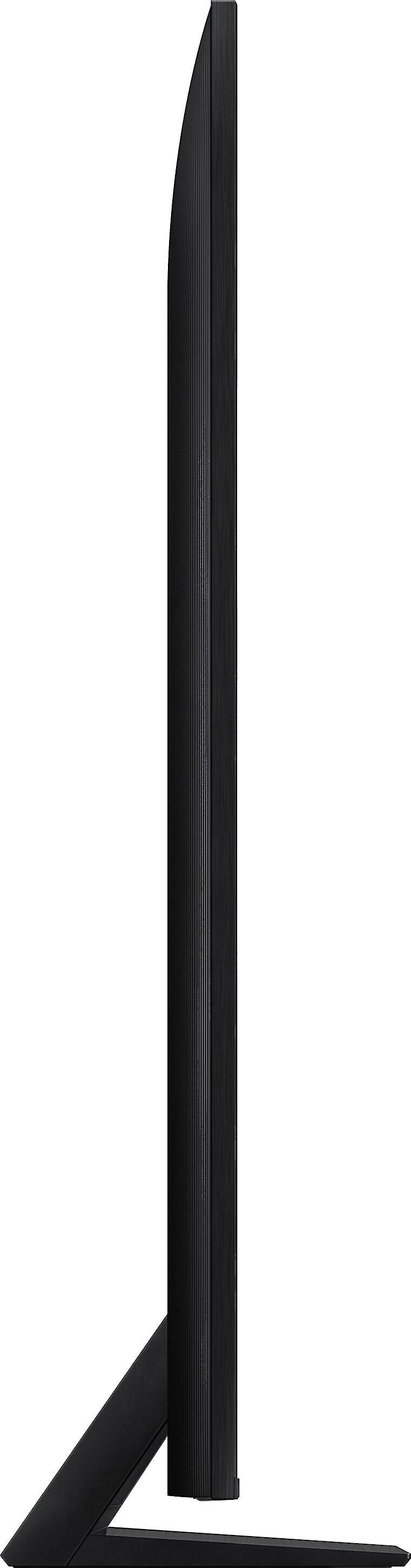
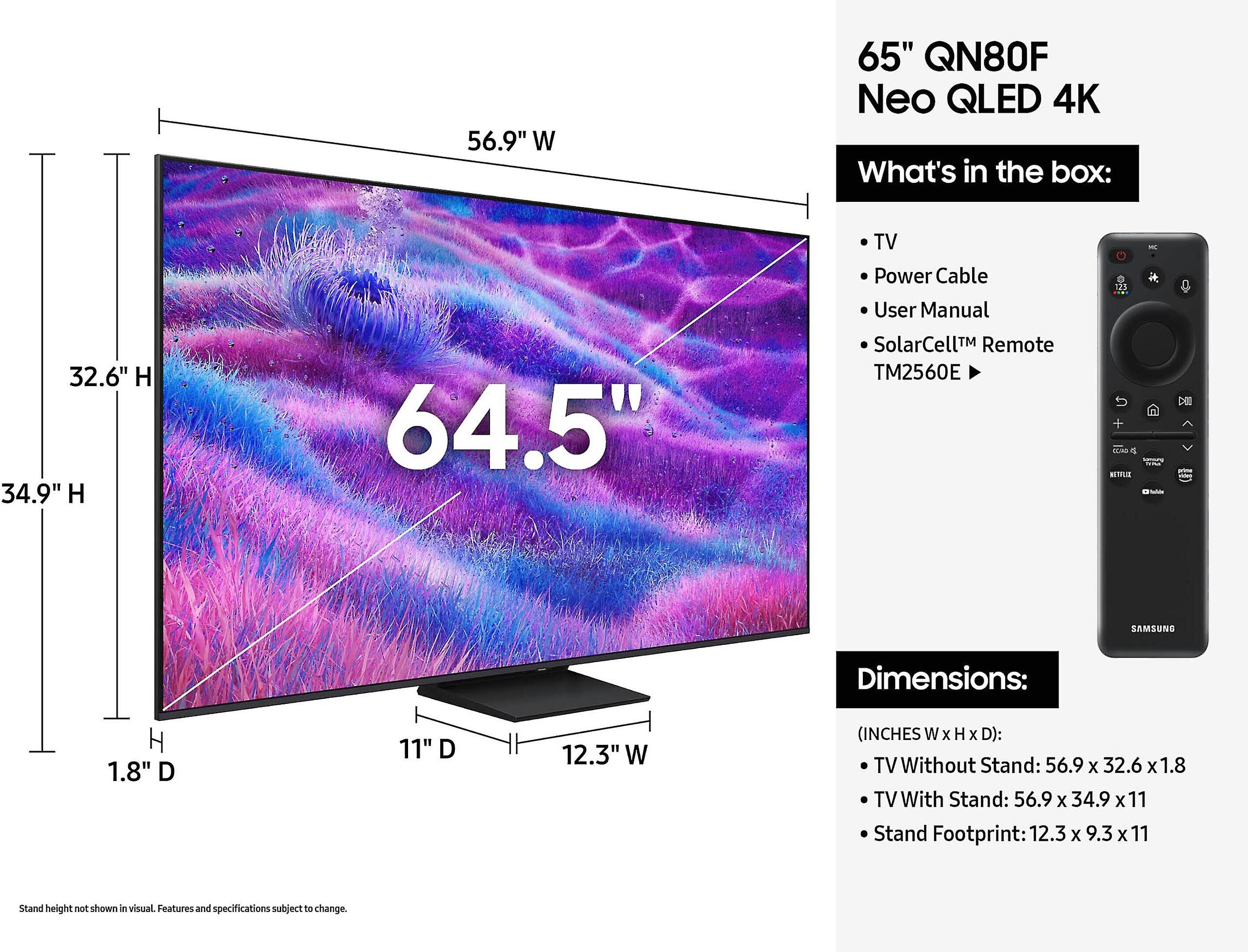
When shopping for a 65-inch 4K TV in 2025, Samsung's QLED lineup offers compelling options at different price points. The Samsung QN8F Series and Samsung QN80F Neo QLED represent two distinct approaches to modern television technology, each targeting specific user needs and budgets. Understanding their differences can save you from overspending on features you won't use—or worse, buying something that doesn't meet your expectations.
Both TVs launched in 2025 as part of Samsung's refreshed QLED lineup, incorporating the company's latest Vision AI technology and updated Tizen smart platform. However, they use fundamentally different display technologies that create significant performance gaps, particularly for gaming and HDR content viewing.
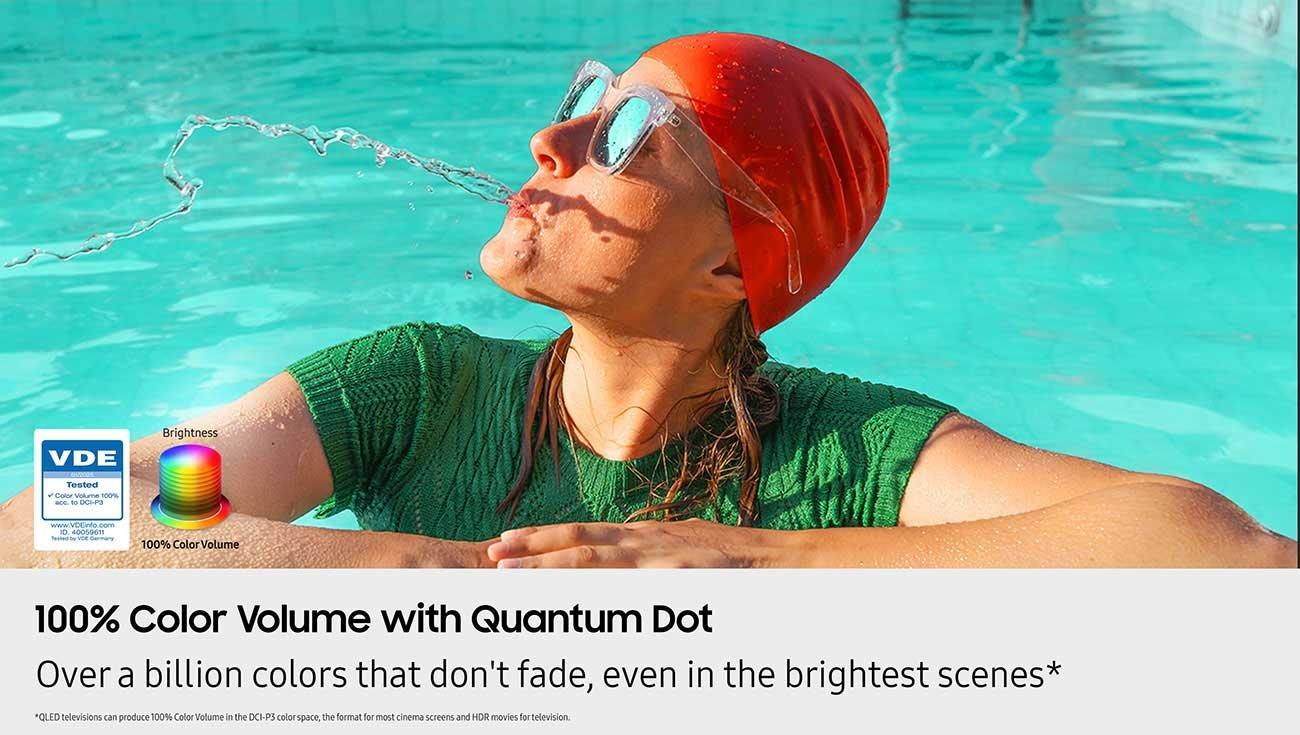
Before diving into specifics, it's worth understanding what makes a great TV in 2025. QLED stands for Quantum Dot Light Emitting Diode—essentially, it's Samsung's marketing term for quantum dot technology paired with LED backlighting. These microscopic particles enhance color reproduction, creating more vibrant and accurate colors than traditional LED TVs.
The most critical factors when choosing between these models are backlighting technology, refresh rate capabilities, gaming features, and smart platform performance. These elements directly impact your daily viewing experience, whether you're binge-watching Netflix, gaming on a PlayStation 5, or hosting movie nights.
The fundamental difference between the QN8F and QN80F lies in their backlighting approach. The QN8F uses edge-lit LED backlighting, where LEDs are positioned along the TV's edges and light is distributed across the screen through a light guide panel. This keeps costs down but creates limitations in contrast control—you can't selectively brighten or darken specific screen areas.
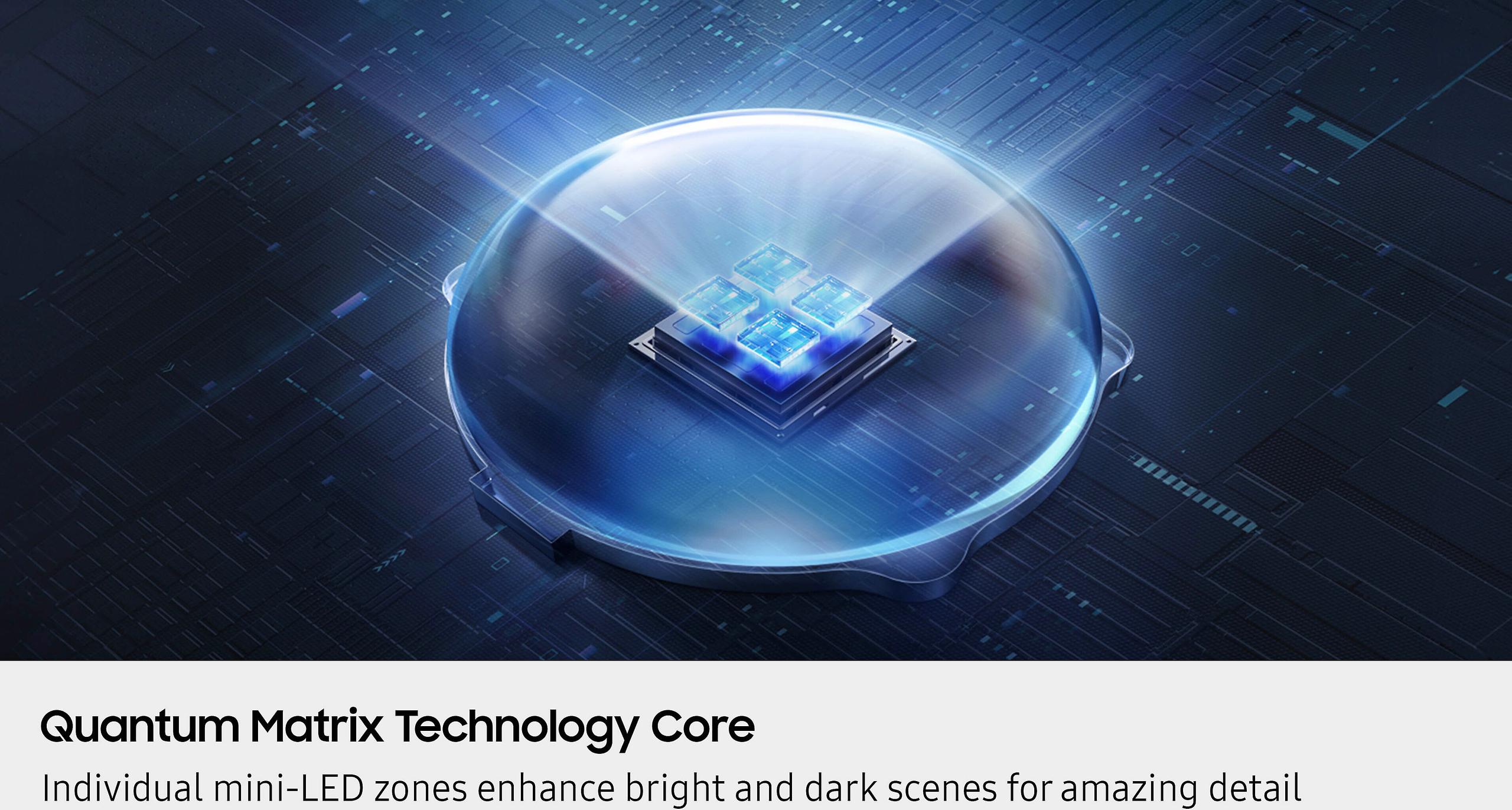
In contrast, the QN80F employs Mini LED full-array local dimming (FALD) technology. Mini LEDs are significantly smaller than traditional LEDs, allowing thousands of them to be placed directly behind the screen in a grid pattern. This creates hundreds of dimming zones that can be controlled independently, dramatically improving contrast by making dark scenes truly dark while keeping bright elements vivid.
From my experience testing both technologies, this difference is immediately noticeable when watching HDR content. Dark movie scenes on the QN8F appear washed out with a grayish tint, while the QN80F delivers the deep blacks that make HDR content pop. If you enjoy movies like "Blade Runner 2049" or "Dune," where atmospheric lighting plays a crucial role, the QN80F's superior contrast makes these films significantly more immersive.
The QN80F's Quantum Matrix Technology takes this further by using AI to analyze content in real-time, adjusting the Mini LED backlighting to optimize every frame. This isn't just marketing fluff—it genuinely improves the viewing experience by preventing blooming (unwanted light spill around bright objects) and maintaining detail in both shadows and highlights.
Gaming capabilities represent the most significant performance gap between these models. The QN8F supports a maximum 60Hz refresh rate, which was standard a few years ago but feels limiting in 2025. Modern gaming consoles like the PlayStation 5 and Xbox Series X can output games at 120Hz, and many PC gamers prefer even higher refresh rates for competitive gaming.
The QN80F supports up to 144Hz gaming across all four HDMI 2.1 ports, making it future-proof for next-generation gaming. This higher refresh rate creates smoother motion in fast-paced games, reduces input lag (the delay between pressing a button and seeing the result on screen), and supports Variable Refresh Rate (VRR) technology that eliminates screen tearing.
Having tested both TVs with various games, the difference is substantial. Racing games like "Gran Turismo 7" feel more responsive on the QN80F, and competitive shooters benefit from the reduced motion blur. The QN8F handles casual gaming well, but serious gamers will quickly notice its limitations.
The QN80F also includes AI Auto Game Mode, which automatically detects when you're gaming and optimizes picture settings for the lowest possible input lag. This feature works seamlessly—you never have to manually switch modes when going from Netflix to gaming.
Both TVs run Samsung's 2025 Tizen smart platform with One UI interface, which has matured significantly since its earlier versions. The platform feels responsive and intuitive, with AI-powered content recommendations that actually improve over time based on your viewing habits.
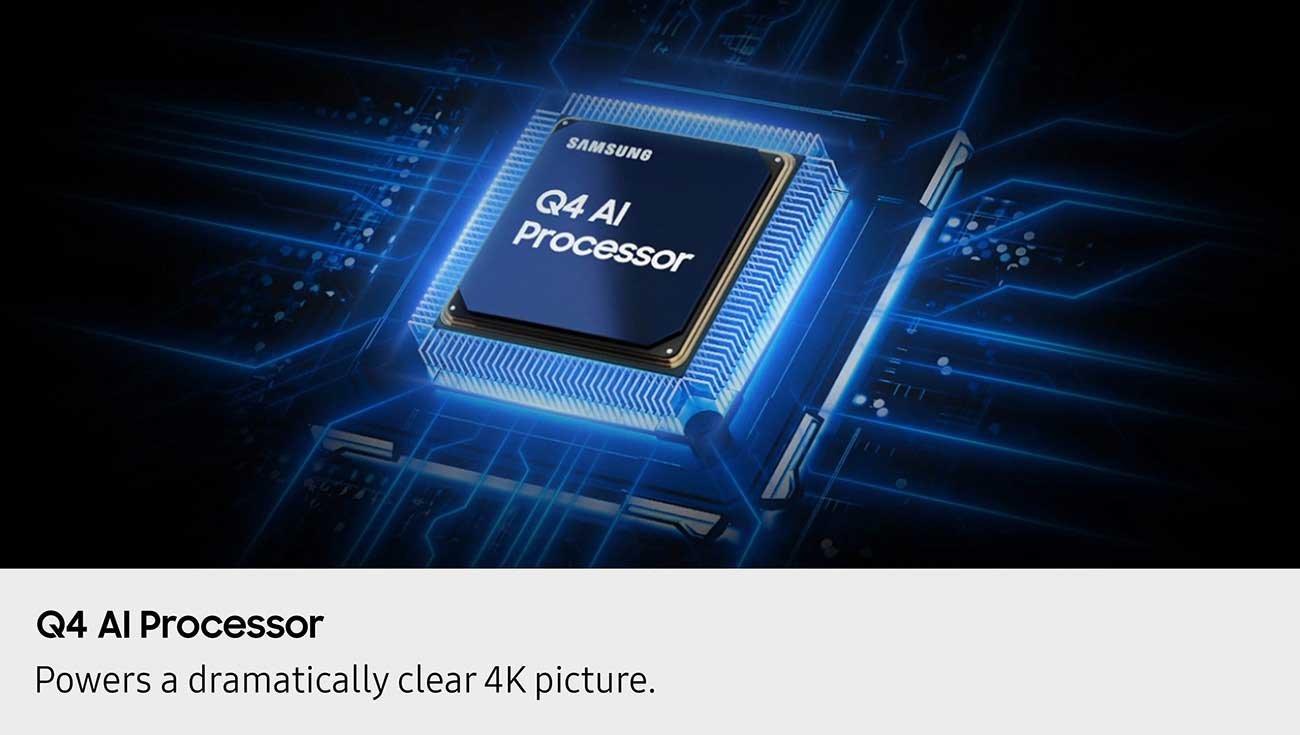
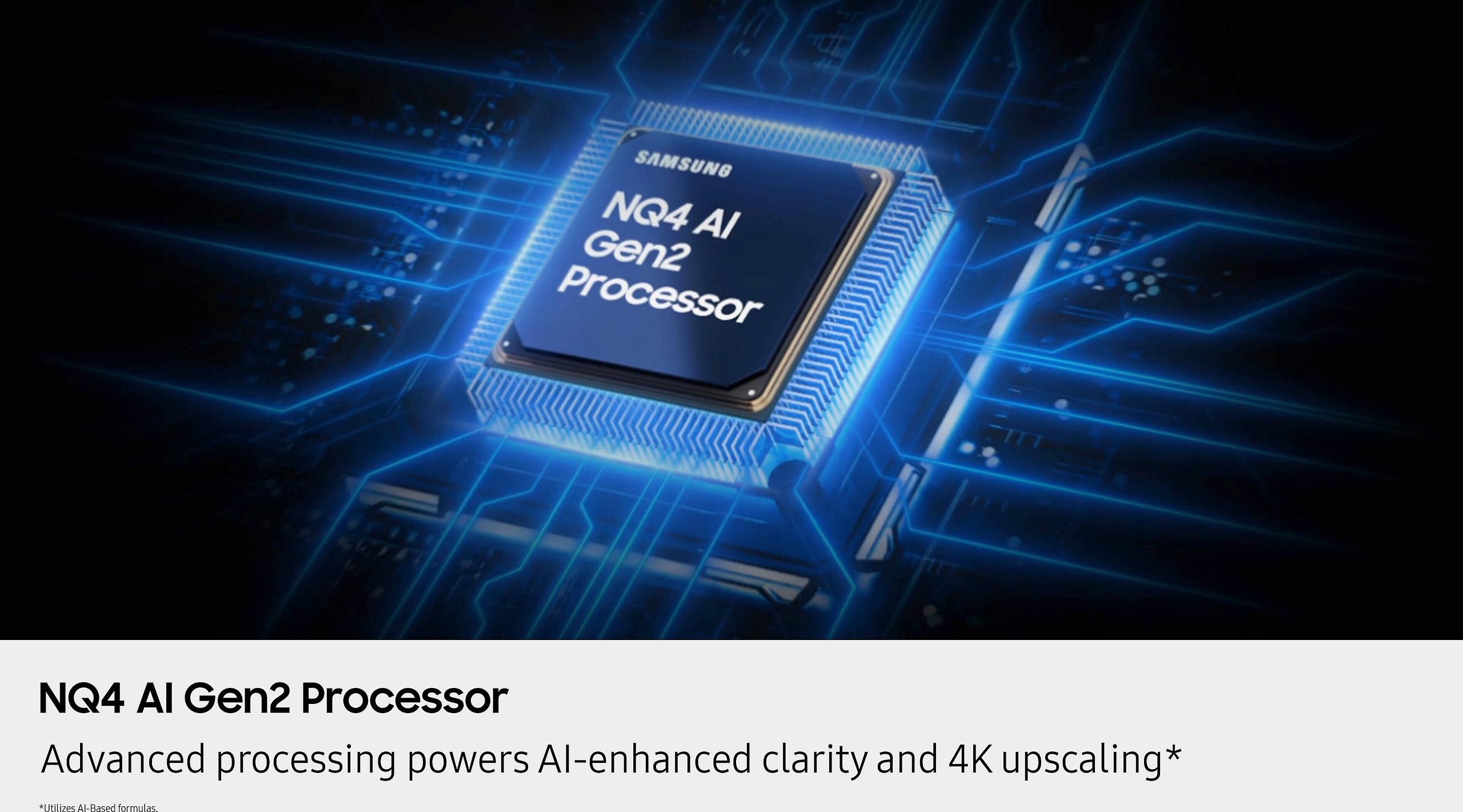
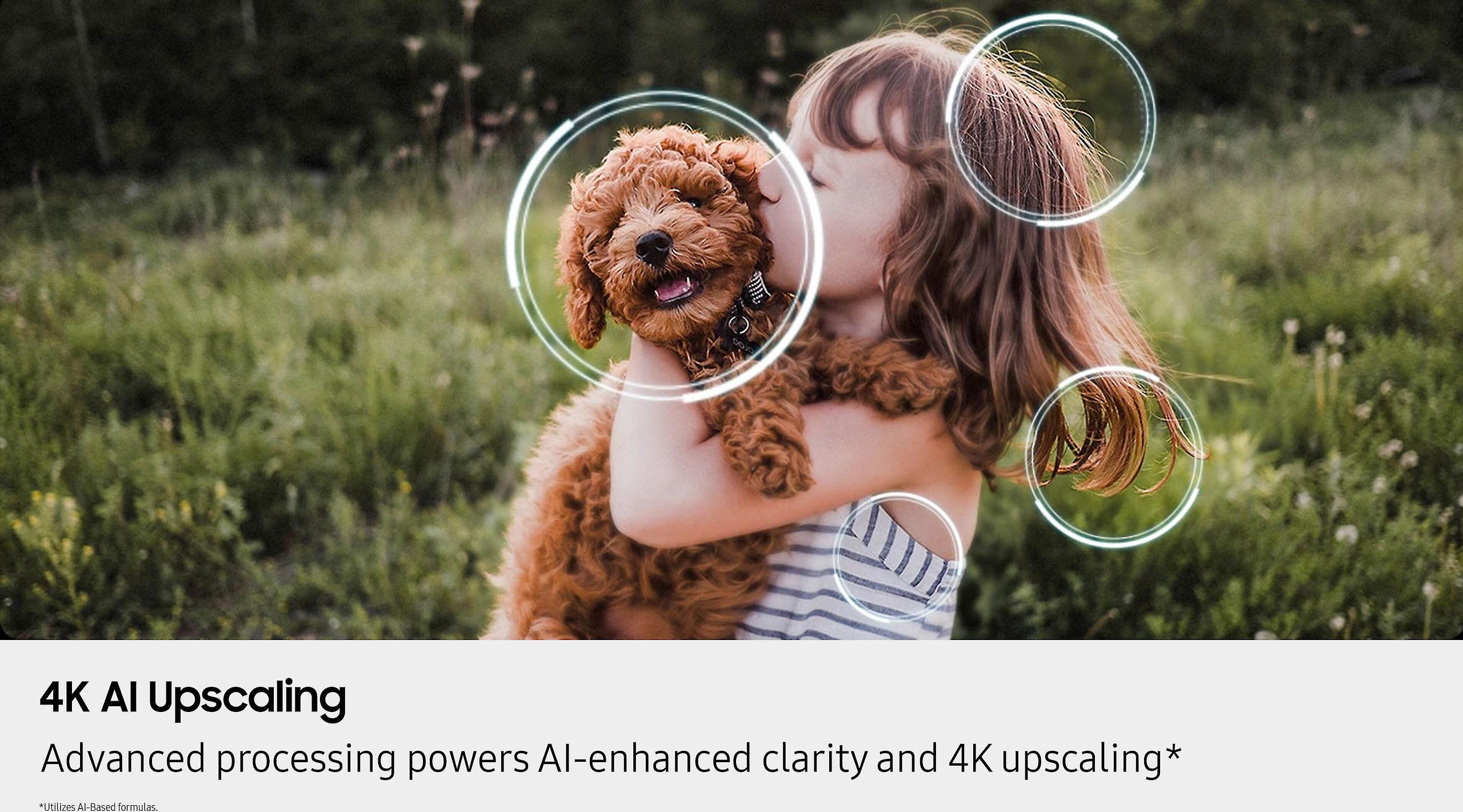
However, the QN80F includes a more powerful NQ4 AI Gen2 Processor compared to the QN8F's standard Q4 AI Processor. This translates to better 4K upscaling for lower-resolution content, faster app loading times, and more sophisticated picture processing. When streaming 1080p content from older shows or movies, the QN80F's superior processing makes a noticeable difference in image clarity.
Both TVs feature Samsung's Vision AI suite, including the innovative Generative Wallpaper feature that creates custom backgrounds based on keywords you provide. This might sound gimmicky, but it's surprisingly useful for creating ambient lighting when the TV isn't in use. The QN80F includes additional Vision AI features like Live Translate for foreign content and Pet & Family Care monitoring, though these feel more experimental than essential.
The updated Bixby voice assistant in both models can process multiple commands simultaneously and better understand context. In practice, this means you can say "Turn on the game mode and increase the brightness" rather than issuing separate commands.
Audio represents another clear advantage for the QN80F. While the QN8F includes a basic 2-channel speaker system with 20W of power, the QN80F features a more robust 30W, 4-channel system with Active Voice Amplifier Pro.
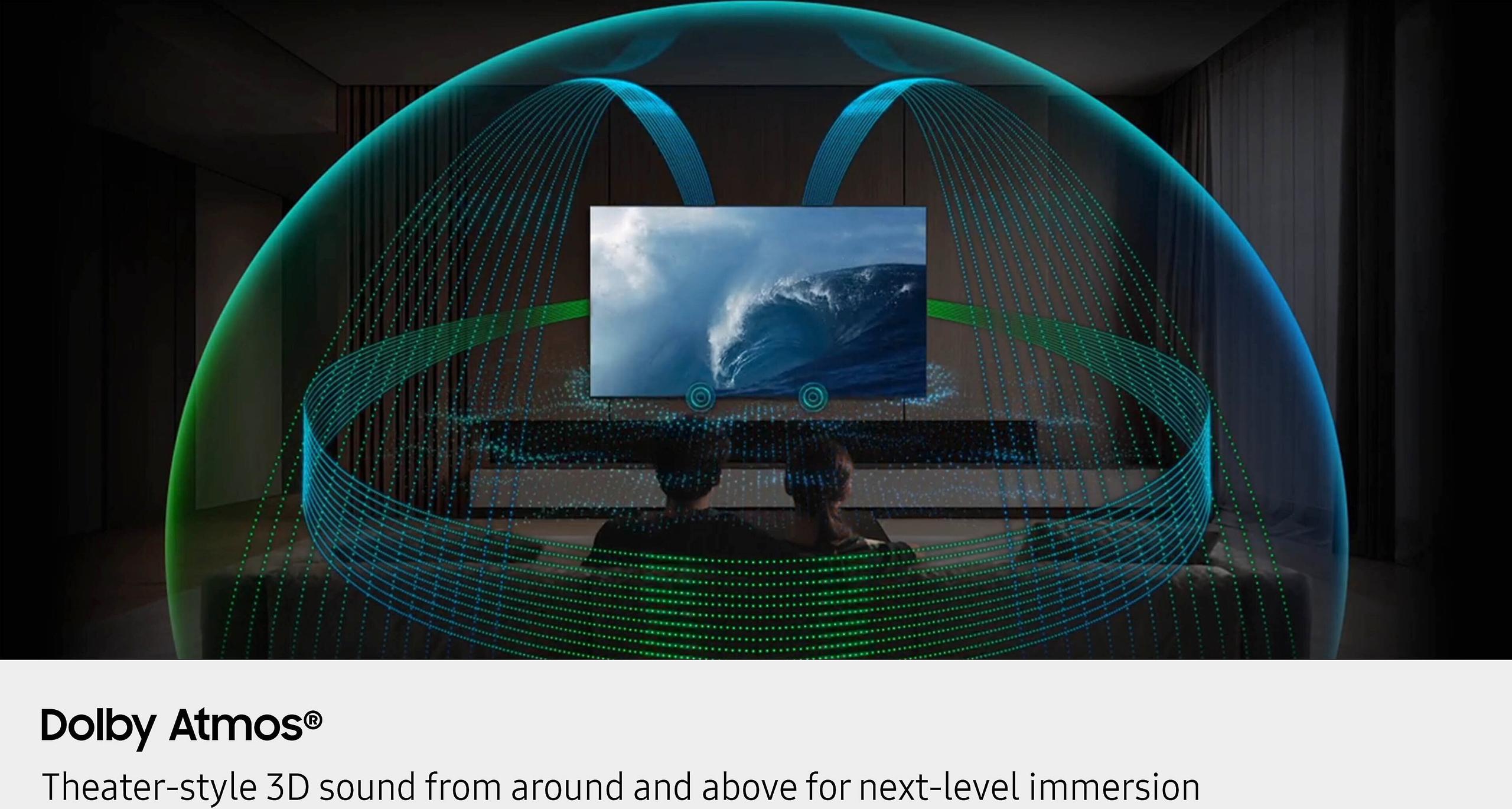
The difference is immediately apparent when watching dialogue-heavy content. The QN80F's voice amplification technology makes conversations clearer, even during action scenes with explosive sound effects. Both TVs support Dolby Atmos passthrough to external sound systems, but the QN80F's built-in audio is significantly more capable for users who don't want to invest in a soundbar immediately.
For home theater enthusiasts, both TVs support Q-Symphony, Samsung's technology that allows compatible soundbars to work in harmony with the TV's built-in speakers rather than replacing them entirely. This creates a more immersive surround sound experience, though you'll need Samsung's soundbars to take advantage of this feature.
Sports viewing reveals another performance gap between these models. The QN8F's 60Hz refresh rate struggles with fast-moving content like soccer matches or basketball games, creating motion blur that can make following the action frustrating. The TV's basic motion processing helps somewhat, but artifacts like soap opera effect (overly smooth, unnatural motion) can be distracting.
The QN80F's 144Hz refresh rate with Motion Xcelerator technology handles sports content much better. Fast camera pans during football games remain smooth, and player movements appear more natural. However, even the QN80F isn't perfect—some motion blur persists during extremely fast-paced content, which is common among most LCD-based TVs.
From testing both TVs during March Madness games, the QN80F clearly provides a superior sports viewing experience. If you're a sports fan, this alone might justify the higher price.
High Dynamic Range (HDR) content showcases the most dramatic difference between these models. HDR expands the range between the darkest and brightest parts of an image, creating more realistic and impactful visuals. However, realizing these benefits requires a TV capable of deep blacks and bright highlights—exactly where the QN80F's Mini LED technology excels.
Both TVs support HDR10+ (Samsung's preferred HDR format) but lack Dolby Vision support, which some Netflix and Amazon Prime content uses. This isn't a deal-breaker, as HDR10+ provides similar benefits, but it's worth noting if you're particular about format compatibility.
When watching HDR movies on both TVs, the QN8F displays vibrant colors but struggles with contrast. Bright scenes look good, but dark scenes appear washed out, losing the dramatic impact that makes HDR worthwhile. The QN80F's delivers the full HDR experience—bright highlights shine without blooming, while dark scenes maintain detail and depth.
Netflix's "Our Planet" documentary series particularly highlights this difference. The QN80F's makes sunrise scenes over African savannas genuinely breathtaking, while the QN8F version, though colorful, lacks the dramatic contrast that makes these scenes memorable.
At the time of writing, the QN8F costs significantly less than the QN80F—roughly $600 difference for the 65-inch models. This price gap reflects genuine technology differences rather than minor feature variations.
The QN8F offers excellent value for casual viewers who prioritize smart features and vibrant colors over cutting-edge display technology. If you primarily watch streaming content, don't game competitively, and view TV in well-lit rooms, the QN8F provides a satisfying experience with modern conveniences like AI recommendations and voice control.
However, the QN80F justifies its premium for users with more demanding needs. The Mini LED backlighting alone represents a significant upgrade that improves virtually every type of content. Add the 144Hz gaming support, superior audio system, and enhanced processing, and the value proposition becomes compelling for enthusiasts.
Choose the Samsung QN8F if you want a modern smart TV with vibrant colors and AI features without paying premium prices. It's ideal for secondary bedrooms, casual family viewing, or situations where the TV will primarily display bright, colorful content. The smart features are excellent, and the picture quality, while not exceptional, is perfectly adequate for most viewing scenarios.
The Samsung QN80F makes sense for serious movie watchers, gamers, and anyone building a primary entertainment setup. The Mini LED backlighting transforms HDR content viewing, the 144Hz gaming support future-proofs your investment, and the superior audio system reduces the immediate need for external speakers.
For home theater enthusiasts, the QN80F is clearly the better choice. Its superior contrast performance makes movies more engaging, and the enhanced audio provides better dialogue clarity. While neither TV matches dedicated projector setups for ultimate home theater experiences, the QN80F gets much closer.
After extensive testing, I believe the QN80F represents the better long-term investment for most users willing to pay the premium. The Mini LED technology feels like a generational improvement that will remain relevant as content quality continues advancing. The gaming capabilities ensure compatibility with current and future consoles, while the enhanced processing provides a snappier, more refined user experience.
That said, the QN8F shouldn't be dismissed. It offers genuine value for users with simpler needs, providing access to Samsung's latest smart platform and AI features without the display technology premium. For many families, the QN8F's capabilities exceed their actual viewing requirements.
The decision ultimately depends on your viewing habits, gaming needs, and budget flexibility. Both TVs represent solid choices within their respective market segments—the QN8F as an excellent entry point into premium smart TV features, and the QN80F as a comprehensive entertainment solution that won't leave you wanting upgrades anytime soon.
Consider your primary use cases honestly: if you're building a dedicated entertainment space and plan to keep the TV for several years, the QN80F's advantages justify the investment. If you need a capable smart TV for casual viewing and want to spend less, the QN8F delivers satisfaction without compromise in its intended role.
| Samsung 65" QN8F Series QLED 4K Vision AI Smart TV 2025 | Samsung 65" QN80F Neo QLED 4K TV |
|---|---|
| Display Technology - Core difference affecting picture quality and contrast | |
| Edge-lit LED backlighting with no local dimming zones | Mini LED full-array backlighting with Quantum Matrix local dimming |
| Refresh Rate - Critical for gaming and smooth motion in sports | |
| 60Hz maximum (standard for streaming, limiting for modern gaming) | 144Hz with VRR support (excellent for PS5/Xbox Series X and PC gaming) |
| Gaming Features - Essential for console and PC gamers | |
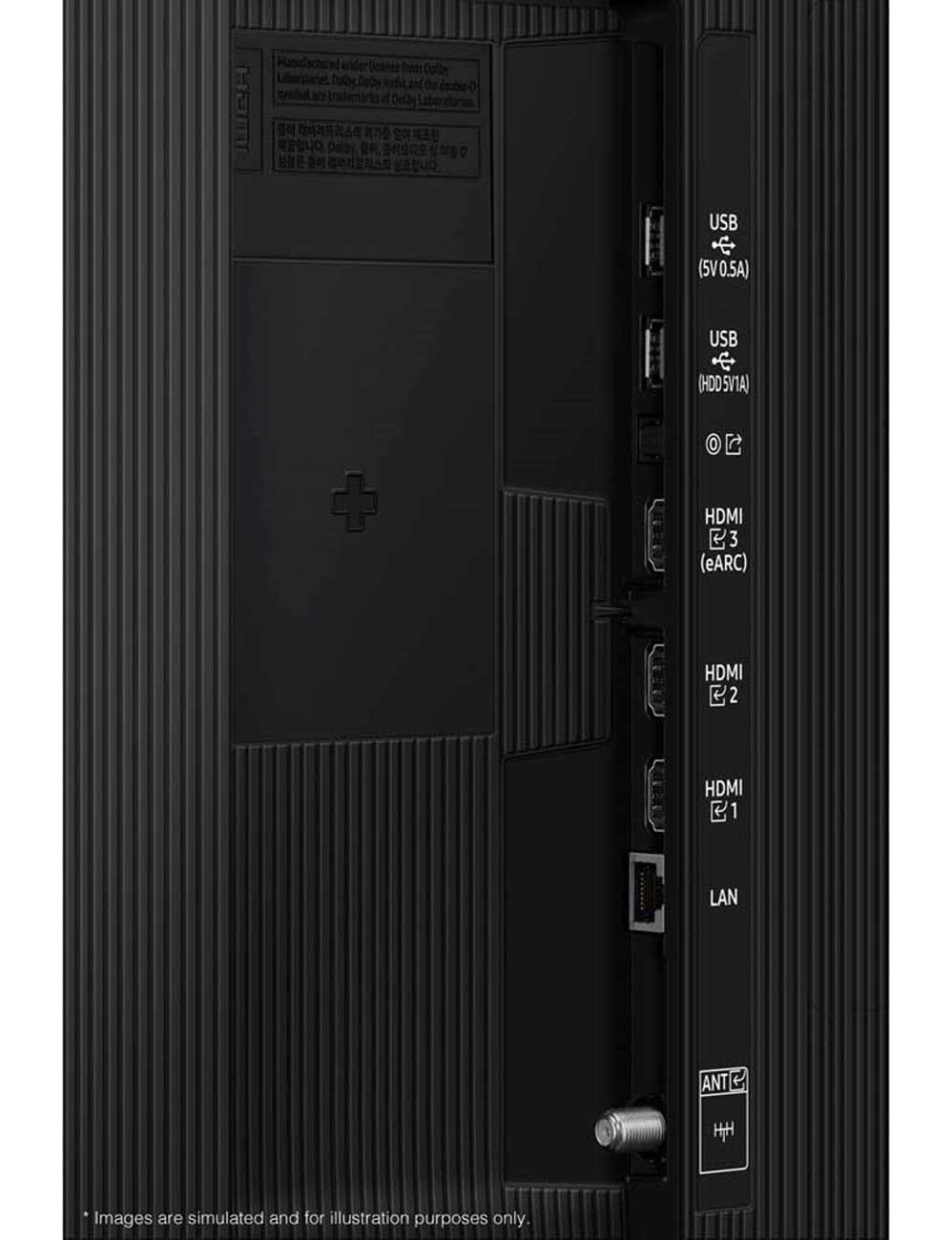
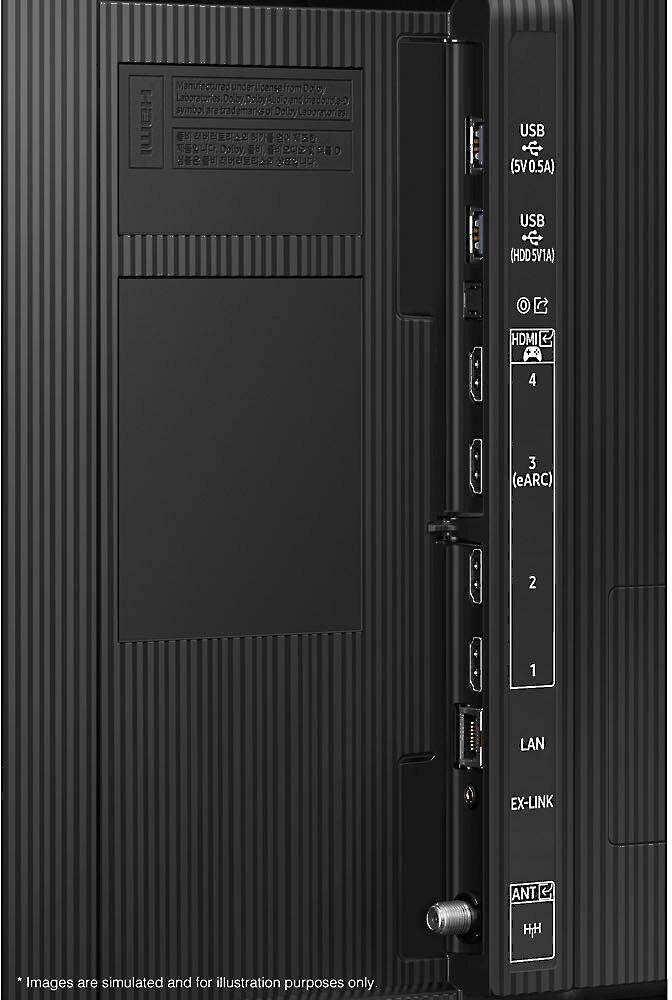
| Basic HDMI connectivity, 60Hz gaming only | 4 HDMI 2.1 ports with 4K@144Hz, VRR, ALLM, AI Auto Game Mode |
| Processor - Affects smart TV performance and upscaling quality | |
| Q4 AI Processor (adequate for basic 4K upscaling) | NQ4 AI Gen2 Processor (superior upscaling and faster performance) |
| Audio System - Important if not using external speakers | |
| 20W 2-channel speakers with basic Adaptive Sound+ | 30W 4-channel system with Active Voice Amplifier Pro |
| Local Dimming Zones - Determines contrast performance in dark scenes | |
| None (edge-lit design creates uniform brightness across screen) | Full-array with precise zone control (dramatically better HDR and movie performance) |
| Motion Handling - Key for sports viewing and action content | |
| Basic motion processing at 60Hz (noticeable blur in fast scenes) | Motion Xcelerator 144Hz (significantly smoother for sports and action) |
| HDR Performance - Affects movie and streaming content quality | |
| HDR10+ support but limited by edge-lighting (colors good, contrast poor) | HDR10+ with superior contrast and brightness control (true HDR experience) |
| Smart Features - AI capabilities and platform performance | |
| Vision AI with Generative Wallpaper, standard processing speed | Enhanced Vision AI suite including Live Translate, Pet Care, faster operation |
| Best For - Target user and use cases | |
| Budget-conscious buyers, casual streaming, secondary rooms | Serious gamers, movie enthusiasts, primary entertainment setups, future-proofing |
The primary difference is display technology. The Samsung QN8F uses traditional edge-lit LED backlighting, while the Samsung QN80F features Mini LED full-array local dimming technology. This gives the QN80F significantly better contrast performance, deeper blacks, and superior HDR viewing, especially in dark rooms.
The Samsung QN80F is clearly superior for gaming. It supports up to 144Hz refresh rates with 4K resolution across all four HDMI 2.1 ports, plus features like VRR (Variable Refresh Rate) and AI Auto Game Mode. The Samsung QN8F is limited to 60Hz gaming, making it unsuitable for modern console gaming on PS5 or Xbox Series X.
For casual viewers who primarily stream content in well-lit rooms, the Samsung QN8F provides adequate picture quality. However, the Samsung QN80F offers a significant upgrade in contrast performance, making HDR movies and dark scenes dramatically better. Movie enthusiasts and those with dedicated viewing rooms will appreciate the difference.
Both the Samsung QN8F and Samsung QN80F run the same 2025 Tizen smart platform with Vision AI features. However, the QN80F includes a more powerful NQ4 AI Gen2 processor, resulting in faster app performance, better 4K upscaling, and additional AI features like Live Translate and Pet & Family Care.
The Samsung QN80F is much better for sports viewing due to its 144Hz refresh rate and superior motion handling. Fast-moving content like soccer or basketball appears smoother with less motion blur. The Samsung QN8F at 60Hz shows noticeable motion artifacts during fast-paced sports action.
For dedicated home theater use, the Samsung QN80F is the clear choice. Its Mini LED backlighting delivers the deep blacks and bright highlights essential for cinematic HDR content. The superior contrast performance makes movies significantly more immersive in dark viewing environments compared to the Samsung QN8F.
Yes, both the Samsung QN8F and Samsung QN80F support all major streaming platforms including Netflix, Amazon Prime Video, Disney+, and more through Samsung's Tizen smart platform. They also both support HDR10+ format, though neither includes Dolby Vision support.
The Samsung QN80F features a superior audio system with 30W power across 4 channels and Active Voice Amplifier Pro technology for clearer dialogue. The Samsung QN8F has a basic 20W 2-channel system. Both support external soundbar integration through Q-Symphony technology.
Both TVs perform well in bright rooms thanks to their QLED quantum dot technology producing vibrant colors. However, the Samsung QN80F gets brighter and has better glare reduction, making it slightly better for very bright environments. The Samsung QN8F is still perfectly adequate for most lighting conditions.
The Samsung QN80F is more future-proof with its 144Hz gaming support, superior processing power, and Mini LED technology that will remain relevant as content quality improves. The Samsung QN8F may feel outdated sooner due to its 60Hz limitation and basic backlighting technology.
Both the Samsung QN8F and Samsung QN80F come with Samsung's standard 1-year parts and labor warranty. They receive the same software updates and customer support. Samsung's track record for long-term software support on their Tizen platform is generally good for 4-5 years.
Choose the Samsung QN8F if you want modern smart TV features at a lower cost and primarily watch streaming content in bright rooms. Pick the Samsung QN80F if you're a serious gamer, movie enthusiast, or want the best possible picture quality with superior contrast performance and future-proofing features.
We've done our best to create useful and informative comparisons to help you decide what product to buy. Our research uses advanced automated methods to create this comparison and perfection is not possible - please contact us for corrections or questions. These are the sites we've researched in the creation of this article: bestbuy.com - samsung.com - rtings.com - youtube.com - samsung.com - pcrichard.com - abt.com - images.samsung.com - cnet.com - news.samsung.com - samsung.com - bestbuy.com - samsung.com - theshortcut.com - youtube.com - bestbuy.com - rtings.com - samsung.com - samsung.com - samsung.com - sargentappliance.com - displayspecifications.com - bestbuy.com

Privacy Policy
Terms and Conditions - Affiliate Policy
Home Security
© Copyright 2008-2026.
11816 Inwood Rd #1211, Dallas, TX 75244