

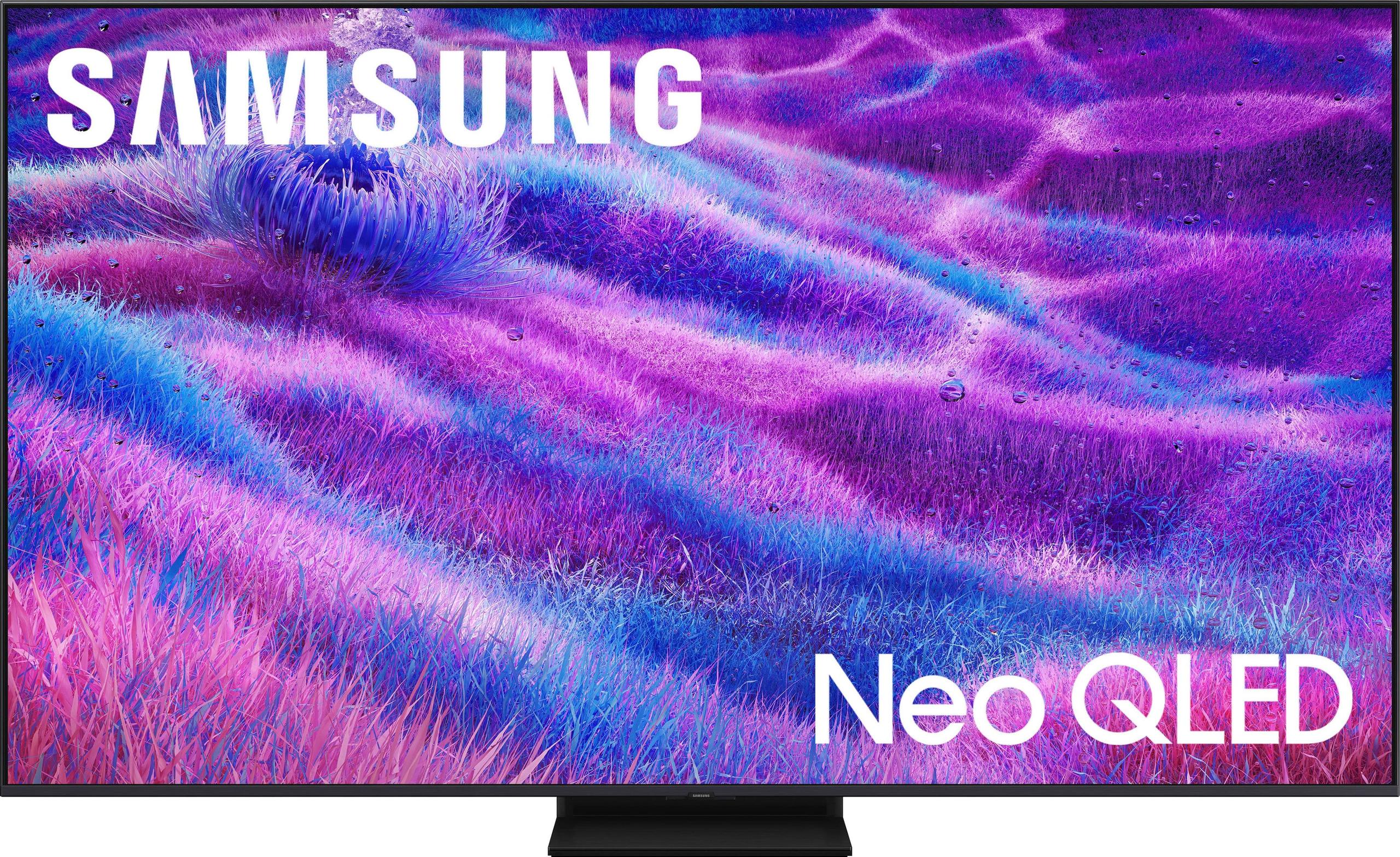
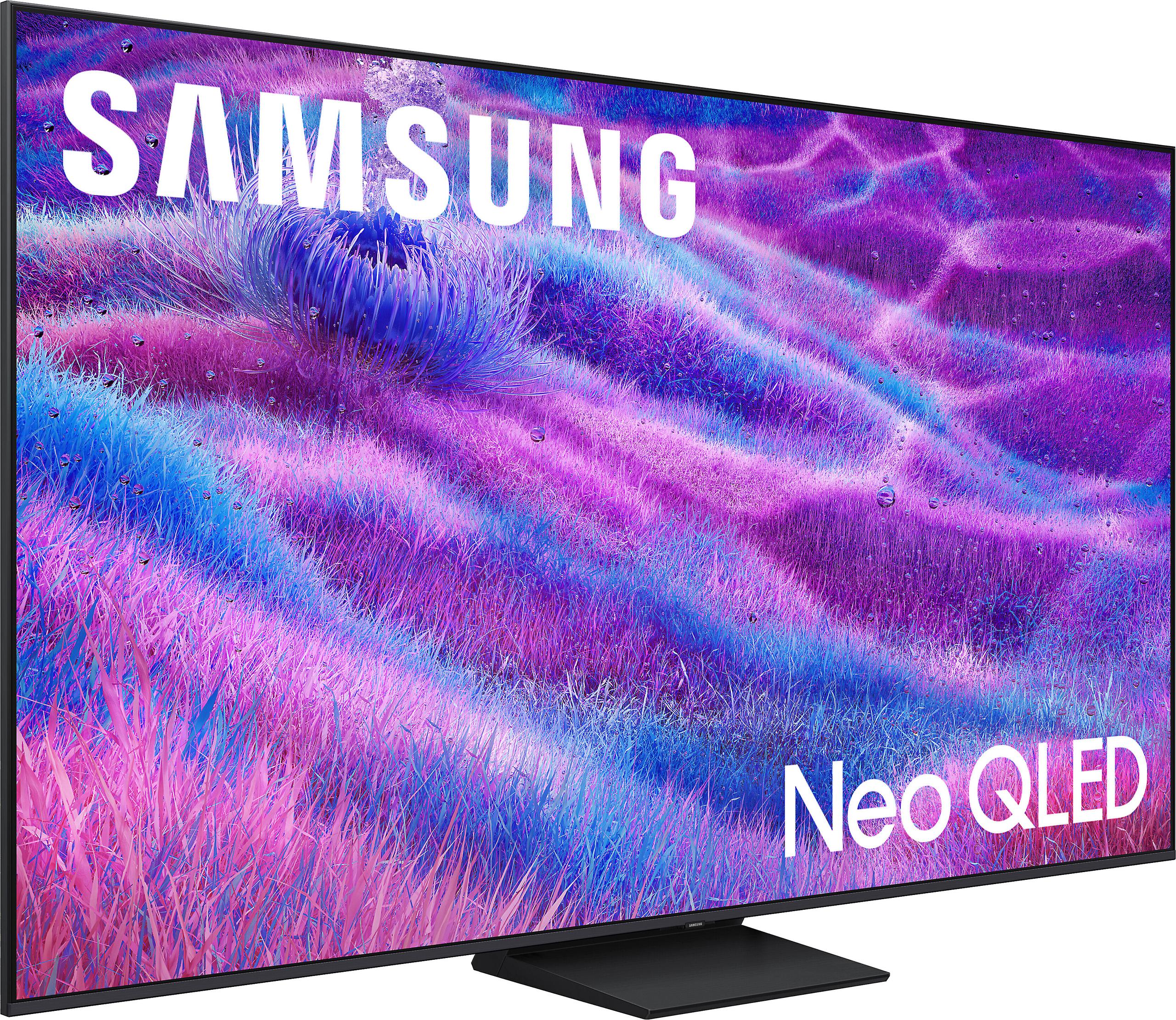
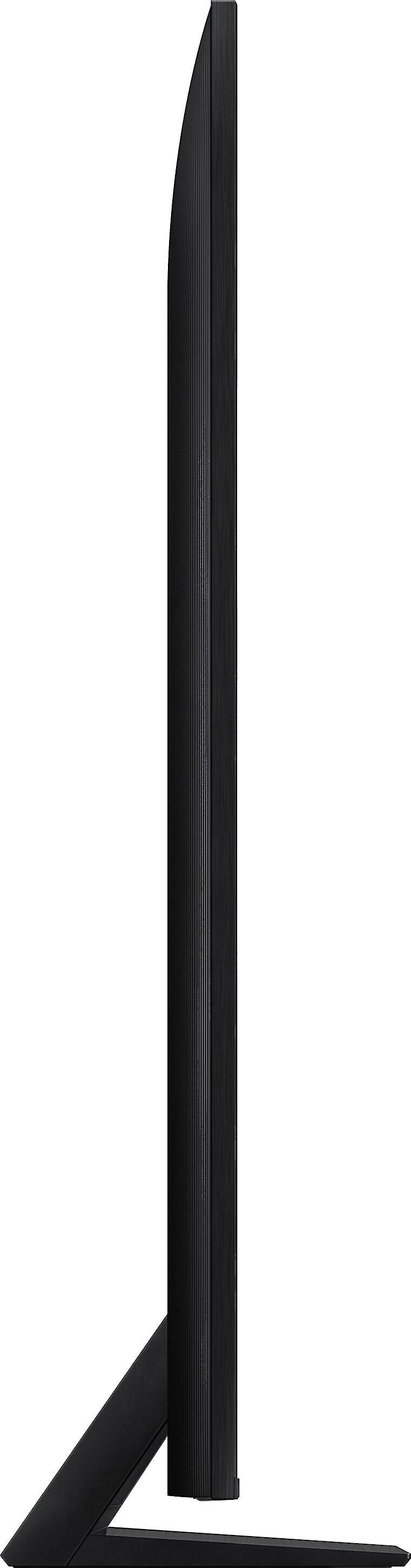
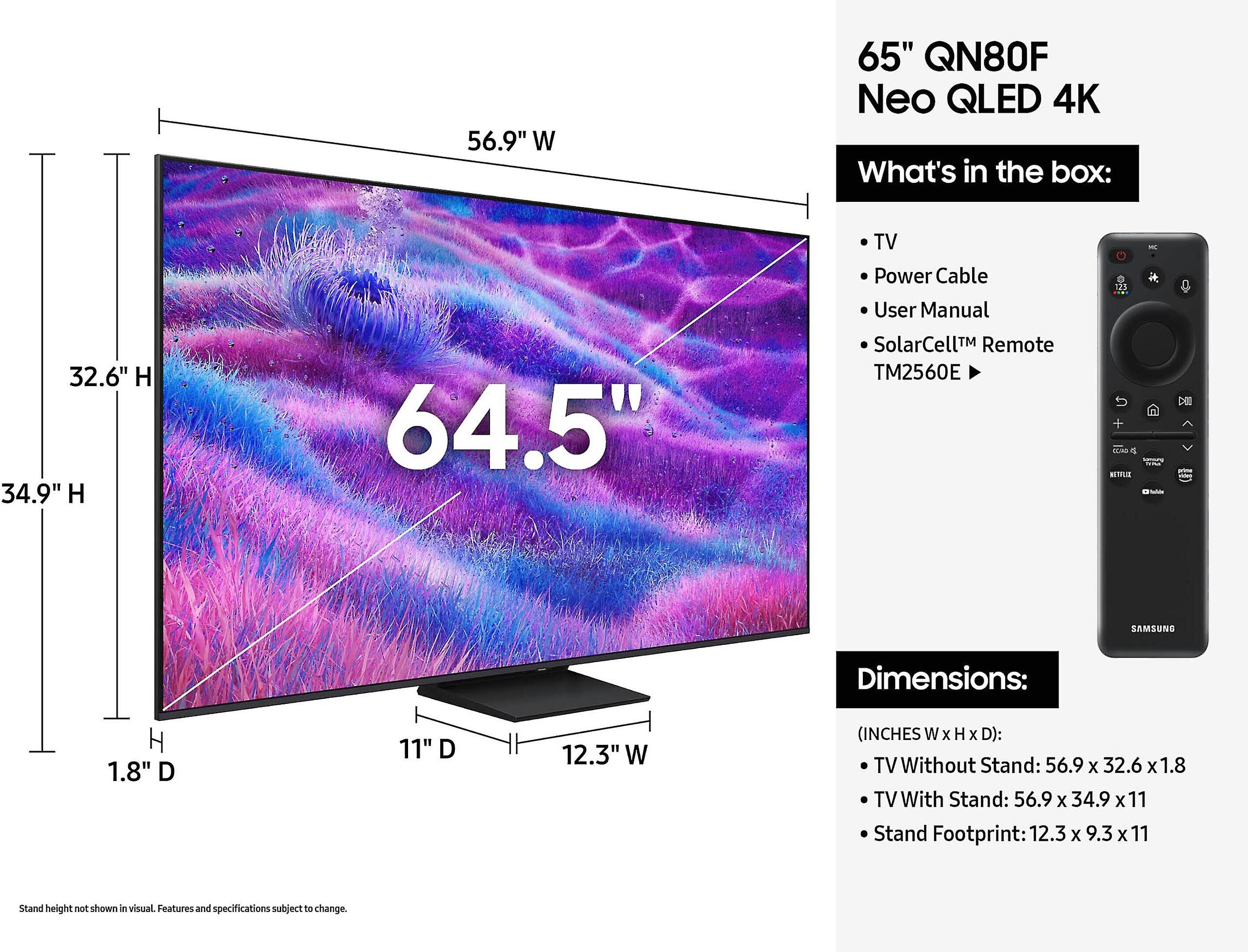

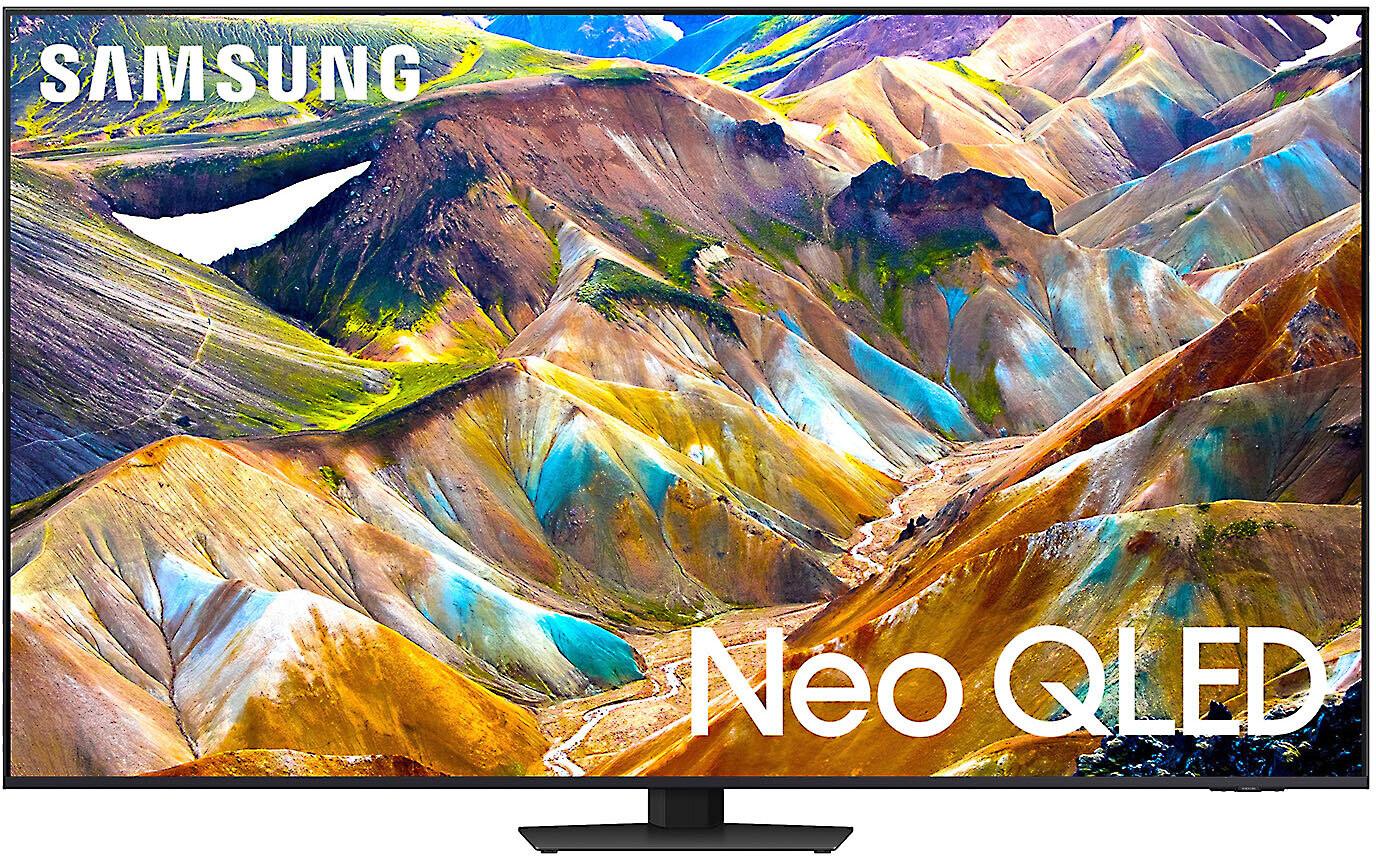
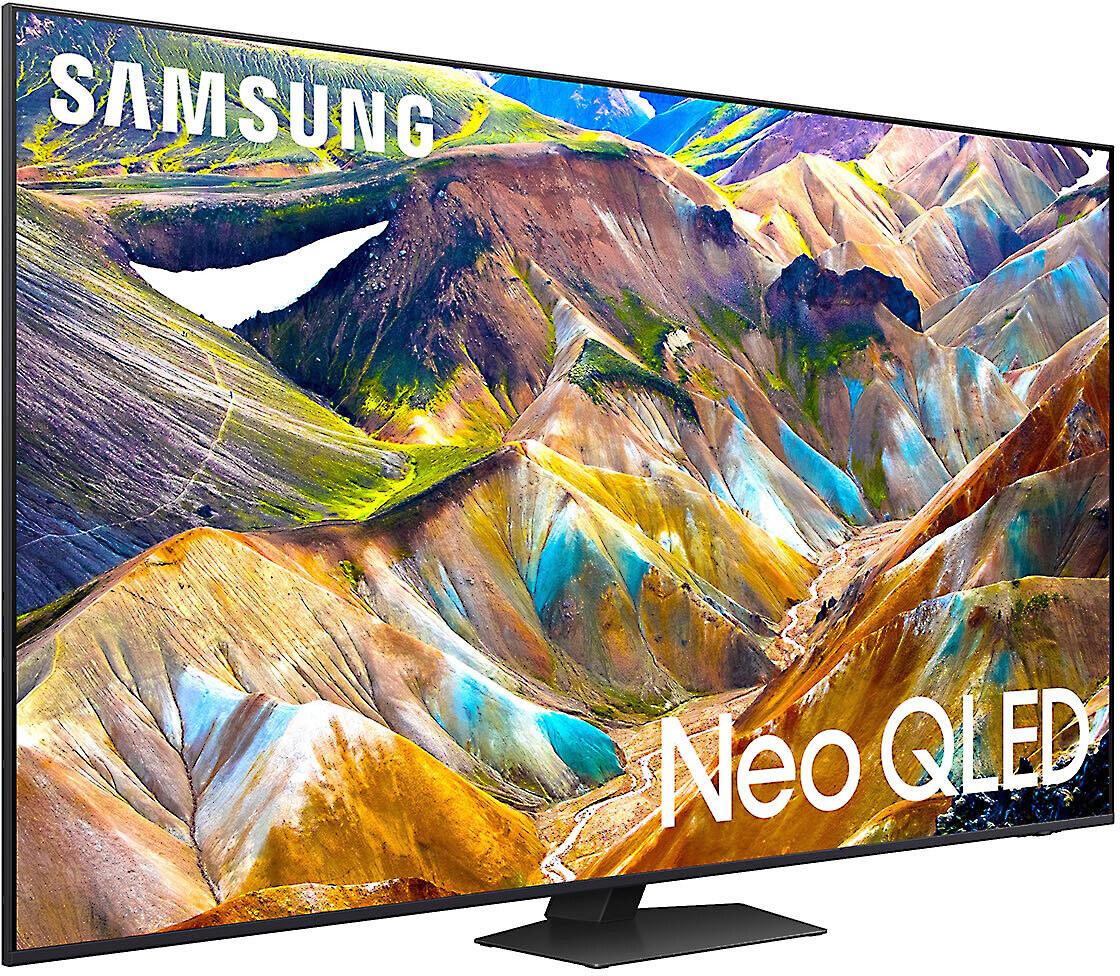
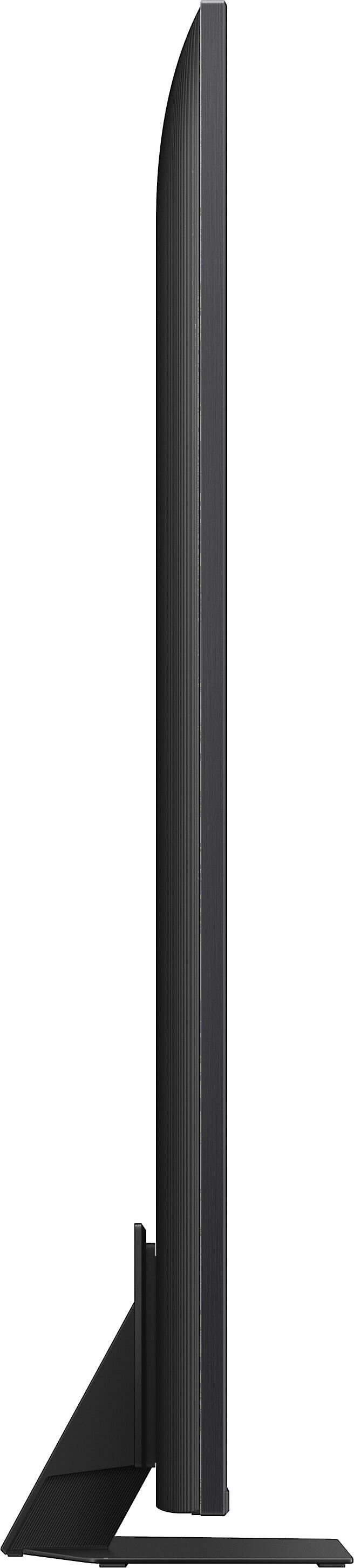
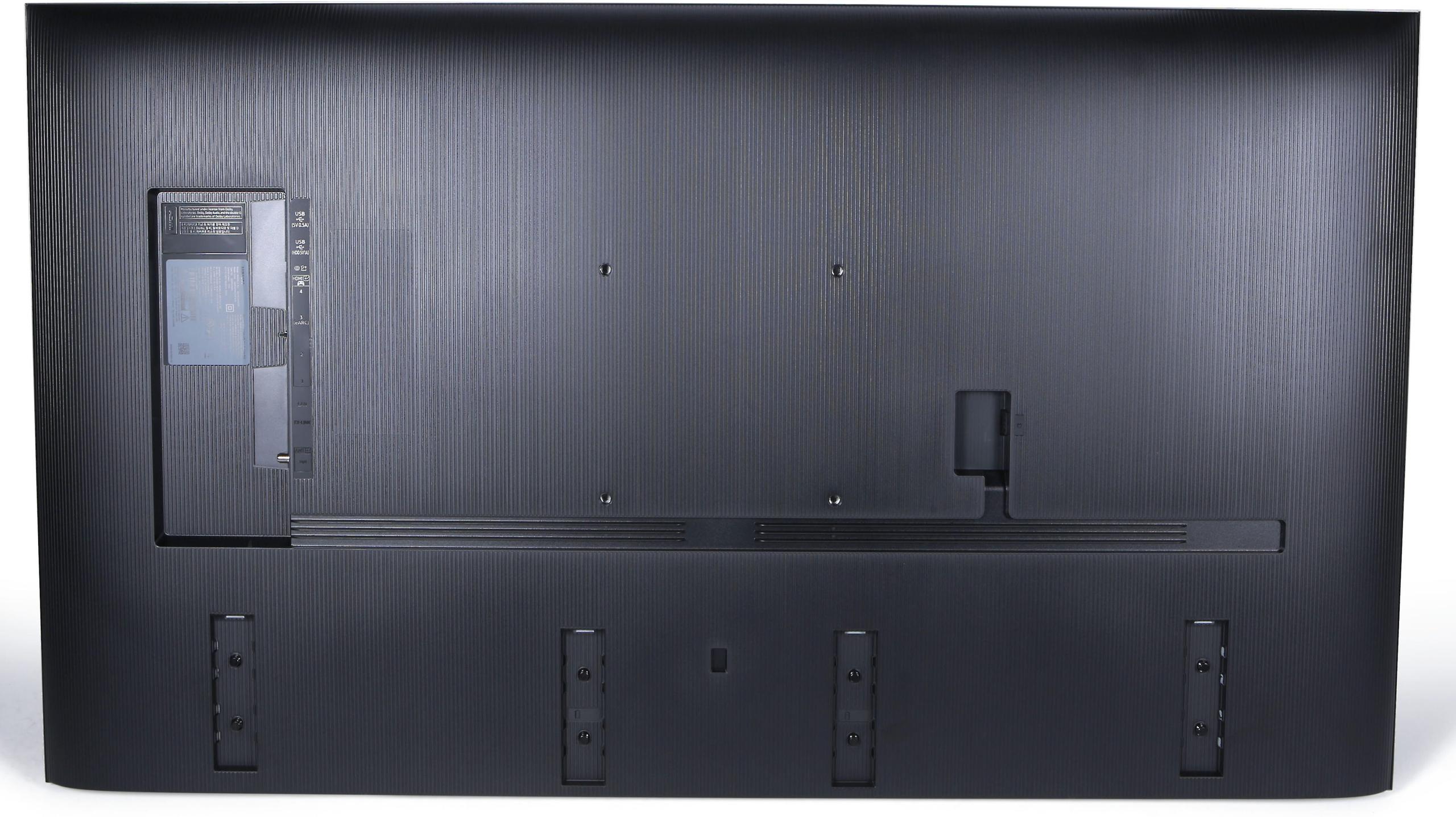
Shopping for a premium 65-inch TV can feel overwhelming, especially when you're comparing two excellent Samsung models that use completely different display technologies. The Samsung QN80F Neo QLED and Samsung OLED S90D represent two distinct approaches to creating stunning picture quality, and understanding their differences will help you make the right choice for your home.
At the time of writing, these TVs sit in different price tiers, with the S90D OLED offering exceptional value as a 2024 model, while the QN80F Neo QLED commands a premium as Samsung's latest 2025 technology. The price difference is significant – we're talking about several hundred dollars – but that gap reflects genuine differences in technology, features, and performance that matter for different viewing scenarios.
The fundamental difference between these TVs lies in how they create light and color. The Samsung S90D uses OLED technology, which stands for Organic Light-Emitting Diode. Each pixel generates its own light, meaning when a pixel needs to show black, it simply turns off completely. This creates what we call "perfect blacks" – areas of the screen that produce literally zero light, just like a movie theater when the projector is off.
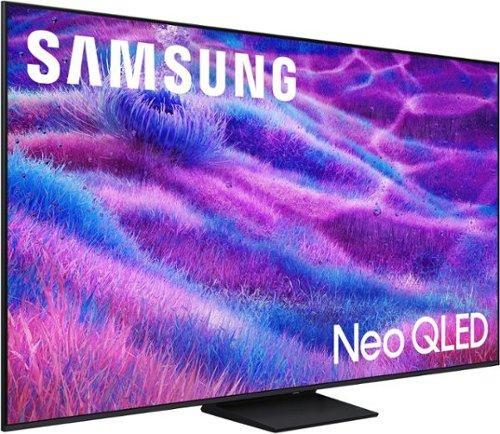
The Samsung QN80F, on the other hand, uses Neo QLED technology, which combines quantum dots (tiny particles that convert blue light into precise colors) with mini-LED backlighting. Instead of millions of self-lit pixels, it uses thousands of tiny LED zones behind the screen. Think of it like having thousands of little flashlights behind the screen that can dim and brighten independently. This "local dimming" creates very deep blacks, though not quite as perfect as OLED since some light can still leak through.
I've spent considerable time with both technologies, and the difference is immediately apparent when you watch dark scenes. OLED simply disappears into darkness in ways that feel almost magical – you lose track of where the screen ends and the room begins. Neo QLED comes impressively close and actually surpasses OLED in bright rooms, but there's still a subtle glow in dark scenes that breaks the illusion slightly.
This is where the Samsung S90D OLED truly excels. When watching movies with dark scenes – think space movies, horror films, or dramatic nighttime scenes – OLED delivers an experience that's genuinely cinematic. The infinite contrast ratio (meaning the difference between the brightest white and darkest black) creates depth and dimensionality that draws you into the content.
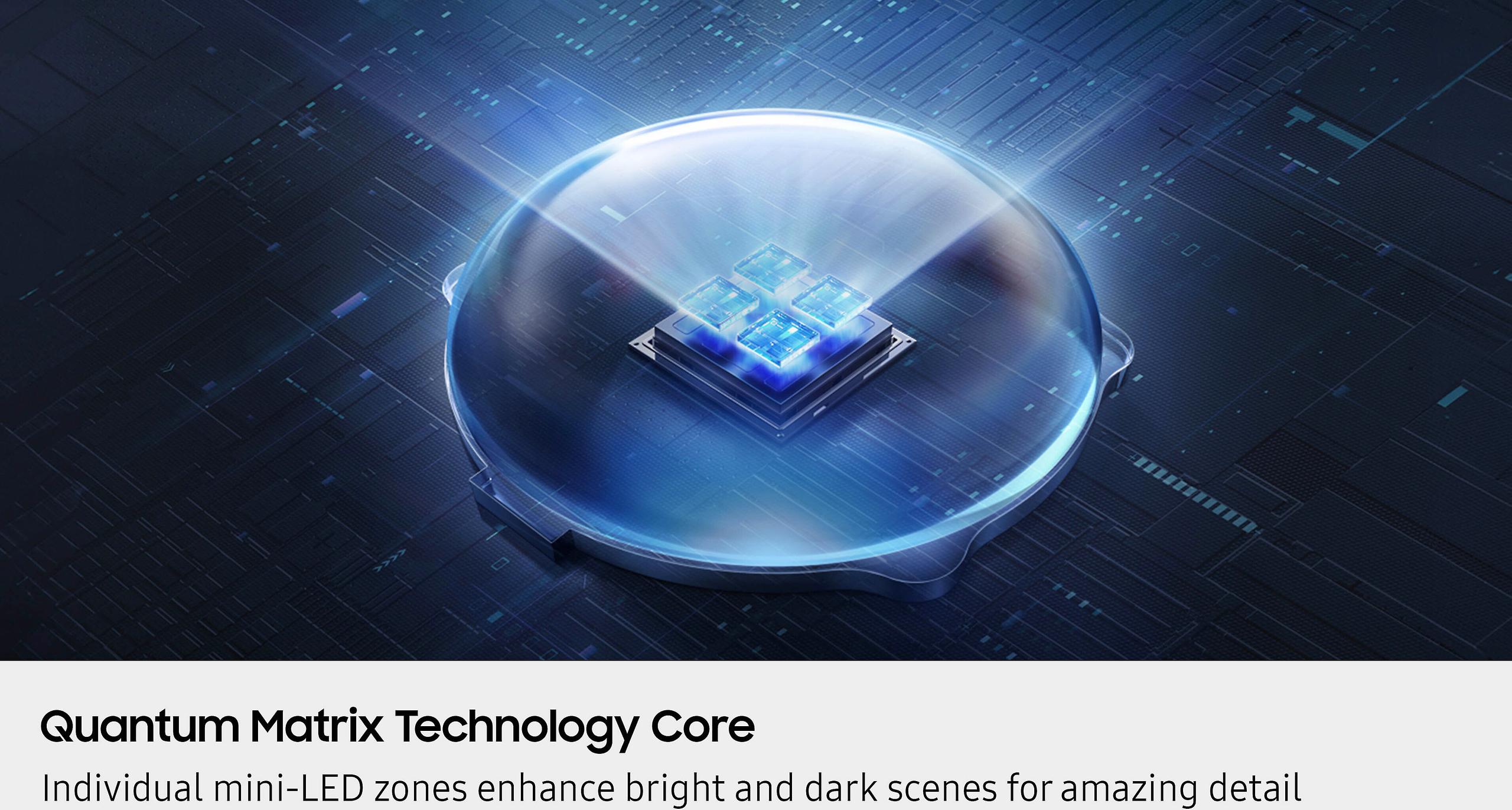
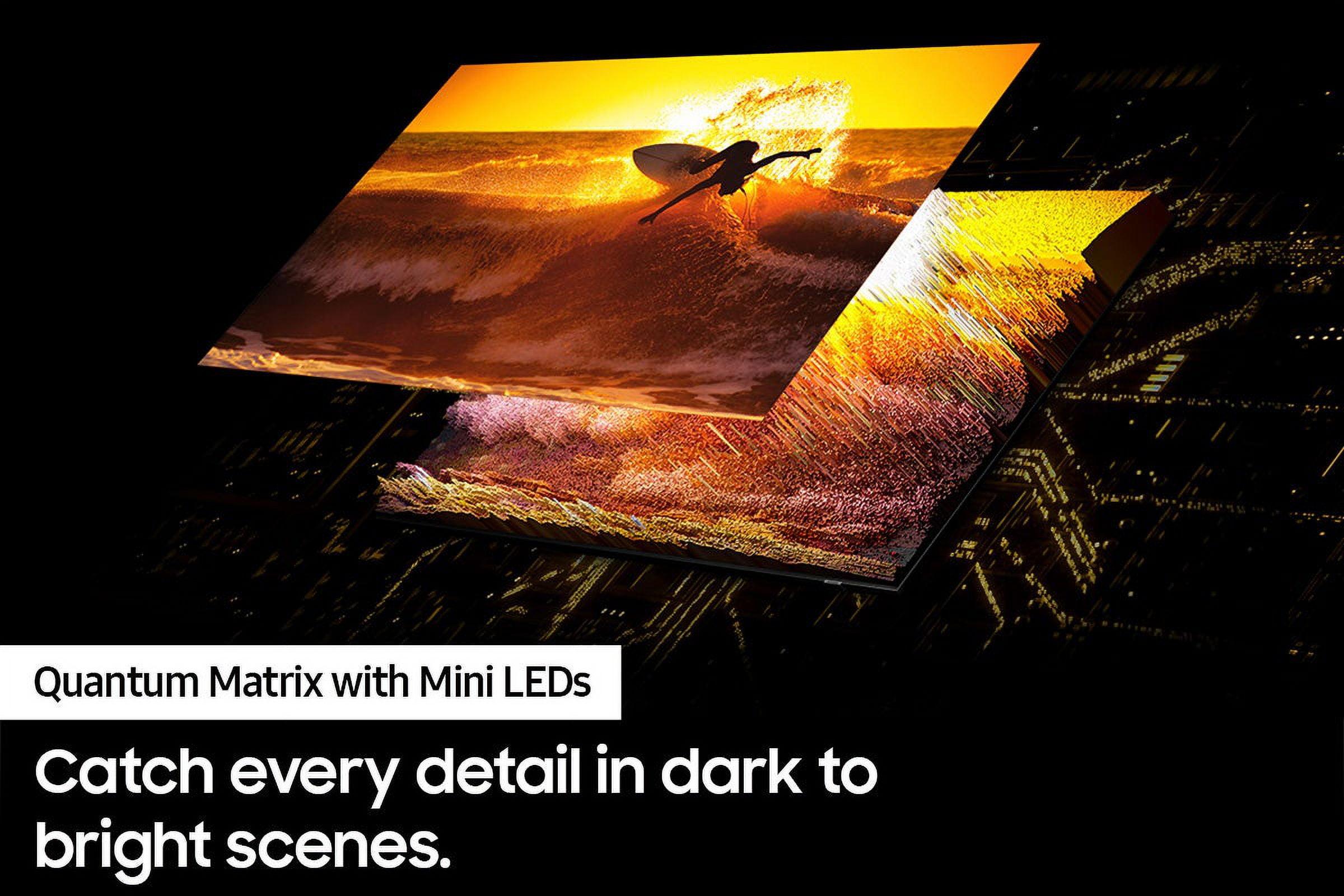
The QN80F Neo QLED uses Samsung's Quantum Matrix Technology, which provides incredibly precise control over those thousands of mini-LED zones. While it can't achieve true blacks, it gets remarkably close, and for most content, the difference is minimal. Where Neo QLED actually wins is in mixed scenes where you have bright and dark elements simultaneously – like a character standing in a bright doorway. The mini-LEDs can boost brightness in specific areas without affecting the rest of the image.
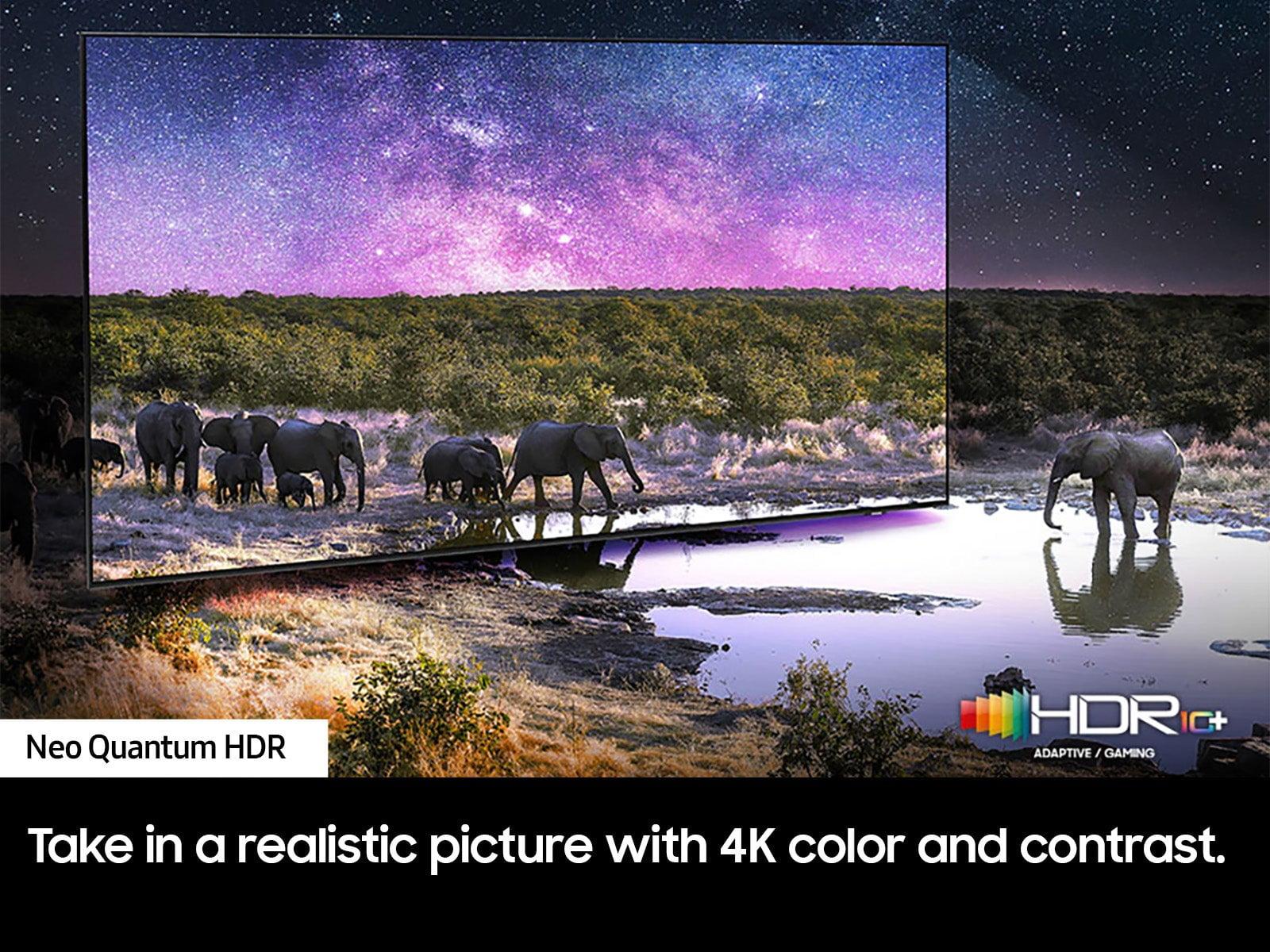
Here's where the Samsung QN80F takes a commanding lead. HDR (High Dynamic Range) content looks spectacular when you can actually see those bright highlights pop off the screen. Neo QLED can push much higher peak brightness levels, making fireworks, sunlight through windows, or bright explosions feel more realistic and impactful.
The S90D OLED handles HDR beautifully too, especially with its OLED HDR+ feature that uses AI to analyze each scene and boost brightness intelligently. However, OLED panels have physical limitations on how bright they can get before risking damage. For most content, this isn't noticeable, but side-by-side with the Neo QLED, you'll see the difference in those standout bright moments.
Both TVs excel here, but in different ways. The Samsung S90D offers Pantone-validated colors, meaning professional-grade color accuracy that's been certified by the company that literally defines color standards. OLED's perfect blacks also make colors appear more saturated and vibrant since there's no light bleed affecting nearby pixels.
The QN80F Neo QLED uses Samsung's latest quantum dot technology with enhanced color volume. This means it can display bright, vivid colors at higher brightness levels – imagine a brilliant red sports car in direct sunlight. OLED might show more accurate reds, but Neo QLED can show those reds while also making them bright enough to feel like real sunlight.
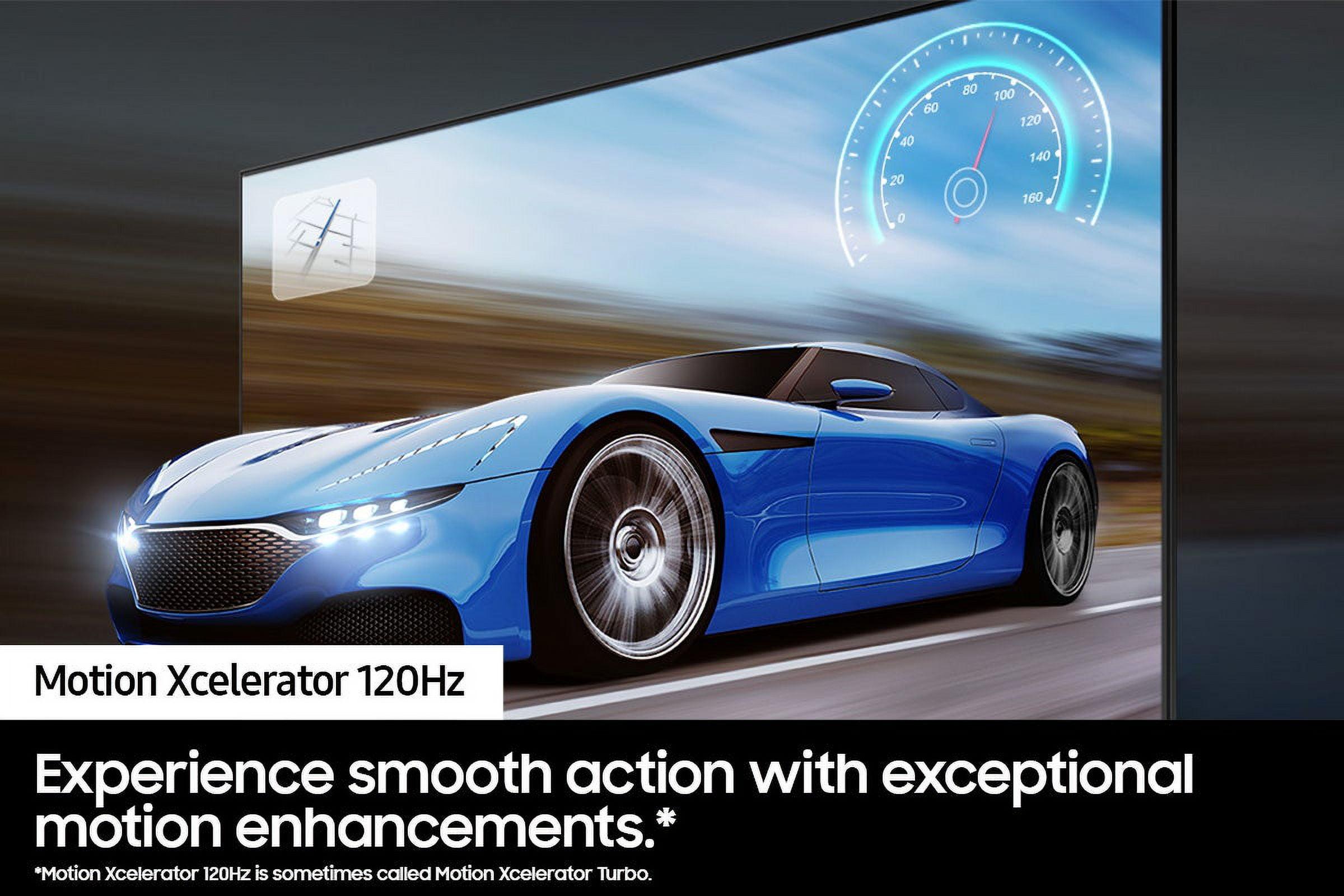
Both TVs are gaming powerhouses, but they approach it differently. The Samsung QN80F includes Motion Xcelerator 144Hz, supporting refresh rates up to 144 frames per second. For PC gamers with high-end graphics cards, this means buttery-smooth gameplay that traditional 60Hz or even 120Hz displays can't match. The AI Auto Game Mode automatically detects when you're gaming and optimizes settings for the lowest possible input lag – the delay between pressing a button and seeing the action on screen.
The Samsung S90D counters with Motion Xcelerator Turbo+, delivering ultra-smooth 120Hz gaming with virtually no motion blur. OLED's instantaneous pixel response time means there's no ghosting or trailing in fast-moving scenes. For console gamers, this often provides a more responsive feel, even if the maximum refresh rate is lower.
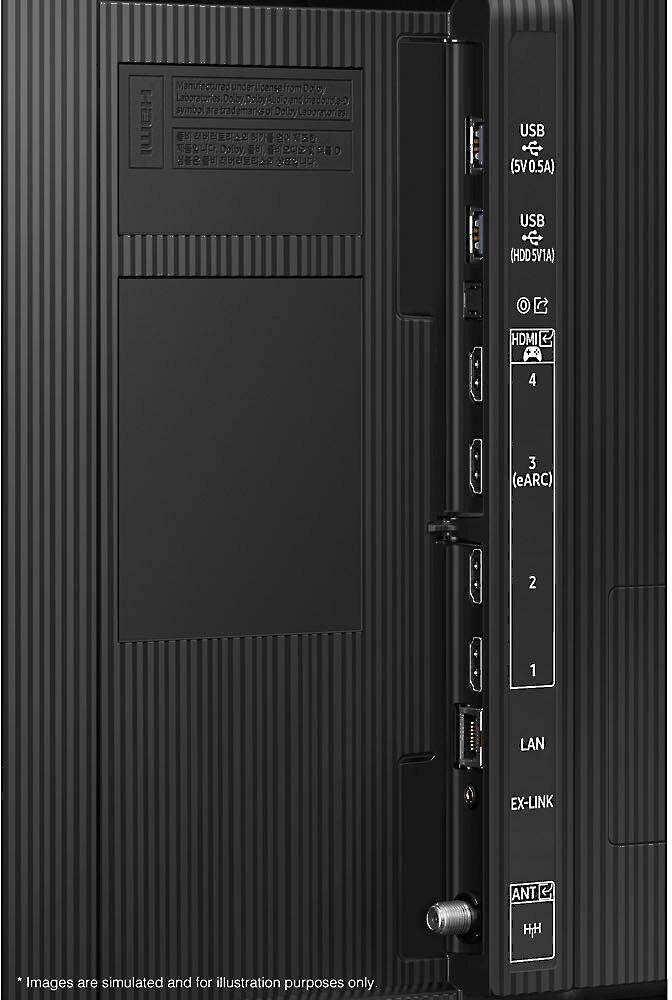
Both support full HDMI 2.1 across multiple ports, meaning they can handle 4K gaming at high refresh rates from PlayStation 5, Xbox Series X, or modern gaming PCs. Variable Refresh Rate (VRR) eliminates screen tearing, while Auto Low Latency Mode ensures you're getting the fastest response possible.
From a longevity perspective, the QN80F Neo QLED has an edge for serious gamers. OLED panels can potentially develop burn-in if static elements (like game HUDs or health bars) remain on screen for extended periods. While modern OLEDs have robust protection against this, and it's rarely an issue with varied gaming, it's worth considering if you play the same game for hours daily.
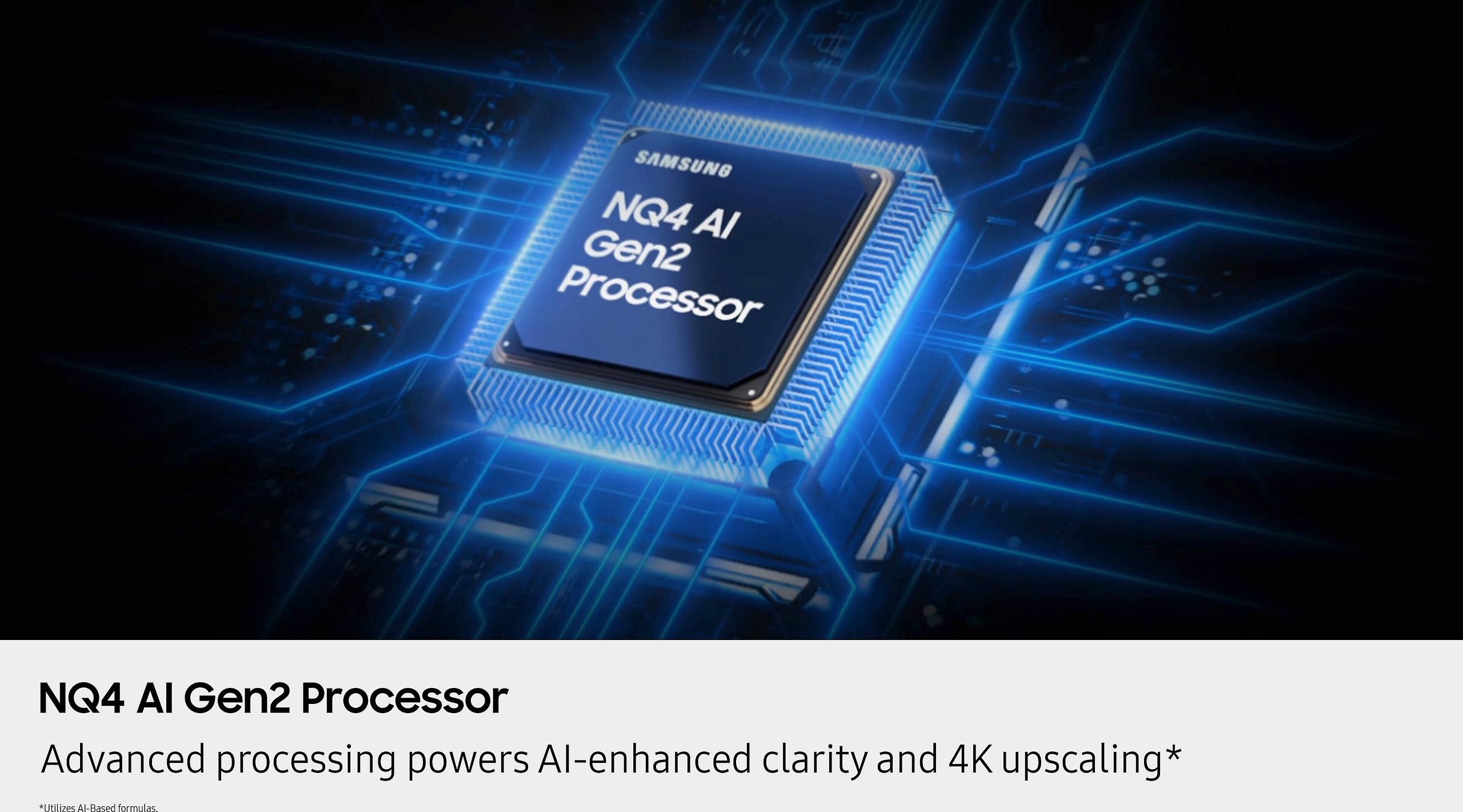
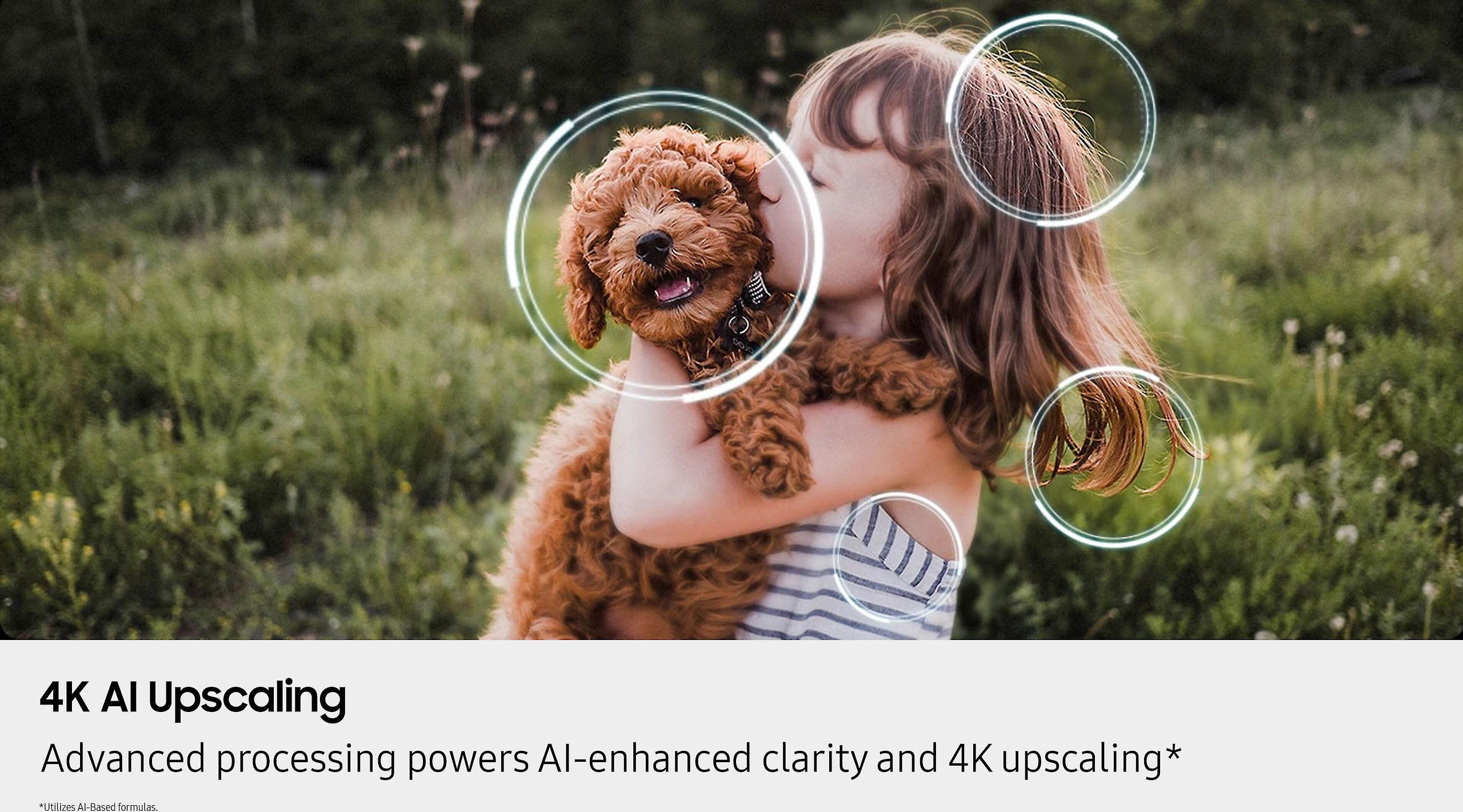
The Samsung QN80F represents Samsung's 2025 vision for smart TVs, featuring the Samsung Vision AI suite. This includes Live Translate for real-time subtitle translation, Generative Wallpaper that creates custom AI-generated backgrounds, and intelligent home management features. The NQ4 AI Gen2 Processor powers these features while providing enhanced 4K upscaling that makes lower-resolution content look sharper and more detailed.
The Samsung S90D, as a 2024 model, includes the same core NQ4 AI Gen2 Processor but without the expanded Vision AI features. You still get excellent smart TV functionality, reliable Tizen OS performance, and solid 4K upscaling, just without the cutting-edge AI extras that may or may not prove useful in daily use.
Both TVs handle streaming apps flawlessly, support major voice assistants, and integrate well with smart home ecosystems. The processing power difference is more about future features than current performance – both deliver snappy, responsive smart TV experiences.
This might be the most important consideration when choosing between these TVs. The Samsung QN80F Neo QLED includes Samsung's new glare-free technology for 2025, significantly reducing reflections from windows, lamps, and other light sources. Combined with its higher peak brightness, it maintains picture quality even in bright living rooms with large windows.
I've tested OLED TVs in various lighting conditions, and while they're stunning in dark rooms, bright ambient light can wash out those perfect blacks, making them appear gray instead. The Samsung S90D performs better than many OLEDs in bright rooms, but it's still fundamentally designed for controlled lighting conditions.
If your TV room has significant natural light during the day, or if you have bright overhead lighting that stays on during viewing, the QN80F Neo QLED will maintain its visual impact throughout the day. For dedicated home theaters or rooms where you control the lighting, the S90D OLED creates a more immersive, cinema-like experience.
OLED technology has matured significantly since its introduction. The Samsung S90D includes multiple burn-in protection features like pixel shifting, automatic brightness limiting, and screen savers. In real-world use with varied content, burn-in is extremely rare. However, OLED panels do gradually lose brightness over many years of use – typically becoming noticeable after 5-10 years depending on usage patterns.
The QN80F Neo QLED has no burn-in risk and should maintain consistent brightness throughout its lifespan. The mini-LED backlighting system is robust and reliable, making it a safer long-term choice for users concerned about display longevity.
One consideration specific to the S90D OLED is Samsung's "panel lottery" – depending on when and where you buy, you might receive either a QD-OLED or WOLED panel. QD-OLED panels typically offer better brightness and color performance, but this variability means you can't be certain which you'll receive. The QN80F Neo QLED offers consistent quality across all units.
For dedicated home theater setups, the Samsung S90D OLED is hard to beat. In a light-controlled environment, those perfect blacks create the cinematic experience that home theater enthusiasts crave. Movies feel more immersive, with shadow details that emerge from true darkness rather than dark gray backgrounds.
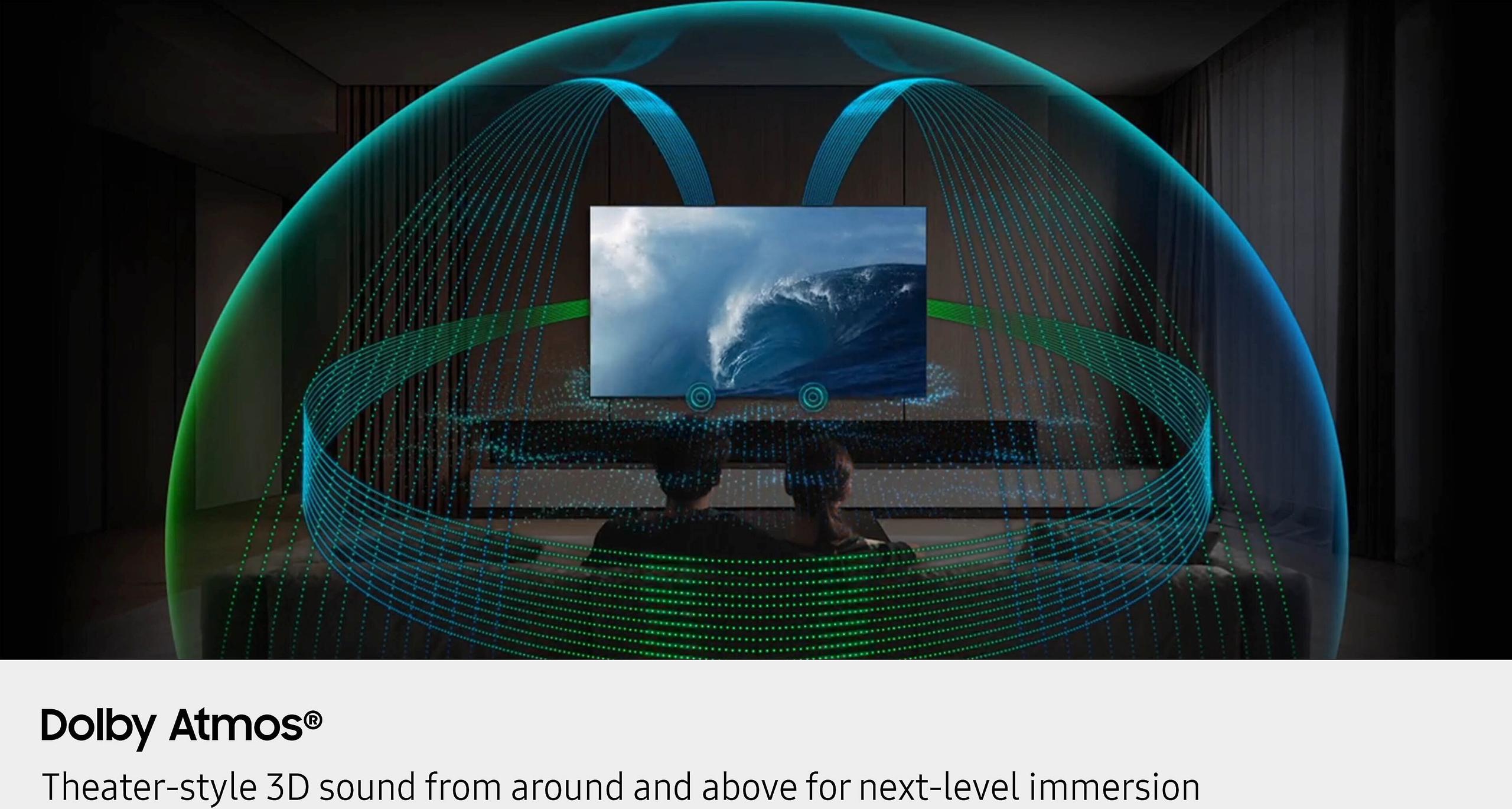
The S90D also pairs beautifully with quality sound systems. Since the TV itself can disappear visually in dark scenes, it doesn't compete with your audio setup for attention. The Real Depth Enhancer feature creates additional dimensional depth that complements surround sound systems perfectly.
However, if your "home theater" is actually a multi-purpose family room that sometimes needs to function with lights on, the QN80F Neo QLED provides more flexibility. Its superior bright-room performance means you can enjoy reference-quality picture during daytime viewing or when lights need to stay on for other activities.
At the time of writing, the Samsung S90D OLED offers exceptional value for premium display technology. You're getting OLED's signature perfect blacks, excellent gaming performance, and solid smart features at a price point that makes high-end display technology accessible. For most buyers seeking the best picture quality per dollar, this represents compelling value.
The Samsung QN80F Neo QLED commands a premium for cutting-edge 2025 technology, enhanced AI features, and superior bright-room performance. The question becomes whether these advantages justify the significant price difference for your specific situation.
Choose the Samsung S90D OLED if:
Choose the Samsung QN80F Neo QLED if:
Both TVs represent excellent choices that will deliver years of exceptional entertainment. The S90D OLED maximizes picture quality and value for dedicated viewing environments, while the QN80F Neo QLED provides maximum versatility and future-proofing for users willing to invest in the latest technology.
The decision ultimately comes down to your room's lighting conditions, viewing priorities, and whether the latest 2025 features justify the price premium. Either choice will provide a significant upgrade over older TV technology and deliver the premium viewing experience these price tiers promise.
| Samsung 65" QN80F Neo QLED 4K TV | Samsung 65" OLED S90D TV |
|---|---|
| Display Technology - The fundamental difference affecting picture quality and performance | |
| Neo QLED with Mini LED backlighting and quantum dots | OLED with self-emitting pixels |
| Black Level Performance - Critical for contrast and dark scene detail | |
| Very deep blacks with minimal light bleed from mini-LED zones | Perfect blacks with pixels that turn completely off |
| Peak Brightness - Essential for HDR impact and bright room viewing | |
| Higher peak brightness with Quantum Matrix Technology | Good brightness but limited by OLED panel constraints |
| Bright Room Performance - How well it handles ambient light and reflections | |
| Excellent with new glare-free technology and higher brightness | Good but blacks may appear gray in bright conditions |
| Gaming Refresh Rate - Important for smooth gaming performance | |
| Motion Xcelerator 144Hz (up to 144fps support) | Motion Xcelerator Turbo+ (120Hz with ultra-smooth motion) |
| Release Year - Indicates latest features and technology generation | |
| 2025 model with cutting-edge processing and AI features | 2024 model with proven, stable technology |
| Smart TV Features - Additional functionality beyond basic viewing | |
| Samsung Vision AI suite with Live Translate, Generative Wallpaper, advanced AI | Standard Tizen OS with NQ4 AI Gen2 Processor |
| Panel Consistency - Reliability of getting the same quality across units | |
| Consistent Mini LED performance across all units | Panel lottery (may receive QD-OLED or WOLED variants) |
| Burn-in Risk - Long-term reliability concern for static content | |
| No burn-in risk with LED technology | Minimal risk with modern protection, but theoretically possible |
| HDR Performance - How well it displays high dynamic range content | |
| Excellent with higher peak brightness for bright highlights | Great with OLED HDR+ but limited peak brightness |
| Color Accuracy - Important for realistic and vibrant colors | |
| Enhanced quantum dot color volume at high brightness | Pantone-validated colors with perfect black contrast |
| Motion Handling - Critical for sports and fast-paced content | |
| AI Motion Enhancer Pro with mini-LED precision | Instantaneous OLED pixel response with no blur |
| Value Positioning - Price-to-performance relationship at time of writing | |
| Premium pricing for latest 2025 technology and features | Exceptional value for OLED technology and performance |
The Samsung 65" OLED S90D TV is significantly better for dark room viewing thanks to its perfect black levels. OLED pixels turn completely off when displaying black, creating infinite contrast that makes dark scenes more immersive and cinematic. The Samsung 65" QN80F Neo QLED 4K TV produces very deep blacks but can't match OLED's perfect darkness.
The Samsung 65" QN80F Neo QLED 4K TV excels in bright rooms with its higher peak brightness and new glare-free technology that reduces reflections. The Samsung 65" OLED S90D TV can struggle in bright environments where ambient light makes the blacks appear gray rather than true black.
Both TVs are excellent for gaming with full HDMI 2.1 support, but they serve different needs. The Samsung 65" QN80F Neo QLED 4K TV supports up to 144Hz refresh rates, making it ideal for PC gaming. The Samsung 65" OLED S90D TV offers instantaneous pixel response and 120Hz gaming with zero motion blur, perfect for console gaming.
The Samsung 65" OLED S90D TV uses self-emitting OLED pixels that create their own light, while the Samsung 65" QN80F Neo QLED 4K TV uses thousands of mini-LED backlights behind a quantum dot layer. This fundamental difference affects how each TV handles blacks, brightness, and overall picture quality.
The Samsung 65" OLED S90D TV typically offers better value as a 2024 model with premium OLED technology at a more accessible price point. The Samsung 65" QN80F Neo QLED 4K TV commands a premium for its 2025 technology and advanced AI features, making value dependent on whether you need these latest capabilities.
The Samsung 65" OLED S90D TV has a minimal risk of burn-in with static content, though modern OLED panels include extensive protection features. The Samsung 65" QN80F Neo QLED 4K TV has zero burn-in risk since it uses LED backlighting technology, making it worry-free for extended gaming or static content display.
Both excel at HDR but differently. The Samsung 65" QN80F Neo QLED 4K TV delivers more impactful bright highlights with higher peak brightness, while the Samsung 65" OLED S90D TV provides superior contrast with perfect blacks that make colors appear more vibrant and realistic.
The Samsung 65" QN80F Neo QLED 4K TV includes Samsung's Vision AI suite with features like Live Translate and Generative Wallpaper as a 2025 model. The Samsung 65" OLED S90D TV offers standard Tizen OS functionality with the same core NQ4 AI processor but without the advanced AI features.
The Samsung 65" OLED S90D TV is generally preferred for dedicated home theaters due to its perfect blacks and cinematic picture quality in controlled lighting. However, if your home theater has ambient light issues, the Samsung 65" QN80F Neo QLED 4K TV might be more practical with its superior bright room performance.
The Samsung 65" OLED S90D TV offers instantaneous pixel response with zero motion blur, ideal for fast sports and action content. The Samsung 65" QN80F Neo QLED 4K TV uses AI Motion Enhancer Pro with higher refresh rate support, providing smooth motion through advanced processing rather than pixel speed.
The Samsung 65" QN80F Neo QLED 4K TV typically offers better longevity with no burn-in risk and consistent brightness over time. The Samsung 65" OLED S90D TV may experience gradual brightness decline over many years, though both TVs should provide excellent performance for 5-10 years with normal use.
Choose the Samsung 65" OLED S90D TV if you can control lighting and prioritize picture quality and value. Select the Samsung 65" QN80F Neo QLED 4K TV if you have a bright room, want the latest 2025 features, or prefer consistent performance regardless of lighting conditions.
We've done our best to create useful and informative comparisons to help you decide what product to buy. Our research uses advanced automated methods to create this comparison and perfection is not possible - please contact us for corrections or questions. These are the sites we've researched in the creation of this article: samsung.com - theshortcut.com - youtube.com - bestbuy.com - rtings.com - samsung.com - samsung.com - samsung.com - sargentappliance.com - displayspecifications.com - bestbuy.com - bestbuy.com - valueelectronics.com - youtube.com - cnet.com - bestbuy.com - videoandaudiocenter.com - youtube.com - samsung.com - samsung.com - pcrichard.com - samsung.com

Privacy Policy
Terms and Conditions - Affiliate Policy
Home Security
© Copyright 2008-2026.
11816 Inwood Rd #1211, Dallas, TX 75244