

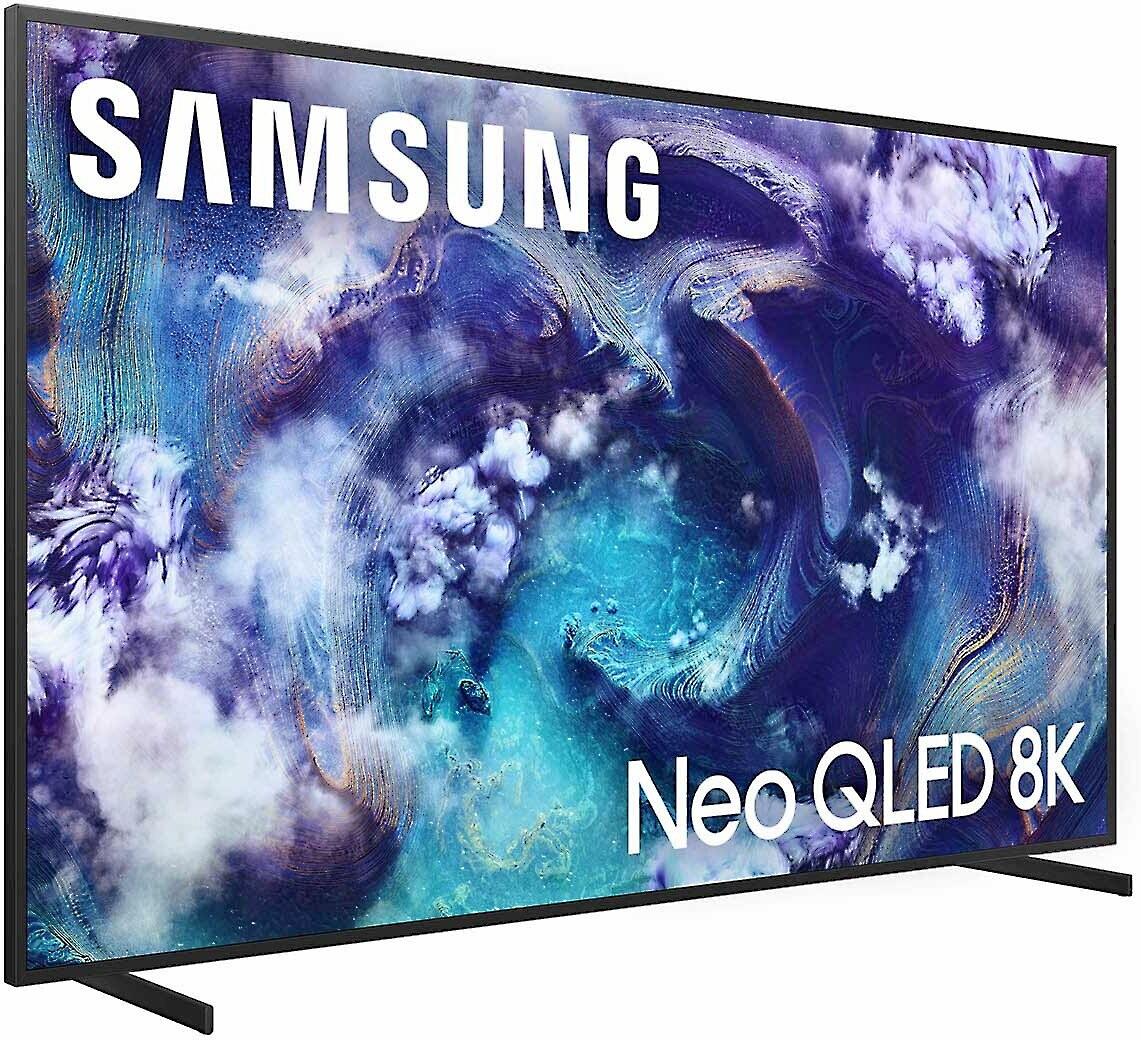
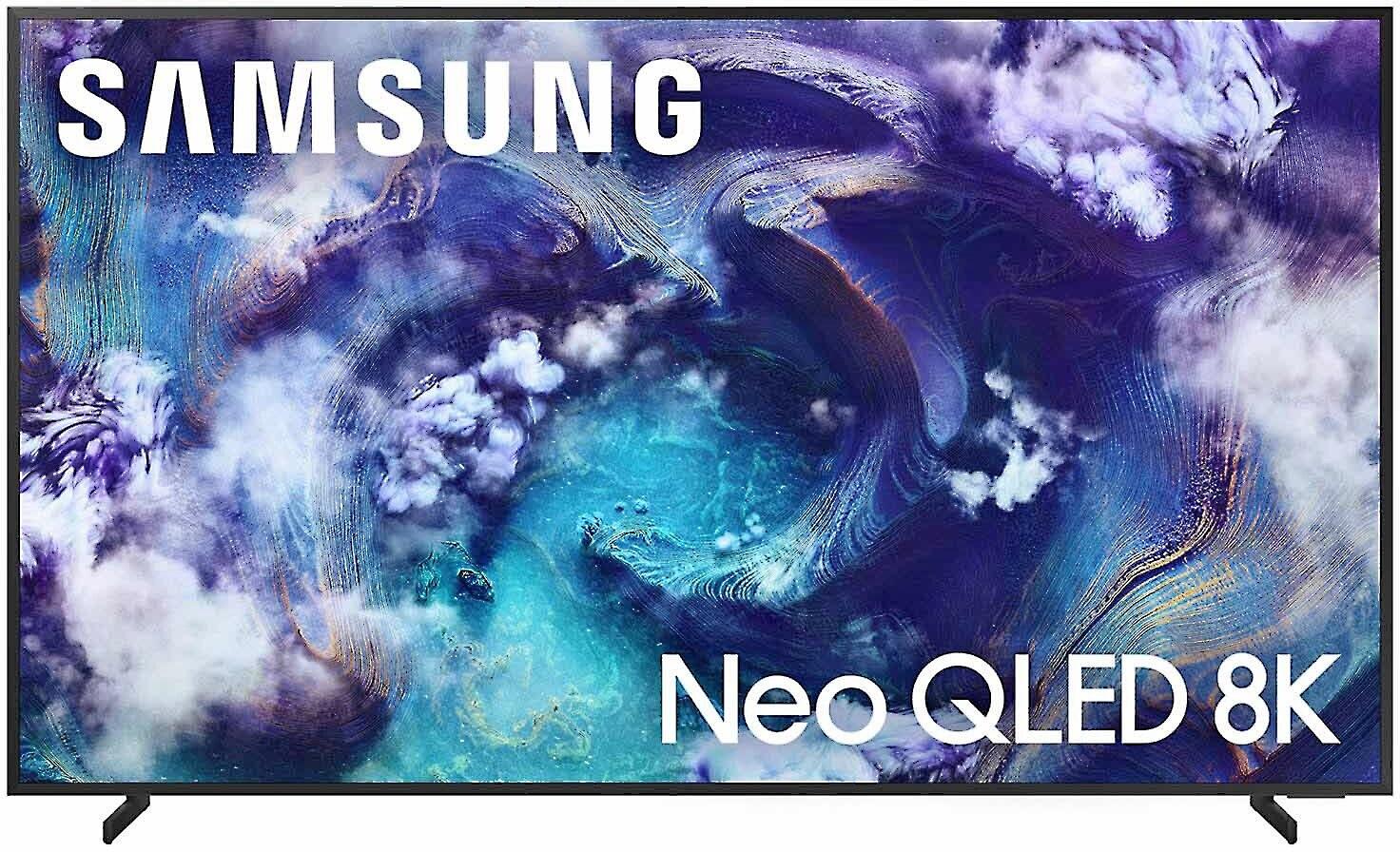
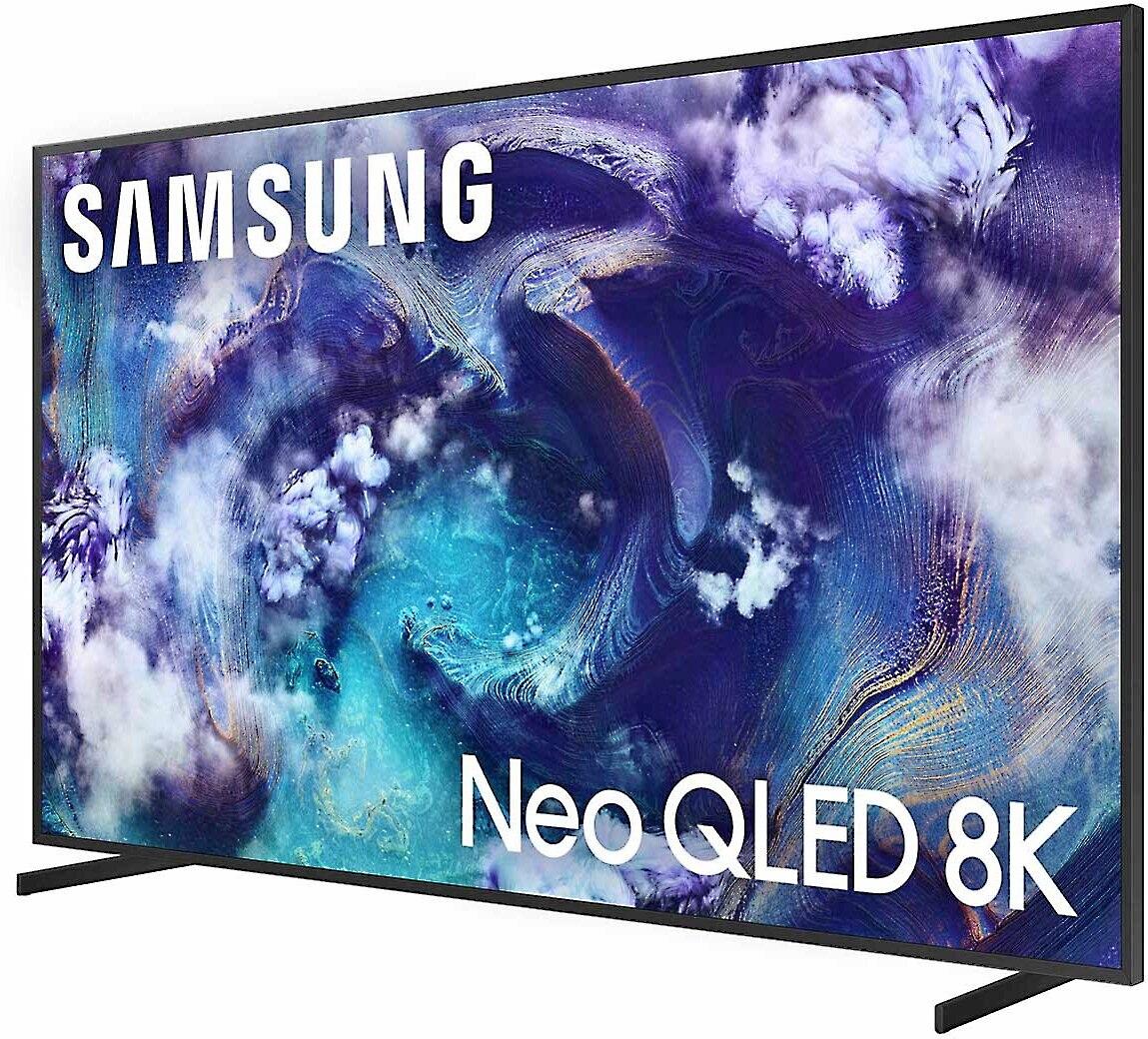

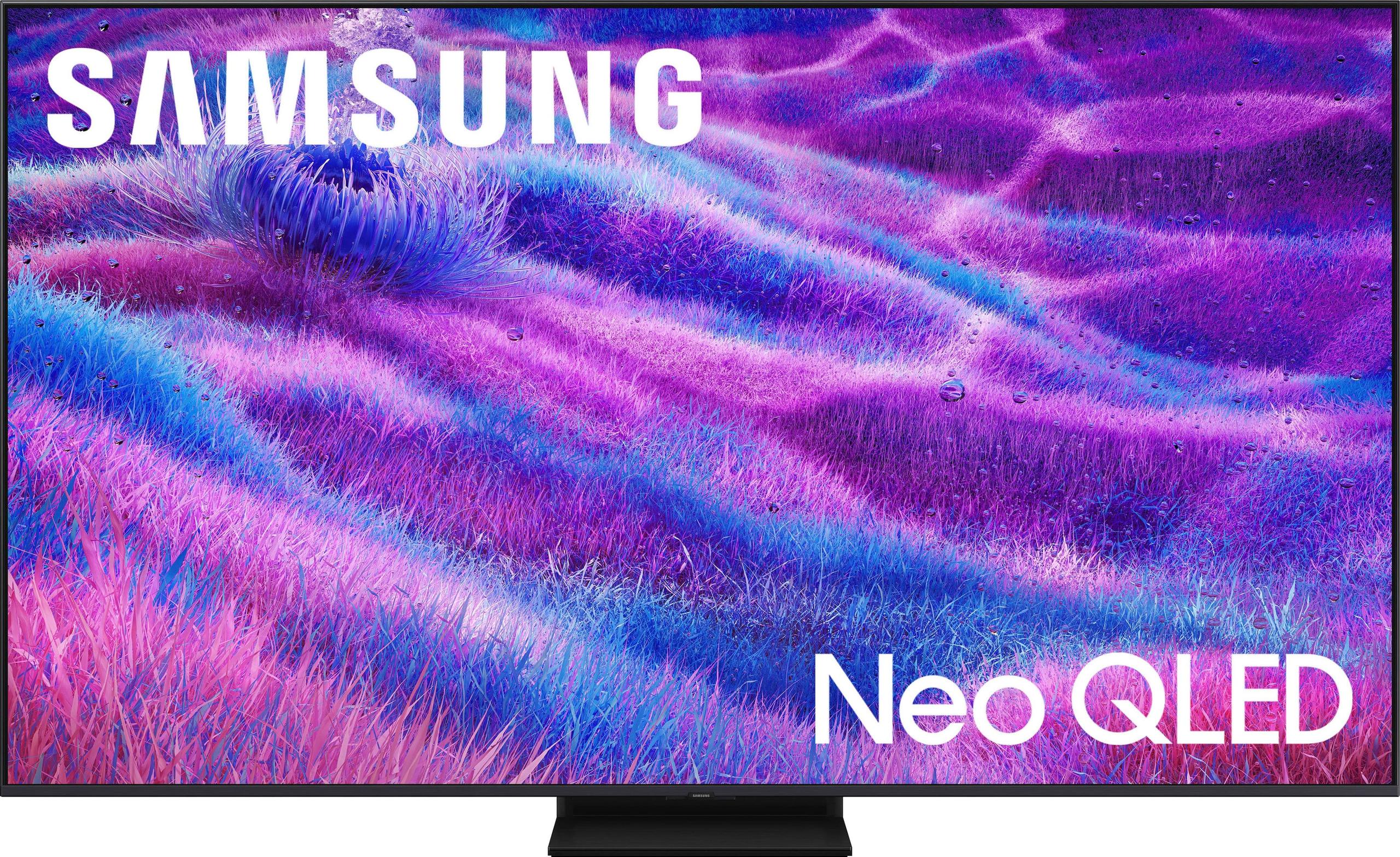
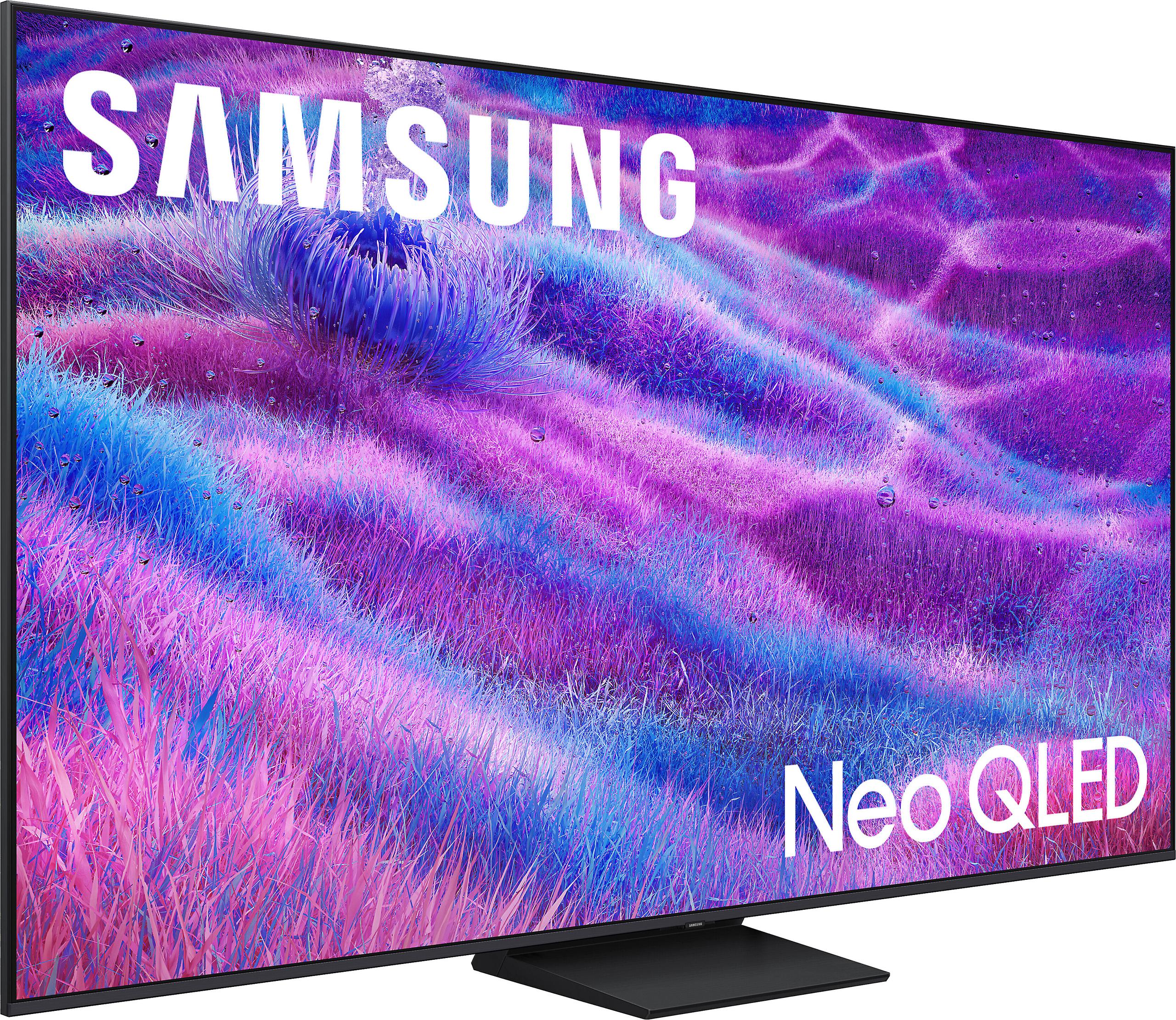

Samsung released both the QN900F 8K and QN80F 4K as part of their 2025 Neo QLED lineup, representing significant improvements in processing power and AI capabilities over previous generations. These TVs showcase Samsung's Mini LED technology, which uses thousands of tiny LEDs behind the screen to create precise lighting control – think of it as having individual dimmer switches for different parts of your screen instead of one big light for the whole thing.
The fundamental question isn't just about 4K versus 8K resolution. It's about understanding what you actually get for nearly double the price, and whether those differences matter for how you watch TV. After diving deep into professional reviews, user feedback, and technical specifications, the answer is more nuanced than the marketing materials suggest.
Both TVs use Samsung's Neo QLED technology, which combines quantum dots (microscopic particles that produce pure colors) with Mini LED backlighting. This isn't just marketing speak – it delivers genuinely impressive results. The quantum dots ensure colors stay vibrant at any brightness level, while the Mini LEDs provide much better contrast than traditional LED TVs by dimming specific zones of the screen independently.
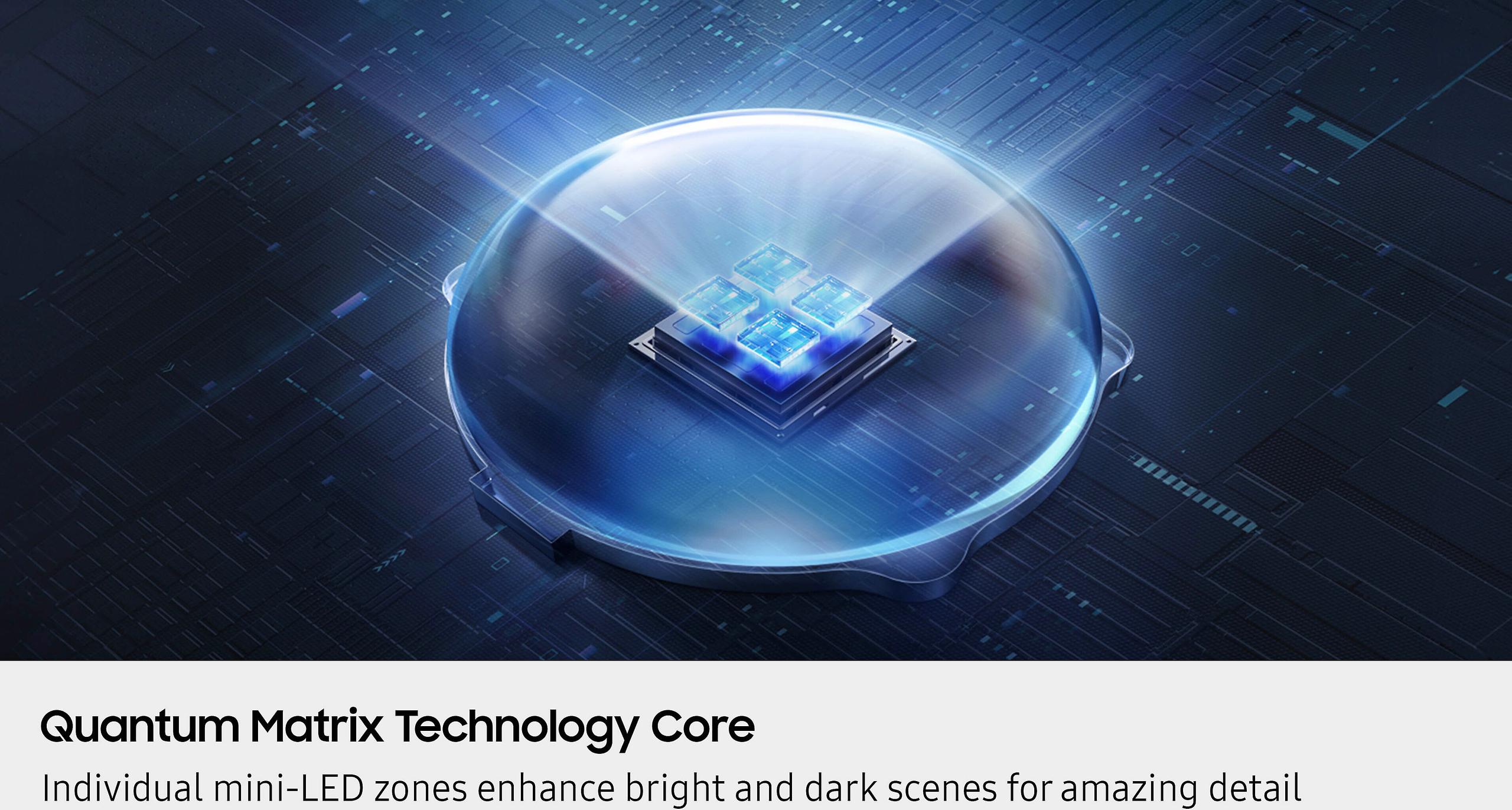
The key difference lies in implementation sophistication. The QN900F uses Quantum Matrix Technology Pro, which offers more precise control over these lighting zones compared to the QN80F's Quantum Matrix Technology Core. In practical terms, this means the 8K model can make dark scenes look darker while keeping bright areas bright – without the "blooming" effect where light bleeds from bright objects into dark areas.
What's particularly interesting is how both models handle HDR (High Dynamic Range) content. HDR essentially gives TVs instructions about how bright and dark different parts of an image should be, creating more realistic contrast. The QN900F supports Neo Quantum HDR 8K+, while the QN80F uses standard Neo Quantum HDR. The practical difference? The 8K model can display a wider range of brightness levels, making everything from sunset scenes to dark movie theaters look more lifelike.
Here's where things get complicated. The QN900F delivers true 8K resolution – that's 7,680 by 4,320 pixels, or four times more detail than 4K. Sounds impressive, but there's virtually no native 8K content available to consumers. Netflix, Disney+, and other streaming services max out at 4K, and even most movie theaters use 4K projectors.
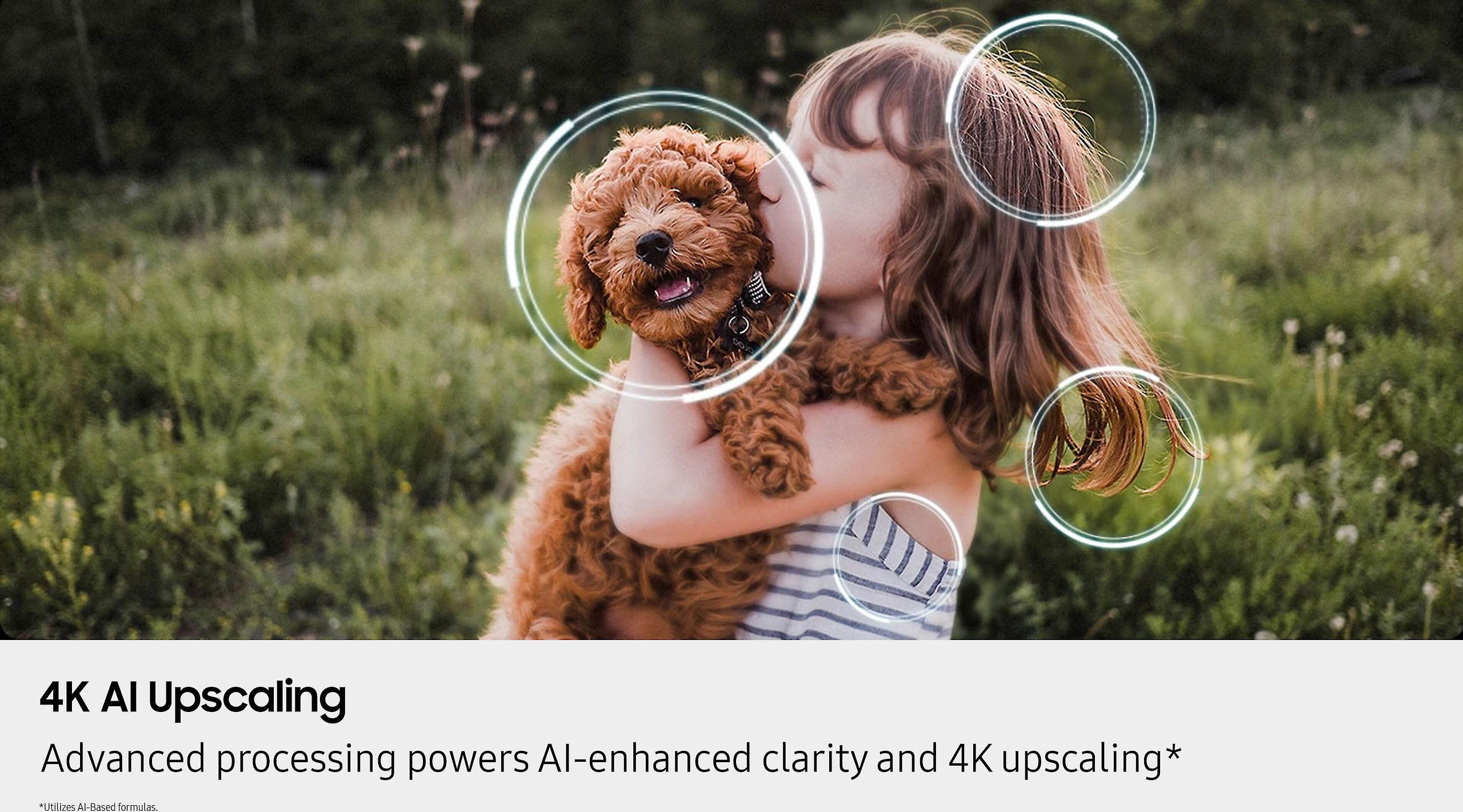
However, dismissing 8K entirely misses the point. The real magic happens with Samsung's NQ8 AI Gen2 processor in the QN900F. This chip doesn't just upscale content – it uses machine learning to analyze each frame and intelligently add detail. Based on our research into professional reviews, this upscaling is genuinely impressive, especially with compressed streaming content that often looks soft on other TVs.
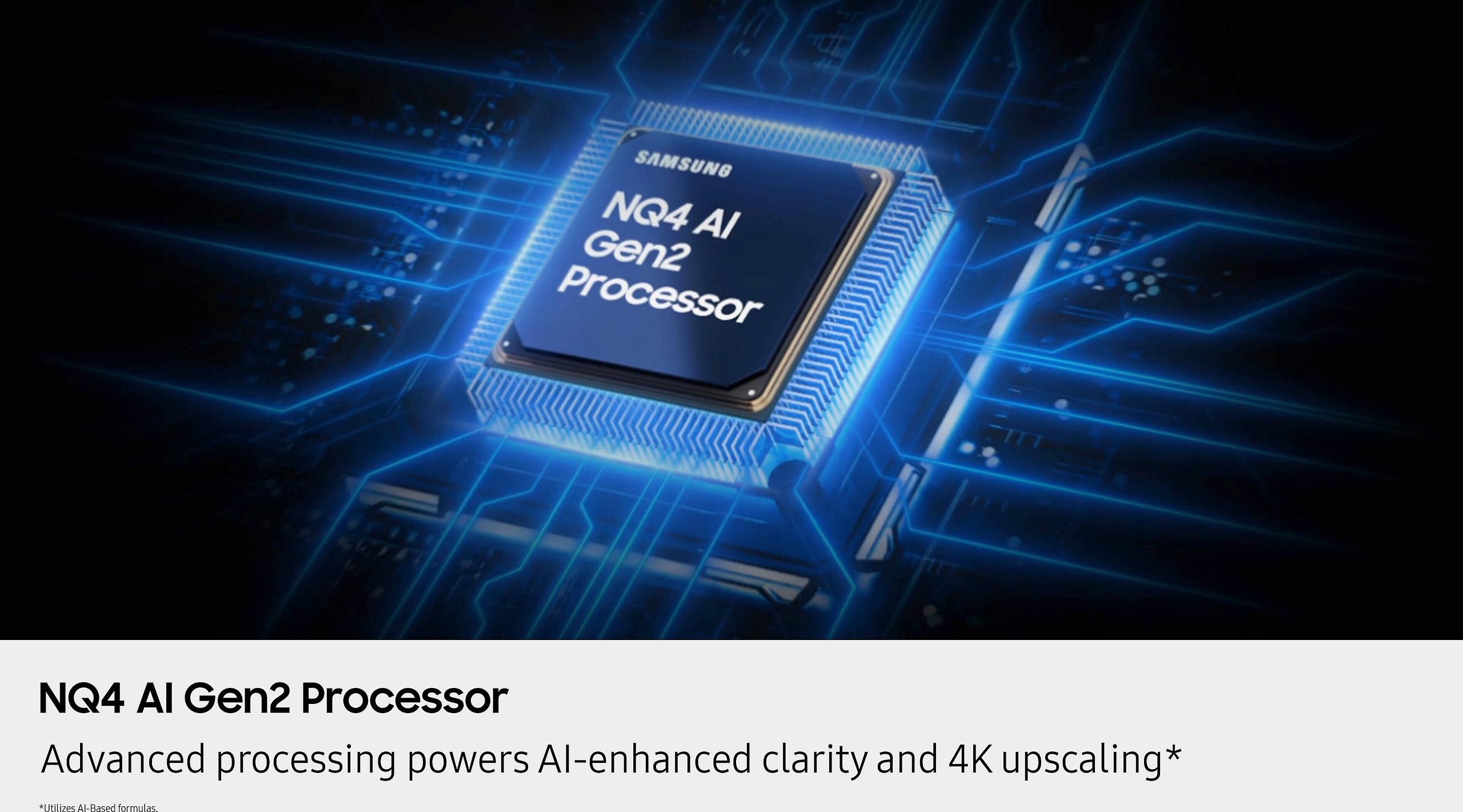
The QN80F uses the NQ4 AI Gen2 processor, which is no slouch for 4K upscaling but lacks the computational power to work the same magic. For most current content, the difference is noticeable but not always transformative. Where the 8K model really shines is with older TV shows, heavily compressed streaming content, or lower-quality sources – it makes them look surprisingly sharp and detailed.
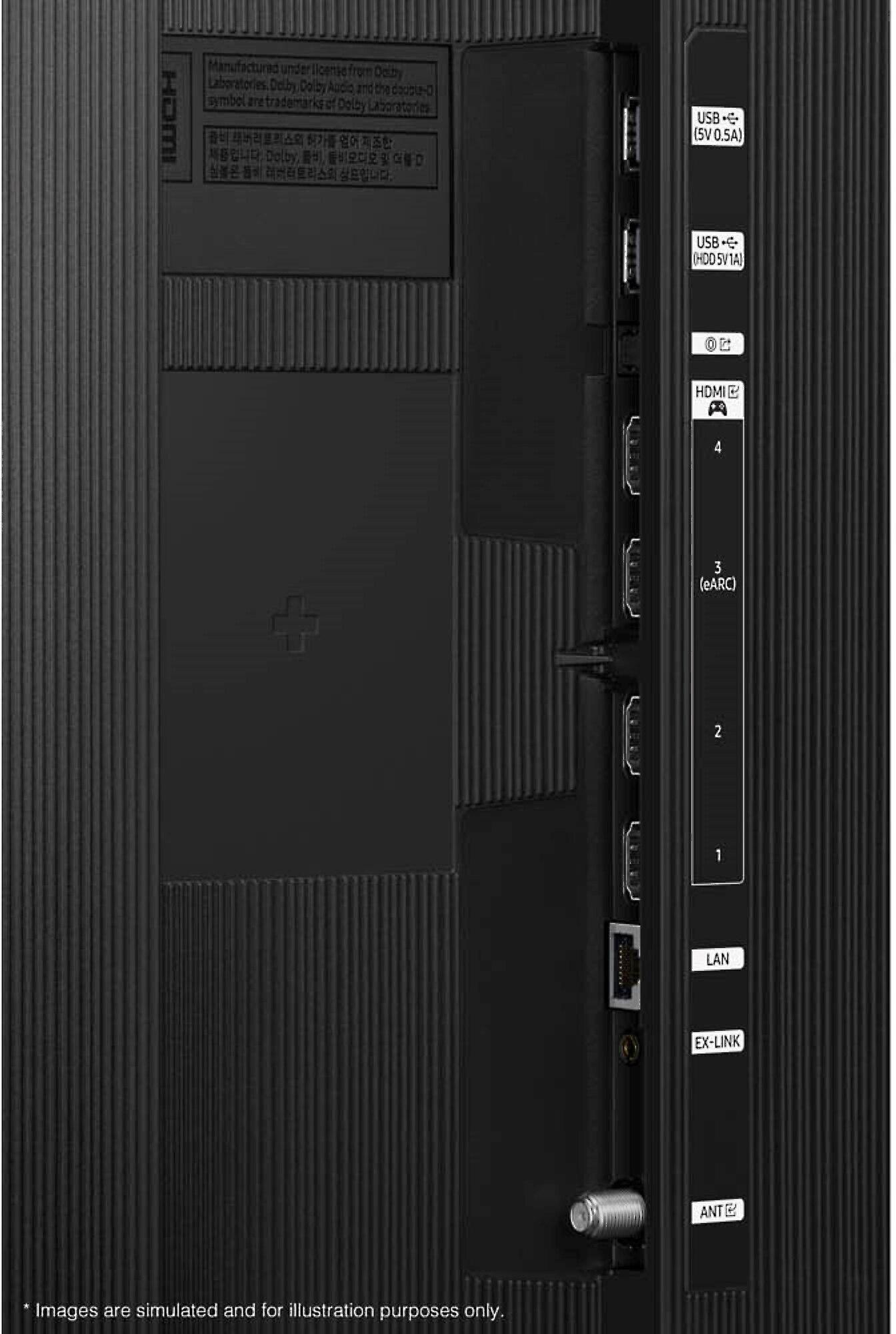
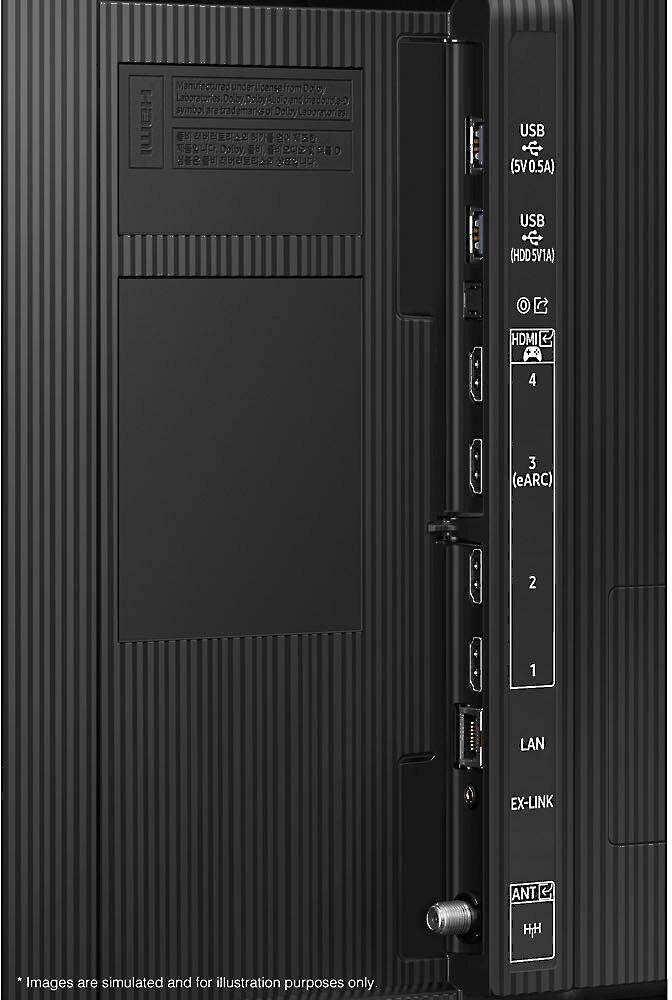
Gaming reveals interesting trade-offs between these models. The QN80F supports 4K gaming at up to 144Hz refresh rate across all four HDMI 2.1 ports, which means incredibly smooth motion for fast-paced games. The QN900F focuses on 8K gaming at 120Hz, which is still excellent but represents a different priority.
Both TVs include Variable Refresh Rate (VRR) technology, which syncs the display's refresh rate with your gaming console or PC to eliminate screen tearing – those horizontal lines that appear when frame rates don't match. Auto Low Latency Mode (ALLM) automatically switches to game mode when it detects gaming content, reducing input lag to around 10 milliseconds on both models.
For serious gamers, the choice depends on your setup. If you're using a PlayStation 5 or Xbox Series X, which output 4K at up to 120Hz, the QN80F actually offers higher refresh rates than current consoles can utilize. PC gamers with high-end graphics cards might appreciate the QN900F's 8K capability, though running games at 8K requires serious hardware.
The QN900F includes Object Tracking Sound Plus (OTS+), which moves audio around the screen to match on-screen action – particularly effective in games where directional audio matters. The QN80F has OTS Lite, which is less sophisticated but still creates a wider soundstage than traditional TV speakers.
One of the most significant practical differences is the QN900F's exclusive matte anti-reflective coating. This isn't just a minor feature – it fundamentally changes how the TV performs in different environments. Traditional TVs, including the QN80F, can become unwatchable in bright rooms due to mirror-like reflections.
The matte coating on the QN900F nearly eliminates these reflections, making it genuinely usable in rooms with lots of windows or bright lighting. However, this coating comes with a trade-off: blacks don't look quite as deep in dark rooms compared to glossy screens. It's a classic engineering compromise – better performance in challenging conditions at the cost of absolute peak performance in ideal conditions.
For most people, this trade-off favors the anti-glare coating. Unless you have a dedicated home theater with controlled lighting, the ability to watch TV comfortably regardless of room brightness is more valuable than slightly deeper blacks in darkness.
The processing difference between these models is substantial. The QN900F's NQ8 processor uses 256 neural networks – essentially AI systems – to analyze and optimize every frame in real-time. It can recognize different types of content (sports, movies, news) and adjust settings accordingly.
This processing power enables features like AI Motion Enhancer Pro, which smooths motion without creating the "soap opera effect" that makes movies look like they were shot on video. The QN80F includes similar features but with less sophisticated algorithms due to its NQ4 processor.
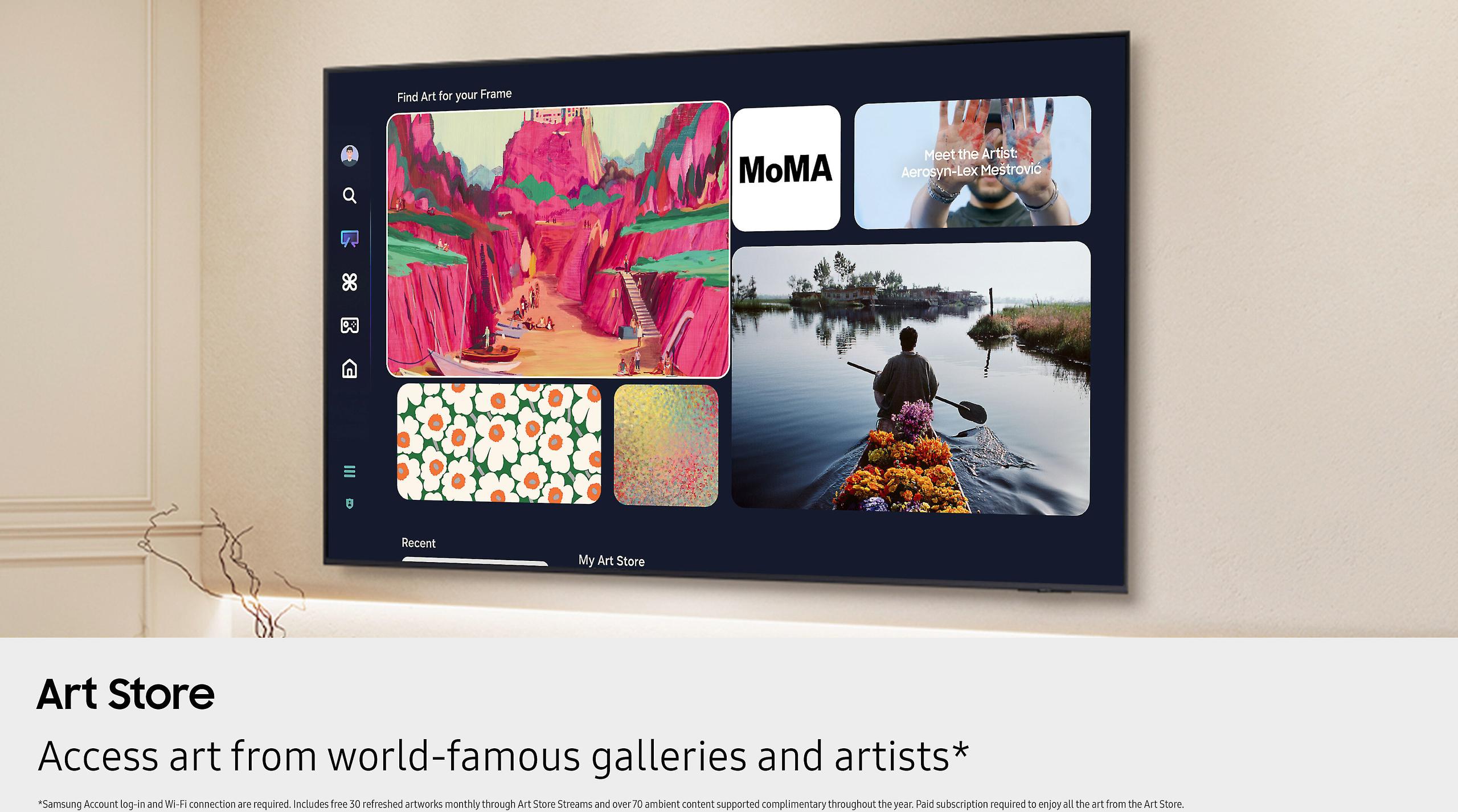
Both models run Samsung's Vision AI platform on Tizen OS, which has evolved significantly since its early days. The interface is now intuitive and responsive, with useful features like Live Translate for international content and Generative Wallpaper, which creates AI-generated background images based on your preferences.
Voice control through Bixby has improved dramatically, now handling multiple commands in sequence and understanding context better. You can say something like "turn down the volume and switch to Netflix" without pausing between commands.
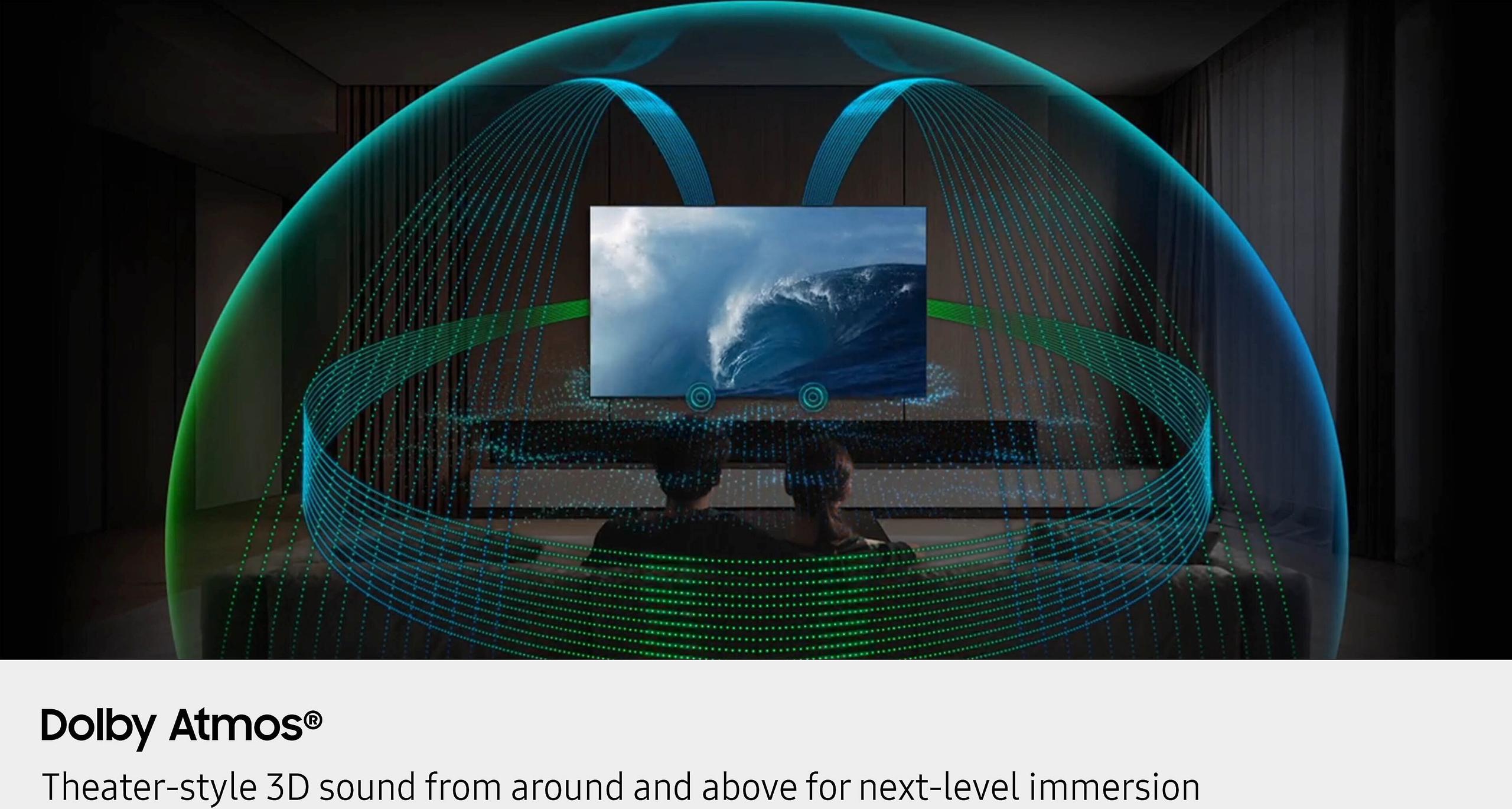
Both TVs include surprisingly capable audio systems for flat-panel displays. The QN900F features a 4.2.2-channel system with dedicated top-firing speakers for Dolby Atmos effects, while the QN80F uses a more conventional setup but still supports Dolby Atmos processing.
For most viewers, these built-in speakers provide adequate sound quality for casual viewing. However, if you're building a serious home theater setup, you'll likely want to add a soundbar or separate audio system. The QN900F's adjustable dual feet make soundbar placement easier compared to the QN80F's center pedestal design.
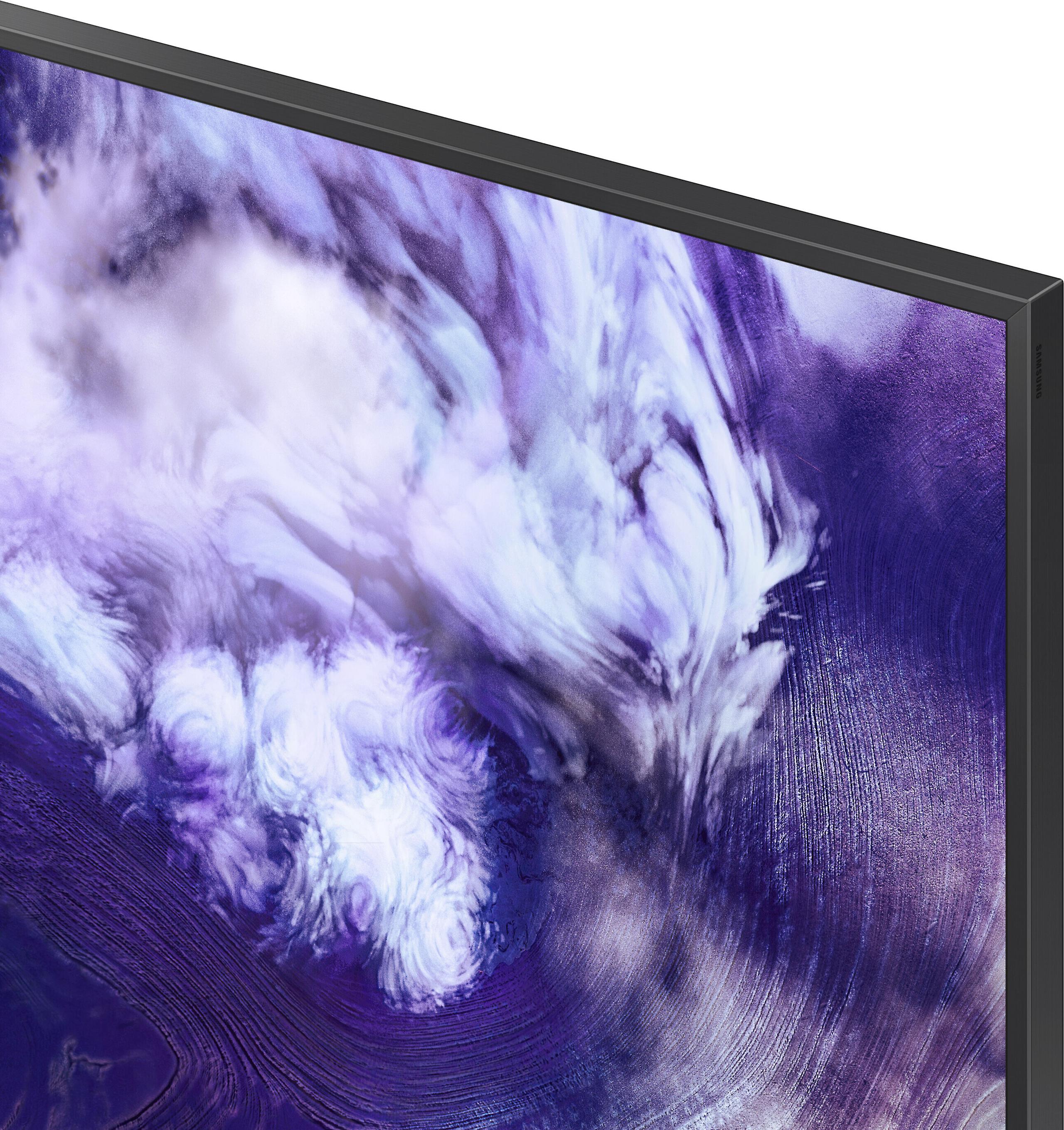
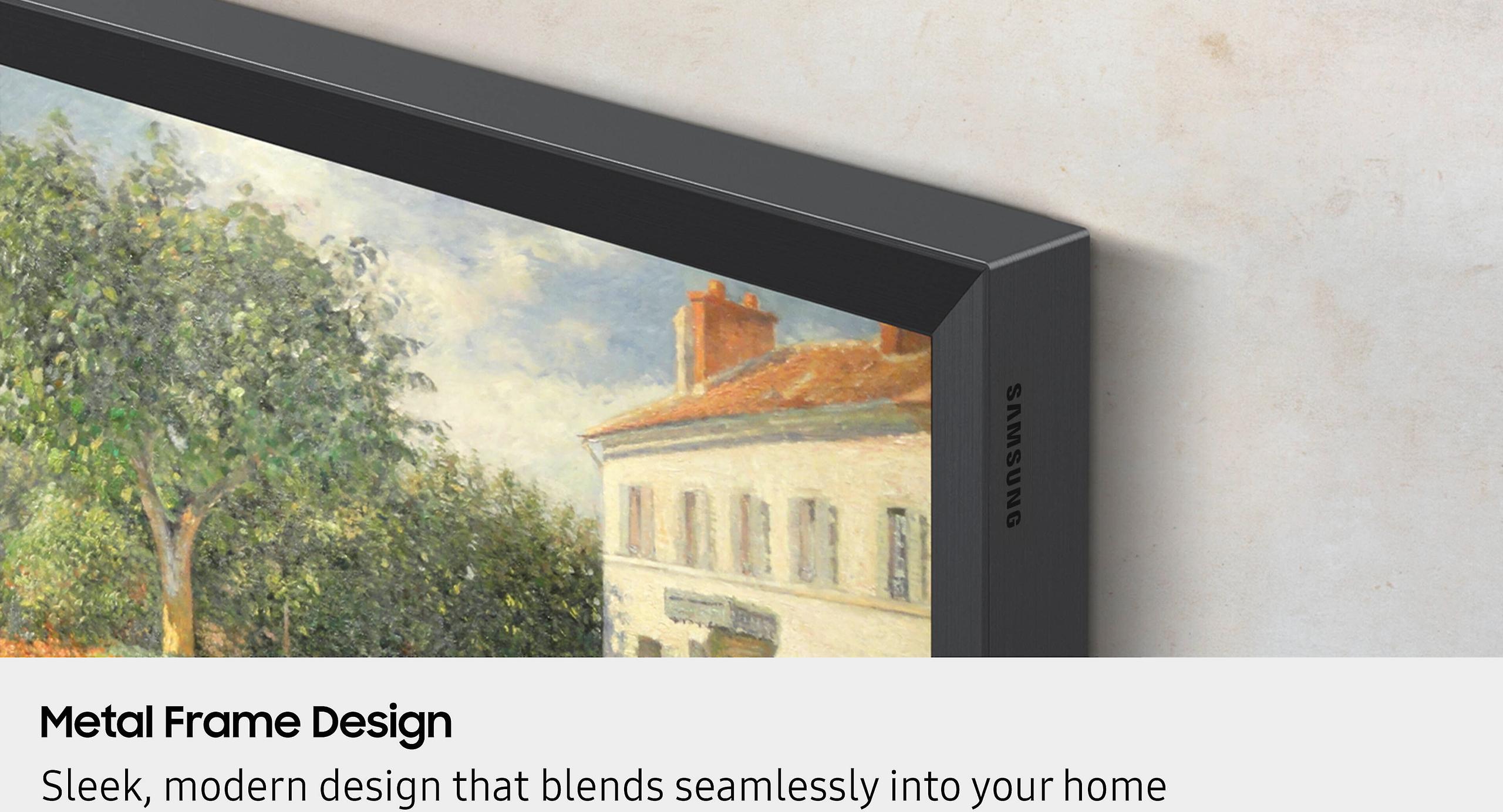
The QN900F uses Samsung's Metal Frame Design, which not only looks more premium but also provides better structural rigidity. The nearly bezel-less design makes the screen appear to float, creating an impressive visual impact whether wall-mounted or on a stand.
The QN80F uses Samsung's Simple Chamfer design, which is clean and modern but clearly more utilitarian. Both TVs are well-built, but the 8K model feels more substantial and premium in person.
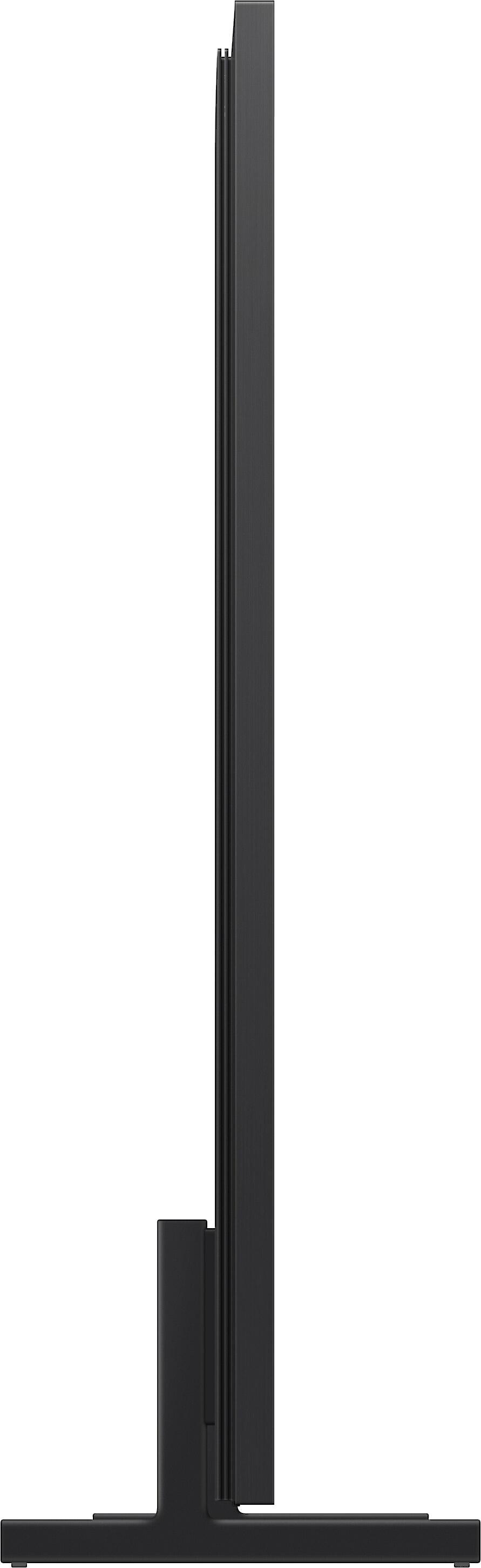
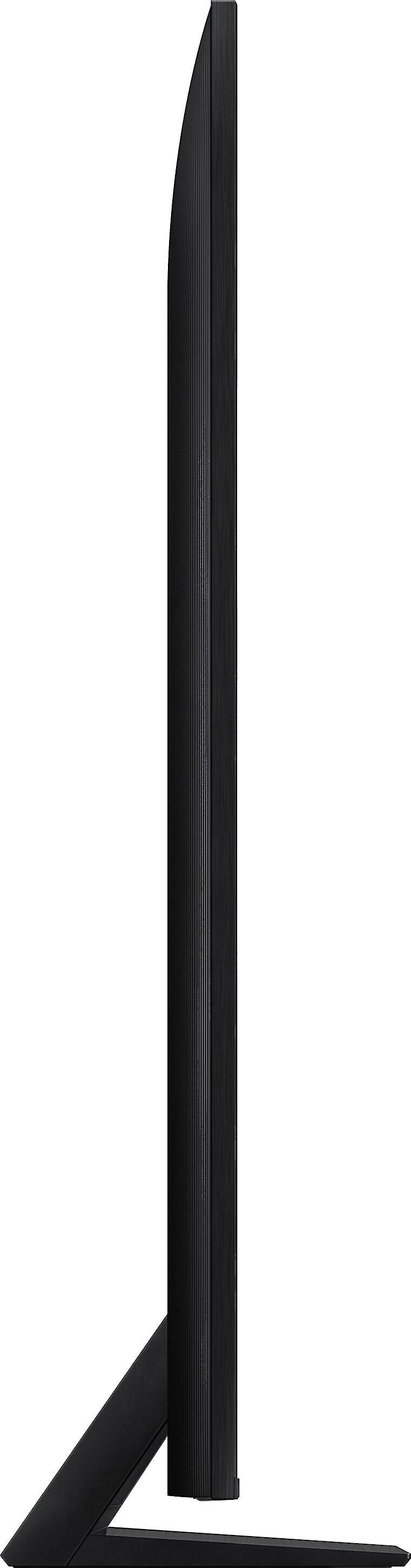
For wall mounting, both TVs work well, though the QN900F's thinner profile and premium materials make it look more like a piece of art on the wall.
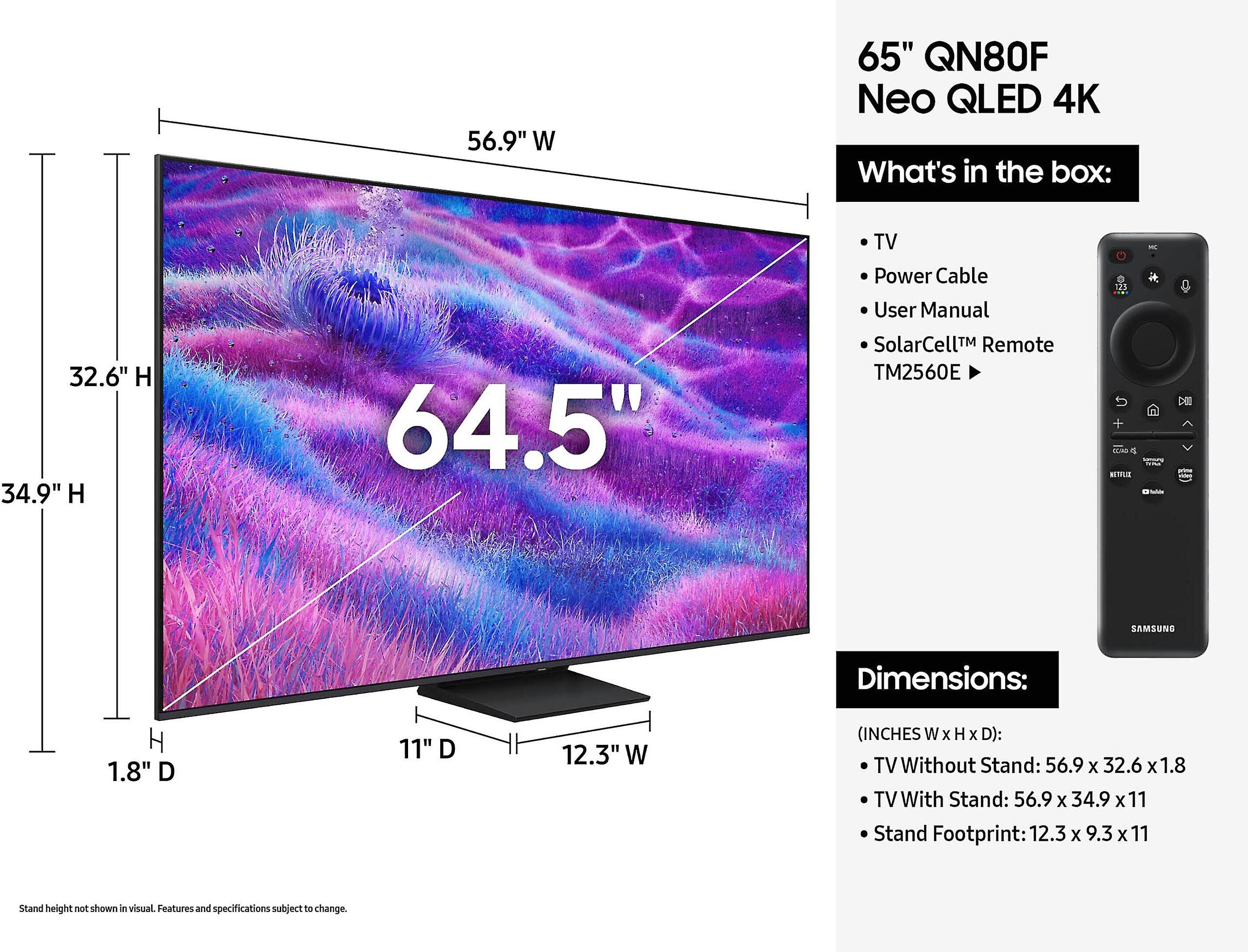
At the time of writing, the QN900F costs roughly double the price of the QN80F, which raises important questions about value. The 8K model delivers genuinely superior performance in several key areas: upscaling quality, anti-glare technology, processing power, and premium design. However, these improvements come at a significant premium.
The QN80F represents what many consider the sweet spot in Samsung's 2025 lineup. It delivers excellent 4K performance, strong gaming capabilities, and solid smart features at a more accessible price point. For most people watching mostly 4K and HD content, it provides 80% of the QN900F's performance at less than half the cost.
The 8K model makes more sense if you have specific needs: a very bright viewing room where anti-glare technology matters, a preference for the absolute best upscaling of lower-quality content, or simply wanting the most advanced display technology available.
For dedicated home theater setups with controlled lighting, the QN80F often makes more sense. Its glossy screen delivers deeper blacks in dark environments, and the money saved can go toward better audio equipment or seating.
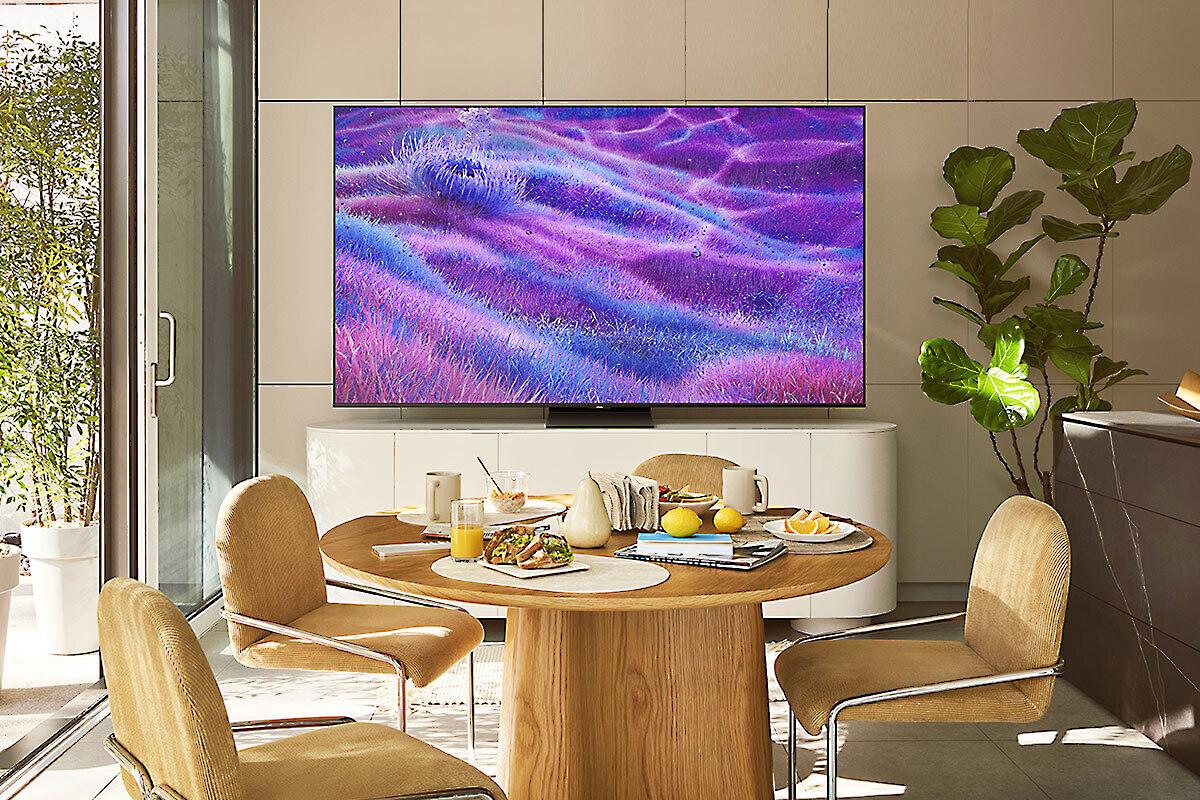
However, if your "home theater" is really a multi-purpose living room with lots of ambient light, the QN900F's anti-glare coating becomes incredibly valuable. There's no point having perfect blacks if you can't see them due to window reflections.
Screen size considerations also matter. At 65 inches, the resolution difference between 4K and 8K becomes more apparent than it would on smaller screens. If you sit relatively close to your TV – closer than 8 feet – the extra detail from 8K upscaling becomes more noticeable.
The choice ultimately comes down to your specific situation and priorities. Choose the QN900F 8K if you have a bright viewing room, want the absolute best upscaling performance, value premium design, and budget allows for the higher cost. It's the better choice for tech enthusiasts who want cutting-edge display technology and don't mind paying for it.
Choose the QN80F 4K if you primarily watch in darker environments, want excellent gaming performance with higher refresh rates, prefer to invest savings elsewhere in your setup, or simply want strong performance without premium pricing. It's the smarter choice for most people who want excellent picture quality without paying for features they might not fully utilize.
Both TVs represent significant improvements over Samsung's previous generations, with better processing, more sophisticated AI features, and refined smart TV platforms. The QN80F offers exceptional value and performance that will satisfy most viewers, while the QN900F pushes boundaries for those who want the absolute best available technology.
The decision isn't really about 4K versus 8K – it's about matching premium features to your actual needs and viewing environment. Either choice will deliver an excellent viewing experience that represents the current state of LCD display technology.
| Samsung 65" Neo QLED 8K QN900F Vision AI Smart TV 2025 | Samsung 65" QN80F Neo QLED 4K TV |
|---|---|
| Resolution - Future-proofing vs current content optimization | |
| 8K (7680 x 4320) with advanced AI upscaling | 4K (3840 x 2160) with optimized 4K processing |
| Processor - Determines upscaling quality and AI features | |
| NQ8 AI Gen2 (premium processing power) | NQ4 AI Gen2 (solid 4K optimization) |
| Anti-Reflective Technology - Critical for bright room viewing | |
| Matte anti-glare coating eliminates reflections | Standard glossy screen (can reflect room lighting) |
| Display Technology - Contrast and brightness control | |
| Quantum Matrix Technology Pro (more precise zones) | Quantum Matrix Technology Core (excellent but less refined) |
| Gaming Performance - Refresh rates for smooth motion | |
| 8K at 120Hz with VRR support | 4K at 144Hz with VRR across all HDMI ports |
| HDR Support - Dynamic range for realistic contrast | |
| Neo Quantum HDR 8K+ (wider brightness range) | Neo Quantum HDR (excellent standard range) |
| Audio System - Built-in sound quality | |
| Object Tracking Sound Plus (OTS+) with spatial audio | OTS Lite with Dolby Atmos support |
| Design and Build - Premium materials and aesthetics | |
| Metal Frame Design with adjustable dual feet | Simple Chamfer design with center pedestal |
| Smart Features - AI capabilities and processing | |
| Advanced Vision AI with 256 neural networks | Vision AI with standard processing capabilities |
| Value Proposition - Performance per dollar consideration | |
| Premium pricing for cutting-edge features and 8K | Excellent 4K performance at competitive price point |
The Samsung QN900F 8K costs significantly more than the Samsung QN80F 4K, but whether it's worth it depends on your specific needs. The 8K model offers superior upscaling of all content, anti-glare technology for bright rooms, and premium build quality. However, the QN80F delivers excellent 4K performance at a much better value for most users who don't need the premium features.
The Samsung QN900F displays true 8K resolution (7680 x 4320 pixels) while the Samsung QN80F shows 4K resolution (3840 x 2160 pixels). The 8K model has four times more pixels, but since there's virtually no native 8K content available, the main benefit comes from advanced AI upscaling that makes lower-resolution content look sharper on the QN900F.
Both TVs excel for gaming, but they target different priorities. The Samsung QN80F supports 4K gaming at up to 144Hz refresh rate, which is higher than current gaming consoles can output. The Samsung QN900F focuses on 8K gaming at 120Hz. Both include VRR and low input lag, making either excellent for console or PC gaming.
The Samsung QN900F is specifically designed for bright rooms with its exclusive matte anti-reflective coating that eliminates mirror-like reflections. The Samsung QN80F has a standard glossy screen that can show distracting reflections in bright lighting. If you have a room with lots of ambient light, the QN900F provides a much better viewing experience.
The Samsung QN900F uses the more powerful NQ8 AI Gen2 processor, while the Samsung QN80F has the NQ4 AI Gen2 processor. The NQ8 offers superior upscaling capabilities, more advanced AI features, and better real-time picture optimization. For 4K content, the NQ4 in the QN80F performs excellently, but the NQ8 provides noticeably better results with lower-quality sources.
Both TVs have surprisingly capable built-in audio. The Samsung QN900F features Object Tracking Sound Plus with spatial audio, while the Samsung QN80F includes OTS Lite with Dolby Atmos support. For casual viewing, the built-in speakers work well, but serious home theater enthusiasts will still want to add a dedicated sound system to either model.
Both the Samsung QN900F and Samsung QN80F run the same Tizen OS with Vision AI features, including voice control and streaming app support. The main difference is processing power – the QN900F can handle more advanced AI features and real-time optimizations due to its more powerful NQ8 processor, but both offer excellent smart TV experiences.
Both use Samsung's Neo QLED technology with Mini LED backlighting, but the Samsung QN900F features Quantum Matrix Technology Pro for more precise lighting control compared to the QN80F's Quantum Matrix Technology Core. The 8K model also supports Neo Quantum HDR 8K+ for a wider brightness range. In practice, both deliver excellent picture quality, with the QN900F having an edge in upscaling and contrast precision.
For a dedicated home theater with controlled lighting, the Samsung QN80F often makes more sense due to its excellent 4K performance and better value, allowing you to invest more in audio equipment. However, if your home theater doubles as a living room with ambient light, the QN900F's anti-glare coating becomes invaluable for daytime viewing.
The Samsung QN80F offers 4K gaming at up to 144Hz across all HDMI 2.1 ports, which exceeds what current gaming consoles can output. The Samsung QN900F supports 8K gaming at 120Hz with VRR support. Both provide excellent gaming performance with low input lag, but the QN80F technically offers higher refresh rates for competitive gaming.
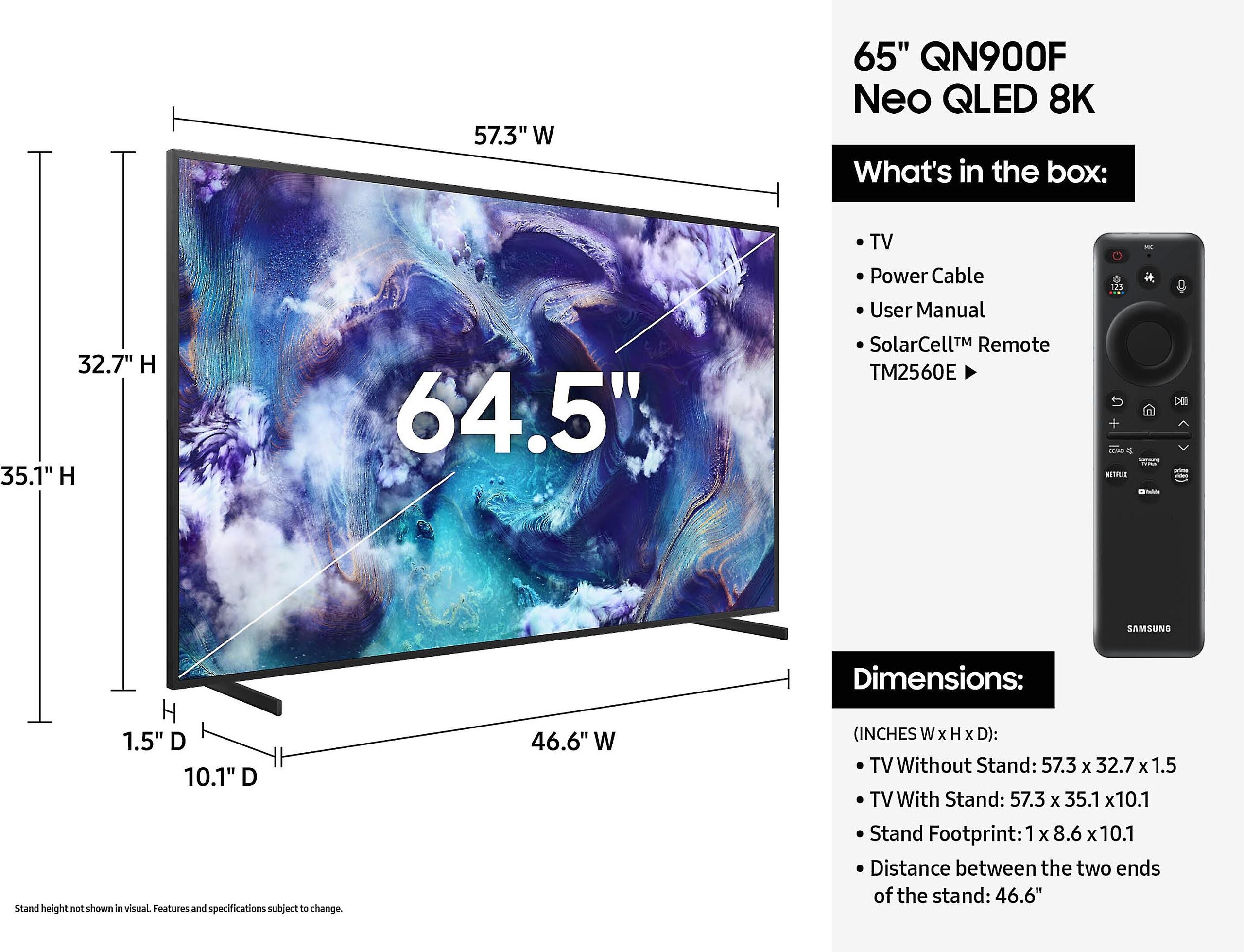
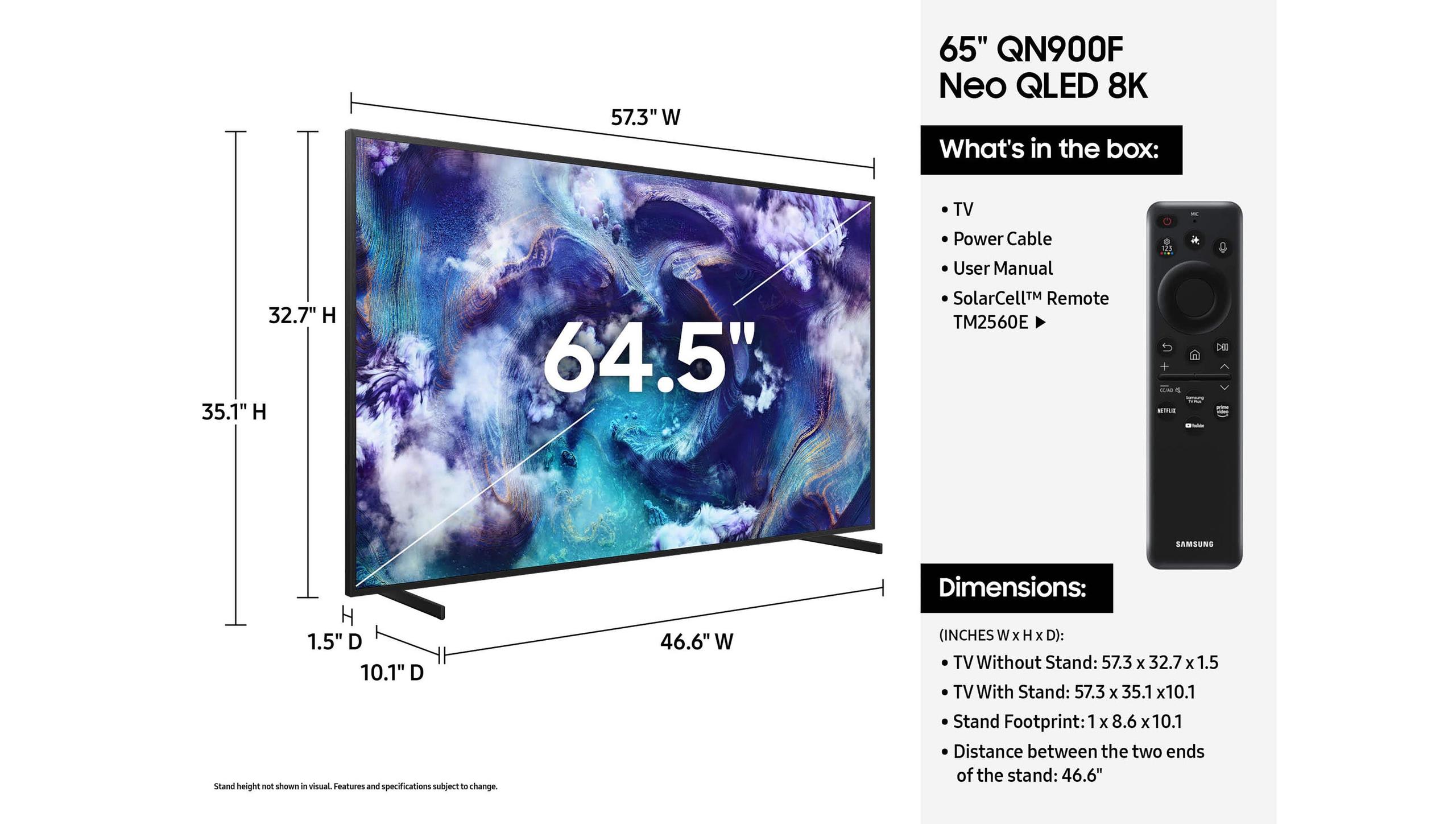
Both the Samsung QN900F and Samsung QN80F come with Samsung's standard 1-year warranty covering parts and labor. They also include the same accessories: user manual, power cable, and Samsung's BT SolarCell Remote that charges from ambient light. Support options and warranty terms are identical across Samsung's 2025 Neo QLED lineup.
The Samsung QN900F offers better future-proofing with 8K resolution and more advanced processing, potentially staying relevant longer as 8K content becomes available. However, the Samsung QN80F provides excellent current-generation performance at a much better price point. For most buyers, the 4K model offers superior value, while the 8K model appeals to early adopters wanting cutting-edge technology.
We've done our best to create useful and informative comparisons to help you decide what product to buy. Our research uses advanced automated methods to create this comparison and perfection is not possible - please contact us for corrections or questions. These are the sites we've researched in the creation of this article: rtings.com - samsung.com - techradar.com - dolby.com - youtube.com - samsung.com - youtube.com - samsung.com - samsung.com - samsung.com - samsung.com - displayspecifications.com - samsung.com - rtings.com - bestbuy.com - merlinstv.com - news.samsung.com - bestbuy.com - samsung.com - theshortcut.com - youtube.com - bestbuy.com - rtings.com - samsung.com - samsung.com - samsung.com - sargentappliance.com - displayspecifications.com - bestbuy.com

Privacy Policy
Terms and Conditions - Affiliate Policy
Home Security
© Copyright 2008-2026.
11816 Inwood Rd #1211, Dallas, TX 75244