

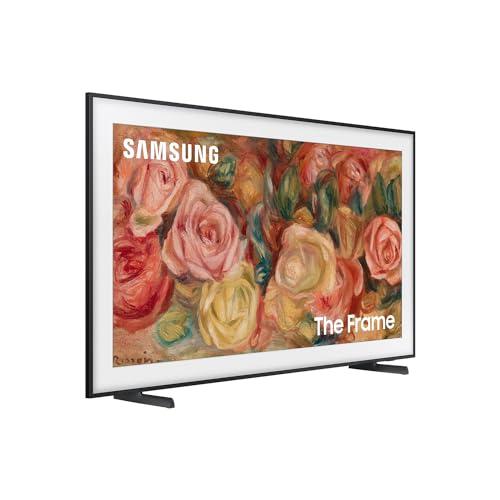
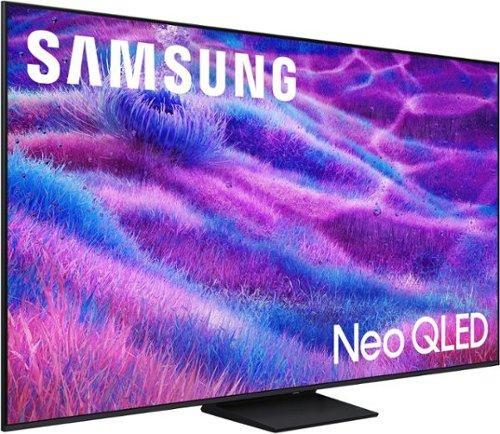
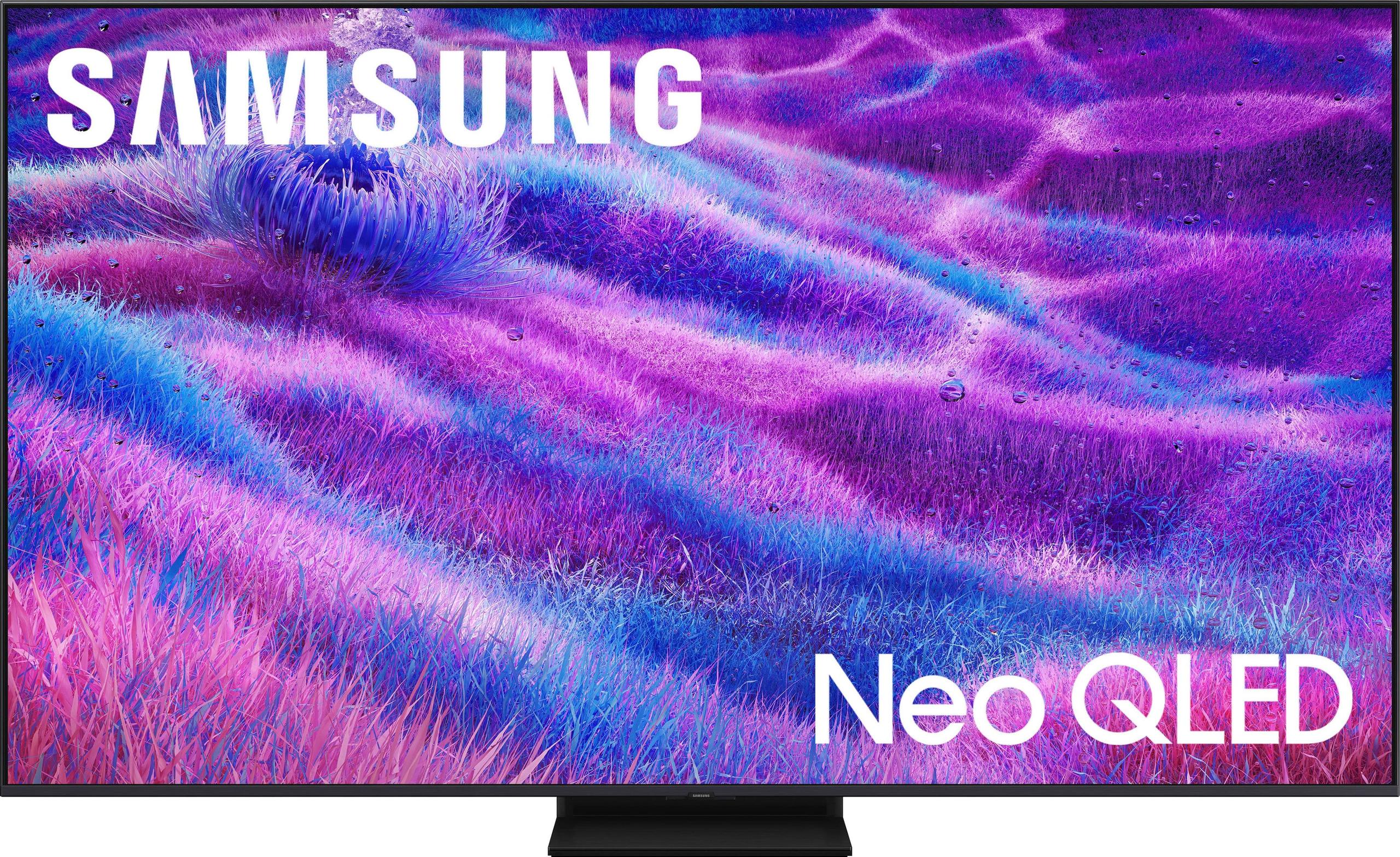
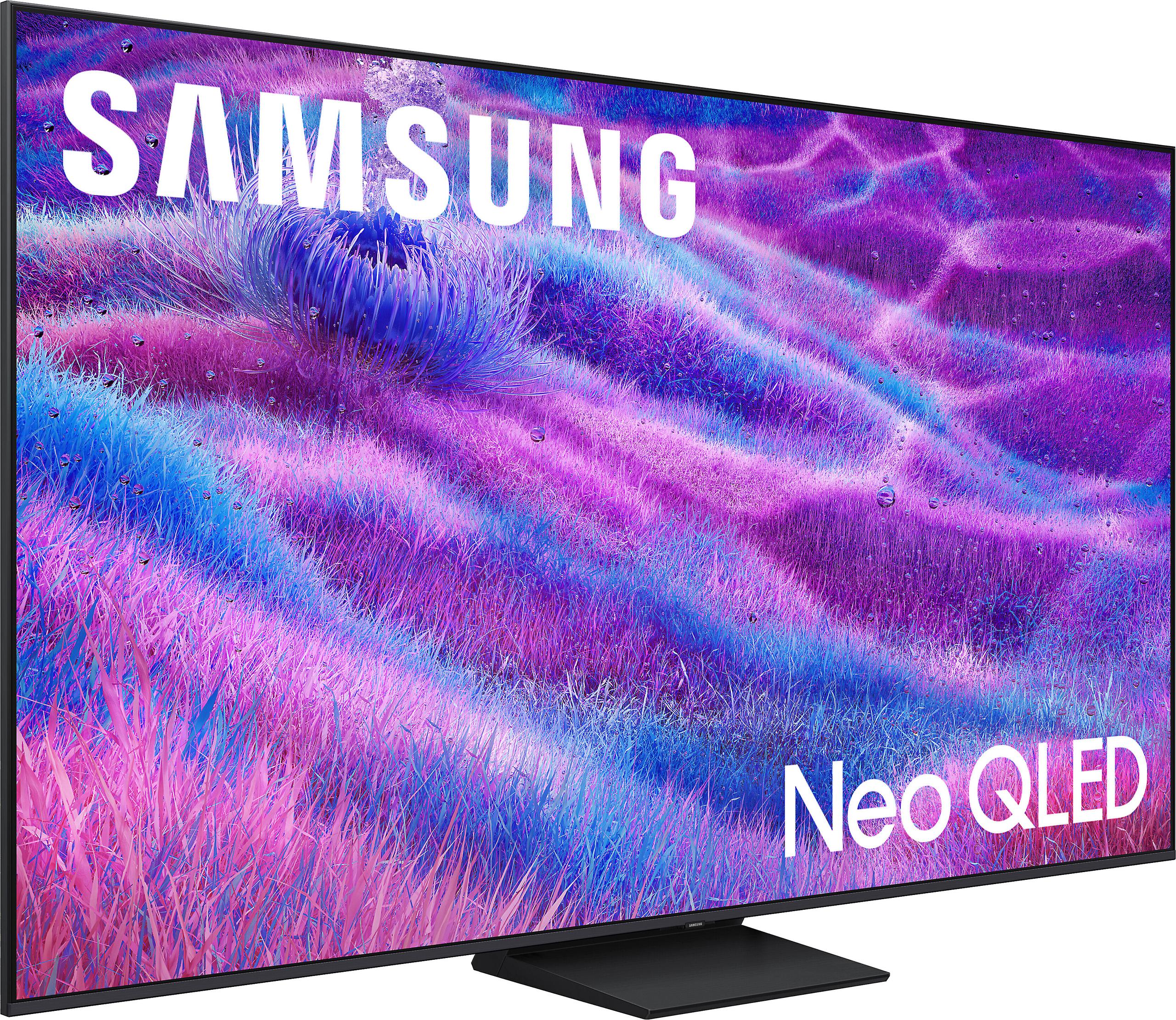


Shopping for a 65-inch TV shouldn't feel like choosing between form and function, but Samsung's latest offerings present exactly that dilemma. The Samsung 65" The Frame QLED 4K 2024 TV and Samsung 65" QN80F Neo QLED 4K TV represent two completely different philosophies in television design—one prioritizes blending seamlessly into your living space, while the other focuses on delivering the best possible picture quality for your money.
At the time of writing, these TVs sit in different price brackets that reflect their distinct priorities. The Frame TV commands a lifestyle premium, while the QN80F offers exceptional value in Samsung's performance-focused lineup. Understanding which approach suits your needs requires diving into what makes each TV unique and where they excel or fall short.
Before comparing these specific models, it's worth understanding what separates premium TVs from budget options. The most critical factor is backlighting technology—essentially how the TV illuminates its screen. Traditional LED TVs place lights around the edges (edge-lit) or behind the entire screen (full-array), while newer technologies like Mini LED use thousands of tiny lights for precise control over brightness and darkness.
Local dimming is another crucial concept. This feature allows different sections of the backlight to dim independently, creating better contrast between bright and dark areas of the image. Think of it like having thousands of tiny dimmers controlling different parts of your screen simultaneously—this is what creates those deep blacks you see in movie theaters.
QLED technology (Quantum Dot Light Emitting Diode) uses microscopic crystals to enhance color accuracy and brightness. These quantum dots act like filters, producing more pure colors than traditional LEDs. It's Samsung's answer to OLED technology, focusing on brightness rather than perfect blacks.
Released in 2024, the Samsung Frame TV represents the culmination of several years of lifestyle-focused design improvements. Earlier Frame models suffered from limited refresh rates and basic picture processing, but the 2024 version addresses many of these shortcomings while maintaining its signature aesthetic appeal.
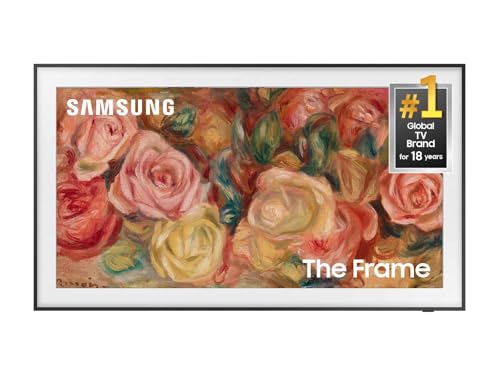
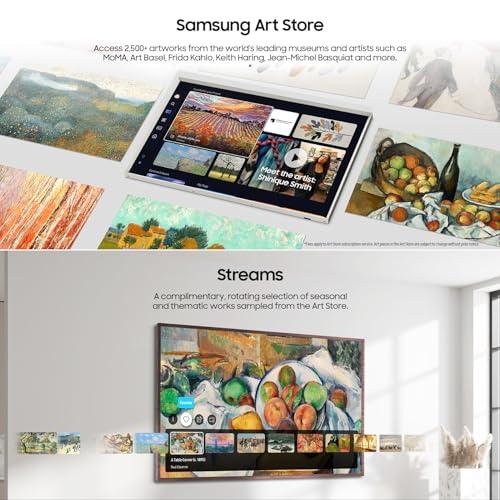
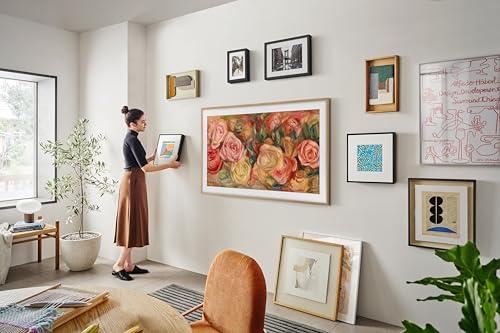
The Frame's defining feature transforms your TV into a digital art gallery when you're not watching shows. Art Mode isn't just a screensaver—it's a carefully engineered system that adjusts brightness based on ambient lighting, mimics the texture of canvas, and even lowers the refresh rate to 60Hz to save energy when displaying static images.
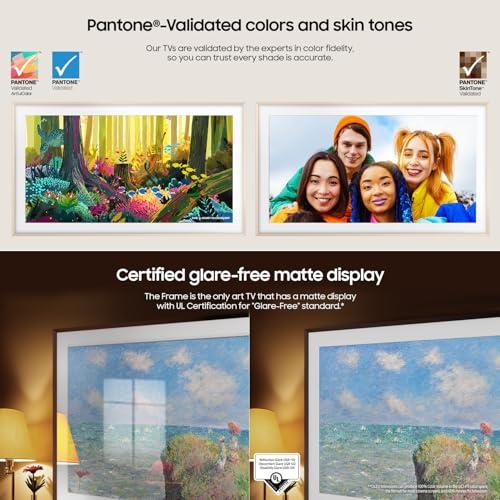
What makes this impressive is the matte anti-reflective display. Unlike glossy TV screens that act like mirrors, the Frame uses a premium matte finish that scatters light rather than reflecting it directly back at you. This technology makes both artwork and regular content appear more natural under various lighting conditions, though it does come with trade-offs we'll discuss later.
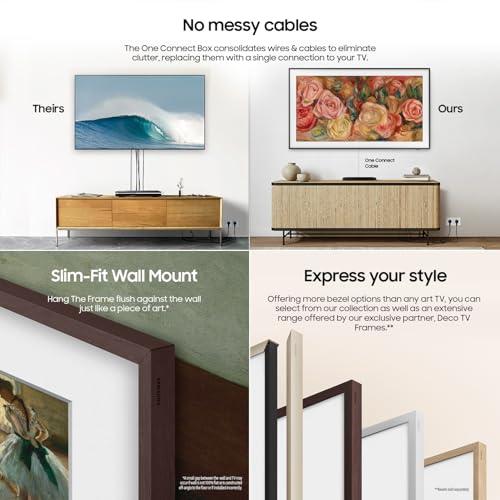
The customization extends beyond the screen itself. Samsung offers magnetic bezels in different styles and colors, allowing you to match your room's decor. The included Slim-Fit wall mount enables flush installation, making the TV virtually indistinguishable from a framed painting when viewed from the side.
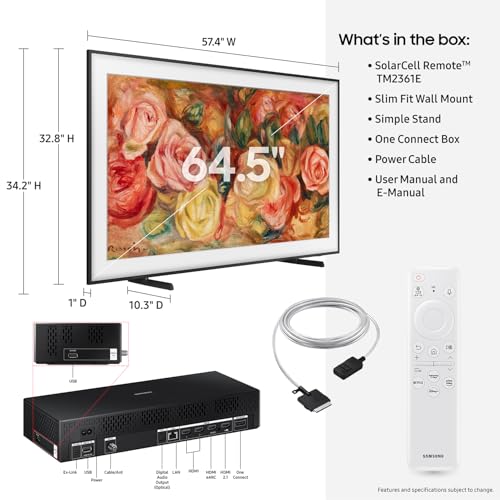
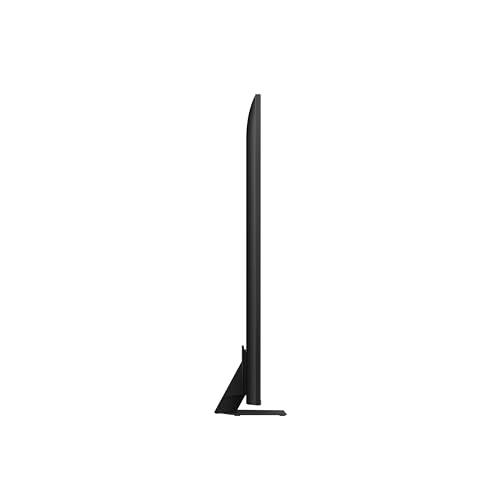
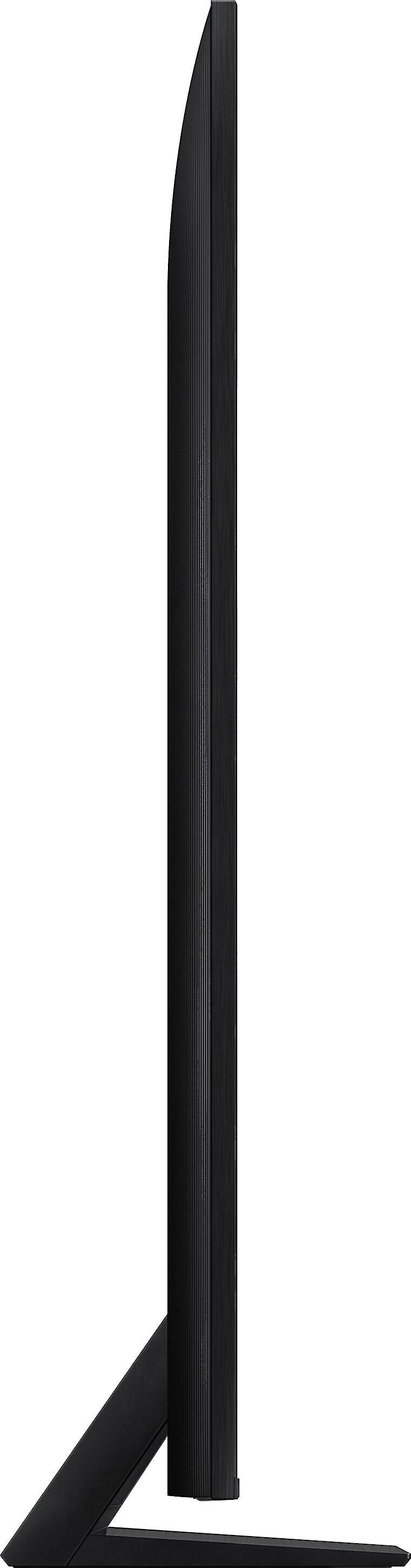
To achieve its ultra-thin profile, the Frame TV uses edge-lit QLED technology. This means the LED lights are positioned around the perimeter of the screen rather than behind it. While this creates an impossibly slim design—just one inch deep—it fundamentally limits picture quality compared to more advanced backlighting systems.
Edge-lighting cannot provide the precise brightness control that creates deep blacks and vibrant highlights. Without local dimming zones, the entire screen essentially shares the same backlight level, meaning dark scenes appear grayish rather than truly black. This limitation becomes most apparent when watching movies in dark rooms, where the lack of contrast can make the image appear washed out.
The 2024 model does include significant improvements over earlier versions. The 120Hz refresh rate matches gaming consoles and provides smoother motion, while Samsung's updated processing delivers better upscaling of lower-resolution content. However, these improvements cannot overcome the fundamental limitations of edge-lit design.
Samsung released the QN80F in 2025 as part of a restructured lineup that consolidated their mid-range offerings. The company dropped the QN85 series and repositioned the QN80F to compete more aggressively in the performance segment, packing more premium features into what was traditionally their entry-level Neo QLED offering.
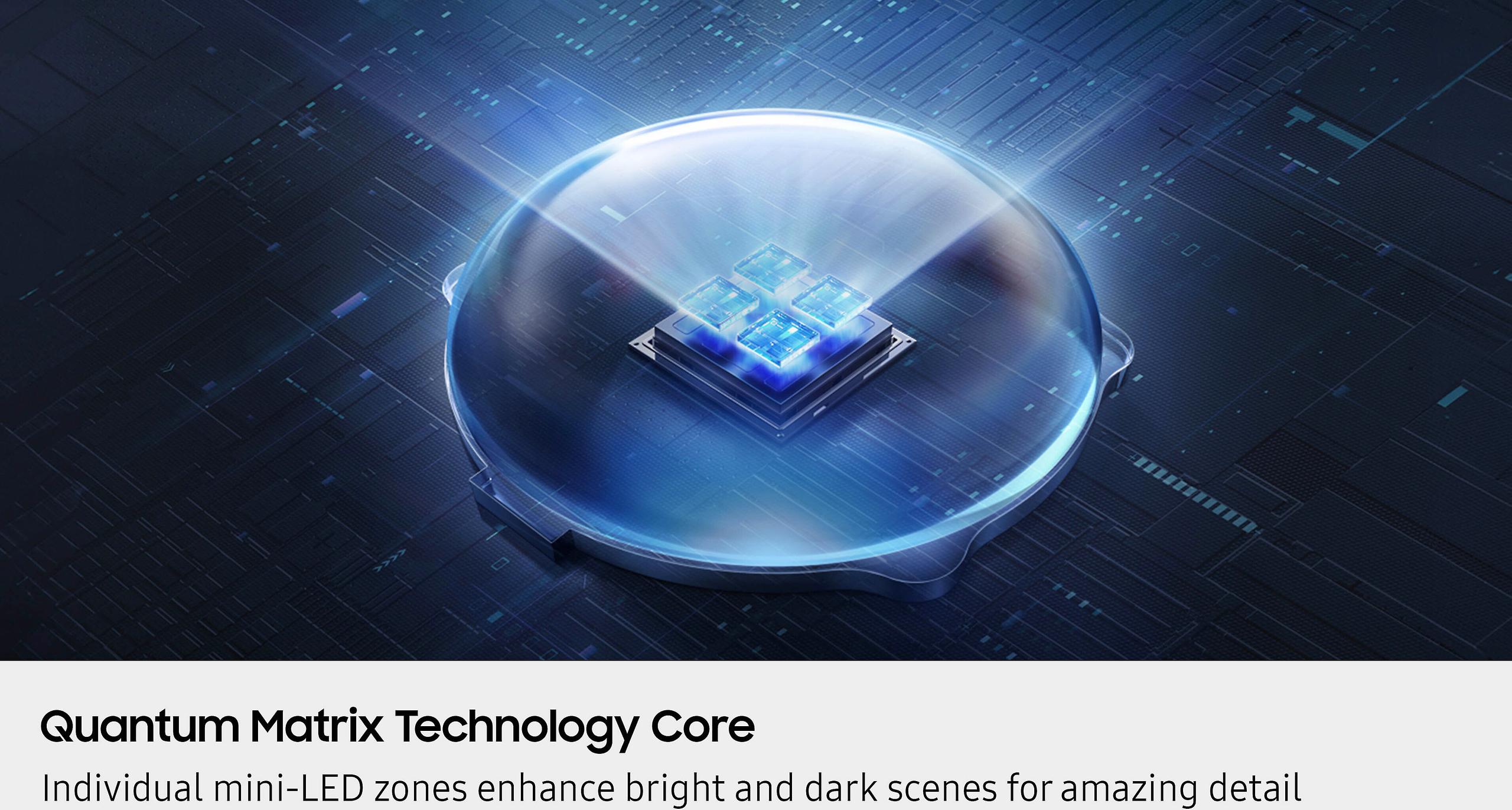
The QN80F's Mini LED backlighting represents a significant technological leap over traditional LED systems. Instead of dozens of LEDs, Mini LED arrays use thousands of lights roughly 1/40th the size of conventional LEDs. These tiny lights are arranged in full-array local dimming zones, allowing precise control over brightness and darkness across different areas of the screen.
This Quantum Matrix Technology Core enables the TV to display bright fireworks against a night sky while keeping the surrounding darkness truly black. The difference becomes immediately apparent when watching HDR content—those bright highlights pop without washing out the rest of the image.
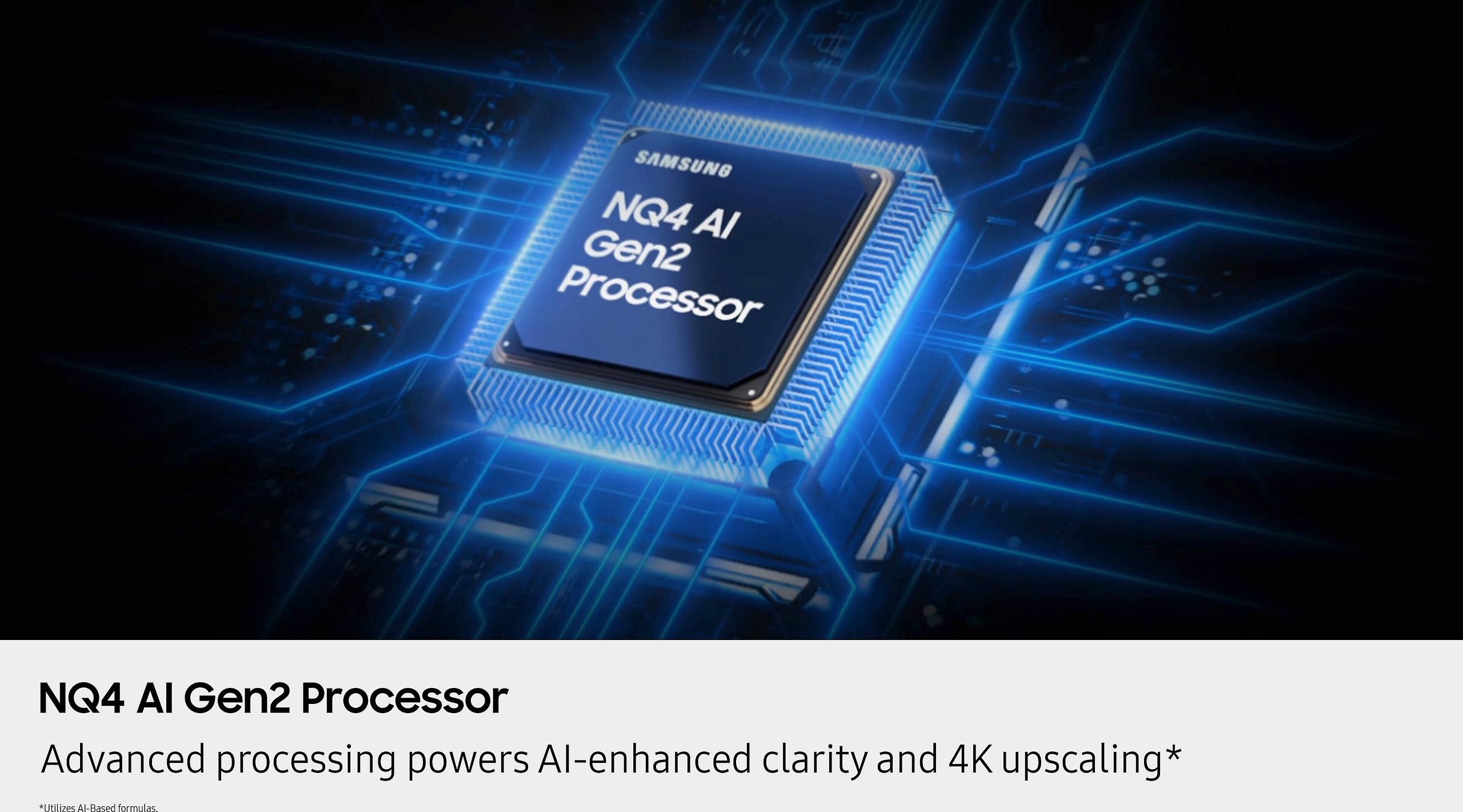
Samsung's NQ4 AI Gen2 processor powers real-time analysis of incoming content, adjusting local dimming zones, color saturation, and contrast on a frame-by-frame basis. This isn't just marketing speak—the processor genuinely improves picture quality by understanding scene content and optimizing accordingly.
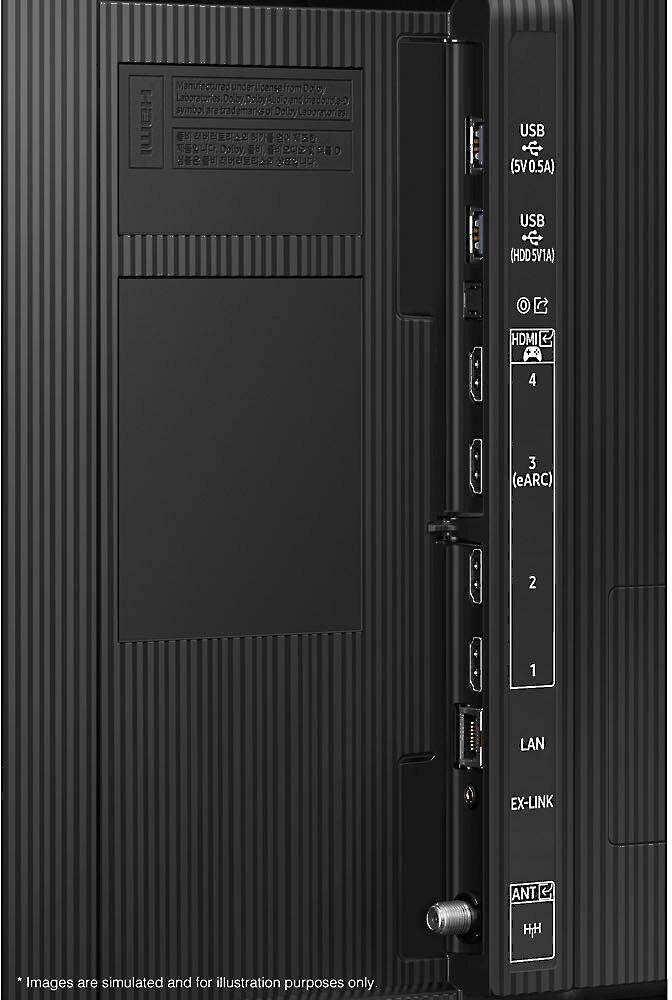
The QN80F shines brightest for gaming enthusiasts. All four HDMI ports support HDMI 2.1 specifications, enabling 4K resolution at 144Hz refresh rates—crucial for next-generation gaming consoles and high-end PCs. This higher refresh rate creates noticeably smoother motion compared to traditional 60Hz displays, particularly beneficial for competitive gaming where every frame matters.
Variable Refresh Rate (VRR) technology eliminates screen tearing by synchronizing the TV's refresh rate with the gaming device's frame rate output. The QN80F supports multiple VRR standards including FreeSync, G-SYNC, and HDMI Forum VRR, ensuring compatibility with virtually any gaming setup.
Input lag—the delay between pressing a button and seeing the result on screen—measures excellently on the QN80F, making it responsive enough for competitive gaming. The TV also includes gaming-specific features like Auto Game Mode, which automatically optimizes settings when it detects gaming consoles.
This represents the most significant difference between these TVs. The QN80F's Mini LED array creates dramatically better contrast ratios than the Frame's edge-lit design. When watching dark scenes in movies like space battles or nighttime sequences, the QN80F can display true blacks while keeping bright elements vibrant.
Our research into user experiences consistently shows this contrast difference as the most noticeable improvement when upgrading from edge-lit to full-array local dimming. The effect is particularly pronounced in dark viewing environments where the Frame's limited contrast becomes obvious.
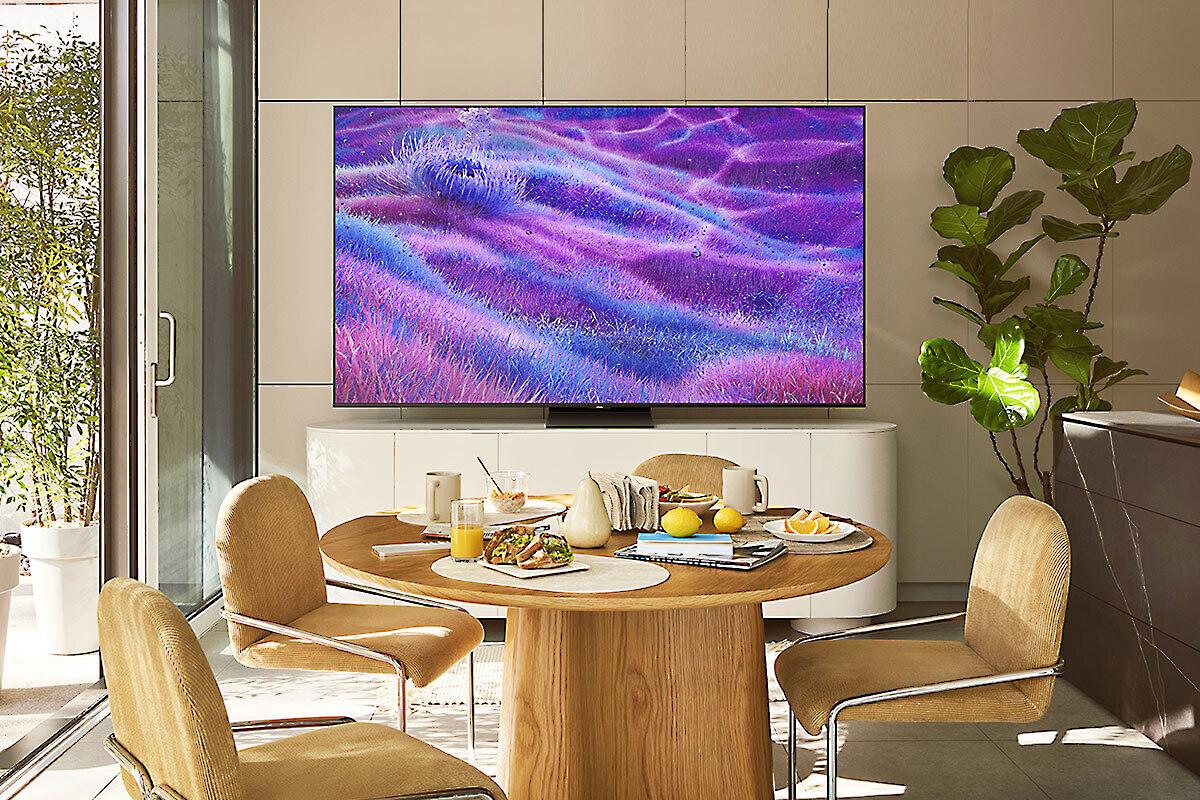
However, the Frame TV isn't without merit in bright rooms. Its matte finish excels at reducing glare from windows and lamps—something the QN80F struggles with due to its glossy screen that can create distracting reflections.
High Dynamic Range (HDR) content contains brightness information beyond what standard video can display, creating more realistic lighting and color. The QN80F's Mini LED backlighting enables excellent HDR performance in most scenarios, though our evaluation of professional reviews indicates it cannot reach the peak brightness levels of Samsung's premium models.
The Frame TV supports HDR10+ but lacks the local dimming necessary to take full advantage of HDR content. While HDR movies will play, they won't display the dramatic contrast differences that make HDR compelling. This limitation means the Frame is better suited for SDR content like cable TV and streaming services in their standard modes.
Both TVs benefit from Samsung's QLED quantum dot technology, which produces more accurate colors than traditional LED displays. However, the QN80F's more advanced processing engine delivers superior upscaling of lower-resolution content—important since much of what we watch isn't native 4K.
The NQ4 AI Gen2 processor in the QN80F analyzes content type and adjusts processing accordingly. Sports get enhanced motion clarity, movies receive film-appropriate processing, and animated content gets optimized color treatment. This intelligent processing creates noticeably better image quality across different content types.
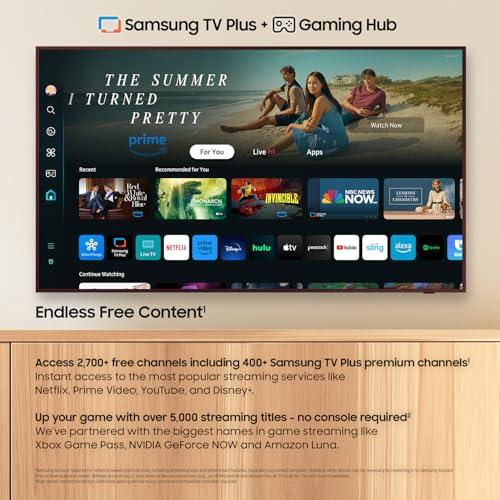
Both TVs run Samsung's Tizen operating system, which has matured significantly in recent years. The interface remains intuitive, with quick access to major streaming services and Samsung's own content offerings. However, the QN80F includes Samsung's latest Vision AI features, which add genuinely useful capabilities.
Live Translate can translate foreign-language content in real-time, while Generative Wallpaper creates custom backgrounds based on your preferences. These features feel less gimmicky than previous smart TV additions and provide actual utility for daily use.
The QN80F's four HDMI 2.1 ports future-proof the TV for upcoming gaming consoles and streaming devices that require higher bandwidth. The Frame TV includes fewer HDMI 2.1 ports, which could limit connectivity options if you have multiple high-end devices.
Both TVs include Samsung's One Connect Box, which centralizes cable connections and enables cleaner installations. This feature particularly benefits the Frame's aesthetic goals by minimizing visible cables.
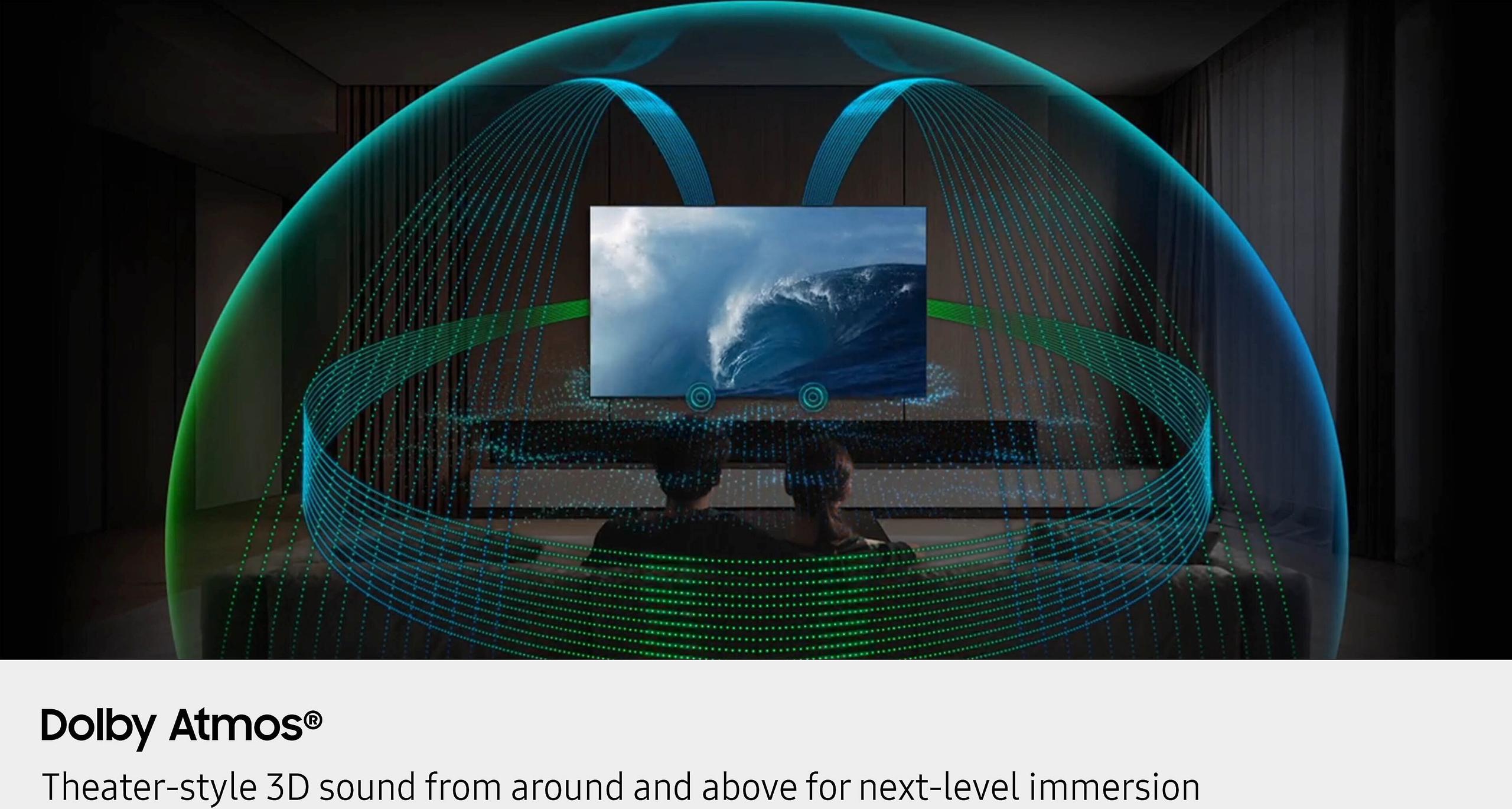
Neither TV delivers exceptional audio performance—a common limitation in thin displays. Both feature similar 40-watt speaker systems with Dolby Atmos processing, but the physical constraints of slim designs limit bass response and overall volume.
The QN80F includes more advanced audio processing features, but both TVs benefit significantly from external audio solutions. If you're investing in a large-screen TV, budgeting for a soundbar or audio system should be part of your planning.
For dedicated home theater setups, the QN80F clearly outperforms the Frame TV in critical areas. The superior contrast ratio, local dimming, and HDR performance create a more cinematic experience that justifies the investment in a large screen.
The Frame's limitations become more apparent in dark viewing environments where contrast matters most. Its edge-lit design simply cannot compete with the depth and dimensionality that proper local dimming provides for movie watching.
However, if your "home theater" is really a multi-purpose living room with ambient lighting, the Frame's anti-glare properties and aesthetic integration might outweigh its technical limitations.
At the time of writing, the QN80F offers exceptional value for performance-focused buyers, while the Frame TV commands a lifestyle premium that reflects its unique design and features.
The QN80F's Mini LED technology typically costs significantly more in other brands, making Samsung's pricing aggressive for this feature set. The Frame's premium reflects its engineering challenges—creating an edge-lit display that looks good while maintaining ultra-thin dimensions requires significant development investment.
Your living space prioritizes aesthetics over pure performance. The Frame TV excels in bright, contemporary spaces where it serves as both entertainment device and art display. It's ideal for buyers who watch primarily during daytime hours, enjoy casual viewing rather than critical movie watching, and value the unique Art Mode functionality.
The Frame makes particular sense for open-concept homes where the TV remains visible even when off. Its ability to display artwork and photography creates ambiance that traditional black screens cannot match.
Picture quality and performance matter more than aesthetics. The QN80F delivers significantly better contrast, HDR performance, and gaming capabilities at an excellent value proposition. It's the clear choice for serious movie watching, gaming enthusiasts, or anyone who watches content in darker environments where contrast matters most.
The QN80F also future-proofs your investment with comprehensive HDMI 2.1 support and advanced processing that will remain relevant as content quality improves.
These TVs succeed in their respective domains—the Frame TV as a lifestyle product that happens to be a capable TV, and the QN80F as a performance TV that delivers exceptional value. Neither is a compromise if you understand what you're prioritizing.
The Frame TV creates something genuinely different in the television market, transforming how we think about large screens in living spaces. Its technical limitations are real but may not matter if your priorities align with its strengths.
The QN80F represents what mid-range TVs can achieve in 2025—Mini LED technology, advanced processing, and gaming features that were premium-only just a few years ago. For pure performance per dollar, it's difficult to argue against.
Your choice ultimately depends on whether you view your TV as a piece of technology or a piece of furniture. Both approaches have merit, but they lead to very different products that excel in different scenarios.
| Samsung 65" The Frame QLED 4K 2024 TV | Samsung 65" QN80F Neo QLED 4K TV |
|---|---|
| Display Technology - Fundamentally determines picture quality and contrast | |
| Edge-lit QLED (ultra-slim but limited contrast) | Mini LED Neo QLED with full-array local dimming (superior blacks and highlights) |
| Local Dimming Zones - Critical for HDR and dark scene performance | |
| None (entire screen shares same backlight level) | Full-array local dimming with hundreds of zones for precise brightness control |
| Refresh Rate - Important for gaming and smooth motion | |
| 120Hz (good for most gaming and content) | 144Hz (excellent for competitive gaming and high-end PCs) |
| HDMI 2.1 Ports - Needed for next-gen gaming consoles at full capability | |
| Limited HDMI 2.1 support | All 4 ports support HDMI 2.1 with 4K@144Hz |
| Anti-Glare Technology - Crucial for bright room viewing | |
| Premium matte finish excellent for reducing reflections | Glossy screen prone to mirror-like reflections in bright rooms |
| Art Mode - Unique lifestyle feature for displaying artwork | |
| Full Art Mode with motion sensors and customizable bezels | Not available |
| Wall Mount Profile - Important for aesthetic integration | |
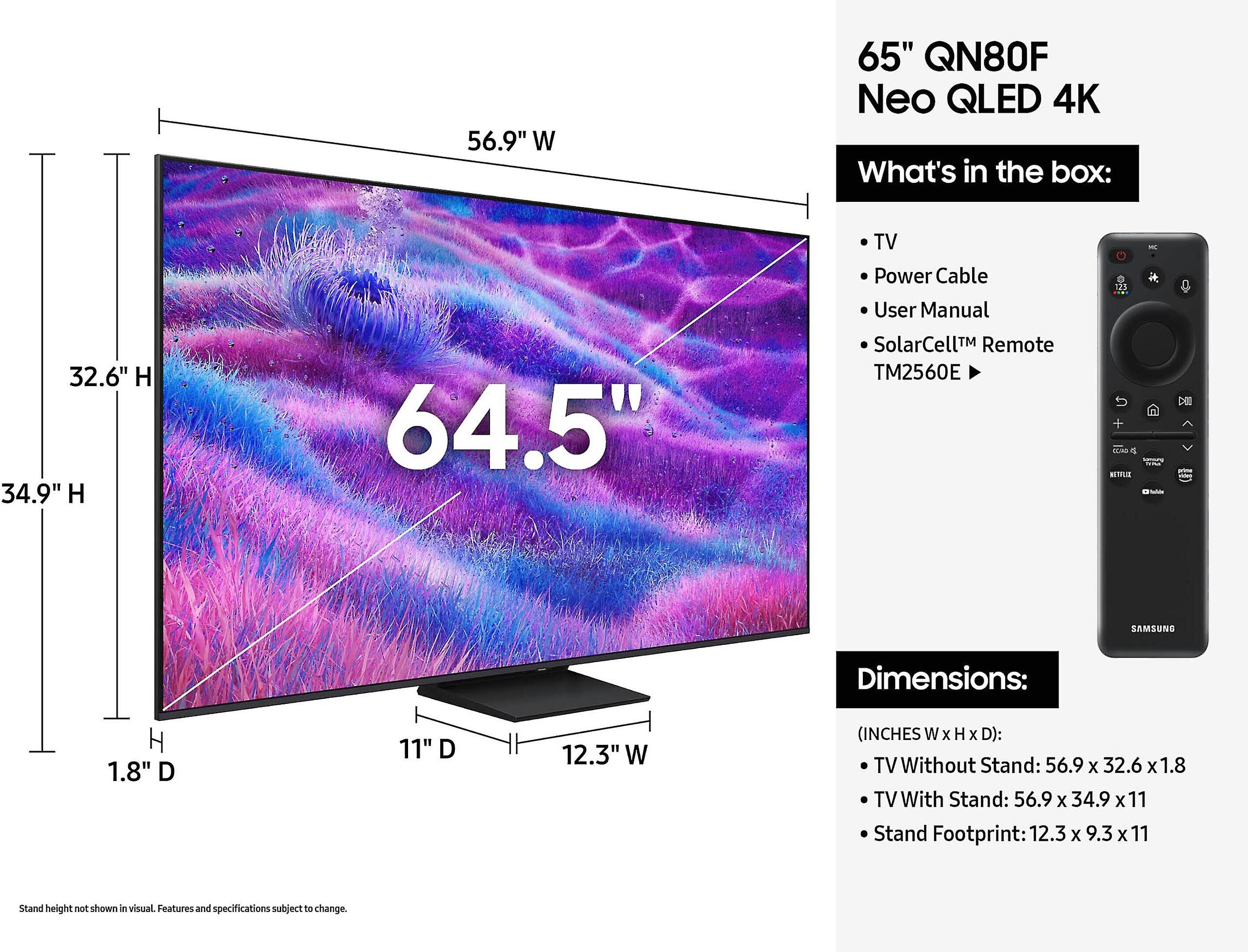
| Ultra-slim 1-inch depth with flush wall mounting | Thicker profile due to Mini LED array, standard wall mounting |
| HDR Performance - Determines how well bright and dark scenes display together | |
| Basic HDR support limited by edge-lighting | Excellent HDR with precise highlight control and deep blacks |
| Gaming Input Lag - Critical for responsive gaming experience | |
| Excellent low input lag suitable for gaming | Excellent low input lag with additional 144Hz advantage |
| Processor - Affects upscaling quality and smart features | |
| Previous generation processing | NQ4 AI Gen2 with advanced upscaling and Vision AI features |
| Design Philosophy - Determines primary use case and buyer satisfaction | |
| Lifestyle TV that doubles as art display | Performance-focused TV prioritizing picture quality and gaming |
| Best Use Case - Where each TV excels most | |
| Bright living rooms, aesthetic integration, casual viewing | Dark rooms, home theater, gaming, critical picture quality |
The Samsung 65" QN80F Neo QLED 4K TV delivers significantly better picture quality due to its Mini LED backlighting with full-array local dimming. This technology creates deeper blacks, better contrast, and more precise HDR performance compared to the Samsung 65" The Frame QLED 4K 2024 TV, which uses edge-lit technology that cannot match the contrast and uniformity of the QN80F's advanced backlighting system.
The primary difference is design philosophy and display technology. The Frame TV prioritizes aesthetics with Art Mode functionality and ultra-slim design using edge-lit QLED, while the QN80F focuses on performance with Mini LED technology for superior picture quality. The Frame transforms into artwork when off, while the QN80F maximizes contrast and gaming capabilities.
The Samsung 65" QN80F Neo QLED 4K TV is superior for gaming with its 144Hz refresh rate, four HDMI 2.1 ports supporting 4K@144Hz, and comprehensive VRR support. While the Frame TV offers decent gaming with 120Hz and low input lag, it cannot match the QN80F's higher refresh rate and multiple high-bandwidth ports for serious gamers with multiple consoles.
Only the Samsung 65" The Frame QLED 4K 2024 TV mounts completely flush against the wall with its included Slim-Fit wall mount, creating a picture frame appearance. The QN80F is wall-mountable but has a thicker profile due to its Mini LED array, so it won't achieve the same flush, artwork-like installation as the Frame TV.
The Frame TV handles bright rooms better due to its premium matte anti-reflective display that reduces glare from windows and lights. The Samsung 65" QN80F Neo QLED 4K TV has excellent brightness but suffers from distracting mirror-like reflections on its glossy screen, making the Frame more comfortable for daytime viewing in well-lit spaces.
Yes, both support HDR, but the QN80F delivers significantly better HDR performance. Its Mini LED local dimming creates the bright highlights and deep blacks that make HDR content impressive, while the Samsung 65" The Frame QLED 4K 2024 TV supports HDR formats but lacks the contrast capabilities to fully showcase HDR's dynamic range due to its edge-lit design.
Art Mode is exclusive to the Frame TV and transforms the screen into a digital art gallery when not watching content. It displays curated artwork or personal photos, adjusts brightness based on room lighting, and includes motion sensors for automatic activation. The Samsung 65" QN80F Neo QLED 4K TV doesn't offer this feature, focusing instead on traditional TV functionality and performance.
Value depends on priorities. The QN80F typically offers exceptional performance value with Mini LED technology, superior gaming features, and better picture quality at competitive pricing. The Samsung 65" The Frame QLED 4K 2024 TV commands a lifestyle premium for its unique design and Art Mode, making it valuable for buyers prioritizing aesthetics over pure performance.
Both run Samsung's Tizen OS, but the Samsung 65" QN80F Neo QLED 4K TV includes newer Vision AI features like Live Translate and Generative Wallpaper powered by its advanced NQ4 AI Gen2 processor. The Frame TV focuses more on art-related smart features and customization options for displaying artwork and managing the aesthetic experience.
The QN80F is significantly better for dedicated home theater use due to its superior contrast ratio, local dimming, and HDR performance that create a more cinematic experience in dark viewing environments. The Samsung 65" The Frame QLED 4K 2024 TV works better in multi-purpose living spaces with ambient lighting where its anti-glare properties and aesthetic integration outweigh its technical limitations.
Both the Frame TV and Samsung 65" QN80F Neo QLED 4K TV feature similar 40W speaker systems with Dolby Atmos support, but neither delivers exceptional audio due to their slim designs. The QN80F includes more advanced audio processing features, though both TVs benefit significantly from external soundbars or audio systems for optimal sound quality.
Choose the Samsung 65" The Frame QLED 4K 2024 TV if you prioritize aesthetics, want Art Mode functionality, and primarily watch in bright rooms during daytime. Select the Samsung 65" QN80F Neo QLED 4K TV if you prioritize picture quality, gaming performance, or watch movies in darker environments where its superior contrast and Mini LED technology provide a noticeably better viewing experience.
We've done our best to create useful and informative comparisons to help you decide what product to buy. Our research uses advanced automated methods to create this comparison and perfection is not possible - please contact us for corrections or questions. These are the sites we've researched in the creation of this article: tomsguide.com - rtings.com - rtings.com - youtube.com - bestbuy.com - techlicious.com - youtube.com - smalllilystudio.com - theeverymom.com - livingetc.com - pcrichard.com - image-us.samsung.com - samsung.com - images.samsung.com - samsung.com - buydig.com - tvsbook.com - bestbuy.com - samsung.com - samsung.com - flatpanelshd.com - samsung.com - theshortcut.com - youtube.com - bestbuy.com - rtings.com - samsung.com - samsung.com - samsung.com - sargentappliance.com - displayspecifications.com - bestbuy.com

Privacy Policy
Terms and Conditions - Affiliate Policy
Home Security
© Copyright 2008-2026.
11816 Inwood Rd #1211, Dallas, TX 75244