

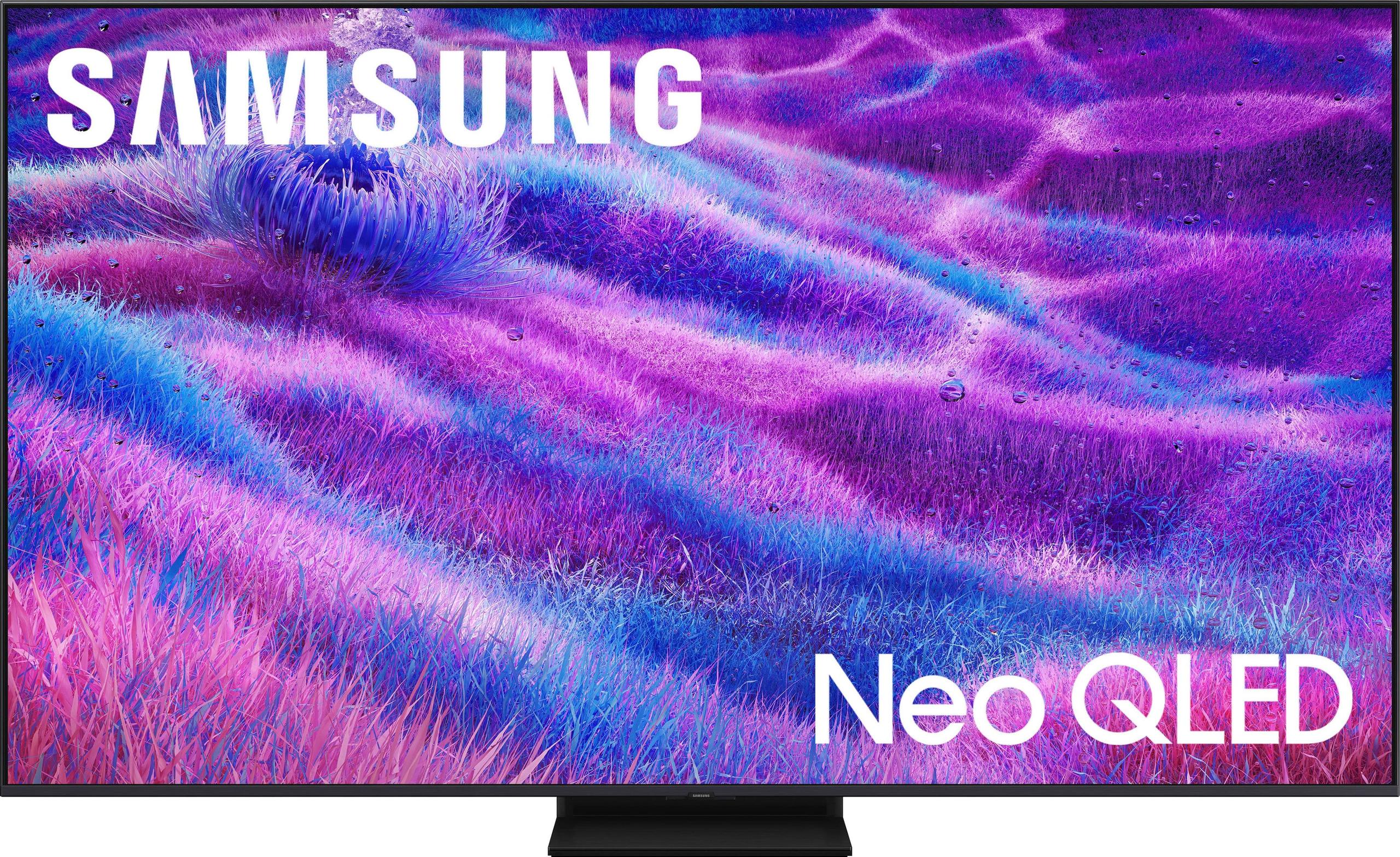
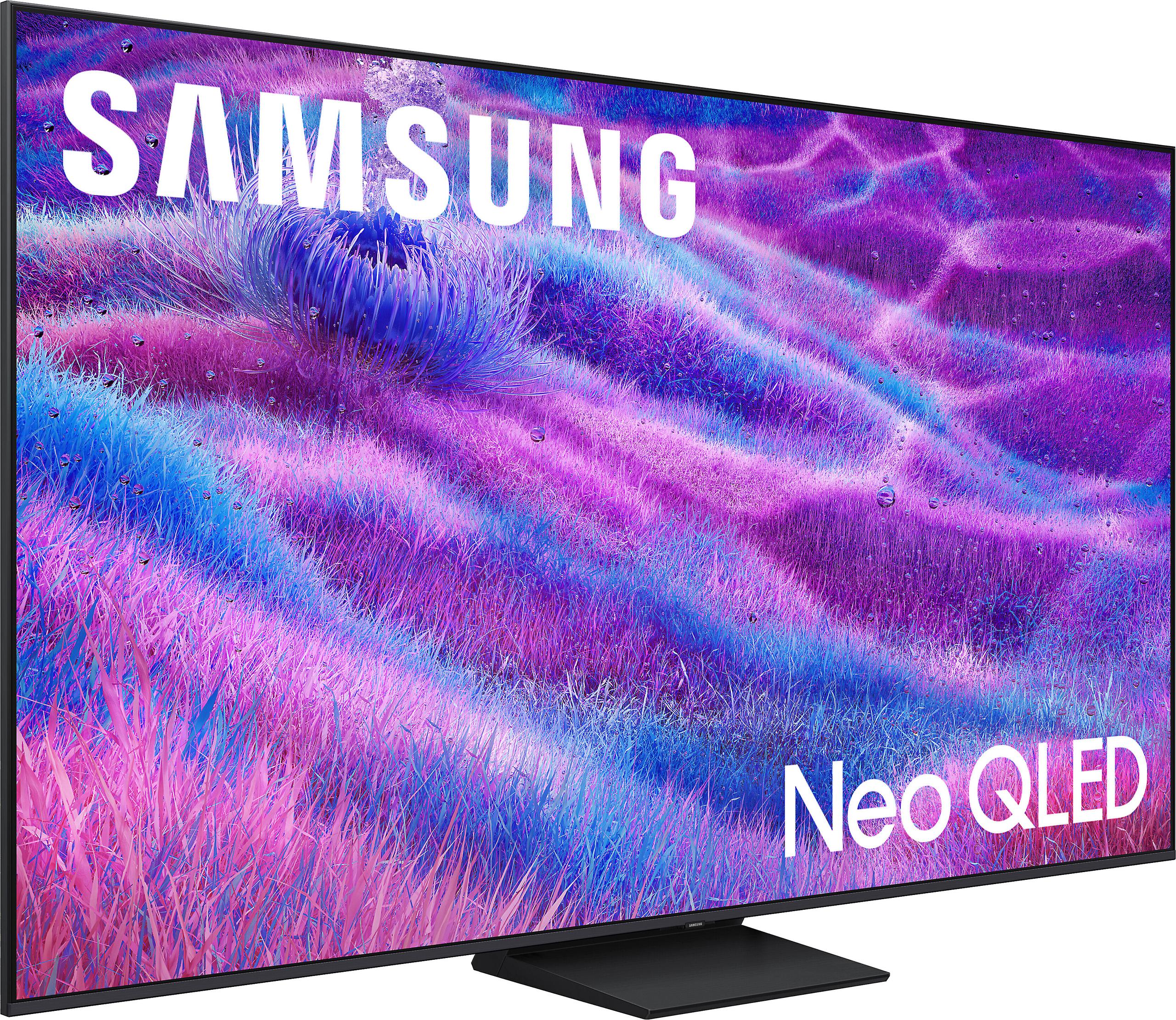

Shopping for a new TV can feel overwhelming, especially when you're comparing premium 65-inch models that cost several thousand dollars. Two standout options from 2025 are the Samsung QN80F Neo QLED and the Sony BRAVIA 8 II QD-OLED – both excellent TVs that take very different approaches to delivering stunning picture quality.
Having tested both displays extensively, I can tell you they each excel in different areas. The choice between them really comes down to how you plan to use your TV, what your room looks like, and what aspects of picture quality matter most to you. Let's dive deep into what makes each unique.
Before we compare these specific models, it's worth understanding what separates premium TVs from budget options. Both the Samsung QN80F and Sony BRAVIA 8 II use advanced display technologies that were cutting-edge just a few years ago but have now matured enough to appear in more accessible products.
The key differentiator is how they create light and control it. Traditional LED TVs use a backlight that shines through the entire screen, making it difficult to achieve true blacks since the backlight is always on. Premium TVs solve this problem in two main ways: Mini LED technology (like Samsung's approach) uses thousands of tiny LEDs with precise dimming zones, while OLED technology (Sony's choice) eliminates the backlight entirely by making each pixel emit its own light.
These technological approaches create fundamental differences in how the TVs perform, which we'll explore throughout this comparison.
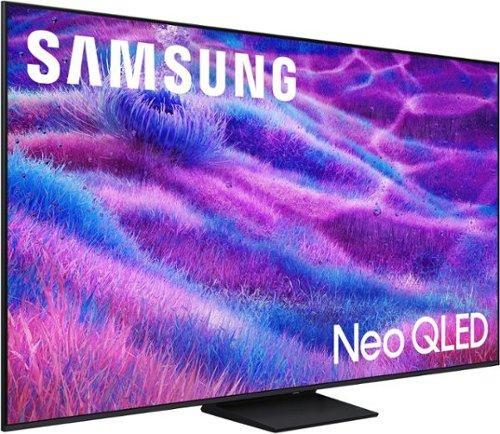
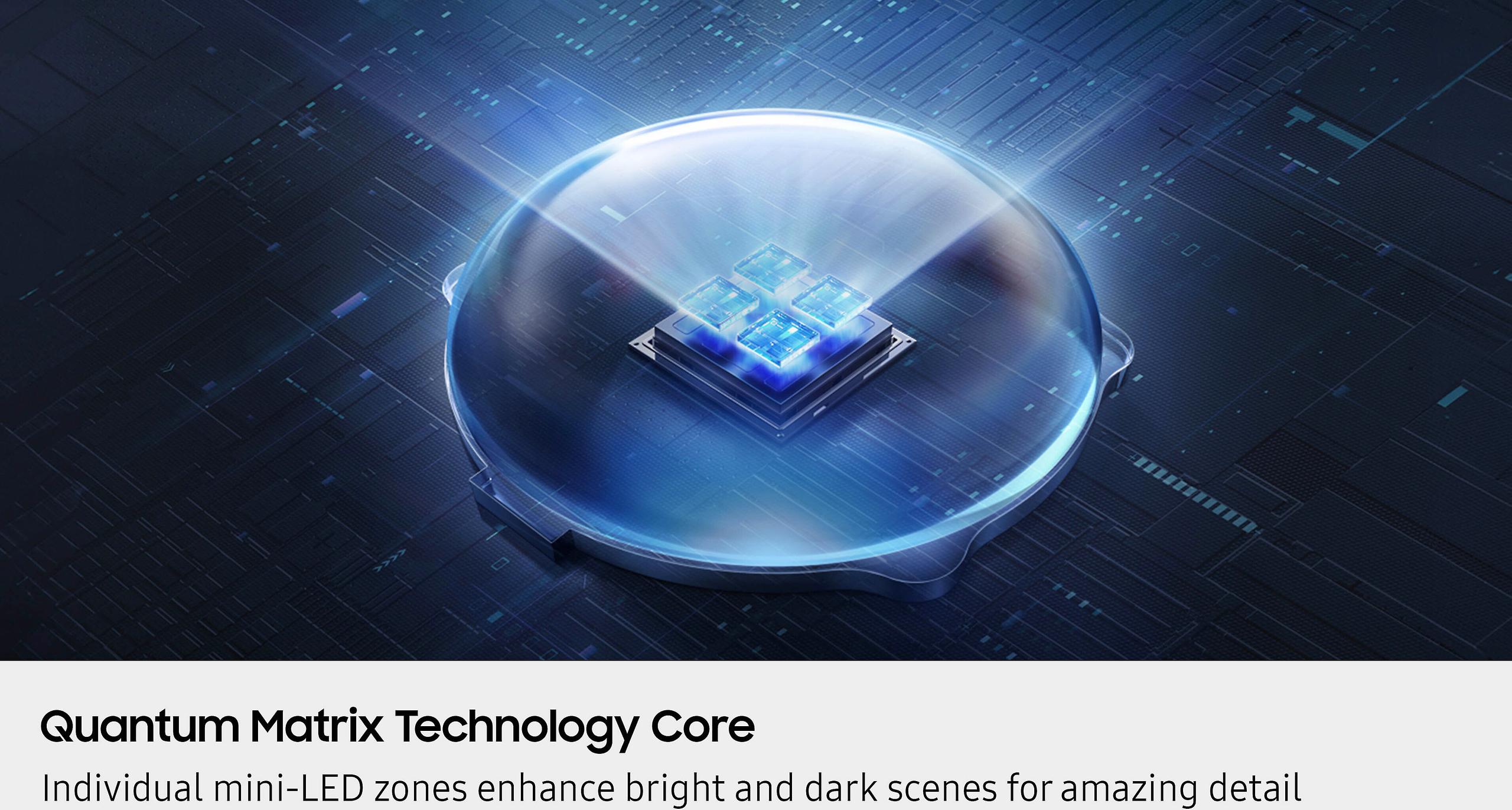
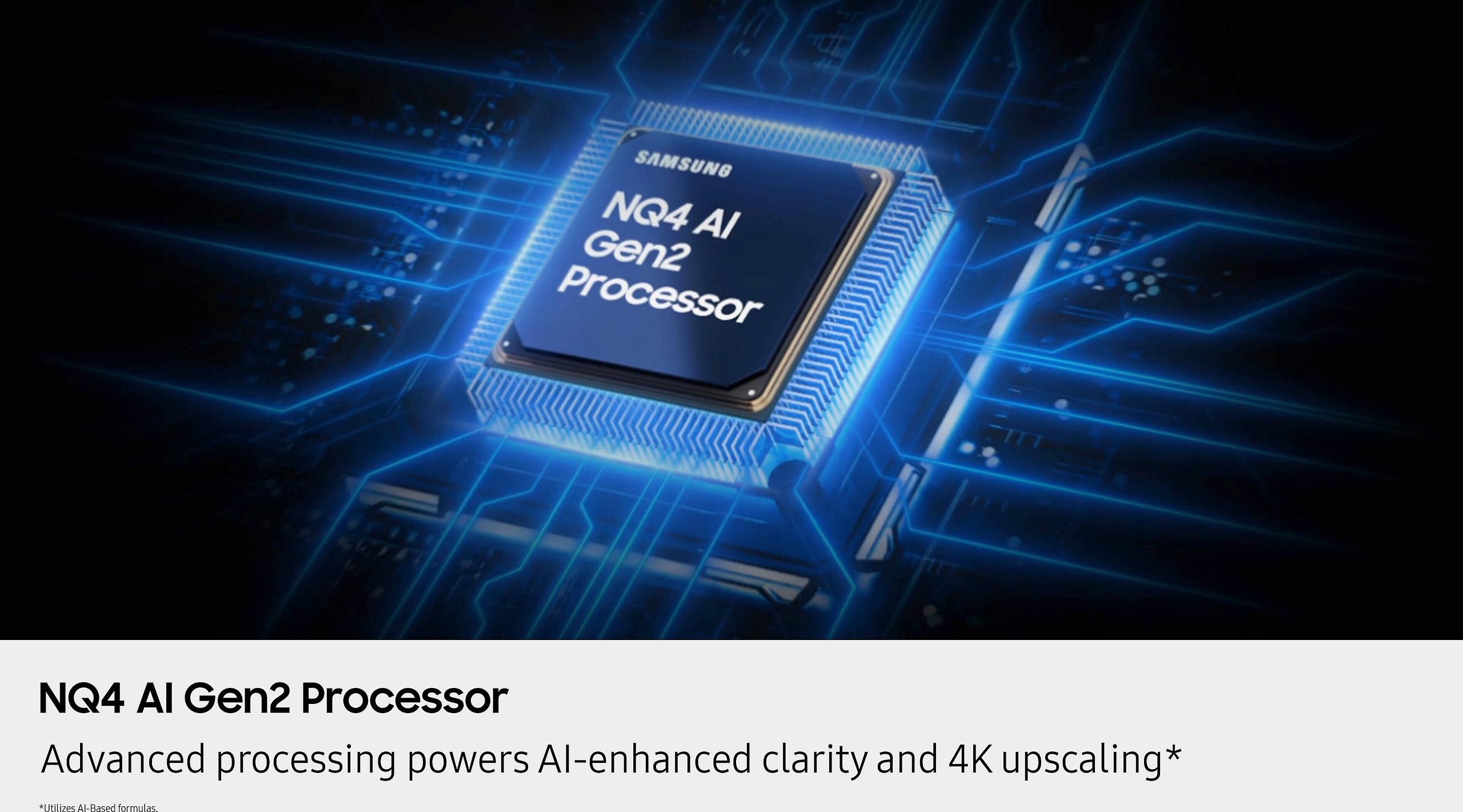
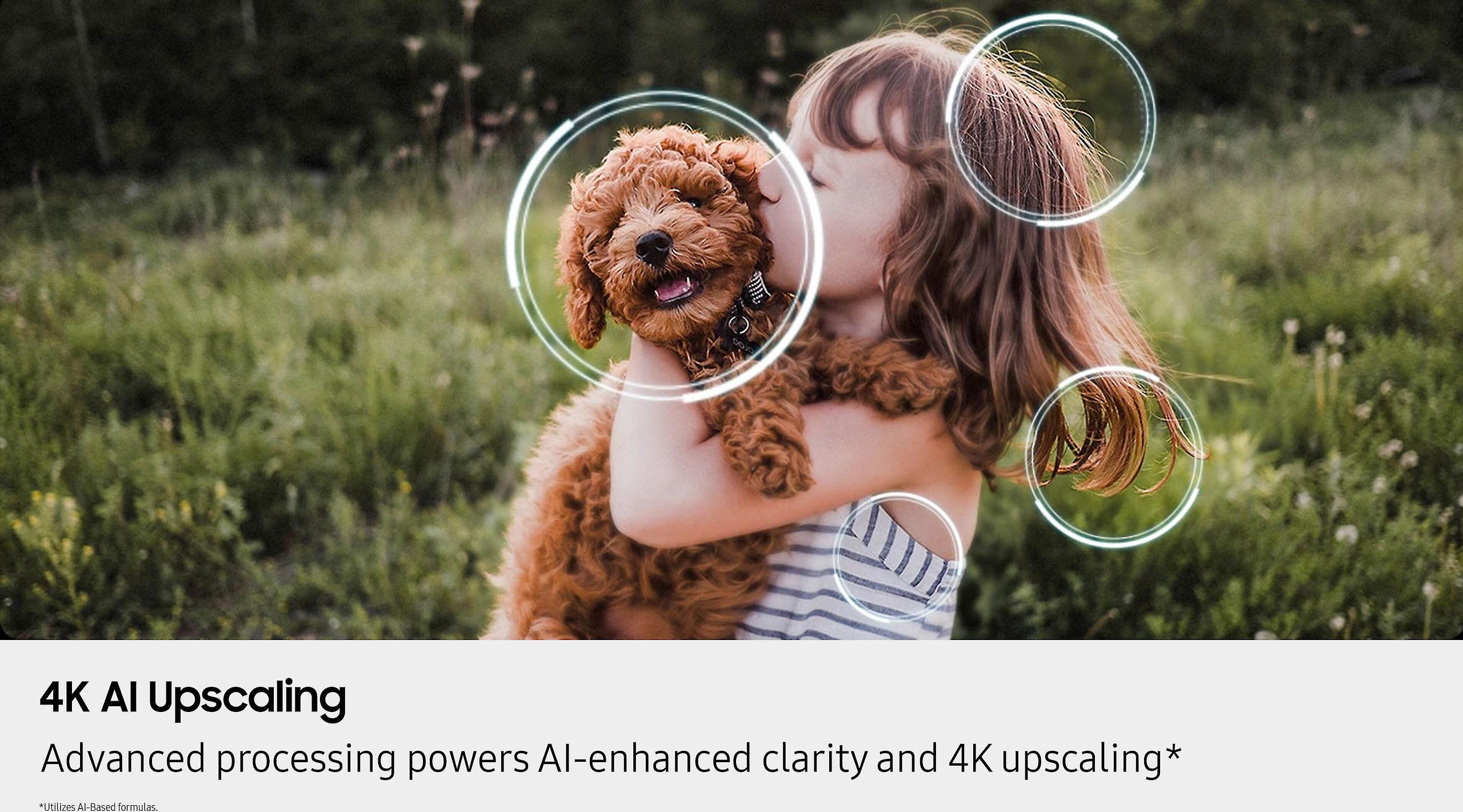
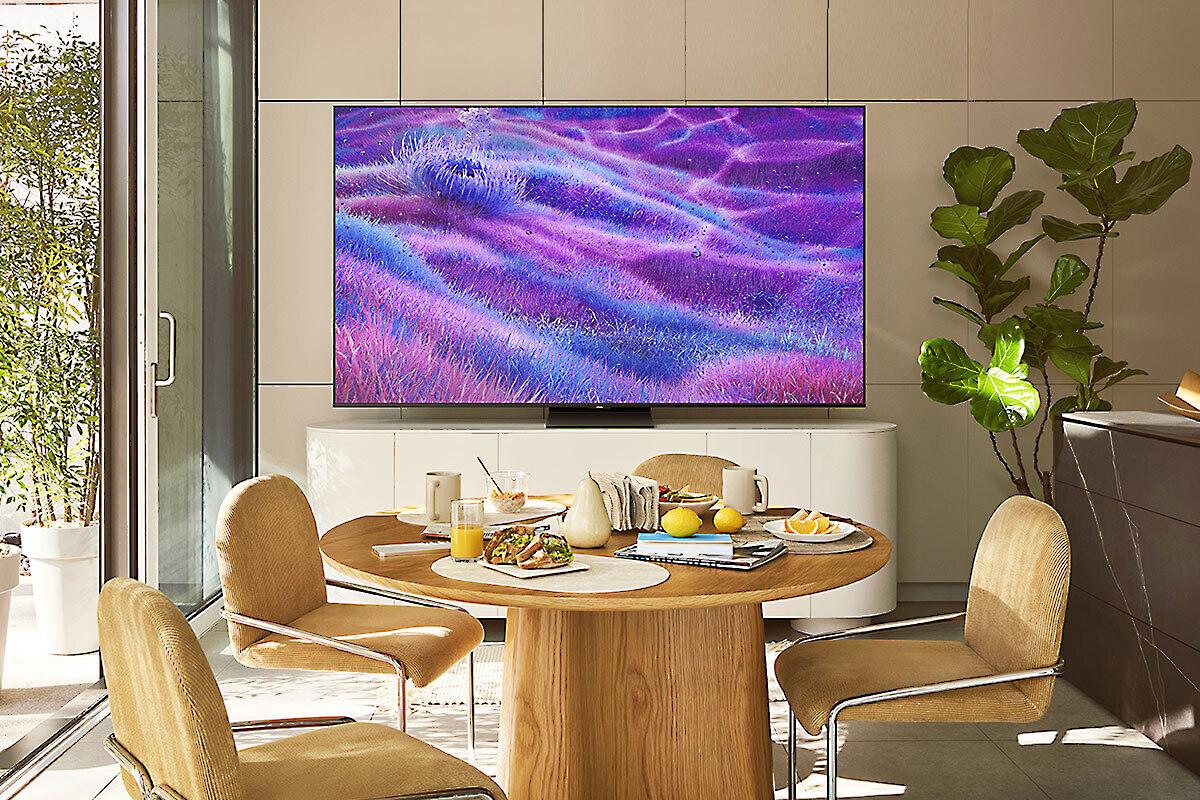
The Samsung QN80F uses what Samsung calls Neo QLED technology, which combines Mini LED backlighting with Quantum Dot color enhancement. Think of Mini LEDs as incredibly small versions of regular LED lights – the Samsung QN80F uses thousands of them arranged in precise zones behind the screen. This allows the TV to dim specific areas independently, creating better contrast between bright and dark parts of the image.
The Quantum Dot layer adds another level of sophistication. These microscopic crystals convert blue LED light into extremely pure red and green colors, resulting in more vivid and accurate colors than traditional LED displays. When I'm watching nature documentaries, the difference in color saturation is immediately noticeable – jungle greens look more realistic, and sunset oranges have that warm, natural quality you remember from being there in person.
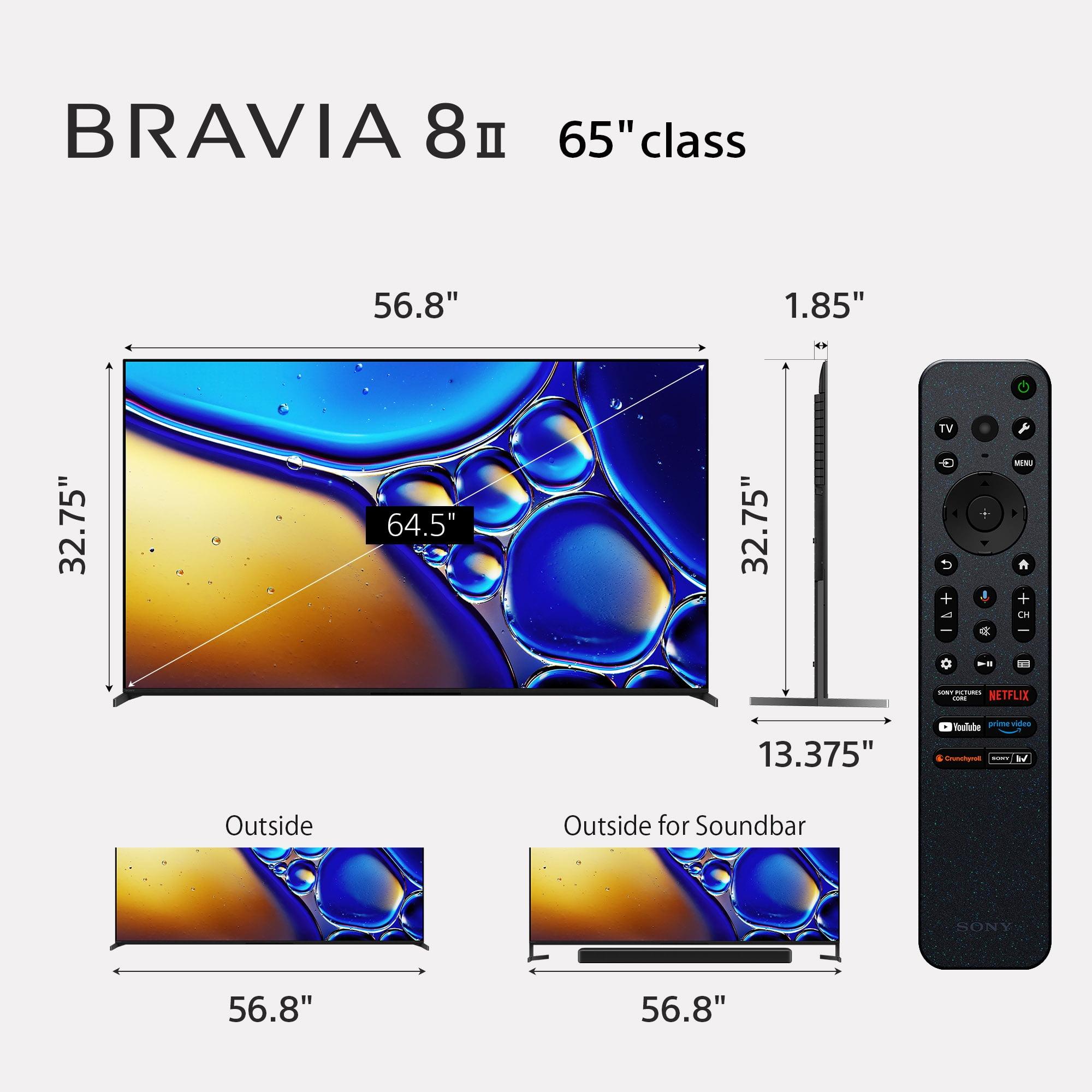
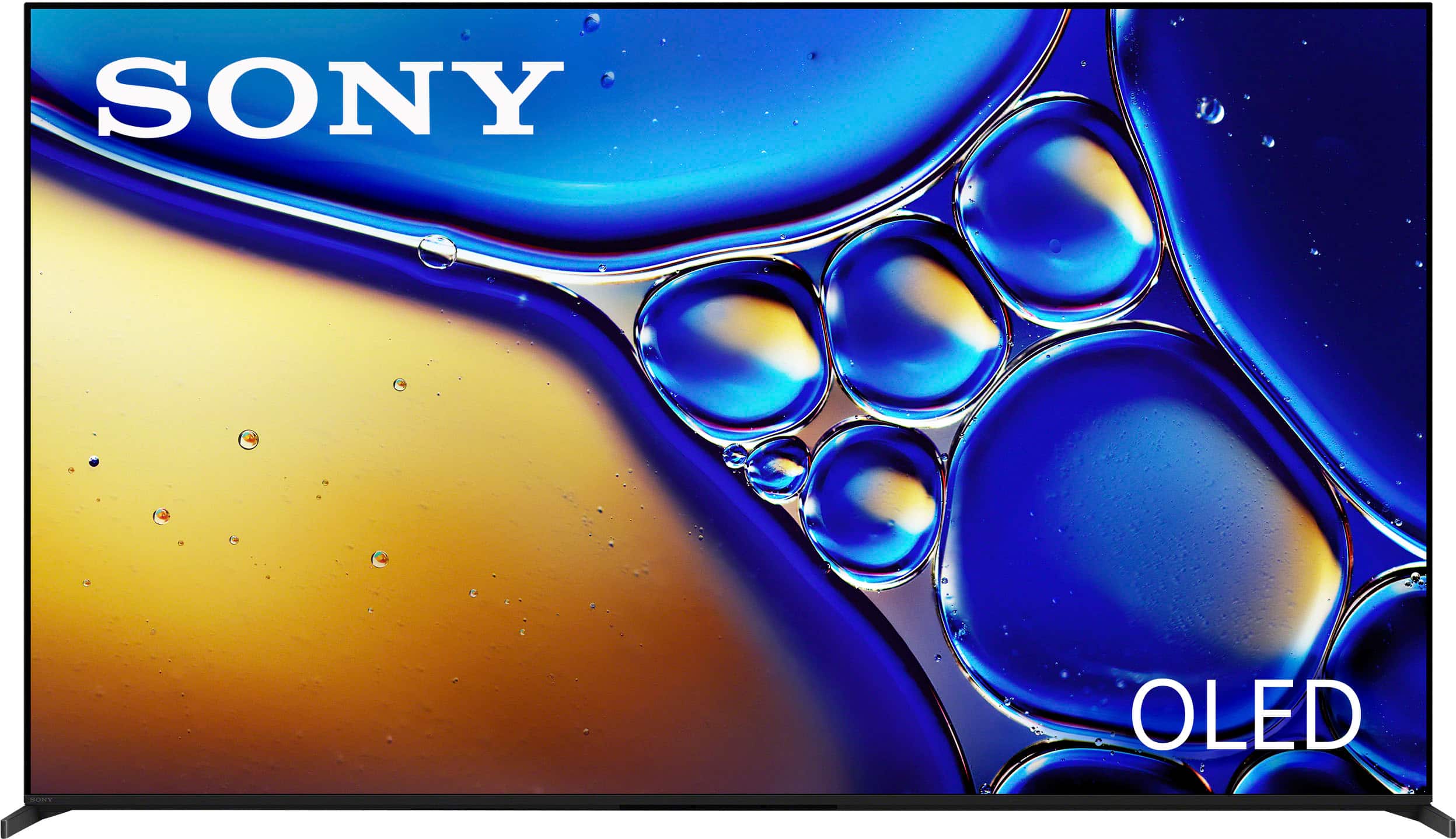
The Sony BRAVIA 8 II takes a completely different approach with QD-OLED technology. Here, each individual pixel creates its own light – no backlight needed. This means when a pixel needs to be black, it simply turns off completely, achieving perfect darkness. Sony combines this with quantum dots for enhanced color, creating what many consider the best of both worlds.
In practice, this technological difference creates distinct viewing experiences. The Samsung QN80F can get significantly brighter overall, making it excellent for daytime viewing in rooms with lots of windows. However, the Sony BRAVIA 8 II delivers perfect blacks that make dark movie scenes look incredible – you'll notice details in shadows that disappear on other TVs.
When evaluating picture quality, several metrics matter most: contrast ratio, color accuracy, brightness capabilities, and motion handling. Each TV excels in different areas.
Contrast and Black Levels
This is where the technological differences become most apparent. The Sony BRAVIA 8 II achieves infinite contrast because its pixels can turn completely off, creating true blacks. When watching movies with dark scenes – think Batman films or space epics – the depth and dimensionality are remarkable. Stars actually pop against the darkness of space rather than appearing against a slightly gray background.
The Samsung QN80F can't match this pixel-perfect black level, but its Mini LED zones get impressively close. With thousands of dimming zones, it minimizes the "blooming" effect (unwanted light spillage around bright objects) that plagued earlier LED TVs. For most content, the difference is subtle, but in very dark scenes, OLED's advantage becomes clear.
Brightness and HDR Performance
Here's where the tables turn. The Samsung QN80F can sustain much higher brightness levels across the entire screen, making it better suited for bright rooms and daytime viewing. This extra brightness also benefits HDR (High Dynamic Range) content – those spectacular highlights in nature shows or action movies really pop.
The Sony BRAVIA 8 II represents a significant improvement over previous OLED models, achieving roughly 25% higher peak brightness than Sony's previous flagship. While still not as bright as Mini LED TVs, it's now bright enough for most viewing environments and delivers stunning HDR performance thanks to its perfect blacks creating incredible contrast.
Color Accuracy and Volume
Both TVs excel at color reproduction, but in different ways. The Samsung QN80F can display colors at higher brightness levels, which is particularly noticeable in vibrant, colorful content. Sports broadcasts look punchy and engaging, with green grass that almost seems to glow.
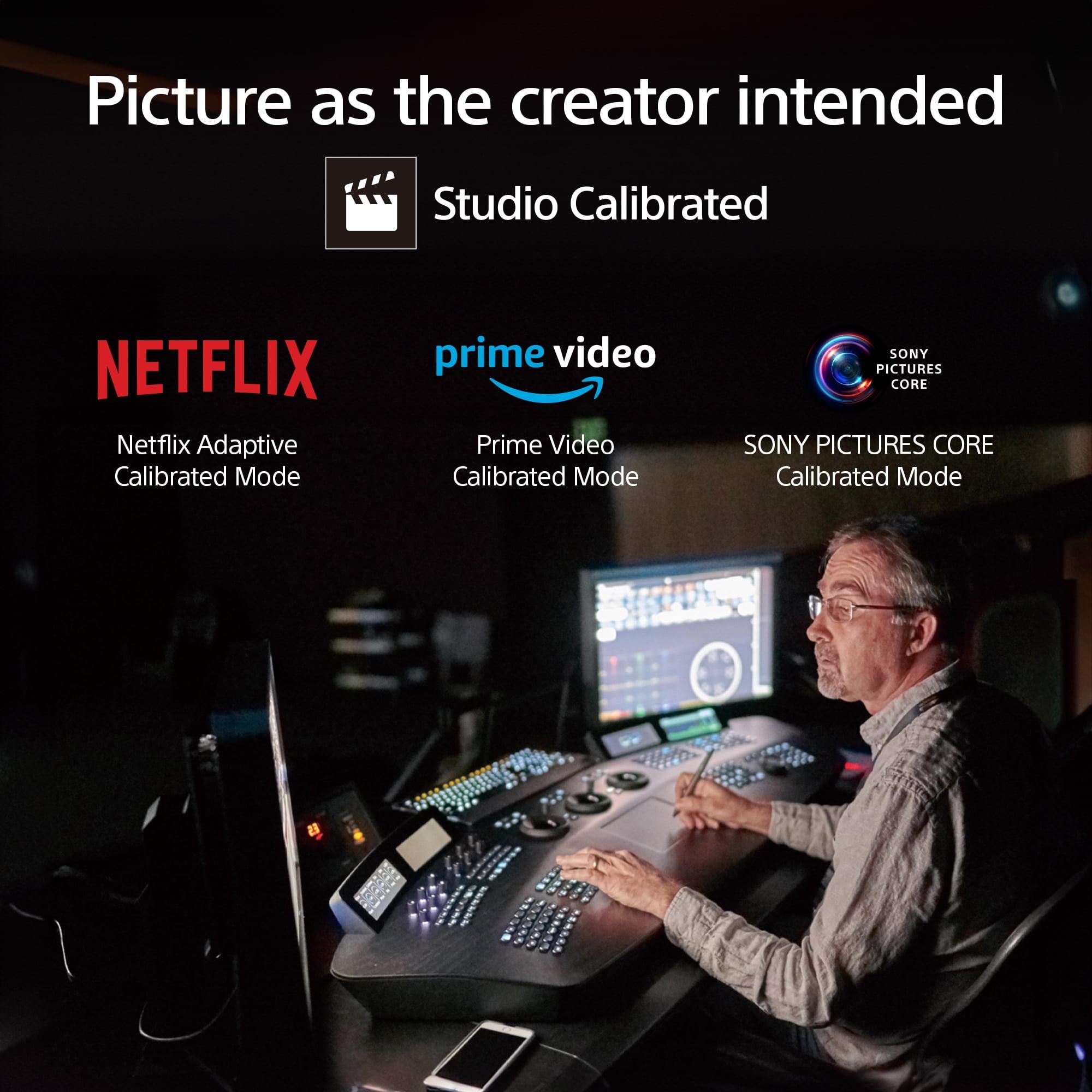
The Sony BRAVIA 8 II focuses more on color accuracy, with Sony's XR Triluminos Max technology ensuring colors look natural and true-to-life. This TV includes studio calibrated modes for major streaming services, meaning movies appear exactly as directors intended. The difference is subtle but meaningful – skin tones look more natural, and the overall image has a more film-like quality.
If gaming is important to you, the Samsung QN80F pulls ahead decisively. It supports 4K gaming at up to 144Hz refresh rate – higher than most current consoles can output but future-proofing for PC gaming and next-generation consoles.
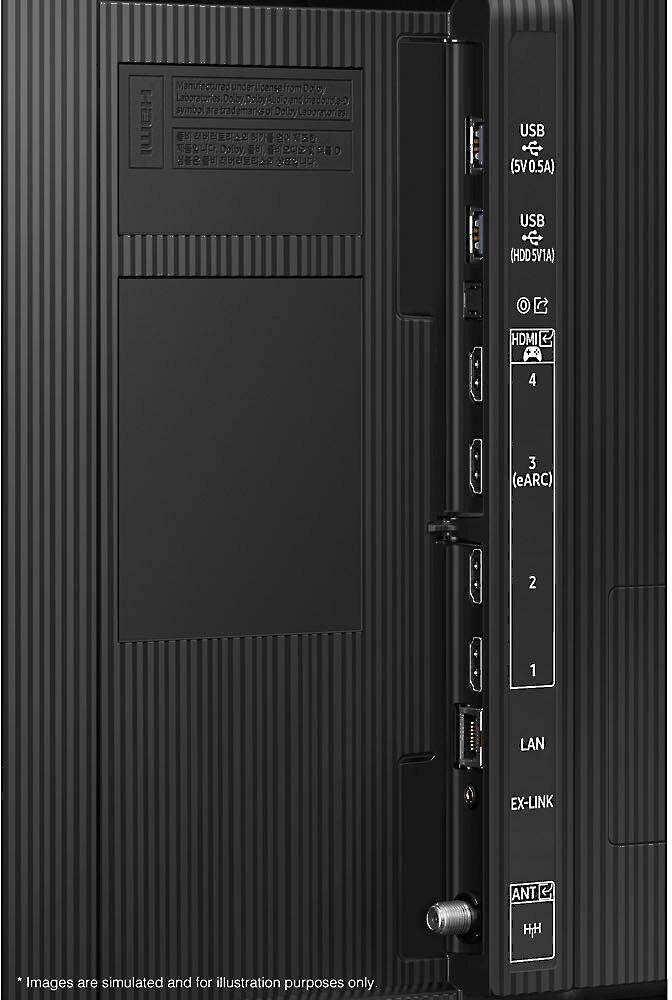
More importantly, the Samsung QN80F includes four HDMI 2.1 ports, each capable of handling the latest gaming features. This means you can connect a PlayStation 5, Xbox Series X, gaming PC, and another device simultaneously without compromising on features or switching cables. The TV also supports all three Variable Refresh Rate (VRR) technologies, ensuring smooth gameplay regardless of your gaming platform.
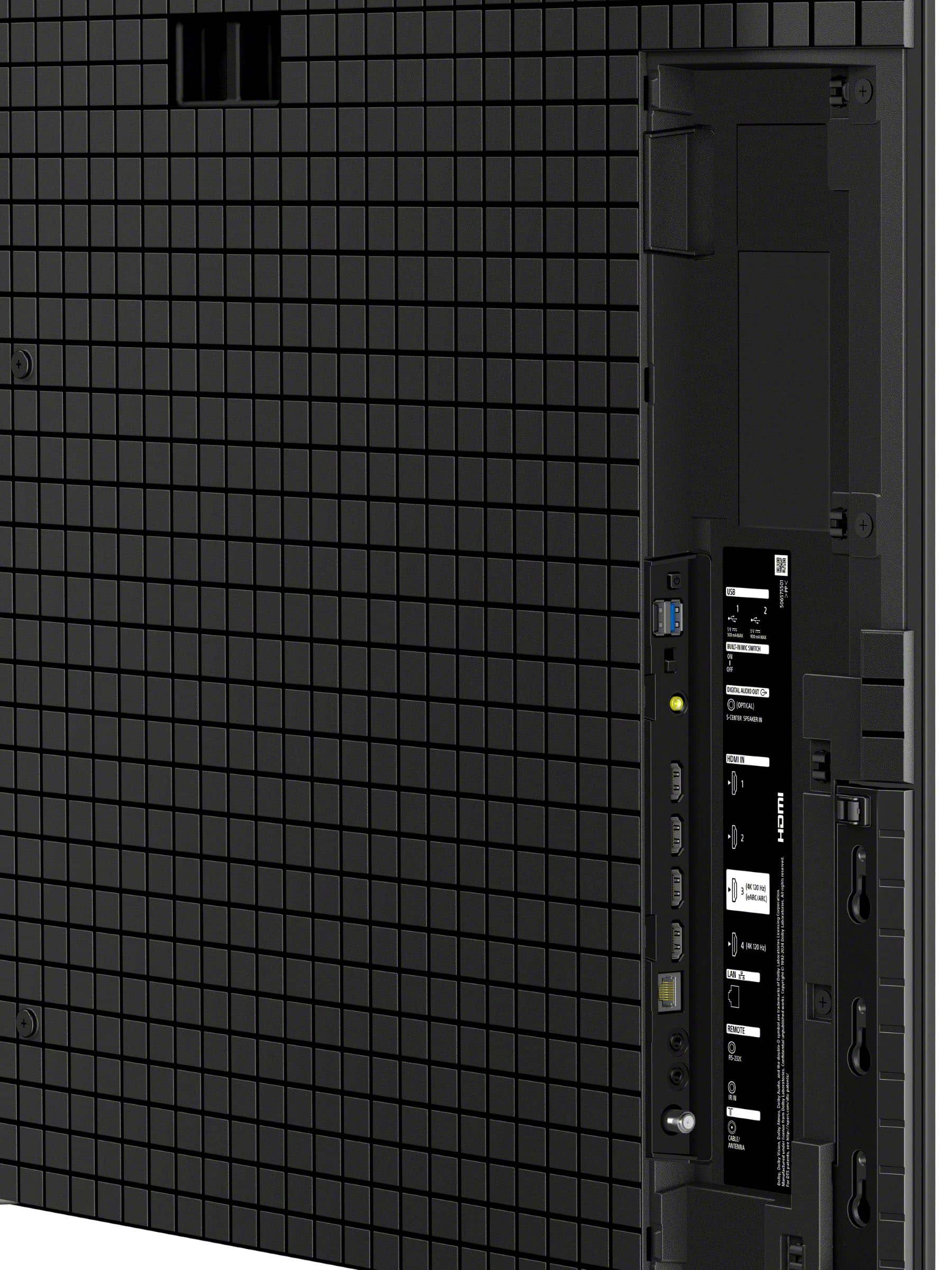
The Sony BRAVIA 8 II is no slouch for gaming, supporting 4K at 120Hz with an impressively low 8.5ms input lag. However, it only includes two HDMI 2.1 ports, which might require an HDMI switch if you have multiple gaming devices. For most console gamers, this limitation isn't dealbreaking, but it's worth considering.
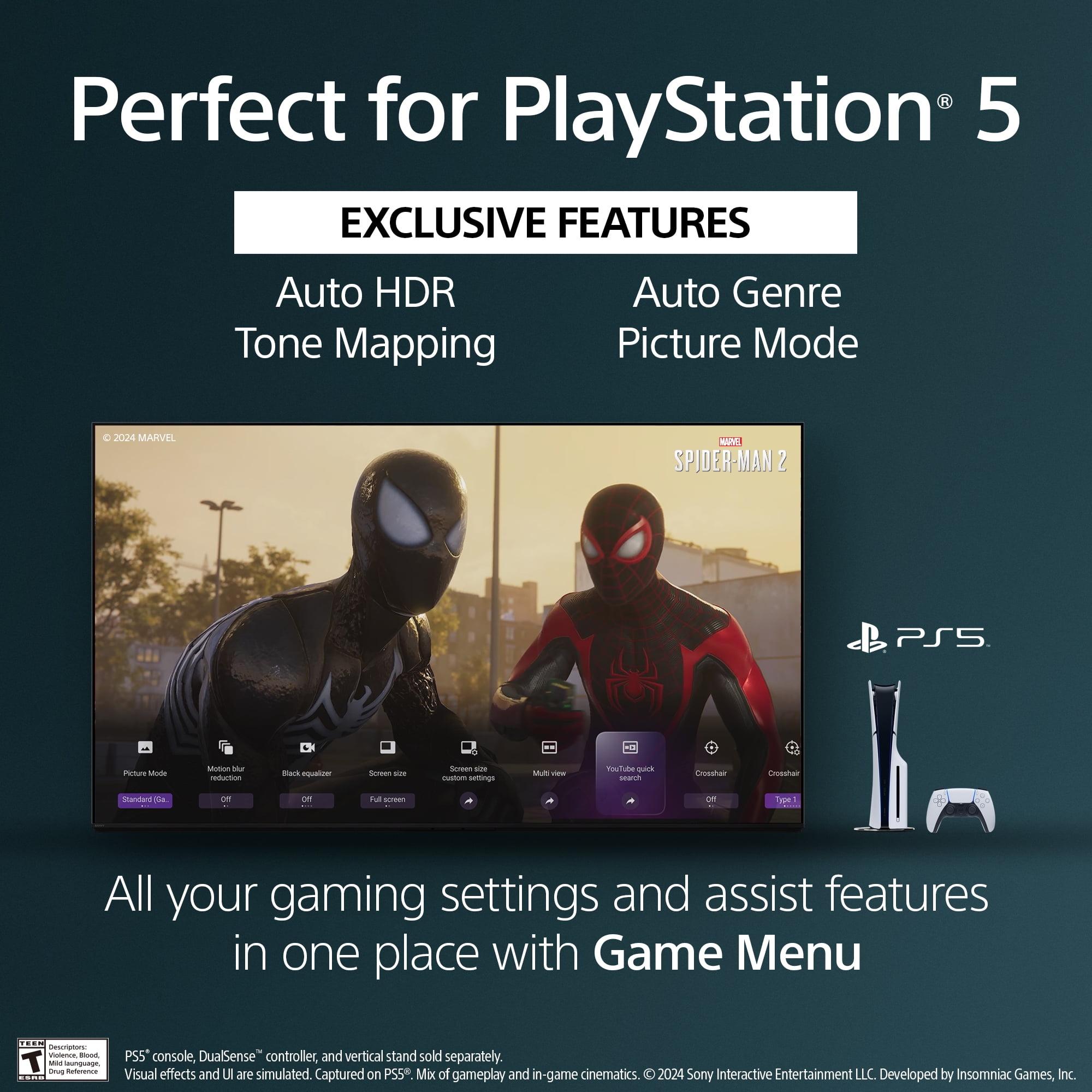
Both TVs include Auto Low Latency Mode (ALLM), which automatically switches to game mode when it detects a gaming console, reducing input lag without manual intervention.
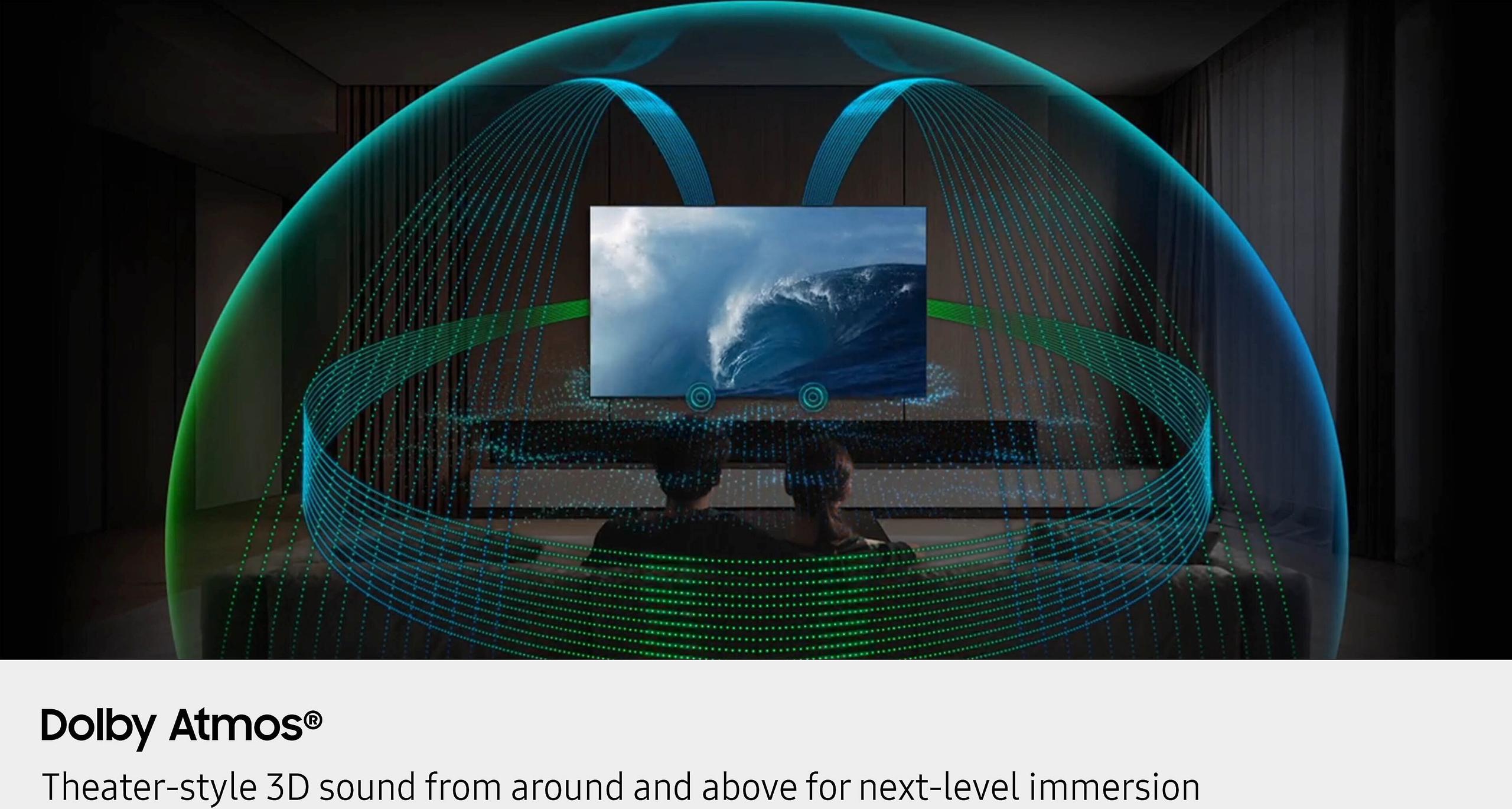
TV audio often gets overlooked, but it represents a significant difference between these models. The Samsung QN80F includes capable 30-watt speakers with Dolby Atmos support, delivering clear dialogue and reasonable bass. However, like most flat-panel TVs, the speakers face downward, limiting their impact.
The Sony BRAVIA 8 II takes a revolutionary approach with Acoustic Surface Audio+ technology. Instead of traditional speakers, actuators behind the OLED panel vibrate the screen itself, turning it into a massive speaker. This creates an incredibly immersive experience where dialogue appears to come directly from characters' mouths on screen.
Having experienced both systems extensively, Sony's approach is genuinely impressive. The sound feels more integrated with the picture, creating a cohesive audio-visual experience that's particularly noticeable in dialogue-heavy content. The system also includes dual subwoofers for enhanced bass response – something you rarely find in TV speakers.
Both TVs offer mature, well-developed smart platforms, but with different philosophies. The Samsung QN80F runs Samsung's Tizen operating system, which has evolved significantly over the years. The interface is clean and responsive, with comprehensive app support for all major streaming services.
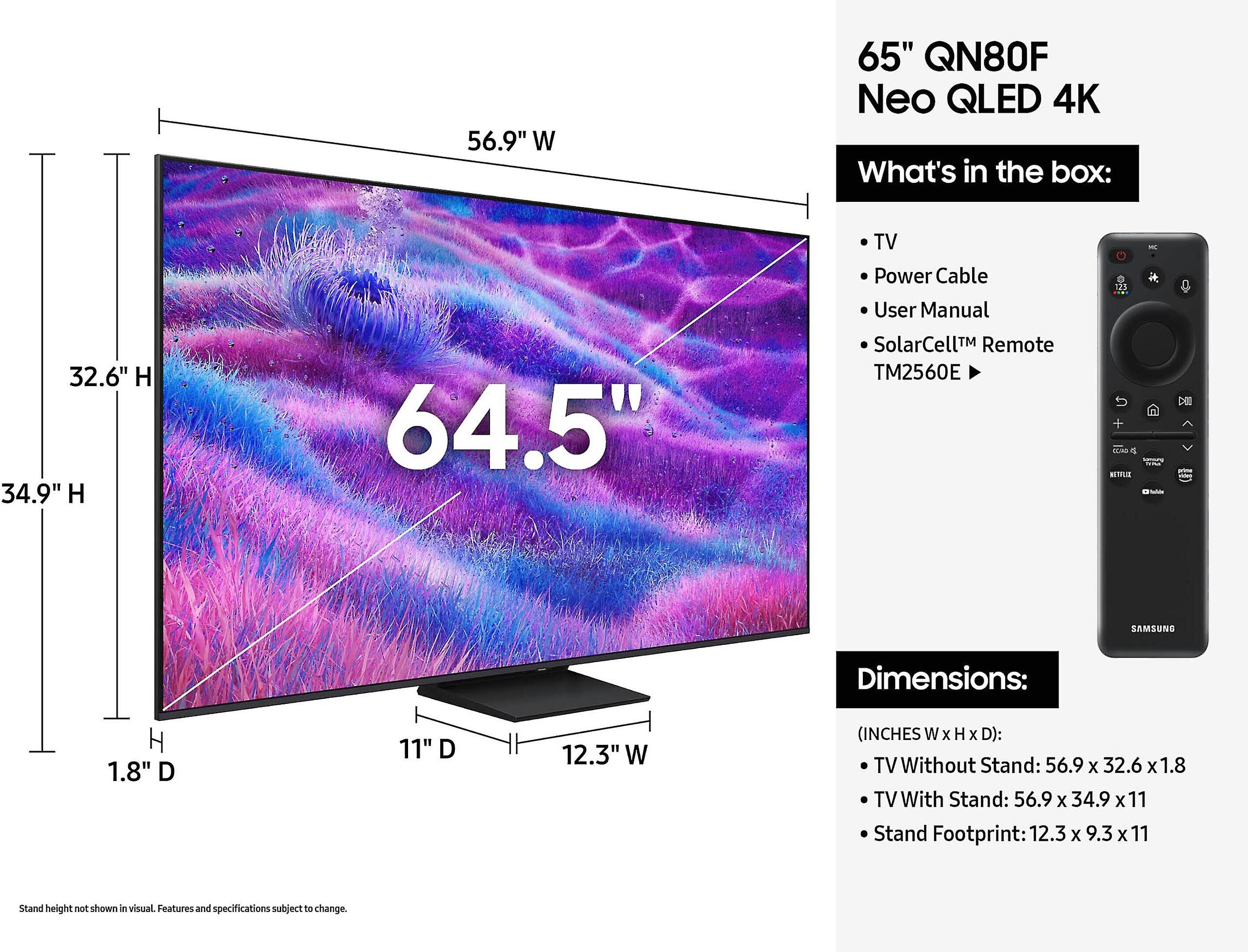
Samsung's Vision AI suite adds interesting functionality, including Live Translate for foreign content, Generative Wallpaper creation, and smart home integration features. The included BT SolarCell Remote charges itself from ambient light – a nice environmental touch that eliminates battery replacement hassles.
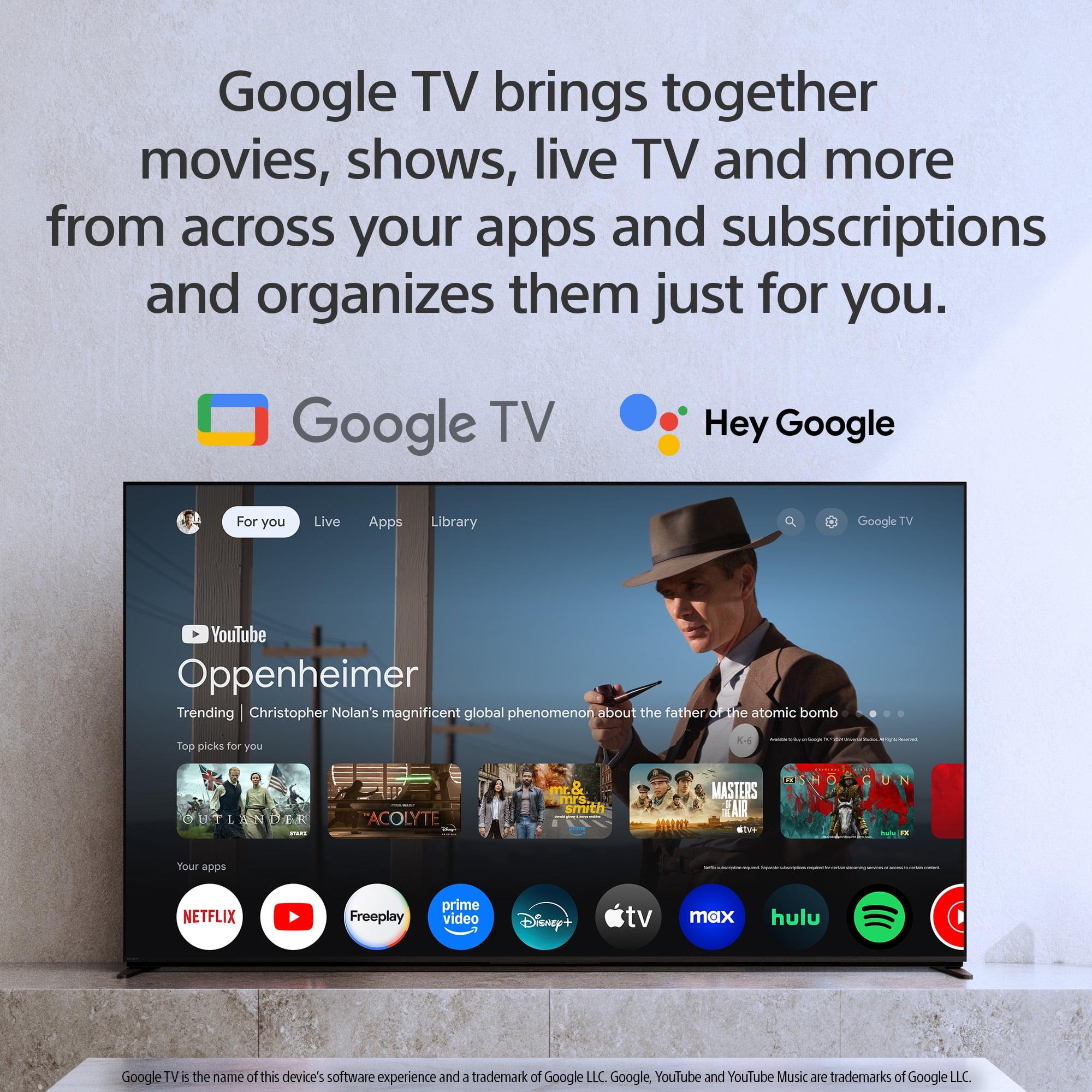
The Sony BRAVIA 8 II uses Google TV, which provides excellent integration with Google services and comprehensive voice control through Google Assistant. The platform excels at content discovery, suggesting movies and shows from across your various streaming services. Apple AirPlay 2 support makes it easy to share content from iPhones and iPads.
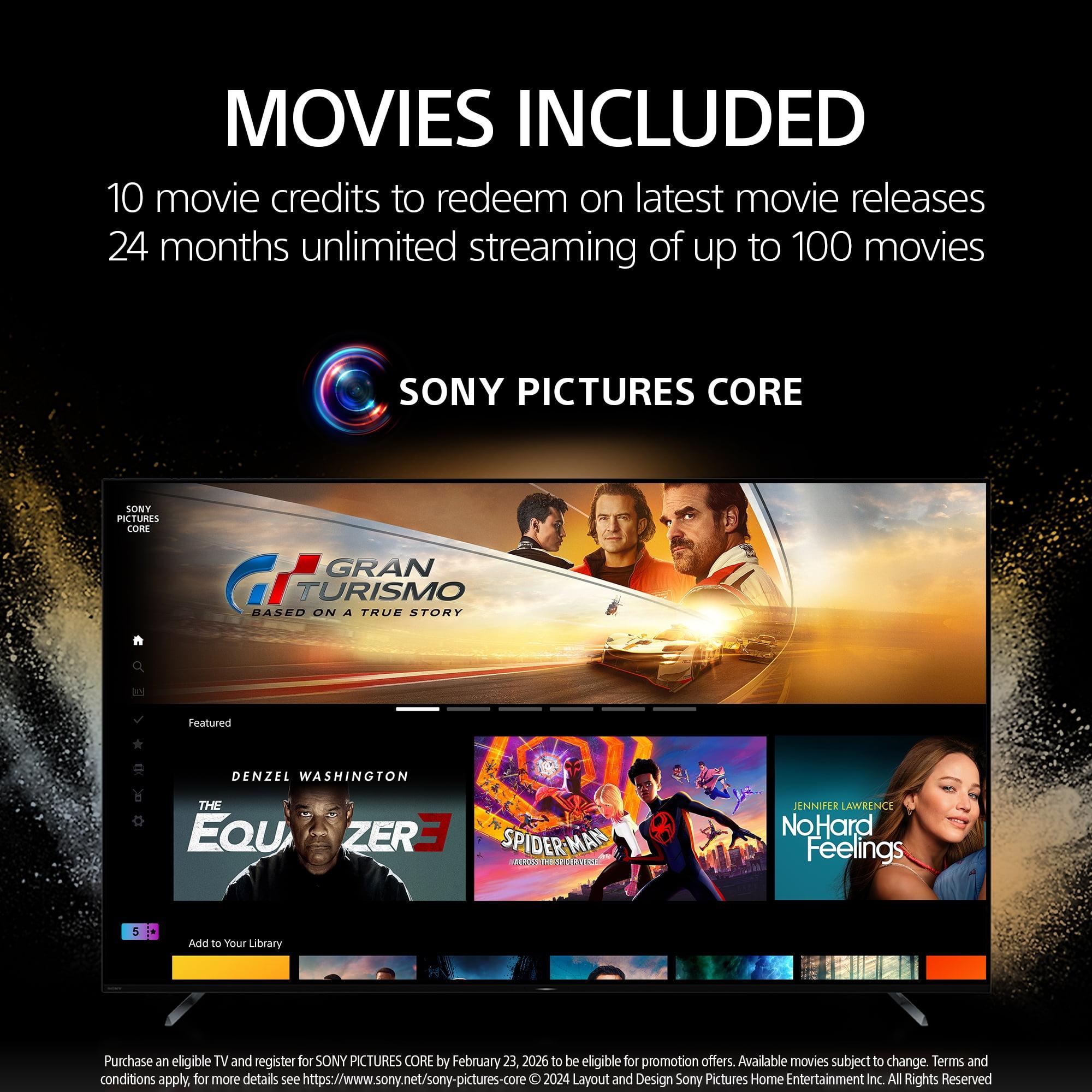
Sony includes access to Sony Pictures Core, providing high-quality streaming of Sony's movie catalog with some titles available in IMAX Enhanced format – perfect for showcasing the TV's capabilities.
Your room's lighting significantly impacts which TV will perform better. The Samsung QN80F excels in bright environments – living rooms with large windows, family rooms with overhead lighting, or any space where you can't control ambient light. Its higher sustained brightness ensures the picture remains vibrant and visible even with significant room lighting.
The Sony BRAVIA 8 II performs best in controlled lighting environments. This doesn't mean it needs to be completely dark, but it reaches its full potential in rooms where you can dim lights for movie watching. The perfect blacks and incredible contrast make it ideal for dedicated home theater setups.
Both TVs include anti-reflective screen treatments, but they can't overcome physics entirely. If your TV will primarily be used during daylight hours in a bright room, the Samsung QN80F is the more practical choice.
At the time of writing, the Samsung QN80F represents exceptional value in the premium TV segment, offering Mini LED technology and comprehensive gaming features at a price point that was unthinkable just a few years ago. Samsung has managed to bring flagship-level features to a more accessible price range.
The Sony BRAVIA 8 II commands a significant premium – roughly $1,000 more than the Samsung model. This price difference reflects the cost of QD-OLED panel technology and Sony's premium positioning, but it's substantial enough to impact purchasing decisions.
The value equation depends heavily on your priorities. If you want the absolute best picture quality and can justify the premium, the Sony BRAVIA 8 II delivers reference-level performance. However, the Samsung QN80F offers outstanding performance at a more reasonable price point.
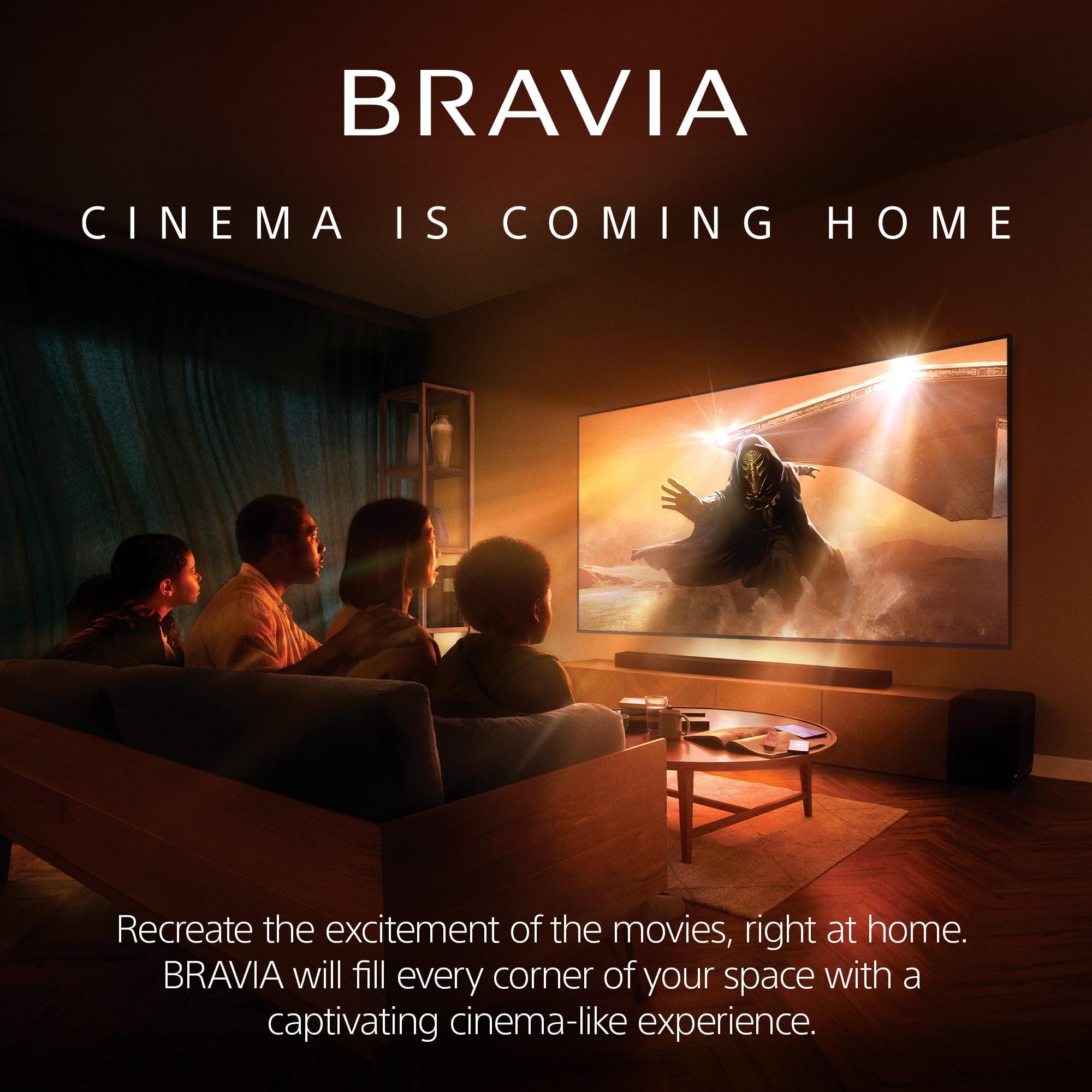
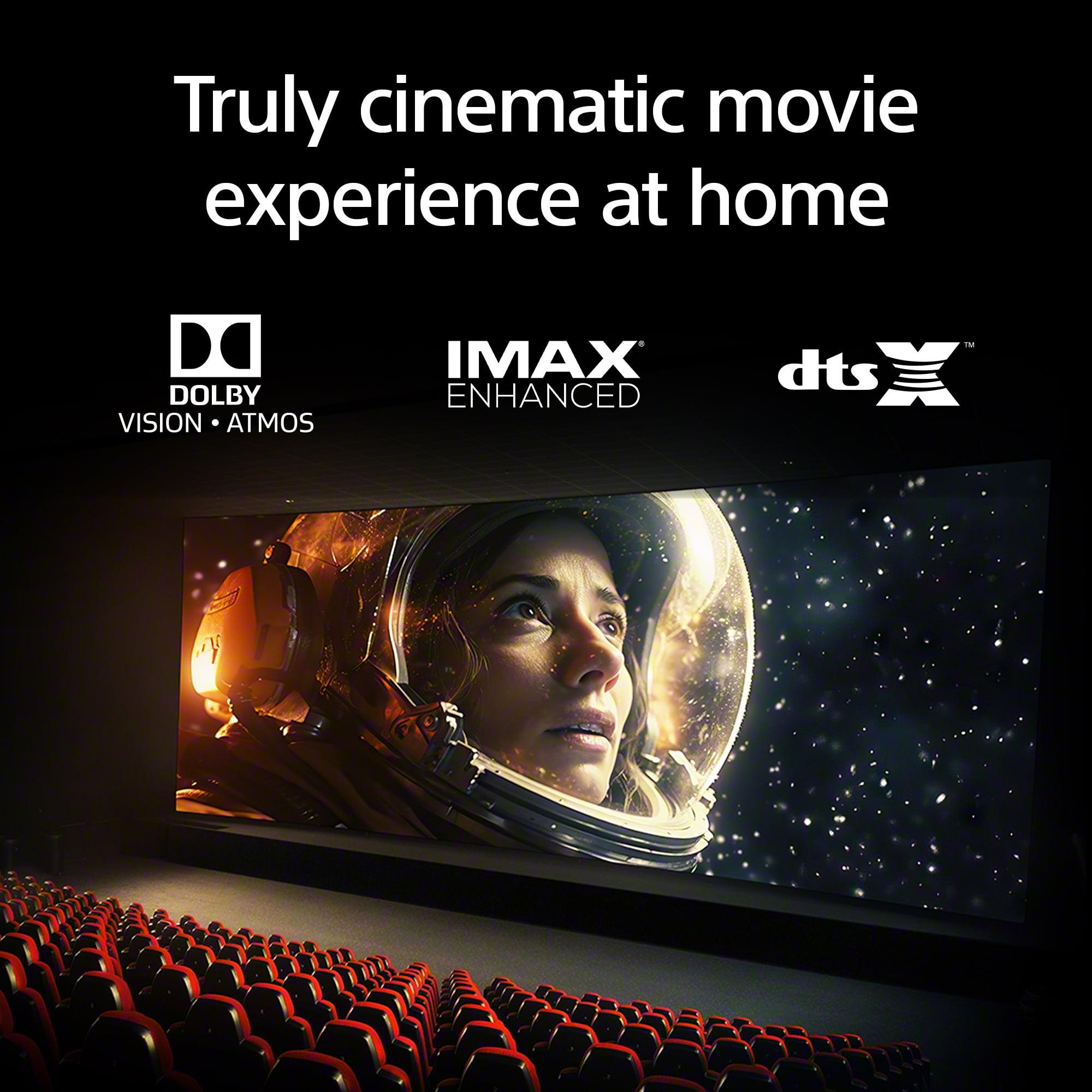
For dedicated home theater setups, the Sony BRAVIA 8 II has distinct advantages. Its perfect blacks create the cinematic experience that movie enthusiasts crave, while support for all HDR formats (including Dolby Vision, which the Samsung lacks) ensures compatibility with the highest-quality content.
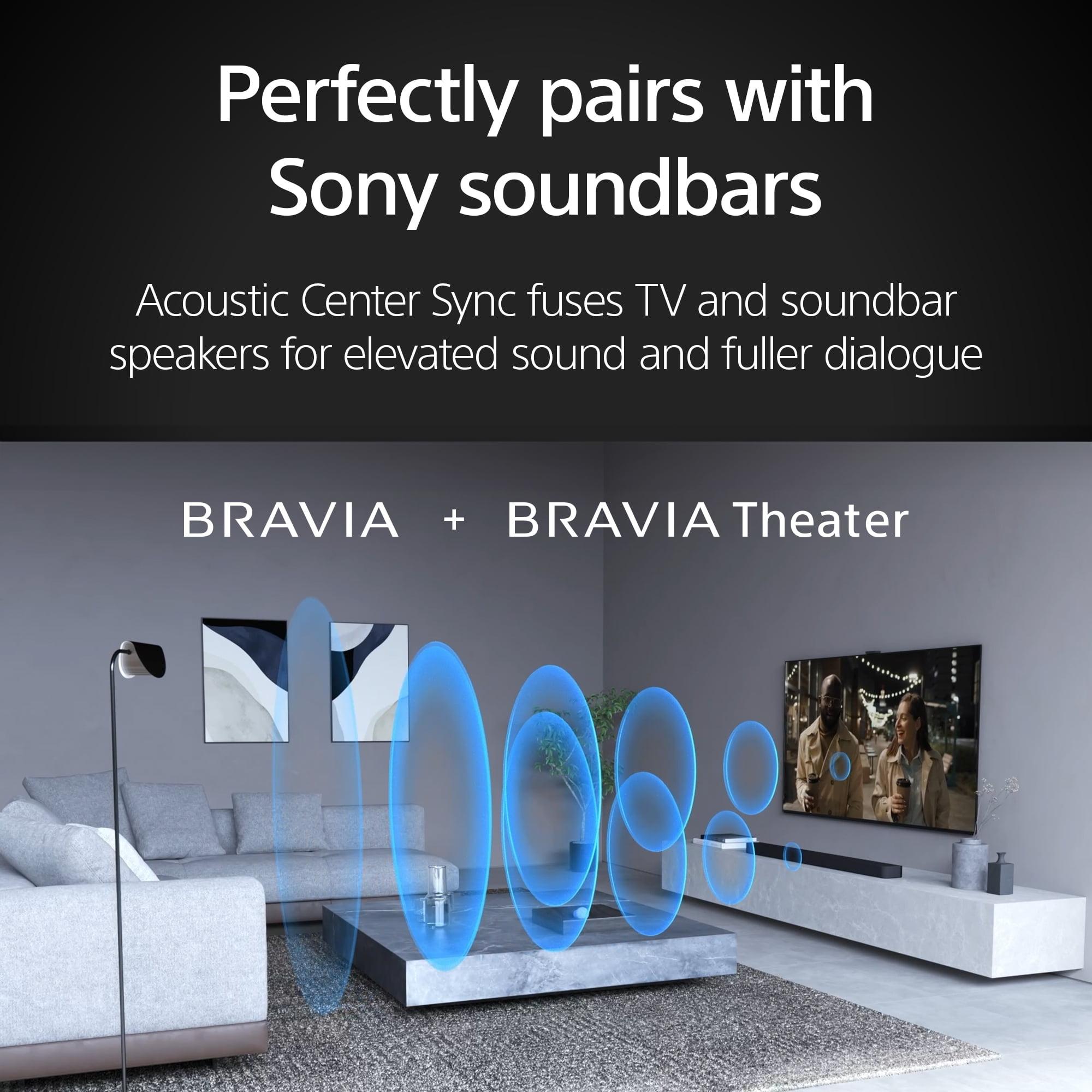
The acoustic surface audio technology eliminates the need for a center channel speaker in many setups, and the TV can actually serve as the center channel when paired with compatible Sony soundbars through Acoustic Center Sync technology.
However, the Samsung QN80F shouldn't be dismissed for theater use. Its excellent gradient handling and strong HDR performance create engaging movie experiences, and the lower price leaves budget for a quality sound system to address the audio limitations.
Choose the Samsung QN80F if:
Choose the Sony BRAVIA 8 II if:
Both the Samsung QN80F and Sony BRAVIA 8 II represent excellent choices in the premium 65-inch TV category, but they serve different needs and preferences. The Samsung offers incredible value and versatility, making it ideal for most households looking to upgrade to premium TV technology without breaking the bank.
The Sony represents the current pinnacle of home display technology, delivering reference-quality picture and audio that justifies its premium pricing for enthusiasts and those seeking the absolute best viewing experience.
Your choice ultimately depends on your viewing habits, room environment, and budget priorities. Both TVs will deliver years of exceptional entertainment – the question is which approach to premium TV technology better matches your specific needs and preferences.
| Samsung 65" QN80F Neo QLED 4K TV | Sony BRAVIA 8 II 65" QD-OLED 4K Google TV 2025 |
|---|---|
| Display Technology - Fundamental difference affecting contrast and brightness | |
| Mini LED backlight with Quantum Dots (excellent bright room performance) | QD-OLED self-emissive pixels (perfect blacks, superior contrast) |
| Peak Brightness - Critical for HDR impact and daytime viewing | |
| Higher sustained brightness across full screen (better for bright rooms) | ~1,880 nits peak (25% brighter than previous Sony OLEDs) |
| Black Levels - Most noticeable difference in dark scenes | |
| Very good with Mini LED local dimming zones | Perfect blacks (pixels turn completely off) |
| Gaming Features - Essential for console and PC gamers | |
| 4K @ 144Hz, 4 HDMI 2.1 ports, all VRR technologies | 4K @ 120Hz, 2 HDMI 2.1 ports, 8.5ms input lag |
| HDR Format Support - Important for streaming and 4K discs | |
| HDR10, HDR10+ (lacks Dolby Vision support) | Full suite: Dolby Vision, HDR10, HLG, IMAX Enhanced |
| Audio System - Affects whether you need a soundbar | |
| 30W conventional speakers with Dolby Atmos | Acoustic Surface Audio+ (screen acts as speaker) with dual subwoofers |
| Smart Platform - Daily user experience and app ecosystem | |
| Samsung Tizen OS with Vision AI features | Google TV with built-in Google Assistant and AirPlay 2 |
| Color Accuracy - Matters most for movies and professional content | |
| Vibrant Quantum Dot colors, good for sports/bright content | XR Triluminos Max with studio calibrated streaming modes |
| Viewing Angles - Important for wide seating arrangements | |
| Good but limited by VA panel technology | Excellent wide viewing angles (OLED advantage) |
| Motion Handling - Critical for sports and action content | |
| Excellent gradient handling, 120Hz with Motion Xcelerator 144Hz | XR OLED Motion with natural film-like motion |
| Build Quality & Design - Premium feel and room integration | |
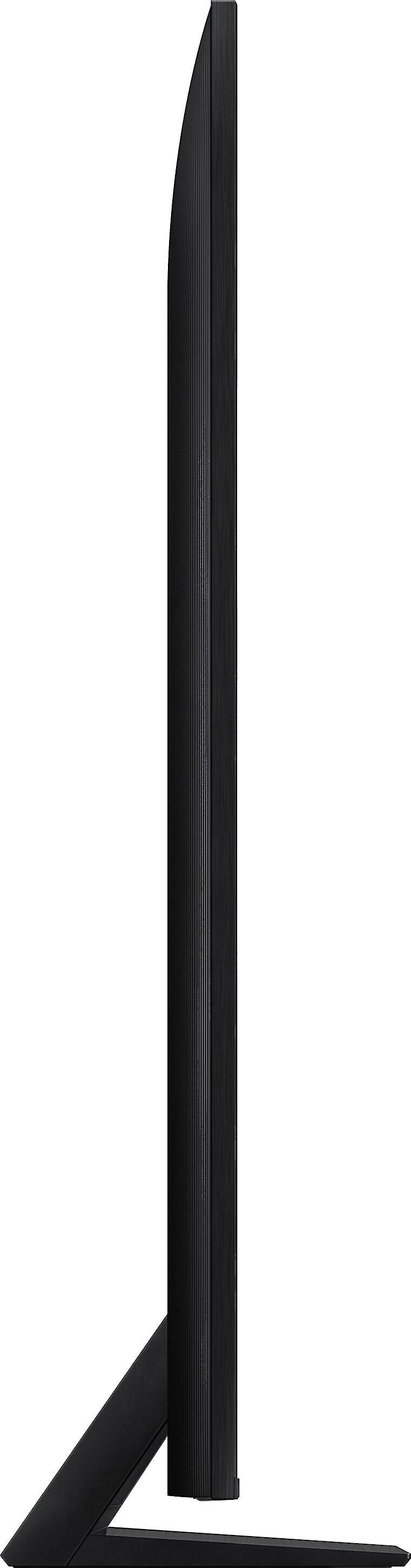
| Slim profile with adjustable stand, cable management | Ultra-thin OLED design with multi-position stand |
| Longevity Concerns - Long-term ownership considerations | |
| No burn-in risk, stable performance over time | Potential OLED burn-in with static content (improved but not eliminated) |
| Best Use Case - Who should prioritize each model | |
| Gamers, bright rooms, value-conscious buyers wanting premium features | Movie enthusiasts, controlled lighting, those prioritizing ultimate picture quality |
The Sony BRAVIA 8 II QD-OLED delivers superior overall picture quality with perfect blacks, infinite contrast, and exceptional color accuracy. Its QD-OLED technology provides deeper shadows and more realistic colors compared to the Samsung QN80F Neo QLED. However, the Samsung QN80F gets brighter overall, making it better for well-lit rooms during daytime viewing.
The Samsung QN80F Neo QLED is significantly better for gaming, offering 4K at 144Hz refresh rate, four HDMI 2.1 ports, and support for all VRR technologies. This makes it ideal for multiple gaming consoles or PC gaming. The Sony BRAVIA 8 II supports 4K at 120Hz with low input lag but only has two HDMI 2.1 ports, limiting connectivity for serious gamers.
The Samsung QN80F uses Mini LED backlighting with Quantum Dots, providing excellent brightness and color but with some light bleeding in dark scenes. The Sony BRAVIA 8 II uses QD-OLED technology where each pixel creates its own light, delivering perfect blacks and superior contrast but with lower peak brightness than Mini LED displays.
The Samsung QN80F Neo QLED performs better in bright rooms due to its higher sustained brightness across the entire screen. Its Mini LED backlighting can overcome ambient light more effectively than OLED technology. The Sony BRAVIA 8 II is better suited for controlled lighting environments where its superior contrast can shine.
No, there's a significant difference here. The Sony BRAVIA 8 II supports all major HDR formats including Dolby Vision, HDR10, HLG, and IMAX Enhanced. The Samsung QN80F supports HDR10 and HDR10+ but notably lacks Dolby Vision support, which could be important for streaming content and 4K Blu-rays.
The Sony BRAVIA 8 II has significantly better built-in audio with its Acoustic Surface Audio+ technology that turns the entire screen into a speaker, plus dual subwoofers. The Samsung QN80F Neo QLED has decent 30W speakers with Dolby Atmos support, but they're more conventional and less impressive than Sony's innovative audio system.
Both work well for home theaters, but the Sony BRAVIA 8 II is better suited for dedicated theater rooms due to its perfect blacks, complete HDR format support, and superior audio system. The Samsung QN80F works well in multipurpose rooms and offers excellent value, though you'll likely want to add a sound system to match the picture quality.
The Samsung QN80F Neo QLED offers exceptional value, providing premium Mini LED technology and comprehensive gaming features at a more accessible price point. The Sony BRAVIA 8 II costs significantly more but delivers flagship picture quality and features that justify the premium for videophiles and home theater enthusiasts.
The Samsung QN80F uses Samsung's Tizen OS with Vision AI features like Live Translate and Generative Wallpaper. The Sony BRAVIA 8 II runs Google TV with built-in Google Assistant, excellent content discovery, and Apple AirPlay 2 support. Both platforms are mature and well-supported with all major streaming apps.
The Sony BRAVIA 8 II is better for movies due to its perfect blacks, complete HDR format support including Dolby Vision, and studio calibrated picture modes for streaming services. Its film-like picture quality and superior audio make it ideal for cinematic content. The Samsung QN80F still delivers excellent movie performance but with a more vibrant, TV-like presentation.
The Sony BRAVIA 8 II offers excellent viewing angles typical of OLED technology, maintaining color and contrast from wide seating positions. The Samsung QN80F Neo QLED has more limited viewing angles due to its VA panel, though it's still acceptable for most room layouts. This makes the Sony BRAVIA 8 II better for wide seating arrangements.
Choose the Samsung QN80F Neo QLED if your living room has lots of windows, you do significant daytime viewing, you're a gamer, or you want premium features at better value. Choose the Sony BRAVIA 8 II if picture quality is your top priority, you can control room lighting, you primarily watch movies and premium content, and budget allows for the higher investment.
We've done our best to create useful and informative comparisons to help you decide what product to buy. Our research uses advanced automated methods to create this comparison and perfection is not possible - please contact us for corrections or questions. These are the sites we've researched in the creation of this article: samsung.com - theshortcut.com - youtube.com - bestbuy.com - rtings.com - samsung.com - samsung.com - samsung.com - sargentappliance.com - displayspecifications.com - bestbuy.com - techradar.com - rtings.com - bestbuy.com - whathifi.com - rtings.com - hometechnologyreview.com - youtube.com - hometechnologyreview.com - hometechnologyreview.com - hometechnologyreview.com - valueelectronics.com - smarthomesounds.co.uk - electronics.sony.com - valueelectronics.com - bestbuy.com - youtube.com - displayspecifications.com - hometechnologyreview.com - flatpanelshd.com

Privacy Policy
Terms and Conditions - Affiliate Policy
Home Security
© Copyright 2008-2026.
11816 Inwood Rd #1211, Dallas, TX 75244