

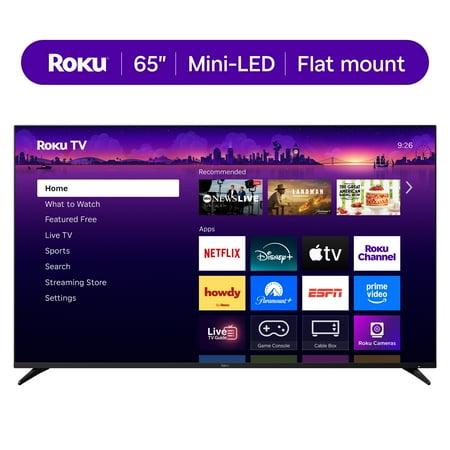
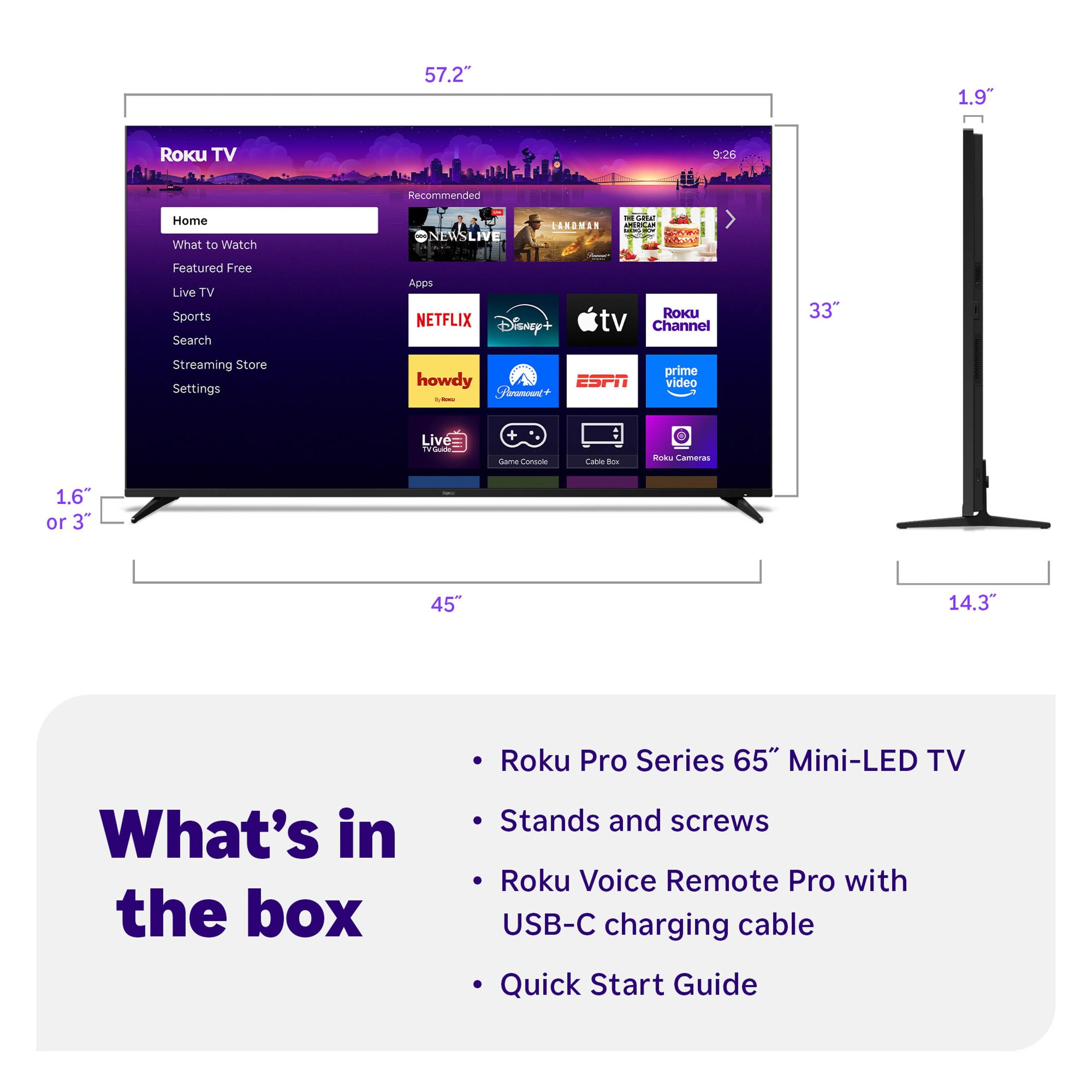
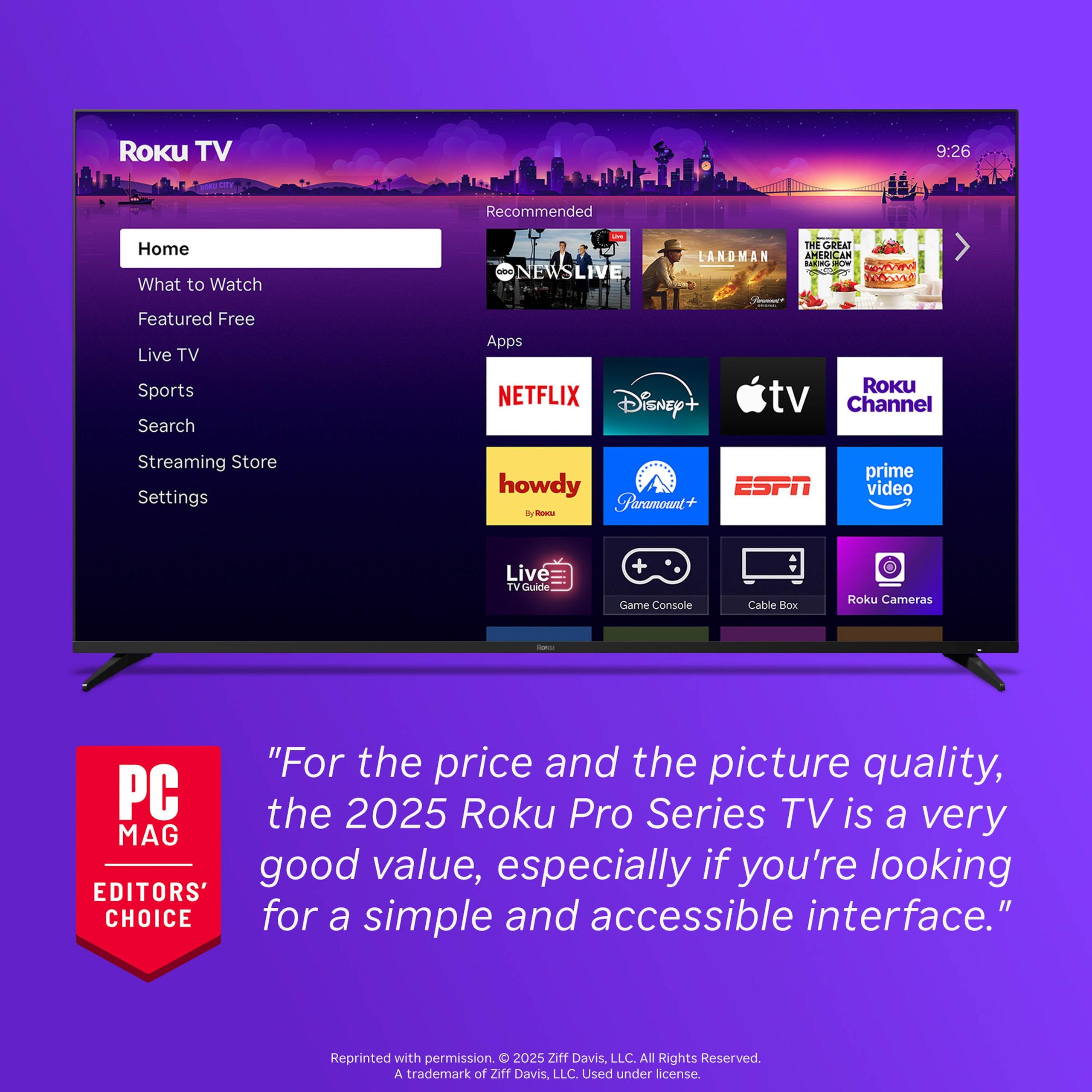
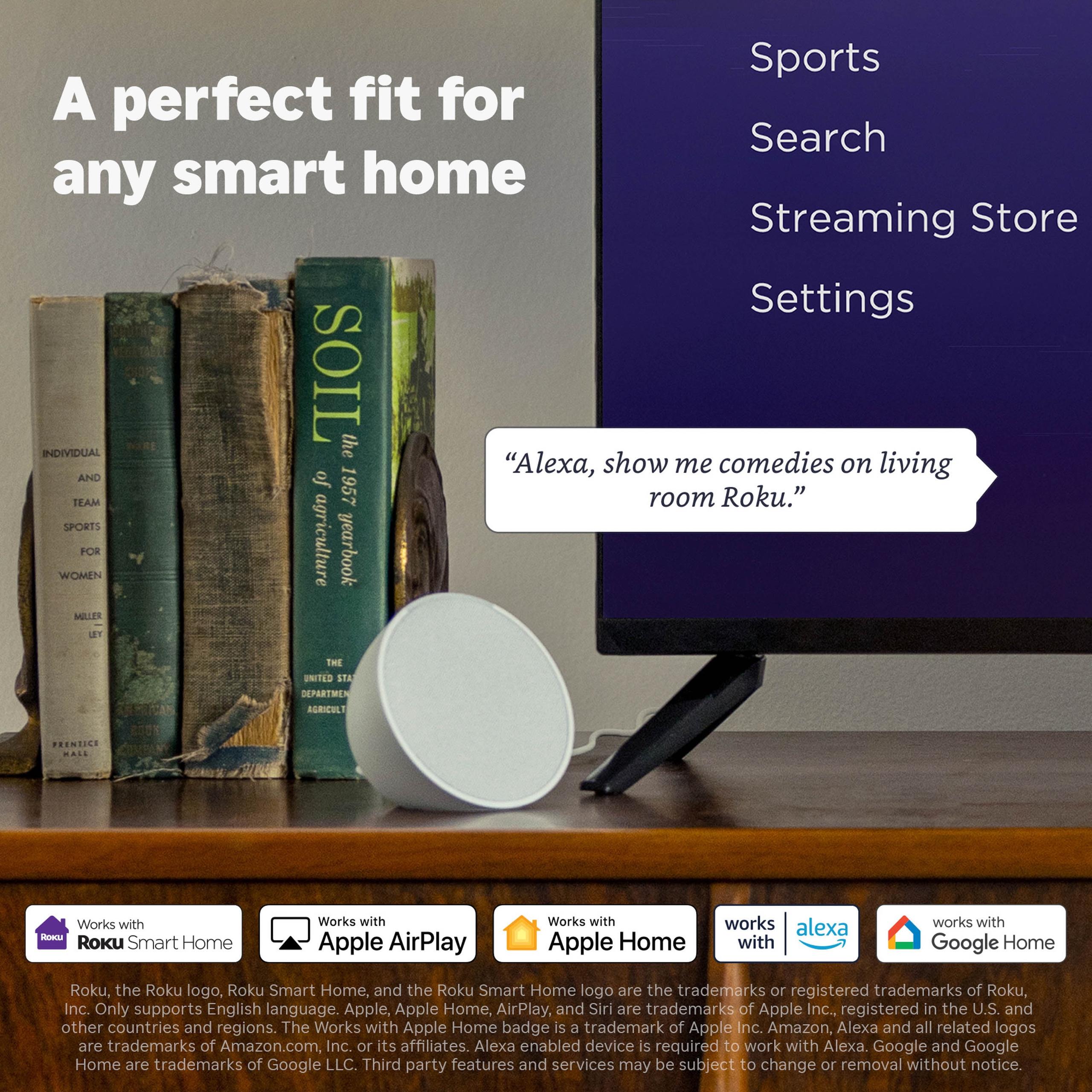
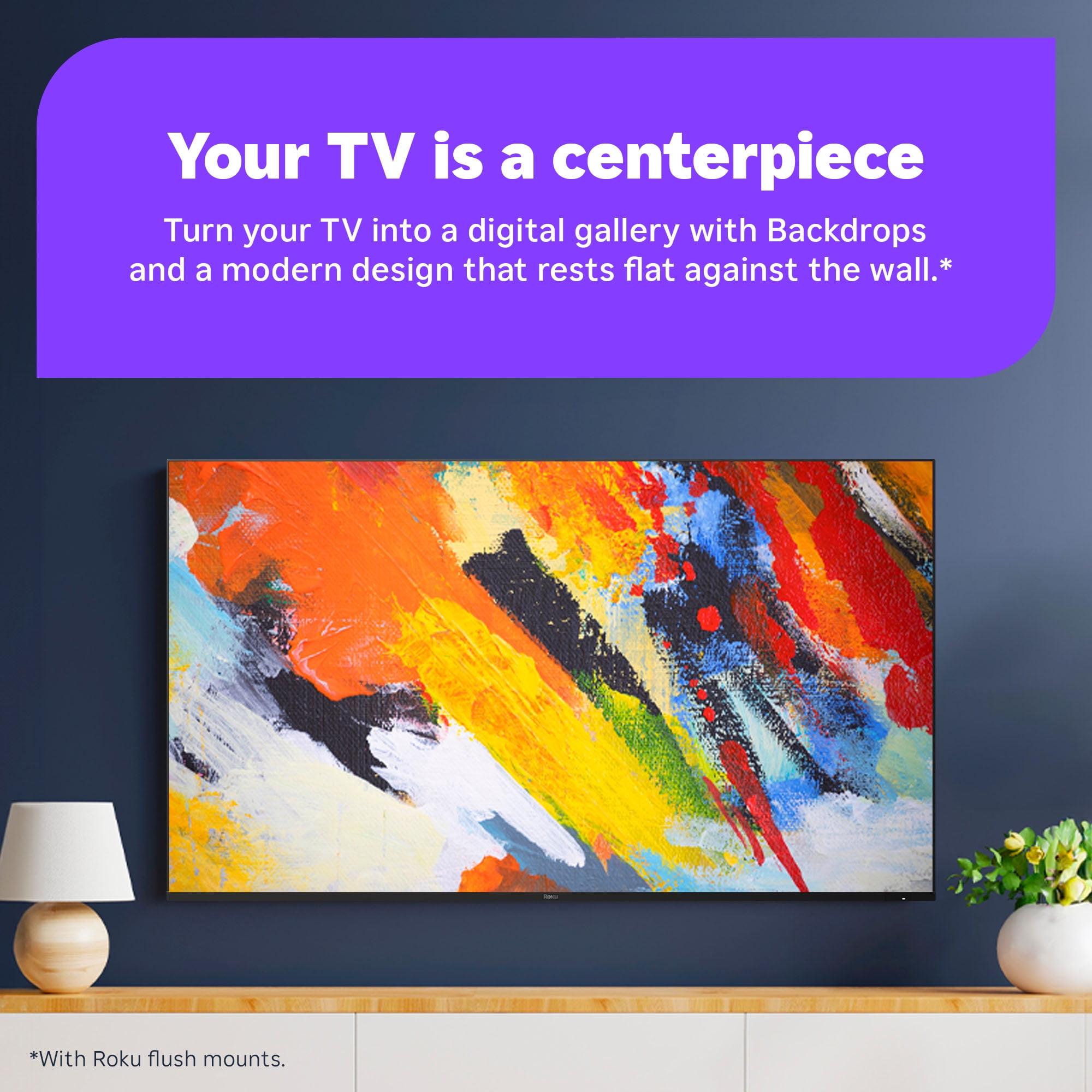
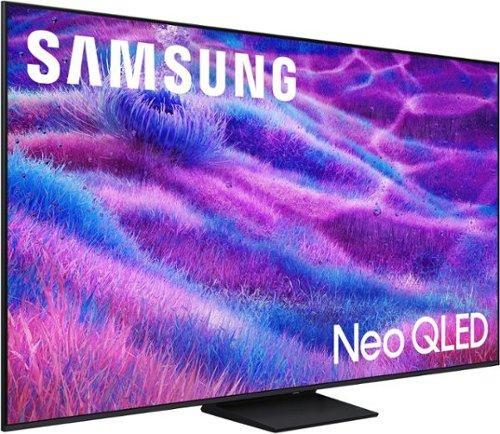
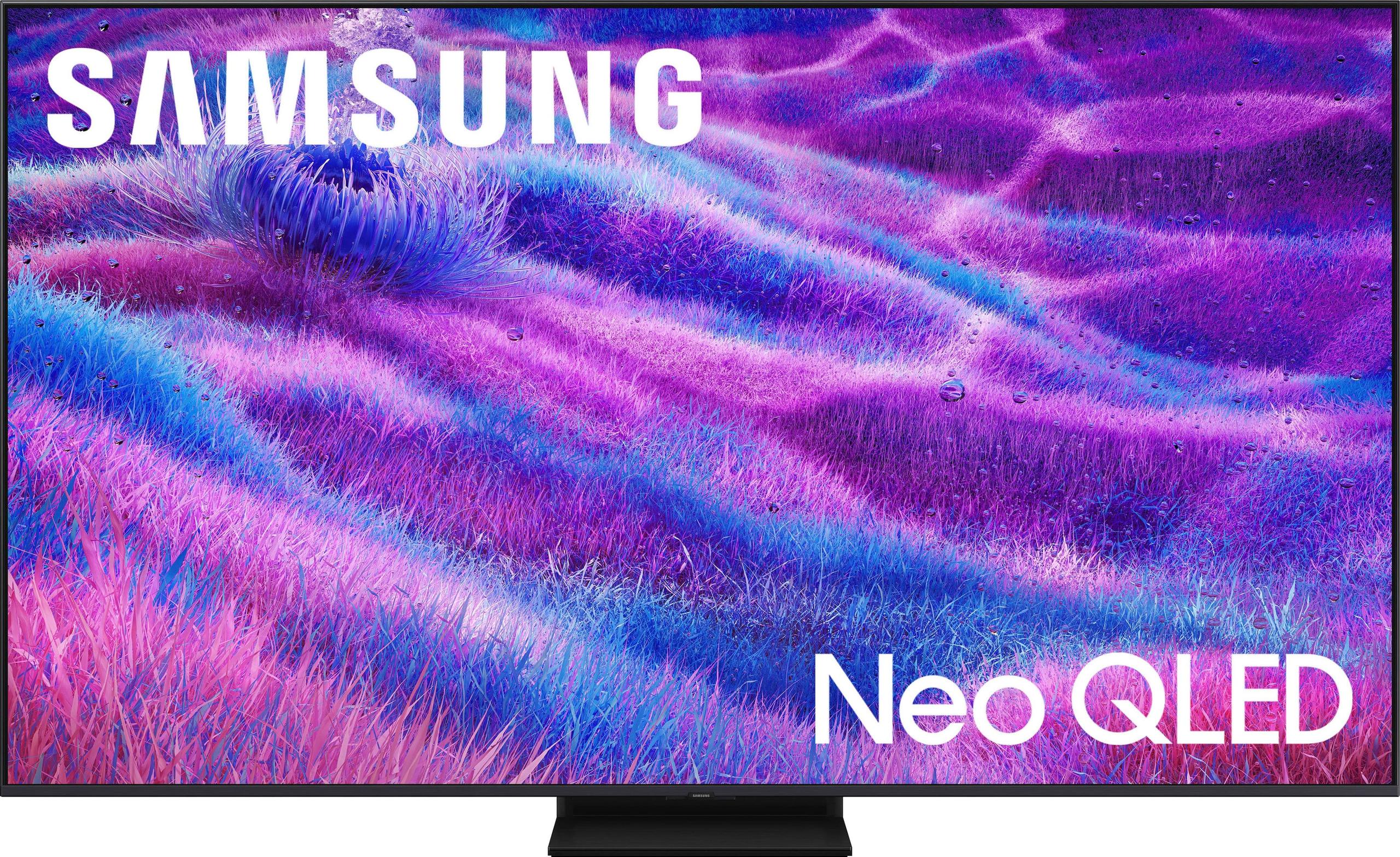
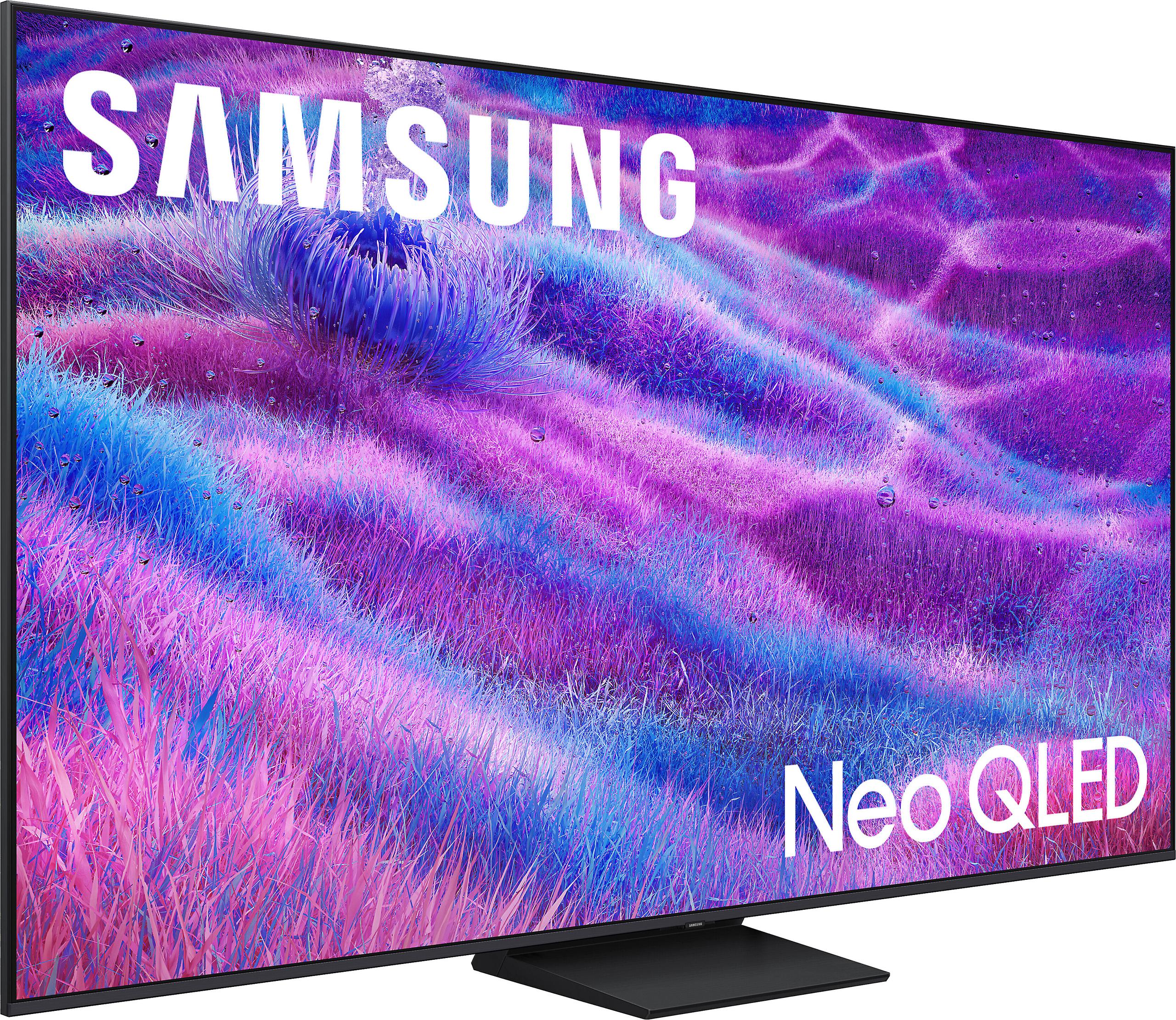
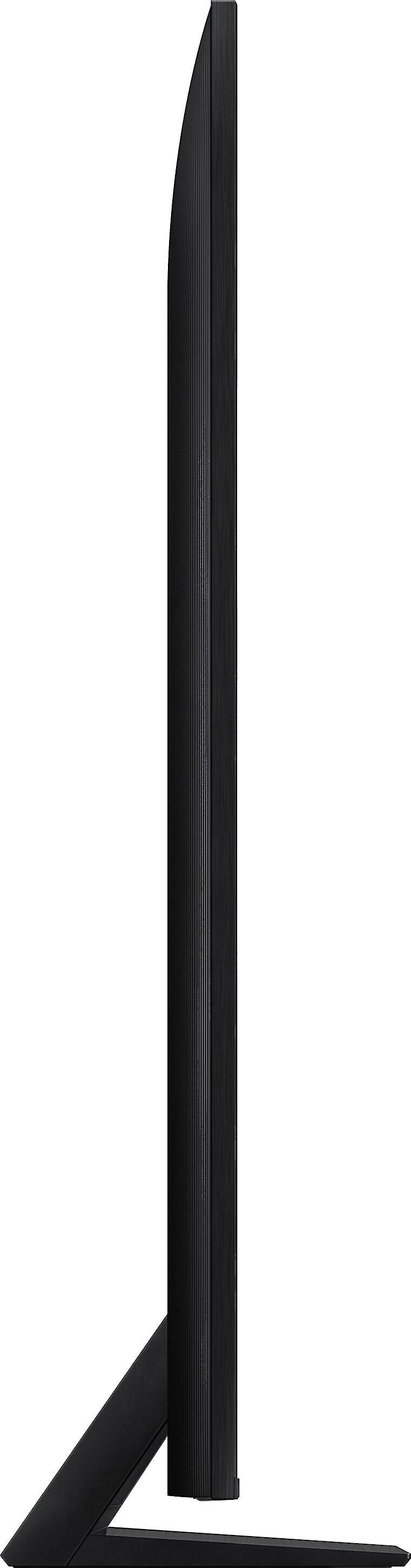
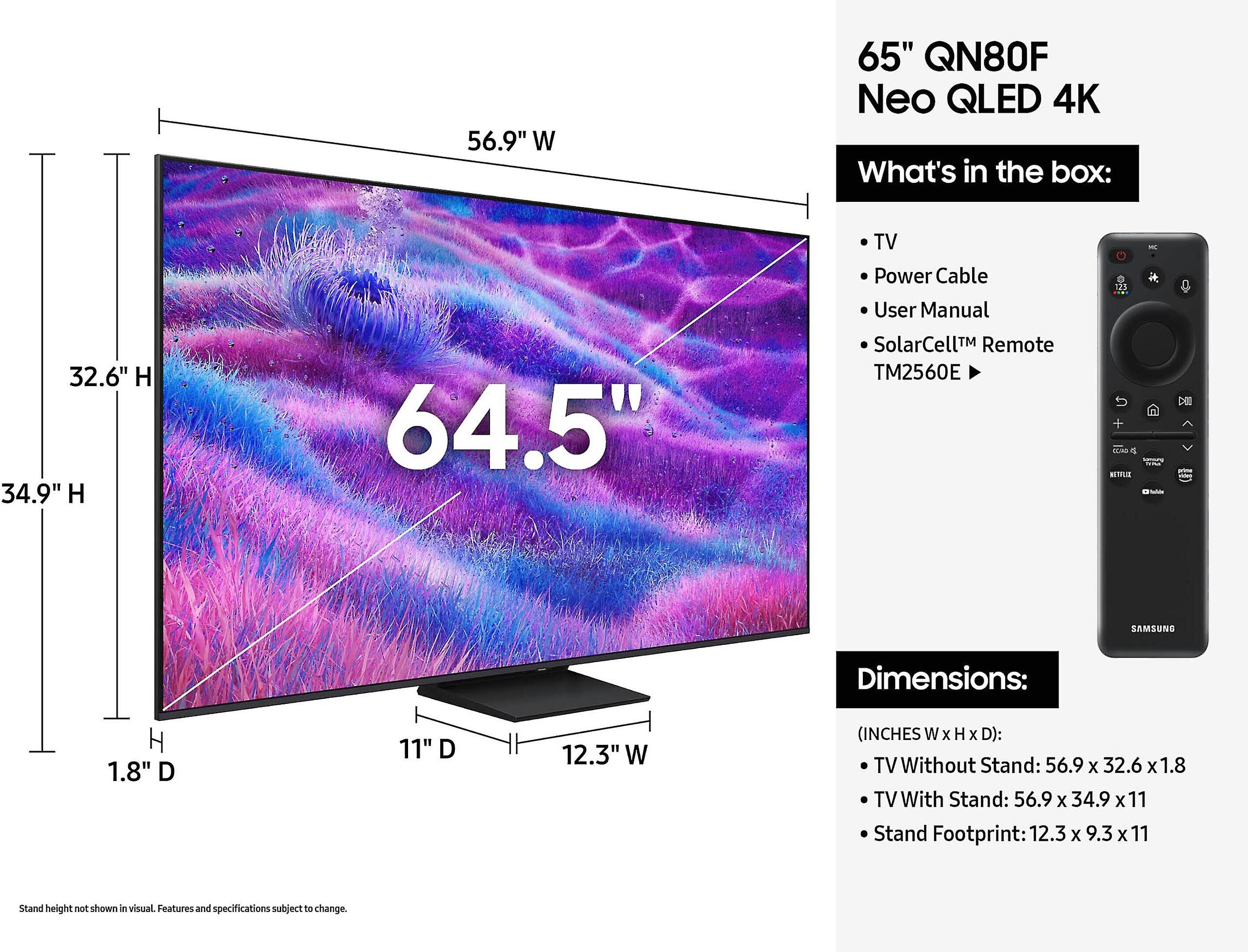
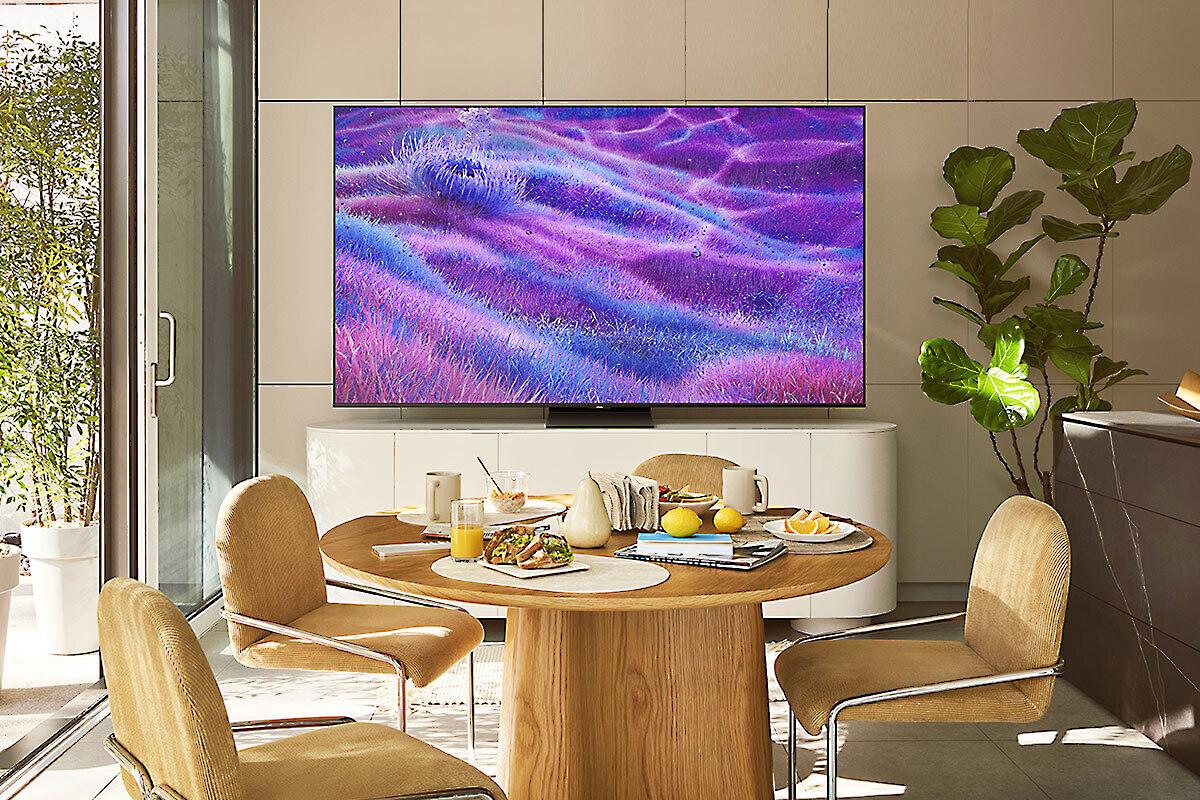

Shopping for a premium 65-inch TV in 2025 means navigating some seriously impressive technology. Both the Roku 65" Pro Series 2025 and Samsung QN80F Neo QLED represent the latest in Mini-LED QLED displays, but they take very different approaches to delivering that cinema-quality experience we all want at home.
At the time of writing, these TVs sit in dramatically different price tiers despite sharing similar core technologies. The Roku Pro Series positions itself as a premium option with a correspondingly higher price tag, while the Samsung QN80F aims for broader accessibility with significantly lower pricing. This creates an interesting comparison that goes beyond simple specs to examine real-world value and performance.
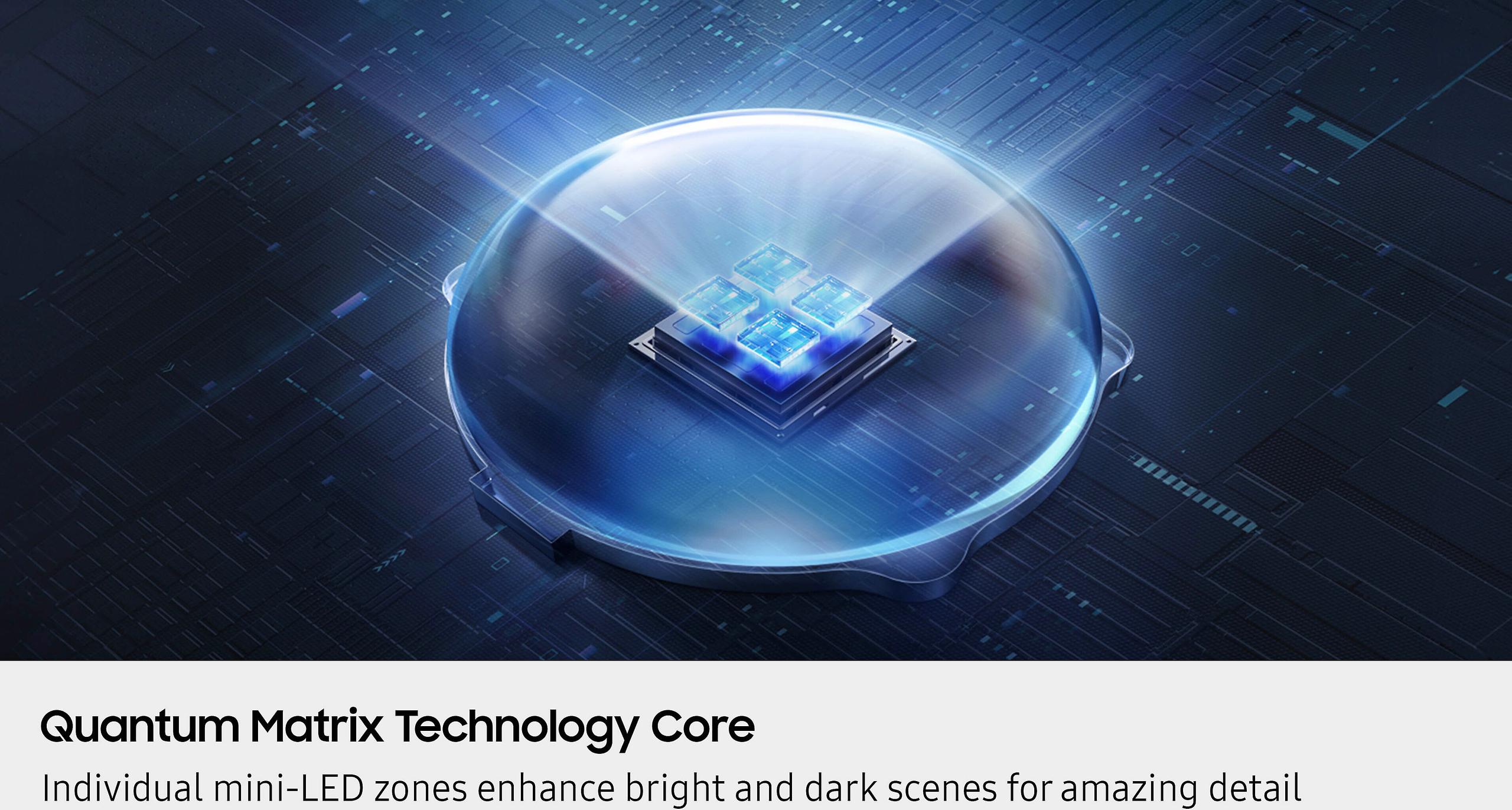
The premium TV market has evolved rapidly since 2020, with Mini-LED backlighting becoming the sweet spot for high-end displays. Unlike basic LED TVs that use edge lighting or simple full-array backlighting, Mini-LED technology uses thousands of tiny LEDs behind the screen, each controlled independently through local dimming zones.
Think of it like having thousands of individual flashlights behind your TV screen, each one capable of dimming or brightening independently. This creates much better contrast because dark areas can be truly dark while bright highlights still pop with intensity. Both the Roku Pro Series and Samsung QN80F use this technology, but their implementation differs significantly.
QLED (Quantum Dot Light Emitting Diode) adds another layer of sophistication. Quantum dots are microscopic particles that emit very pure colors when hit by light. This technology allows TVs to display a much wider range of colors than traditional displays, making everything from animated movies to nature documentaries look more vibrant and lifelike.
HDR (High Dynamic Range) support has also become crucial in 2025. This technology allows TVs to display much brighter highlights and deeper shadows than standard content, creating more realistic images that better match what our eyes see in real life. The key HDR formats include HDR10, HDR10+, Dolby Vision, and HLG, each with slightly different approaches to optimizing picture quality.
The most significant difference between these TVs becomes apparent when you're watching HDR content in a bright room. Based on professional measurements and user feedback, the Roku Pro Series delivers substantially higher peak brightness, reaching over 1,750 nits in optimal conditions. This translates to highlights that really pop—think of the sun reflecting off water or explosions in action movies that actually make you squint slightly.
The Samsung QN80F, while still respectable, achieves around 930 nits of peak brightness. In a dimly lit home theater, this difference might not be dramatic, but in a bright living room with windows, the Roku's extra brightness makes HDR content significantly more impactful. If your TV room gets natural light during the day, this brightness advantage becomes crucial for maintaining picture quality.
What makes this particularly interesting is how each TV handles the balance between brightness and color accuracy. The Roku Pro Series manages to maintain vibrant, accurate colors even at high brightness levels, while some users note that the Samsung QN80F can look somewhat washed out in bright conditions.
Mini-LED technology promises better contrast than traditional LED TVs, but implementation quality varies significantly. The Roku Pro Series demonstrates superior black level performance, with dark scenes in movies showing truly deep blacks rather than the grayish appearance common in lesser displays.
This improved contrast comes from what Roku calls "Enhanced Dynamic Contrast," which represents a 75% improvement over their previous generation. In practical terms, this means watching a movie like "Dune" where you have both bright desert scenes and dark interior shots, the TV can handle these transitions more naturally without sacrificing detail in either the highlights or shadows.
The Samsung QN80F provides solid contrast performance, but based on user experiences, it doesn't quite match the depth and richness that the Roku achieves. However, Samsung does excel in gradient handling—the smooth transitions between different shades of color that prevent banding in scenes like sunsets or smoke effects.
Color reproduction reveals another key difference between these displays. The Roku Pro Series covers 96.9% of the UHDA-P3 color space and 80.6% of the wider BT.2020 standard. These numbers might sound technical, but they translate to more accurate and vivid colors, especially in content mastered for wide color gamuts.
More importantly, the Roku includes Smart Picture Max, an AI-powered processing engine that automatically optimizes picture settings based on what you're watching. Unlike basic TVs that apply the same settings regardless of content, this system recognizes whether you're watching a dark drama, bright sports game, or animated movie, then adjusts contrast, color, and sharpness accordingly.
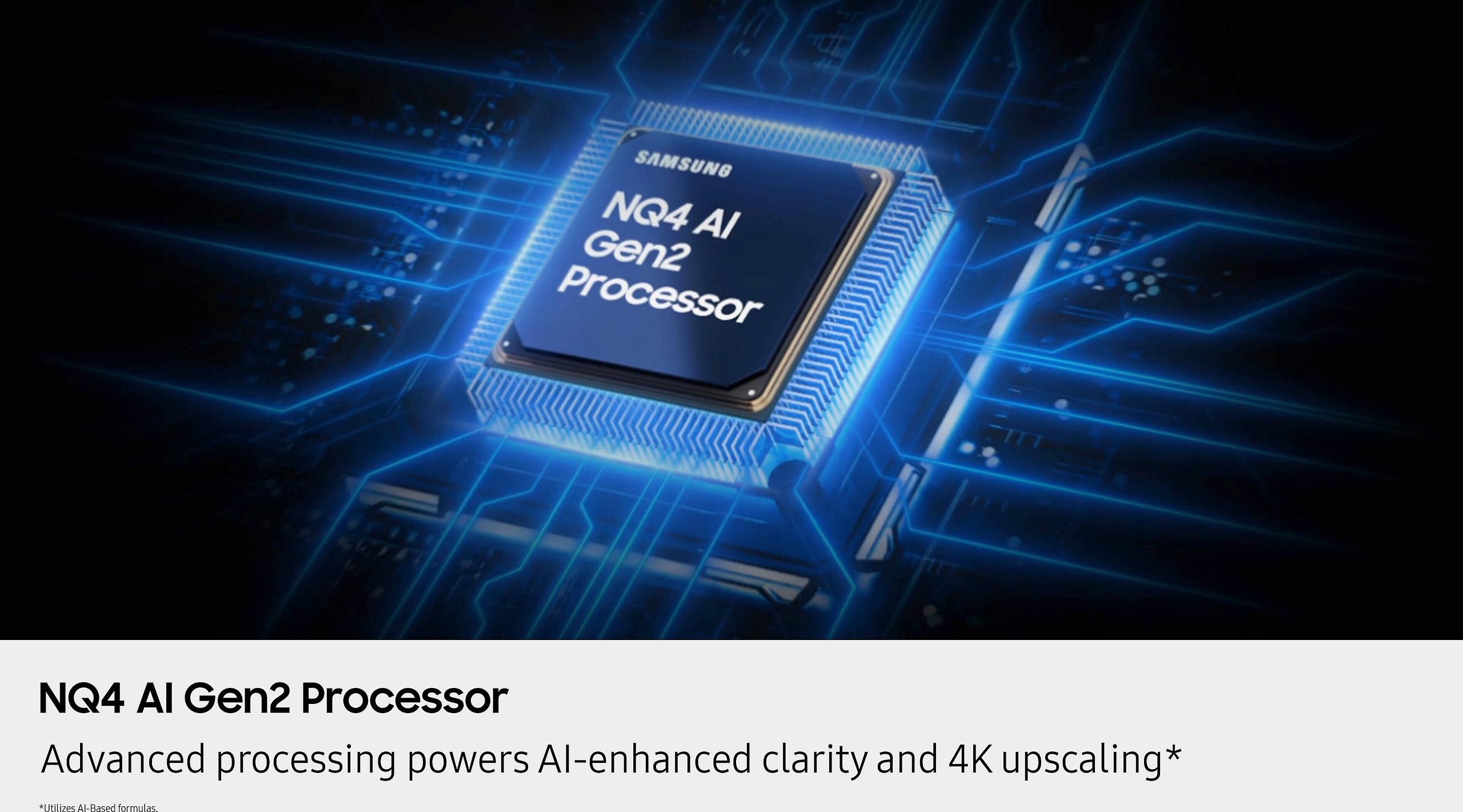
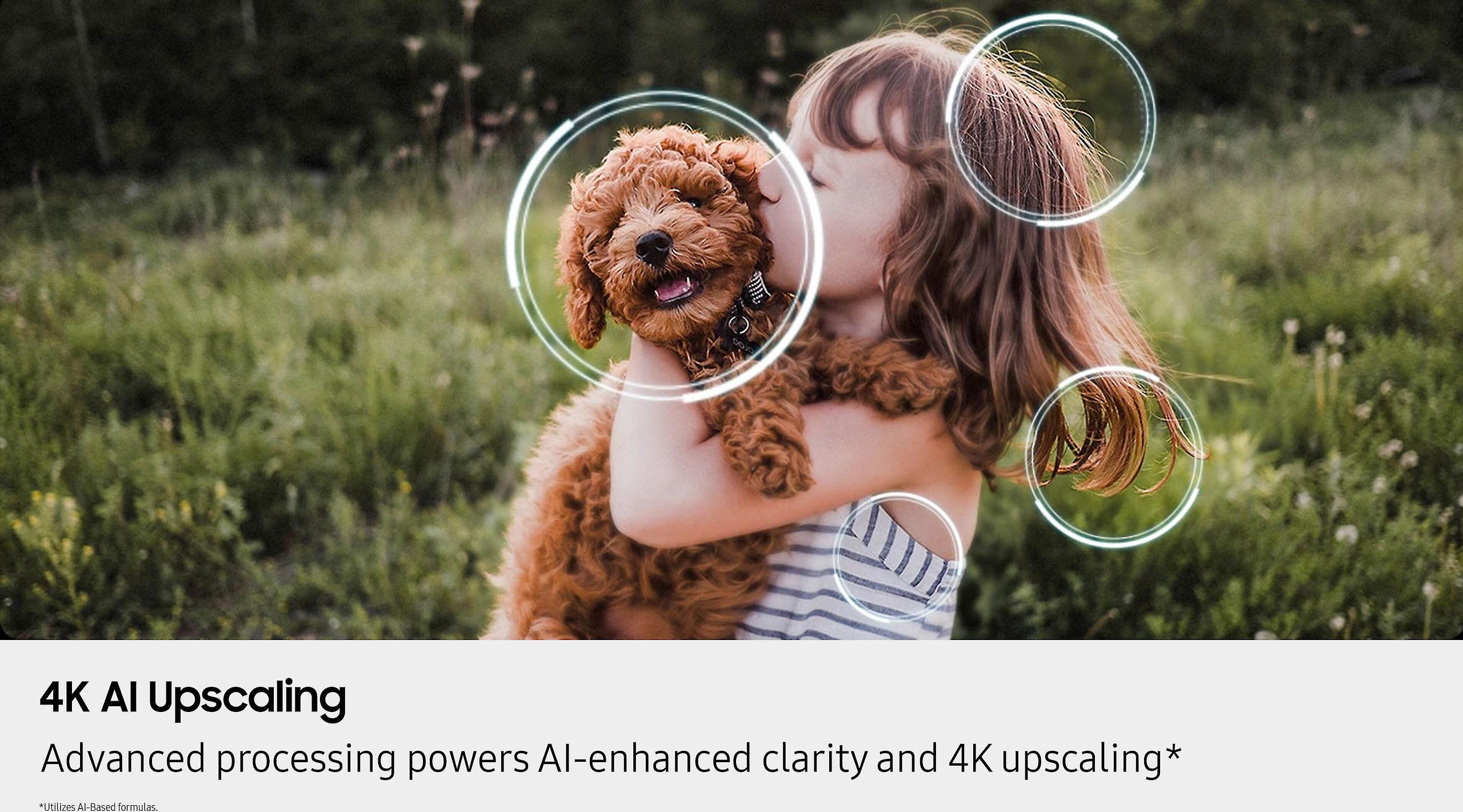
The Samsung QN80F takes a different approach with its NQ4 AI Gen2 Processor, focusing heavily on upscaling lower-resolution content to near-4K quality. If you frequently watch older TV shows or lower-quality streams, Samsung's processing advantage becomes significant. However, for high-quality 4K content, the Roku's scene-by-scene optimization tends to produce more natural, film-like results.
Gaming capabilities have become increasingly important as console technology advances, and both TVs support modern gaming features, though with different strengths.
The Roku Pro Series provides a solid 120Hz native refresh rate with support for Variable Refresh Rate (VRR) and AMD FreeSync Premium Pro. For PlayStation 5 or Xbox Series X gaming, this means smooth gameplay without screen tearing or stuttering, especially important in fast-paced games like racing simulators or competitive shooters.
The Samsung QN80F pushes this further with support for refresh rates up to 144Hz through its Motion Xcelerator technology. For PC gamers with high-end graphics cards, this extra refresh rate capability can provide even smoother motion in supported games. However, the practical difference between 120Hz and 144Hz is relatively subtle unless you're a competitive gamer focused on every possible advantage.
Input lag—the delay between pressing a button and seeing the action on screen—critically affects gaming responsiveness. The Roku Pro Series achieves impressive input lag as low as 5.2 milliseconds at 120Hz, making controls feel immediate and responsive.
An interesting consideration emerges with the Samsung QN80F: while it offers excellent input lag performance, the picture quality degrades somewhat in game mode due to slower local dimming response. The TV has to choose between maintaining full picture quality or achieving the fastest possible gaming response, creating a compromise that the Roku Pro Series handles more gracefully.
Both TVs include Auto Low Latency Mode (ALLM), which automatically switches to game mode when it detects a gaming console, eliminating the need to manually adjust settings.
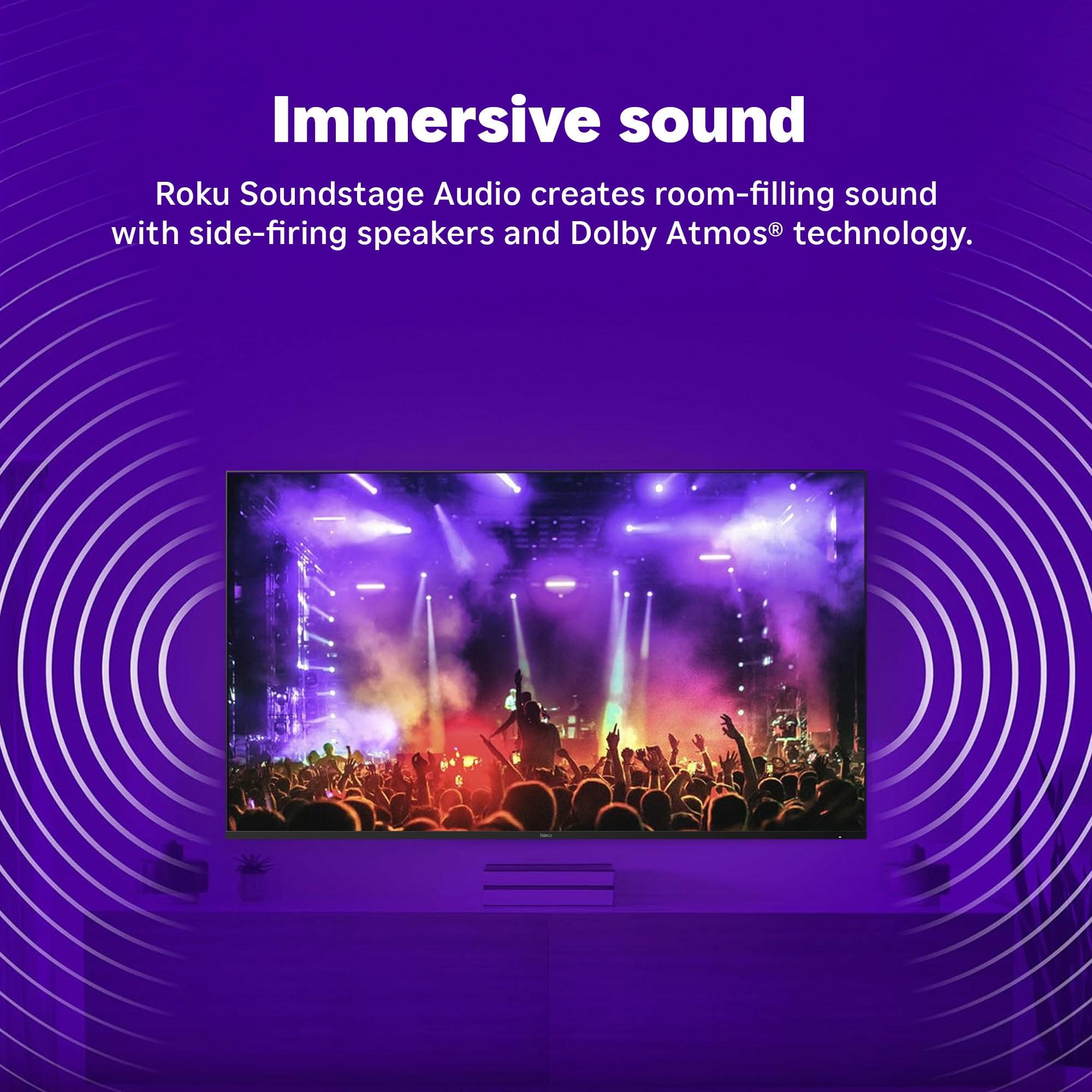
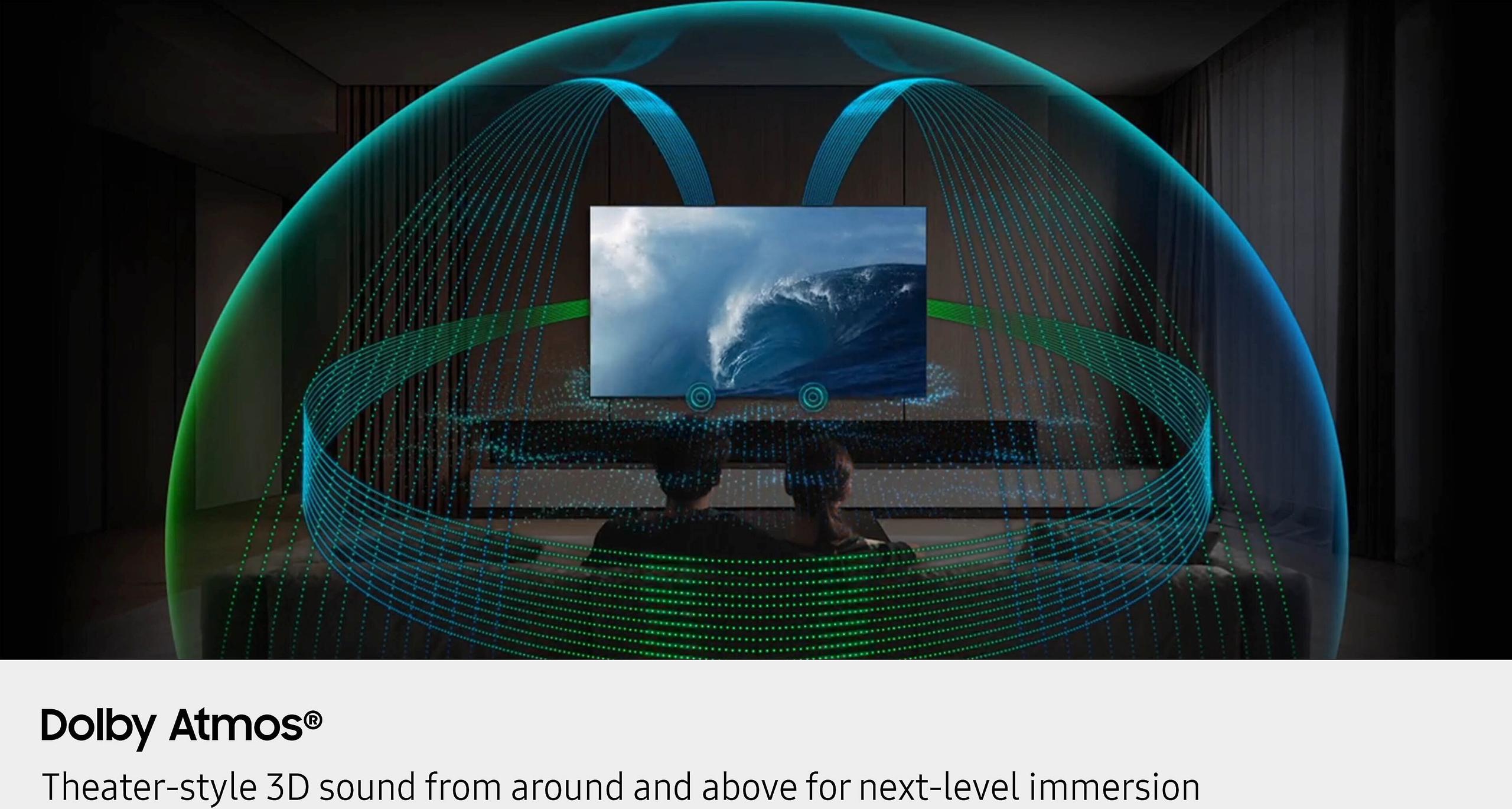
The Roku Pro Series includes what they call Sound Stage Audio with side-firing speakers and Dolby Atmos support. Based on user feedback, this system produces surprisingly robust sound for a flat-panel TV, with several reviewers noting "theater-like bass" that can actually fill a room without requiring an additional soundbar.
This audio quality advantage shouldn't be underestimated. Many people assume they'll need a separate sound system, but if the TV's built-in audio performs well enough for daily viewing, it simplifies setup and saves money. The Roku's audio implementation seems to achieve this threshold for many users.
The Samsung QN80F also supports Dolby Atmos and includes Adaptive Sound Pro, which uses AI to optimize audio based on what you're watching and your room's acoustics. While functional, user feedback suggests it doesn't quite match the overall impact and clarity of the Roku's audio system.
Both TVs include modern conveniences like Bluetooth headphone connectivity for private listening. The Roku Pro Series specifically mentions Bluetooth Headphone Mode, which can be particularly useful for late-night viewing or if you live in an apartment where loud TV audio might disturb neighbors.
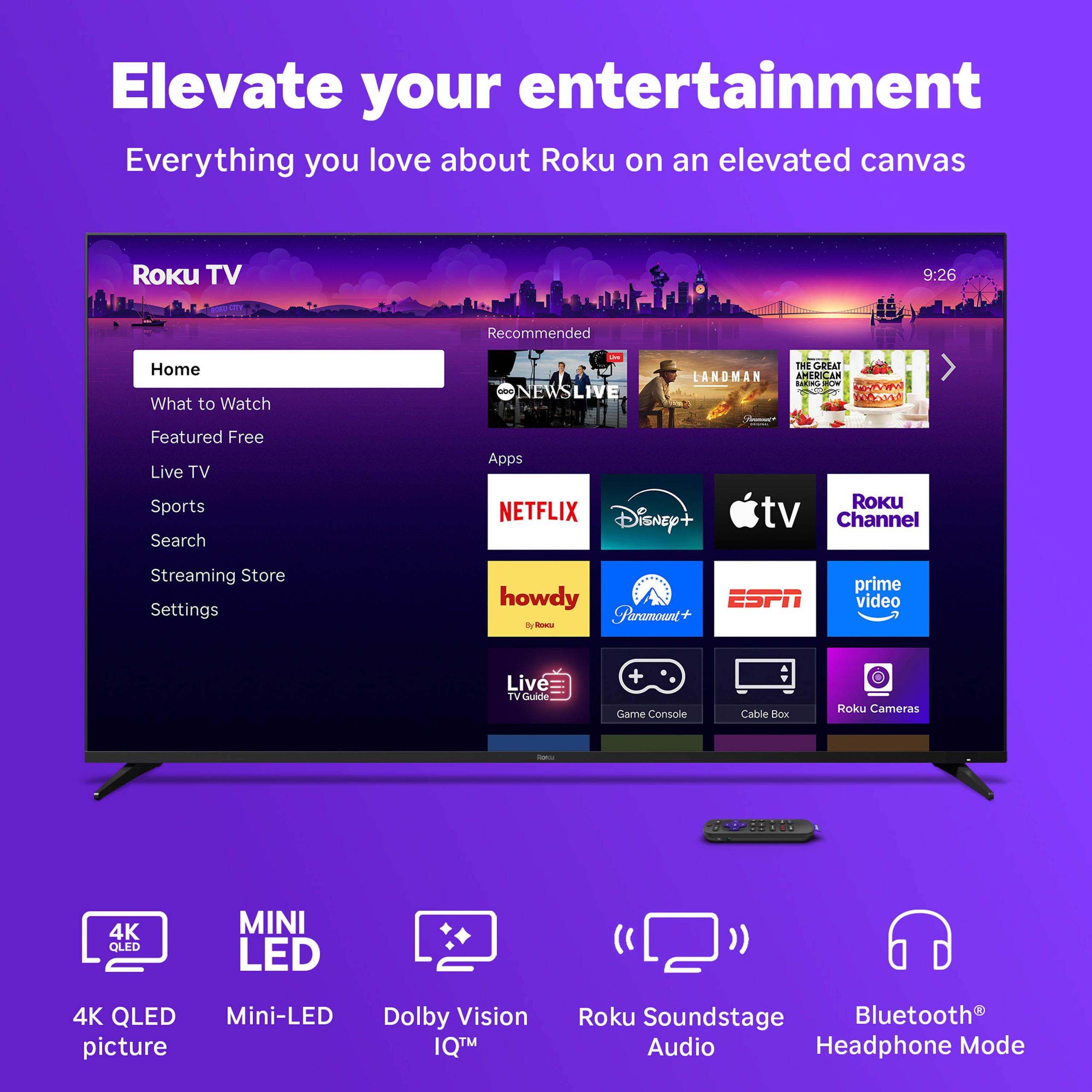
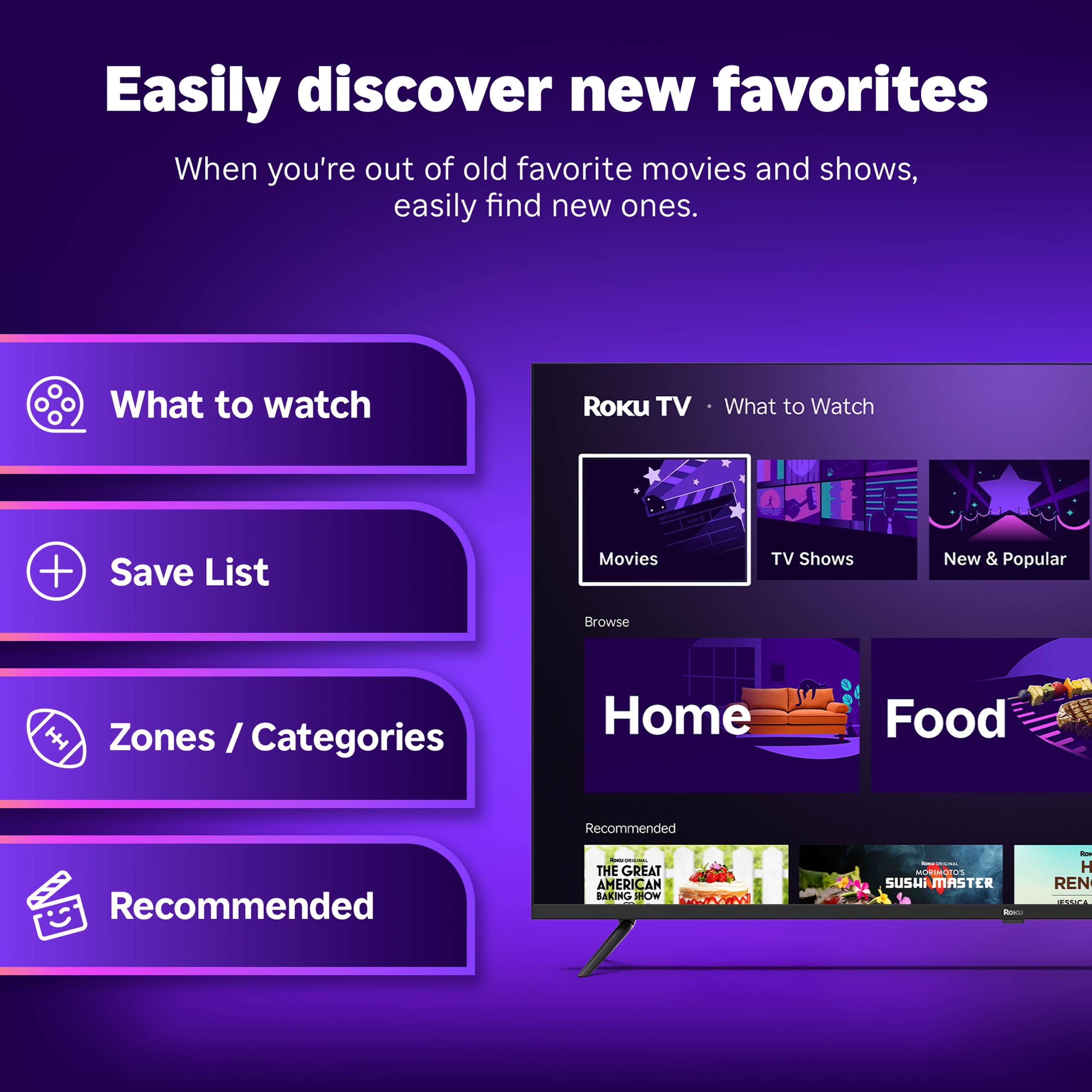
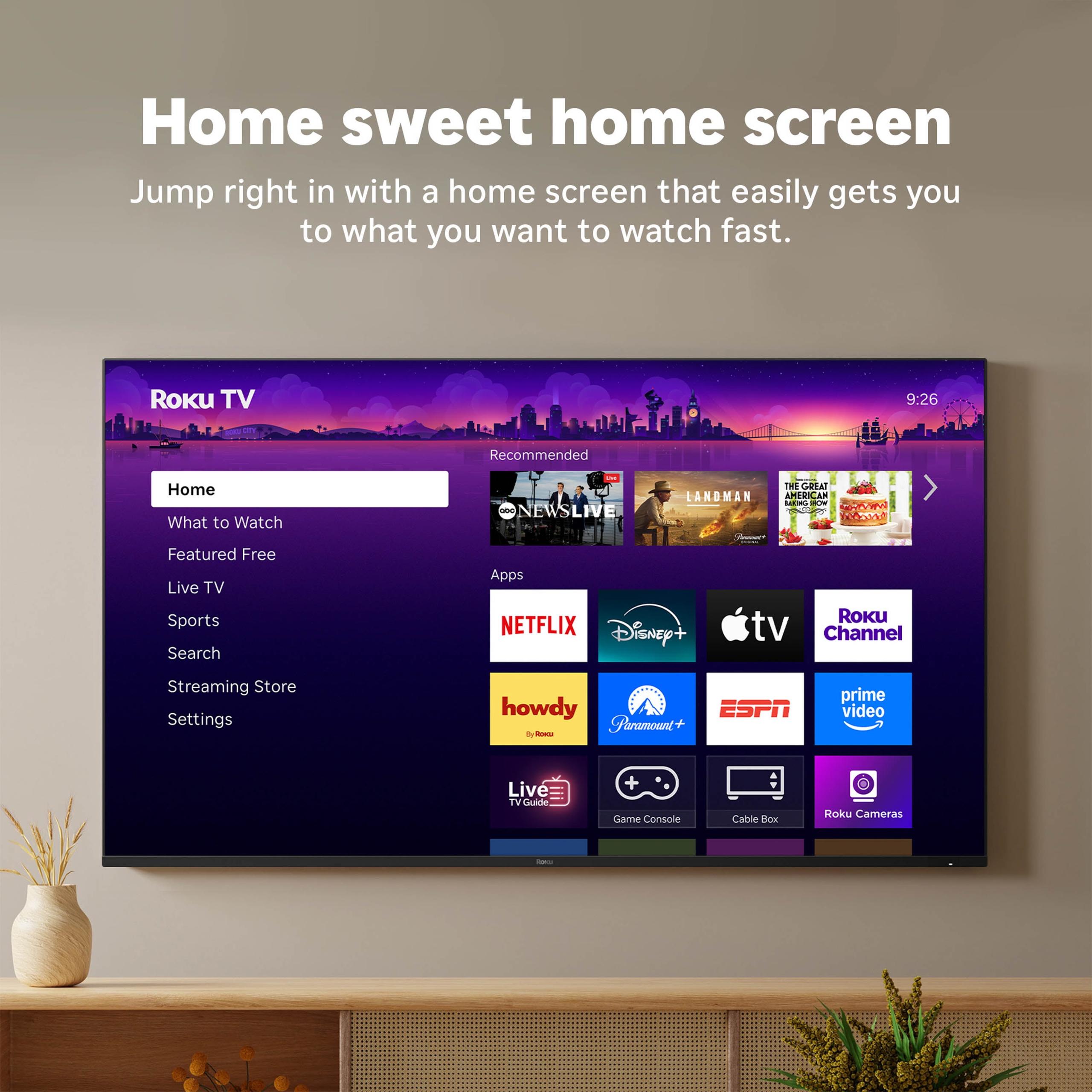
The smart TV experience has become increasingly important as streaming dominates how we watch content. The Roku Pro Series runs Roku TV OS, which has earned popularity for its simple, unified interface that aggregates content from all your streaming services into one easy-to-navigate home screen.
Roku's approach prioritizes simplicity and content discovery. Rather than forcing you to remember which app has which show, the interface shows available content across all your subscriptions. This becomes particularly valuable as streaming libraries become more fragmented across different services.
The Samsung QN80F uses Samsung's Tizen operating system enhanced with their Vision AI suite. This platform focuses more on advanced features like Live Translate for foreign content, Generative Wallpaper that creates custom backgrounds using AI, and various smart home integration capabilities.
The Roku Pro Series includes Wi-Fi 6 support, which provides faster, more stable wireless connectivity, especially important for 4K streaming. This represents meaningful future-proofing as home networks evolve and streaming quality continues to improve.
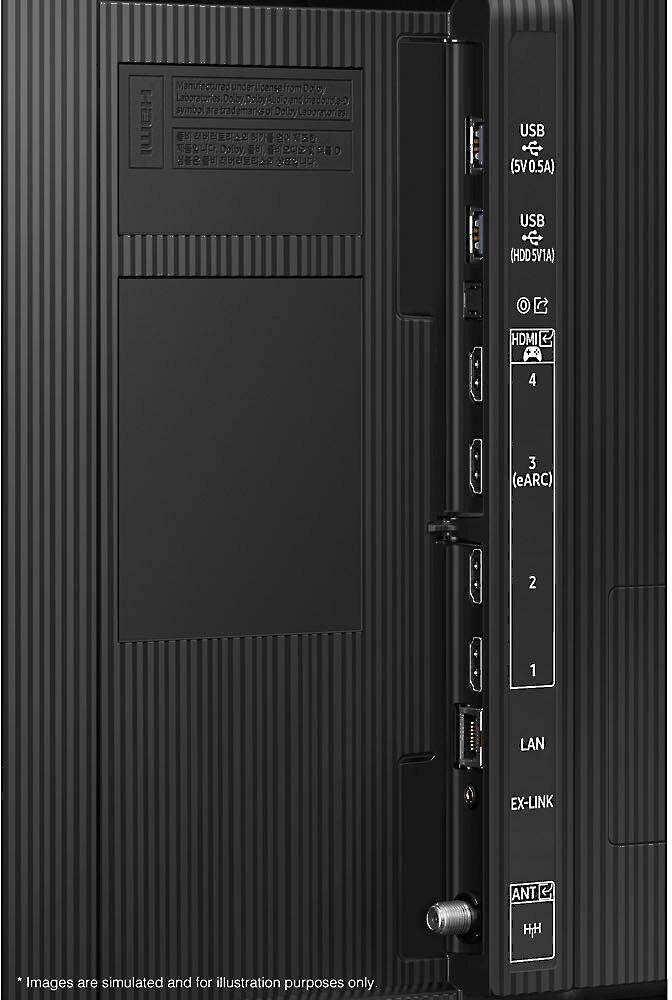
Port configuration differs meaningfully between the TVs. The Roku Pro Series provides two HDMI 2.1 ports capable of full 4K@120Hz, while the Samsung QN80F includes four HDMI 2.1 ports. If you have multiple gaming consoles, a streaming device, and other HDMI equipment, Samsung's additional ports provide more flexibility without requiring an HDMI switch.
At the time of writing, these TVs exist in dramatically different price tiers, with the Samsung QN80F priced significantly lower than the Roku Pro Series. This price gap—roughly three times different—fundamentally changes the value equation.
The Roku Pro Series commands its premium pricing through measurably superior picture quality, particularly in HDR brightness, contrast performance, and overall color vibrancy. For enthusiasts who prioritize the best possible viewing experience and have the budget flexibility, these improvements justify the higher cost.
The superior built-in audio also adds value by potentially eliminating the need for a separate soundbar, which could cost several hundred dollars. When factored into the total system cost, the Roku's premium becomes more reasonable.
The Samsung QN80F offers solid performance at its price point, making premium Mini-LED QLED technology accessible to buyers with more modest budgets. However, it's worth noting that professional reviewers have noted this model "lacks the vibrant punch you'd expect" and sometimes performs below expectations for its tier.
This positioning creates an interesting dilemma: the Samsung provides good value for its lower price, but might leave some users wanting better performance, while the Roku delivers excellent performance but at a significant price premium.
For dedicated home theater setups with controlled lighting, both TVs can provide excellent experiences, though the Roku Pro Series maintains its performance advantage. The superior contrast and black levels become particularly apparent when watching movies in dark environments.
However, if your viewing room has windows or ambient lighting during the day, the Roku's brightness advantage becomes crucial. Many premium TVs lose their impact in bright rooms, but the Roku Pro Series maintains picture quality even with significant ambient light.
Both TVs use VA (Vertical Alignment) panels, which typically provide excellent contrast but limited viewing angles compared to IPS panels. This means picture quality degrades when viewed from the side, which can be problematic for wide seating arrangements.
However, Samsung has implemented improved glare-free technology across their 2025 lineup, which helps maintain picture quality when viewed at slight angles. This might provide a small advantage for rooms where viewers aren't always seated directly in front of the screen.
You prioritize picture quality above all else and have the budget to support premium pricing. This TV excels for movie enthusiasts, particularly those with bright viewing rooms or who frequently watch HDR content. The superior built-in audio makes it ideal for users who prefer not to deal with separate sound systems.
The Roku platform's simplicity appeals to users who want straightforward access to content without complex menus or advanced features. If you value reliability and long-term software support, Roku's track record in these areas is excellent.
Budget constraints make the premium option unrealistic, but you still want modern Mini-LED QLED technology. The Samsung provides good performance for its price tier and includes more HDMI ports for complex setups with multiple devices.
Samsung's advanced smart features and AI capabilities appeal to users who enjoy experimenting with new technology. The superior upscaling benefits households that frequently watch lower-resolution content or older media.
The Roku Pro Series 2025 represents a clear step up in overall performance, particularly for picture quality and audio. If the budget allows, it provides a noticeably superior viewing experience that justifies its premium positioning. The Samsung QN80F offers reasonable performance at a more accessible price point, though it doesn't quite deliver the impact you might expect from premium TV technology.
For most buyers, the decision comes down to whether the Roku's performance improvements justify the significant price difference. In bright rooms or for critical viewing, the answer is often yes. For casual viewing or budget-conscious buyers, the Samsung provides adequate performance without the premium cost.
Both represent solid choices within their respective price tiers, but they serve different audiences with different priorities and budgets. The key is honestly assessing your viewing habits, room conditions, and budget flexibility to determine which approach better matches your needs.
| Roku 65" Pro Series 2025 | Samsung QN80F Neo QLED |
|---|---|
| HDR Peak Brightness - Critical for vivid highlights and bright room viewing | |
| 1,750+ nits (excellent for any lighting condition) | 930 nits (good but less impactful in bright rooms) |
| Display Technology - Determines color quality and contrast | |
| Mini-LED QLED with enhanced dynamic contrast (75% better than previous gen) | Mini-LED QLED with Quantum Matrix Technology |
| Native Refresh Rate - Important for smooth motion and gaming | |
| 120Hz with AMD FreeSync Premium Pro | 120Hz native, supports up to 144Hz VRR |
| HDMI 2.1 Ports - Needed for next-gen gaming at 4K@120Hz | |
| 2 ports supporting full 4K@120Hz | 4 ports supporting full 4K@120Hz |
| Input Lag - Critical for responsive gaming | |
| 5.2ms at 120Hz (excellent for competitive gaming) | Extremely low lag but picture quality degrades in game mode |
| Smart TV Platform - Affects daily usability and app selection | |
| Roku TV OS 15 with unified content discovery | Samsung Tizen with Vision AI suite and advanced features |
| Built-in Audio - Determines if you need a separate soundbar | |
| Dolby Atmos with side-firing speakers, "theater-like" sound quality | Dolby Atmos with Adaptive Sound Pro, decent but less impactful |
| Color Gamut Coverage - Affects color vibrancy in premium content | |
| 96.9% UHDA-P3, 80.6% BT.2020 with Smart Picture Max AI processing | Good color accuracy with superior upscaling via NQ4 AI Gen2 processor |
| Connectivity - Future-proofing and wireless performance | |
| Wi-Fi 6, Bluetooth, eARC, smart home integration | Standard Wi-Fi, Bluetooth, comprehensive smart home features |
| Remote Control - Daily convenience factor | |
| Rechargeable Voice Remote Pro with backlit buttons and finder function | BT SolarCell Remote with voice control |
| Release Timing - Indicates latest features and technology | |
| 2025 model with latest Roku innovations | 2025 model with Samsung's newest AI features |
| Overall Value Positioning - Performance vs cost consideration | |
| Premium pricing for superior picture quality and audio | Budget-friendly access to Mini-LED QLED technology |
The Roku 65" Pro Series 2025 delivers superior overall picture quality with significantly brighter HDR performance (1,750+ nits vs 930 nits), better black levels, and more vibrant colors. The Samsung QN80F Neo QLED offers good picture quality but doesn't match the Roku's contrast and brightness capabilities, especially in bright rooms.
Both TVs support 120Hz gaming with low input lag, but they have different strengths. The Roku 65" Pro Series 2025 maintains better picture quality during gaming with 5.2ms input lag, while the Samsung QN80F Neo QLED supports higher 144Hz refresh rates for PC gaming but sacrifices some image quality in game mode due to slower local dimming response.
The Roku 65" Pro Series 2025 performs much better in bright rooms due to its superior HDR brightness of over 1,750 nits compared to the Samsung QN80F's 930 nits. This extra brightness helps maintain picture quality and color vibrancy even with significant ambient lighting from windows or lamps.
The Roku 65" Pro Series 2025 has significantly better built-in audio with Dolby Atmos and side-firing speakers that users describe as having "theater-like bass." The Samsung QN80F Neo QLED also supports Dolby Atmos with Adaptive Sound Pro, but the audio quality is less impactful and may require a separate soundbar for optimal performance.
The Roku 65" Pro Series 2025 uses Roku TV OS, known for its simple, unified interface that aggregates content from all streaming services in one place. The Samsung QN80F Neo QLED runs Samsung's Tizen OS with advanced AI features like Live Translate and Generative Wallpaper, offering more features but with greater complexity.
The Samsung QN80F Neo QLED offers more connectivity with 4 HDMI 2.1 ports supporting full 4K@120Hz, making it better for setups with multiple gaming consoles and devices. The Roku 65" Pro Series 2025 provides 2 HDMI 2.1 ports, which may require an HDMI switch for users with many connected devices.
The Samsung QN80F Neo QLED provides better value for budget-conscious buyers, offering Mini-LED QLED technology at a significantly lower price point. However, the Roku 65" Pro Series 2025 delivers superior performance that may justify its premium pricing for buyers prioritizing picture quality and audio performance.
Both TVs work well in home theaters, but the Roku 65" Pro Series 2025 excels with superior contrast, deeper blacks, and better built-in audio that may eliminate the need for a separate soundbar. The Samsung QN80F Neo QLED provides decent home theater performance but may require additional audio equipment for the best experience.
Both TVs offer good motion handling with 120Hz refresh rates. The Roku 65" Pro Series 2025 provides smooth motion with better overall picture quality maintenance, while the Samsung QN80F Neo QLED can handle up to 144Hz for even smoother motion, particularly beneficial for fast-paced sports and action content.
The Roku 65" Pro Series 2025 includes Wi-Fi 6 for faster, more stable streaming and Smart Picture Max AI that optimizes settings automatically for different content types. The Samsung QN80F Neo QLED offers excellent upscaling capabilities for lower-resolution content but uses standard Wi-Fi connectivity.
Both TVs perform well in dark environments, but the Roku 65" Pro Series 2025 provides superior black levels and contrast performance due to its enhanced dynamic contrast technology. The Samsung QN80F Neo QLED offers good dark room performance but doesn't achieve the same depth in black levels as the Roku.
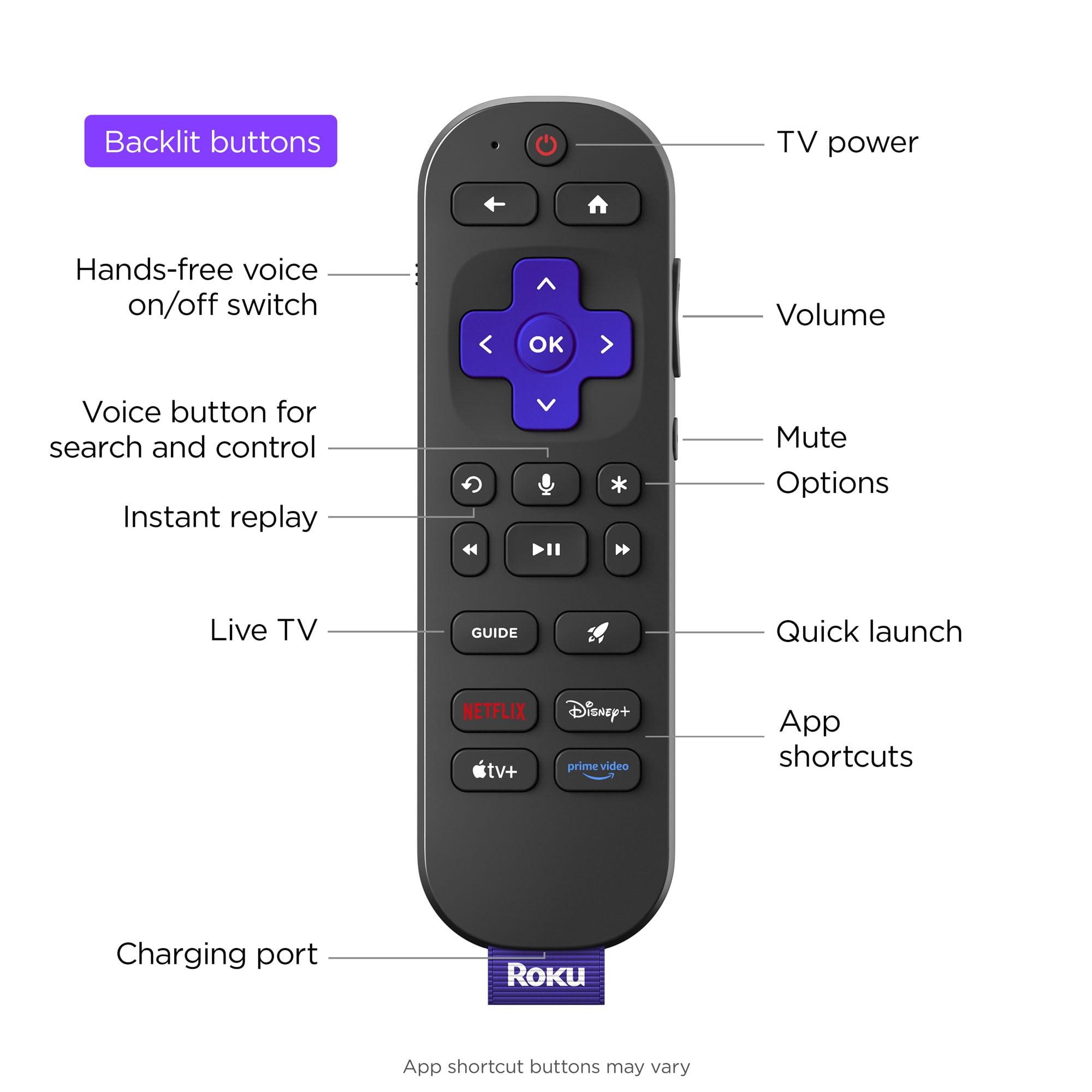
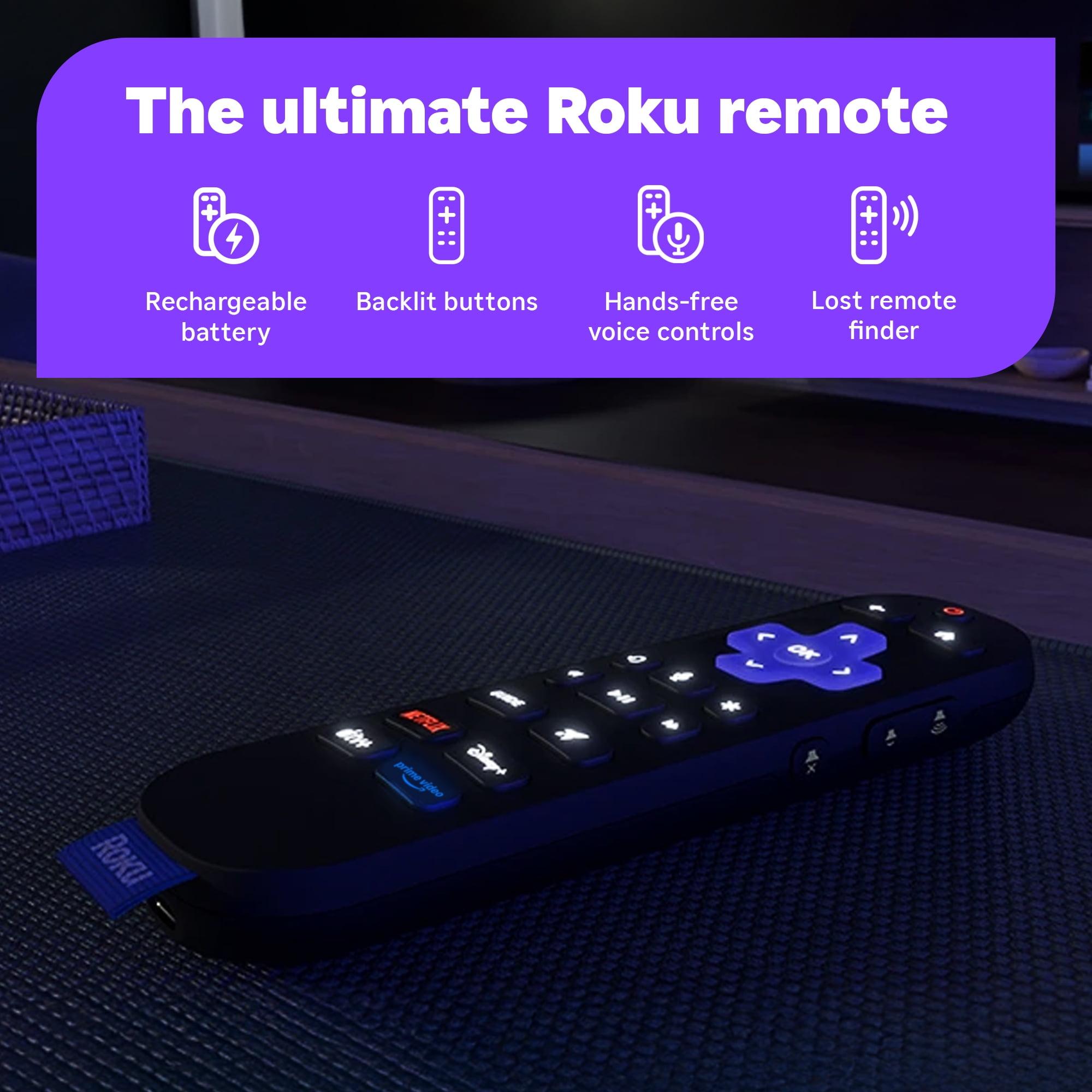
The Roku 65" Pro Series 2025 includes a rechargeable Voice Remote Pro with backlit buttons and a finder function activated by pressing a button on the TV. The Samsung QN80F Neo QLED comes with a BT SolarCell Remote that charges via solar power and includes voice control, offering an eco-friendly approach to remote power management.
We've done our best to create useful and informative comparisons to help you decide what product to buy. Our research uses advanced automated methods to create this comparison and perfection is not possible - please contact us for corrections or questions. These are the sites we've researched in the creation of this article: bestbuy.com - rtings.com - techradar.com - youtube.com - roku.com - youtube.com - walmart.com - bestbuy.com - youtube.com - electronicexpress.com - roku.com - pcvarge.com - ecoustics.com - samsung.com - theshortcut.com - youtube.com - bestbuy.com - rtings.com - samsung.com - samsung.com - samsung.com - sargentappliance.com - displayspecifications.com - bestbuy.com

Privacy Policy
Terms and Conditions - Affiliate Policy
Home Security
© Copyright 2008-2026.
11816 Inwood Rd #1211, Dallas, TX 75244