

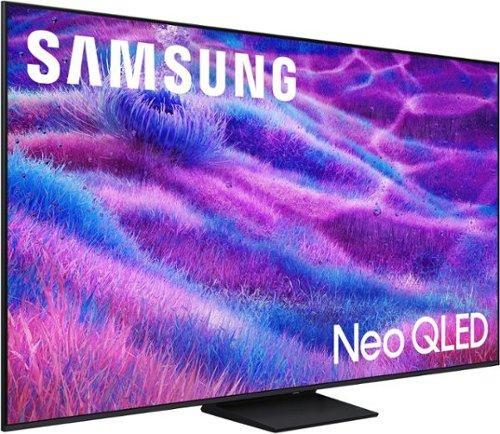
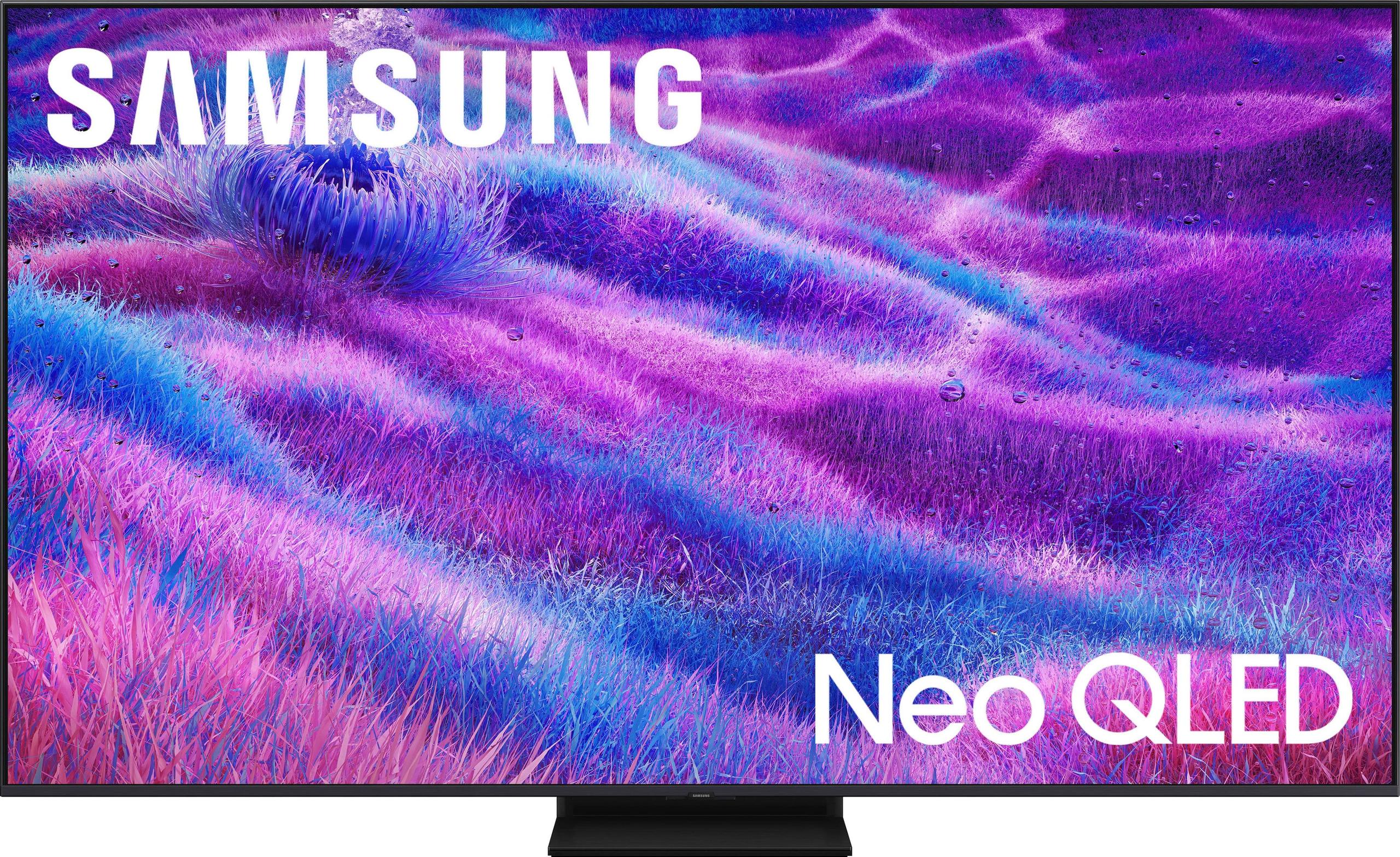
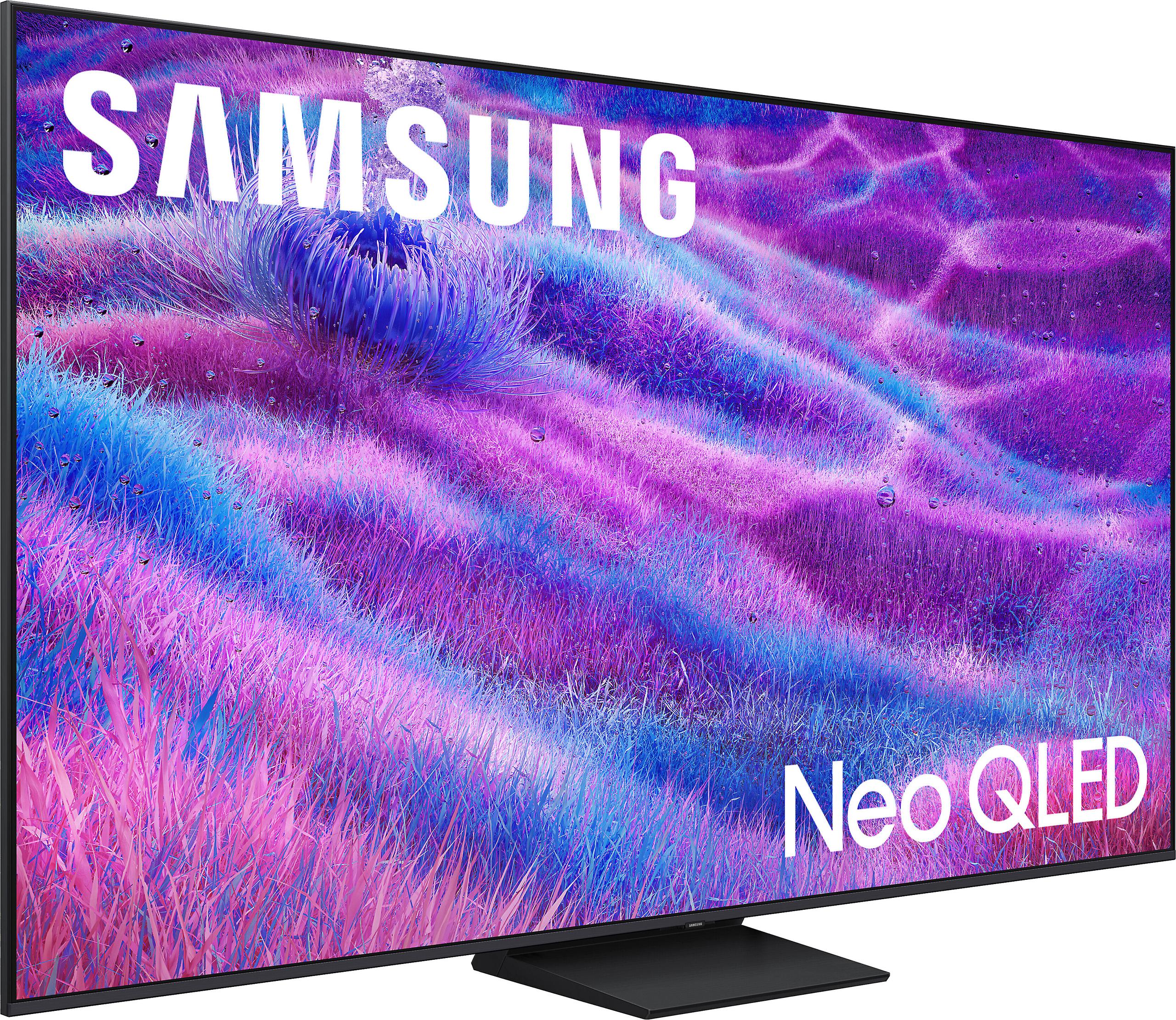
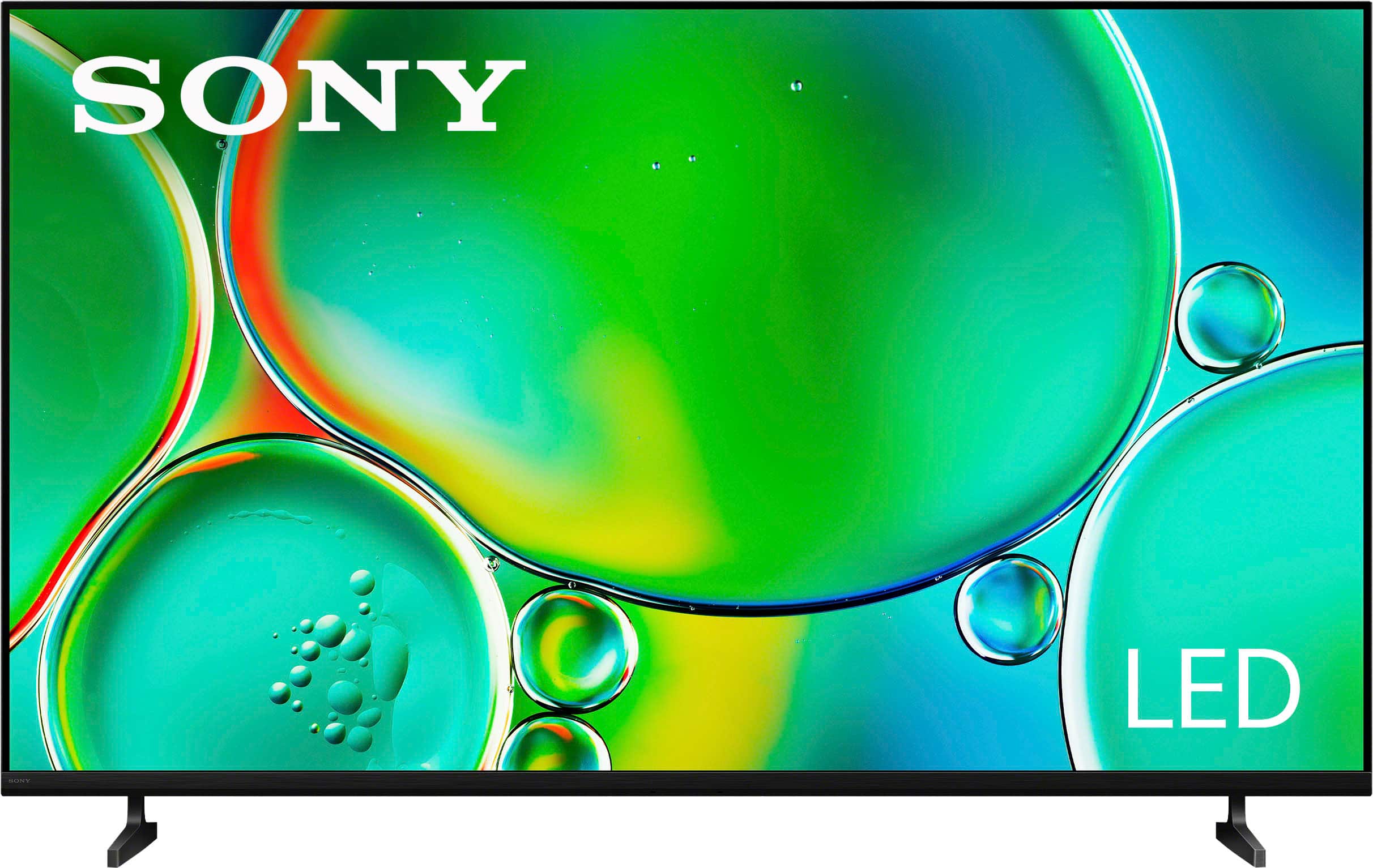
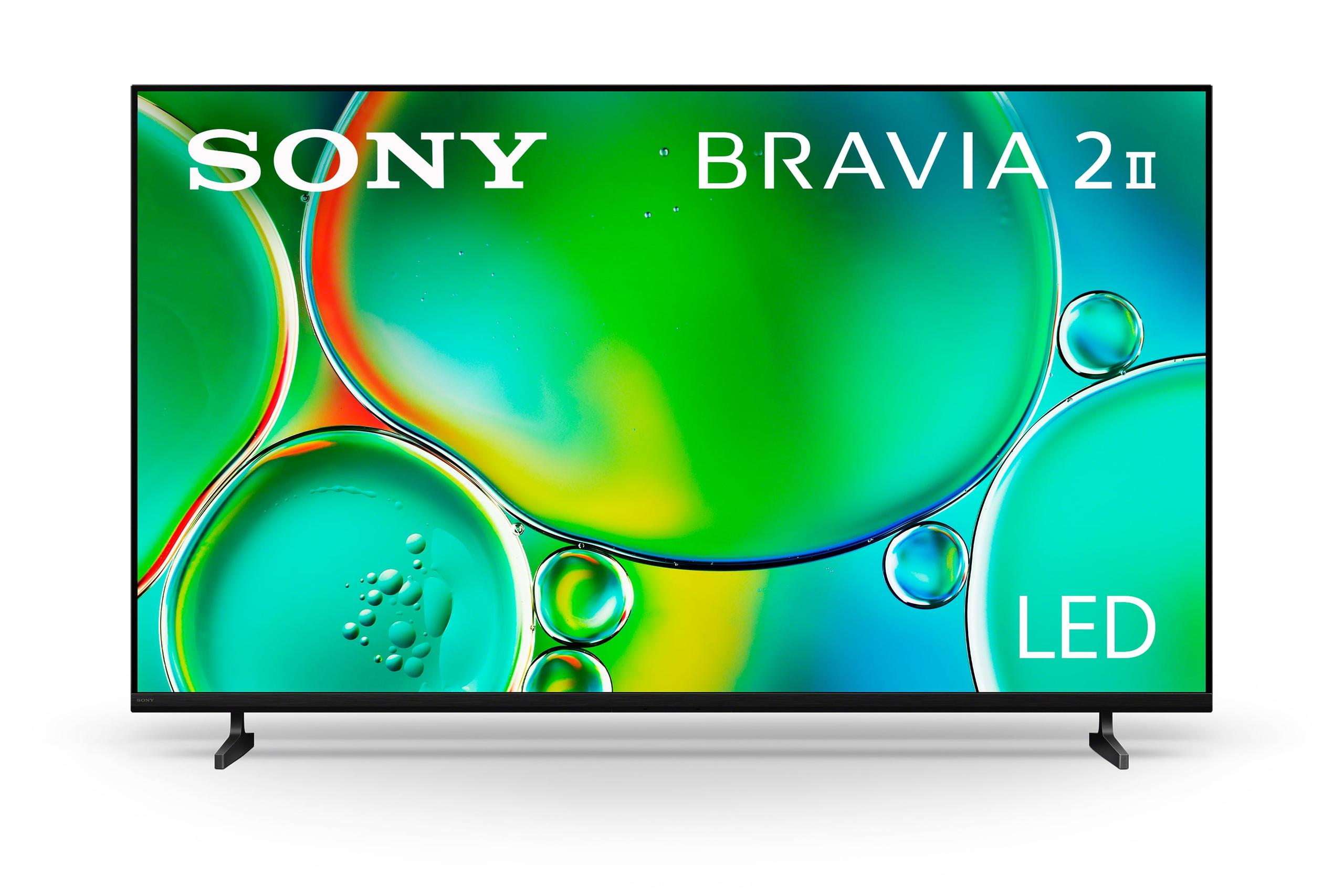


Shopping for a 65-inch 4K TV can feel overwhelming, especially when you're comparing models from different price tiers like the Samsung 65" QN80F Neo QLED and the Sony BRAVIA 2 II 65". These two televisions represent vastly different approaches to home entertainment – one prioritizes cutting-edge technology and premium performance, while the other focuses on delivering solid 4K viewing at an accessible price point.
Both TVs launched in 2025, but they're targeting completely different buyers. The Samsung QN80F arrived as part of Samsung's refined Neo QLED lineup, building on years of mini-LED development to offer better contrast and gaming features than previous generations. Meanwhile, the Sony BRAVIA 2 II represents Sony's commitment to making quality 4K viewing affordable for mainstream consumers, powered by the same X1 processor that previously appeared in higher-end Sony models.
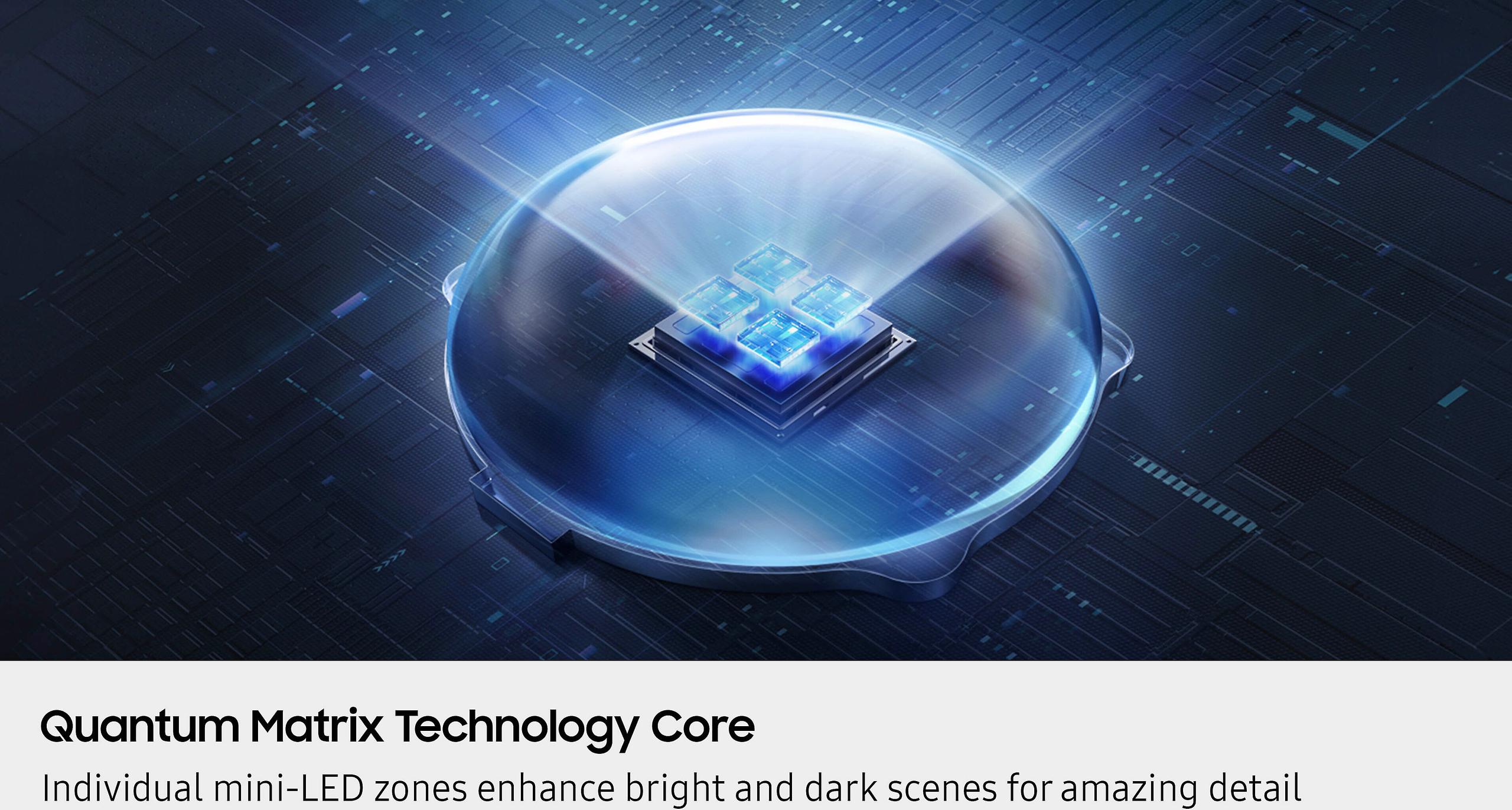
The fundamental difference between these televisions lies in their display technology. The Samsung QN80F uses what's called "mini-LED" backlighting – imagine thousands of tiny LED lights behind the screen that can individually brighten or dim to create better contrast. This Quantum Matrix Technology allows the Samsung to display deeper blacks alongside bright whites in the same scene, something that's crucial for watching movies with dramatic lighting.
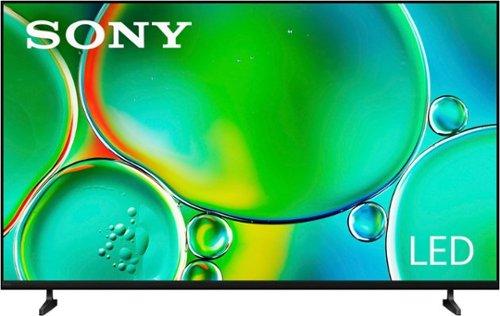
The Sony BRAVIA 2 II, on the other hand, uses traditional LED backlighting where the lights illuminate the entire screen more uniformly. While this doesn't provide the same contrast performance, Sony compensates with their excellent color processing and upscaling technology that makes lower-resolution content look sharper and more vibrant.
At the time of writing, these TVs sit in completely different price categories, with the Samsung QN80F positioned as a premium offering while the Sony BRAVIA 2 II targets budget-conscious buyers. This price gap reflects real differences in technology and performance that we'll explore throughout this comparison.
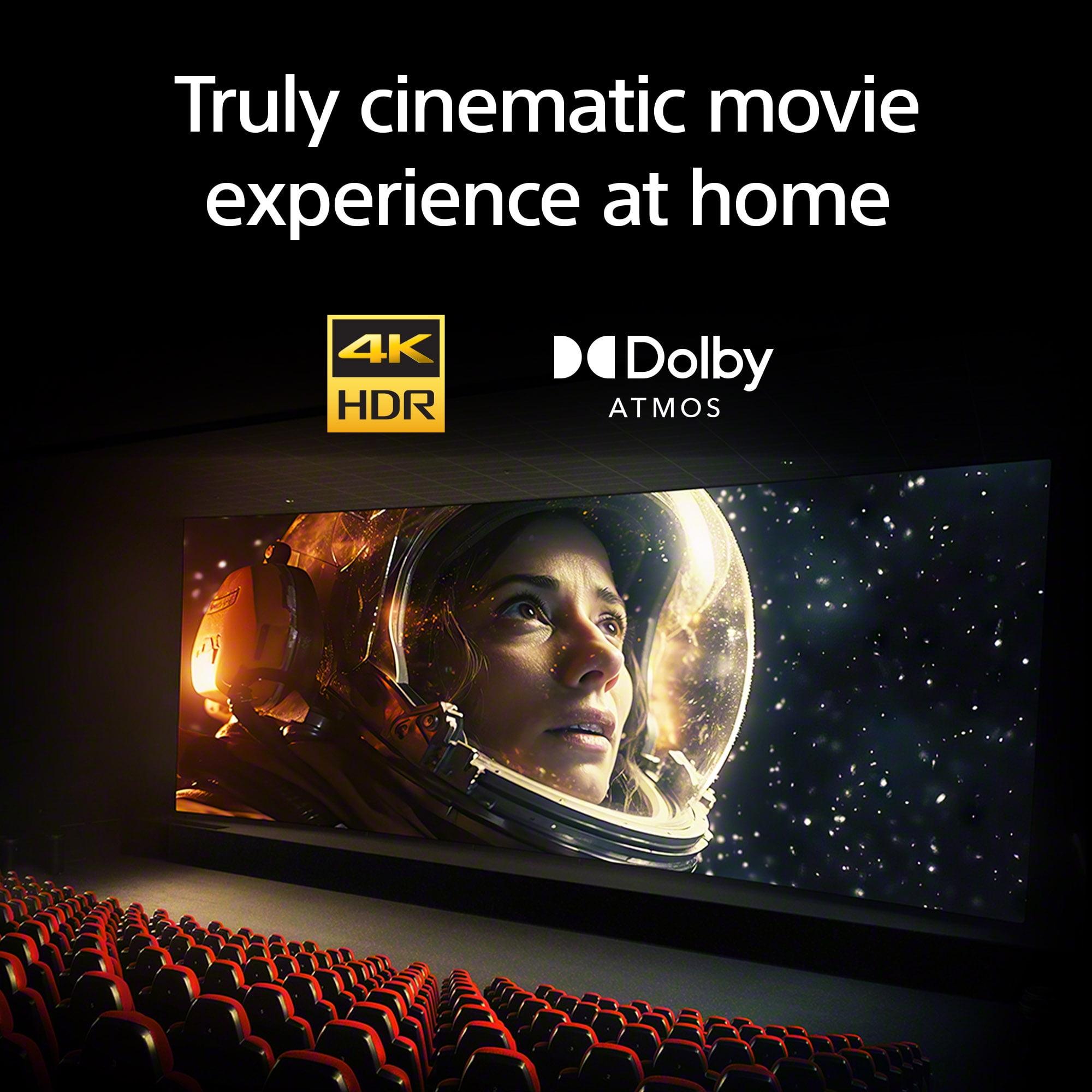
The Samsung QN80F's mini-LED technology creates what I consider a genuinely impressive viewing experience. Those individual LED zones – Samsung calls this their Quantum Matrix Technology Core – can brighten or dim independently to match what's happening on screen. When you're watching a space movie and see bright stars against the black void, the Samsung can make those stars pop while keeping the surrounding space truly dark.
This VA (Vertical Alignment) panel technology also contributes to better contrast ratios. VA panels naturally block more light when displaying blacks compared to other panel types, and when combined with mini-LED backlighting, you get contrast performance that rivals much more expensive TVs.
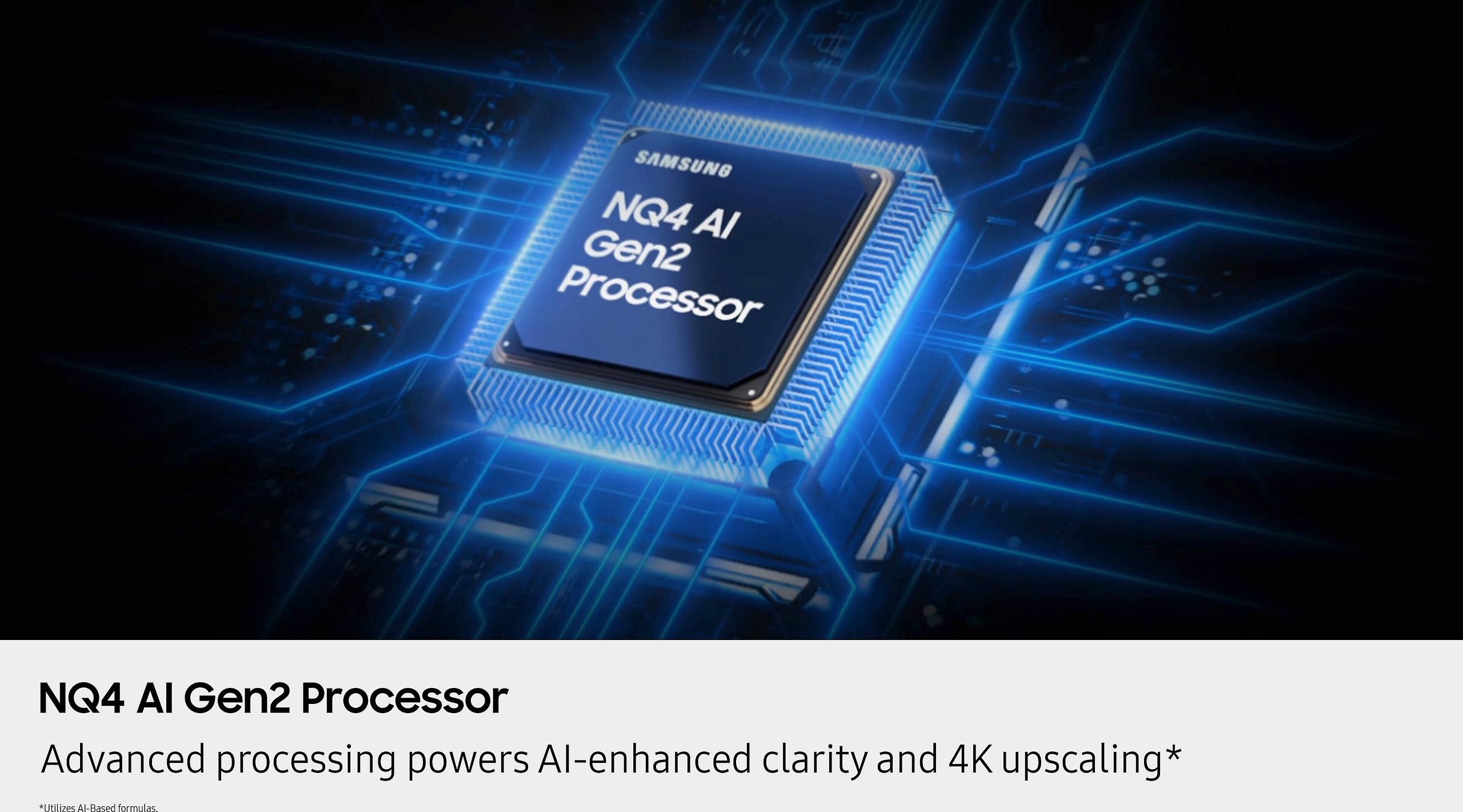
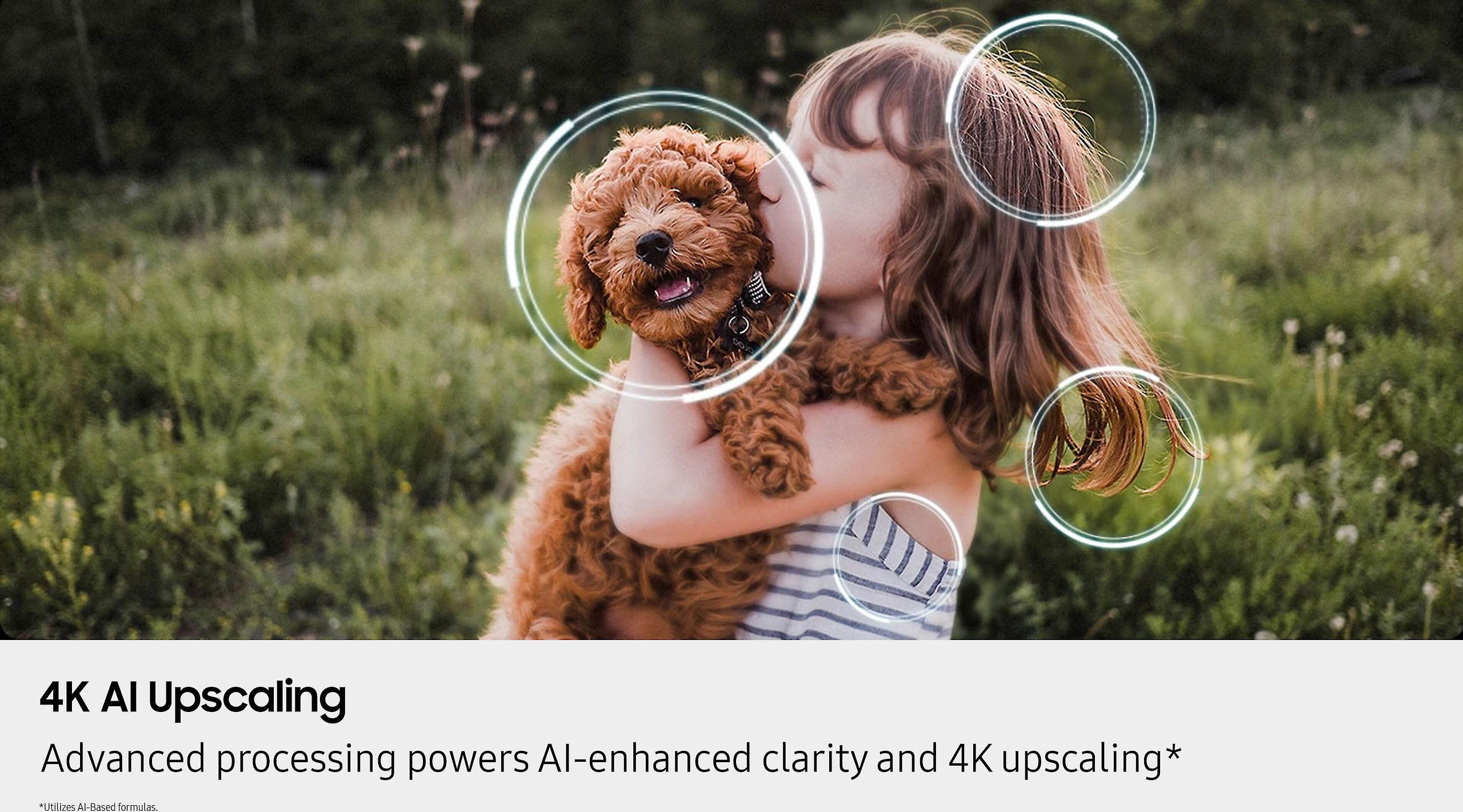
The Samsung's NQ4 AI Gen2 processor handles upscaling duties, using artificial intelligence to analyze and enhance lower-resolution content. I've found Samsung's AI upscaling particularly effective with streaming content, where it can reduce compression artifacts and add sharpness without making the image look overly processed.
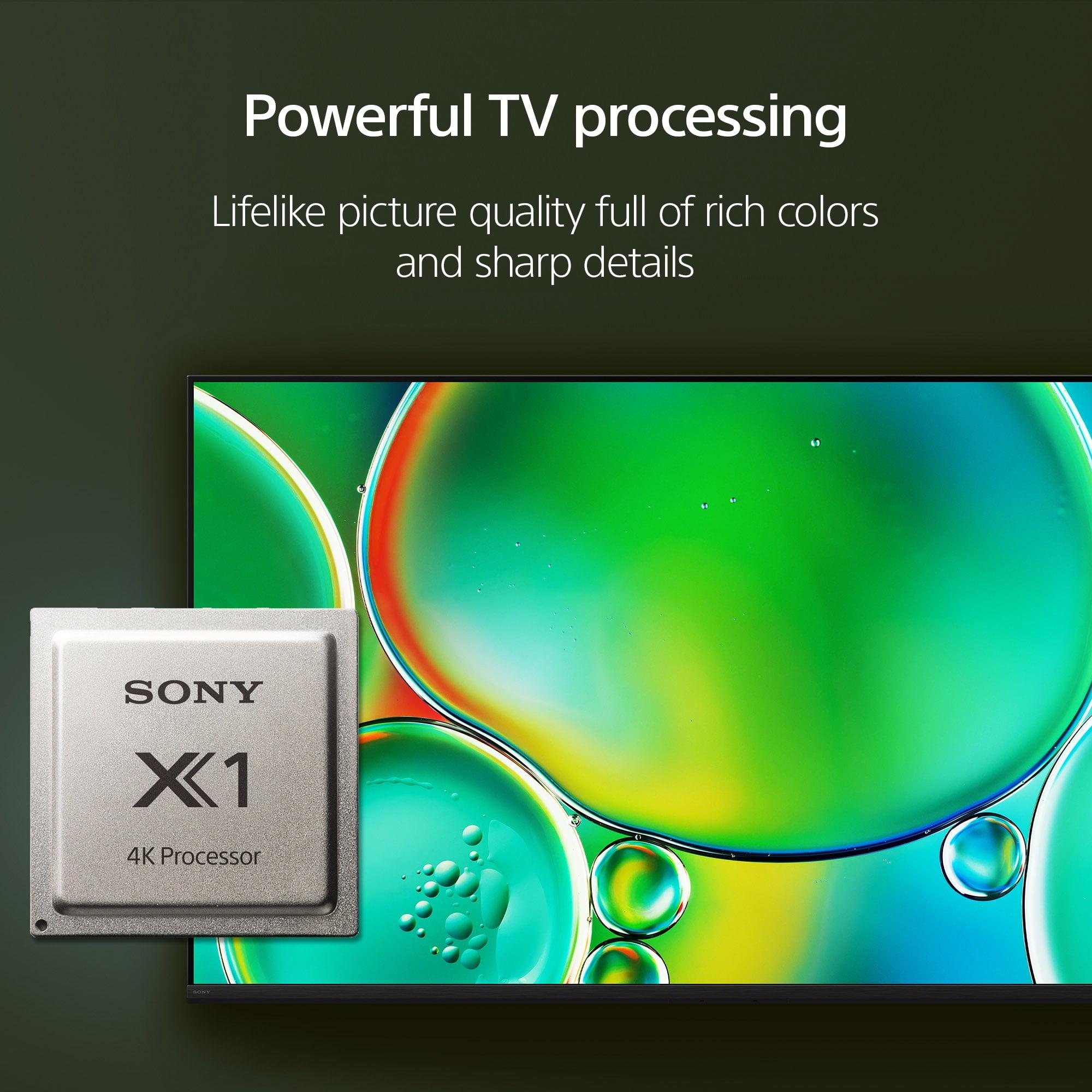
While the Sony BRAVIA 2 II can't match the Samsung's contrast performance, Sony brings something different to the table – their legendary color processing. The X1 4K processor in this TV represents years of refinement in how Sony handles color reproduction and upscaling.
Sony's 4K X-Reality PRO technology works differently from Samsung's approach. Instead of just using AI algorithms, it references a massive database of content to understand how to best upscale different types of material. This means a nature documentary gets different treatment than a animated movie, resulting in more appropriate enhancement for each content type.
The Live Color technology in the Sony expands the color palette beyond what standard LED TVs typically display. While it's not quantum dot technology like Samsung uses, Sony's approach often produces more natural-looking colors that don't appear oversaturated, even if they're not quite as vibrant as what you'll see from the Samsung QN80F.
HDR (High Dynamic Range) is where the technology differences really show. The Samsung QN80F supports Neo Quantum HDR, which takes advantage of those mini-LED zones to create brighter highlights and deeper shadows simultaneously. This TV can likely reach peak brightness levels that make HDR content truly shine, especially in moderately lit rooms.
The Sony BRAVIA 2 II supports HDR10 and HLG formats, but without the same backlighting technology, it can't achieve the same peak brightness levels. However, Sony's tone mapping – how the TV translates HDR information to what you actually see – is typically very well-calibrated out of the box, often requiring less adjustment than other brands.
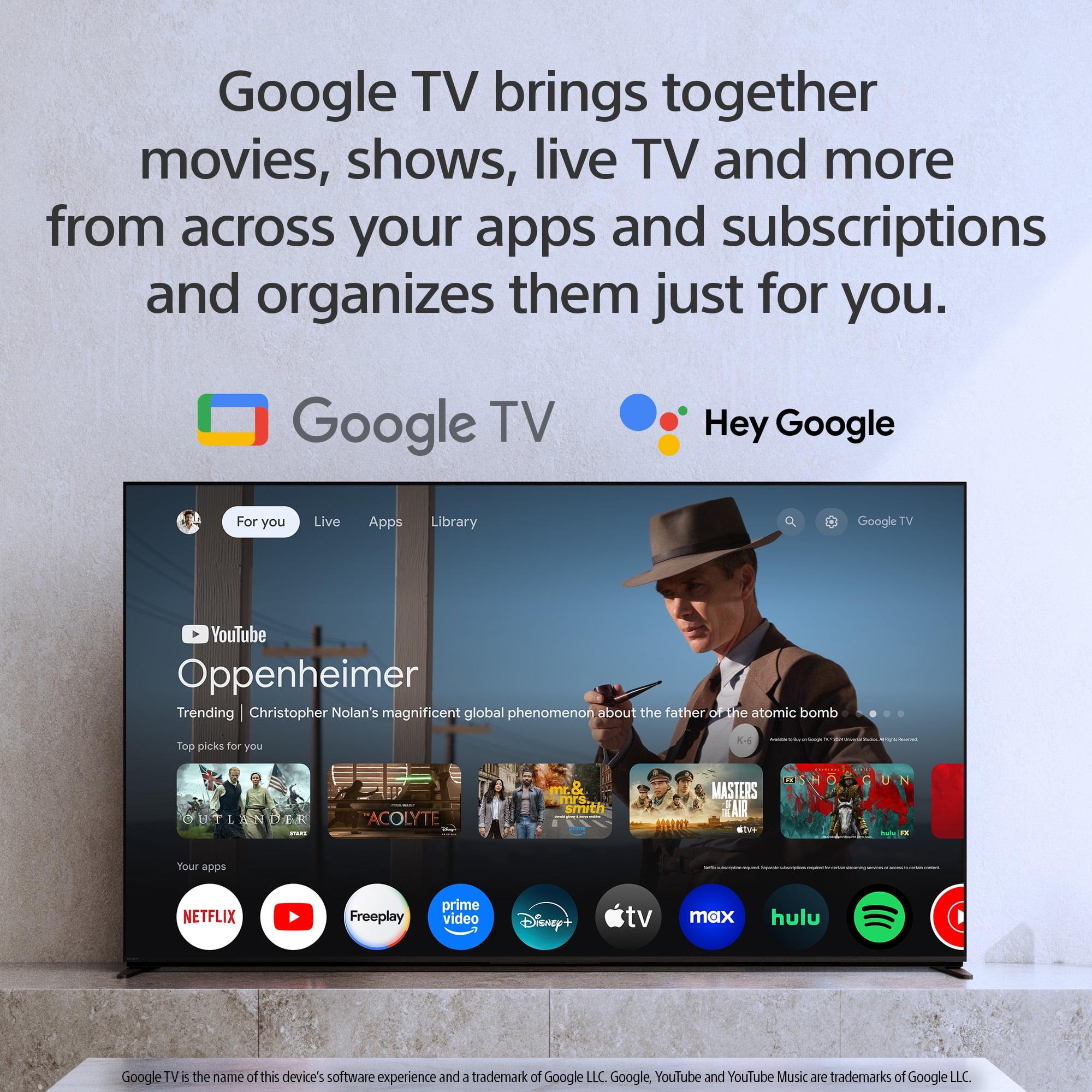
The Sony BRAVIA 2 II runs Google TV, which I consider one of the best smart TV platforms available in 2025. Google TV's strength lies in its content aggregation – it pulls together shows and movies from all your streaming services into a unified interface. Instead of jumping between Netflix, Disney+, and Prime Video apps, Google TV shows you everything available across platforms.
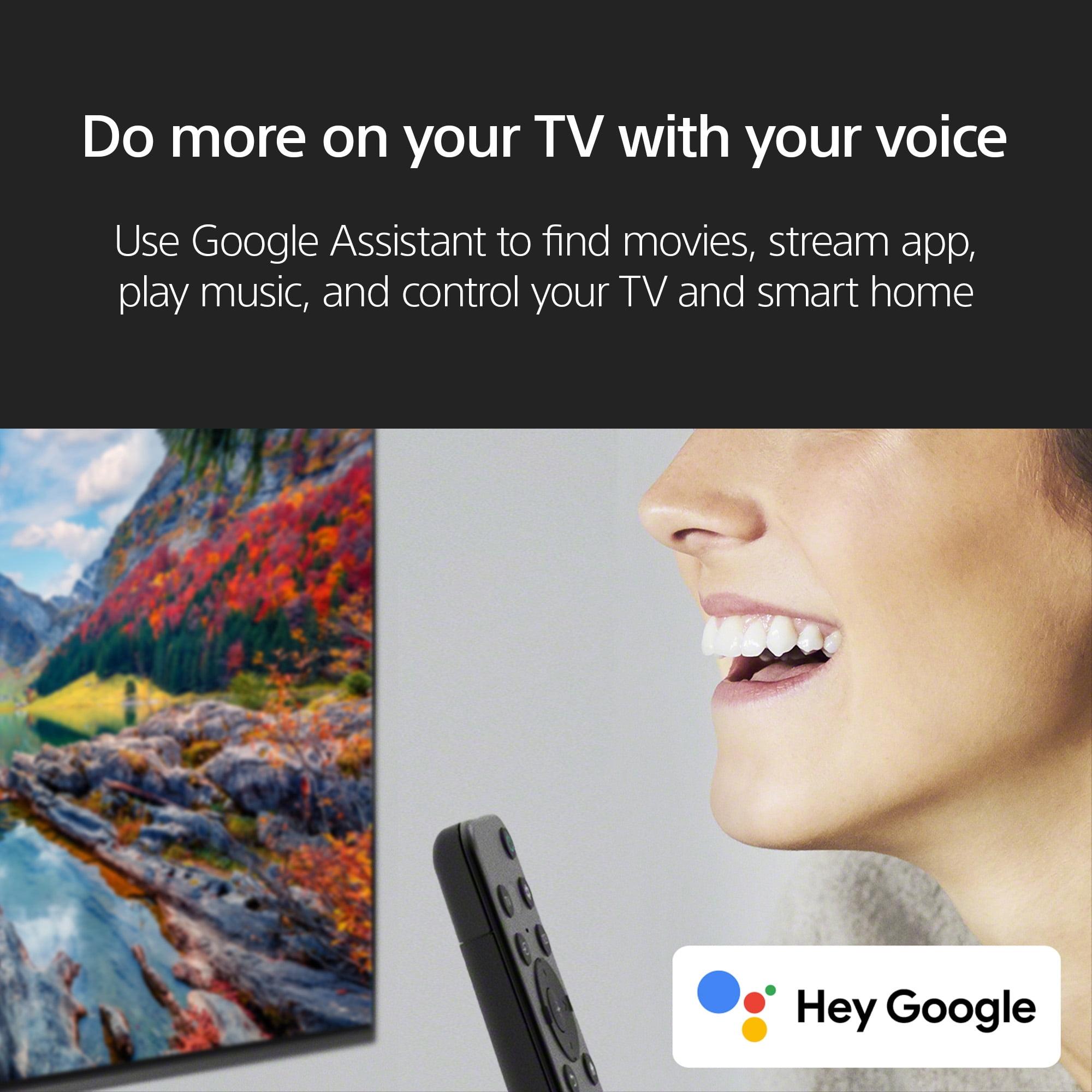
The integration with Google Assistant feels natural and comprehensive. You can control smart home devices, search for content using natural language, and even get answers to random questions. The addition of Apple AirPlay 2 support means iPhone and iPad users can easily cast content, making this a truly platform-agnostic smart TV.
With access to over 10,000 apps and 800+ free live TV channels, the Sony offers incredible content variety. Google's recommendation algorithm also improves over time, learning your viewing preferences to suggest content you might actually want to watch.
The Samsung QN80F runs Samsung's Tizen platform enhanced with Vision AI capabilities. While Tizen might not have quite the app selection of Google TV, it offers some unique features that showcase Samsung's technology focus.
The Vision AI suite includes genuinely useful features like Live Translate, which can translate dialogue in real-time – incredibly helpful for foreign language content. The Generative Wallpaper feature creates custom backgrounds using AI, turning your TV into dynamic art when not in use.
Bixby, Samsung's voice assistant, has evolved significantly and can now handle multiple commands in sequence. The overall interface feels fast and responsive, though it takes some time to learn if you're coming from other smart TV platforms.
If you're serious about gaming, the Samsung QN80F offers features that the Sony simply cannot match. The ability to display 4K resolution at up to 144Hz refresh rate puts this TV in the same category as dedicated gaming monitors. This high refresh rate means smoother motion in fast-paced games and can provide a competitive advantage in online gaming.
VRR (Variable Refresh Rate) support across all four HDMI 2.1 ports is crucial for modern gaming consoles and PC gaming. VRR synchronizes the TV's refresh rate with your gaming device's frame rate, eliminating screen tearing and reducing input lag. When playing demanding games where frame rates fluctuate, VRR maintains smooth gameplay without visual artifacts.
The Auto Game Mode uses AI to detect when you're gaming and automatically optimizes picture settings for the best gaming experience. Input lag – the delay between when you press a controller button and see the action on screen – is excellent across all supported resolutions.
The Sony BRAVIA 2 II supports gaming at 4K resolution up to 60Hz, which covers most gaming scenarios adequately. While it lacks VRR support, it does include Auto Low Latency Mode (ALLM), which automatically reduces input lag when gaming.
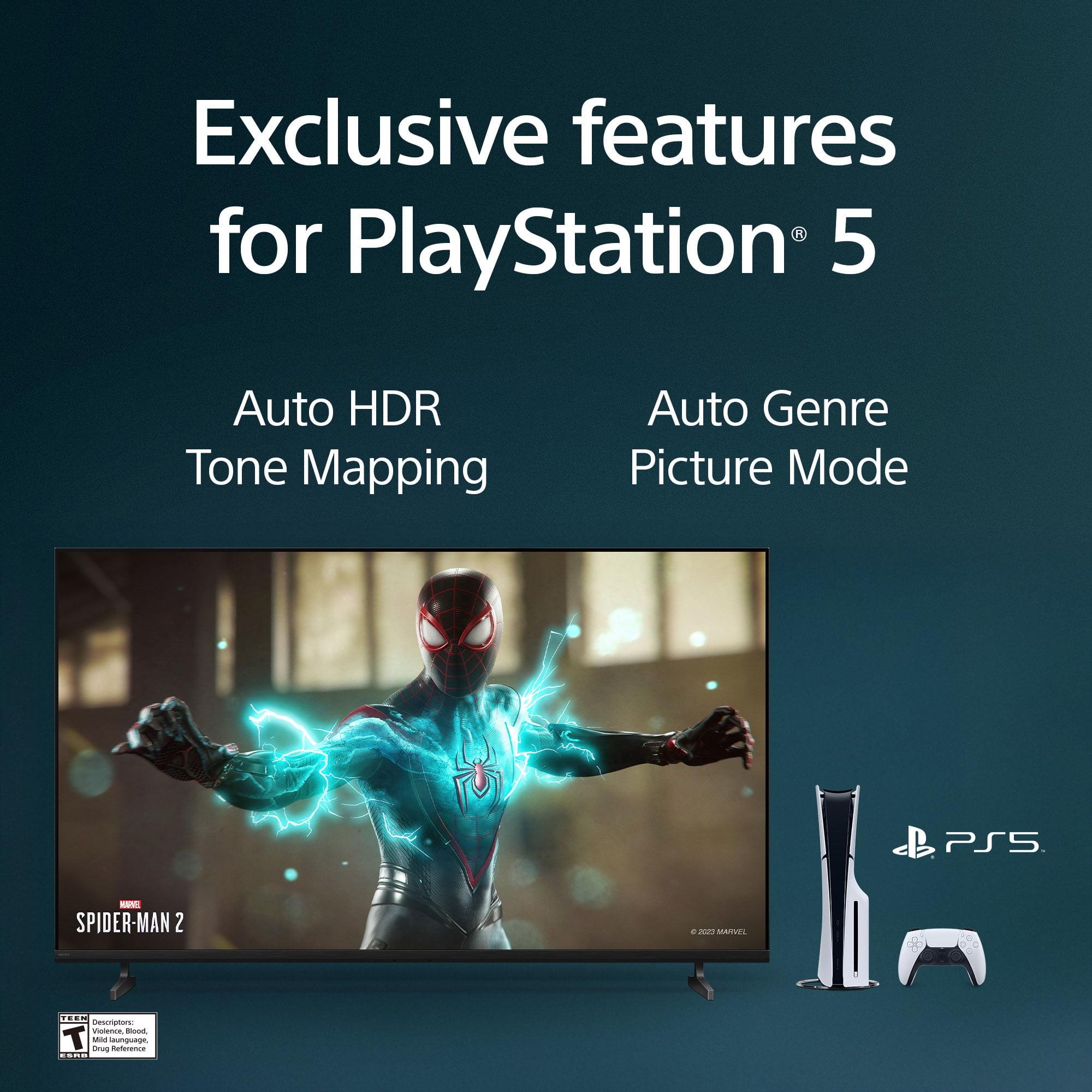
Sony has included several PlayStation 5-specific optimizations, including Auto HDR Tone Mapping and a dedicated Game Menu. These features work well for console gaming, though serious competitive gamers will notice the limitations compared to higher refresh rate displays.
For casual gaming and single-player experiences, the Sony's gaming performance is perfectly adequate. The limitation only becomes apparent when playing fast-paced competitive games or when using high-end gaming PCs capable of pushing frame rates above 60fps.
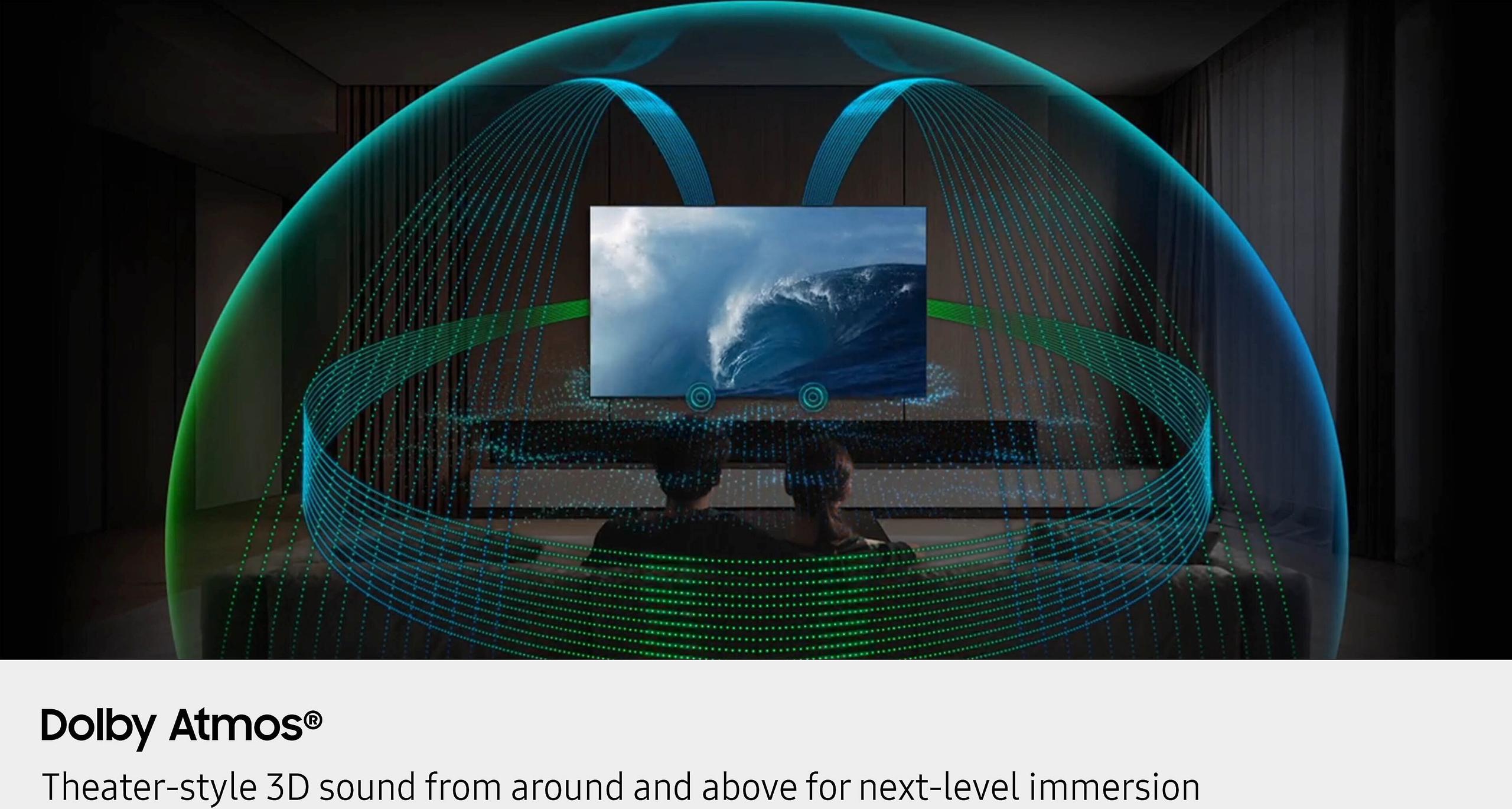
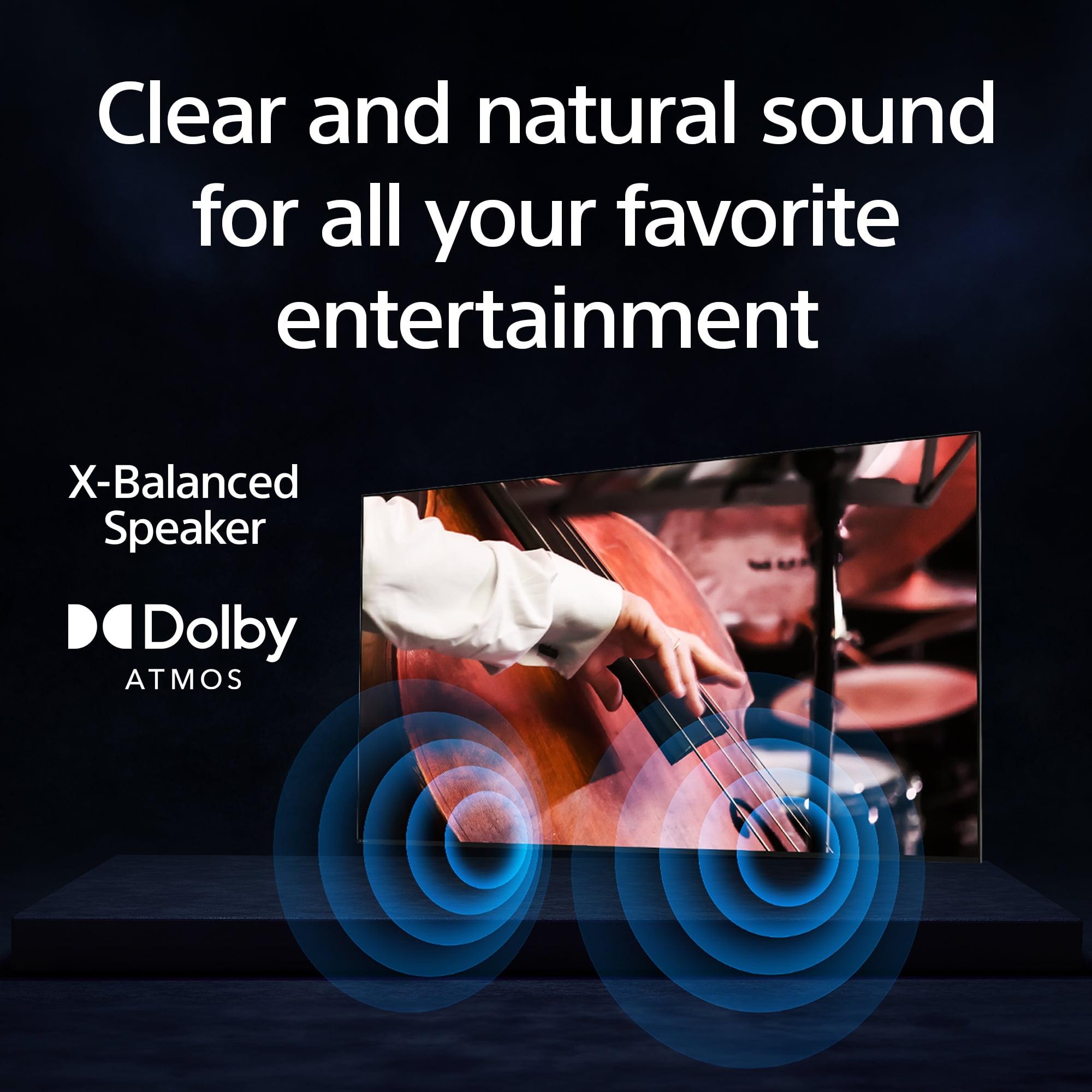
The Samsung QN80F includes Dolby Atmos support with Object Tracking Sound Lite technology. This system attempts to make audio follow the action on screen – when a car drives from left to right, the sound moves accordingly. While built-in TV speakers can't replicate a full surround sound system, Samsung's implementation is more convincing than most.
Adaptive Sound Pro analyzes your room's acoustics and adjusts the audio accordingly. This feature can significantly improve dialogue clarity and overall sound balance, though it works best in rooms with typical furniture and layout.
The Sony BRAVIA 2 II's Open Baffle Speaker system produces 40W of total audio power. While this might not sound impressive compared to premium soundbars, Sony's audio processing makes efficient use of available power. The Clear Phase technology helps align sound timing for better clarity, particularly noticeable with dialogue-heavy content.
Both TVs support Dolby Atmos processing, though neither can truly reproduce the immersive experience without additional speakers. For most living room setups, both provide adequate audio quality, with the Samsung having a slight edge in spatial processing.
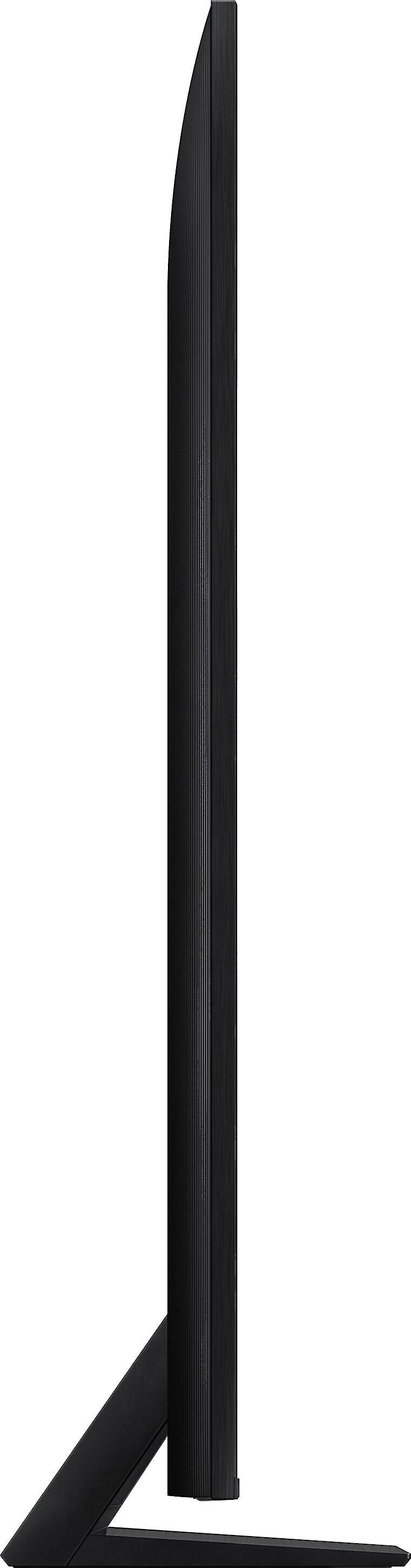
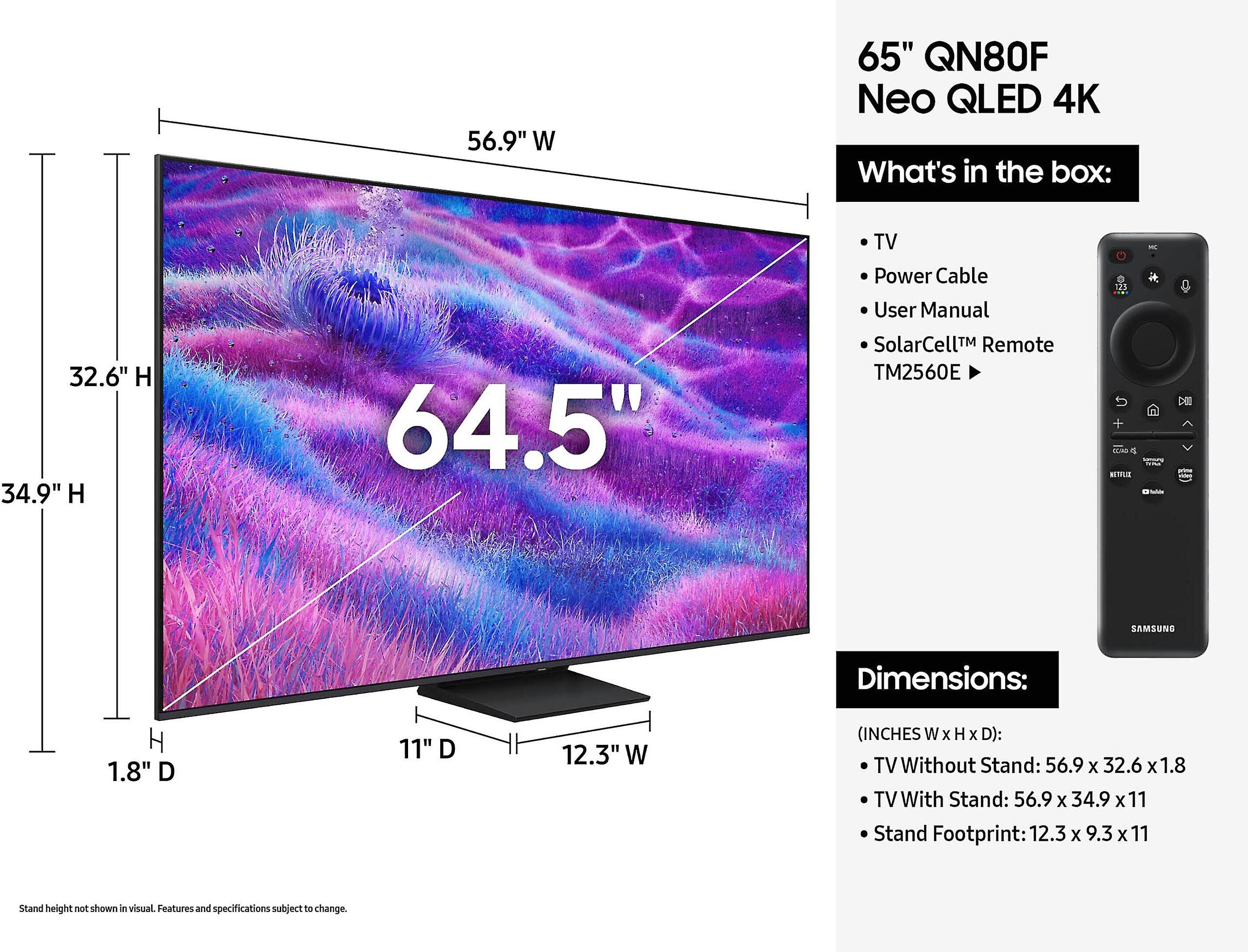
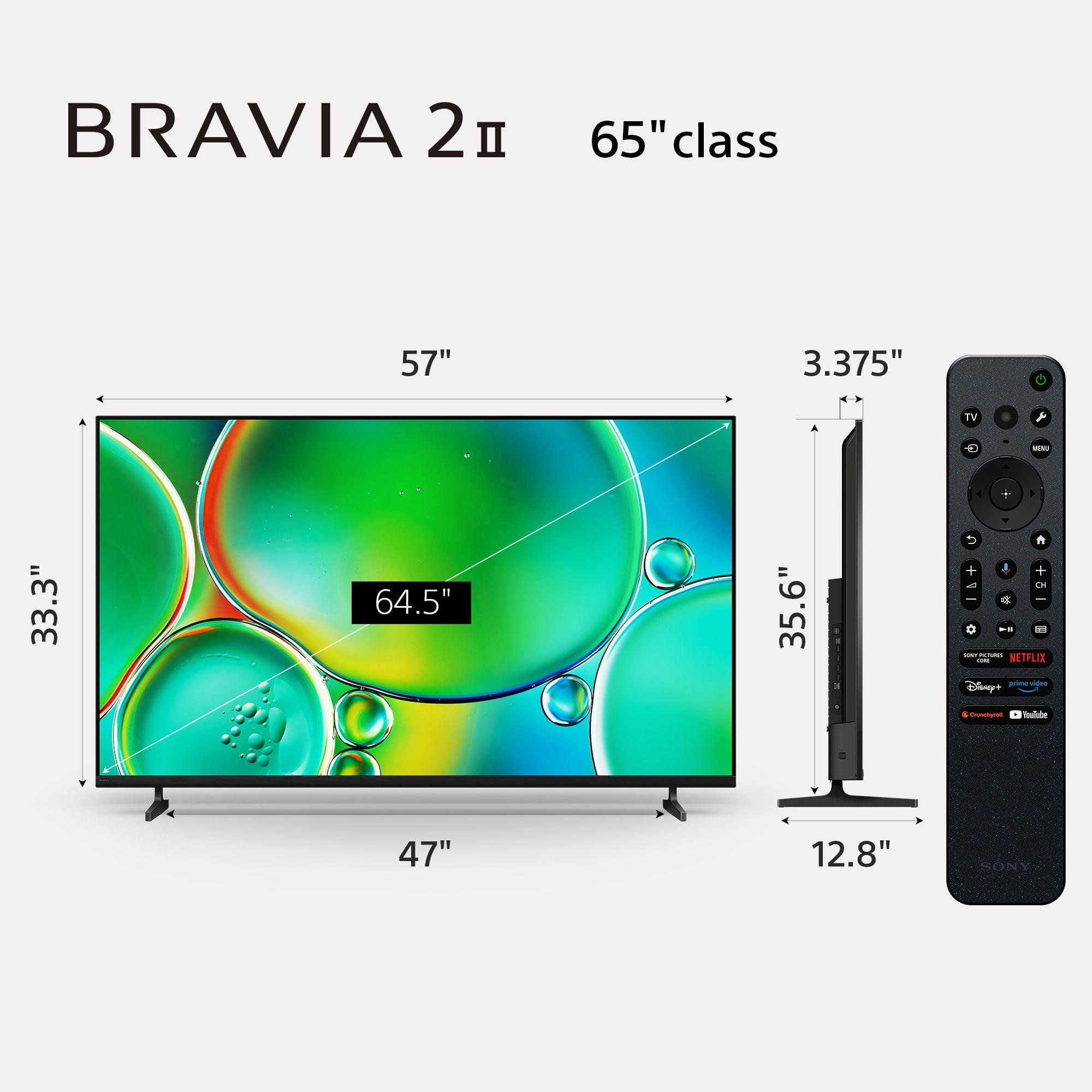
The Samsung QN80F feels substantial at 52.2 pounds, reflecting the additional components required for mini-LED backlighting. Samsung's new glare-free technology significantly reduces reflections from room lighting, making it easier to watch in brightly lit spaces.
The Sony BRAVIA 2 II is notably lighter at around 43 pounds, making installation and wall mounting easier. The slim bezel design looks modern and minimalist, with a metal frame that feels solid despite the lower price point.
Both TVs are wall-mountable and include table stands, though the Samsung's heavier weight requires more robust wall mounting hardware.
If you're building a dedicated home theater or have a room where you can control lighting, the Samsung QN80F's superior contrast ratio and peak brightness will provide a more cinematic experience. The mini-LED technology excels in both dark room viewing and moderately lit environments.
For family rooms or spaces with lots of windows, the Samsung's glare-free technology and higher peak brightness help maintain picture quality even with ambient light present.
The Sony BRAVIA 2 II performs well in controlled lighting but may struggle in very bright rooms. However, Sony's color accuracy means that even in less-than-ideal conditions, skin tones and natural colors look realistic.
The Samsung QN80F supports HDR10+ but notably lacks Dolby Vision support, which could limit compatibility with some streaming content and UHD Blu-rays. However, HDR10+ is becoming more widely supported, and Samsung's HDR processing is excellent regardless of format.
The Sony BRAVIA 2 II supports standard HDR10 and HLG formats, covering the vast majority of HDR content available. While it doesn't support advanced HDR formats, the content that does work looks excellent thanks to Sony's tone mapping.
You want the best possible picture quality and can justify the premium price. The mini-LED technology provides genuinely superior contrast and brightness that makes movies and games look more immersive. If you're a serious gamer with a PlayStation 5, Xbox Series X, or high-end gaming PC, the 144Hz support and VRR capabilities make this an obvious choice.
The Samsung also makes sense if you're setting up a primary living room TV where picture quality takes priority over budget considerations. The AI features and advanced processing help ensure this TV will handle future content well.
You want solid 4K performance without paying premium prices. Sony's color processing and Google TV platform provide an excellent smart TV experience that rivals more expensive models. If you prefer Google's ecosystem and want seamless integration with Android phones and Google services, this TV delivers.
The Sony is perfect as a bedroom TV, secondary family room display, or for buyers who primarily watch streaming content and don't need advanced gaming features.
At the time of writing, these televisions serve distinctly different markets, and both succeed in their intended roles. The Samsung QN80F justifies its premium pricing with genuinely advanced technology that delivers superior performance. The mini-LED backlighting and gaming capabilities place it among the better TVs available in 2025.
The Sony BRAVIA 2 II represents exceptional value, offering Sony's reliable picture processing and Google's excellent smart TV platform at an accessible price point. While it can't match the Samsung's technical specifications, it provides a satisfying 4K viewing experience that most buyers will find perfectly adequate.
Your choice ultimately depends on your priorities: choose the Samsung for the best possible performance, or select the Sony for excellent value and smart features. Both are solid choices that will serve their intended audiences well for years to come.
| Samsung 65" QN80F Neo QLED 4K TV | Sony BRAVIA 2 II 65" 4K LED Google TV 2025 |
|---|---|
| Display Technology - Determines contrast and picture quality | |
| Mini-LED with Quantum Matrix Technology for precise backlighting control | Traditional LED with direct backlighting, no local dimming |
| Refresh Rate - Critical for gaming and sports | |
| 120Hz native, supports up to 144Hz with VRR | 60Hz native with Motionflow XR 200 processing |
| Gaming Features - Essential for console and PC gaming | |
| 4K@144Hz, VRR on all HDMI ports, Auto Game Mode | 4K@60Hz max, ALLM, PlayStation 5 optimizations only |
| Smart TV Platform - Affects daily usability and app selection | |
| Samsung Tizen with Vision AI features | Google TV with 10,000+ apps and voice assistant integration |
| HDR Support - Important for streaming and 4K content | |
| Neo Quantum HDR, HDR10+ (no Dolby Vision) | HDR10, HLG (standard HDR formats) |
| Processor - Handles upscaling and picture enhancement | |
| NQ4 AI Gen2 Processor with AI upscaling | X1 4K Processor with 4K X-Reality PRO |
| Audio Technology - Built-in sound quality | |
| Dolby Atmos, Adaptive Sound Pro, Object Tracking Sound Lite | 40W Open Baffle speakers, Dolby Atmos, DTS:X support |
| HDMI Connectivity - Future-proofing for devices | |
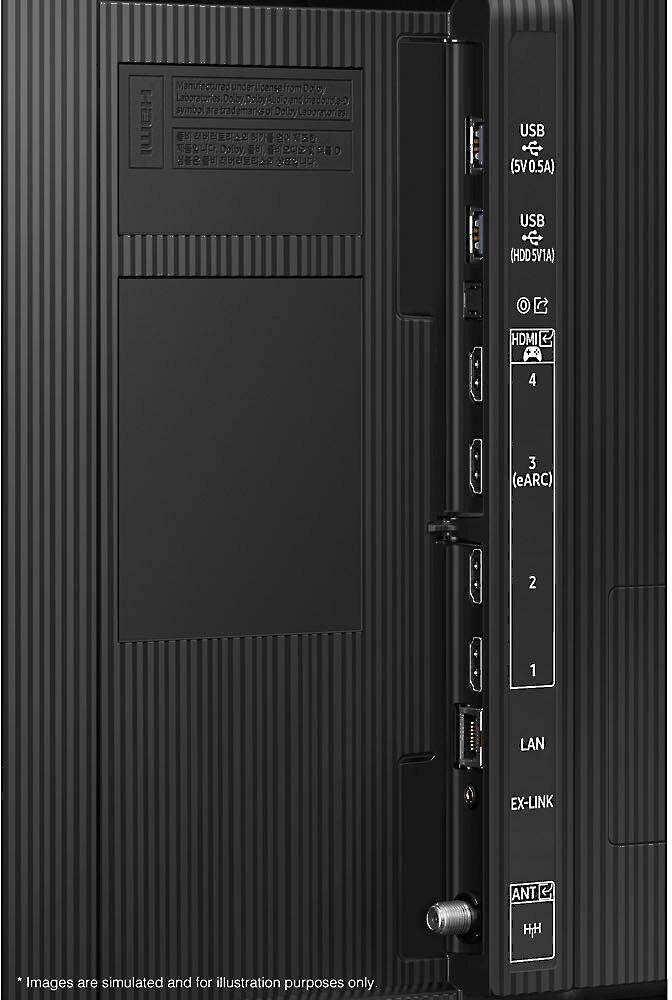
| 4x HDMI 2.1 ports (full bandwidth gaming support) | 4x HDMI 2.0 ports (standard connectivity) |
| Weight and Build - Installation and premium feel considerations | |
| 52.2 lbs, premium construction with glare-free coating | 43.4 lbs, lightweight metal frame design |
| Voice Assistant Support - Smart home integration | |
| Bixby with multi-command processing | Google Assistant + Amazon Alexa compatibility |
| Target Audience - Who should consider each model | |
| Gaming enthusiasts, home theater setups, premium picture quality seekers | Budget-conscious buyers, secondary TVs, Google ecosystem users |
The Samsung 65" QN80F Neo QLED 4K TV delivers superior picture quality thanks to its mini-LED backlighting technology. This allows for better contrast with deeper blacks and brighter highlights, making it ideal for cinematic content. The Sony BRAVIA 2 II 65" 4K LED Google TV 2025 offers excellent color accuracy and Sony's renowned processing, but can't match the contrast performance of the Samsung's advanced display technology.
The Samsung 65" QN80F Neo QLED 4K TV is significantly better for gaming, supporting 4K resolution at up to 144Hz with Variable Refresh Rate (VRR) across all HDMI ports. This makes it excellent for PlayStation 5, Xbox Series X, and PC gaming. The Sony BRAVIA 2 II is limited to 4K at 60Hz without VRR support, making it adequate for casual gaming but not ideal for competitive or high-performance gaming.
The Sony BRAVIA 2 II 65" 4K LED Google TV 2025 runs Google TV, offering access to over 10,000 apps, excellent content aggregation, and seamless integration with Google services and Android devices. The Samsung QN80F uses Samsung's Tizen platform with Vision AI features like Live Translate and Generative Wallpaper, providing unique AI-powered capabilities but with a smaller app ecosystem compared to Google TV.
The Sony BRAVIA 2 II 65" 4K LED Google TV 2025 typically offers better value for budget-conscious buyers, providing solid 4K performance and Google's excellent smart platform at a lower price point. The Samsung 65" QN80F Neo QLED 4K TV justifies its premium pricing with superior display technology, gaming features, and processing capabilities, making it better value for those prioritizing top-tier performance.
Both TVs support Dolby Atmos, but the Samsung QN80F includes more advanced audio processing with Adaptive Sound Pro and Object Tracking Sound Lite technology. The Sony BRAVIA 2 II features a 40W Open Baffle speaker system with Clear Phase technology. While both provide adequate built-in audio, neither replaces a dedicated sound system for serious home theater use.
The Samsung 65" QN80F Neo QLED 4K TV performs better in bright rooms thanks to its higher peak brightness capabilities and glare-free coating technology that reduces reflections. The mini-LED backlighting also helps maintain contrast even with ambient light present. The Sony BRAVIA 2 II works best in controlled lighting environments and may struggle with picture quality in very bright rooms.
The Samsung QN80F supports HDR10+ and Neo Quantum HDR processing but notably lacks Dolby Vision support. The Sony BRAVIA 2 II 65" 4K LED Google TV 2025 supports standard HDR10 and HLG formats, covering the majority of HDR content available on streaming platforms and physical media. Both handle HDR content well within their supported formats.
Both TVs excel at upscaling, but with different approaches. The Samsung 65" QN80F Neo QLED 4K TV uses its NQ4 AI Gen2 processor with AI-based upscaling algorithms. The Sony BRAVIA 2 II employs 4K X-Reality PRO technology, which references a content database to apply appropriate enhancement for different material types. Sony's approach often produces more natural-looking results, while Samsung's AI processing can be more aggressive in sharpening details.
The Samsung QN80F weighs 52.2 pounds and features premium construction with advanced glare-reduction technology. The Sony BRAVIA 2 II 65" 4K LED Google TV 2025 is lighter at 43.4 pounds with a slim, bezel-less design and metal frame construction. Both are well-built for their respective price segments, with the Samsung feeling more substantial due to its mini-LED components.
The Samsung 65" QN80F Neo QLED 4K TV is better suited for dedicated home theater use due to its superior contrast ratio, higher peak brightness, and mini-LED technology that excels in dark room viewing. The advanced HDR processing and gaming capabilities also make it more versatile for different content types. The Sony BRAVIA 2 II can work in home theater setups but is better suited for general family room use.
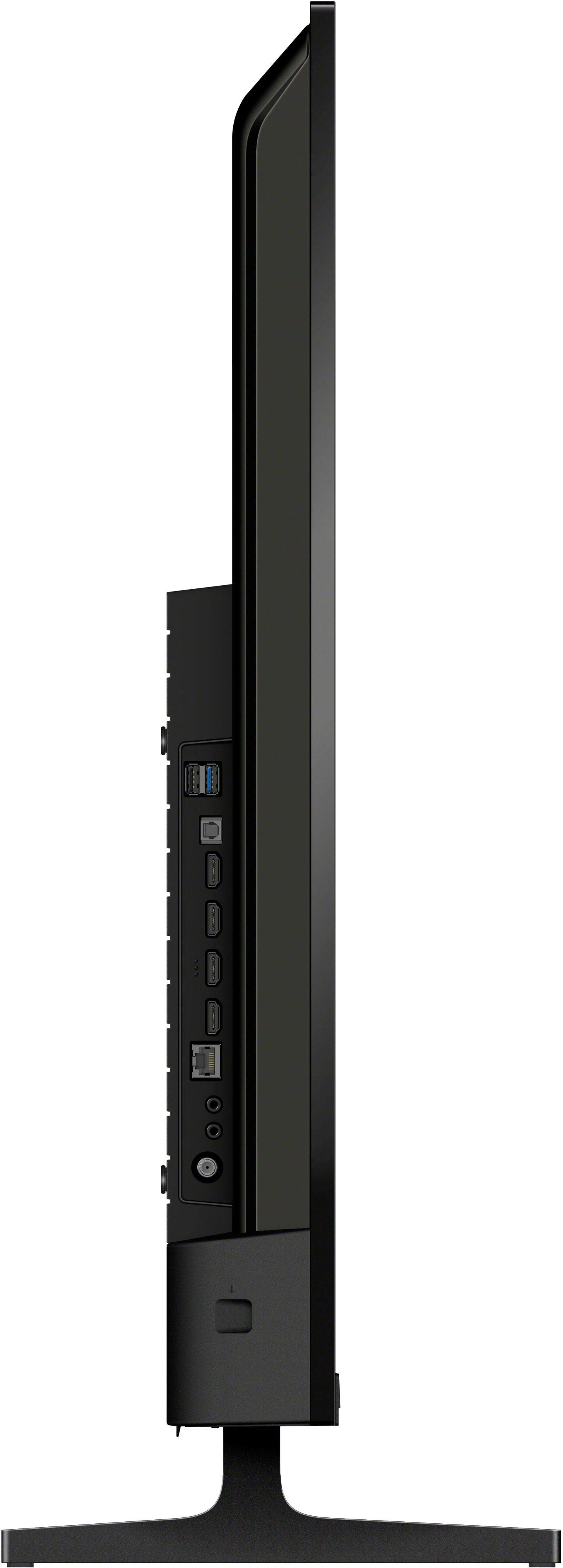
The Samsung QN80F includes four HDMI 2.1 ports supporting full bandwidth for gaming and future devices, plus standard connectivity options. The Sony BRAVIA 2 II 65" 4K LED Google TV 2025 features four HDMI 2.0 ports, two USB ports, and comprehensive wireless connectivity including Wi-Fi 6 and Bluetooth. The Samsung's HDMI 2.1 ports provide better future-proofing for high-bandwidth applications.
Choose the Samsung 65" QN80F Neo QLED 4K TV if you want the best possible picture quality, are serious about gaming, or are setting up a primary home theater system. Select the Sony BRAVIA 2 II 65" 4K LED Google TV 2025 if you prefer Google's smart TV ecosystem, want solid 4K performance at a lower price point, or need a reliable secondary TV for bedrooms or casual viewing areas.
We've done our best to create useful and informative comparisons to help you decide what product to buy. Our research uses advanced automated methods to create this comparison and perfection is not possible - please contact us for corrections or questions. These are the sites we've researched in the creation of this article: samsung.com - theshortcut.com - youtube.com - bestbuy.com - rtings.com - samsung.com - samsung.com - samsung.com - sargentappliance.com - displayspecifications.com - bestbuy.com - bestbuy.com - notebookcheck.net - rtings.com - youtube.com - youtube.com - rtings.com - avsforum.com - croma.com - totonstv.com - electronics.sony.com - listenup.com - pcrichard.com - youtube.com - flanners.com - brandsmartusa.com - displayspecifications.com - pioneertvandappliance.com - donstv.com

Privacy Policy
Terms and Conditions - Affiliate Policy
Home Security
© Copyright 2008-2026.
11816 Inwood Rd #1211, Dallas, TX 75244