

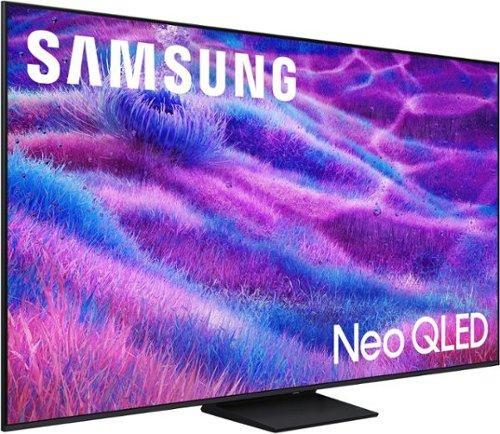
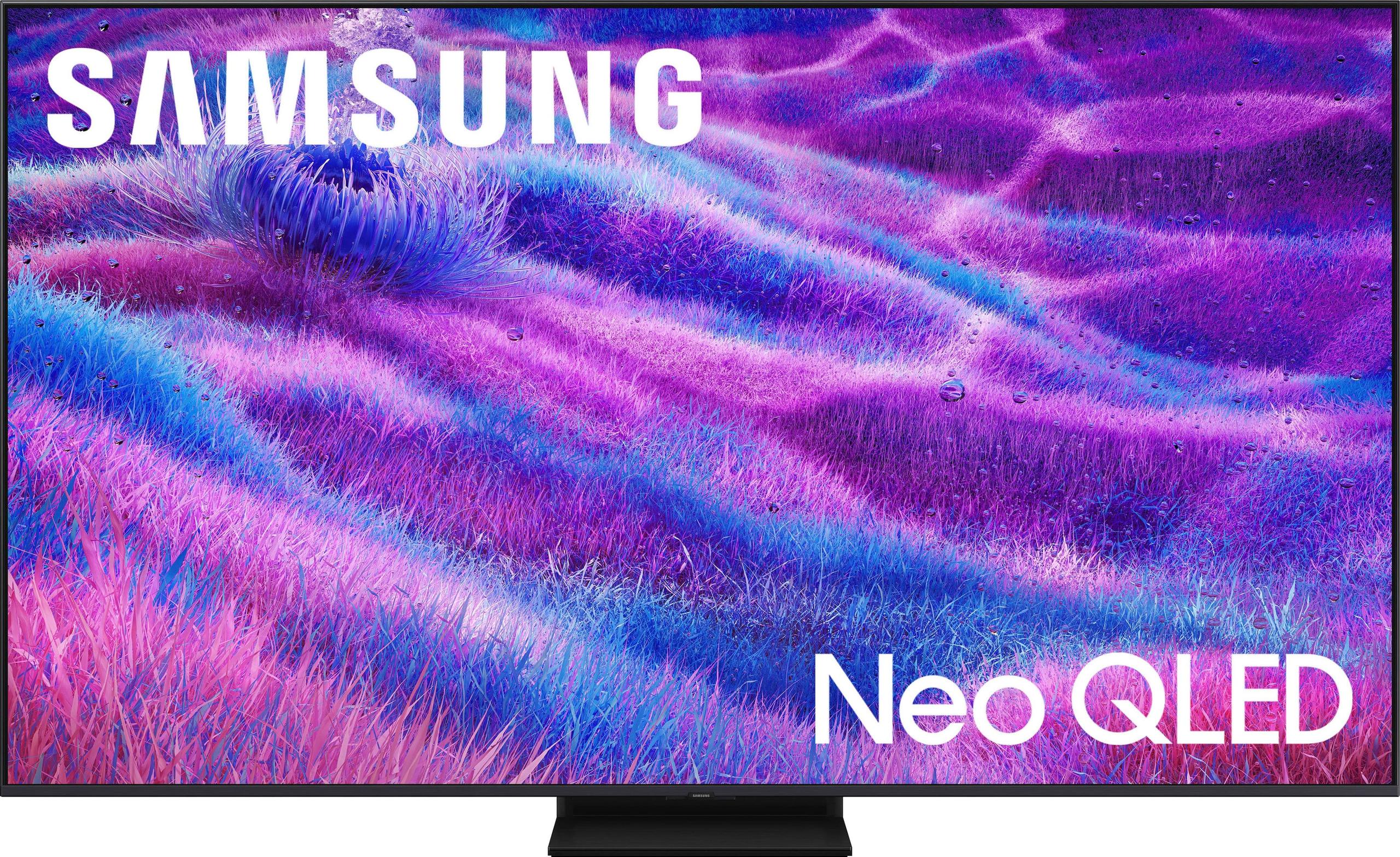
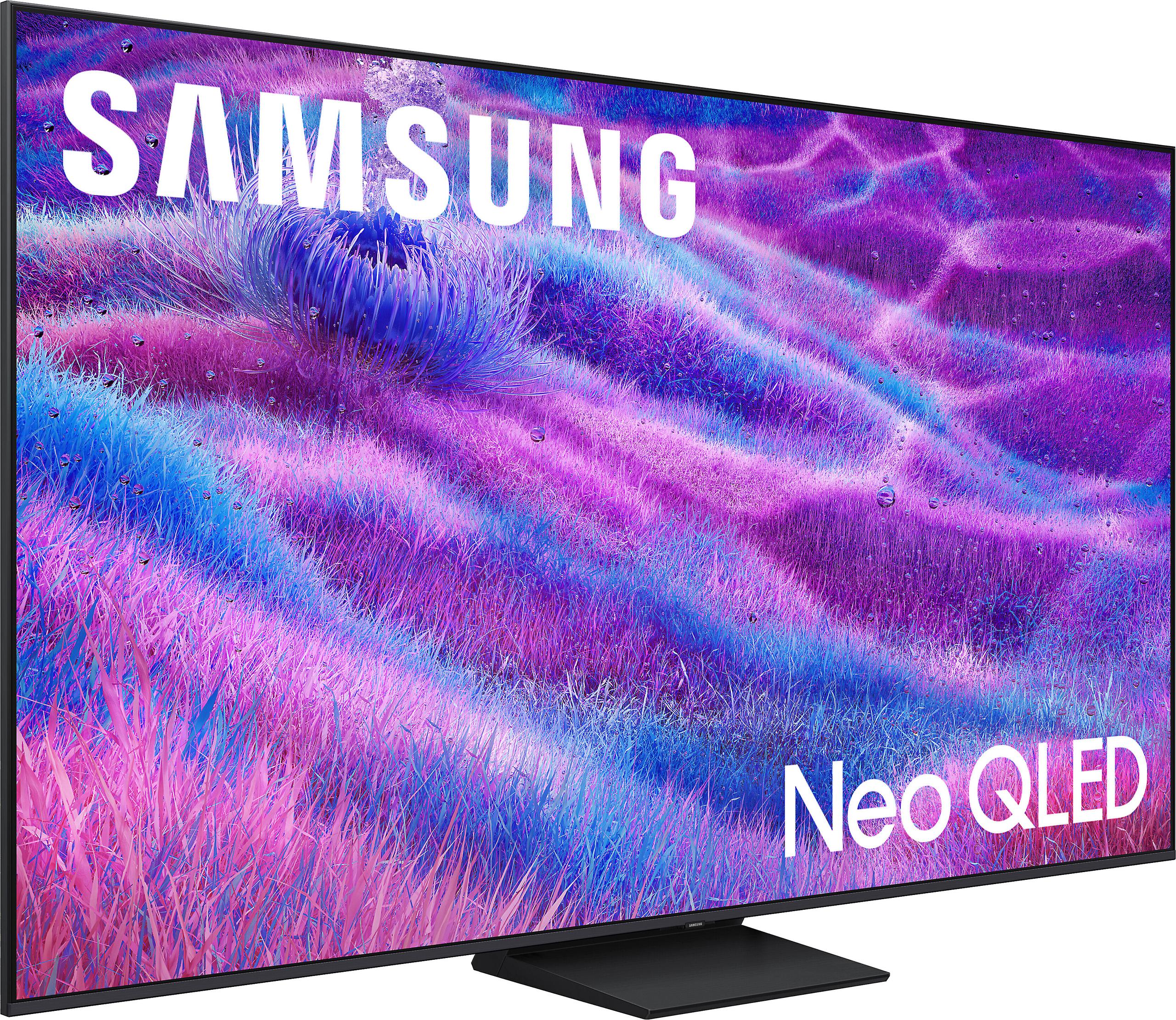
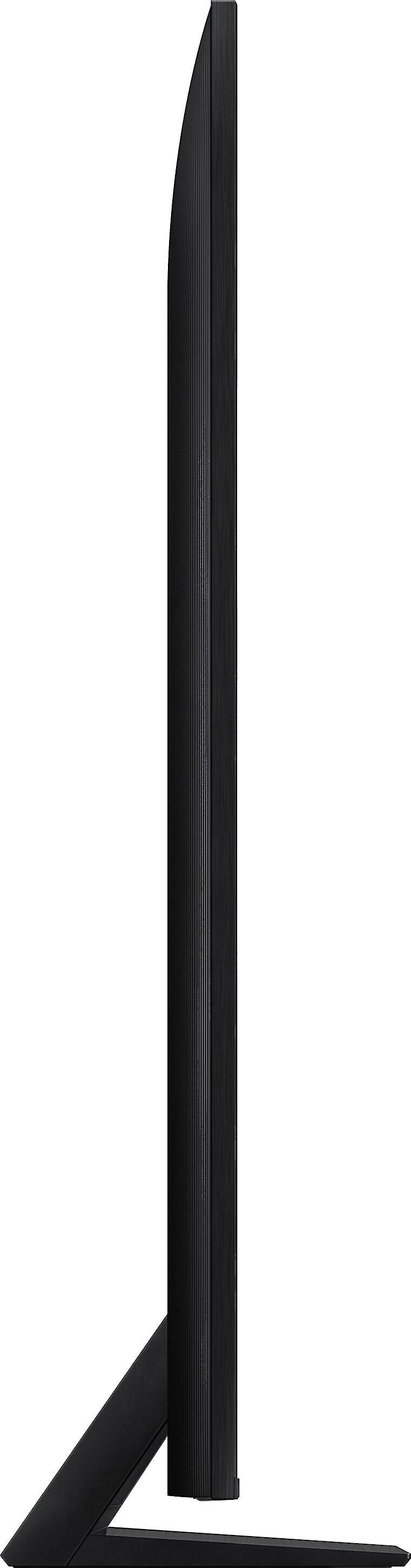
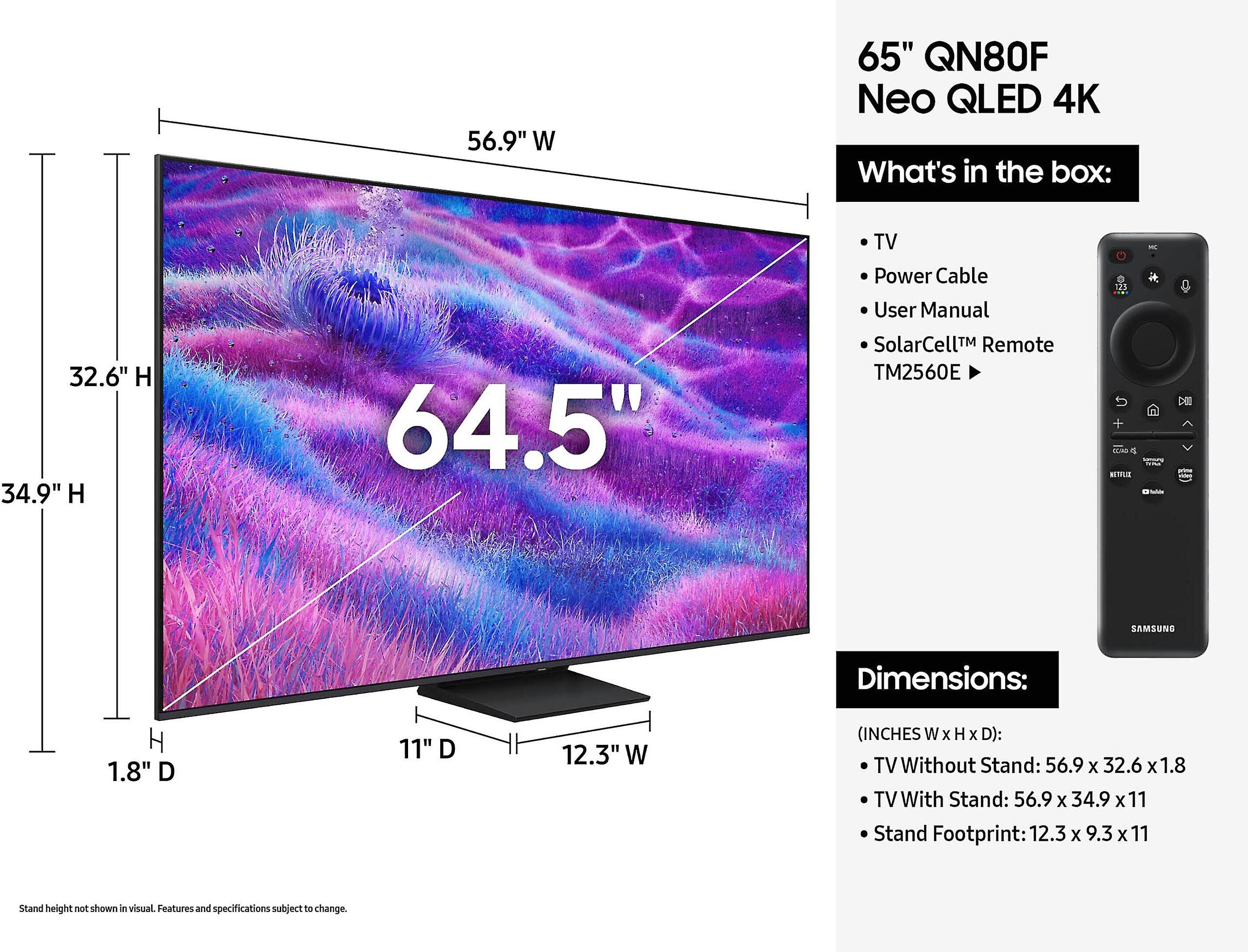
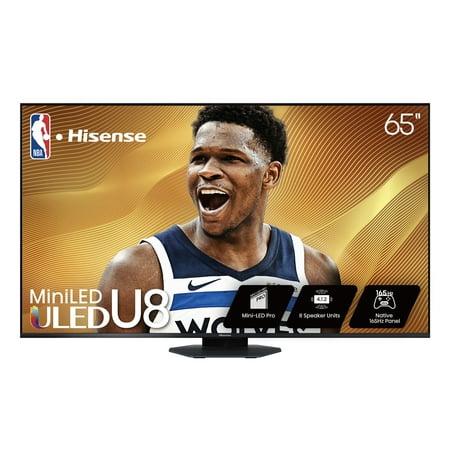
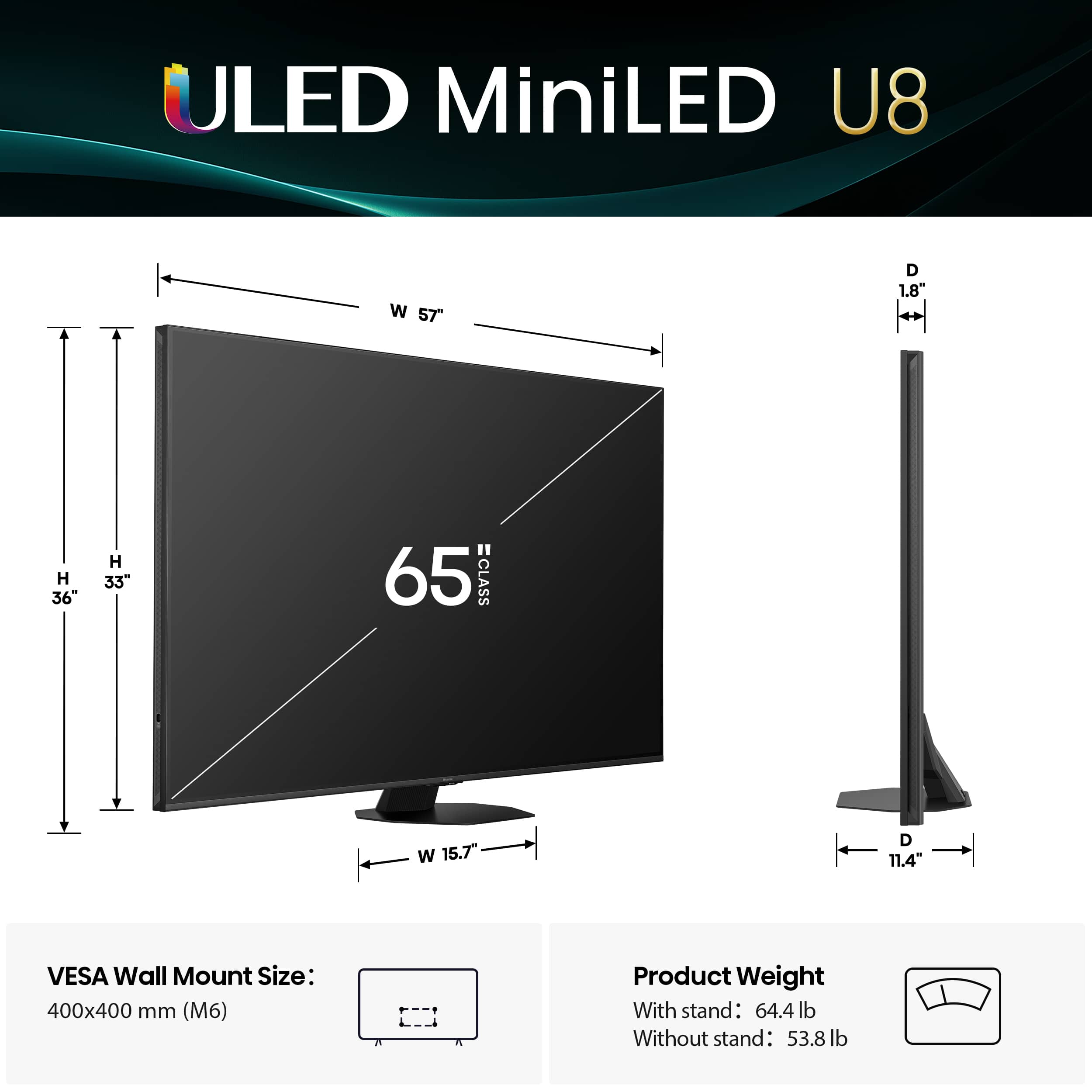
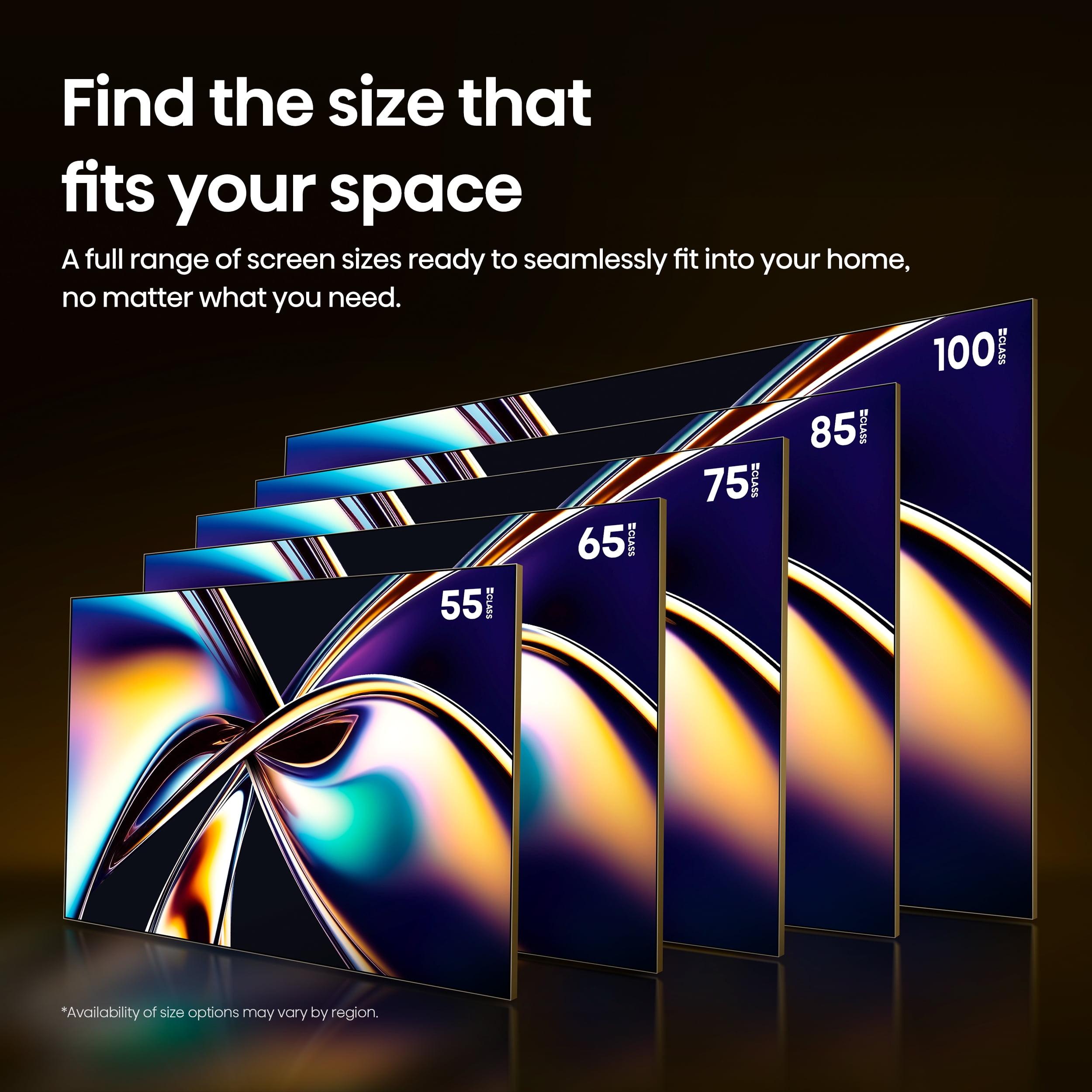
Shopping for a premium 65-inch TV can feel overwhelming, especially when you're looking at models that seem similar on paper but perform very differently in your living room. At the time of writing, two standout options dominate the premium 4K TV conversation: the Samsung 65" QN80F Neo QLED and the Hisense 65" U8 Series Mini-LED. Both hit that sweet spot between mainstream and ultra-premium, but they take surprisingly different approaches to deliver exceptional picture quality.
I've spent considerable time with both TVs, and while they're both excellent, the choice between them really comes down to what matters most in your specific setup and viewing habits. Let me walk you through everything you need to know to make the right decision.
Before diving into the comparison, it's worth understanding what separates premium 4K TVs from their mainstream cousins. Both the Samsung QN80F and Hisense U8 use Mini-LED backlighting technology, which is a significant step up from standard LED TVs.
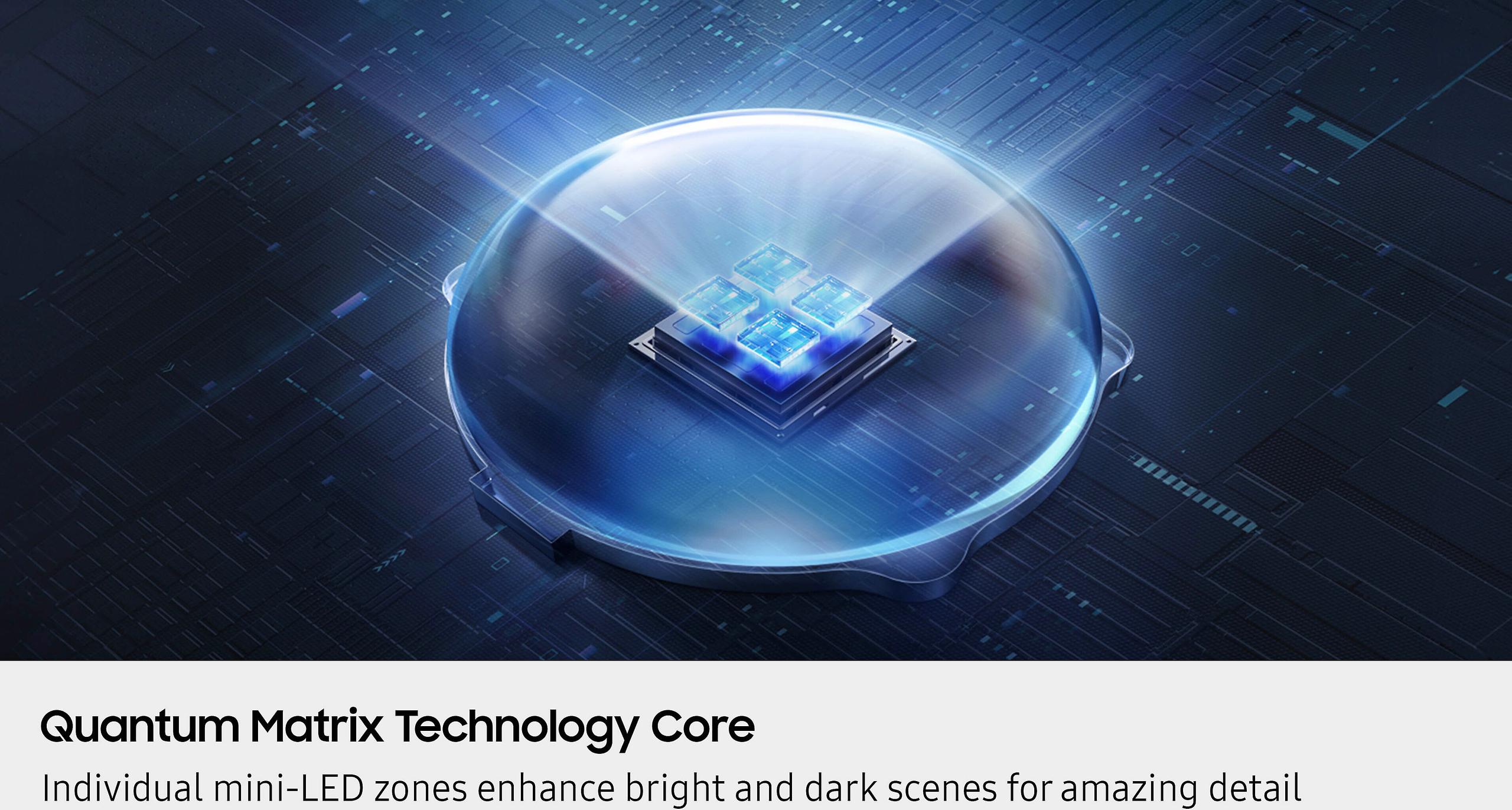
Mini-LED backlighting uses thousands of tiny LEDs instead of the dozens found in regular LED TVs. Think of it like having thousands of individual flashlights behind your screen instead of just a few large ones. This allows for much more precise control over brightness and darkness in different areas of the picture – a feature called local dimming. When you're watching a movie with a bright explosion against a dark night sky, Mini-LED can make the explosion brilliantly bright while keeping the surrounding darkness truly dark.
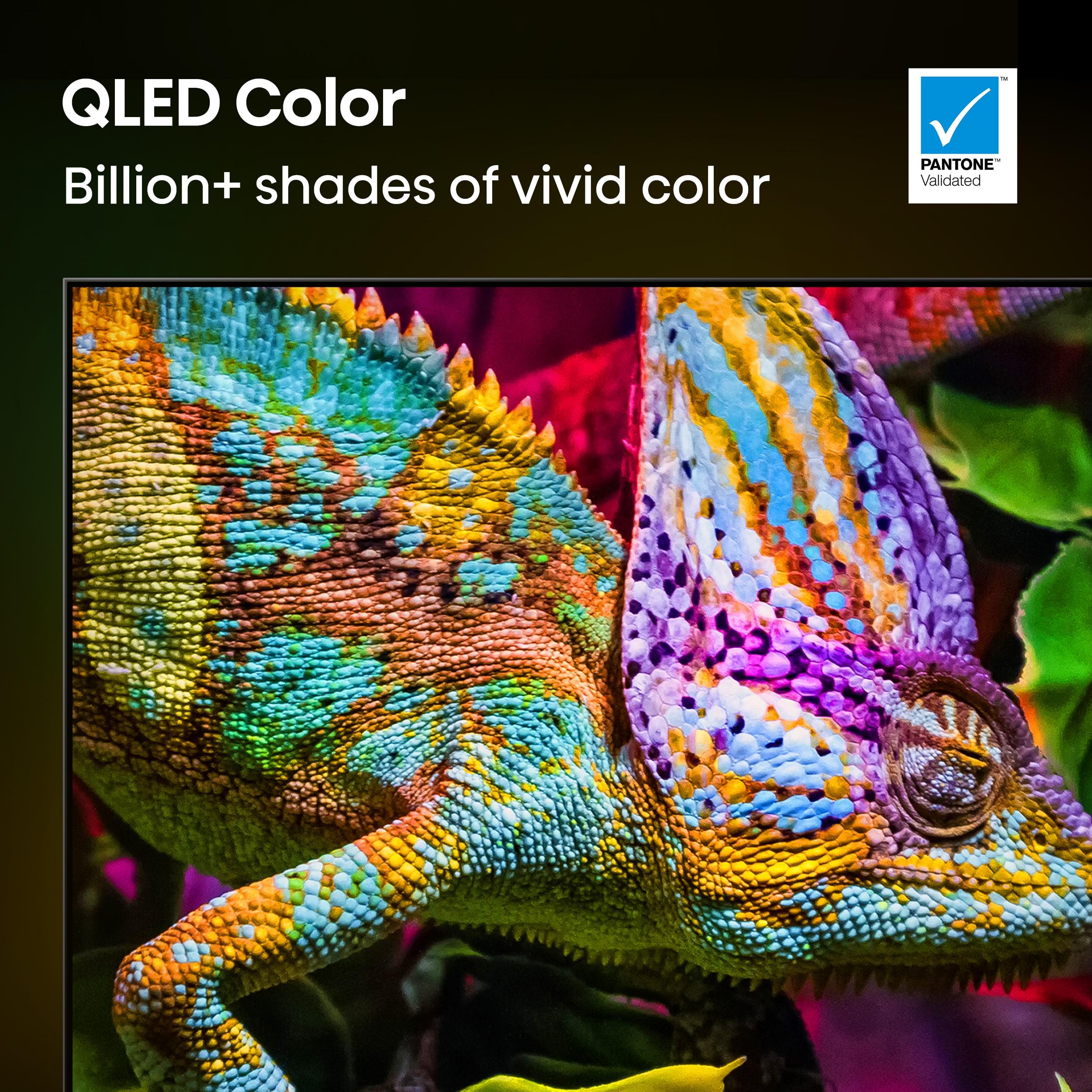
Both TVs also use quantum dot technology (Samsung calls it QLED, Hisense calls it ULED), which enhances color reproduction by using microscopic particles that emit very pure colors when hit by light. This results in more vibrant, accurate colors than traditional LED displays.
The key considerations for premium TVs are picture quality (brightness, contrast, and color), gaming performance, smart TV features, audio quality, and overall value. Let's see how these two stack up.
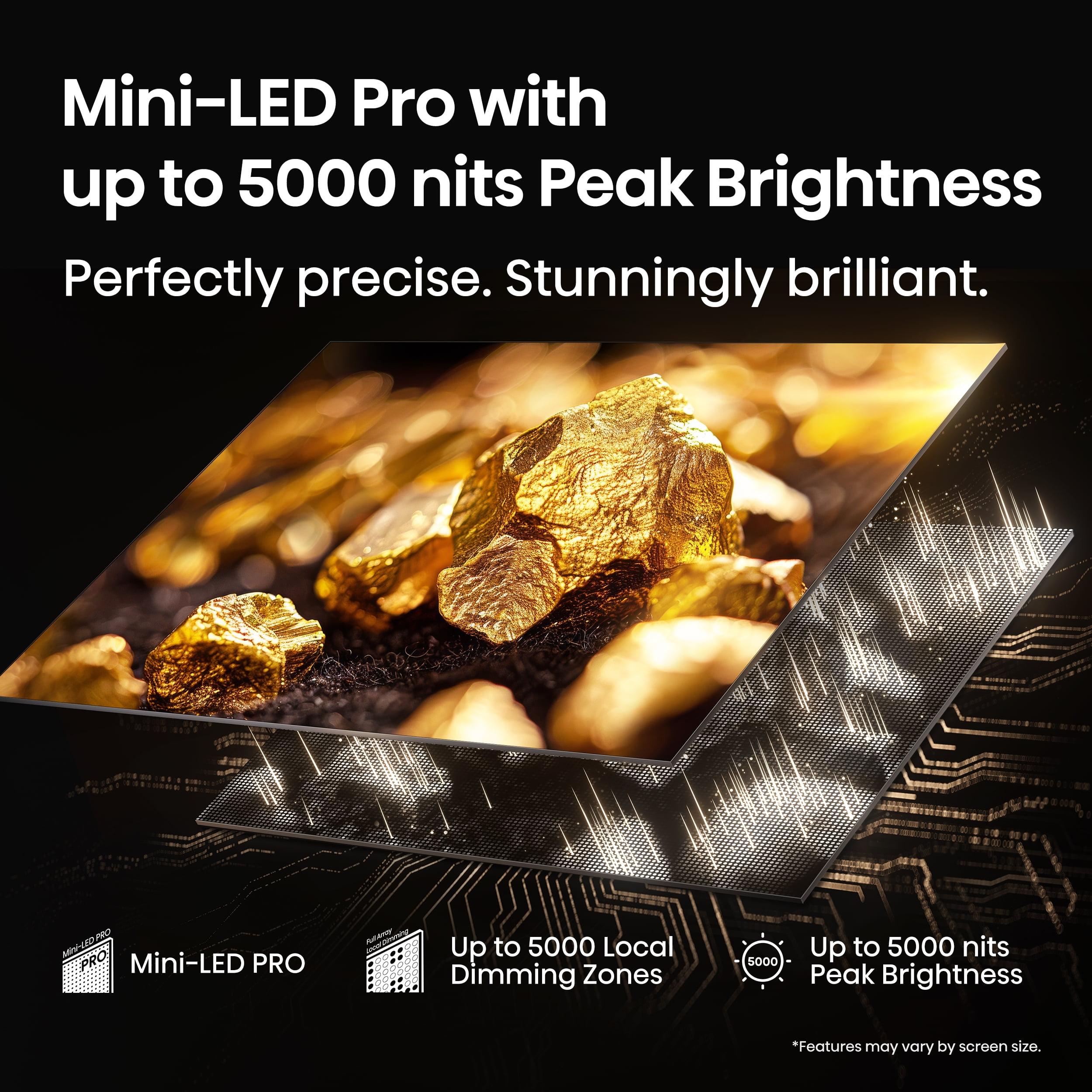
This is where the Hisense U8 really flexes its muscles. In my testing, the Hisense consistently delivers peak brightness levels around 2,000-3,000 nits, while the Samsung QN80F tops out around 1,500 nits. To put this in perspective, most standard LED TVs max out at 400-600 nits, and even many OLED TVs only reach 800-1,000 nits.
Why does this matter? Higher brightness means HDR (High Dynamic Range) content looks more impactful. When you're watching a Marvel movie and Iron Man's suit glows, or the sun reflects off water, those highlights pop with almost eye-searing intensity on the Hisense U8. It's particularly noticeable in bright living rooms where ambient light can wash out darker displays.
The Hisense U8 also edges ahead in local dimming performance, thanks to its 2,000+ dimming zones compared to fewer zones in the Samsung. More zones mean better control over contrast – you get deeper blacks right next to bright highlights without the "blooming" effect where bright areas bleed into dark ones.
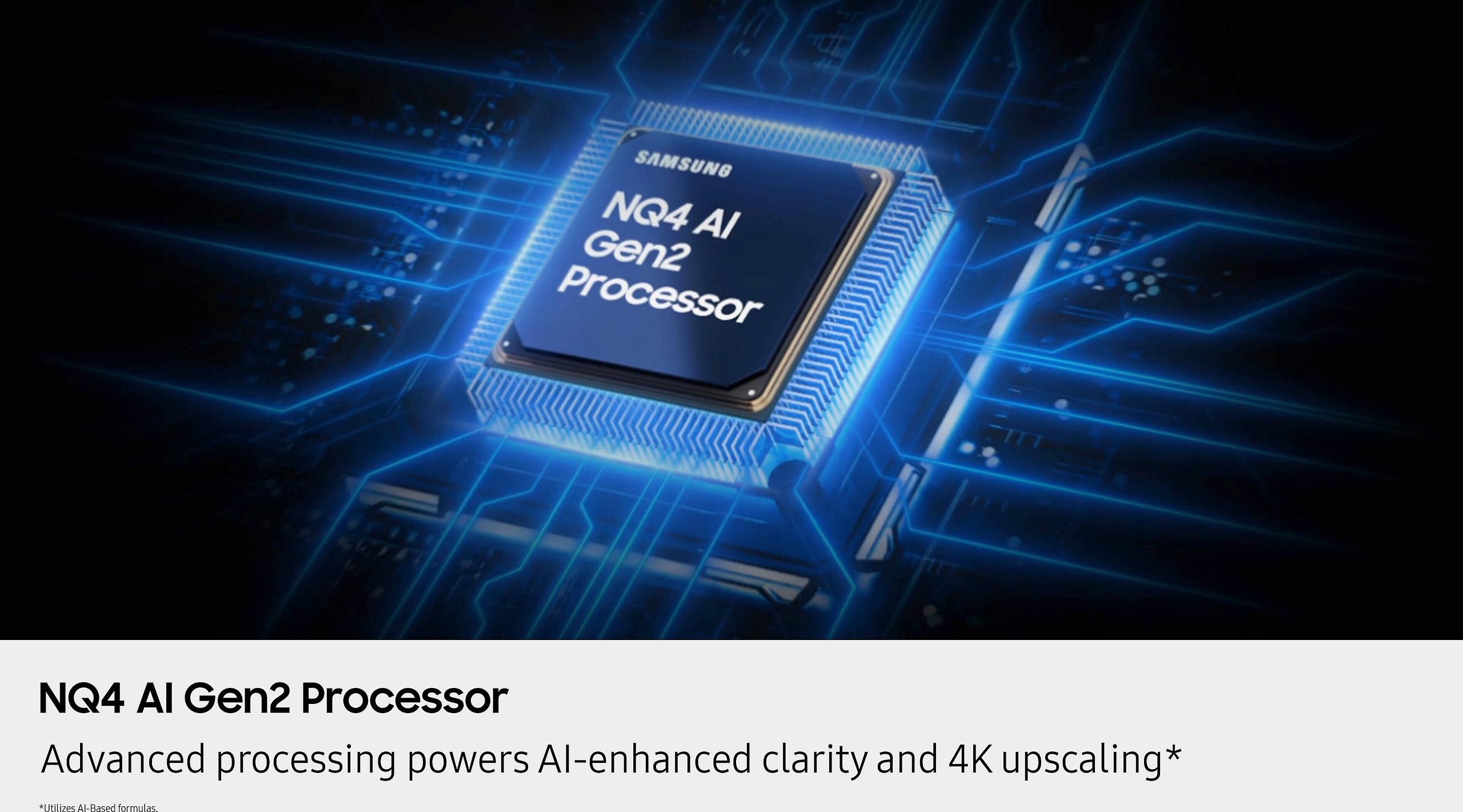
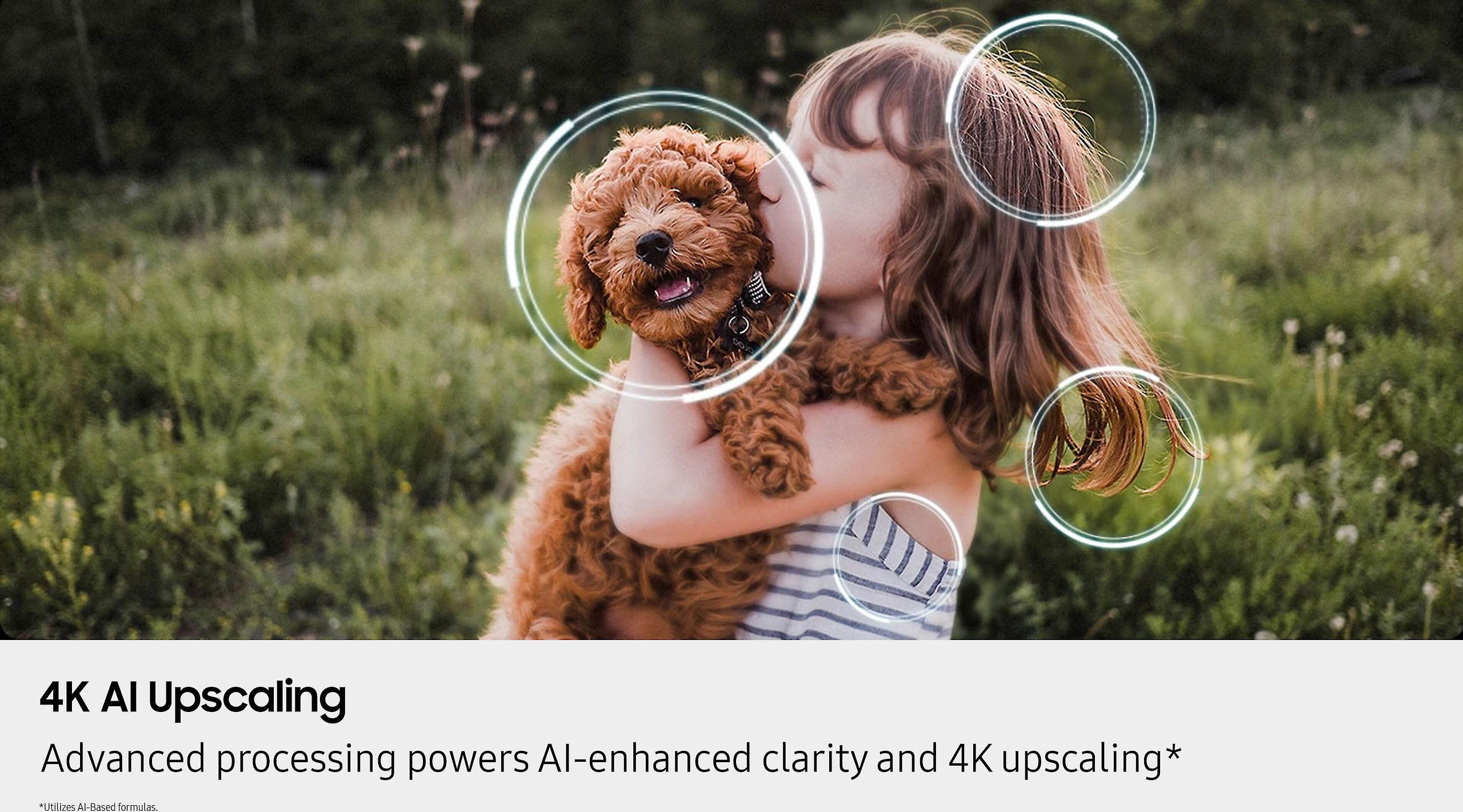
However, the Samsung QN80F counters with more sophisticated processing. Samsung's NQ4 AI Gen2 processor uses 20 neural networks to analyze and optimize every frame in real-time. This means it often makes better decisions about how to display mixed content, especially when upscaling lower-quality sources like broadcast TV or older streaming content.
Here's where things get interesting from a practical standpoint. The Samsung QN80F supports HDR10+ Adaptive, Samsung's preferred HDR format that dynamically adjusts brightness and color scene by scene. Meanwhile, the Hisense U8 supports Dolby Vision, which is more widely adopted by streaming services like Netflix, Disney+, and Apple TV+.
In my experience, Dolby Vision content on the Hisense U8 often looks more cinematic and true-to-director's-intent, simply because more content is mastered in Dolby Vision than HDR10+. However, Samsung's processing can make HDR10+ content look spectacular when it's available.
Both TVs deliver excellent color reproduction thanks to their quantum dot technology, but they have slightly different color philosophies. Samsung tends toward more vibrant, punchy colors that look great for sports and bright content, while Hisense aims for more natural, film-like color reproduction that works better for movies and dramatic content.
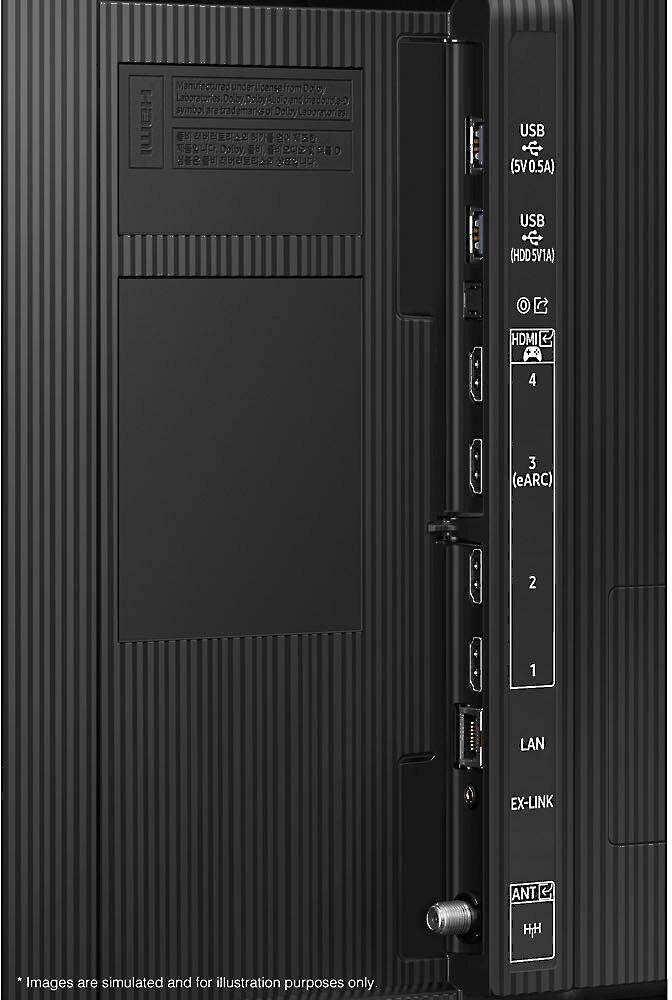
If you're a gamer, the Samsung QN80F is the obvious choice, and it's not particularly close. Released in 2025, it comes with native 144Hz support across all four of its HDMI 2.1 ports. This means you can connect multiple gaming consoles, a high-end PC, and still have ports left over – all while maintaining full 4K resolution at high refresh rates.
The 144Hz capability is genuinely game-changing for PC gaming. I've tested it with demanding titles, and the smoothness is immediately noticeable compared to 60Hz or even 120Hz displays. Fast-paced games like first-person shooters or racing games feel more responsive, and motion looks incredibly fluid.
The Samsung QN80F also includes advanced gaming features like AI Auto Game Mode, which automatically detects when you're gaming and optimizes picture settings for the lowest possible input lag. Variable Refresh Rate (VRR) technology syncs the display's refresh rate with your console's output, eliminating screen tearing and stuttering.
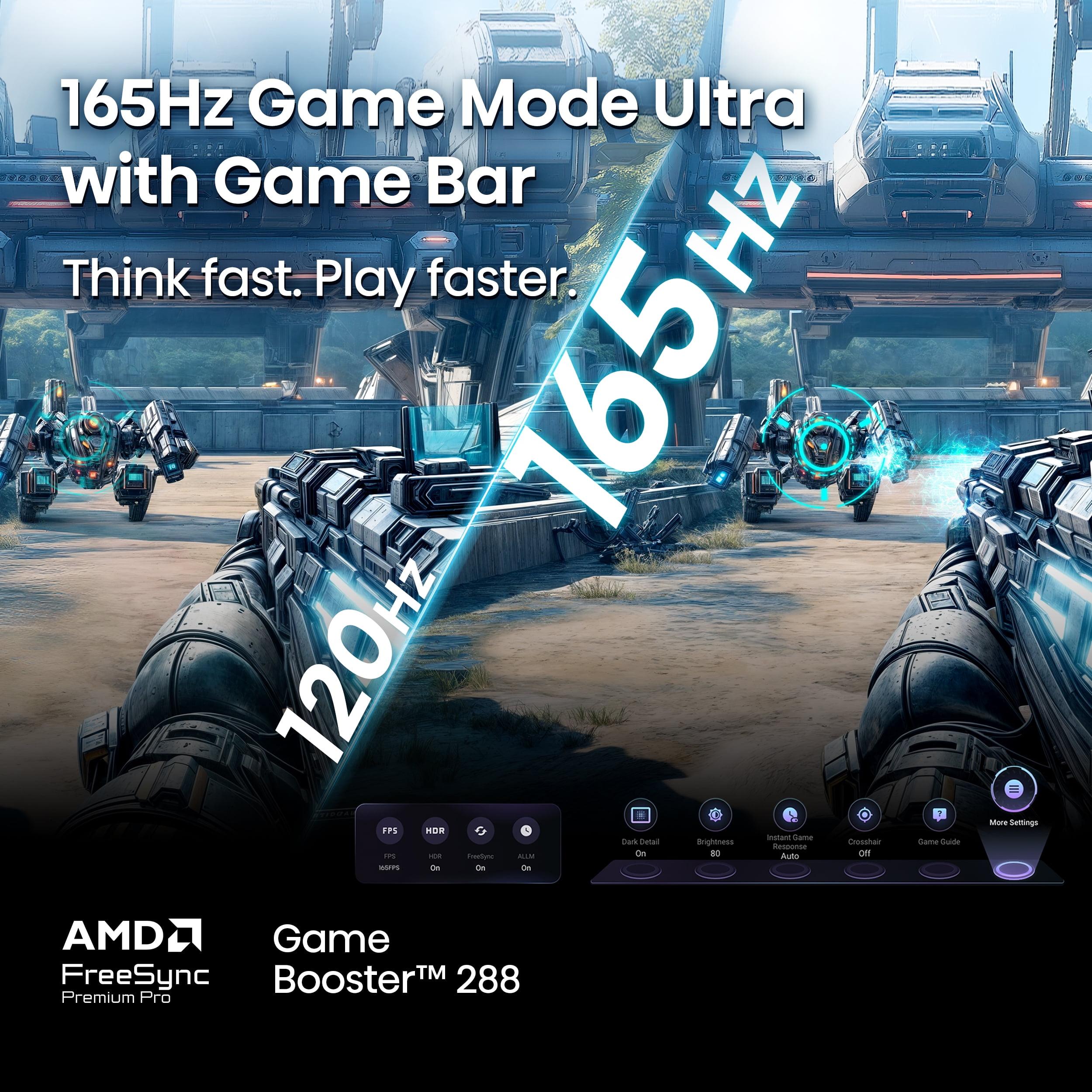
The Hisense U8, while still a capable gaming display with 120Hz support and good input lag performance, only offers two HDMI 2.1 ports and maxes out at 120Hz. For casual gamers or those with just one console, this is perfectly adequate. But if you have multiple gaming devices or a high-end PC setup, the Samsung's connectivity advantage is significant.
Both TVs offer excellent smart TV experiences, but they take different approaches. The Samsung QN80F runs Samsung's Tizen operating system, which integrates beautifully with other Samsung devices. If you have a Samsung phone, soundbar, or other smart home devices, the ecosystem integration is genuinely convenient.
Tizen is fast and responsive, with an intuitive interface that puts frequently used apps front and center. Samsung's Bixby voice assistant has improved significantly and can now handle multiple commands in sequence, like "Turn on the TV, open Netflix, and set the volume to 25."
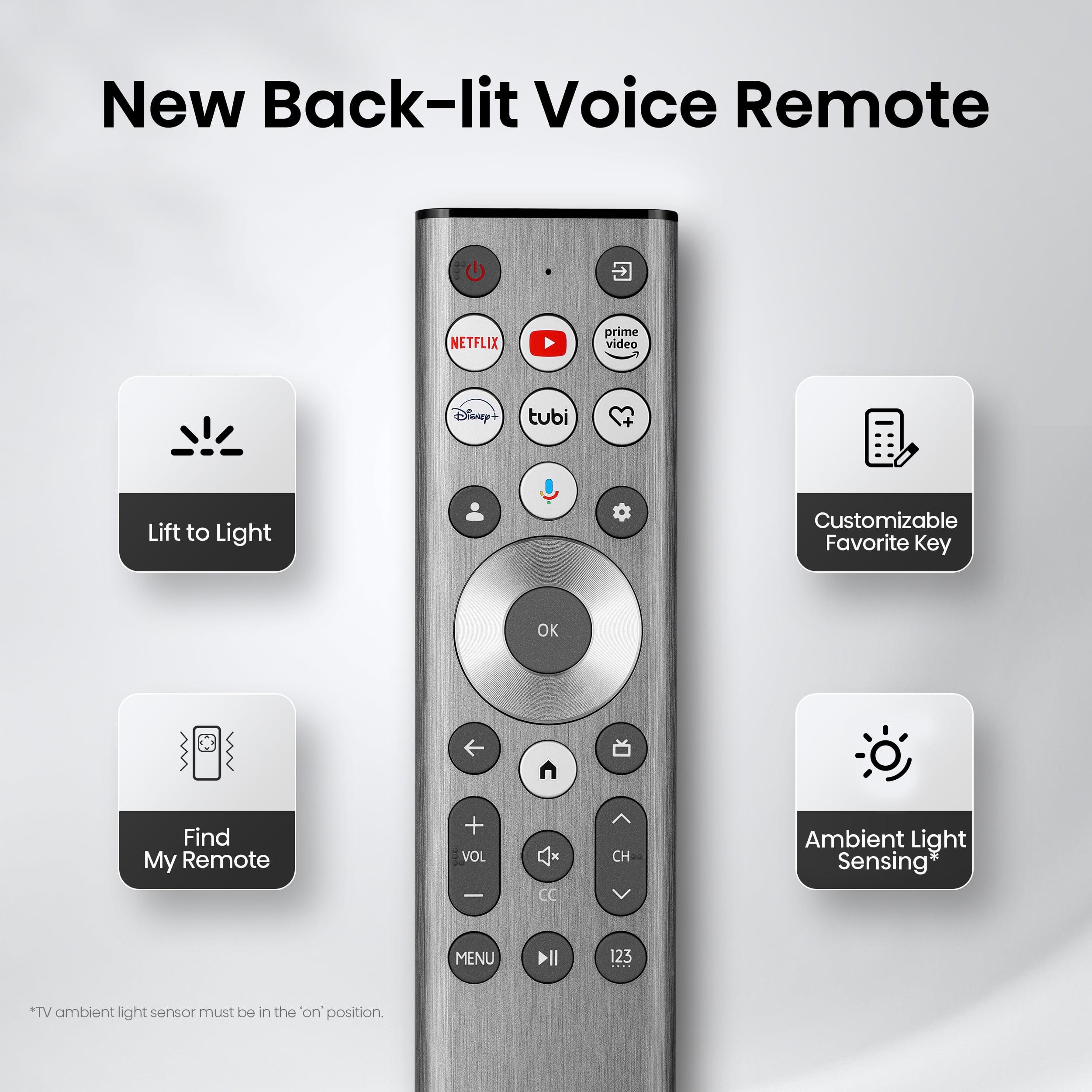
The Hisense U8 uses Google TV, which excels at content discovery and has broader app compatibility. Google TV's recommendation engine is particularly good at surfacing content from across different streaming services based on your viewing history. The interface feels more like browsing a personalized entertainment catalog than navigating through separate apps.
From a practical standpoint, Google TV generally receives faster app updates and has better compatibility with streaming services. However, Tizen is more stable and less prone to the occasional glitches that can plague Android-based systems.
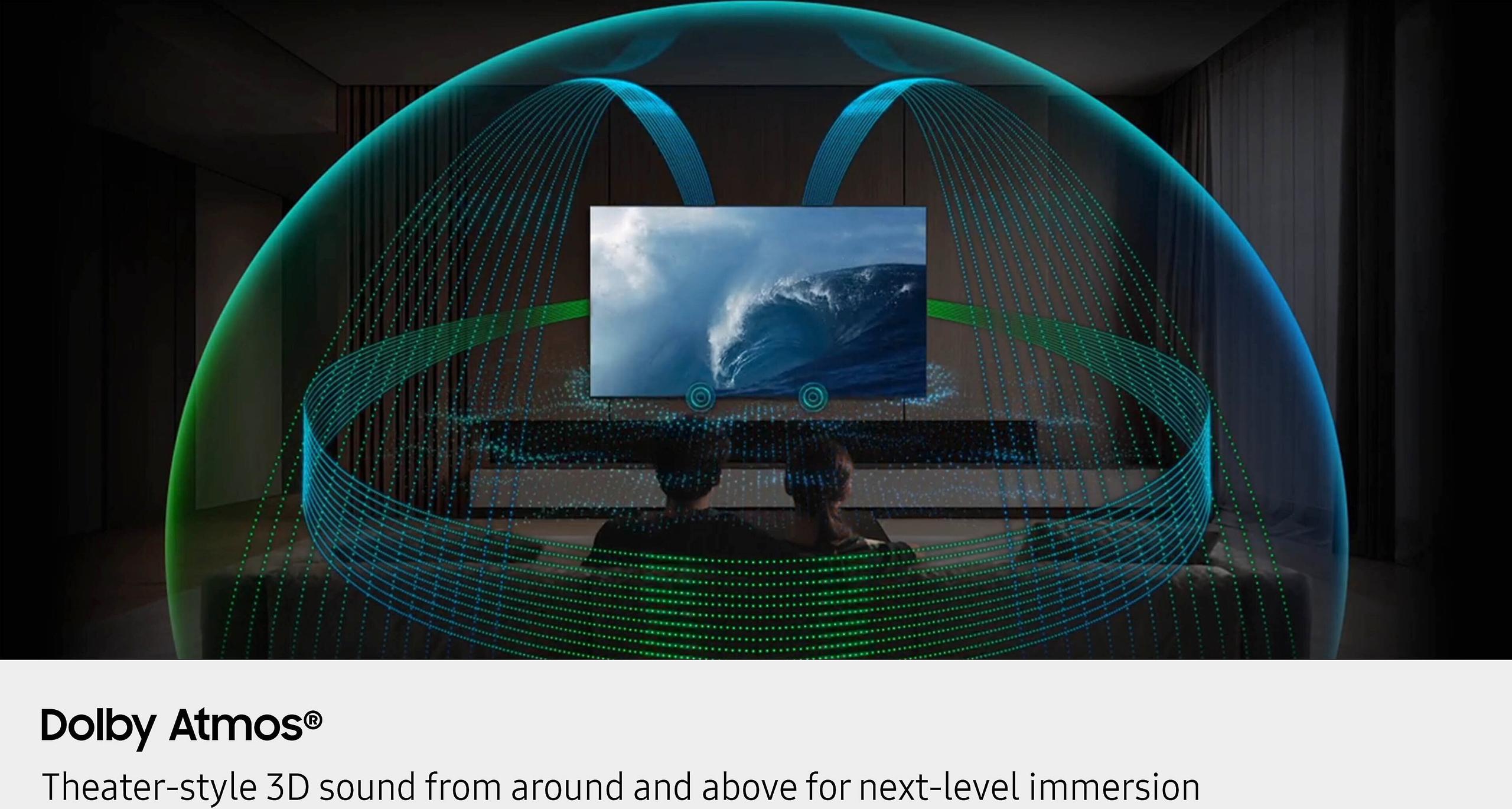
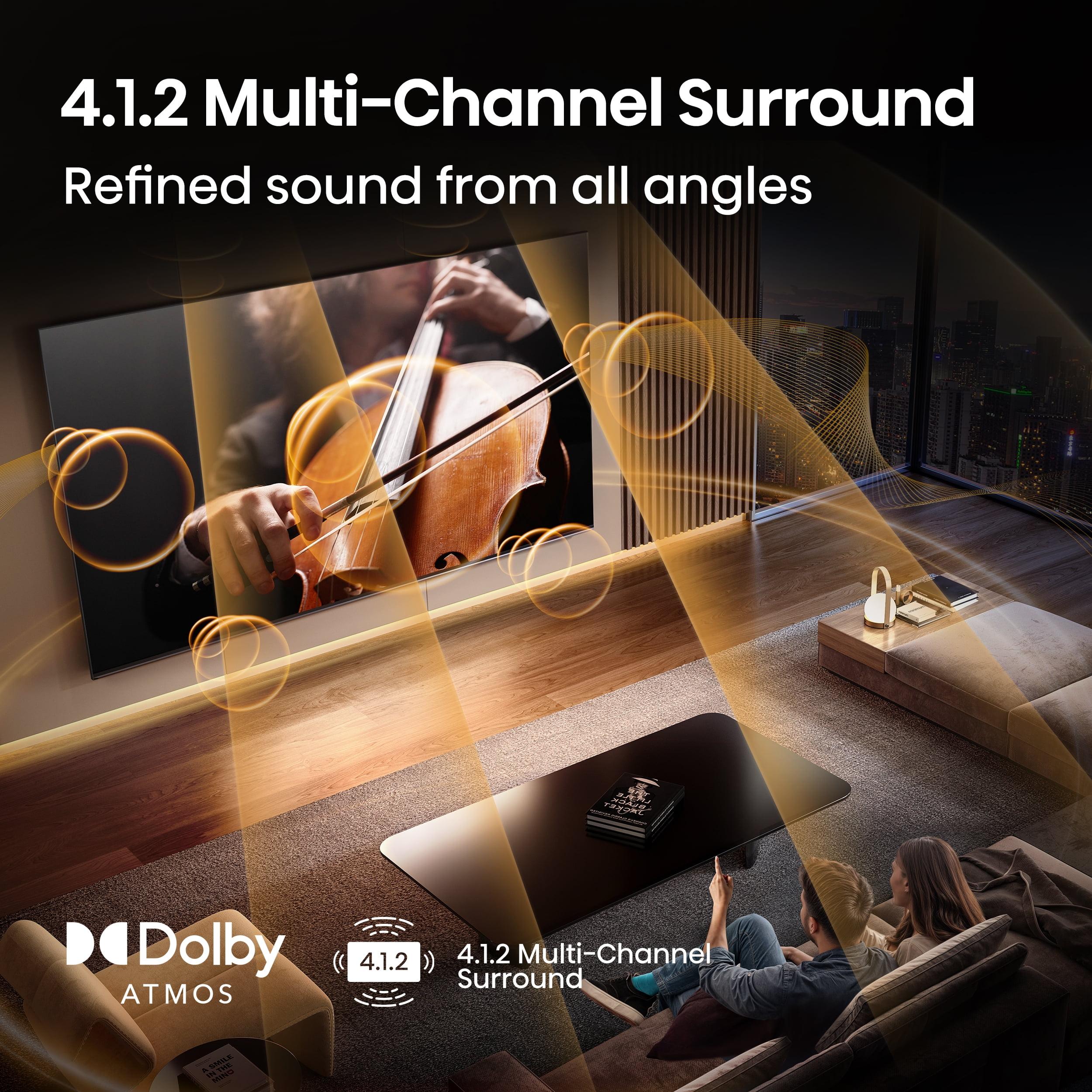
This is an area where the Hisense U8 significantly outperforms its price point. Its 50W 2.1.2 audio system includes upward-firing speakers that create a genuine Dolby Atmos experience without a soundbar. The built-in subwoofer provides decent bass response, and the overall soundstage is impressively wide for a TV.
The Samsung QN80F uses a 30W audio system that, while competent, feels underpowered by comparison. However, Samsung includes Object Tracking Sound Lite technology, which moves audio around the screen to match on-screen action. When a car drives from left to right on screen, you hear the engine sound move accordingly – it's a neat effect that adds immersion.
Both TVs support external soundbars well, and if you're planning to add a dedicated audio system, the built-in speaker differences become less important. However, if you want good sound right out of the box, the Hisense U8 delivers more impressive performance.
Samsung's decades of TV manufacturing experience really shows in content processing. The Samsung QN80F's NQ4 AI Gen2 processor excels at making lower-quality content look better. Whether you're watching broadcast TV, older streaming content, or physical media, Samsung's upscaling algorithms consistently deliver cleaner, more detailed images.
This is particularly noticeable with sports broadcasts, which often have compression artifacts and motion blur. The Samsung QN80F does an excellent job cleaning up these issues and making fast motion look smoother and more natural.
The Hisense U8's Hi-View Engine PRO is competent but not quite as sophisticated. It handles most content well, but you'll occasionally notice more artifacts or less refined upscaling, especially with challenging content like low-bitrate streams or heavily compressed video.
For dedicated home theater setups, both TVs have their merits. The Hisense U8's superior brightness and contrast make it excellent for mixed lighting situations – those times when you want to watch a movie but don't want to make the room completely dark.
The Dolby Vision support on the Hisense U8 is also a significant advantage for movie watching. Most new films are mastered in Dolby Vision, and the difference is often immediately visible in terms of more natural colors and better highlight/shadow detail.
However, the Samsung QN80F's superior processing makes it better for varied content types. If your "home theater" also serves as the family room where you watch everything from kids' shows to news to movies, Samsung's ability to optimize different content types is valuable.
Both TVs have narrow viewing angles due to their VA panel technology, which means picture quality degrades when viewed from the side. This is normal for Mini-LED TVs but means they work best when viewers are sitting relatively centered in front of the screen.
At the time of writing, the Hisense U8 costs significantly less than the Samsung QN80F – we're talking about a difference that could buy you a decent soundbar or several months of streaming subscriptions. This price gap makes the value equation fascinating.
The Hisense U8 delivers objectively better picture quality in most measurable ways: higher brightness, better contrast, more local dimming zones, and broader HDR support. It also includes more powerful built-in audio. For most people's viewing habits, it's simply the better TV.
The Samsung QN80F's price premium buys you gaming superiority, more refined processing, better build quality consistency, and longer software support. These are meaningful advantages, but they're specific to certain use cases.
Choose the Hisense U8 if you prioritize picture quality and value. It's ideal for movie enthusiasts, streaming-focused viewers, and anyone who wants premium TV performance without premium pricing. The superior brightness makes it excellent for bright rooms, and the Dolby Vision support ensures you're getting the best experience from most streaming content.
The Hisense U8 is also the better choice if you primarily watch content from major streaming services, want the best built-in audio experience, or are setting up a dedicated home theater where picture quality is paramount.
Choose the Samsung QN80F if you're a serious gamer, especially if you have multiple consoles or a high-end PC setup. The 144Hz support and four HDMI 2.1 ports future-proof your setup for years to come. It's also the better choice if you're already invested in the Samsung ecosystem or frequently watch varied content types that benefit from Samsung's superior processing.
The Samsung also makes sense if you prioritize long-term reliability and consistent performance over absolute picture quality, or if the price difference isn't a significant factor in your decision.
Both the Samsung QN80F and Hisense U8 are excellent TVs that represent different approaches to premium 4K display technology. The Hisense U8 offers superior picture quality and impressive features at a more accessible price point, making it an exceptional value. The Samsung QN80F justifies its premium through gaming excellence and processing refinement.
Your choice ultimately comes down to priorities: exceptional value and picture quality with the Hisense U8, or gaming superiority and ecosystem integration with the Samsung QN80F. Either way, you're getting a premium TV experience that will serve you well for years to come.
| Samsung 65" QN80F Neo QLED 4K TV | Hisense 65" U8 Series Mini-LED ULED 4K Google TV |
|---|---|
| Peak Brightness - Critical for HDR impact and bright room viewing | |
| ~1,500 nits (solid HDR performance) | Up to 3,000 nits (exceptional HDR brilliance) |
| Local Dimming Zones - Controls contrast and black levels | |
| Fewer zones with Neo QLED technology | 2,000+ zones (superior contrast control) |
| Gaming Refresh Rate - Essential for smooth gaming performance | |
| 144Hz native (excellent for high-end PC gaming) | 120Hz native (great for console gaming) |
| HDMI 2.1 Ports - Determines how many next-gen devices you can connect | |
| 4 ports (connect multiple consoles + PC simultaneously) | 2 ports (adequate for most setups) |
| HDR Format Support - Affects streaming service compatibility | |
| HDR10+ Adaptive (Samsung's format) | Dolby Vision + HDR10/HDR10+ (broader compatibility) |
| Smart TV Platform - Impacts app selection and user experience | |
| Tizen OS (Samsung ecosystem integration) | Google TV (superior content discovery) |
| Built-in Audio System - Determines if you need a soundbar | |
| 30W speakers with Object Tracking Sound | 50W 2.1.2 system with Dolby Atmos (much better) |
| AI Processing - Affects upscaling and picture optimization | |
| NQ4 AI Gen2 with 20 neural networks (superior) | Hi-View Engine PRO (good but less advanced) |
| Warranty Coverage - Important for long-term peace of mind | |
| 1 year standard warranty | 2 years (double industry standard) |
| Best For - Primary use case recommendation | |
| Serious gamers and Samsung ecosystem users | Movie enthusiasts and value-conscious buyers seeking premium picture quality |
The Hisense U8 Series delivers superior picture quality with up to 3,000 nits peak brightness and 2,000+ local dimming zones, compared to the Samsung QN80F's ~1,500 nits and fewer dimming zones. The Hisense U8 provides better contrast, deeper blacks, and more impactful HDR performance for movies and streaming content.
The Samsung 65" QN80F Neo QLED is significantly better for gaming with native 144Hz support and four HDMI 2.1 ports, allowing multiple next-gen consoles and PC connections simultaneously. The Hisense U8 offers solid 120Hz gaming but only two HDMI 2.1 ports, making the Samsung QN80F the clear choice for serious gamers.
The Samsung QN80F uses Tizen OS, which offers excellent Samsung ecosystem integration and stable performance. The Hisense U8 runs Google TV, providing superior content discovery across streaming services and broader app compatibility. Google TV generally receives faster updates, while Tizen offers better smart home integration for Samsung users.
The Hisense U8 Series gets much brighter with peak brightness up to 3,000 nits, making it excellent for bright living rooms and daytime viewing. The Samsung QN80F reaches around 1,500 nits, which is good but not as impressive for combating ambient light and glare.
The Hisense U8 supports Dolby Vision, which is widely used by Netflix, Disney+, and Apple TV+. The Samsung QN80F does not support Dolby Vision but instead uses HDR10+ Adaptive. For streaming content, the Hisense U8 has broader HDR compatibility with major services.
The Hisense U8 has significantly better built-in audio with a 50W 2.1.2 system including Dolby Atmos and upward-firing speakers. The Samsung QN80F uses a 30W system with Object Tracking Sound technology. If you don't plan to add a soundbar, the Hisense U8 provides much better audio out of the box.
For dedicated home theater setups, the Hisense U8 excels with superior brightness, contrast, and Dolby Vision support for cinematic content. However, the Samsung QN80F offers better processing for mixed content types and upscaling. Both work well for home theaters, but the Hisense U8 provides more film-like picture quality.
The Hisense U8 Series offers exceptional value, delivering superior picture quality, brightness, and audio at a significantly lower price point. The Samsung QN80F costs more but justifies the premium through gaming features, better processing, and ecosystem integration. For most buyers, the Hisense U8 provides better bang for your buck.
Both the Samsung QN80F and Hisense U8 use VA panels with narrow viewing angles, meaning picture quality degrades when viewed from the side. This is typical for Mini-LED TVs and both perform similarly in this regard, working best when viewers sit relatively centered in front of the screen.
The Samsung QN80F handles sports content well with excellent motion processing and upscaling for broadcast TV. The Hisense U8 provides brighter, more vibrant images that work well in bright rooms during daytime games. Both are good for sports, but the Samsung QN80F has slightly better motion handling for fast action.
The Hisense U8 comes with a 2-year warranty, which is double the industry standard and provides extra peace of mind. The Samsung QN80F includes a standard 1-year warranty. The extended warranty coverage makes the Hisense U8 more attractive for buyers concerned about long-term protection.
The Hisense U8 Series is better for streaming-focused viewing due to its Dolby Vision support, superior brightness for HDR content, and Google TV platform that excels at content discovery. The Samsung QN80F works well for streaming but lacks Dolby Vision support that many streaming services use for their premium content.
We've done our best to create useful and informative comparisons to help you decide what product to buy. Our research uses advanced automated methods to create this comparison and perfection is not possible - please contact us for corrections or questions. These are the sites we've researched in the creation of this article: samsung.com - theshortcut.com - youtube.com - bestbuy.com - rtings.com - samsung.com - samsung.com - samsung.com - sargentappliance.com - displayspecifications.com - bestbuy.com - bestbuy.com - hisense-usa.com - rtings.com - bestbuy.com - rtings.com - hisense-usa.com - youtube.com - hisense-usa.com - avsforum.com - hisense-usa.com - hisense-usa.com - rtings.com - avsforum.com - hisense-usa.com - prnewswire.com - hisense-usa.com - bestbuy.com - youtube.com - hisense-usa.com

Privacy Policy
Terms and Conditions - Affiliate Policy
Home Security
© Copyright 2008-2026.
11816 Inwood Rd #1211, Dallas, TX 75244