

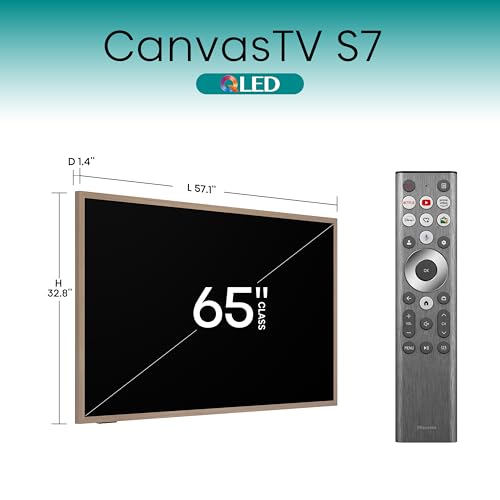


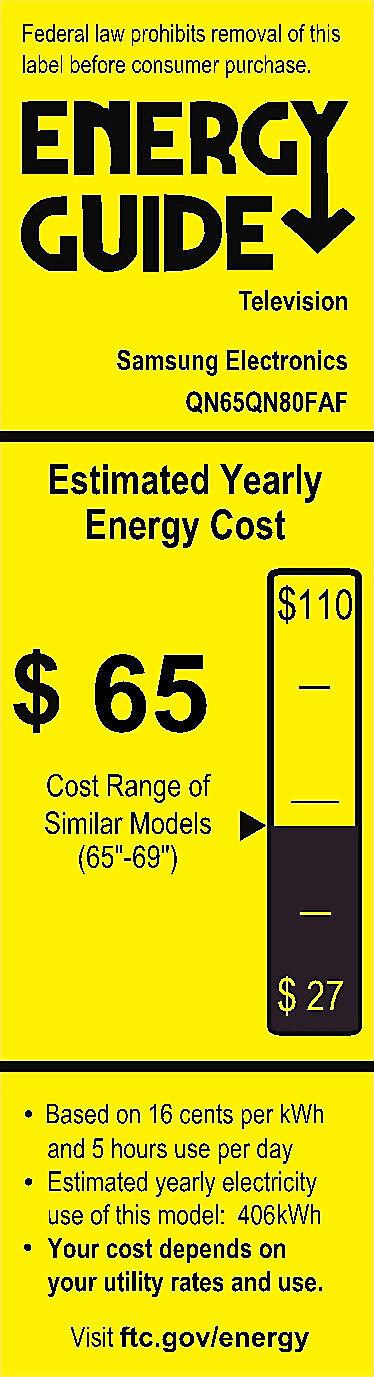
When shopping for a premium 65-inch TV, you're entering a market that's split into two fascinating directions. On one side, you have traditional performance-focused TVs that prioritize pure picture quality and cutting-edge features. On the other, a growing segment of "lifestyle TVs" that balance good performance with seamless integration into your living space. Today, we're comparing two standout examples: the Hisense 65" S7N CanvasTV QLED 4K Smart Display and the Samsung 65" QN80F Neo QLED 4K TV.
The TV landscape has evolved dramatically since 2020. We've seen the rise of Mini-LED backlighting, improved quantum dot technology, and gaming features that would make console players from five years ago jealous. But perhaps the most interesting development has been the emergence of TVs designed to disappear into your décor—or in the case of the Hisense CanvasTV, transform into artwork when you're not binge-watching your favorite shows.
Premium 65-inch TVs today serve two distinct philosophies. Performance-focused models like the Samsung QN80F chase maximum brightness, contrast, and color accuracy. These TVs excel in dedicated home theater environments where picture quality reigns supreme. Lifestyle TVs like the Hisense CanvasTV take a different approach—they're designed for living rooms where the TV needs to look good even when it's off.
This isn't just about aesthetics. The technical decisions that make a TV blend into your décor often impact picture quality. Anti-glare coatings reduce reflections but can slightly dim the image. Slim profiles might limit speaker placement. Understanding these trade-offs is crucial for making the right choice.
The key considerations boil down to your primary use case, room lighting, aesthetic priorities, and how much you value cutting-edge performance versus unique functionality.
Released in 2024, the Hisense S7N CanvasTV represents the company's bold entry into the lifestyle TV market. At the time of writing, it's positioned as a more affordable alternative to Samsung's established Frame TV, offering similar aesthetic features at a significantly lower price point.
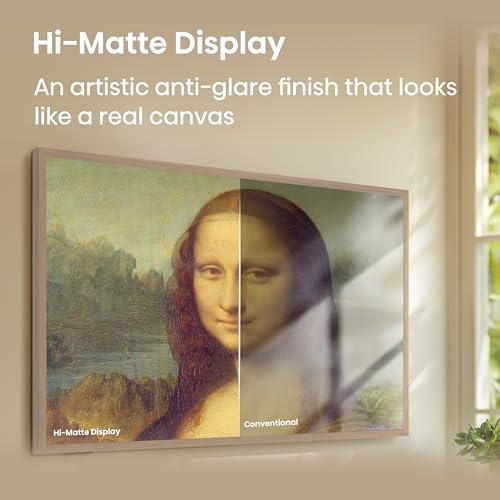
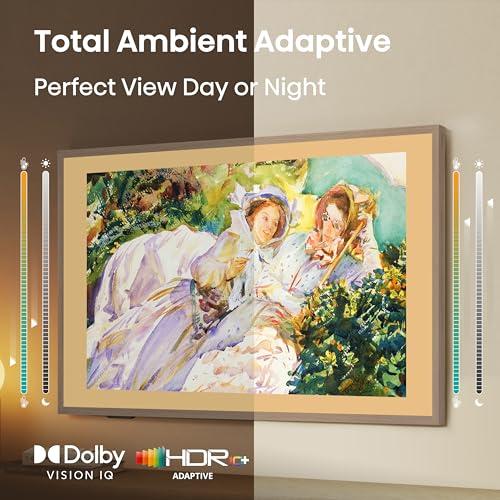
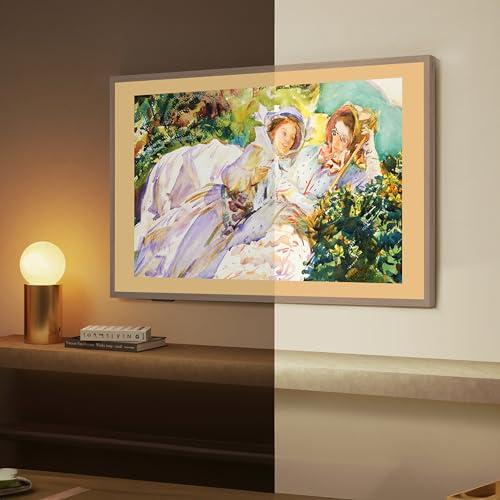
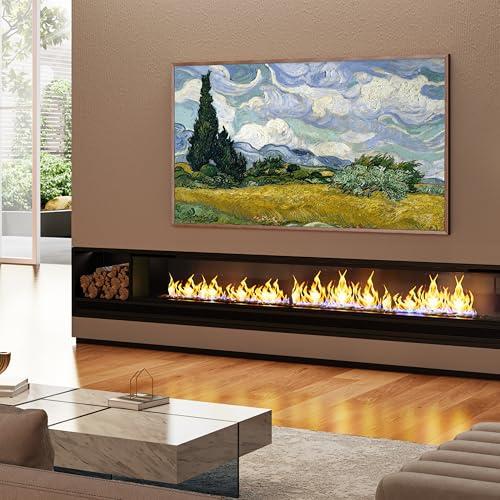
The CanvasTV's most distinctive feature is its Hi-Matte Display technology. This anti-glare coating reduces reflections to just 5%—a remarkable achievement that makes viewing comfortable even in bright, sun-filled rooms. The matte finish also serves a dual purpose: it mimics the texture of real artwork, enhancing the TV's art display capabilities.
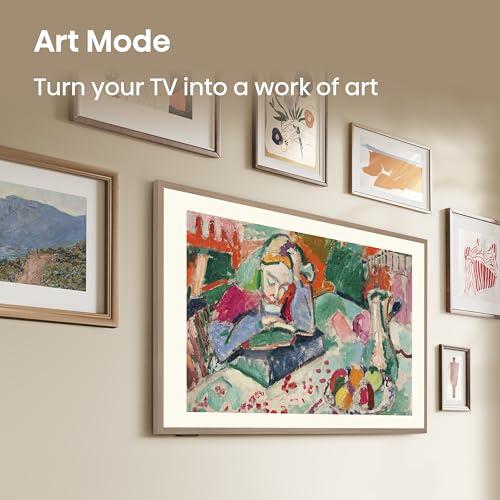
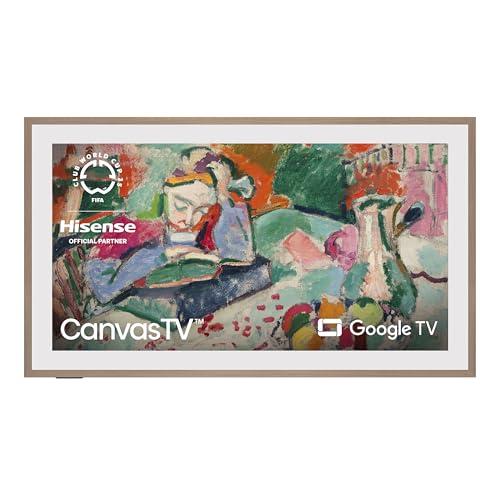
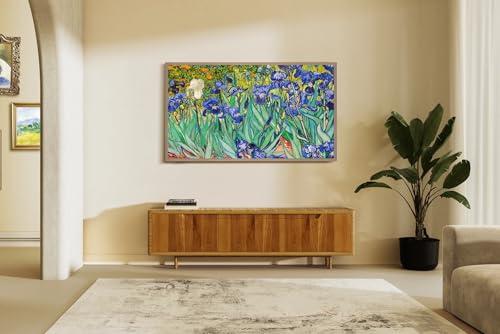
When you're not watching content, Art Mode transforms the display into a digital gallery with over 120 pre-loaded masterpieces. Unlike some competitors, there's no subscription fee for this artwork library—a significant value advantage. The TV includes motion sensors that automatically activate Art Mode when you enter the room and power down to save energy when you leave.
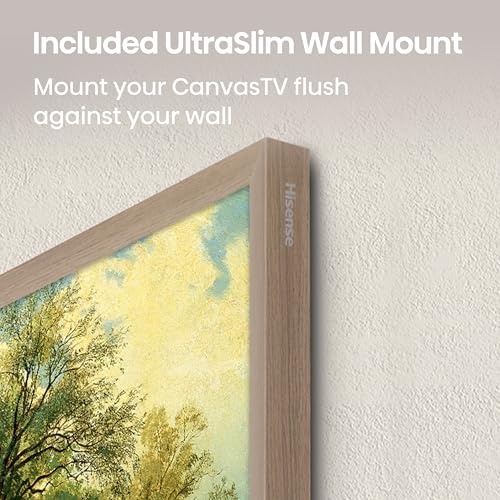
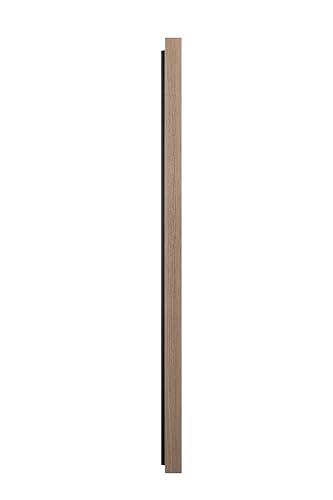
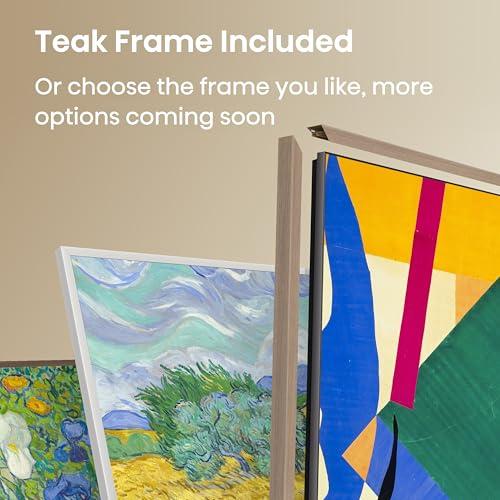
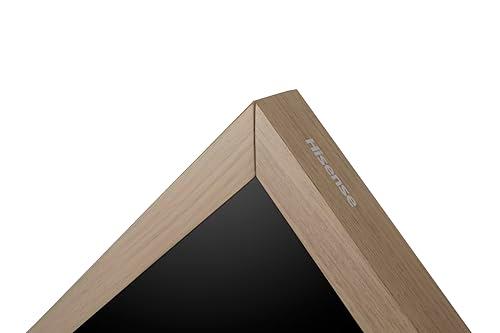
The CanvasTV ships with a magnetic teak frame that's easily swappable, with white and walnut options available separately. An included UltraSlim Wall Mount positions the TV just 3mm from the wall, creating an authentic painting-like appearance.
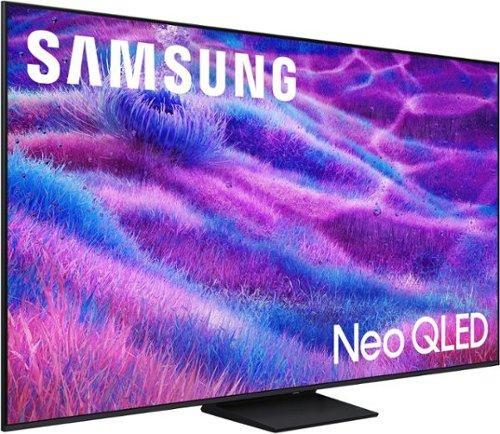
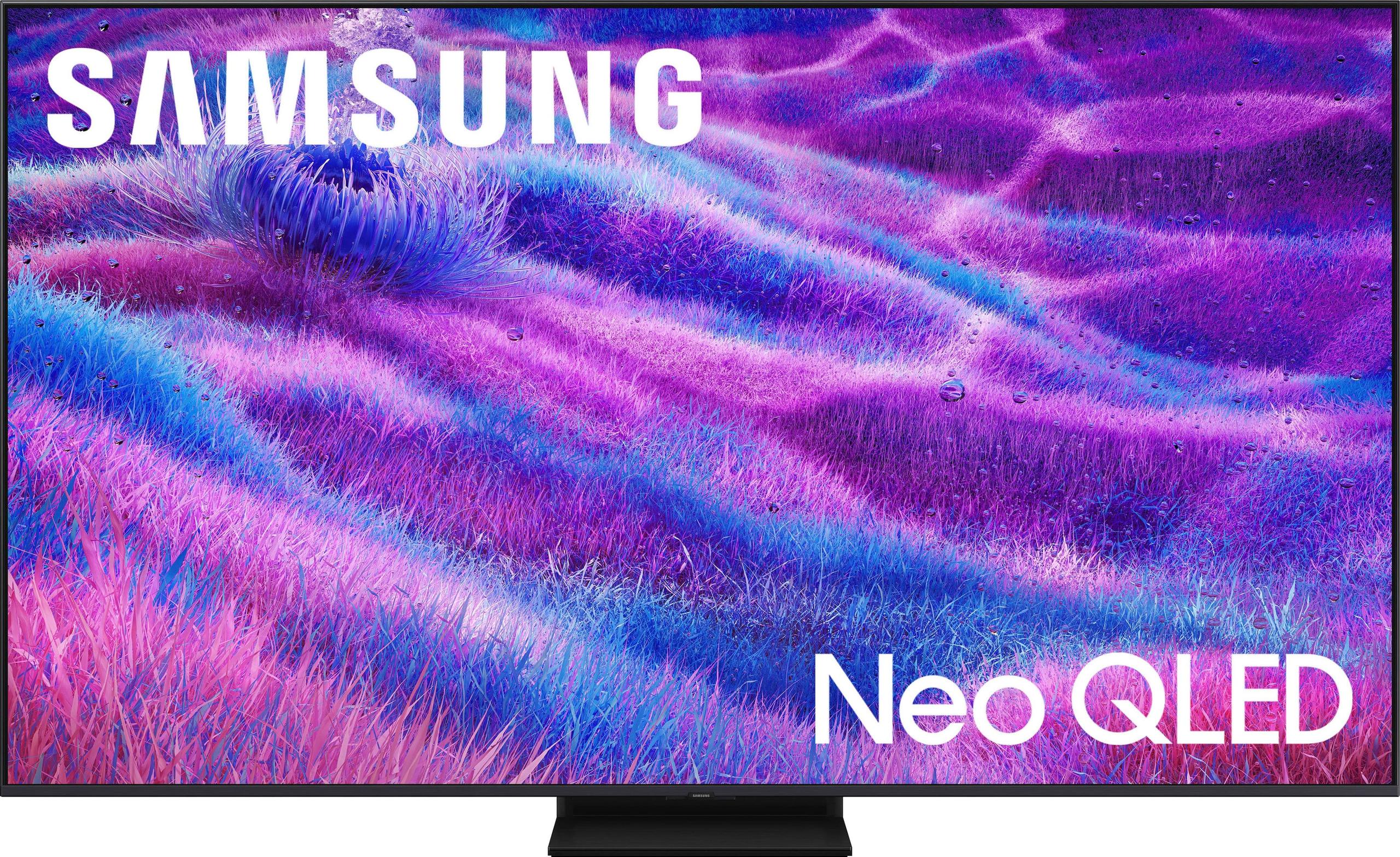
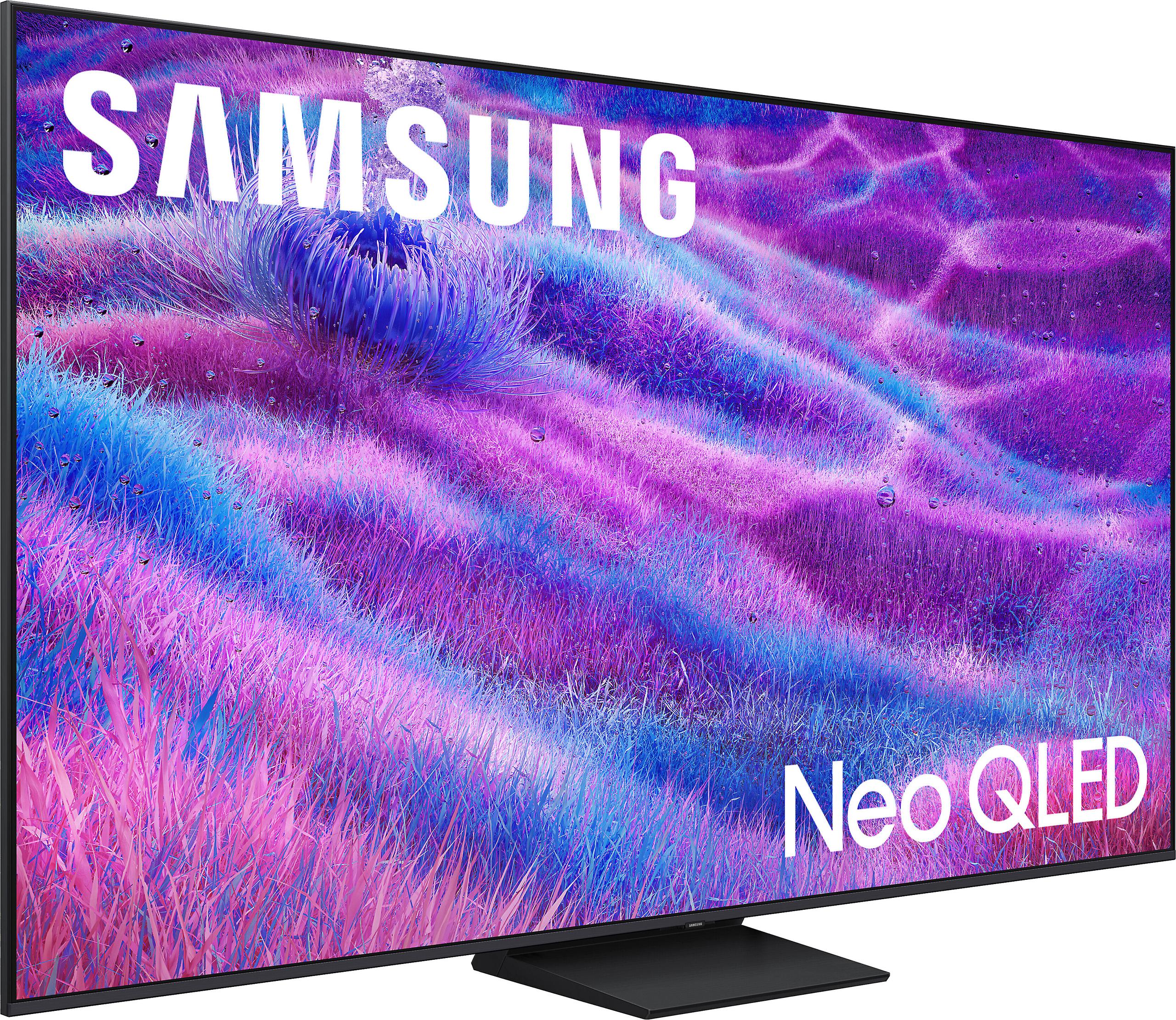
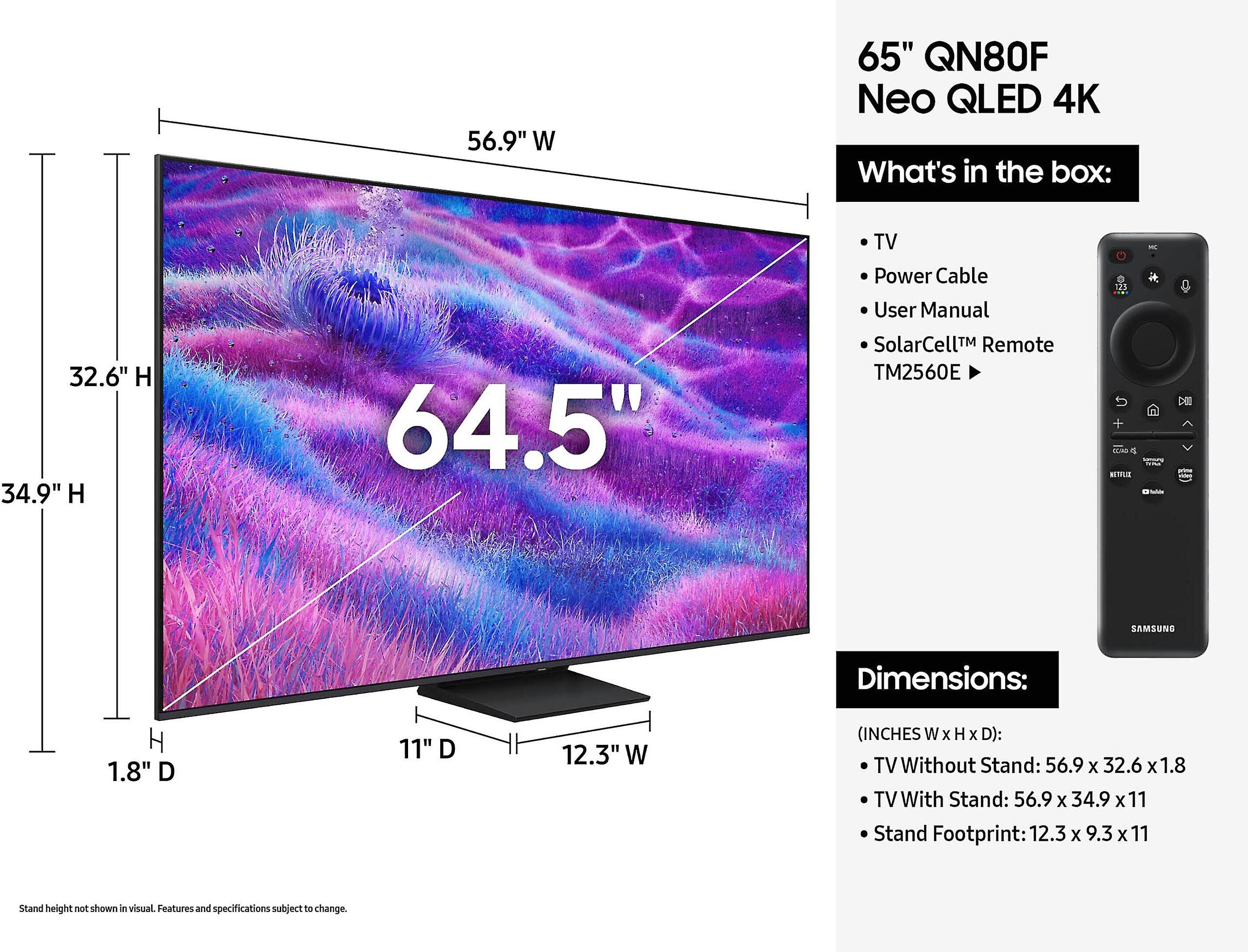
Samsung's QN80F Neo QLED, launching in 2025, represents the latest evolution of their mainstream premium TV line. This model benefits from years of Mini-LED refinement and incorporates Samsung's newest AI processing capabilities.
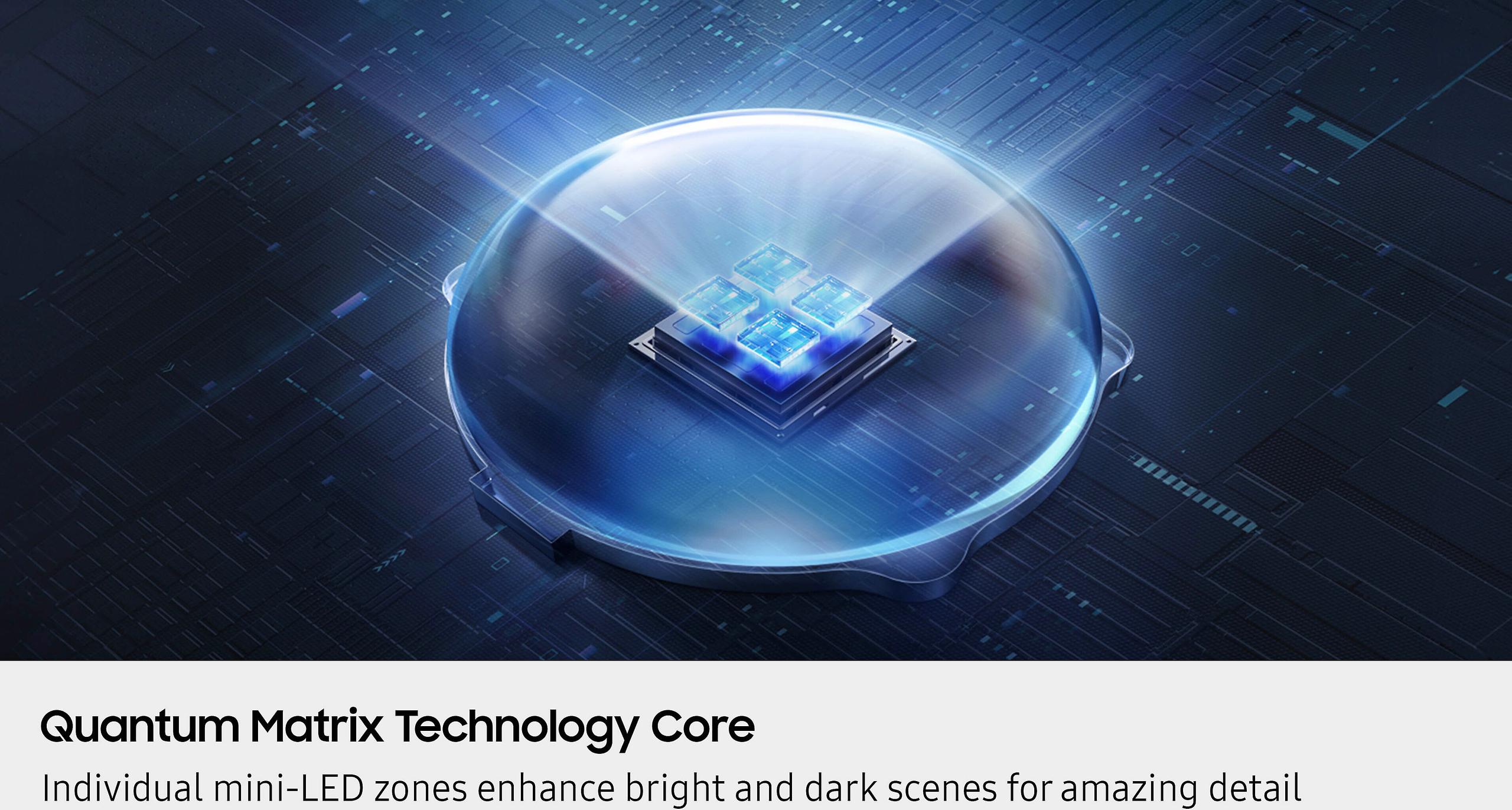
The standout technology here is Quantum Matrix Technology, which uses thousands of ultra-fine Mini-LED zones for precise backlight control. This creates dramatically better contrast than traditional LED TVs—bright highlights can appear next to deep blacks without the "blooming" effect that plagued older LED displays.
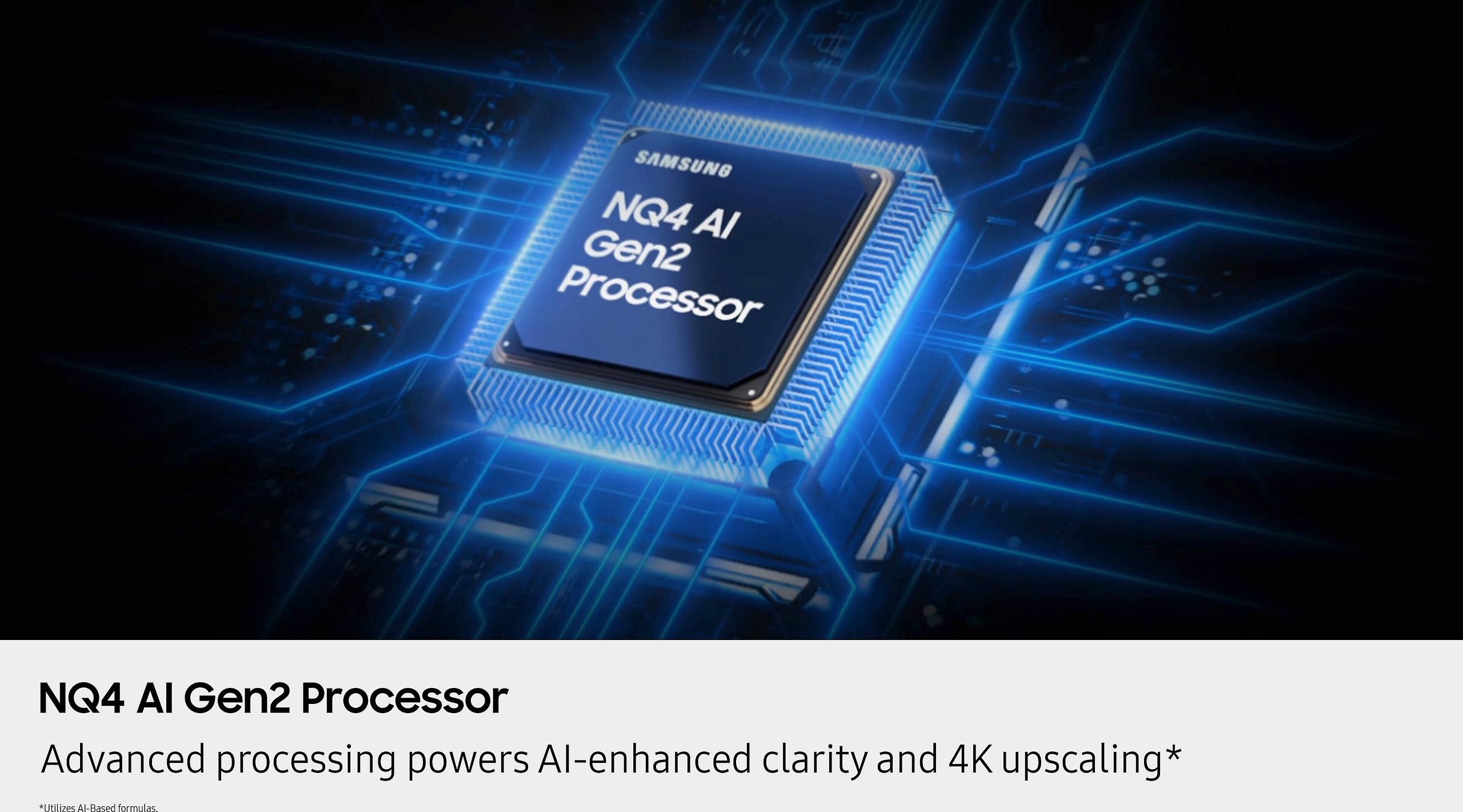
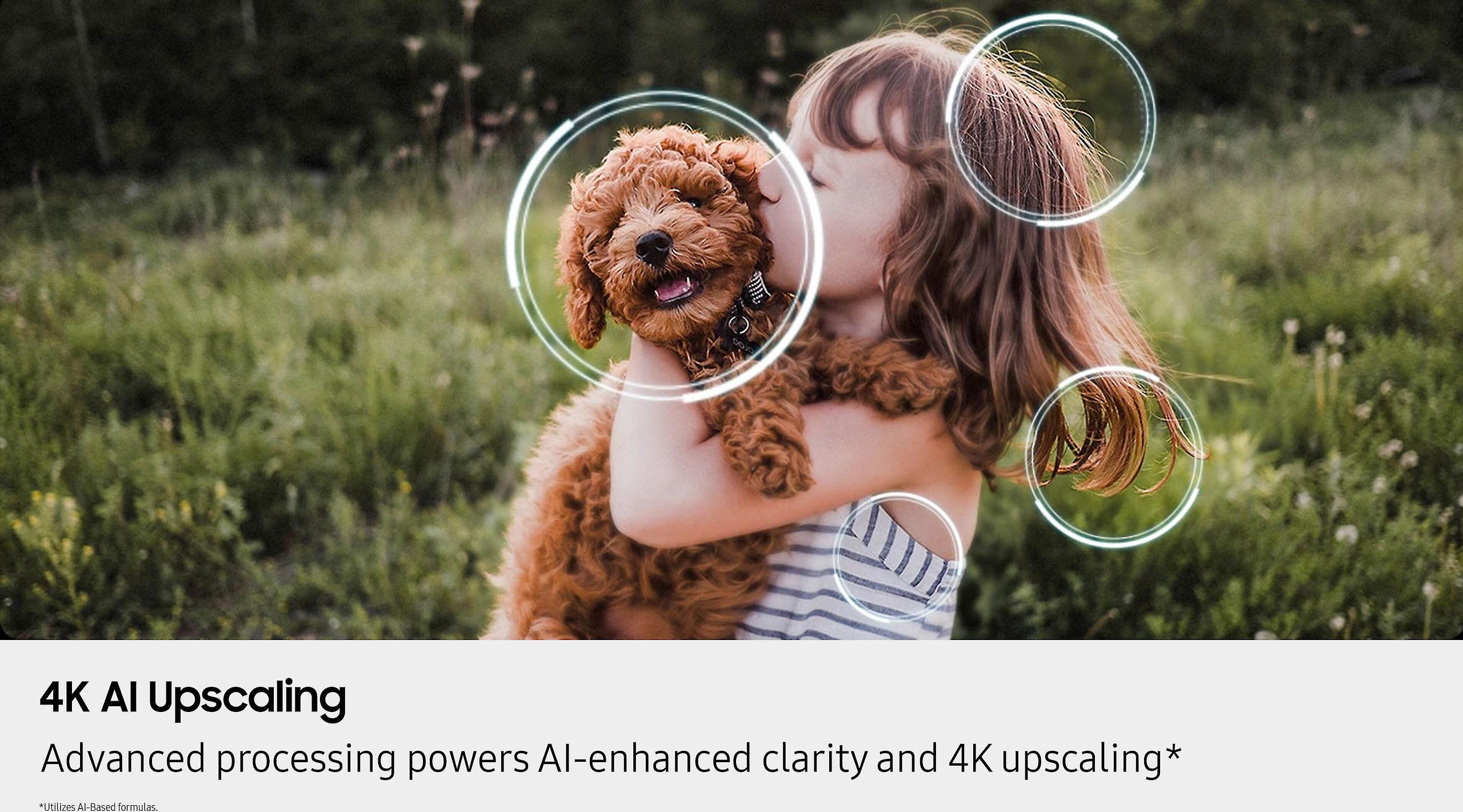
The Samsung QN80F runs on the NQ4 AI Gen2 Processor, which continuously analyzes content to optimize picture and sound settings. This isn't just marketing speak—the AI can distinguish between different types of content (sports, movies, games) and adjust processing accordingly.
Samsung's Vision AI suite includes some genuinely useful features. Live Translate can provide real-time subtitles in your preferred language, while Generative Wallpaper creates custom backgrounds using AI. These features hint at where TV technology is heading: more intelligent, more personalized experiences.
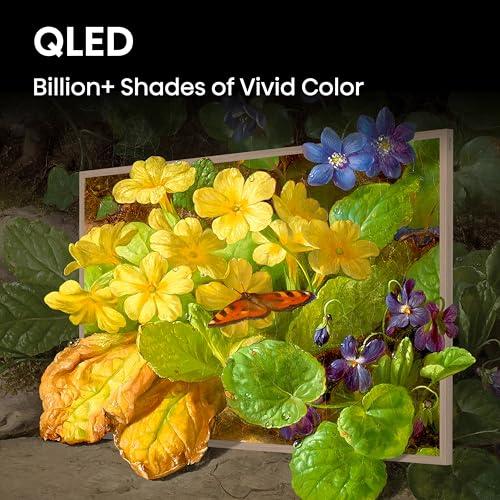
The fundamental difference lies in backlight technology. The Hisense CanvasTV uses traditional Direct LED backlighting with quantum dots for enhanced color. It's effective and produces vibrant, accurate colors—quantum dot technology ensures over a billion color shades compared to standard LEDs' more limited palette.
However, the Samsung QN80F's Mini-LED approach is technically superior. Instead of dozens of backlight zones, Mini-LED provides thousands of precisely controlled zones. This translates to dramatically better contrast—bright fireworks can explode on screen while the night sky remains truly black beside them.
The brightness difference is significant too. While the Hisense reaches a respectable 450 cd/m² peak brightness, Mini-LED displays typically achieve 1000+ cd/m² or higher. For HDR content—movies and shows specifically mastered to take advantage of bright highlights—this extra brightness creates more impactful, realistic images.
Here's where the Hisense CanvasTV fights back. Its Hi-Matte coating solves one of the biggest problems with glossy TVs: reflections. If you've ever tried watching TV with windows behind you, you know the frustration of seeing your reflection more clearly than the actual content.
The matte coating eliminates this issue almost entirely, making the CanvasTV superior for bright rooms or spaces with challenging lighting. However, physics demands trade-offs. Matte coatings inherently reduce peak brightness and can slightly soften image sharpness compared to glossy displays.
Based on our research into user feedback, most viewers find this trade-off worthwhile in real-world conditions. The ability to actually see your content clearly often matters more than theoretical maximum brightness.
High Dynamic Range (HDR) represents the biggest advancement in TV picture quality since the jump to 4K resolution. HDR content contains brightness and color information that far exceeds standard video, creating more realistic, impactful images.
Both TVs support all major HDR formats—HDR10, HDR10+, and Dolby Vision. However, the Samsung QN80F's superior brightness and contrast give it a clear advantage with HDR content. Movies like "Blade Runner 2049" or "Mad Max: Fury Road" showcase dramatic differences between bright highlights and dark shadows that Mini-LED displays handle more convincingly.
The Hisense CanvasTV still delivers solid HDR performance, particularly for the price point. Its quantum dot technology ensures accurate colors, and the anti-glare coating means you'll actually see those HDR details in bright rooms where glossy TVs might wash out.
Modern TVs have become serious gaming displays, and both models deliver features that were exclusive to expensive gaming monitors just a few years ago.
The Hisense CanvasTV offers impressive gaming specs with its native 144Hz refresh rate and 5.4ms input lag. For context, competitive gamers typically want sub-10ms input lag, so this performance satisfies even demanding users. The 144Hz capability particularly benefits PC gaming, where high-end graphics cards can push frame rates well above the traditional 60fps console standard.
The Samsung QN80F matches these capabilities with 120Hz native refresh rate and VRR (Variable Refresh Rate) support up to 144Hz. VRR technology synchronizes the TV's refresh rate with your gaming device's frame rate, eliminating screen tearing and stuttering for smoother gameplay.
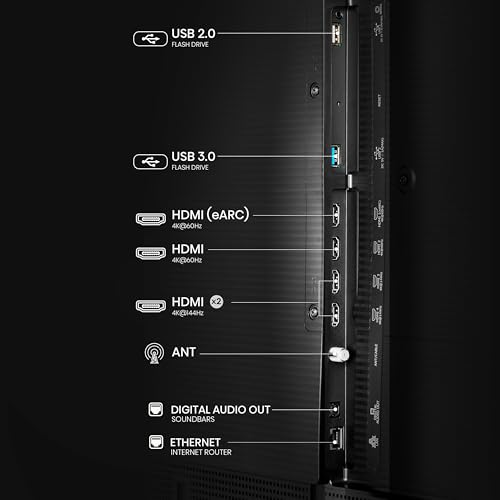
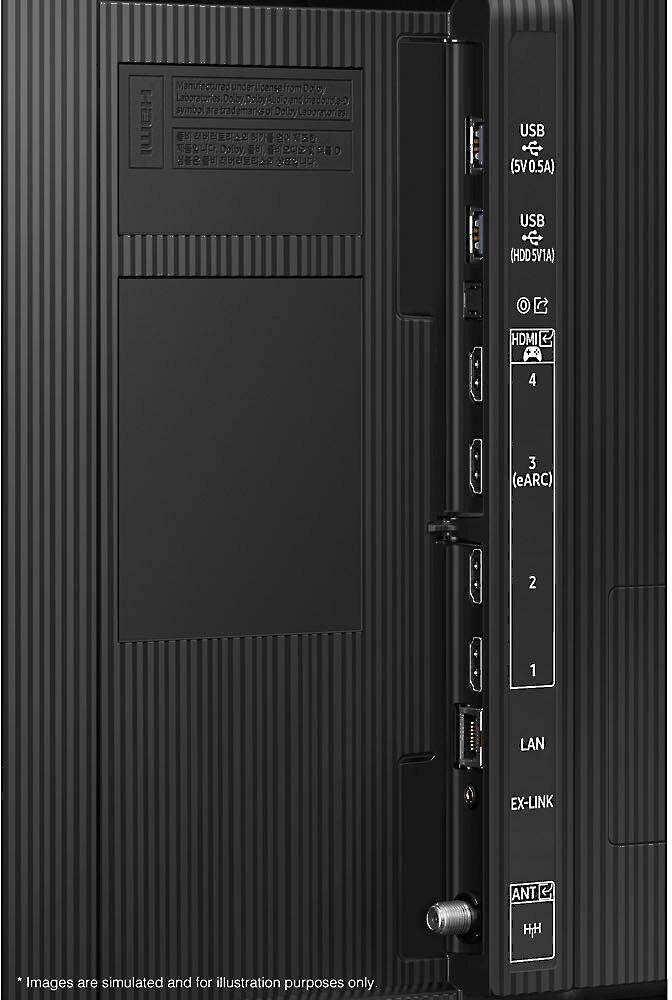
Here's where the Samsung pulls ahead significantly: four HDMI 2.1 ports versus two on the Hisense. If you're connecting a PlayStation 5, Xbox Series X, gaming PC, and perhaps a streaming device or soundbar, those extra ports matter. HDMI 2.1 supports the full bandwidth needed for 4K gaming at high refresh rates with HDR.
Both TVs include ALLM (Auto Low Latency Mode), which automatically switches to gaming mode when it detects console input. The Samsung's AI Auto Game Mode goes further, optimizing settings for different game types—bright settings for competitive shooters, enhanced contrast for atmospheric RPGs.
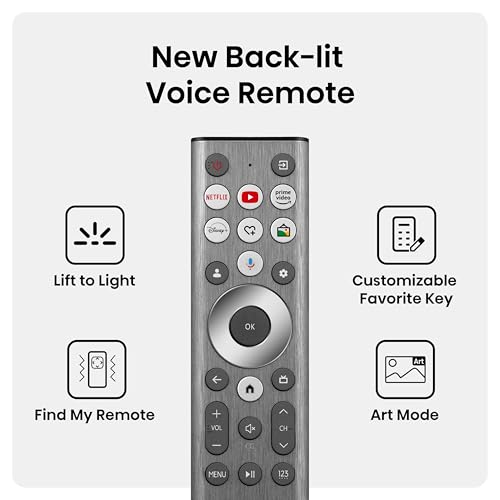
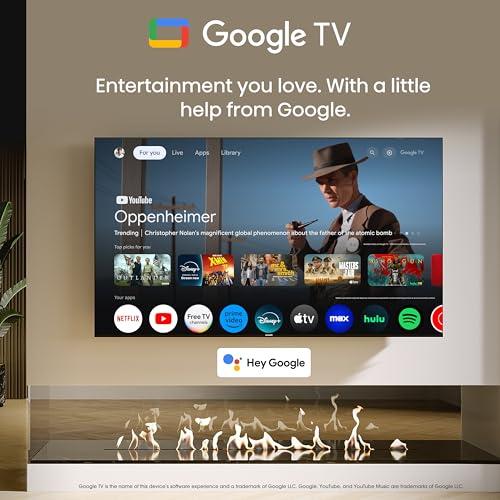
The smart TV experience has become crucial as streaming dominates entertainment consumption. The Hisense CanvasTV runs Google TV, which evolved from Android TV with a more content-focused interface. It's fast, includes Chromecast built-in, and supports Google Assistant voice control.
Samsung's Tizen platform on the QN80F has matured significantly over the years. The NQ4 AI Gen2 Processor enables more sophisticated smart features. Bixby voice assistant now processes multiple commands simultaneously and better understands context—you can say "turn on the game console and switch to sports mode" in one breath.
The Vision AI suite represents genuinely useful innovation. Live Translate provides real-time subtitle translation, invaluable for international content. Pet & Family Care can notify you when pets or children are in potentially unsafe situations. These features suggest a future where TVs actively assist rather than passively display content.
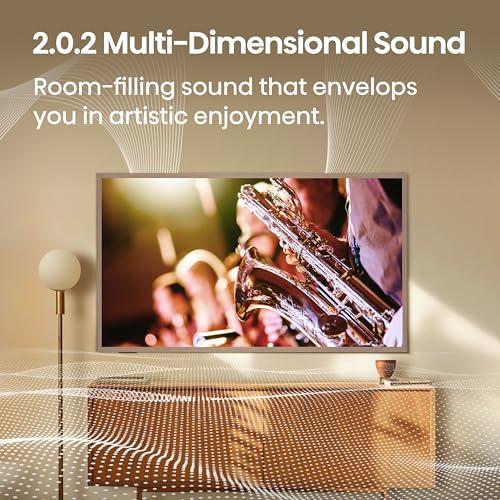
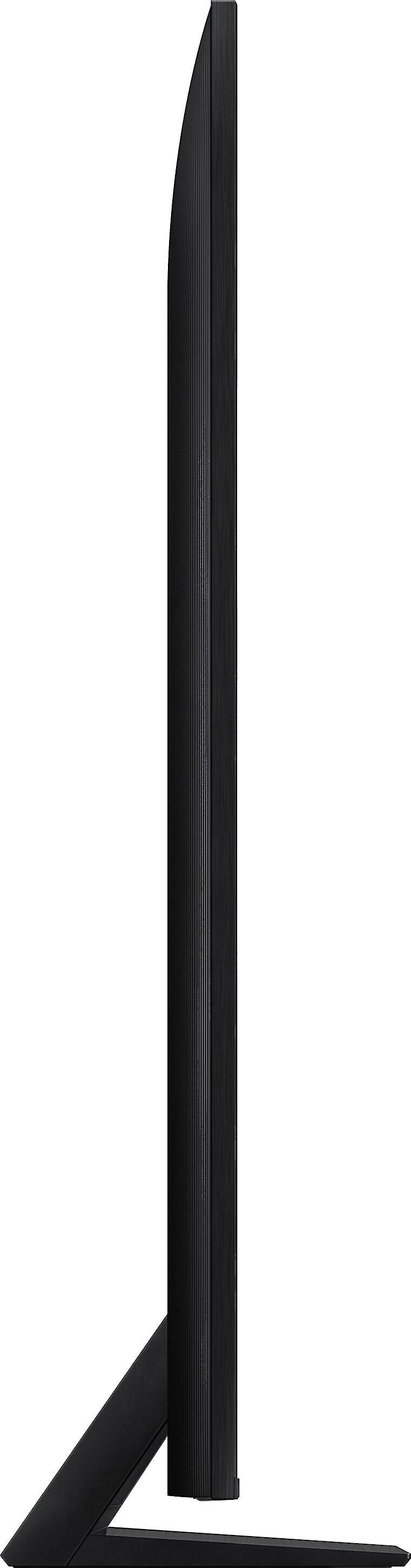
TV audio typically disappoints, but both models make genuine efforts to improve the experience. The Hisense CanvasTV includes a 2.0.2 channel system with upward-firing speakers for height effects. This creates a more immersive soundscape than traditional downward-firing TV speakers.
The upward-firing speakers work with DTS Virtual:X to simulate surround sound effects. While not matching a dedicated sound system, it's surprisingly effective for built-in TV audio. User reviews consistently praise the CanvasTV's sound quality as above-average for its category.
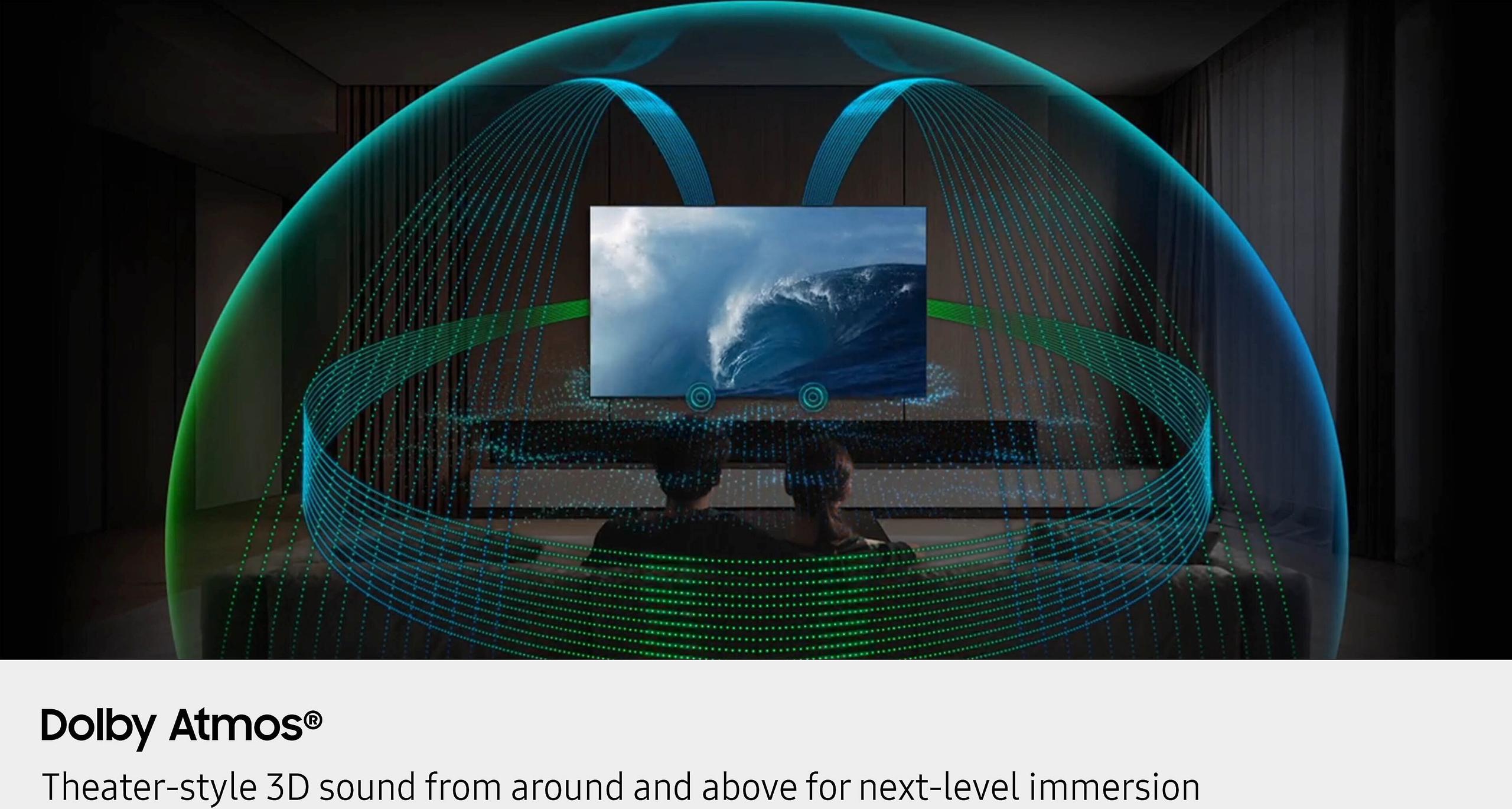
The Samsung QN80F takes a different approach with Adaptive Sound Pro. This AI-driven system analyzes audio content in real-time, optimizing dialogue clarity and dynamic range. It also considers room acoustics, adjusting output based on your space's characteristics.
Neither TV includes a dedicated subwoofer, so deep bass remains limited. Home theater enthusiasts will likely want external audio solutions, but both TVs provide solid baseline performance.
At the time of writing, the Hisense CanvasTV offers exceptional value in the lifestyle TV segment. It includes everything needed for wall mounting and art display—the UltraSlim mount, wooden frame, and extensive art library—at a price point significantly below established competitors.
This TV excels in specific scenarios: bright living rooms where anti-glare matters, spaces where aesthetics are crucial, and budgets that can't accommodate premium pricing. The gaming performance satisfies most users, and the smart TV experience is smooth and responsive.
The trade-offs are manageable for many users. Slightly lower peak brightness and contrast won't matter if you're not watching in a dark room optimized for HDR content. The unique aesthetic functionality provides value that pure performance TVs can't match.
The Samsung QN80F commands premium pricing but delivers accordingly. Mini-LED technology, advanced AI processing, and comprehensive connectivity justify the higher cost for users prioritizing maximum performance.
This TV suits home theater environments, serious gamers with multiple consoles, and users who want cutting-edge features. The superior HDR performance particularly benefits movie enthusiasts with extensive 4K Blu-ray collections or streaming service subscriptions featuring high-quality content.
Samsung's brand reliability and extensive service network provide additional peace of mind. Their TVs consistently receive software updates and maintain compatibility with evolving streaming standards.
For dedicated home theater setups, the Samsung QN80F generally makes more sense. Its superior contrast and brightness better showcase premium content in controlled lighting environments. The multiple HDMI 2.1 ports accommodate complex setups with gaming consoles, streaming devices, and audio receivers.
However, the Hisense CanvasTV shouldn't be dismissed for home theater use. Its anti-glare coating actually helps in rooms with some ambient lighting, and the audio performance exceeds expectations. For budget-conscious home theater builders, it delivers solid performance at an attractive price point.
The key consideration is your room's lighting control. Dedicated home theaters with blackout capability favor the Samsung's superior contrast. Multi-purpose rooms with windows or ambient lighting might prefer the Hisense's anti-glare advantages.
Choose the Hisense CanvasTV if you want a TV that doubles as room décor, have challenging room lighting, prioritize value, or appreciate unique functionality over maximum performance. It's perfect for modern living rooms where the TV needs to look good even when off.
Select the Samsung QN80F Neo QLED for maximum picture quality, cutting-edge smart features, superior gaming connectivity, or home theater applications. It's the choice for users who want the latest technology and are willing to pay for premium performance.
Both TVs represent the evolution of their respective approaches—lifestyle integration versus pure performance. Neither is objectively better; they excel in different scenarios and serve different priorities. Understanding your specific needs and room environment will guide you to the right choice for your home entertainment setup.
The TV market continues evolving rapidly, with new technologies emerging annually. However, both models offer future-proof features and solid foundations that should provide years of satisfying viewing experiences, regardless of which direction appeals more to your specific situation and preferences.
| Hisense 65" S7N CanvasTV QLED 4K Smart Display | Samsung 65" QN80F Neo QLED 4K TV |
|---|---|
| Display Technology - Determines picture quality and brightness capabilities | |
| QLED with Direct LED backlighting and quantum dots | Neo QLED with Mini-LED backlighting and Quantum Matrix Technology |
| Peak Brightness - Critical for HDR performance and bright room viewing | |
| 450 cd/m² (good for most rooms) | 1000+ cd/m² estimated (excellent for HDR and bright spaces) |
| Anti-Glare Technology - Essential for rooms with windows or ambient lighting | |
| Hi-Matte coating reduces reflections to 5% (excellent) | Standard glossy display (reflections in bright rooms) |
| Gaming Refresh Rate - Higher rates mean smoother motion for gaming | |
| 144Hz native (excellent for PC gaming) | 120Hz native, VRR up to 144Hz (great console/PC performance) |
| Input Lag - Lower is better for responsive gaming | |
| 5.4ms (excellent for competitive gaming) | Not specified but likely under 10ms (good for gaming) |
| HDMI 2.1 Ports - Needed for 4K 120Hz gaming from consoles | |
| 2 ports (limits multi-device gaming setups) | 4 ports (ideal for multiple gaming consoles and devices) |
| Smart TV Platform - Affects interface speed and app availability | |
| Google TV with Chromecast built-in | Tizen with Vision AI suite and advanced Bixby |
| Art Display Mode - For when TV is not actively being watched | |
| 120+ free artworks with motion sensors and customizable frames | Not available (traditional TV appearance when off) |
| Audio System - Built-in sound quality before adding external speakers | |
| 2.0.2 channel with upward-firing speakers and DTS Virtual:X | Adaptive Sound Pro with AI optimization and Dolby Atmos |
| Wall Mounting - Ease of installation and final appearance | |
| UltraSlim mount included, 3mm from wall (painting-like) | Standard VESA mounting (traditional TV appearance) |
| Frame Customization - Aesthetic integration with room decor | |
| Magnetic teak frame included, white/walnut options available | Not available (standard TV bezel) |
| Target Use Case - Best application for each model | |
| Bright living rooms prioritizing aesthetics and value | Dark home theaters prioritizing maximum picture quality |
The Samsung 65" QN80F Neo QLED 4K TV delivers superior picture quality for movies and HDR content thanks to its Mini-LED backlighting technology. The Quantum Matrix Technology provides thousands of precisely controlled backlight zones, creating deeper blacks and brighter highlights than the Hisense 65" S7N CanvasTV. While the Hisense CanvasTV offers good QLED performance with quantum dot colors, the Samsung QN80F's higher peak brightness and superior contrast make it the clear winner for dark room viewing and premium HDR content.
The Hisense 65" S7N CanvasTV QLED 4K Smart Display excels in bright rooms thanks to its Hi-Matte anti-glare coating that reduces reflections to just 5%. This makes it significantly easier to watch content during daytime or in rooms with large windows. The Samsung 65" QN80F Neo QLED 4K TV uses a traditional glossy display that can show reflections in bright environments, despite its higher brightness capabilities.
The Hisense 65" S7N CanvasTV provides exceptional value by including features typically found on much more expensive lifestyle TVs. It comes with an UltraSlim wall mount, customizable wooden frame, free art library, and solid QLED performance at a competitive price point. The Samsung QN80F commands a premium price for its advanced Mini-LED technology and AI features, making it better value for those prioritizing maximum picture quality over cost savings.
Only the Hisense 65" S7N CanvasTV offers art display functionality. It includes Art Mode with over 120 pre-loaded masterpieces, motion sensors for automatic activation, and customizable frames to match your decor. The Samsung 65" QN80F Neo QLED 4K TV is a traditional TV that displays a black screen or screensaver when not in use, focusing entirely on performance rather than aesthetic integration.
Both TVs offer excellent gaming performance, but the Samsung 65" QN80F Neo QLED 4K TV has a slight edge with four HDMI 2.1 ports compared to two on the Hisense CanvasTV. This allows connecting multiple next-gen consoles simultaneously. The Hisense 65" S7N CanvasTV counters with a higher native 144Hz refresh rate and excellent 5.4ms input lag, making both TVs capable gaming displays with different strengths.
The Hisense 65" S7N CanvasTV QLED 4K Smart Display offers superior built-in audio with its 2.0.2 channel system featuring upward-firing speakers and DTS Virtual:X support. This creates more immersive sound than typical TV speakers. The Samsung QN80F uses Adaptive Sound Pro with AI optimization, which intelligently adjusts audio but lacks the physical speaker advantage of the Hisense CanvasTV's upward-firing design.
The Hisense 65" S7N CanvasTV runs Google TV, which offers a familiar, content-focused interface with built-in Chromecast and Google Assistant. The Samsung 65" QN80F Neo QLED 4K TV features Samsung's Tizen platform with advanced Vision AI capabilities, including features like Live Translate and Generative Wallpaper. Both platforms are user-friendly, with Samsung offering more AI-powered features and Hisense providing simpler, more straightforward navigation.
For dedicated home theater use, the Samsung 65" QN80F Neo QLED 4K TV is the superior choice. Its Mini-LED technology delivers exceptional contrast and brightness that shine in dark, controlled environments. The four HDMI 2.1 ports accommodate complex home theater setups with multiple devices. While the Hisense CanvasTV offers solid performance, the Samsung QN80F's superior HDR capabilities and peak brightness make it ideal for serious home theater applications.
The Hisense 65" S7N CanvasTV QLED 4K Smart Display includes an UltraSlim wall mount that positions the TV just 3mm from the wall, creating a painting-like appearance. The Samsung 65" QN80F Neo QLED 4K TV requires a separate VESA-compatible wall mount and sits further from the wall in a traditional TV mounting style. The Hisense CanvasTV's included mounting solution adds significant value and aesthetic appeal.
The Hisense 65" S7N CanvasTV dramatically outperforms the Samsung QN80F in handling reflections thanks to its Hi-Matte anti-glare coating. This technology reduces reflections to just 5%, making the TV viewable even in challenging lighting conditions. The Samsung 65" QN80F Neo QLED 4K TV uses a standard glossy display that can show reflections from windows, lights, or other bright sources in the room.
The Samsung 65" QN80F Neo QLED 4K TV provides superior connectivity with four HDMI 2.1 ports compared to two on the Hisense CanvasTV. This makes the Samsung QN80F better for users with multiple gaming consoles, streaming devices, and sound systems. The Hisense 65" S7N CanvasTV's two HDMI 2.1 ports are sufficient for most users but may require an HDMI switch for complex setups.
Choose the Hisense 65" S7N CanvasTV QLED 4K Smart Display if you want a TV that doubles as artwork, have a bright room with windows, or prioritize value and unique aesthetics. Select the Samsung 65" QN80F Neo QLED 4K TV if you want maximum picture quality, have a darker room, need extensive connectivity, or prefer traditional TV functionality. The Hisense CanvasTV excels in lifestyle integration while the Samsung QN80F focuses on pure performance.
We've done our best to create useful and informative comparisons to help you decide what product to buy. Our research uses advanced automated methods to create this comparison and perfection is not possible - please contact us for corrections or questions. These are the sites we've researched in the creation of this article: bestbuy.com - hisense.sg - tomsguide.com - content.syndigo.com - rtings.com - hisense-usa.com - youtube.com - bestbuy.com - youtube.com - displayspecifications.com - displayspecifications.com - manuals.plus - displayspecifications.com - bestbuy.com - hisense-canada.com - manuals.plus - bargainoutletandmore.com - bestbuy.com - device.report - samsung.com - theshortcut.com - youtube.com - bestbuy.com - rtings.com - samsung.com - samsung.com - samsung.com - sargentappliance.com - displayspecifications.com - bestbuy.com

Privacy Policy
Terms and Conditions - Affiliate Policy
Home Security
© Copyright 2008-2026.
11816 Inwood Rd #1211, Dallas, TX 75244