

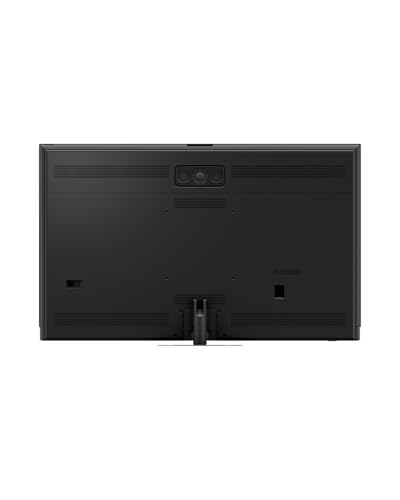

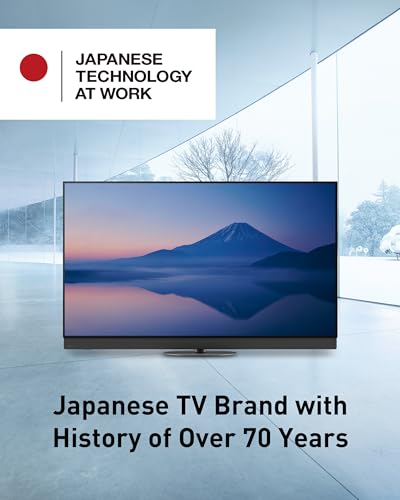
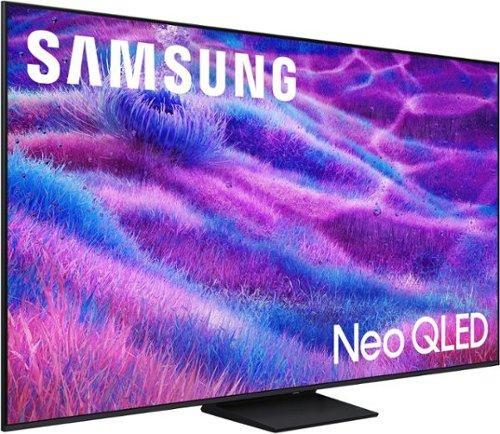
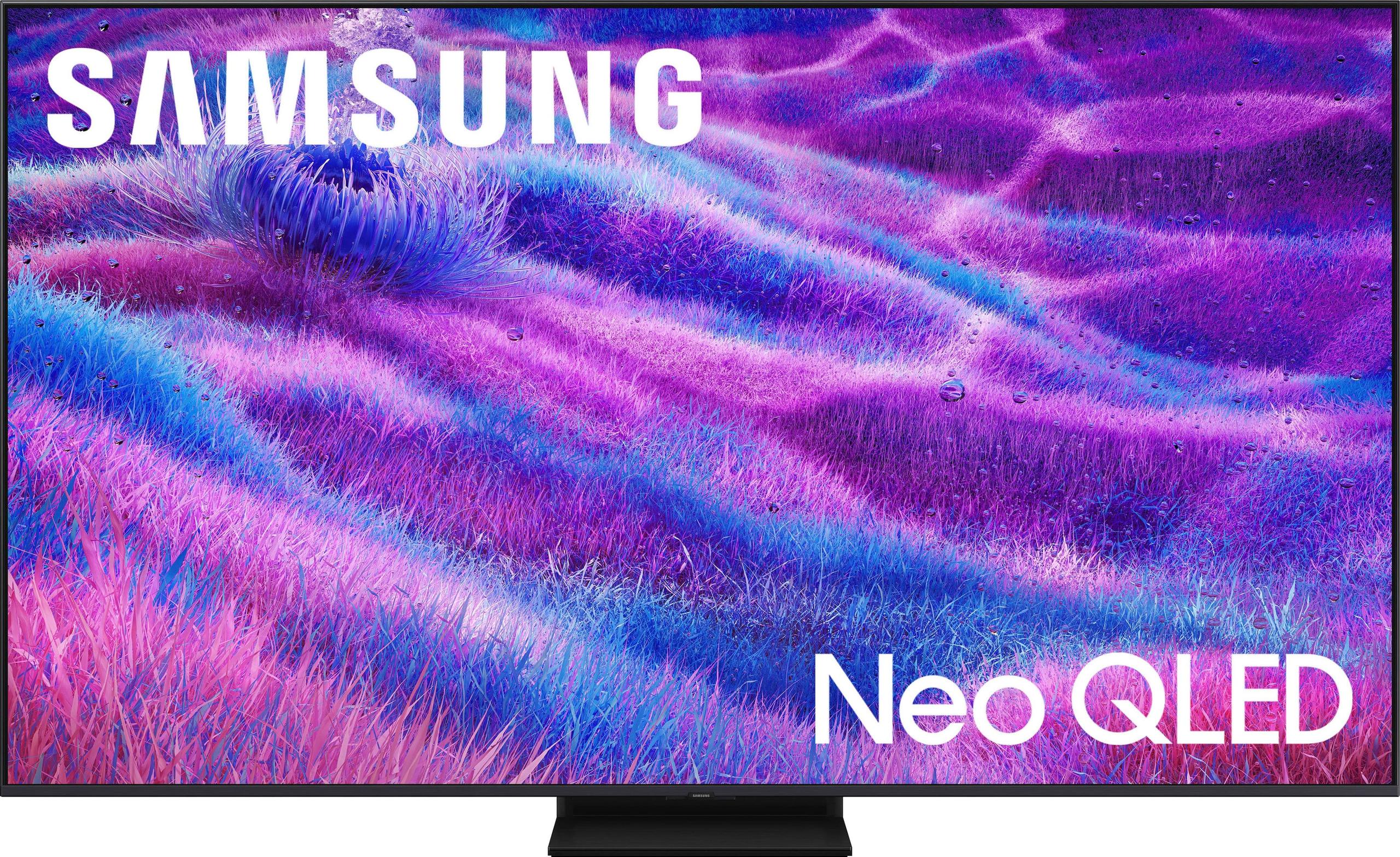
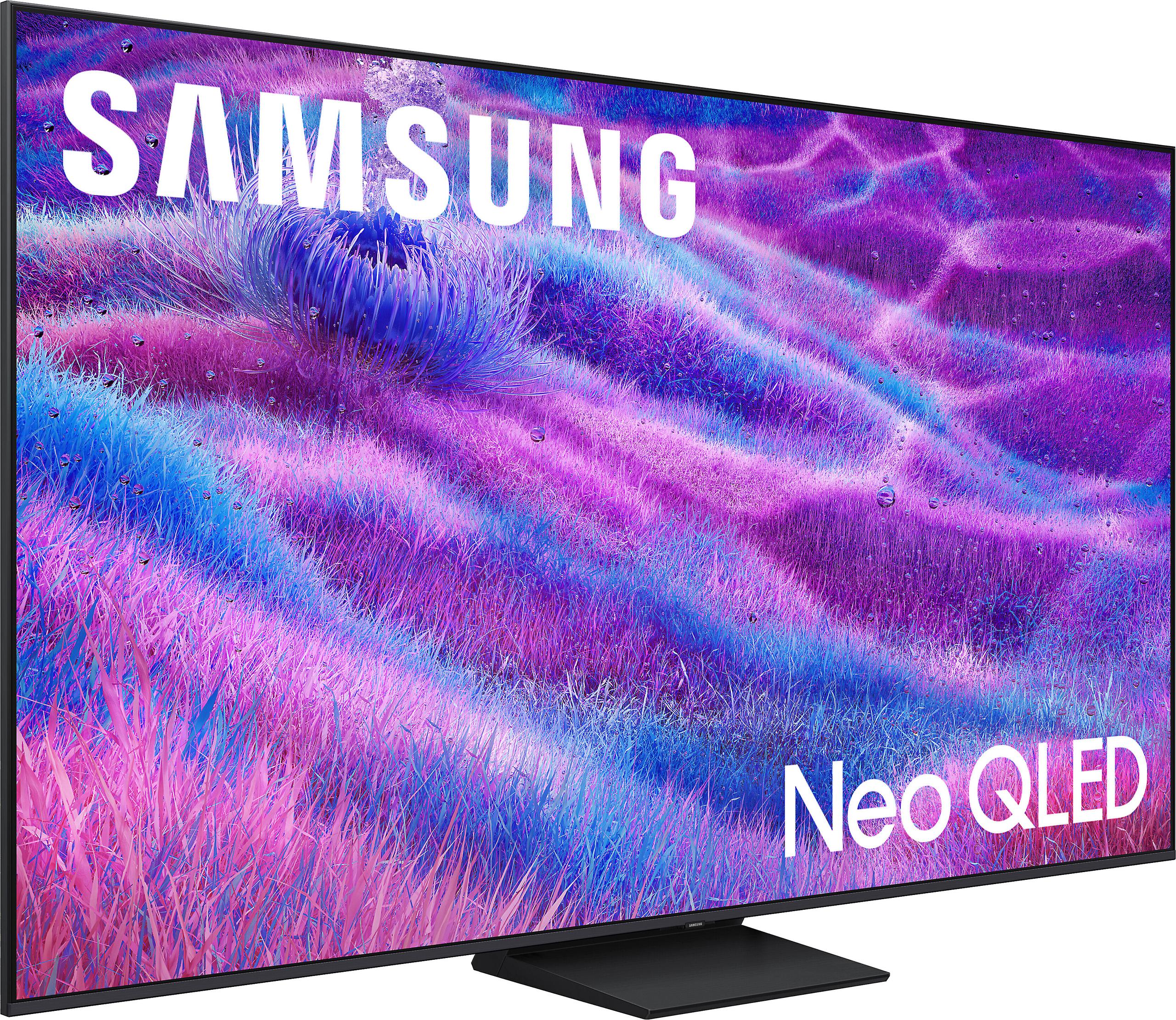
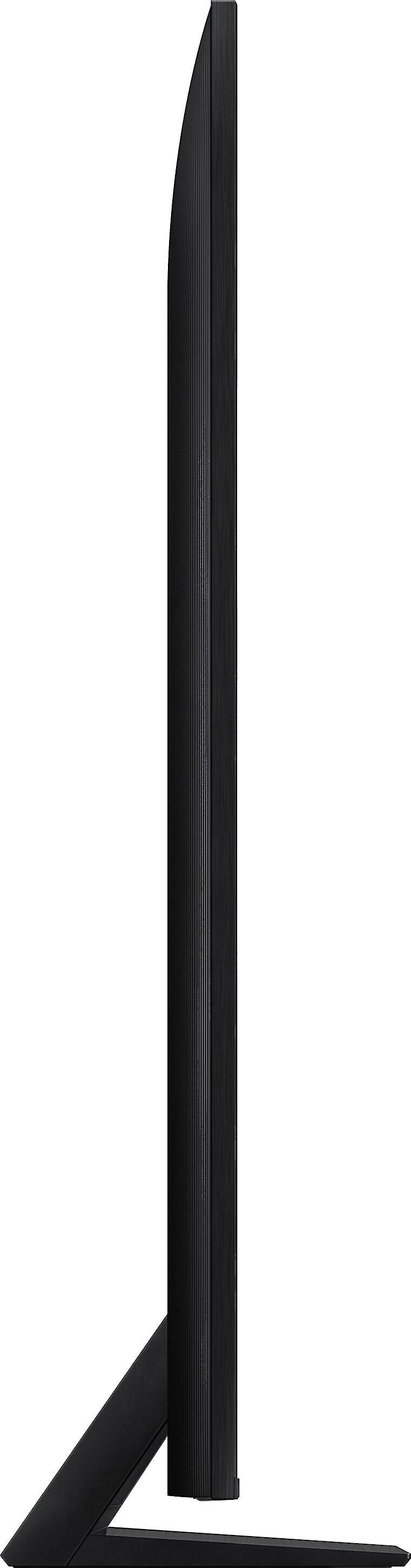
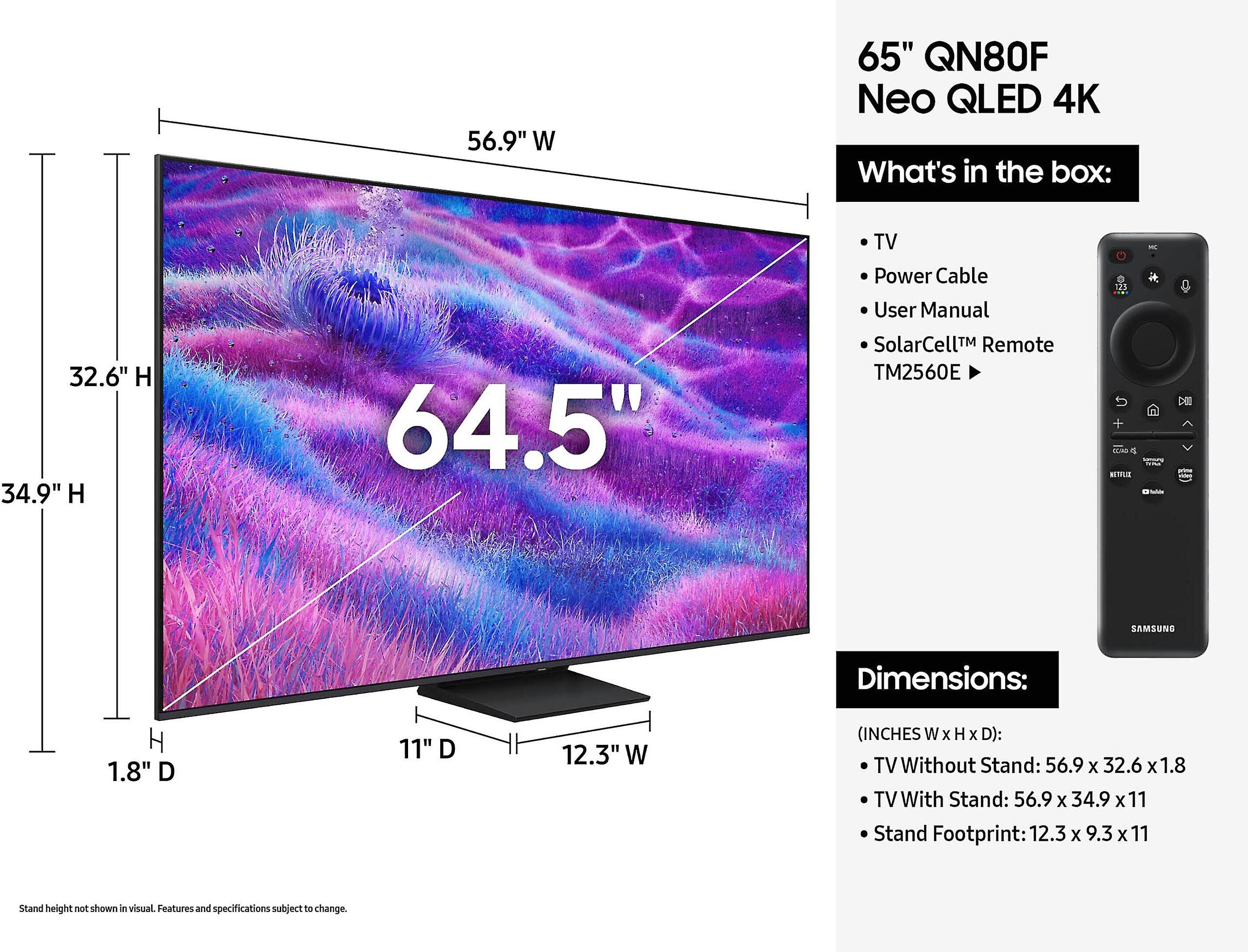

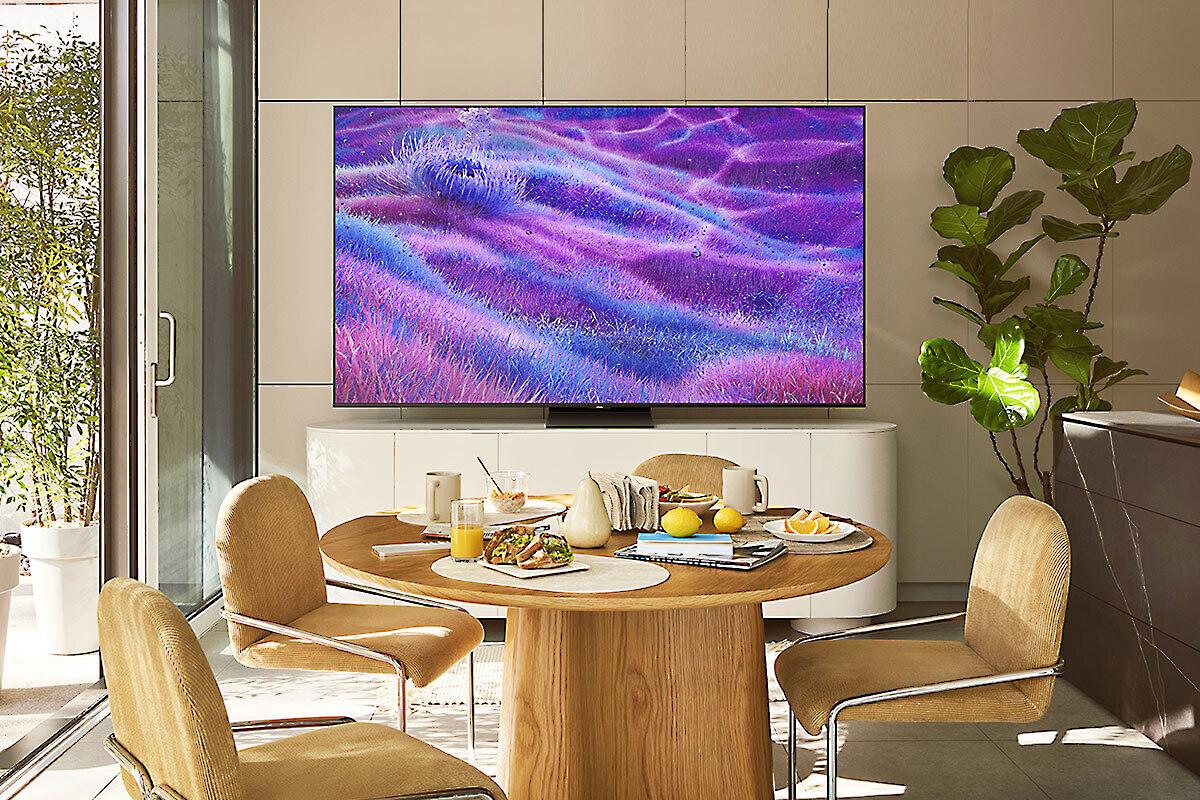

When you're shopping for a premium 65-inch TV, you're essentially choosing between two revolutionary display technologies that approach picture quality from completely different angles. The Panasonic Z95B Series 65" OLED, released in 2025, represents the cutting edge of self-emitting pixel technology, while the Samsung 65" QN80F Neo QLED, also from 2025, showcases Samsung's latest Mini-LED backlighting system. At the time of writing, these TVs sit in very different price brackets—the Panasonic commands flagship pricing while the Samsung offers premium features at a mid-range cost.
The decision between these technologies isn't just about specifications; it's about understanding how different display approaches affect your daily viewing experience. OLED panels contain millions of individual pixels that can produce their own light and turn completely off when displaying black. Mini-LED technology, on the other hand, uses thousands of tiny LED backlights behind a traditional LCD panel to create precise brightness zones. Both approaches have evolved significantly since their introduction, with 2025 models representing major technological leaps forward.
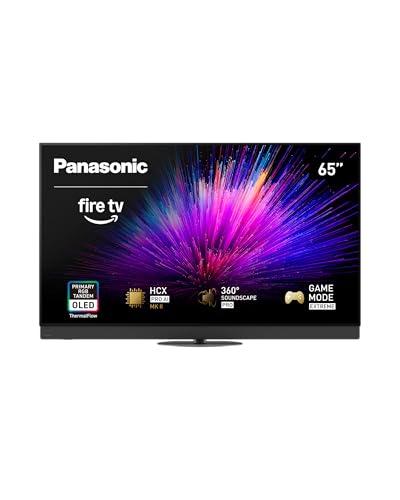
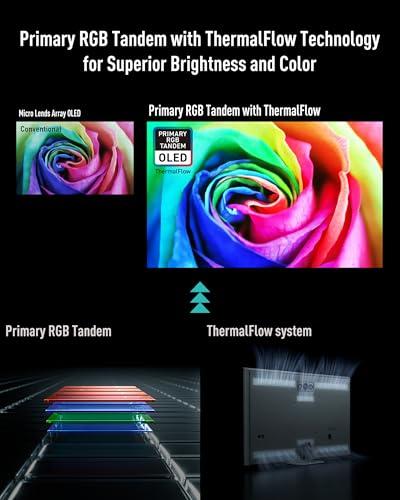
The Panasonic Z95B uses what's called a Primary RGB Tandem OLED panel—a mouthful of technical jargon that describes something genuinely revolutionary. Unlike traditional OLED panels that stack different colored materials in layers, this four-stack design separates red and green elements into completely different layers, sandwiched between two blue layers. Think of it like a sophisticated sandwich where each ingredient is perfectly positioned to work at peak efficiency. This architecture allows the panel to achieve brightness levels approaching 4,000 nits (a measurement of brightness) while maintaining the perfect black levels that OLED is famous for.
The cooling system deserves special mention too. Panasonic developed something called ThermalFlow, which uses aerodynamic principles to manage heat more effectively than previous generations. This isn't just engineering showmanship—better heat management means the panel can sustain peak brightness longer without dimming to protect itself, a common issue with older OLED technology.
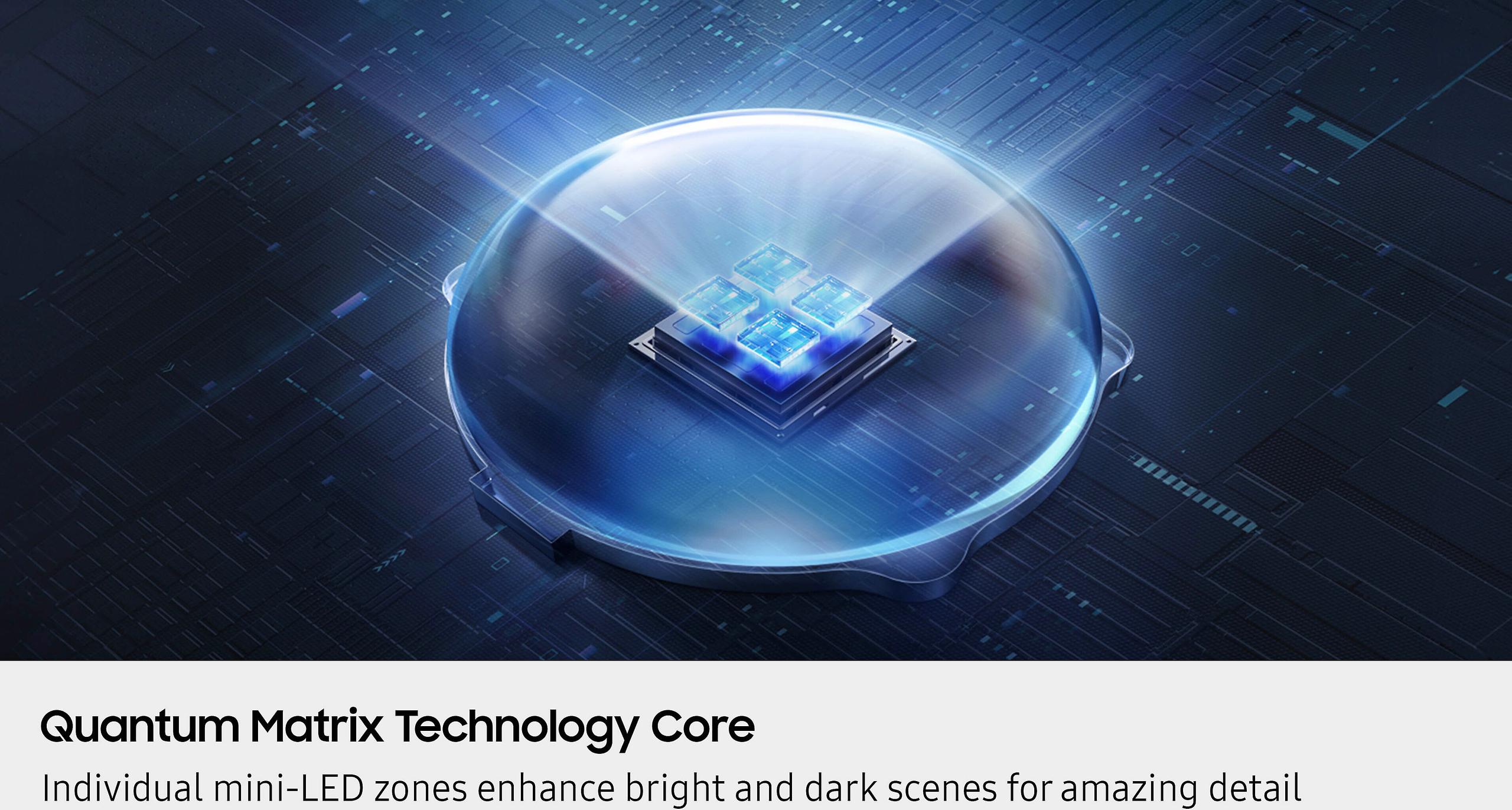
Meanwhile, the Samsung QN80F represents the maturation of Mini-LED technology. Samsung's Quantum Matrix Technology controls thousands of individual LED zones behind the LCD panel, each capable of independent brightness adjustment. The "Neo" designation refers to Samsung's use of LEDs that are roughly 1/40th the size of traditional backlights, allowing for much more precise light control. When you're watching a scene with both bright sun and dark shadows, these tiny zones can brighten and dim independently to preserve detail in both areas.
The quantum dot layer—essentially microscopic crystals that convert blue LED light into pure red and green—gives Neo QLED its wide color range. It's a fundamentally different approach from OLED's self-emitting pixels, but in 2025, both technologies have reached impressive levels of sophistication.
Based on our research across professional reviews and user experiences, the picture quality differences between these TVs are profound and situational. The Panasonic Z95B delivers what many consider the gold standard for contrast—true infinite contrast ratio means that dark scenes in movies like "Blade Runner 2049" or "The Batman" appear with inky blacks that seem to disappear into your wall. When a character walks from bright daylight into a dark room, you see every subtle gradation in the shadows without any grayish "bloom" around bright objects.
Color accuracy on the Z95B stands out particularly in our evaluation of expert reviews. The Primary RGB Tandem panel can display colors that closely match what filmmakers intended, which explains why Panasonic includes professional calibration support through ISFccc (Imaging Science Foundation) and Calman systems. This level of color precision matters most when watching high-end streaming content or 4K Blu-rays, where you want to see exactly what the cinematographer captured.
The Z95B's HDR (High Dynamic Range) performance deserves special attention because it supports both major competing standards: HDR10+ and Dolby Vision. Most TVs support one or the other, but having both means you get optimized viewing regardless of whether you're streaming from Netflix (Dolby Vision), Amazon Prime Video (HDR10+), or watching a 4K Blu-ray that might use either format.
The Samsung QN80F, while using different technology, excels in different scenarios. Mini-LED's strength shows most clearly in bright rooms. Where the Panasonic might struggle with ambient light washing out the screen, the Samsung's superior peak brightness and new anti-glare coating maintain picture quality even with windows nearby. Reviews consistently praise how well the QN80F handles mixed lighting conditions—something particularly valuable for family rooms or spaces where you can't control lighting perfectly.
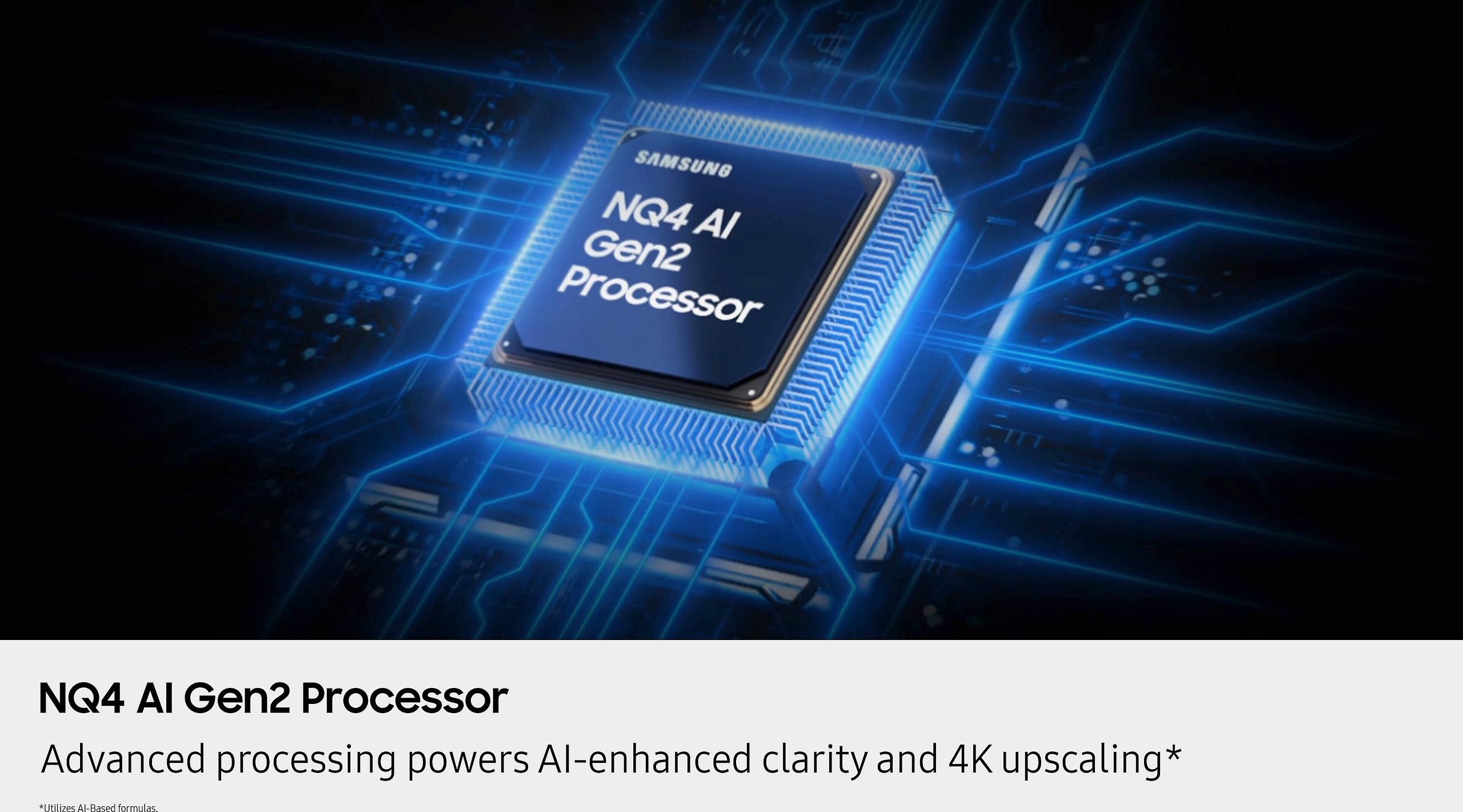
Samsung's processing also deserves recognition. The NQ4 AI Gen2 processor excels at upscaling lower-resolution content, which matters tremendously since much of what we watch isn't native 4K. Whether it's older Netflix series, live sports broadcasts, or content from streaming services with variable quality, the Samsung's AI upscaling makes everything look sharper and more detailed than it originally was.
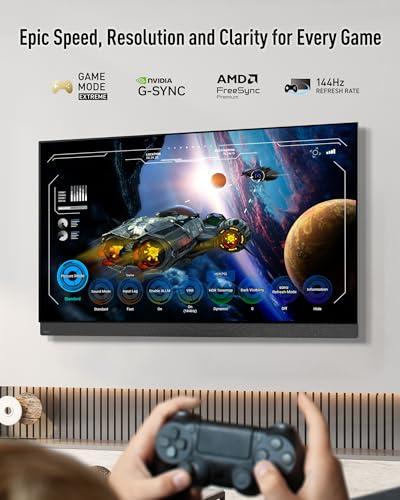
Both TVs launched in 2025 with gaming as a major priority, but they approach it differently. The Panasonic Z95B offers what could be considered the purest gaming experience. OLED's near-instantaneous pixel response time means motion appears perfectly sharp—no ghosting, no blur, just crisp movement whether you're playing fast-paced shooters or following a soccer ball across the screen. Input lag measurements from professional reviewers show the Z95B responding to controller inputs in under 10 milliseconds, which is essentially imperceptible.
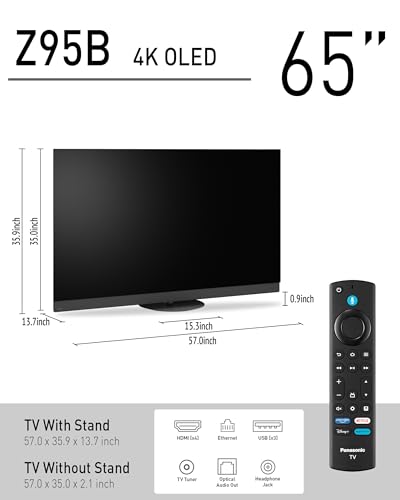
The Z95B supports all the modern gaming standards: 4K at 144Hz, Variable Refresh Rate (VRR) to eliminate screen tearing, and both AMD FreeSync Premium and NVIDIA G-SYNC Compatible technologies. Having two HDMI 2.1 ports handles most gaming setups, though serious enthusiasts with multiple next-gen consoles might want more connectivity.
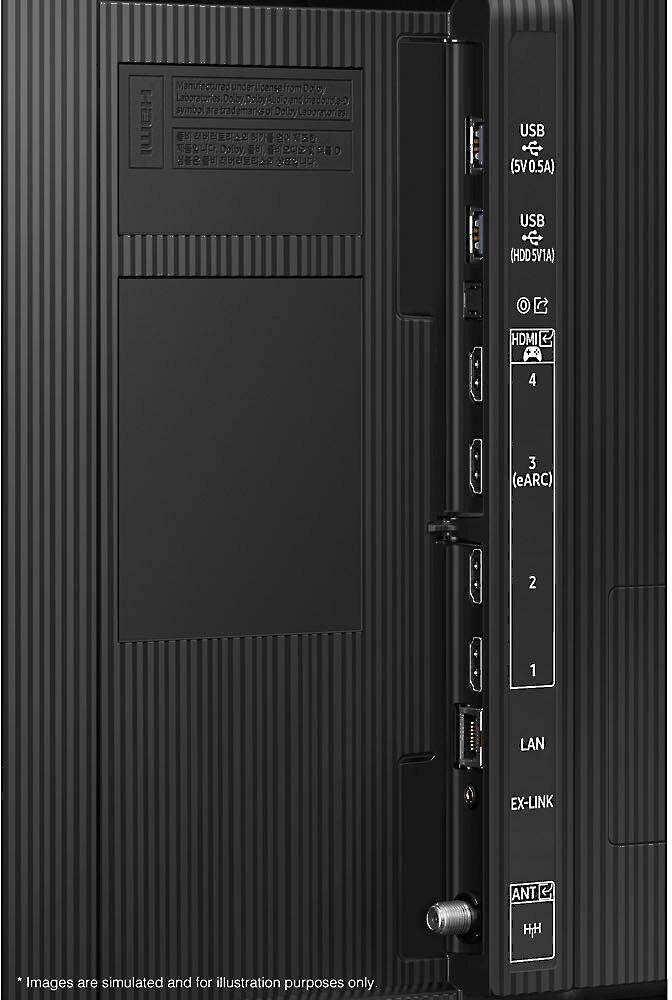
The Samsung QN80F takes a different approach, offering four full HDMI 2.1 ports—a significant advantage if you're running multiple gaming systems, a PC, and streaming devices simultaneously. Samsung's AI Auto Game Mode automatically detects when you're gaming and optimizes settings without manual adjustment. The Mini-LED backlight doesn't quite match OLED's response time, but for most gaming scenarios, the difference is minimal while offering superior brightness for HDR gaming content.
One area where the Samsung particularly shines is handling bright, colorful games. HDR gaming content like "Horizon Forbidden West" or "Forza Horizon 5" benefits from the higher peak brightness that Mini-LED provides. Sunny outdoor scenes and metallic car surfaces pop with intensity that OLED, despite its other advantages, can't quite match.
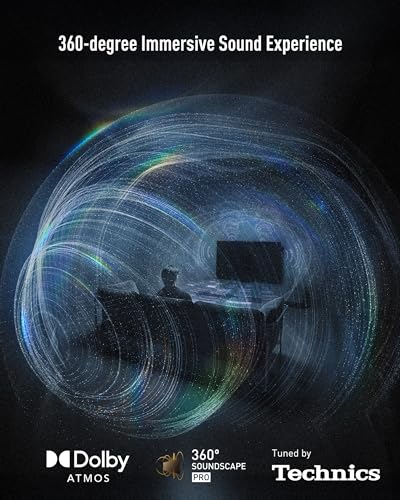
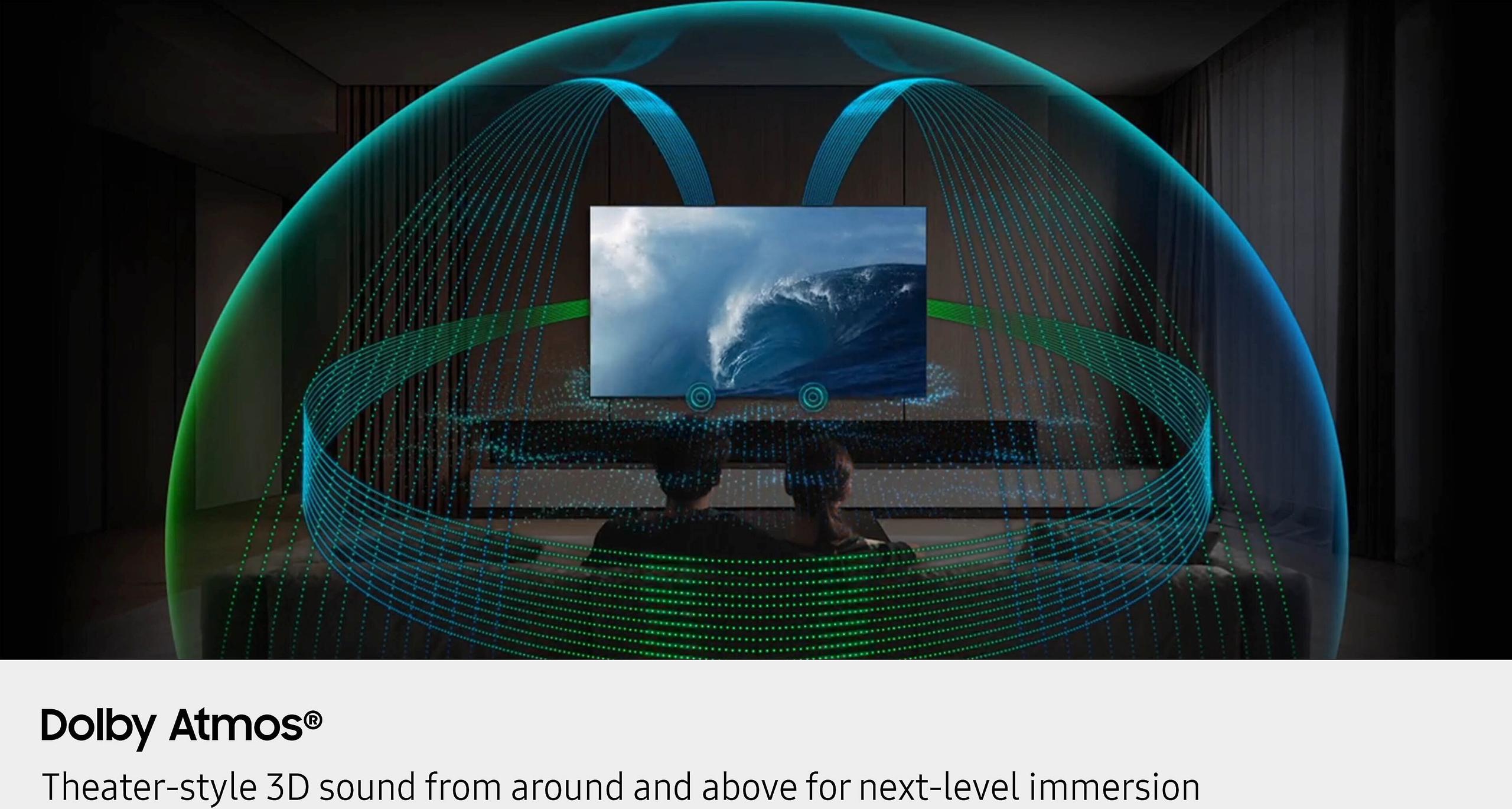
This is where the Panasonic Z95B pulls significantly ahead. The 360° Soundscape Pro audio system, developed in partnership with Technics, represents what might be the best built-in TV audio system available. With 170 watts of power distributed across a 5.1.2-channel Dolby Atmos configuration, this system includes upward-firing speakers for overhead effects, side-firing speakers for width, and a sophisticated processing system that creates genuine spatial audio.
Based on professional audio reviews, the Z95B's built-in sound approaches the quality of dedicated soundbars costing several hundred dollars. The system uses advanced room acoustic analysis to optimize sound for your specific space, and the results are impressive enough that many users report not needing additional audio equipment.
The Samsung QN80F, like most TVs in its price range, includes adequate speakers with Dolby Atmos support, but they're clearly designed with the expectation that serious users will add external audio. The Adaptive Sound Pro feature uses AI to optimize dialogue and effects, but the physical limitations of smaller speakers in a thin TV chassis become apparent when watching action movies or trying to fill larger rooms with sound.
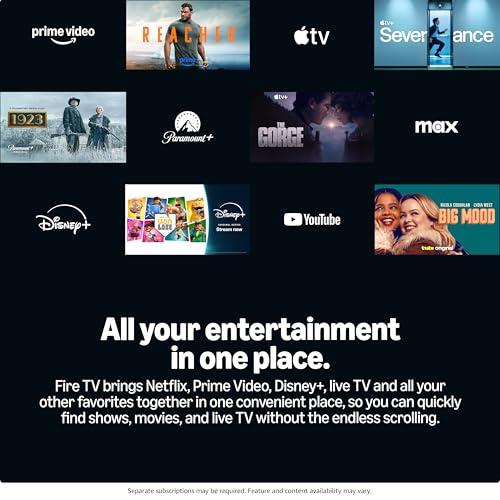
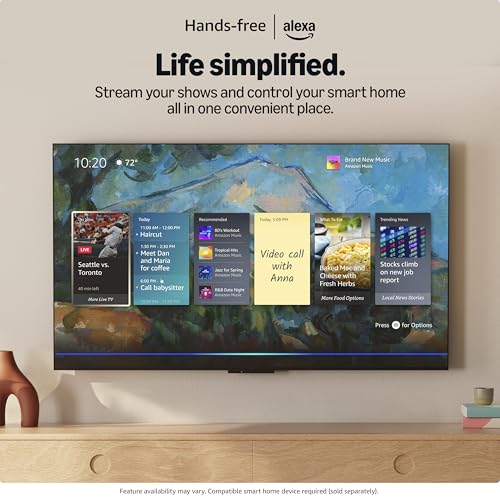
The platform choice represents distinct philosophies about how smart TVs should work. The Panasonic Z95B runs Amazon's Fire TV, which emphasizes content discovery and voice control through Alexa. Fire TV's strength lies in aggregating content from multiple sources into a unified interface that helps you find things to watch regardless of which streaming service hosts them. The hands-free Alexa integration works well for smart home control and voice commands, though some users find Fire TV's interface less polished than competitors.
Samsung's Tizen platform on the QN80F offers a more sophisticated smart TV experience with their Vision AI suite. Features like Generative Wallpaper create personalized backgrounds using AI, while the improved Bixby assistant handles multiple simultaneous commands more naturally. Samsung's platform generally receives better reviews for responsiveness and app selection, particularly for users already invested in Samsung's ecosystem of devices.
At the time of writing, these TVs occupy very different market positions. The Panasonic Z95B represents flagship pricing that reflects its premium OLED panel technology and comprehensive audio system. When evaluating value at this price point, you're paying for best-in-class picture quality, professional-grade color accuracy, and an audio system that could eliminate the need for additional sound equipment.
The Samsung QN80F demonstrates exceptional value in the mid-range premium segment, offering features typically found in much more expensive televisions. Four HDMI 2.1 ports, advanced AI processing, and solid Mini-LED picture quality at its price point represent strong value for buyers who want premium features without flagship pricing.
The audio system alone represents significant value consideration with the Panasonic. Quality soundbars capable of matching the Z95B's built-in system typically cost $400-800, which narrows the effective price gap between these models when building a complete entertainment system.
For dedicated home theater use, the Panasonic Z95B emerges as the clear choice. Its perfect blacks and infinite contrast ratio create the immersive experience that home theater enthusiasts seek. The ability to display shadow detail without compromising bright highlights means you see every detail the filmmakers intended, whether you're watching the latest Marvel spectacular or a moody film noir.
The professional calibration support becomes particularly valuable in theater settings. ISFccc and Calman compatibility allow professional calibrators to achieve reference-quality color accuracy that matches cinema standards. Combined with support for both HDR10+ and Dolby Vision, the Z95B ensures optimal presentation regardless of content source.
The Samsung QN80F can certainly serve in home theater applications, particularly where ambient light control isn't perfect. Its superior brightness and anti-glare technology maintain picture quality even with some room lighting, making it more forgiving for multi-purpose spaces that serve as both family rooms and movie theaters.
The Panasonic Z95B represents the right choice for enthusiasts who prioritize picture quality above all else. If you watch primarily in controlled lighting conditions, appreciate the finest details in cinematography, and want a built-in audio system that rivals dedicated equipment, the Z95B justifies its premium positioning. It's particularly suited for users who view their TV as the centerpiece of a dedicated entertainment space.
Movie lovers, in particular, will appreciate the Z95B's color accuracy and contrast performance. The combination of perfect blacks and vibrant colors creates an engaging viewing experience that draws you into whatever you're watching. The comprehensive audio system means you can achieve theater-like sound without additional equipment complexity.
The Samsung QN80F makes more sense for users who want premium features in bright, multi-purpose rooms. Its superior peak brightness and anti-glare coating maintain picture quality even with ambient light, while four HDMI 2.1 ports accommodate complex setups with multiple gaming systems and streaming devices. The advanced AI processing particularly benefits viewers who consume varied content types, from live sports to older movies to streaming series.
Gamers with multiple consoles will appreciate the Samsung's connectivity flexibility, while the bright Mini-LED display excels with HDR gaming content. For families who need a versatile TV that performs well across different use cases and lighting conditions, the QN80F offers compelling performance per dollar.
The choice ultimately depends on your priorities: the Panasonic Z95B for uncompromising picture quality and audio in controlled environments, or the Samsung QN80F for versatile performance and comprehensive features at accessible pricing. Both represent significant technological achievements in 2025, just approaching excellence through different paths.
| Panasonic Z95B Series 65" OLED 4K Smart Fire TV | Samsung 65" QN80F Neo QLED 4K TV |
|---|---|
| Display Technology - Determines contrast, viewing angles, and overall picture quality | |
| Primary RGB Tandem OLED with self-emitting pixels for perfect blacks | Mini-LED backlight with Quantum Matrix Technology for precise brightness control |
| Peak Brightness - Critical for HDR content and bright room viewing | |
| Up to 4,000 nits capability (excellent for HDR, limited in bright rooms) | Higher sustained peak brightness (better for daytime viewing and HDR gaming) |
| Contrast Ratio - Most important factor for picture depth and realism | |
| Infinite contrast ratio with perfect blacks | Excellent local dimming contrast, but not true blacks |
| Viewing Angles - Important for family seating arrangements | |
| Wide OLED viewing angles maintain color/contrast from any seat | Good viewing angles, some color shift at extreme angles |
| Gaming Features - Essential for console and PC gaming | |
| 2 HDMI 2.1 ports, 4K@144Hz, VRR, near-zero input lag | 4 HDMI 2.1 ports, 4K@144Hz, VRR, AI Auto Game Mode |
| HDR Format Support - Affects compatibility with streaming services | |
| HDR10+, Dolby Vision, HDR10, HLG (supports all major formats) | HDR10+, HDR10, HLG (lacks Dolby Vision support) |
| Built-in Audio System - Can eliminate need for external speakers | |
| 170W 5.1.2 Dolby Atmos system tuned by Technics (soundbar-quality audio) | Standard TV speakers with Dolby Atmos (requires external audio for premium experience) |
| Smart TV Platform - Daily interface and app experience | |
| Fire TV with hands-free Alexa integration | Samsung Tizen with Vision AI features and superior app selection |
| Processing Power - Affects upscaling and AI features | |
| HCX Pro AI Processor MK II (excellent color accuracy and upscaling) | NQ4 AI Gen2 Processor (superior AI upscaling and smart features) |
| Calibration Support - Important for enthusiasts seeking reference quality | |
| Professional ISFccc and Calman calibration support | Standard calibration options without professional certification |
| Value Position - Market positioning and target buyer | |
| Flagship pricing justified by premium OLED tech and comprehensive audio | Exceptional value with premium features at mid-range pricing |
The Panasonic Z95B Series 65" OLED delivers superior picture quality for movies with its infinite contrast ratio and perfect blacks. The OLED technology creates more immersive dark scenes and maintains color accuracy that matches filmmakers' intentions. While the Samsung 65" QN80F Neo QLED offers excellent picture quality, it cannot achieve the same level of contrast due to its Mini-LED backlight technology.
The Samsung 65" QN80F Neo QLED performs significantly better in bright rooms thanks to its higher peak brightness and anti-glare coating. The Mini-LED technology can overcome ambient light more effectively than OLED. The Panasonic Z95B Series 65" OLED excels in darker viewing environments but may struggle with reflections and brightness in well-lit spaces.
Both TVs excel for gaming but offer different advantages. The Samsung 65" QN80F Neo QLED provides four HDMI 2.1 ports for multiple gaming systems and superior brightness for HDR gaming. The Panasonic Z95B Series 65" OLED offers near-instantaneous response times with zero motion blur, making it ideal for competitive gaming, though it only has two HDMI 2.1 ports.
The Panasonic Z95B Series 65" OLED includes a premium 170W 5.1.2 Dolby Atmos system that rivals dedicated soundbars, potentially eliminating the need for external audio. The Samsung 65" QN80F Neo QLED has standard TV speakers that, while decent, will likely require a soundbar for an optimal audio experience, especially in larger rooms.
The Panasonic Z95B Series 65" OLED supports all major HDR formats including HDR10+, Dolby Vision, HDR10, and HLG, ensuring compatibility with any content source. The Samsung 65" QN80F Neo QLED supports HDR10+, HDR10, and HLG but lacks Dolby Vision support, which may limit optimal viewing of Netflix and other Dolby Vision content.
The Samsung 65" QN80F Neo QLED runs Samsung's Tizen platform with Vision AI features, offering superior app selection and more responsive performance. The Panasonic Z95B Series 65" OLED uses Fire TV with hands-free Alexa integration, which excels at content discovery and voice control but may feel less polished than Samsung's interface.
The Panasonic Z95B Series 65" OLED justifies its premium pricing for viewers who prioritize absolute picture quality, perfect blacks, and comprehensive built-in audio. The Samsung 65" QN80F Neo QLED offers exceptional value with premium features at a more accessible price point, making it ideal for buyers wanting high performance without flagship costs.
The Panasonic Z95B Series 65" OLED is superior for dedicated home theater use due to its infinite contrast ratio, professional calibration support, and cinema-quality built-in audio system. The perfect blacks and color accuracy create an immersive viewing experience that closely matches what filmmakers intended, especially in controlled lighting environments.
The Panasonic Z95B Series 65" OLED maintains consistent color and contrast from any viewing angle due to OLED technology's inherent wide viewing characteristics. The Samsung 65" QN80F Neo QLED offers good viewing angles but may show some color shifting when viewed from extreme side positions, typical of LCD-based displays.
Both TVs handle motion well, but differently. The Panasonic Z95B Series 65" OLED provides perfectly sharp motion with zero blur due to instantaneous pixel response. The Samsung 65" QN80F Neo QLED uses advanced motion processing and higher brightness that can make fast-paced sports content appear more vibrant, especially in bright viewing environments.
The Samsung 65" QN80F Neo QLED excels at upscaling with its NQ4 AI Gen2 processor, making older content and streaming services look significantly sharper. The Panasonic Z95B Series 65" OLED also provides excellent upscaling through its HCX Pro AI Processor, focusing more on maintaining color accuracy and natural image processing during enhancement.
The Samsung 65" QN80F Neo QLED provides excellent immediate value with premium features at an accessible price point. The Panasonic Z95B Series 65" OLED offers long-term value through its flagship picture quality, comprehensive audio system that eliminates additional equipment needs, and professional-grade features that maintain relevance over time.
We've done our best to create useful and informative comparisons to help you decide what product to buy. Our research uses advanced automated methods to create this comparison and perfection is not possible - please contact us for corrections or questions. These are the sites we've researched in the creation of this article: rtings.com - whathifi.com - techradar.com - tomsguide.com - youtube.com - youtube.com - youtube.com - avsforum.com - bestbuy.com - manuals.plus - na.panasonic.com - panasonic.com - displayspecifications.com - valueelectronics.com - flatpanelshd.com - valueelectronics.com - displayspecifications.com - flatpanelshd.com - samsung.com - theshortcut.com - youtube.com - bestbuy.com - rtings.com - samsung.com - samsung.com - samsung.com - sargentappliance.com - displayspecifications.com - bestbuy.com

Privacy Policy
Terms and Conditions - Affiliate Policy
Home Security
© Copyright 2008-2026.
11816 Inwood Rd #1211, Dallas, TX 75244