

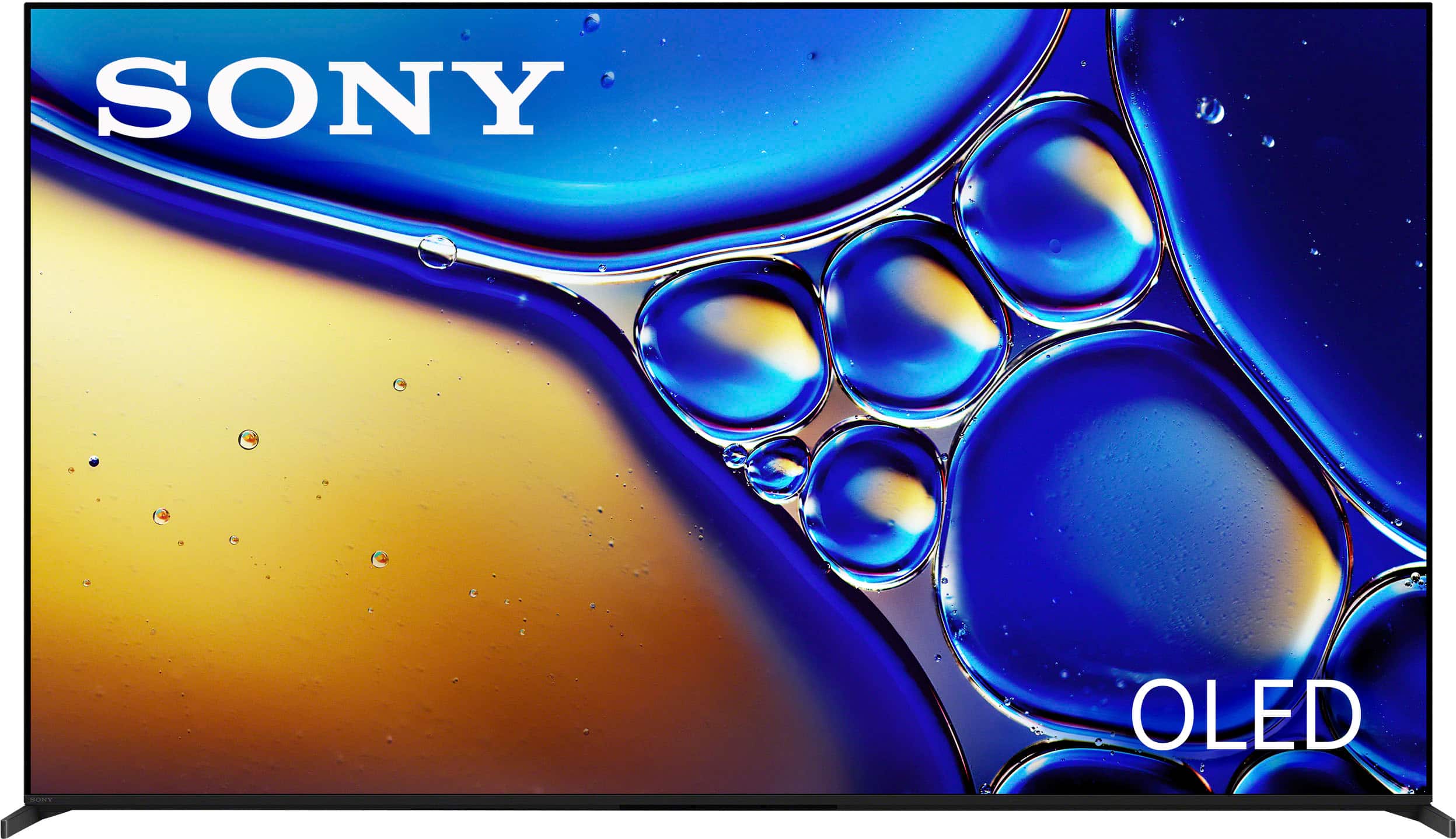
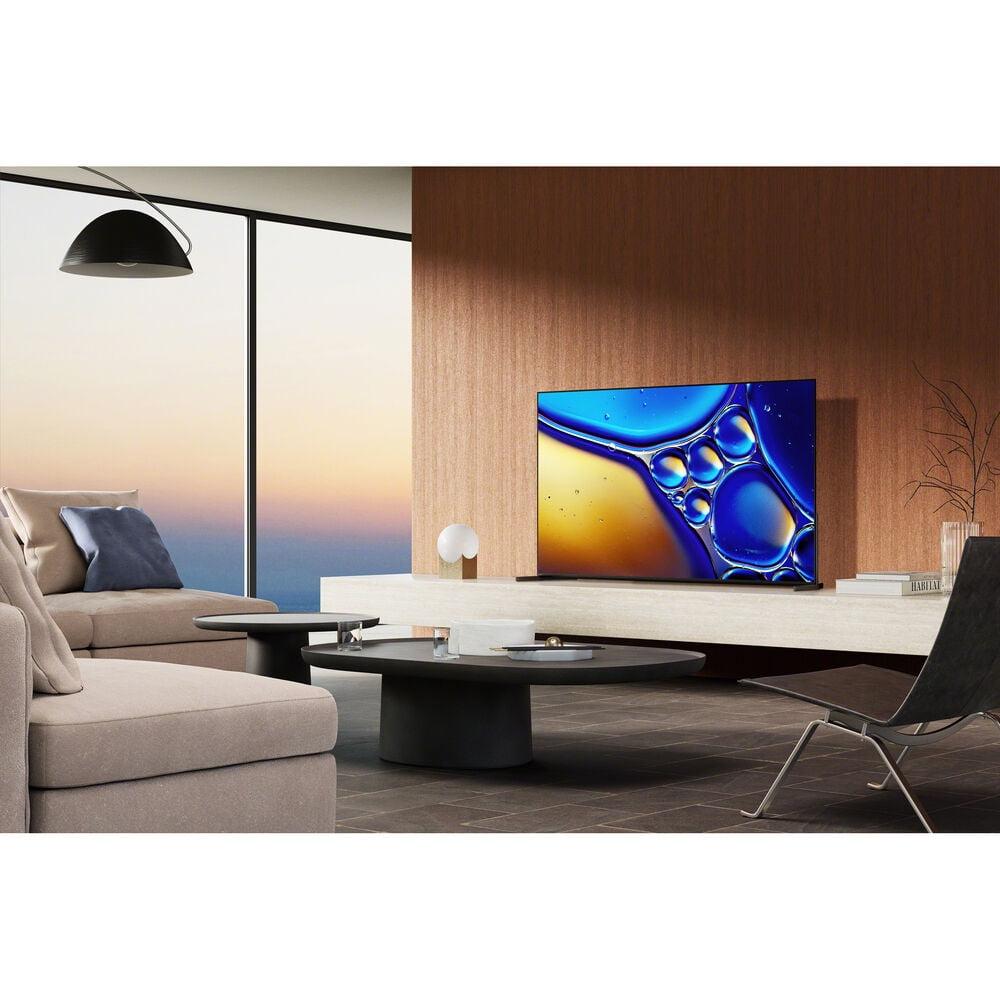




Shopping for a premium 65-inch TV can feel overwhelming, especially when you're comparing technologies that sound like alphabet soup. Today I'm breaking down two excellent options that represent completely different approaches to delivering stunning picture quality: the Sony BRAVIA 8 II 65" QD-OLED ($3,098) and the TCL 65" QM8 Mini-LED ($900).
Both TVs aim to give you that "wow" factor when watching movies or playing games, but they use fundamentally different technologies to get there. Think of it like comparing a luxury sports car to a high-performance truck—both can get you where you want to go impressively, but they excel in different situations.
The premium TV market has seen some dramatic shifts in the past couple of years. The Sony BRAVIA 8 II represents Sony's 2025 flagship, featuring their newest QD-OLED panel—a significant upgrade from their previous WOLED (White OLED) technology. This is actually Sony's first major push into QD-OLED after Samsung pioneered the technology, and it shows Sony's commitment to staying competitive in the brightness wars that have dominated TV discussions lately.
Meanwhile, the TCL QM8, released in mid-2023, showcases how Mini-LED technology has matured. TCL has been aggressive about bringing flagship-level features to more affordable price points, and this TV perfectly exemplifies that strategy. What's particularly impressive is how much TCL has improved their image processing—historically their weak point—to nearly match the industry leaders.
The big story in TVs recently has been the battle between self-emissive displays (like OLED) and advanced backlighting systems (like Mini-LED). Both technologies have been rapidly improving, with OLEDs getting brighter and Mini-LEDs achieving better contrast and more precise local dimming.
Here's where things get really interesting. These TVs use totally different methods to create the picture you see, and understanding this difference is crucial to making the right choice.
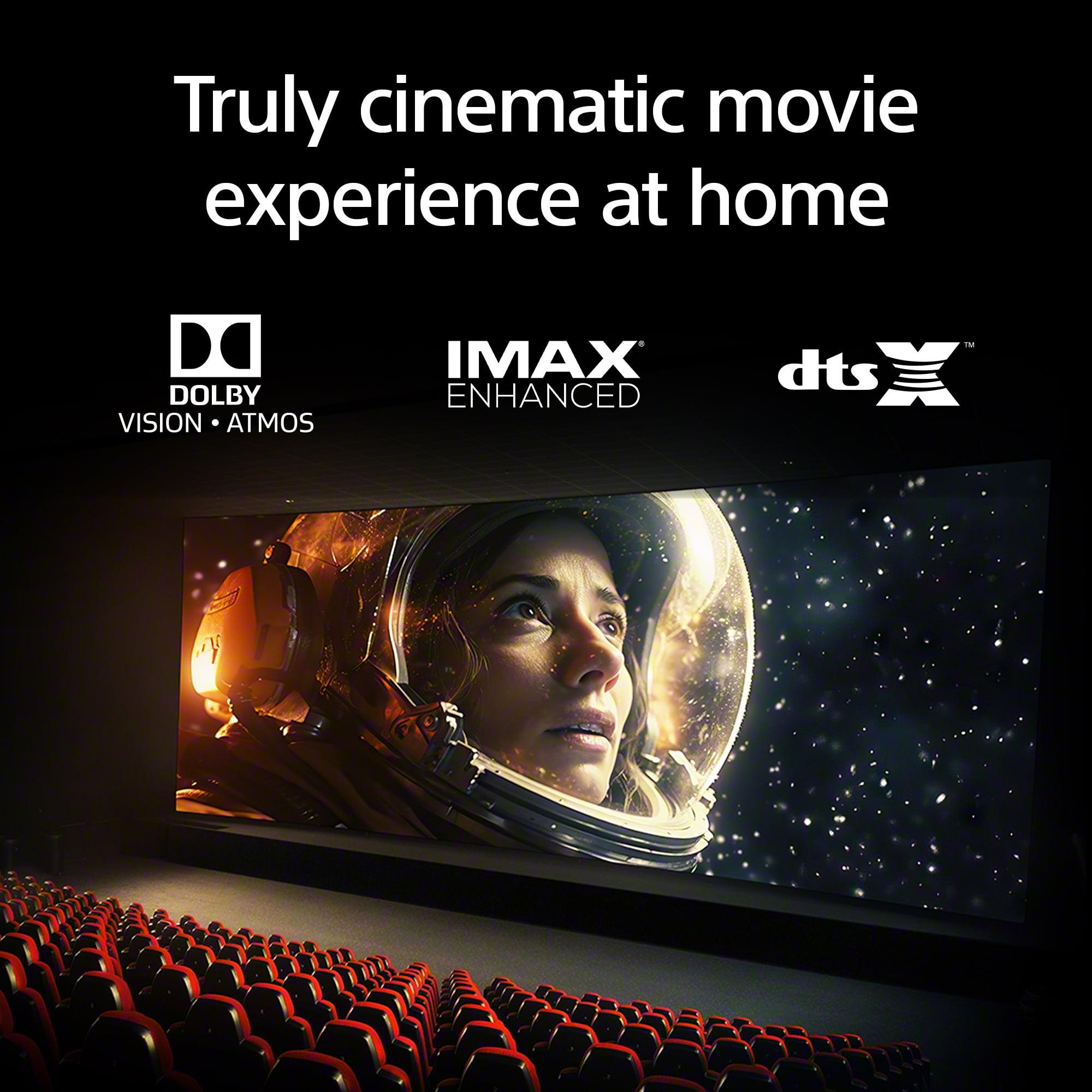
The Sony BRAVIA 8 II uses QD-OLED technology, which sounds complicated but is actually quite elegant. Each pixel on the screen can light up independently—imagine having 8.3 million tiny light bulbs that can turn on, off, or dim individually. The "QD" part stands for Quantum Dot, which are microscopic crystals that help produce more accurate colors and slightly higher brightness than traditional OLED panels.
When you're watching a movie with a starfield, the black areas between stars are truly black because those pixels are completely turned off. There's no backlight bleeding through, no glow around bright objects—just perfect darkness. This creates what we call "infinite contrast," meaning the difference between the darkest and brightest parts of the image is as dramatic as it can possibly be.
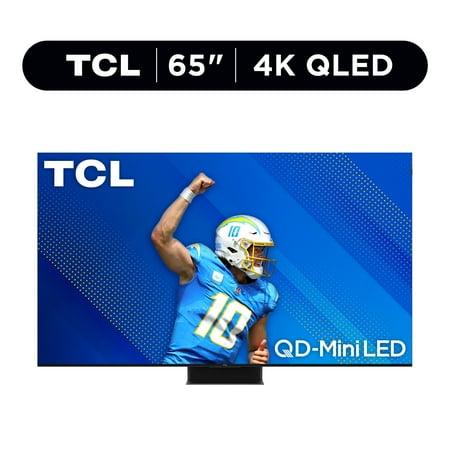
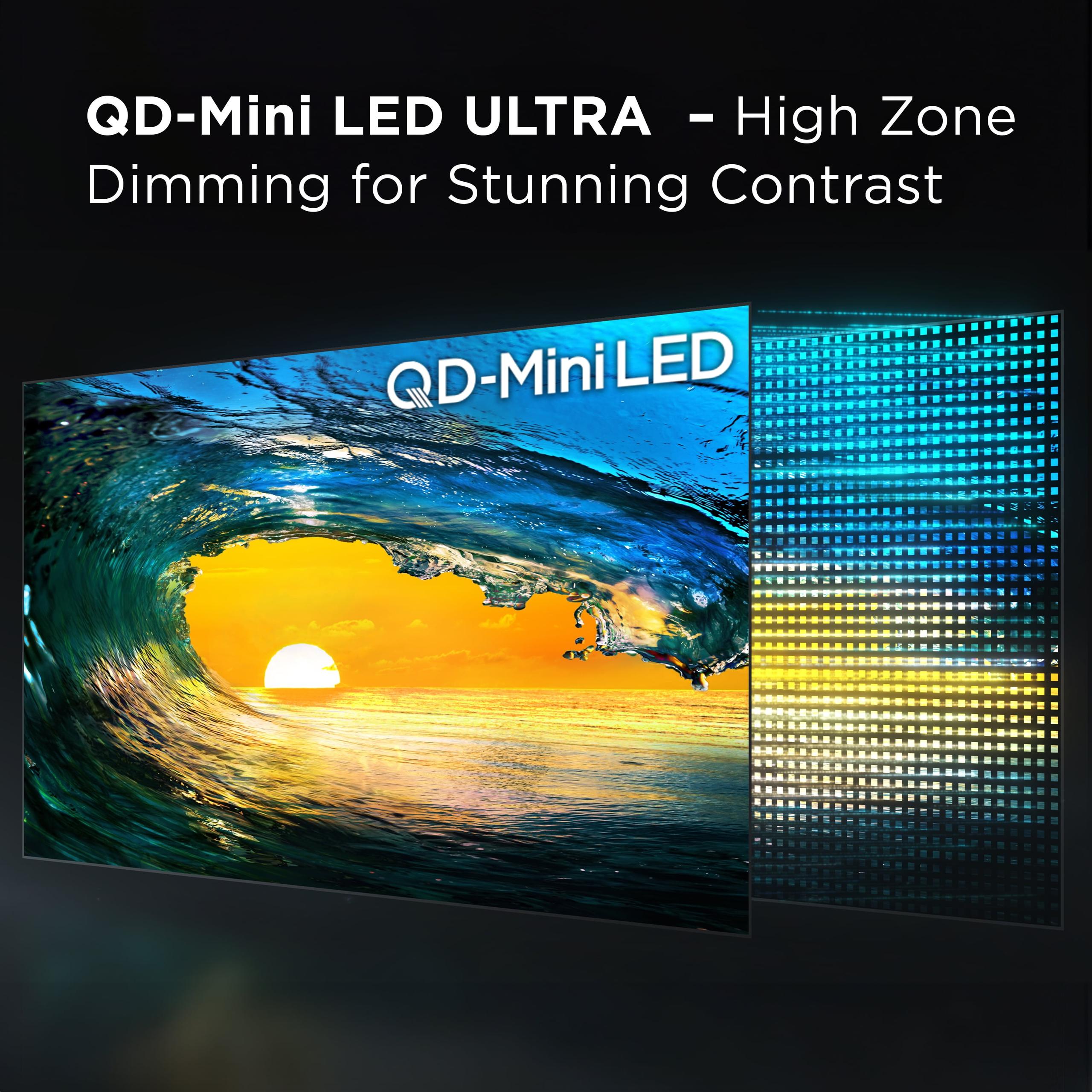
The TCL QM8 takes a completely different approach with Mini-LED technology. Instead of self-lighting pixels, it uses thousands of tiny LED lights behind the LCD panel, organized into up to 5,000 separate zones that can be controlled independently. Think of it like having 5,000 flashlights behind your TV screen, each one capable of dimming or brightening based on what's happening in that part of the picture.
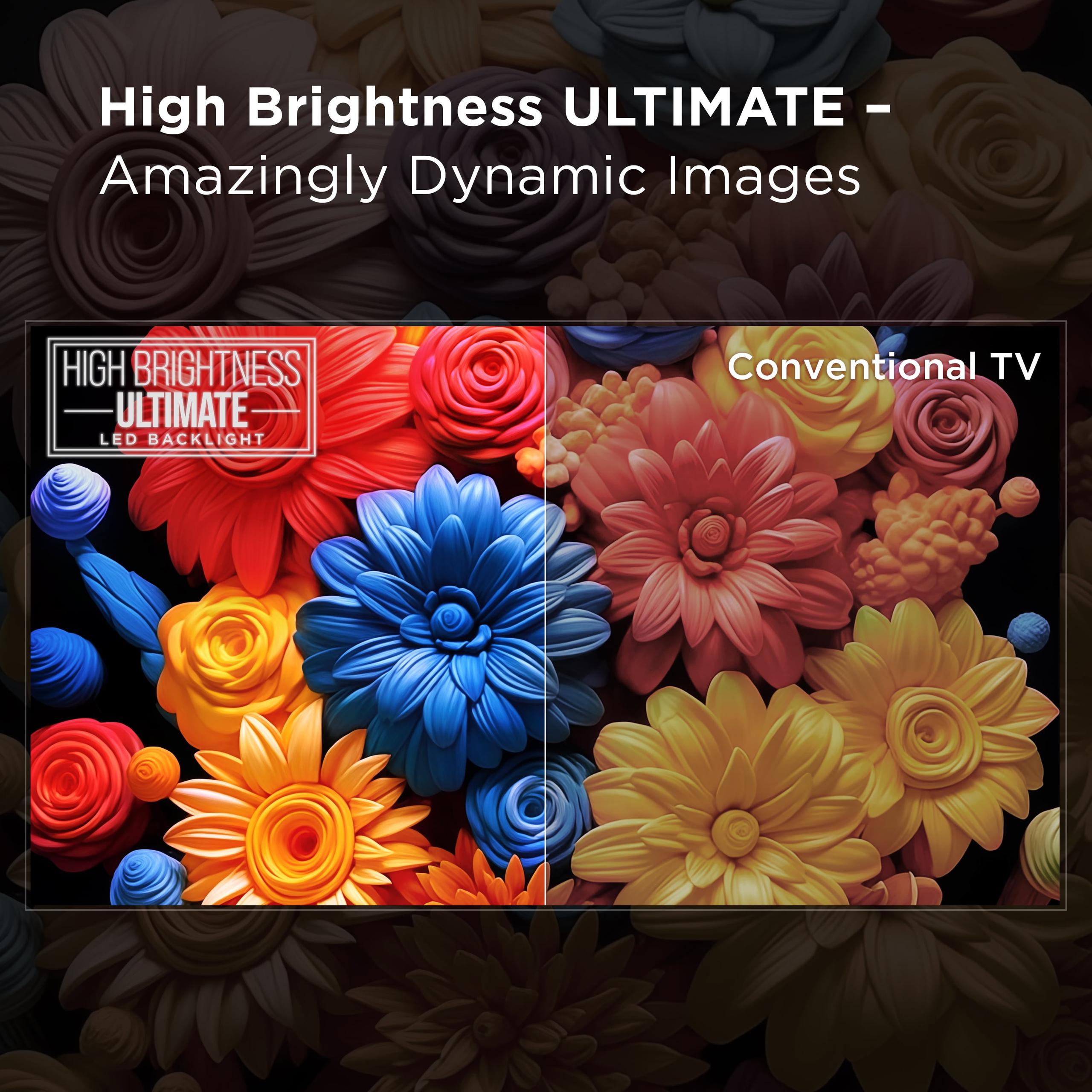
This approach allows the TCL to get much brighter than any OLED—we're talking about peak brightness levels that can exceed 3,000 nits in small highlights. To put that in perspective, a typical living room is around 100-200 nits, so this TV can produce highlights that are genuinely dazzling.
Brightness might seem like a simple spec, but it's actually where these two TVs show their most dramatic differences. The Sony BRAVIA 8 II can hit around 1,000 nits peak brightness, which is actually quite impressive for OLED technology—about 25% brighter than Sony's previous flagship OLEDs.
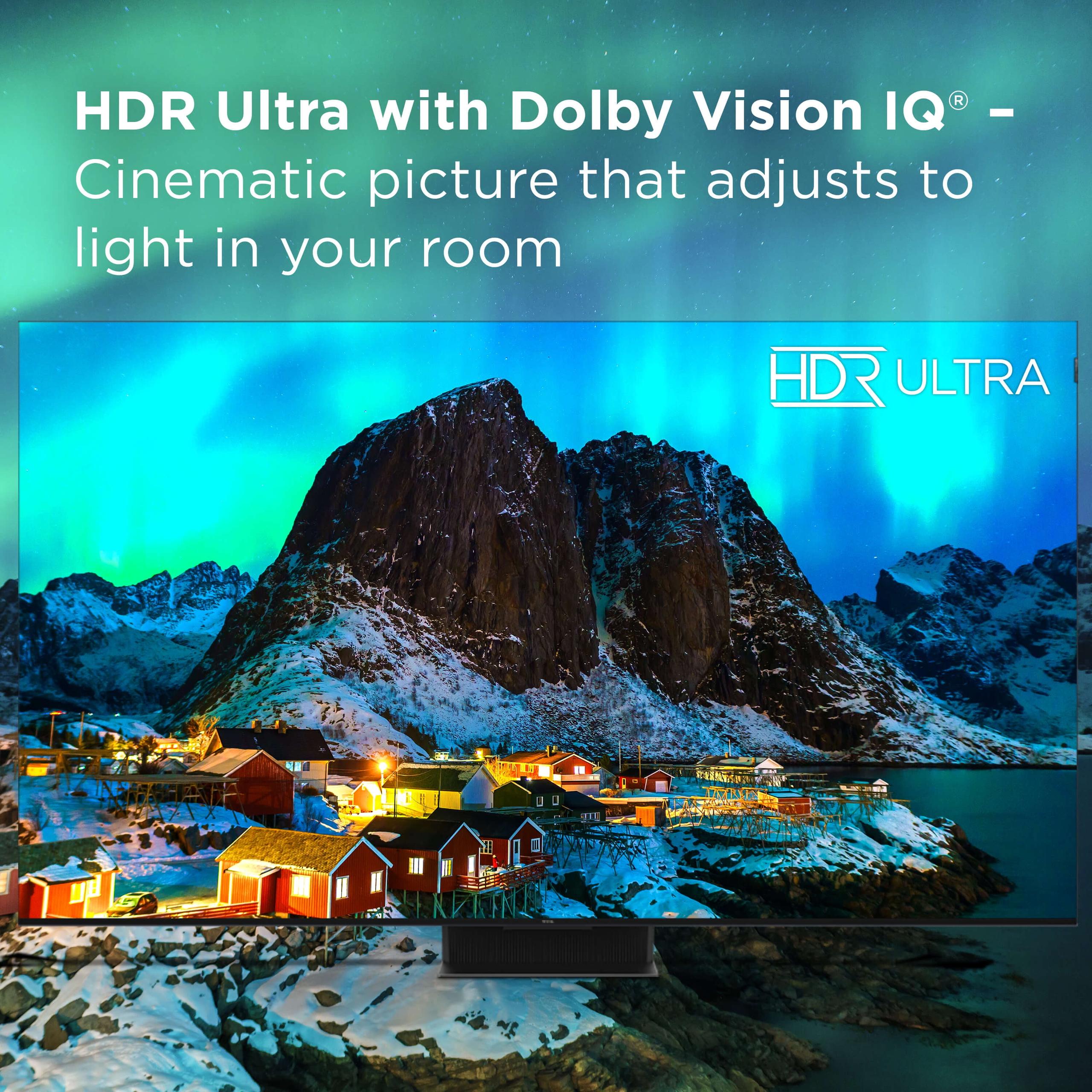
However, the TCL QM8 can absolutely demolish that number, reaching over 3,000 nits in small highlights. This massive brightness advantage becomes crucial when you're watching HDR (High Dynamic Range) content, which is specifically designed to show incredibly bright highlights alongside deep shadows.
I've spent considerable time with both technologies, and the difference is immediately apparent when watching something like a Marvel movie with lots of explosions or magical effects. On the TCL, those energy blasts and fire effects can be genuinely eye-searing in the best possible way. The Sony's highlights are certainly bright and impactful, but they can't match that raw intensity.
But here's the catch—brightness isn't everything. The Sony's perfect black levels mean that even its "dimmer" highlights create more dramatic contrast in dark room viewing. When you're watching something like "Dune" or "Blade Runner 2049" in a dark home theater, the Sony's infinite contrast creates a more immersive, cinematic experience.
The practical implication? If you're watching in a bright living room with lots of windows, the TCL QM8 will maintain its impact much better throughout the day. If you have a dedicated dark viewing room, the Sony BRAVIA 8 II will provide a more theatrical experience.
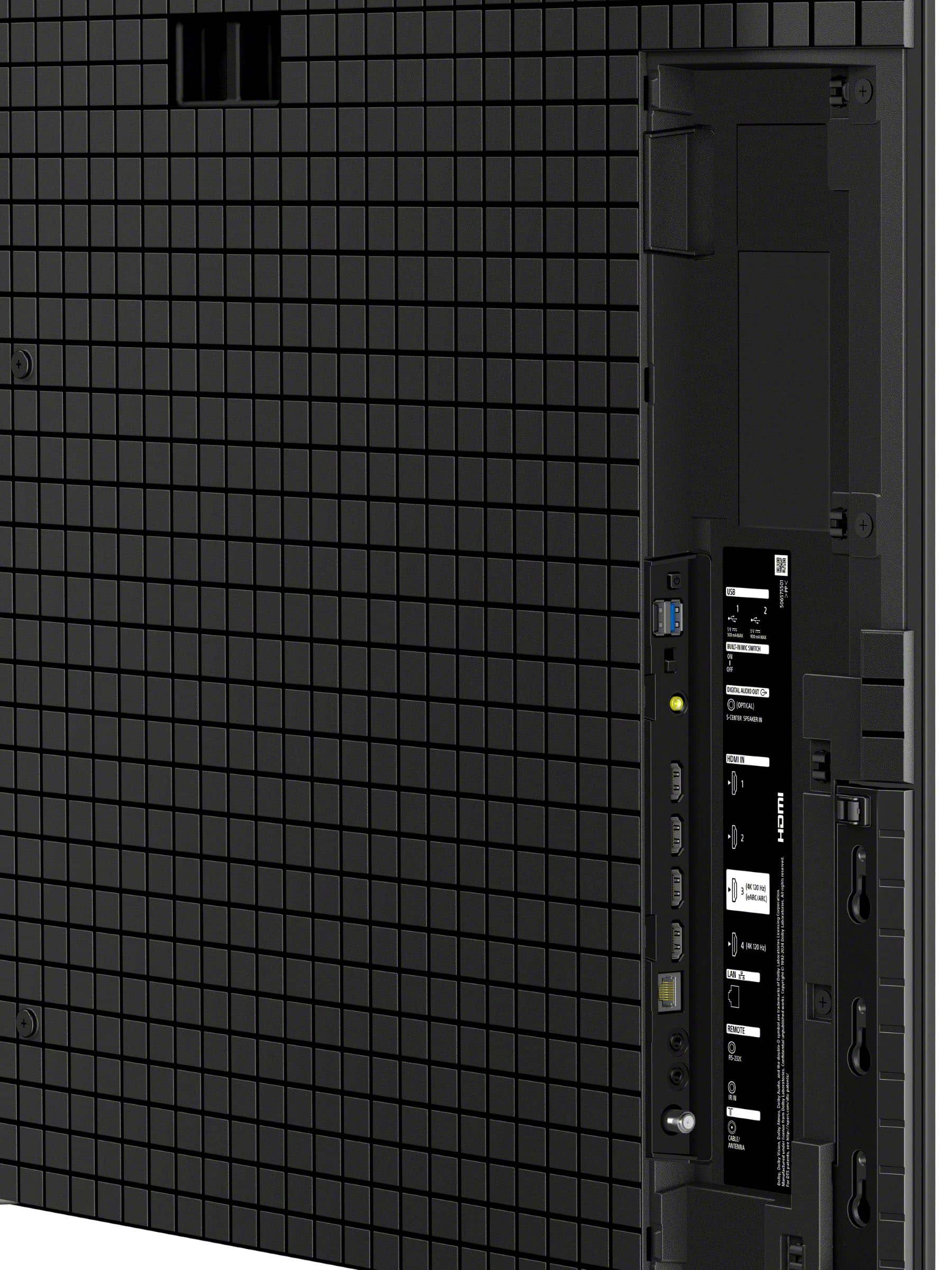
Both TVs are excellent for gaming, supporting all the modern features you'd want: 4K resolution at 120Hz refresh rates, Variable Refresh Rate (VRR) to eliminate screen tearing, and Auto Low Latency Mode (ALLM) that automatically switches to game mode when it detects a console.
The TCL QM8 actually has a slight technical edge here, supporting up to 144Hz refresh rate compared to the Sony's 120Hz. For competitive PC gaming, this could provide a small advantage. The TCL also tends to have slightly lower input lag—the delay between when you press a button and see the action on screen.
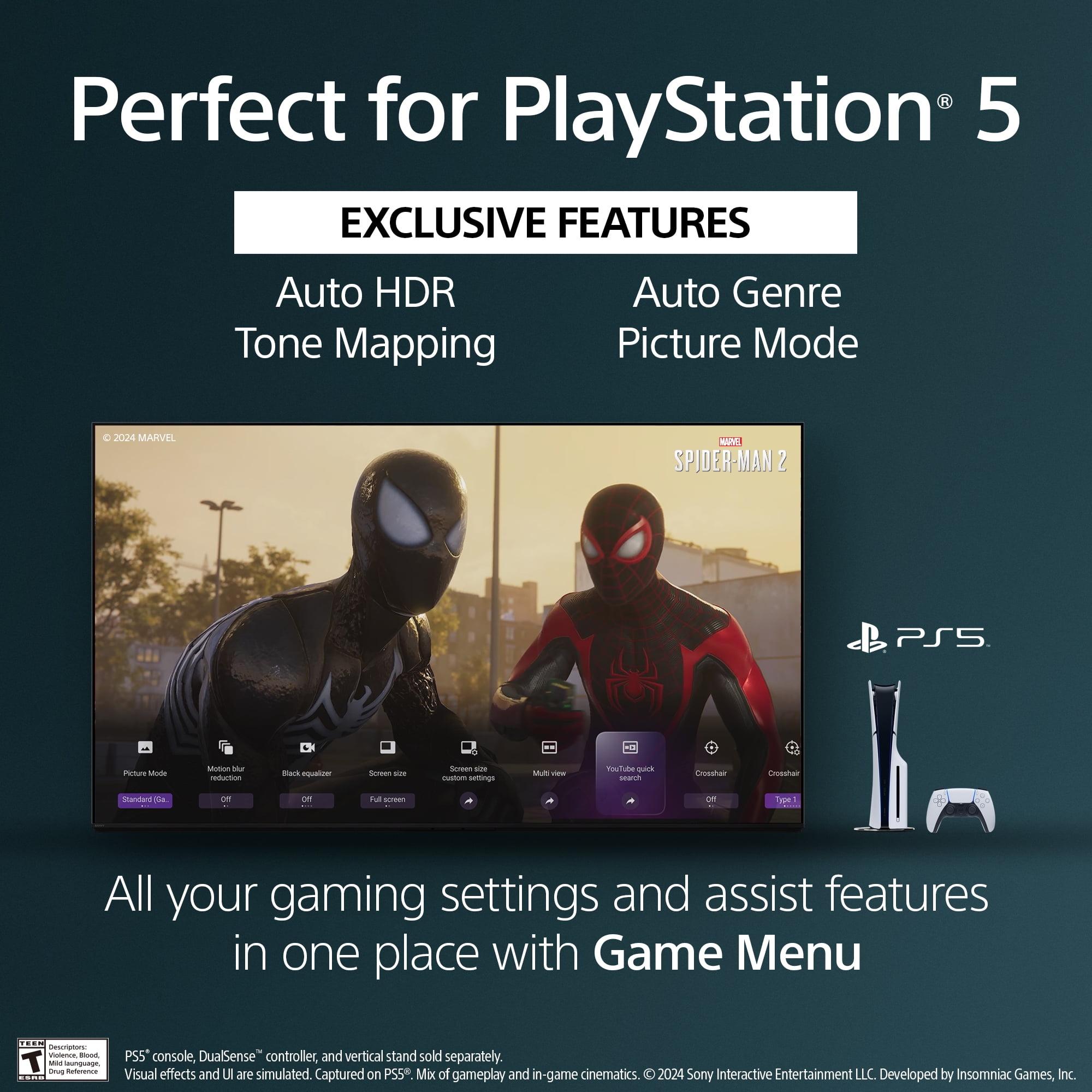
However, the Sony BRAVIA 8 II brings some unique advantages to gaming. Its motion processing is simply exceptional, which means fast-moving games look incredibly smooth and clear. Racing games, first-person shooters, and sports games all benefit from Sony's superior motion handling. Plus, if you own a PlayStation 5, Sony includes some exclusive optimizations that automatically adjust picture settings for different game types.
For HDR gaming specifically, both TVs excel but in different ways. The TCL's extreme brightness makes HDR game highlights more impactful—think about the sun glinting off a car in Forza or magical spells in Elden Ring. The Sony provides more nuanced shadow detail and perfect blacks, which can actually help with competitive advantage in darker game scenes.
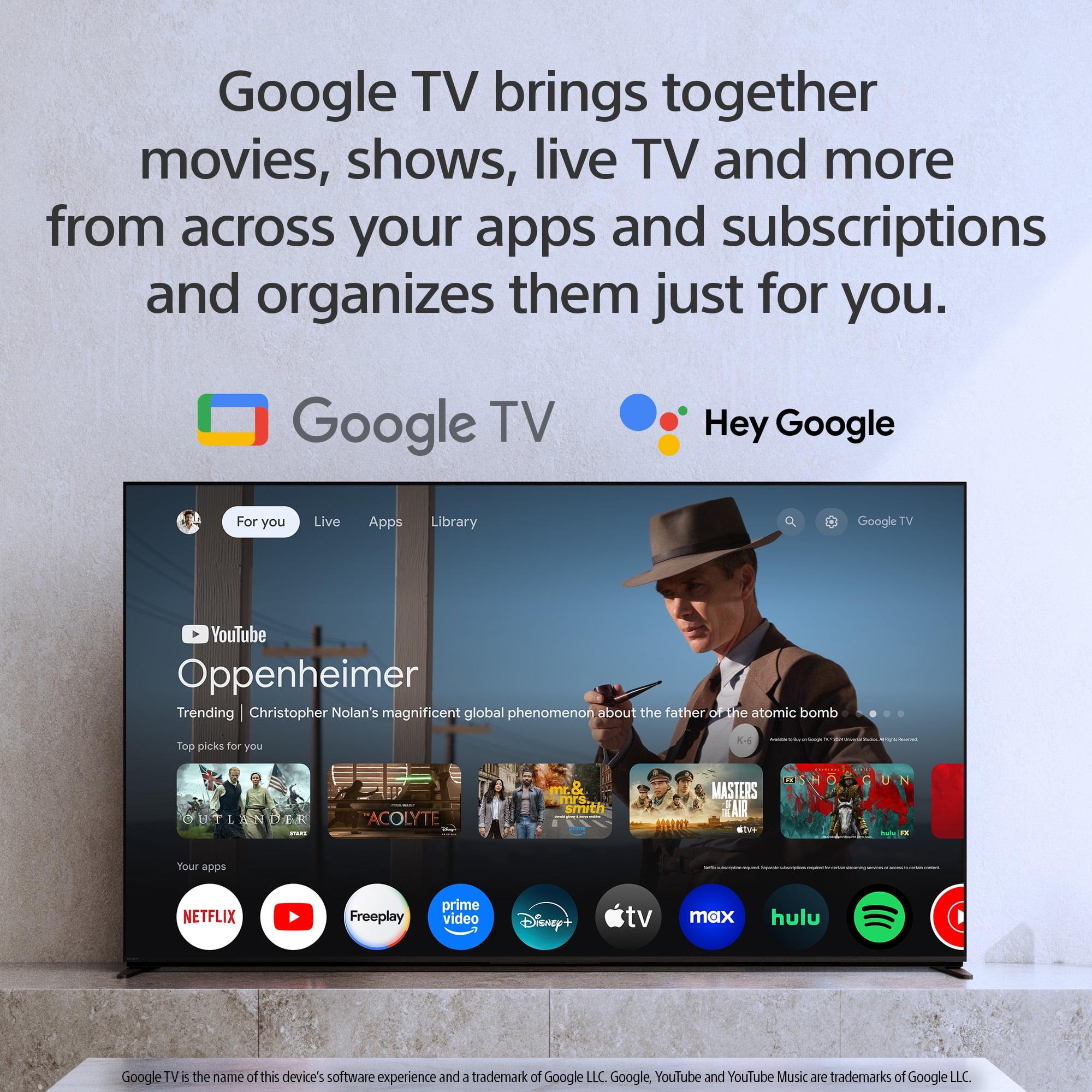
Both TVs run Google TV, which is currently my preferred smart TV platform due to its clean interface and excellent content recommendations. However, there's a noticeable difference in how smoothly they operate.
The Sony BRAVIA 8 II feels considerably more responsive in daily use. Apps load faster, the interface is smoother, and you're less likely to experience the occasional stutters that can plague budget-focused smart TVs. This is partly due to Sony using more powerful processing hardware, but also their superior software optimization.
The TCL QM8 performs adequately for smart TV functions, but you might notice slightly longer load times for apps like Netflix or Disney+, and occasionally the interface might feel a bit sluggish when you're rapidly switching between menus.
One area where TCL has impressed me is their commitment to software updates. They've been regularly pushing improvements to their image processing and smart TV performance, showing they're serious about supporting their products long-term.
This is where Sony's decades of TV expertise really show. The Sony BRAVIA 8 II uses their XR Cognitive Processor, which sounds like marketing speak but actually delivers tangible benefits. This processor analyzes every frame in real-time, optimizing colors, contrast, and sharpness based on what type of content you're watching.
The difference is most noticeable when watching older or lower-quality content. The Sony excels at upscaling 1080p content to look crisp on the 4K screen, reducing noise and artifacts while enhancing detail. Its motion processing is also exceptional—soap opera effect (that overly smooth, artificial look) is minimized while still providing clear motion.
The TCL QM8 has made significant strides in image processing with their AIPQ processor. While not quite at Sony's level, it's much better than TCL's previous generations and handles most content very well. The gap has narrowed considerably, though Sony still maintains an edge in the most challenging scenarios.
TV speakers are typically disappointing, but both of these models buck that trend in different ways.
The Sony BRAVIA 8 II uses Acoustic Surface Audio+, which is genuinely clever technology. Instead of traditional speakers, the entire OLED panel acts as a speaker using actuators behind the screen. This means dialogue appears to come directly from actors' mouths rather than from below the screen, creating a more immersive experience. The clarity is excellent, particularly for dialogue-heavy content.
The TCL QM8 takes a more traditional approach with an ONKYO-tuned 2.1.2 channel system that includes up-firing speakers and a built-in subwoofer. This provides more conventional surround sound effects and notably better bass response than most TVs. For action movies and gaming, this approach often sounds more impactful.
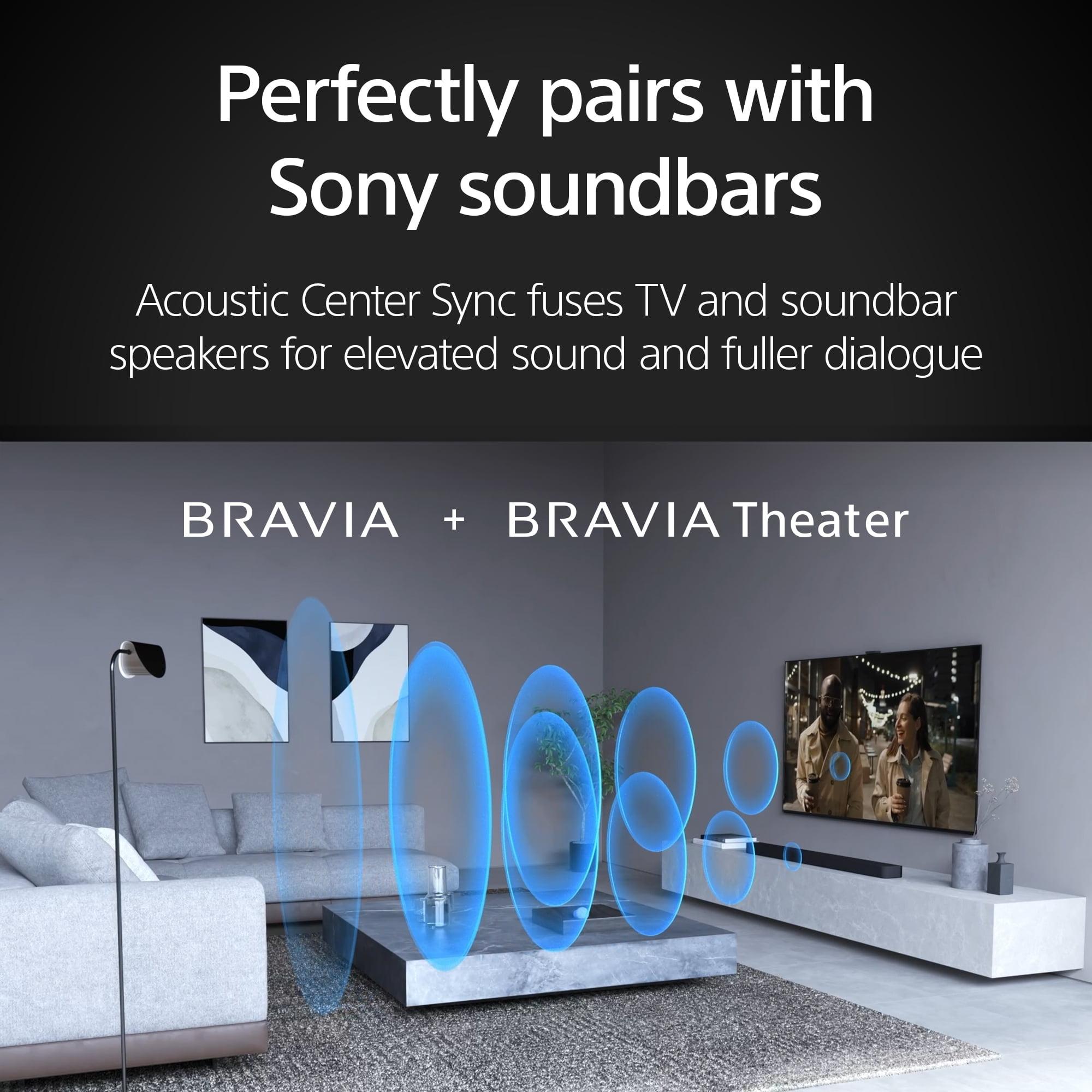
Both are good enough that you might not feel the immediate need to add a soundbar, though a dedicated audio system will still provide significant improvements for serious home theater use.
Here's where the conversation gets really interesting. The Sony BRAVIA 8 II ($3,098) costs more than three times as much as the TCL QM8 ($900). That's not a small difference—that's "buy the TCL and still have $2,200 left over for a soundbar, gaming console, and a vacation" money.
So what do you get for that premium? You get perfect blacks, superior motion processing, more refined color accuracy, better smart TV performance, and the peace of mind that comes with Sony's premium build quality and customer support. You also get that ineffable "cinematic" quality that's hard to quantify but easy to appreciate when watching movies in a dark room.
The TCL, meanwhile, gives you about 85-90% of flagship TV performance at 30% of the price. Its peak brightness actually exceeds the Sony's, its gaming features are excellent, and for most viewers in most situations, it will provide a stunning viewing experience.
If you're setting up a dedicated home theater room, the Sony BRAVIA 8 II has some compelling advantages. Its perfect blacks mean you can achieve that "floating in space" effect when watching movies with black bars, where the bars completely disappear into the darkness of your room. The superior motion processing also becomes more apparent when you're sitting closer to a large screen.
However, don't count out the TCL QM8 for home theater use. Its extreme brightness can actually be beneficial for HDR movie watching, and the lack of burn-in risk means you can leave movie menus or game interfaces up without worry.
For most home theater setups, I'd recommend considering your room's light control. If you can make it genuinely dark, the Sony will provide a more premium cinematic experience. If you have some ambient light or prefer watching with some lights on, the TCL might actually look better.
OLED burn-in is still a real concern, though much less than it used to be. The Sony BRAVIA 8 II includes various protection mechanisms, but if you frequently watch news channels with static logos or play games with persistent UI elements, you should be aware of this risk.
The TCL QM8 has no burn-in risk whatsoever, which provides real peace of mind for mixed usage scenarios.
Choose the Sony BRAVIA 8 II if you're a movie enthusiast with a dark viewing room, you prioritize the absolute best picture quality regardless of cost, and you appreciate premium build quality and processing. It's the choice for videophiles who want the best possible cinematic experience.
Choose the TCL QM8 if you want flagship-level performance without the flagship price, you have a bright living room, you do lots of mixed viewing (sports, gaming, streaming), or you simply want the most TV performance per dollar spent.
For most people, the TCL represents the better value. It delivers genuinely impressive performance that will satisfy all but the most demanding viewers, while leaving you with significant money left over for other components of your entertainment system.
The Sony is for those who want the absolute best and are willing to pay for that last 10-15% of performance improvement. Both are excellent TVs—your choice should depend on your specific viewing environment, budget, and how much you value that ultimate picture quality refinement.

Privacy Policy
Terms and Conditions - Affiliate Policy
Home Security
© Copyright 2008-2026.
11816 Inwood Rd #1211, Dallas, TX 75244