

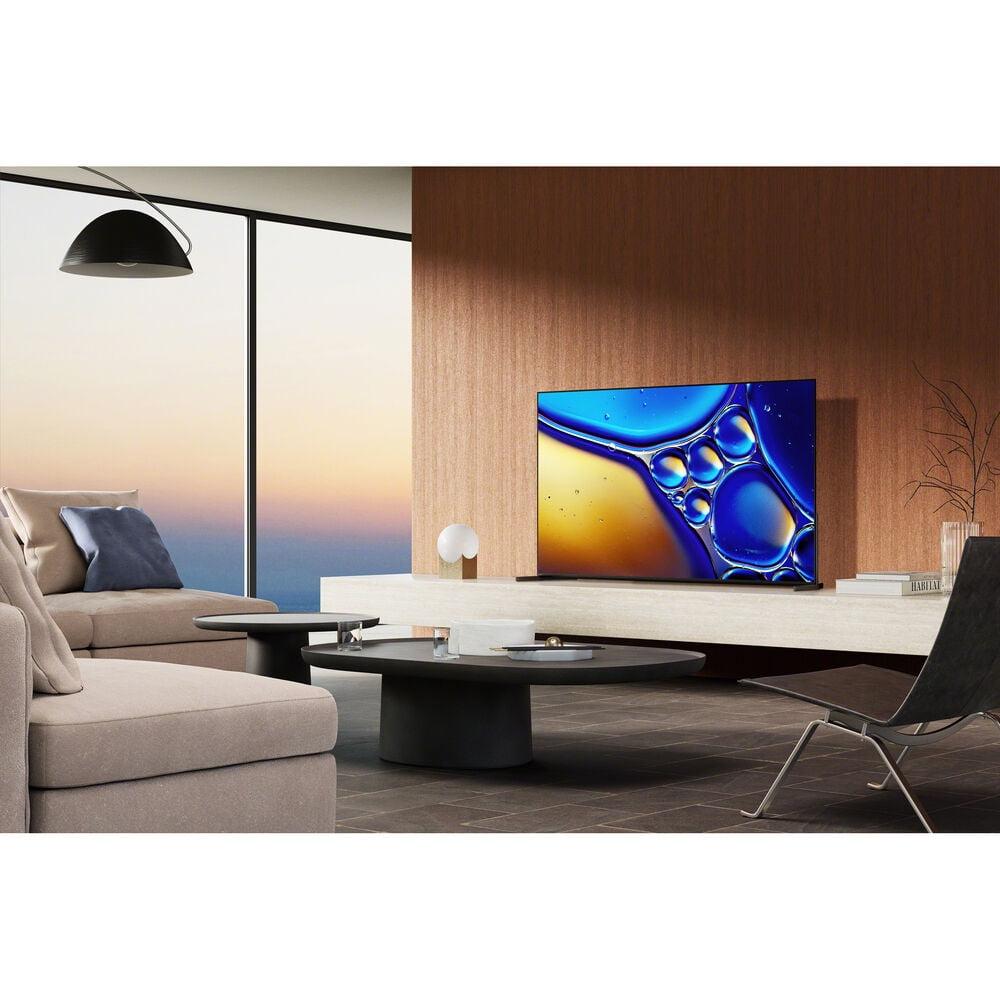
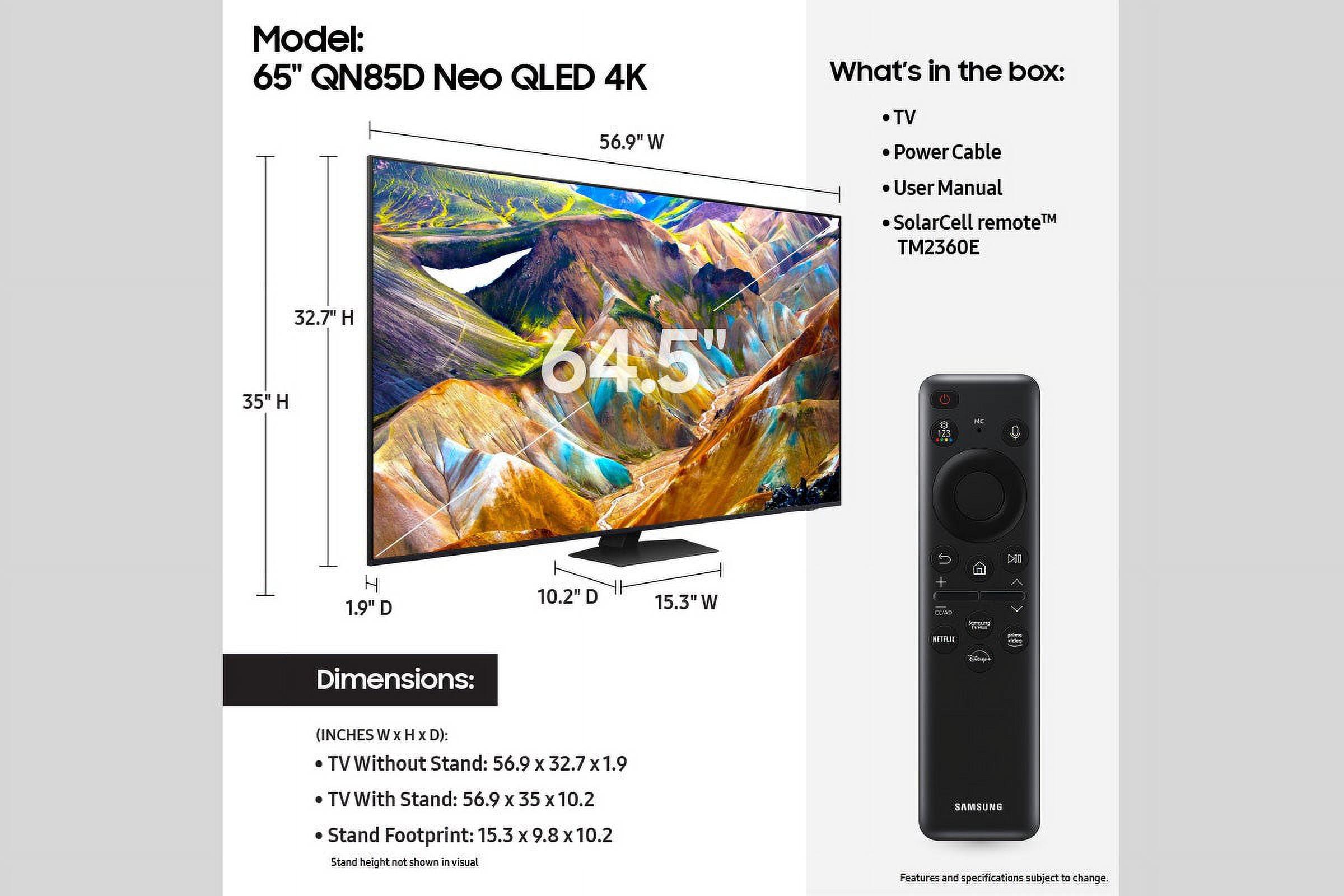
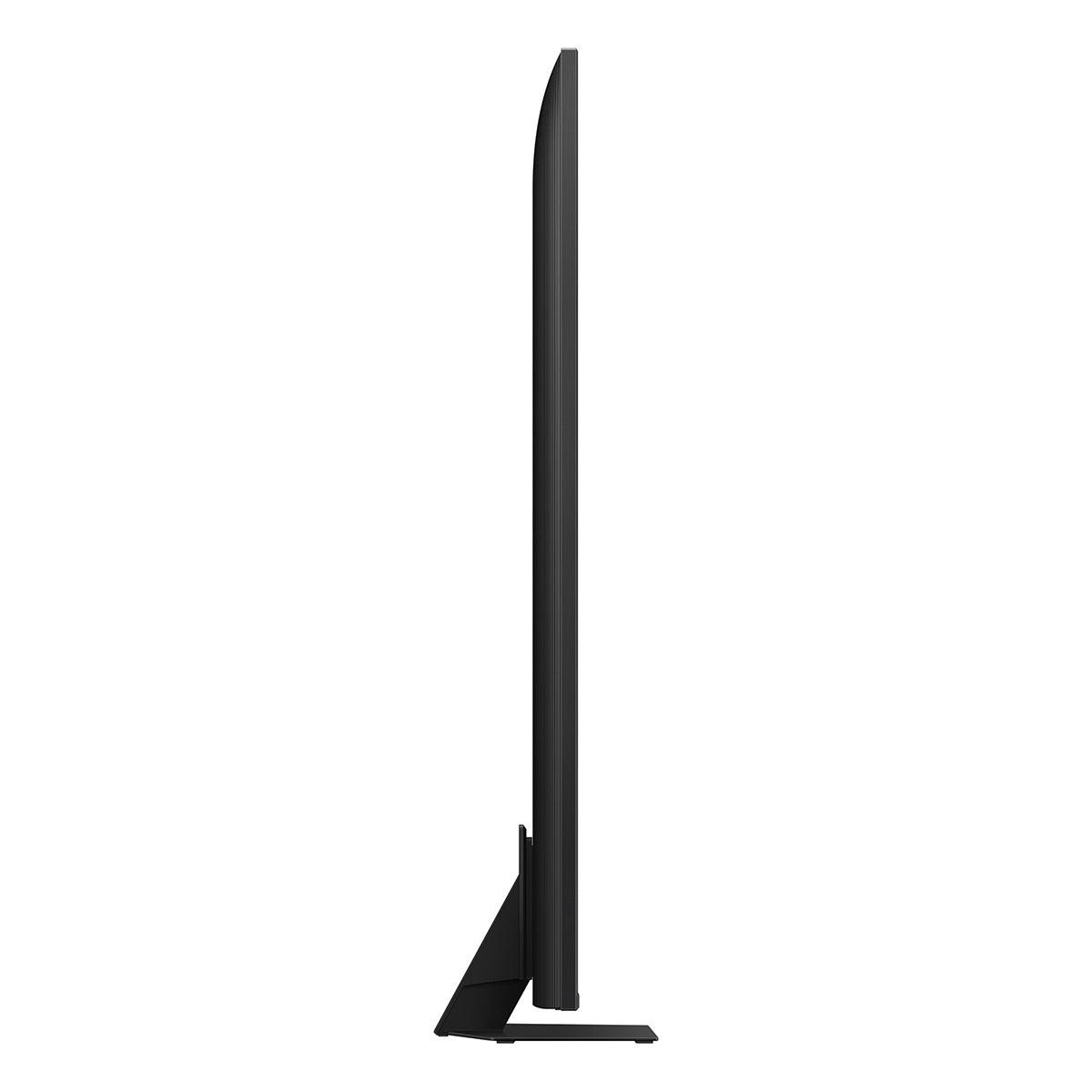
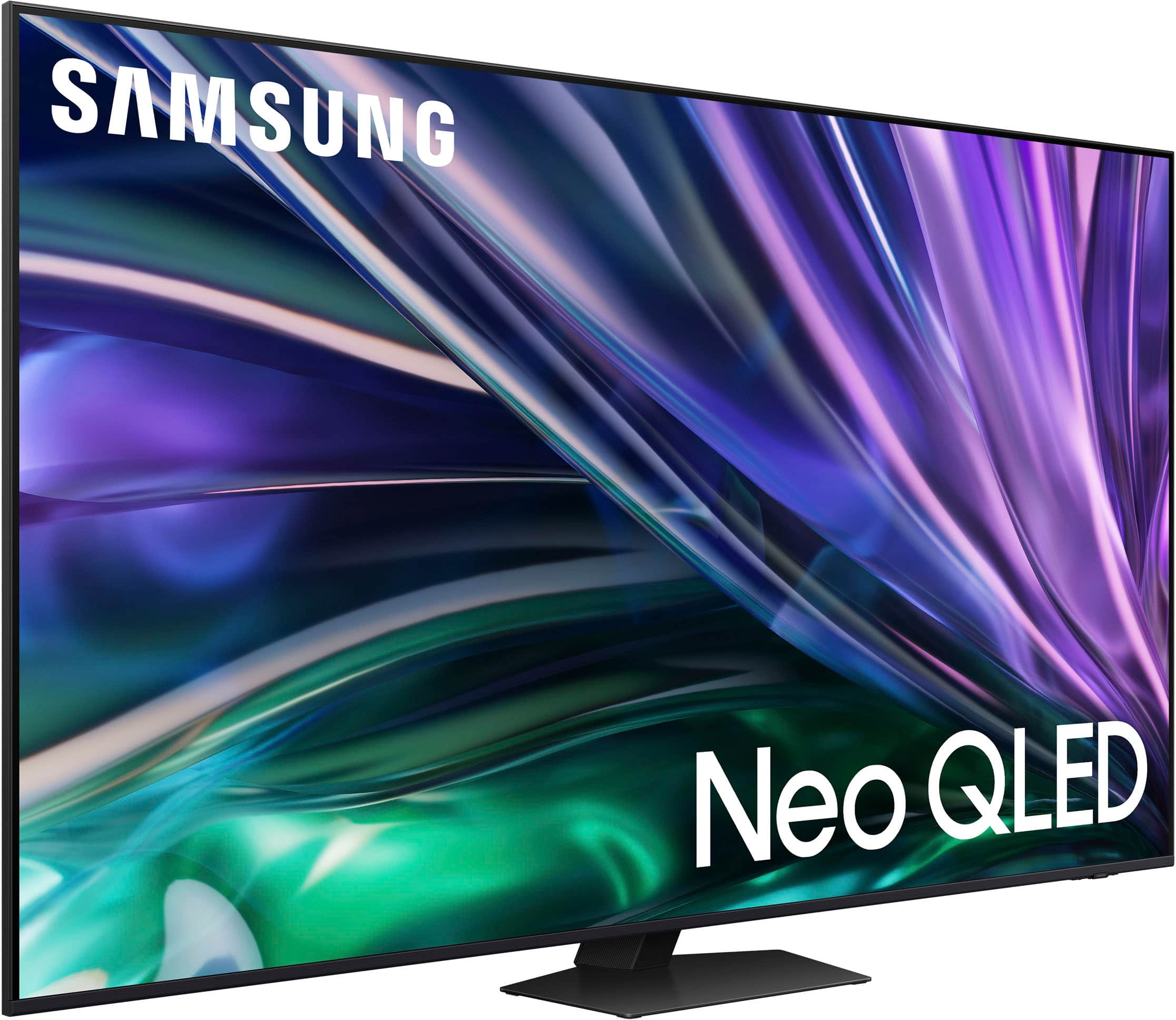

Shopping for a premium 65-inch TV in 2024-2025 means choosing between some truly impressive display technologies. Two standout options are the Sony BRAVIA 8 II 65" QD-OLED, released in early 2025, and the Samsung QN85D Neo QLED, which launched in March 2024. While both deliver excellent 4K performance, they take fundamentally different approaches to creating stunning visuals.
The biggest decision you'll face is between OLED and Mini-LED technology. Think of it like choosing between a precision instrument and a powerful workhorse – both excel, but in different ways. The Sony BRAVIA 8 II represents the cutting edge of OLED evolution, while the Samsung QN85D showcases how far Mini-LED technology has advanced. Understanding these differences will help you pick the TV that best matches your viewing habits and room setup.
Premium 4K TVs have evolved dramatically over the past few years. The Samsung QN85D represents a significant shift from previous QN85 models by switching from an IPS panel to a VA panel, which dramatically improves contrast ratios. Meanwhile, the Sony BRAVIA 8 II builds on Sony's OLED expertise with their new 4th generation QD-OLED panel that's 25% brighter than previous Sony OLEDs.
When evaluating premium TVs, several key factors determine your viewing experience. Peak brightness affects how well HDR content pops and how the TV performs in bright rooms. Color accuracy determines how realistic skin tones and natural scenes appear. Contrast ratio – the difference between the darkest blacks and brightest whites – creates depth and realism in images. Smart platform responsiveness affects daily usability, while gaming features matter increasingly as consoles become more capable.
The technology gap between premium and budget TVs has widened significantly. Features like local dimming (where the TV can brighten or darken specific screen areas independently), advanced processors that analyze content in real-time, and comprehensive HDR support now separate premium models from their cheaper counterparts in meaningful ways.
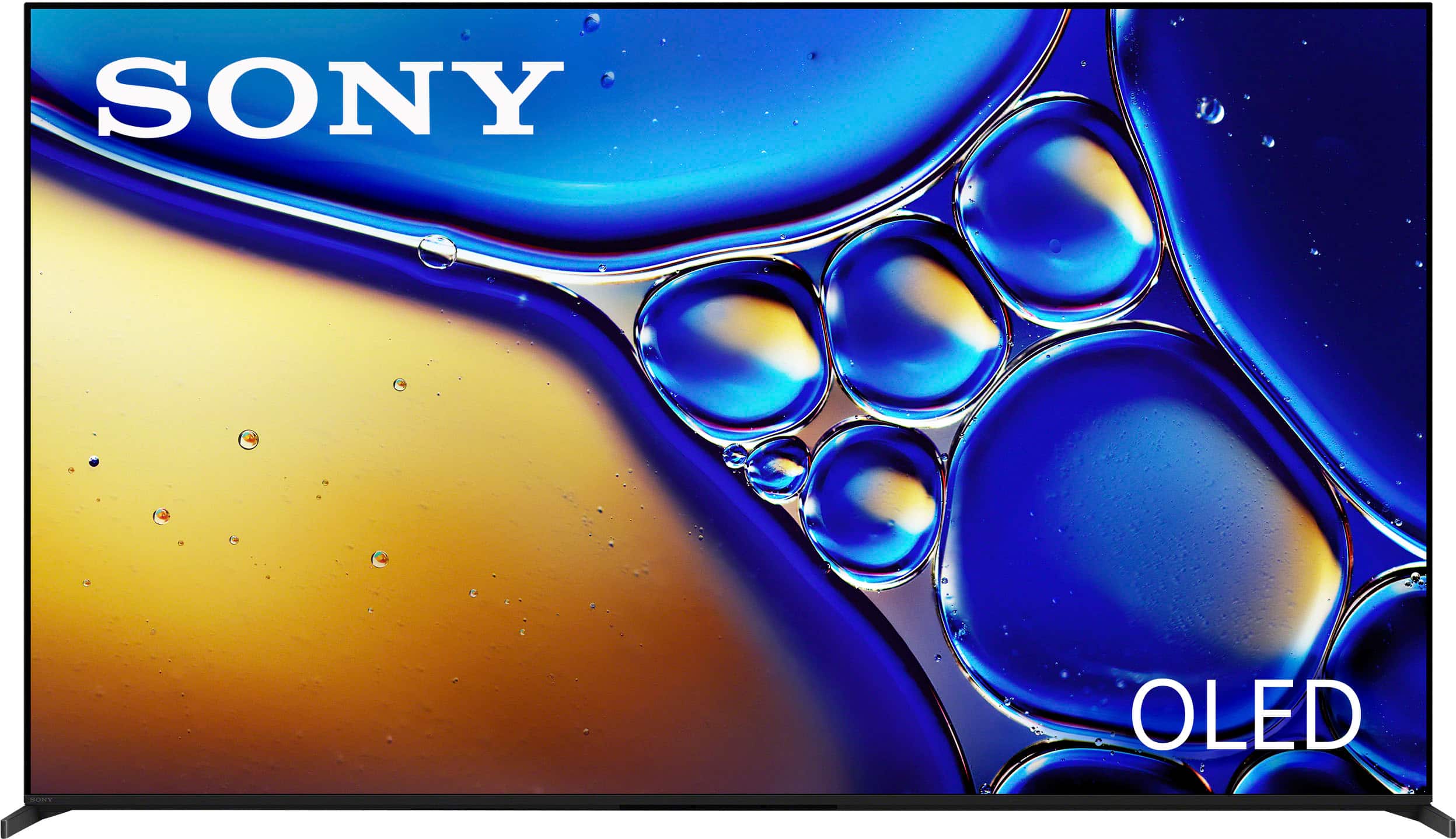
Here's where things get interesting. The Sony BRAVIA 8 II uses QD-OLED technology, which combines quantum dots with organic light-emitting diodes. Each pixel generates its own light and can turn completely off, creating perfect blacks. The quantum dots convert blue OLED light into pure red and green, resulting in more accurate colors than traditional OLED panels.
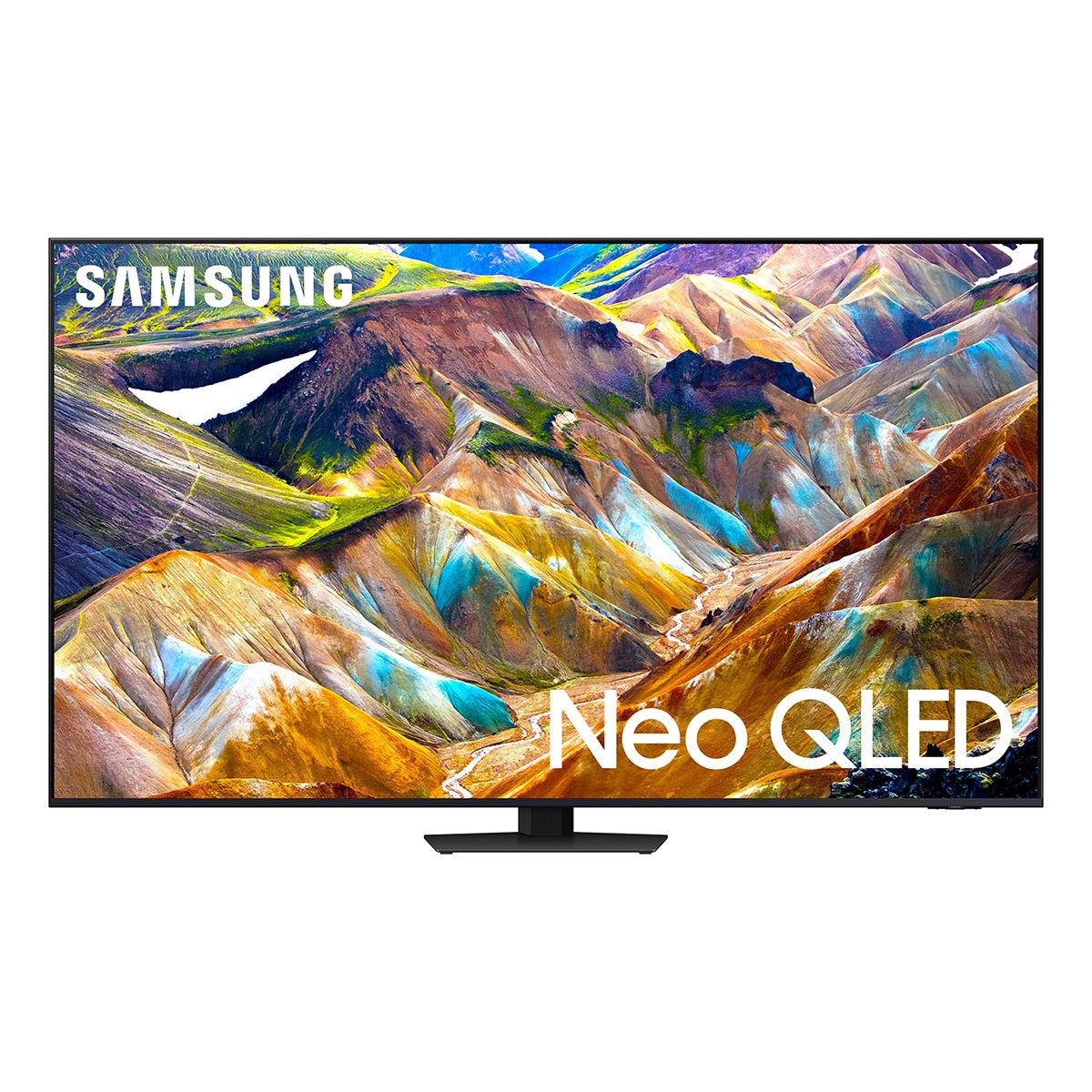
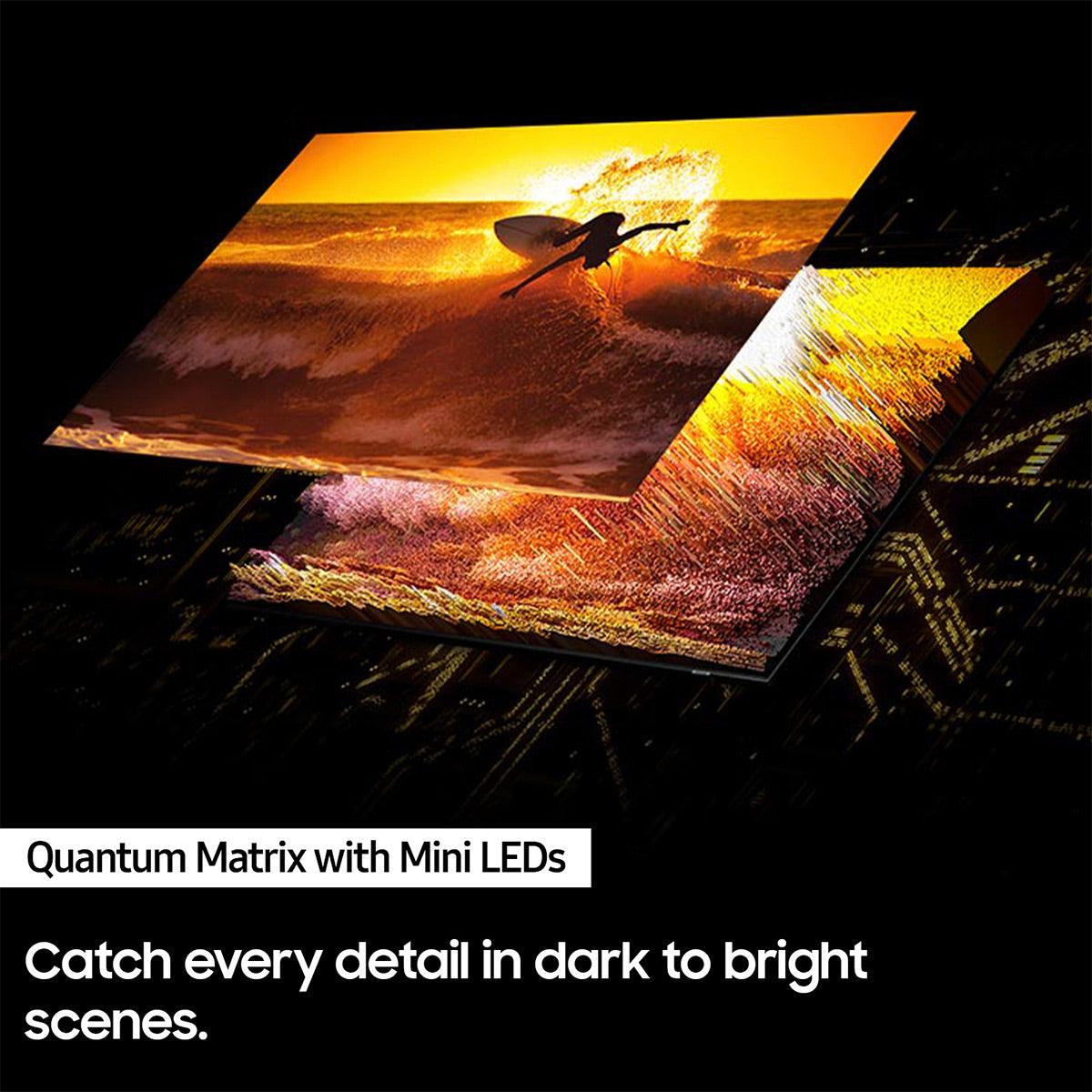
The Samsung QN85D, on the other hand, uses Mini-LED backlighting with quantum dots. Instead of millions of self-lit pixels, it has thousands of tiny LED lights behind the screen that can be controlled in zones. The 65-inch model has 160 dimming zones, which is fewer than some previous Samsung models but still provides excellent local control.
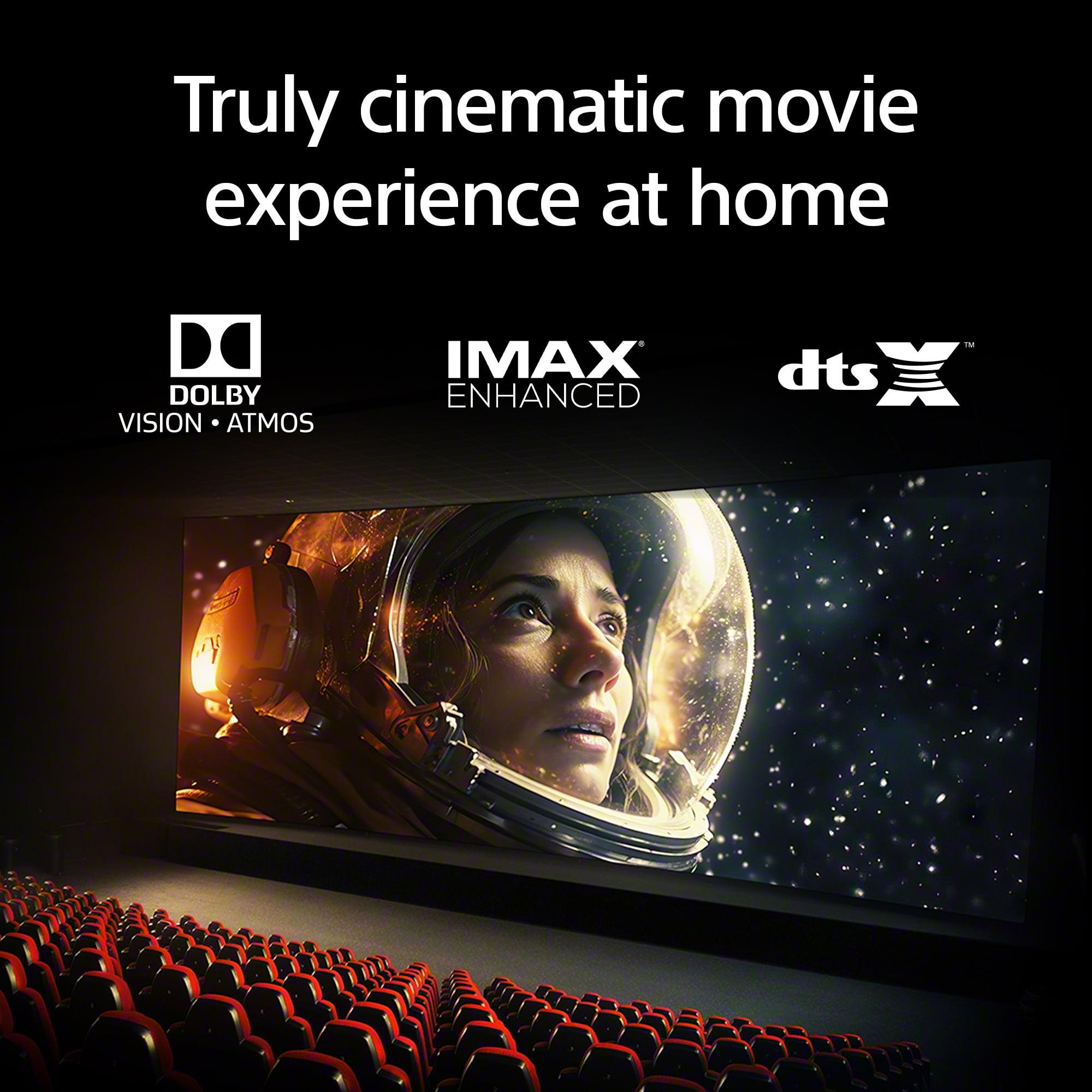
I've spent considerable time with both technologies, and the difference is immediately apparent. OLED delivers that "wow" factor when you first see perfect blacks in a dark movie scene – stars against space look genuinely infinite, with no gray halo around bright objects. Mini-LED can't match this absolute black level, but it compensates with significantly higher brightness that makes HDR content more impactful in normal room lighting.
The Sony's QD-OLED panel represents a major advancement over traditional OLED. Previous Sony OLEDs sometimes struggled with brightness, but this new panel achieves around 1,000 nits peak brightness – enough to make HDR highlights genuinely impressive while maintaining those perfect blacks. The Samsung QN85D can hit over 1,500 nits, making it one of the brighter TVs available and excellent for rooms with lots of ambient light.
Brightness isn't just about numbers – it's about creating believable images. The Samsung QN85D excels here, delivering HDR highlights that genuinely look like real sunlight or explosions. When watching "Top Gun: Maverick" in HDR, the cockpit scenes where sunlight streams through the canopy create an almost uncomfortable brightness that mirrors the real experience.
The Sony BRAVIA 8 II takes a more nuanced approach. While it can't match Samsung's peak brightness, its perfect black levels create incredible contrast. In the same Top Gun scenes, you'll notice more detail in shadows and a more three-dimensional image quality. The OLED technology eliminates the blooming effect you sometimes see with LED TVs, where bright objects create halos of light around them.
For HDR content specifically, both TVs support the major formats, but there's a crucial difference. The Sony supports Dolby Vision, which is increasingly common on Netflix, Disney+, and other streaming services. Dolby Vision provides scene-by-scene metadata that optimizes each frame for the best possible presentation. The Samsung supports HDR10+ instead, which offers similar benefits but isn't as widely adopted by content creators.
Color performance reveals each TV's personality. The Sony BRAVIA 8 II emphasizes accuracy and naturalness. Skin tones look genuinely human, grass appears realistically green, and the overall presentation feels like looking through a window. Sony's XR Triluminos Max technology, combined with quantum dots, covers about 99% of the DCI-P3 color space that movie theaters use.
The Samsung QN85D takes a more aggressive approach with 100% color volume coverage. Colors pop with intensity that can be genuinely exciting – animated movies like "Spider-Man: Into the Spider-Verse" look spectacular with vibrant reds and blues that practically leap off the screen. Some viewers prefer this more saturated look, while others find it less natural than Sony's approach.
Both TVs handle color gradients well, but the OLED has an advantage with subtle color transitions. You'll notice this most in scenes like sunsets, where the Sony can display smooth color transitions without the slight banding that even good LED TVs sometimes show.
This is where the fundamental technology difference becomes most apparent. The Sony BRAVIA 8 II achieves infinite contrast – its blacks are truly black because pixels turn completely off. Watch "Blade Runner 2049" or any space movie, and you'll see the difference immediately. Stars appear to float in genuinely black space, not dark gray.
The Samsung QN85D achieves excellent contrast for an LED TV – around 160,000:1 with local dimming active. This is genuinely impressive and creates deep, satisfying blacks in most content. However, in the darkest scenes, you'll notice some blooming around bright objects and slightly gray blacks compared to OLED.
The practical impact depends on your viewing habits. If you watch a lot of movies in a dark room, the Sony's perfect blacks create a more immersive, theater-like experience. If you watch TV during the day or in a bright room, the Samsung's higher brightness often provides a better overall image.
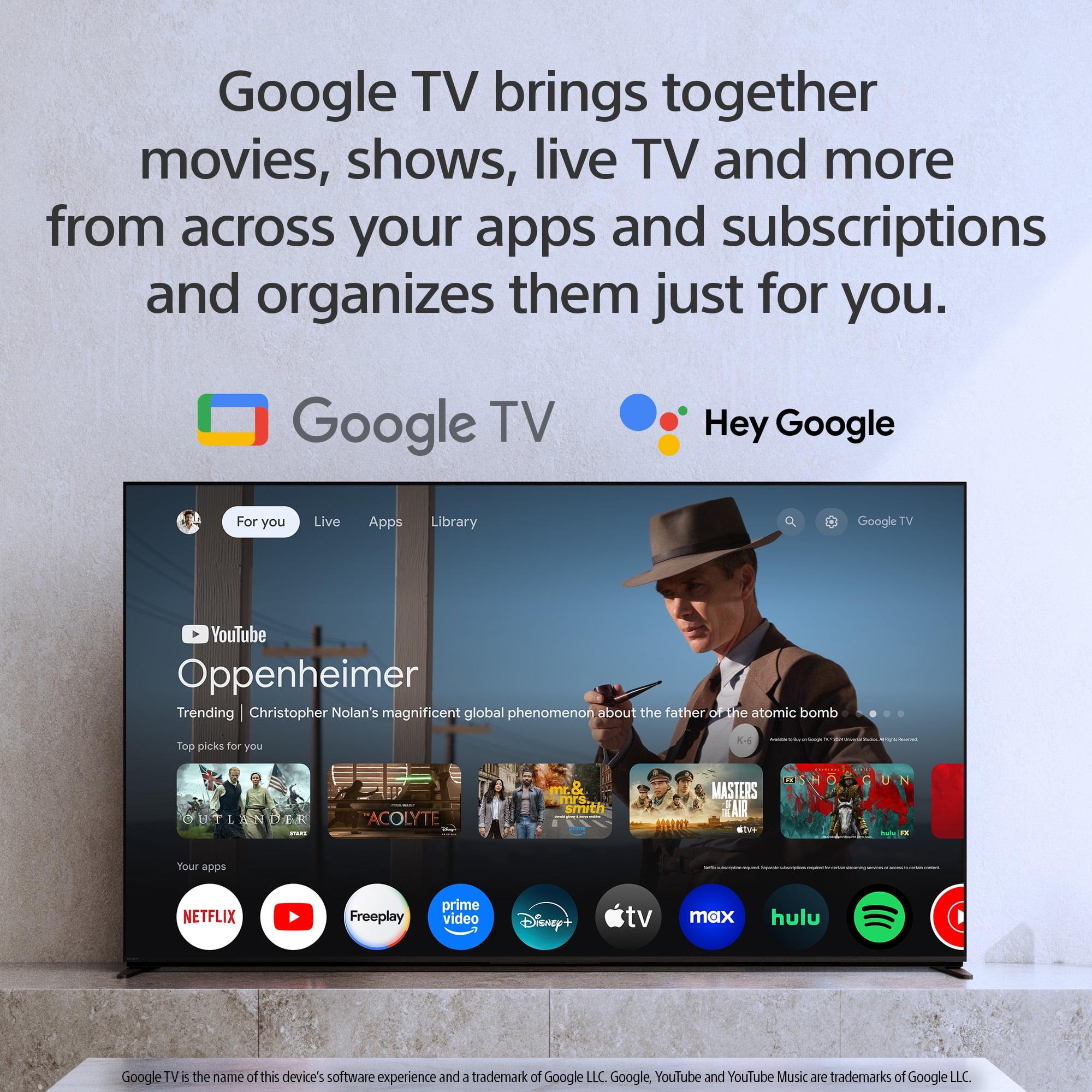
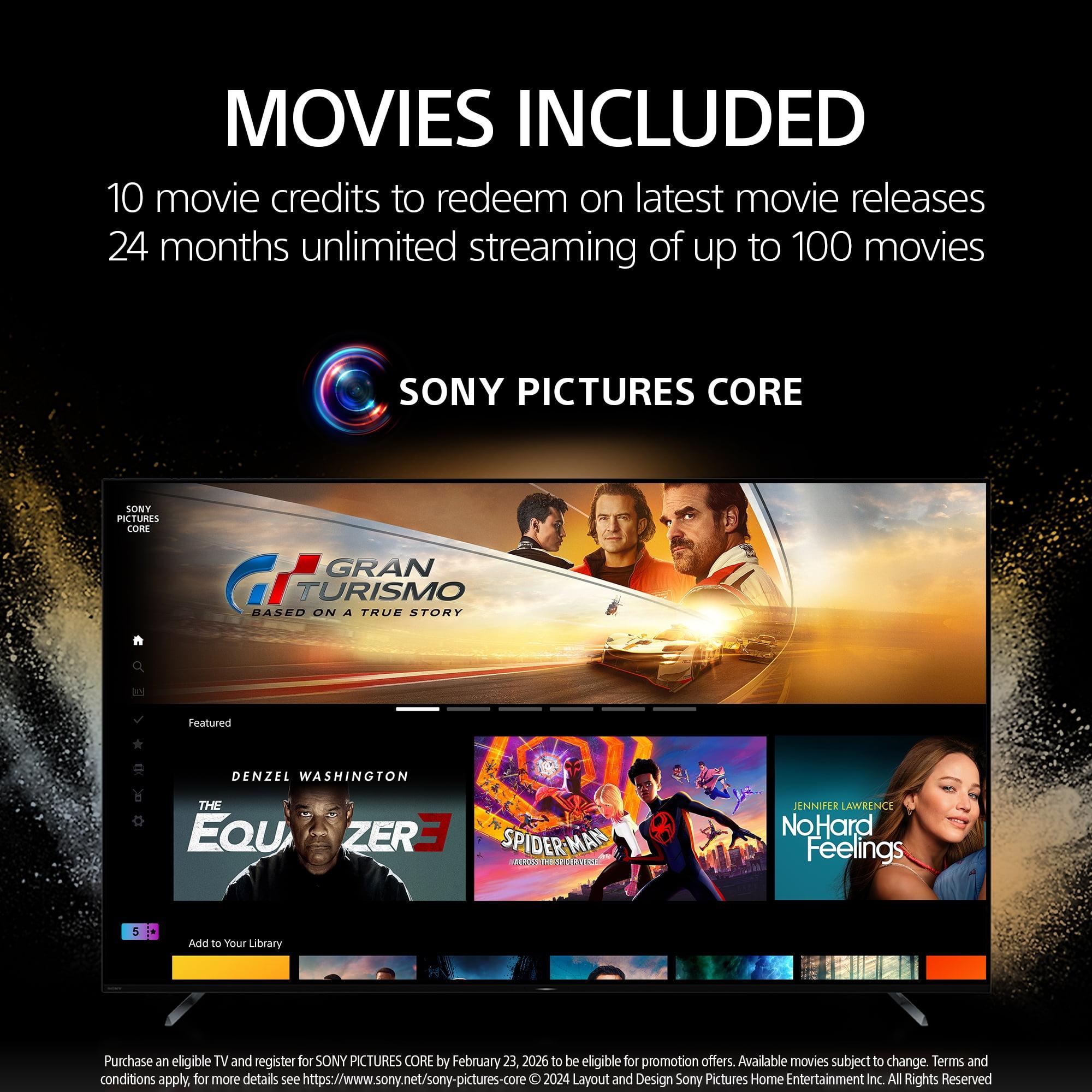
The software experience affects daily usability more than many buyers realize. The Sony BRAVIA 8 II runs Google TV, which has evolved significantly from earlier Android TV versions. The interface prioritizes content discovery, showing recommendations from multiple streaming services on the home screen. Google Assistant integration works well for voice control, and the Google Play Store provides extensive app selection.
However, Google TV can feel slow at times, especially during initial setup or when switching between apps. The interface also includes more advertising than some users prefer, though it's generally less intrusive than other platforms.
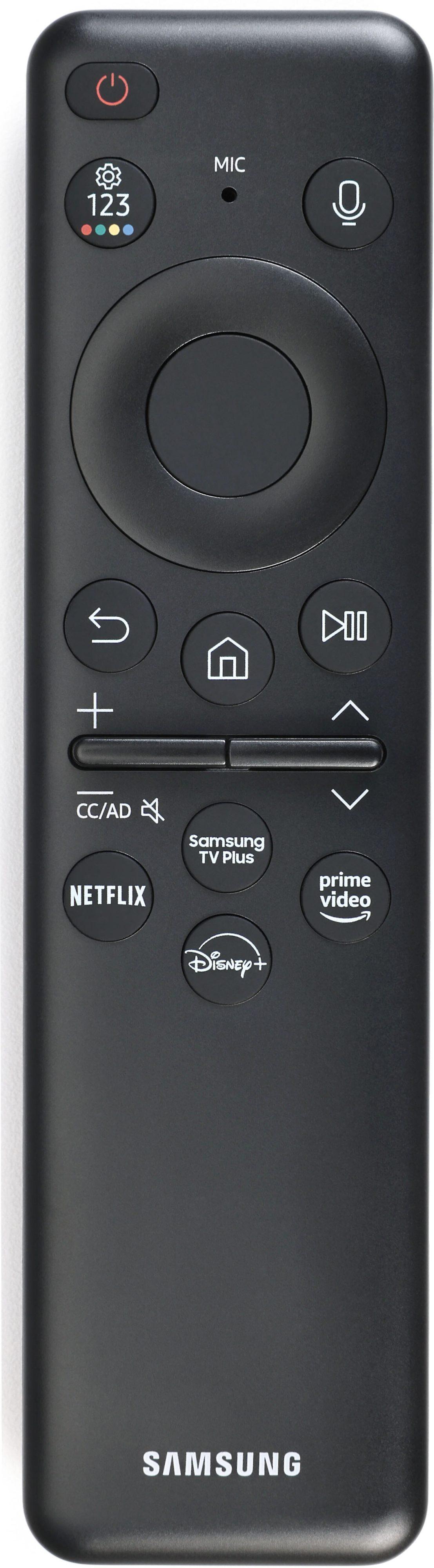
The Samsung QN85D uses Tizen OS, which has become one of the most responsive smart TV platforms available. App switching is nearly instantaneous, and the interface feels polished and intuitive. Samsung's Smart Hub provides easy access to all your content sources, and the TV includes Samsung TV Plus, which offers free streaming channels.
Samsung's platform includes more smart home integration through SmartThings, making it easier to control other connected devices. The Gaming Hub deserves special mention – it provides access to cloud gaming services like Xbox Cloud Gaming and GeForce Now without needing a console.
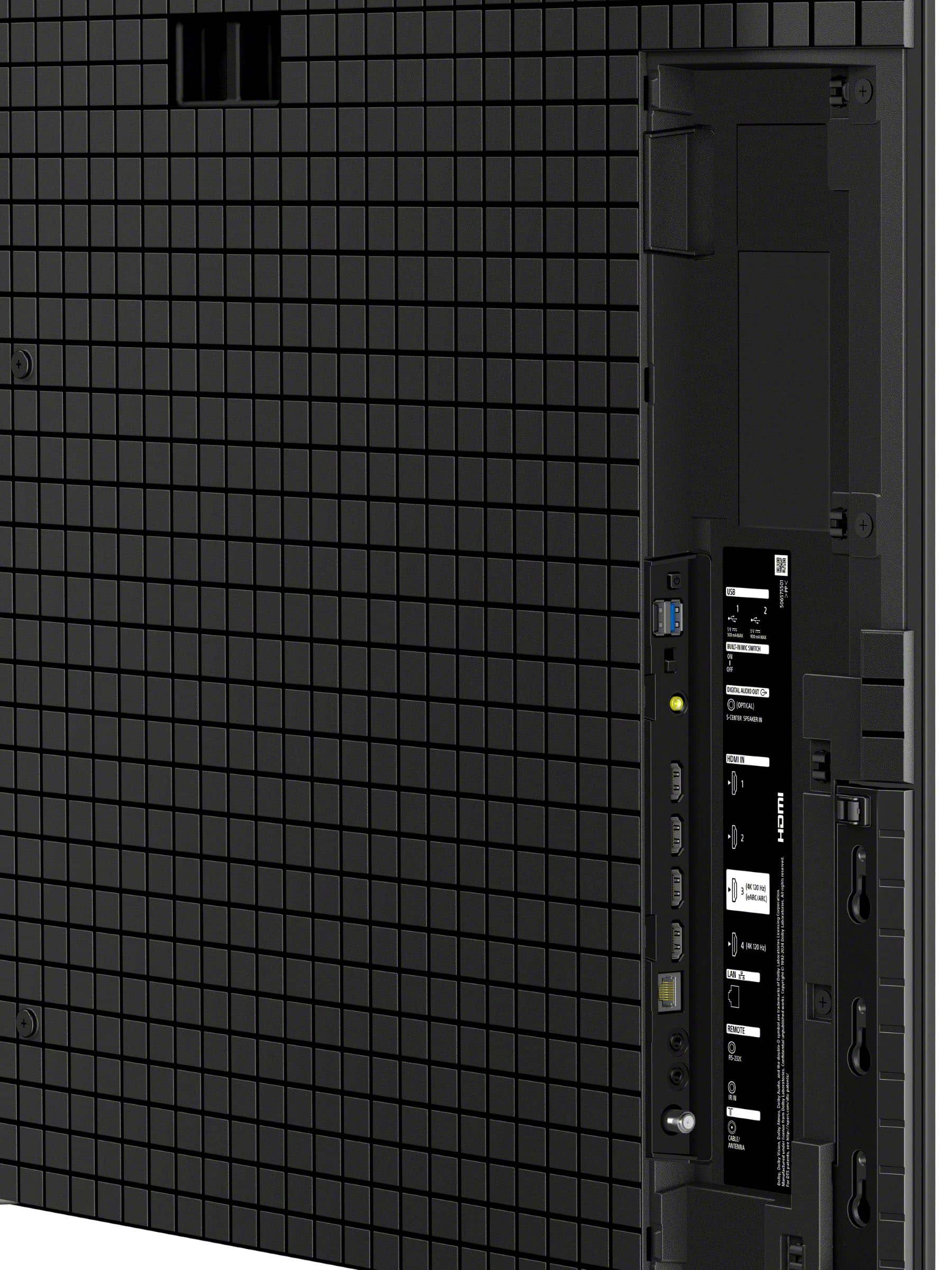
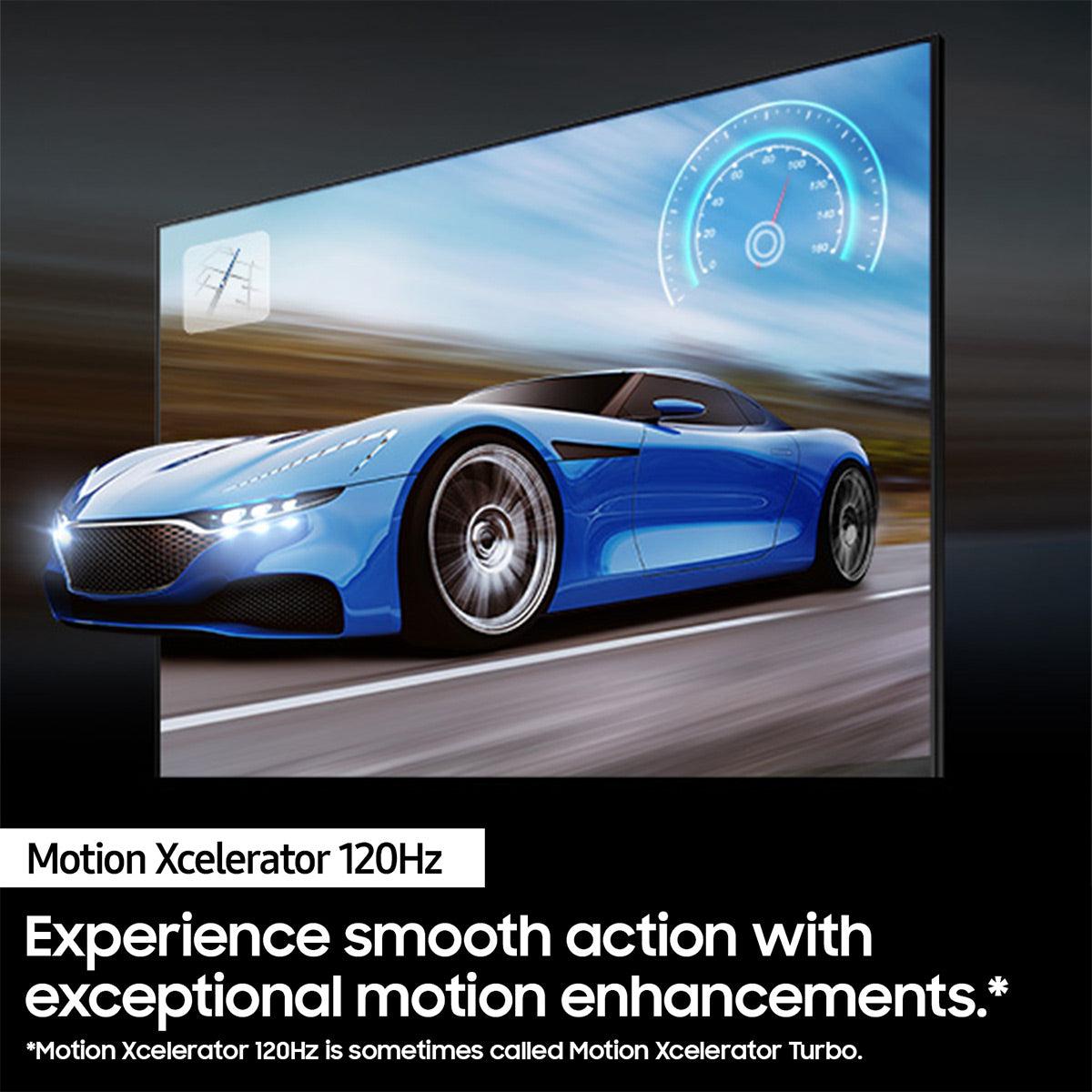
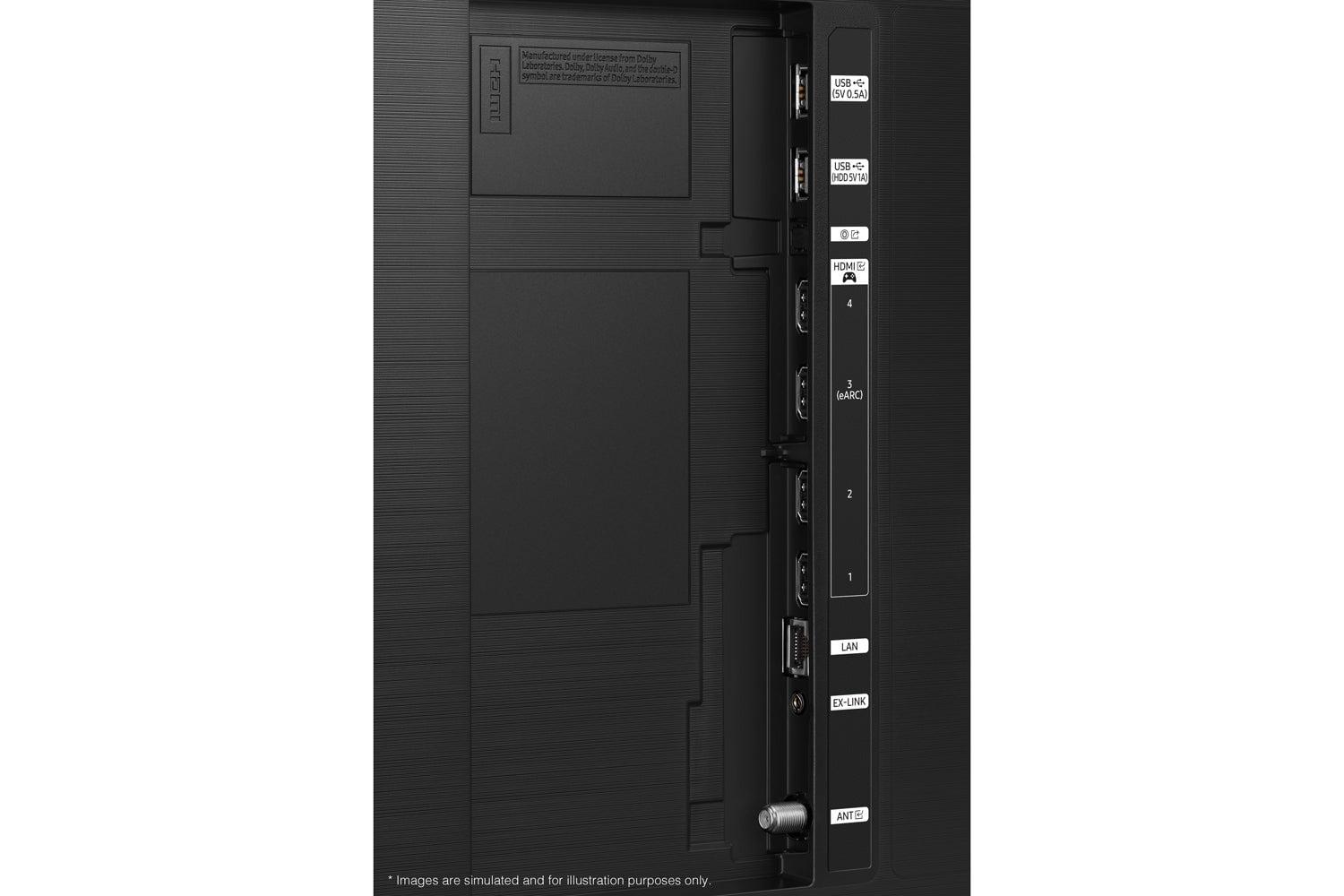
Modern TVs need to handle gaming as well as movies, and both models deliver here, though with different strengths. The Samsung QN85D offers four HDMI 2.1 ports supporting 4K at 120Hz, Variable Refresh Rate (VRR), and Auto Low Latency Mode (ALLM). This makes it ideal for households with multiple gaming consoles or PC gaming setups.
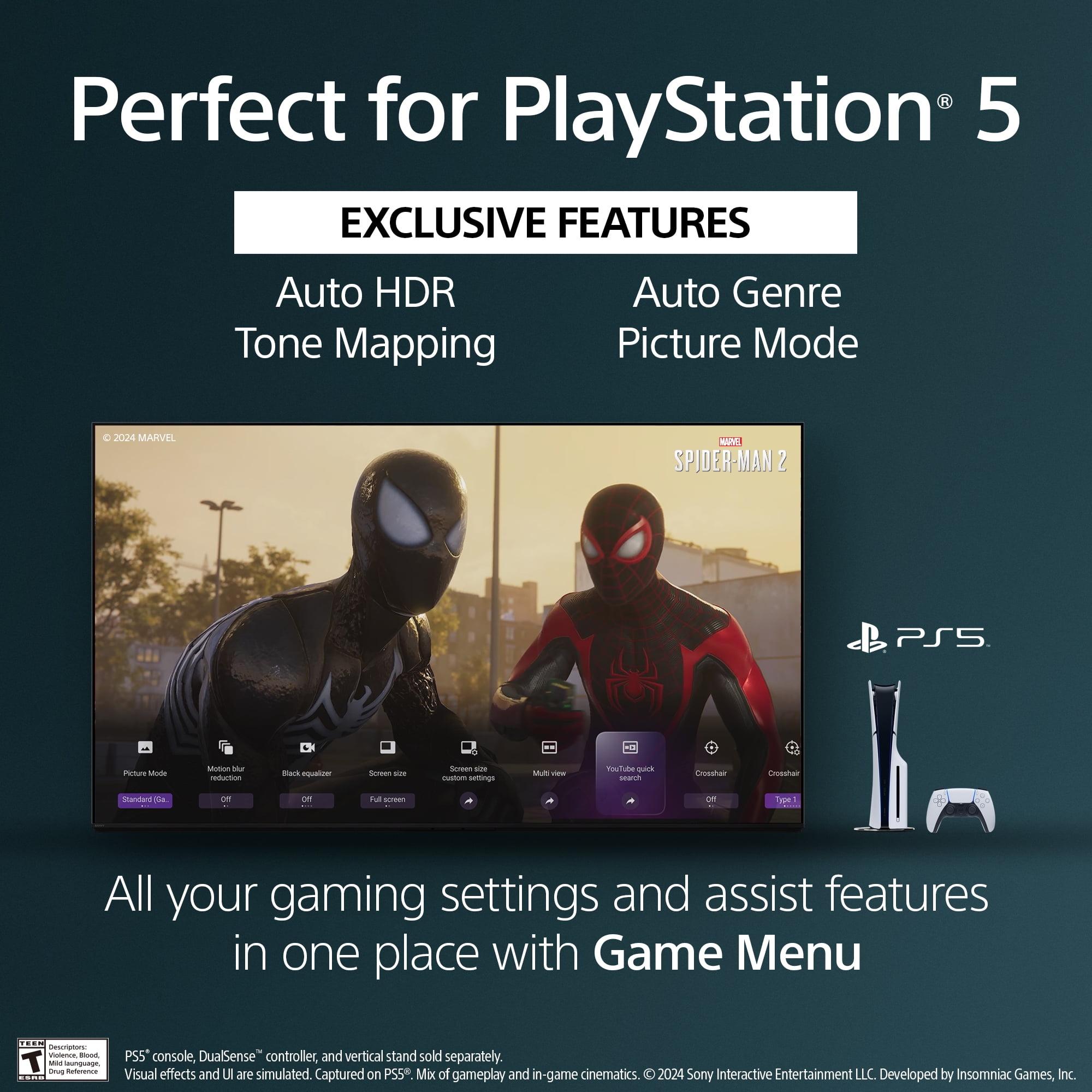
The Sony BRAVIA 8 II provides only two HDMI 2.1 ports, which might limit some setups. However, it includes specific PlayStation 5 optimizations and generally excellent motion handling that benefits all gaming content.
Input lag – the delay between controller input and on-screen response – is crucial for competitive gaming. The Samsung achieves excellent input lag figures, while the Sony is slightly higher but still perfectly acceptable for most gaming scenarios.
For single-player, story-driven games, the Sony's superior contrast and color accuracy create more immersive experiences. Games like "The Last of Us Part II" or "God of War" benefit enormously from perfect blacks and natural colors that make environments feel more realistic.
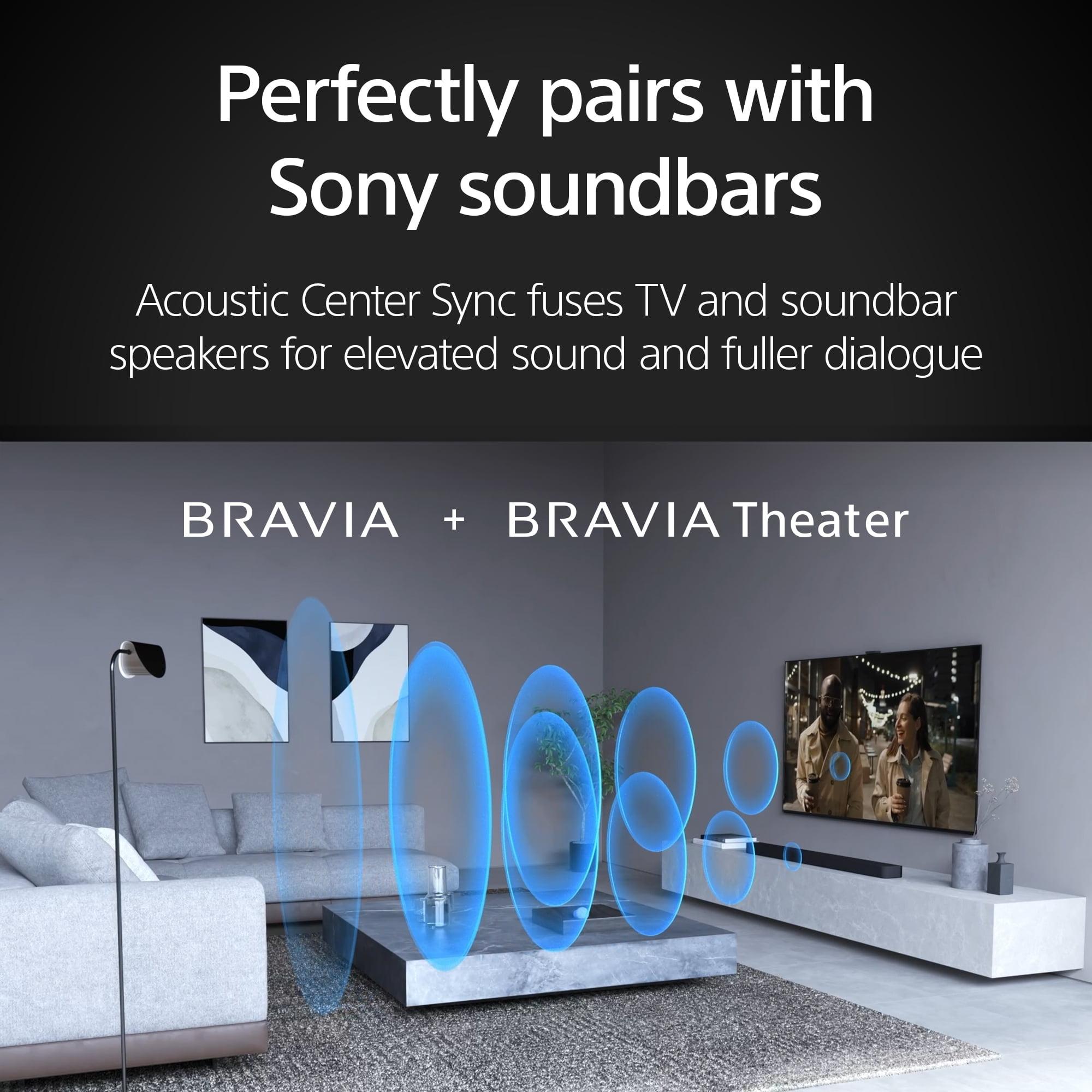
Built-in TV audio has improved dramatically, and both models offer impressive sound for their thin profiles. The Sony BRAVIA 8 II uses Acoustic Surface Audio+, which turns the entire screen into a speaker using actuators behind the panel. This creates sound that appears to come directly from the action on screen – voices seem to emerge from characters' mouths rather than from below or beside the screen.
The audio quality is surprisingly full and detailed for a flat-panel TV. The system includes dual subwoofers and can even function as a center channel when paired with compatible Sony soundbars, creating a more integrated home theater system.
The Samsung QN85D uses Object Tracking Sound with Dolby Atmos processing. While it can't match the unique positioning effects of Sony's screen-as-speaker approach, it delivers clear dialogue and decent bass response. The system does a good job of creating width in the soundstage, though the effect is more conventional.
Both TVs benefit significantly from dedicated soundbars, but the Sony's built-in audio capabilities mean you might be satisfied longer before feeling the need to upgrade.
The Sony BRAVIA 8 II typically retails around $2,000-2,500, positioning it as a premium purchase. You're paying for cutting-edge OLED technology, superior build quality, and Sony's renowned image processing. The investment makes sense if you prioritize absolute picture quality and plan to use the TV primarily for movies and premium content in a controlled lighting environment.
The Samsung QN85D offers exceptional value around $1,300-1,800, delivering premium features at a more accessible price point. You get excellent brightness, comprehensive gaming features, and solid smart TV capabilities. For most buyers, this represents the sweet spot between performance and affordability.
Long-term reliability considerations differ between technologies. OLED panels can experience burn-in with static content, though modern panels include numerous protections and the risk is lower than many people believe. LED technology like the Samsung's doesn't face burn-in concerns and typically offers excellent longevity.
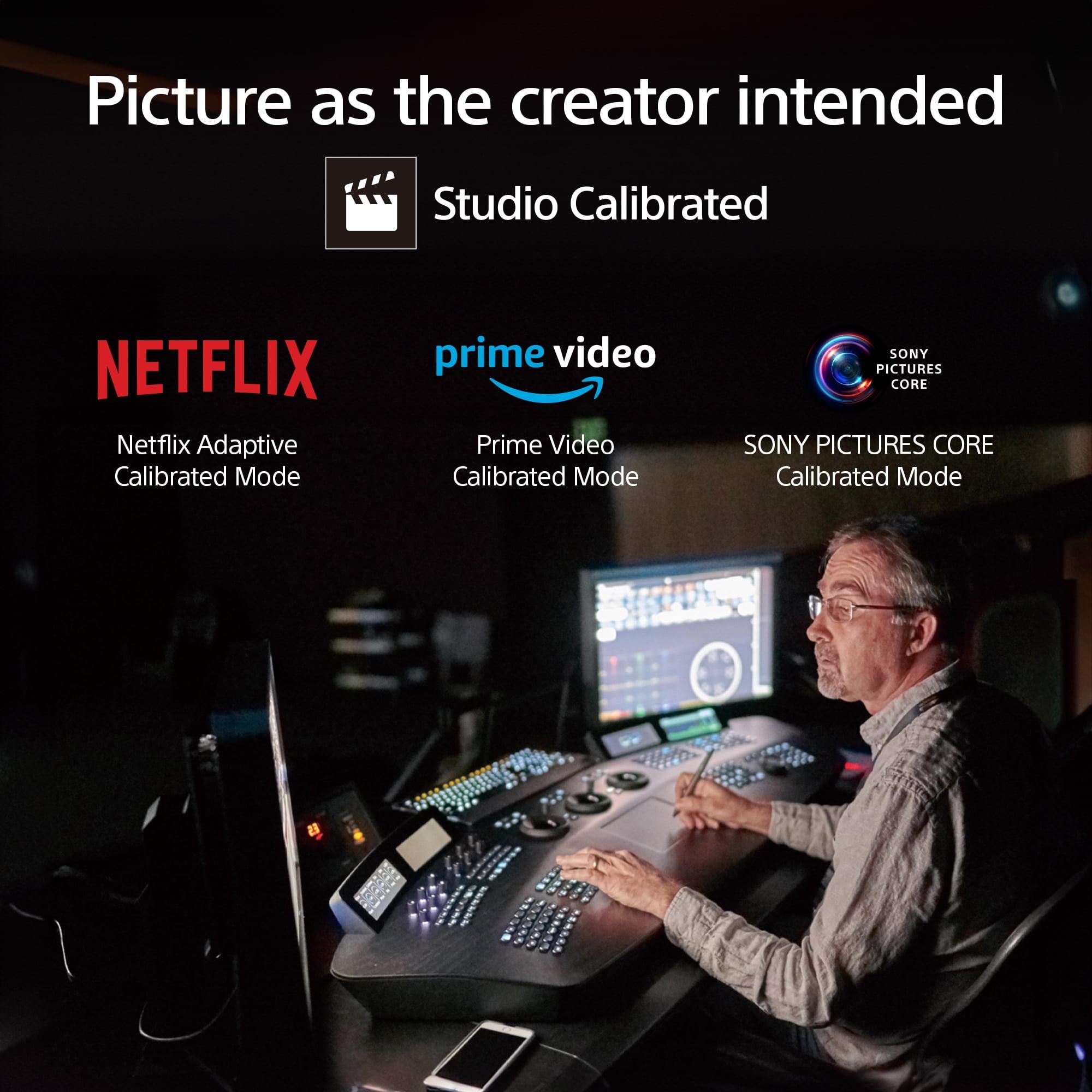
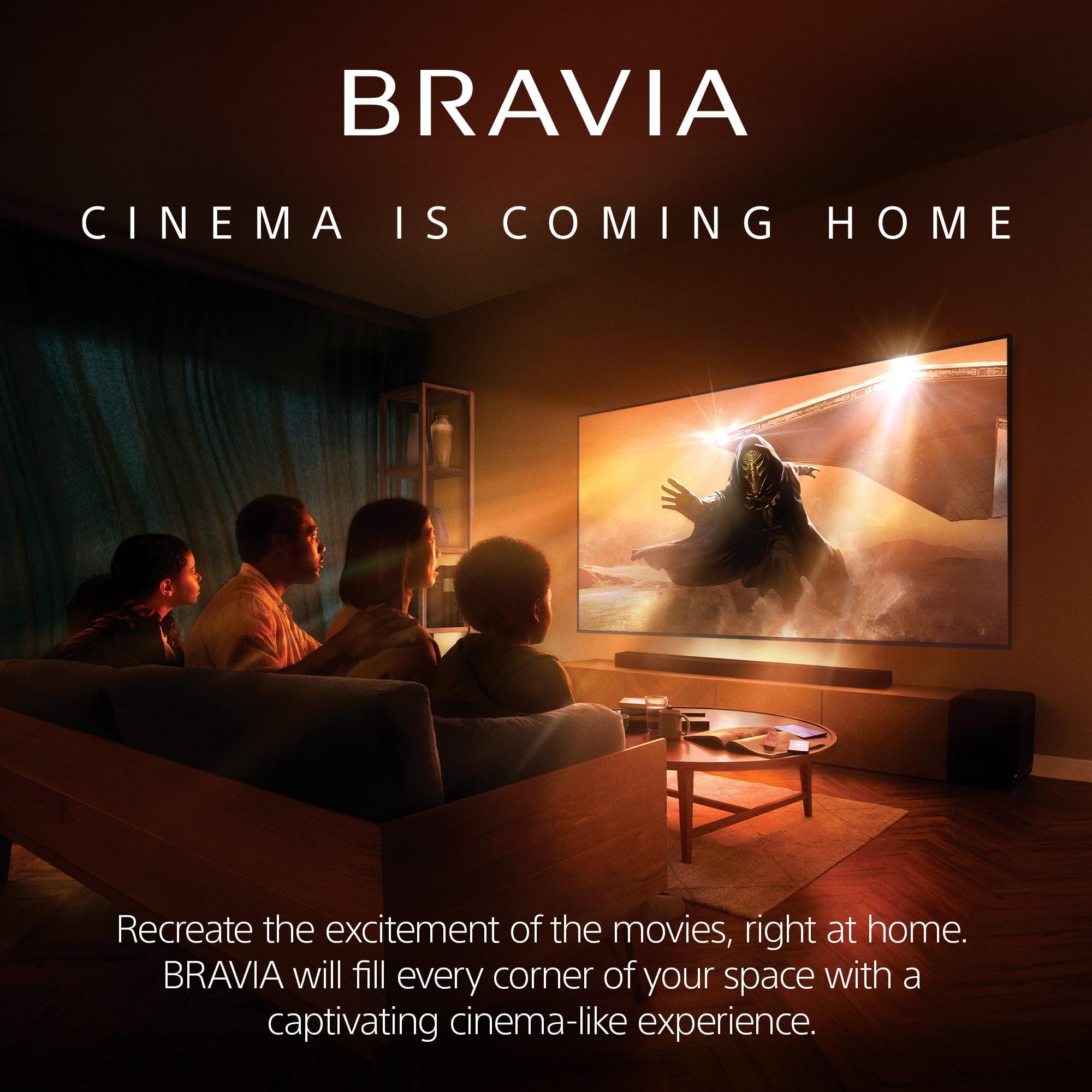
For dedicated home theater use, the Sony BRAVIA 8 II holds significant advantages. The perfect blacks create that cinema-like experience where the screen seems to disappear into the darkness. Combined with Dolby Vision support and accurate colors, it delivers the filmmaker's intended vision more faithfully.
The wide viewing angles of OLED technology also benefit home theater setups where multiple viewers might not be directly centered. Everyone gets the same high-quality image regardless of seating position.
However, if your home theater isn't completely light-controlled or you watch a mix of content types, the Samsung QN85D might serve you better. Its higher brightness handles ambient light more effectively, and the lower price leaves budget for a quality sound system.
Choose the Sony BRAVIA 8 II QD-OLED if you're building a dedicated home theater, prioritize absolute picture quality, watch primarily movies and premium content, have a dark or light-controlled viewing environment, and don't mind paying premium prices for flagship technology.
The Samsung QN85D Neo QLED makes more sense if you need excellent performance in bright rooms, want the best value in the premium segment, game frequently with multiple consoles, prefer vibrant colors over strict accuracy, or need a versatile TV for varied lighting conditions.
Both represent excellent choices that will deliver years of viewing pleasure. The key is matching the TV's strengths to your specific viewing habits and room setup. The Sony delivers an uncompromising premium experience, while the Samsung offers exceptional versatility and value. Either choice will significantly upgrade your viewing experience over older or budget TVs.

Privacy Policy
Terms and Conditions - Affiliate Policy
Home Security
© Copyright 2008-2026.
11816 Inwood Rd #1211, Dallas, TX 75244