

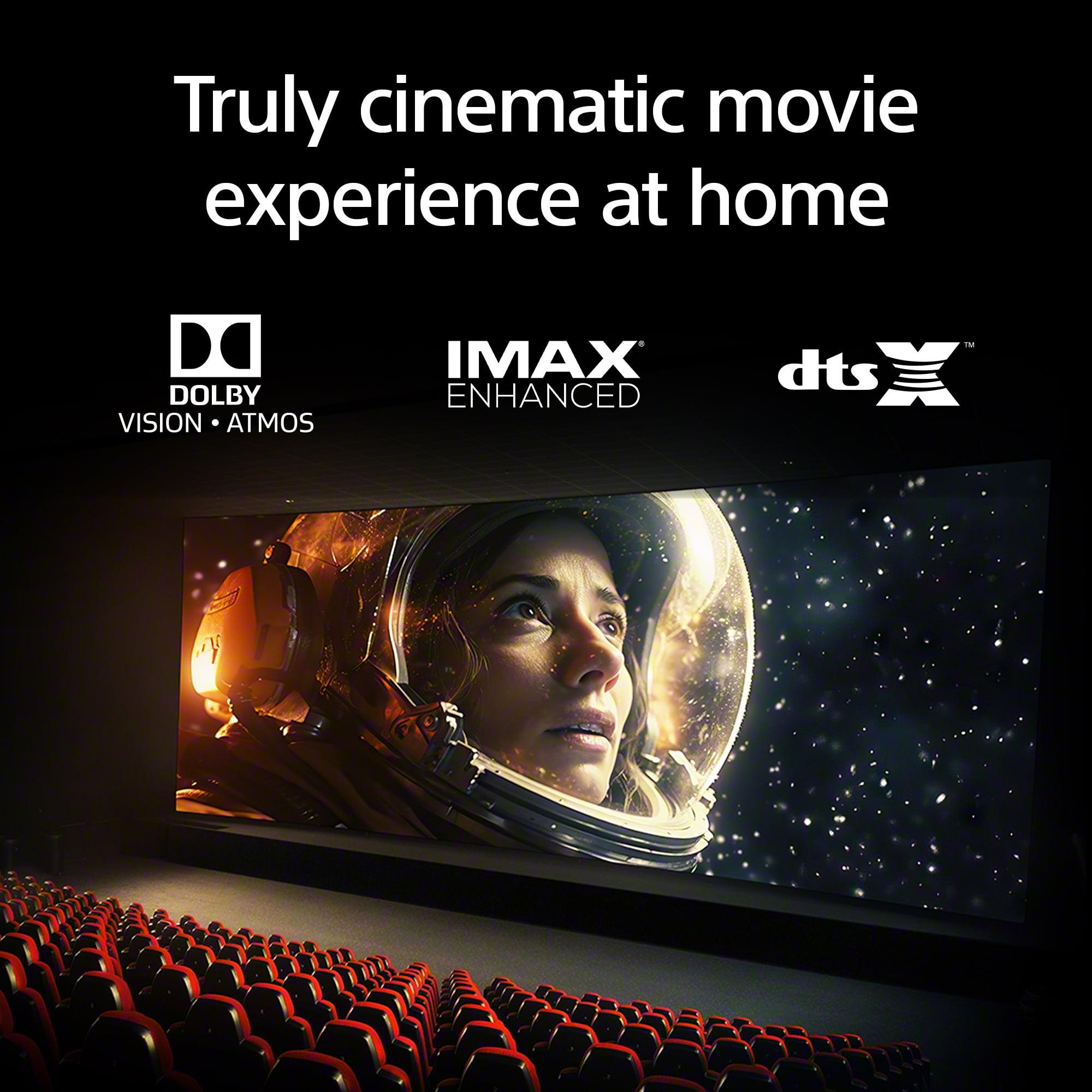
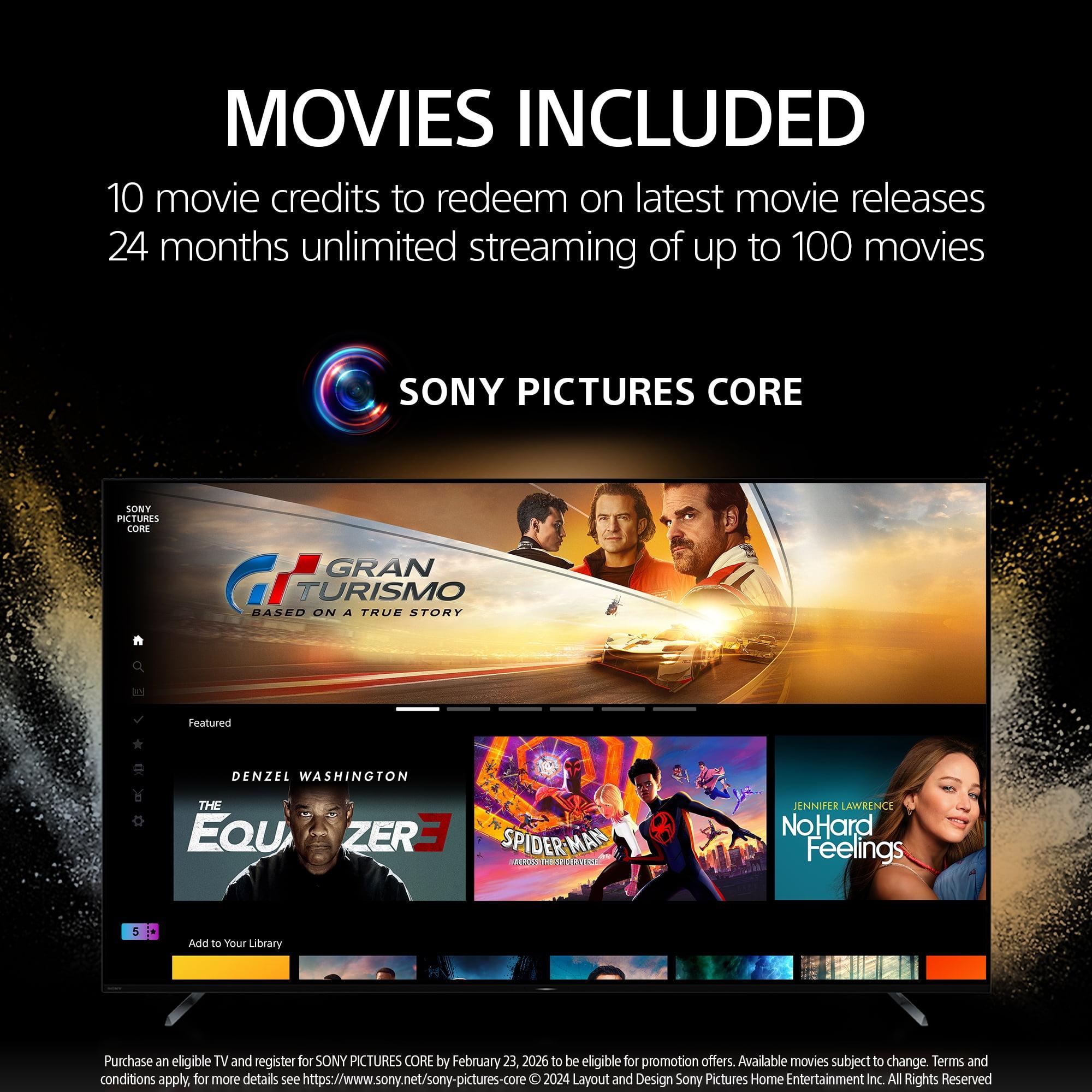
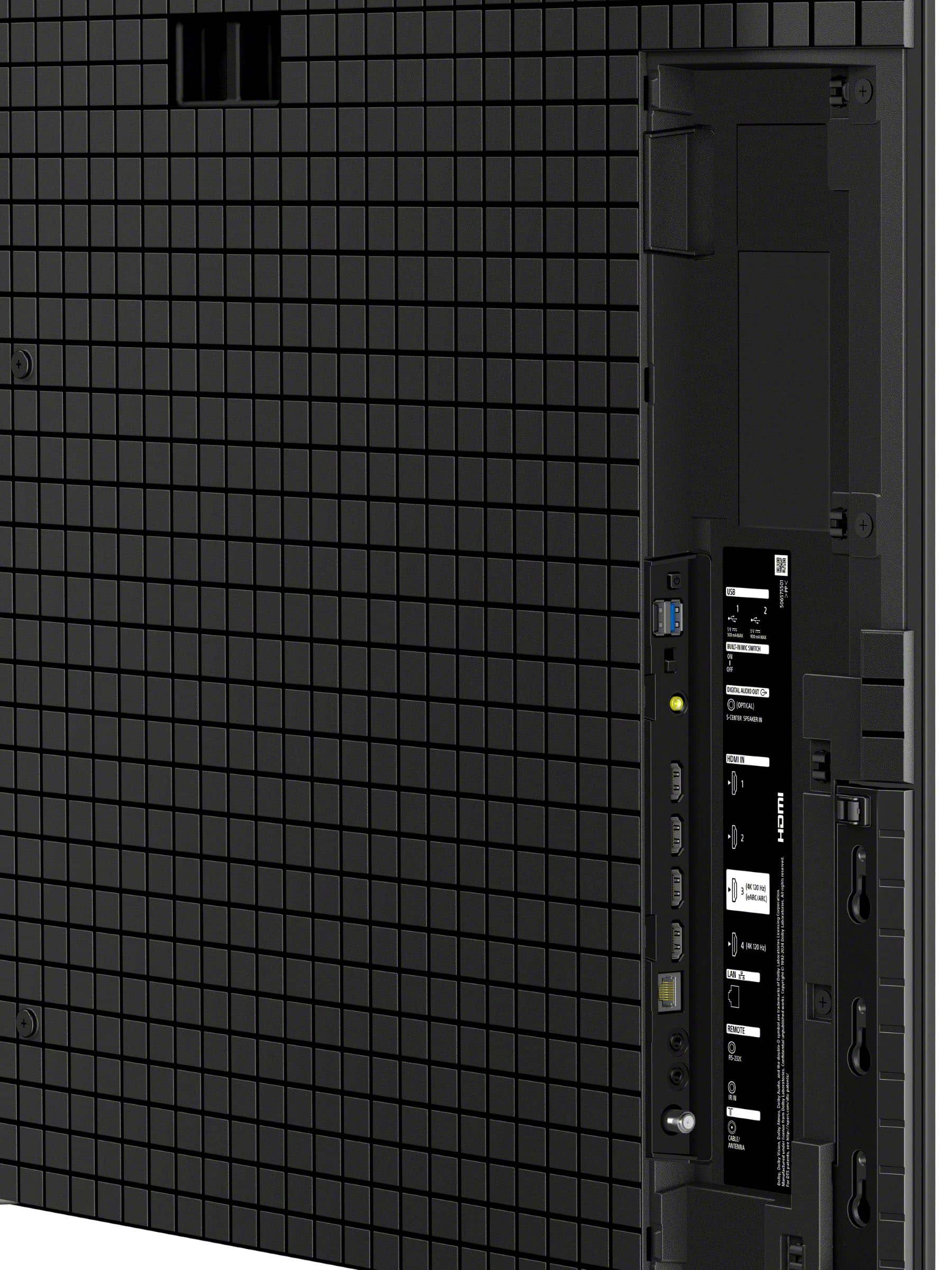
Choosing a premium TV in 2025 feels like navigating a maze of technical jargon and marketing claims. After spending considerable time with both the Samsung 65" QN8F Series QLED and Sony BRAVIA 8 II 65" QD-OLED, I can tell you that while both deliver exceptional experiences, they're designed for fundamentally different viewing preferences and room setups.
The TV landscape has evolved dramatically since these models launched in early 2025. Samsung's focus on AI-driven optimization and affordable premium features contrasts sharply with Sony's pursuit of reference-quality picture performance. Understanding these philosophies helps explain why one costs significantly less than the other—and why that price difference might be worth it depending on your specific needs.
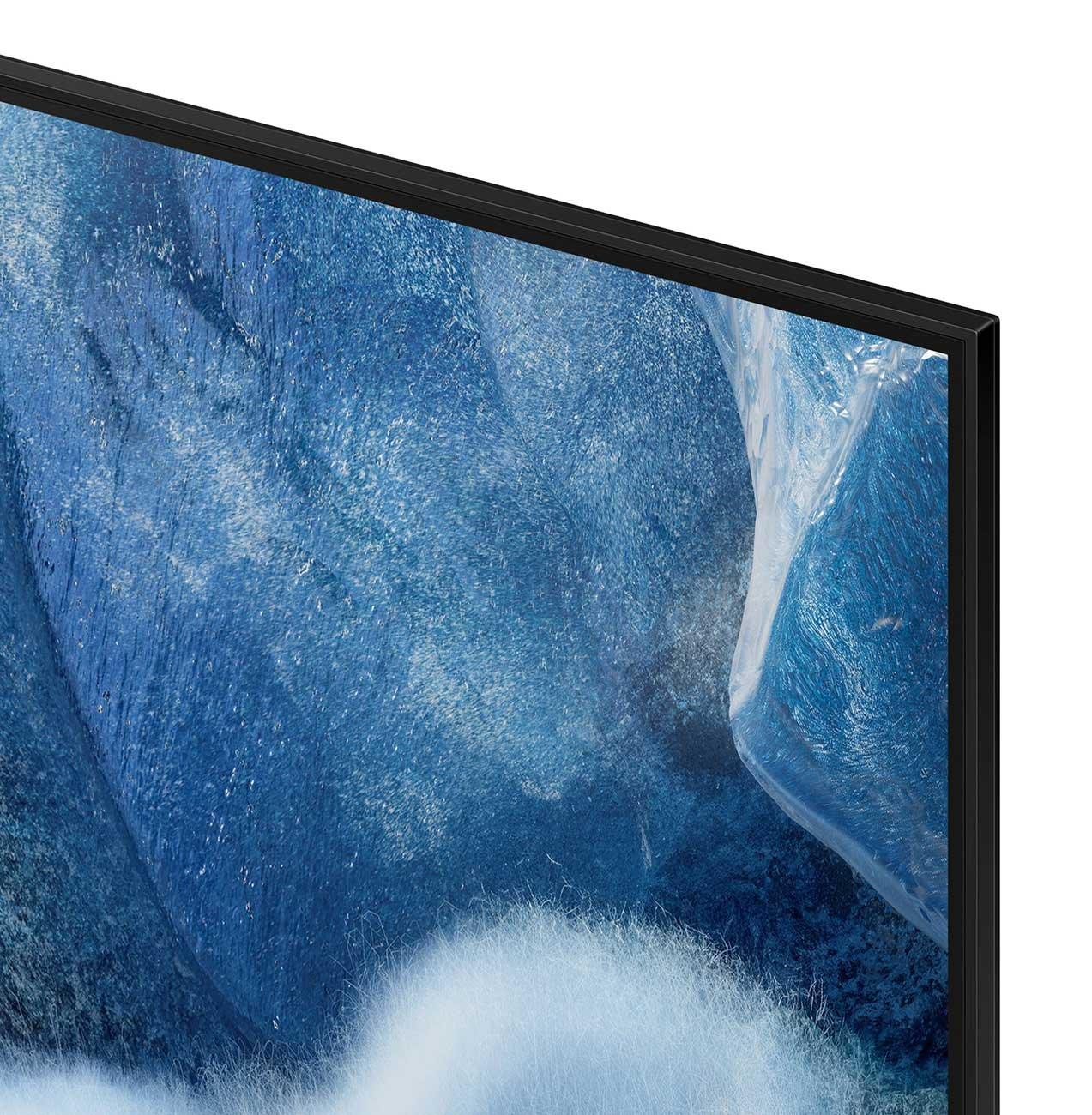
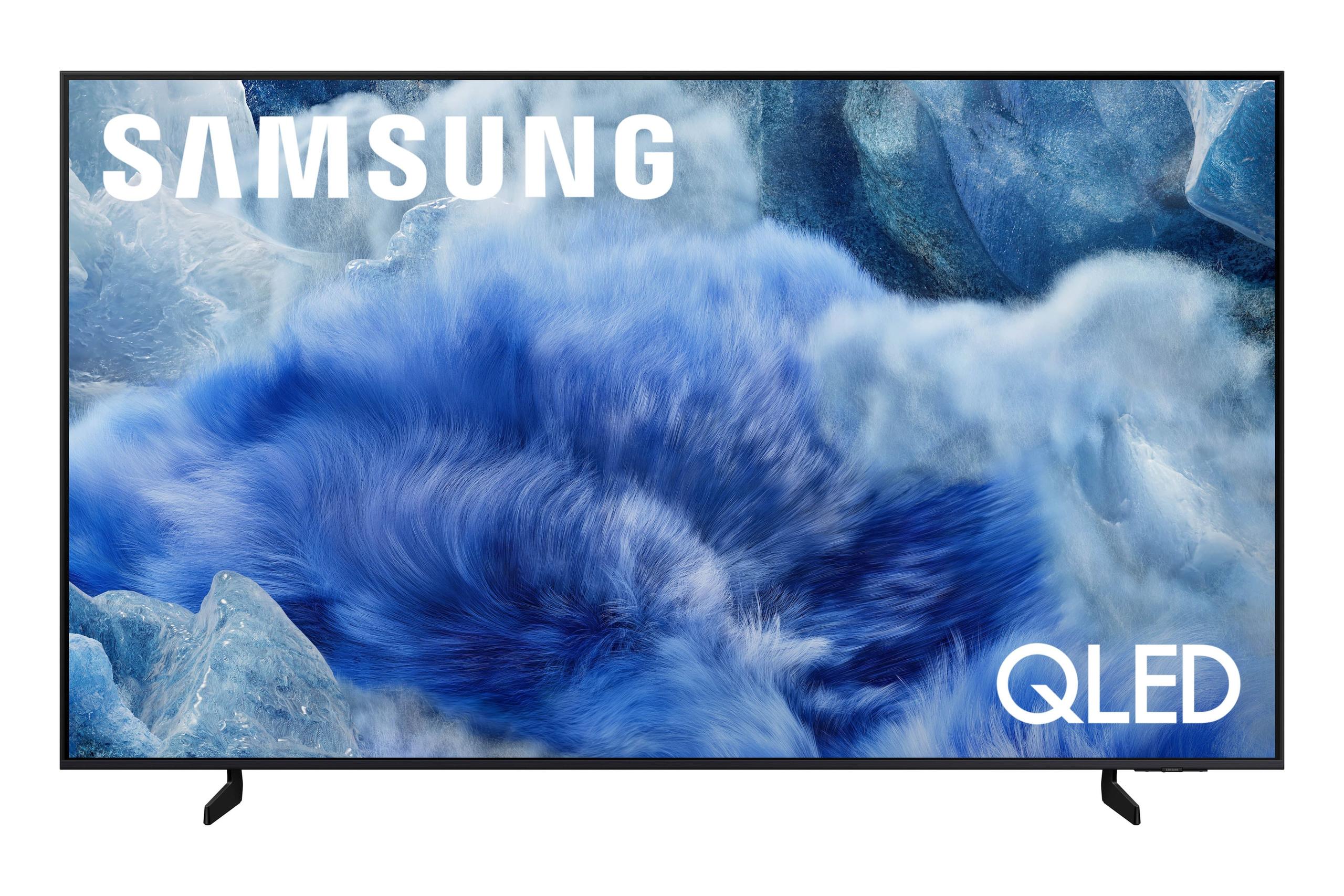
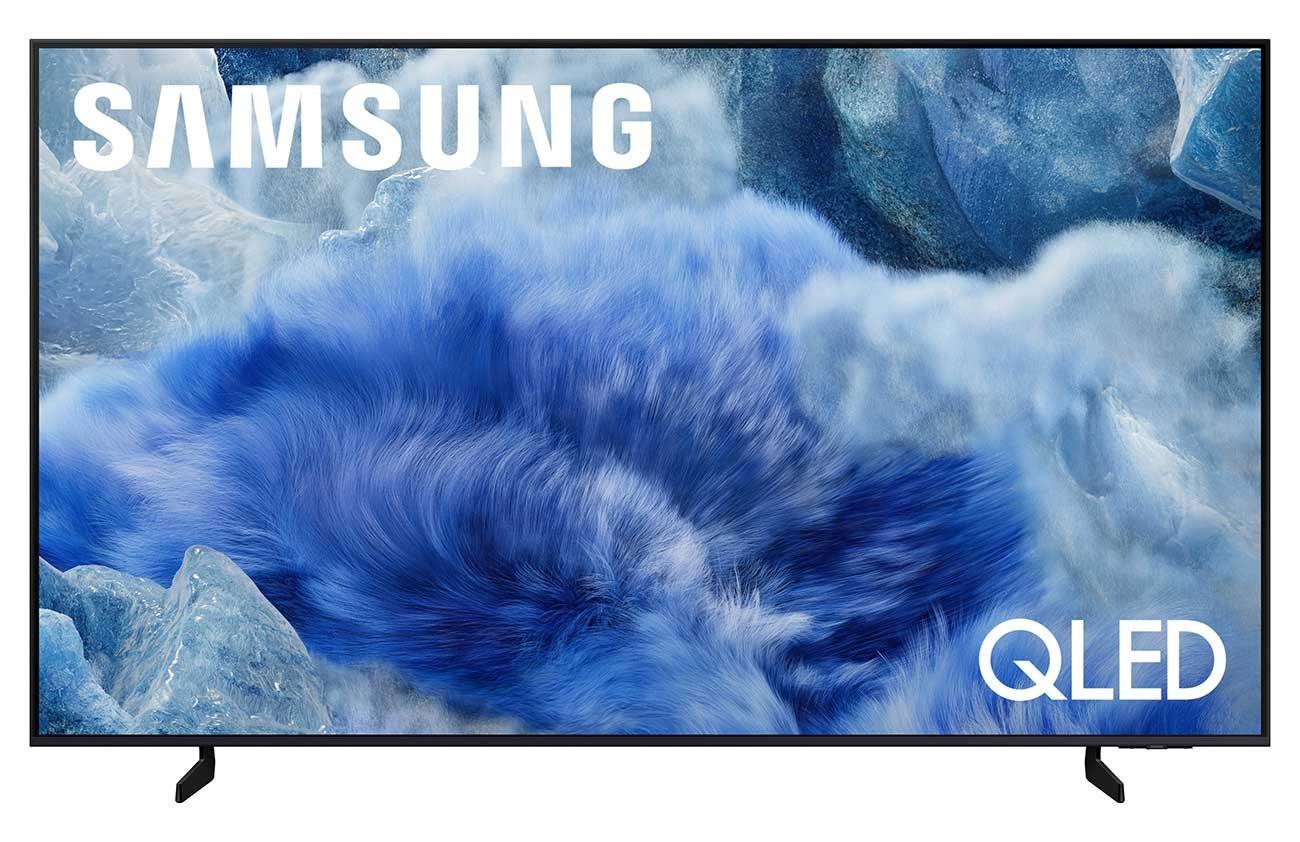
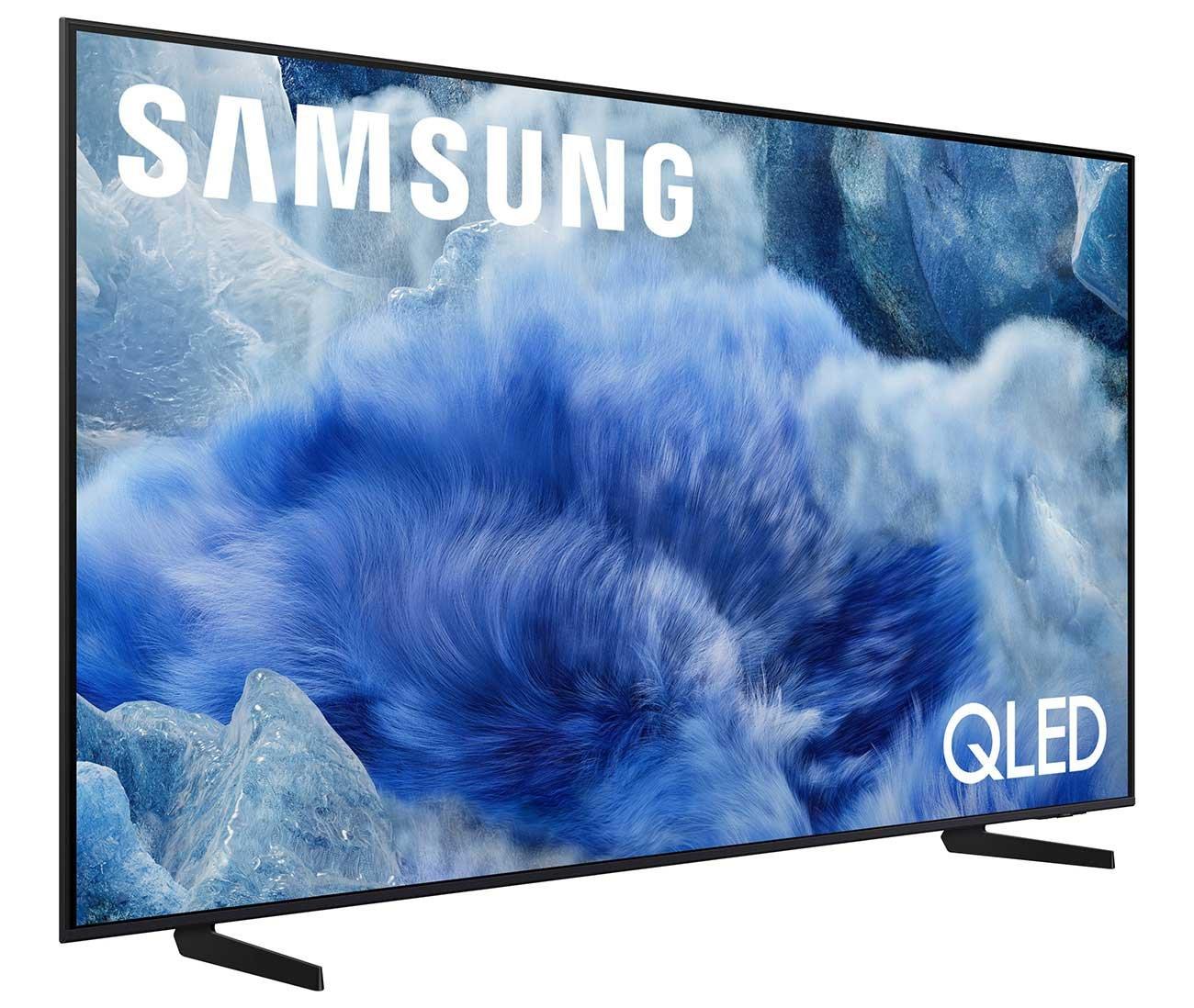
Before diving into specifics, let's clarify what separates these display approaches. The Samsung QN8F uses QLED technology, which stands for Quantum Dot Light Emitting Diode. This sounds complex, but it's essentially a traditional LED TV enhanced with tiny quantum dots—microscopic particles that convert blue LED light into precise red and green colors. Think of quantum dots as incredibly efficient color filters that create more vivid, accurate colors than standard LED TVs.
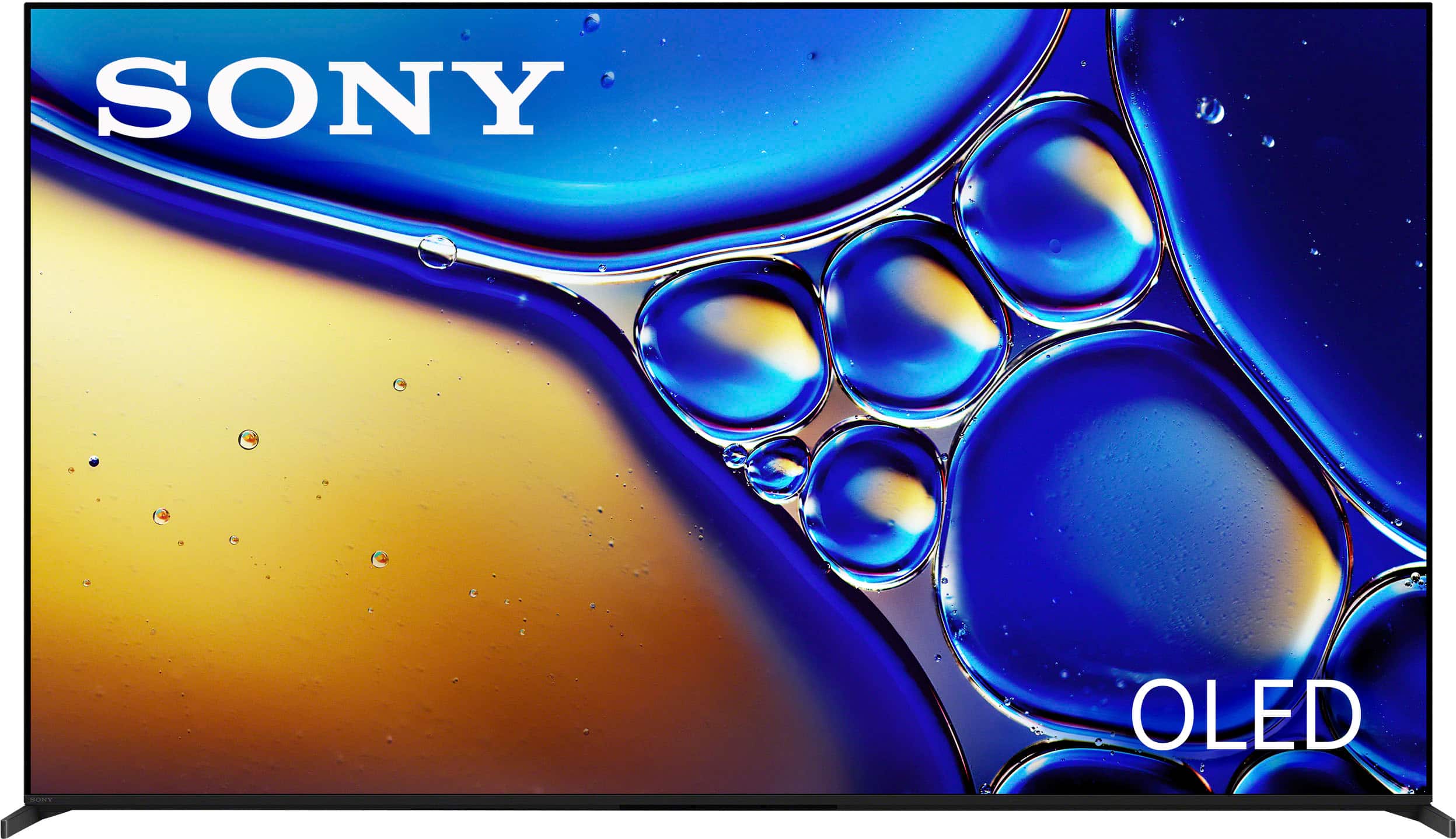
The Sony BRAVIA 8 II employs QD-OLED technology, combining the best aspects of both worlds. OLED (Organic Light Emitting Diode) pixels generate their own light and can turn completely off for perfect blacks. The "QD" prefix means Sony adds quantum dots to enhance color performance beyond what traditional OLED can achieve. It's like having the contrast benefits of OLED with the color vibrancy of QLED.
The fundamental difference? QLED relies on a backlight shining through layers of technology, while QD-OLED creates light at each individual pixel. This distinction shapes every aspect of the viewing experience.
Brightness capability represents perhaps the most crucial factor determining which TV works best in your space. The Sony BRAVIA 8 II achieves impressive peak brightness levels around 1,880 nits—a substantial 25% improvement over Sony's previous flagship OLEDs. However, the Samsung QN8F likely surpasses this in overall sustained brightness thanks to its Dual LED backlighting system.
Here's why this matters: if your TV faces windows or you prefer watching during daylight hours, the Samsung's superior brightness helps maintain picture quality against ambient light. I've noticed that QLED TVs like the QN8F maintain their punch and color saturation even in challenging lighting conditions that would wash out dimmer displays.
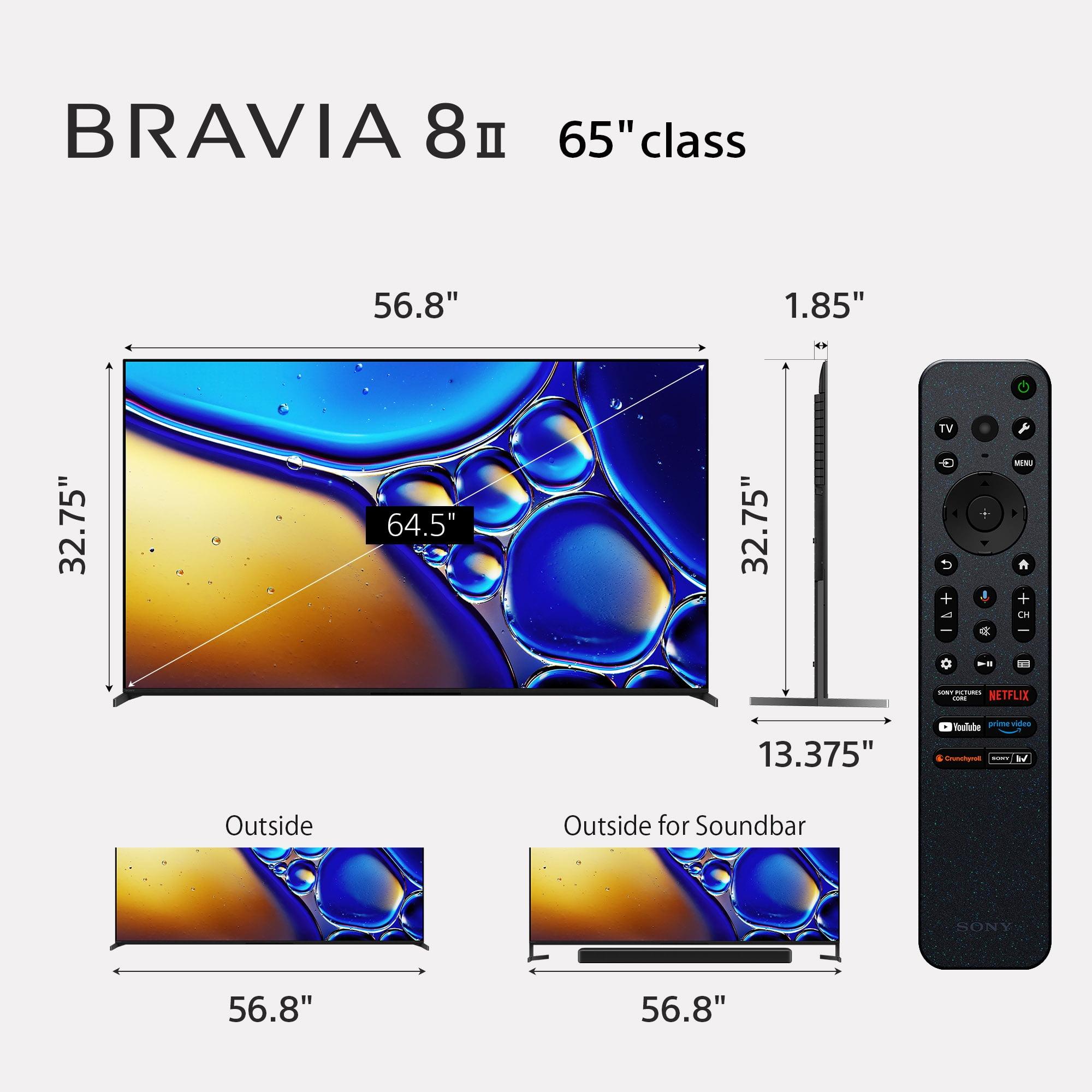
The Sony's strength lies in selective brightness control. When watching a scene with bright highlights against dark backgrounds—like car headlights in a night scene—the BRAVIA 8 II can make those highlights incredibly bright while keeping the surrounding darkness perfectly black. Samsung's backlighting, despite being quite advanced, still produces some light spillover around bright objects, creating subtle halos called "blooming."
For home theater applications, this difference becomes critical. In a darkened room, the Sony's infinite contrast ratio (the difference between its brightest whites and deepest blacks) creates a more three-dimensional, engaging image. But in typical living room conditions, the Samsung's consistent brightness often provides better overall visibility and color reproduction.
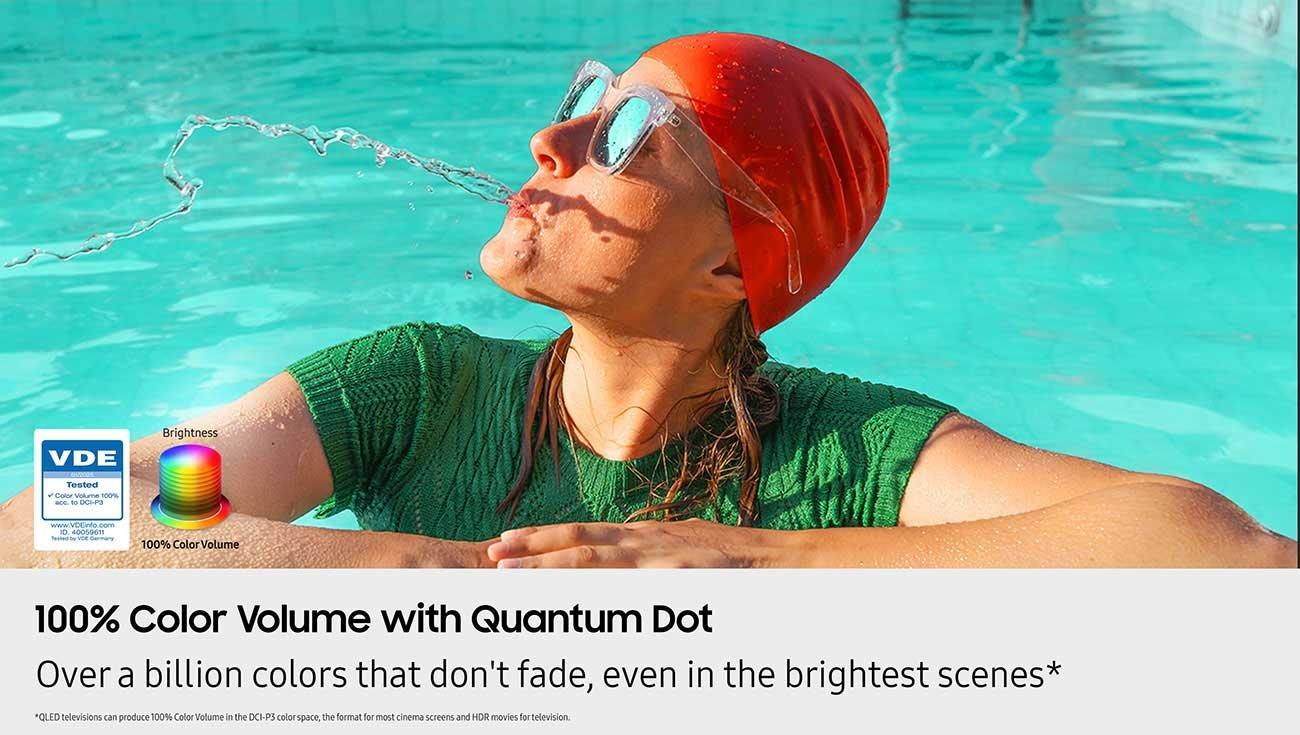
Both manufacturers approach color differently, and their success can be measured in distinct ways. The Samsung QN8F achieves what Samsung calls "100% Color Volume"—meaning it can display vivid colors at any brightness level. Traditional displays often lose color saturation as images get brighter or darker, but quantum dot technology maintains color intensity across the entire brightness range.
The Sony BRAVIA 8 II focuses on color accuracy, covering 100% of the DCI-P3 color space (the standard for digital cinema) and over 90% of the wider Rec 2020 gamut. This technical achievement translates to more natural, film-accurate colors. Skin tones appear more lifelike, and subtle color gradations—like the various shades in a sunset—render with remarkable precision.
In practice, the Samsung tends to produce more vibrant, "pop-off-the-screen" colors that many viewers find immediately impressive. The Sony's colors appear more organic and realistic, which film enthusiasts and professional content creators often prefer. Neither approach is inherently better; it depends on whether you prioritize immediate visual impact or long-term accuracy.
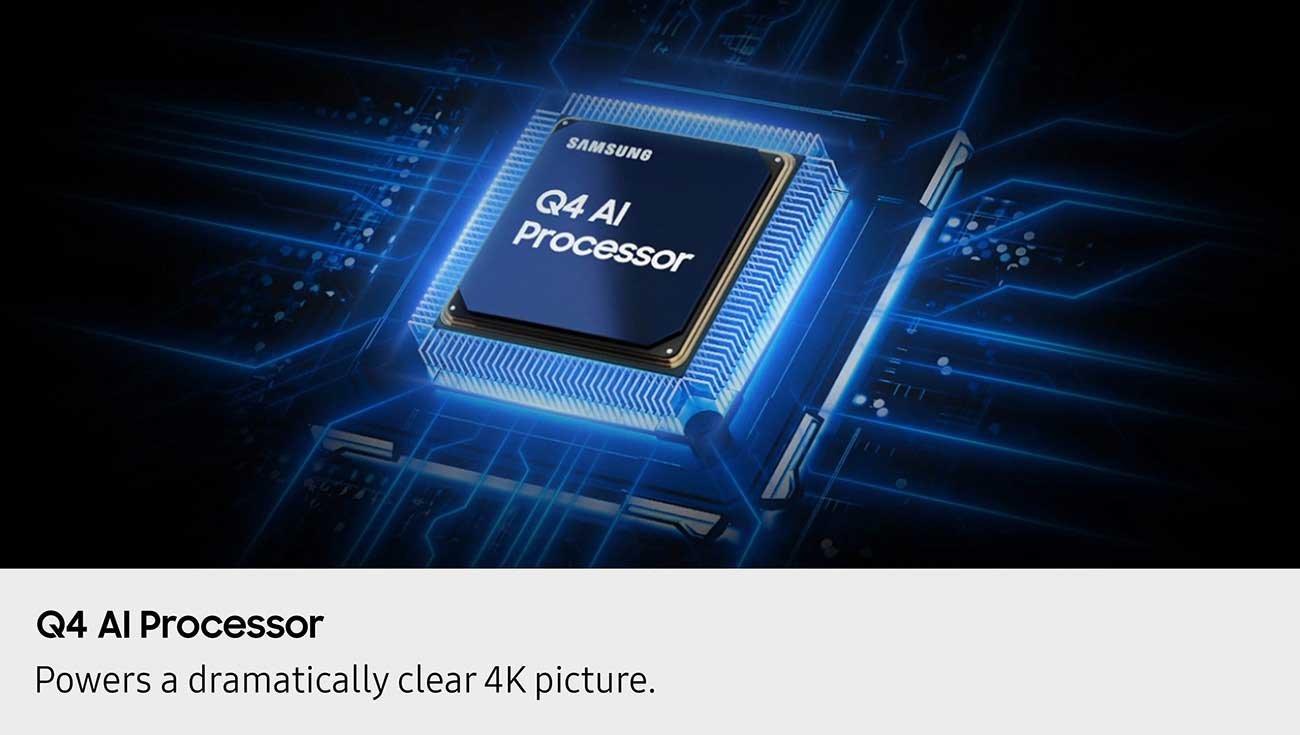
The brain of any modern TV is its processing system, and both manufacturers have invested heavily in AI-driven optimization. The Samsung QN8F features the Q4 AI Processor with Vision AI technology that analyzes what you're watching and adjusts picture settings accordingly. It can distinguish between a nature documentary and a dark thriller, optimizing color, contrast, and sharpness for each content type.
Samsung's approach extends beyond picture optimization. The Vision AI system considers your room's lighting conditions and adjusts the display to maintain optimal viewing quality throughout the day. It's like having an automatic calibration system that works continuously in the background.
The Sony BRAVIA 8 II employs the XR Processor with AI Scene Recognition, which takes a more sophisticated approach to content analysis. Instead of simply adjusting overall picture settings, Sony's system identifies different elements within each scene—faces, landscapes, text—and optimizes each component individually. This granular control often results in more natural-looking images with better detail preservation in both bright and dark areas.
Both systems excel at upscaling lower-resolution content to 4K, but Sony's approach typically produces more film-like results while Samsung's processing emphasizes clarity and sharpness. If you watch a lot of older content or streaming services with variable quality, these differences become quite noticeable.
Audio represents one of the Sony BRAVIA 8 II's most innovative features. Acoustic Surface Audio+ technology uses actuators behind the OLED panel to turn the entire screen into a speaker. Sound literally comes from the action on screen—when someone speaks on the left side, you hear their voice from that exact location. This creates unprecedented dialogue clarity and spatial accuracy without requiring external speakers.
The system includes Voice Zoom 3, which uses AI to enhance dialogue even during loud action scenes. Having experienced this technology extensively, I can confirm it's remarkably effective at making conversations intelligible without requiring manual volume adjustments during movies.
The Samsung QN8F takes a more traditional approach with a 20W 2CH speaker system enhanced by Adaptive Sound+ technology. While not as innovative as Sony's screen-based audio, Samsung's implementation includes Object Tracking Sound Lite, which attempts to move audio across the screen to follow action. The system also features Q-Symphony compatibility, allowing seamless integration with Samsung soundbars.
For home theater applications, Sony's audio innovation provides a significant advantage. Even without a dedicated sound system, the BRAVIA 8 II delivers remarkably immersive audio that enhances the cinematic experience. However, Samsung's more conventional approach offers better compatibility with existing audio equipment and potentially greater upgrade flexibility.
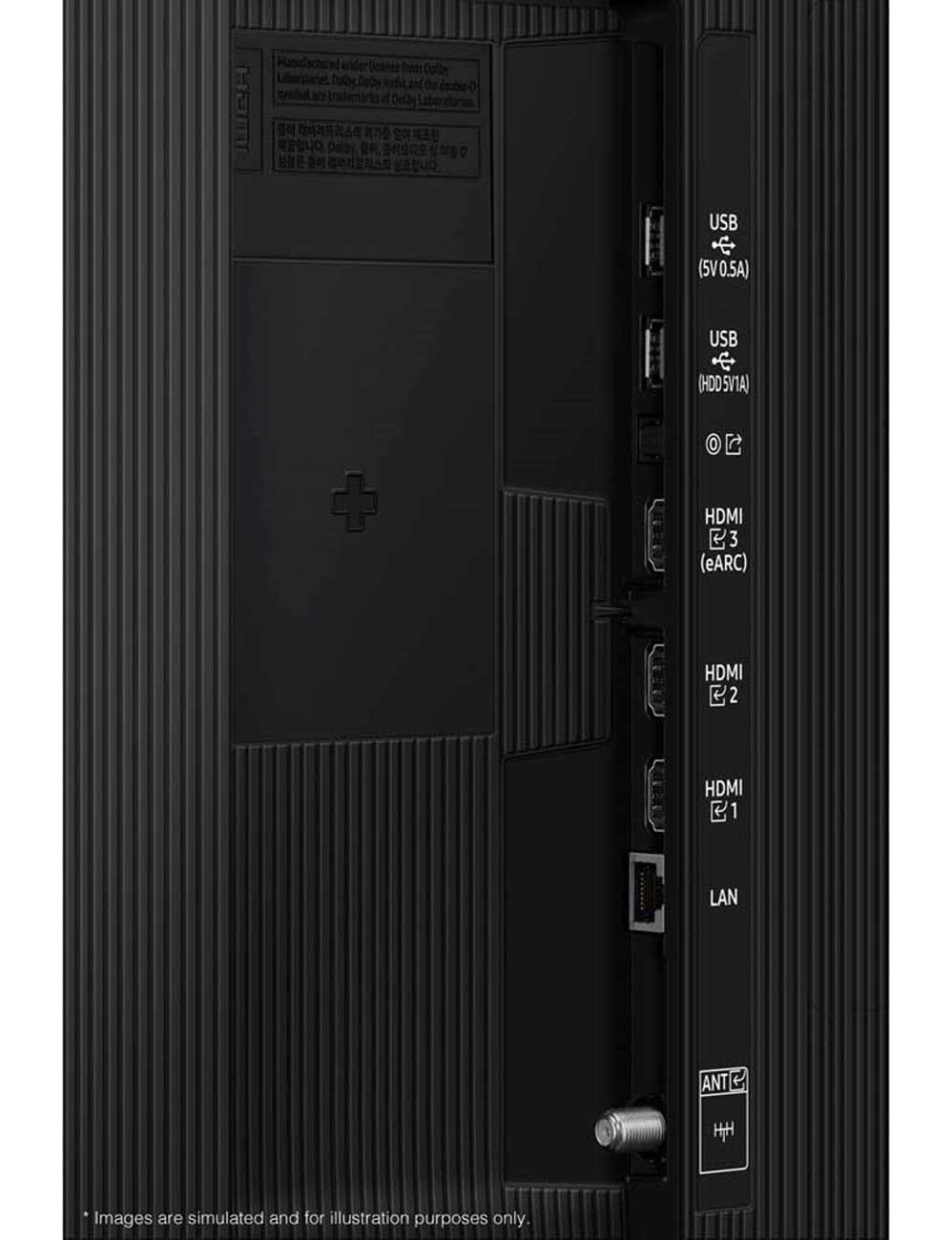
Modern gaming demands have pushed TV manufacturers to optimize for low input lag and high refresh rates. The Sony BRAVIA 8 II excels in this area with input lag as low as 8.5 milliseconds and comprehensive HDMI 2.1 support across two ports. This includes Variable Refresh Rate (VRR) and Auto Low Latency Mode (ALLM), ensuring smooth gameplay with next-generation consoles.
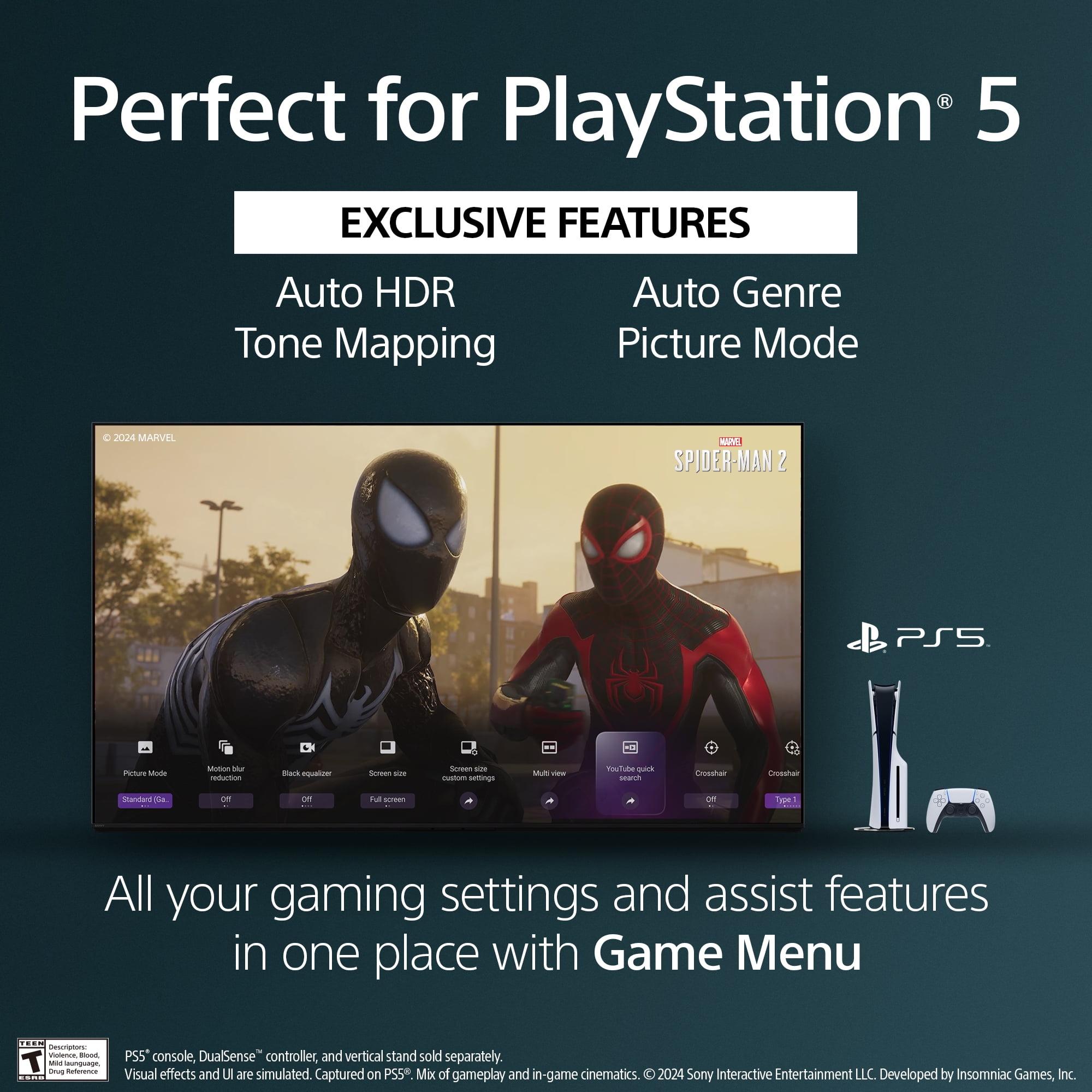
Sony's gaming optimization extends to PlayStation integration, with automatic picture mode switching and enhanced HDR gaming support. The QD-OLED panel's perfect blacks and instant pixel response create exceptional gaming visuals, particularly in dark environments or horror games where contrast matters.
The Samsung QN8F offers 120Hz refresh rate capability with Motion Xcelerator 144Hz technology, potentially supporting even higher refresh rates for PC gaming. Samsung's gaming features include automatic game mode detection and optimizations for both console and PC gaming scenarios.
Both TVs handle modern gaming well, but Sony's lower input lag and more comprehensive HDMI 2.1 implementation provide a slight edge for competitive gaming. Samsung's higher potential refresh rates could benefit PC gamers with powerful graphics cards.
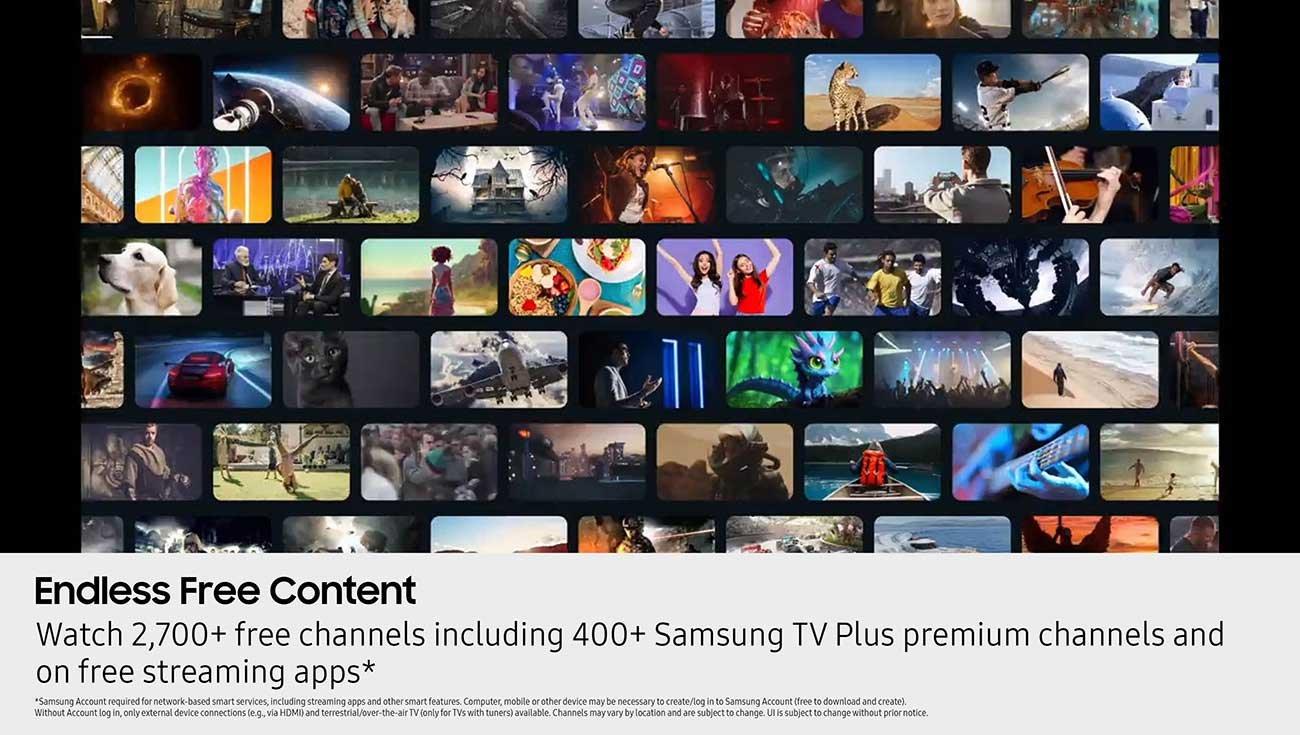
The choice between Tizen OS (Samsung) and Google TV (Sony) often comes down to ecosystem preferences and content discovery habits. Samsung's Tizen platform offers intuitive navigation with access to over 1,200 free content channels. The enhanced Bixby voice assistant can process multiple simultaneous commands and provides more natural conversation-like interactions.
A unique 2025 feature on the Samsung QN8F is Generative Wallpaper, which uses AI to create custom backgrounds based on keywords you provide. While seemingly frivolous, this feature can transform your TV into an art display when not actively watching content.
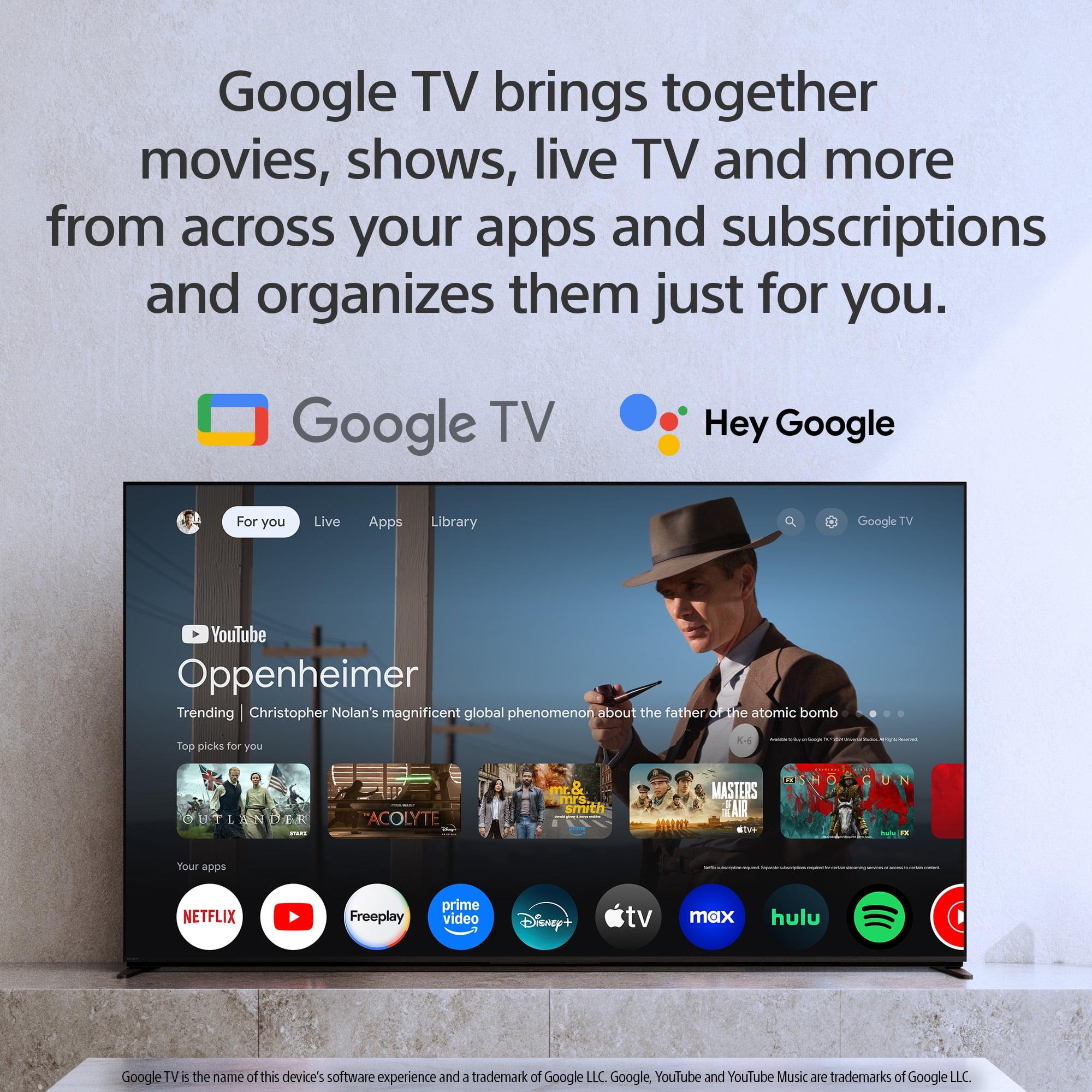
Google TV on the Sony BRAVIA 8 II excels at content discovery and recommendation across multiple streaming services. The platform's deep integration with Google services and superior app ecosystem often provides more comprehensive smart TV functionality. Regular updates ensure the platform stays current with new features and security improvements.
Both platforms work well, but Google TV's content aggregation and recommendation engine generally provides a more streamlined viewing experience across multiple streaming services.
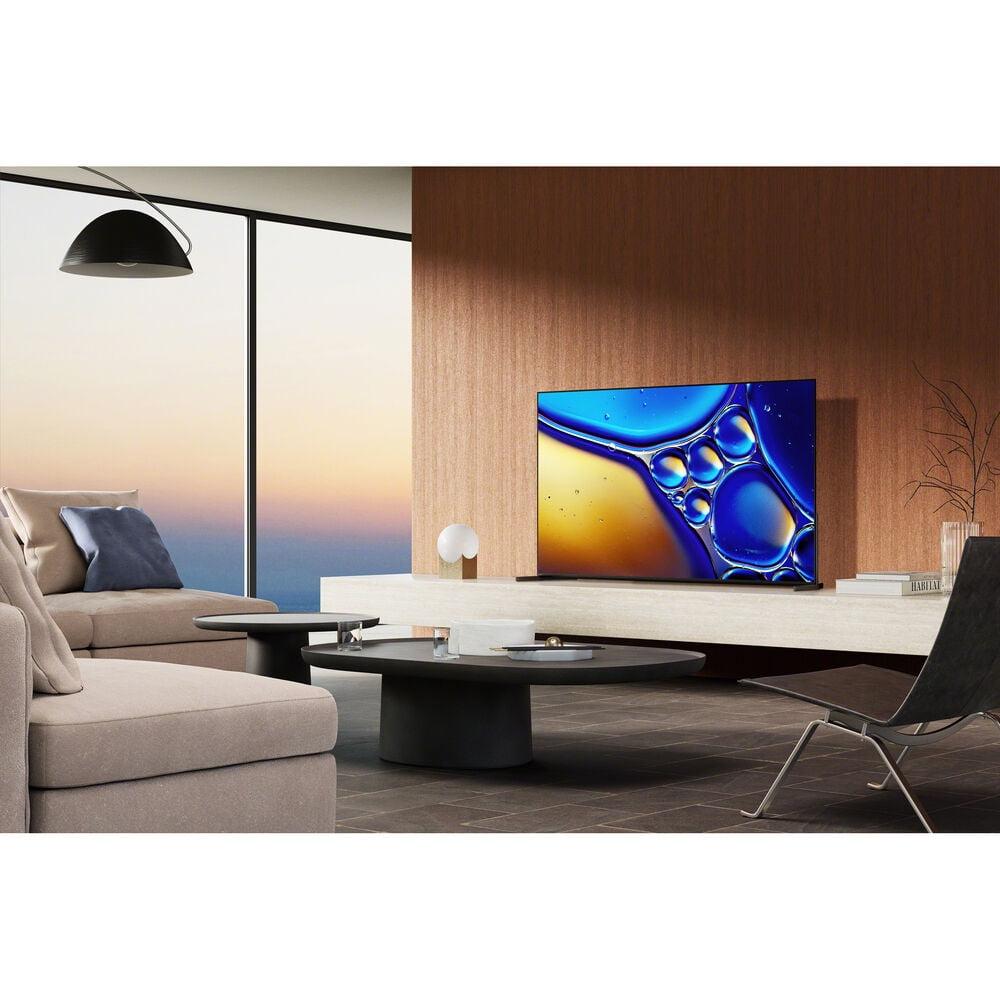
For dedicated home theater setups, the Sony BRAVIA 8 II offers several advantages that justify its premium positioning. The perfect black levels create exceptional contrast in darkened rooms, while the precise color accuracy ensures content appears as directors intended. The Acoustic Surface Audio+ technology provides remarkable sound quality without requiring immediate sound system upgrades.
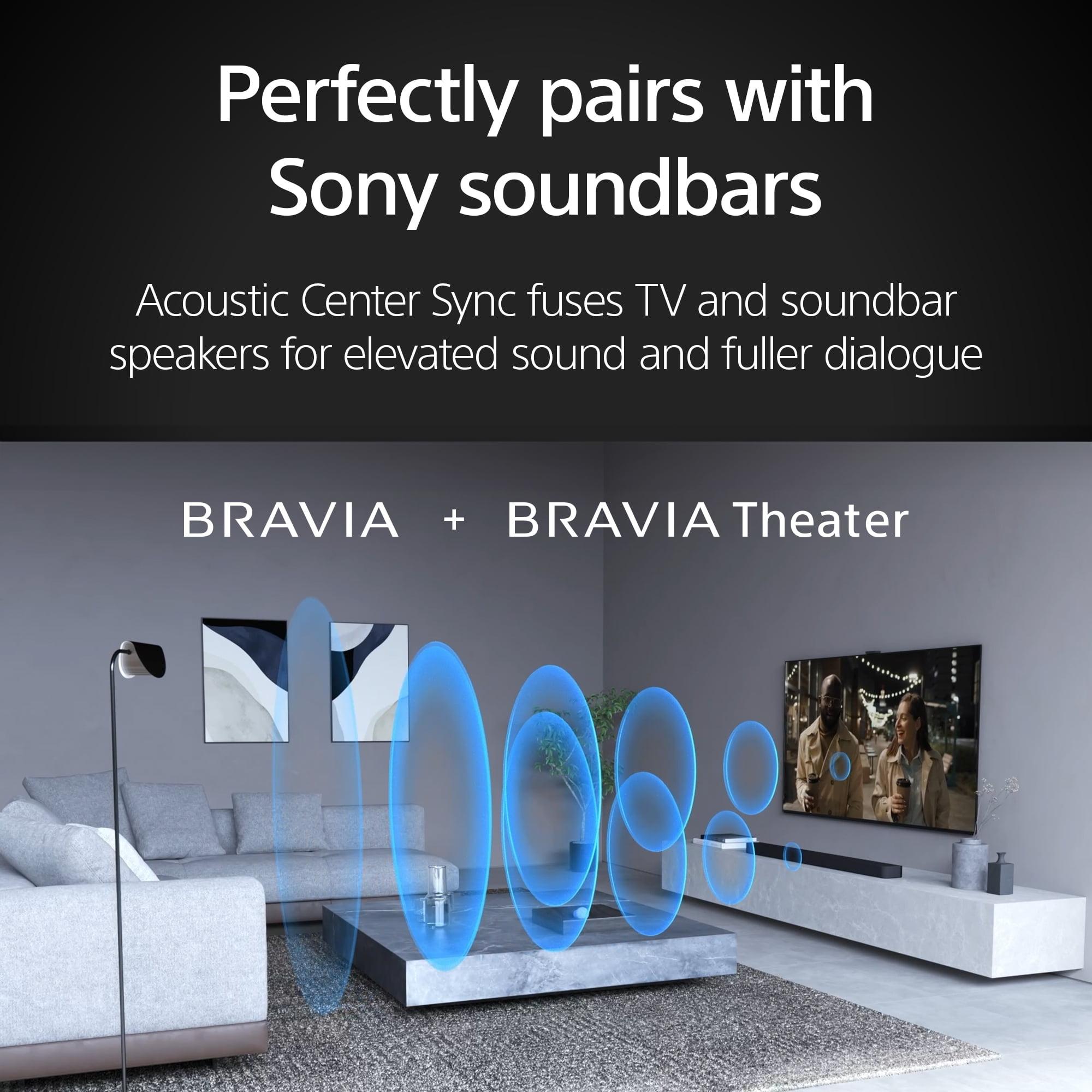
Sony's Acoustic Center Sync feature allows the TV to function as a dedicated center channel when paired with compatible soundbars, creating seamless audio integration. This flexibility supports gradual home theater evolution without compromising interim performance.
The Samsung QN8F works well in home theater applications, particularly in rooms where complete light control isn't possible. Its superior brightness maintains image quality even with some ambient light, and the quantum dot color enhancement creates engaging, vibrant images that many viewers find more immediately impressive than technically accurate displays.
At the time of writing, the Samsung QN8F represents exceptional value in the premium TV segment, offering flagship features at a mid-tier price point. The combination of quantum dot color, AI processing, and comprehensive smart features provides premium performance without the premium price tag associated with cutting-edge display technologies.
The Sony BRAVIA 8 II commands a significantly higher price but delivers reference-quality performance that justifies the investment for enthusiasts and home theater applications. The QD-OLED technology, advanced processing, and innovative audio system create an experience that standard LED-based displays cannot match.
Consider the long-term value equation: Samsung's QLED technology has no burn-in risk and maintains consistent performance over time. Sony's OLED technology requires more careful handling but provides superior picture quality in optimal viewing conditions.
Choose the Samsung QN8F if you have a bright living room with windows, want premium features at a reasonable price, prefer Samsung's ecosystem integration, or need a TV that performs well across various lighting conditions. Its versatility and value make it ideal for most households seeking an upgrade from standard TVs.
Select the Sony BRAVIA 8 II if you can control room lighting, prioritize ultimate picture quality over price considerations, want the best possible gaming performance, or are building a dedicated home theater system. Its superior contrast, color accuracy, and audio innovation create an unmatched viewing experience in optimal conditions.
Both TVs represent excellent choices within their respective market segments. The Samsung offers premium features with mainstream appeal, while the Sony delivers flagship performance for enthusiasts willing to pay for the ultimate experience. Your room conditions, budget, and performance priorities will guide you toward the right choice for your specific situation.
The TV market's rapid evolution means these 2025 models represent the current pinnacle of their respective technologies. Whether you choose value-oriented excellence or reference-quality performance, both options will deliver years of exceptional entertainment experiences.
| Samsung 65" QN8F Series QLED 4K Vision AI Smart TV 2025 | Sony BRAVIA 8 II 65" QD-OLED 4K Google TV 2025 |
|---|---|
| Display Technology - The fundamental difference that shapes all performance | |
| QLED with Dual LED backlighting | QD-OLED with self-emissive pixels |
| Peak Brightness - Critical for bright room viewing and HDR impact | |
| Higher sustained brightness ideal for daylight viewing | ~1,880 nits peak, 25% brighter than previous Sony OLEDs |
| Black Levels - Determines contrast and dark scene detail | |
| Very good blacks with minimal blooming | Perfect blacks (0 nits) with infinite contrast |
| Color Performance - Affects vibrancy and accuracy | |
| 100% Color Volume with quantum dots, more vibrant | 100% DCI-P3, 90%+ Rec 2020, more accurate |
| Processor - Handles upscaling and AI optimization | |
| Q4 AI Processor with Vision AI scene optimization | XR Processor with AI Scene Recognition |
| Audio System - Built-in sound quality without external speakers | |
| 20W 2CH with Adaptive Sound+ and OTS Lite | Acoustic Surface Audio+ turns screen into speaker |
| Gaming Performance - Input lag and next-gen console support | |
| 120Hz with Motion Xcelerator 144Hz | 8.5ms input lag, comprehensive HDMI 2.1 support |
| Smart Platform - Interface and content discovery | |
| Tizen OS with enhanced Bixby and 1200+ free channels | Google TV with superior content aggregation |
| Burn-in Risk - Long-term reliability consideration | |
| No burn-in risk, consistent performance over time | OLED burn-in possible with static content |
| Viewing Angle - Performance when not sitting directly centered | |
| Good viewing angles typical of premium QLEDs | Excellent wide viewing angles with minimal color shift |
| Room Lighting Suitability - Where each performs best | |
| Excellent for bright rooms and mixed lighting | Best in controlled lighting, darker environments |
| Value Proposition - Performance relative to cost | |
| Premium features at mid-tier pricing | Reference-quality performance at flagship pricing |
The Samsung 65" QN8F Series QLED is significantly better for bright rooms. Its QLED technology with Dual LED backlighting produces higher sustained brightness levels that can overcome ambient light and window glare. The Sony BRAVIA 8 II QD-OLED performs best in controlled lighting conditions and may appear washed out in very bright environments.
The Samsung QN8F QLED uses quantum dots with LED backlighting, while the Sony BRAVIA 8 II uses self-emissive OLED pixels enhanced with quantum dots. QLED offers better brightness and no burn-in risk, while QD-OLED provides perfect blacks and superior contrast but requires more careful use to avoid potential burn-in with static images.
The Sony BRAVIA 8 II has significantly superior built-in audio with its Acoustic Surface Audio+ technology that turns the entire screen into a speaker. This creates better dialogue clarity and spatial positioning compared to the Samsung QN8F's traditional 20W speaker system, though Samsung offers good integration with their soundbars.
Both TVs support modern gaming well, but the Sony BRAVIA 8 II has a slight edge with 8.5ms input lag and comprehensive HDMI 2.1 support including VRR and ALLM. The Samsung QN8F offers 120Hz gaming with Motion Xcelerator 144Hz technology and may support higher refresh rates for PC gaming.
The Sony BRAVIA 8 II QD-OLED is superior for home theater use due to its perfect black levels, superior contrast, and more accurate colors that display content as filmmakers intended. Its Acoustic Surface Audio+ also provides excellent sound without immediately requiring external speakers. The Samsung QN8F works well for home theater but excels more in mixed-use living spaces.
Google TV on the Sony BRAVIA 8 II generally offers better content discovery across multiple streaming services and more frequent updates. Samsung's Tizen OS on the QN8F provides intuitive navigation, access to 1200+ free channels, and better integration within Samsung's ecosystem. Choice depends on your preferred streaming habits and device ecosystem.
The Samsung QN8F Series offers exceptional value, providing premium features at a mid-tier price point. The Sony BRAVIA 8 II commands a premium price but delivers reference-quality performance that justifies the cost for enthusiasts and home theater applications.
The Samsung QN8F QLED has no burn-in risk due to its LED backlighting technology. The Sony BRAVIA 8 II QD-OLED has potential burn-in risk with static images like news tickers or gaming HUDs, though modern OLEDs have improved significantly in this regard with better pixel management.
The Sony BRAVIA 8 II provides more accurate colors with 100% DCI-P3 coverage and superior color processing that displays content as creators intended. The Samsung QN8F produces more vibrant, saturated colors that many viewers find immediately impressive but may not be as film-accurate.
Both TVs feature advanced AI processing. The Samsung QN8F's Vision AI optimizes picture settings based on content type and room lighting conditions. The Sony BRAVIA 8 II's XR Processor with AI Scene Recognition provides more sophisticated content analysis, optimizing different elements within each scene individually for more natural results.
The Samsung QN8F Series is better for sports and daytime viewing due to its superior brightness that maintains visibility and color saturation in bright rooms. Its Motion Xcelerator technology also handles fast-moving sports content well. The Sony BRAVIA 8 II excels in darker environments but may not provide optimal sports viewing in typical bright living rooms.
Choose the Samsung QN8F for bright room viewing, better value, no burn-in concerns, and versatile performance across different lighting conditions. Choose the Sony BRAVIA 8 II for ultimate picture quality in controlled lighting, superior home theater performance, better built-in audio, and more accurate color reproduction for film enthusiasts.
We've done our best to create useful and informative comparisons to help you decide what product to buy. Our research uses advanced automated methods to create this comparison and perfection is not possible - please contact us for corrections or questions. These are the sites we've researched in the creation of this article: bestbuy.com - samsung.com - rtings.com - youtube.com - samsung.com - pcrichard.com - abt.com - images.samsung.com - cnet.com - news.samsung.com - samsung.com - bestbuy.com - techradar.com - rtings.com - bestbuy.com - whathifi.com - rtings.com - hometechnologyreview.com - youtube.com - hometechnologyreview.com - hometechnologyreview.com - hometechnologyreview.com - valueelectronics.com - smarthomesounds.co.uk - electronics.sony.com - valueelectronics.com - bestbuy.com - youtube.com - displayspecifications.com - hometechnologyreview.com - flatpanelshd.com

Privacy Policy
Terms and Conditions - Affiliate Policy
Home Security
© Copyright 2008-2026.
11816 Inwood Rd #1211, Dallas, TX 75244