



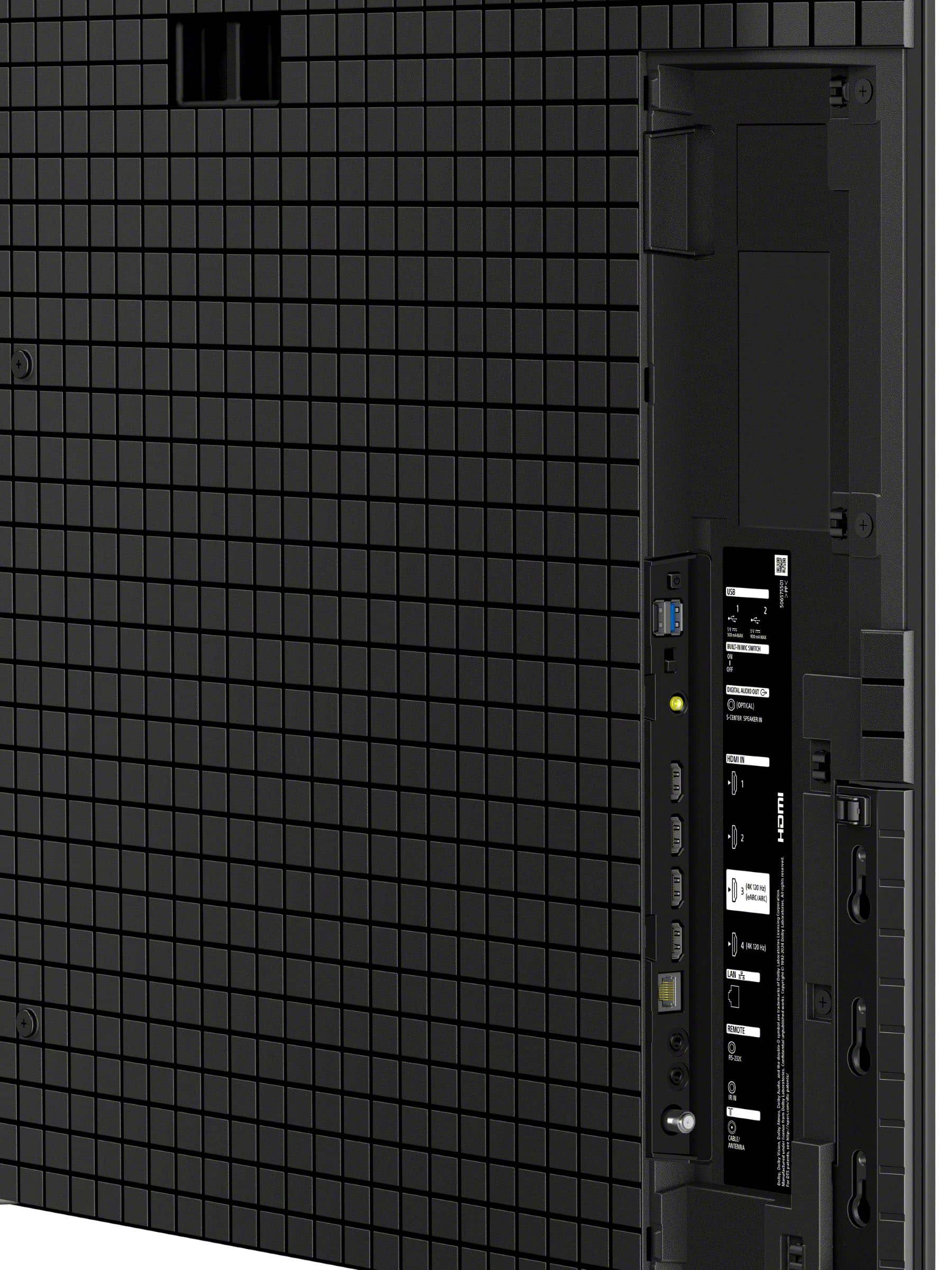
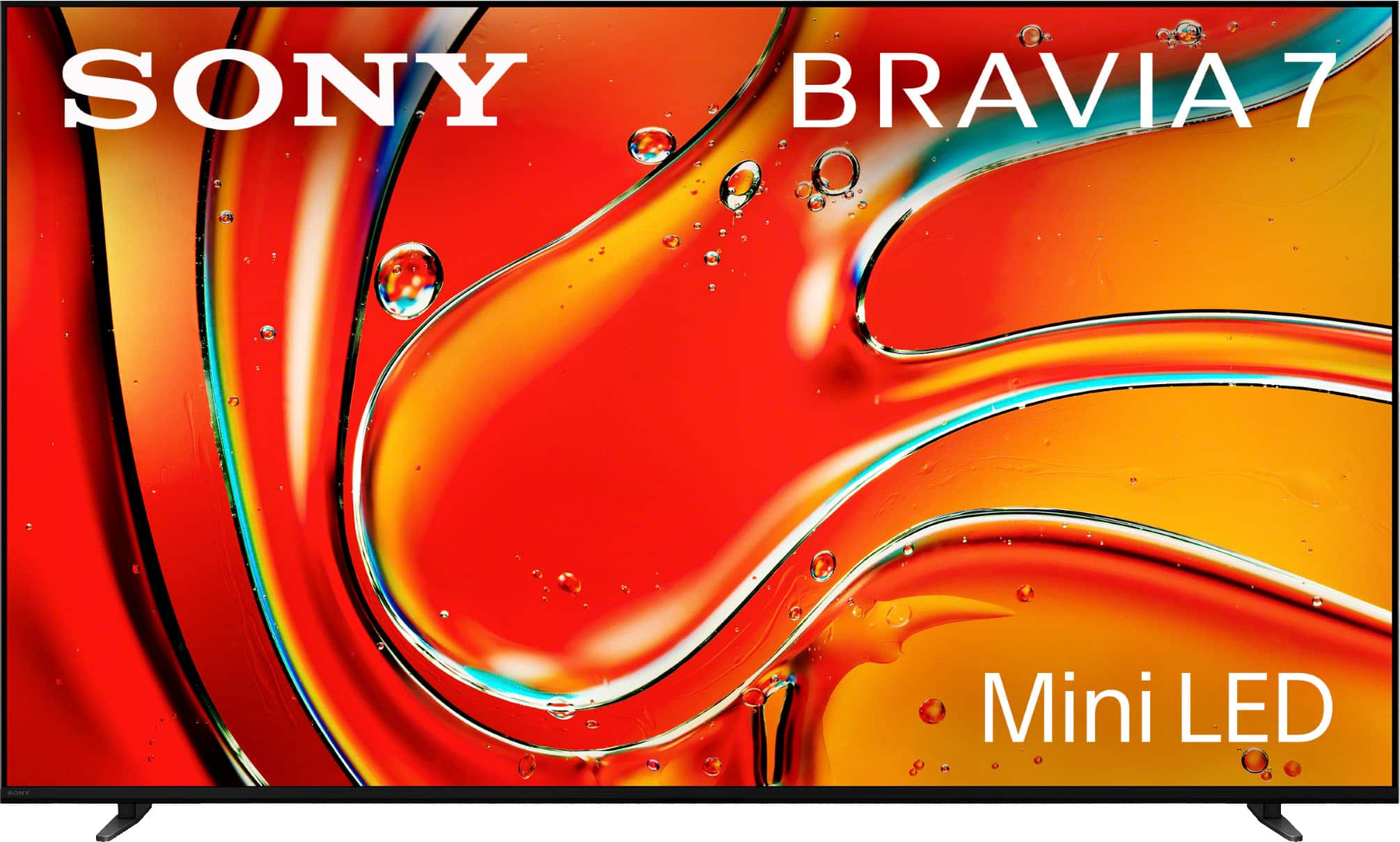
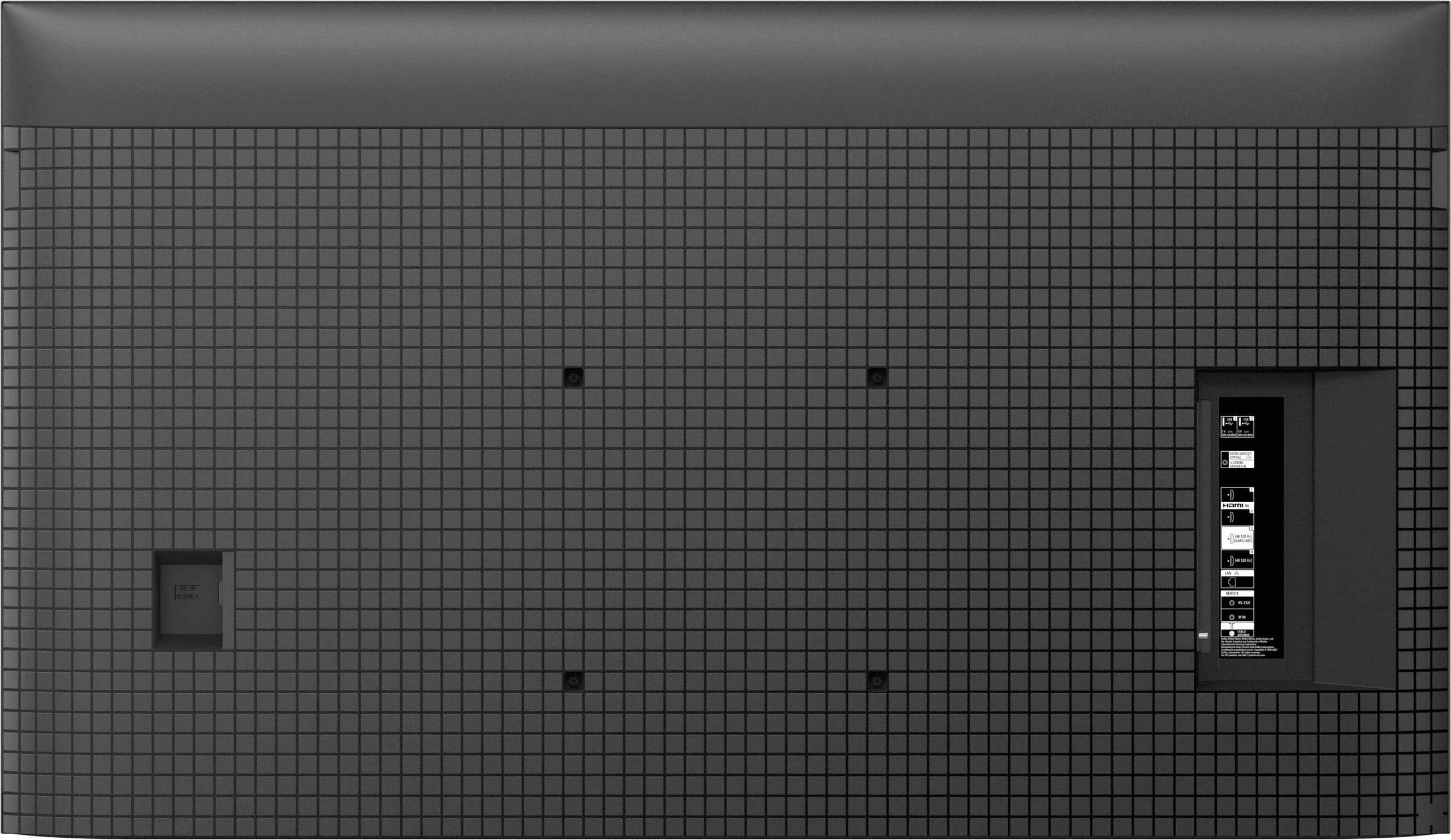
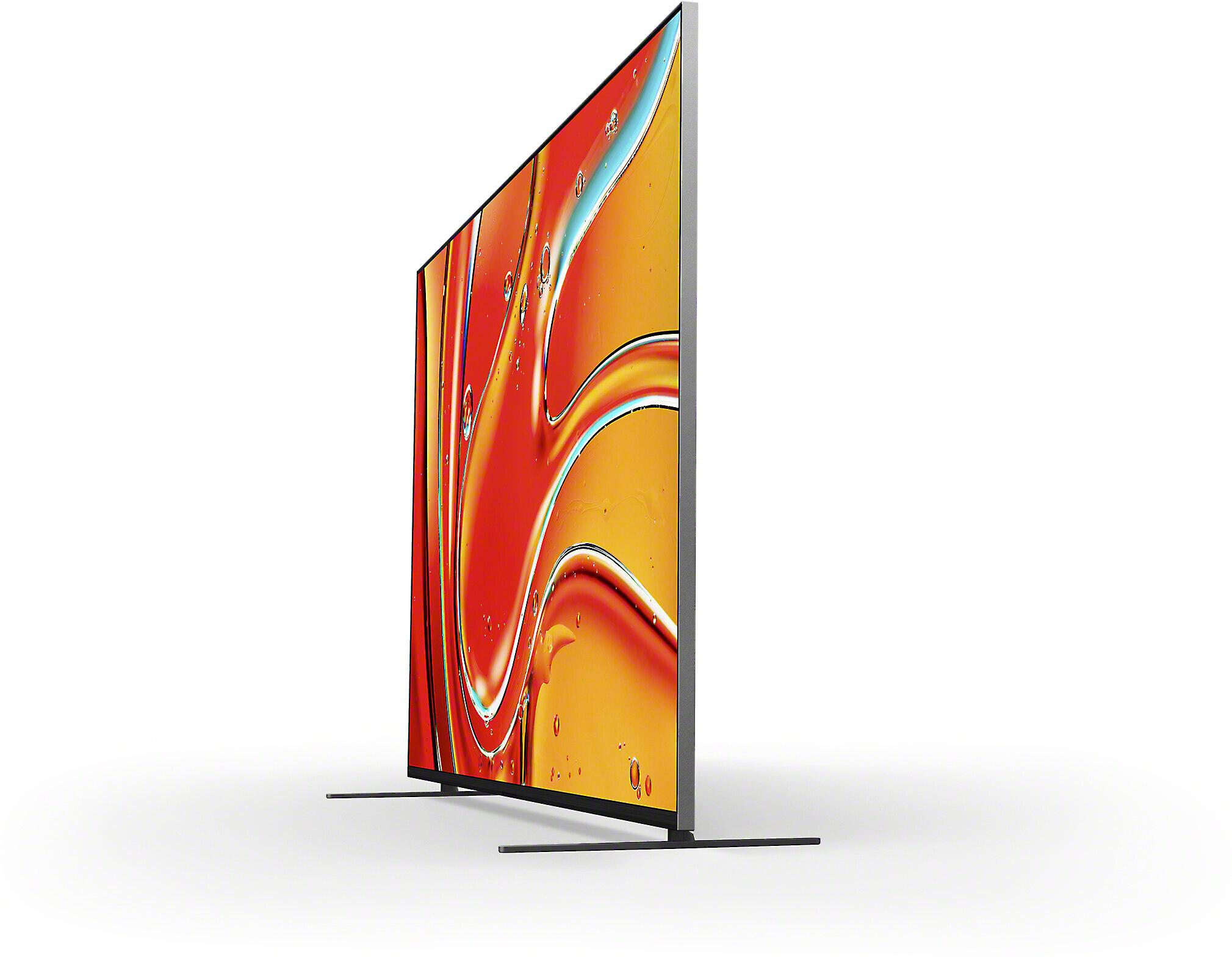
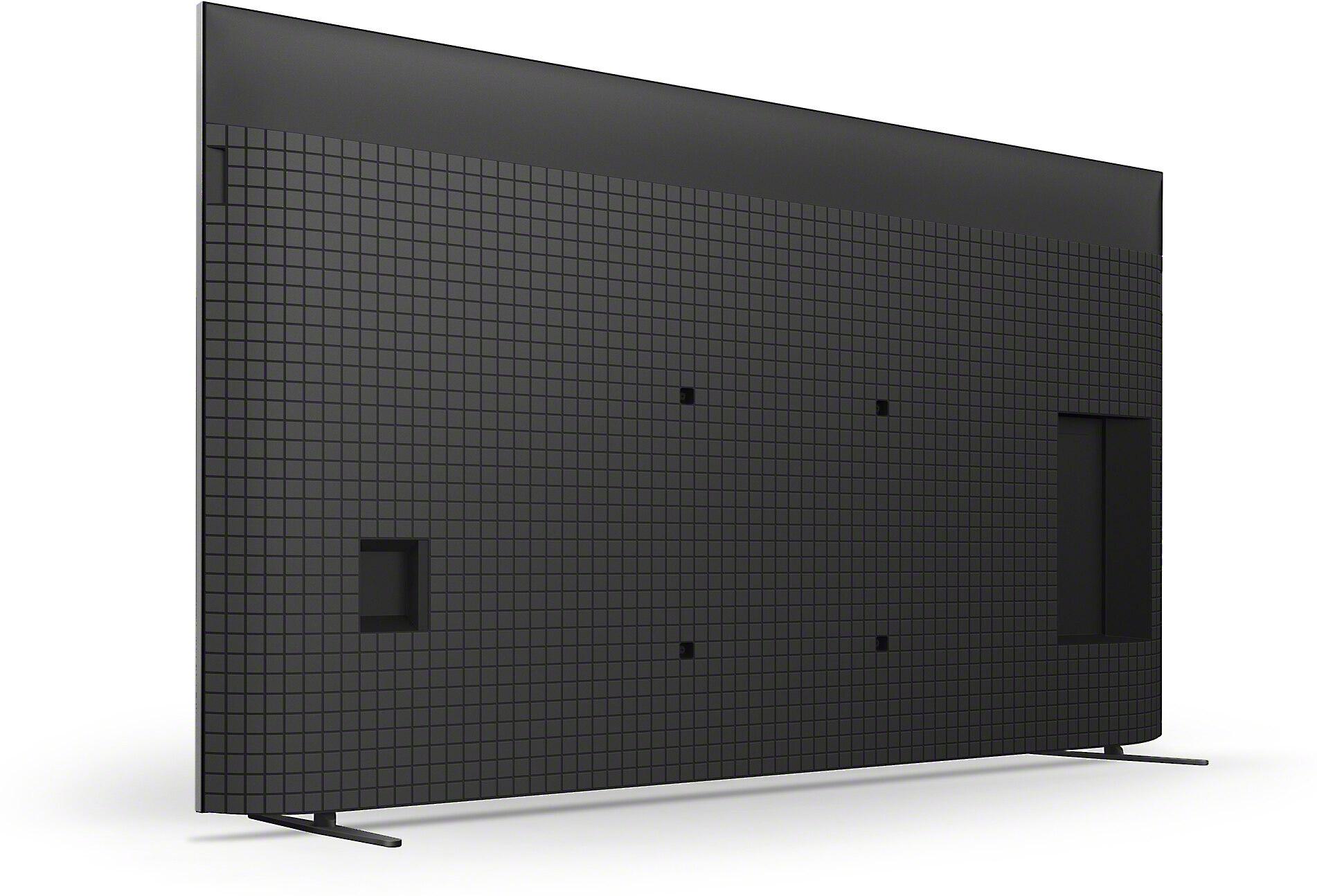
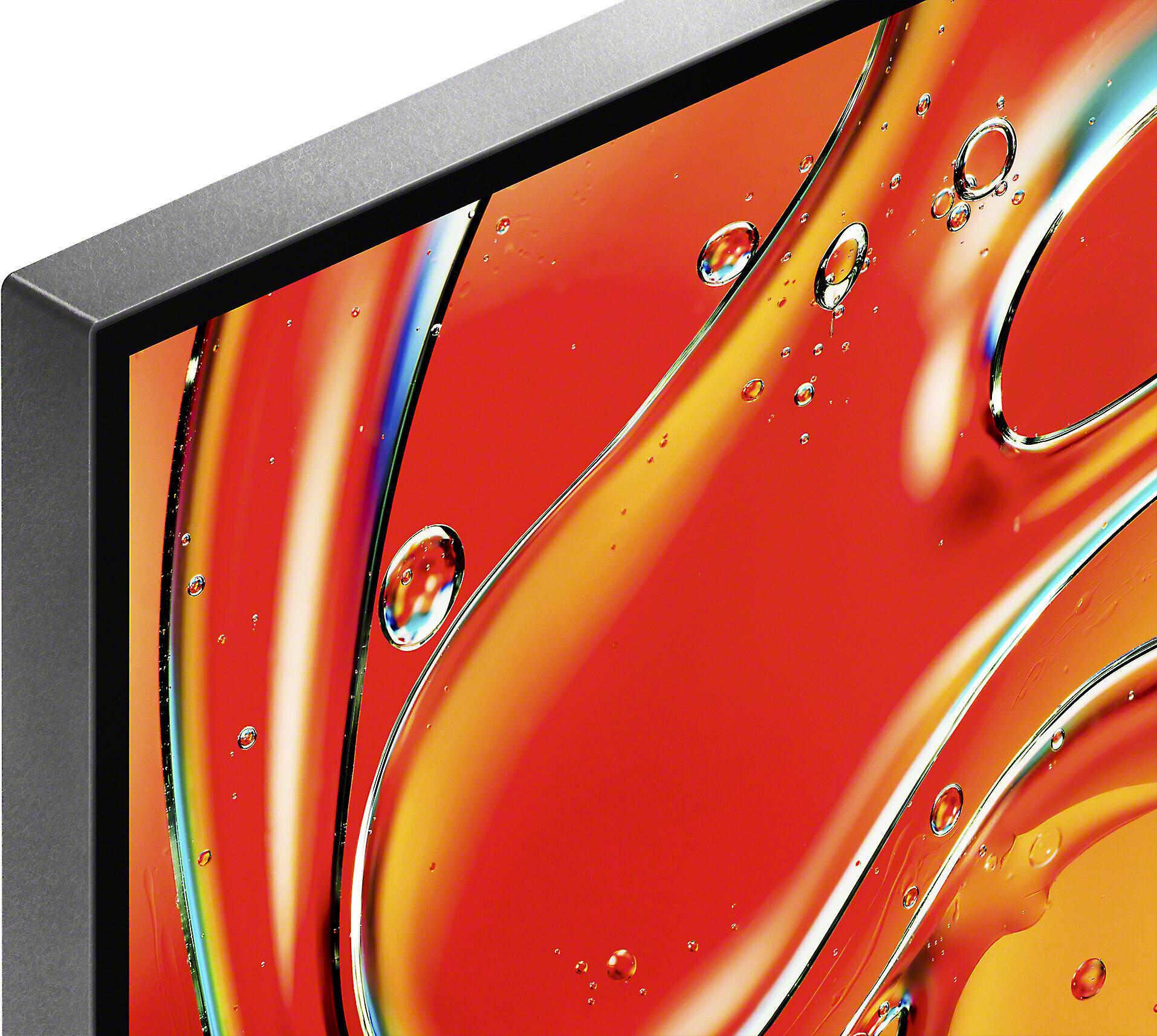
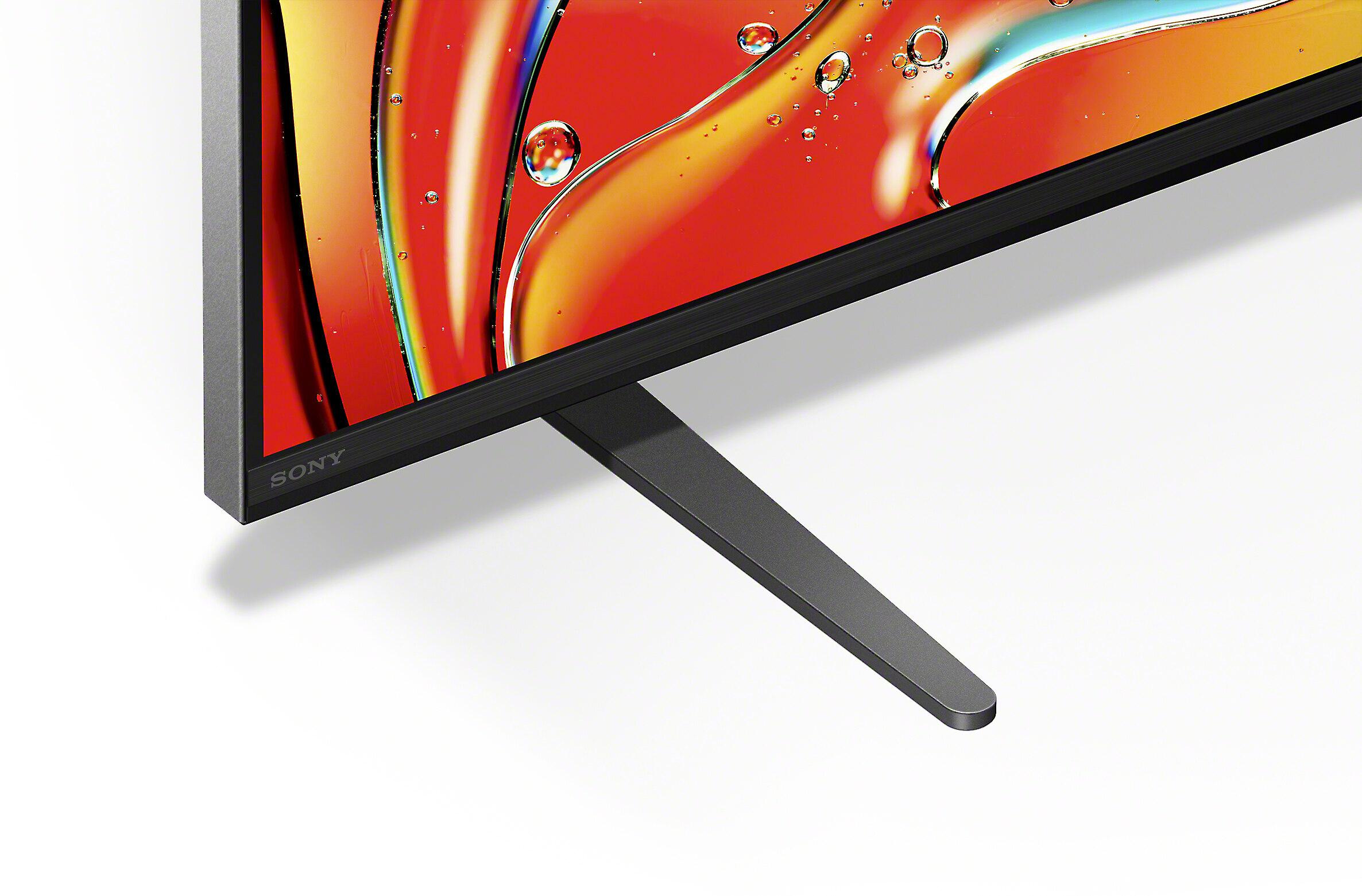
If you're shopping for a premium 65-inch TV and have narrowed it down to Sony's excellent lineup, you're probably weighing the Sony BRAVIA 8 II 65" QD-OLED against the Sony BRAVIA 7 65" Mini LED. These represent two fundamentally different approaches to creating stunning picture quality, and the choice between them comes down to understanding what each technology does best—and what you're willing to pay for it.
Before diving into the specifics, let's talk about what makes a premium TV worth the investment. At this level, you're not just buying a bigger screen—you're investing in technologies that can genuinely transform how movies, shows, and games look in your home. The key battlegrounds are contrast (how deep the blacks are versus how bright the highlights can get), color accuracy, viewing angles, and how well the TV handles different lighting conditions in your room.
Both Sony TVs excel in these areas but take completely different approaches. The BRAVIA 8 II uses cutting-edge OLED technology where each pixel creates its own light, while the BRAVIA 7 employs thousands of tiny LED lights behind an LCD panel. Think of it like comparing a wall of individual candles versus a sophisticated lighting grid—both can create beautiful illumination, but they work in fundamentally different ways.
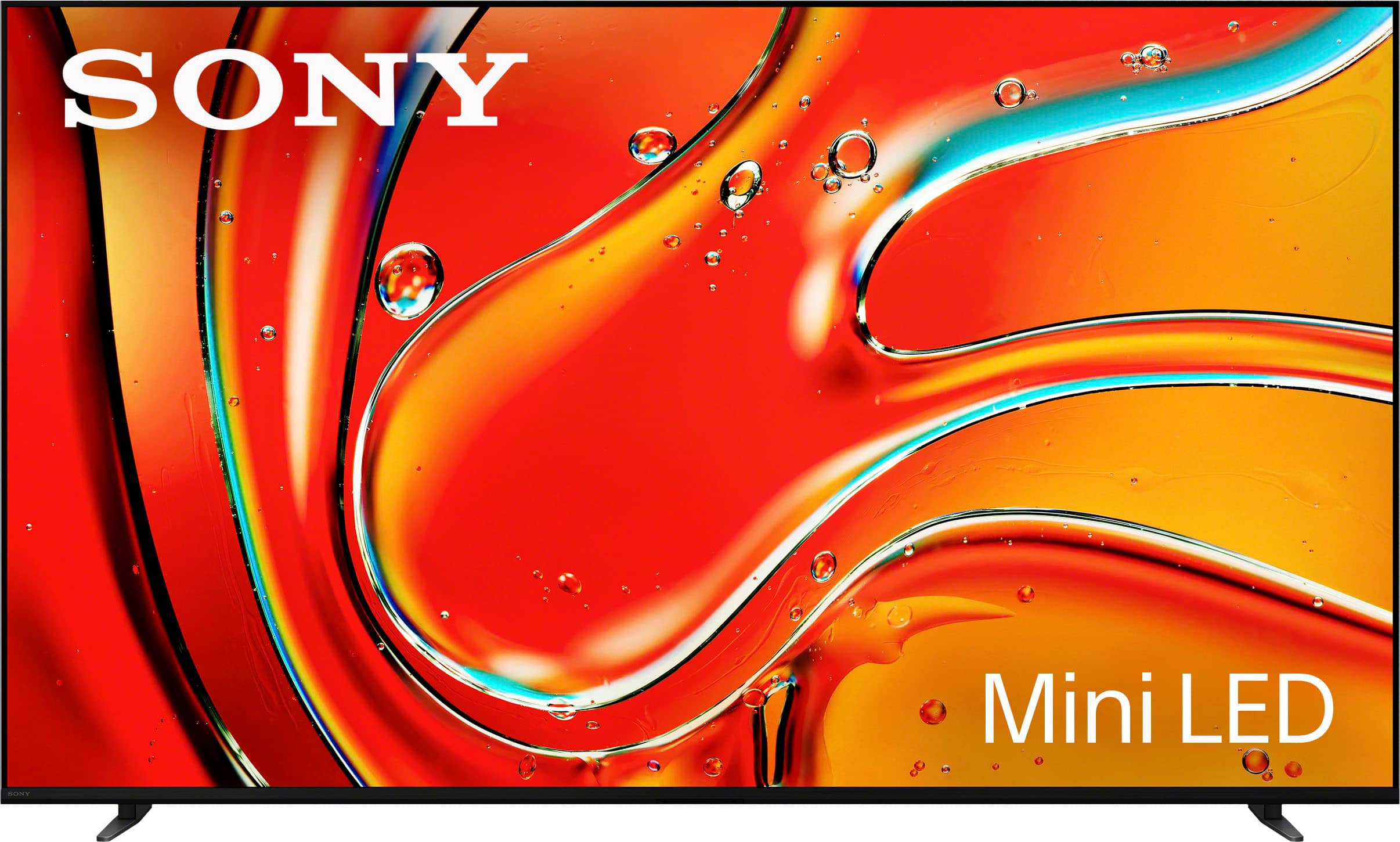
The Sony BRAVIA 7 launched in early 2024 as Sony's premium Mini LED offering, positioned as a high-performance alternative to OLED that could deliver flagship-level brightness at a more accessible price point. At around $1,323, it represented Sony's answer to the question: "How do we give people 90% of our best picture quality without the OLED price tag?"
Fast-forward to June 2025, and Sony released the BRAVIA 8 II as their new flagship OLED. Priced at $3,098, this represents a significant evolution from Sony's previous OLED models. The key upgrade? Sony switched from the W-OLED panels used in earlier models to advanced QD-OLED (Quantum Dot OLED) technology, the same type found in Samsung's premium TVs but with Sony's signature processing.
This timing matters because it shows Sony's strategy: offer a compelling Mini LED option for mainstream premium buyers while pushing the absolute boundaries of picture quality with QD-OLED for those who want the best possible image.
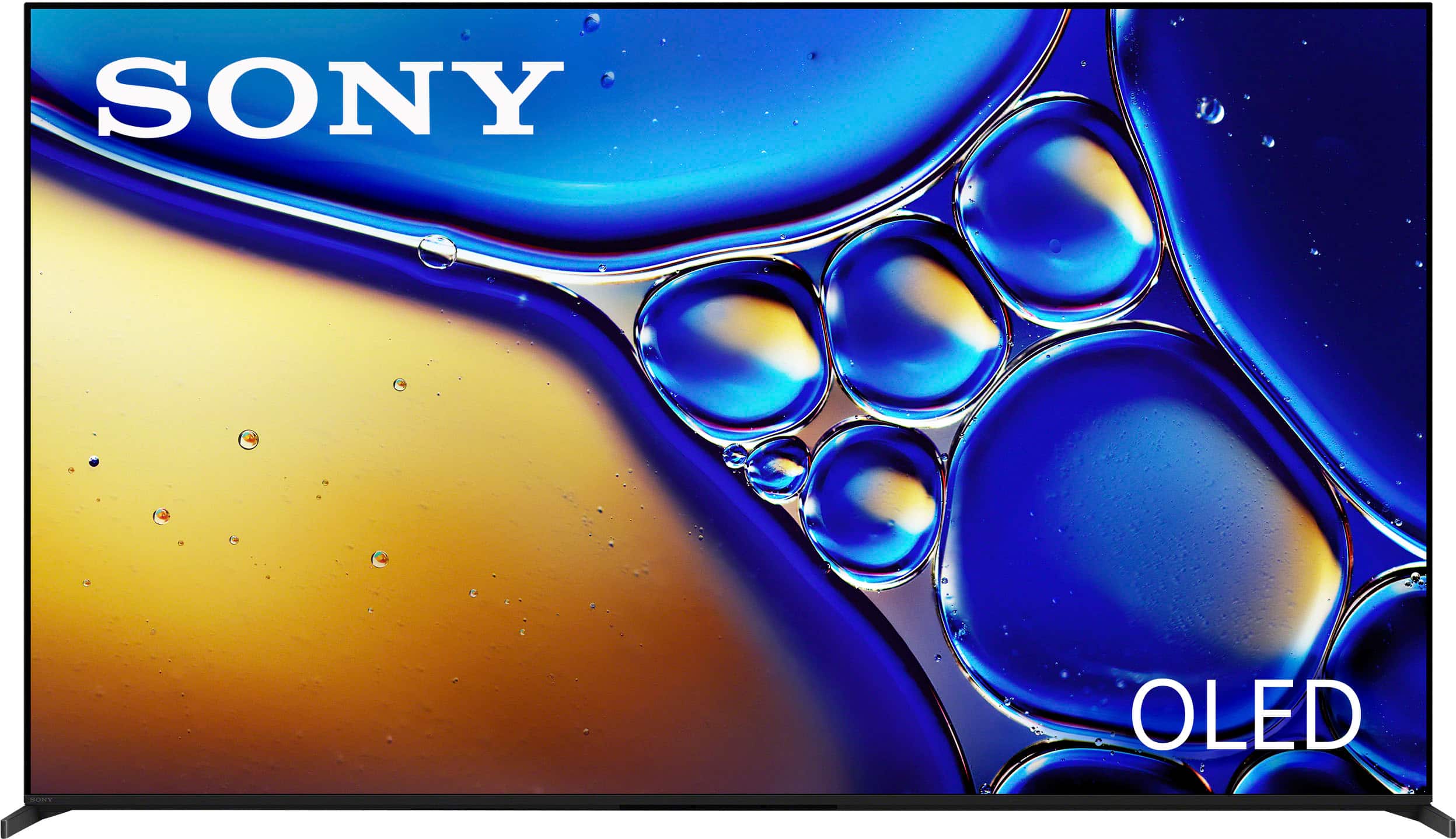
Here's where things get really interesting. The BRAVIA 8 II's QD-OLED panel is essentially a next-generation OLED that combines the perfect blacks of traditional OLED with quantum dots for enhanced brightness and color. Each of the 8.3 million pixels can turn completely on or off individually, creating what's called an "infinite contrast ratio"—meaning the difference between the darkest black and brightest white is theoretically unlimited.
The quantum dot layer is the secret sauce here. Traditional OLEDs use white light filtered through color filters, but QD-OLED starts with blue OLED emitters and uses quantum dots to convert that blue light into incredibly pure red and green. The result? Colors that are both more accurate and more vibrant than previous OLED generations, plus about 25% more brightness than Sony's previous flagship OLEDs.
The BRAVIA 7's Mini LED system takes a different approach entirely. Instead of pixels that create their own light, it uses thousands of tiny LED lights arranged behind an LCD panel, grouped into hundreds of dimming zones. When the TV wants to show a bright star in a dark sky, it can brighten just the LEDs behind that star while keeping the surrounding zones dim. It's like having hundreds of individual spotlights that can be controlled independently.
This gives the BRAVIA 7 some significant advantages: it can get much brighter than most OLEDs (crucial for bright rooms), costs significantly less to manufacture, and has zero risk of burn-in—a phenomenon where static images can leave permanent marks on OLED screens over time.
This is where the fundamental difference between these technologies becomes most apparent. When I watch a dark movie scene on the BRAVIA 8 II, the blacks are truly black—not dark gray, but the complete absence of light. It's genuinely striking when you see it for the first time. Space scenes in movies like Interstellar showcase this perfectly: the void of space disappears completely, making stars and spacecraft appear to float in true darkness.
The BRAVIA 7 does an admirable job with its local dimming zones, but it can't achieve true black because the LCD panel still needs backlighting. In the same space scene, you might notice a subtle glow around bright objects or a slight gray cast to what should be pure black areas. It's not necessarily distracting—many people don't notice it unless they're comparing directly—but once you've seen perfect OLED blacks, it's hard to go back.
However, this isn't a simple victory for OLED. The BRAVIA 7's superior brightness means it can make highlights pop more dramatically in bright rooms. HDR content like nature documentaries really shine here—literally. When the sun breaks through clouds or reflects off water, the BRAVIA 7 can reach brightness levels that make these moments feel genuinely dazzling.
Both TVs excel at color reproduction, but they achieve it differently. The BRAVIA 8 II's XR Triluminos Max technology, combined with its quantum dot layer, delivers what I consider the most natural-looking colors I've seen on a consumer TV. Skin tones look genuinely human rather than overly warm or cool, grass appears authentically green without looking artificial, and subtle color gradations—like the various blues in a sunset sky—are rendered with remarkable nuance.
The BRAVIA 7's XR Triluminos Pro does excellent work too, delivering vibrant, accurate colors that satisfy most viewers. The difference is more about subtlety and range. Where the BRAVIA 8 II might show five distinct shades of blue in a sky gradient, the BRAVIA 7 might render three or four. Both look great, but one has more depth and realism.
Here's where room lighting becomes crucial to your decision. The BRAVIA 7 can reach peak brightness levels that are simply impossible for current OLED technology. In a bright living room with large windows, this translates to an image that maintains its impact even with ambient light washing over the screen.
The BRAVIA 8 II reaches about 1,880 nits at peak brightness—impressive for OLED and 25% brighter than Sony's previous generation—but the BRAVIA 7 can exceed this significantly. However, the BRAVIA 8 II's brightness is more targeted and efficient. When showing a bright highlight against a dark background, all that brightness goes exactly where it needs to be, with perfect blacks surrounding it.
For HDR content, both handle the format beautifully, but in different ways. The BRAVIA 8 II creates more dramatic contrast between light and dark elements, while the BRAVIA 7 delivers more consistent brightness across larger bright areas.
This is where the BRAVIA 8 II shows a significant advantage that often gets overlooked in specifications. OLED technology maintains excellent color accuracy and contrast even when viewed from extreme angles—we're talking nearly 180 degrees. If you have a wide sectional sofa or need to mount the TV where some viewers will be sitting off to the side, this matters enormously.
The BRAVIA 7's LCD panel, despite Sony's excellent processing, shows the typical LCD limitation of narrow viewing angles. Colors shift, contrast decreases, and the image becomes less engaging when viewed from the side. This isn't necessarily a dealbreaker—many people primarily watch from directly in front—but it's something to consider based on your room layout.
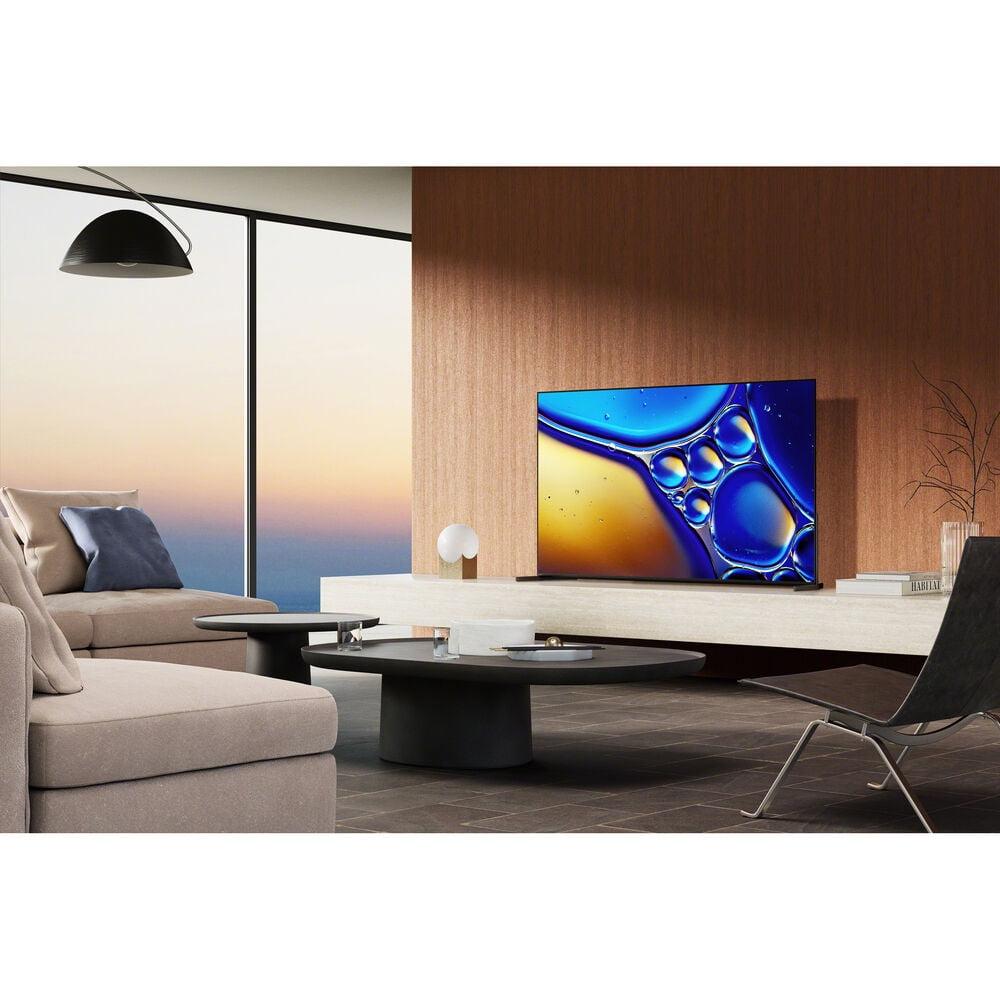
I've spent considerable time testing both TVs in different lighting conditions, and the results are instructive. In a dedicated home theater or bedroom with controlled lighting, the BRAVIA 8 II is simply spectacular. The combination of perfect blacks, accurate colors, and good brightness creates an almost three-dimensional image quality that draws you into the content.
In a bright family room or living space with lots of natural light, the BRAVIA 7 holds up better during daytime viewing. Its higher peak brightness and anti-glare properties mean you won't be squinting to see details or feeling like the image is washed out.
The sweet spot for the BRAVIA 8 II is moderate ambient lighting—think table lamps or soft overhead lighting in the evening. Here, you get the best of both worlds: the TV's superior contrast and color accuracy shine through while having enough brightness to overcome modest ambient light.
Both TVs cater well to serious gamers, but with different strengths. The BRAVIA 8 II delivers exceptional motion clarity thanks to OLED's instantaneous pixel response times. Fast-paced games like racing titles or first-person shooters look incredibly sharp with zero motion blur. The input lag of around 8.5ms is excellent for competitive gaming.
The BRAVIA 7 offers solid gaming features—4K at 120Hz, Variable Refresh Rate (VRR), and Auto Low Latency Mode (ALLM)—but the LCD panel's slower pixel response times can create noticeable motion blur in fast-moving scenes. It's not enough to ruin the gaming experience, but competitive players might notice the difference.
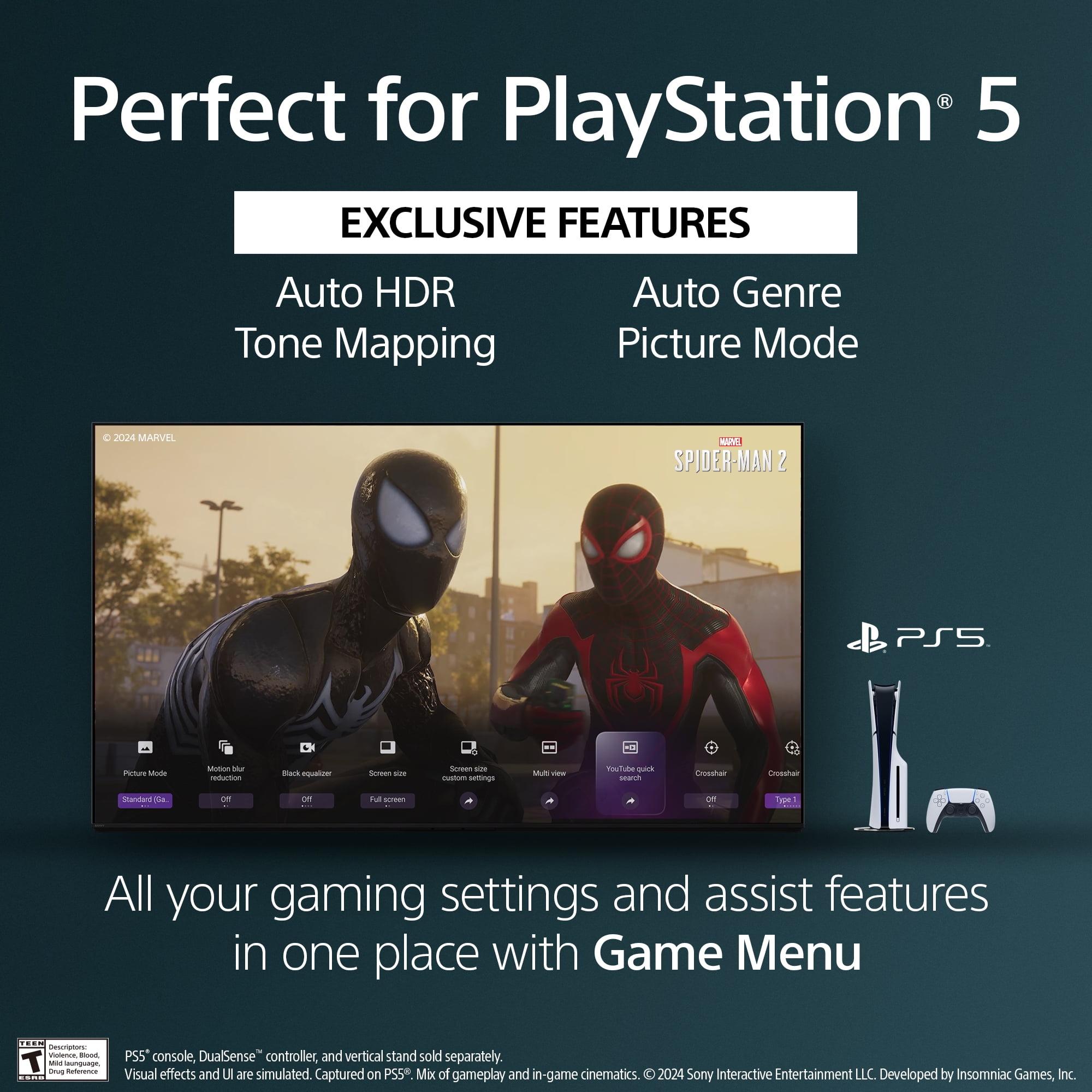
Both TVs include special optimizations for PlayStation 5, including Auto HDR Tone Mapping that adjusts settings automatically for the best gaming experience. They also support Dolby Vision gaming, a relatively new feature that enhances HDR gaming when supported by the console and game.
Here's where the BRAVIA 8 II showcases a genuinely innovative feature. Its Acoustic Surface Audio+ technology uses actuators behind the OLED panel to turn the entire screen into a speaker. This creates a remarkably immersive experience where dialogue appears to come directly from characters' mouths and sound effects originate from their visual sources on screen.
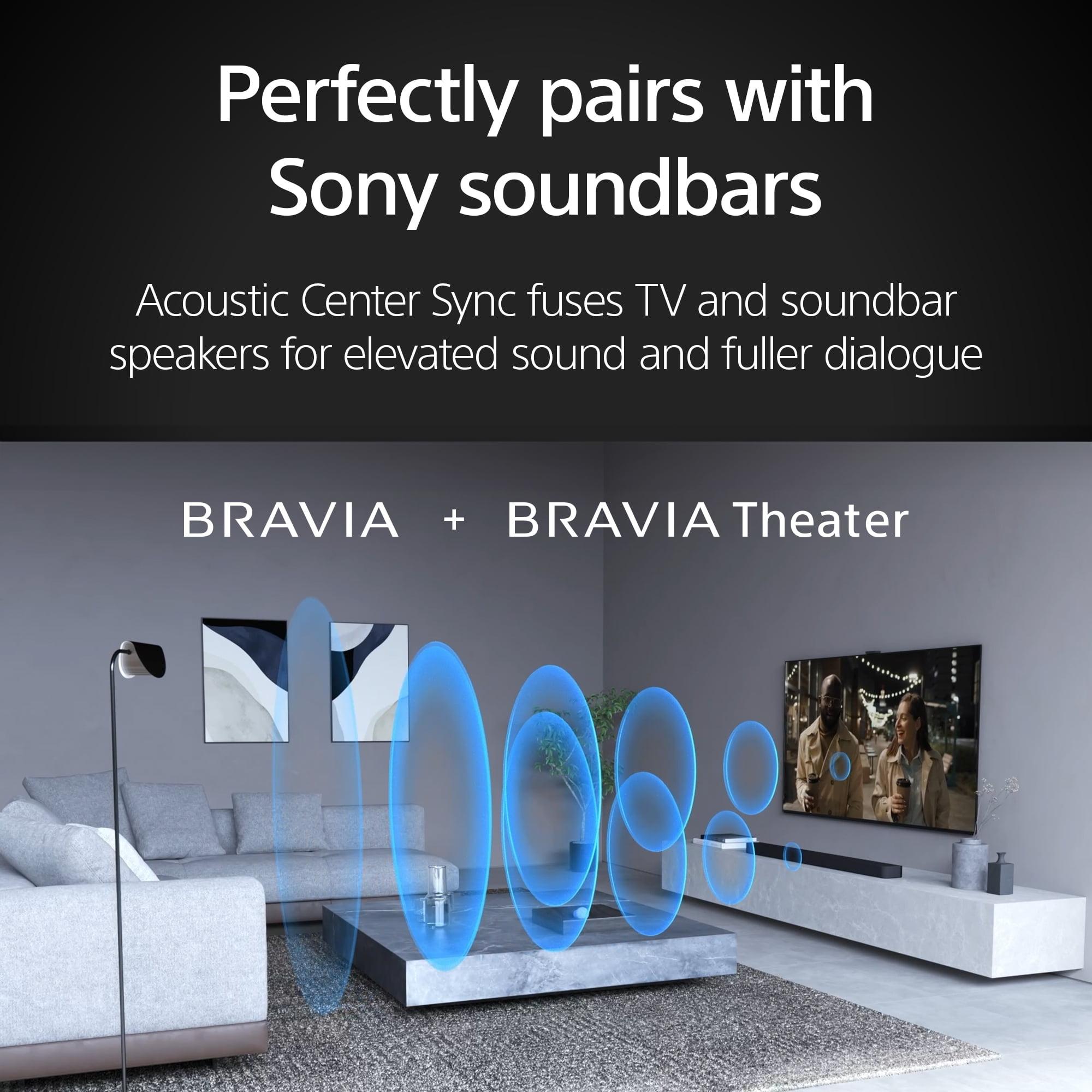
The BRAVIA 7 uses more traditional speakers but still delivers solid audio performance for a TV. Both support Dolby Atmos and can integrate seamlessly with Sony's soundbar systems, but the BRAVIA 8 II's screen-based audio gives it a unique advantage for viewers who don't want to invest in additional audio equipment immediately.
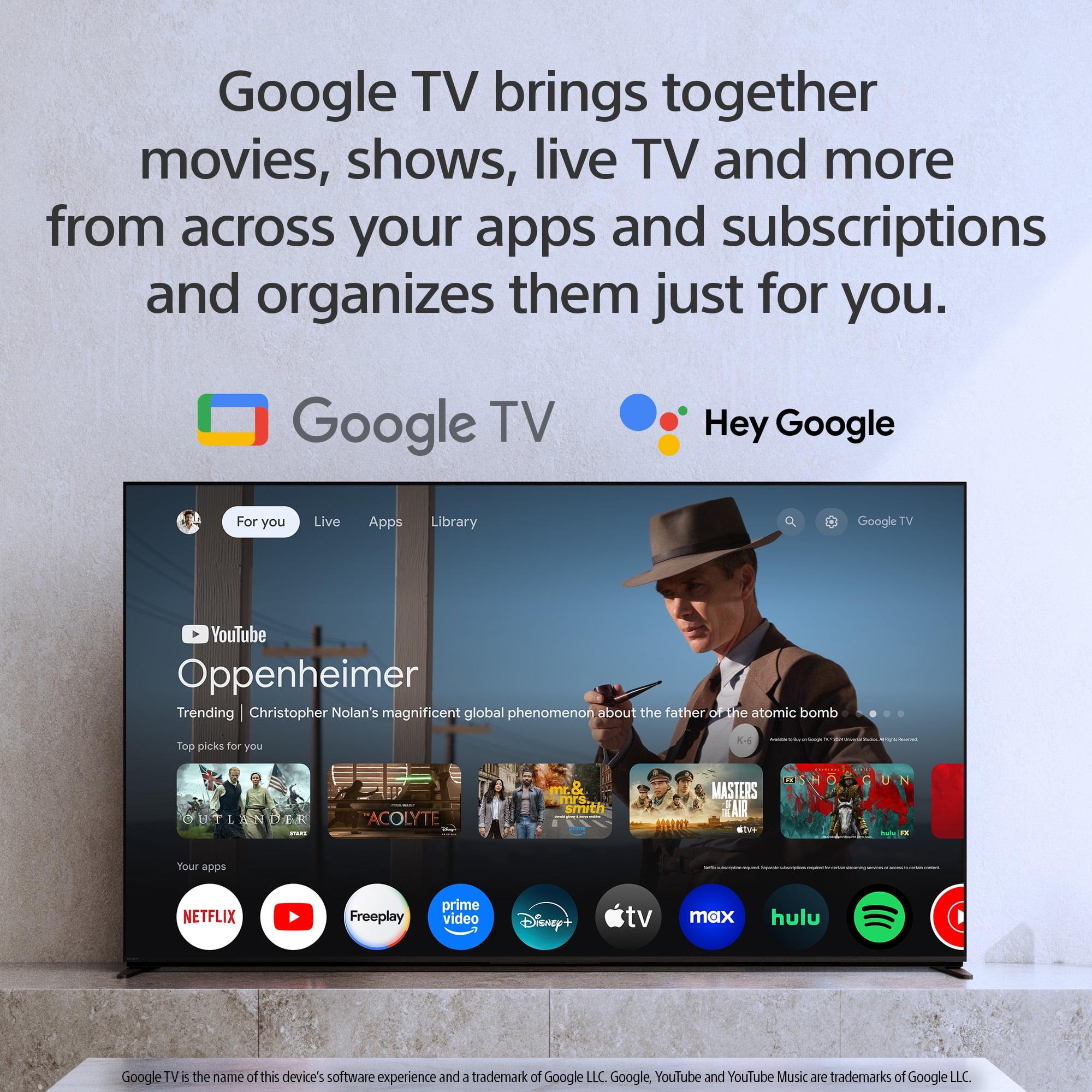
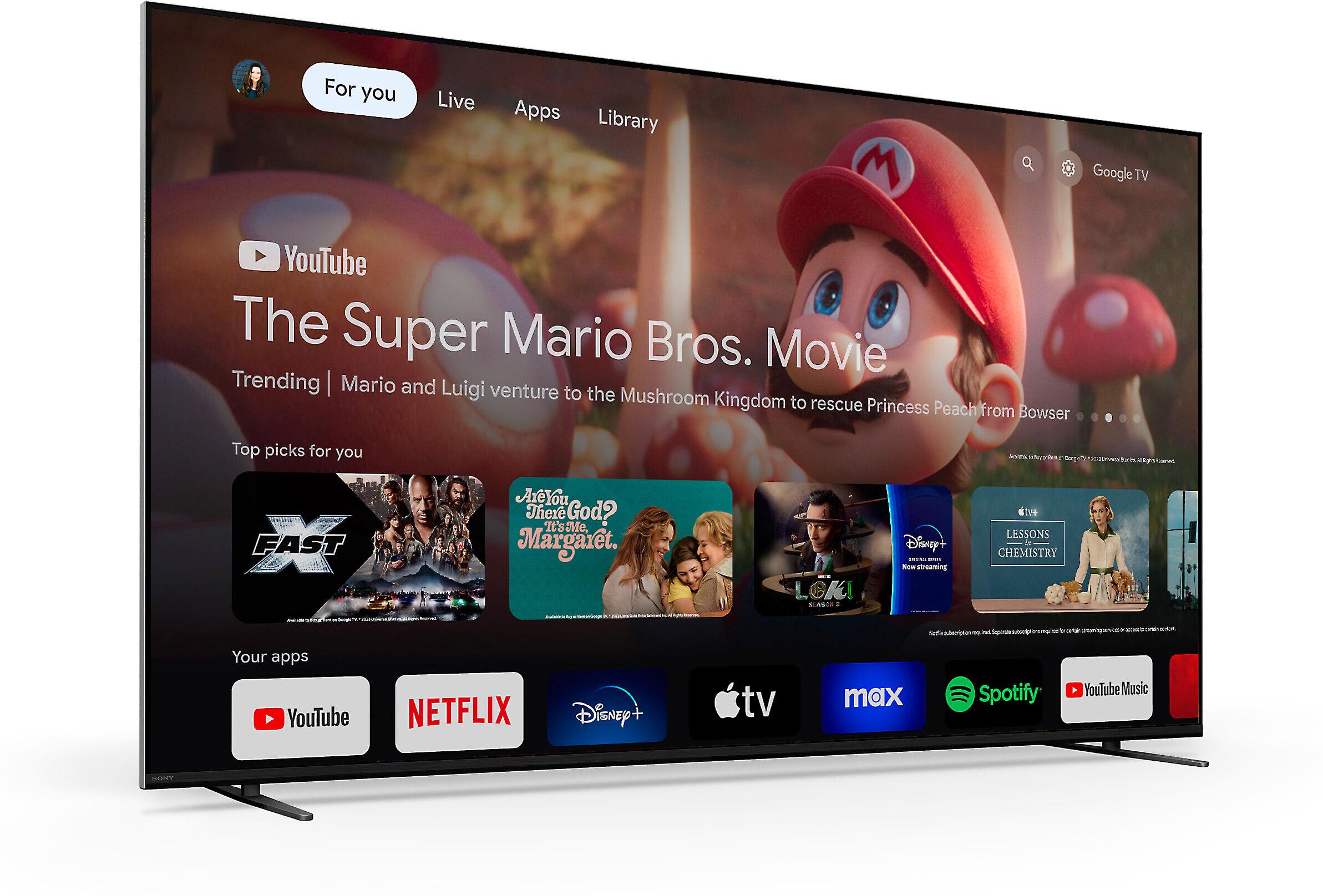
Both TVs run Google TV OS (version 12), providing access to all major streaming services with a clean, responsive interface. They include studio-calibrated picture modes for Netflix, Prime Video, and Sony Pictures Core, ensuring content appears as creators intended.
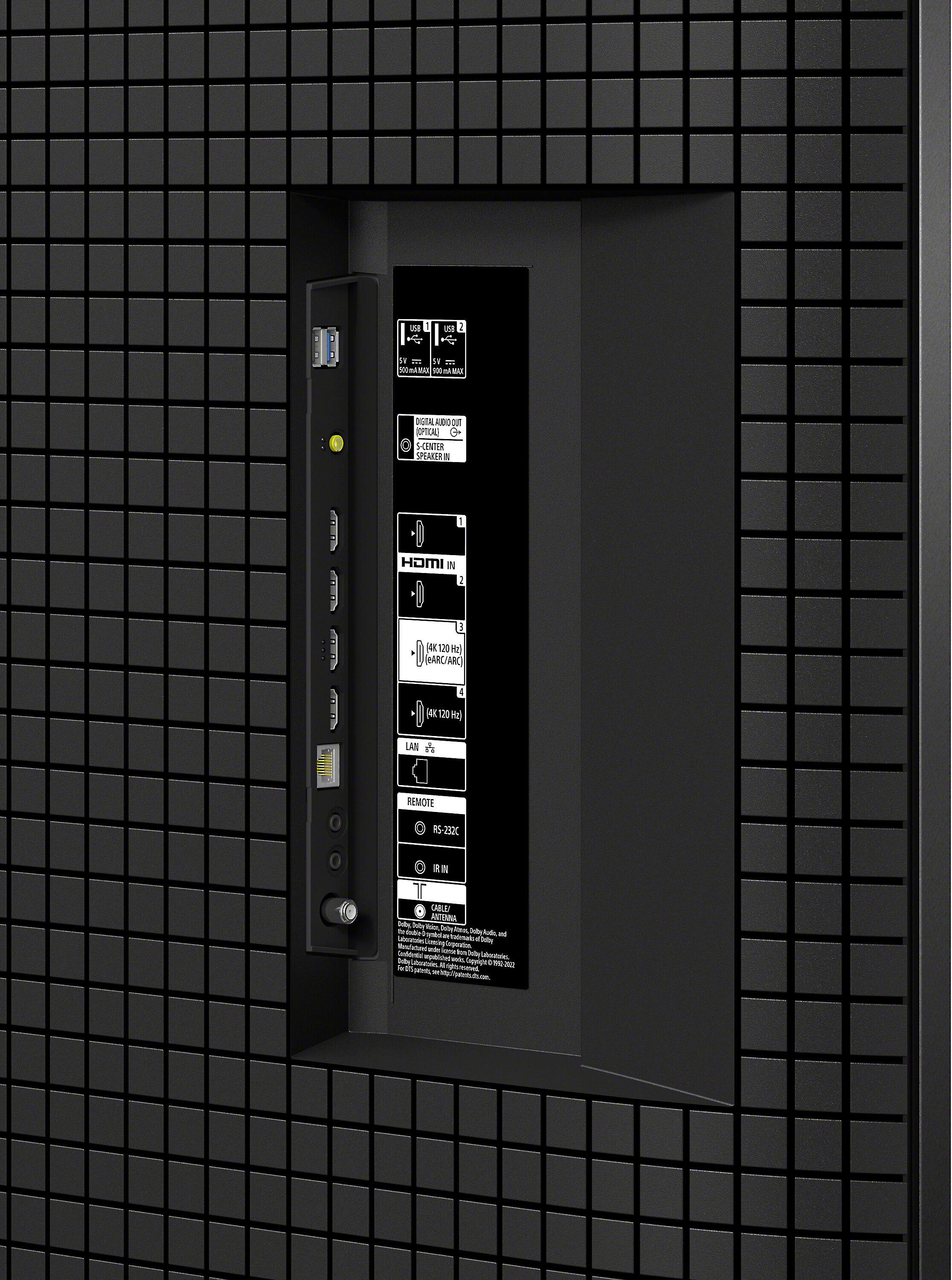
The BRAVIA 8 II includes some premium touches like an S-Center input that allows the TV to serve as a center channel speaker when paired with compatible Sony soundbars—a unique feature that can enhance your home theater setup without requiring a separate center channel speaker.
The $1,775 price difference between these TVs represents more than just a premium for fancier technology—it's the cost of achieving reference-quality picture performance. The BRAVIA 8 II at $3,098 delivers image quality that rivals professional reference monitors, while the BRAVIA 7 at $1,323 provides excellent performance that satisfies the vast majority of viewers.
When I calculate cost per year over a typical 10-year TV lifespan, the BRAVIA 8 II costs about $310 annually versus $132 for the BRAVIA 7. The question becomes: is the superior picture quality, wider viewing angles, and innovative audio worth an additional $178 per year?
For dedicated home theater use, the BRAVIA 8 II edges ahead significantly. The combination of perfect blacks, excellent color accuracy, wide viewing angles, and immersive screen-based audio creates a genuinely cinematic experience. The ability to turn off individual pixels means letterbox bars in movies disappear completely, making the image appear to float in space.
However, the BRAVIA 7 shouldn't be dismissed for theater use. Its excellent brightness and color performance, combined with proper room treatment and lighting control, can create a very satisfying cinematic experience at a much lower cost.
Choose the BRAVIA 8 II QD-OLED if you prioritize absolute picture quality, have a somewhat controlled lighting environment, value wide viewing angles, and are comfortable with the premium pricing. It's ideal for movie enthusiasts, gamers who want the ultimate motion clarity, and anyone creating a dedicated home theater space.
The BRAVIA 7 Mini LED makes more sense if you need excellent performance in bright rooms, want to spend significantly less while still getting premium features, or need larger size options (the BRAVIA 8 II only comes in 55" and 65" sizes). It's perfect for family rooms, bright living spaces, and buyers who want most of the flagship experience without the flagship price.
Both represent excellent choices within their respective market positions. The BRAVIA 8 II pushes the boundaries of what's possible in home display technology, while the BRAVIA 7 delivers remarkable performance at a price that makes premium TV features accessible to more buyers. Your room, viewing habits, and budget will ultimately determine which approach serves you better.

Privacy Policy
Terms and Conditions - Affiliate Policy
Home Security
© Copyright 2008-2026.
11816 Inwood Rd #1211, Dallas, TX 75244