

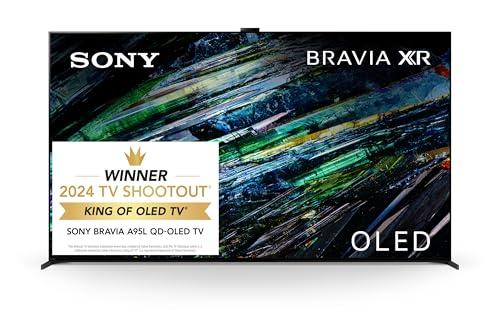


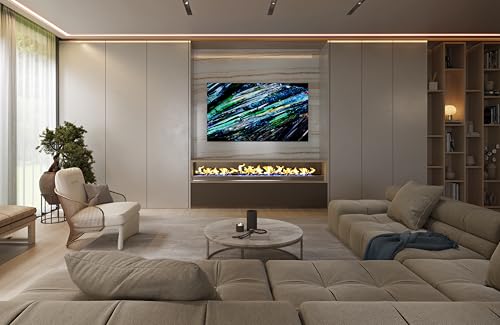
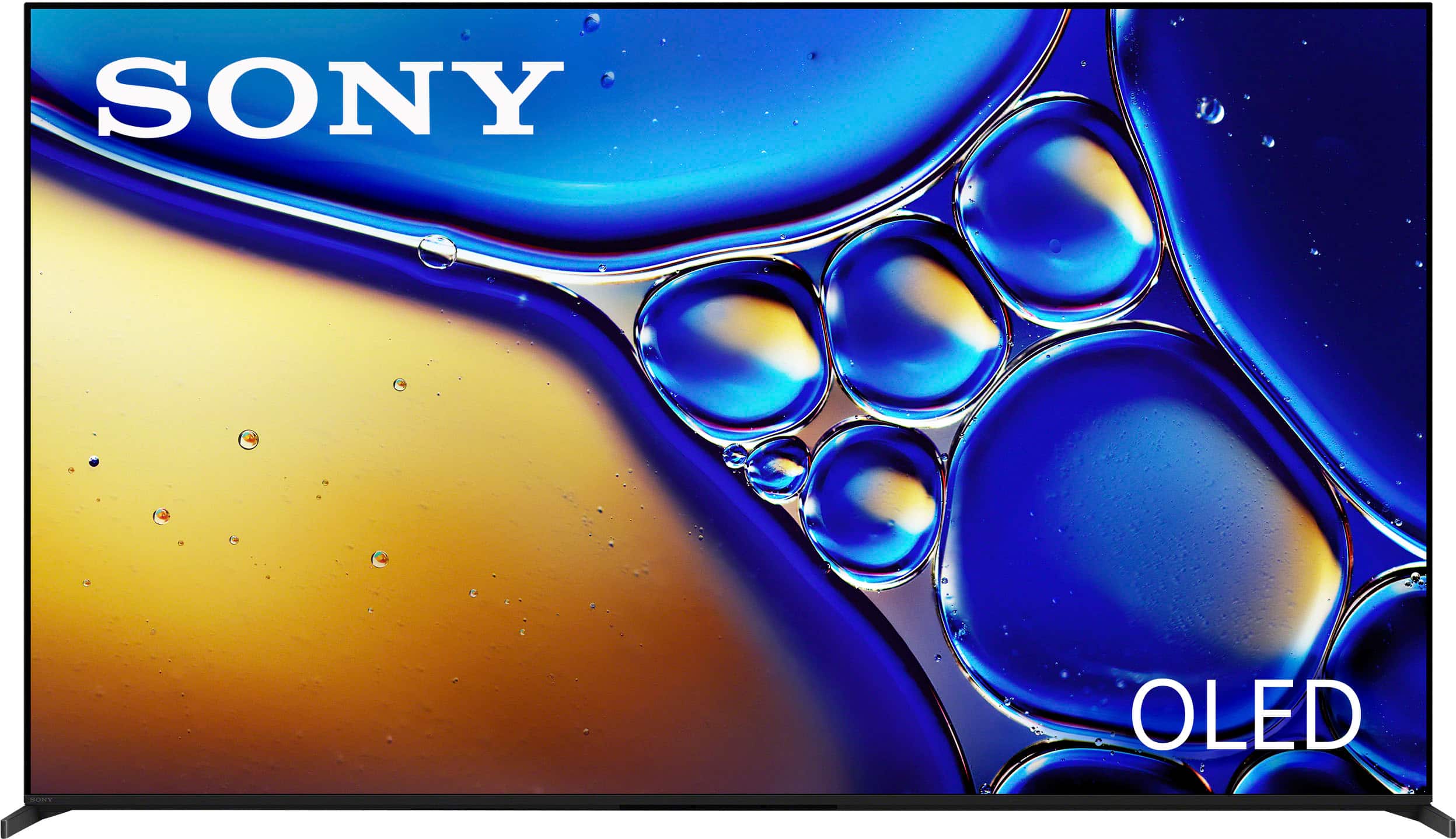
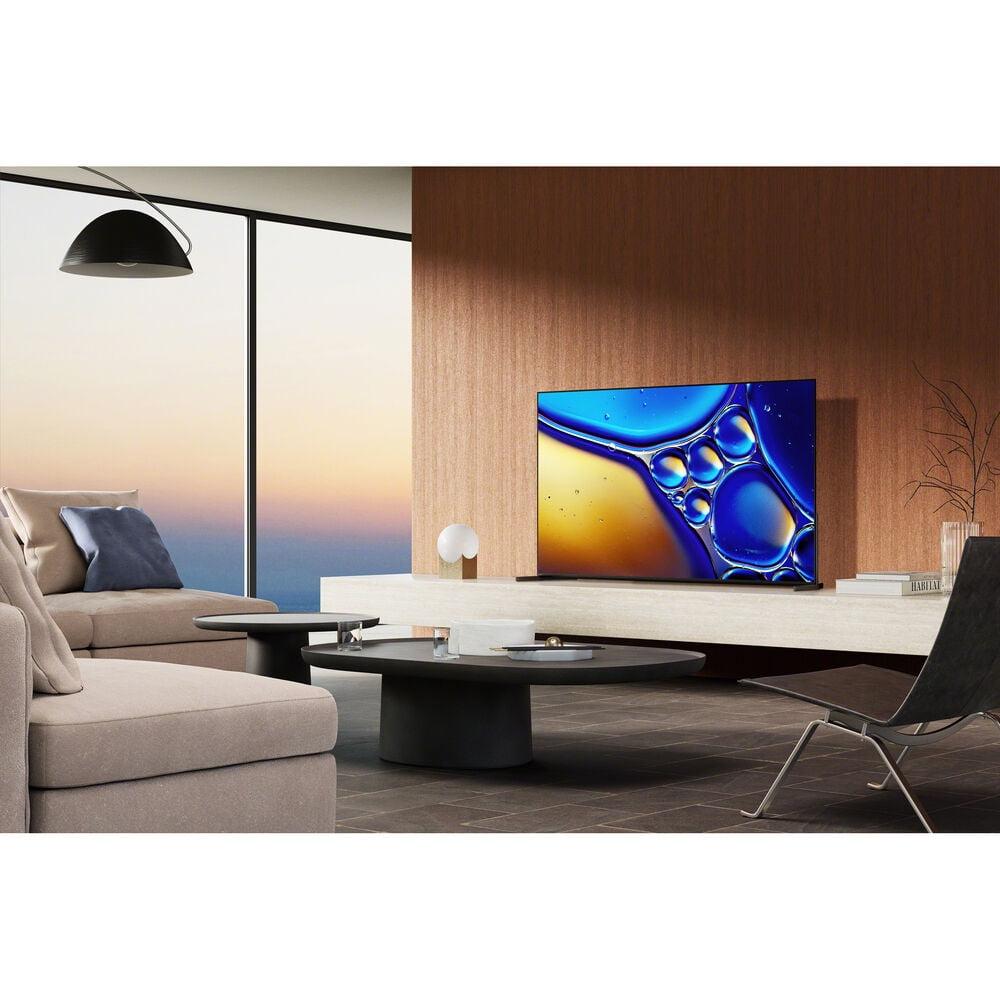
Sony's QD-OLED televisions represent the cutting edge of display technology, combining quantum dots with OLED's perfect blacks to create some of the most impressive pictures you can get at home. The Sony BRAVIA XR A95L launched in 2023 as Sony's first QD-OLED flagship, while the Sony BRAVIA 8 II arrived in 2025 as its direct successor. Both promise cinema-quality images, but which one deserves your money?
Understanding what makes these TVs special starts with grasping QD-OLED technology itself. Traditional OLED panels use organic compounds that emit light when electricity passes through them. QD-OLED adds a layer of quantum dots—microscopic crystals that convert blue OLED light into pure red and green. This combination delivers OLED's signature perfect blacks (individual pixels can turn completely off) while achieving much brighter highlights and more vibrant colors than regular OLED panels.
In the premium TV market, buyers typically prioritize picture quality above all else, followed by smart features, audio performance, and gaming capabilities. The challenge with comparing these two Sony models is that both excel in these areas, but their differences matter significantly depending on your viewing environment and preferences.
The most fundamental difference between the A95L and BRAVIA 8 II lies in their panel technology. The A95L uses second-generation QD-OLED panels, while the BRAVIA 8 II employs third-generation panels—the same technology found in Samsung's latest flagship TVs. This isn't just a marketing distinction; the newer panels deliver meaningful improvements in brightness, color volume, and heat management.
Sony enhanced the BRAVIA 8 II with an improved heatsink design, allowing the panel to run brighter for longer periods without thermal throttling (automatically dimming to prevent overheating). The quantum dot layer itself has been refined to convert blue light more efficiently, resulting in purer colors and less energy waste. These improvements translate directly into better real-world performance, particularly in bright rooms where previous OLED TVs often struggled.
The BRAVIA 8 II also benefits from Sony's latest XR Processor with AI Scene Recognition. This system analyzes content in real-time, identifying whether you're watching a dark thriller, bright nature documentary, or fast-paced sports. It then optimizes tone mapping (how the TV displays different brightness levels), contrast, and color saturation automatically. The A95L's Cognitive Processor XR is excellent but lacks this adaptive intelligence, requiring more manual adjustment for optimal performance across different content types.
Peak brightness represents perhaps the most important performance metric for modern TVs, especially in HDR (High Dynamic Range) content. HDR allows TVs to display a much wider range of brightness levels, from deep shadows to blazing highlights, creating more lifelike images that better match what our eyes see in real life.
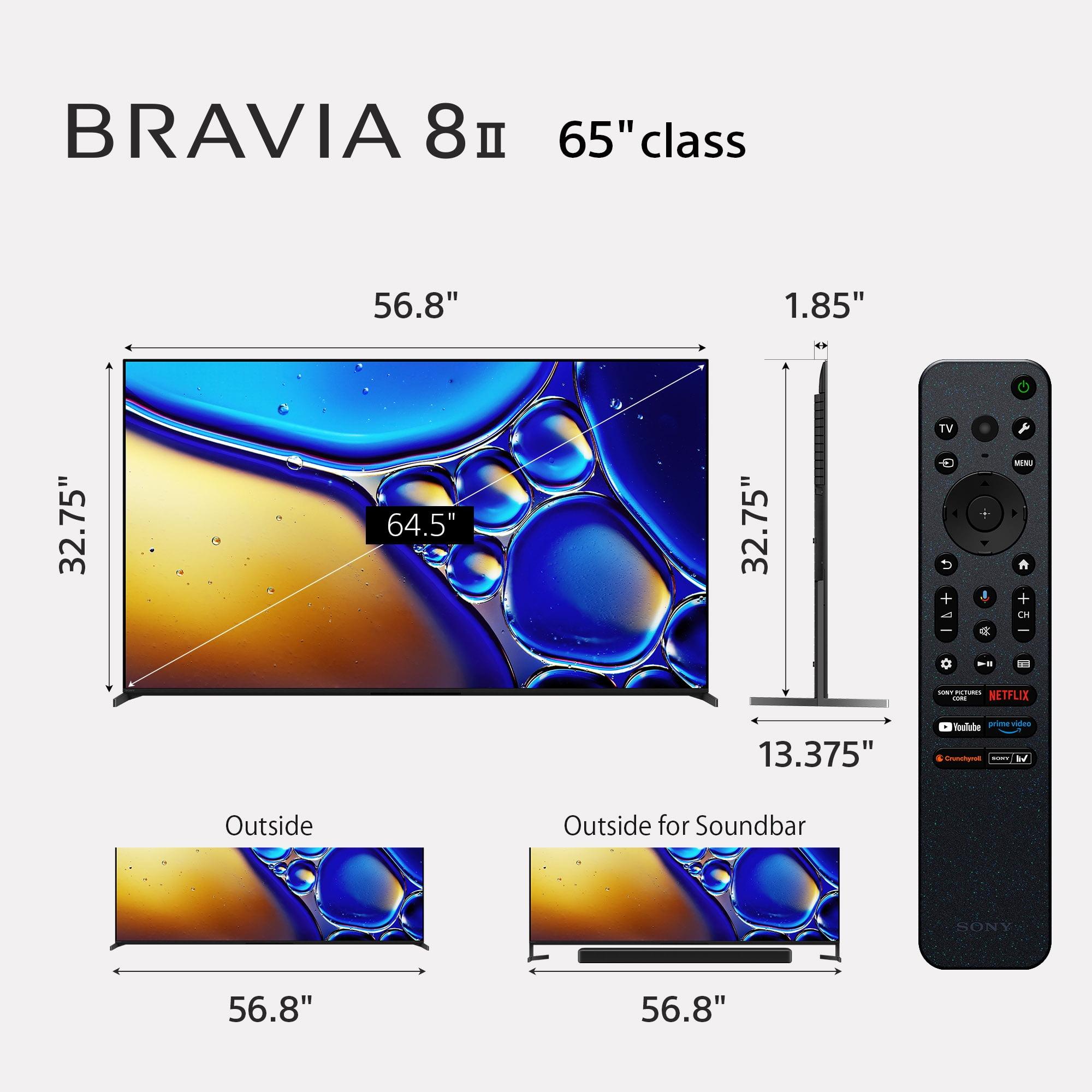
The BRAVIA 8 II achieves approximately 1,880 nits peak brightness—25% brighter than the A95L's 1,300 nits. While both figures sound technical, the real-world impact is substantial. Bright highlights in HDR content—think sunlight reflecting off water, car headlights at night, or explosions in action movies—appear more realistic and impactful on the newer model.
This brightness advantage becomes particularly important in rooms with ambient lighting. OLED's perfect blacks can appear grayish in bright rooms because the panel reflects surrounding light. Higher peak brightness helps bright parts of the image "punch through" this ambient light, maintaining the dramatic contrast that makes OLED special. Based on expert reviews, the BRAVIA 8 II performs noticeably better in mixed lighting conditions, while the A95L reaches its full potential primarily in darker viewing environments.
However, both models still fall short of the absolute brightness kings in the TV world. Mini-LED TVs like Sony's own BRAVIA 9 can exceed 4,000 nits, making them better suited for very bright rooms or daytime viewing. The trade-off is that Mini-LED can't match OLED's perfect blacks or viewing angles.
While peak brightness grabs headlines, other picture quality aspects matter enormously for the overall viewing experience. Both Sony models excel in color accuracy, which refers to how closely on-screen colors match the original content creator's intent. Sony's reputation for "cinematic" picture quality stems largely from their conservative, accurate approach to color reproduction.
The BRAVIA 8 II demonstrates superior color volume—the ability to maintain vibrant, saturated colors even in darker areas of the picture. This improvement becomes apparent in scenes with mixed lighting, where you might see deeply shadowed areas alongside bright highlights. The newer model preserves color richness in those shadows while the A95L, though still excellent, shows slightly more muted tones in similar scenarios.
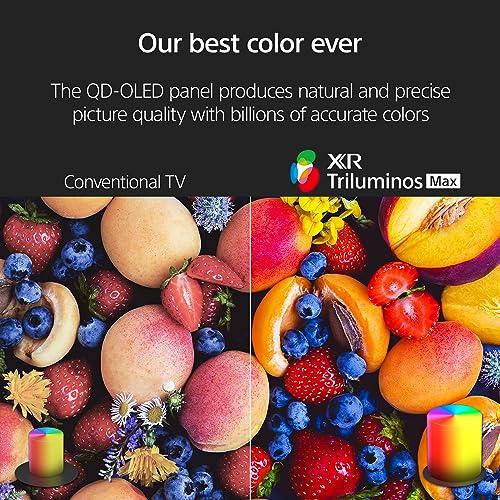
Both TVs feature Sony's XR Triluminos Max technology, which uses quantum dots to display what Sony claims are "billions of colors." While marketing often exaggerates, the color reproduction on both models genuinely impresses. Skin tones appear natural rather than oversaturated, grass looks realistically green rather than artificially vibrant, and sunset scenes display the warm, golden quality that makes you feel like you're actually there.
Motion handling represents another crucial aspect, particularly for sports and action movies. Both models use XR OLED Motion processing to reduce blur during fast movement. OLED's nearly instantaneous pixel response time (how quickly pixels change color) provides an inherent advantage over LCD technologies, resulting in crisp motion with minimal blur. The BRAVIA 8 II includes refinements to this processing, though the differences are subtle rather than dramatic.
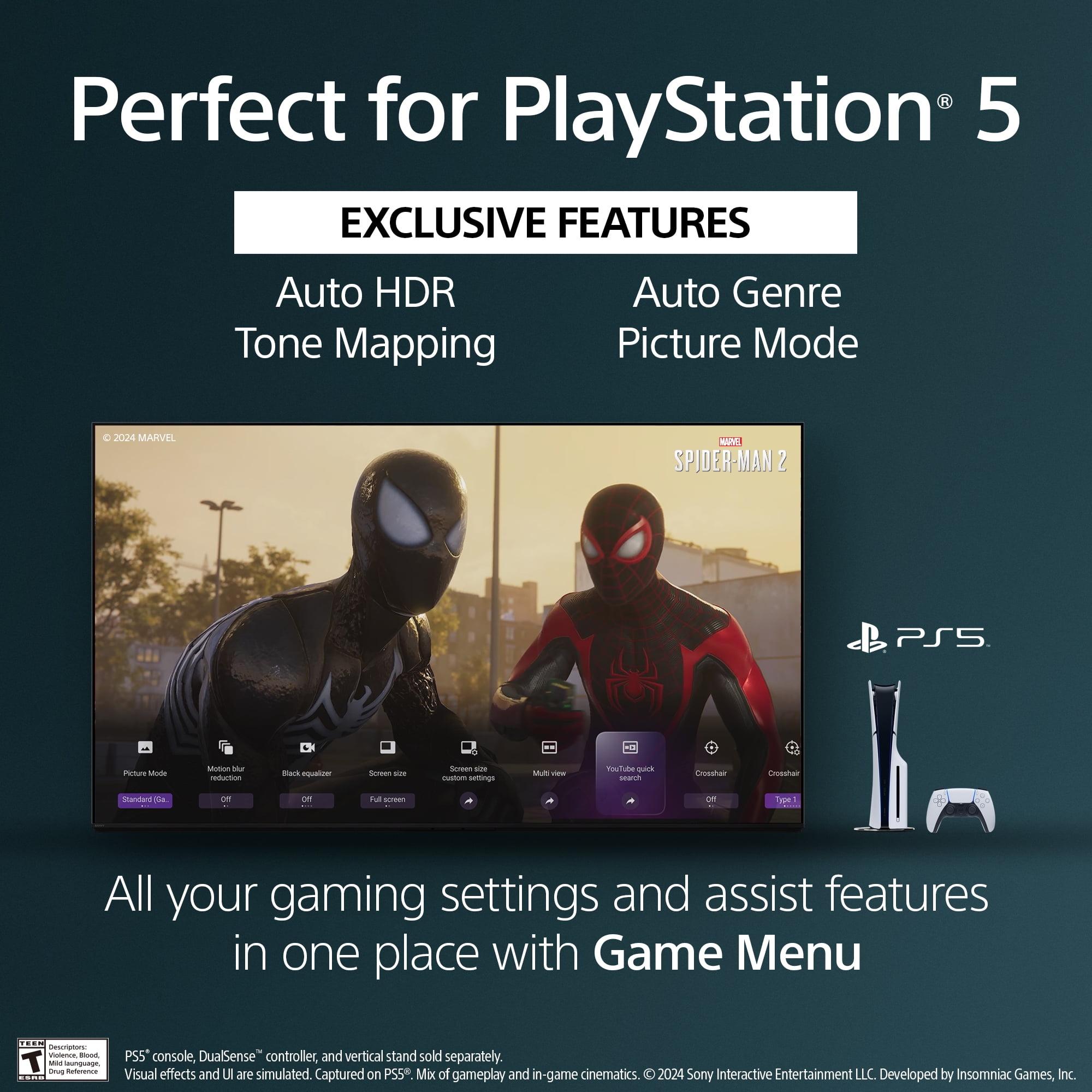
Both Sony models cater well to serious gamers with support for all major next-generation gaming features. They handle 4K resolution at 120Hz refresh rates, VRR (Variable Refresh Rate) to eliminate screen tearing, and ALLM (Auto Low Latency Mode) for reduced input lag. Input lag measures the delay between pressing a controller button and seeing the action on screen—lower numbers mean more responsive gameplay.
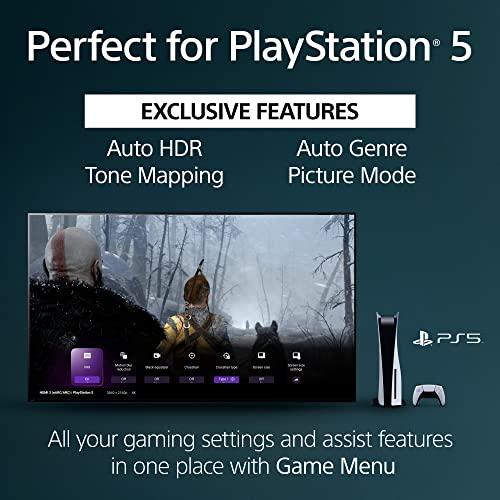
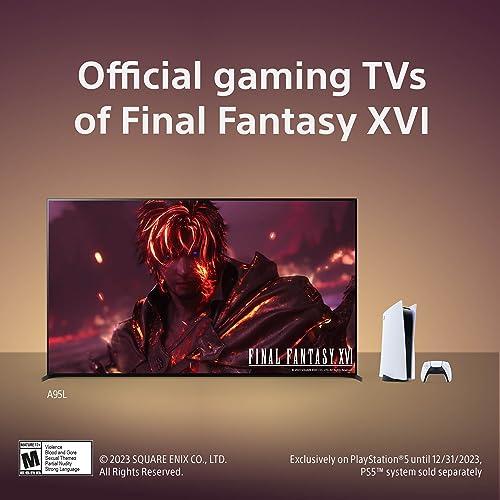
Both TVs achieve respectably low input lag in game mode, though not quite matching the absolute best gaming-focused models from competitors. More importantly, they support Dolby Vision gaming, a newer feature that enhances HDR performance specifically for games. Sony also includes "Perfect for PlayStation 5" optimization, automatically configuring settings for the best gaming experience with Sony's console.
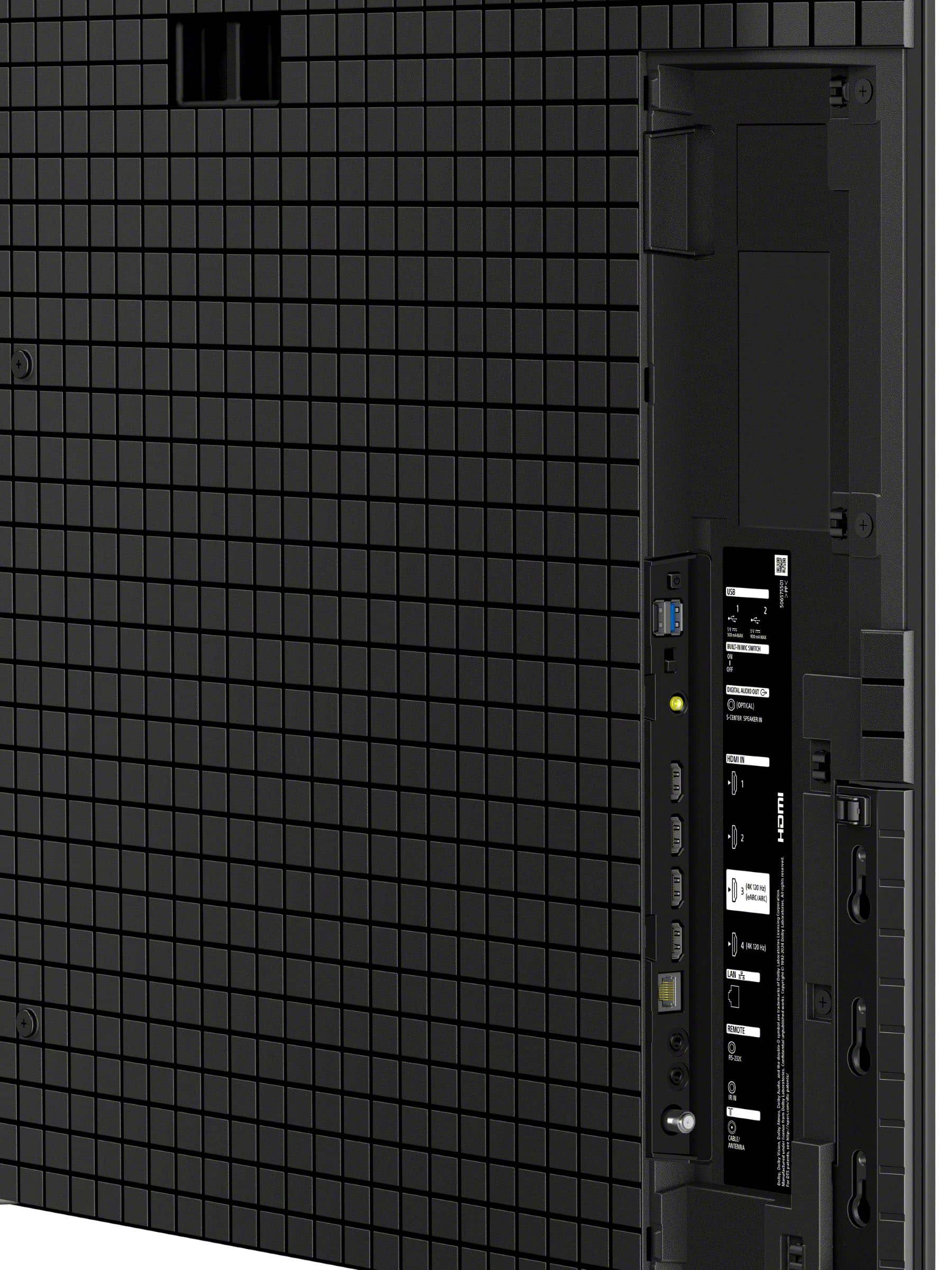
The limitation affecting both models is having only two HDMI 2.1 ports instead of the four found on many competitors. HDMI 2.1 enables those high-performance gaming features, so users with multiple gaming consoles, a PC, and a soundbar may find themselves constantly swapping cables. This represents a frustrating oversight on otherwise premium televisions.
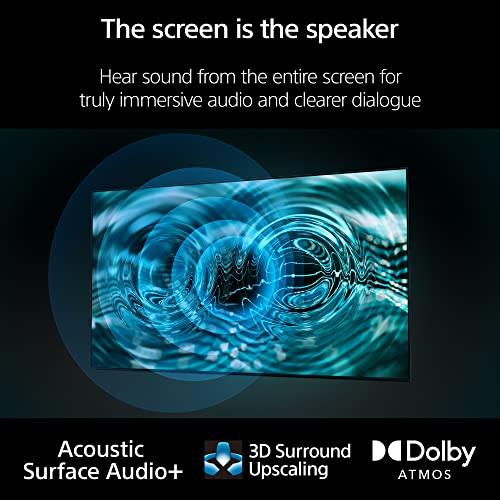
One area where both Sony models significantly outperform most competitors is audio quality. Sony's Acoustic Surface Audio+ technology uses actuators behind the panel to vibrate the entire screen, effectively turning the display itself into a speaker. This creates an immersive effect where dialogue appears to come directly from actors' mouths rather than from speakers below the screen.
The audio quality genuinely impresses for built-in TV speakers. Both models produce relatively full sound with clear dialogue and reasonable bass response, thanks to dedicated subwoofers. The BRAVIA 8 II includes Voice Zoom 3, which uses AI to enhance dialogue clarity during loud action scenes—a feature that proves surprisingly useful when watching movies with dramatic soundtracks.
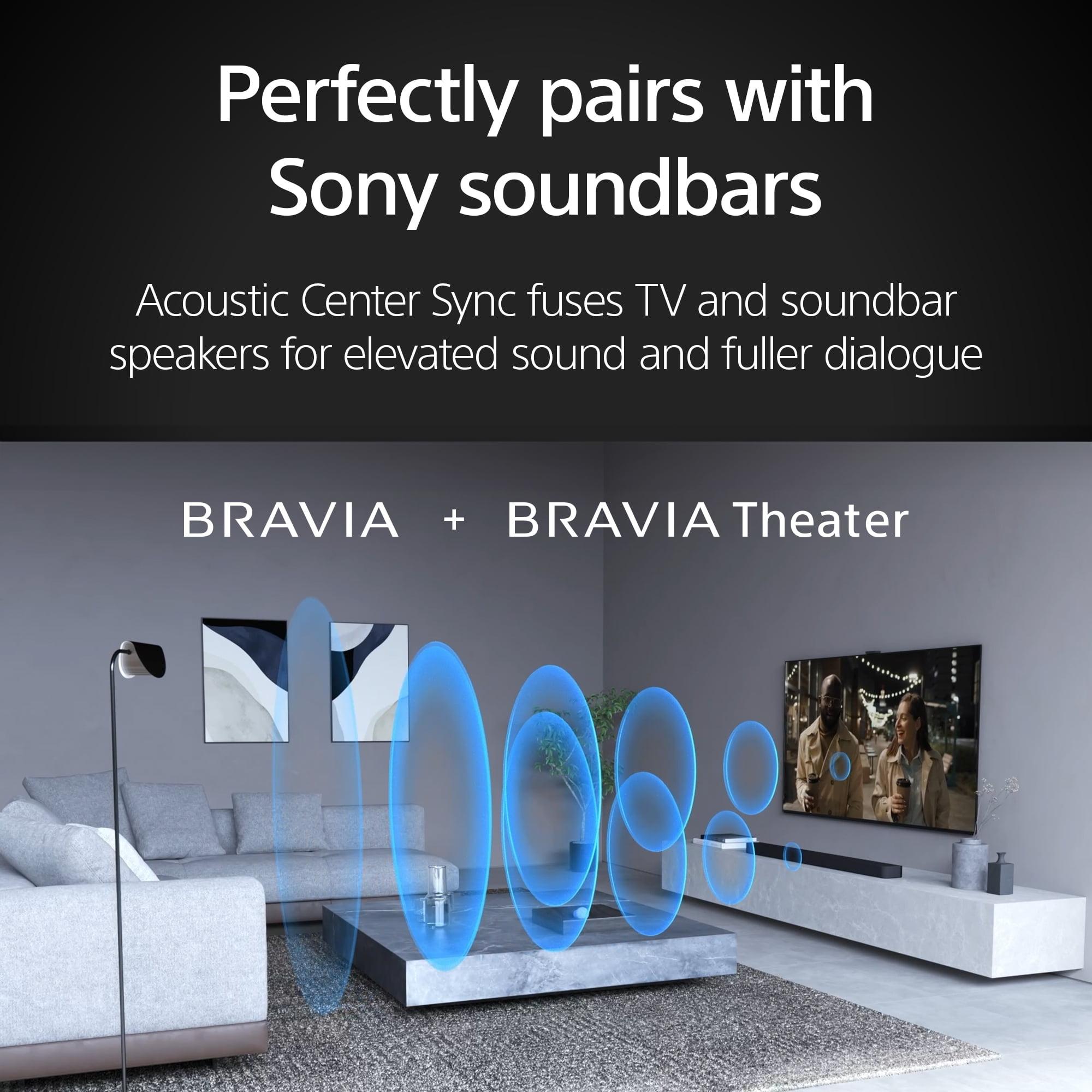
Both TVs can function as center channel speakers when paired with compatible Sony soundbars, a unique feature that enhances home theater setups. This Acoustic Center Sync capability allows the TV's screen-based audio to handle dialogue while the soundbar manages music and effects, creating more cohesive surround sound.
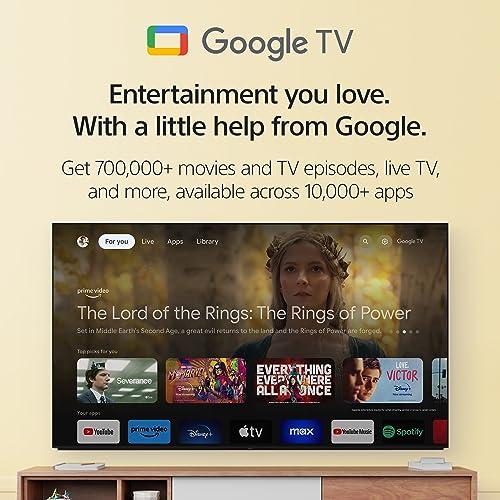
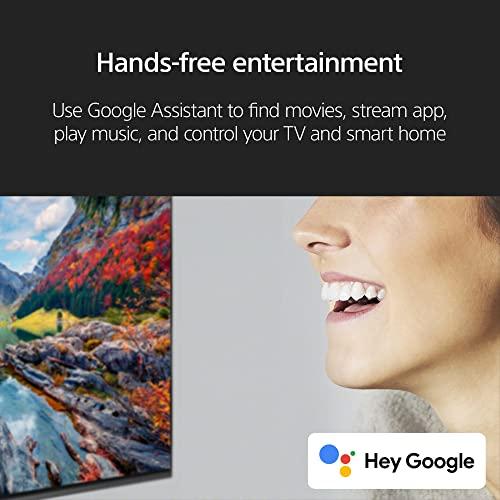
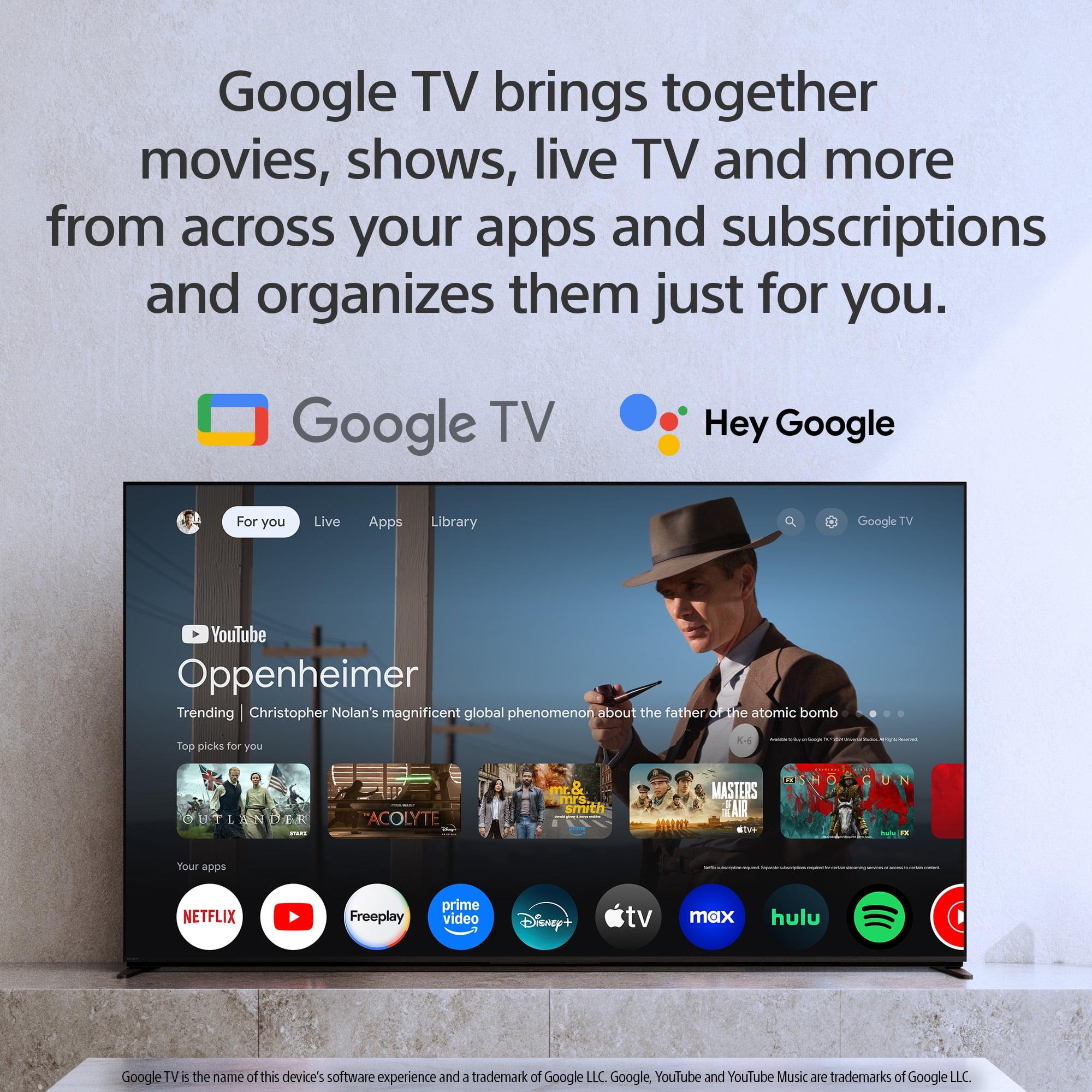
Both models run Google TV, Sony's implementation of Google's smart TV platform. The interface provides access to all major streaming services, with built-in Google Assistant for voice control. Apple users benefit from AirPlay 2 support for wireless streaming from iPhones and iPads.
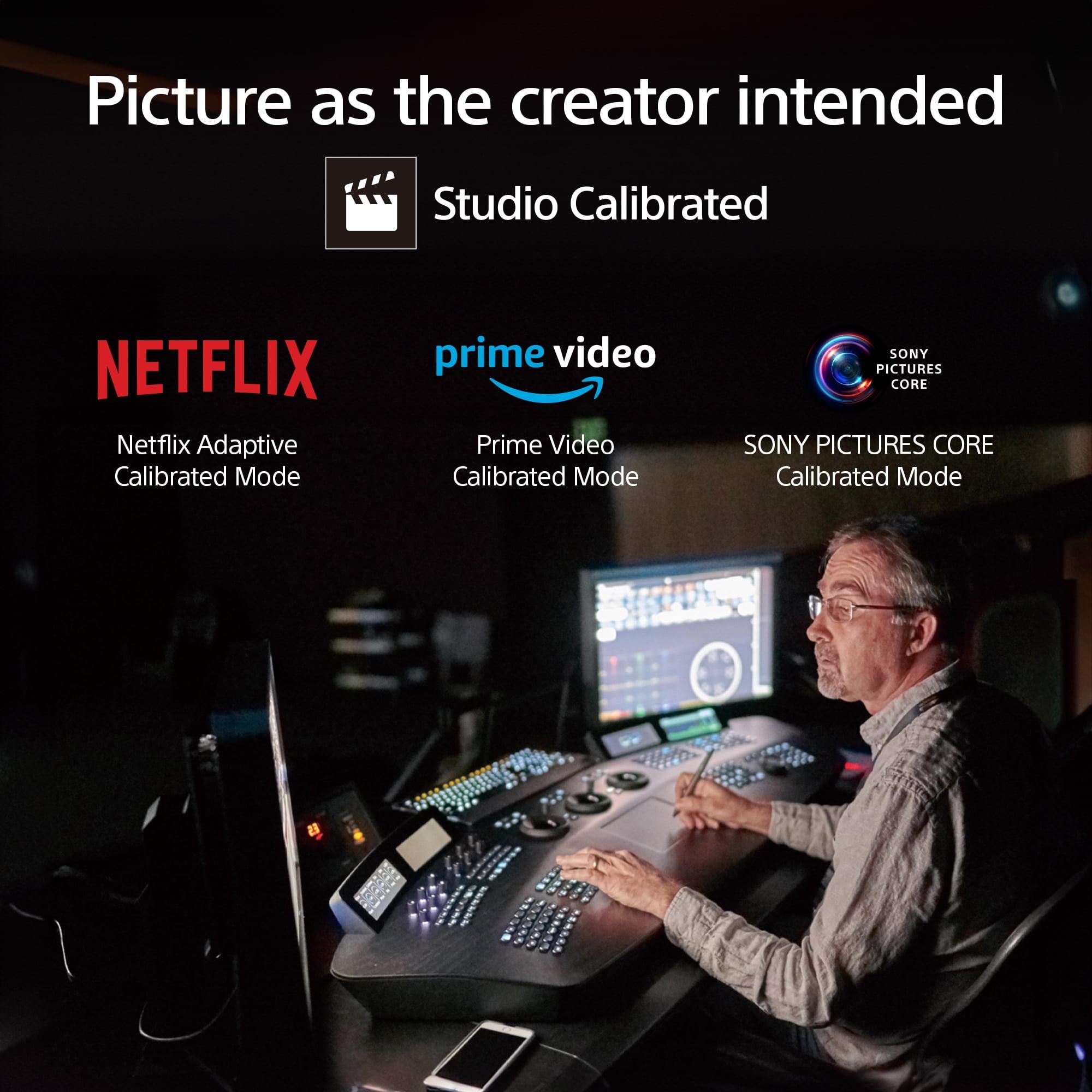
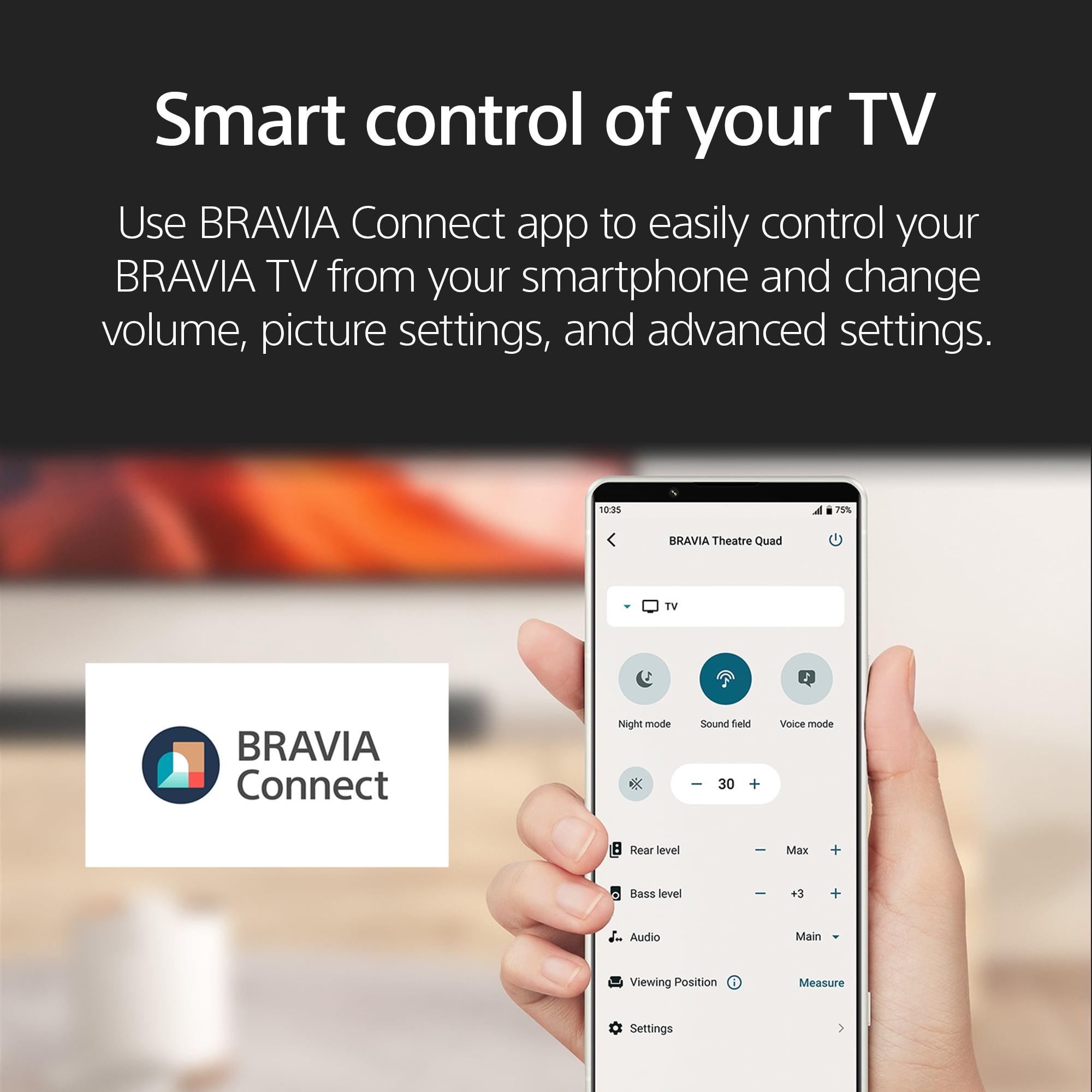
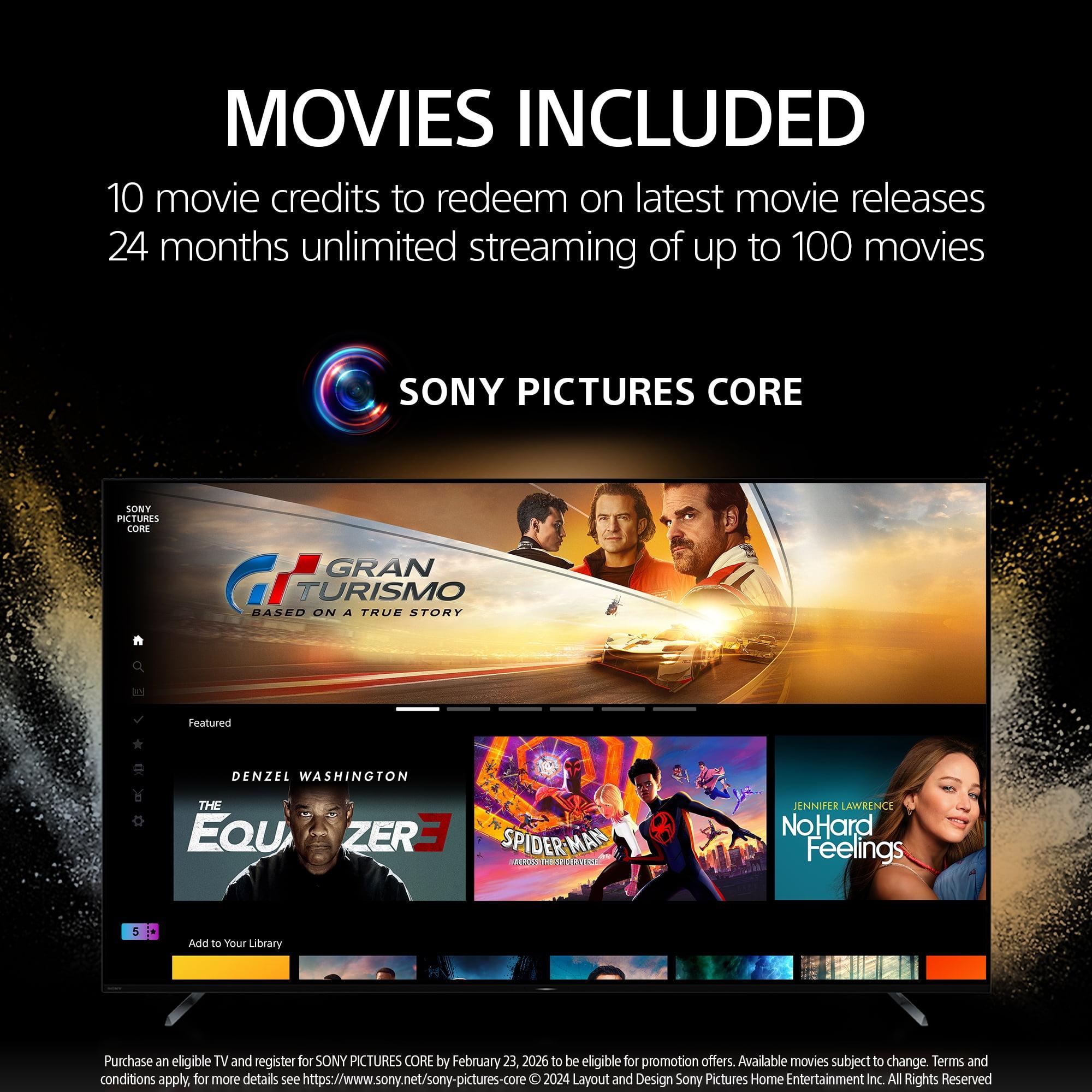
The BRAVIA 8 II includes calibrated picture modes for Netflix, Prime Video, and Sony Pictures Core, ensuring content appears as creators intended. The A95L offers Netflix and Sony Pictures Core modes, missing only Prime Video calibration. These studio-calibrated modes matter more than typical picture presets because they're specifically tuned to match professional mastering monitors used in content creation.
One practical advantage of the BRAVIA 8 II is its simplified setup process. Expert reviews consistently note that it delivers excellent picture quality with minimal adjustment—simply selecting the appropriate calibrated mode yields impressive results. The A95L, while capable of matching or exceeding this performance, typically requires more fine-tuning to achieve optimal results.
At the time of writing, the value equation between these models varies significantly based on current pricing and availability. The BRAVIA 8 II launched with more aggressive pricing than its predecessor, reflecting Sony's desire to compete more directly with Samsung and LG flagships. However, the A95L has seen substantial price reductions as retailers clear inventory, sometimes making it the more affordable option despite being newer technology.
The BRAVIA 8 II represents the better long-term investment for most buyers. Its brighter panel, improved processing, and enhanced bright-room performance future-proof your purchase for years of viewing. The technology improvements are genuine and meaningful, not just incremental upgrades.
However, the A95L remains an exceptional television whose picture quality still competes effectively with 2025 models. If available at significantly reduced prices, it offers outstanding value for buyers who primarily watch content in darker environments or don't require absolute peak performance.
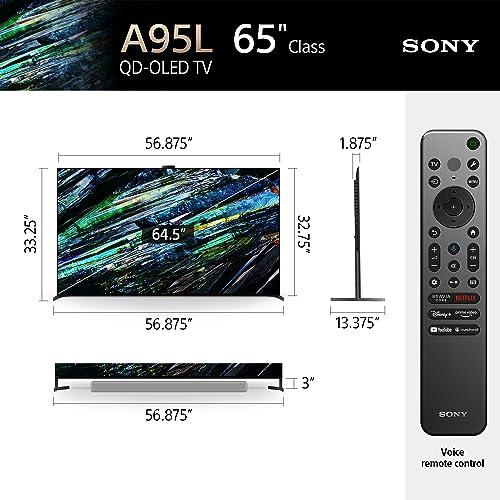
One crucial factor affects large-screen buyers: availability. The A95L comes in 55-inch, 65-inch, and 77-inch sizes, while the BRAVIA 8 II launched only in 55-inch and 65-inch configurations. For buyers wanting Sony's largest QD-OLED experience, the A95L remains the only option.
The 77-inch difference matters significantly for home theater enthusiasts. Larger screens create more immersive viewing experiences, particularly for movies and sports. The A95L's continued availability in 77-inch represents a meaningful advantage for buyers with appropriate viewing distances and room sizes.
Both models excel in dedicated home theater environments, but with different strengths. The A95L reaches its full potential in dark rooms where its perfect blacks create dramatic contrast. Its slightly more conservative brightness approach can actually benefit movie viewing, as it maintains the filmmaker's intended dynamic range without appearing artificially enhanced.
The BRAVIA 8 II offers more flexibility for mixed-use rooms that serve both as family spaces and occasional home theaters. Its brighter panel maintains impact even with some ambient lighting, while its improved shadow detail preserves information in dark scenes that might be lost on dimmer displays.
Both support IMAX Enhanced content and Dolby Vision, ensuring compatibility with premium streaming content and future 4K Blu-ray releases. Their accurate color reproduction makes them suitable for viewers who prioritize faithfulness to original content rather than artificially boosted, "showroom-friendly" images.
Choose the BRAVIA 8 II if you have a bright or mixed-lighting room, prioritize having the latest display technology, or want minimal setup hassle. Its improved brightness and processing make it more versatile for different viewing conditions, while its AI-enhanced picture optimization reduces the need for manual tweaking.
The A95L makes sense for buyers who need the 77-inch size, have dedicated dark viewing rooms, or can find it at substantially reduced prices. Its picture quality remains reference-level, and the price difference might justify accepting slightly lower peak brightness.
For serious home theater enthusiasts with controlled lighting, either model delivers exceptional performance. The BRAVIA 8 II's advantages become more apparent in challenging viewing conditions rather than optimal ones.
Gaming-focused buyers will find both models equally capable, though the shared two-HDMI-2.1-port limitation affects both equally. Neither offers significant advantages for gaming beyond their shared excellent motion handling and low input lag.
The BRAVIA 8 II represents the superior choice for most buyers, assuming reasonable price parity with the A95L. Its brightness improvements, enhanced processing, and better bright-room performance make it more versatile and future-proof. The technology advances are meaningful rather than cosmetic.
However, the A95L remains an outstanding television that shouldn't be dismissed simply because it's older. If available at significantly lower prices, it offers exceptional value and picture quality that still competes with current-generation models. The choice often comes down to current pricing, size requirements, and specific viewing conditions rather than one model being definitively superior in all scenarios.
Both represent Sony's commitment to reference-quality picture reproduction and demonstrate why QD-OLED technology has become the new standard for premium television displays. Either choice will deliver years of exceptional viewing experiences, making this more about finding the better value proposition than avoiding a compromised product.
| Sony BRAVIA XR A95L 65" QD-OLED | Sony BRAVIA 8 II 65" QD-OLED |
|---|---|
| Peak Brightness - Critical for HDR impact and bright room viewing | |
| ~1,300 nits (excellent for dark rooms) | ~1,880 nits (25% brighter, better for mixed lighting) |
| Panel Technology - Affects color accuracy and longevity | |
| 2nd generation QD-OLED | 3rd generation QD-OLED (same as Samsung S95F) |
| Processor - Determines upscaling and motion quality | |
| Cognitive Processor XR | XR Processor with AI Scene Recognition (auto-optimizes content) |
| Available Sizes - Important for room planning | |
| 55", 65", 77" | 55", 65" only (no 77" option) |
| Release Year - Affects pricing and availability | |
| 2023 (heavily discounted now) | 2025 (newer tech, competitive launch pricing) |
| HDMI 2.1 Ports - Limits gaming console connections | |
| 2 ports (same limitation as newer model) | 2 ports (frustrating for multi-console gamers) |
| Gaming Performance - Input lag and features for consoles | |
| 4K/120Hz, VRR, ALLM, Dolby Vision gaming | Identical gaming specs to A95L |
| Audio Technology - Built-in sound quality | |
| Acoustic Surface Audio+ (screen acts as speaker) | Acoustic Surface Audio+ with Voice Zoom 3 (AI dialogue enhancement) |
| Smart Features - Streaming and calibration modes | |
| Google TV, Netflix/Sony Pictures calibrated modes | Google TV, adds Prime Video calibrated mode |
| Setup Complexity - How much tweaking is needed | |
| Requires some calibration for optimal results | Minimal adjustment needed for excellent picture |
| Anti-Reflective Coating - Performance in bright rooms | |
| Good reflection handling | Improved coating, better bright room performance |
| Current Value Proposition - Which offers better bang for buck | |
| Excellent value when heavily discounted | Better long-term investment with latest tech |
Yes, the Sony BRAVIA 8 II offers meaningful improvements over the Sony BRAVIA XR A95L, including 25% brighter peak brightness, enhanced AI processing with scene recognition, and better performance in bright rooms. However, if you can find the A95L at significantly reduced prices, it still delivers exceptional picture quality that competes with 2025 models.
The Sony BRAVIA 8 II is significantly brighter, reaching approximately 1,880 nits compared to the A95L's 1,300 nits. This 25% brightness increase makes the BRAVIA 8 II much better for rooms with ambient lighting, while the A95L performs best in darker viewing environments.
Yes, both the Sony BRAVIA XR A95L and Sony BRAVIA 8 II offer identical gaming performance with 4K/120Hz support, VRR, ALLM, and Dolby Vision gaming. Both models are limited to only two HDMI 2.1 ports, which can be frustrating for users with multiple gaming consoles.
Value depends on current pricing. The Sony BRAVIA 8 II launched with competitive pricing and offers the latest technology, making it a better long-term investment. However, the Sony BRAVIA XR A95L often provides excellent value when available at discounted prices, delivering 90% of the newer model's performance.
Yes, the Sony BRAVIA XR A95L is available in 55", 65", and 77" sizes, while the Sony BRAVIA 8 II only comes in 55" and 65" configurations. If you need a 77" Sony QD-OLED TV, the A95L is your only option.
Both excel for home theater, but with different strengths. The Sony BRAVIA XR A95L reaches peak performance in dedicated dark rooms with its perfect blacks and cinematic color accuracy. The Sony BRAVIA 8 II offers more versatility for mixed-use rooms that aren't completely light-controlled, thanks to its brighter panel and improved shadow detail.
Yes, both the Sony BRAVIA XR A95L and Sony BRAVIA 8 II feature Sony's Acoustic Surface Audio+ technology, which turns the entire screen into a speaker. This creates excellent built-in audio quality that eliminates the immediate need for external speakers, with the BRAVIA 8 II adding AI-powered Voice Zoom 3 for enhanced dialogue clarity.
Both run Google TV with similar capabilities, but the Sony BRAVIA 8 II includes additional calibrated modes for Prime Video alongside Netflix and Sony Pictures Core. The BRAVIA 8 II also requires less manual setup to achieve optimal picture quality compared to the A95L.
Yes, while both deliver exceptional picture quality, the Sony BRAVIA 8 II offers superior color volume in dark scenes, enhanced shadow detail, and improved anti-reflective coating. The Sony BRAVIA XR A95L still provides reference-level picture quality but shows slightly more muted colors in mixed lighting scenarios.
The Sony BRAVIA 8 II performs significantly better in bright rooms due to its higher peak brightness and improved anti-reflective coating. The Sony BRAVIA XR A95L can appear washed out in very bright environments, though both maintain OLED's perfect blacks in controlled lighting.
Yes, both the Sony BRAVIA XR A95L and Sony BRAVIA 8 II support Dolby Vision, HDR10, HLG, and IMAX Enhanced content. Neither supports HDR10+, but this rarely impacts real-world viewing since most premium content uses Dolby Vision.
Choose the Sony BRAVIA 8 II if you have mixed lighting, want the latest technology, or prefer minimal setup requirements. Select the Sony BRAVIA XR A95L if you need a 77" size, have a dedicated dark theater room, or can find it at substantially lower prices. Both deliver exceptional performance for their respective use cases.
We've done our best to create useful and informative comparisons to help you decide what product to buy. Our research uses advanced automated methods to create this comparison and perfection is not possible - please contact us for corrections or questions. These are the sites we've researched in the creation of this article: rtings.com - youtube.com - rtings.com - avsforum.com - rtings.com - smarthomesounds.co.uk - smarthomesounds.co.uk - rtings.com - smarthomesounds.co.uk - youtube.com - tomsguide.com - avsforum.com - rtings.com - perfectrec.com - flatpanelshd.com - videoandaudiocenter.com - sonypremiumhome.com - bestbuy.com - sony.com - electronics.sony.com - displayspecifications.com - donstv.com - youtube.com - static.pcrichard.com - smarthomesounds.co.uk - youtube.com - electronics.sony.com - electronics.sony.com - displayspecifications.com - techradar.com - rtings.com - bestbuy.com - whathifi.com - rtings.com - hometechnologyreview.com - youtube.com - hometechnologyreview.com - hometechnologyreview.com - hometechnologyreview.com - valueelectronics.com - smarthomesounds.co.uk - electronics.sony.com - valueelectronics.com - bestbuy.com - youtube.com - displayspecifications.com - hometechnologyreview.com - flatpanelshd.com

Privacy Policy
Terms and Conditions - Affiliate Policy
Home Security
© Copyright 2008-2026.
11816 Inwood Rd #1211, Dallas, TX 75244