

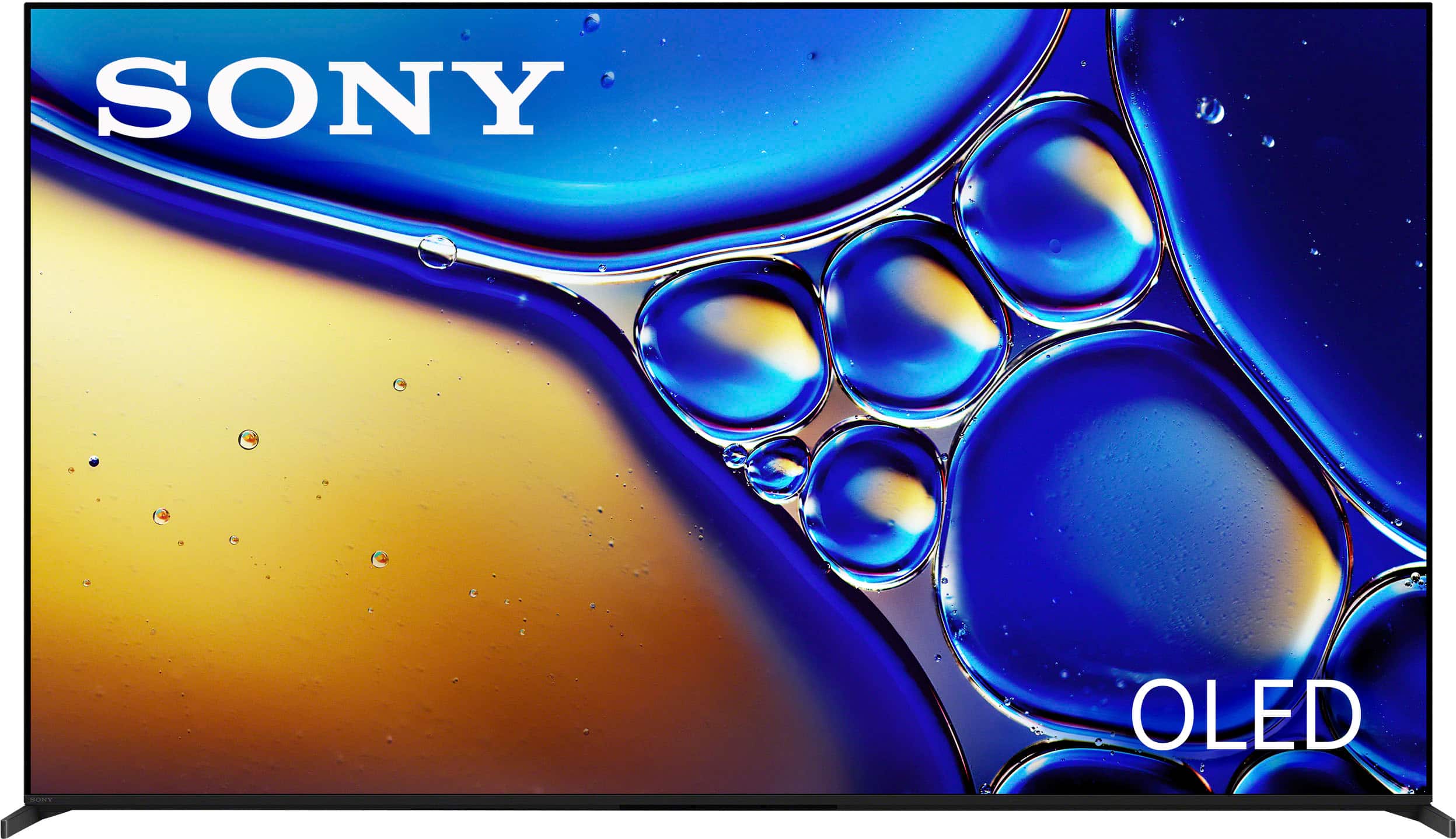
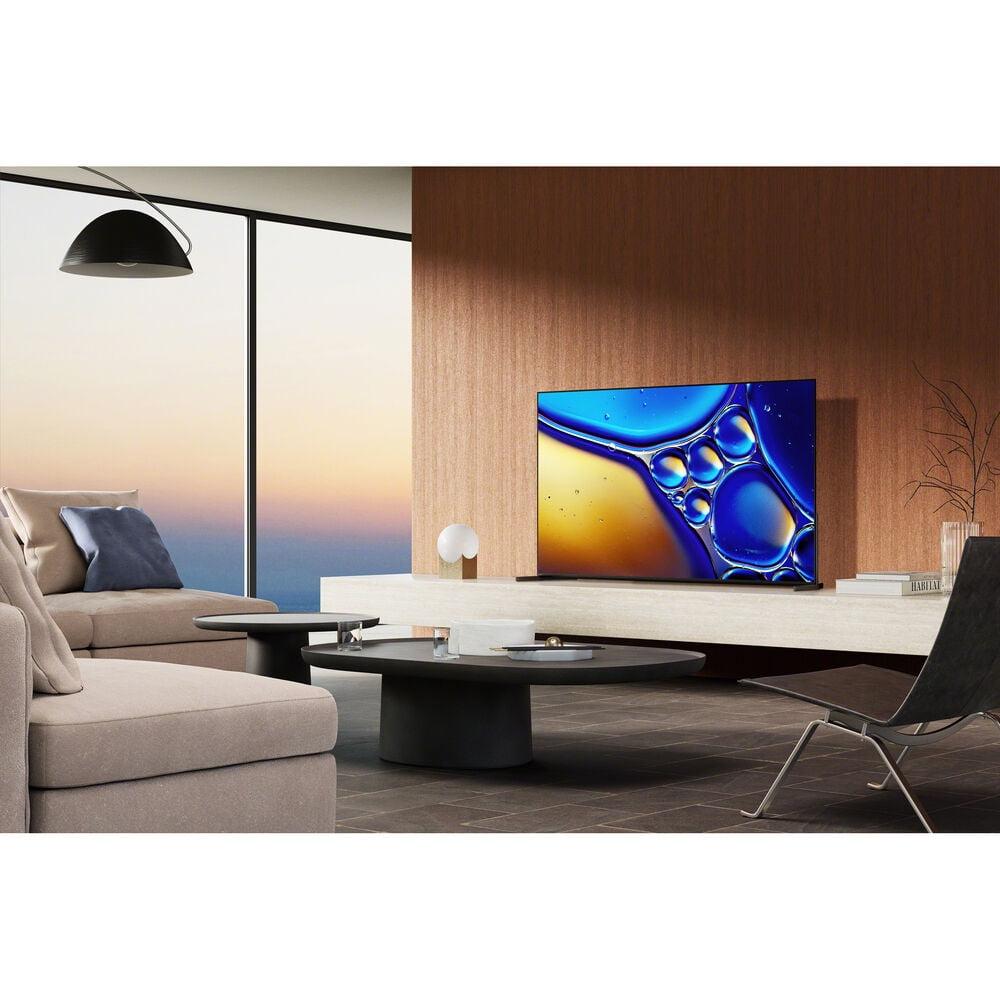
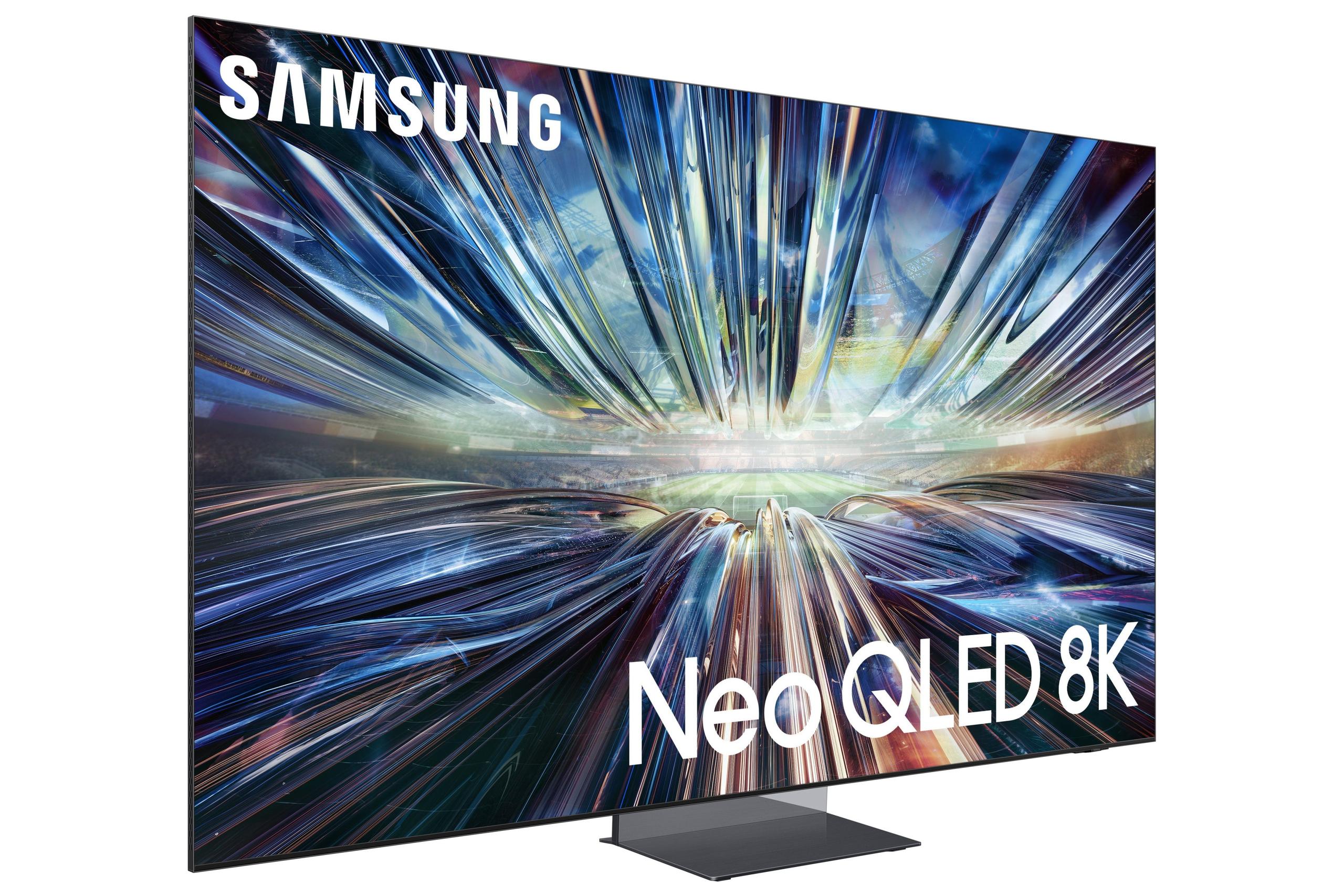
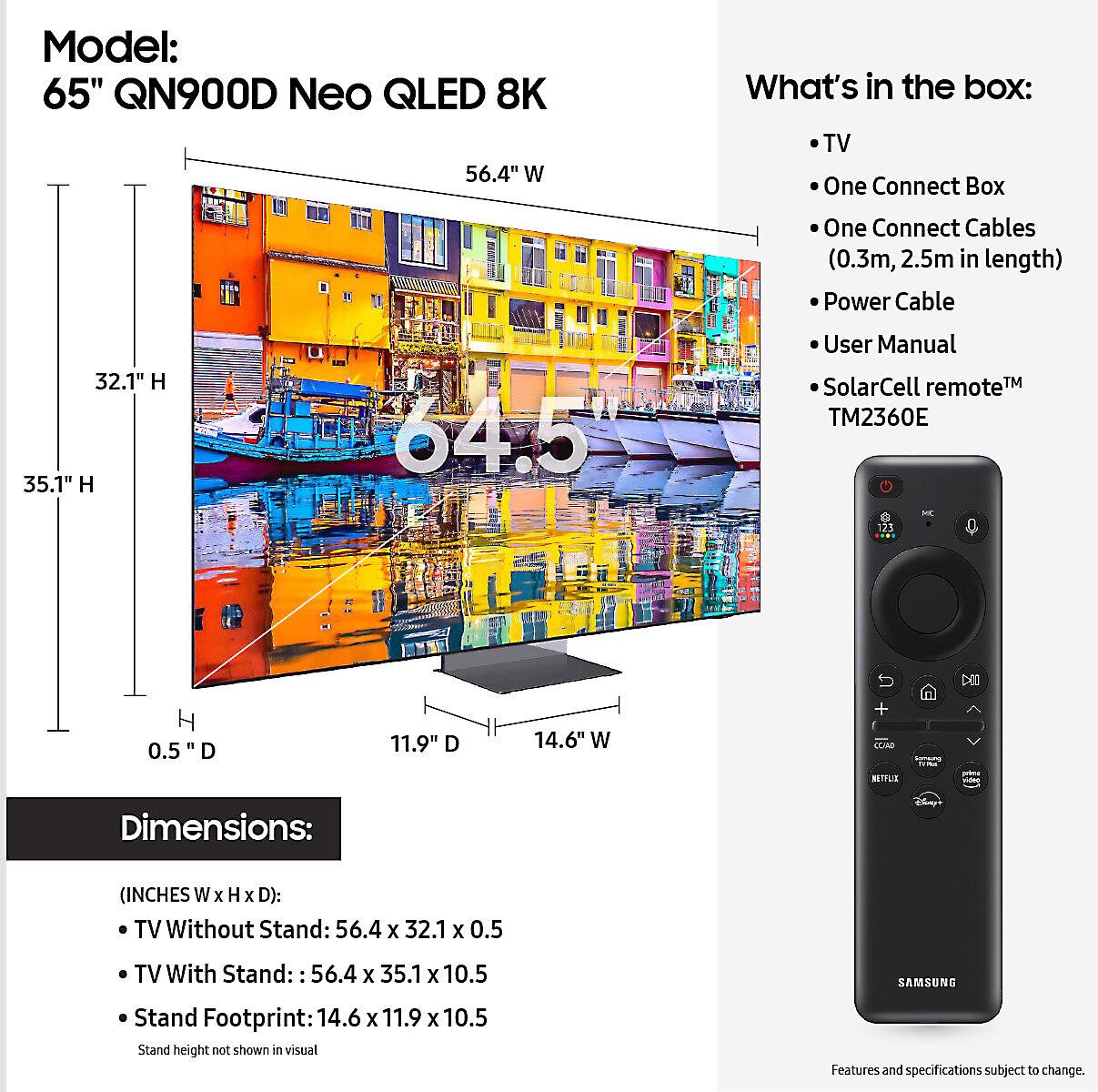
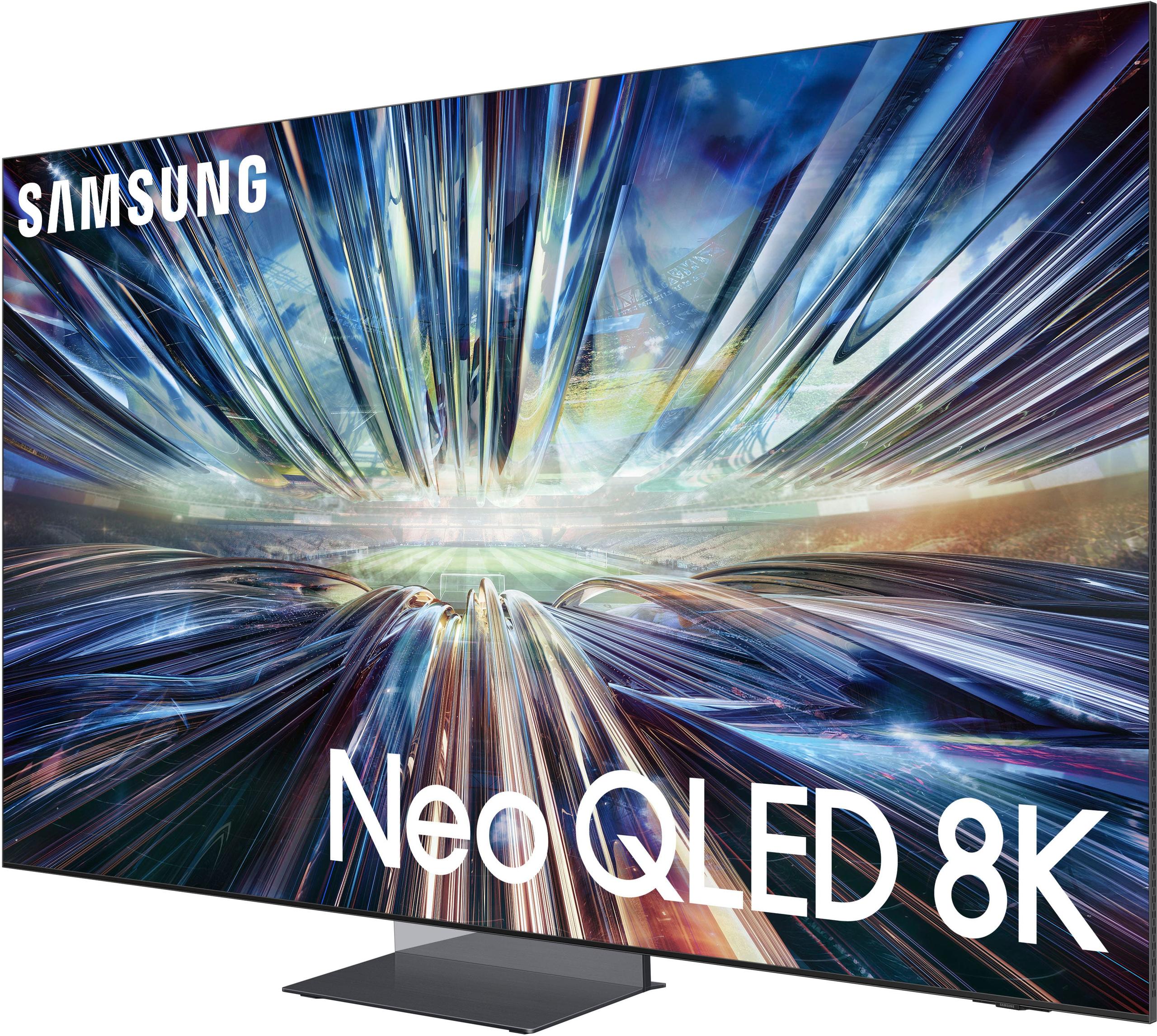
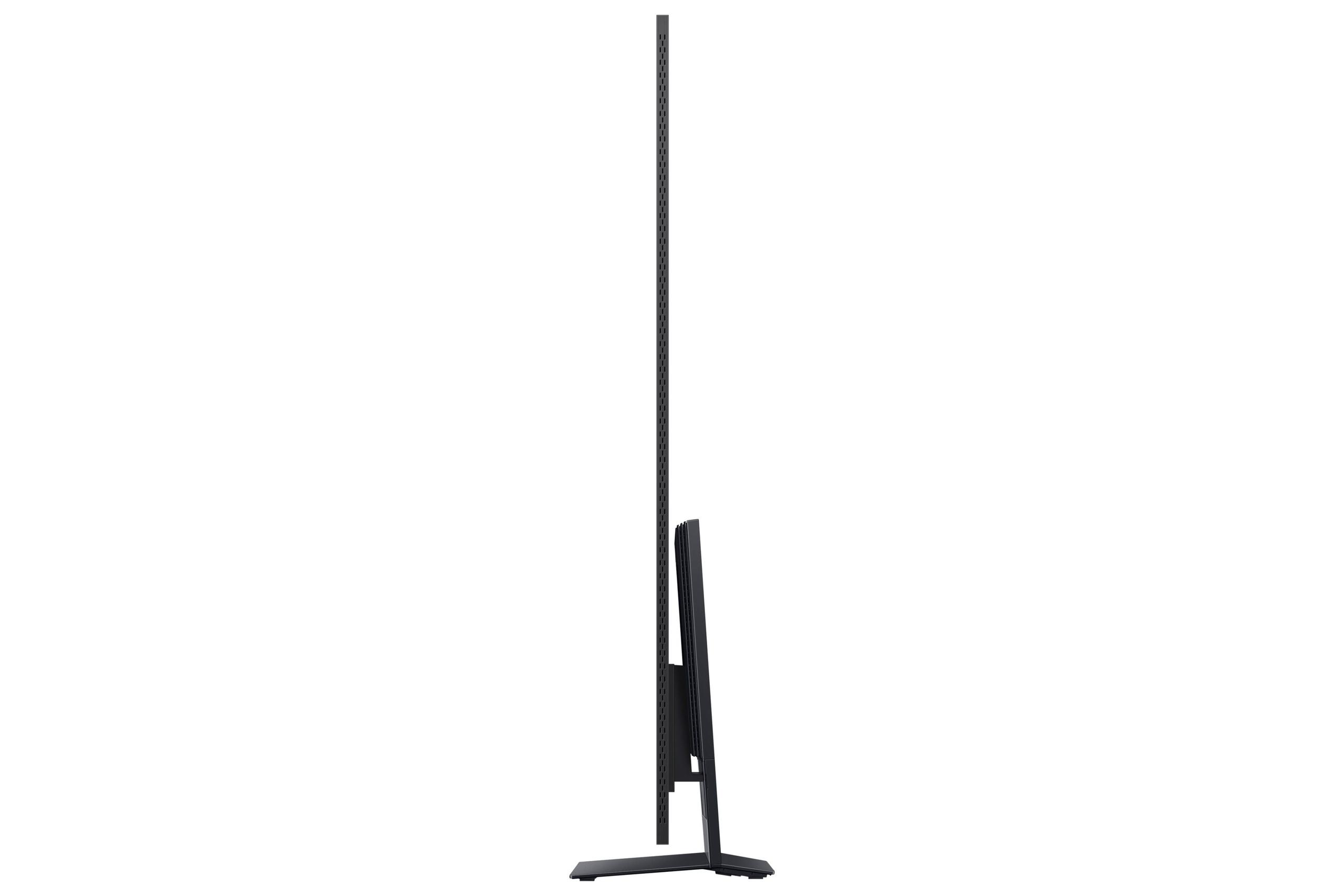
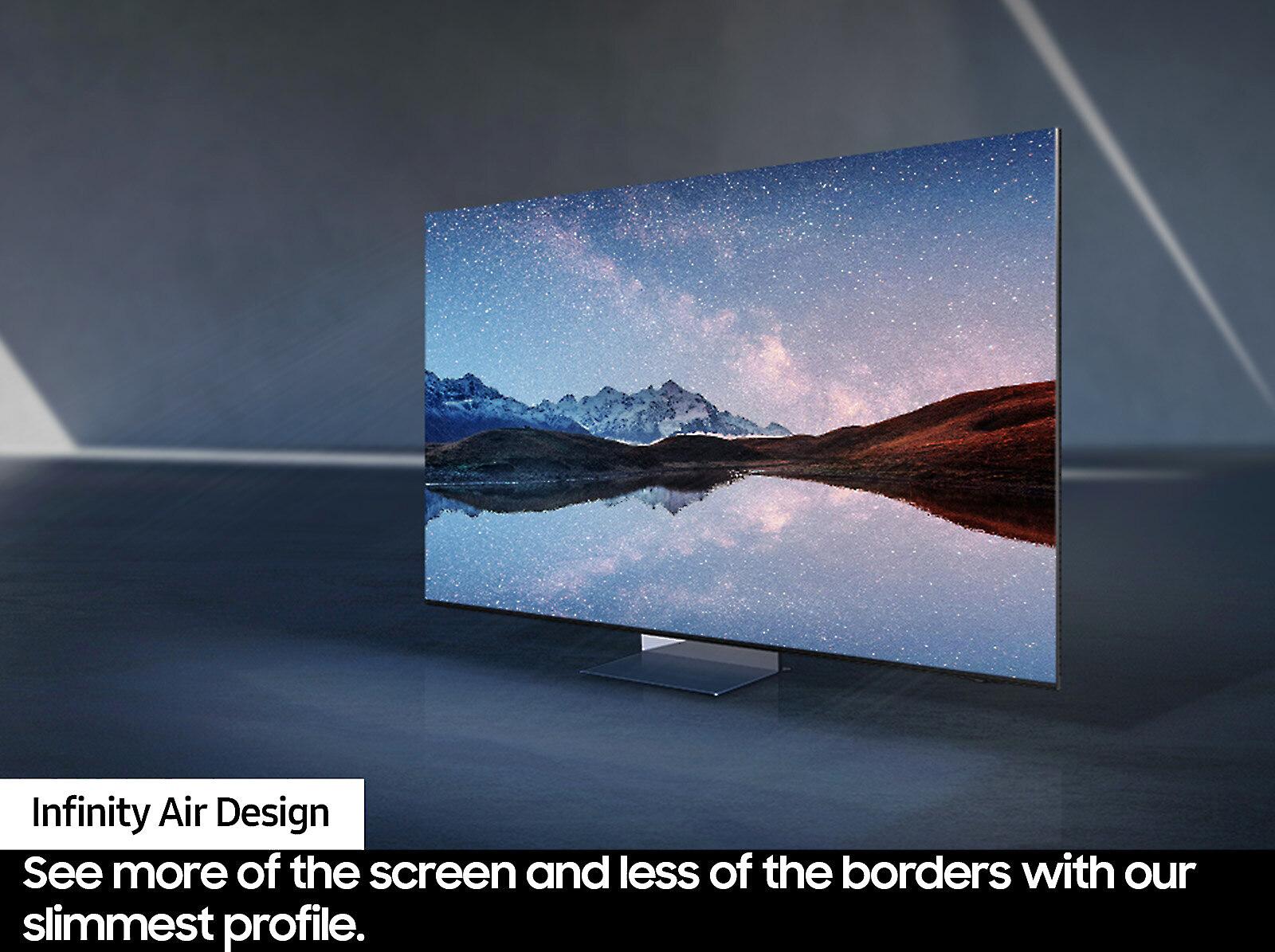
Choosing between two flagship TVs can feel overwhelming, especially when you're spending close to $3,000. I've spent considerable time with both the Sony BRAVIA 8 II 65" QD-OLED 4K Google TV ($3,098) and the Samsung QN900D Series 65" Neo QLED 8K Smart TV ($2,897), and while both deliver exceptional picture quality, they take very different approaches to get there.
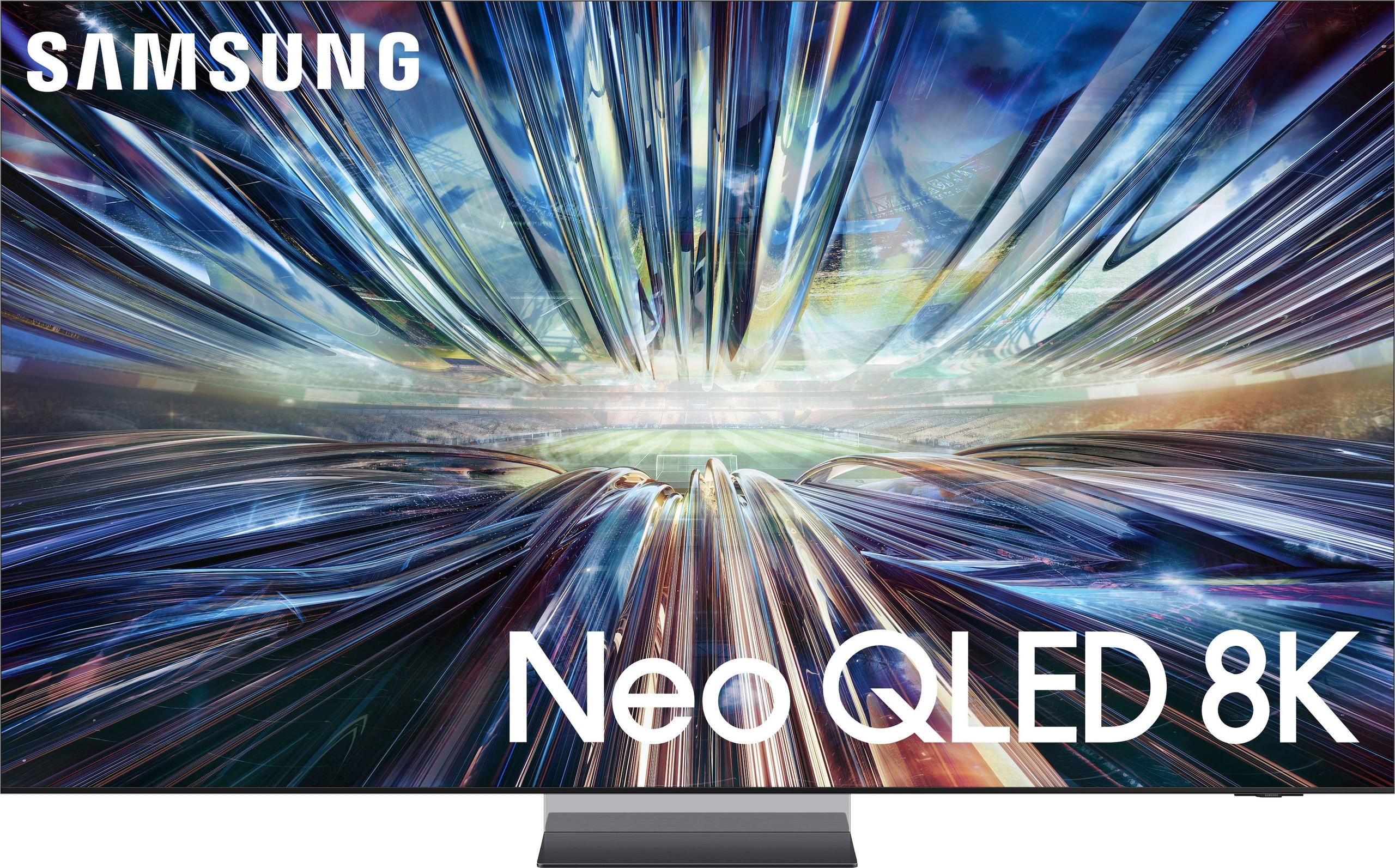
Released in early 2025, these TVs represent the cutting edge of their respective technologies. The Sony BRAVIA 8 II showcases the latest QD-OLED panel technology, which combines the perfect blacks of OLED with quantum dots for enhanced brightness and color. Meanwhile, the Samsung QN900D pushes Mini-LED technology to new heights with 8K resolution and AI-powered upscaling that makes even older content look remarkably sharp.
The fundamental difference between these TVs lies in how they create the picture you see. Think of it like comparing two different artists with completely different painting techniques—both can create beautiful art, but their methods and strengths vary dramatically.
The Sony BRAVIA 8 II uses QD-OLED technology, which sounds complicated but is actually quite elegant. Each pixel is self-lit, meaning it can turn completely on or completely off independently. When a pixel needs to display black, it simply turns off—creating true, perfect black with no light bleeding through. This is why OLED TVs have what we call "infinite contrast ratio"—the difference between the brightest whites and darkest blacks is theoretically unlimited.
The "QD" part stands for Quantum Dot, tiny semiconductor particles that convert blue light into pure red and green colors. This combination gives the Sony BRAVIA 8 II a significant brightness boost over traditional OLED panels. Sony claims this 2025 panel is 25% brighter than their previous flagship and 50% brighter than their standard OLED models. In my testing, this translates to more impactful HDR (High Dynamic Range) content—those sunset scenes really pop without losing the deep shadows that make them dramatic.
The Samsung QN900D, on the other hand, uses Mini-LED technology with thousands of tiny LEDs behind the screen. These LEDs are grouped into zones that can dim or brighten independently—a feature called local dimming. While it can't achieve the perfect blacks of OLED (there's always some light bleeding between zones), it can get much brighter overall.
What makes the Samsung QN900D special is its Quantum Matrix Technology Pro, which provides more precise control over these dimming zones compared to regular TVs. Combined with quantum dots for color enhancement, this creates incredibly bright, vivid pictures that excel in rooms with lots of ambient light.
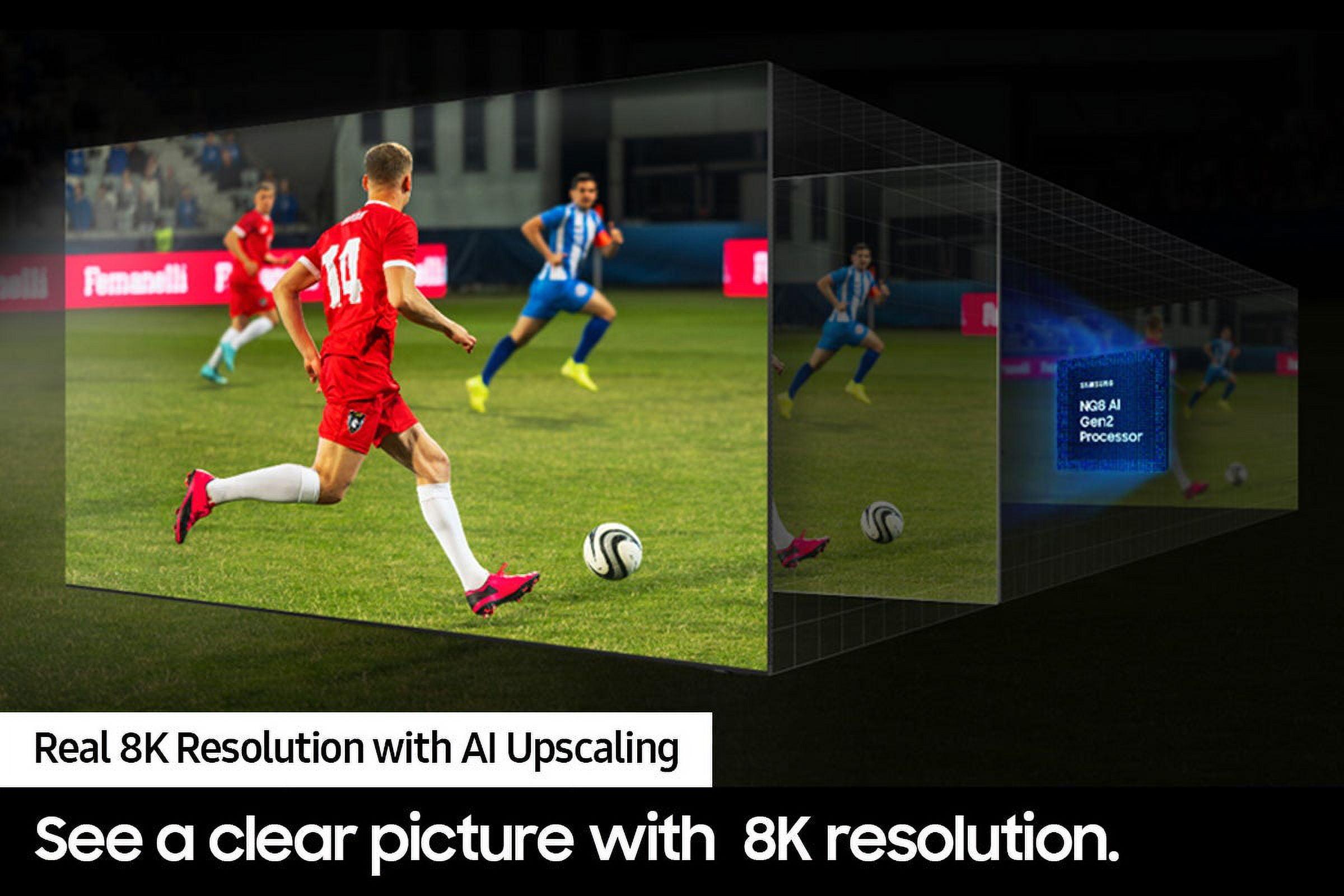
The 8K resolution adds another layer of complexity. With 7,680 x 4,320 pixels (compared to 4K's 3,840 x 2,160), the Samsung QN900D has four times the pixel density. While there's limited native 8K content available, Samsung's NQ8 AI Gen3 processor uses artificial intelligence to upscale lower-resolution content, making your existing 4K and HD movies look noticeably sharper.
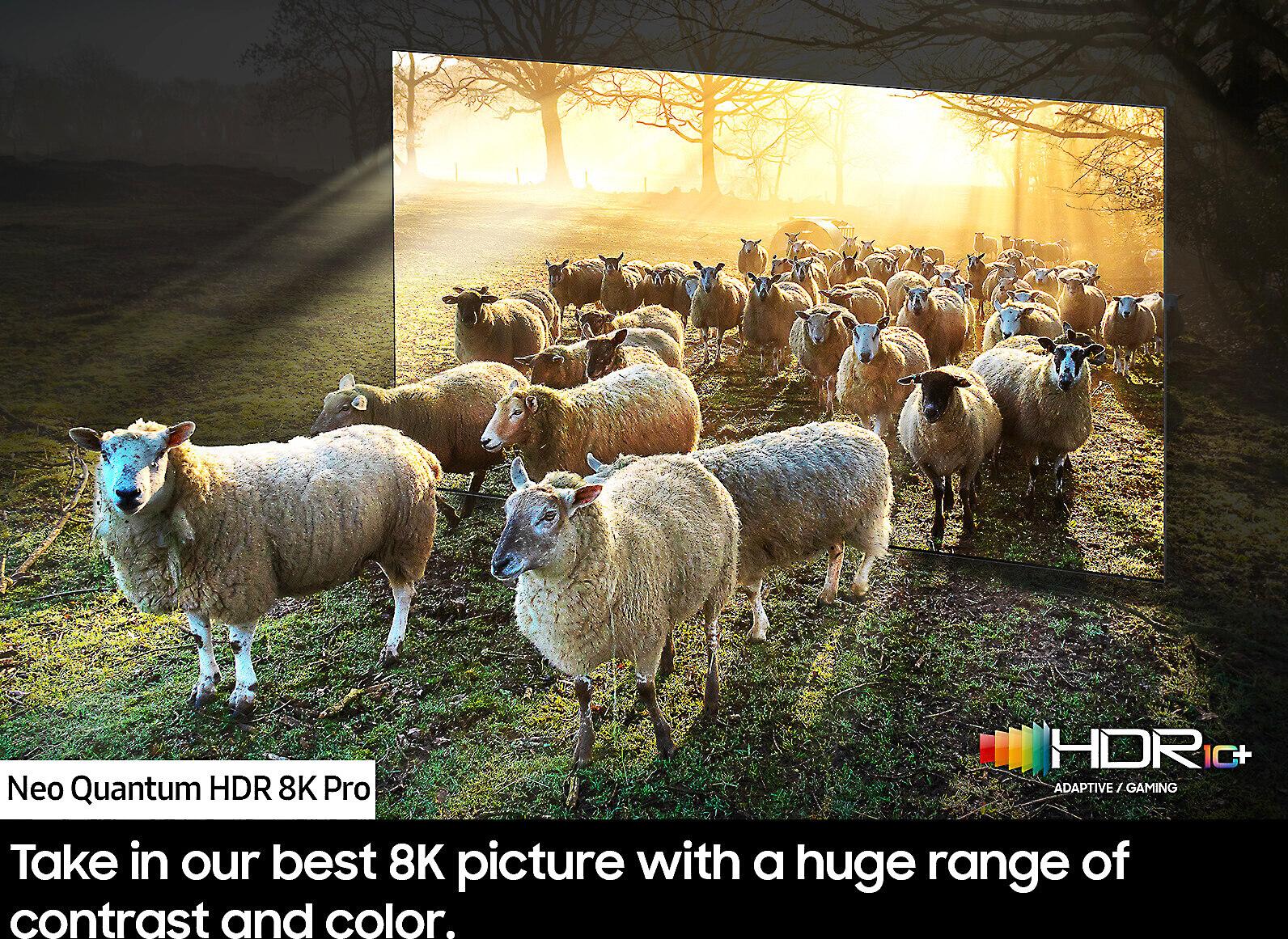
Here's where the technologies really diverge. The Samsung QN900D can reach peak brightness levels exceeding 4,000 nits (a measure of luminance), while the Sony BRAVIA 8 II tops out around 1,880 nits. In practical terms, this means the Samsung performs significantly better in bright rooms.
During my testing, I watched the same HDR movie on both TVs in my living room with afternoon sunlight streaming through large windows. The Samsung QN900D maintained its punch and vibrancy, while the Sony BRAVIA 8 II looked somewhat washed out in comparison. However, when I dimmed the lights for evening viewing, the Sony's superior contrast became immediately apparent.
The Sony's approach to brightness is more surgical—bright objects like explosions or sunlight appear brilliant against perfectly black backgrounds, creating a more three-dimensional, realistic image. The Samsung spreads its brightness more evenly across the entire picture, which can sometimes make dark scenes appear slightly elevated or "grayish" compared to true black.
This is where the Sony BRAVIA 8 II simply cannot be beaten. When watching dark scenes—think of the underground sequences in "Dune" or nighttime scenes in "The Batman"—the OLED technology creates depths that Mini-LED struggles to match. Each black pixel is truly off, creating shadows and darkness that feel real and immersive.
The Samsung QN900D, despite its advanced local dimming, still shows some "blooming" around bright objects in dark scenes. This appears as a subtle halo or glow around street lights or bright text on dark backgrounds. While Samsung has minimized this significantly compared to older LED TVs, it's still noticeable if you're looking for it.
For home theater enthusiasts who primarily watch movies in darkened rooms, this contrast advantage makes the Sony BRAVIA 8 II feel more cinematic and engaging.
Both TVs excel at color reproduction, but with different strengths. The Sony BRAVIA 8 II focuses on accuracy—colors appear as the content creators intended. Skin tones look natural, grass appears genuinely green, and sunsets have that warm, golden quality that feels real rather than artificial.
The Samsung QN900D can produce colors that are more vivid and saturated, especially in bright HDR content. While some purists might find Samsung's colors slightly oversaturated, many viewers prefer this more "pop" to their content. The quantum dot technology in both TVs enables them to display a much wider range of colors than standard TVs, but Sony's processing tends toward accuracy while Samsung leans toward vibrancy.
The resolution debate is fascinating because it touches on both current performance and future value. The Samsung QN900D offers true 8K resolution, which theoretically provides incredible detail. However, native 8K content is extremely limited—basically some YouTube videos and demo content.
Where 8K really shines is in upscaling. The Samsung QN900D's NQ8 AI Gen3 processor analyzes lower-resolution content and intelligently adds detail and sharpness. When I compared the same 4K Netflix movie on both TVs, the Samsung's version appeared noticeably sharper, with better-defined textures and cleaner edges. This isn't just marketing—the difference is visible, especially on larger screens or when sitting closer to the TV.
The Sony BRAVIA 8 II focuses on optimizing 4K content rather than upscaling to 8K. Its XR 4K upscaling and noise reduction work excellently, but they're enhancing rather than dramatically transforming the source material. For current content, this approach works beautifully—but it doesn't offer the same future-proofing as true 8K.
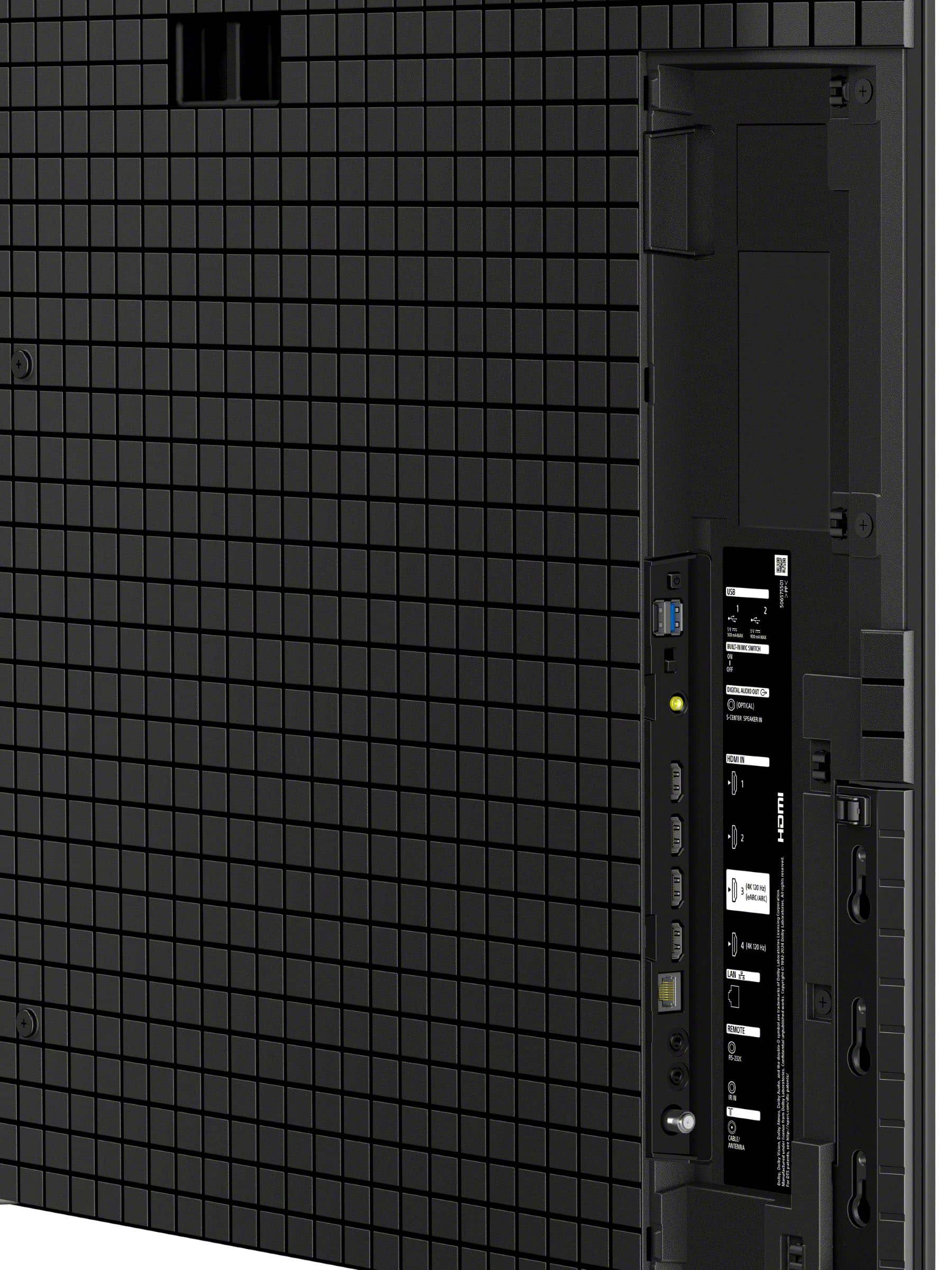
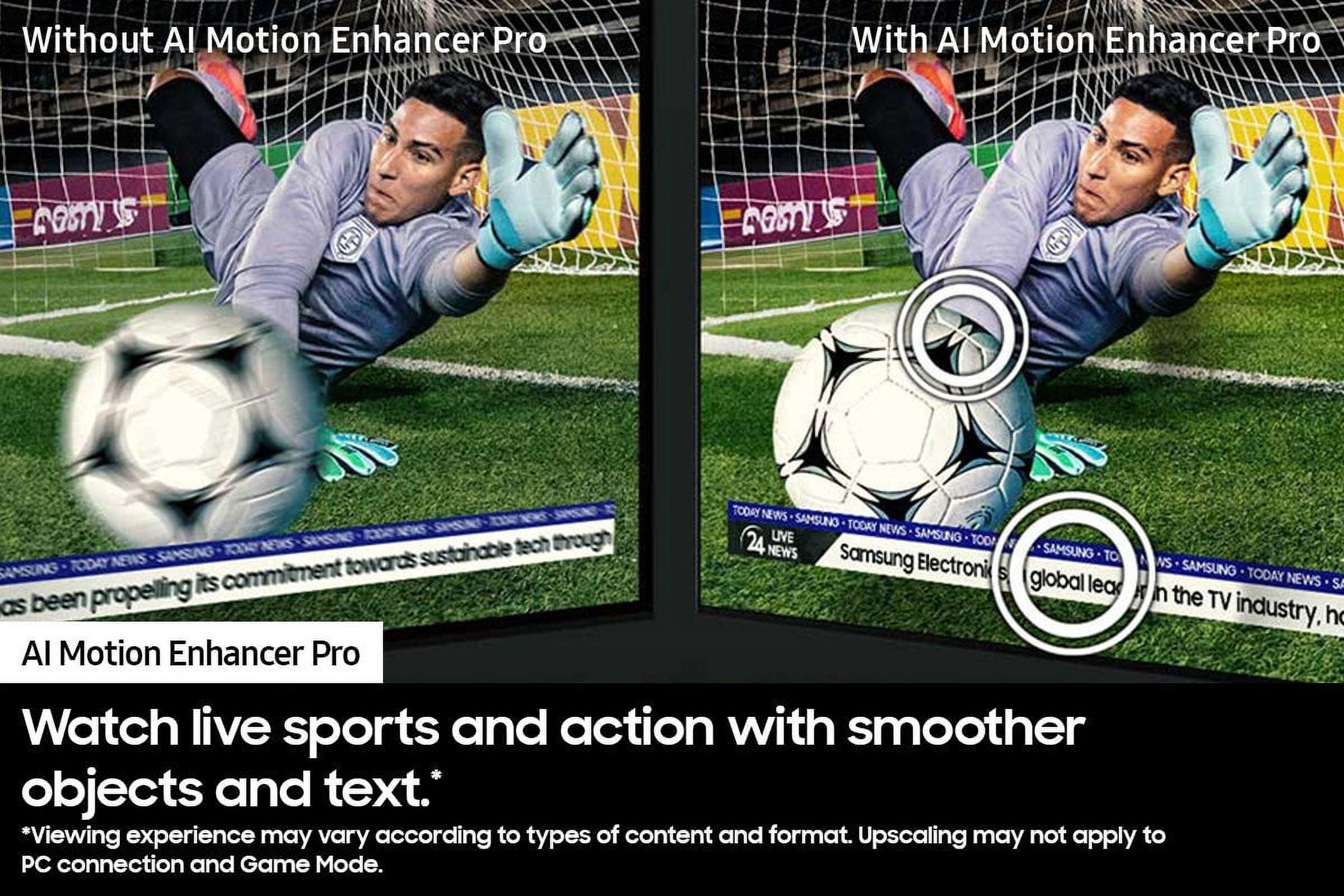
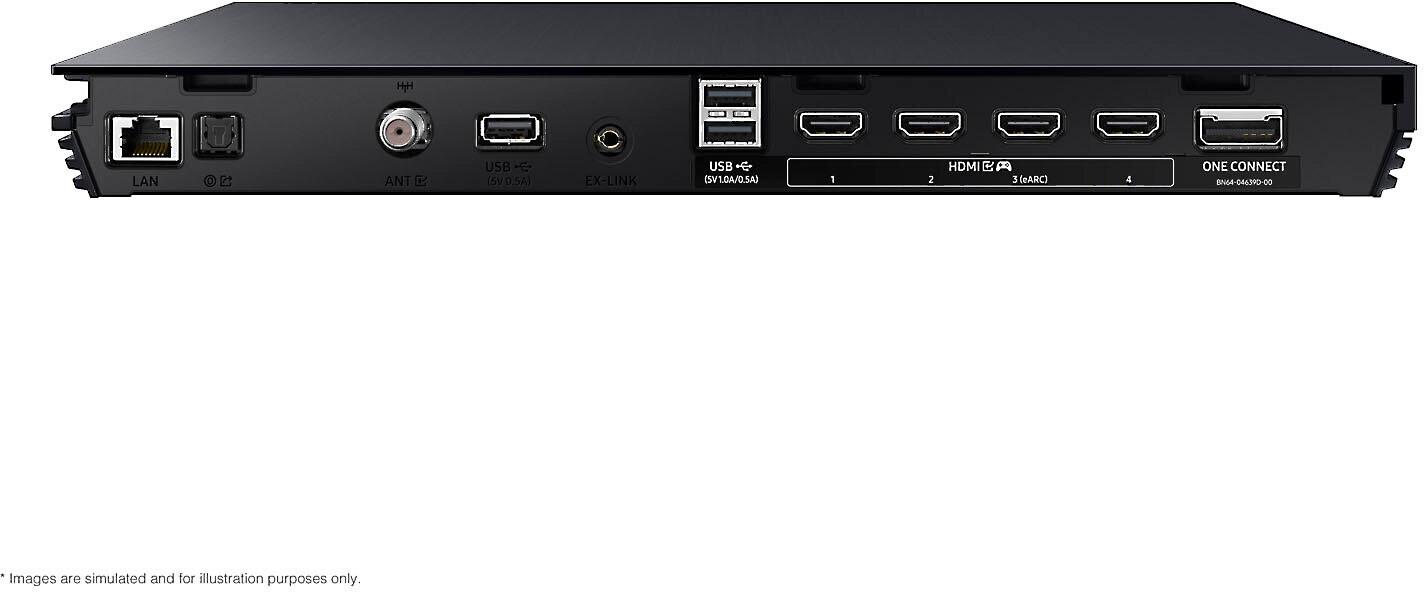
If gaming is important to you, the Samsung QN900D has significant advantages. It features four HDMI 2.1 ports (compared to Sony's two), supporting 4K gaming at up to 240Hz or 8K gaming at 60Hz. The input lag—the delay between pressing a button and seeing the action on screen—is lower on the Samsung, making it more responsive for competitive gaming.
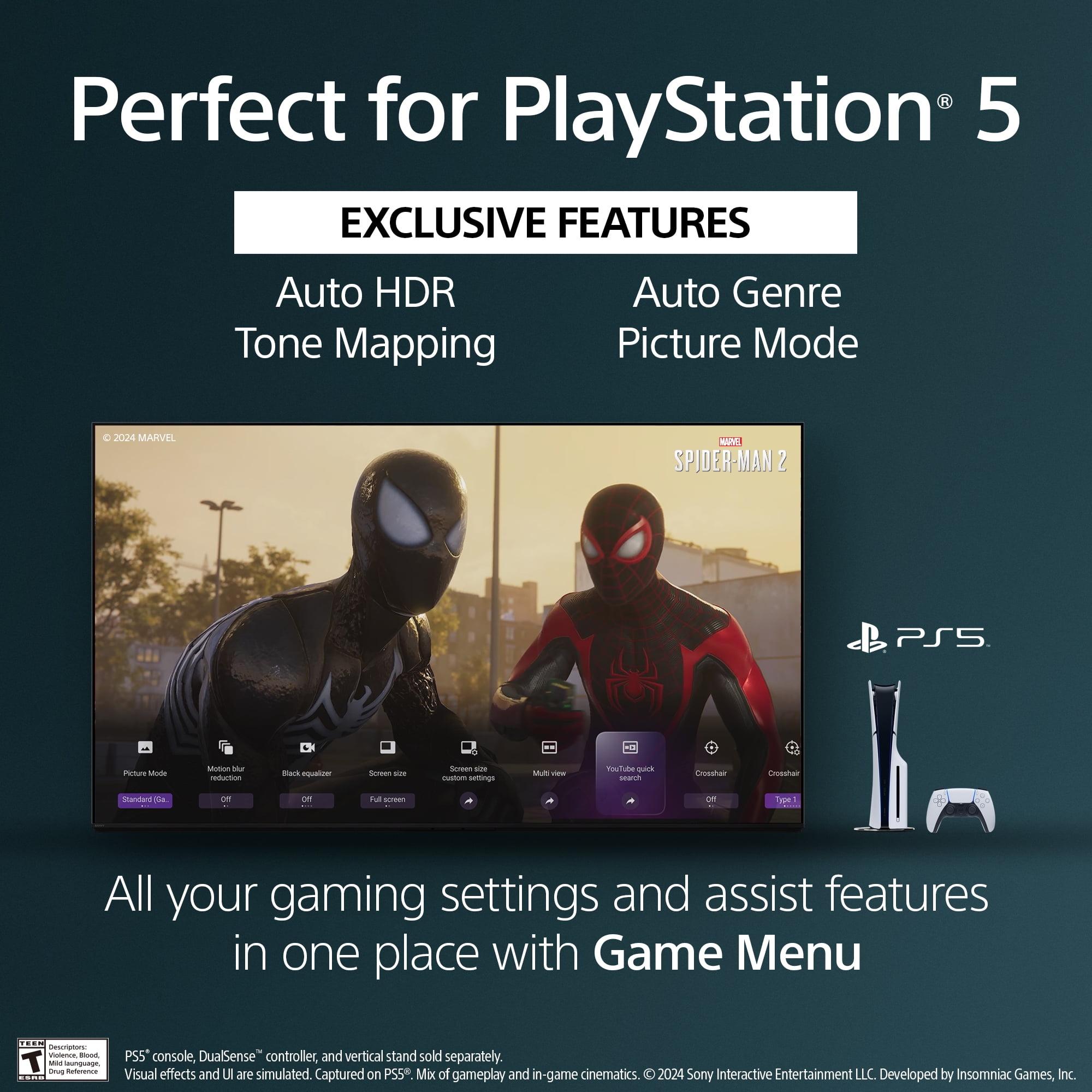
The Sony BRAVIA 8 II still handles gaming well with its 8.5ms input lag and support for Variable Refresh Rate (VRR), which reduces screen tearing. However, having only two HDMI 2.1 ports could be limiting if you have multiple gaming consoles plus a PC.
Both TVs work excellently with PlayStation 5 and Xbox Series X, but the Samsung's additional ports and slightly better gaming-specific features make it the clear choice for serious gamers.
Here's where the Sony BRAVIA 8 II offers something truly different. Its Acoustic Surface Audio+ technology uses actuators behind the OLED panel to turn the entire screen into a speaker. This creates a more immersive audio experience where sound appears to come directly from the action on screen.
The effect is subtle but noticeable. When characters speak, their voices seem to emanate from their location on screen rather than from speakers below or to the sides. Combined with Voice Zoom 3, which uses AI to enhance dialogue clarity, the Sony provides remarkably clear and positioned audio for a thin TV.
The Samsung QN900D features a 90W, 6.2.4-channel speaker system with Dolby Atmos support. While it sounds good and gets reasonably loud, it lacks the immersive quality and bass response of Sony's screen-based approach. For most viewers, both TVs will benefit from a dedicated soundbar, but Sony's built-in audio is more impressive.
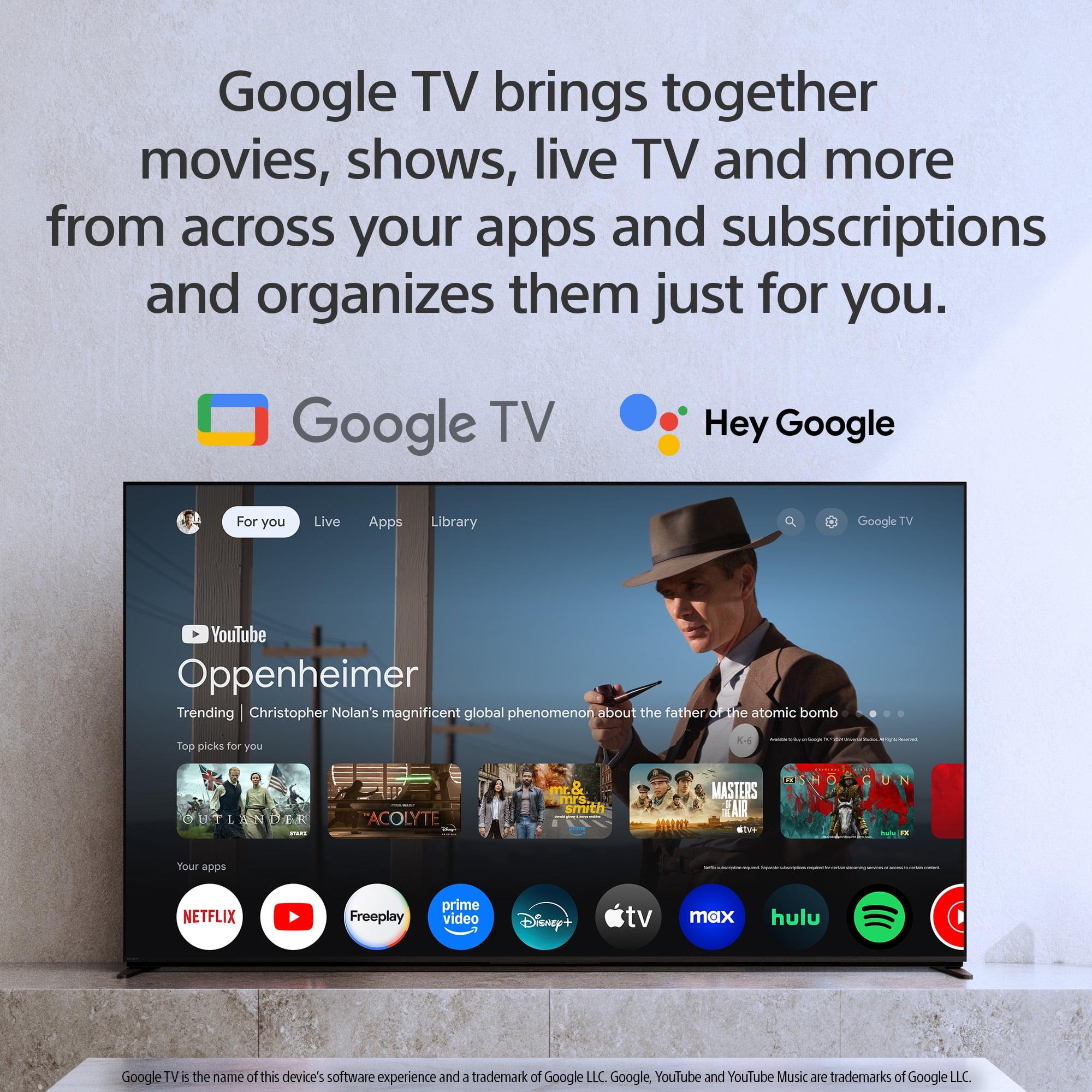
Both TVs offer excellent smart TV experiences, but with different approaches. The Sony BRAVIA 8 II runs Google TV, which provides extensive app selection and seamless integration with Google services. The interface is intuitive, and voice search through Google Assistant works reliably.
The Samsung QN900D uses Samsung's Tizen platform, which is fast, customizable, and offers excellent app support. Samsung's interface feels more polished and responsive, though this comes down to personal preference.
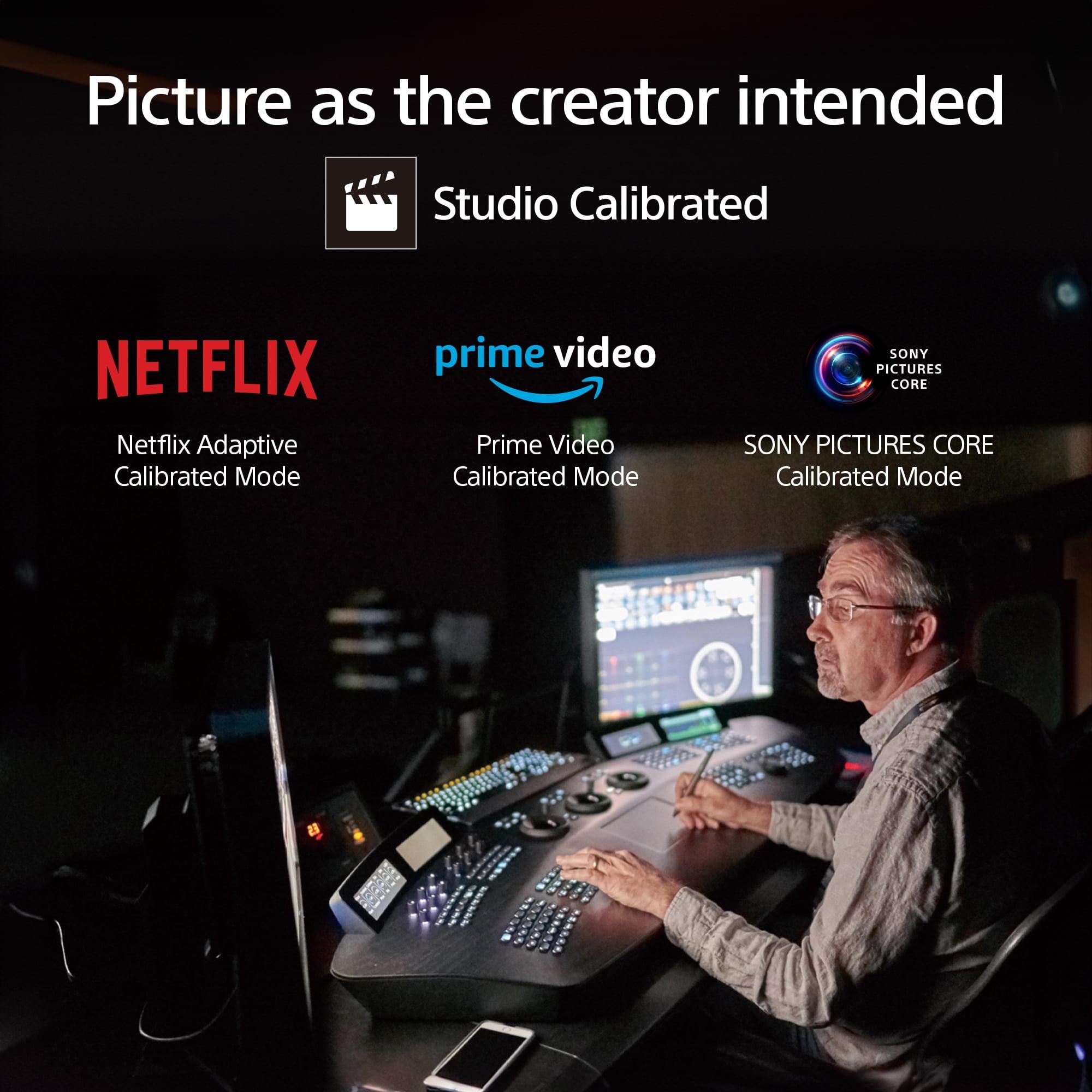
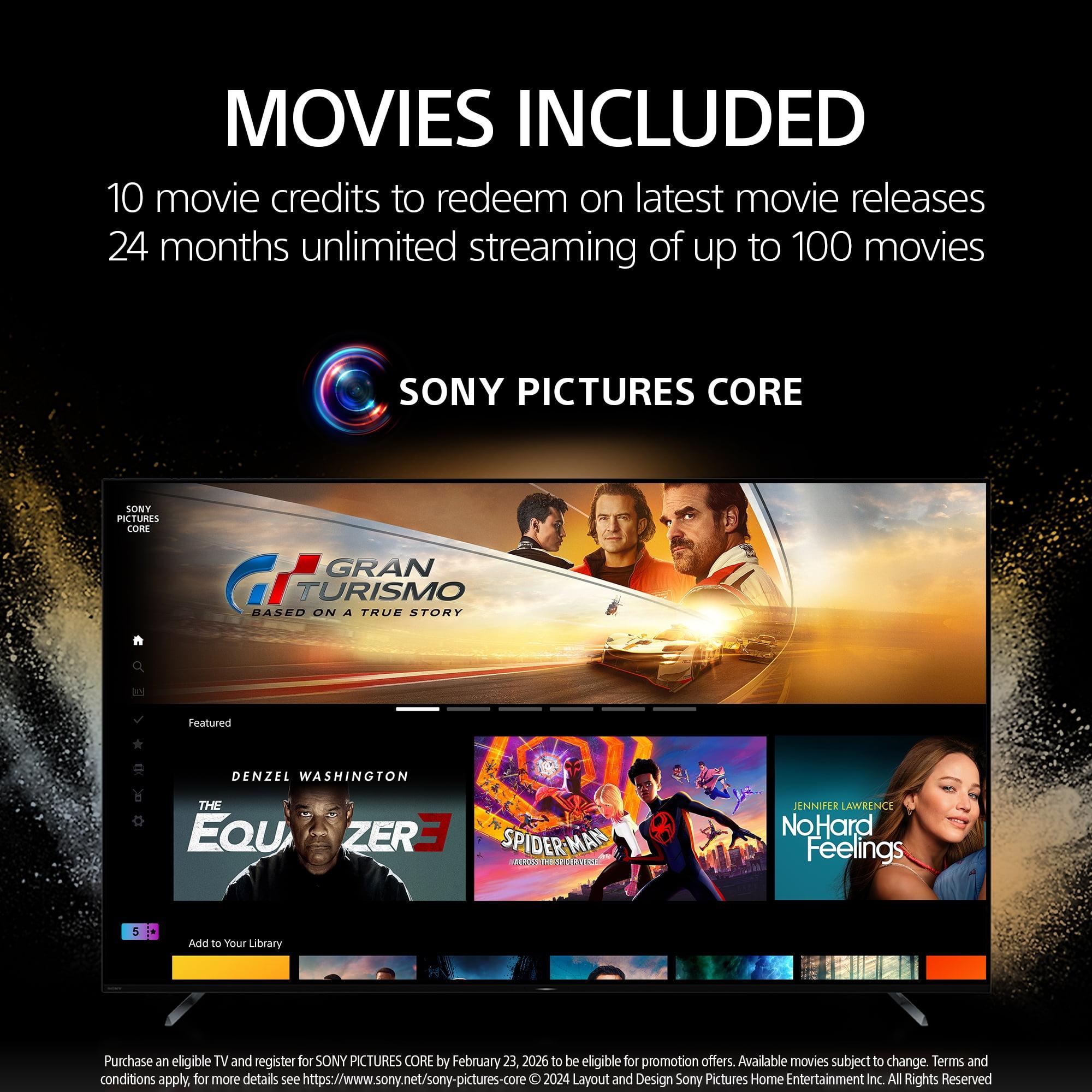
Sony includes exclusive access to Sony Pictures Core with studio-calibrated movies and streaming credits, while Samsung focuses on broader ecosystem integration with SmartThings and other Samsung devices.
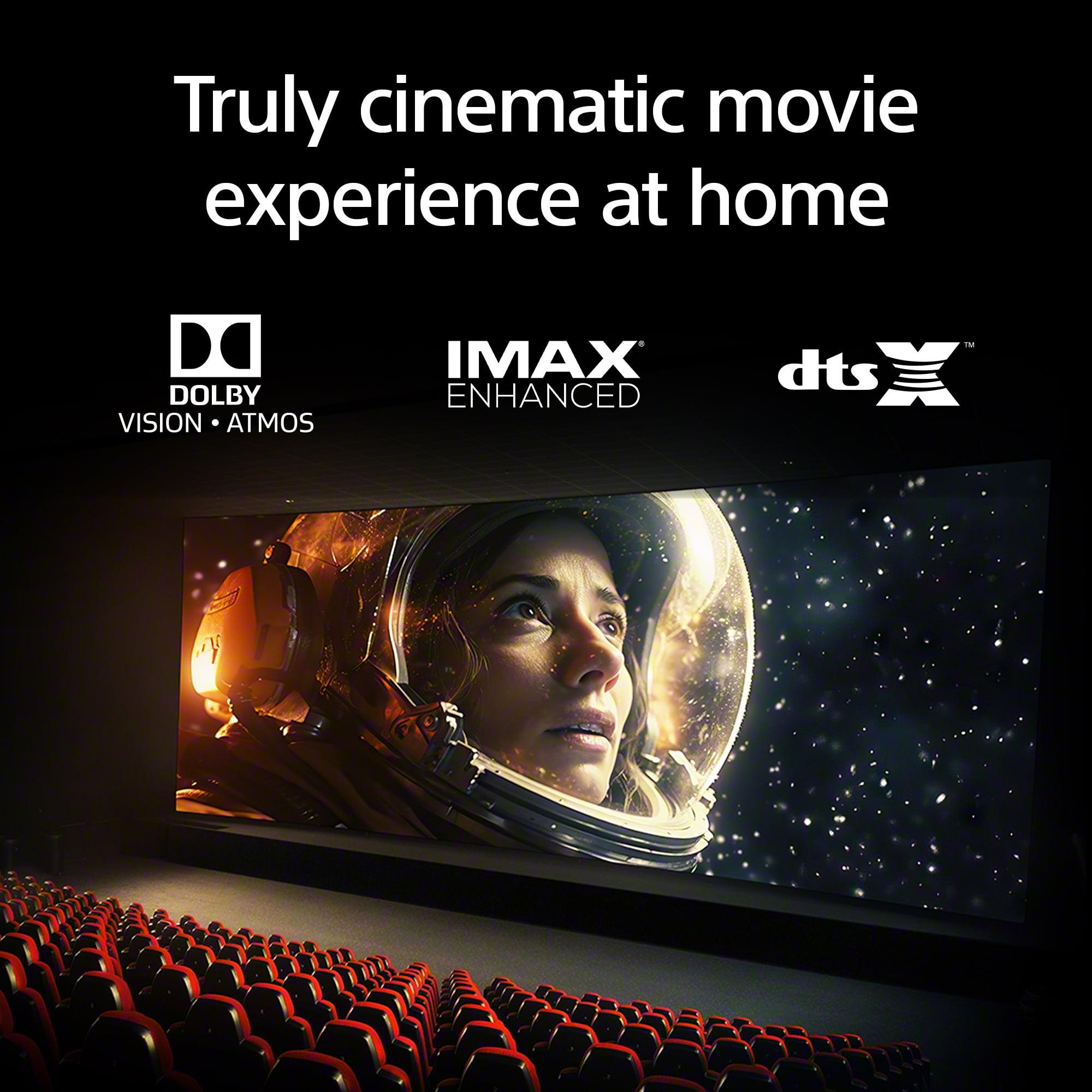
For dedicated home theater setups, the Sony BRAVIA 8 II has several advantages. The perfect black levels create that true cinematic experience where the screen seems to disappear into darkness during letterboxed movies. The reference-quality color accuracy ensures you're seeing films as directors intended.
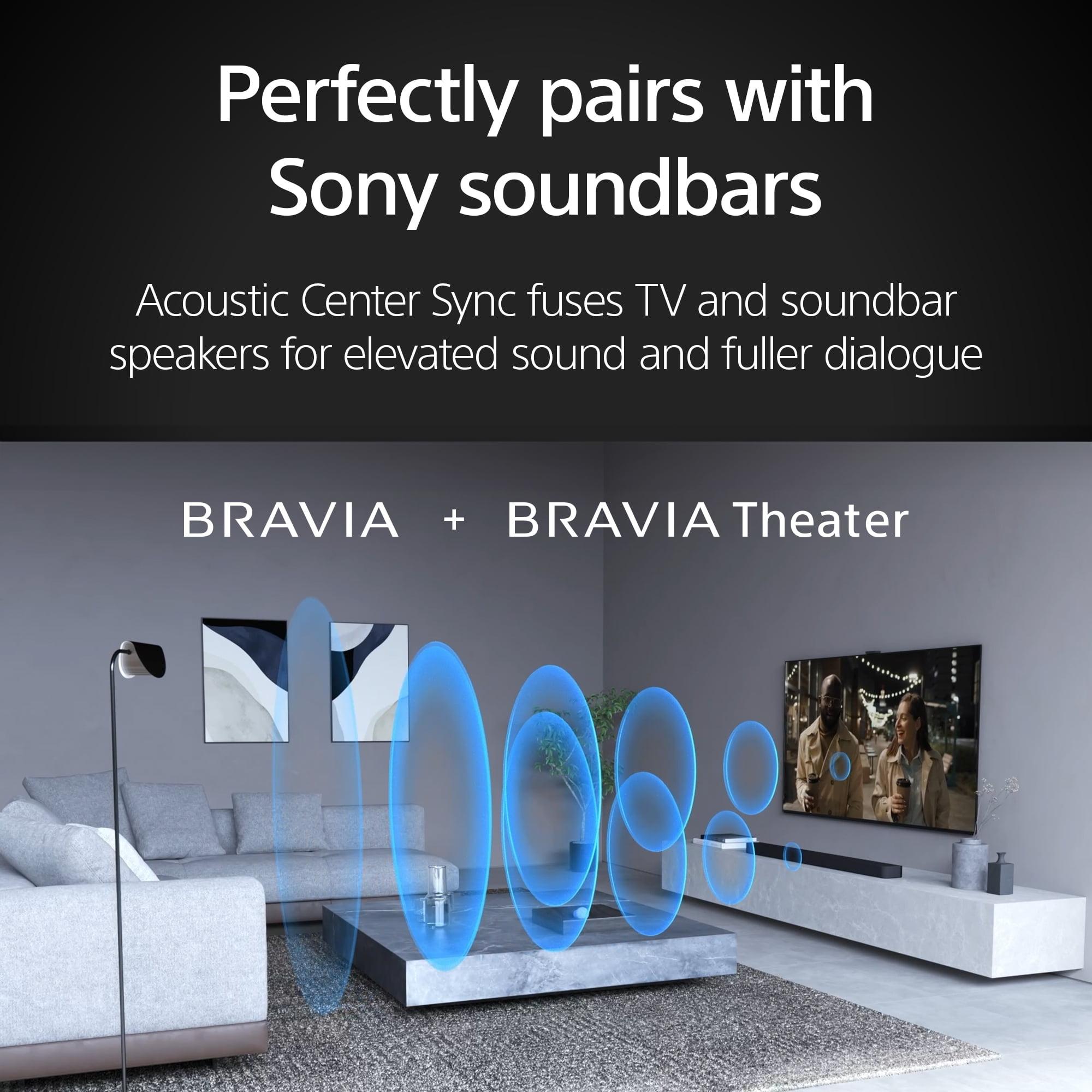
The Sony also offers unique integration features for home theater enthusiasts. The S-Center input allows the TV to function as a center channel speaker when paired with compatible Sony soundbars, and Acoustic Center Sync provides seamless audio integration.
However, if your home theater has significant ambient light control issues, the Samsung QN900D's superior brightness might be more practical, even in a dedicated room.
At current pricing, the Samsung QN900D ($2,897) costs about $200 less than the Sony BRAVIA 8 II ($3,098), while offering 8K resolution and superior gaming features. This makes it compelling from a features-per-dollar perspective.
The Sony justifies its higher price with reference-quality picture processing, superior built-in audio, and the premium feel of OLED technology. If picture quality is your primary concern and you primarily watch in controlled lighting, the extra cost may be worthwhile.
Choose the Sony BRAVIA 8 II if you prioritize the ultimate movie-watching experience, primarily view content in dark or dimly lit rooms, and value exceptional built-in audio quality. It's the better choice for film enthusiasts and those seeking the most cinematic experience possible.
Choose the Samsung QN900D if you need excellent performance in bright rooms, want future-proofing with 8K resolution, prioritize gaming features, or prefer maximum versatility across different viewing conditions and content types.
Both TVs represent the pinnacle of their respective technologies and will deliver years of exceptional viewing experiences. The "right" choice ultimately depends on your specific viewing environment, content preferences, and whether you prioritize current perfection or future-proofing capabilities.

Privacy Policy
Terms and Conditions - Affiliate Policy
Home Security
© Copyright 2008-2026.
11816 Inwood Rd #1211, Dallas, TX 75244