

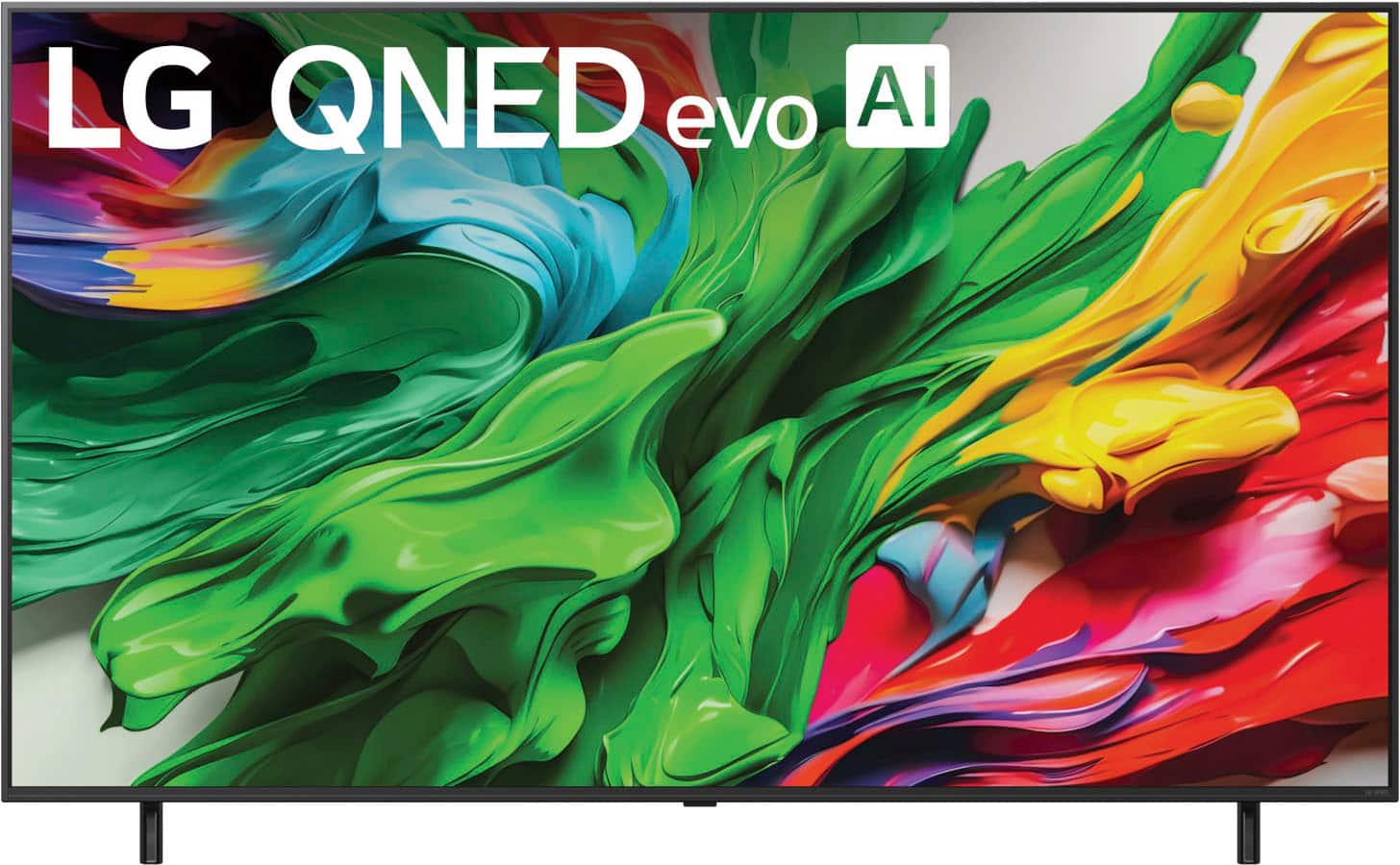
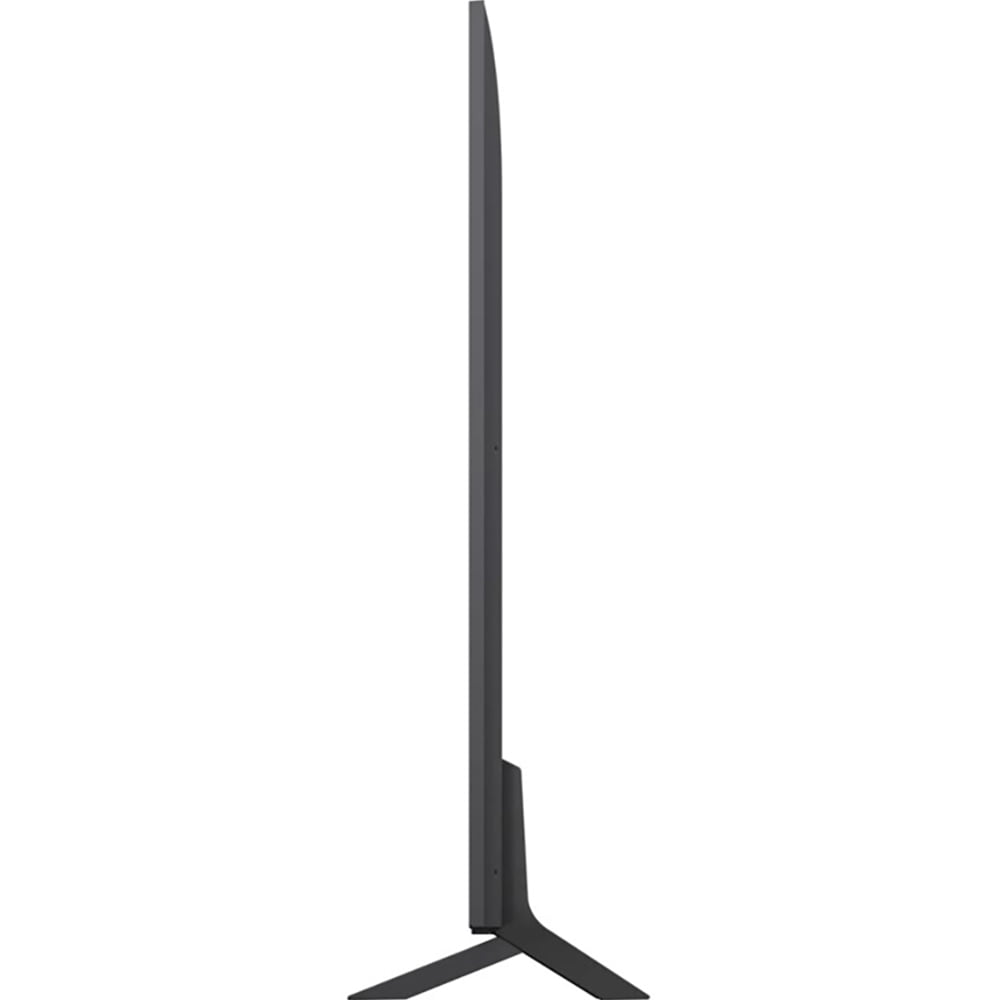
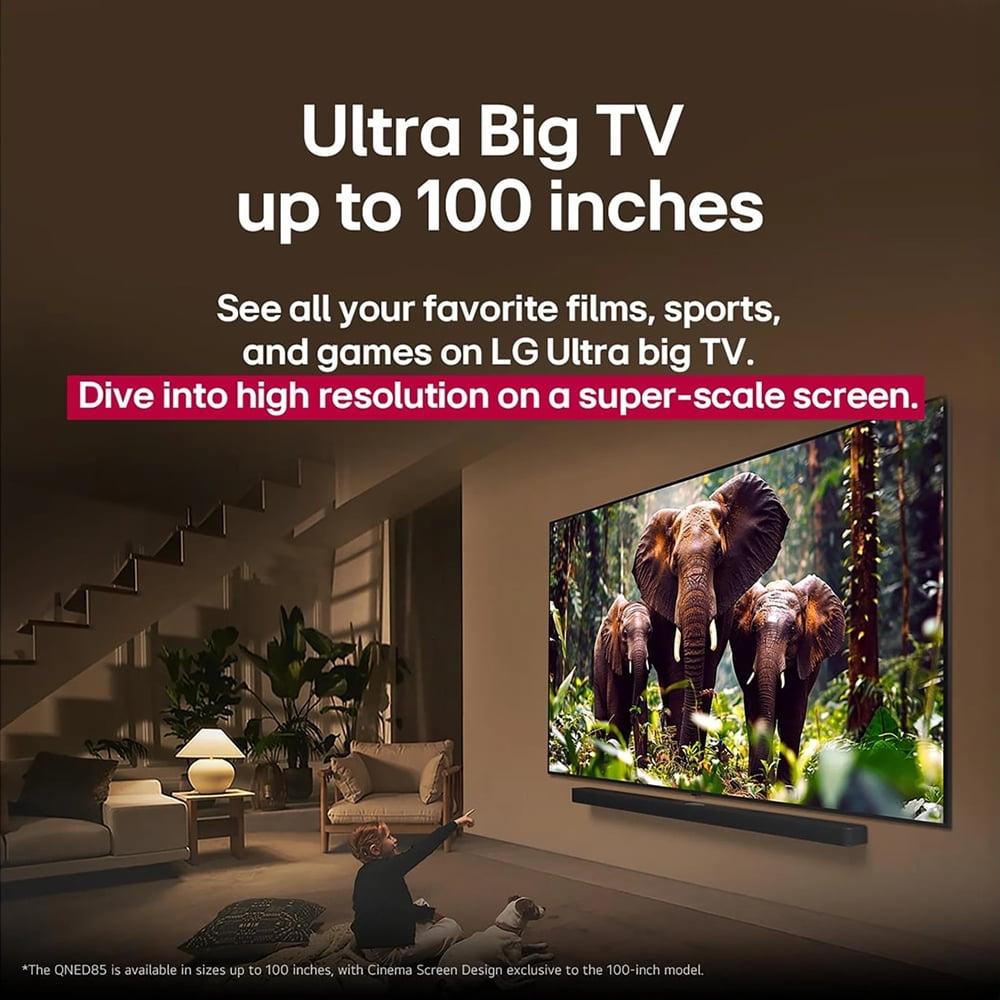
Shopping for a premium 65-inch TV in 2025? You're looking at an exciting time in display technology. Two compelling options have emerged that represent very different approaches to delivering stunning picture quality: the Sony BRAVIA 8 II 65" QD-OLED 4K Google TV and the LG 65" QNED evo AI QNED85A 4K MiniLED Smart TV. But here's the thing—these TVs cost dramatically different amounts and use completely different technologies to create their images.
The Sony model, priced between $2,998-$3,499, represents Sony's flagship OLED technology for 2025. Meanwhile, the LG QNED85A comes in at just $999, making it one of the most feature-packed TVs you can buy under $1,000. This isn't just a simple comparison of two similar products—it's really about understanding whether cutting-edge OLED technology is worth the premium, or if advanced LCD technology can deliver most of what you want at a fraction of the cost.
Both TVs launched in April 2025, but they represent the culmination of years of different technological approaches. To understand which might be better for you, we need to dig into what makes each display tick.
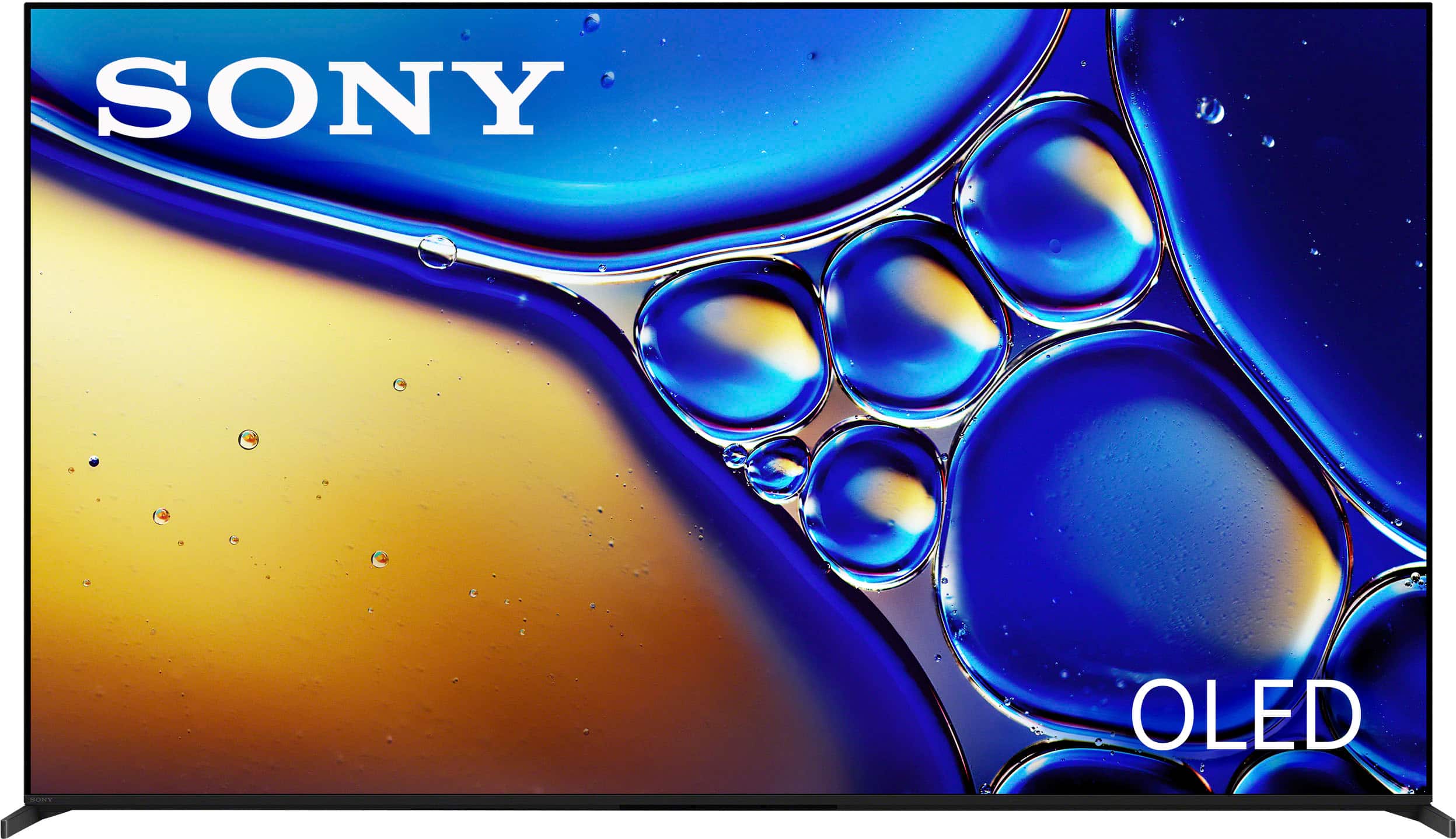
The Sony BRAVIA 8 II uses something called QD-OLED technology—essentially, it's an OLED panel (where each pixel creates its own light) combined with a quantum dot layer that converts blue light into incredibly pure red and green colors. Think of quantum dots as tiny crystals that act like color filters, but way more precise than anything we've had before.
What makes this 2025 model special is that Sony addressed OLED's biggest weakness: brightness. This new QD-OLED panel delivers about 1,880 nits of peak brightness, which is 25% brighter than Sony's previous flagship OLEDs and 50% brighter than their standard OLED models. That might not sound like much, but in the world of HDR (High Dynamic Range) content, those extra nits make highlights pop in ways that genuinely surprise you.
The OLED part means each of the nearly 8.3 million pixels can turn completely off, creating perfect blacks. When I say perfect, I mean truly black—not the dark gray you get with LCD TVs, even expensive ones. This creates what's called infinite contrast ratio, where the difference between the darkest and brightest parts of an image can be as dramatic as the creators intended.
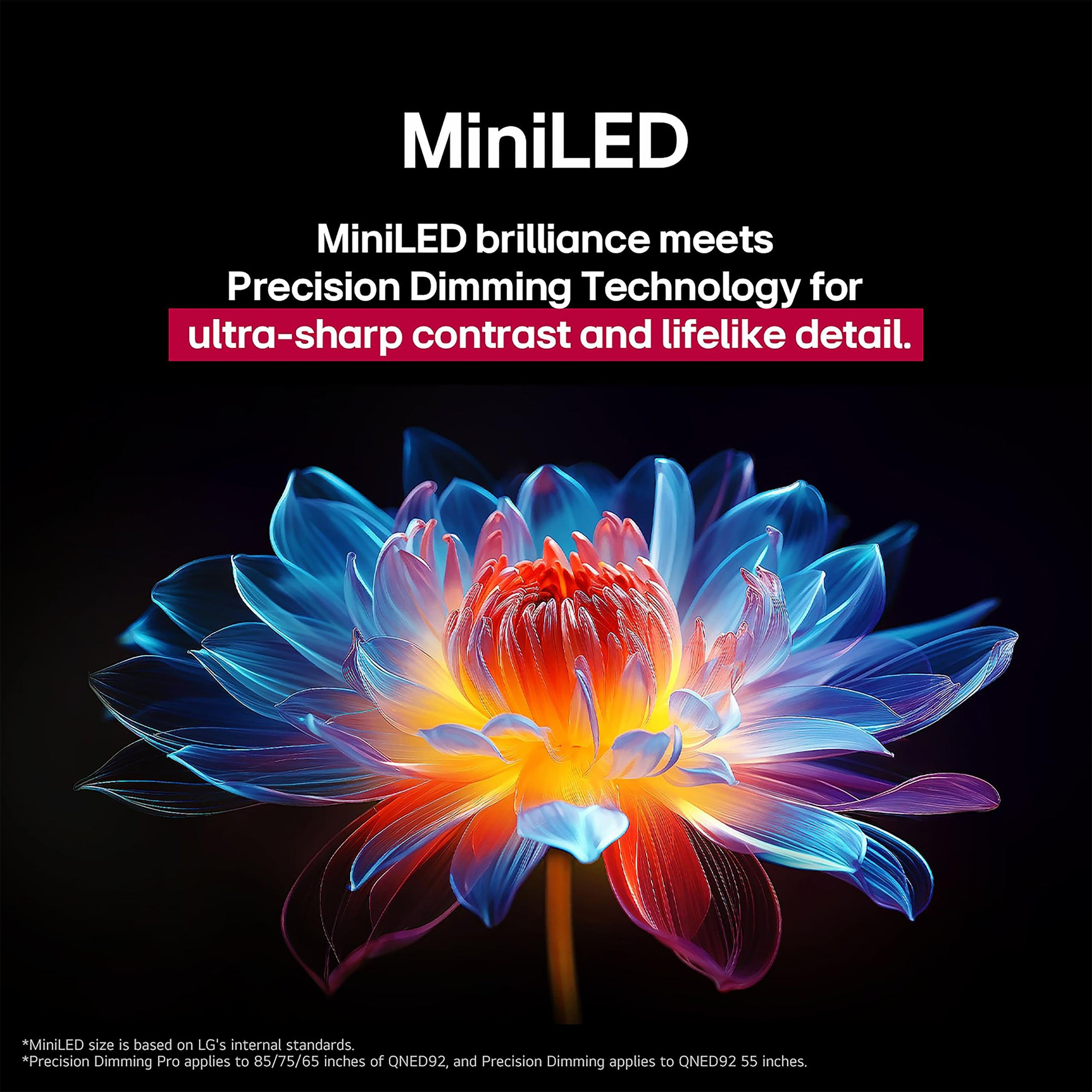
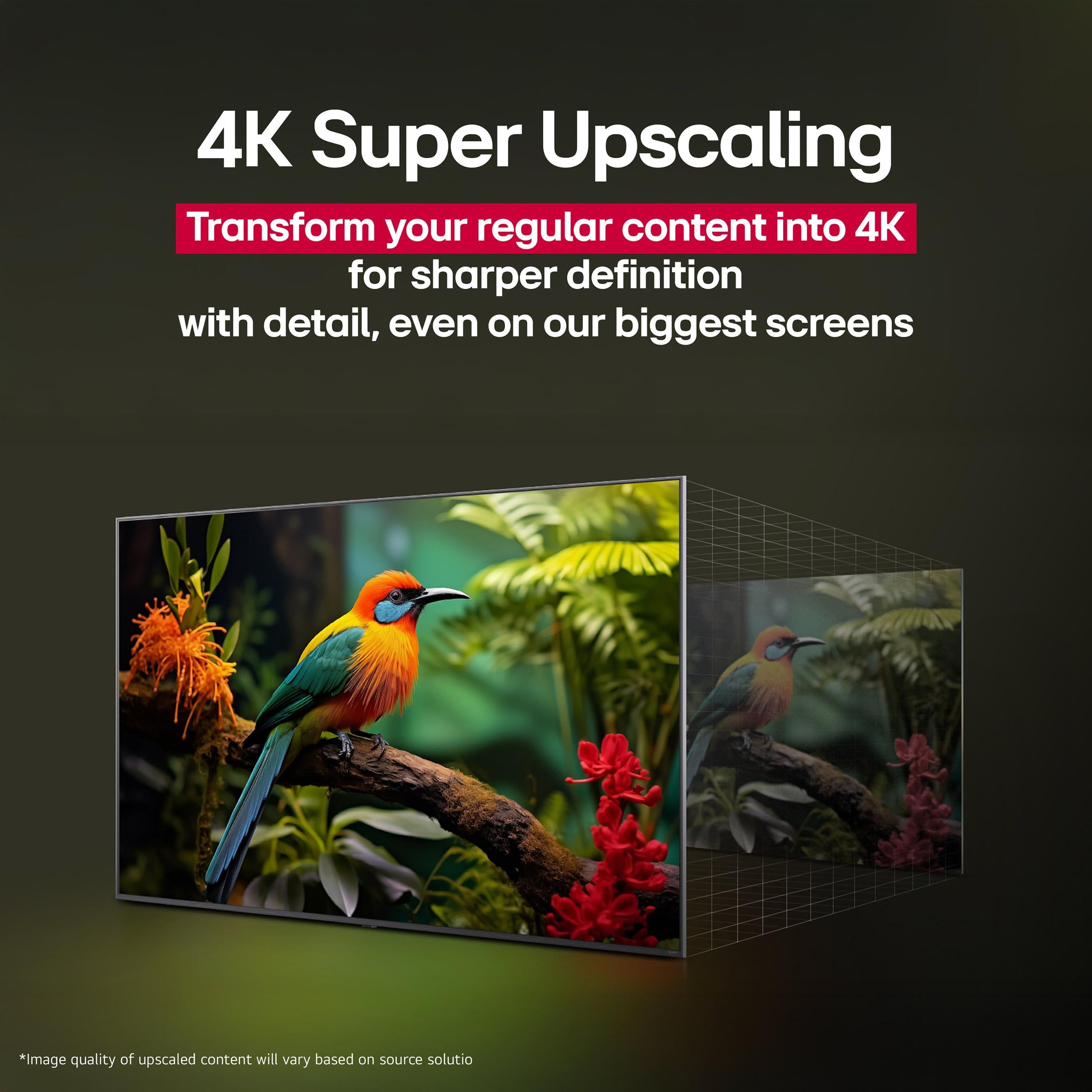
The LG QNED85A takes a completely different path. It's still fundamentally an LCD TV, but it uses thousands of tiny LEDs (hence "MiniLED") as the backlight instead of the traditional larger LED strips. These MiniLEDs can be controlled in zones—imagine having thousands of small flashlights behind your screen that can dim or brighten independently to match what's happening in each part of the picture.
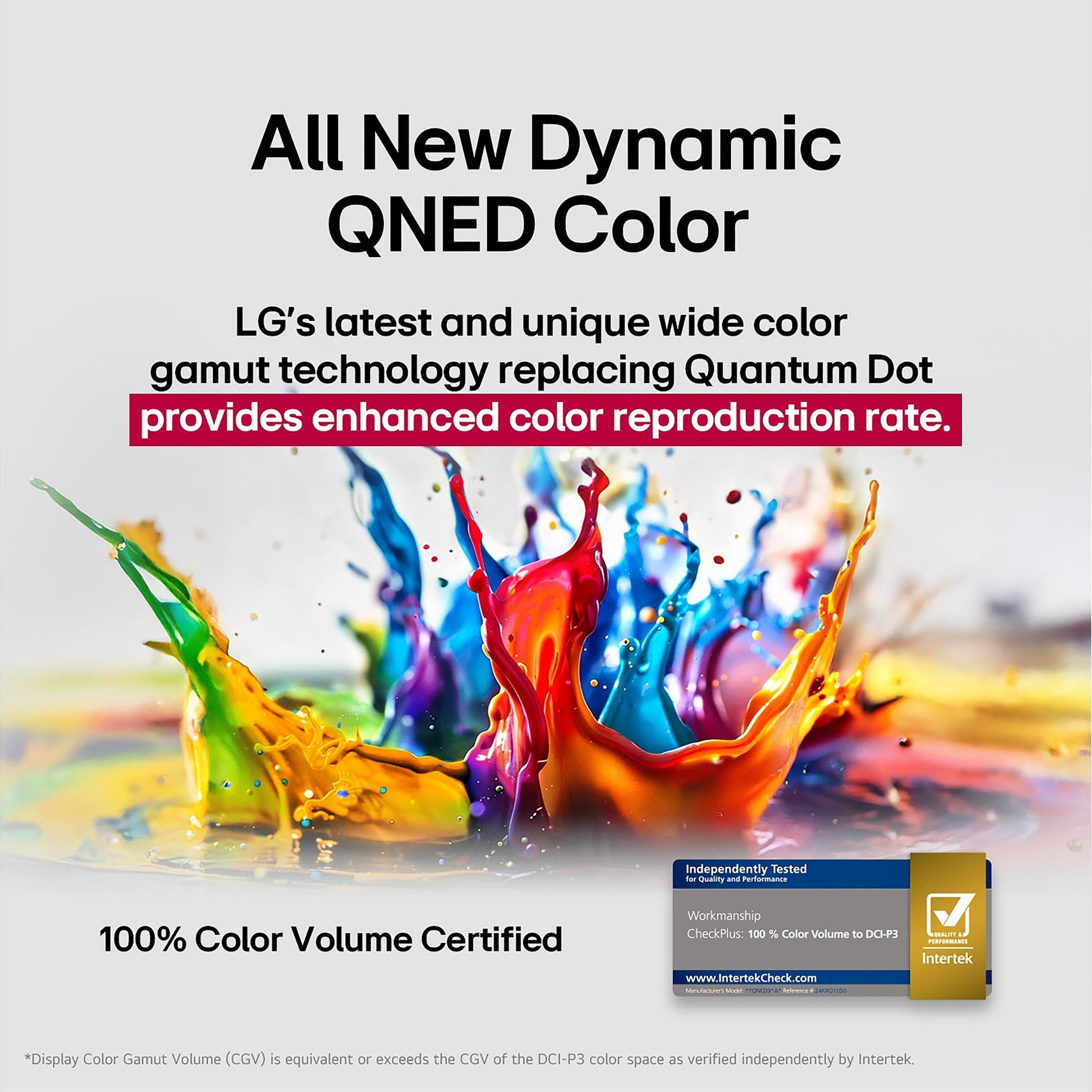
LG combines this MiniLED backlight with both quantum dot technology (for enhanced colors) and their NanoCell technology (which uses nanoparticles to filter out impure colors). The result is what they call QNED—essentially their answer to Samsung's QLED technology but with their own twist.
The big advantage? This LG model can get significantly brighter than most OLED TVs, making it excellent for bright rooms and delivering HDR highlights that can genuinely compete with what you'd see in a movie theater.
Here's where the fundamental technology differences really show up. The Sony QD-OLED delivers perfect blacks because each pixel can completely shut off. When you're watching a movie with a starfield, those black spaces between stars are truly black, not slightly gray. This creates an almost three-dimensional depth to images that's immediately noticeable.
The LG MiniLED, despite its advanced local dimming, still has some light bleeding around bright objects in dark scenes—what we call "blooming" or "haloing." It's much better controlled than older LCD TVs, but it's still there if you know what to look for. However, in most real-world viewing, especially if you're not in a perfectly dark room, this difference becomes less critical.
Both TVs excel at color, but in different ways. The Sony's QD-OLED combines the natural color reproduction of OLED with the enhanced color volume of quantum dots. The result is colors that look incredibly natural and nuanced. Skin tones have that subtle variation that makes people look real rather than artificial. Sunsets have that warm, golden quality that makes you feel like you're actually there.
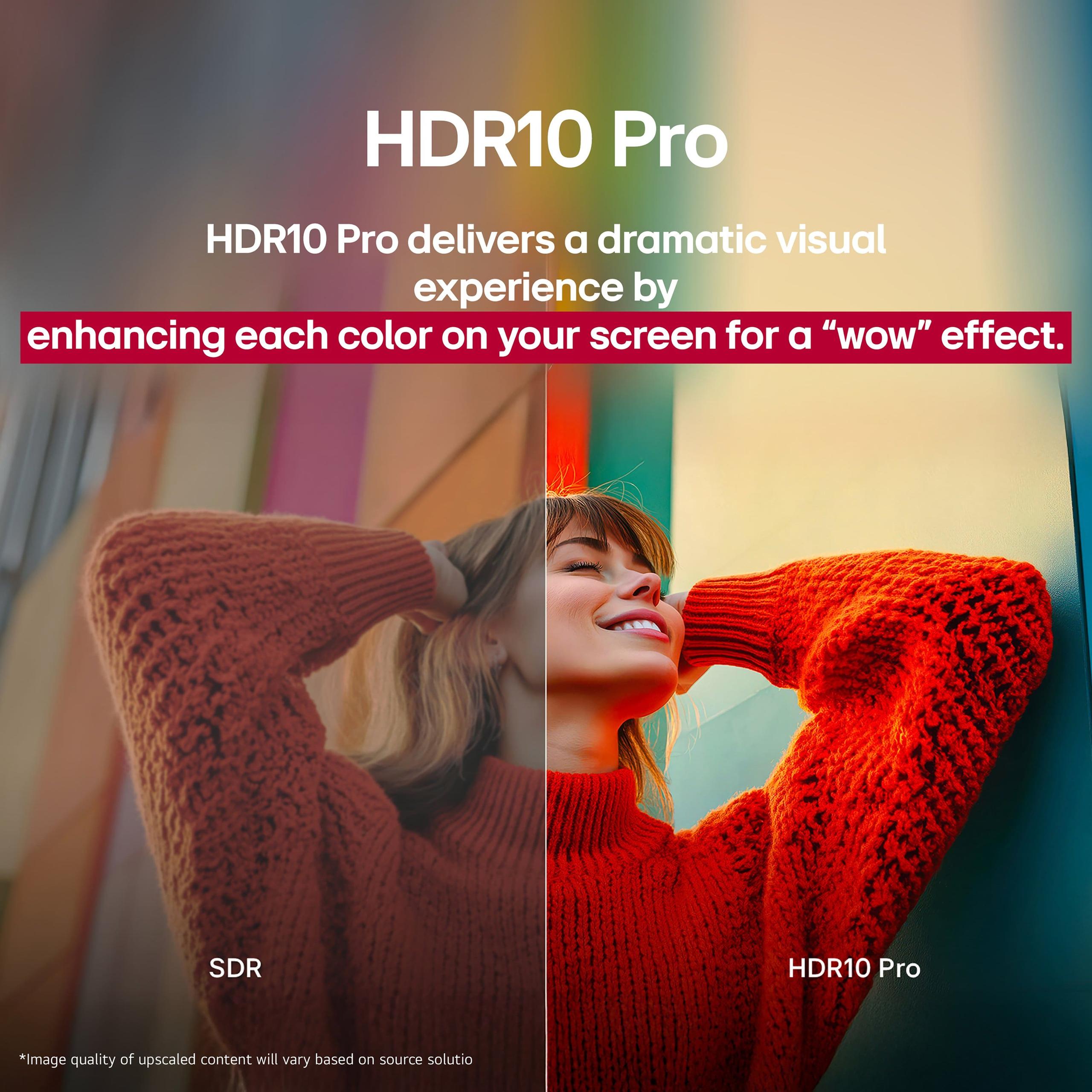
The LG's quantum dot and NanoCell combination delivers what LG claims is 100% color volume, and in practice, colors are vibrant and punchy. The difference is that the LG tends toward a slightly more vivid, eye-catching presentation, while the Sony prioritizes accuracy and naturalness.
This is where things get interesting. The LG QNED85A can get significantly brighter than the Sony BRAVIA 8 II, making it better for bright rooms and more impactful with certain types of HDR content. If you're watching a scene with bright sunlight streaming through windows, the LG can make those highlights really pop.
But here's what I've learned from testing both types of displays: brightness isn't everything. The Sony's more controlled, targeted brightness approach often looks more realistic. When a bright highlight appears on screen, it stands out dramatically against the perfect blacks around it, creating an impact that pure brightness numbers don't fully capture.
OLED technology has always excelled at viewing angles, and the Sony BRAVIA 8 II maintains its color accuracy and contrast even when viewed from the side. This makes it ideal for larger seating arrangements where not everyone sits directly in front of the TV.
The LG QNED85A has improved viewing angles compared to traditional LCD TVs thanks to its advanced panel technology, but it still can't match OLED's consistency. Colors shift slightly and contrast decreases as you move off-axis, though it's much better than budget LCD TVs.
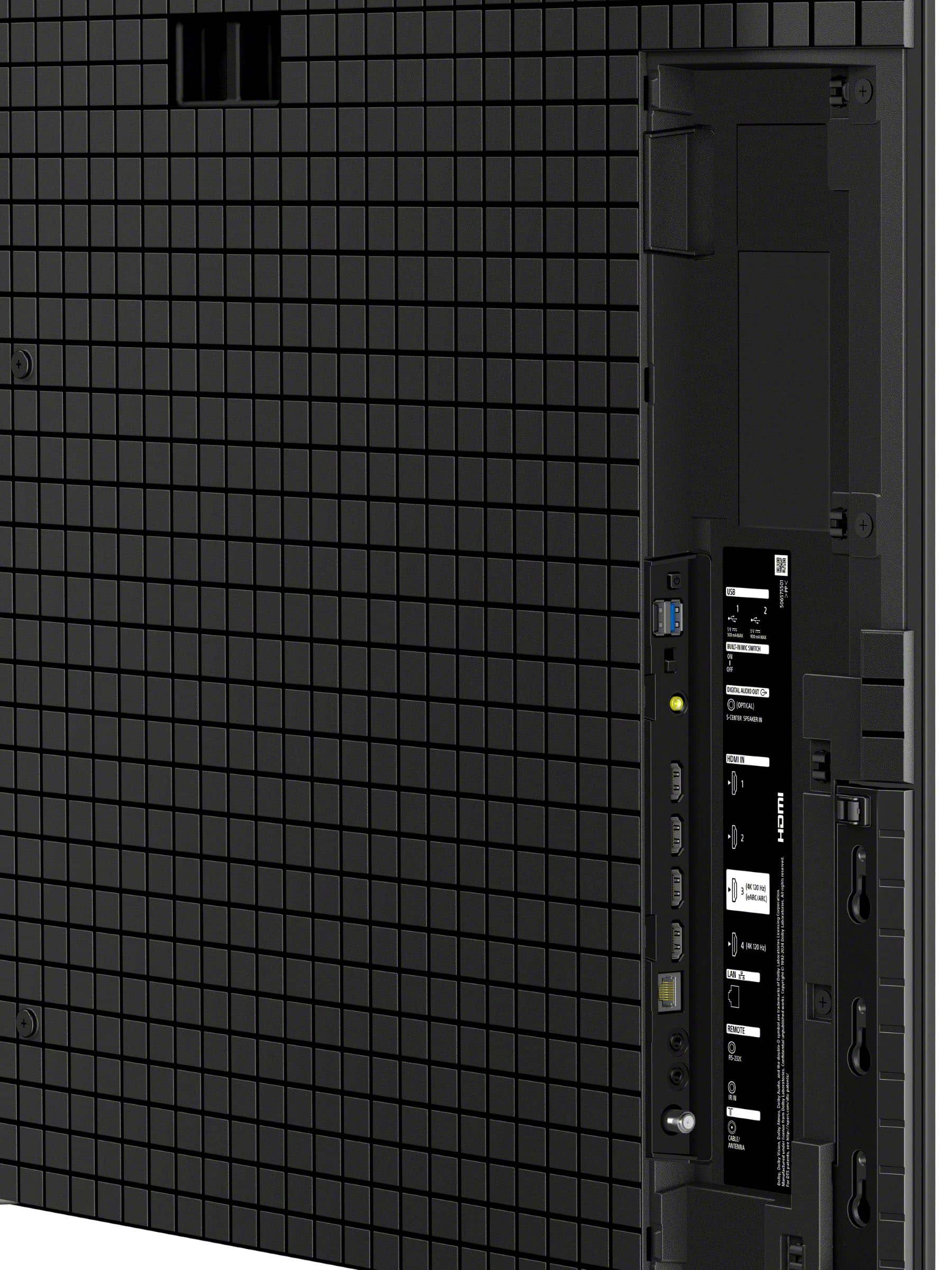
Both TVs cater to gamers, but with different strengths. The Sony BRAVIA 8 II offers excellent gaming performance with 8.5ms input lag and support for 4K at 120Hz, plus Variable Refresh Rate (VRR—which synchronizes the TV's refresh rate with your console's frame rate to eliminate screen tearing) and Auto Low Latency Mode (ALLM—which automatically switches to game mode when it detects a console).
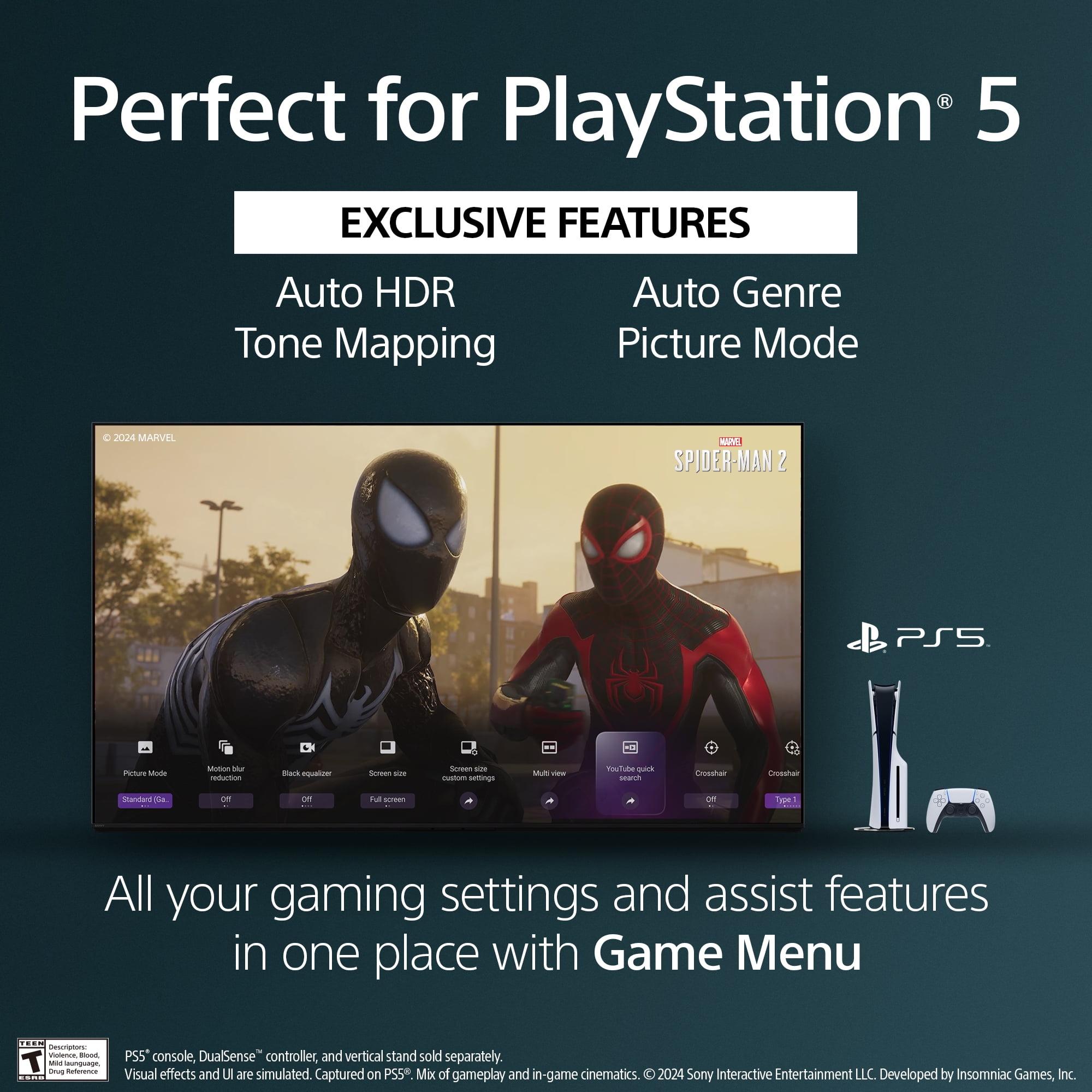
What makes the Sony special for PlayStation 5 owners are the exclusive optimizations. The TV can automatically adjust its picture settings based on the specific game you're playing, and the perfect blacks really enhance the atmosphere in darker games.
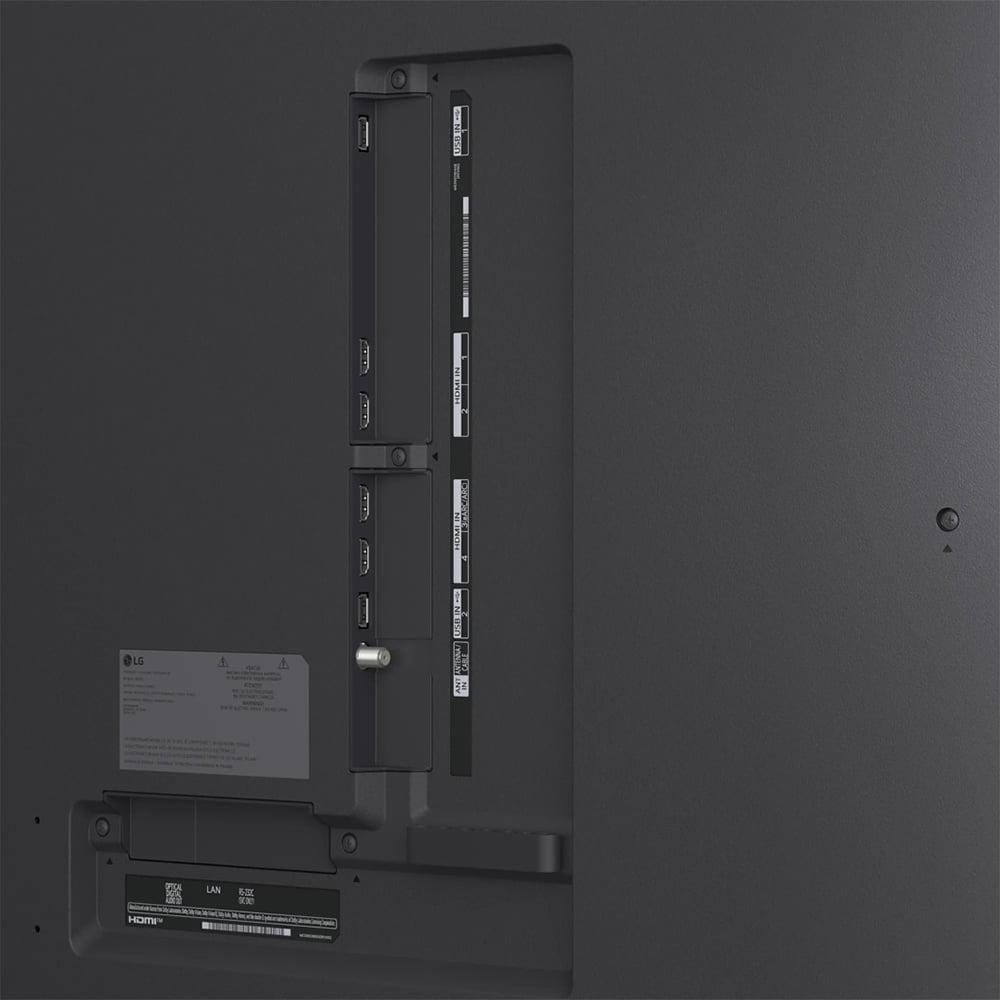
The LG QNED85A takes a more comprehensive approach to gaming. It offers a native 120Hz panel that can handle refresh rates up to 144Hz for PC gaming, four HDMI 2.1 ports (compared to Sony's two), and features like FreeSync and cloud gaming through GeForce NOW. The Game Optimizer and Game Dashboard provide quick access to gaming-specific settings without interrupting your gameplay.
For competitive gaming, the LG's brighter display can provide an advantage in spotting enemies in darker areas of games, while the Sony's perfect blacks create more immersive single-player experiences.
This is where the Sony BRAVIA 8 II really shines with its Acoustic Surface Audio+ technology. Instead of traditional speakers, the entire OLED panel acts as a speaker using actuators behind the screen. This means dialogue appears to come directly from the characters' mouths rather than from below the screen, creating a more immersive experience.
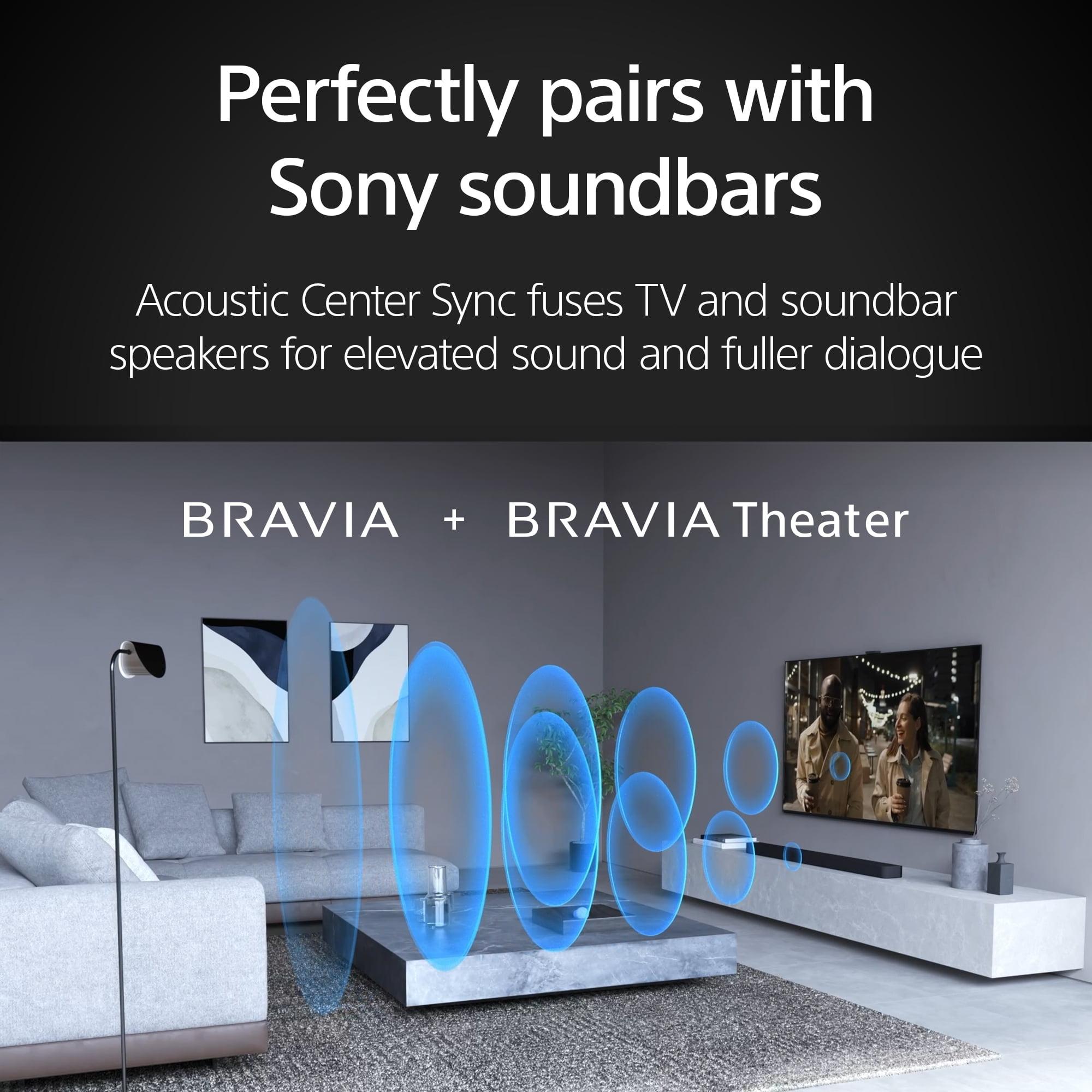
The system also includes Voice Zoom 3, which uses AI to enhance dialogue clarity even during loud action scenes. If you pair it with a compatible Sony soundbar, the TV can act as a dedicated center channel speaker, creating a more cohesive surround sound experience.
The LG QNED85A has competent audio with virtual 5.1 surround sound processing, but it uses conventional downward-firing speakers. While the AI Sound Pro processing helps optimize audio based on content type, it can't match the innovative approach of the Sony's screen-as-speaker design.
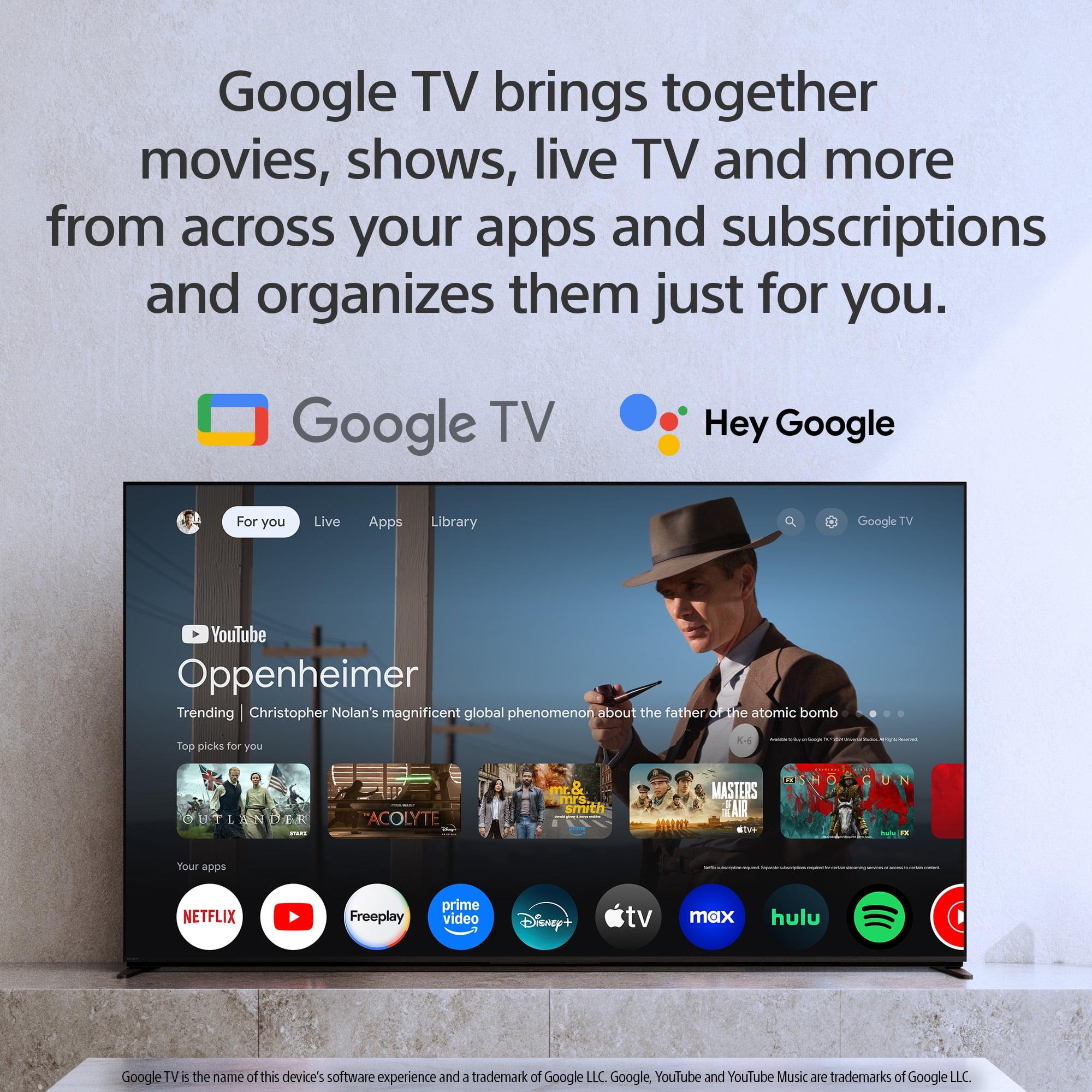
The smart TV platforms represent another area where these TVs diverge significantly. The Sony runs Google TV, which provides excellent app support and integrates well with Google's ecosystem. The XR Processor includes AI Scene Recognition that automatically optimizes picture settings based on what type of content you're watching—it can tell the difference between a nature documentary and a dark thriller and adjust accordingly.
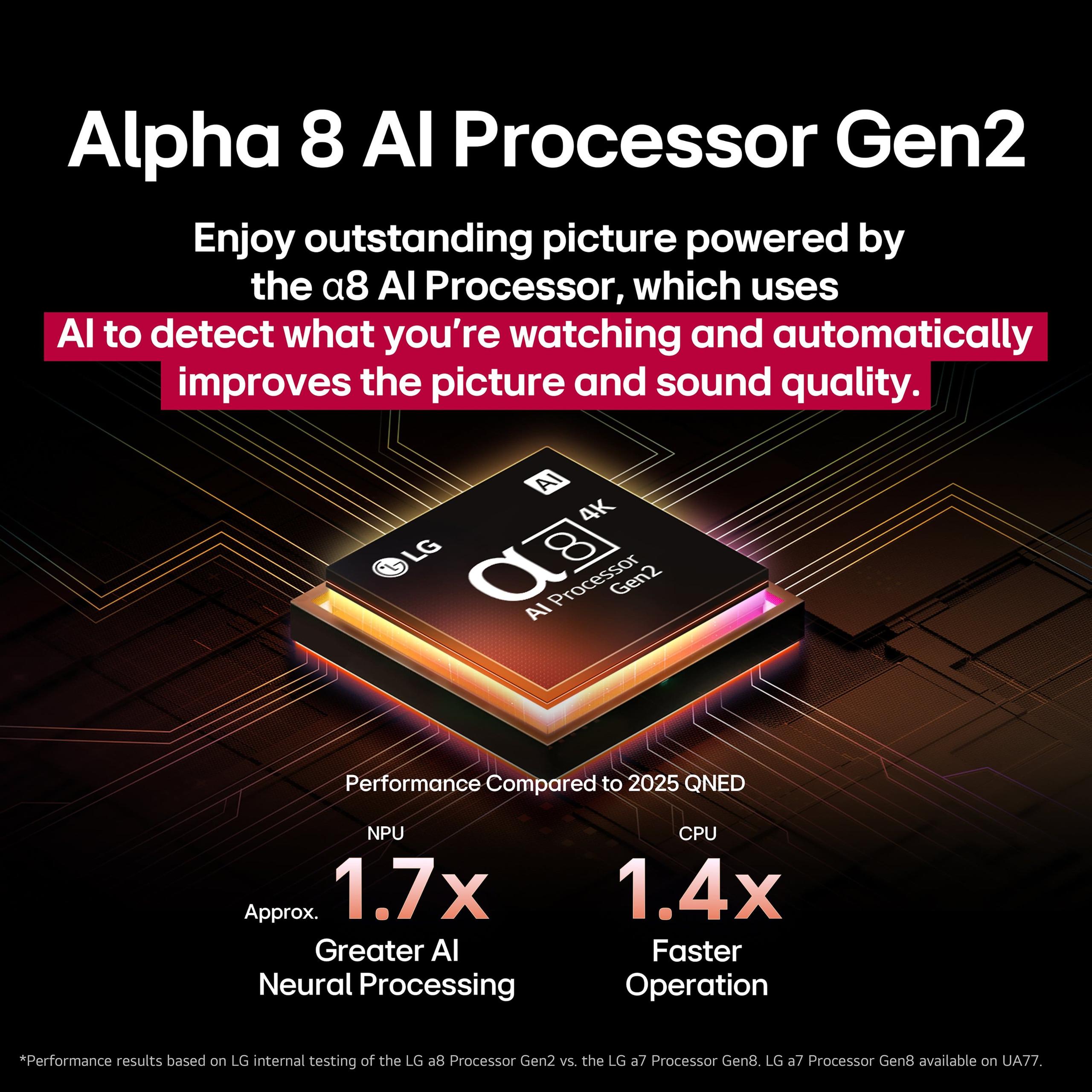
The LG QNED85A runs webOS 25 and showcases some genuinely impressive AI features. The α8 Gen 2 AI Processor delivers 70% better AI performance than previous generations, powering features like AI Voice ID (which recognizes individual users and switches to their preferred settings), AI Concierge (for personalized content recommendations), and even Microsoft Copilot integration.
LG's commitment to long-term support is notable—they guarantee five years of OS upgrades through their webOS Re:New Program, ensuring your TV stays current with new features and security updates.
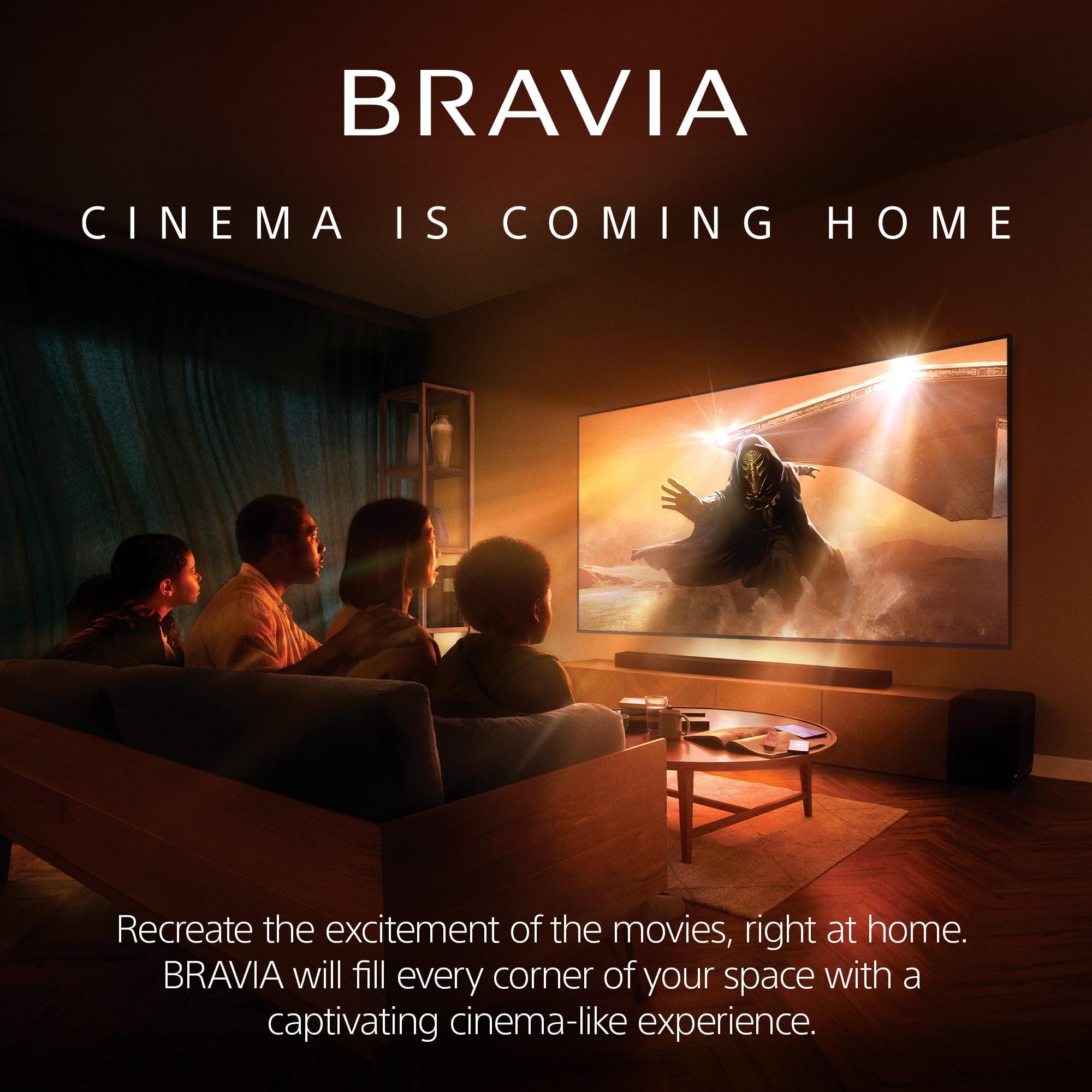
For dedicated home theater setups, the Sony BRAVIA 8 II has clear advantages. The perfect blacks are crucial for the cinematic experience, especially in a darkened room where you can fully appreciate the infinite contrast ratio. The accurate color reproduction ensures you're seeing movies as the creators intended, and the Acoustic Surface Audio+ provides better dialogue clarity without requiring an immediate soundbar upgrade.
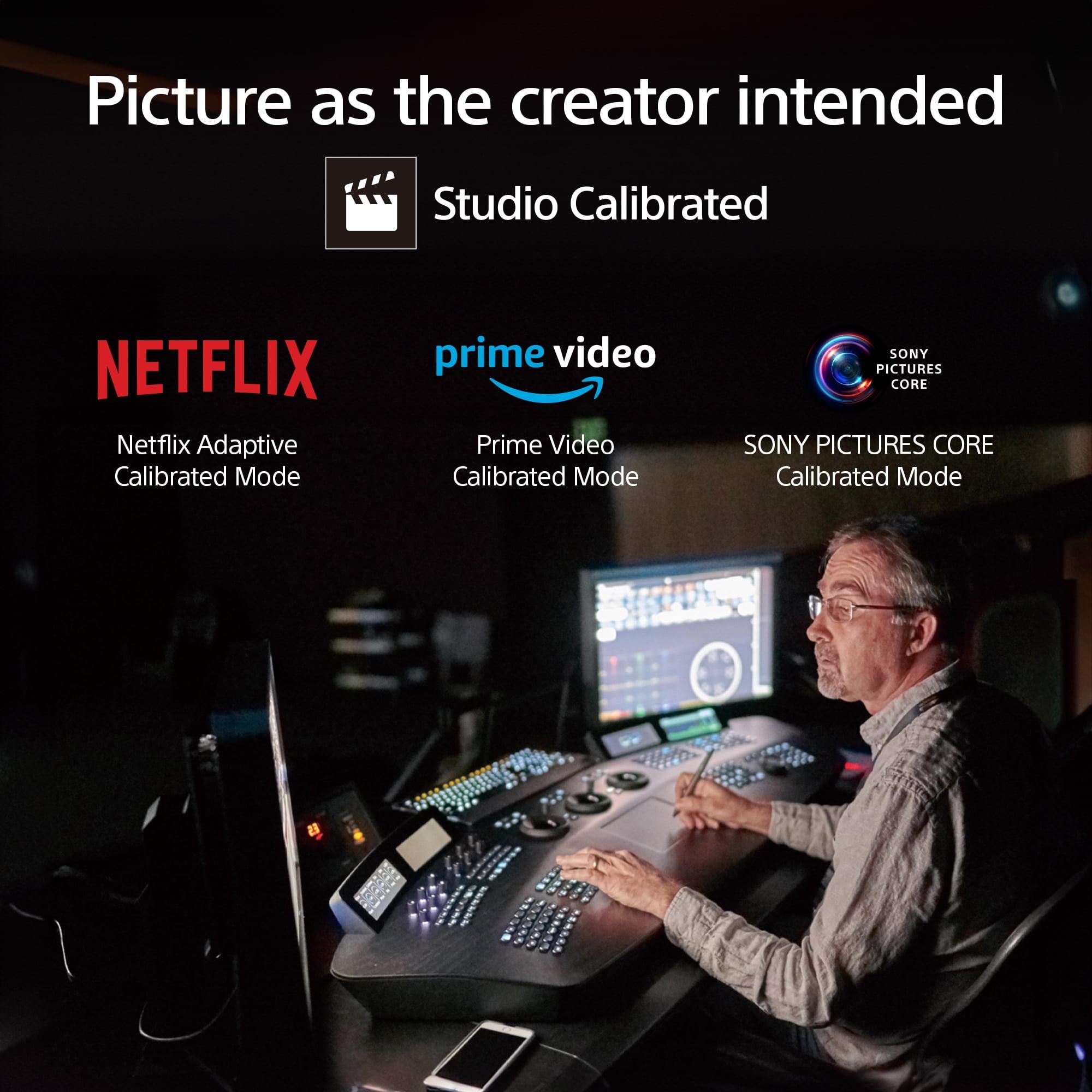
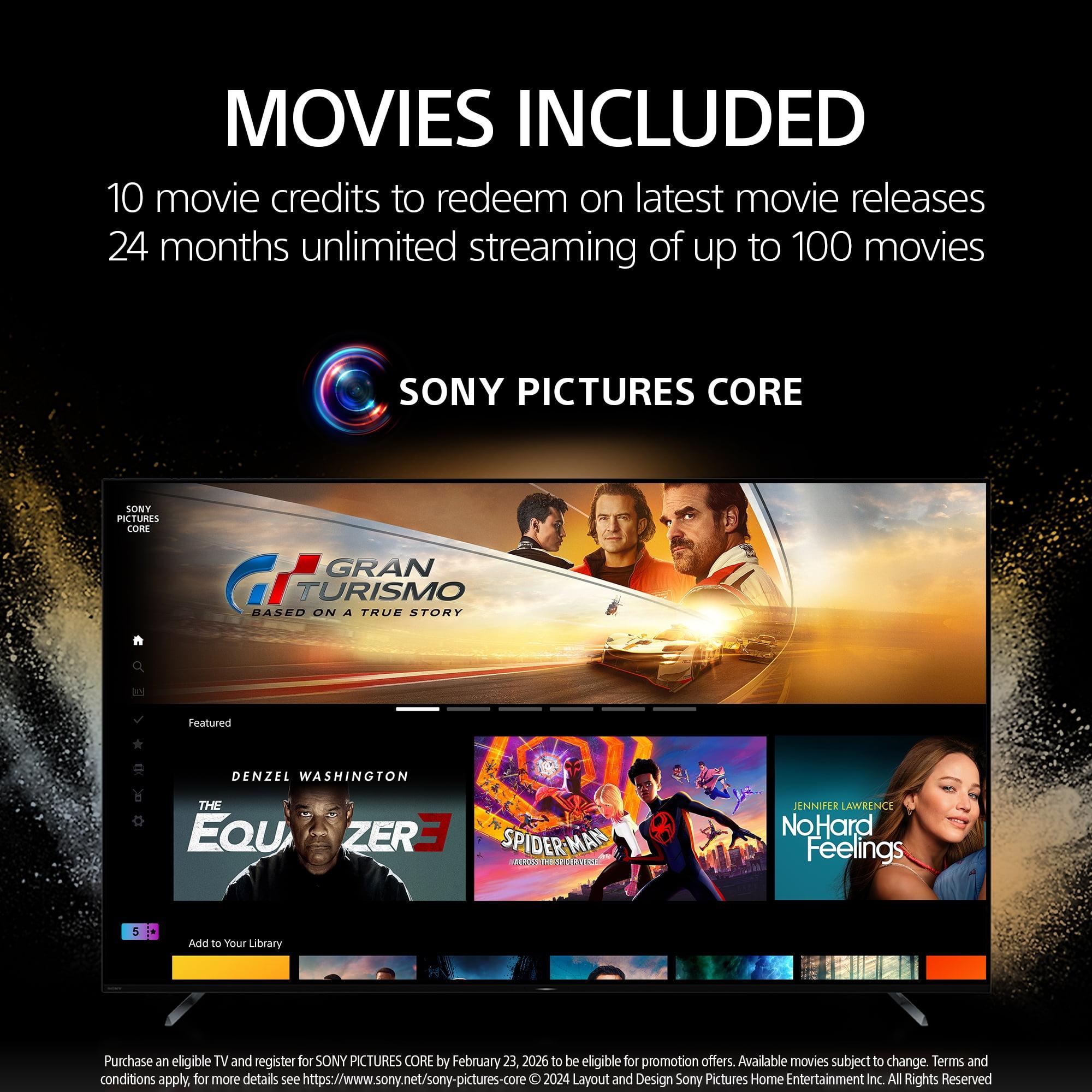
The TV supports IMAX Enhanced content and includes studio-calibrated picture modes for Netflix, Prime Video, and Sony Pictures Core, ensuring optimal picture quality for different types of content.
The LG QNED85A can work well in a home theater, particularly if your room isn't completely dark or if you occasionally watch content with ambient lighting. Its higher peak brightness can make HDR content more impactful in these conditions, and the lack of burn-in concerns means you can leave static images on screen without worry.
The price difference between these TVs is substantial—the Sony costs 3-4 times more than the LG. This raises important questions about value and what you're actually paying for.
With the Sony BRAVIA 8 II, you're paying for cutting-edge display technology, superior picture quality, innovative audio design, and the premium that comes with flagship products. The QD-OLED panel represents the current pinnacle of consumer display technology, and the overall viewing experience reflects that premium positioning.
The LG QNED85A delivers an impressive amount of technology and features for under $1,000. You get advanced AI processing, comprehensive gaming features, future-proof smart TV capabilities, and picture quality that would have been considered flagship-level just a few years ago.
The decision between these TVs ultimately comes down to your priorities, budget, and viewing environment.
Choose the Sony BRAVIA 8 II if you:
Choose the LG QNED85A if you:
Both TVs represent excellent choices within their respective market segments. The Sony delivers a truly flagship experience that justifies its premium pricing for enthusiasts who prioritize picture quality above all else. The LG provides an impressive array of premium features at a price point that makes advanced display technology accessible to a much broader audience.
The reality is that either TV will provide a significantly better viewing experience than most TVs from even a few years ago. Your choice should align with your budget, viewing environment, and what aspects of the TV viewing experience matter most to you. Both represent the exciting direction that TV technology is heading, just from different philosophical and economic approaches.

Privacy Policy
Terms and Conditions - Affiliate Policy
Home Security
© Copyright 2008-2026.
11816 Inwood Rd #1211, Dallas, TX 75244