

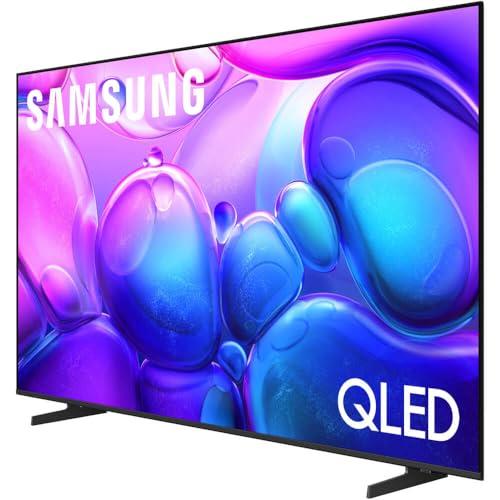
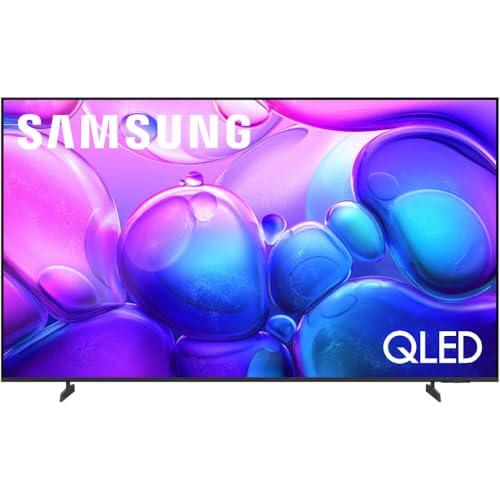
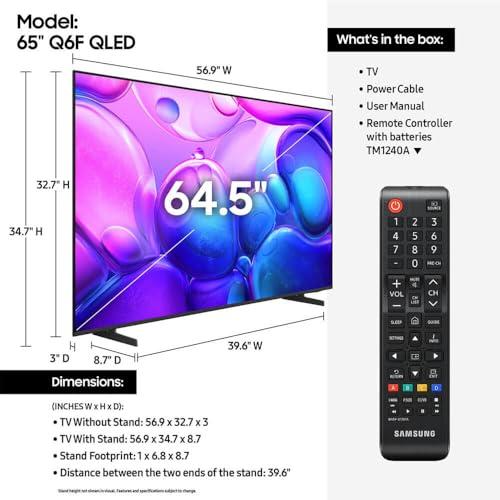
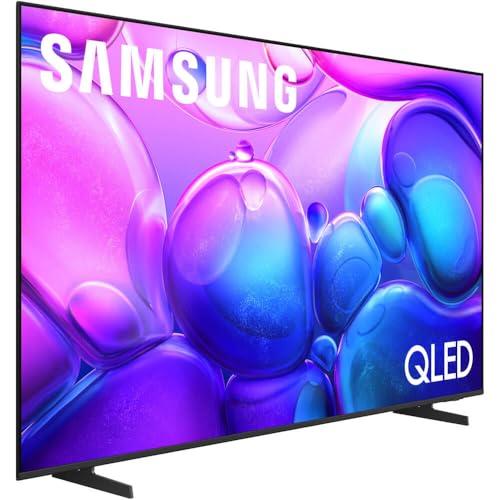
When shopping for a premium 65-inch TV in 2025, you'll quickly encounter two fundamentally different philosophies: Samsung's value-focused QLED approach and Sony's flagship OLED technology. The Samsung 65" QLED Q6F and Sony BRAVIA 8 II 65" QD-OLED represent these opposing strategies perfectly, and understanding their differences will save you from buyer's remorse.
At the time of writing, these TVs sit in completely different price tiers—the Samsung Q6F targets mainstream buyers seeking enhanced picture quality without breaking the bank, while the Sony BRAVIA 8 II commands premium pricing for flagship performance. But price alone doesn't tell the whole story.
Before diving into specifics, let's clarify what sets these technologies apart. QLED (Quantum Dot Light-Emitting Diode) is Samsung's enhancement of traditional LED-LCD technology. Think of it as adding a special color filter—quantum dots—that converts blue LED light into pure red and green colors, creating more vibrant and accurate colors than standard LED TVs.
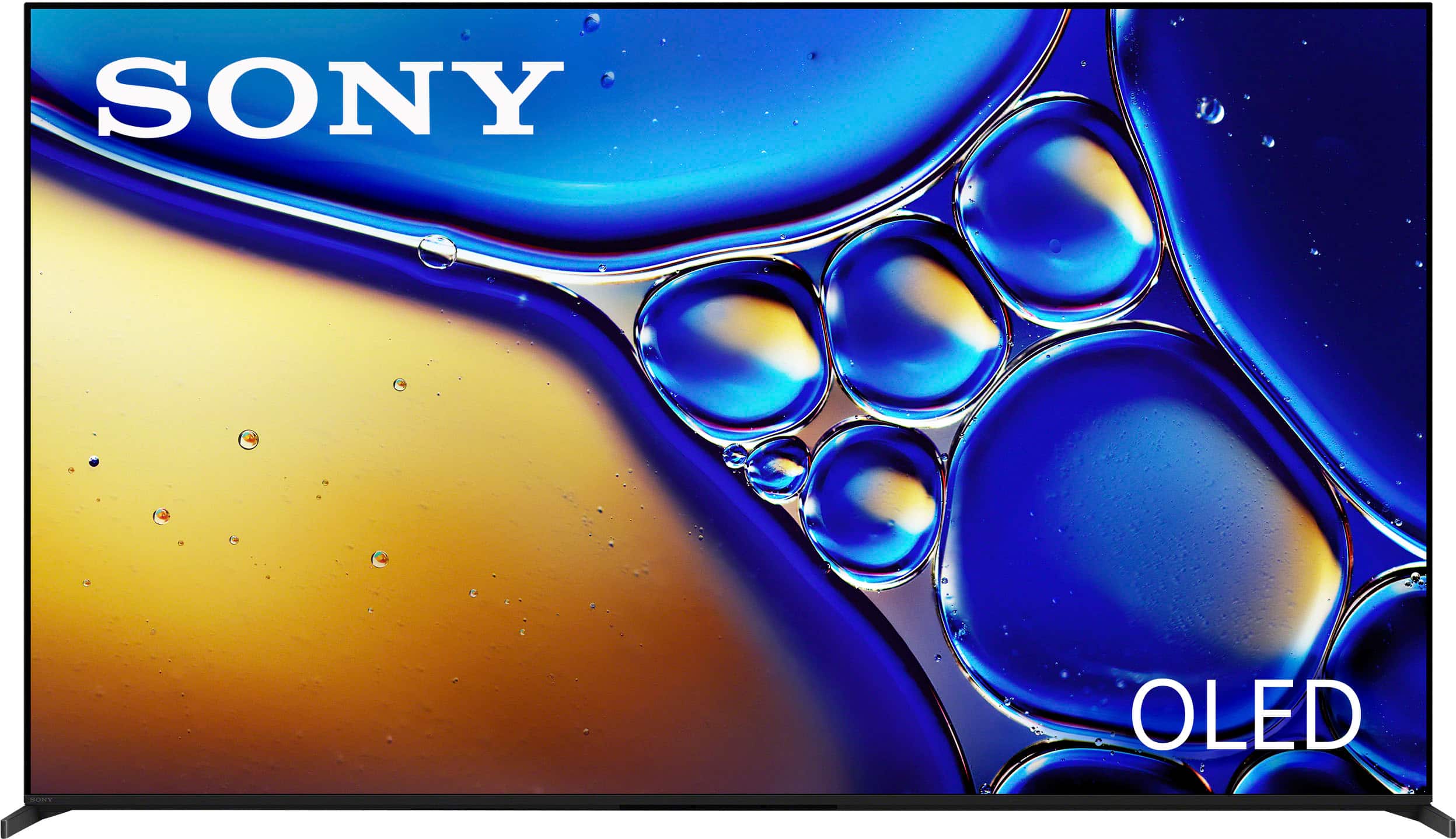
QD-OLED, used in the Sony BRAVIA 8 II, combines two premium technologies: self-emitting OLED pixels that can turn completely on or off individually, plus quantum dots for color enhancement. Each pixel produces its own light, eliminating the need for backlighting entirely. This fundamental difference creates the performance gap we'll explore.
The Samsung Q6F launched in 2025 as part of Samsung's refreshed QLED lineup, continuing their strategy of bringing quantum dot technology to more affordable price points. The Sony BRAVIA 8 II also arrived in 2025, representing Sony's push to address OLED's traditional weakness—brightness—while maintaining perfect black levels.
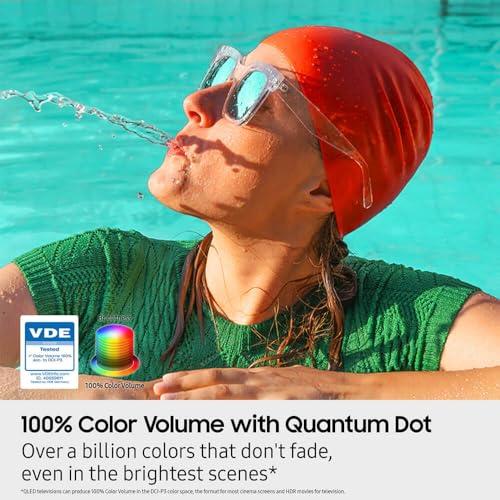
The most crucial difference between these TVs lies in how they create the picture you see. The Samsung Q6F uses LED backlighting with quantum dot enhancement, achieving what Samsung calls "100% Color Volume." This means colors stay vibrant even at high brightness levels—a significant advantage over standard LED TVs that wash out in bright scenes.
However, the Sony BRAVIA 8 II takes a completely different approach. Its QD-OLED panel contains over 8 million individual pixels that can emit their own light or turn completely off. When a pixel turns off, it produces true black—not the dark gray you get from LED backlighting trying to dim. This creates what's called infinite contrast ratio, where the difference between the darkest and brightest parts of the image is literally infinite.
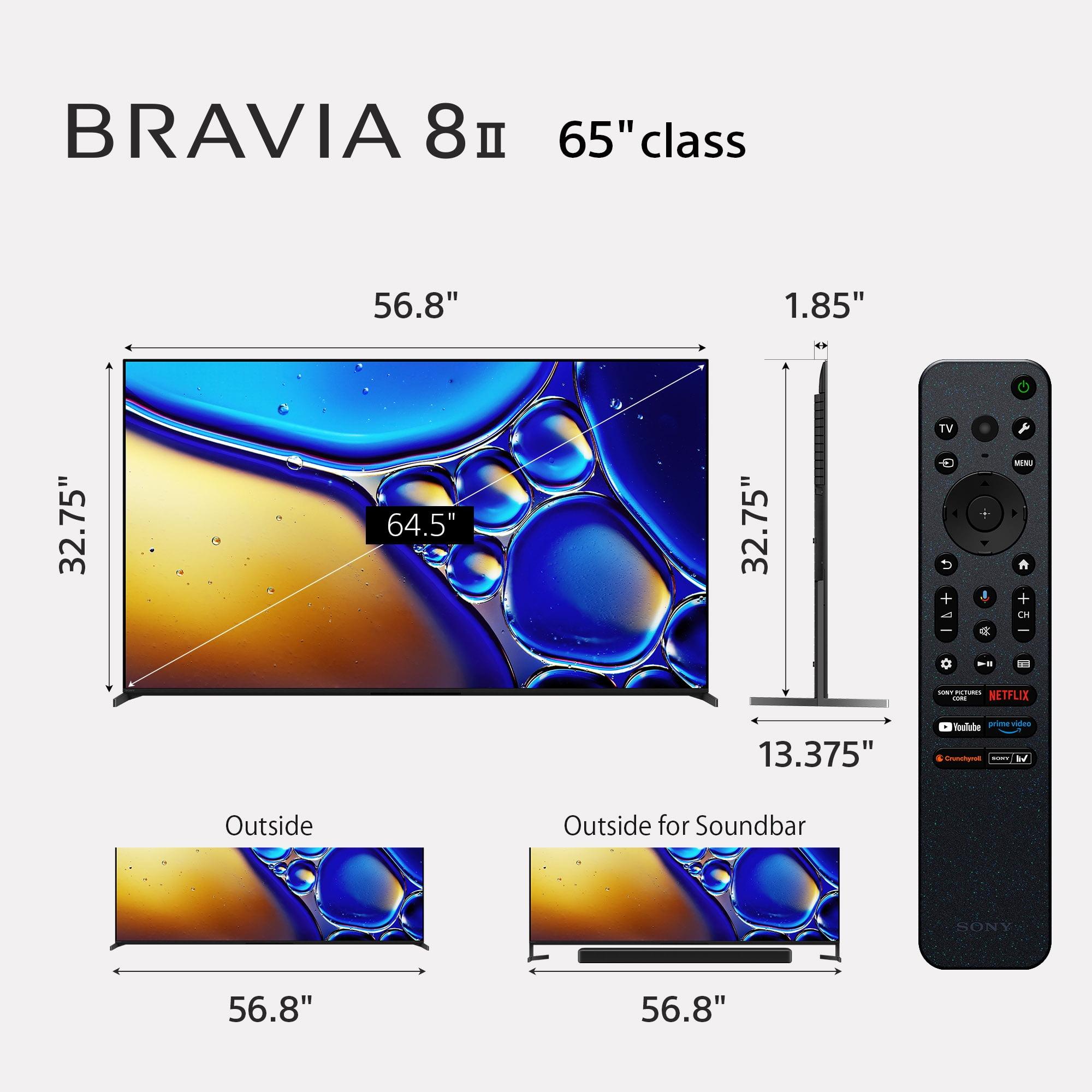
From our research into professional reviews and user feedback, this contrast difference is immediately noticeable. Dark movie scenes that look washed out on LED TVs reveal hidden details on OLED displays. Think of watching a nighttime scene in a thriller—on the Samsung Q6F, you might struggle to see details in shadows, while the Sony BRAVIA 8 II would reveal every subtle detail without sacrificing the deep blacks that create atmosphere.
Historically, OLED's weakness was brightness. Earlier models couldn't compete with LED TVs in bright rooms. Sony's 2025 BRAVIA 8 II addresses this limitation head-on, achieving approximately 1,880 nits peak brightness—25% brighter than Sony's previous flagship OLEDs. While this doesn't match the brightest LED TVs, it's sufficient for most viewing environments.
The Samsung Q6F excels in bright room viewing, maintaining image quality even with windows nearby or lights on. Its quantum dot technology ensures colors don't fade under bright conditions—a common problem with standard LED TVs. For families who watch TV throughout the day in various lighting conditions, this consistency matters significantly.
However, brightness isn't just about numbers. The Sony BRAVIA 8 II uses its brightness more efficiently. Since each pixel controls its own light output, bright highlights can pop against perfectly black backgrounds. A campfire scene, for example, would show brilliant flames against true black night sky, while the Samsung Q6F would show the same flames against a grayish background due to LED backlighting limitations.
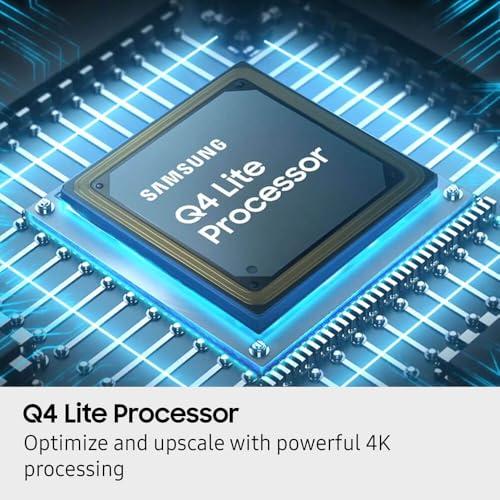
Both TVs support 4K resolution (3,840 x 2,160 pixels), but how they process and display that content differs dramatically. The Samsung Q6F uses Samsung's Q4 Lite Processor—a capable but entry-level chip that handles basic 4K upscaling (converting lower-resolution content to fill the 4K screen) and scene optimization.
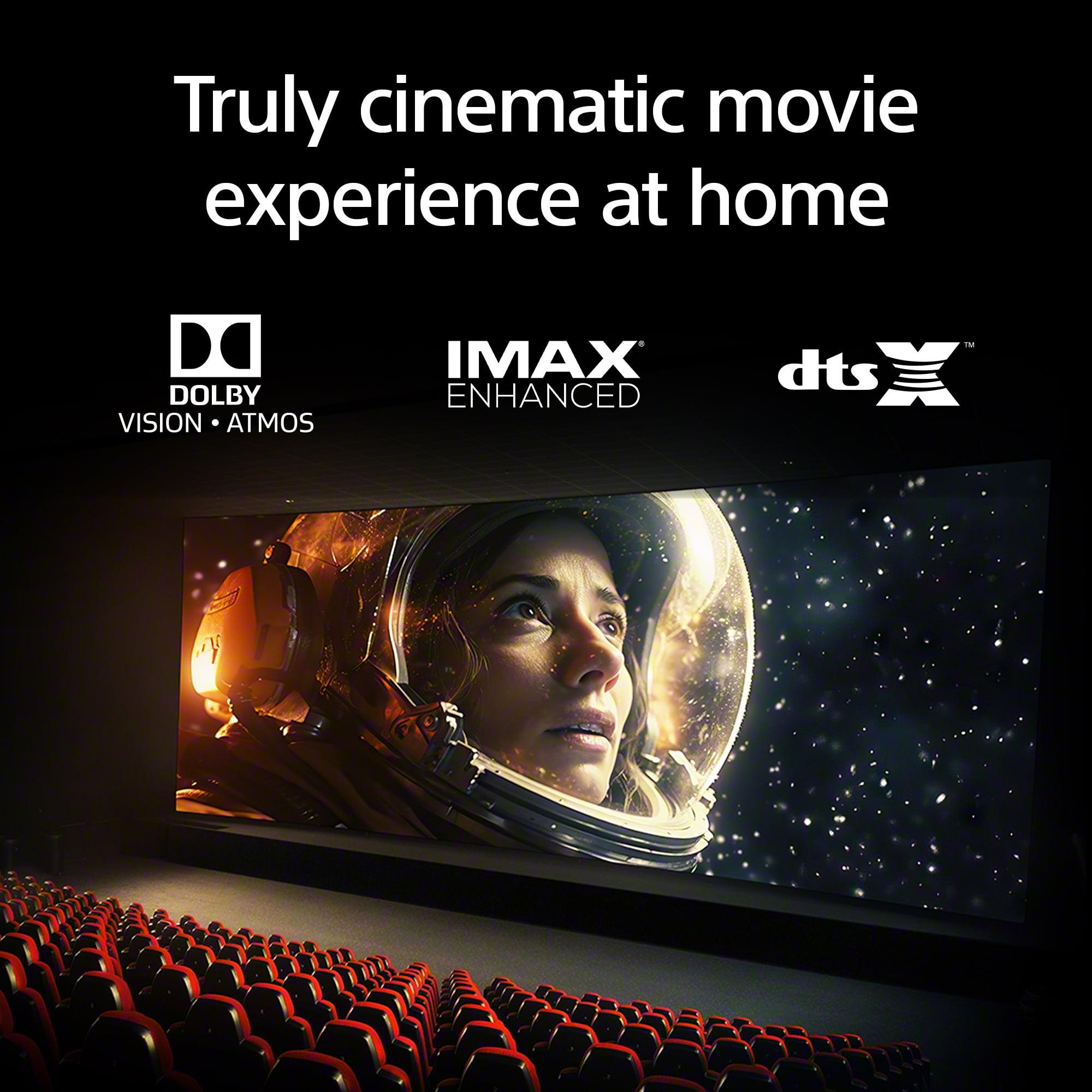
The Sony BRAVIA 8 II employs Sony's XR Processor with AI technology, which analyzes content in real-time and adjusts settings automatically. This processor recognizes whether you're watching a nature documentary, action movie, or news program, then optimizes color, contrast, and clarity accordingly. Professional reviewers consistently praise Sony's processing for creating more natural, film-like images.
Color accuracy represents another significant difference. The Samsung Q6F delivers vibrant, punchy colors that impress in showrooms but may appear oversaturated with some content. The Sony BRAVIA 8 II focuses on color accuracy, reproducing colors as filmmakers intended. For home theater enthusiasts who care about cinematic authenticity, Sony's approach wins decisively.
Motion handling varies significantly between these models. The Samsung Q6F offers a 60Hz refresh rate (the screen updates 60 times per second) with Motion Xcelerator technology that creates additional frames to smooth motion. While adequate for most content, fast-moving sports or action scenes may show some blur.
The Sony BRAVIA 8 II likely offers 120Hz refresh rate (though not explicitly confirmed in available specifications), providing inherently smoother motion. Combined with Sony's advanced processing, this creates superior motion clarity—crucial for sports fans and action movie enthusiasts.
These TVs run entirely different smart platforms, affecting daily usability. The Samsung Q6F uses Tizen OS with Samsung's One UI interface, offering access to Samsung TV Plus (over 1,200 free streaming channels), SmartThings smart home integration, and voice control through Bixby, Alexa, or Google Assistant. Samsung promises seven years of software updates, ensuring long-term relevance.
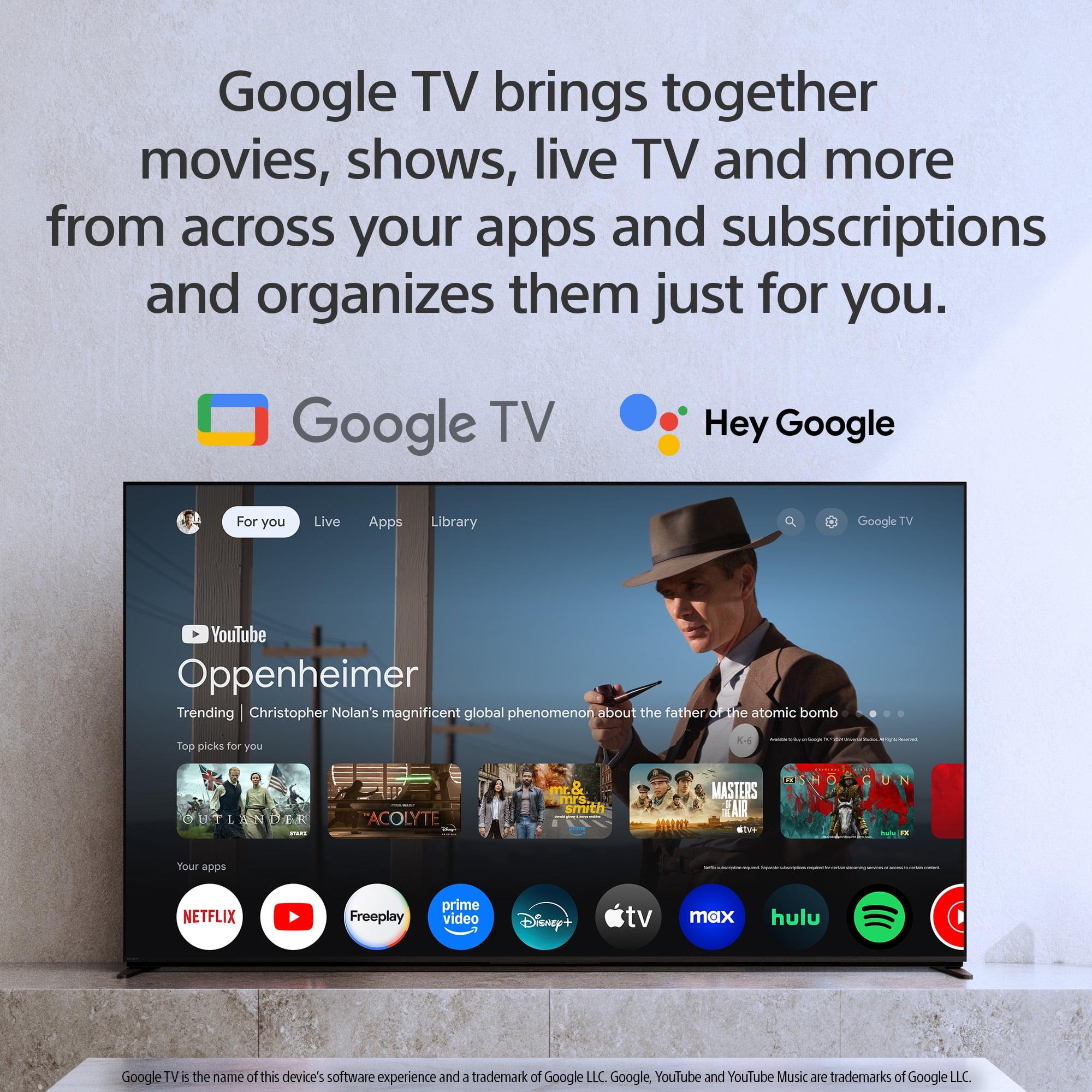
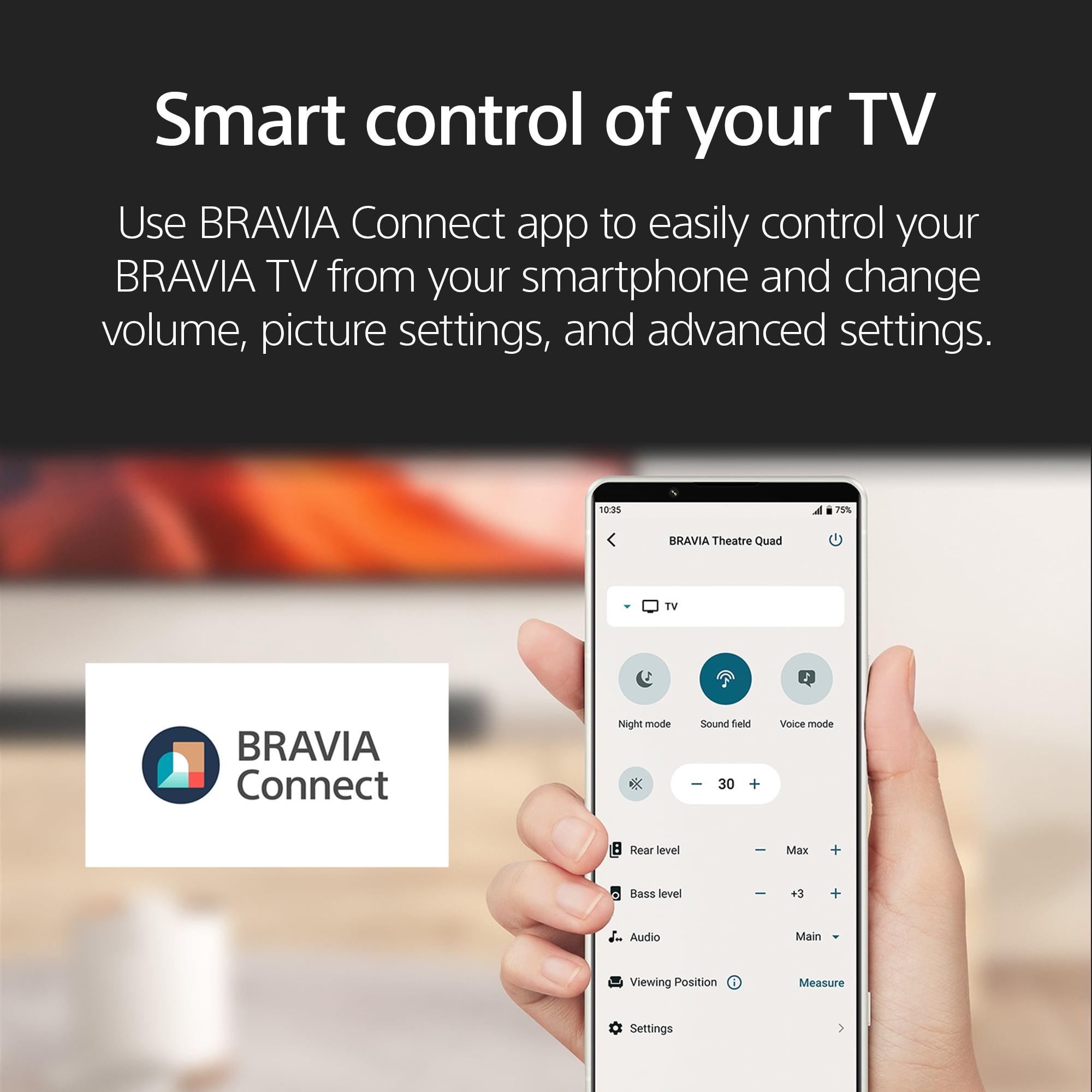
The Sony BRAVIA 8 II runs Google TV, providing deep integration with Google services, Chromecast built-in for easy casting from phones, and access to the Google Play Store. If you're invested in Google's ecosystem (Gmail, Google Photos, YouTube TV), Sony's approach offers seamless integration.
Both platforms are responsive and feature-rich, so choice often comes down to ecosystem preference. Samsung's Tizen excels at smart home integration if you use Samsung appliances or SmartThings devices. Google TV wins for users who rely heavily on Google services or prefer Android-style interfaces.
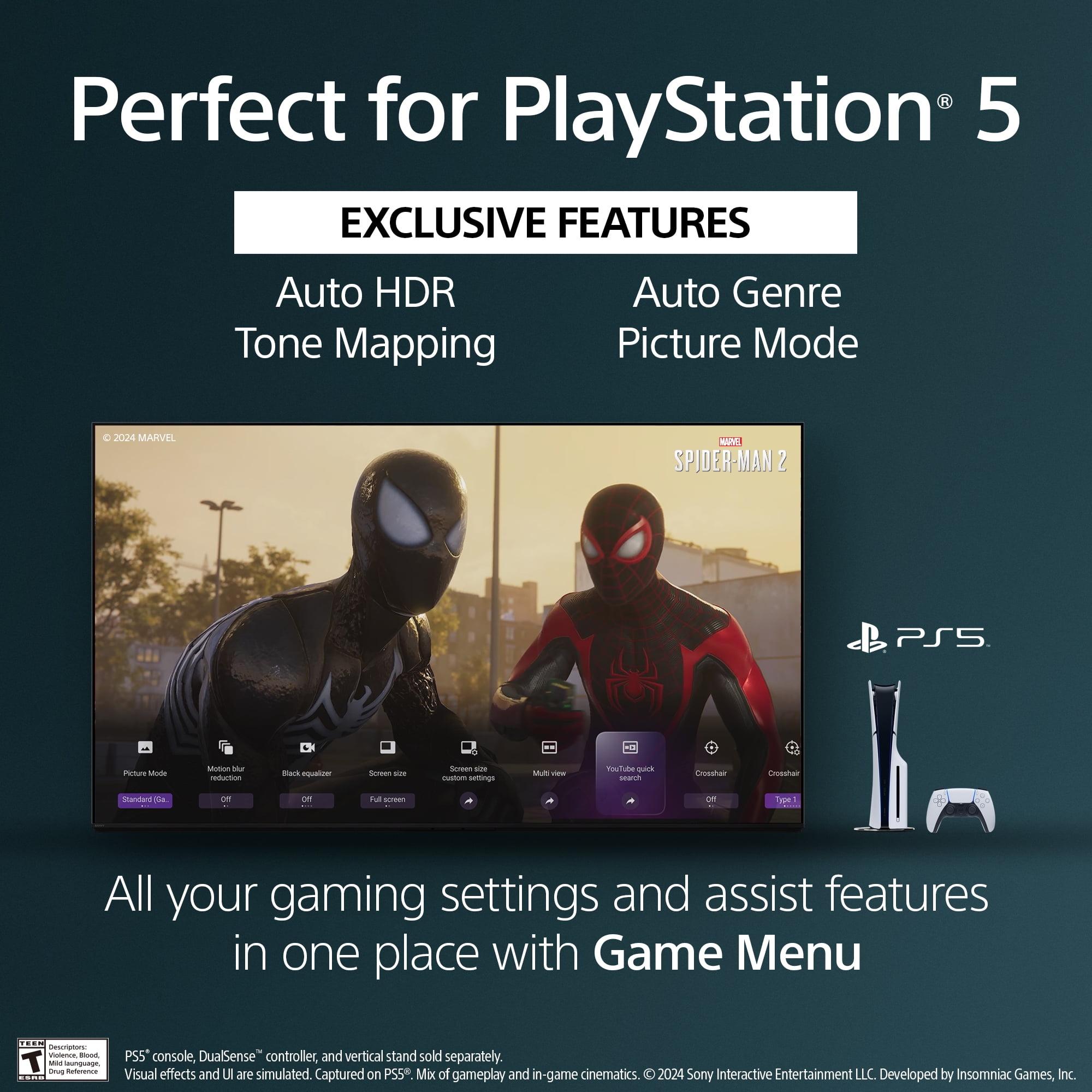
Gaming capabilities have become increasingly important as console technology advances. The Samsung Q6F includes Gaming Hub (Samsung's cloud gaming platform), supports Variable Refresh Rate (VRR) to match console frame rates, and Auto Low Latency Mode (ALLM) that automatically switches to game mode when detecting console input. However, its 60Hz refresh rate limits compatibility with 120fps games on PlayStation 5 or Xbox Series X.
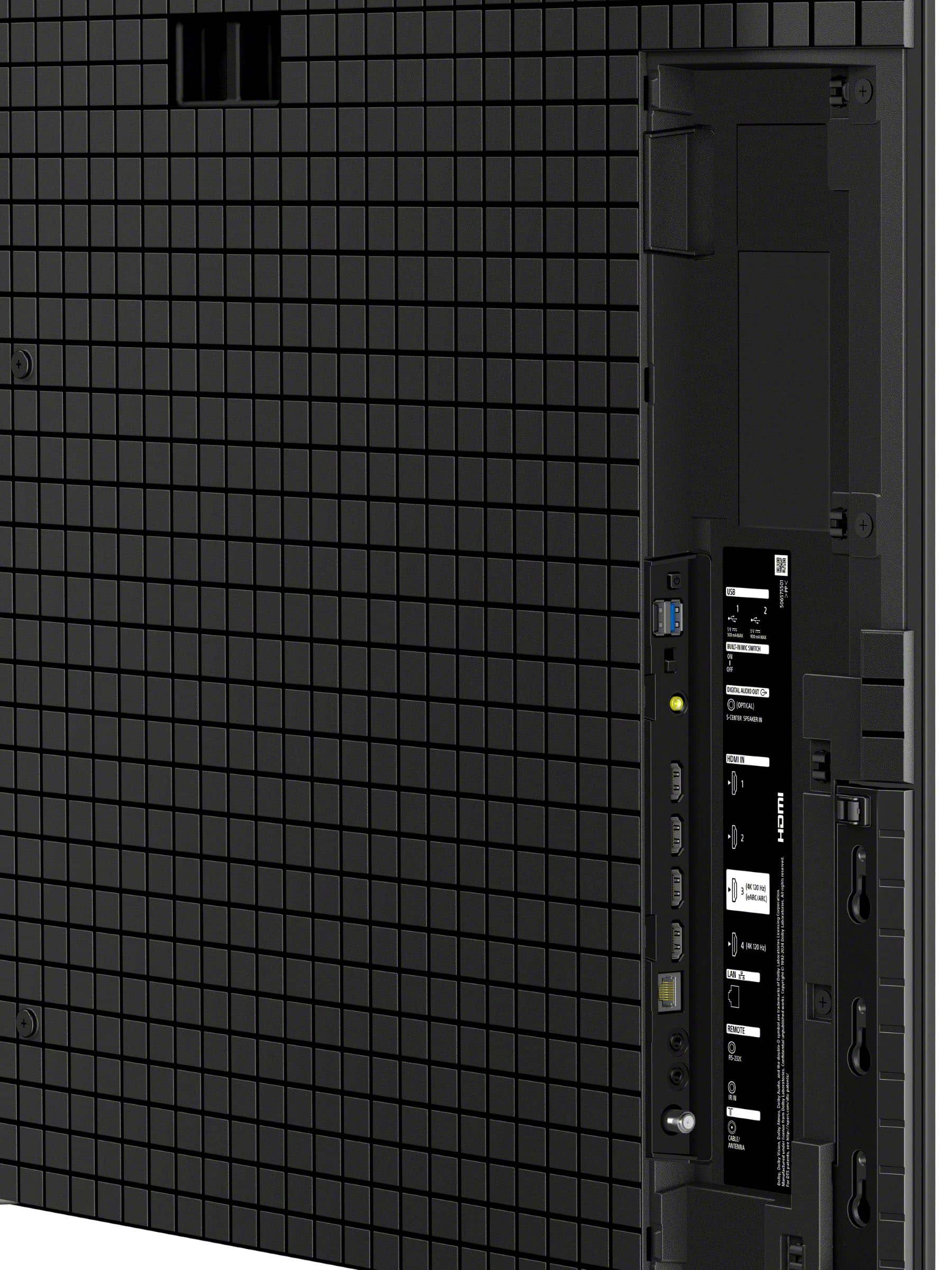
The Sony BRAVIA 8 II, as a flagship model, likely offers superior gaming features including 4K 120Hz support, though specific gaming specifications weren't detailed in available information. Sony's partnership with PlayStation typically ensures excellent optimization for PlayStation consoles.
For casual gaming, both TVs perform adequately. Serious gamers prioritizing 120fps gaming or competitive advantages should lean toward the Sony BRAVIA 8 II or consider higher-tier Samsung models with 120Hz support.
TV speakers often disappoint, but these models take different approaches to audio. The Samsung Q6F features a 20W 2-channel system with Object Tracking Sound Lite, which attempts to match audio direction with on-screen action. It also supports Q-Symphony, allowing the TV speakers to work alongside compatible Samsung soundbars for enhanced audio.
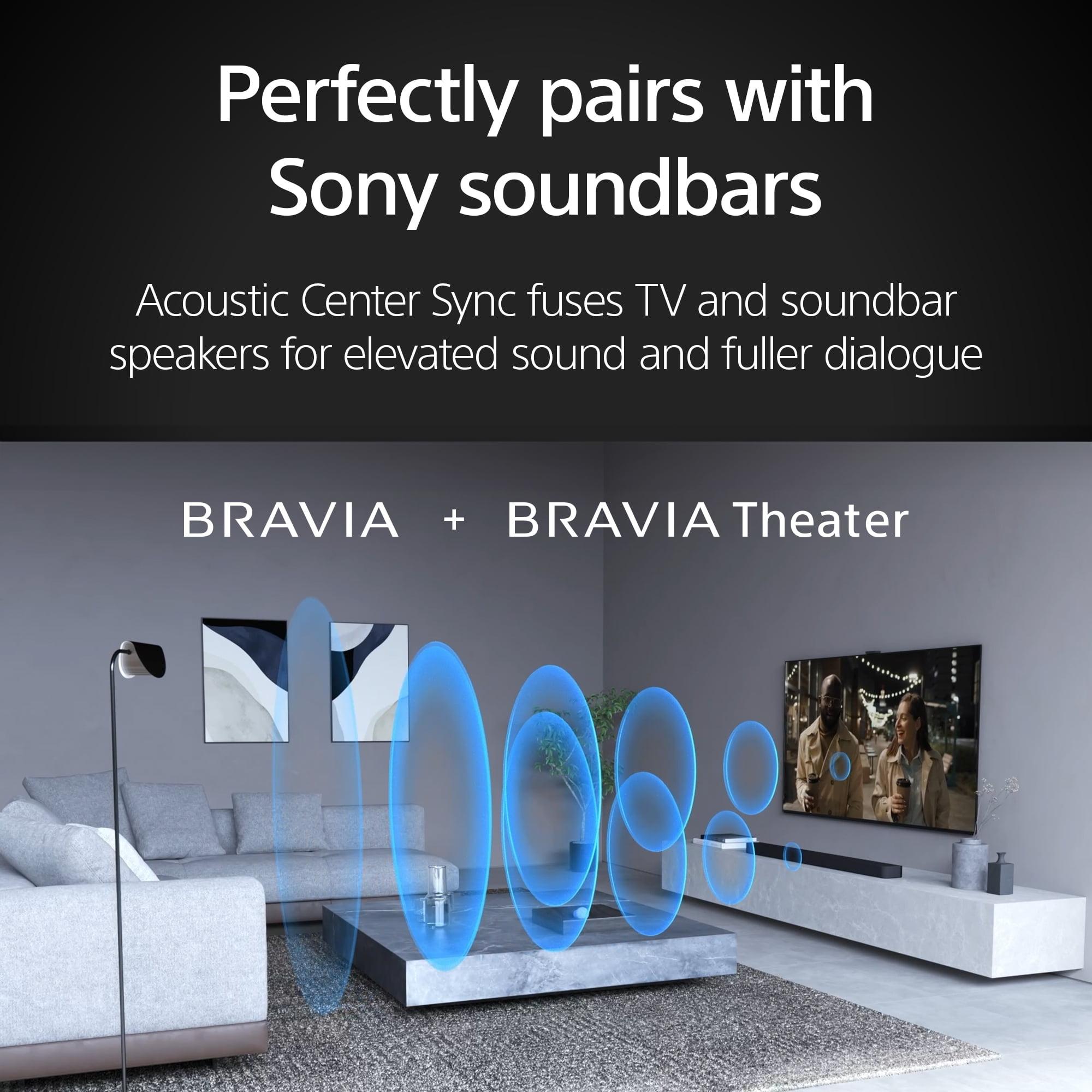
The Sony BRAVIA 8 II likely employs Sony's Acoustic Surface Audio+ technology, which uses actuators behind the OLED panel to turn the entire screen into a speaker. This creates more immersive audio where sound appears to come directly from the action on screen. Professional reviews consistently rate Sony's built-in audio systems higher than most competitors.
Both TVs will benefit from dedicated soundbars or speaker systems for serious home theater use, but Sony's approach provides better standalone performance.
At the time of writing, these TVs exist in completely different price categories. The Samsung Q6F represents exceptional value, delivering quantum dot color enhancement, smart features, and reliable performance at mainstream pricing. You're getting technology that was premium just a few years ago at an accessible price point.
The Sony BRAVIA 8 II commands significantly higher pricing—typically three times more than the Samsung. This premium buys you genuinely superior picture quality with perfect blacks, advanced processing, and flagship features. Whether this premium is worth it depends entirely on your priorities and budget.
For most buyers, the Samsung Q6F provides sufficient performance with impressive color reproduction and modern smart features. The premium for the Sony BRAVIA 8 II only makes sense if picture quality is your absolute priority and budget allows for the investment.
Your viewing environment significantly influences which TV performs better. The Samsung Q6F excels in bright rooms with windows or ambient lighting. Its LED backlighting maintains visibility and color accuracy even with lights on, making it ideal for family rooms or open-concept living spaces where controlling lighting isn't practical.
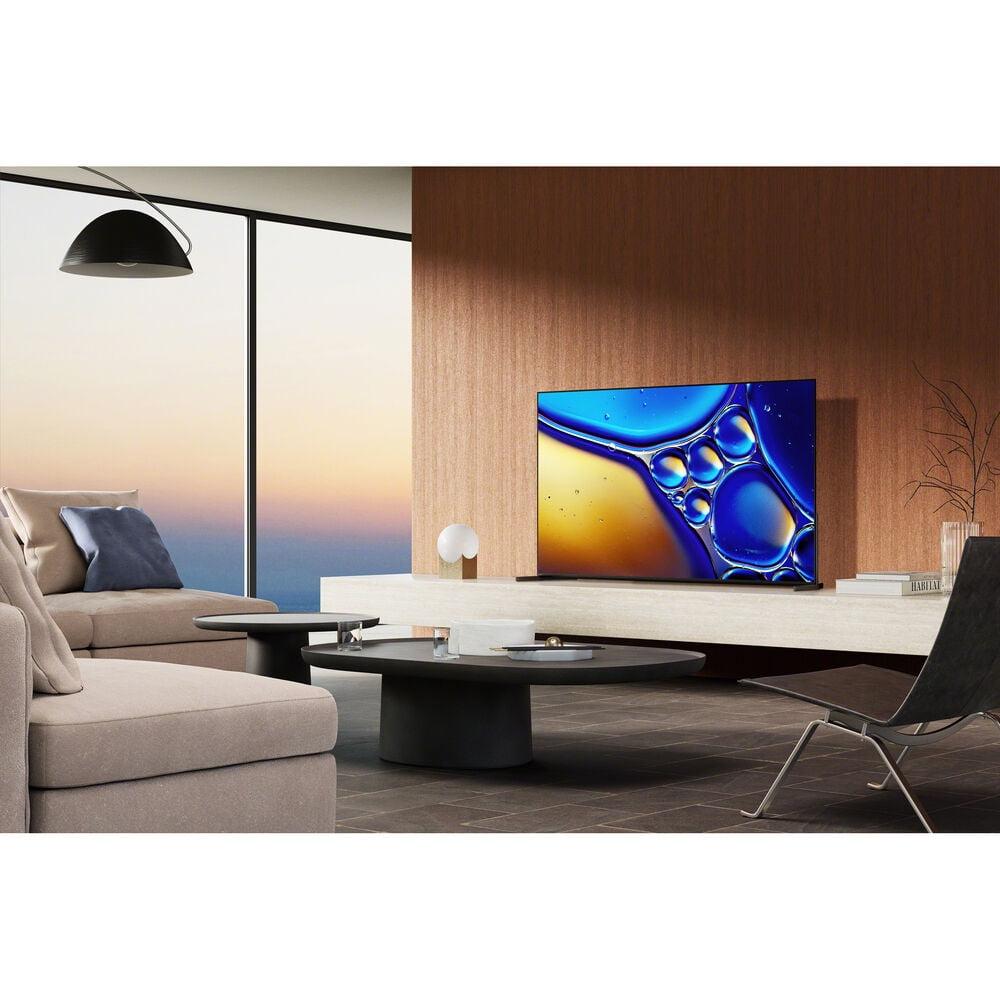
The Sony BRAVIA 8 II performs best in controlled lighting environments. While its anti-reflective coating helps with bright rooms, its advantages are most apparent in darker conditions where perfect blacks create truly cinematic experiences. Home theater rooms or bedrooms with blackout curtains showcase OLED technology at its finest.
If you primarily watch TV during the day or in bright rooms, the Samsung Q6F offers better practical performance. For evening viewing or dedicated home theater setups, the Sony BRAVIA 8 II provides superior immersion.
Reliability considerations differ between these technologies. The Samsung Q6F uses LED backlighting that's proven reliable over many years with no burn-in risk. You can display static content (news tickers, video game HUDs, desktop interfaces) without concern for permanent image retention.
The Sony BRAVIA 8 II, like all OLED displays, has potential burn-in risk with static content displayed for extended periods. Modern OLED panels are much more resistant than earlier generations, but the risk isn't zero. This matters if you plan to use the TV for gaming with persistent HUD elements, as a computer monitor, or for displaying static content regularly.
From our evaluation of user reports and professional long-term testing, OLED burn-in has become rare with normal viewing habits, but it's worth considering based on your intended use.
These TVs serve fundamentally different needs, making direct comparison somewhat unfair. The Samsung Q6F delivers impressive performance at mainstream pricing, offering quantum dot color enhancement, reliable LED technology, and Samsung's comprehensive smart platform. It's an excellent choice for most families seeking a significant upgrade from basic LED TVs without premium pricing.
The Sony BRAVIA 8 II represents the pinnacle of consumer display technology, combining perfect blacks with enhanced brightness and Sony's renowned processing. It's designed for users who prioritize picture quality above cost considerations and typically watch in controlled lighting conditions.
Choose the Samsung Q6F if you want excellent value, plan to watch in bright environments, consume varied content including gaming with static elements, or simply want a reliable upgrade without premium investment. Its quantum dot technology provides genuine improvement over standard LED TVs at reasonable pricing.
Choose the Sony BRAVIA 8 II if picture quality is your primary concern, you primarily watch in darker environments, value cinematic accuracy, and can justify the significant price premium for flagship performance. The combination of perfect blacks and enhanced brightness creates viewing experiences that LED technology simply cannot match.
Both represent excellent choices within their respective categories. Your decision should align with your budget, viewing habits, and room environment rather than trying to determine an absolute winner between technologies designed for different user priorities.
| Samsung 65" QLED Q6F 4K Smart TV 2025 | Sony BRAVIA 8 II 65" QD-OLED 4K Google TV 2025 |
|---|---|
| Display Technology - The fundamental difference that determines picture quality | |
| QLED (LED-LCD with Quantum Dot enhancement) | QD-OLED (Self-emitting pixels with Quantum Dot colors) |
| Black Levels - Critical for dark room viewing and contrast | |
| Gray blacks due to LED backlighting (typical for LED TVs) | Perfect blacks with pixels that turn completely off |
| Peak Brightness - Important for bright room viewing and HDR impact | |
| High brightness excellent for bright rooms | ~1,880 nits (Sony's brightest OLED, 25% brighter than previous models) |
| Processor - Affects upscaling, motion, and overall picture optimization | |
| Q4 Lite Processor (entry-level processing) | XR Processor with AI (flagship-level real-time optimization) |
| Refresh Rate - Matters for sports, gaming, and motion clarity | |
| 60Hz native (adequate for most content) | Likely 120Hz (smoother motion, better gaming support) |
| Gaming Features - Essential for console gaming | |
| 60Hz, VRR, ALLM, Gaming Hub (good for casual gaming) | Premium gaming features with PlayStation optimization |
| Smart TV Platform - Your daily interface experience | |
| Tizen OS with Samsung Vision AI, 7-year updates | Google TV with native Google services integration |
| Audio System - Built-in sound quality | |
| 20W 2CH with Object Tracking Sound Lite | Premium acoustic system (likely Acoustic Surface Audio+) |
| Burn-in Risk - Long-term reliability consideration | |
| None (LED technology immune to burn-in) | Minimal but present (inherent to OLED technology) |
| Best Room Environment - Where each TV performs optimally | |
| Bright rooms with ambient lighting | Controlled lighting or dark rooms for cinematic experience |
| Target Buyer - Who each TV is designed for | |
| Value-conscious buyers wanting quantum dot colors | Picture quality enthusiasts prioritizing premium performance |
| Color Technology - How vibrant and accurate colors appear | |
| 100% Color Volume with Quantum Dot enhancement | XR Triluminos Max with billions of real-world colors |
| Smart Home Integration - Connected device compatibility | |
| SmartThings Hub, Matter Hub, extensive Samsung ecosystem | Google ecosystem integration with Chromecast built-in |
The fundamental difference is display technology. The Samsung Q6F uses QLED technology, which enhances traditional LED-LCD panels with quantum dots for vibrant colors. The Sony BRAVIA 8 II uses QD-OLED technology, where individual pixels emit their own light and can turn completely off for perfect blacks. This makes the Sony BRAVIA 8 II superior for dark room viewing, while the Samsung Q6F excels in bright rooms.
The Samsung Q6F is better for bright rooms. Its LED backlighting maintains excellent visibility and color accuracy even with ambient lighting or windows nearby. The quantum dot technology ensures colors stay vibrant under bright conditions, making it ideal for family rooms or open-concept living spaces where controlling lighting isn't practical.
The Sony BRAVIA 8 II has dramatically better black levels. Its OLED pixels can turn completely off to produce true black, creating infinite contrast for cinematic viewing. The Samsung Q6F shows gray blacks due to LED backlighting, which reduces immersion in dark movie scenes. For home theater use, the Sony BRAVIA 8 II provides a superior cinematic experience.
Yes, there's a significant price difference. At the time of writing, the Sony BRAVIA 8 II costs approximately three times more than the Samsung Q6F. The Samsung represents exceptional value in the mainstream price category, while the Sony commands premium pricing for flagship OLED performance and advanced processing features.
For casual gaming, both TVs perform well. The Samsung Q6F offers Gaming Hub, VRR, and ALLM support, but its 60Hz refresh rate limits compatibility with 120fps console games. The Sony BRAVIA 8 II likely offers superior gaming features including 4K 120Hz support and PlayStation optimization, making it better for serious gamers with next-gen consoles.
The Sony BRAVIA 8 II has superior built-in audio, likely featuring Acoustic Surface Audio+ technology that uses the screen itself as a speaker for more immersive sound. The Samsung Q6F has a basic 20W 2-channel system with Object Tracking Sound Lite, which is adequate for everyday viewing but may benefit from a soundbar for home theater use.
Both platforms are excellent but serve different preferences. The Samsung Q6F runs Tizen OS with SmartThings integration, Samsung TV Plus free channels, and seven-year update promise. The Sony BRAVIA 8 II uses Google TV with seamless Google services integration and Chromecast built-in. Choose based on your ecosystem preference - Samsung for smart home integration or Google for Google services users.
Modern OLED displays like the Sony BRAVIA 8 II are much more resistant to burn-in than earlier generations. With normal viewing habits, burn-in is rare. However, the risk isn't zero with static content like news tickers or gaming HUDs. The Samsung Q6F has no burn-in risk due to LED technology, making it worry-free for varied content consumption.
The Sony BRAVIA 8 II offers superior color accuracy with its XR Triluminos Max technology, reproducing colors as filmmakers intended for cinematic authenticity. The Samsung Q6F delivers vibrant, punchy colors that impress but may appear oversaturated with some content. For home theater enthusiasts prioritizing accurate color reproduction, the Sony is the clear winner.
The Sony BRAVIA 8 II handles motion better with likely 120Hz refresh rate and advanced processing for smoother motion clarity. The Samsung Q6F offers 60Hz with Motion Xcelerator technology, which is adequate for most content but may show some blur in fast-moving sports or action scenes. Sports fans should consider the superior motion handling of the Sony.
The Samsung Q6F uses proven LED technology with no burn-in concerns and reliable long-term performance. The Sony BRAVIA 8 II uses newer OLED technology that's generally reliable but requires some care with static content. Both offer manufacturer warranties, but LED technology in the Samsung Q6F has a longer track record of trouble-free operation.
For dedicated home theater use, the Sony BRAVIA 8 II is superior due to perfect blacks, accurate colors, and cinematic picture quality in dark rooms. However, the Samsung Q6F offers excellent value if budget is a primary concern and you don't need perfect black levels. The Sony provides a truly premium home theater experience, while the Samsung delivers solid performance at mainstream pricing.
We've done our best to create useful and informative comparisons to help you decide what product to buy. Our research uses advanced automated methods to create this comparison and perfection is not possible - please contact us for corrections or questions. These are the sites we've researched in the creation of this article: tomsguide.com - bestbuy.com - samsung.com - rtings.com - youtube.com - rtings.com - bestbuy.com - samsung.com - samsung.com - samsung.com - manuals.plus - shopjetson.com - samsung.com - samsung.com - samsung.com - samsung.com - bestbuy.com - jefflynch.com - techradar.com - rtings.com - bestbuy.com - whathifi.com - rtings.com - hometechnologyreview.com - youtube.com - hometechnologyreview.com - hometechnologyreview.com - hometechnologyreview.com - valueelectronics.com - smarthomesounds.co.uk - electronics.sony.com - valueelectronics.com - bestbuy.com - youtube.com - displayspecifications.com - hometechnologyreview.com - flatpanelshd.com

Privacy Policy
Terms and Conditions - Affiliate Policy
Home Security
© Copyright 2008-2026.
11816 Inwood Rd #1211, Dallas, TX 75244