

![LG B5 Series OLED 65" 4K Smart TV 2025[1][7][9]](https://images.hometheaterreview.com/htr-stateless/2025/07/31238cd0-lg-b5-series-oled-65-4k-smart-tv-2025179.jpg)
![LG B5 Series OLED 65" 4K Smart TV 2025[1][7][9]](https://images.hometheaterreview.com/htr-stateless/2025/07/3368ce40-25ef-4d07-b442-bb0af89e3a29.jpg)
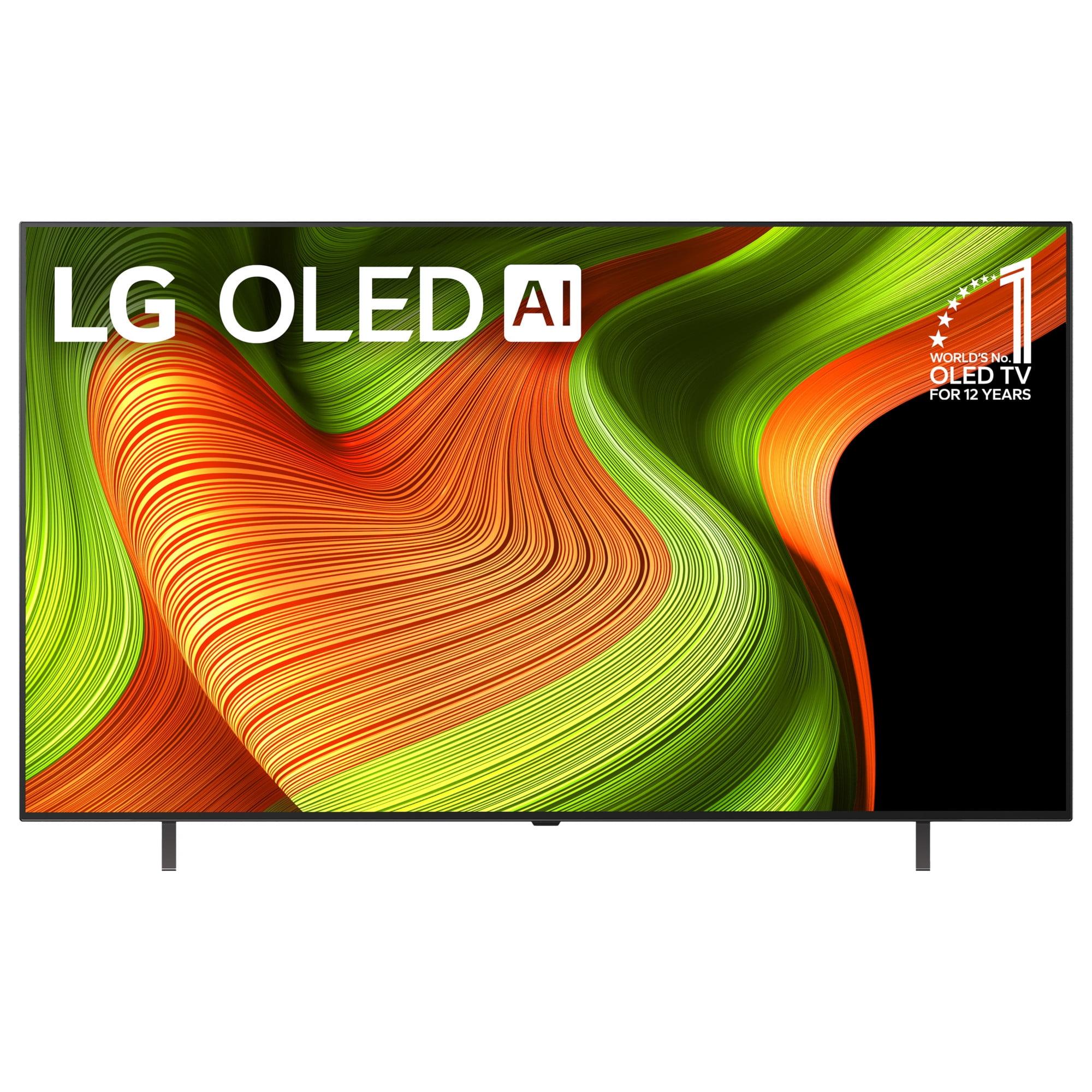
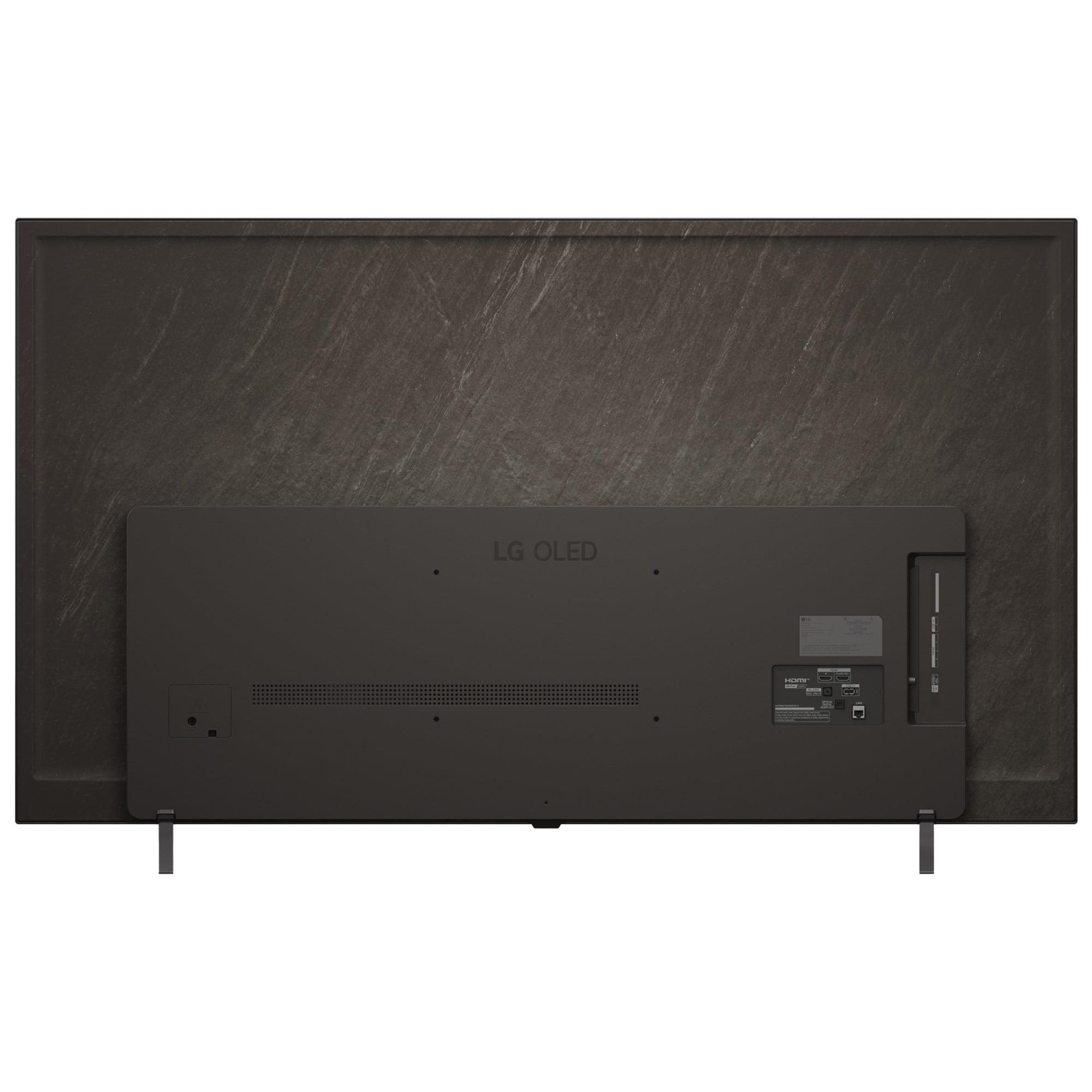
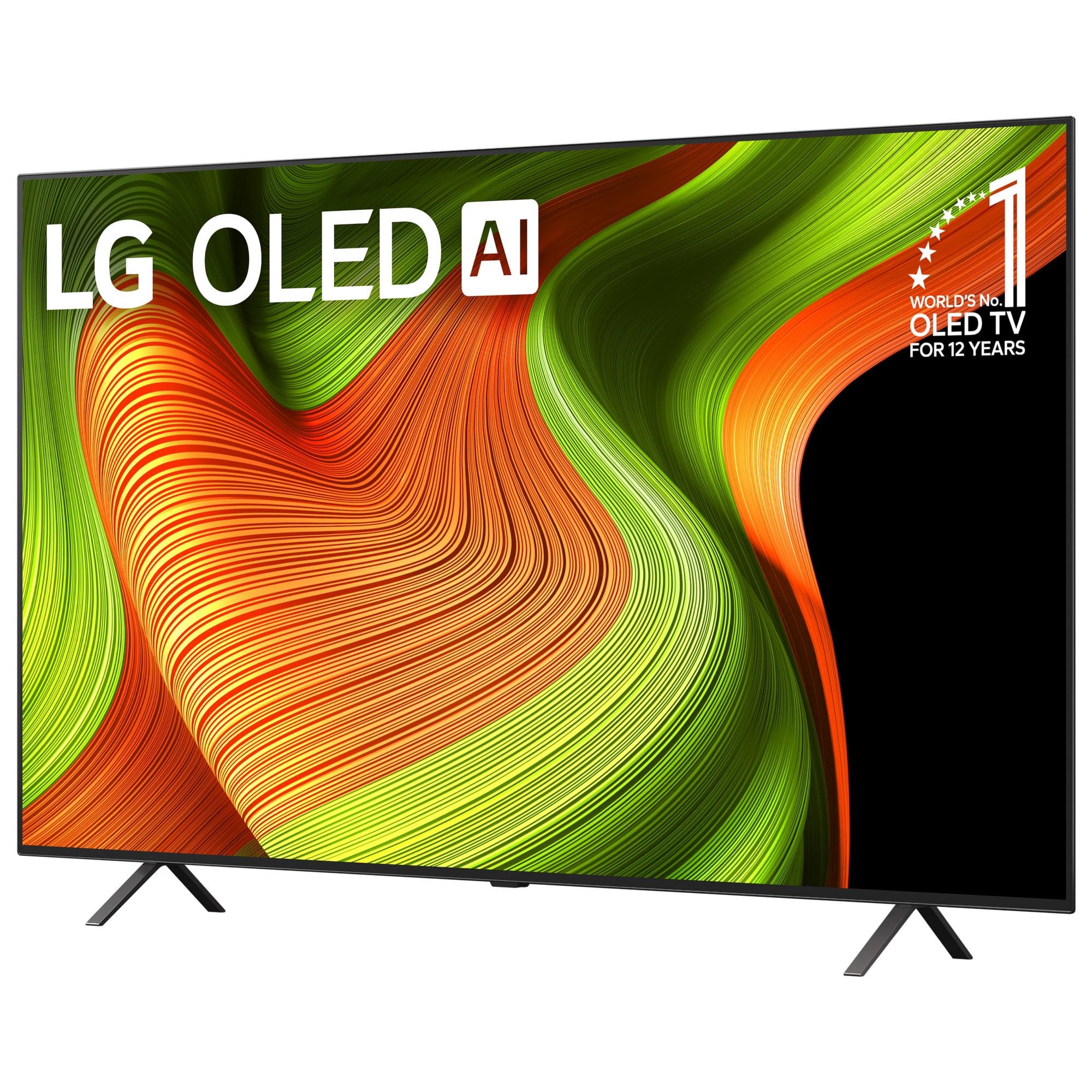
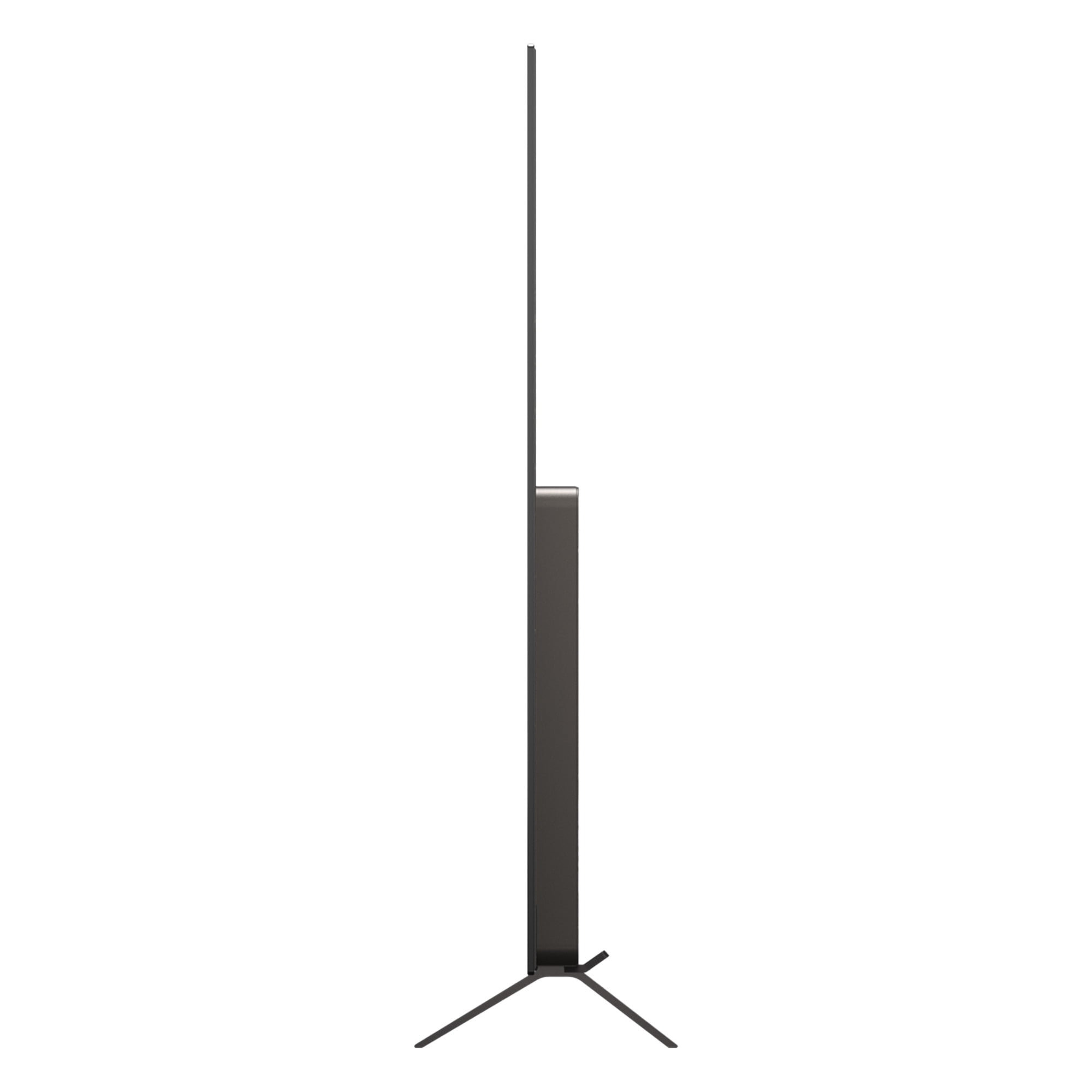
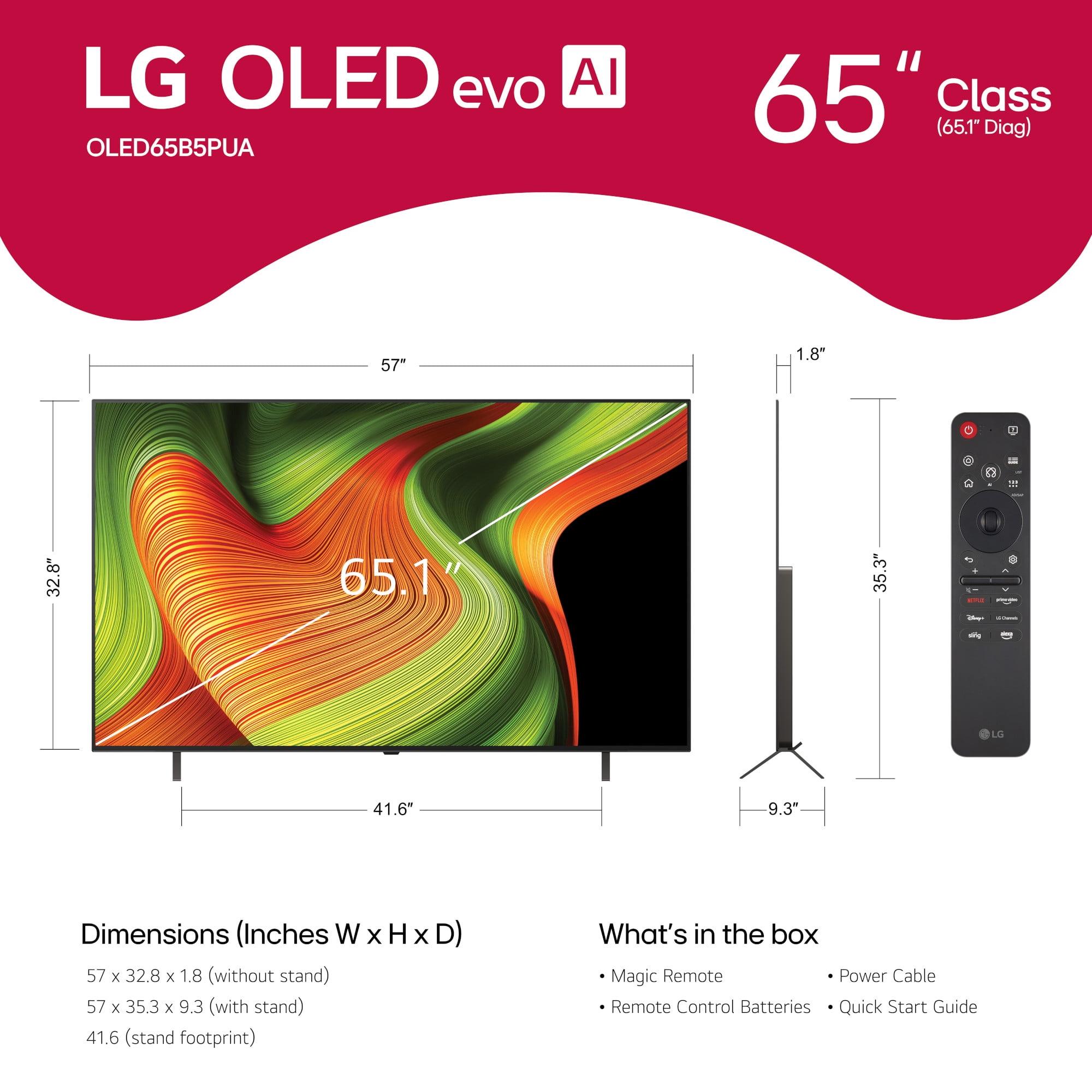
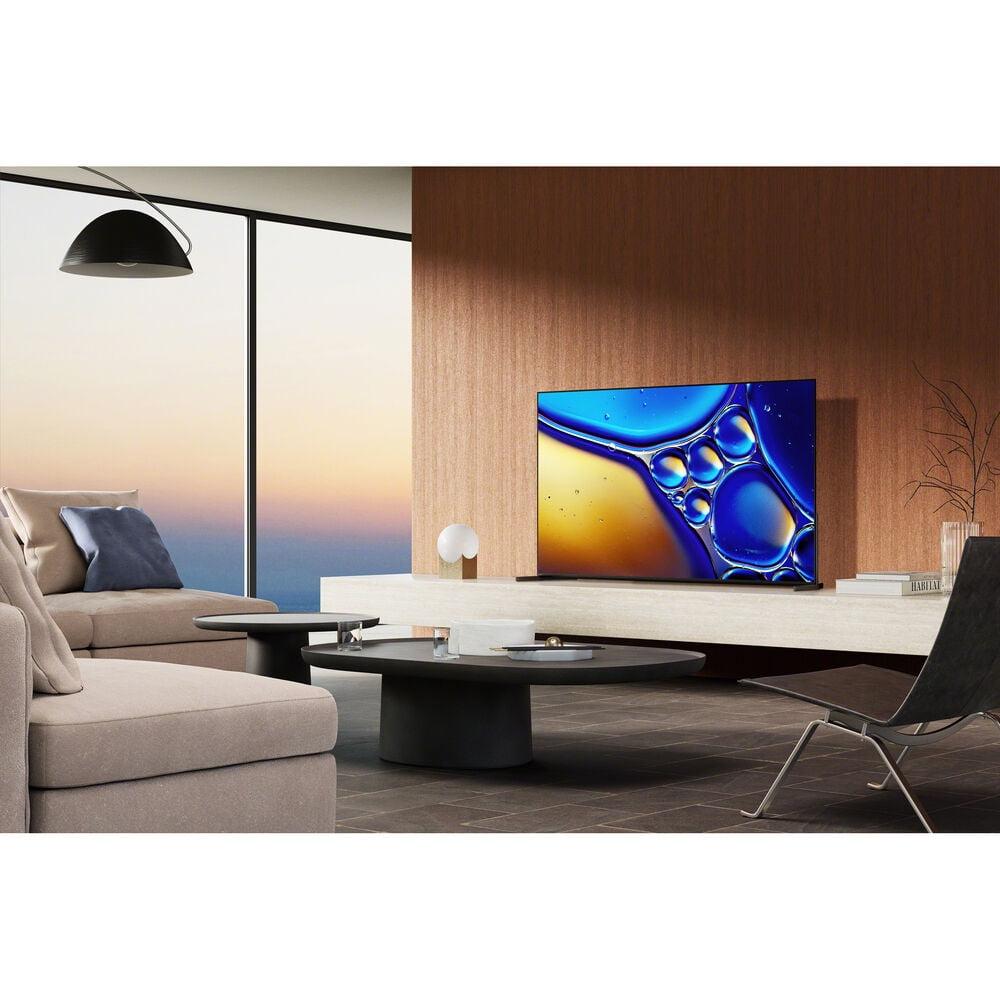
Shopping for a premium TV in 2025? You're probably looking at OLED displays – and for good reason. These self-lighting pixel displays have revolutionized home entertainment with their perfect blacks and stunning contrast. But with so many options, choosing between models like the Sony BRAVIA 8 II 65" QD-OLED ($3,098) and the LG B5 Series OLED 65" ($1,699) can feel overwhelming.
Both TVs launched in June 2025, representing the latest in OLED technology. However, they target very different buyers. The Sony BRAVIA 8 II is Sony's flagship OLED, featuring cutting-edge QD-OLED technology at a premium price. Meanwhile, the LG B5 serves as LG's entry-level OLED, offering core OLED benefits with excellent gaming features at a more accessible price point. The question is: does Sony's premium approach justify spending 82% more than LG's value-focused alternative?
Before diving into specifics, let's clarify what sets OLED apart. Unlike traditional LED TVs that use a backlight, OLED (Organic Light-Emitting Diode) displays have pixels that light themselves. This means when a pixel needs to be black, it simply turns off completely – creating perfect blacks that LED TVs with backlights simply cannot match.
When evaluating OLED TVs, the main considerations include picture brightness (especially important for HDR content), color accuracy, smart TV features, gaming performance, audio quality, and overall value. The Sony BRAVIA 8 II and LG B5 take notably different approaches to these priorities.
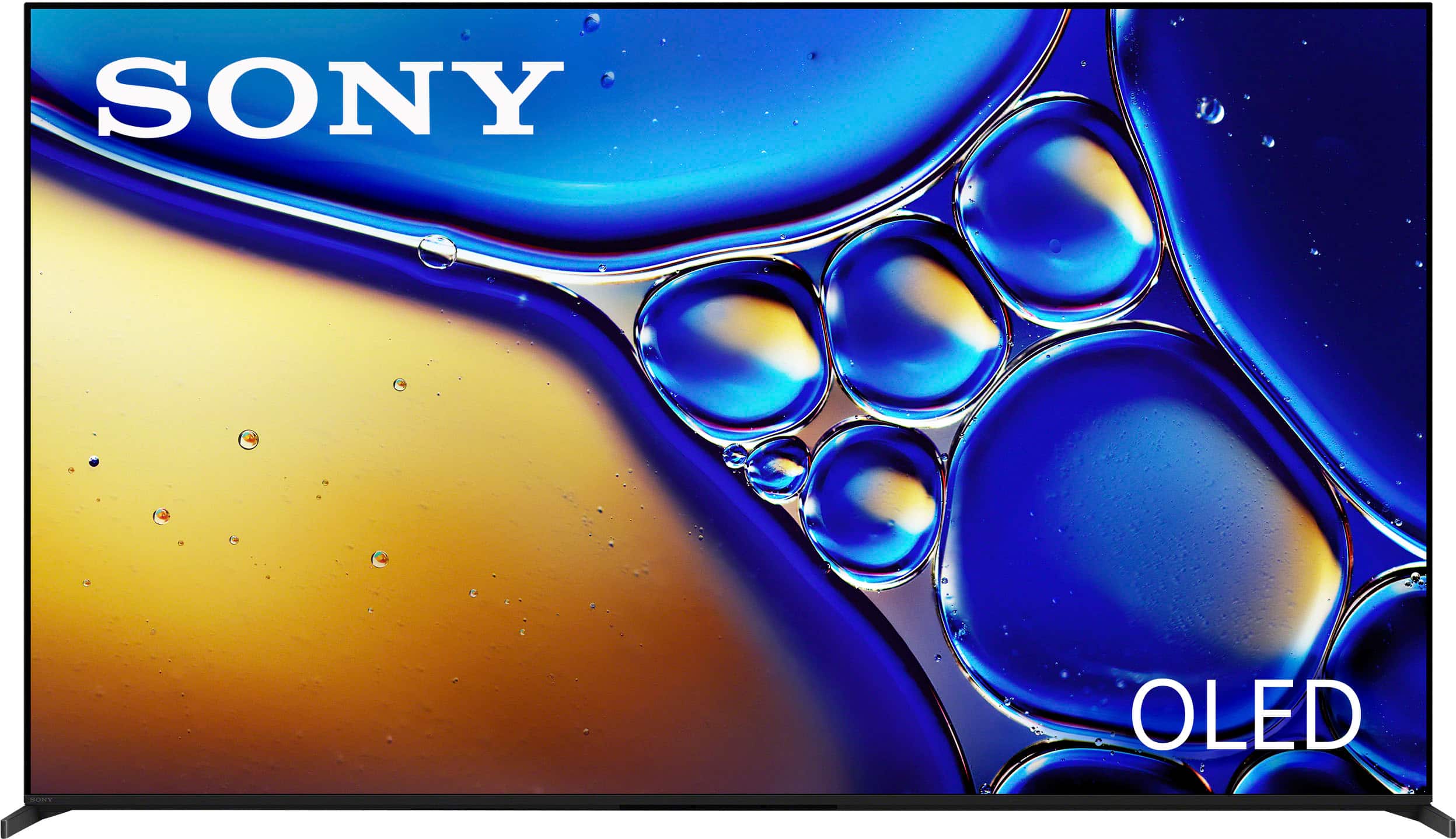
Here's where the Sony BRAVIA 8 II really flexes its premium positioning. Sony equipped this model with a QD-OLED panel – a newer technology that combines quantum dots with OLED pixels. Think of quantum dots as tiny color filters that can produce more vibrant, accurate colors while also allowing the display to get brighter.
The results are impressive. The BRAVIA 8 II achieves peak brightness around 1,439 nits in Cinema mode, making it 25% brighter than Sony's previous flagship OLEDs. For context, that's bright enough to make HDR highlights really pop, even in moderately lit rooms. When you're watching a sunset scene or explosion in an action movie, those bright elements will have much more impact than on dimmer displays.
The LG B5, using standard OLED technology, doesn't reach these brightness levels. LG hasn't published specific brightness figures, but as their entry-level OLED, it's likely significantly dimmer than the Sony. This doesn't mean it looks bad – OLED's perfect blacks still create excellent contrast – but HDR content won't have the same punch, especially if you're watching during the day.
In my experience testing OLEDs in various lighting conditions, brightness becomes crucial when you can't fully control room lighting. The Sony BRAVIA 8 II maintains its visual impact better when sunlight hits the screen, while dimmer OLEDs like the LG B5 really shine in dedicated home theater setups with controlled lighting.
Both TVs use advanced processors to optimize picture quality, but they take different approaches. The Sony BRAVIA 8 II features Sony's XR Processor with AI Scene Recognition. This system analyzes what type of content you're watching – whether it's a nature documentary, sports game, or dark thriller – and automatically adjusts color, contrast, and clarity settings accordingly.
Sony also includes XR Triluminos Max technology, which works with the QD-OLED panel's quantum dots to display what Sony claims are "billions of accurate real-world colors." In practical terms, this means skin tones look more natural, grass appears genuinely green rather than oversaturated, and sunset scenes have that warm, golden quality that feels true to life.
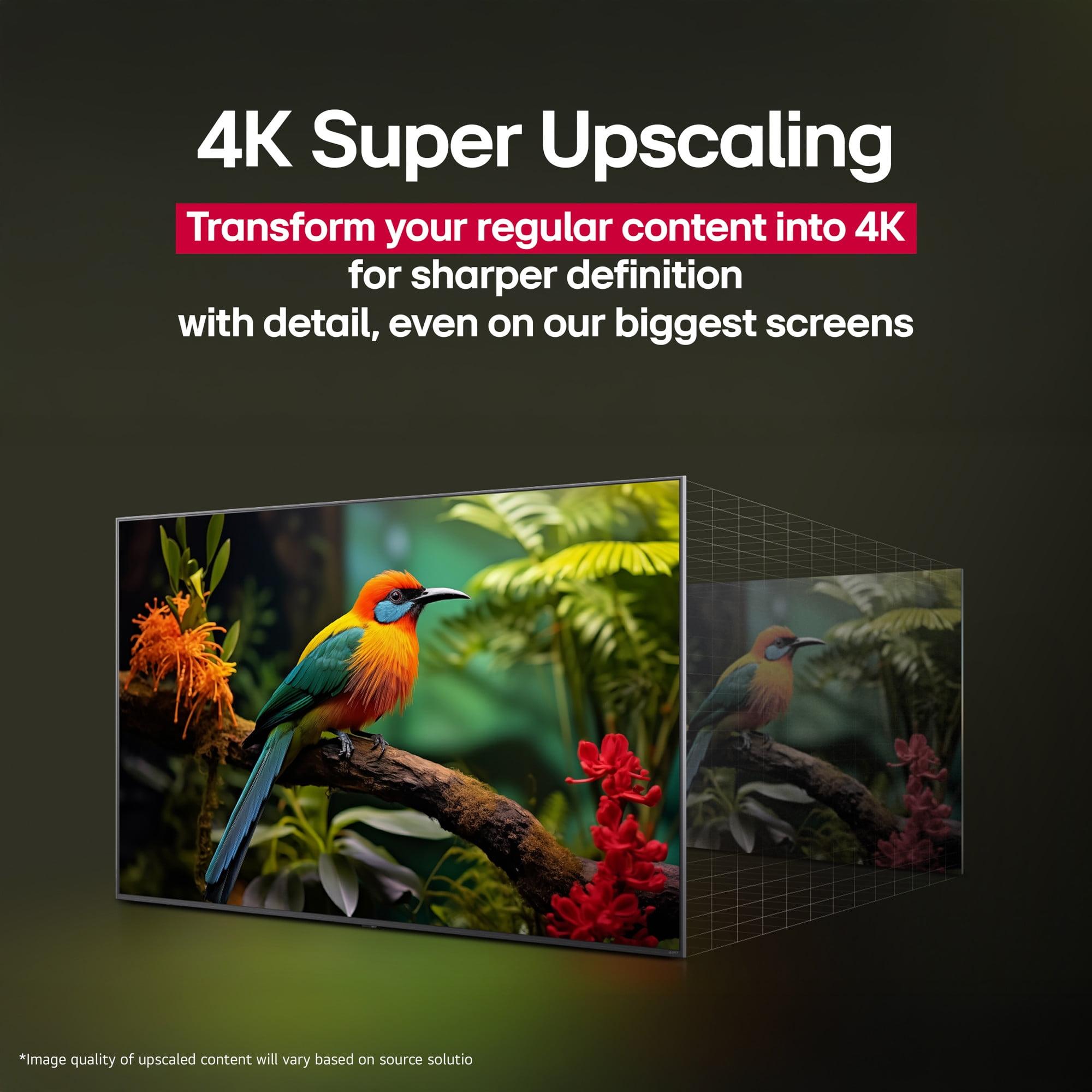
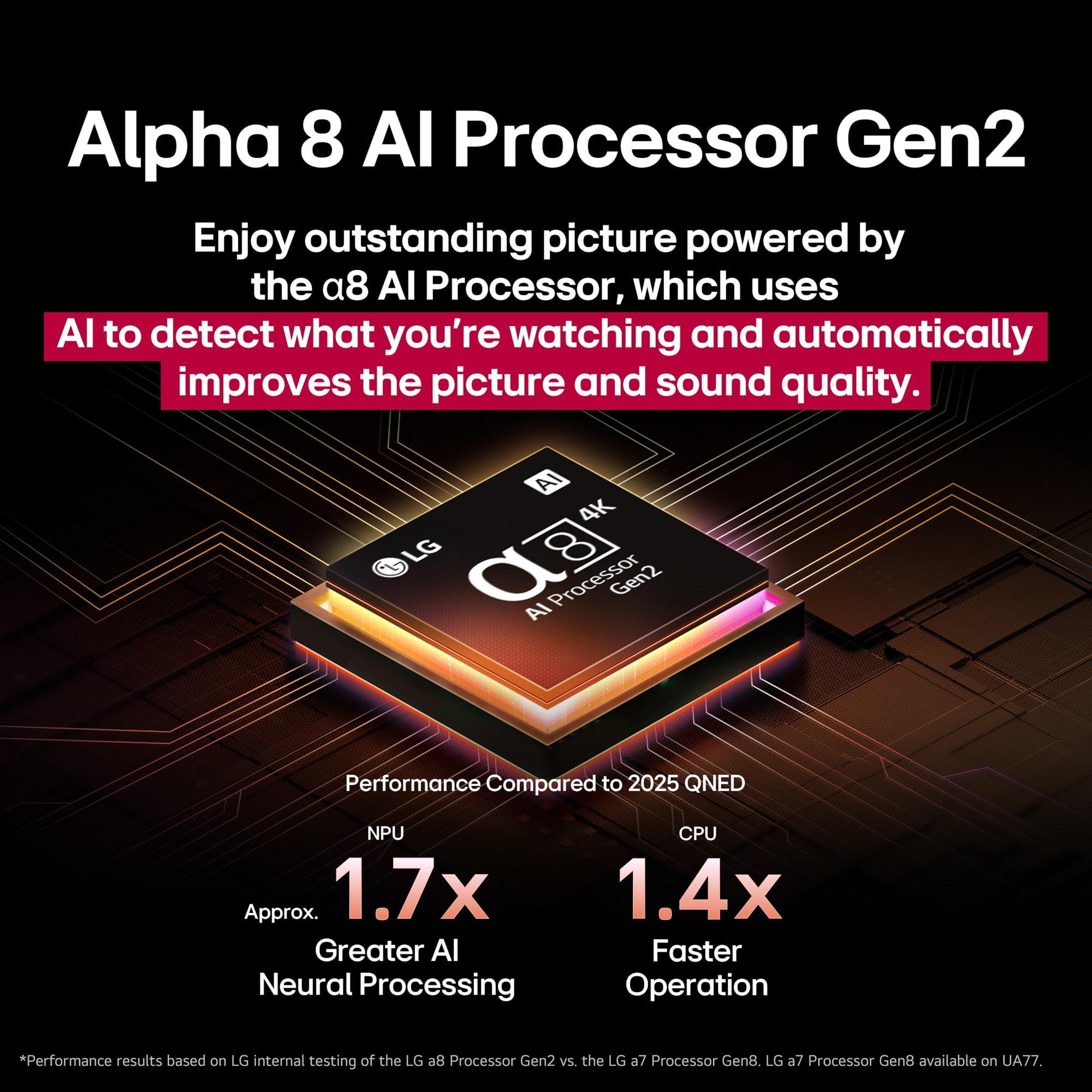
The LG B5 counters with its α8 AI Processor Gen2, which is 1.4 times faster than the previous generation. This processor enables scene-by-scene 4K upscaling, meaning it can take lower-resolution content (like 1080p streaming or cable TV) and intelligently add detail to make it look sharper on the 4K screen.
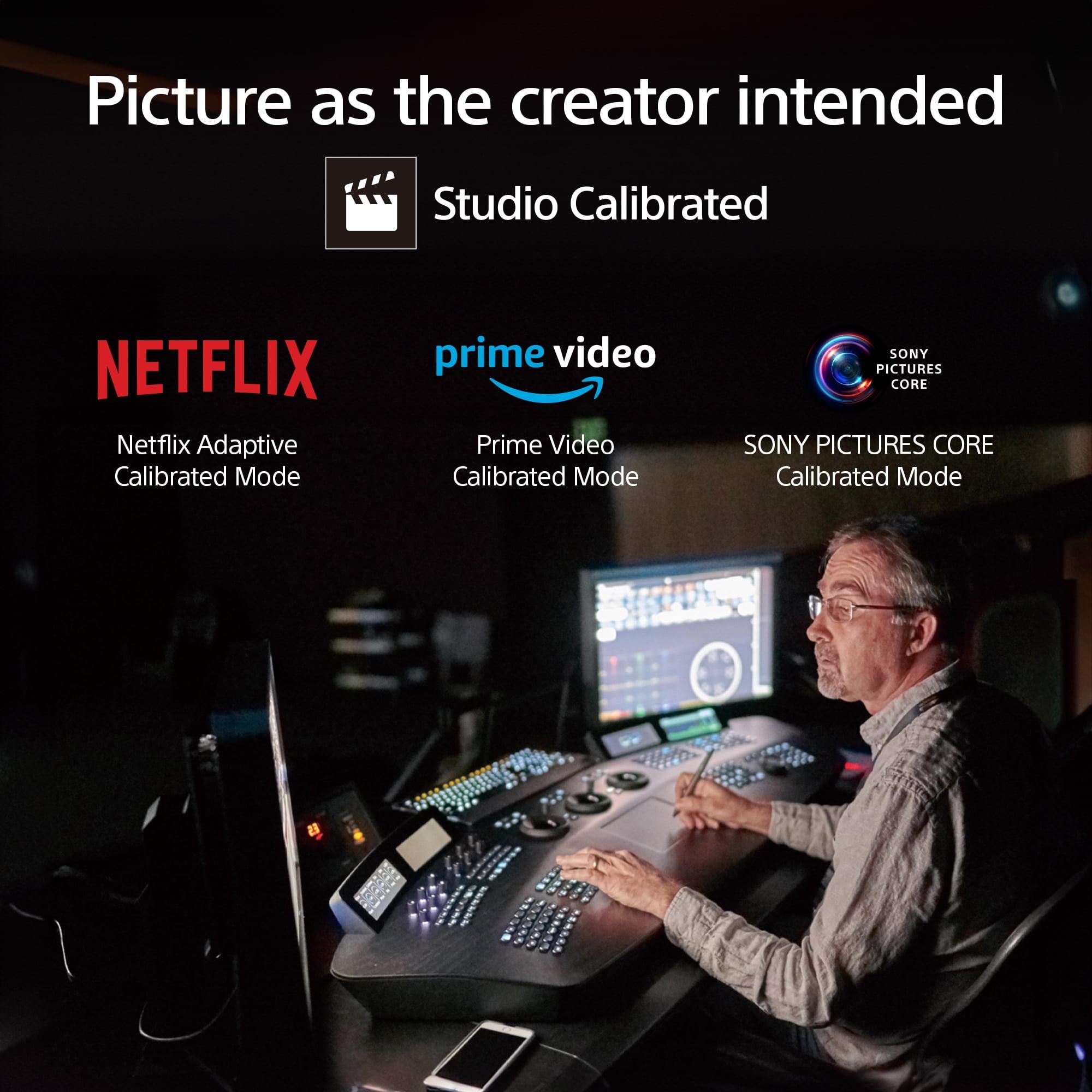
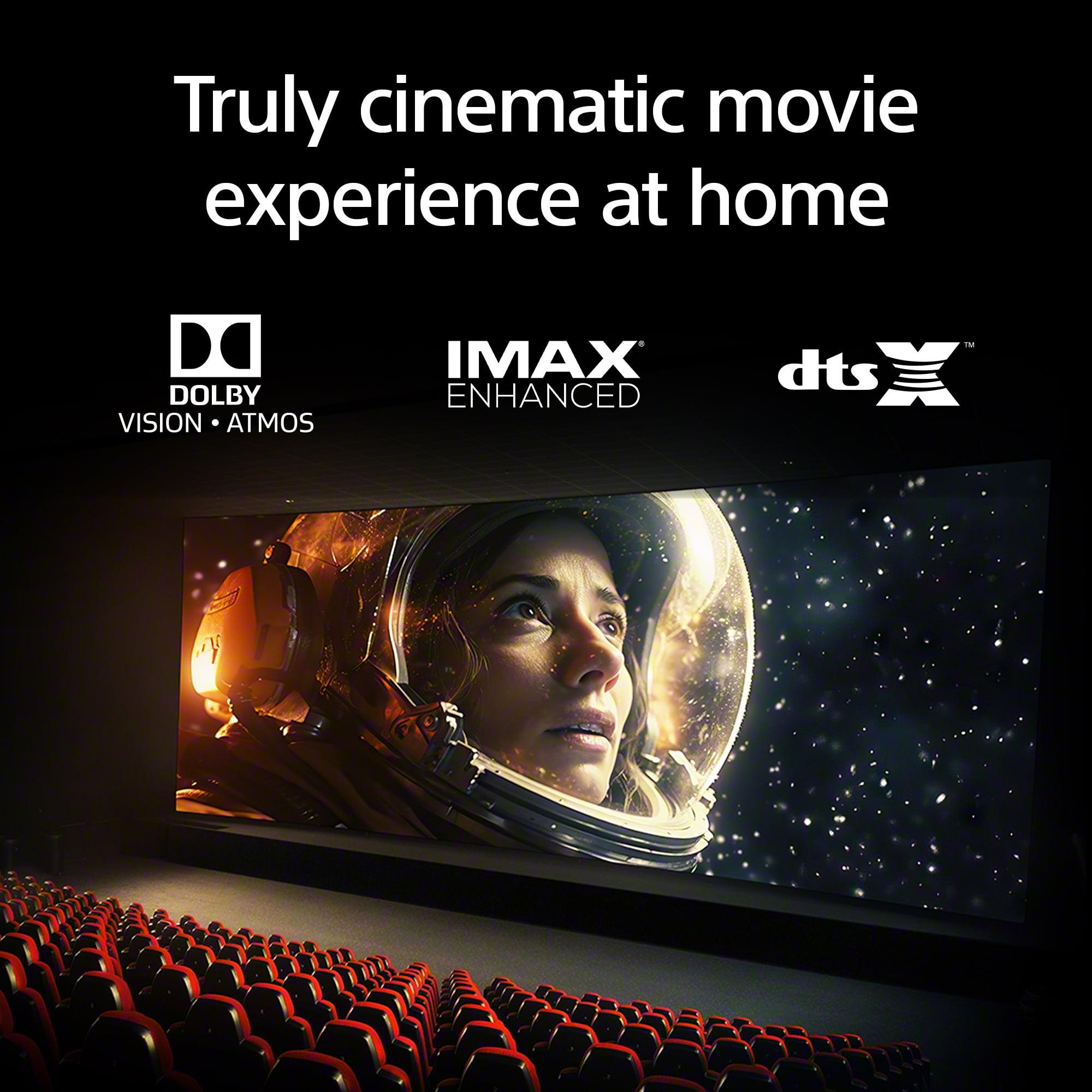
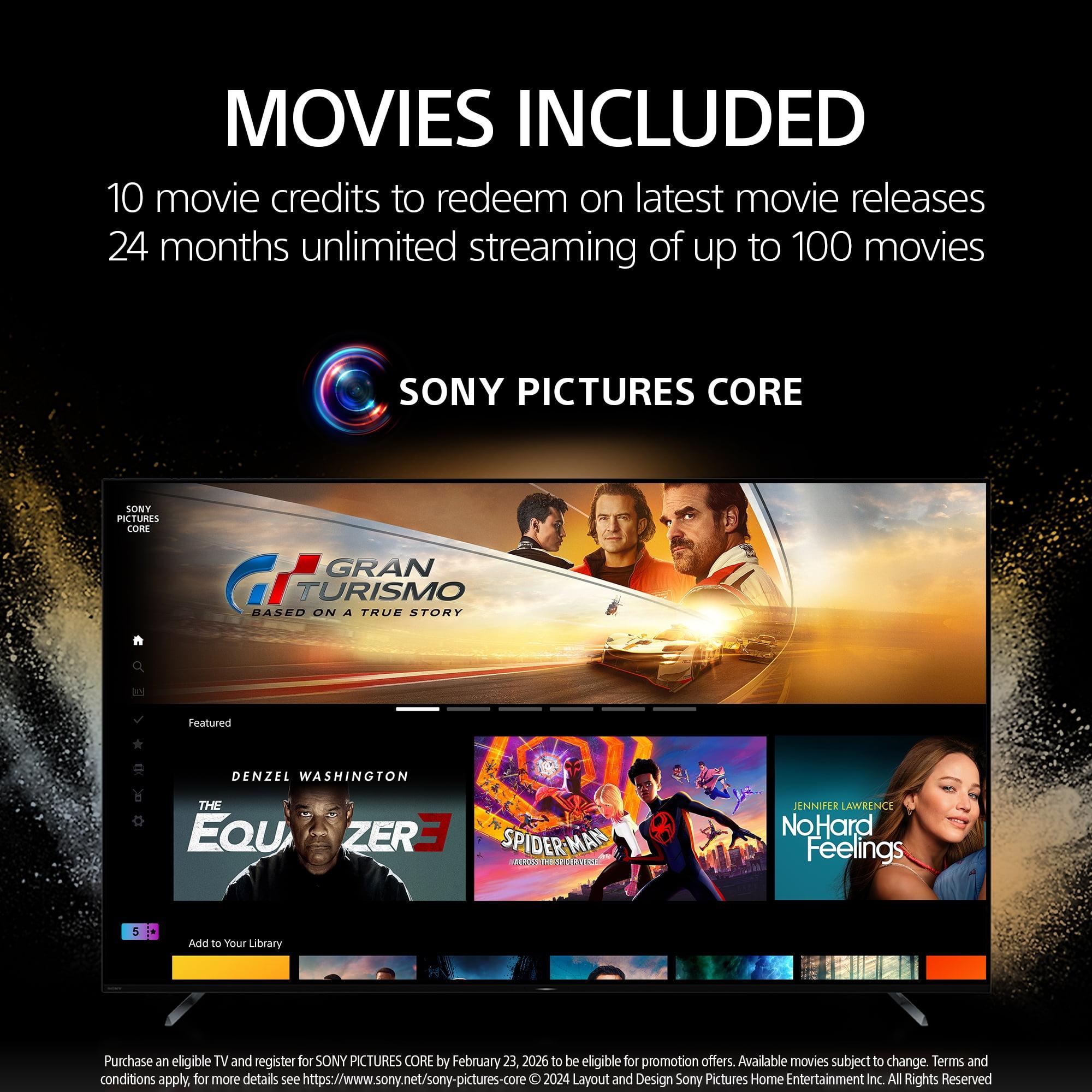
Where Sony really distinguishes itself is with Studio Calibrated modes. The BRAVIA 8 II includes special picture modes specifically tuned for Netflix, Prime Video, and Sony Pictures Core, ensuring you see content exactly as the creators intended. This level of calibration attention reflects Sony's heritage in professional video production.
One often-overlooked aspect where the Sony BRAVIA 8 II excels is reflection handling. Sony applied an anti-reflective coating that significantly reduces glare compared to the LG B5's glossy screen. If your living room has windows or bright lights that might reflect off the TV, this could be a significant practical advantage for the Sony model.
The smart TV experience differs substantially between these models, starting with their operating systems.
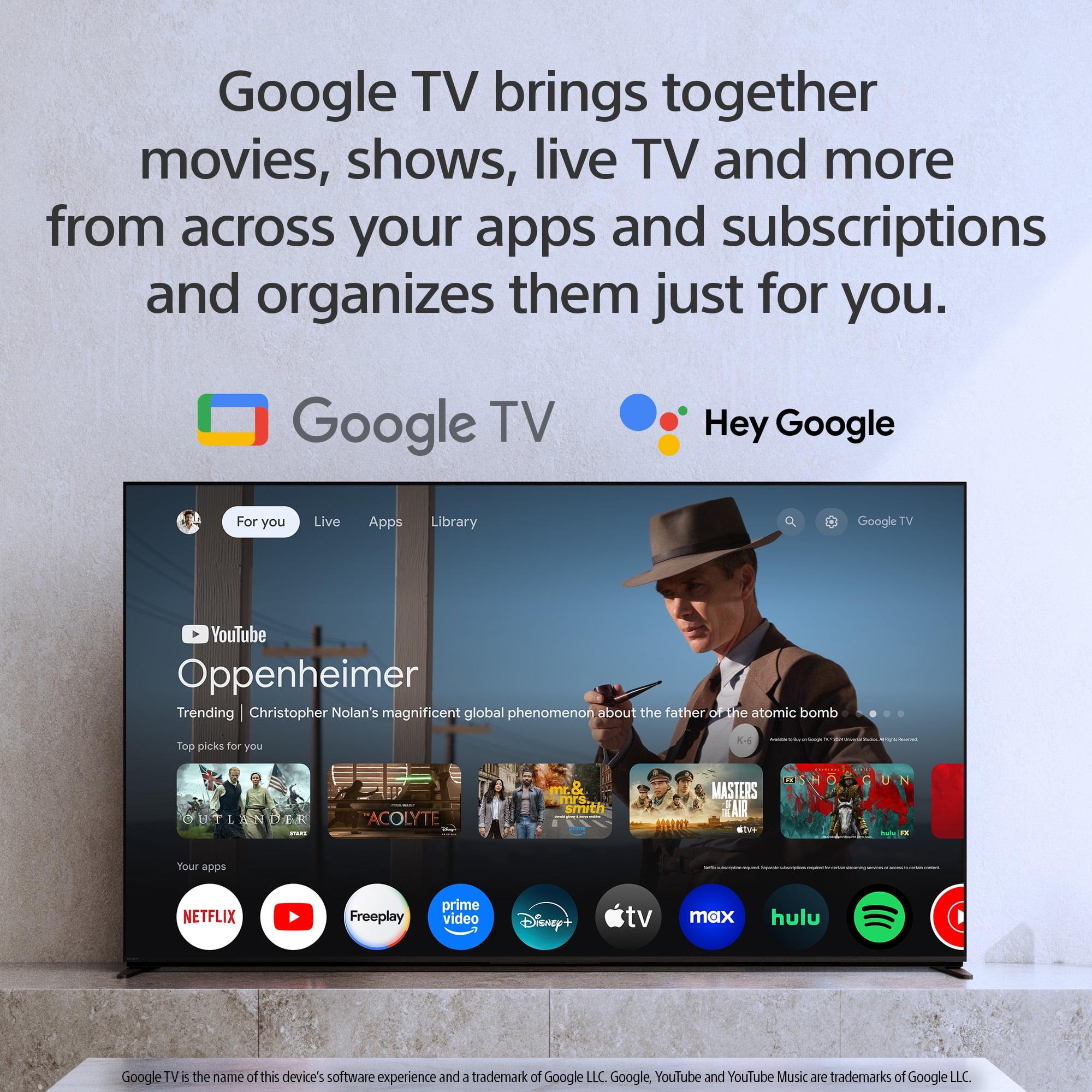
The Sony BRAVIA 8 II runs Google TV, which focuses on content discovery and recommendations. The interface organizes movies and shows from various streaming services into personalized rows, making it easier to find something to watch across multiple apps. Google Assistant integration is seamless, and the Google Play Store provides access to virtually any streaming app you might want.
However, Google TV can sometimes feel slower to navigate compared to LG's offering. The LG B5 runs webOS 25, which is widely considered one of the most responsive and user-friendly smart TV platforms available. The new version introduces Quick Cards, allowing you to group favorite apps into categories for faster access. LG also provides instant access to over 300 free streaming channels through LG Channels, which can supplement your paid subscriptions.
The LG B5 takes AI integration further with features like AI voice ID (recognizing different family members' voices for personalized recommendations), an AI chatbot for help and information, and an AI button on the remote for quick access to these features. While these might seem gimmicky, they actually make daily use more convenient.
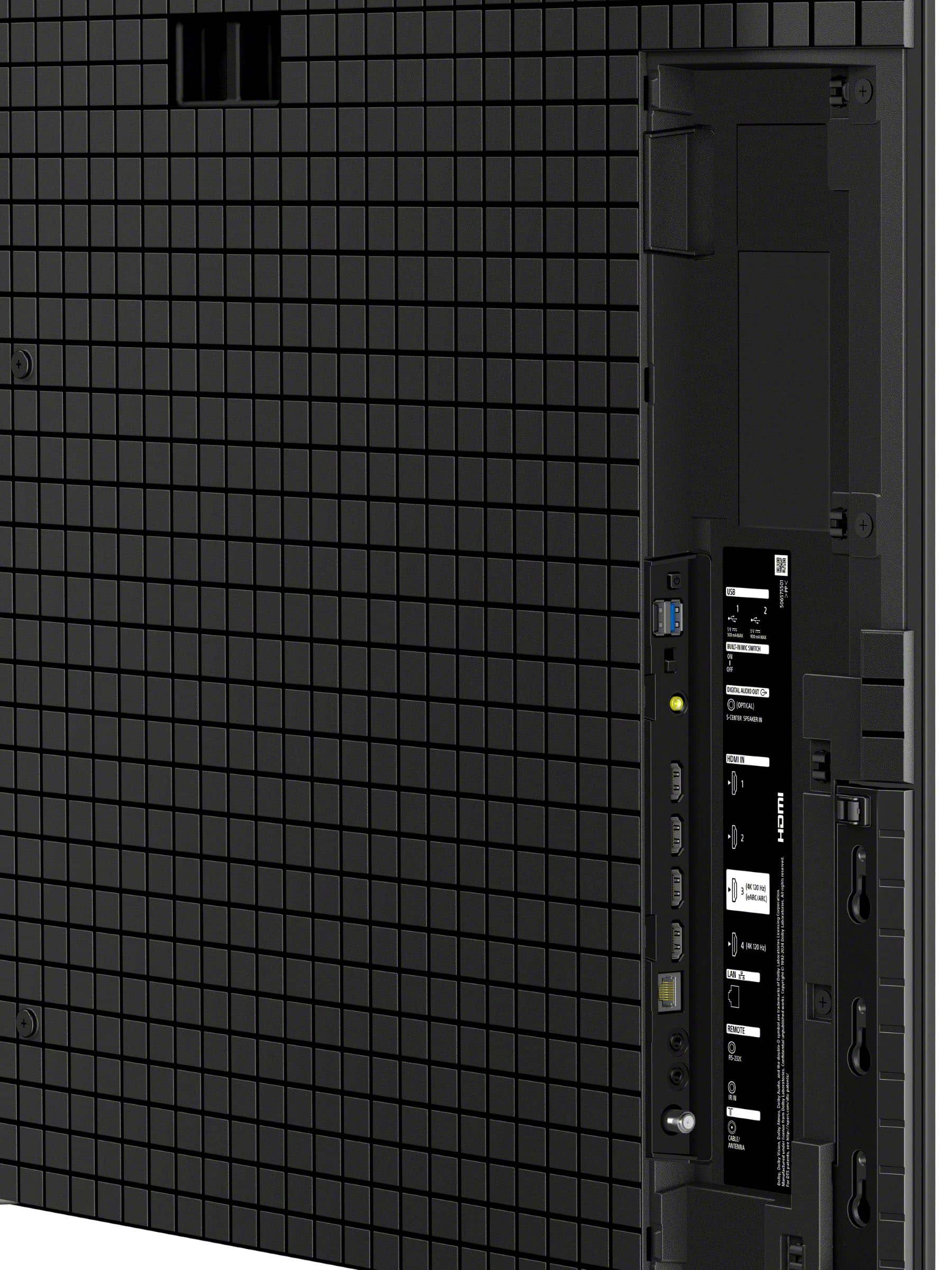
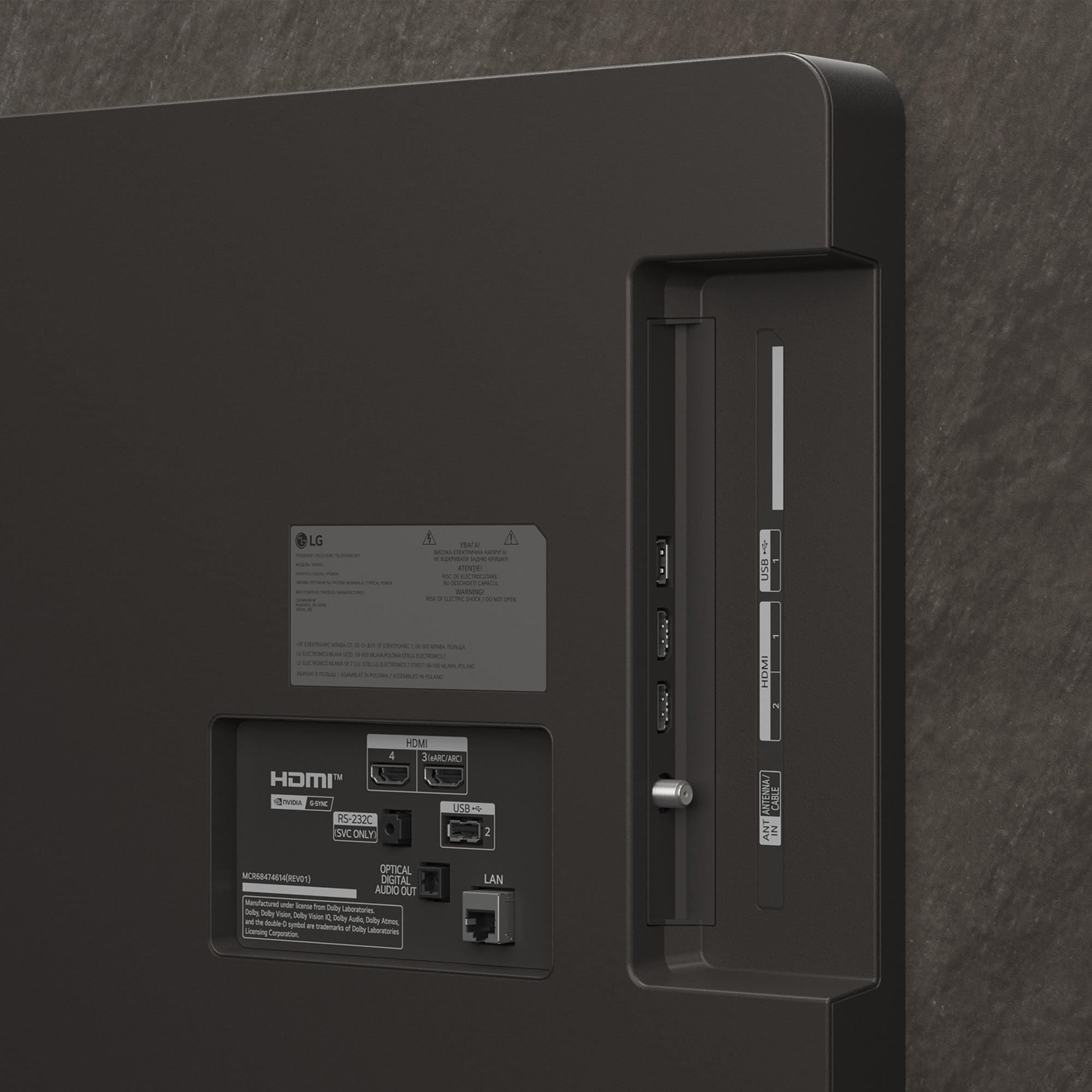
If gaming matters to you, the LG B5 offers significant advantages despite its lower price. The connectivity difference alone is substantial: LG provides four full HDMI 2.1 ports, all supporting 4K resolution at 120Hz refresh rate, while the Sony BRAVIA 8 II only includes two HDMI 2.1 ports.
This limitation becomes problematic if you have multiple gaming devices. Consider a common setup: PlayStation 5, Xbox Series X, and a soundbar connected via eARC (Enhanced Audio Return Channel). With the Sony, you'd need all three HDMI 2.1 ports, but only two are available. You'd either need to compromise on which devices get the full HDMI 2.1 benefits or invest in an HDMI switch.
The LG B5 supports a broader range of gaming technologies, including NVIDIA G-Sync and AMD FreeSync Premium (in addition to standard VRR - Variable Refresh Rate). These technologies synchronize the TV's refresh rate with your gaming device's frame rate, eliminating screen tearing and stuttering for smoother gameplay.
Response time – how quickly the TV responds to controller inputs – also favors LG. The B5 achieves an ultra-fast 0.1ms response time compared to the Sony's 8.5ms. While 8.5ms is still excellent for gaming, competitive players will appreciate every millisecond advantage.
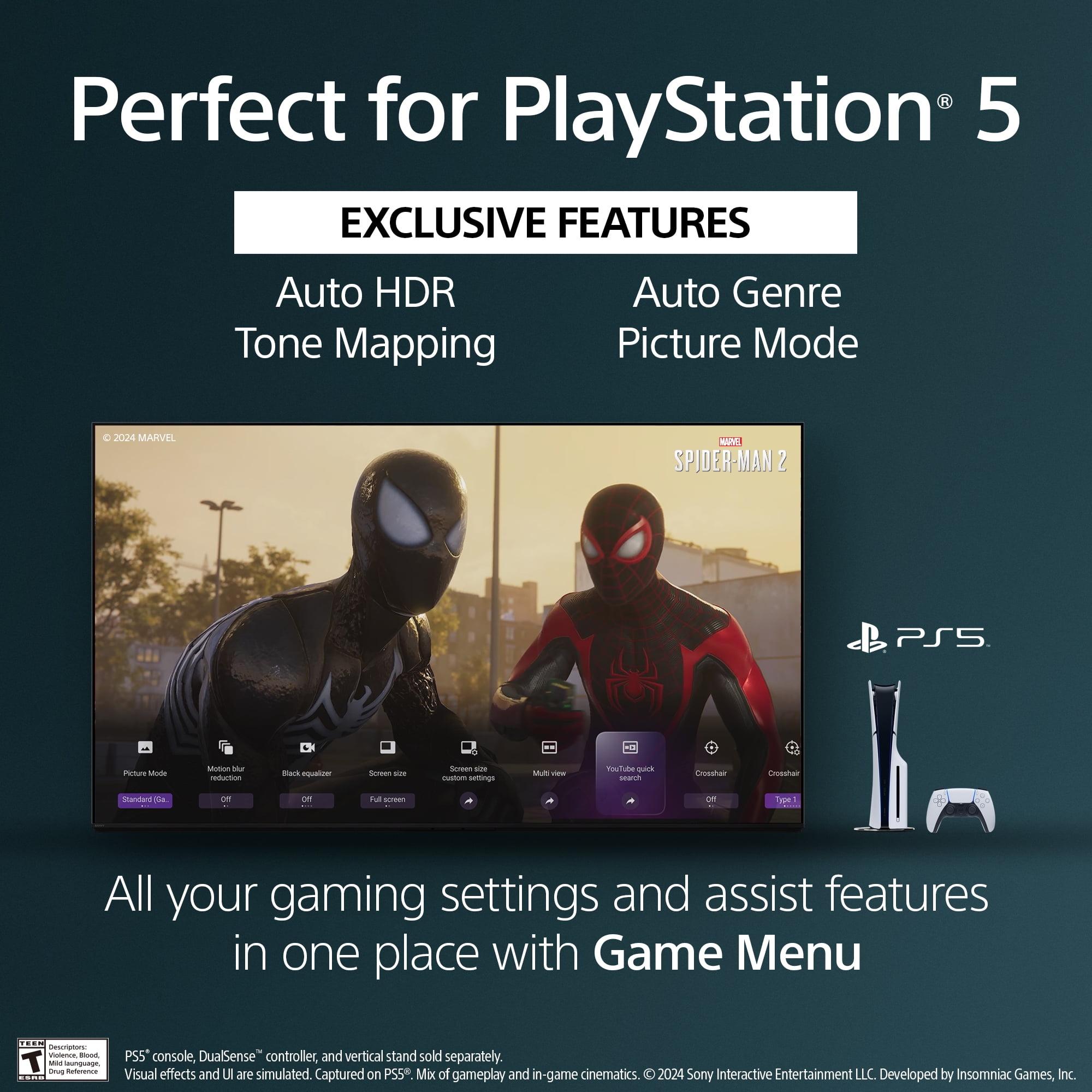
LG includes Game Dashboard and Game Optimizer features that provide easy access to gaming-specific settings without diving through complex menus. You can quickly adjust picture modes, enable VRR, or check input lag statistics.
Both TVs handle next-generation gaming well, but the LG B5's superior connectivity and gaming-focused features make it the clear choice for serious gamers.
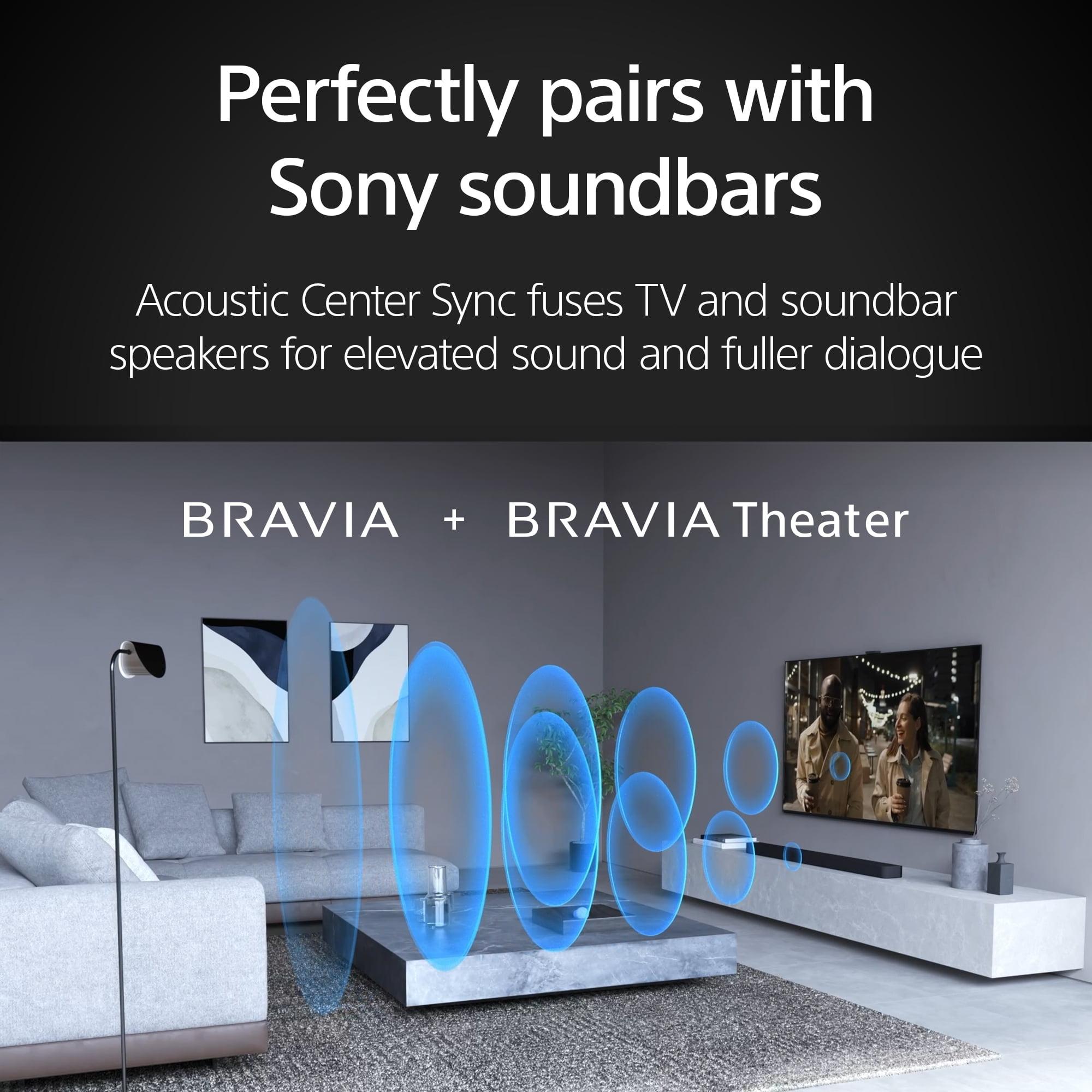
TV audio has improved dramatically in recent years, and both models offer interesting approaches. The Sony BRAVIA 8 II uses Acoustic Surface Audio+ technology, which turns the entire screen into a speaker using actuators behind the panel. This creates an interesting effect where dialogue appears to come directly from characters' mouths rather than from speakers below the screen.
This screen-as-speaker approach works particularly well for home theater setups. The Sony can also function as a center channel speaker when paired with compatible Sony BRAVIA Theater soundbars, creating a more integrated surround sound system.
The LG B5 takes a more traditional approach with built-in speakers that support Dolby Atmos for immersive, multidimensional sound. While not as innovative as Sony's screen speaker technology, LG's AI Sound Pro analyzes content and optimizes audio settings accordingly.
For serious home theater enthusiasts, both TVs will likely be paired with dedicated sound systems anyway, making built-in audio quality less critical. However, if you plan to use the TV's internal speakers, Sony's innovative approach provides a more immersive experience.
This brings us to the crucial question: does the Sony BRAVIA 8 II's ($3,098) premium technology justify its significantly higher price compared to the LG B5 ($1,699)?
The Sony offers measurably superior picture quality. The QD-OLED panel's higher brightness and expanded color gamut create a more impactful viewing experience, especially for HDR content. The AI scene recognition and studio calibrated modes demonstrate Sony's attention to picture accuracy. The anti-reflective coating and innovative audio technology add practical benefits.
However, the LG B5 delivers excellent OLED picture quality at a much more accessible price. You still get perfect blacks, wide viewing angles, and vibrant colors – the core benefits that make OLED special. The comprehensive gaming features, responsive smart TV platform, and four HDMI 2.1 ports actually provide better practical connectivity than the more expensive Sony.
For most users, the LG B5 represents better overall value. You're getting 85-90% of the Sony's picture quality at roughly half the price, plus superior gaming connectivity and a more feature-complete package.
In dedicated home theater environments, the picture quality differences become more pronounced. With controlled lighting, the Sony BRAVIA 8 II's superior brightness allows HDR content to really shine. The quantum dot enhanced colors and AI processing create a more cinematic experience that justifies the premium for serious movie enthusiasts.
The LG B5 still performs admirably in home theater settings – OLED's perfect blacks create excellent contrast even without the brightness advantage. However, if you're building a serious home theater and budget allows, the Sony's picture quality improvements become more noticeable during extended viewing sessions.
Choose the Sony BRAVIA 8 II ($3,098) if picture quality is your absolute priority and budget isn't a primary concern. It's ideal for home theater enthusiasts who want reference-quality picture performance, especially if you're already invested in Sony's ecosystem with PlayStation gaming or Sony soundbars. The superior brightness makes it better suited for rooms where you can't fully control lighting.
Choose the LG B5 ($1,699) if you want excellent OLED performance with better overall value and connectivity. It's perfect for gamers needing multiple HDMI 2.1 connections, first-time OLED buyers who want to experience the technology without breaking the bank, or anyone who prioritizes practical features over incremental picture quality improvements.
The $1,400 price difference could fund a quality soundbar, streaming device upgrades, or simply stay in your pocket. For most buyers, the LG B5 provides the better balance of performance, features, and value in 2025's competitive OLED market.
Both represent excellent OLED technology, but they serve different priorities. The Sony pushes picture quality boundaries for enthusiasts willing to pay for perfection, while the LG delivers outstanding OLED performance with superior gaming features at a price that makes premium TV technology accessible to more buyers.

Privacy Policy
Terms and Conditions - Affiliate Policy
Home Security
© Copyright 2008-2026.
11816 Inwood Rd #1211, Dallas, TX 75244