


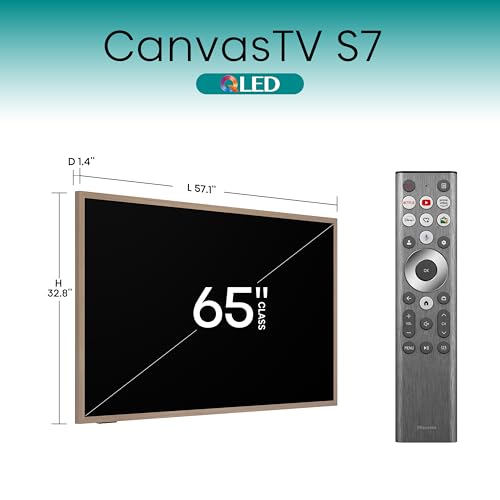

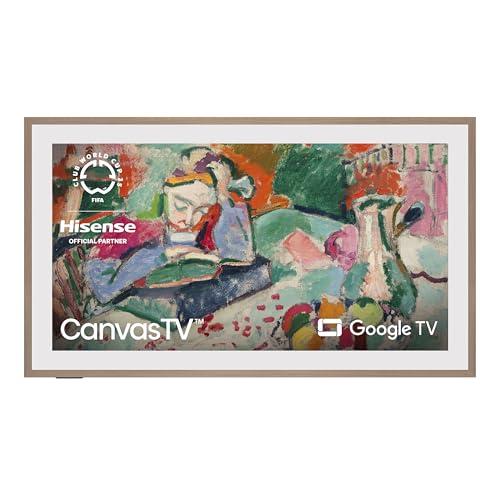

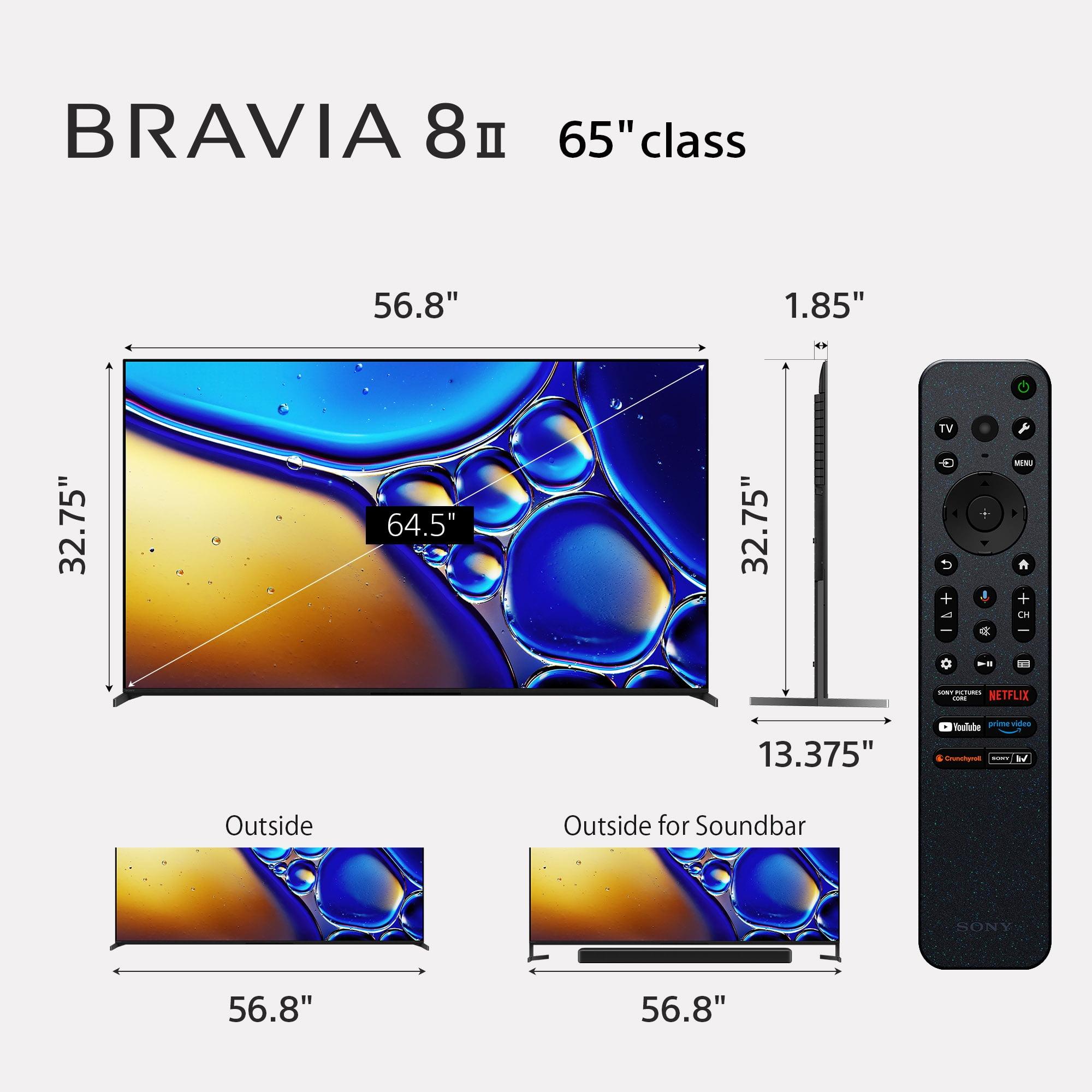
The 65-inch TV space has become fascinating territory in 2025. Gone are the days when your only choice was picking between Samsung, LG, or Sony with slightly different picture quality. Now we're seeing entirely different philosophies about what a premium TV should be. Two standout models perfectly illustrate this divide: the Hisense 65" S7N CanvasTV transforms your entertainment center into an art gallery, while the Sony BRAVIA 8 II 65" QD-OLED pushes display technology to cinematic extremes.
At the time of writing, these TVs occupy completely different price brackets - the Hisense costs roughly one-third the price of the Sony. But this isn't just about budget versus premium. Each represents a fundamentally different approach to what a modern TV should accomplish in your home.
Before diving into specifics, it's worth understanding where 65-inch TVs fit in today's market. This size has become the sweet spot for most living rooms - large enough to deliver that cinematic wow factor without overwhelming smaller spaces. But within this category, manufacturers are pursuing wildly different strategies.
The traditional approach focuses purely on picture quality metrics: how bright can we make it, how accurate are the colors, how deep are the blacks? This is where TVs like the Sony BRAVIA 8 II excel, using cutting-edge display technology to create reference-quality images that match what directors intended.
The newer approach asks a different question: what should this giant black rectangle do when I'm not actively watching it? This thinking led to TVs like the Hisense S7N CanvasTV, which doubles as a digital art display with specialized anti-glare technology.
The most fundamental difference between these TVs lies in their display technology, which affects everything from picture quality to how they look in your room.
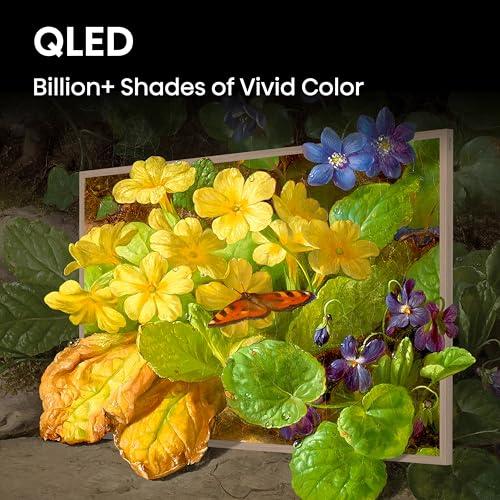
The Hisense S7N CanvasTV uses QLED technology - essentially a traditional LCD panel enhanced with quantum dots. Think of quantum dots as tiny crystals that, when hit by light, produce extremely pure colors. The TV still uses LED backlighting behind the LCD panel, which means some light can leak around dark objects (called "blooming") and true blacks aren't possible since the backlight is always on to some degree.
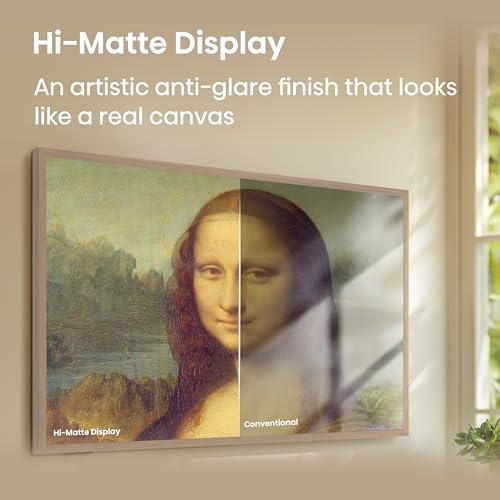
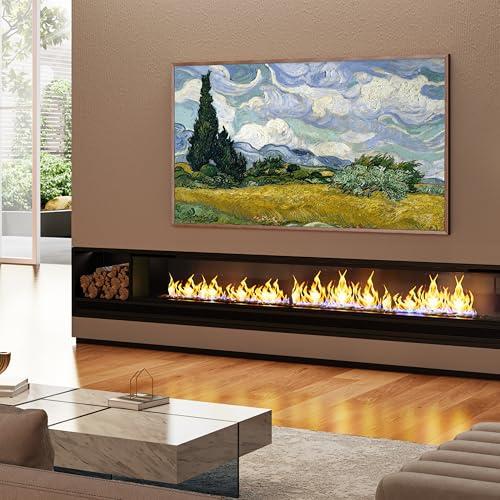
However, QLED has major advantages. It can get very bright - crucial for well-lit rooms - and there's zero risk of burn-in (permanent image retention). The Hisense takes this further with its Hi-Matte display coating, which reduces reflections to just 5%. This anti-glare technology is specifically engineered to make digital artwork look like real paintings, even under direct sunlight.
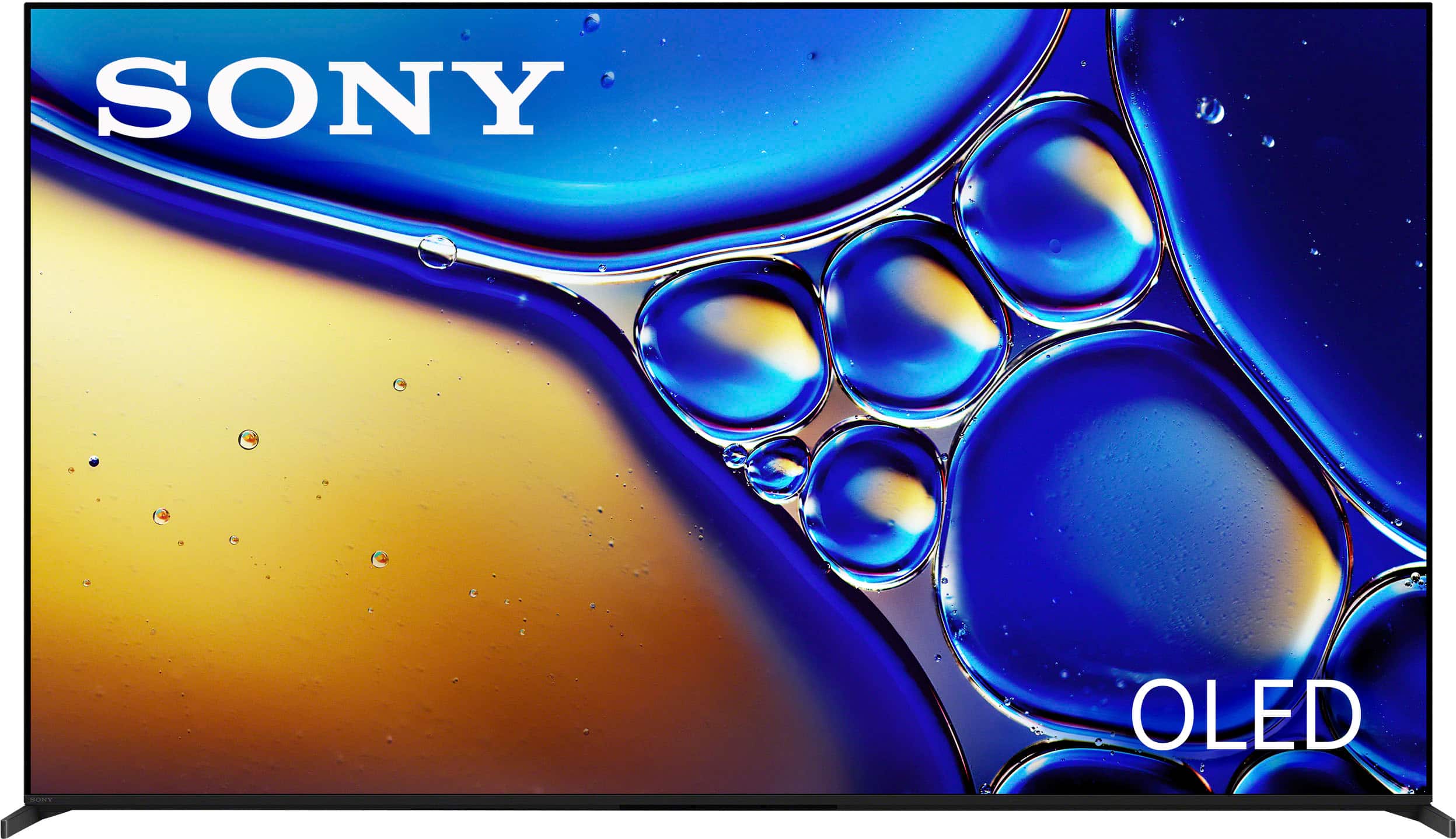
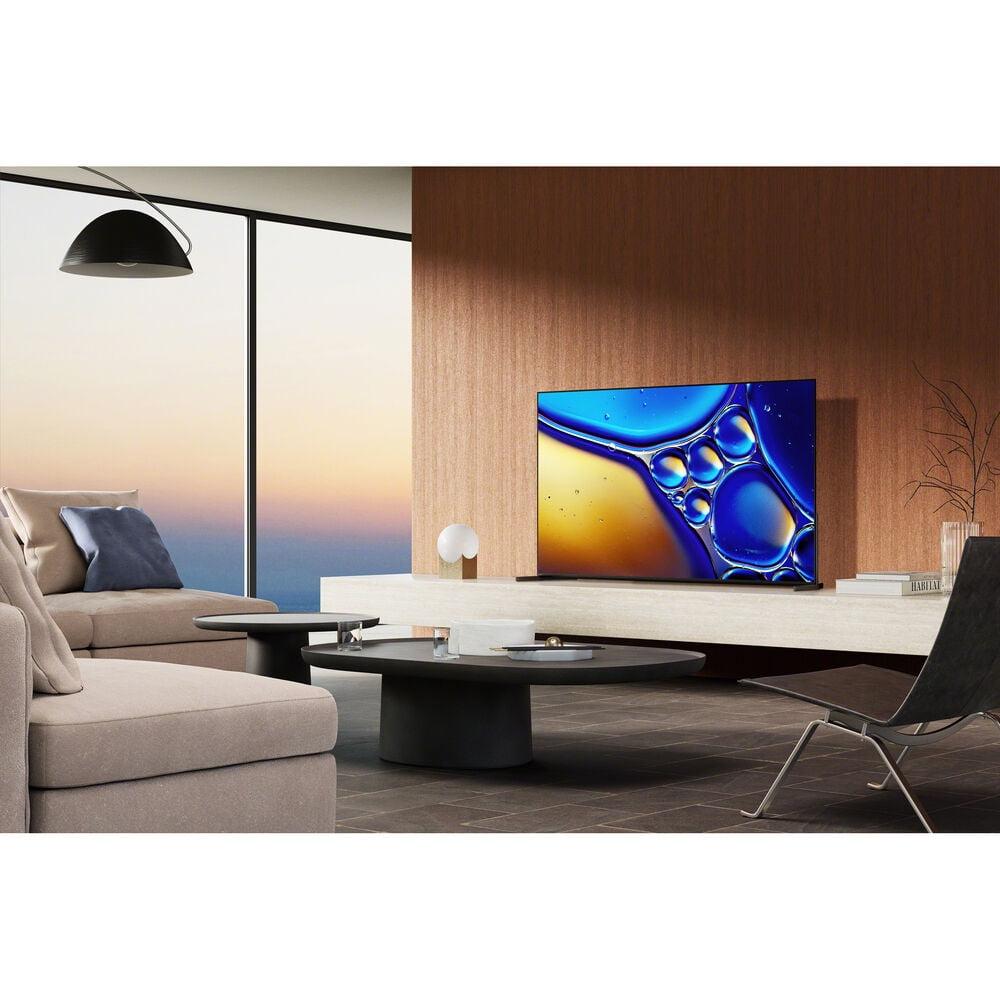
The Sony BRAVIA 8 II uses QD-OLED technology, which is significantly more advanced. Each pixel is self-lit and can turn completely off for perfect blacks. The "QD" part means it combines OLED's self-lit pixels with quantum dots for enhanced color accuracy. This 2025 model uses a new 3rd generation QD-OLED panel that's 25% brighter than Sony's previous flagship OLEDs, reaching around 1,880 nits peak brightness.
The practical difference? In a dark room watching a movie, the Sony will deliver dramatically better contrast - imagine looking at stars in a truly black sky versus stars with a slightly gray sky. But in a bright living room, the Hisense's anti-glare coating and higher sustained brightness might actually look better for everyday viewing.
Gaming performance has become crucial for modern TVs, and here we see clear differentiation based on each TV's priorities.
The Hisense S7N CanvasTV absolutely dominates in refresh rate capabilities. Its 144Hz native refresh rate means it can display 144 unique images per second - significantly higher than the Sony's 120Hz maximum. For context, most content is 24fps (movies) or 60fps (standard TV), but modern gaming consoles and PCs can push much higher frame rates.
This matters most for competitive gaming. If you're playing fast-paced games like Call of Duty or racing simulators, those extra frames can mean the difference between spotting an opponent first or losing a close race. The Hisense also supports both 4K at 144Hz and 1080p at 240Hz - future-proofing for next-generation gaming hardware.
Input lag - the delay between pressing a button and seeing the action on screen - is excellent on both TVs but slightly better on the Hisense at 5.4ms versus the Sony's 8.5ms. While both are fast enough for competitive gaming, every millisecond counts in esports.
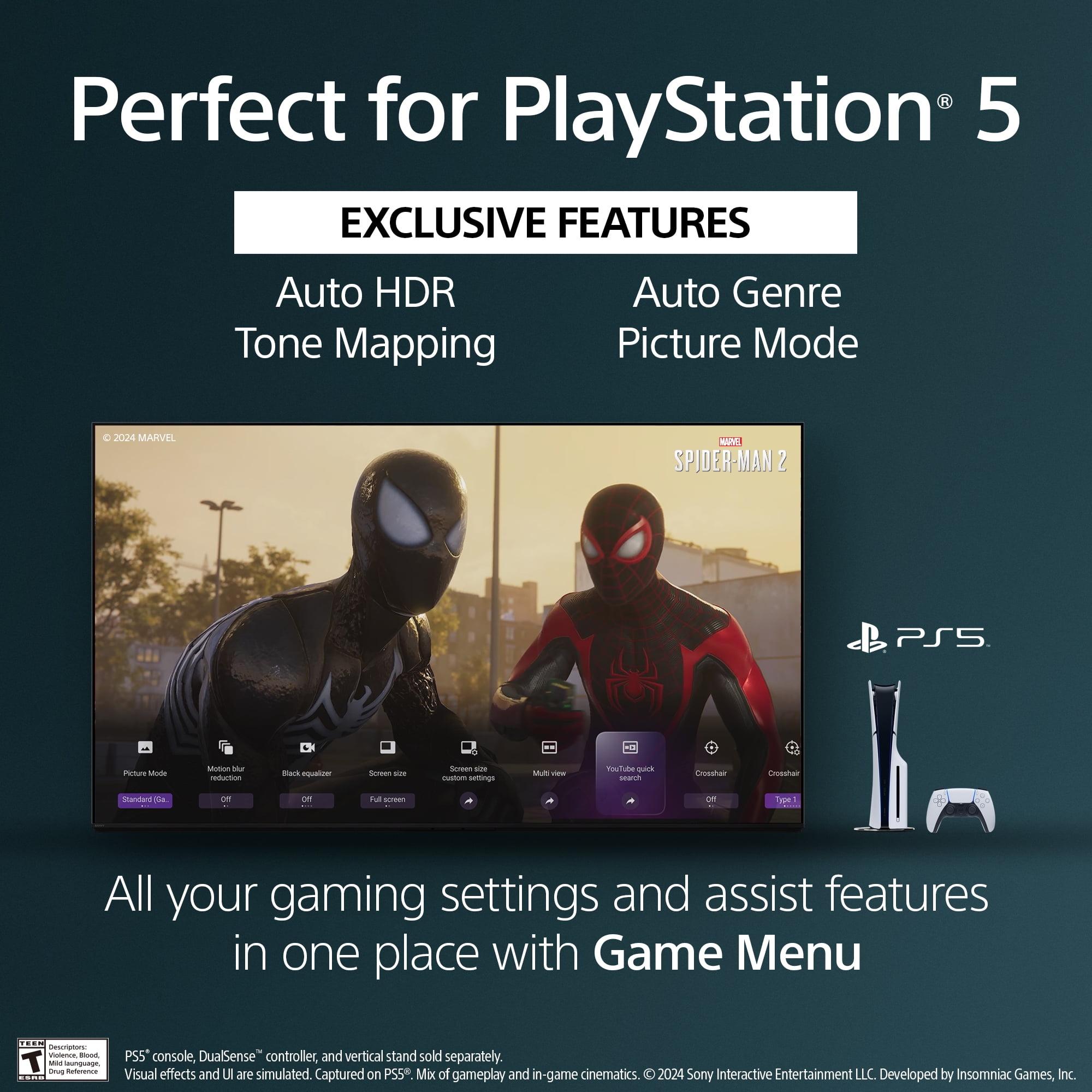
However, the Sony brings more sophisticated gaming features. Its XR Processor can automatically detect game content and optimize picture settings accordingly. It also includes PlayStation-specific enhancements, since Sony obviously has insider knowledge of their own console's capabilities.
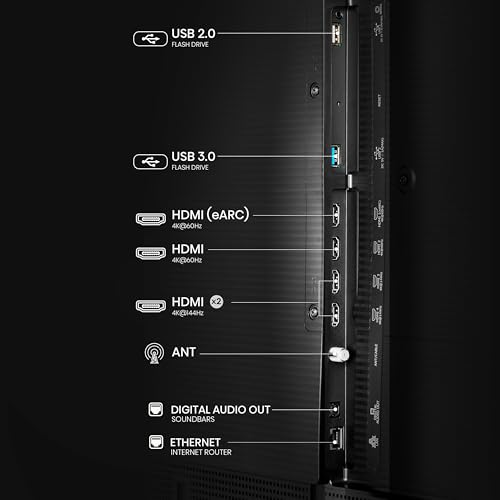
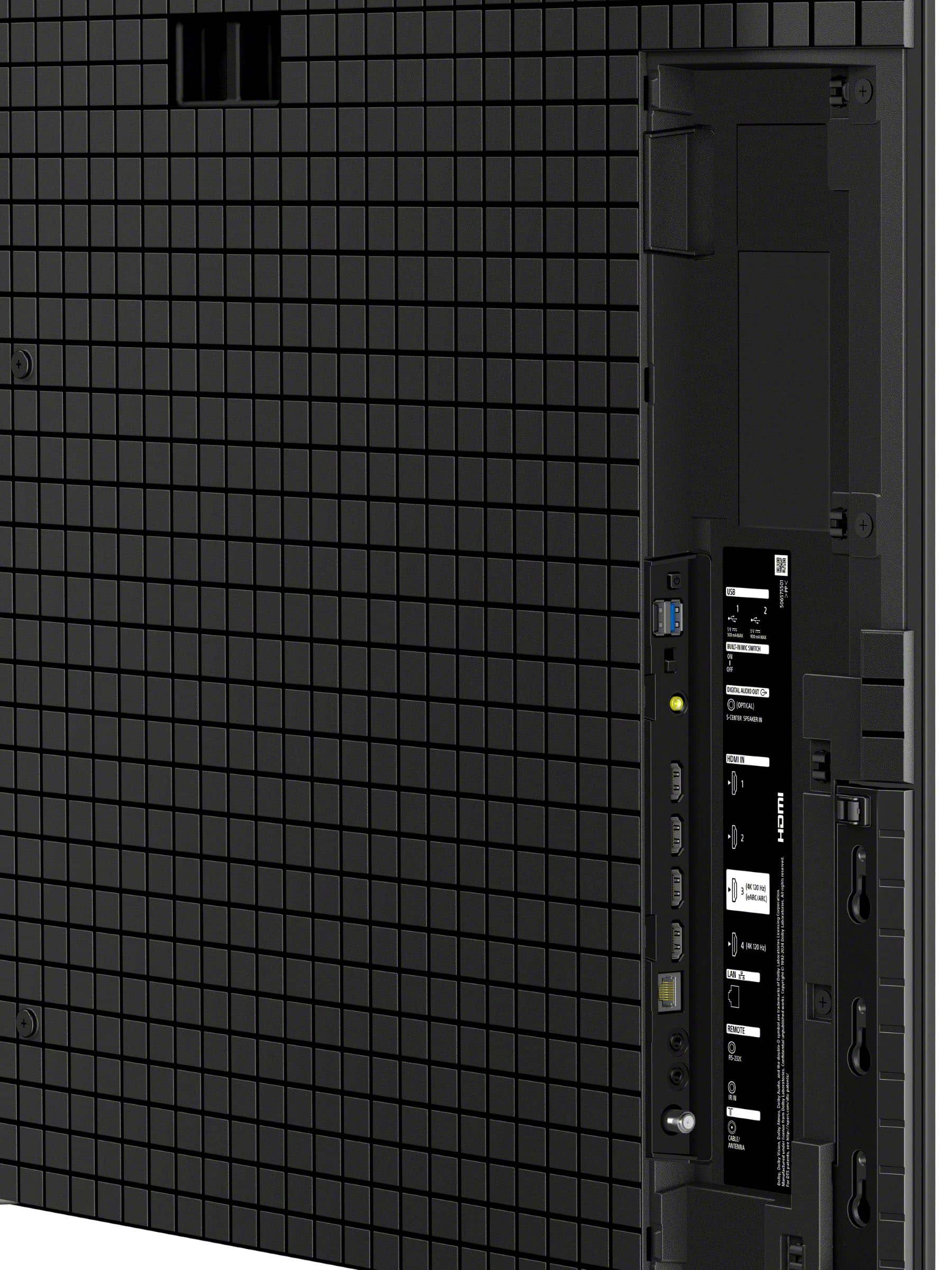
For connectivity, the Hisense provides more flexibility with four HDMI ports (two supporting the latest 2.1 standard) versus the Sony's two HDMI 2.1 ports. If you have multiple gaming consoles, streaming devices, and sound systems, those extra high-bandwidth ports matter.
Raw picture quality represents the biggest performance gap between these TVs, though which performs "better" depends entirely on your viewing environment and content preferences.
The Sony BRAVIA 8 II's QD-OLED panel delivers objectively superior contrast ratios. When displaying a scene with both bright highlights and deep shadows - think a campfire scene under a starry sky - the Sony can show truly black shadows while making the fire glow brilliantly. The Hisense, being an LCD-based display, will show those shadows as dark gray rather than true black.
But contrast ratios only tell part of the story. The Sony also benefits from significantly more advanced image processing. Its XR Processor with AI Scene Recognition analyzes content in real-time and adjusts color, contrast, and sharpness based on what type of scene is being displayed. Watching a nature documentary? It enhances greens and blues for more vibrant landscapes. Watching a dark thriller? It pulls detail out of shadows without washing out the mood.
The Hisense uses more straightforward processing focused on color accuracy and upscaling lower-resolution content to 4K. It's effective but not nearly as sophisticated as Sony's approach.
For HDR (High Dynamic Range) content - which includes most Netflix, Amazon Prime, and Disney+ shows - the brightness difference becomes critical. HDR is designed to show much brighter highlights and darker shadows than regular content. The Sony's peak brightness of around 1,880 nits versus the Hisense's 450 nits means HDR highlights like explosions, sunlight, or neon signs will have much more visual impact on the Sony.
However, this advantage diminishes significantly in bright rooms. If you're watching during the day with windows open, ambient light washes out OLED's perfect blacks anyway. The Hisense's Hi-Matte coating becomes a major advantage here, maintaining image clarity even with direct sunlight hitting the screen.
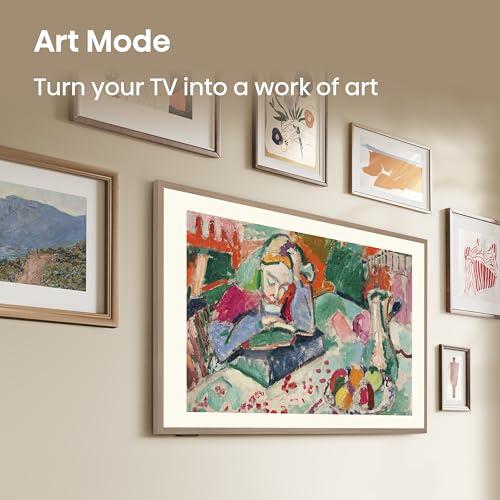
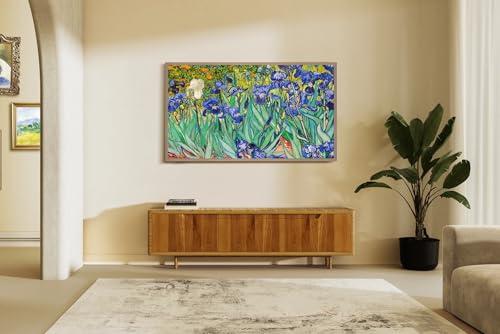
The Hisense S7N CanvasTV's most unique feature is its art display ecosystem, which represents a genuinely different approach to TV design. When not displaying regular content, it transforms into a digital art gallery with over 1,000 curated masterpieces included at no additional cost.
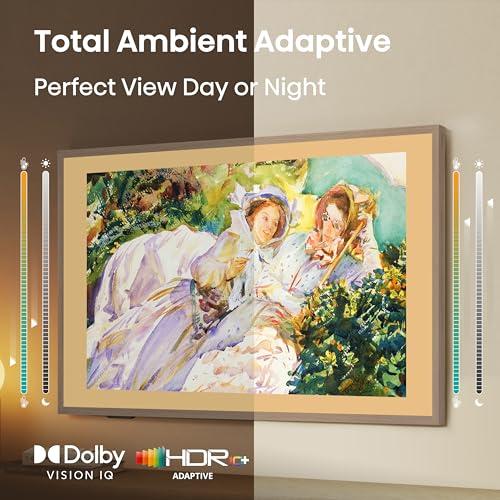
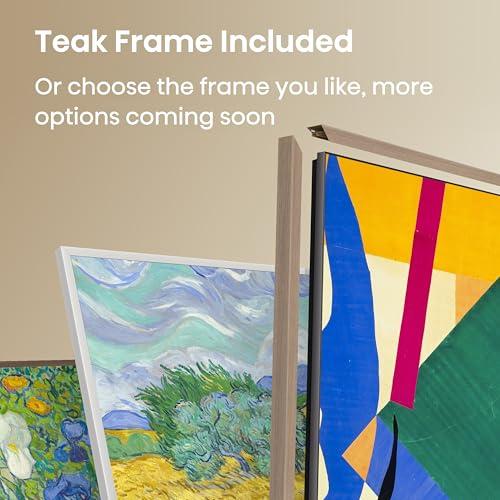
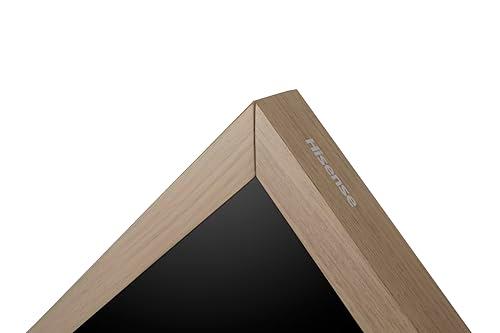
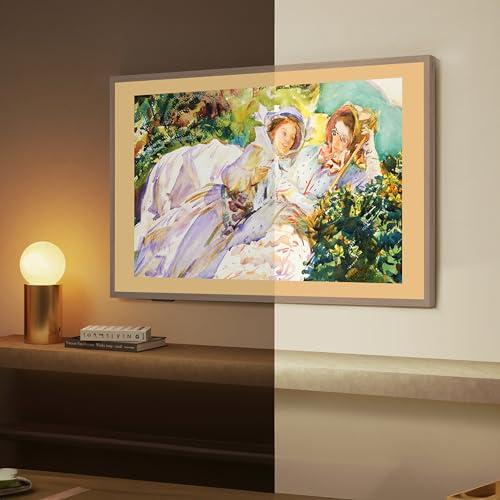
This isn't just a screensaver with pretty pictures. The Hi-Matte display coating creates texture and depth that mimics real canvas paintings. Combined with the magnetic frame system (teak wood included, with white and walnut options available separately), the visual effect is remarkably convincing. Motion sensors detect when someone enters the room and automatically display artwork, while light sensors adjust brightness to minimize power consumption.
The UltraSlim wall mount positions the TV just 3mm from the wall - essentially flush-mounted like a real painting. Cable management is built into the mounting system, so no wires are visible when viewing from normal angles.
What makes this particularly valuable is the lack of subscription fees. Samsung's competing Frame TV requires ongoing payments for premium artwork access, while the Hisense includes everything upfront. You can also upload personal photos or artwork via USB or mobile app.
For households where the TV is the dominant visual element in the living room, this art functionality completely changes the room's aesthetic when not watching content. Instead of a large black rectangle, you have rotating artwork that complements your decor.
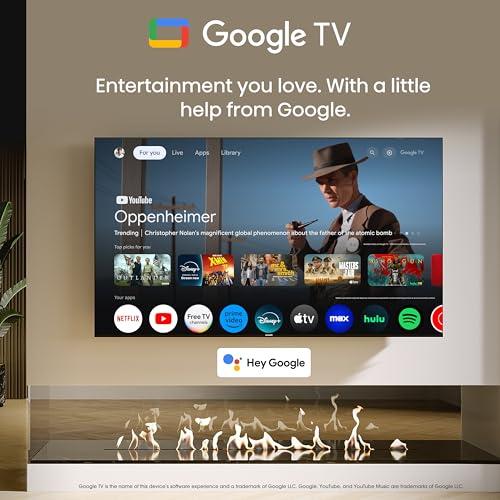
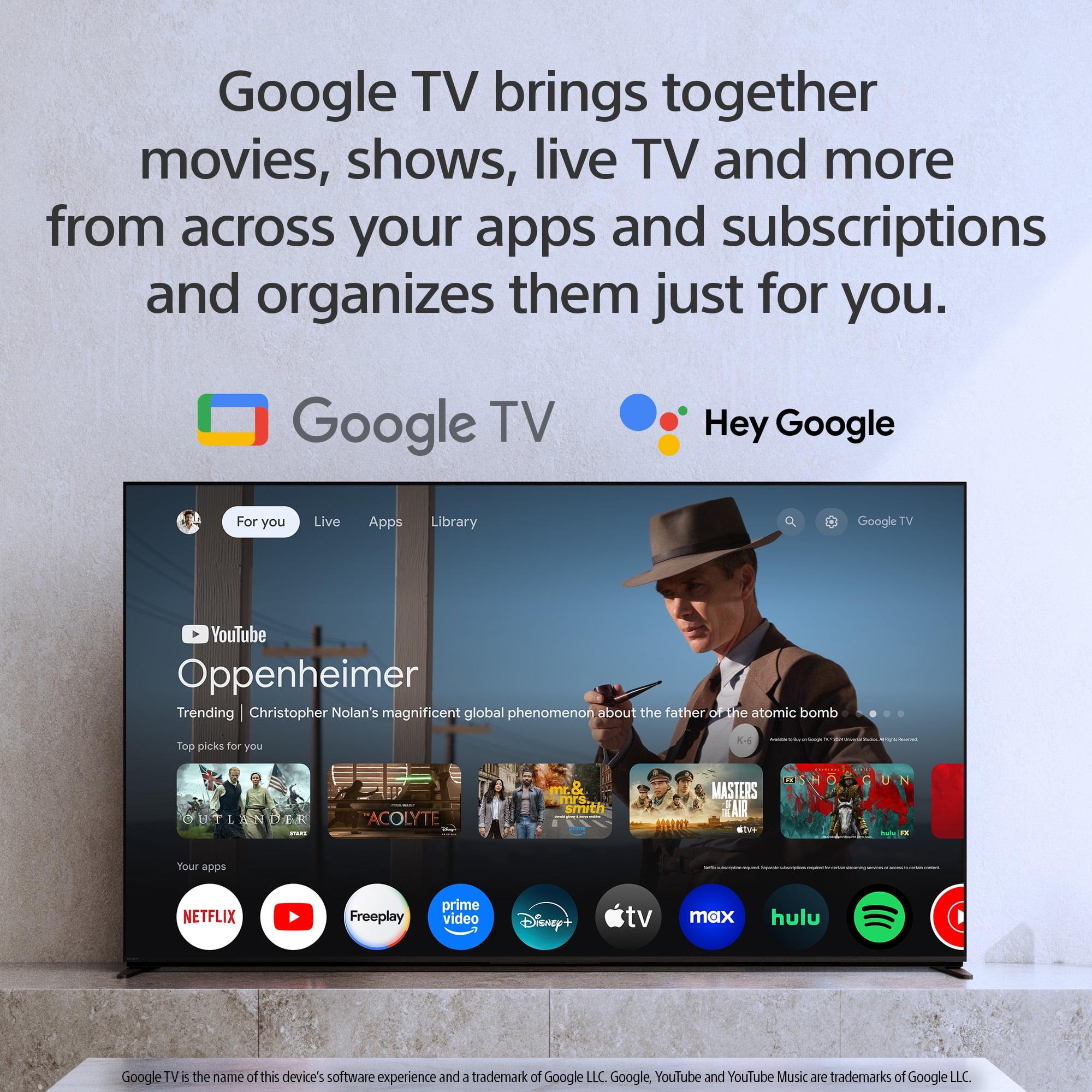
Both TVs run Google TV as their smart platform, which provides access to all major streaming services and a clean, responsive interface. However, the Sony BRAVIA 8 II runs a newer version (12) with enhanced AI capabilities that learn your viewing preferences over time.
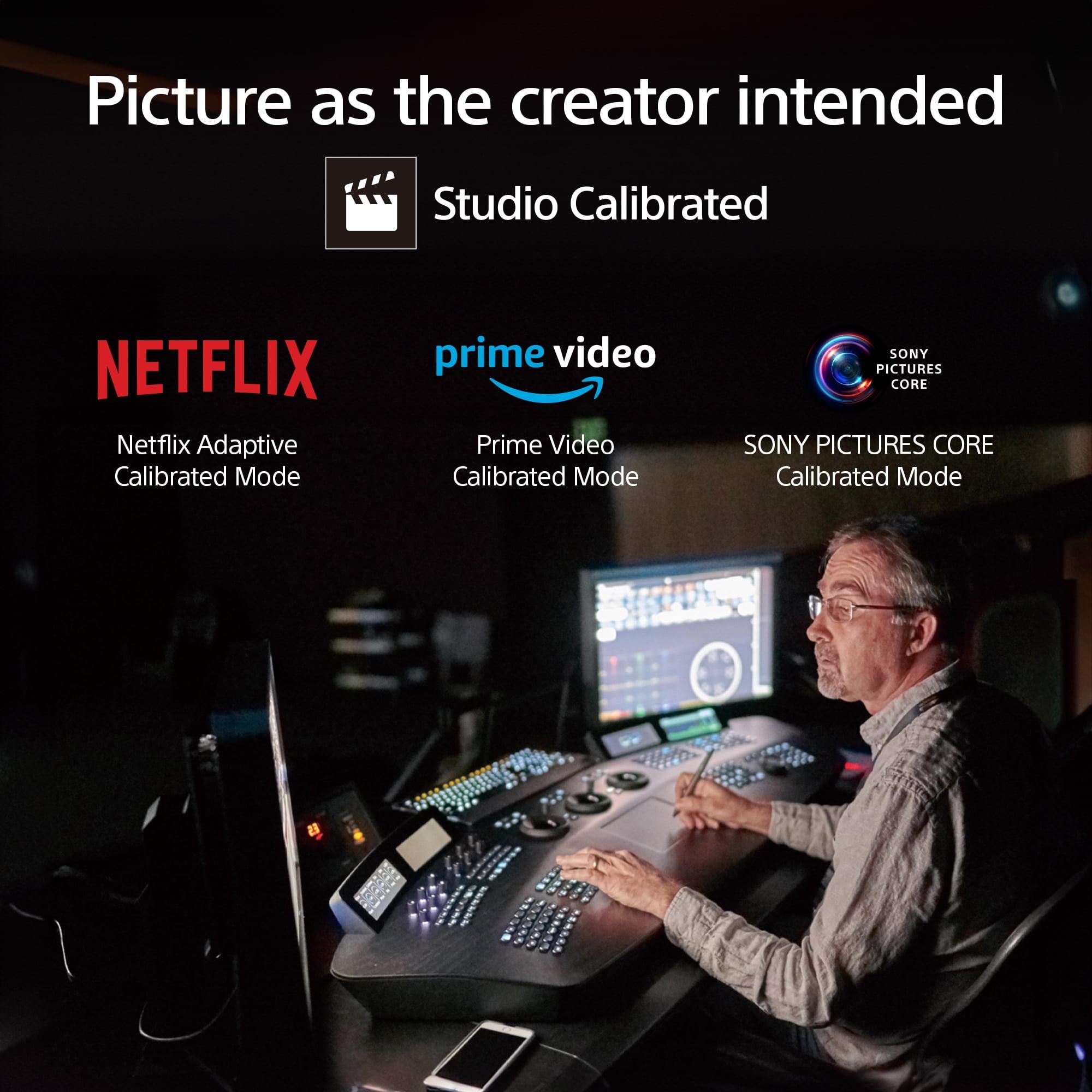
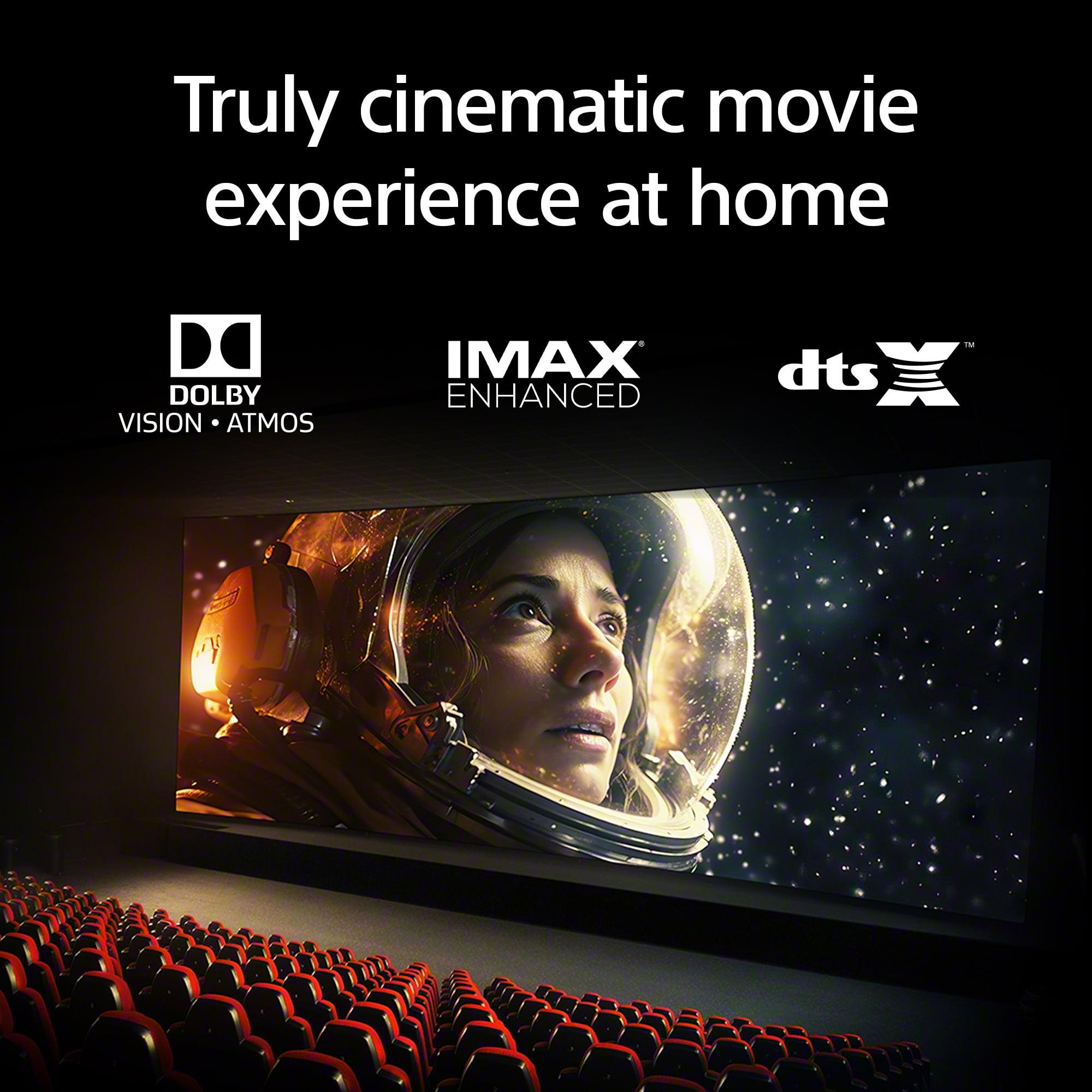
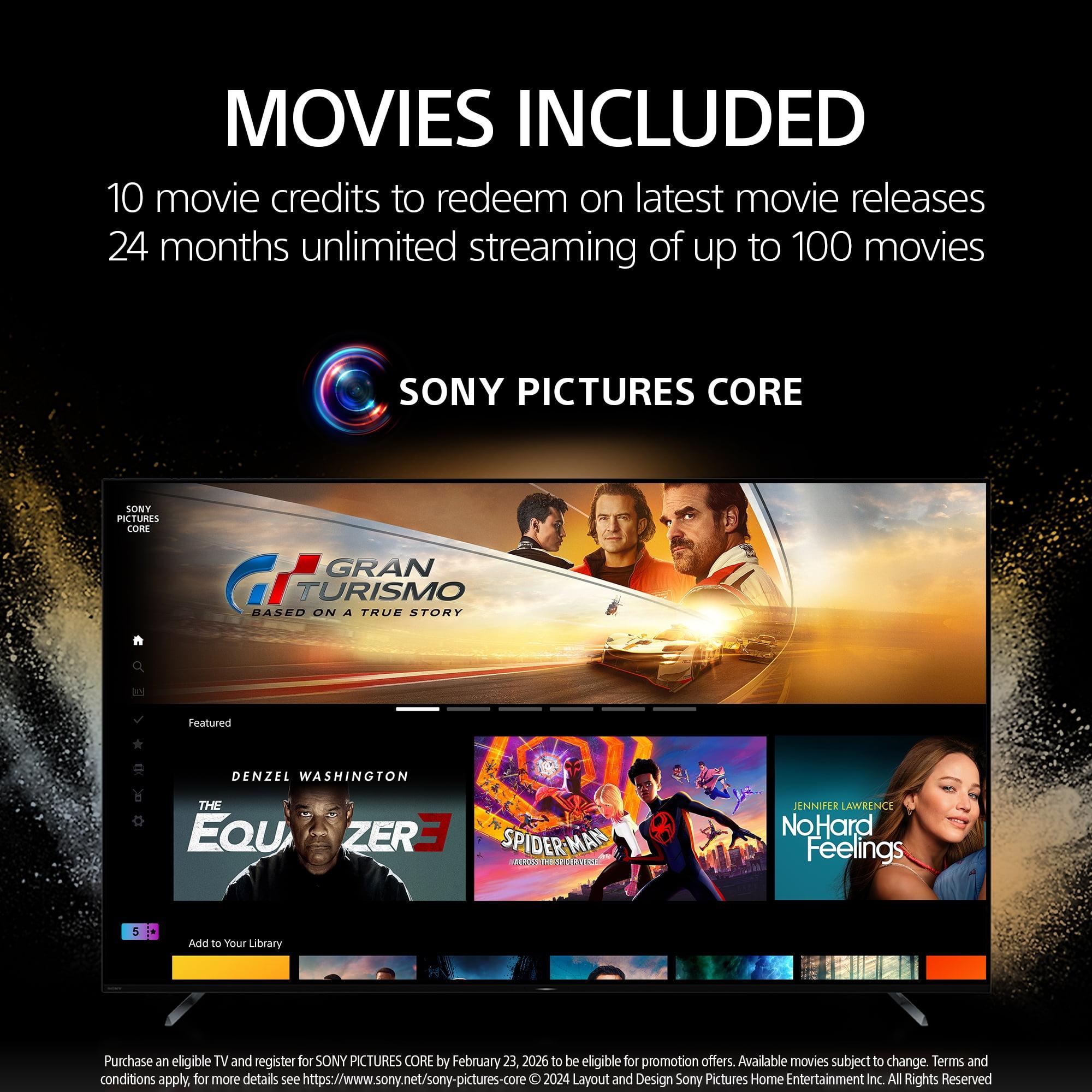
The Sony also includes two years of Sony Pictures Core streaming service with 10 credits for new movie releases - adding significant value for movie enthusiasts. It supports studio-calibrated modes for Netflix, Prime Video, and Sony's own streaming service, ensuring content appears exactly as intended by directors and colorists.
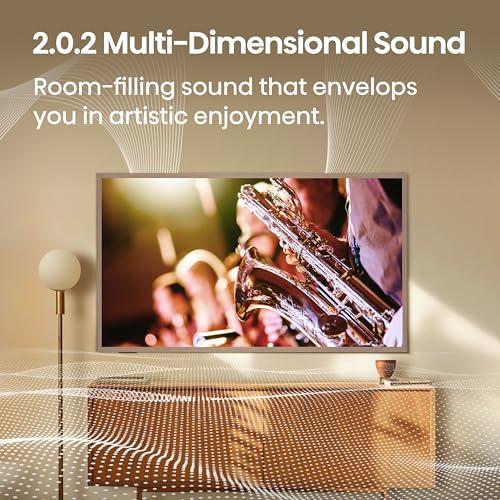
Audio capabilities differ significantly between the models. The Hisense uses a traditional 2.0.2 speaker system with 36W total output and DTS Virtual:X processing for simulated surround sound. It's adequate for casual viewing but you'll want a soundbar or home theater system for serious movie watching.
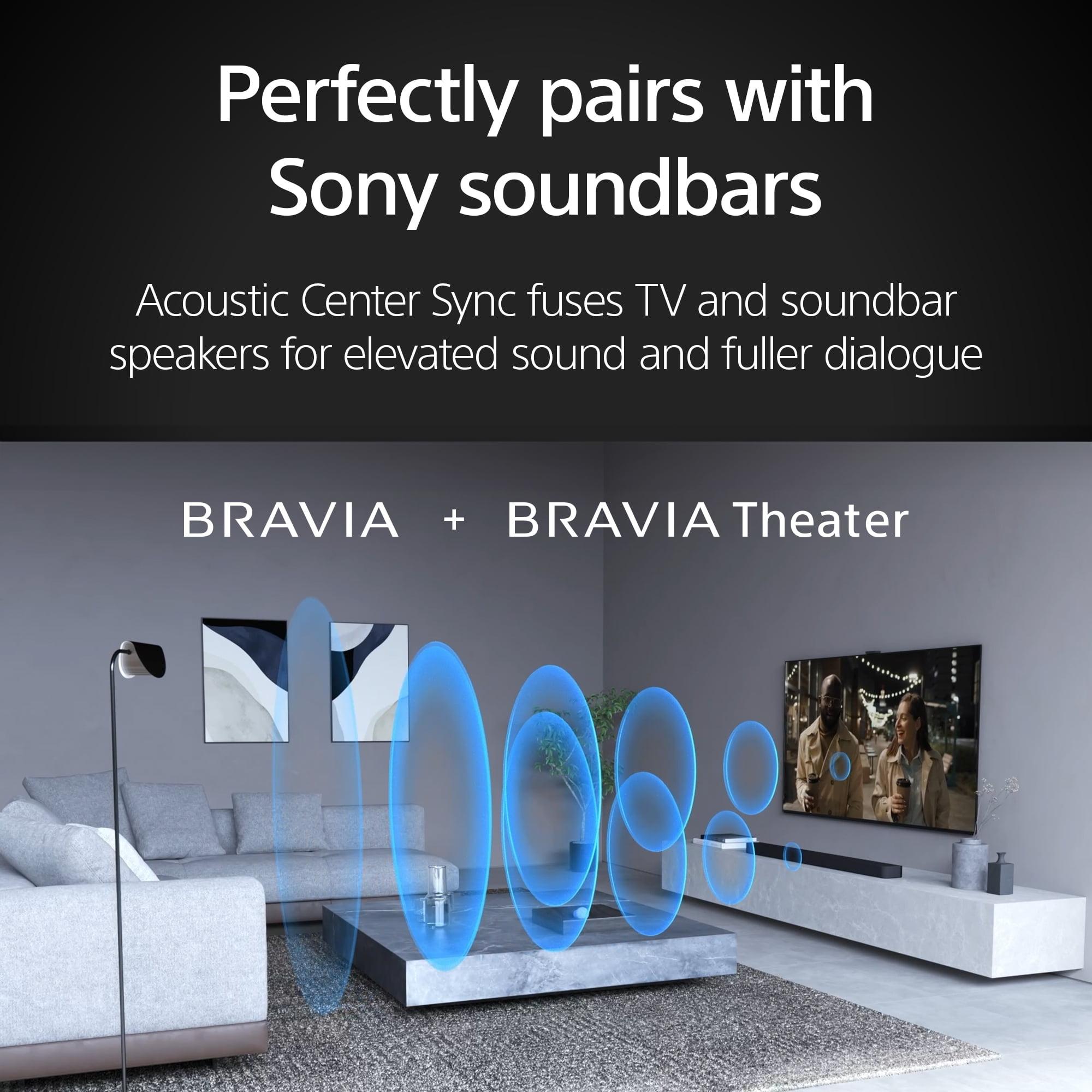
The Sony employs Acoustic Surface Audio+ technology, which turns the entire screen into a speaker using actuators behind the panel. This creates a more immersive experience where dialogue appears to come directly from actors' mouths rather than below the screen. More impressively, when paired with compatible Sony soundbars, the TV's speakers can serve as a dedicated center channel - a unique feature that enhances dialogue clarity significantly.
At the time of writing, these TVs occupy dramatically different price points, with the Hisense costing roughly one-third the price of the Sony. This price gap reflects their different target markets and feature priorities.
The Hisense S7N CanvasTV delivers exceptional value for buyers seeking a premium TV experience without premium TV pricing. Its art display functionality alone justifies much of its cost - dedicated digital art displays often cost $1,000+ without any TV capabilities. Add solid 4K performance, excellent gaming features, and bright-room optimization, and it becomes compelling for a wide audience.
The Sony BRAVIA 8 II justifies its premium pricing through cutting-edge display technology and sophisticated processing. For serious movie enthusiasts or those building dedicated home theaters, the superior contrast, color accuracy, and HDR performance can be worth the investment. The included Sony Pictures Core service and advanced audio integration add further value for the right buyer.
Since its 2024 launch, the Hisense has gained recognition as the most viable alternative to Samsung's much more expensive Frame TV. User reviews consistently praise its ease of setup, art quality, and gaming performance while noting occasional issues with viewing angles typical of LCD-based displays.
The Sony, released in 2025, represents Sony's response to criticism that their previous OLEDs weren't bright enough for modern HDR content. The new QD-OLED panel addresses this while maintaining Sony's reputation for accurate color reproduction and excellent motion handling.
After extensive research into professional reviews and user feedback, clear usage patterns emerge for each TV.
Choose the Hisense S7N CanvasTV if you:
The Hisense excels for families who want their living room to feel more curated and intentional. Its anti-glare technology makes it ideal for rooms with lots of windows, and the high refresh rate future-proofs it for next-generation gaming.
Choose the Sony BRAVIA 8 II if you:
The Sony is the clear choice for cinephiles and anyone who views their TV as the centerpiece of a serious entertainment system. Its superior contrast and processing make even ordinary content look more engaging, while HDR movies truly showcase its capabilities.
Both TVs succeed brilliantly at their intended purposes, making this less about which is "better" and more about which philosophy aligns with your needs.
The Hisense S7N CanvasTV represents the future of living room integration - a TV that adds value even when turned off. For most buyers seeking a balance of performance, aesthetics, and value, it's the smarter choice. Its gaming capabilities and bright-room optimization make it genuinely versatile.
The Sony BRAVIA 8 II represents the pinnacle of display technology in 2025. If picture quality is your primary concern and budget isn't a major constraint, it delivers an undeniably superior viewing experience for movies and premium content.
In my assessment, the Hisense offers better overall value for the majority of buyers, while the Sony better serves the smaller audience of serious home theater enthusiasts. Both represent excellent execution of their respective philosophies - you really can't go wrong with either choice if it matches your priorities.
| Hisense 65" S7N CanvasTV QLED 4K Smart Display | Sony BRAVIA 8 II 65" QD-OLED 4K Google TV 2025 |
|---|---|
| Display Technology - Determines contrast, brightness, and viewing experience | |
| QLED with Quantum Dots (LCD + LED backlight) | QD-OLED (Self-lit pixels + Quantum Dots) |
| Peak Brightness - Critical for HDR impact and bright room viewing | |
| 450 nits (good for well-lit rooms with anti-glare coating) | 1,880 nits (exceptional HDR highlights, 4x brighter) |
| Black Levels - Affects contrast and dark room movie watching | |
| Limited by LCD technology (dark gray blacks) | Perfect OLED blacks (infinite contrast ratio) |
| Refresh Rate - Important for gaming and smooth motion | |
| 144Hz native (future-proof for competitive gaming) | 120Hz native (excellent for current consoles) |
| Gaming Input Lag - Response time for competitive gaming | |
| 5.4ms (excellent for esports) | 8.5ms (very good for casual gaming) |
| Art Display Features - Unique functionality when not watching TV | |
| Full art ecosystem with 1,000+ free artworks, magnetic frames, motion sensors | None (traditional TV functionality only) |
| Anti-Glare Performance - Handling reflections in bright rooms | |
| Hi-Matte coating reduces reflections to 5% (exceptional) | Standard anti-reflective coating (good) |
| HDR Format Support - Compatibility with premium streaming content | |
| HDR10, HDR10+, HDR10+ Adaptive, Dolby Vision, HLG | HDR10, Dolby Vision, HLG, IMAX Enhanced (no HDR10+) |
| HDMI 2.1 Ports - High-bandwidth connections for gaming and future devices | |
| 2 ports supporting 4K@144Hz (plus 2 HDMI 2.0 ports) | 2 ports supporting 4K@120Hz (total 4 HDMI ports) |
| Image Processing - AI enhancement and color accuracy | |
| Standard QLED processing with upscaling | XR Processor with AI Scene Recognition (advanced) |
| Audio System - Built-in sound quality | |
| 2.0.2 surround, 36W, DTS Virtual:X | Acoustic Surface Audio+ (screen-as-speaker technology) |
| Smart TV Platform - Interface and app availability | |
| Google TV (standard implementation) | Google TV v12 with enhanced AI features |
| Wall Mounting - Installation and aesthetic considerations | |
| UltraSlim mount (3mm from wall, picture-frame appearance) | Standard wall mount compatibility |
| Burn-in Risk - Long-term reliability concern | |
| No burn-in risk (LCD technology advantage) | Potential burn-in with static content (OLED limitation) |
| Color Volume - Brightness + color accuracy combination | |
| Good (limited by LCD brightness in colorful scenes) | Excellent (quantum dots + OLED brightness) |
| Target Use Case - Best suited for | |
| Art display + bright room viewing + high-refresh gaming | Dark room cinematic viewing + premium content |
The Sony BRAVIA 8 II 65" QD-OLED delivers superior picture quality for movies with its QD-OLED technology offering perfect blacks, 1,880 nits peak brightness, and advanced XR processing. The Hisense 65" S7N CanvasTV provides good QLED picture quality but cannot match the contrast and HDR performance of the Sony for cinematic content.
The Hisense S7N CanvasTV is designed as a dual-purpose art display and TV with anti-glare coating and magnetic frames, while the Sony BRAVIA 8 II focuses purely on premium picture quality using cutting-edge QD-OLED technology. The Hisense transforms into artwork when not in use, whereas the Sony prioritizes cinematic performance.
The Hisense 65" S7N CanvasTV is better for competitive gaming with its 144Hz refresh rate, 5.4ms input lag, and support for 4K@144Hz gaming. The Sony BRAVIA 8 II offers excellent gaming at 120Hz with PlayStation-specific features but cannot match the Hisense's higher refresh rates for future-proof gaming.
The Hisense S7N CanvasTV excels in bright rooms with its Hi-Matte anti-glare coating that reduces reflections to just 5%. The Sony BRAVIA 8 II has good anti-reflective properties but its OLED blacks appear washed out in very bright environments, making the Hisense the better choice for well-lit spaces.
The Hisense 65" S7N CanvasTV offers exceptional value by combining solid 4K performance with unique art display features and high refresh rate gaming. The Sony BRAVIA 8 II costs significantly more but delivers premium OLED picture quality and advanced processing for serious home theater enthusiasts.
Yes, both the Hisense S7N CanvasTV and Sony BRAVIA 8 II run Google TV platform with access to Netflix, Disney+, Amazon Prime Video, HBO Max, and all major streaming apps. The Sony includes additional studio-calibrated modes and Sony Pictures Core service for enhanced movie streaming.
The Sony BRAVIA 8 II has superior audio with Acoustic Surface Audio+ technology that turns the entire screen into a speaker. The Hisense 65" S7N CanvasTV offers decent 2.0.2 surround sound but the Sony's screen-based audio provides more immersive sound placement for movies and shows.
The Sony BRAVIA 8 II has potential burn-in risk due to its OLED technology with static images like news tickers or gaming HUDs. The Hisense S7N CanvasTV has no burn-in risk as it uses LCD technology, making it more suitable for varied content including gaming with static elements.
The Sony BRAVIA 8 II is ideal for dedicated home theaters with its perfect blacks, superior contrast, and advanced HDR processing in controlled lighting. The Hisense S7N CanvasTV works well in multipurpose living rooms but the Sony delivers the cinematic experience serious home theater enthusiasts demand.
Both TVs use Google TV but the Sony BRAVIA 8 II runs a newer version with enhanced AI features and learning capabilities. The Hisense 65" S7N CanvasTV offers standard Google TV functionality plus unique art display features with motion sensors and automatic brightness adjustment.
The Hisense S7N CanvasTV is excellent for families due to its art display functionality that enhances room aesthetics, bright room performance, and no burn-in concerns with varied content. The Sony BRAVIA 8 II offers superior picture quality but requires more careful usage to avoid burn-in with gaming or static content.
Both TVs offer good connectivity, but the Hisense 65" S7N CanvasTV provides more total HDMI ports (4 total with 2 HDMI 2.1) compared to the Sony BRAVIA 8 II's 2 HDMI 2.1 ports. For users with multiple gaming consoles and devices, the Hisense offers more flexibility in connections.
We've done our best to create useful and informative comparisons to help you decide what product to buy. Our research uses advanced automated methods to create this comparison and perfection is not possible - please contact us for corrections or questions. These are the sites we've researched in the creation of this article: bestbuy.com - hisense.sg - tomsguide.com - content.syndigo.com - rtings.com - hisense-usa.com - youtube.com - bestbuy.com - youtube.com - displayspecifications.com - displayspecifications.com - manuals.plus - displayspecifications.com - bestbuy.com - hisense-canada.com - manuals.plus - bargainoutletandmore.com - bestbuy.com - device.report - techradar.com - rtings.com - bestbuy.com - whathifi.com - rtings.com - hometechnologyreview.com - youtube.com - hometechnologyreview.com - hometechnologyreview.com - hometechnologyreview.com - valueelectronics.com - smarthomesounds.co.uk - electronics.sony.com - valueelectronics.com - bestbuy.com - youtube.com - displayspecifications.com - hometechnologyreview.com - flatpanelshd.com

Privacy Policy
Terms and Conditions - Affiliate Policy
Home Security
© Copyright 2008-2026.
11816 Inwood Rd #1211, Dallas, TX 75244