

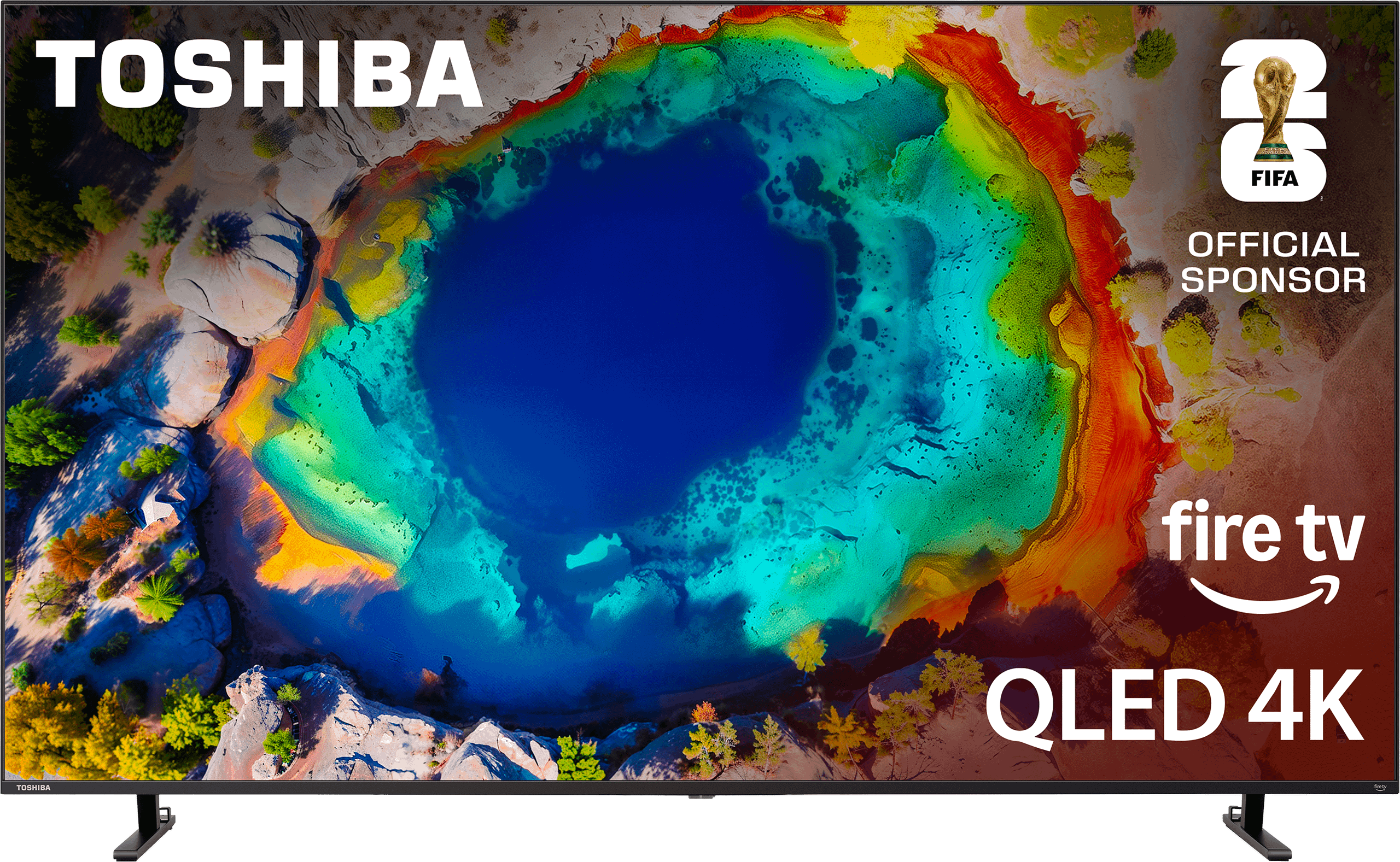
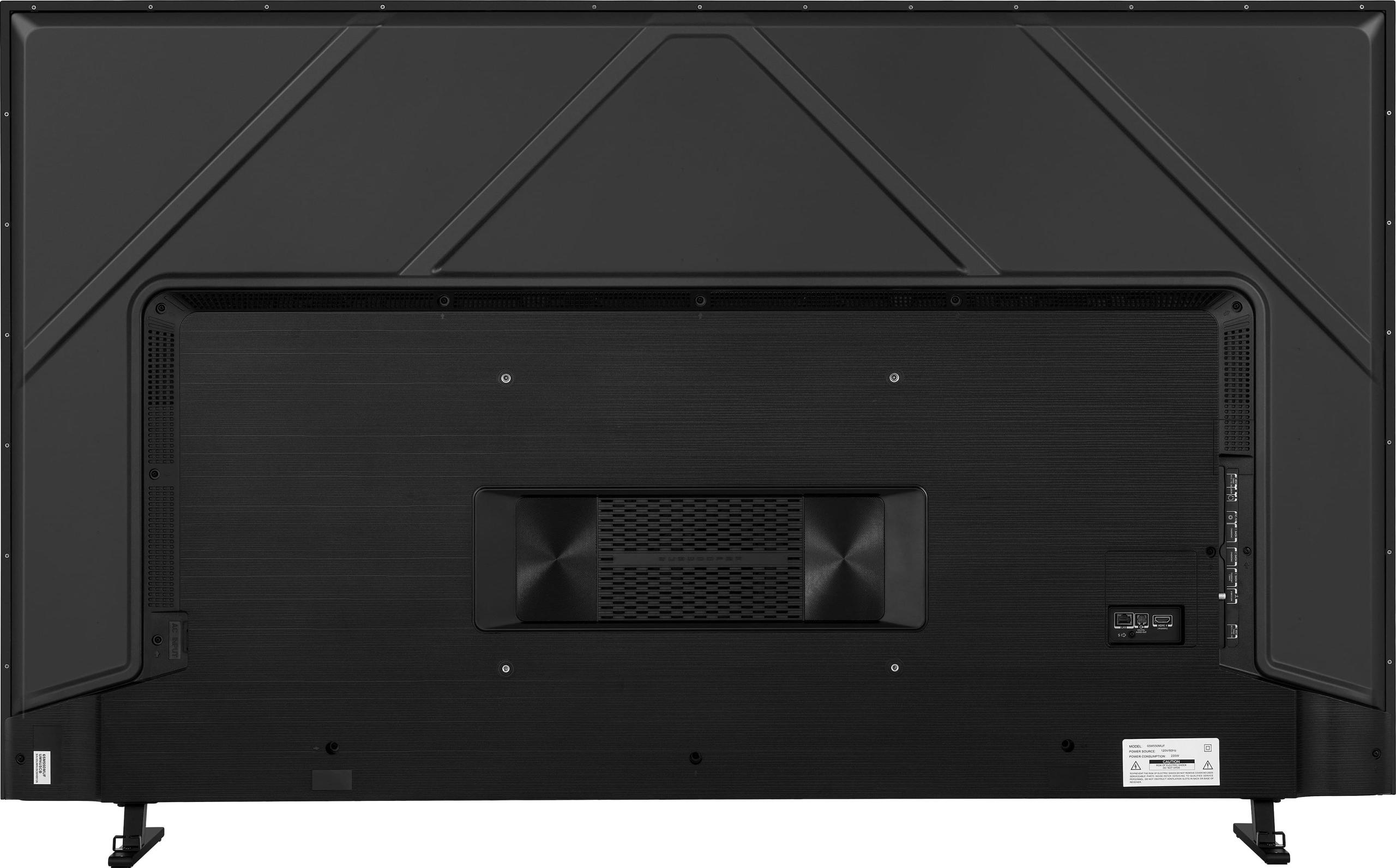
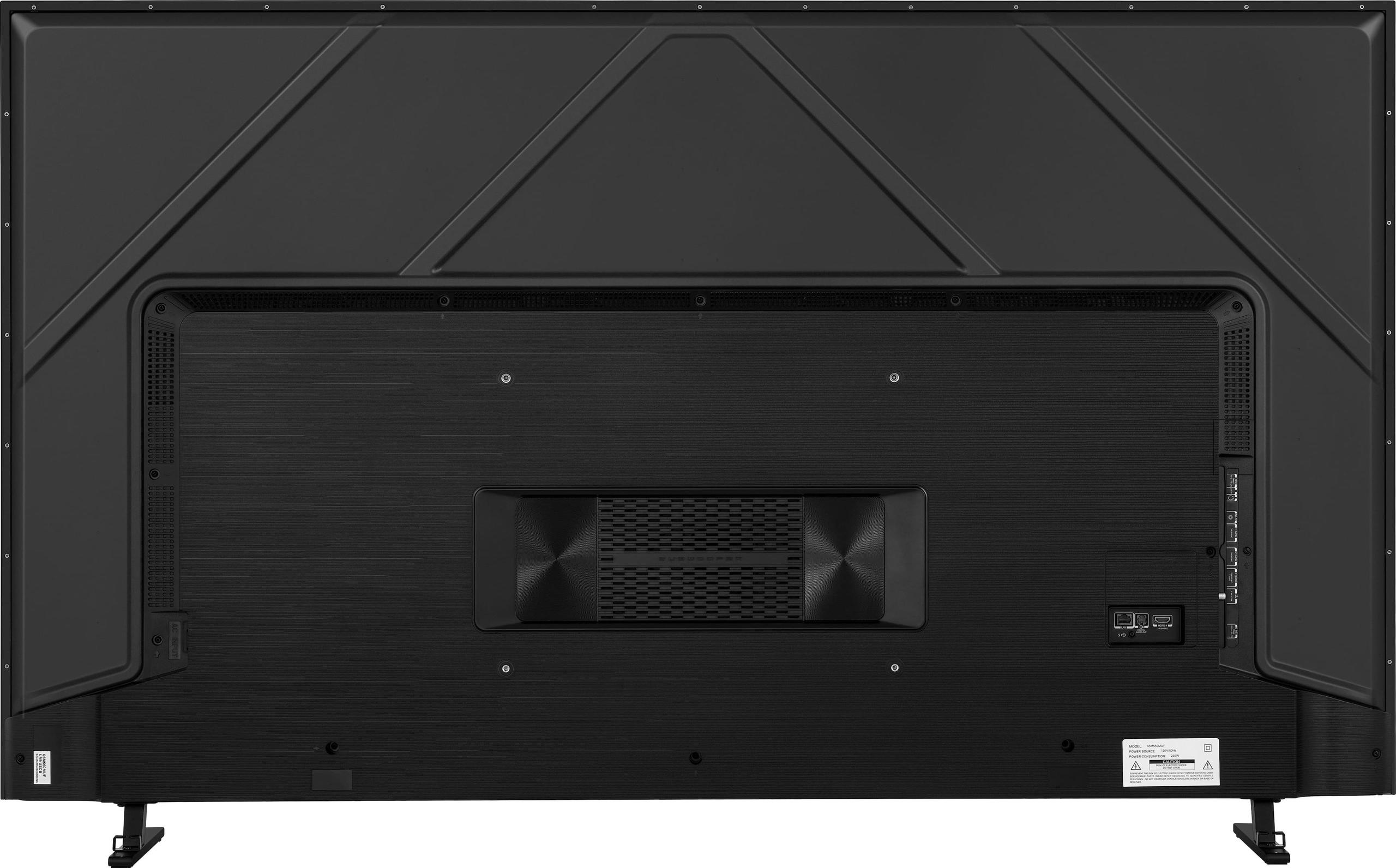
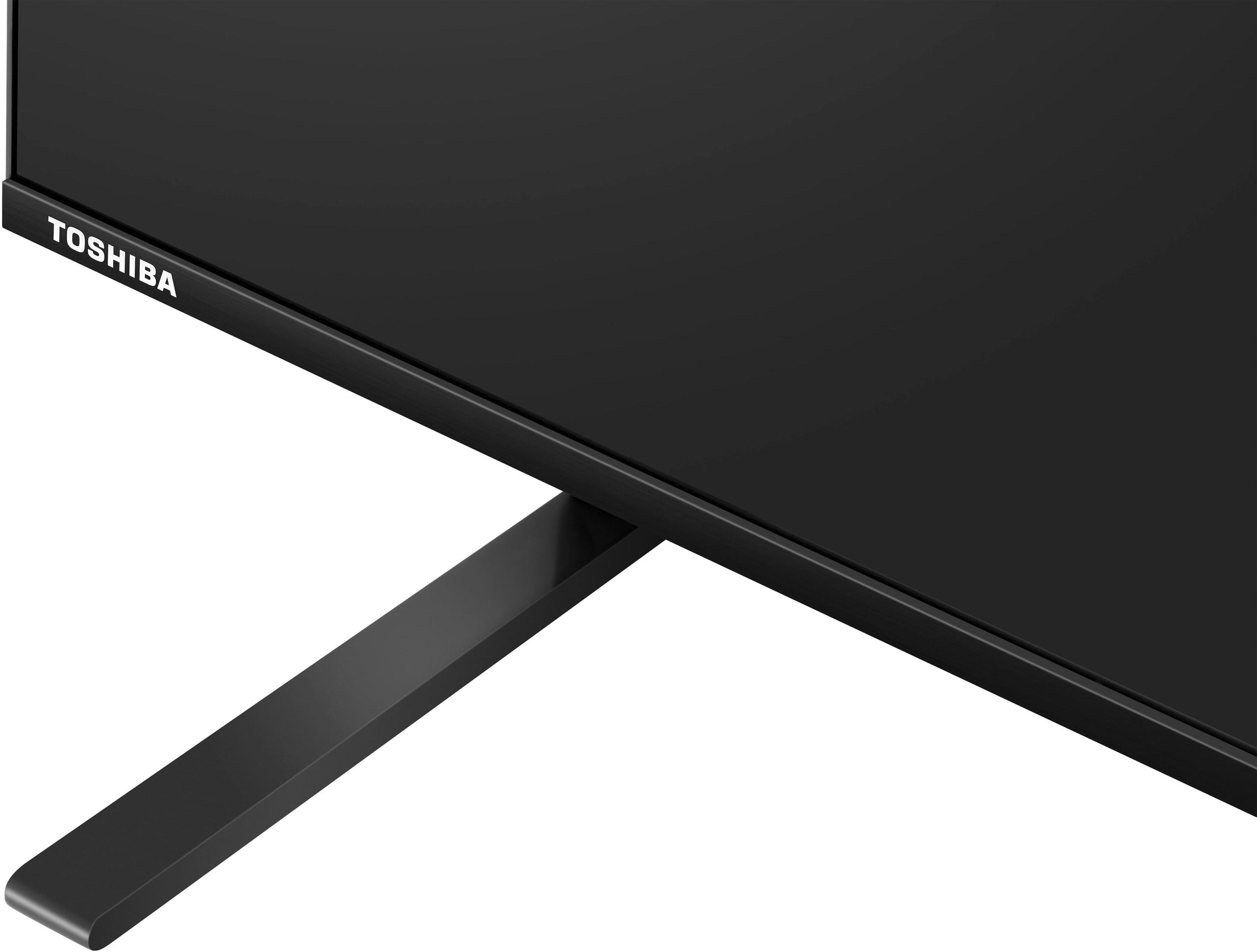
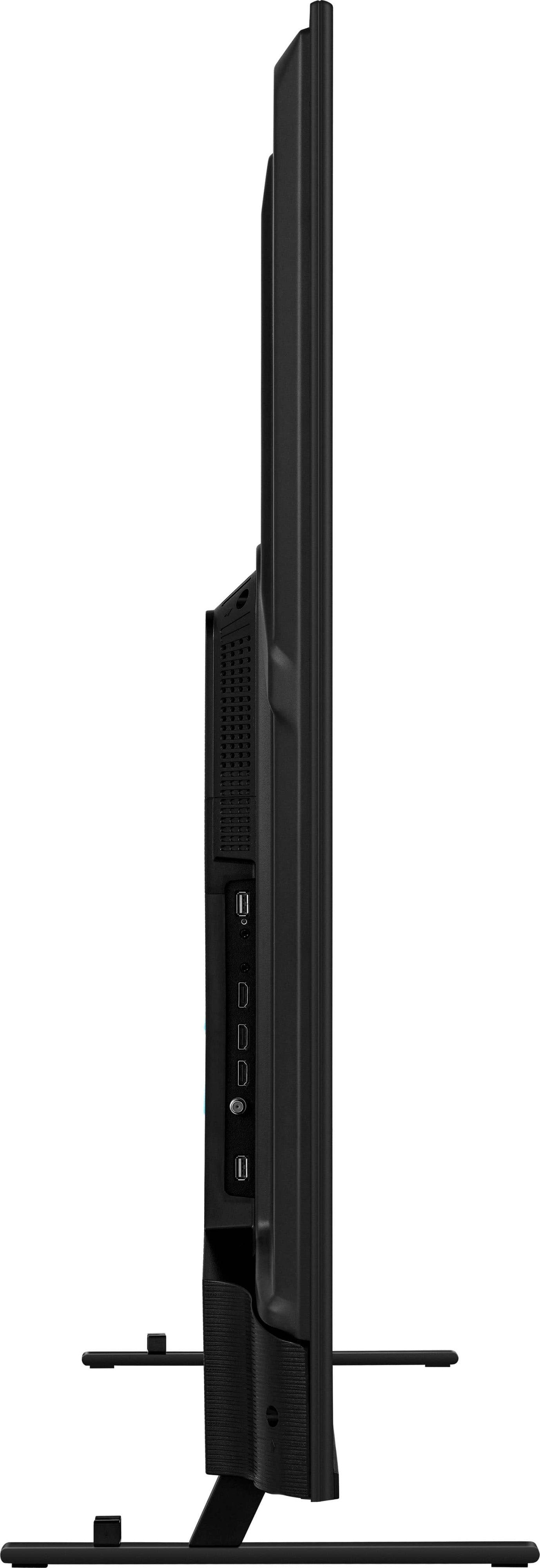
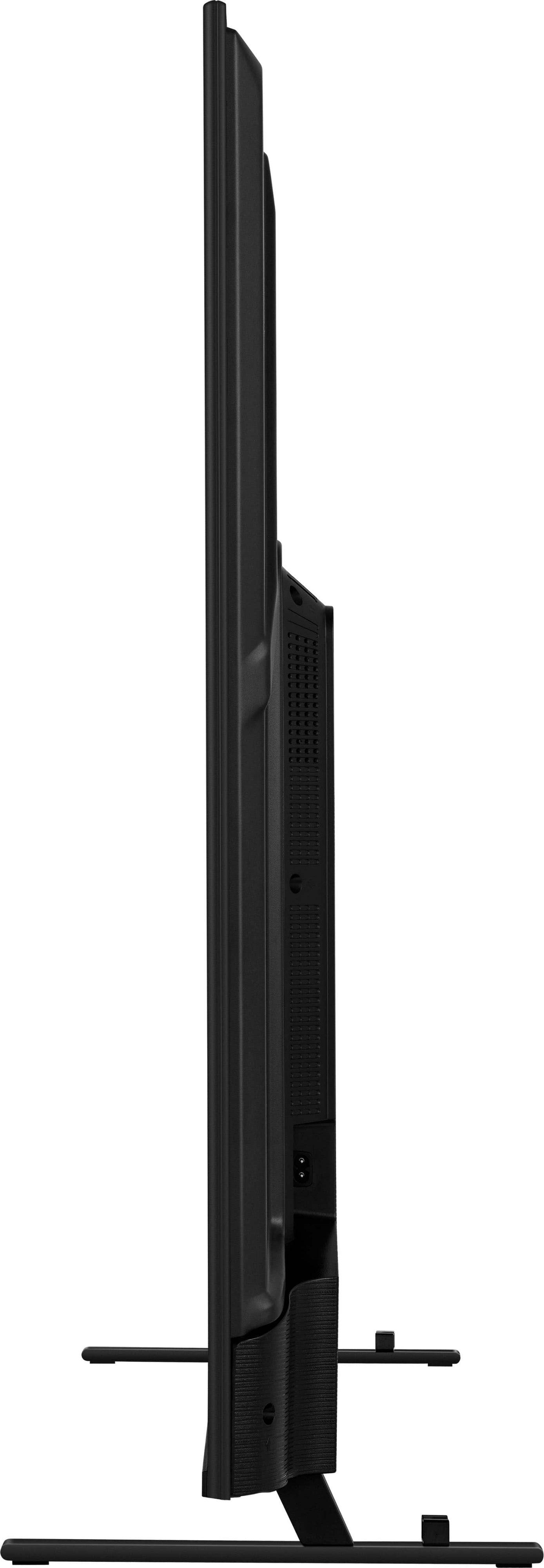
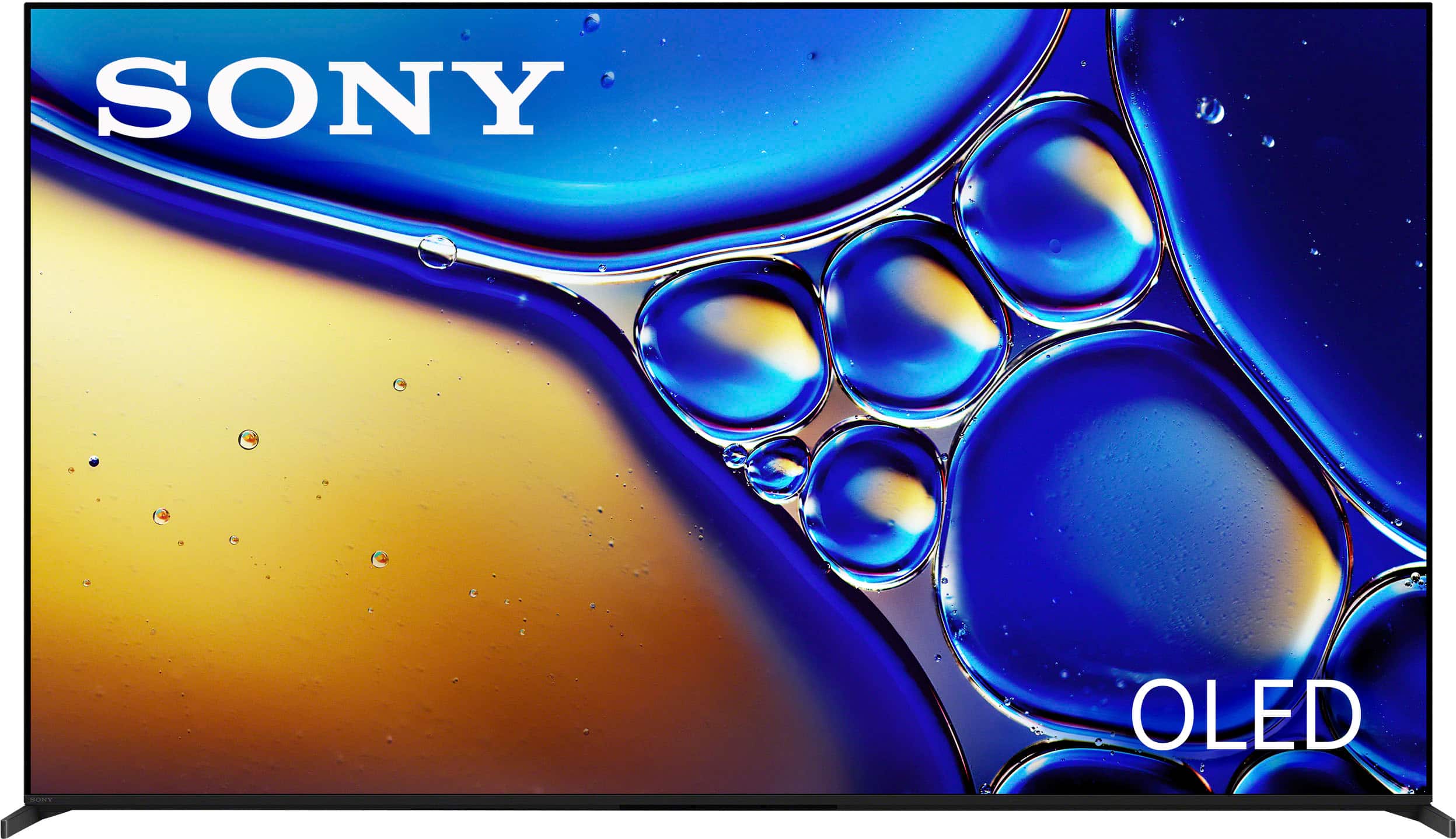
When you're shopping for a new TV, the sheer number of options can feel overwhelming. Do you go for the budget-friendly option that gets the job done, or invest in premium technology that might last longer and perform better? This comparison between the Toshiba 65" M550 Series QLED Fire TV and the Sony BRAVIA 8 II 65" QD-OLED 4K Google TV perfectly illustrates this dilemma—and at the time of writing, represents one of the most dramatic price differences you'll find between capable 65-inch TVs.
The Toshiba M550, originally released in 2021, has become a standout in the budget category, often selling for under $400. Meanwhile, the Sony BRAVIA 8 II, a 2025 release, commands premium pricing that's roughly seven to eight times higher. But here's the thing—both deliver genuine 4K HDR performance, just through completely different approaches.
Before diving into specifics, it's crucial to understand what separates these technologies. The Toshiba M550 uses QLED (Quantum Dot LED) technology, which is essentially an enhanced version of traditional LED-LCD displays. Think of it like a flashlight shining through a colorful film—the LED backlight illuminates quantum dots (tiny particles that convert blue light into pure red and green) to create the image you see.
The Sony BRAVIA 8 II, however, uses QD-OLED technology, where each of the 8.3 million pixels generates its own light and can turn completely off independently. Imagine having millions of tiny controllable lights instead of one big flashlight—that's the fundamental advantage that makes OLED special.
This technological difference ripples through every aspect of performance, from picture quality to power consumption to long-term durability. LED-LCD TVs like the Toshiba have proven reliability over decades of refinement, while OLED represents newer technology with superior contrast but potential concerns about burn-in (permanent image retention) over many years.
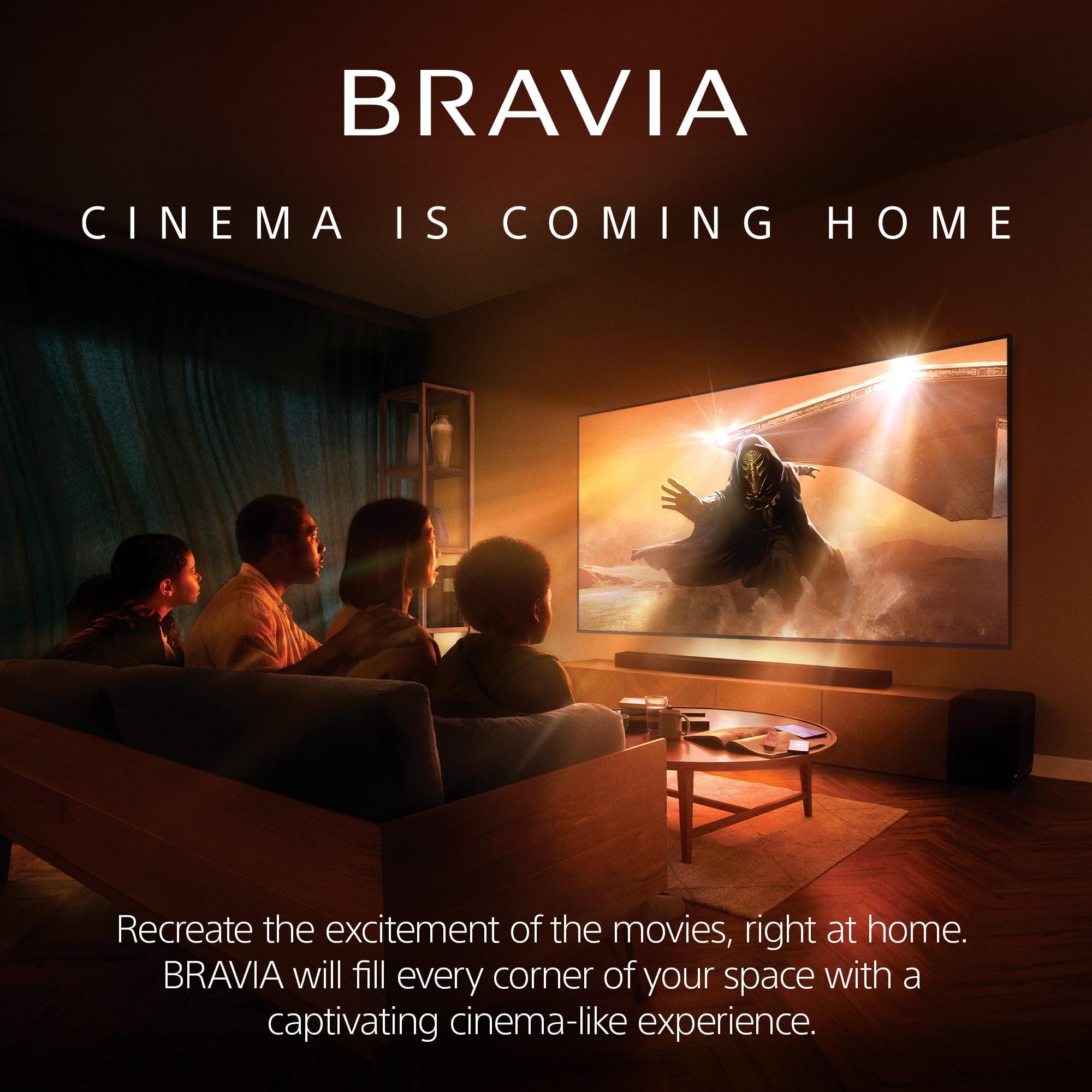
The most dramatic difference between these TVs becomes apparent when watching content with dark scenes. The Sony BRAVIA 8 II can achieve perfect blacks because individual pixels turn completely off, creating an infinite contrast ratio. When you're watching a space movie, the blackness of space is truly black, not the dark gray you get from LED backlighting.
The Toshiba M550 fights this limitation with full array local dimming across 48 zones. This means the backlight can dim specific areas behind dark parts of the image, which is significantly better than cheaper edge-lit TVs. However, physics still limits what LED backlighting can achieve—you'll notice some light bleeding around bright objects in dark scenes, called "blooming."
For home theater use, this difference is immediately noticeable. The Sony delivers that cinematic experience where dark movie scenes have genuine depth and dimension, while the Toshiba provides a solid viewing experience that's perfectly adequate for most content but won't match OLED's dramatic contrast.
Here's where things get interesting. Traditional OLED displays struggled with brightness compared to LED-LCD TVs, but the Sony BRAVIA 8 II uses quantum dot enhancement to achieve peak brightness levels around 1,880 nits—that's 25% brighter than Sony's previous OLED models. For HDR content (High Dynamic Range, which provides brighter highlights and more color information), this brightness translates to more impactful specular highlights—think sun reflections on water or car headlights at night.
The Toshiba M550 delivers strong brightness performance for LED technology and actually holds up well in bright rooms. While it can't match the Sony's targeted brightness control, it provides consistent illumination across the entire screen, making it practical for daytime viewing with lots of ambient light.
Both TVs support wide color gamuts, but their approaches differ significantly. The Toshiba covers over 90% of the DCI-P3 color space (the standard used in movie theaters) through its quantum dot layer, delivering vibrant colors that look natural rather than oversaturated.
The Sony BRAVIA 8 II takes this further with XR Triluminos Max technology, which combines quantum dots with OLED's inherent color accuracy. The result is what Sony calls "billions of accurate real-world colors" with superior color volume—the ability to maintain color accuracy at different brightness levels. This means colors stay true whether you're watching a bright beach scene or a dimly lit interior.
The Toshiba M550 uses REGZA Engine ZR with AI 4K upscaling, which analyzes lower-resolution content and enhances it to near-4K quality. This processing includes texture restoration and depth enhancement, making Blu-ray movies and streaming content look sharper and more detailed.
However, our research into user reviews reveals this is where the Toshiba shows its budget constraints. Users consistently report slow response times—sometimes taking a full minute to load content after pressing play, or 10 seconds just to respond to pause commands. This processing limitation becomes particularly noticeable during busy action scenes, where some users report jerky motion and phantom images around moving objects.
The Sony BRAVIA 8 II addresses these issues with its second-generation Cognitive XR Processor, which includes AI Scene Recognition. This system analyzes content in real-time and optimizes picture settings based on what you're watching—automatically adjusting for a nature documentary versus a dark thriller. The processing power is immediately apparent in responsiveness and motion handling, delivering smooth performance even during demanding HDR content.
Both TVs feature native 120Hz refresh rates, which is excellent for smooth motion during sports and gaming. However, their implementation reveals the quality differences. The Toshiba supports Variable Refresh Rate (VRR) technology up to 60Hz at 4K resolution, with full 120Hz available at lower resolutions like 1440p.
The Sony BRAVIA 8 II provides full 4K/120Hz VRR support with input lag as low as 8.5 milliseconds in Game Mode. For serious gamers using PlayStation 5 or Xbox Series X consoles, this difference is significant—the Sony can display games at their highest resolution and frame rate simultaneously, while the Toshiba requires choosing between maximum resolution or maximum smoothness.
The Toshiba M550 runs Amazon's Fire TV platform with built-in Alexa voice control. This provides access to major streaming services and decent voice search functionality. However, user reviews consistently highlight software reliability issues—the system freezes frequently, sometimes exits apps randomly, and can take up to a minute for applications to load from sleep mode.
These performance issues stem from the Toshiba's underpowered processor trying to run the relatively demanding Fire TV operating system. While the platform itself is capable, the hardware limitations create frustrating user experiences that can diminish the overall value proposition.
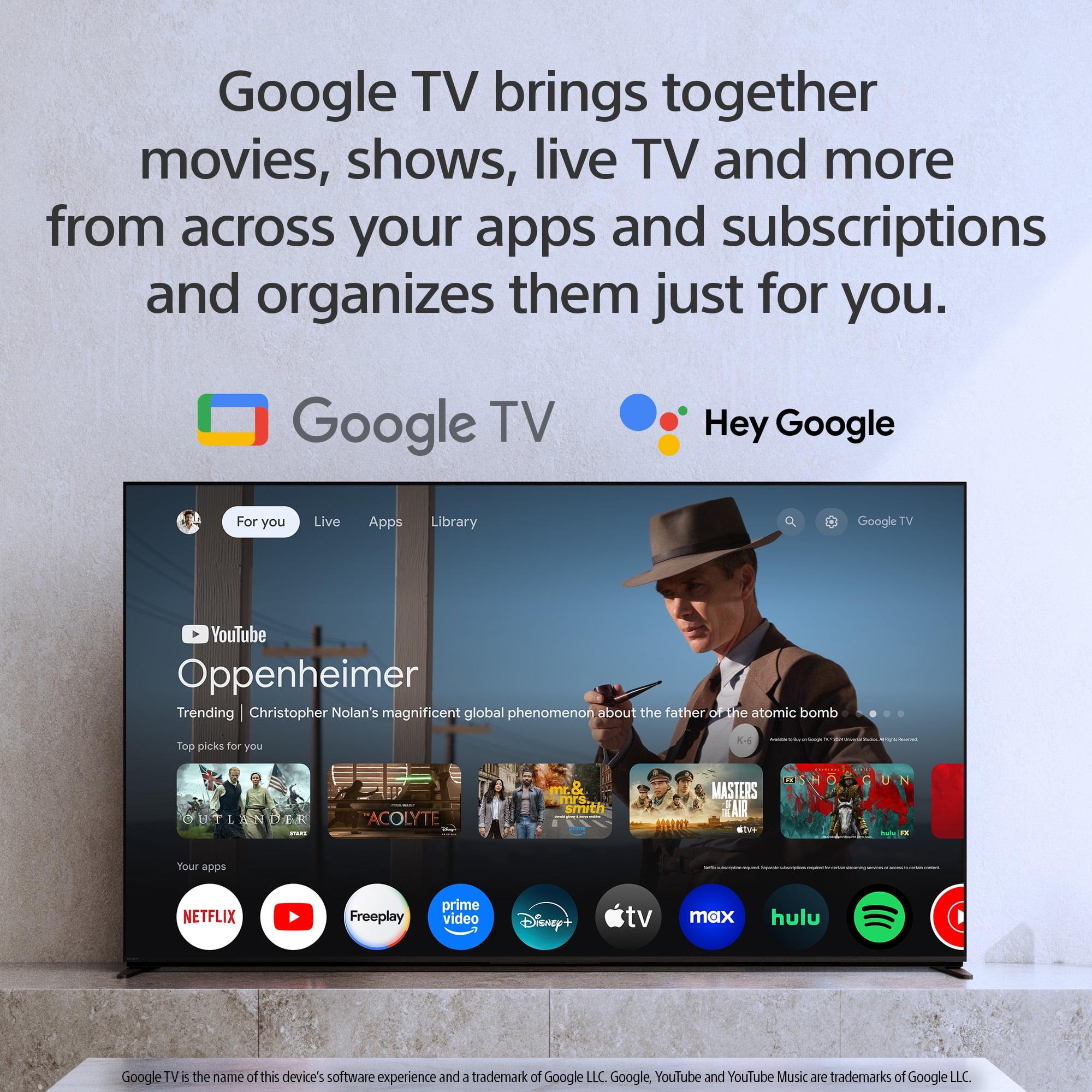
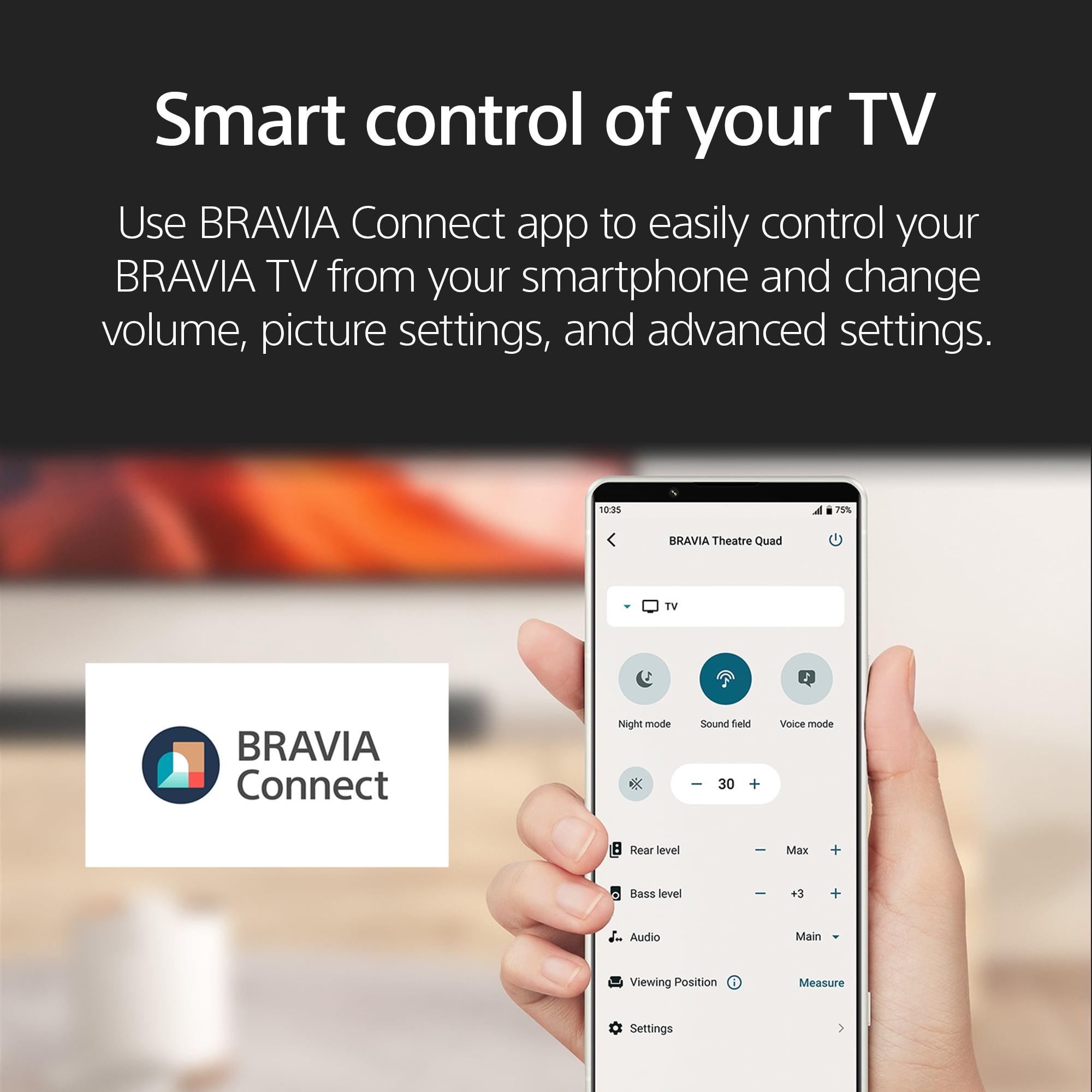
The Sony BRAVIA 8 II runs Google TV (based on Android 12) with Google Assistant integration. The superior processing power ensures responsive navigation and quick app loading. The interface feels smooth and modern, with better integration into Google's smart home ecosystem if you use other Google devices.
This is where the price difference becomes particularly relevant. The Toshiba M550, as a 2021 budget model, likely has limited future software update support. The Sony BRAVIA 8 II, being a 2025 premium model, should receive several years of platform updates and new feature additions, potentially extending its useful life significantly.
Here's where the Toshiba M550 genuinely surprises. Its REGZA Power Audio Pro system includes a dedicated bass woofer and dual 12-watt speakers, delivering 40-49 watts of total output. User reviews consistently praise the audio quality, with many reporting they don't need a separate soundbar—unusual for TVs in this price range.
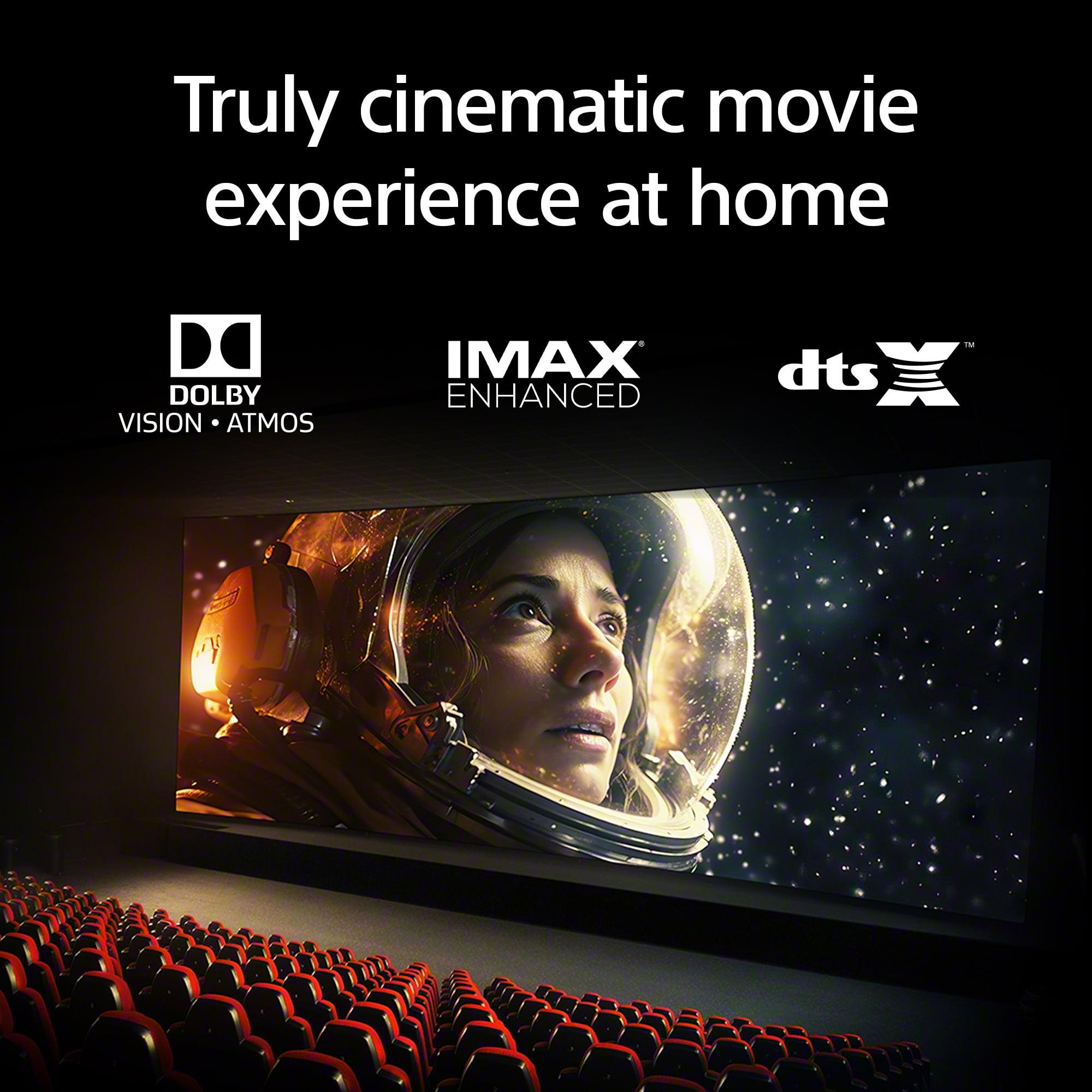
The Sony BRAVIA 8 II uses Acoustic Surface Audio+ technology, where the entire screen acts as a speaker through actuators behind the panel. This creates an immersive experience where sound appears to come directly from the action on screen. Combined with Dolby Atmos support and Voice Zoom 3 (AI-powered dialogue enhancement), the audio experience is more sophisticated, though the Toshiba holds its own in pure volume and bass response.
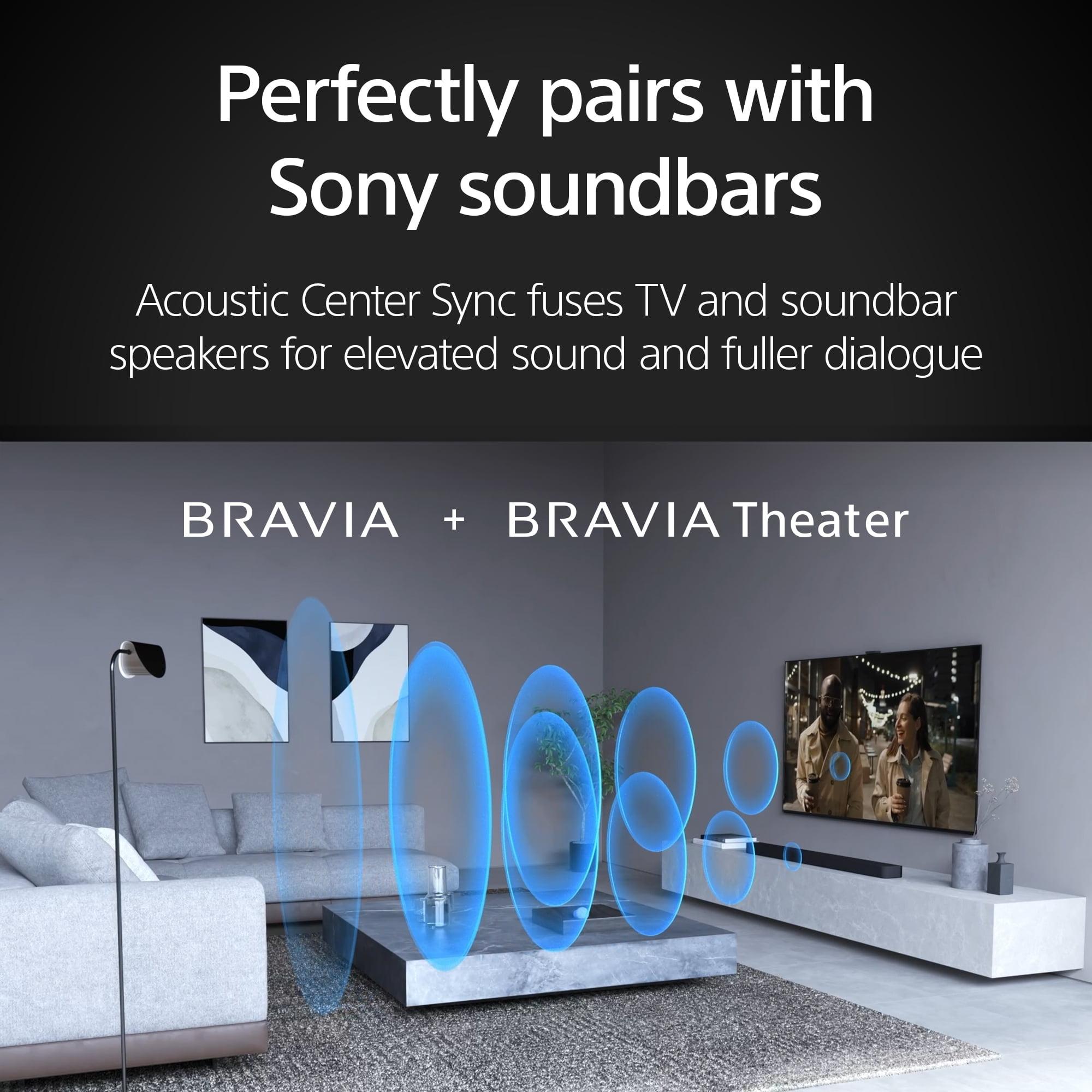
For serious home theater setups, the Sony offers superior integration options. Its S-Center input allows the TV's speakers to function as a dedicated center channel when paired with compatible Sony soundbars, creating a seamless surround sound experience. The Toshiba lacks this level of integration but provides standard audio outputs for connecting external sound systems.
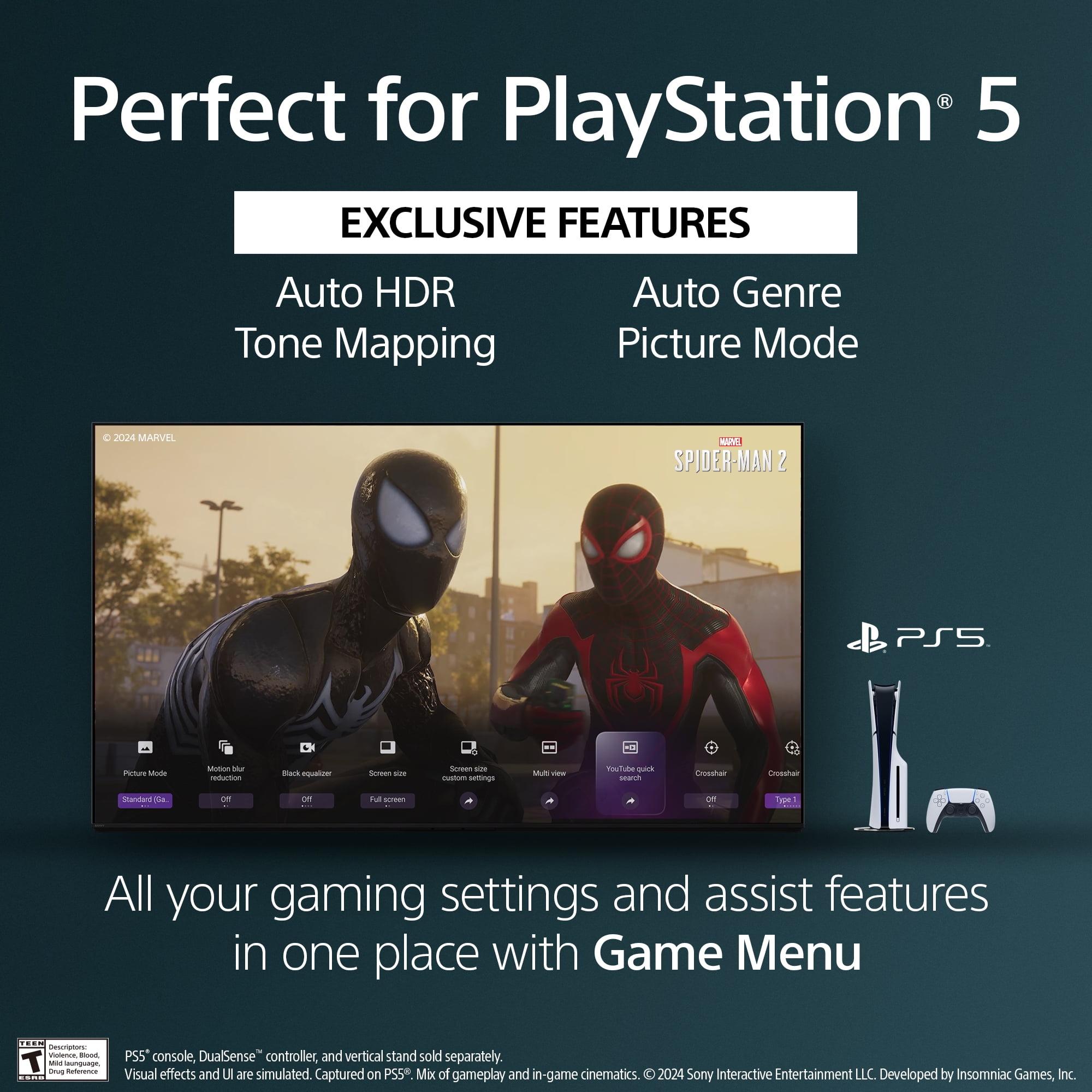
Both TVs support modern gaming features, but the Sony BRAVIA 8 II provides a more complete next-generation gaming experience. Its Auto Genre Picture Mode automatically detects PlayStation 5 connections and switches to optimized settings, while Dolby Vision gaming support ensures HDR games display with maximum color accuracy and brightness.
The Toshiba M550 includes a dedicated Game Mode that reduces input lag and features like Auto Low Latency Mode (ALLM), making it perfectly adequate for casual gaming. However, its HDMI 2.1 limitations and processing constraints mean it can't fully utilize the capabilities of PlayStation 5 or Xbox Series X consoles.
For competitive online gaming where every millisecond matters, the Sony's 8.5ms input lag provides a clear advantage over the Toshiba's higher latency in Game Mode. However, for most casual gamers, both TVs provide responsive enough performance for enjoyable gaming experiences.
At the time of writing, the Toshiba M550 represents exceptional value for viewers prioritizing basic 4K HDR performance over premium features. Despite its processing limitations and software quirks, it delivers solid picture quality, surprising audio performance, and comprehensive smart TV functionality for under $400.
This makes the Toshiba ideal for secondary rooms, budget-conscious households, or viewers who primarily stream content and aren't particularly demanding about picture quality nuances. The money saved could be invested in a good soundbar, streaming device, or simply kept for other priorities.
The Sony BRAVIA 8 II, while commanding premium pricing, represents a long-term investment in viewing quality and reliability. Its OLED technology provides fundamentally superior contrast and color accuracy, the processing power ensures responsive operation, and the build quality suggests years of reliable performance.
For home theater enthusiasts, the picture quality difference is immediately apparent and consistently enjoyable. The Sony also maintains its performance over time—OLED panels don't degrade like LED backlights, and the superior processing ensures the TV remains responsive as software demands increase.
In rooms with lots of windows or ambient lighting, the Toshiba M550 actually holds up quite well due to its LED backlight providing consistent brightness across the screen. The Sony BRAVIA 8 II performs better overall but may require more attention to room lighting for optimal experience, as OLED panels can appear less impactful in very bright environments.
This is where the Sony truly shines. The perfect black levels and superior HDR performance create an immersive cinematic experience that the Toshiba simply cannot match. For movie enthusiasts who often watch content in darkened rooms, the difference is transformative.
For households that watch everything from daytime news to evening movies to weekend sports, both TVs handle mixed content well, but with different strengths. The Toshiba provides consistent performance across all content types, while the Sony excels particularly with high-quality HDR movies and shows.
You should seriously consider the Toshiba M550 if budget is a primary constraint and you need solid 4K performance without premium pricing. It's perfect for families wanting a large 65-inch TV for casual viewing, streaming, and basic gaming. The surprisingly good built-in audio means you can avoid additional soundbar costs.
However, be prepared for occasional software frustrations and performance limitations during demanding content. This TV represents "good enough" performance that satisfies most viewing needs while keeping costs minimal.
The Sony BRAVIA 8 II makes sense if picture quality is a priority and your budget allows for premium investment. It's ideal for home theater setups, serious movie watching, next-generation gaming, and anyone who appreciates superior display technology.
The long-term value proposition is strong—the superior build quality, ongoing software support, and OLED panel longevity suggest this TV will provide excellent performance for many years. If you plan to keep your TV for 5-7 years and use it frequently, the premium investment becomes more justifiable.
The choice between these TVs ultimately reflects your priorities and budget reality. The Toshiba M550 proves you don't need to spend premium amounts for solid 4K HDR performance, making large-screen entertainment accessible to budget-conscious buyers. Its limitations are real but manageable for most casual viewing scenarios.
The Sony BRAVIA 8 II represents what's possible when cost isn't the primary constraint—superior technology that delivers genuinely better performance across virtually every metric. For viewers who prioritize picture quality and long-term satisfaction, the premium investment provides tangible daily benefits.
At the time of writing, both TVs successfully serve their intended markets. Your decision should align with how much you value premium display technology versus budget considerations, and how you actually use your TV day to day.
| Toshiba 65" M550 Series QLED Fire TV | Sony BRAVIA 8 II 65" QD-OLED 4K Google TV 2025 |
|---|---|
| Display Technology - Fundamentally determines picture quality and price | |
| QLED with LED backlight and 48-zone local dimming | QD-OLED with self-illuminating pixels |
| Black Levels - Critical for movie watching and contrast | |
| Deep blacks with some light bleeding | Perfect blacks with infinite contrast |
| Peak Brightness - Important for HDR and bright room viewing | |
| Good brightness for LED technology | ~1,880 nits (25% brighter than previous Sony OLEDs) |
| Refresh Rate - Matters for sports and gaming smoothness | |
| Native 120Hz (VRR limited to 60Hz at 4K) | Native 120Hz with full 4K/120Hz VRR support |
| Gaming Input Lag - Critical for competitive gaming | |
| Higher latency in Game Mode | 8.5ms in Game Mode |
| Smart Platform - Affects daily usability and responsiveness | |
| Fire TV with Alexa (slow, frequent freezing reported) | Google TV with Google Assistant (responsive, reliable) |
| Audio System - Determines if you need a soundbar | |
| REGZA Power Audio Pro with bass woofer (surprisingly good) | Acoustic Surface Audio+ with sound from screen |
| Processing Power - Affects responsiveness and motion handling | |
| REGZA Engine ZR (underpowered, slow app loading) | 2nd Gen Cognitive XR Processor with AI Scene Recognition |
| HDR Support - Important for streaming and movie quality | |
| Dolby Vision, HDR10, HDR10+, HLG | Dolby Vision, HDR10, HLG, IMAX Enhanced |
| HDMI Ports - Affects connectivity for gaming and devices | |
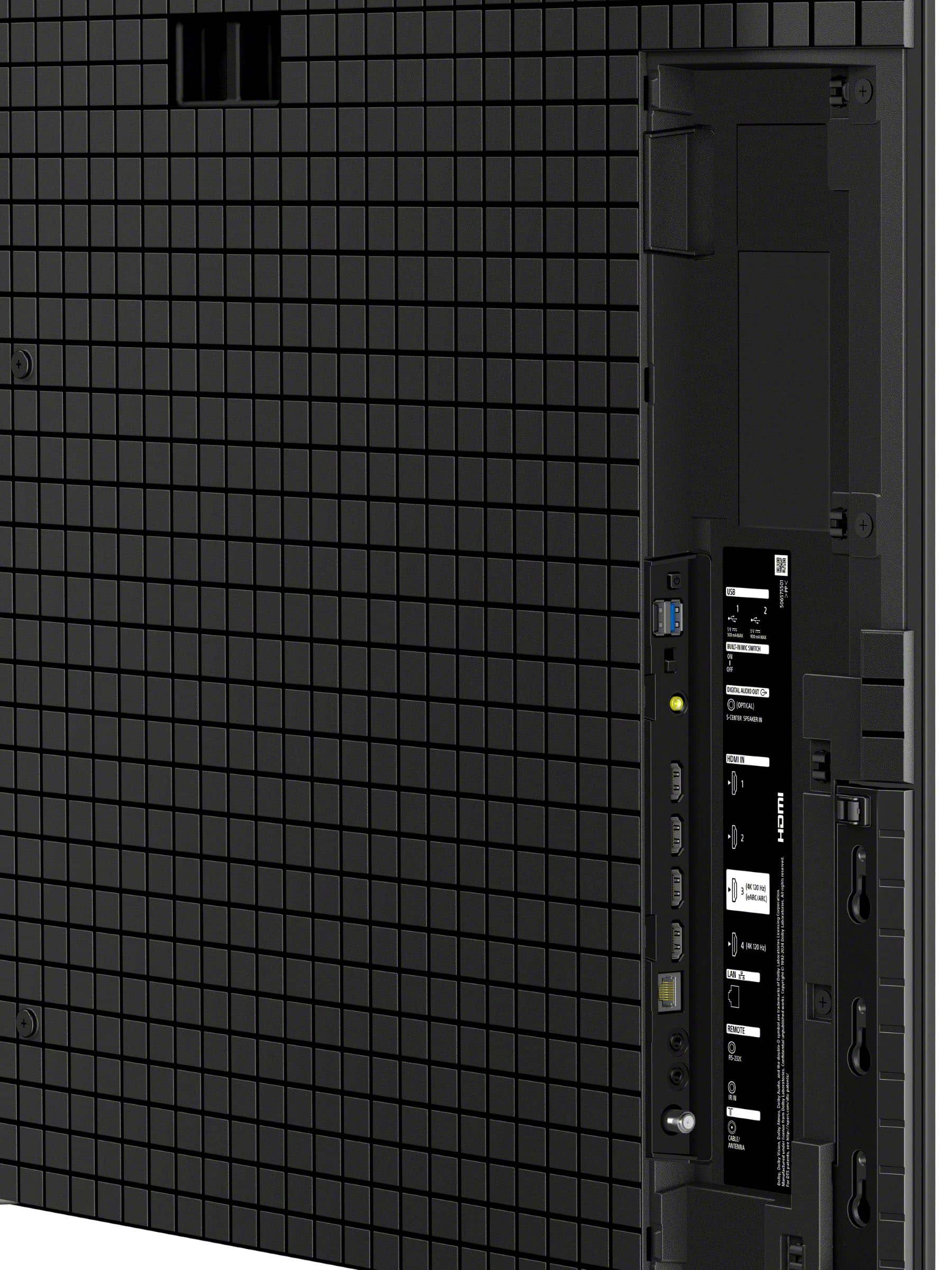
| 4 HDMI ports (limited HDMI 2.1 features) | 4 HDMI ports (2 with full HDMI 2.1) |
| Build Quality - Impacts longevity and reliability | |
| Budget construction with reported hardware issues | Premium build quality with cable management |
| Release Year - Affects software support and future updates | |
| 2021 model (limited future updates expected) | 2025 model (years of updates expected) |
| Best Use Cases - Who should buy this TV | |
| Budget-conscious buyers, casual viewing, secondary rooms | Home theater enthusiasts, movie lovers, serious gamers |
The Sony BRAVIA 8 II delivers significantly better picture quality for movies due to its QD-OLED technology. It produces perfect blacks and infinite contrast, making dark movie scenes look dramatically more realistic. The Toshiba M550 provides solid picture quality for the price but cannot match OLED's contrast performance, especially in dark room viewing conditions.
The Toshiba M550 uses QLED technology, which is an LED-LCD display enhanced with quantum dots for better colors. The Sony BRAVIA 8 II uses QD-OLED, where each pixel creates its own light and can turn completely off. This means the Sony achieves perfect blacks and superior contrast, while the Toshiba relies on LED backlighting that can't create true blacks.
The Sony BRAVIA 8 II is superior for next-generation gaming with full 4K/120Hz support, 8.5ms input lag, and comprehensive HDMI 2.1 features. The Toshiba M550 supports gaming adequately but limits VRR to 60Hz at 4K resolution and has higher input lag, making it less ideal for competitive gaming.
The Toshiba M550 actually performs well in bright rooms due to its LED backlight providing consistent brightness. The Sony BRAVIA 8 II is brighter than previous OLED models and includes anti-reflective coating, but the Toshiba may be more practical for very bright environments at a much lower cost.
Both TVs offer surprisingly good audio, but in different ways. The Toshiba M550 features a dedicated bass woofer and clear speakers that many users find eliminates the need for a soundbar. The Sony BRAVIA 8 II uses Acoustic Surface Audio+ technology where sound comes directly from the screen, creating more immersive audio with advanced processing.
The Sony BRAVIA 8 II runs Google TV with responsive performance and reliable operation. The Toshiba M550 uses Fire TV with Alexa, which provides good app selection but suffers from slow loading times, frequent freezing, and can take up to a minute to load content from sleep mode.
The Toshiba M550 offers exceptional value for budget-conscious buyers, delivering solid 4K HDR performance and good audio at a fraction of premium TV costs. The Sony BRAVIA 8 II justifies its premium pricing with superior OLED technology, better processing, and long-term reliability for those prioritizing picture quality.
Both TVs support Dolby Vision and HDR10 formats. The Toshiba M550 also includes HDR10+ support, while the Sony BRAVIA 8 II adds IMAX Enhanced and has superior HDR processing that makes highlights more impactful due to its brighter OLED panel.
The Sony BRAVIA 8 II is ideal for home theater use with its perfect blacks, superior contrast, and immersive audio that emanates from the screen. The Toshiba M550 can work in a home theater setting but cannot match OLED's dramatic contrast that makes movies look truly cinematic in dark rooms.
The Sony BRAVIA 8 II represents a premium 2025 model with superior build quality and expected years of software updates. The Toshiba M550, while offering good value, has reported issues with software reliability, slow performance, and occasional hardware problems that may affect long-term satisfaction.
Both the Sony BRAVIA 8 II and Toshiba M550 feature 120Hz refresh rates for smooth motion. However, the Sony has superior processing power that handles busy action scenes without the motion artifacts and phantom images that some users report with the Toshiba during fast-paced content.
Choose the Sony BRAVIA 8 II QD-OLED if picture quality is your priority and budget allows - the contrast and color advantages are immediately visible. Stick with the Toshiba M550 QLED if you need good performance at a budget price point and can accept some limitations in contrast and processing speed for significant cost savings.
We've done our best to create useful and informative comparisons to help you decide what product to buy. Our research uses advanced automated methods to create this comparison and perfection is not possible - please contact us for corrections or questions. These are the sites we've researched in the creation of this article: bestbuy.com - bestbuy.com - consumerreports.org - youtube.com - pcvarge.com - tomsguide.com - youtube.com - bestbuy.com - toshibatv-usa.com - marketplace-staging.paytomorrow.com - toshibatv-usa.com - productabout.com - leaseville.com - youtube.com - toshibatv-usa.com - techradar.com - rtings.com - bestbuy.com - whathifi.com - rtings.com - hometechnologyreview.com - youtube.com - hometechnologyreview.com - hometechnologyreview.com - hometechnologyreview.com - valueelectronics.com - smarthomesounds.co.uk - electronics.sony.com - valueelectronics.com - bestbuy.com - youtube.com - displayspecifications.com - hometechnologyreview.com - flatpanelshd.com

Privacy Policy
Terms and Conditions - Affiliate Policy
Home Security
© Copyright 2008-2026.
11816 Inwood Rd #1211, Dallas, TX 75244