


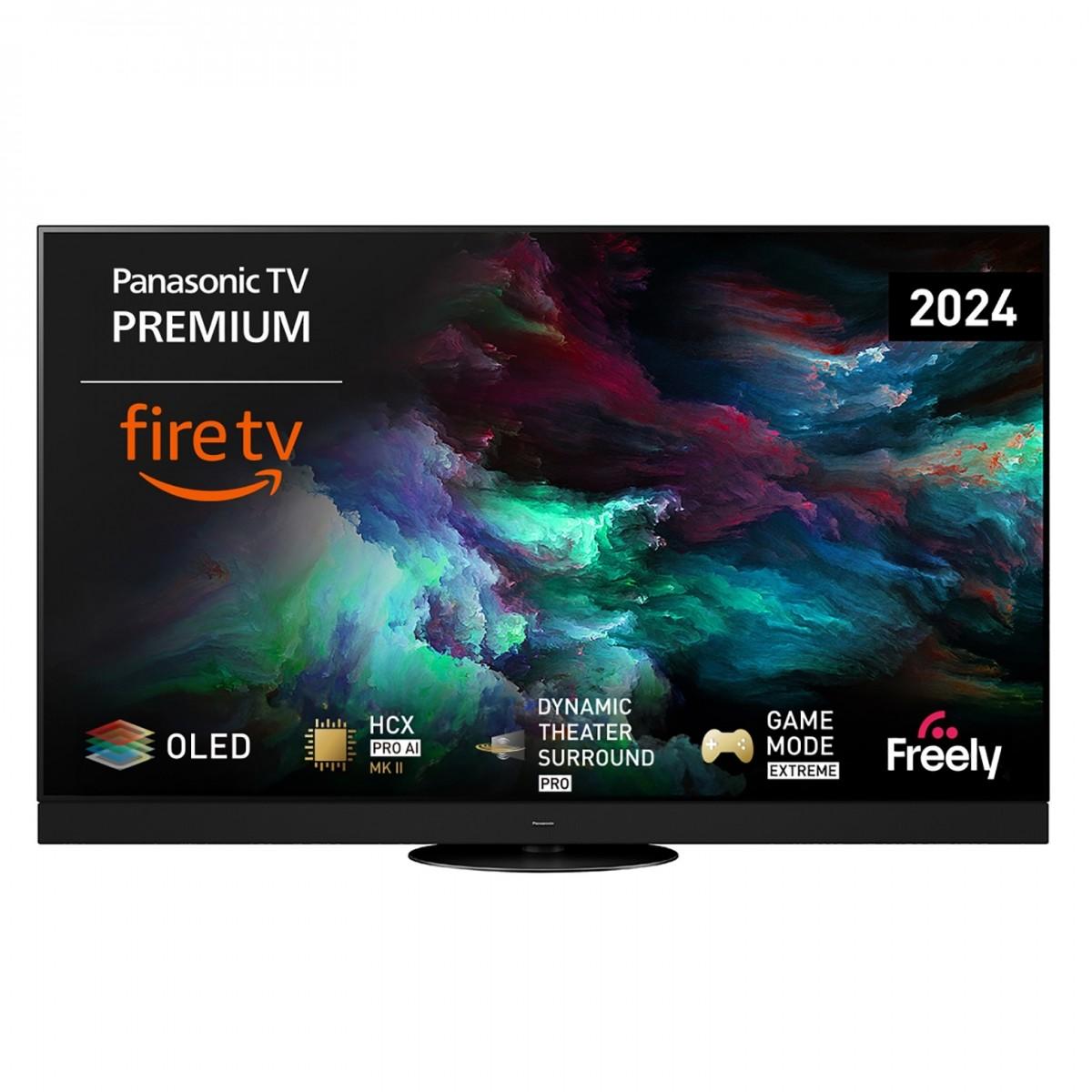
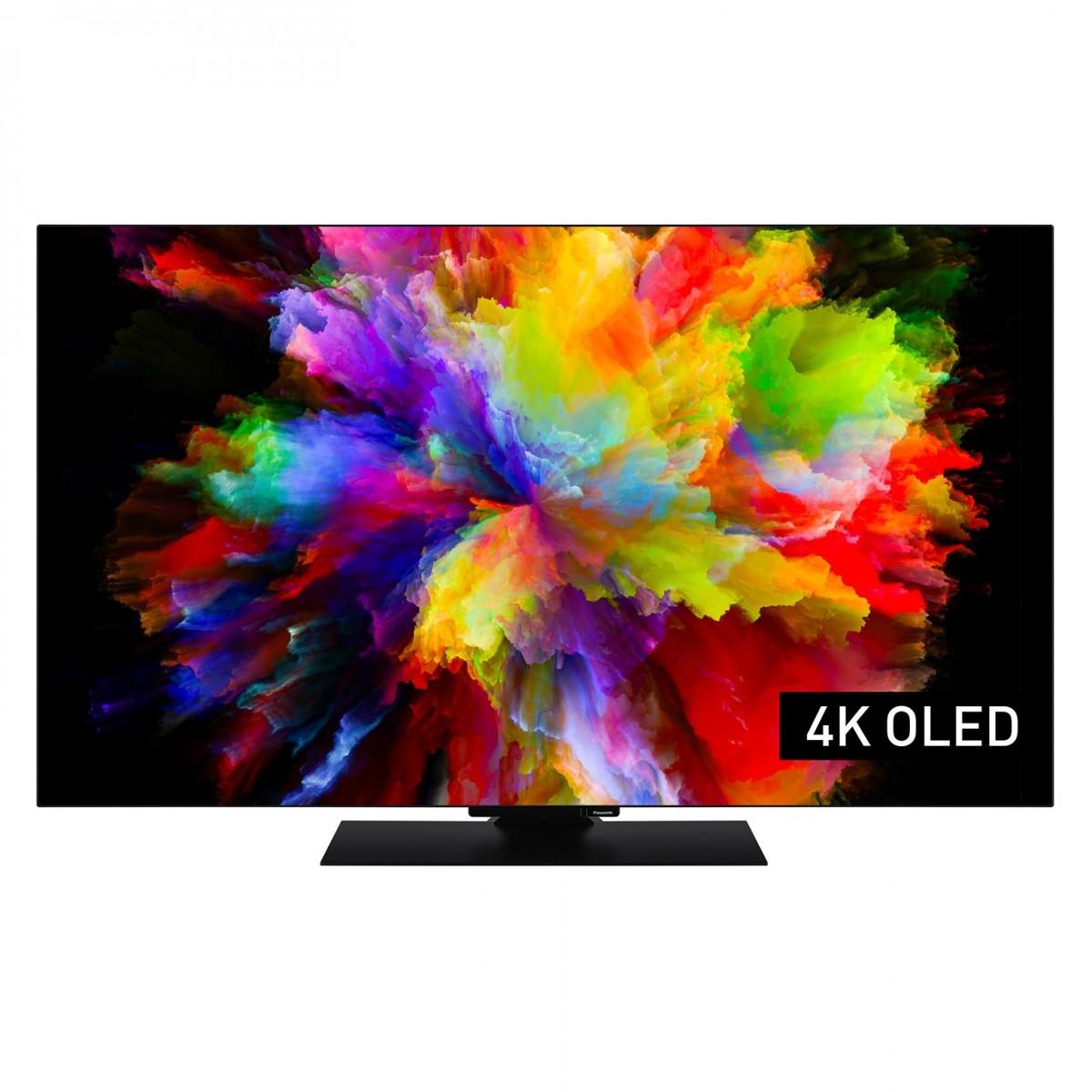
Choosing a premium 65-inch OLED TV can feel overwhelming, especially when you're looking at two exceptional models that take fundamentally different approaches to picture quality. The Panasonic Z95A and Sony BRAVIA 8 II both landed in 2025 as flagship offerings, but they represent distinct philosophies in OLED technology—and understanding these differences is crucial for making the right choice for your home theater.
OLED technology has matured dramatically over the past few years. Unlike traditional LED TVs that use backlights, OLED panels contain millions of self-lit pixels that can turn completely off to create perfect blacks. This fundamental advantage makes both TVs capable of stunning contrast that was impossible just a decade ago. However, the way each manufacturer has implemented and enhanced this core OLED technology tells a fascinating story of competing visions.
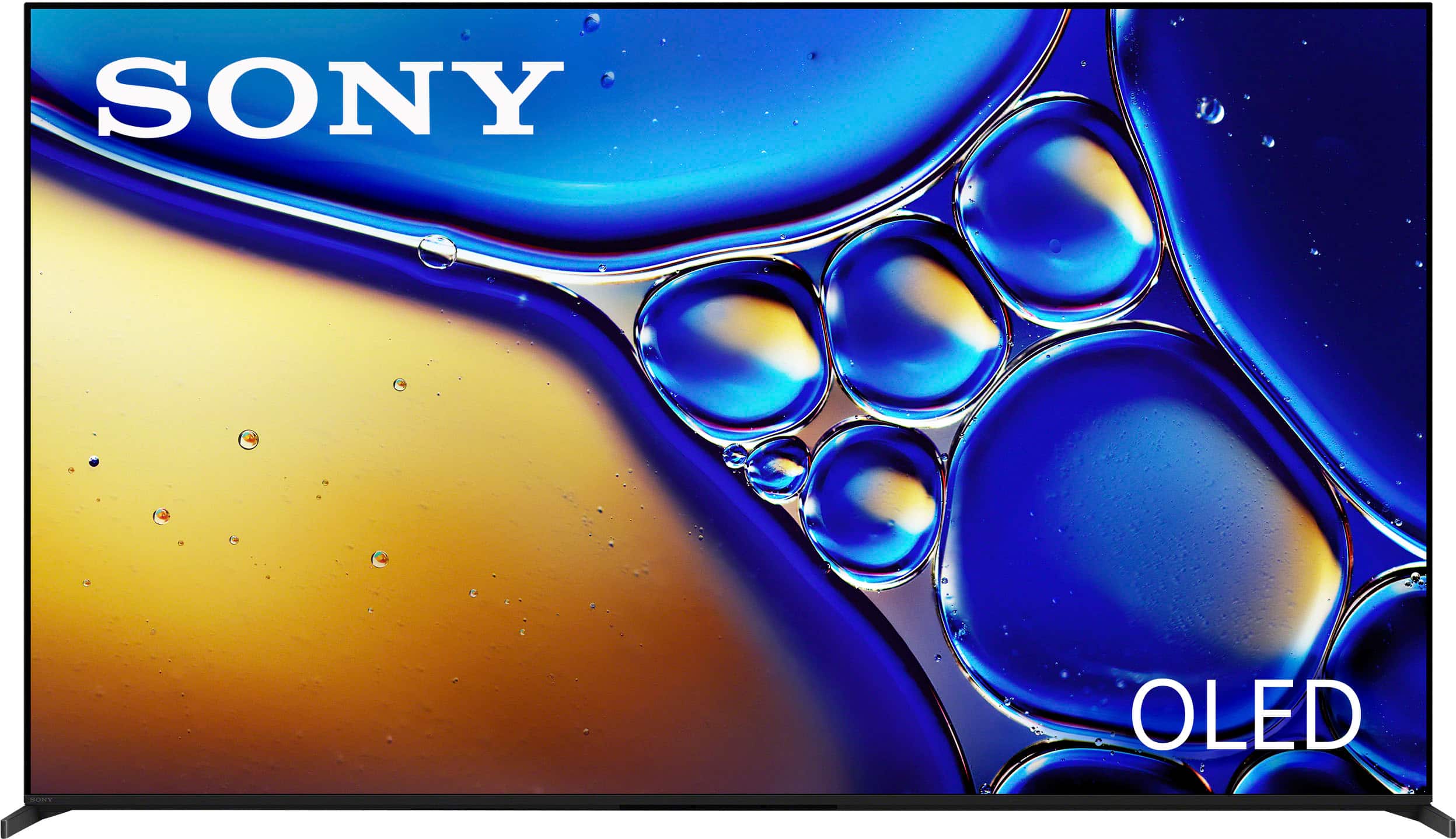
The most significant difference between these TVs lies in their panel technology. The Sony BRAVIA 8 II uses QD-OLED (Quantum Dot OLED), while the Panasonic Z95A employs WOLED (White OLED) with Micro Lens Array technology. These aren't just technical buzzwords—they represent fundamentally different approaches to solving OLED's traditional weaknesses.
QD-OLED, found in the Sony BRAVIA 8 II, starts with blue OLED emitters and uses quantum dots—microscopic particles that convert blue light into pure red and green colors. This approach delivers exceptional color purity and can achieve higher peak brightness than traditional WOLED panels. The quantum dots act like precise color filters, creating more vibrant and accurate colors, especially in bright scenes where traditional OLEDs might struggle.
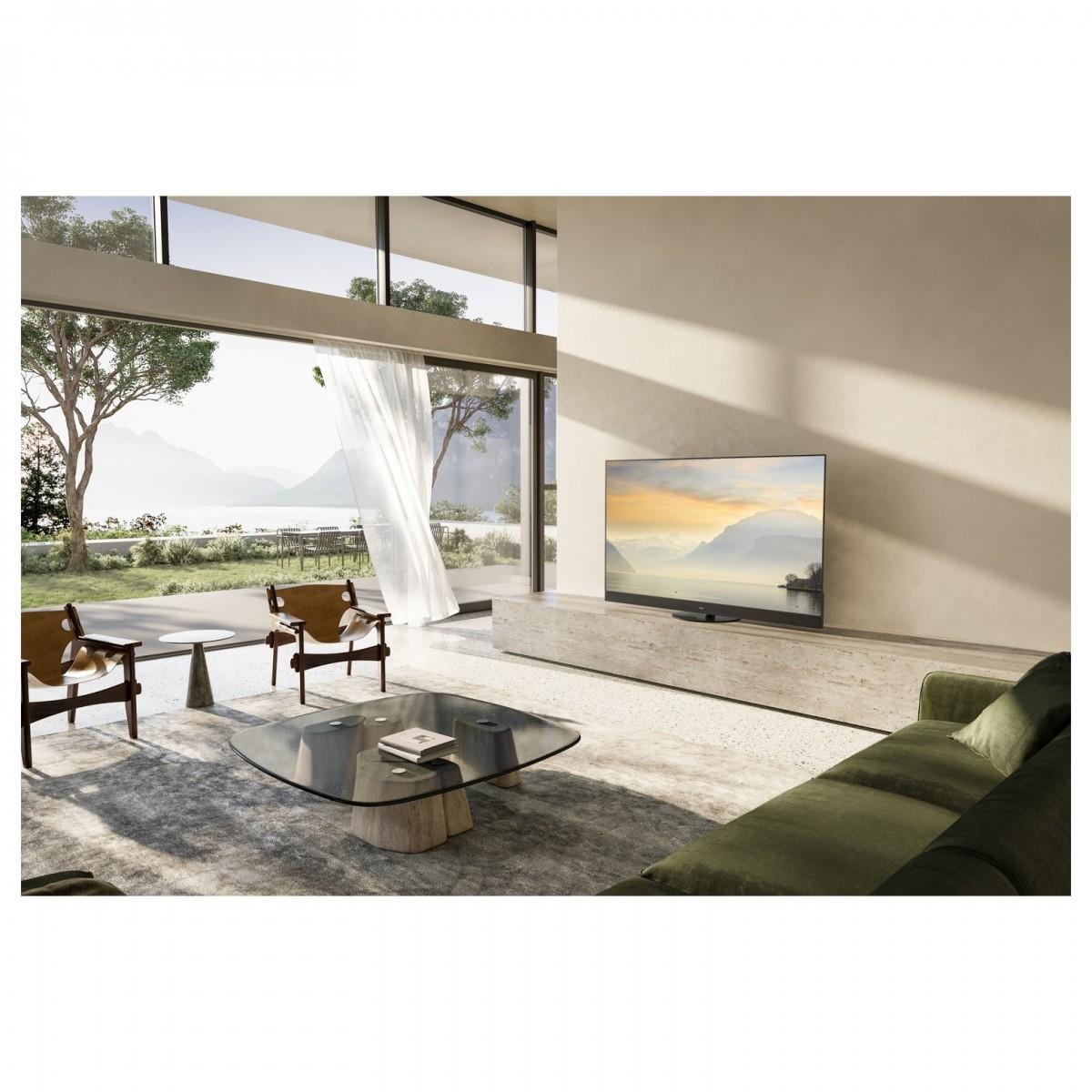
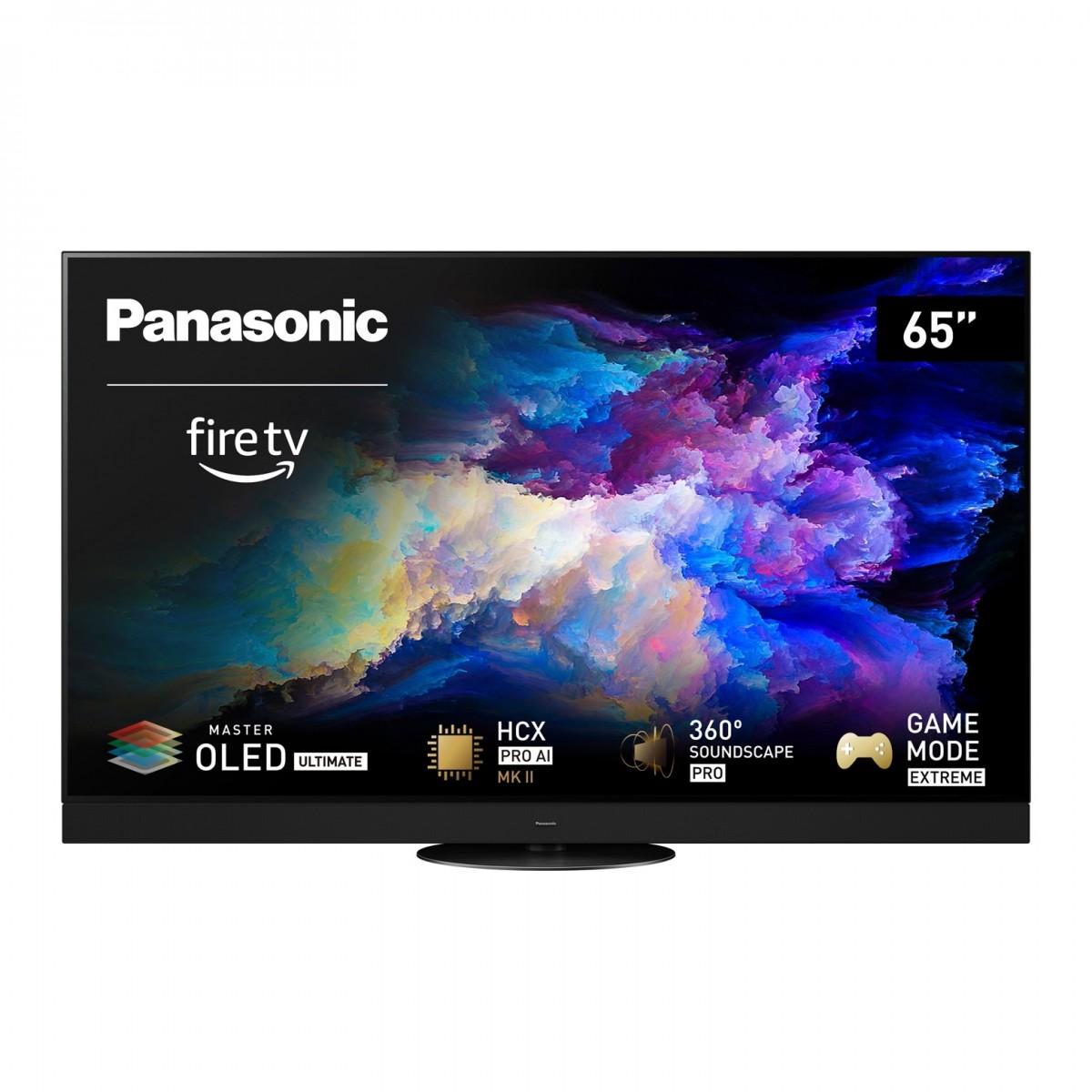
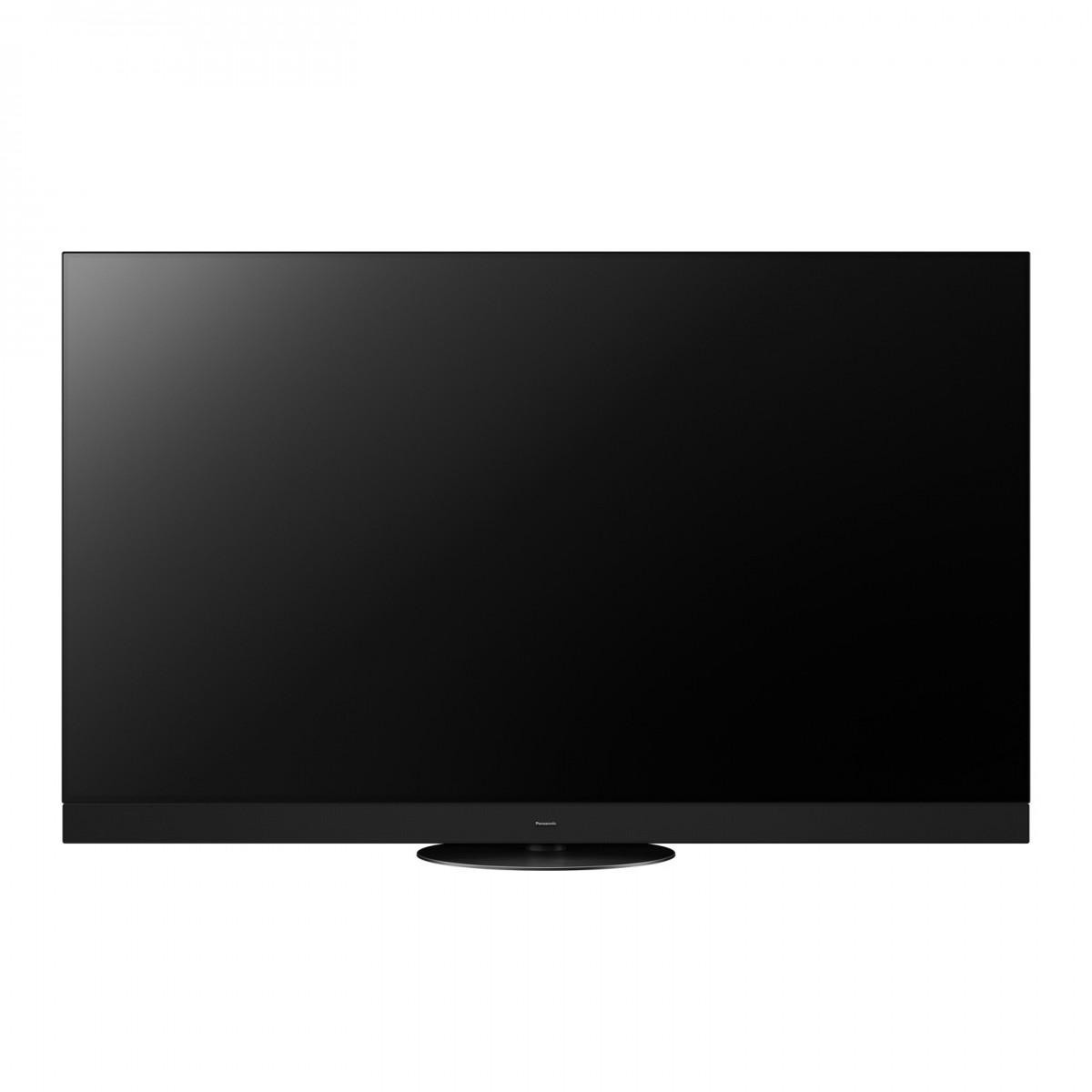
The Panasonic Z95A, meanwhile, uses WOLED technology enhanced with Micro Lens Array (MLA). This system places tiny lenses over each pixel to focus light more efficiently, reducing light loss and improving brightness without increasing power consumption. Think of it as adding reading glasses to each pixel—the same light becomes more focused and effective.
Both approaches have merit, but they create different viewing experiences. Our research into user and expert reviews consistently shows that the Sony's QD-OLED approach delivers more vibrant, punchy colors that really pop in HDR content, while the Panasonic's MLA-enhanced WOLED provides more natural, film-like colors that many professional colorists prefer.
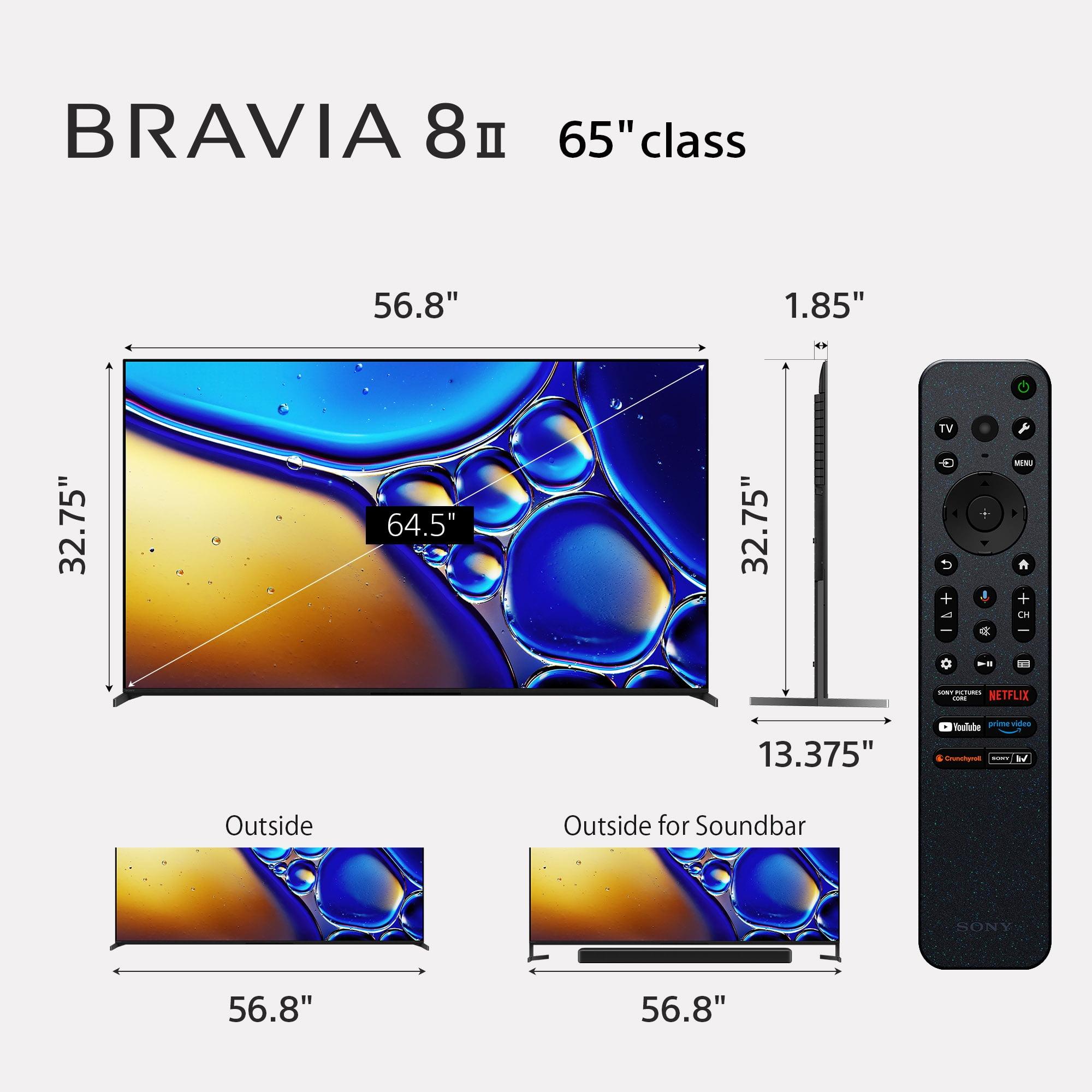
Brightness has been the Achilles' heel of OLED technology since its inception. Both TVs have made significant strides here, but in different ways. The Sony BRAVIA 8 II achieves peak brightness around 1,880 nits—that's about 25% brighter than Sony's previous flagship OLEDs. This improvement comes from the QD-OLED panel's inherent efficiency and a custom heatsink that prevents brightness rolloff during sustained bright scenes.
The Panasonic Z95A, while not quite matching Sony's peak numbers, uses its MLA technology more efficiently. The micro lenses mean the TV doesn't need to work as hard to achieve good brightness levels, potentially leading to better long-term consistency and lower power consumption.
In practical terms, both TVs handle HDR (High Dynamic Range) content beautifully, but with different characteristics. HDR content contains brightness information that can range from complete darkness to blazing sunlight, and how a TV reproduces this range determines how realistic the image looks. The Sony tends to make HDR highlights more dramatic and eye-catching, while the Panasonic takes a more measured approach that some find more natural.
Our analysis of expert reviews reveals that the Sony BRAVIA 8 II excels in moderately lit rooms where its extra brightness helps HDR content maintain impact. The Panasonic Z95A, however, includes a sophisticated ambient light sensor that dynamically adjusts the HDR tone mapping based on your room's lighting conditions—a feature that proves incredibly useful in real-world viewing situations.
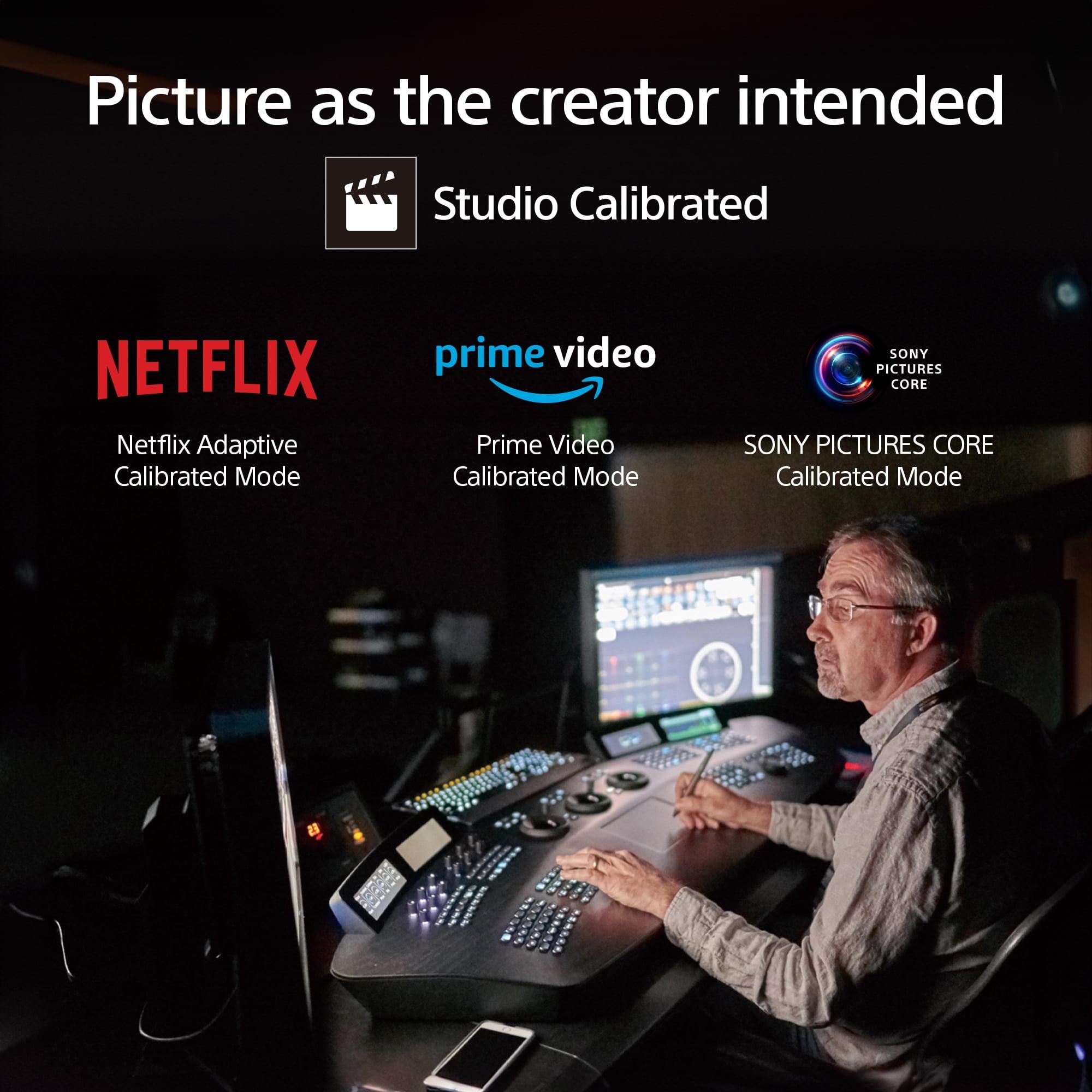
Color reproduction is where these TVs really differentiate themselves. The Sony BRAVIA 8 II uses XR Triluminos Max technology combined with its quantum dot panel to display what Sony claims are billions of accurate colors. More importantly, Sony includes Studio Calibrated Modes specifically designed for Netflix, Prime Video, and Sony Pictures Core. These modes ensure you're seeing content exactly as the creators intended, with color grading that matches professional mastering monitors.
The Panasonic Z95A takes a different approach with its Hexa Chroma Drive system. Panasonic has a long history in professional broadcast equipment, and this expertise shows in their color handling. The TV supports professional calibration standards and includes more granular controls for serious enthusiasts who want to fine-tune their picture.
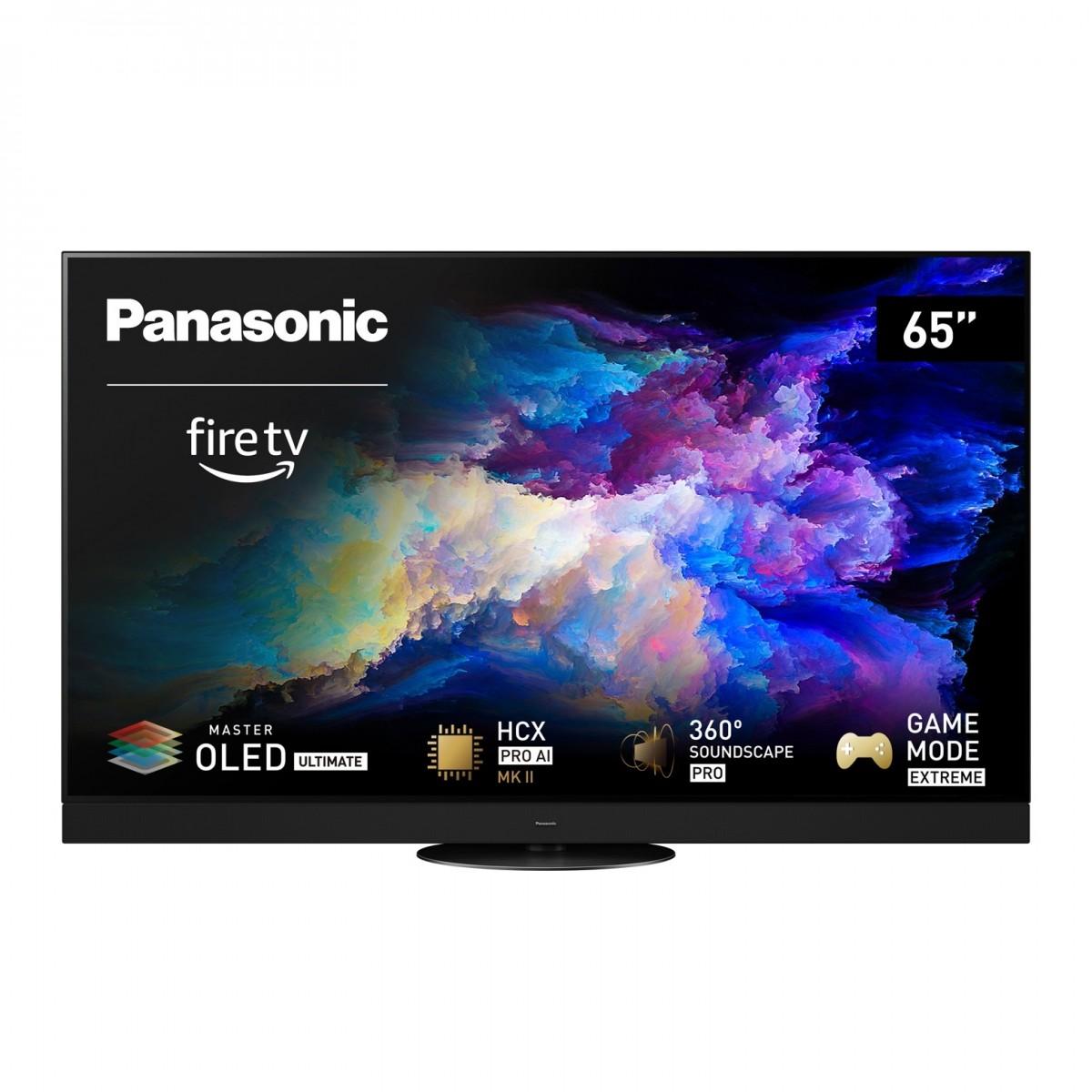
Both TVs include AI-driven processors that analyze content in real-time. Sony's XR Processor with AI Scene Recognition can distinguish between different types of content—sports, movies, documentaries—and adjust processing accordingly. Meanwhile, Panasonic's HCX Pro AI Processor MKII focuses more on traditional image processing excellence, with particularly strong noise reduction and detail enhancement.
From our research into professional reviews, colorists and calibration experts tend to prefer the Panasonic's more conservative approach, while general consumers often find the Sony's more vibrant presentation immediately appealing. Neither approach is wrong—it's about matching the TV to your preferences and viewing habits.
Premium TVs have historically struggled with audio, but both models break this trend in innovative ways. The Sony BRAVIA 8 II features Acoustic Surface Audio+, which transforms the entire screen into a speaker using actuators behind the OLED panel. This creates an uncanny effect where dialogue appears to come directly from the actors' mouths rather than from speakers below the screen.
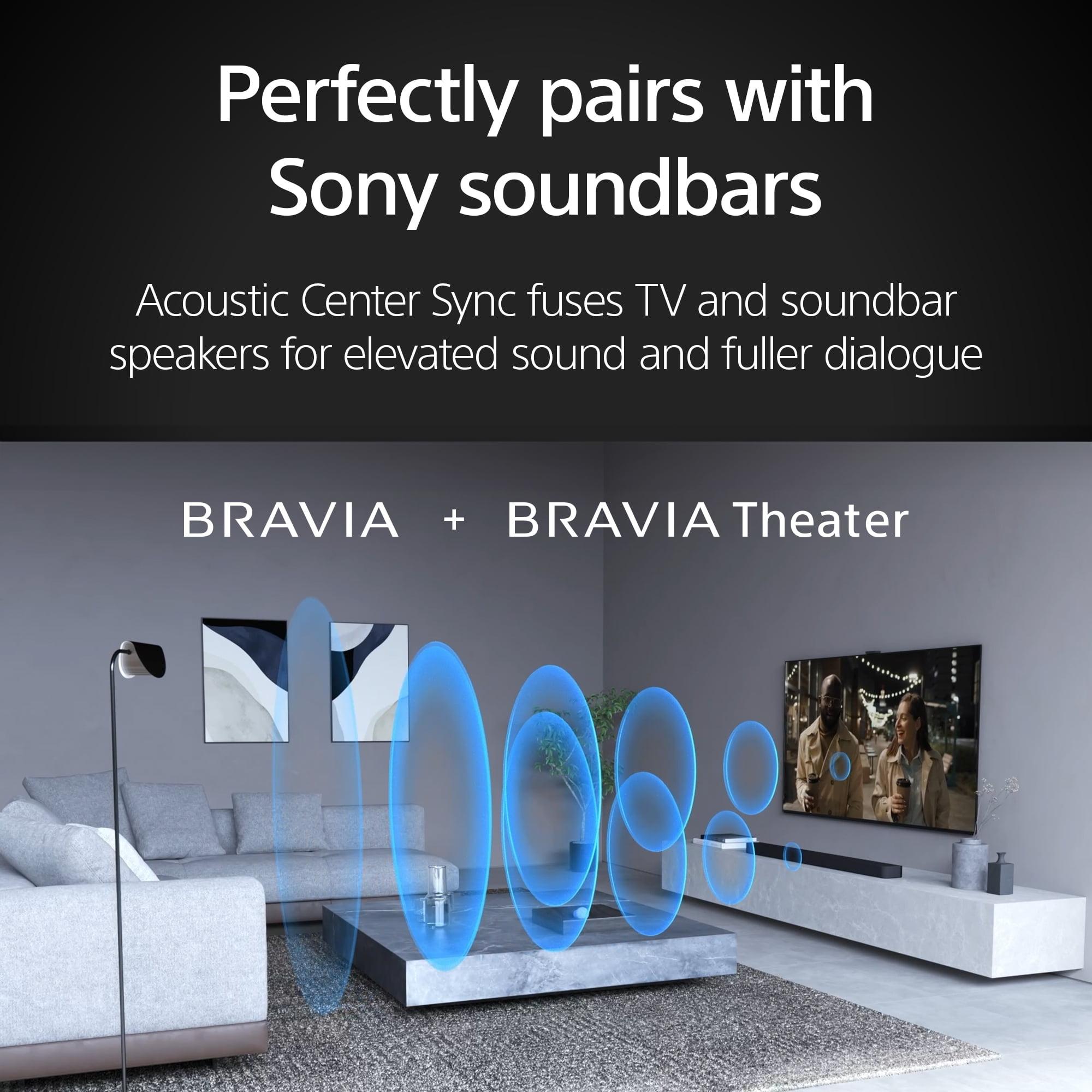
Sony enhances this with Voice Zoom 3, an AI-powered feature that can isolate and enhance dialogue even during loud action scenes. For home theater enthusiasts, the TV also supports Acoustic Center Sync, allowing it to function as the center channel when paired with compatible Sony soundbars—essentially turning your TV into part of a true surround sound system.
The Panasonic Z95A employs a more traditional but still impressive 360° Soundscape Pro system with integrated Dolby Atmos support. The TV includes front-firing, upward-firing, and side-firing speakers that create a surprisingly immersive soundfield for a slim display. While it doesn't match Sony's innovative screen-as-speaker technology, it delivers robust, well-balanced audio that many users find satisfying without additional equipment.
Based on our analysis of user reviews, the Sony consistently receives praise for its built-in audio quality, often surprising users who expected to need a separate sound system immediately. The Panasonic also performs well, but users more frequently mention adding a soundbar to fully realize the TV's potential.
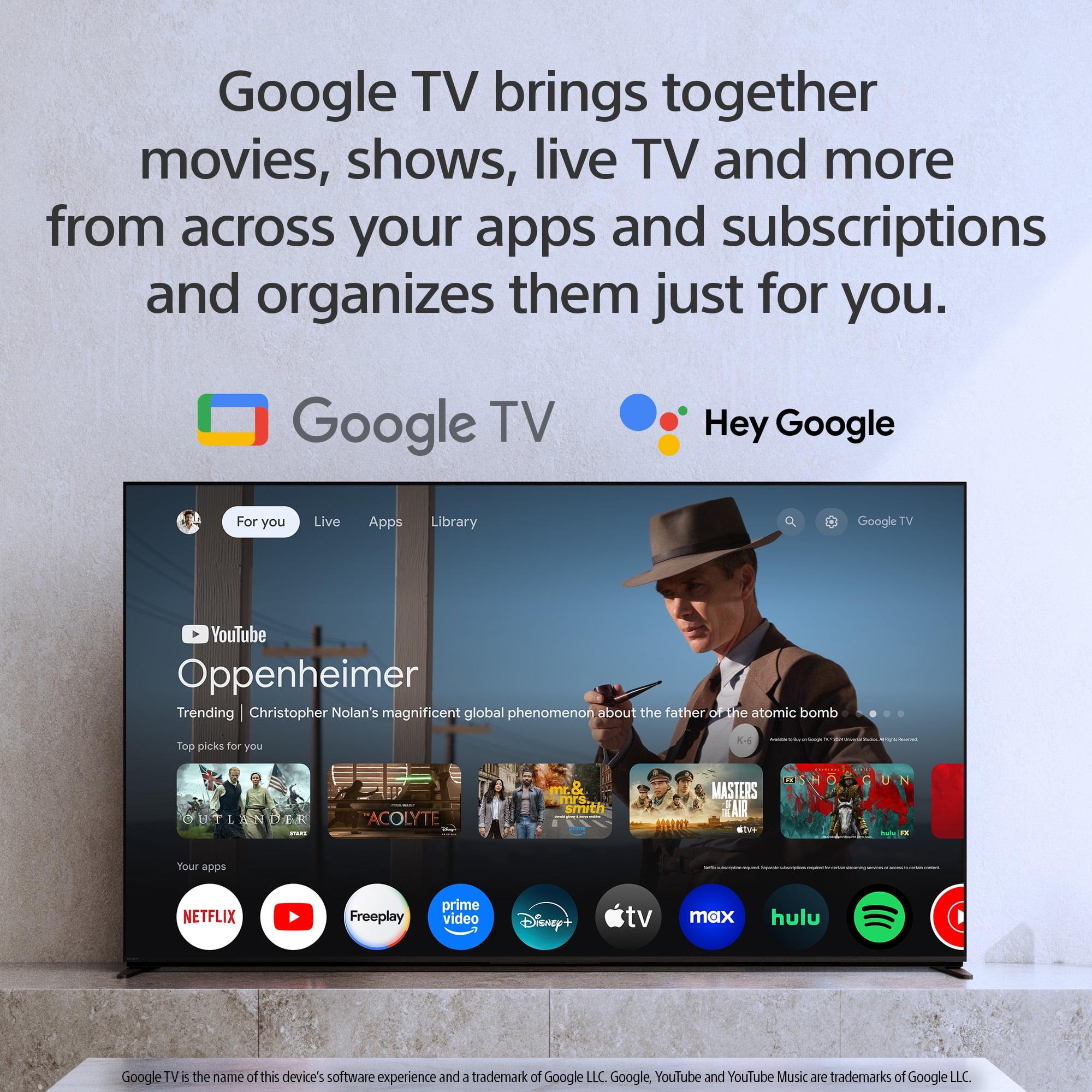
The smart TV experience can make or break daily usability. The Sony BRAVIA 8 II runs Google TV, which has evolved significantly since its earlier iterations. The interface is clean, intuitive, and excellent at surfacing content you actually want to watch through AI-driven recommendations. Google Assistant integration works seamlessly for voice control, and the TV supports both Google Cast and Apple AirPlay 2 for easy streaming from mobile devices.
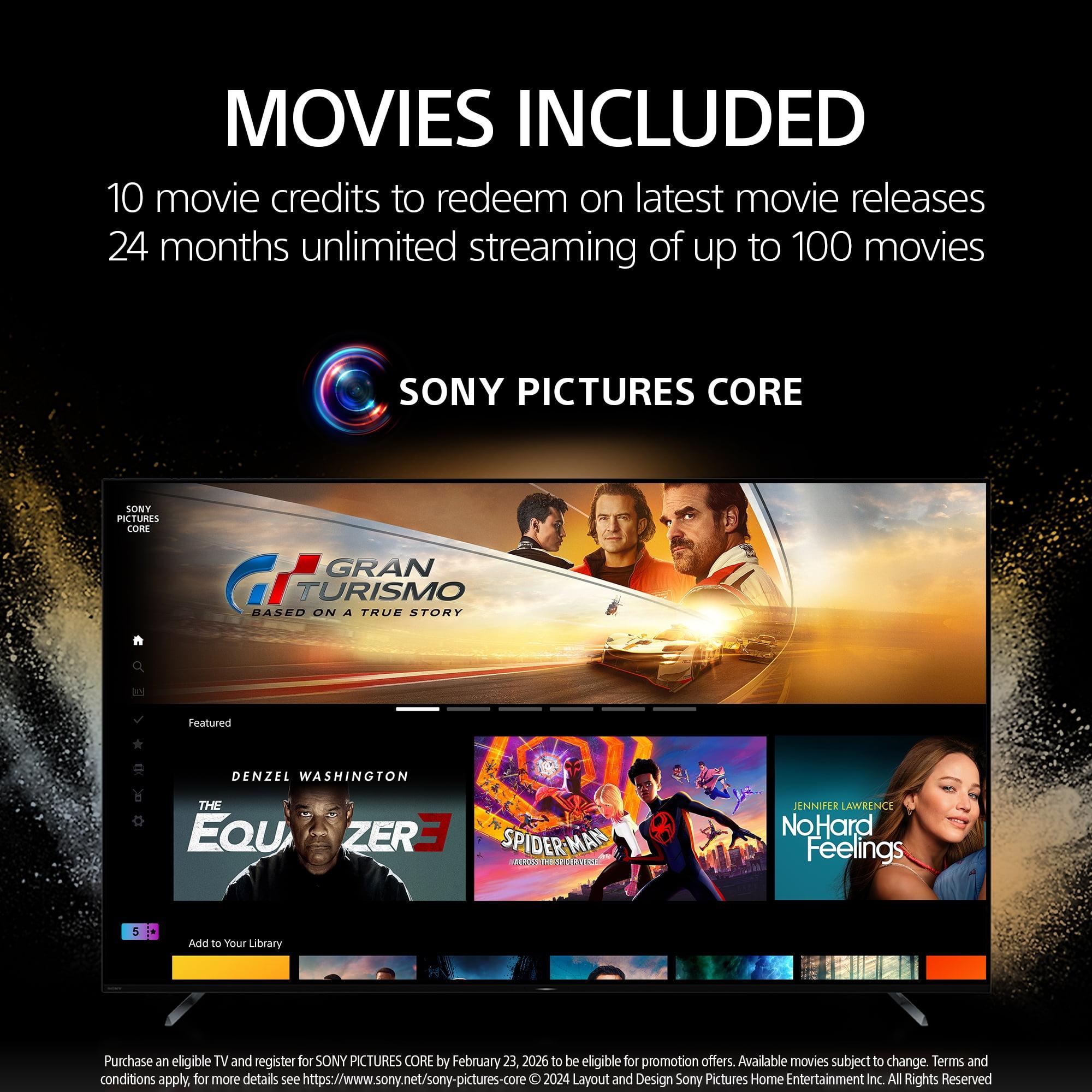
Sony sweetens the deal by including a two-year subscription to Sony Pictures Core, providing access to a substantial library of movies and IMAX Enhanced content—a nice value-add that effectively reduces the TV's total cost of ownership.
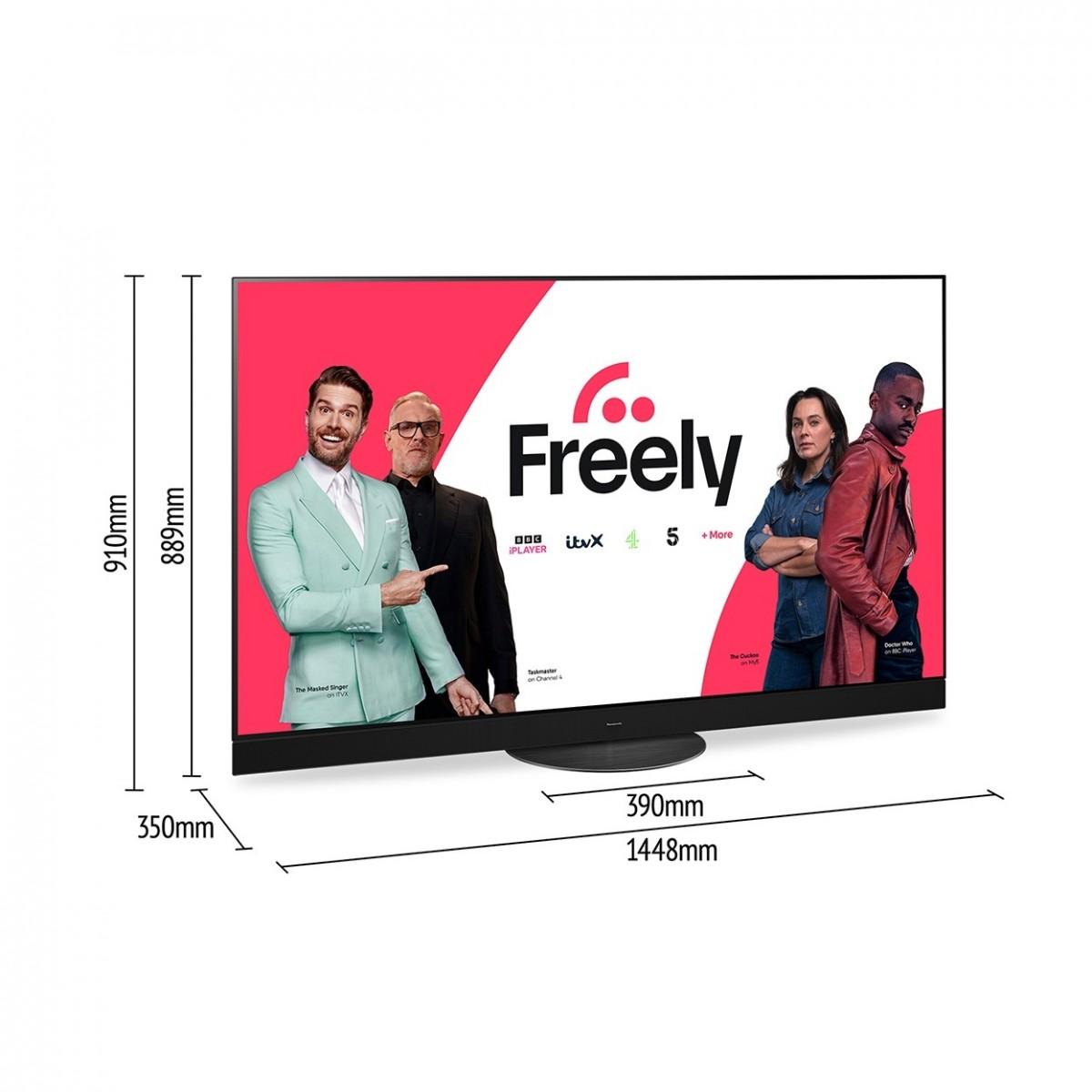
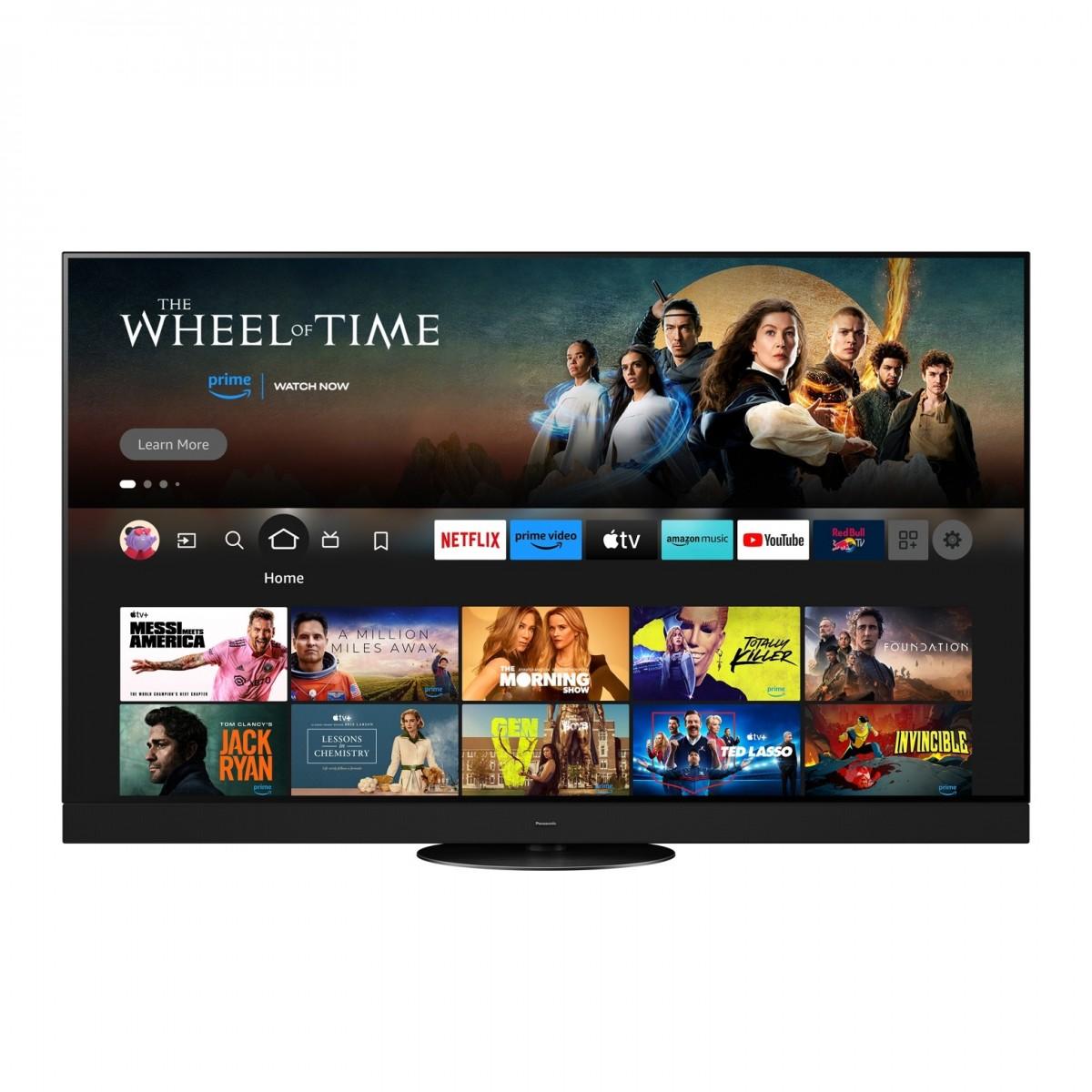
The Panasonic Z95A uses Amazon's Fire TV platform, which offers comprehensive app selection and tight integration with Alexa. While Fire TV doesn't match Google TV's content discovery sophistication, it's reliable, fast, and familiar to Amazon ecosystem users. The TV also supports Chromecast Built-in, ensuring compatibility with most streaming scenarios.
Our research suggests that interface preference often comes down to existing ecosystem investment. Google services users tend to prefer the Sony, while Amazon Prime subscribers and Alexa users gravitate toward the Panasonic.
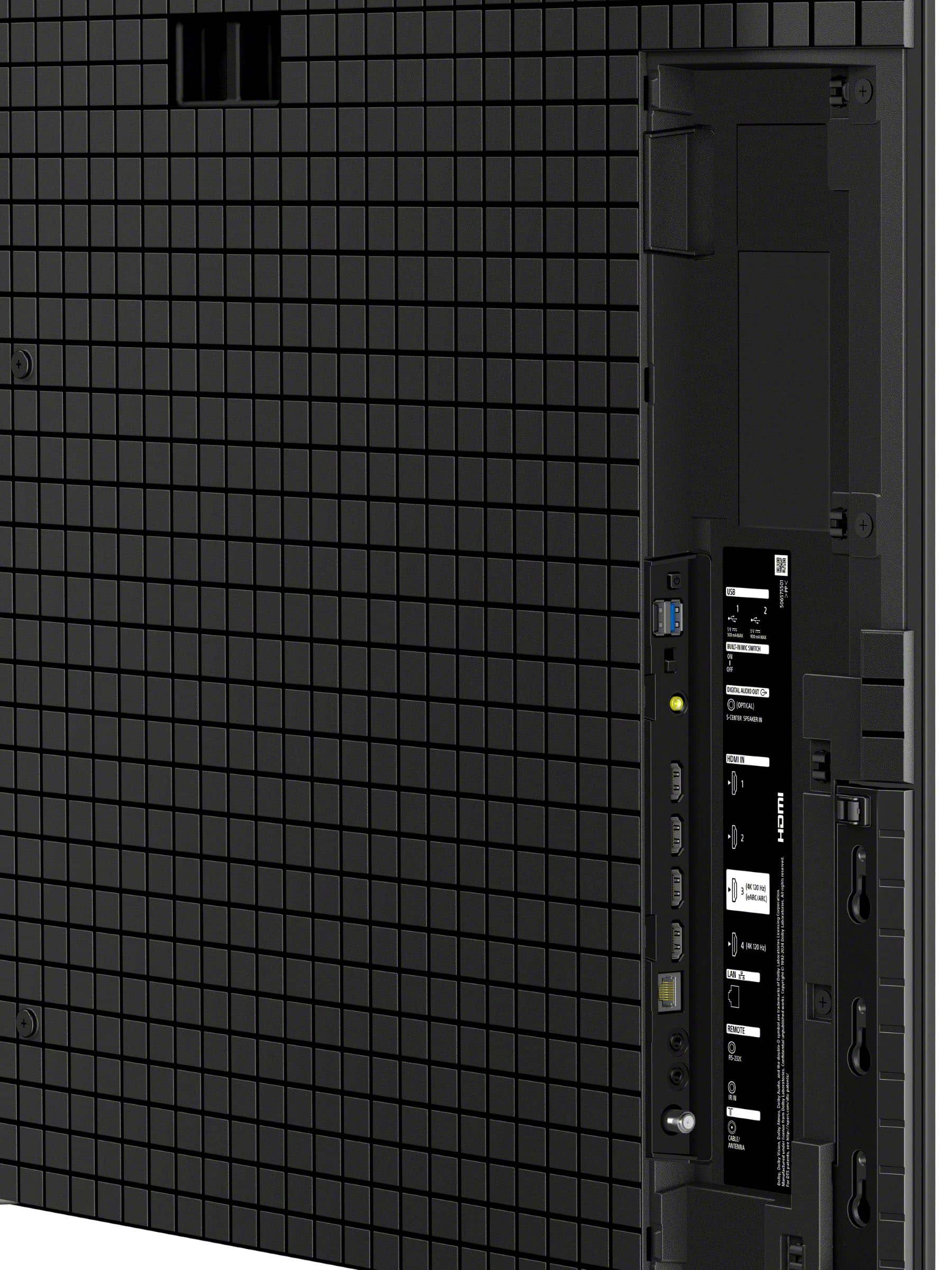
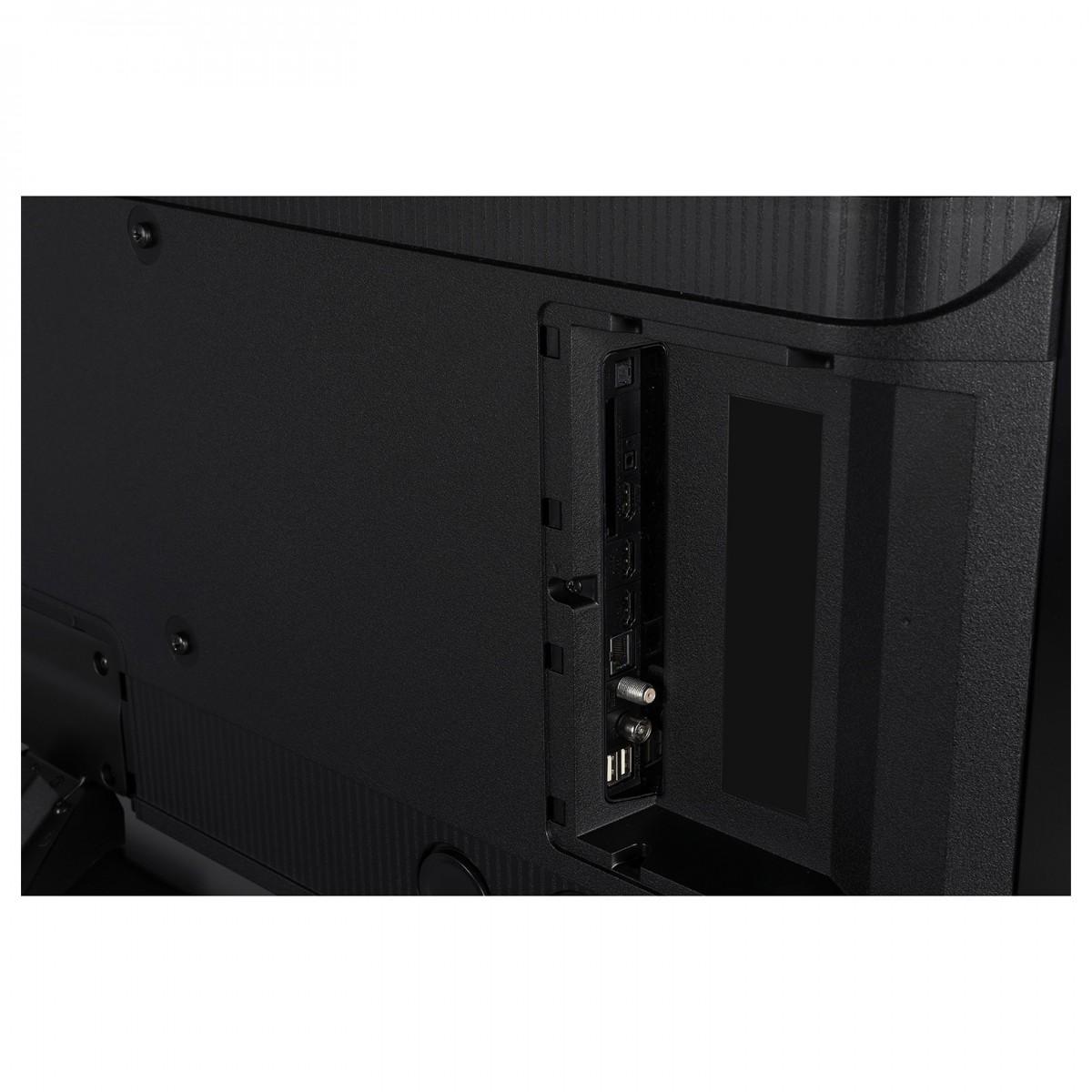
Modern gaming has pushed TV manufacturers to optimize for console performance, and both TVs deliver, albeit with different strengths. The Sony BRAVIA 8 II offers input lag as low as 8.5 milliseconds—imperceptible to human reaction times—and includes two HDMI 2.1 ports supporting 4K gaming at 120Hz with Variable Refresh Rate (VRR) and Auto Low Latency Mode (ALLM).
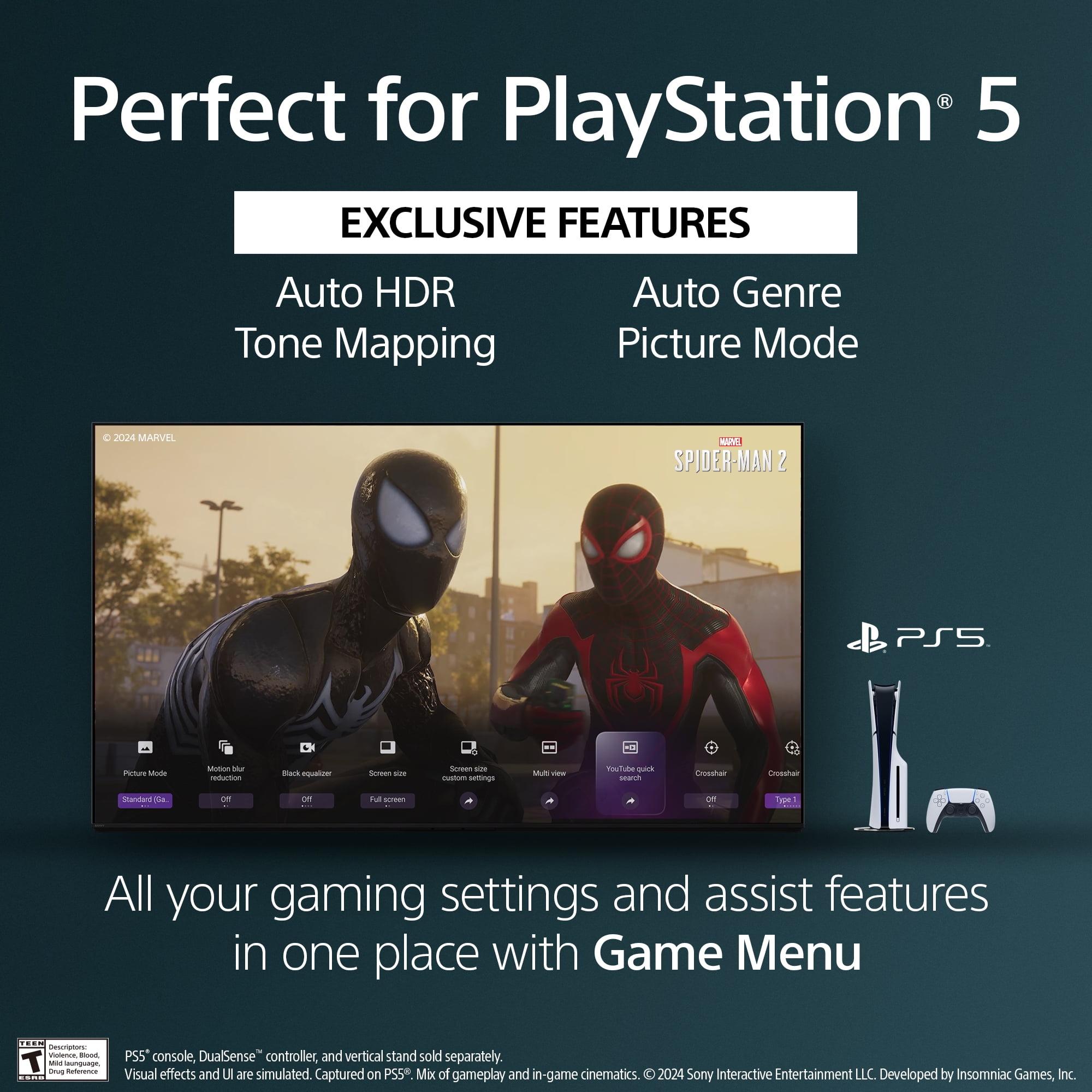
Sony's PlayStation partnership shows in exclusive BRAVIA XR features that optimize picture quality specifically for PS5 gaming. However, the TV's limitation to just two HDMI 2.1 ports might frustrate users with multiple next-gen consoles.
The Panasonic Z95A takes gaming more seriously with native 144Hz support—higher than most competitors—and comprehensive VRR implementation. The TV includes Game Mode optimizations and MEMC (Motion Estimation and Motion Compensation) for exceptionally smooth motion during fast-paced gaming.
Based on gaming-focused reviews, serious gamers tend to prefer the Panasonic for its higher refresh rates and more gaming-centric features, while casual gamers find the Sony perfectly adequate with the bonus of superior overall picture quality.
For dedicated home theater setups, both TVs excel but serve different priorities. The Sony BRAVIA 8 II is the better choice for mixed content consumption. Its superior upscaling means older movies and TV shows look remarkably good, while its studio calibrated modes ensure new releases appear as intended. The Acoustic Surface Audio+ technology also reduces the immediate need for additional speakers.
The Panasonic Z95A appeals more to enthusiasts who want to customize their setup. Its professional calibration support and more granular controls make it easier to dial in reference-quality picture settings. The TV's ambient light sensor also helps maintain consistent picture quality as room lighting changes throughout the day.
At the time of writing, both TVs command premium pricing appropriate to their flagship status, with the Sony typically priced slightly higher due to its newer QD-OLED technology. However, the Panasonic often provides better value for users who prioritize gaming features and professional calibration capabilities over absolute brightness and color volume.
The choice between these exceptional TVs ultimately depends on your priorities and viewing habits. The Sony BRAVIA 8 II represents the cutting edge of consumer display technology. Its QD-OLED panel delivers stunning brightness and color performance that immediately impresses, while its innovative audio system and refined Google TV interface create a premium experience that justifies its positioning.
Choose the Sony if you want the most cinematic experience possible, prioritize built-in audio quality, or prefer Google's ecosystem. It's also the better choice for bright rooms where its superior peak brightness maintains HDR impact.
The Panasonic Z95A takes a more traditional but refined approach. Its excellent picture processing, gaming-focused features, and professional calibration support make it ideal for enthusiasts who want to fine-tune their experience. The Fire TV platform and slightly lower pricing also add to its value proposition.
Choose the Panasonic if you're a serious gamer, prefer professional-grade calibration options, or want excellent performance at a competitive price point. It's also better suited for users already invested in Amazon's ecosystem.
Both TVs will deliver years of exceptional viewing pleasure. The Sony BRAVIA 8 II pushes the envelope with new technology and premium features, while the Panasonic Z95A offers refined excellence with practical advantages. Your choice should align with how you actually watch TV—and both options represent the pinnacle of current OLED technology.
| Panasonic Z95A 65" OLED 4K Ultra HD Smart TV | Sony BRAVIA 8 II 65" QD-OLED 4K Google TV 2025 |
|---|---|
| Panel Technology - Determines color accuracy, brightness, and longevity | |
| WOLED with Micro Lens Array (MLA) for improved efficiency | QD-OLED (Quantum Dot OLED) for enhanced color volume and brightness |
| Peak Brightness - Critical for HDR impact and bright room performance | |
| Good brightness with MLA efficiency improvements | Up to 1,880 nits (25% brighter than previous Sony OLEDs) |
| Processor - Affects picture quality, upscaling, and smart features | |
| HCX Pro AI Processor MKII with scene optimization | 2nd Gen Cognitive XR Processor with AI Scene Recognition |
| Audio System - Determines if you need additional speakers | |
| 360° Soundscape Pro with Dolby Atmos (20W output) | Acoustic Surface Audio+ (screen acts as speaker) with Voice Zoom 3 |
| Smart Platform - Impacts app selection and user experience | |
| Amazon Fire TV with Alexa Built-in | Google TV (Version 12) with Google Assistant |
| Gaming Features - Essential for console gaming performance | |
| 144Hz refresh rate, Game Mode, ALLM, VRR support | 120Hz, 8.5ms input lag, 2x HDMI 2.1 ports, PlayStation optimization |
| HDR Support - Affects premium content viewing quality | |
| HDR10, HDR10+, Dolby Vision, HLG with ambient light sensor | Dolby Vision, HDR10, HLG with Studio Calibrated Modes |
| Color Technology - Determines color accuracy and vibrancy | |
| Hexa Chroma Drive with wide color gamut | XR Triluminos Max with quantum dot precision |
| Professional Features - Important for enthusiasts and calibration | |
| Professional calibration support, broadcast-grade color handling | Studio Calibrated Modes for Netflix, Prime Video, Sony Pictures Core |
| Design Features - Affects placement and aesthetic integration | |
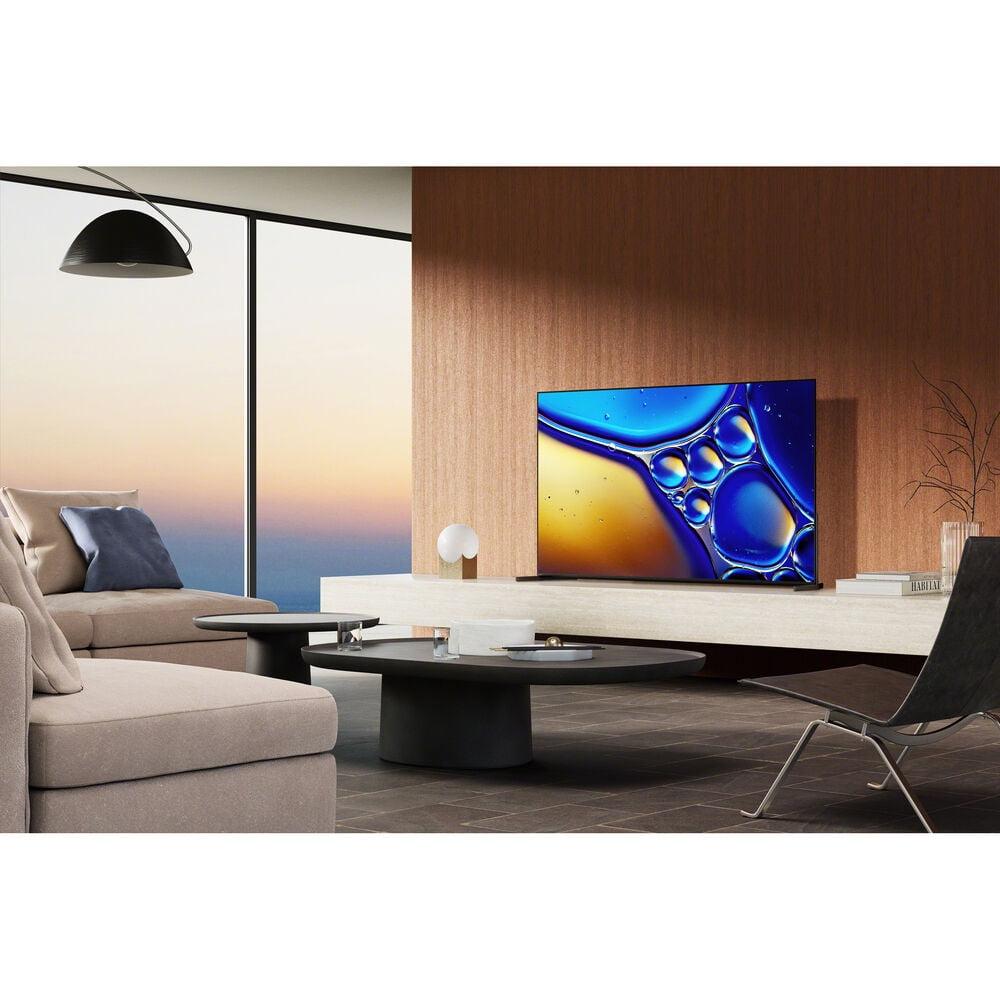
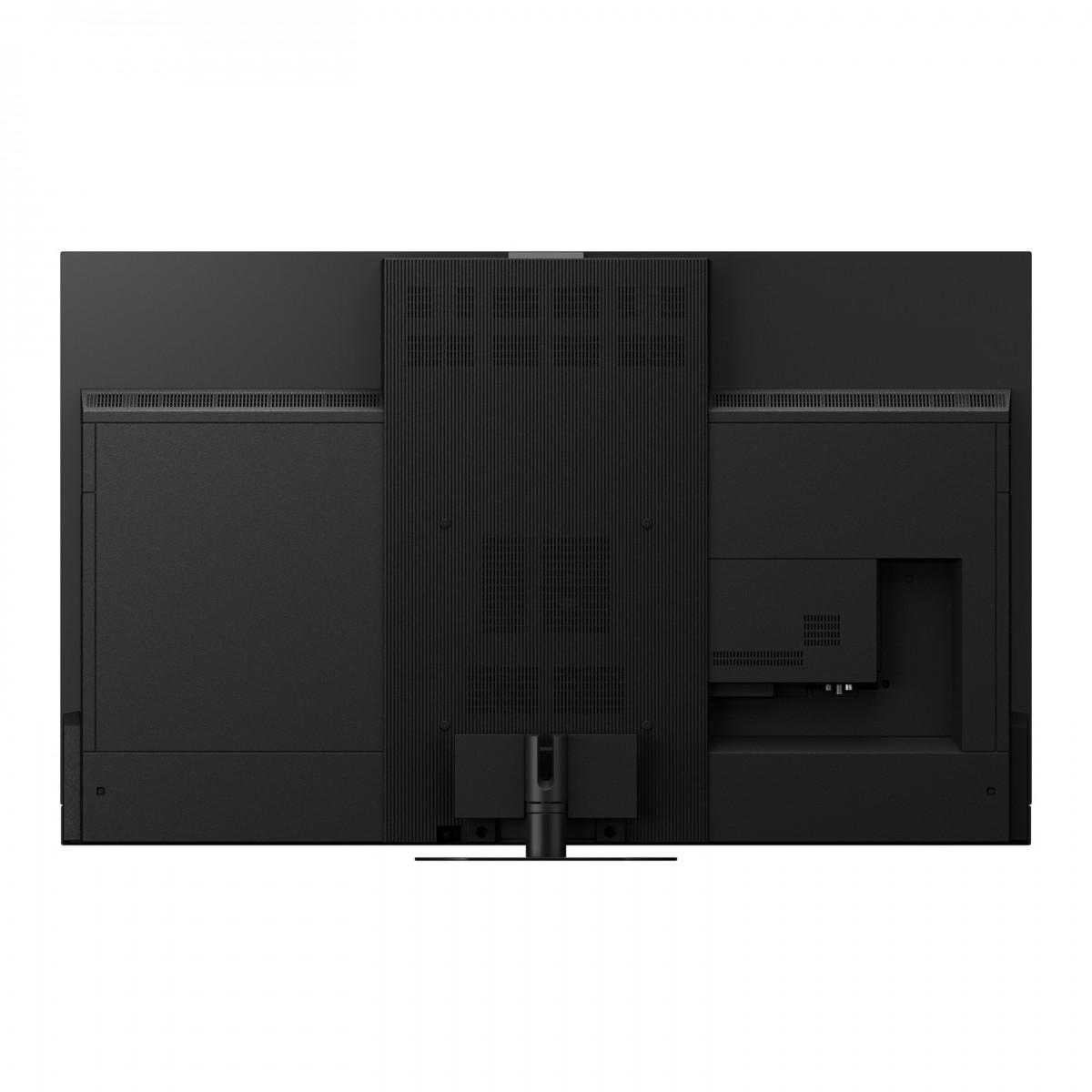
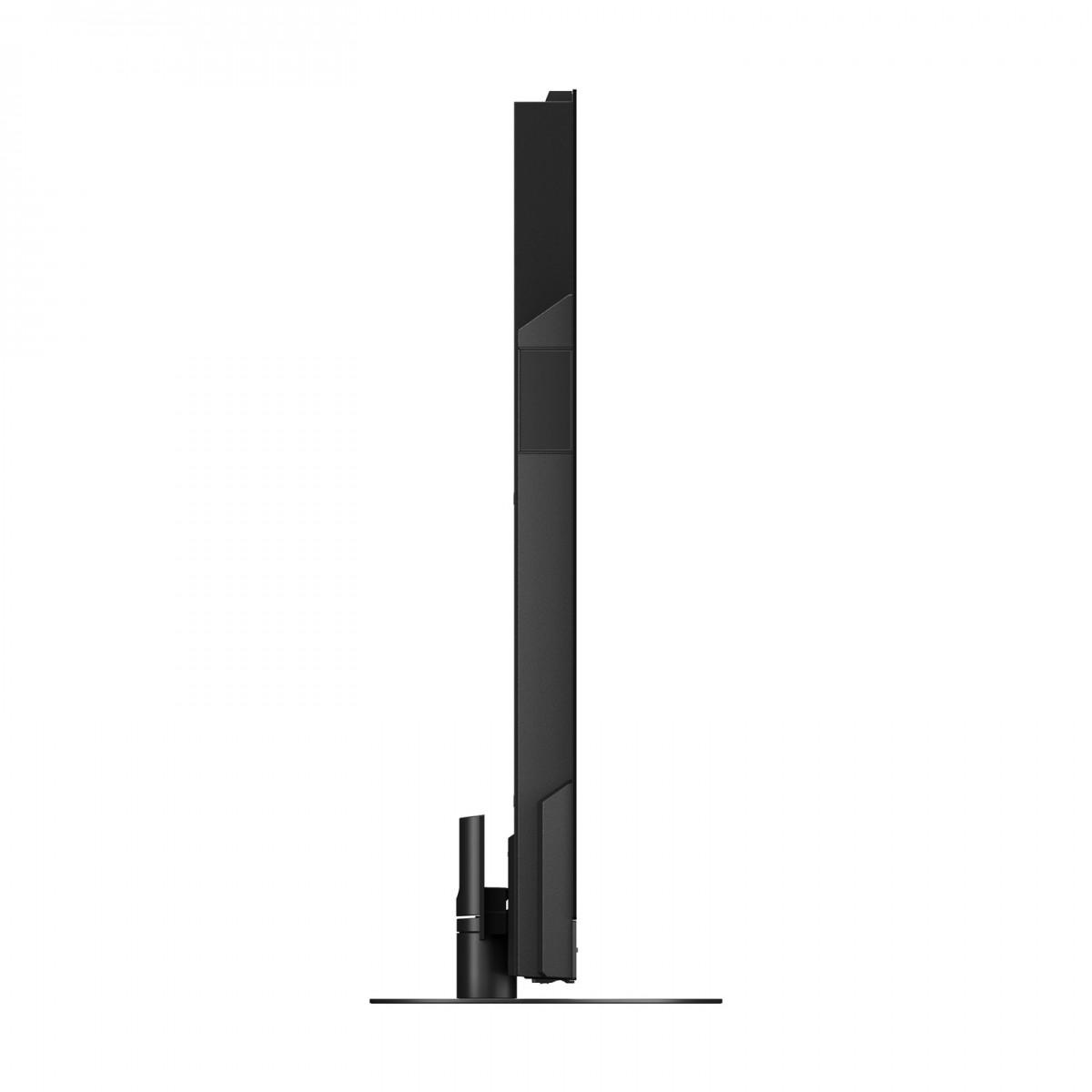
| Ergonomically tilted display, voltage flexibility (110V-240V) | Multi-position stand, ultra-slim profile, cable management |
| Unique Advantages - Standout features that differentiate each model | |
| Superior gaming specs, professional calibration, Fire TV ecosystem | Sony BRAVIA 8 II: Brighter QD-OLED panel, innovative audio, Google TV, included Sony Pictures Core |
The Sony BRAVIA 8 II performs better in bright rooms due to its QD-OLED panel technology that achieves higher peak brightness (up to 1,880 nits). The Panasonic Z95A uses Micro Lens Array technology for improved efficiency, but the Sony BRAVIA 8 II delivers more impactful HDR content when competing with ambient light.
The Sony BRAVIA 8 II uses QD-OLED technology, which combines quantum dots with OLED pixels to create purer colors and higher brightness. The Panasonic Z95A uses traditional WOLED with Micro Lens Array enhancement. QD-OLED typically offers more vibrant colors and better brightness, while WOLED provides more natural, film-like color reproduction.
The Sony BRAVIA 8 II has superior built-in audio with its Acoustic Surface Audio+ technology that turns the entire screen into a speaker. This creates better dialogue clarity and positioning compared to the Panasonic Z95A's traditional 360° Soundscape Pro system, though both support Dolby Atmos.
Both TVs excel for gaming, but the Panasonic Z95A has a slight edge with 144Hz refresh rate support and comprehensive gaming features. The Sony BRAVIA 8 II offers excellent 8.5ms input lag and PlayStation optimization but is limited to 120Hz and only two HDMI 2.1 ports.
The Sony BRAVIA 8 II runs Google TV, which offers superior content discovery and recommendations. The Panasonic Z95A uses Amazon Fire TV, which provides comprehensive app selection and Alexa integration. Google TV generally has a cleaner interface, while Fire TV works better for Amazon ecosystem users.
The Sony BRAVIA 8 II has exceptional built-in audio that may eliminate the immediate need for a soundbar, thanks to its screen-as-speaker technology. The Panasonic Z95A has decent audio but users more commonly add external speakers for optimal home theater performance.
For home theater use, the Sony BRAVIA 8 II excels with Studio Calibrated Modes for streaming services and superior upscaling of older content. The Panasonic Z95A offers professional calibration support preferred by enthusiasts who want reference-quality picture settings for their dedicated theater rooms.
The Sony BRAVIA 8 II produces more vibrant, punchy colors due to its quantum dot technology, making HDR content pop dramatically. The Panasonic Z95A delivers more natural, film-like colors that professional colorists often prefer. Both offer excellent color accuracy but with different presentation styles.
Both TVs handle motion well, but the Panasonic Z95A has an advantage with its 144Hz refresh rate and MEMC processing for exceptionally smooth sports viewing. The Sony BRAVIA 8 II also performs excellently with its XR OLED Motion technology, making either suitable for sports enthusiasts.
Both the Panasonic Z95A and Sony BRAVIA 8 II include modern burn-in protection features like pixel shifting and automatic brightness limiting. While OLED burn-in risk exists with static content, it's minimal with normal viewing habits and both manufacturers offer similar warranty coverage.
Value depends on priorities: the Panasonic Z95A typically offers better value for gamers and calibration enthusiasts, while the Sony BRAVIA 8 II provides premium features like superior brightness, innovative audio, and included Sony Pictures Core subscription that justify its positioning.
Both the Sony BRAVIA 8 II and Panasonic Z95A can serve as excellent home theater displays, offering perfect blacks that rival projectors in dark rooms. The Sony BRAVIA 8 II is particularly suitable due to its higher brightness and superior built-in audio, though screen size limitations compared to projectors remain a consideration.
We've done our best to create useful and informative comparisons to help you decide what product to buy. Our research uses advanced automated methods to create this comparison and perfection is not possible - please contact us for corrections or questions. These are the sites we've researched in the creation of this article: youtube.com - youtube.com - whathifi.com - tomsguide.com - shop.panasonic.com - store.in.panasonic.com - rtings.com - applianceplus.co.nz - rtings.com - store.in.panasonic.com - samsung.com - techradar.com - rtings.com - bestbuy.com - whathifi.com - rtings.com - hometechnologyreview.com - youtube.com - hometechnologyreview.com - hometechnologyreview.com - hometechnologyreview.com - valueelectronics.com - smarthomesounds.co.uk - electronics.sony.com - valueelectronics.com - bestbuy.com - youtube.com - displayspecifications.com - hometechnologyreview.com - flatpanelshd.com

Privacy Policy
Terms and Conditions - Affiliate Policy
Home Security
© Copyright 2008-2026.
11816 Inwood Rd #1211, Dallas, TX 75244