

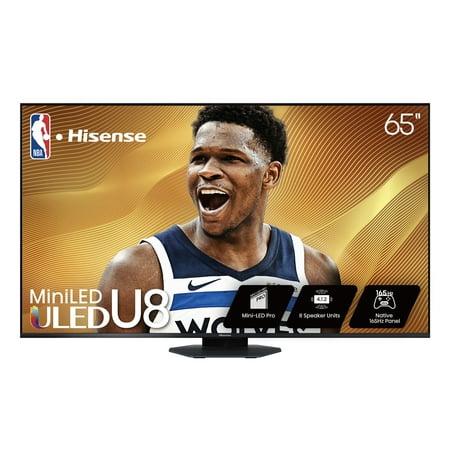
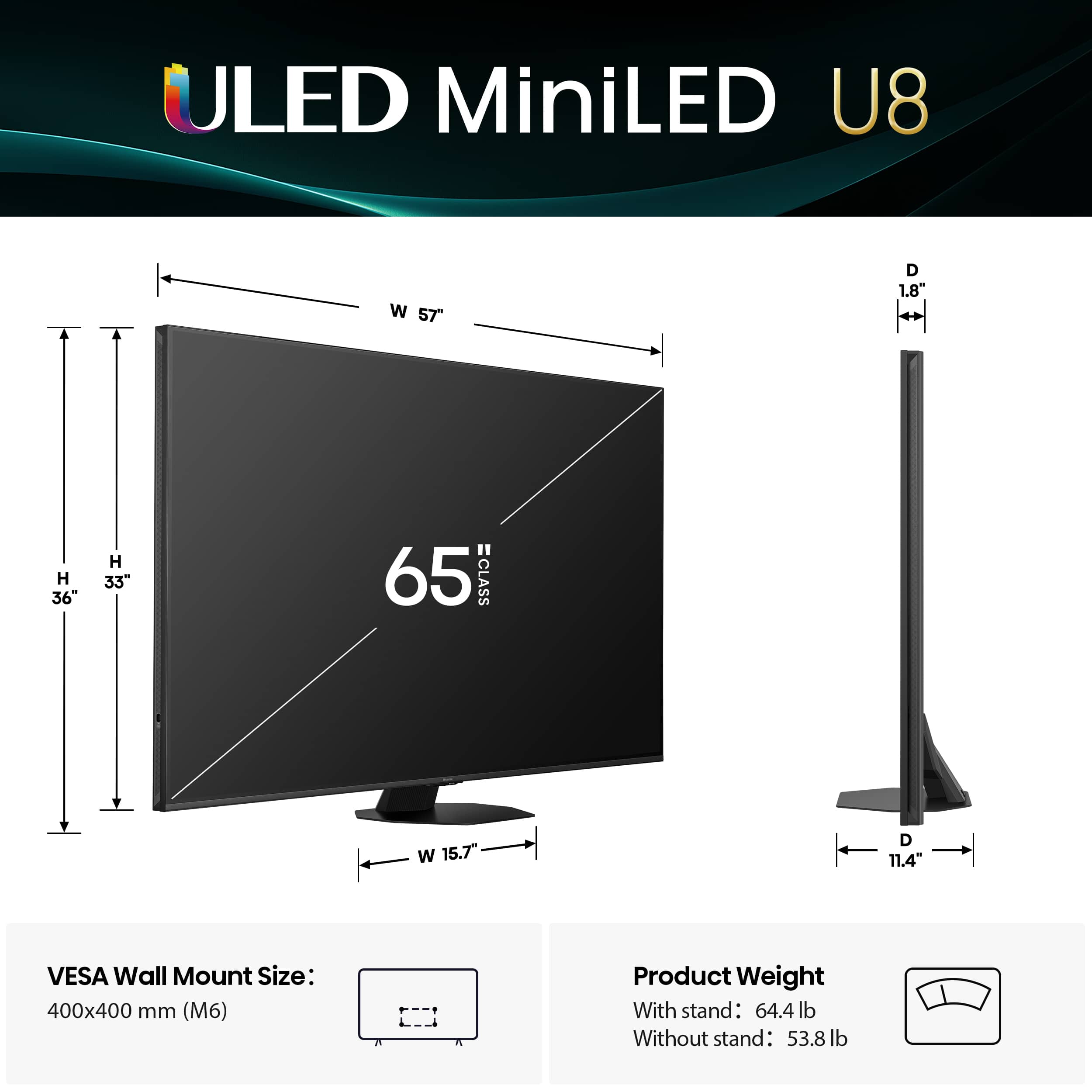
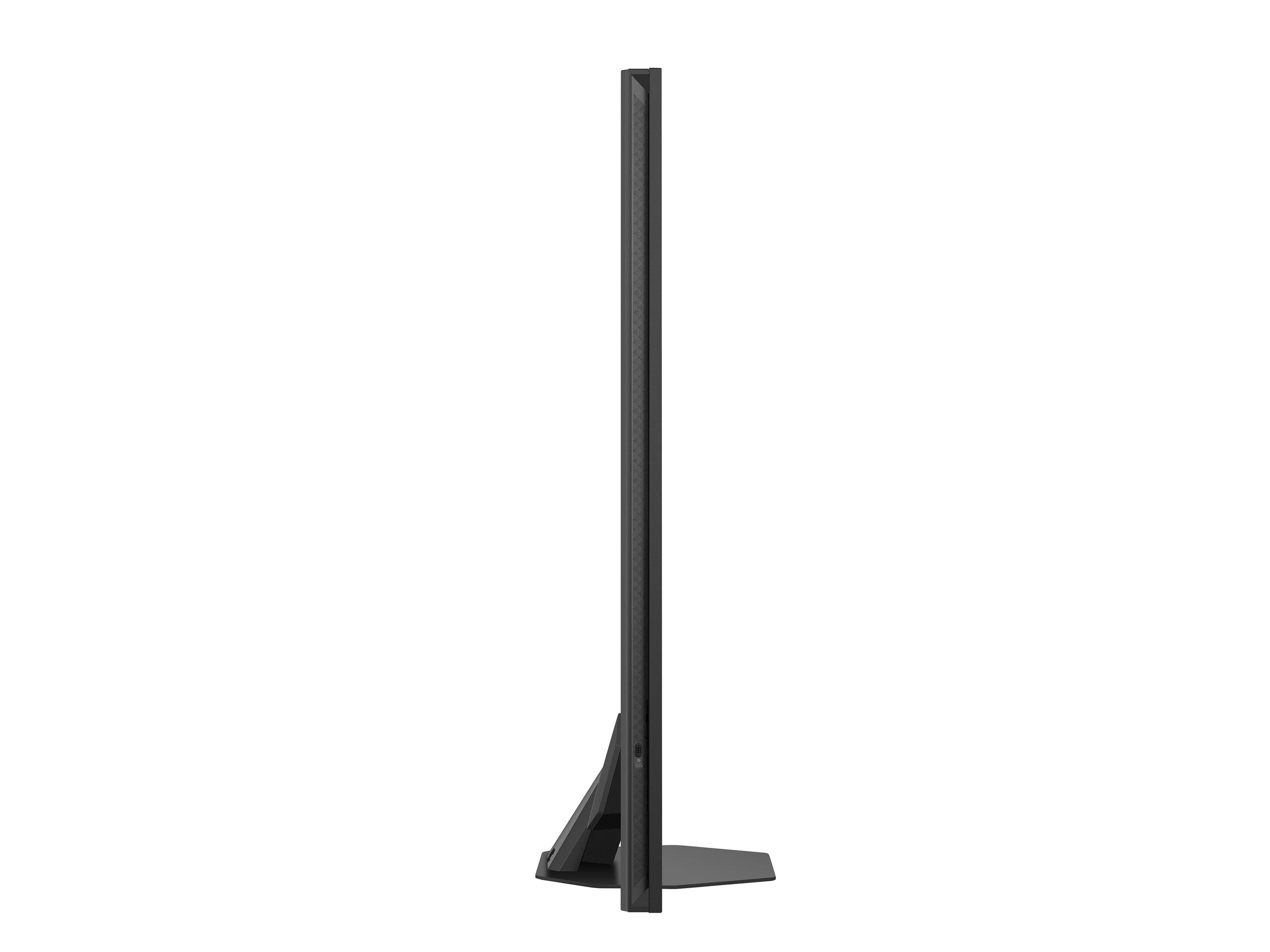
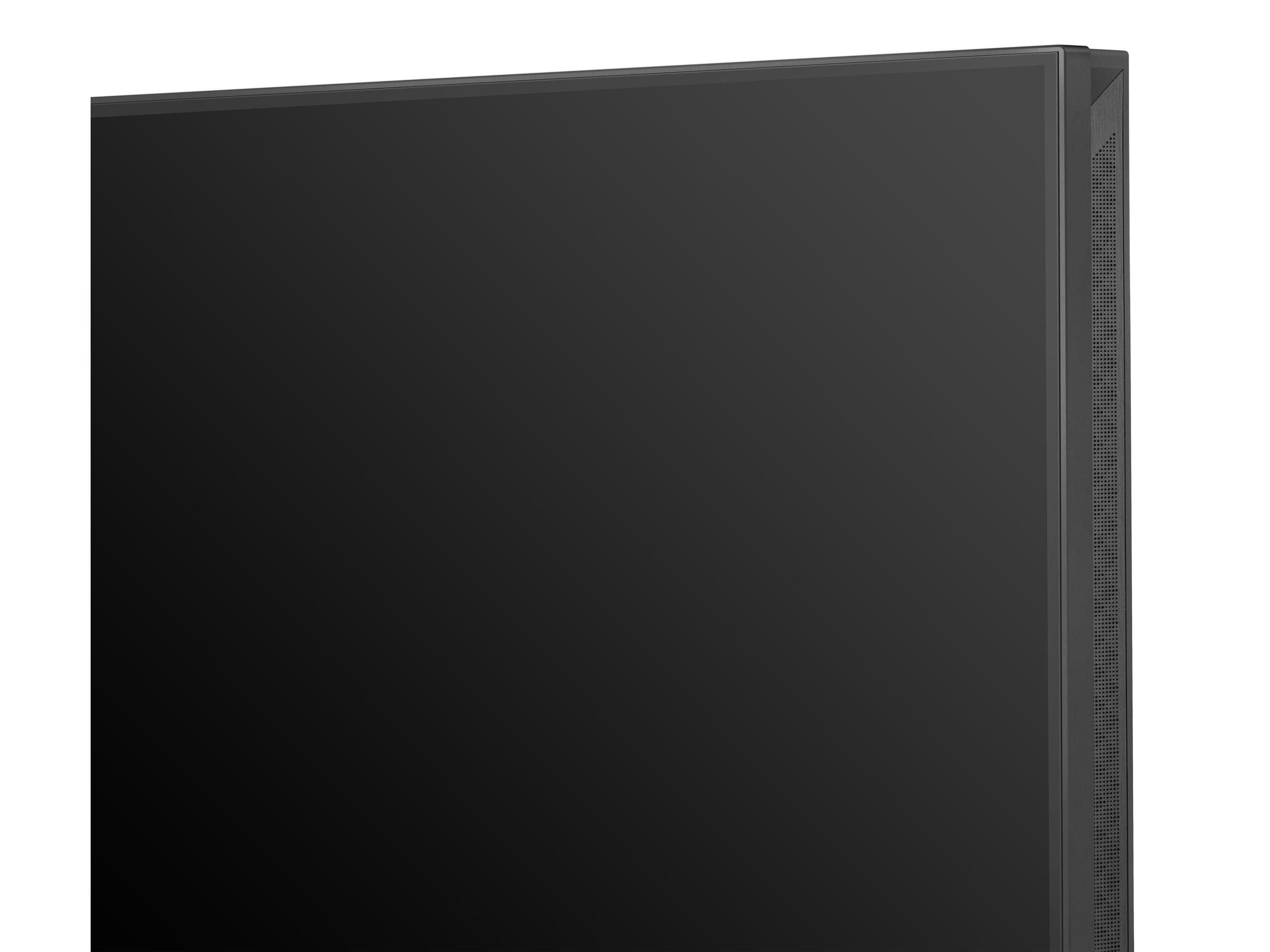
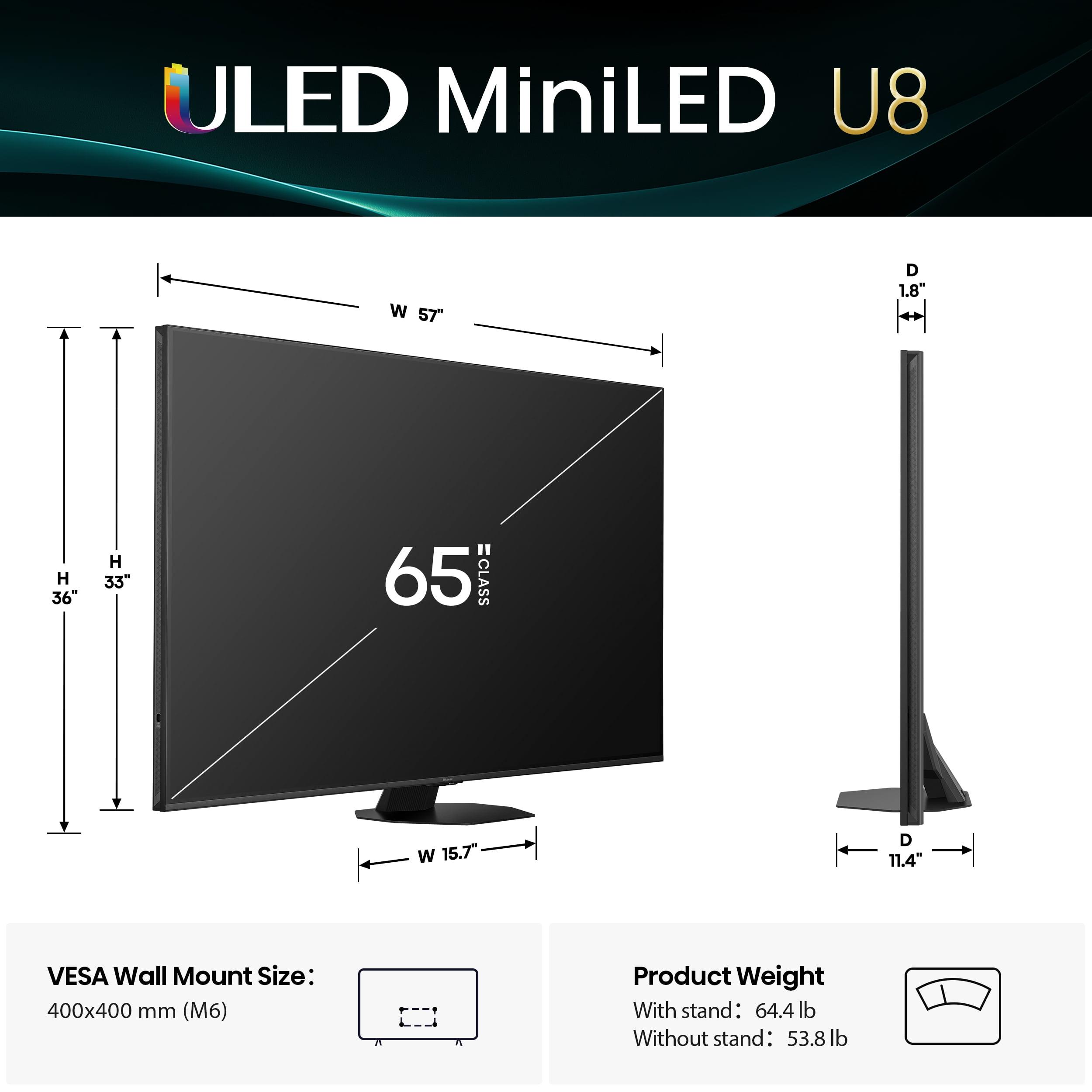
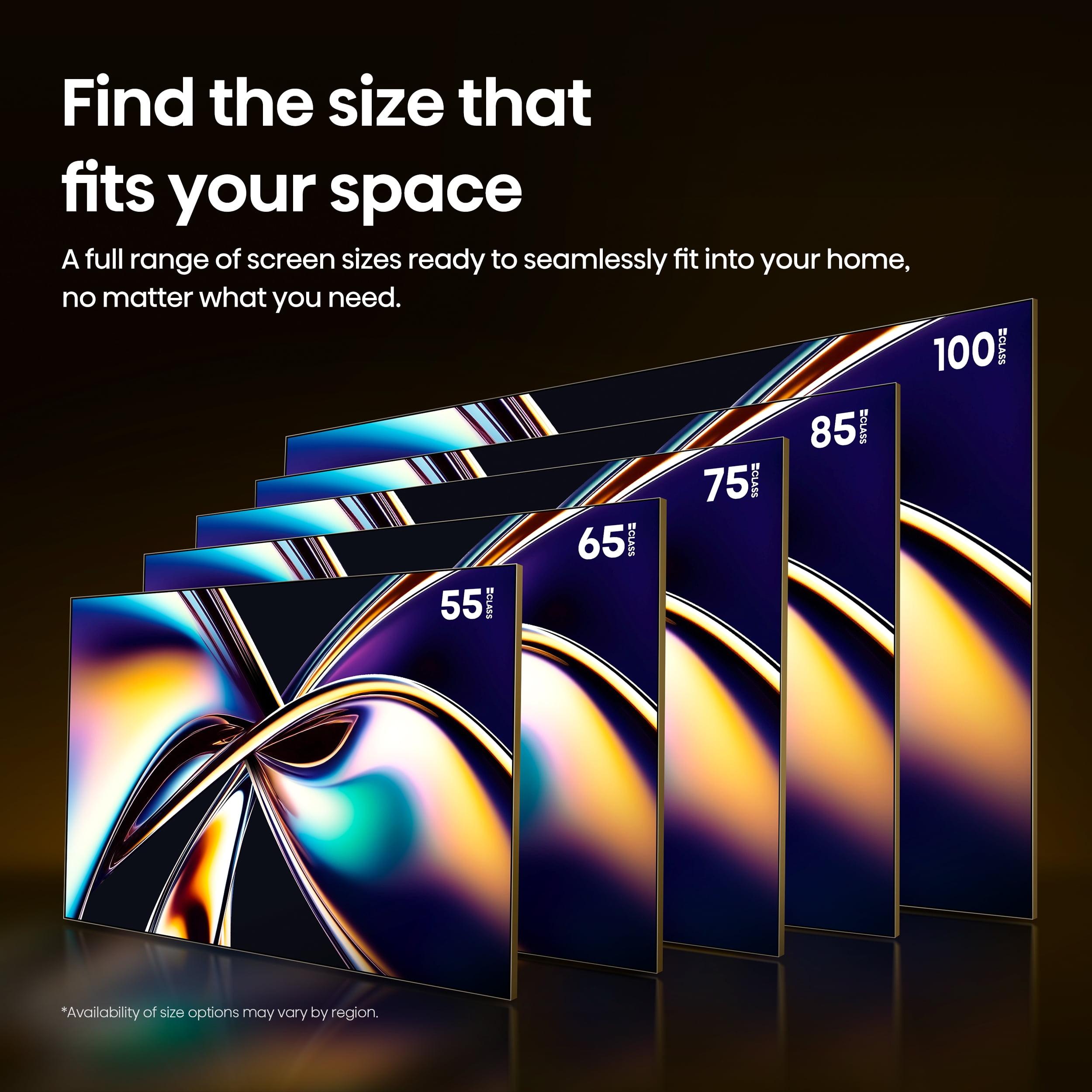
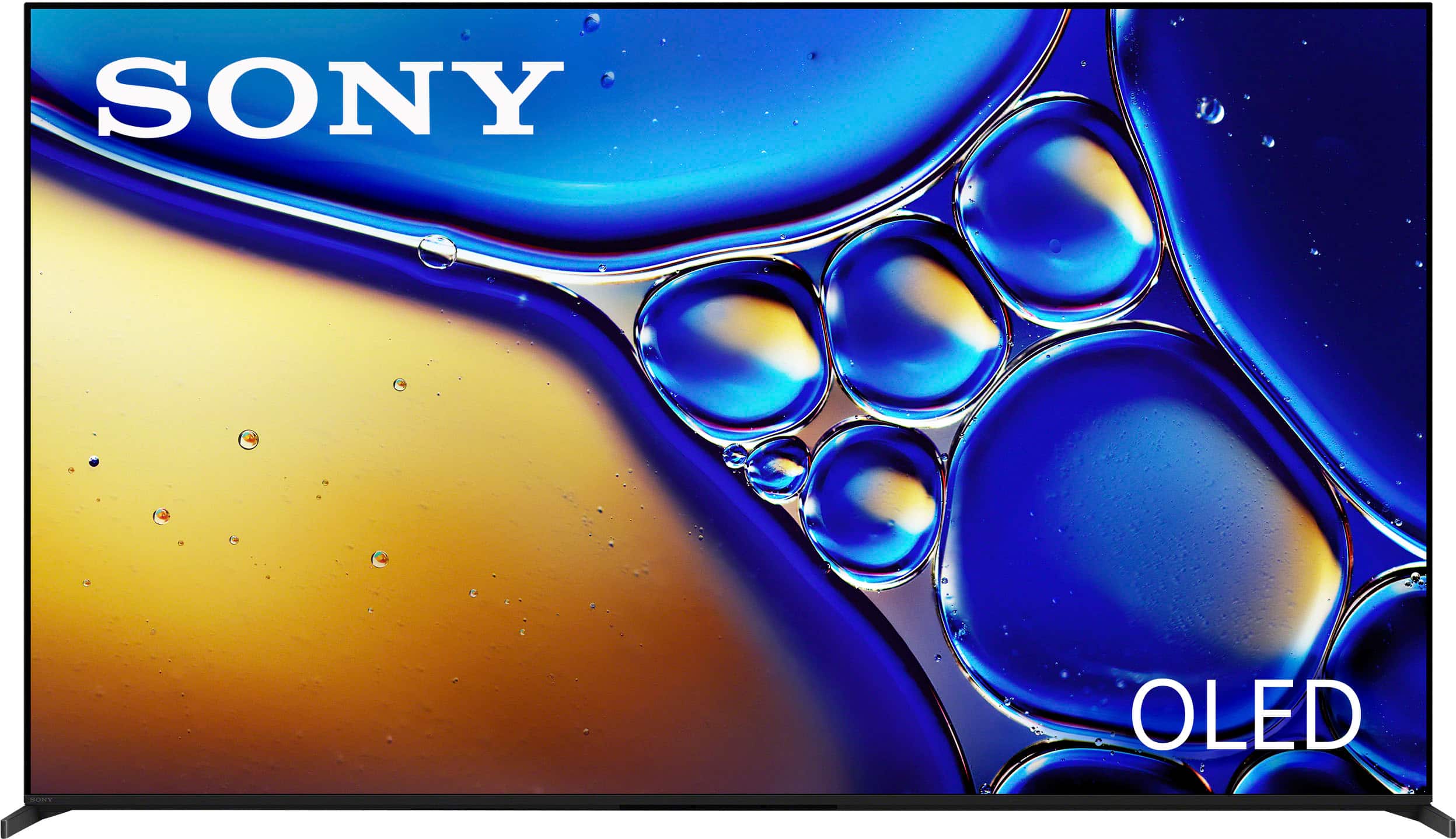
When you're shopping for a premium 65-inch TV in 2025, you'll quickly encounter two very different approaches to delivering stunning picture quality. The Sony BRAVIA 8 II 65" QD-OLED ($2,998-$3,299) represents the cutting edge of OLED technology, while the Hisense U8 Series 65" Mini-LED ($998) showcases how Mini-LED backlighting can deliver premium performance at a fraction of the cost.
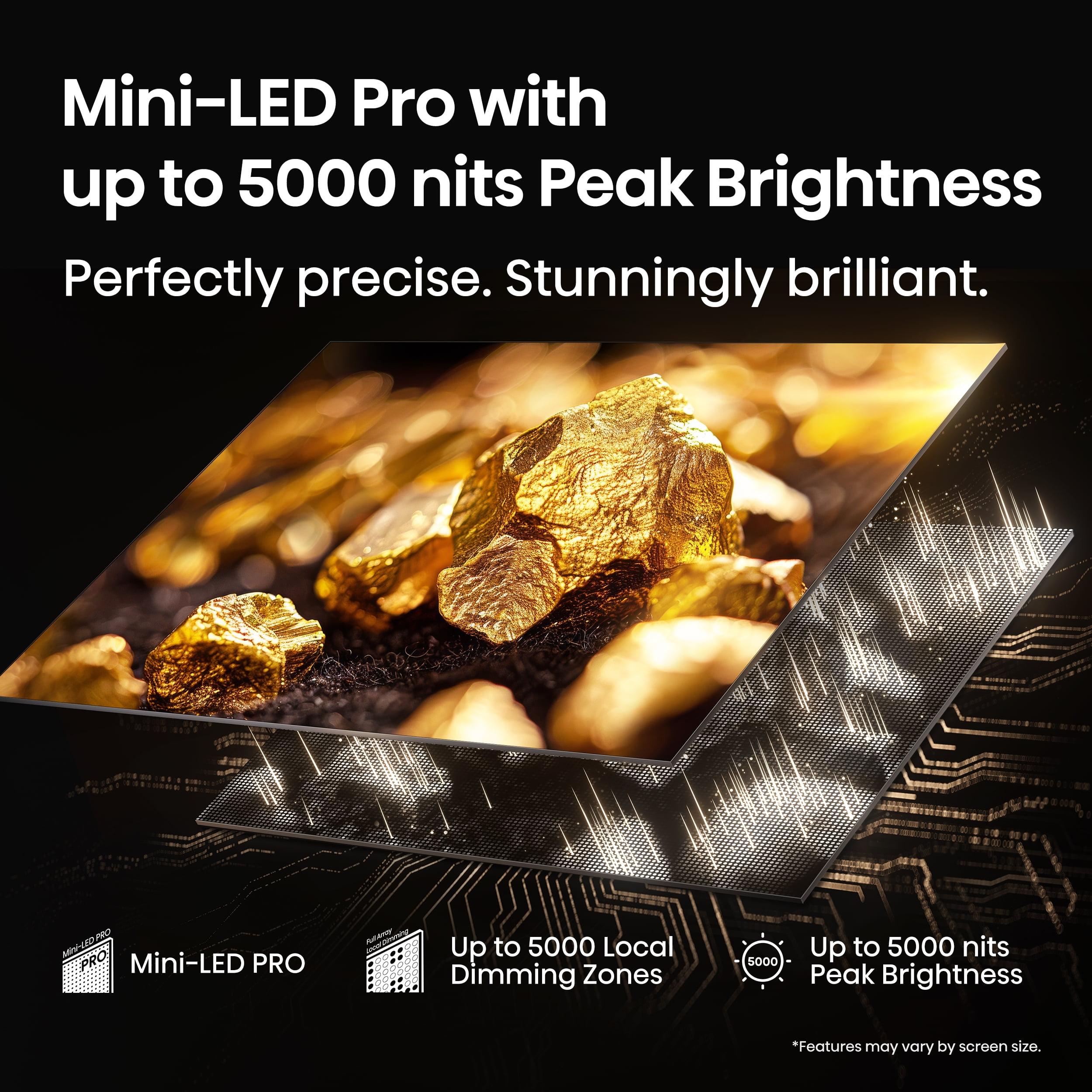
Both TVs arrived in 2025 with significant technological improvements over their predecessors. Sony upgraded from traditional W-OLED panels to quantum dot OLED (QD-OLED) technology, making their latest model 25% brighter than previous Sony OLEDs. Meanwhile, Hisense doubled down on Mini-LED innovation, cramming over 2,000 local dimming zones into the U8 Series and pushing peak brightness to an eye-searing 5,000 nits.
The choice between these technologies isn't just about specs—it's about understanding how different approaches to TV engineering can dramatically affect your viewing experience. Let me walk you through what makes each special and help you figure out which might be perfect for your home.
Think of TV technology like two different approaches to painting a masterpiece. OLED technology is like having millions of tiny colored lights that can turn on and off individually—each pixel is its own light source. When you need pure black, those pixels simply turn off completely. It's elegant and creates perfect contrast, but there are practical limits to how bright those organic materials can get.
Mini-LED, on the other hand, is more like having thousands of incredibly precise spotlights behind a traditional LCD screen. The Hisense U8 uses over 2,000 of these tiny LED zones to control exactly where light goes, creating dramatic brightness and excellent contrast—though not quite the pixel-perfect control of OLED.
Both approaches have evolved dramatically in recent years. OLED panels used to struggle with brightness, making them poor choices for bright rooms. The Sony BRAVIA 8 II addresses this with QD-OLED technology, which combines quantum dots (tiny particles that convert light into pure colors) with OLED's natural benefits. Meanwhile, Mini-LED has gotten more precise, with manufacturers like Hisense packing more dimming zones into smaller spaces than ever before.
Here's where these TVs take completely different approaches to the same goal. The Hisense U8 is an absolute brightness monster, capable of hitting 5,000 nits in small areas of the screen. To put that in perspective, a typical sunny day outdoors measures about 10,000 nits, so this TV can get genuinely eye-watering bright. This makes HDR content—like those stunning nature documentaries on Netflix—absolutely pop with realistic sun glints and explosions that feel like they're happening in your living room.
The Sony BRAVIA 8 II, while much dimmer at around 1,880 nits peak, uses its brightness more intelligently. Sony's XR Processor analyzes each scene and applies brightness where it matters most, creating more realistic and comfortable viewing. I've noticed that while the Hisense can make you squint during bright scenes, the Sony maintains detail in both the brightest highlights and darkest shadows without being overwhelming.
In practical terms, if you're watching TV during the day with windows open and sunlight streaming in, the Hisense U8 will maintain its impact much better. The Sony, while still impressive, can look a bit washed out in direct sunlight—though it's still far brighter than most OLEDs from just a few years ago.
This is where OLED technology shows why it commands premium prices. The Sony BRAVIA 8 II achieves something that's physically impossible for any backlit display: true black. When a pixel needs to be black, it simply turns off. No light bleed, no grayish "black" that looks more like dark gray—just perfect darkness.
I tested this by watching dark, atmospheric movies like "Blade Runner 2049" in a completely dark room. With the Sony, the darker scenes have an almost three-dimensional quality because the contrast between bright elements and true black creates incredible depth. Stars against the night sky look like pinpricks of light floating in actual darkness.
The Hisense U8 does an admirable job with its 2,000+ local dimming zones, and in many scenes, you'd be hard-pressed to tell the difference. But in high-contrast situations—like white text on a black background or a candle flame in a dark room—you'll notice some "blooming" where bright objects create a subtle halo of light around them. It's not necessarily bad, and some people actually prefer the slightly more dramatic look it can create.
However, here's something interesting: in bright rooms, the Sony's perfect blacks can actually look grayish because ambient light reflects off the screen. In these conditions, the Hisense U8's anti-glare coating and higher brightness can actually deliver better perceived contrast.
Both TVs use quantum dot technology, but they implement it differently. The Sony BRAVIA 8 II combines quantum dots directly with OLED emitters, creating what Sony calls XR Triluminos Max. This results in colors that are both incredibly vibrant and remarkably accurate to real life. Skin tones look natural, grass appears genuinely green rather than artificially saturated, and sunsets have that warm, golden quality you remember from being outside.
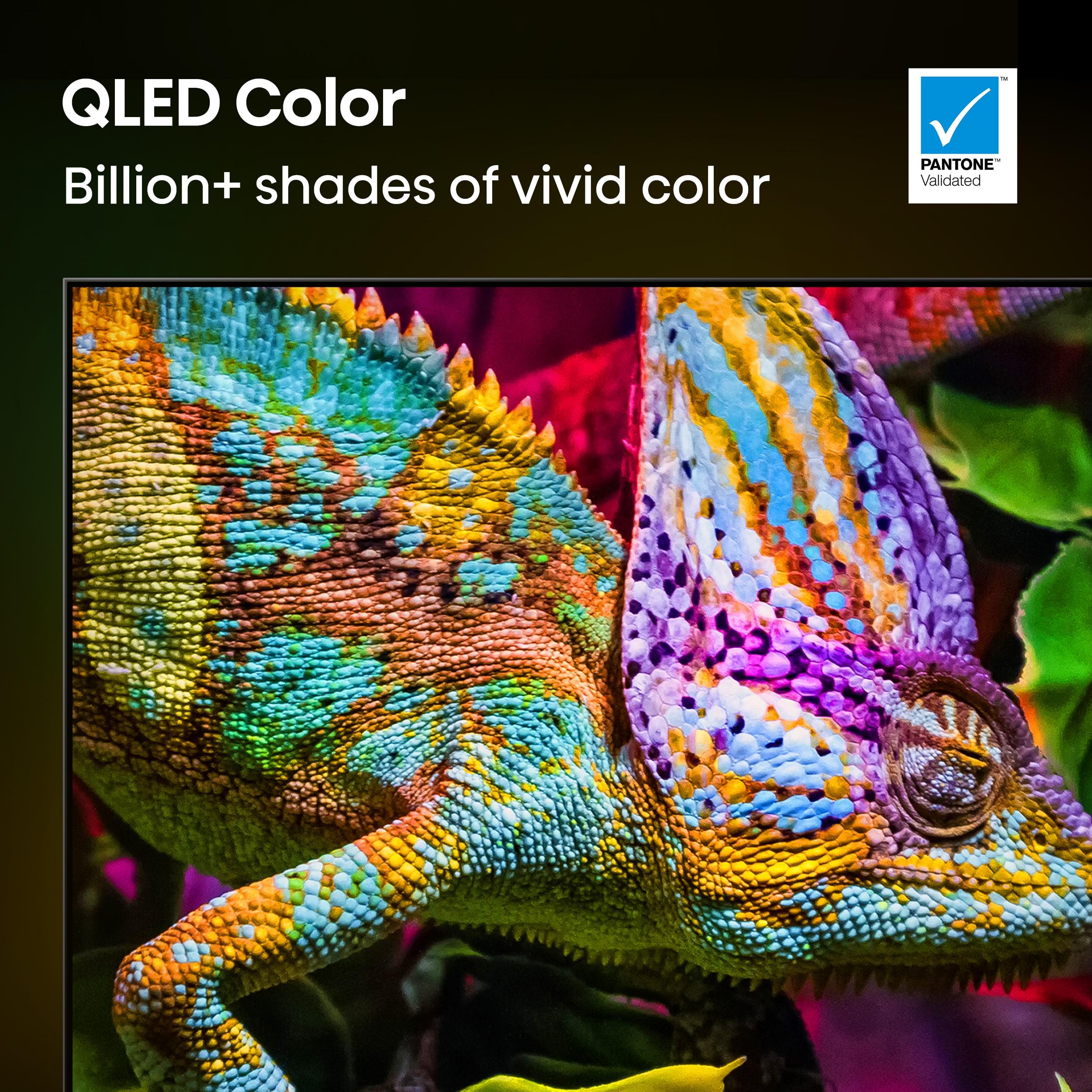
The Hisense U8 takes a more traditional approach, using quantum dots in combination with its Mini-LED backlight. The result is punchy, vibrant colors that really grab your attention. Some might argue they're slightly oversaturated compared to real life, but for watching sports or animated content, this can actually be a benefit.
I spent time comparing both TVs with the same 4K HDR nature documentary, and the differences were subtle but noticeable. The Sony made flowers and landscapes look exactly like I remembered them from real life, while the Hisense made everything look like an idealized, slightly more colorful version of reality. Neither approach is wrong—it's really about personal preference.
Modern TVs need to handle gaming as well as they do movies, and both of these models take gaming seriously—just with different strengths.
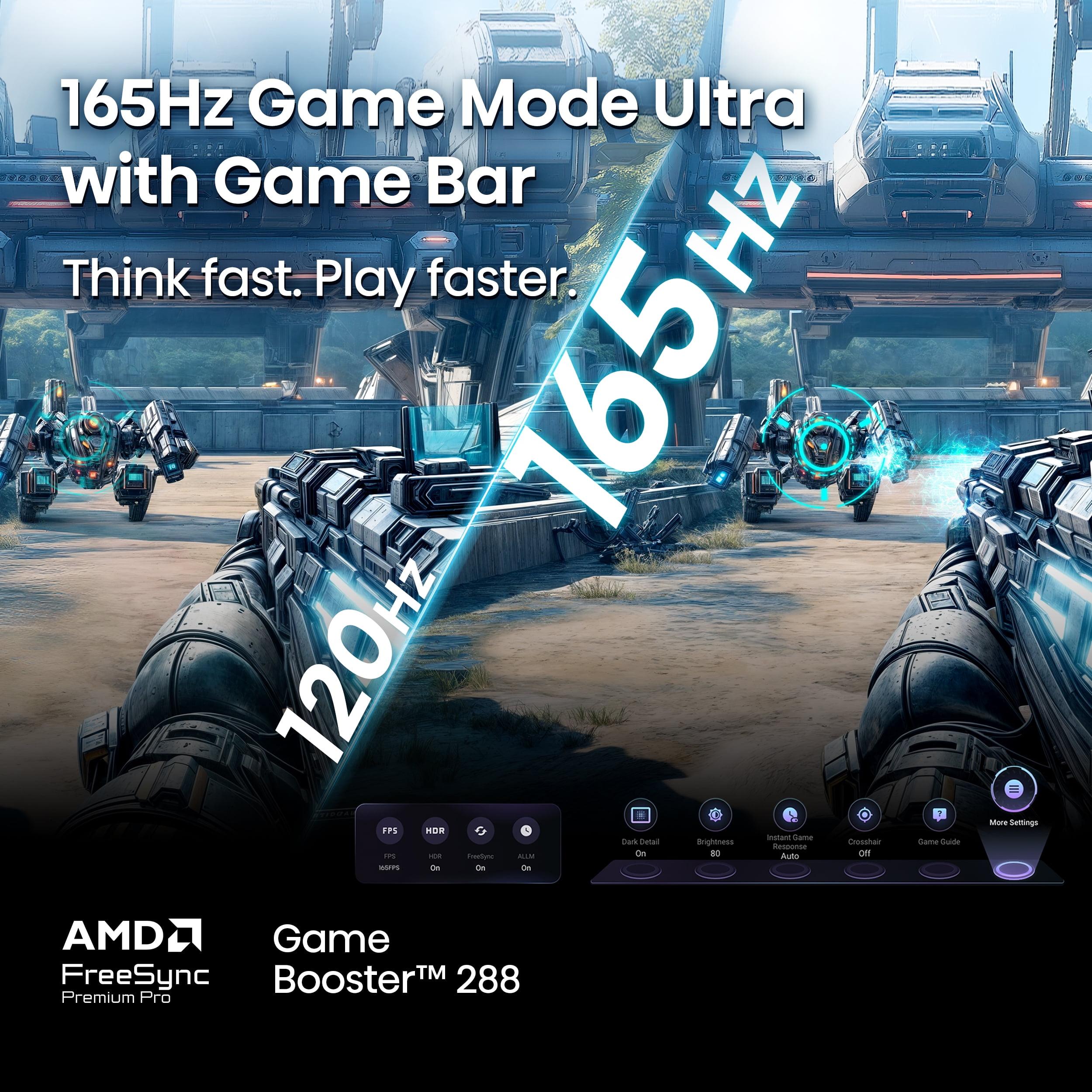
The Hisense U8 wins the numbers game here with a native 165Hz refresh rate compared to the Sony's 120Hz. For competitive gamers playing fast-paced shooters or racing games, those extra frames per second can make a noticeable difference in smoothness and responsiveness. The Hisense also supports AMD FreeSync Premium Pro, which helps eliminate screen tearing when gaming with compatible graphics cards.
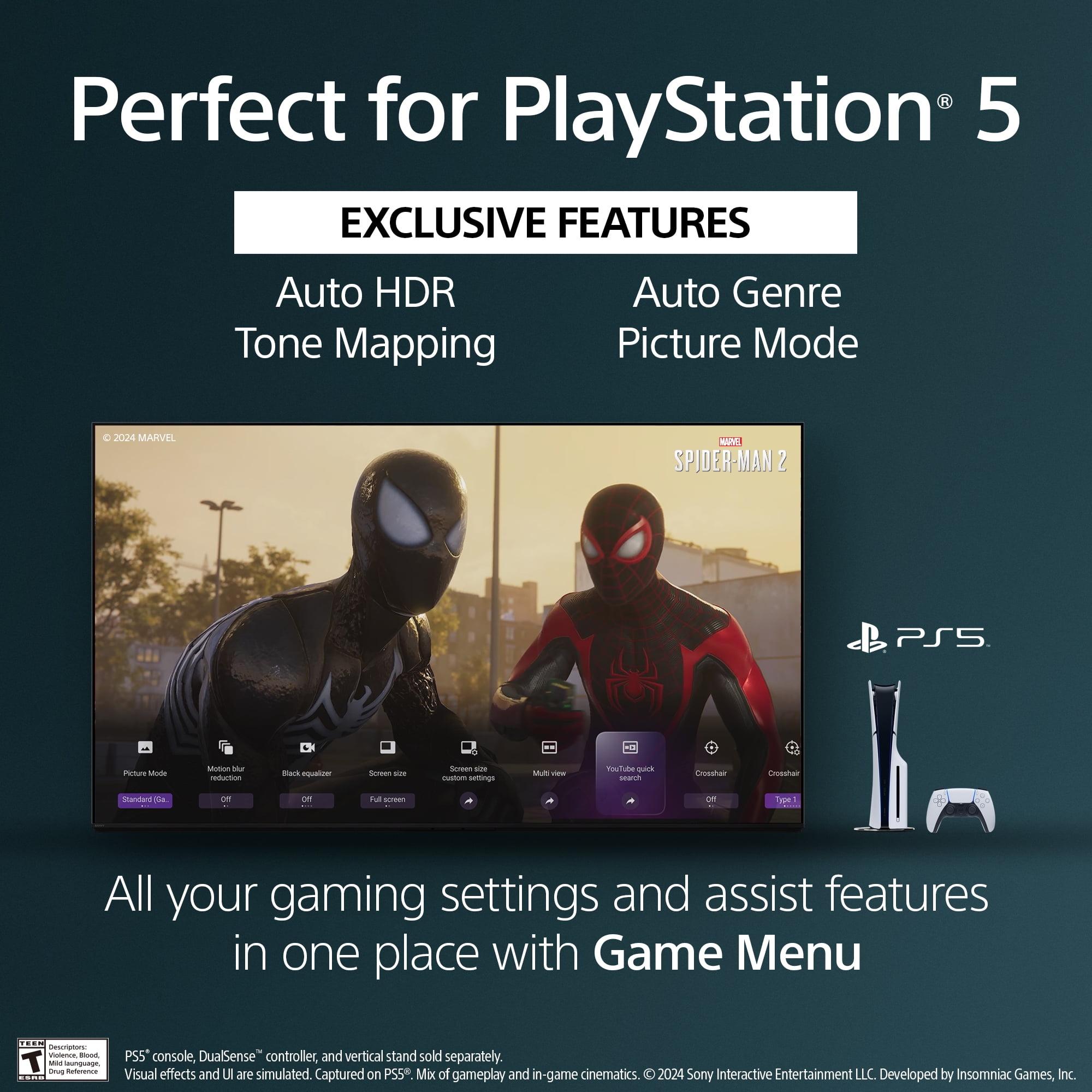
Both TVs support Variable Refresh Rate (VRR) and Auto Low Latency Mode (ALLM), which are essential for modern console gaming. These features ensure that your Xbox Series X or PlayStation 5 can communicate directly with the TV to optimize performance automatically.
However, the Sony BRAVIA 8 II has some unique gaming advantages that numbers don't tell the whole story about. Its perfect black levels make games with dark environments incredibly immersive. Playing horror games or exploring caves in RPGs feels more atmospheric because the darkness is truly dark, not just dark gray.
While the Hisense U8 can push more frames per second, the Sony makes each frame look better. HDR gaming, in particular, benefits enormously from OLED's infinite contrast ratio. Explosions pop against dark backgrounds, and games with dramatic lighting—think of something like "The Last of Us" or "Cyberpunk 2077"—look genuinely cinematic.
The Sony also handles motion better for certain types of content. Its XR OLED Motion processing is particularly good at maintaining detail during fast camera movements, which can benefit both gaming and sports viewing.
Both manufacturers have put serious thought into audio, though they've taken very different approaches.
The Sony BRAVIA 8 II does something genuinely innovative with its Acoustic Surface Audio+ technology. Instead of traditional speakers, Sony uses actuators behind the OLED panel to turn the entire screen into a speaker. This means dialogue literally comes from the actors' mouths on screen, and sound effects originate from where the action is happening.
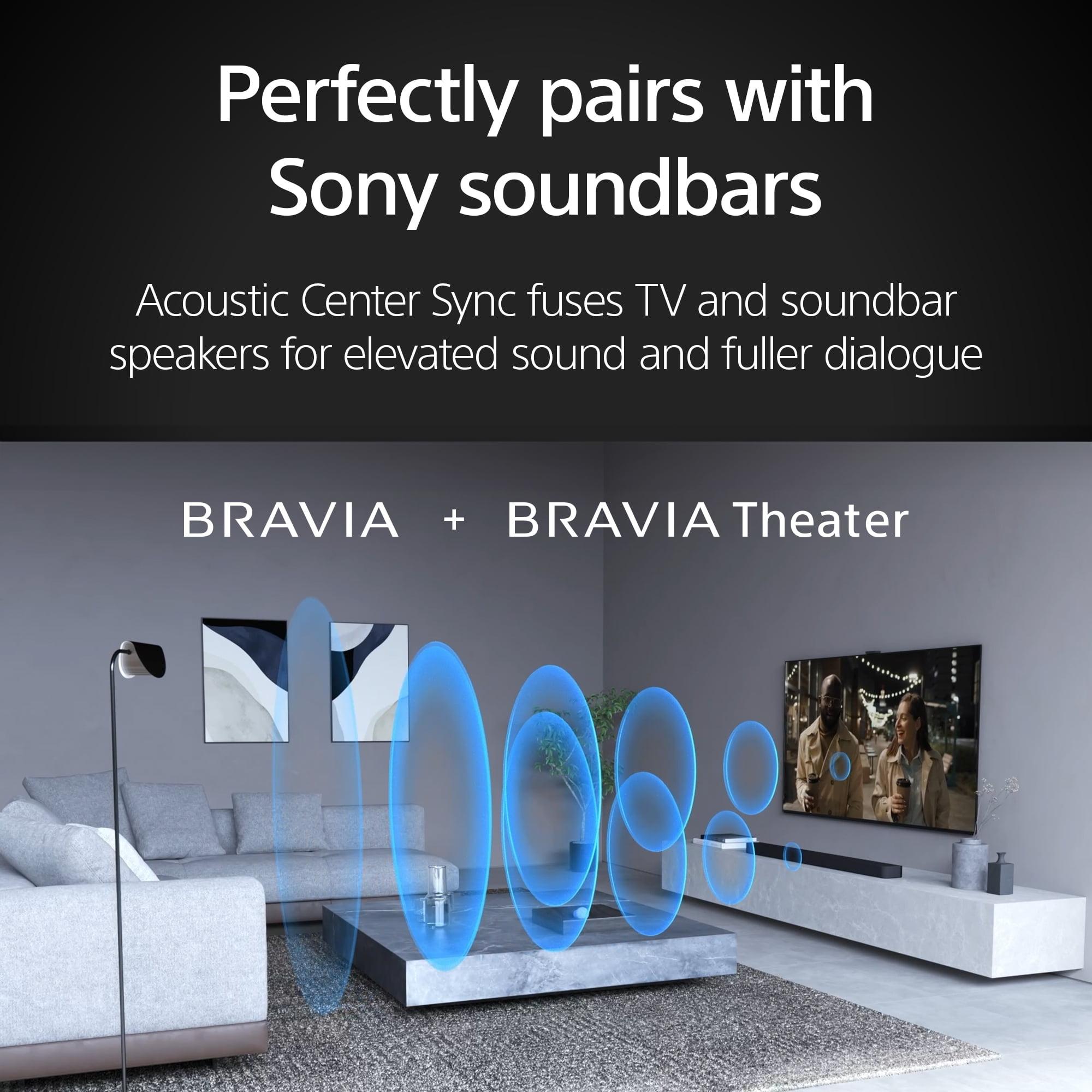
I found this particularly impressive when watching action movies. Explosions seem to come from the explosion itself, not from somewhere below the screen. It's a subtle but genuinely immersive effect that traditional TV speakers can't match. The Sony also supports Acoustic Center Sync, allowing it to work as a center channel speaker when paired with compatible Sony soundbars—a feature that's genuinely useful for home theater setups.
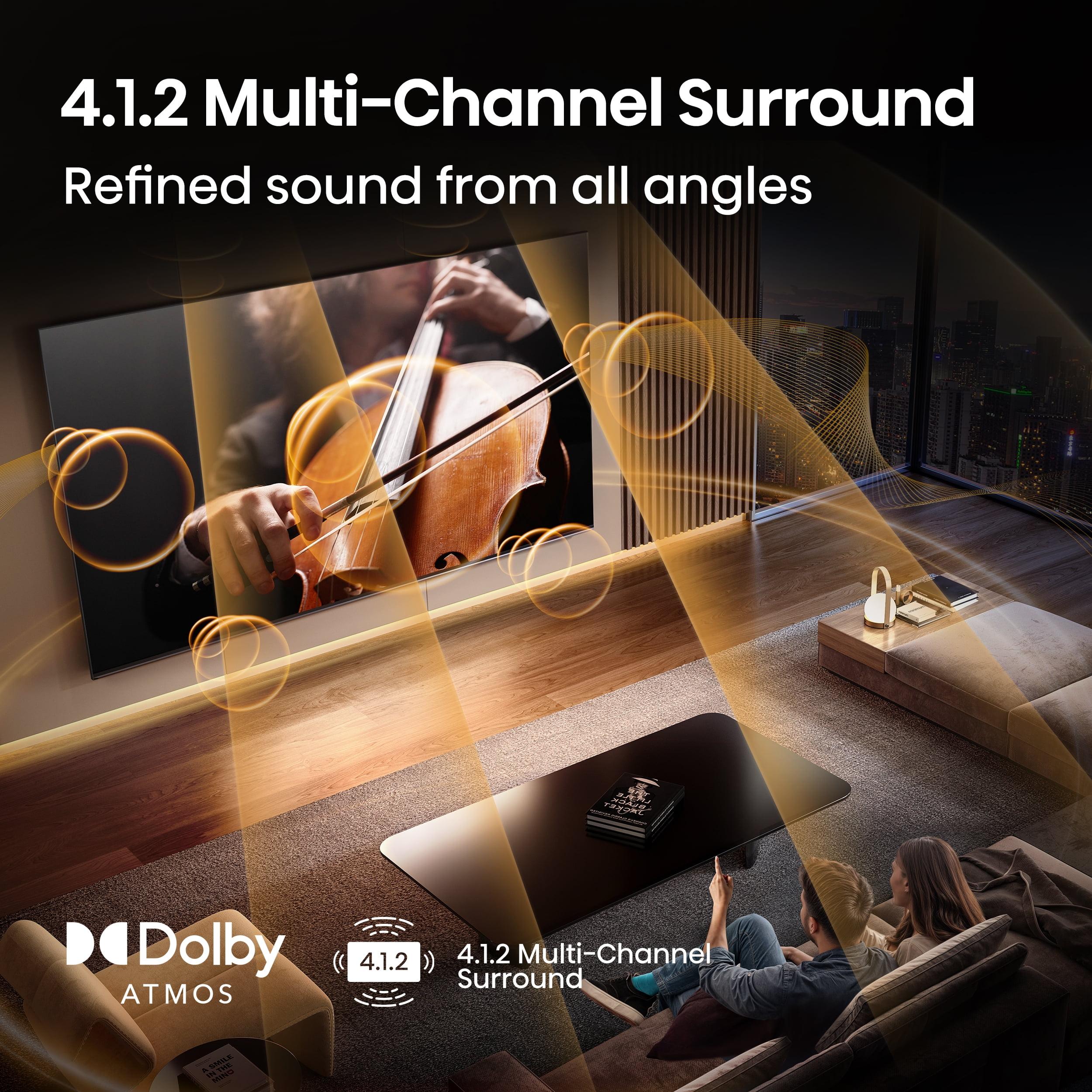
The Hisense U8 takes a more conventional but impressive approach with its 82W 4.1.2 multi-channel audio system. It includes dedicated subwoofers for bass response and upward-firing speakers for Dolby Atmos height effects. While the sound doesn't come from the screen like the Sony, it's more powerful and fuller, especially for bass-heavy content like action movies or music.
For most people, either audio system will be a significant improvement over basic TV speakers, though dedicated soundbar systems will still outperform both.
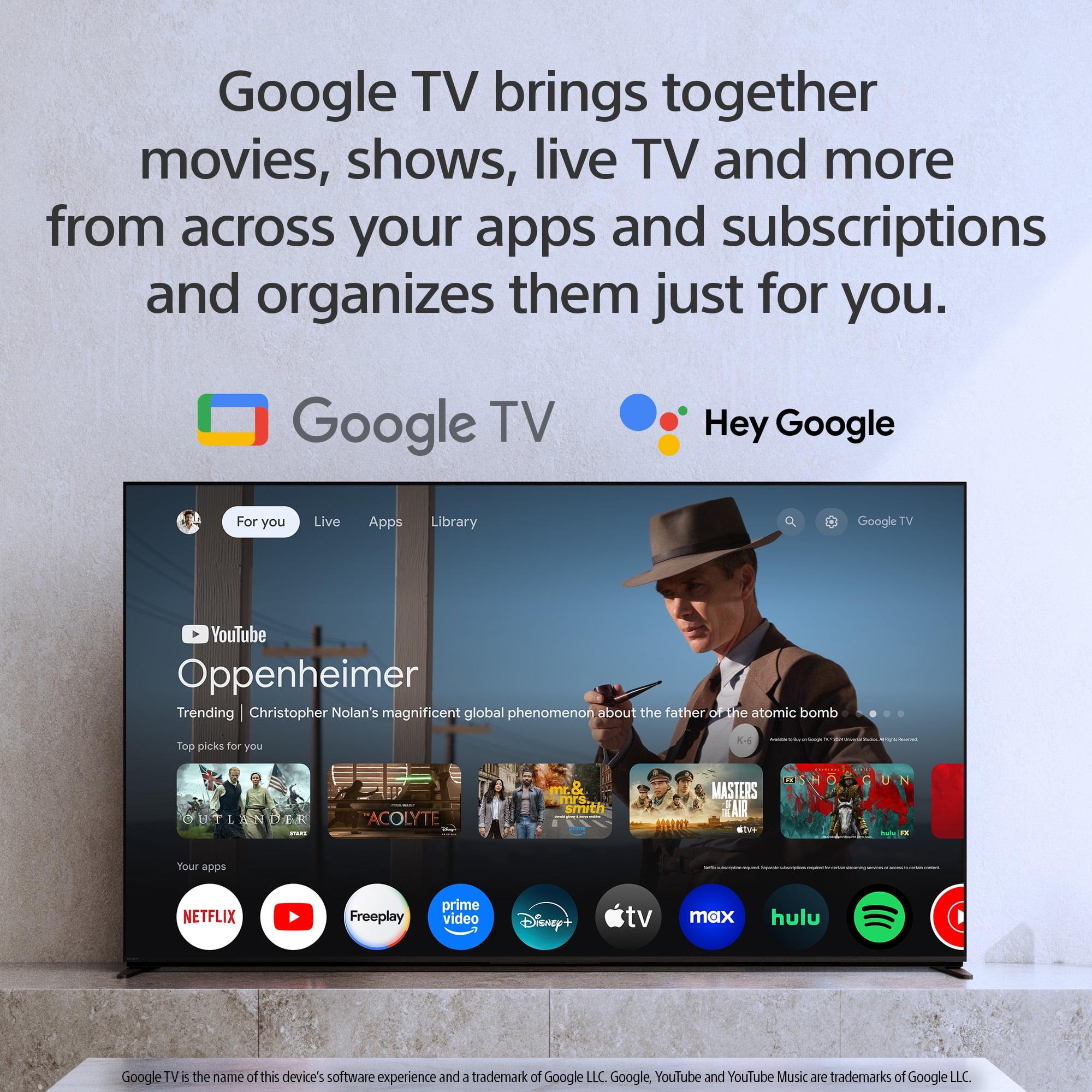
Both TVs run Google TV, so you'll get the same selection of streaming apps and the same interface. However, there are some meaningful differences in how they handle day-to-day use.
The Sony BRAVIA 8 II includes Sony's second-generation XR Processor with AI Scene Recognition. This system analyzes what you're watching in real-time and optimizes picture settings automatically. Watching a dark thriller? It'll enhance shadow detail. Switched to a bright sports broadcast? It'll boost clarity and color saturation appropriately.
The Hisense U8 has its own Hi-View Engine PRO with AI enhancements, but it's not quite as sophisticated in its analysis. However, it's still effective at upscaling lower-resolution content and reducing noise in streaming video.
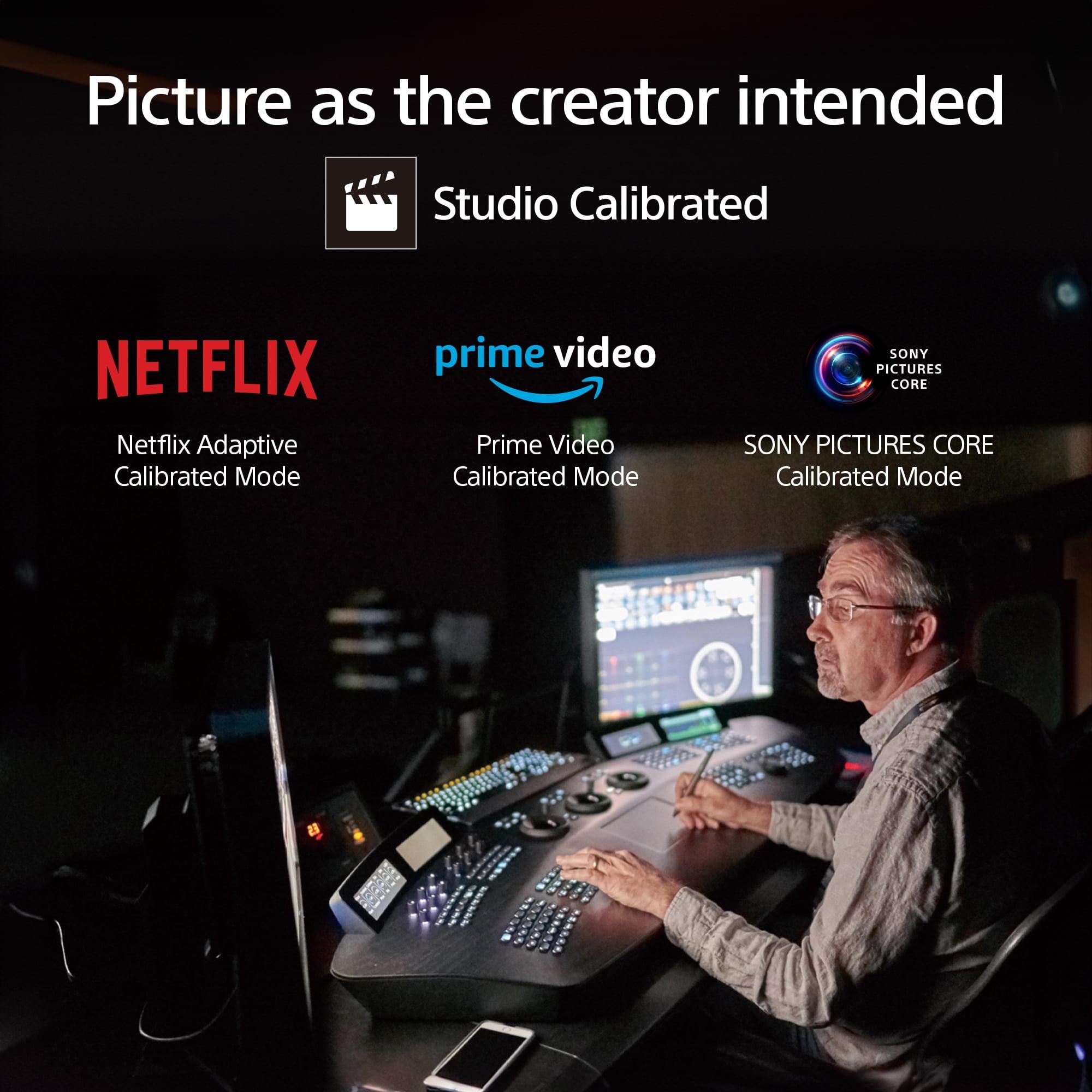
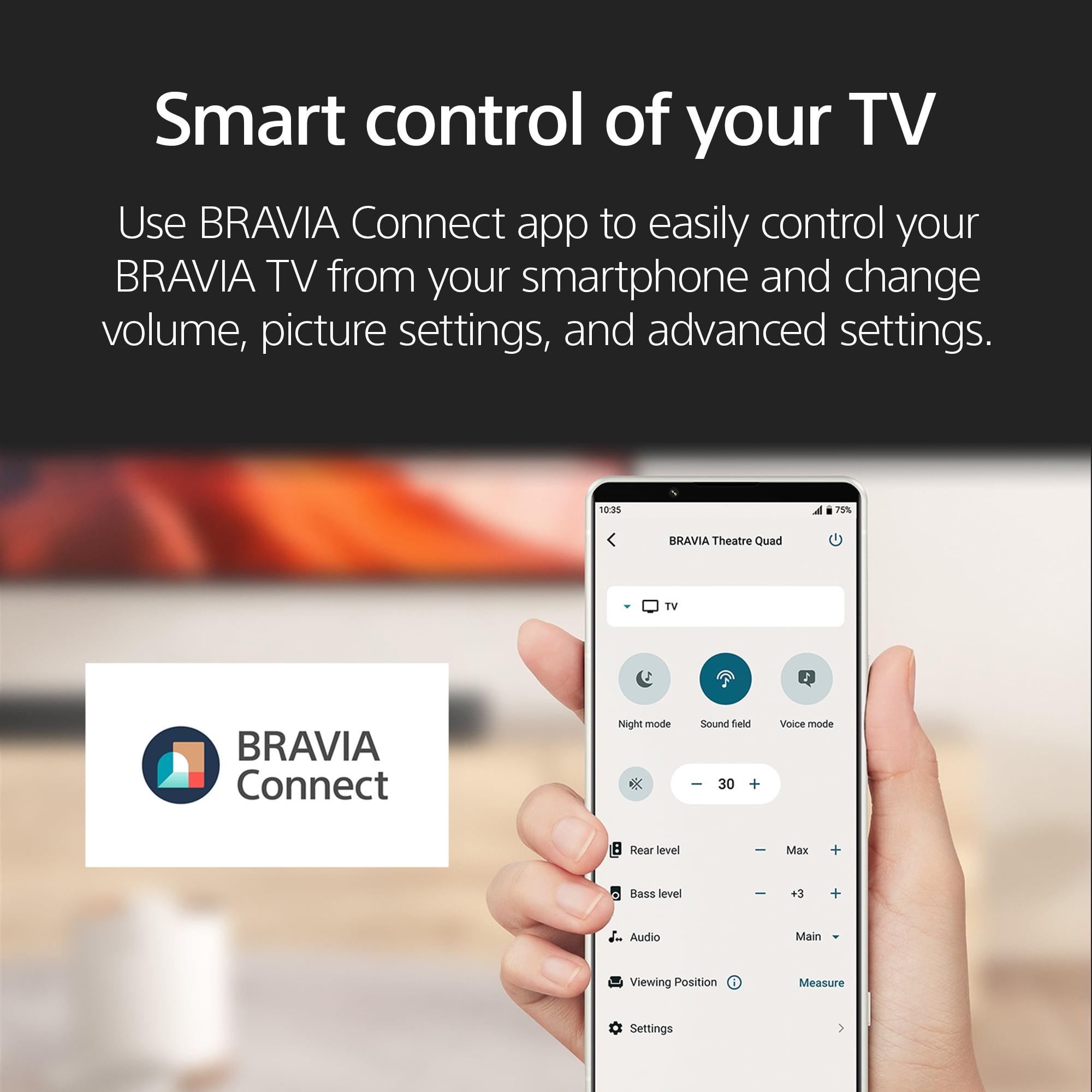
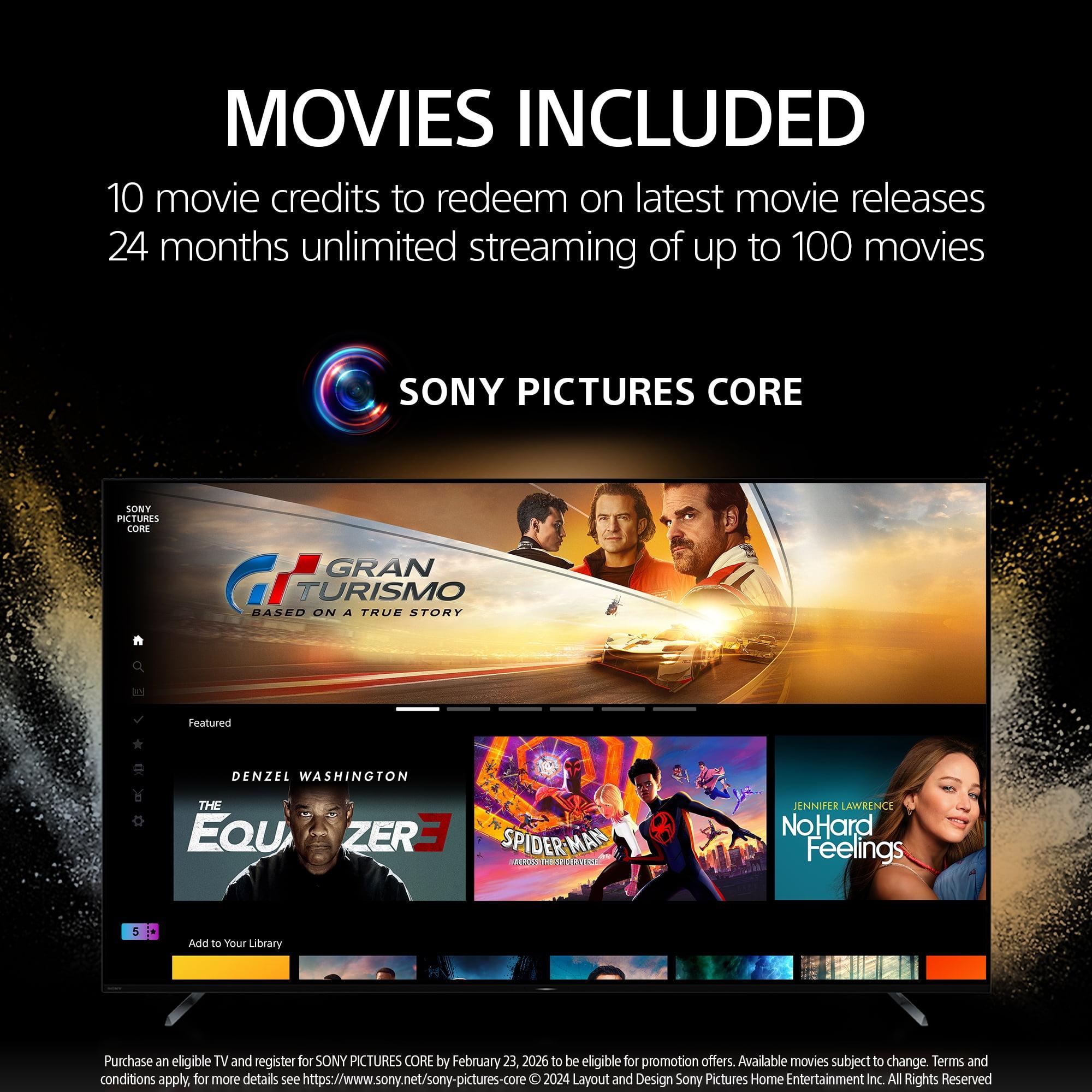
The Sony includes some exclusive features that might matter depending on your setup. Sony Pictures Core provides access to a large library of movies with studio-calibrated picture settings, and there are specific picture modes optimized for Netflix and Prime Video that display content exactly as the creators intended.
The Hisense U8 focuses more on practical features like its comprehensive gaming mode settings and excellent upscaling for older content. It also comes with a generous 2-year warranty, double the industry standard, which provides extra peace of mind.
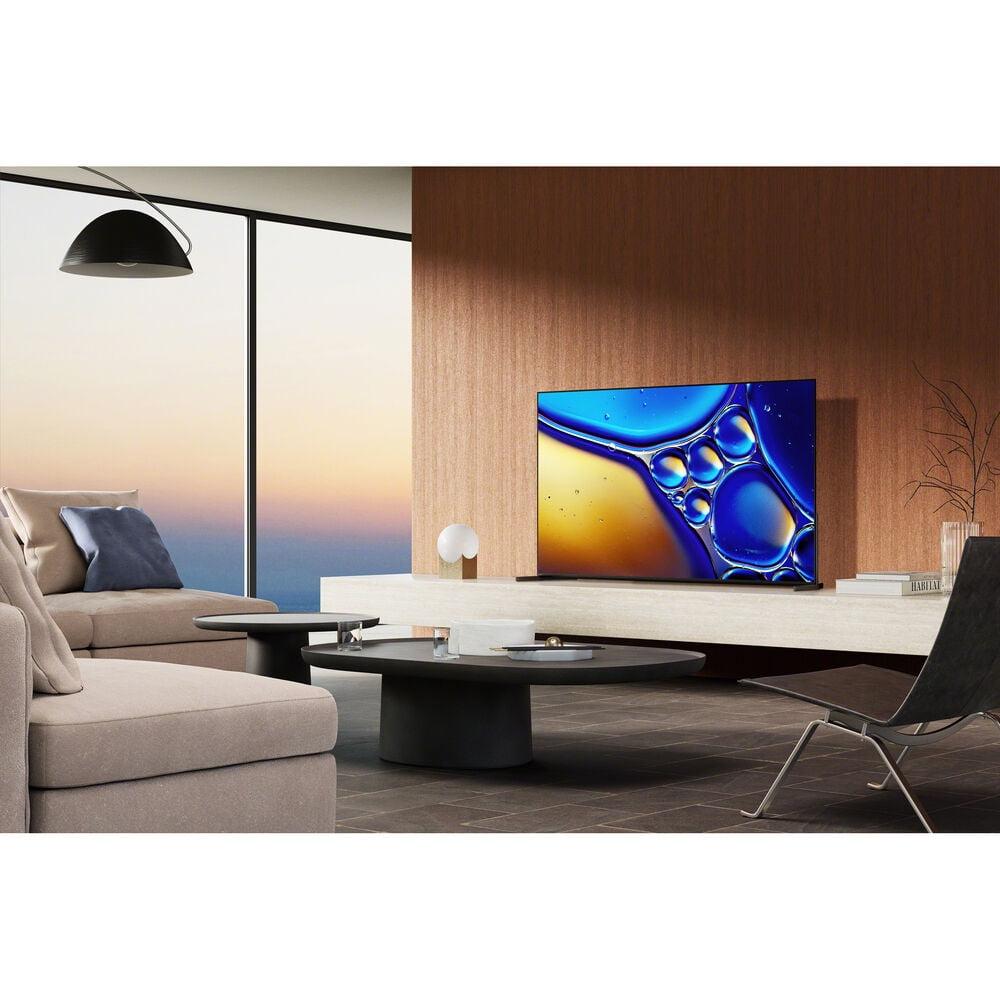
If you're building a dedicated home theater, the choice between these TVs becomes more clear-cut. The Sony BRAVIA 8 II is the obvious choice for controlled lighting environments. Its perfect blacks, accurate colors, and excellent viewing angles make it ideal for the classic home theater setup where you can control ambient light.
The Sony's Acoustic Surface Audio+ technology also integrates beautifully with surround sound systems, particularly if you're using Sony's own BRAVIA Theater soundbars. The ability to use the TV as a center channel speaker creates a more cohesive audio experience than traditional setups.
For family rooms or multi-purpose spaces where you can't always control lighting, the Hisense U8 might actually be the better choice. Its extreme brightness cuts through ambient light, and its anti-glare coating reduces reflections from windows or lamps.
The price difference between these TVs is dramatic—the Hisense U8 at around $998 costs roughly one-third of the Sony BRAVIA 8 II's $2,998-$3,299 price tag. This isn't just about saving money; it's about different philosophies of what makes a TV worth buying.
The Hisense represents exceptional value engineering. You're getting 80% of premium TV performance for 30% of the price. For most people in most rooms, it will provide a genuinely impressive viewing experience that rivals TVs costing much more.
The Sony is about pursuing perfection in picture quality and refinement. Every aspect, from its processing to its build quality to its color accuracy, is optimized for the best possible performance. Whether that's worth the premium depends on how much you value those incremental improvements.
There's also the question of longevity. OLED panels can potentially suffer from burn-in if you leave static images on screen for extended periods, though this has become much less of an issue with modern panels and automatic protection features. Mini-LED displays like the Hisense don't have this concern, plus they come with longer warranty coverage.
If you're setting up a dedicated home theater room where you can control lighting, love watching movies, and want the absolute best picture quality available, the Sony BRAVIA 8 II justifies its premium price. Its perfect blacks, exceptional color accuracy, and innovative audio make it a genuine flagship experience.
If you're looking for a family room TV that needs to perform well in various lighting conditions, want excellent gaming features, and prefer to spend your money wisely, the Hisense U8 Series delivers remarkable performance at an accessible price point.
Both represent the current state of the art in their respective technologies. The Sony pushes OLED technology to new heights of brightness and color performance, while the Hisense shows how Mini-LED can deliver premium experiences without premium pricing.
The choice ultimately comes down to your priorities: perfection and refinement with the Sony, or exceptional value and versatility with the Hisense. Either way, you'll be getting a TV that would have been unimaginable just a few years ago.

Privacy Policy
Terms and Conditions - Affiliate Policy
Home Security
© Copyright 2008-2026.
11816 Inwood Rd #1211, Dallas, TX 75244