

Shopping for a 65-inch TV in 2025 feels overwhelming with all the acronyms, marketing claims, and wildly different price points. Two TVs that caught our attention represent very different approaches to premium home entertainment: the Samsung 65" QLED Q8F and the Sony BRAVIA 8 II 65" QD-OLED. At the time of writing, these TVs sit at opposite ends of the premium TV spectrum—Samsung's offering delivers impressive performance at a mid-tier price point, while Sony's flagship commands nearly three times the cost for cutting-edge display technology.
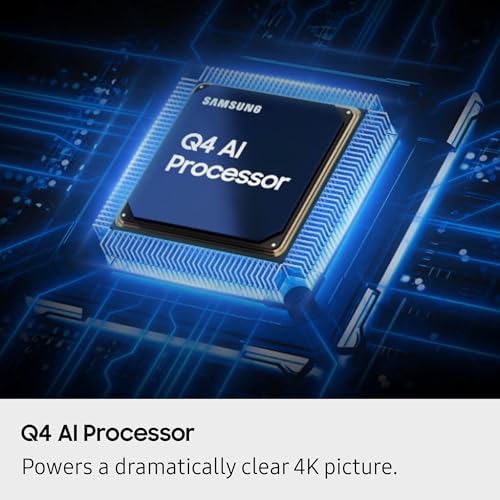
Both TVs launched in 2025, representing the latest thinking from their respective manufacturers. The Samsung Q8F builds on Samsung's established QLED foundation with their new Q4 AI Processor and improved local dimming. Meanwhile, the Sony BRAVIA 8 II marks Sony's transition from traditional WOLED panels to the newer QD-OLED technology, promising significantly brighter OLED performance that addresses one of OLED's traditional weaknesses.
The fundamental difference between these TVs lies in their display technology, which affects everything from picture quality to price. The Samsung Q8F uses QLED (Quantum Dot Light Emitting Diode) technology, where a traditional LED backlight shines through quantum dot layers and an LCD panel to create the image. Think of it like a sophisticated projector system—the backlight is your bulb, quantum dots act like colored filters, and the LCD panel controls which pixels turn on or off.
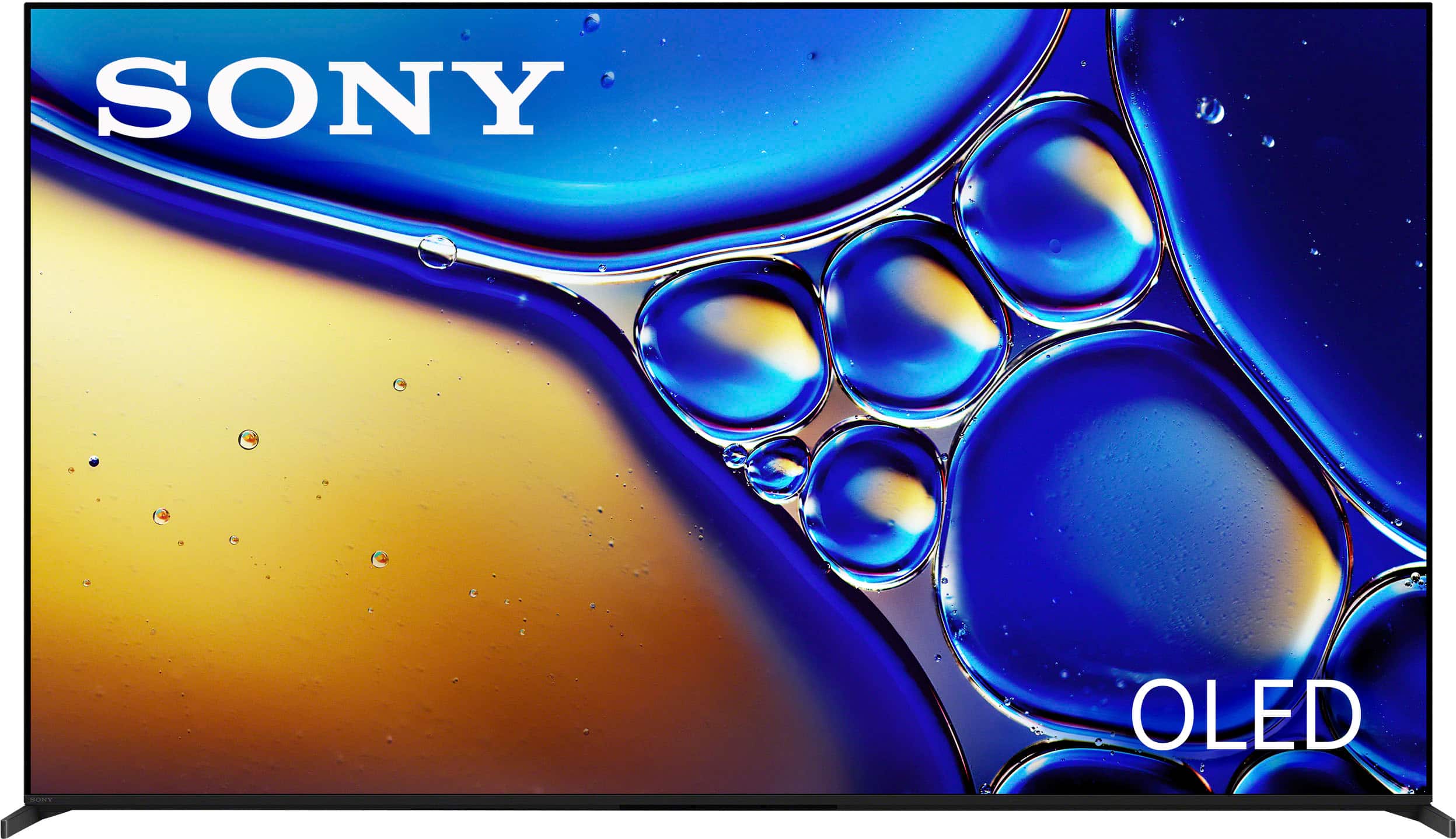
The Sony BRAVIA 8 II employs QD-OLED (Quantum Dot Organic Light Emitting Diode), a newer hybrid technology that's genuinely exciting. Each pixel produces its own light using organic compounds, eliminating the need for a separate backlight entirely. The quantum dot layer then converts blue OLED light into pure red and green, creating more accurate colors than traditional OLED panels. It's like having millions of tiny, perfectly controlled light bulbs instead of one big light shining through filters.
This technical difference creates a fundamental trade-off. QLED TVs like the Samsung Q8F excel in bright rooms because they can push more overall brightness, while OLED TVs like the Sony BRAVIA 8 II deliver perfect blacks because each pixel can turn completely off. The QD-OLED technology in Sony's TV tries to bridge this gap by offering both the perfect blacks of OLED and higher brightness than traditional OLED panels.
Brightness isn't just about making everything look brighter—it's about creating dynamic range that makes images pop with realism. HDR (High Dynamic Range) content contains information about both the darkest shadows and brightest highlights, but your TV needs sufficient brightness to display that range effectively.
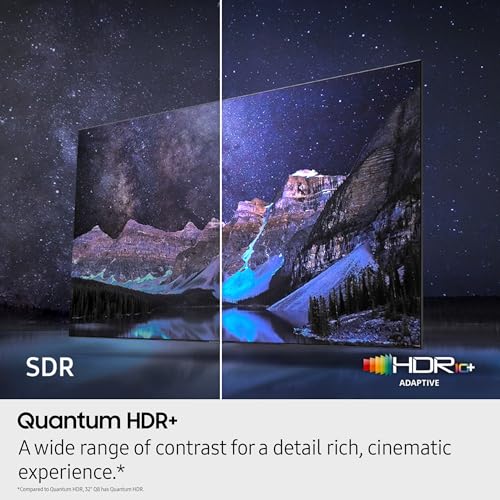
The Samsung Q8F leverages its QLED technology to deliver impressive peak brightness, especially for its price point. With Quantum HDR+ and support for Adaptive HDR10+, it can make HDR content look vibrant and punchy. The Adaptive HDR10+ feature is particularly clever—it adjusts the brightness and contrast for each scene rather than applying the same settings to an entire movie. However, it lacks Dolby Vision support, which is becoming increasingly important as more streaming content uses this format.
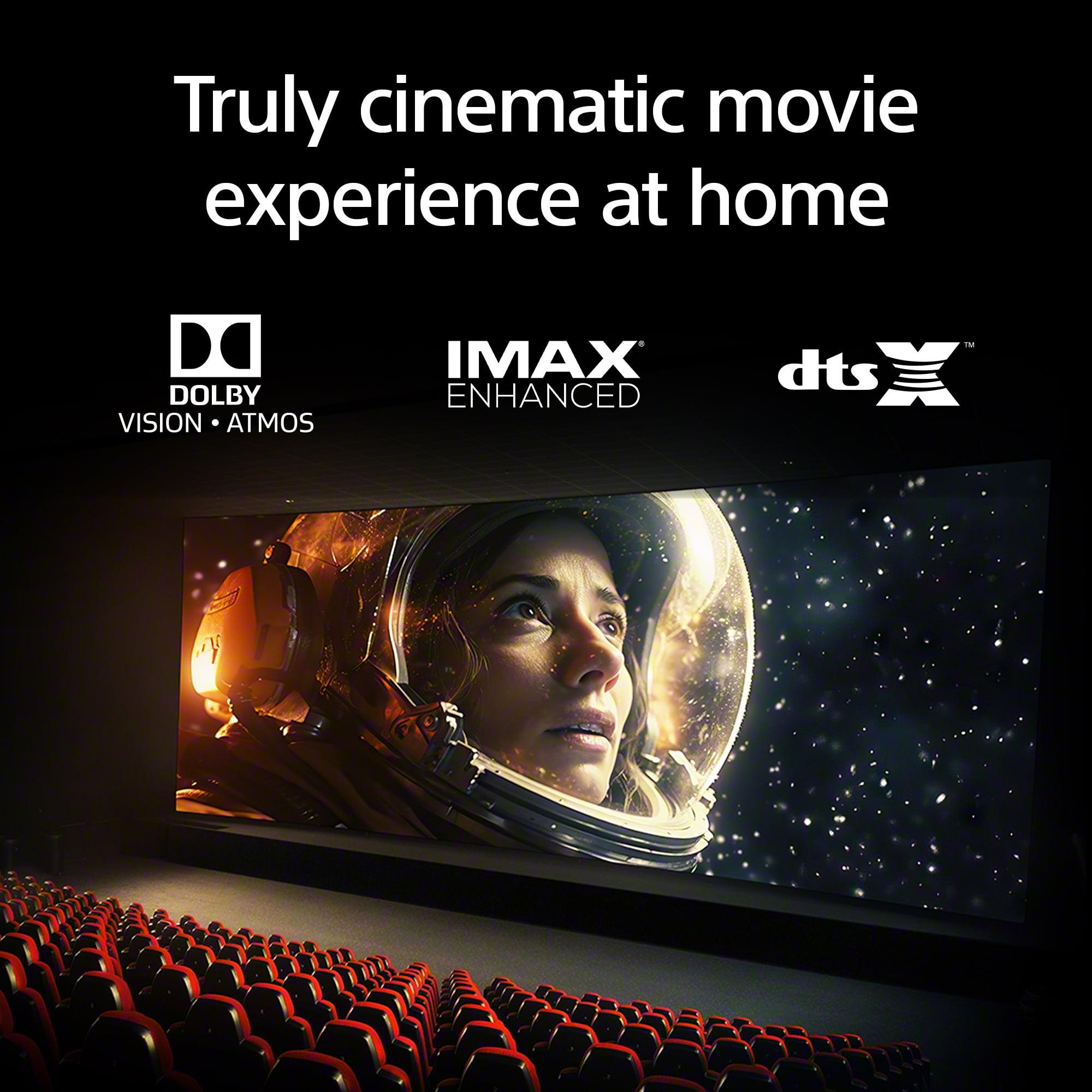
Our research into professional reviews reveals the Sony BRAVIA 8 II achieves around 1,880 nits peak brightness—about 25% brighter than Sony's previous OLED flagship and 50% brighter than their standard OLED models. This brightness level puts it in competitive territory with many LED TVs while maintaining OLED's perfect black levels. The comprehensive HDR support including Dolby Vision, HDR10+, and IMAX Enhanced means you'll get optimal performance regardless of your content source.
In practical terms, the Samsung excels when you're watching during the day with curtains open, while the Sony delivers more cinematic impact in controlled lighting conditions. If your TV room has large windows and you frequently watch during daylight hours, the Samsung Q8F might actually provide a better viewing experience despite its lower overall performance rating.
This is where the display technology difference becomes most apparent. Contrast ratio—the difference between the brightest whites and darkest blacks—fundamentally affects how realistic images appear. Higher contrast makes colors appear more saturated, details more visible, and creates that three-dimensional "pop" that separates good TVs from great ones.
The Samsung Q8F uses Dual LED backlighting and Supreme UHD Dimming to improve contrast. The Dual LED system combines warm and cool LED temperatures to enhance color accuracy, while local dimming divides the screen into zones that can be brightened or darkened independently. However, as an edge-lit design, it can't achieve the precise control of full-array systems, leading to some light blooming around bright objects against dark backgrounds.
The Sony BRAVIA 8 II simply turns pixels completely off for true blacks, creating infinite contrast ratios that LED-based TVs cannot match. This creates incredibly clean shadow detail and eliminates the "gray" look that affects LCD panels in dark rooms. When watching a movie with dark scenes—think horror films or space epics—the difference is immediately apparent.
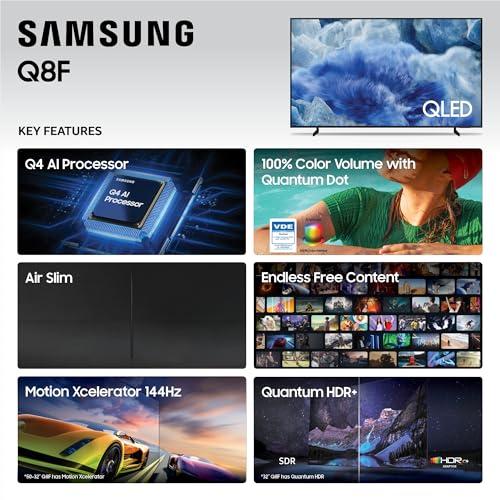
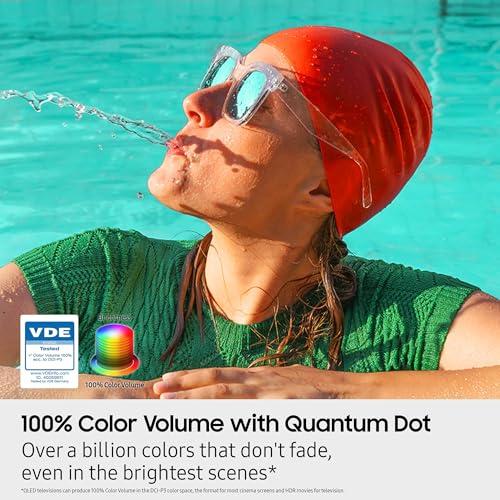
Color performance involves both the range of colors a TV can display (color gamut) and how accurately it reproduces them. The Samsung Q8F achieves 100% Color Volume through quantum dot technology, displaying over a billion distinct colors. Samsung tends to tune their TVs for vibrant, saturated colors that immediately impress in showroom settings.
The Sony BRAVIA 8 II combines quantum dots with OLED's natural color reproduction through XR Triluminos Max technology. Professional reviewers consistently note Sony's more conservative, accurate color tuning that prioritizes realism over wow factor. Skin tones look natural, grass appears genuinely green rather than artificially vibrant, and the overall image maintains cinematic authenticity.
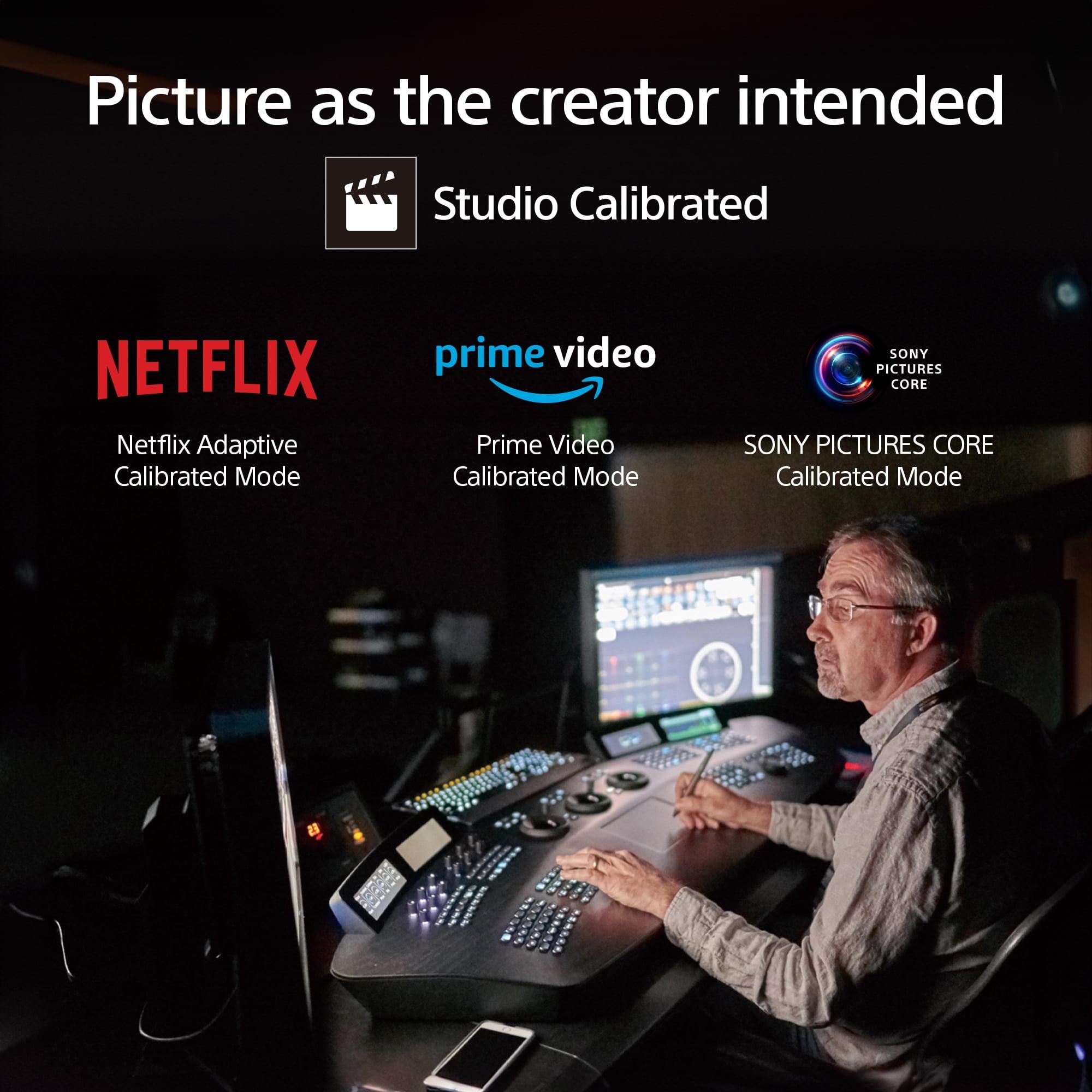
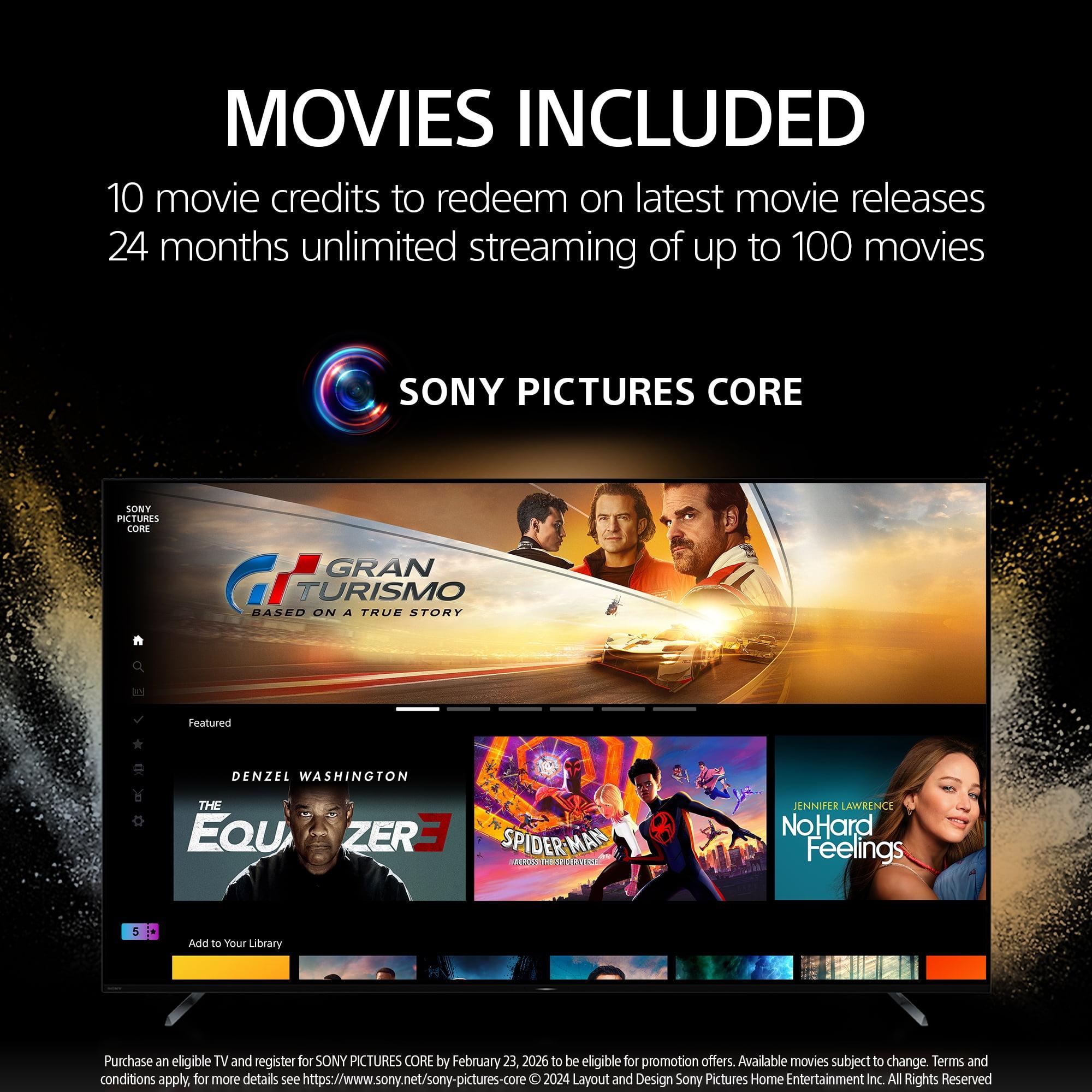
For home theater use, Sony's approach typically proves superior during extended viewing sessions. While Samsung's vivid colors create immediate impact, they can become fatiguing over time. Sony's processing also includes studio-calibrated modes for Netflix, Prime Video, and Sony Pictures Core that reproduce content exactly as creators intended.
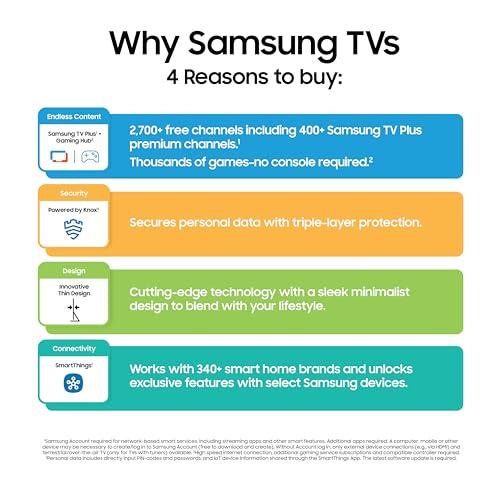
Both TVs offer comprehensive smart platforms, but with different philosophies. The Samsung Q8F runs Tizen Smart TV OS with deep integration into Samsung's ecosystem. Features like SmartThings Hub functionality let the TV control compatible smart home devices, while Multi-View allows watching two different sources simultaneously. The generative AI wallpaper feature uses artificial intelligence to create custom backgrounds based on your preferences—a nice touch that personalizes the experience.
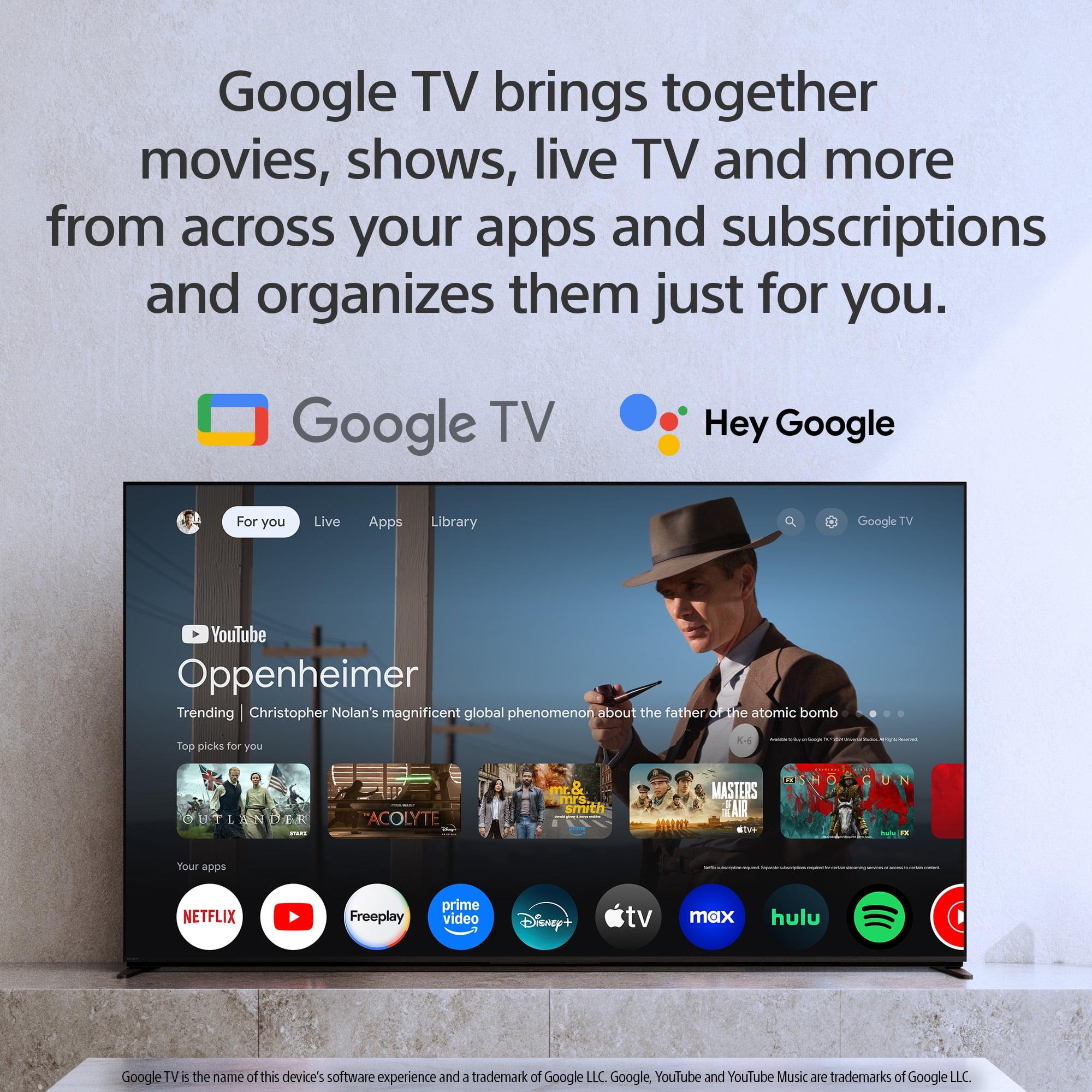
The Sony BRAVIA 8 II uses Google TV OS, which provides excellent app selection and intuitive content discovery. Google Assistant integration works seamlessly for voice control, and Apple AirPlay 2 support ensures compatibility regardless of your phone preference. Sony's exclusive access to Sony Pictures Core streaming service includes IMAX Enhanced content and studio-quality movies, adding genuine value for movie enthusiasts.
Both interfaces respond quickly and provide access to major streaming services. Your choice might depend on existing ecosystem preferences—Samsung users will appreciate the seamless integration, while Google ecosystem users will prefer Sony's approach.
TV audio often gets overlooked, but both manufacturers have invested significantly in sound quality. The Samsung Q8F includes Object Tracking Sound Lite (OTS Lite), which attempts to move audio around the screen to match on-screen action. Q-Symphony technology allows the TV speakers to work alongside compatible Samsung soundbars without muting, creating a more immersive soundscape.
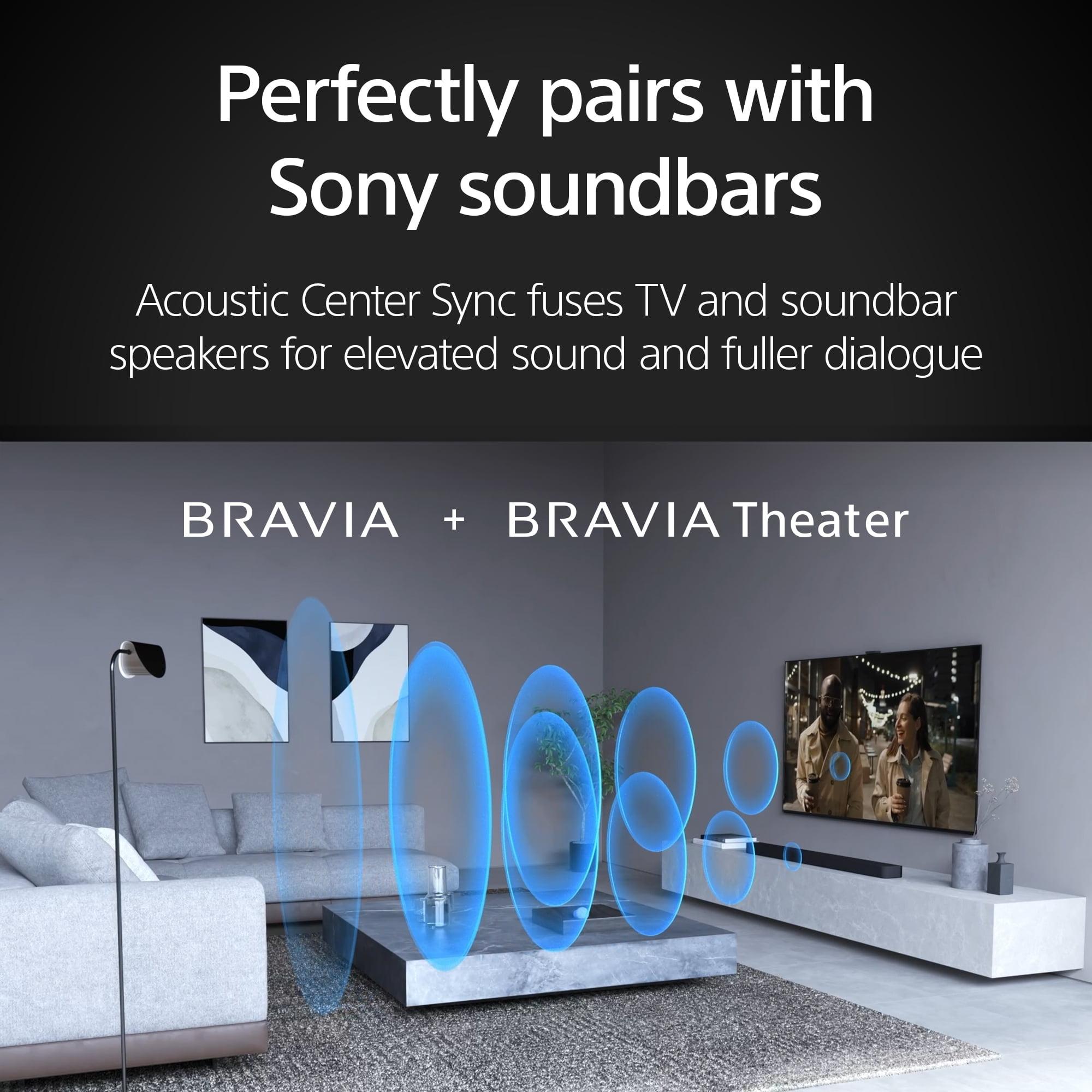
The Sony BRAVIA 8 II takes a more sophisticated approach with Acoustic Surface Audio+ technology. Instead of traditional speakers, actuators behind the OLED panel vibrate the entire screen to produce sound. This creates the unique effect of dialogue coming directly from characters' mouths rather than from below the screen. Voice Zoom 3 uses AI to enhance dialogue clarity during loud scenes, while Acoustic Center Sync lets the TV function as a dedicated center channel when paired with compatible Sony soundbars.
For home theater setups, Sony's approach offers more flexibility and generally superior performance. The screen-as-speaker concept works remarkably well for dialogue-heavy content, though both TVs benefit from dedicated sound systems for action movies and music.
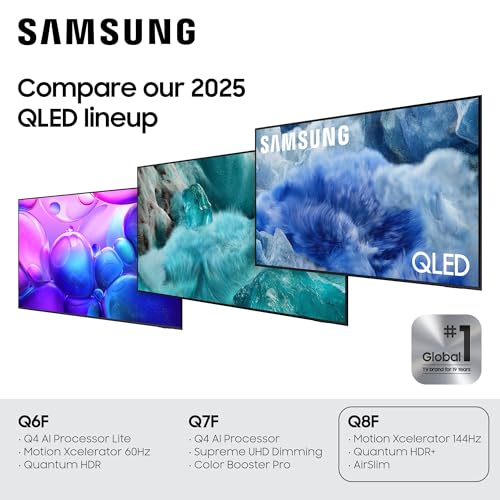
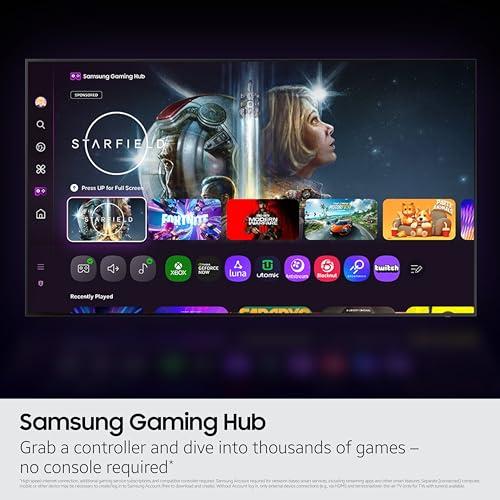
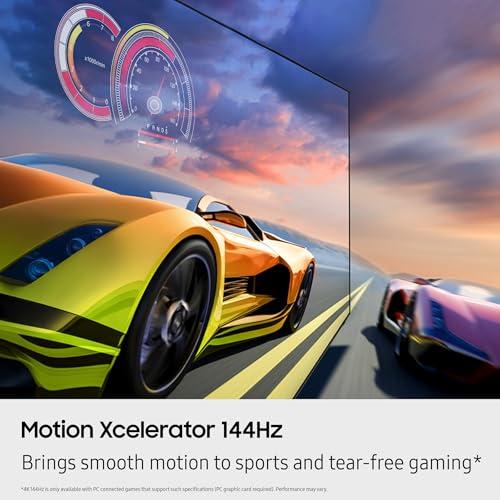
Gaming has become increasingly important for TV evaluation as consoles push 4K resolution at higher frame rates. The Samsung Q8F supports Motion Xcelerator 144Hz technology, providing smooth motion for fast-paced gaming. Auto Game Mode (ALLM) automatically switches to optimized settings when it detects gaming consoles, while features like Super Ultra Wide Game View and Mini Map Zoom offer gameplay enhancements.
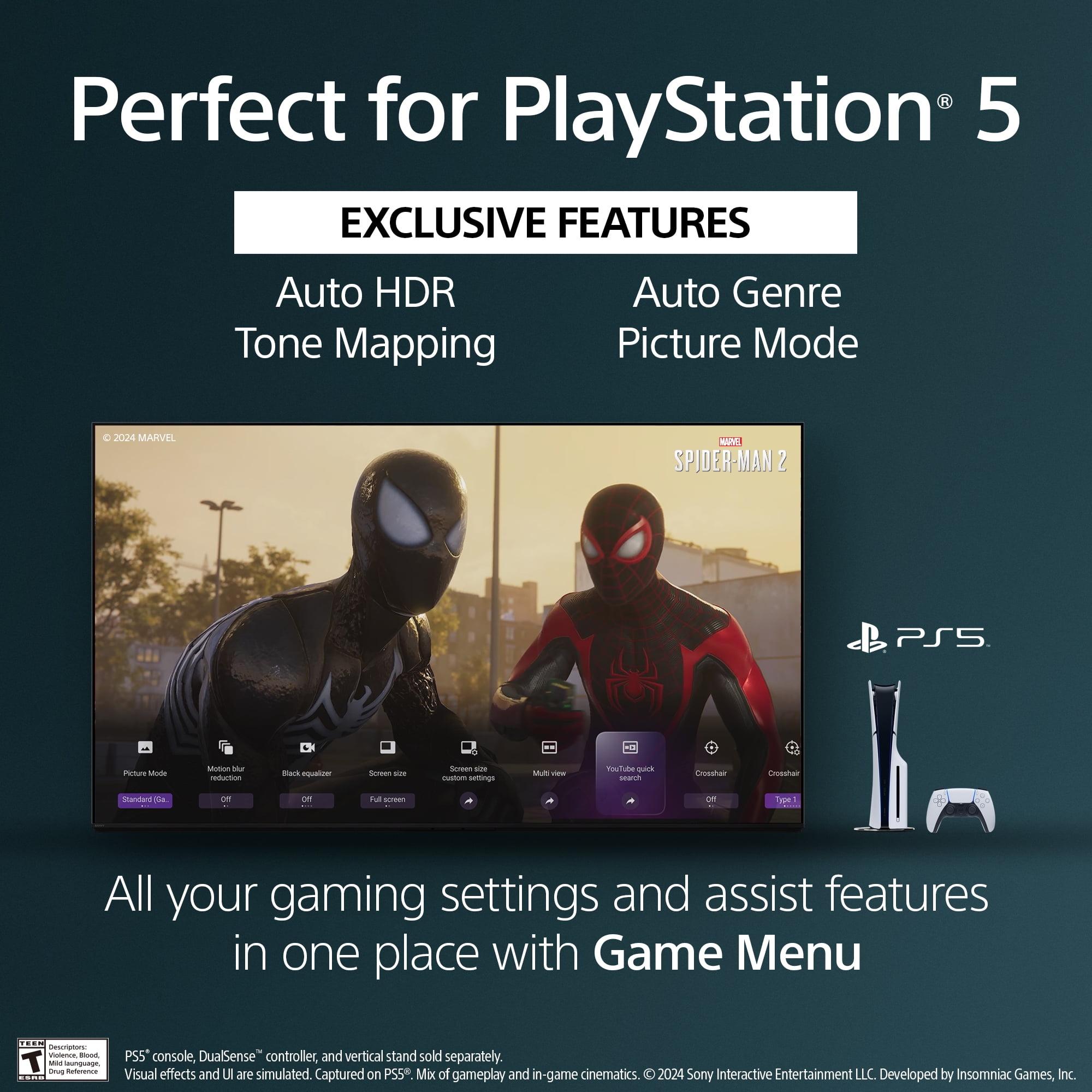
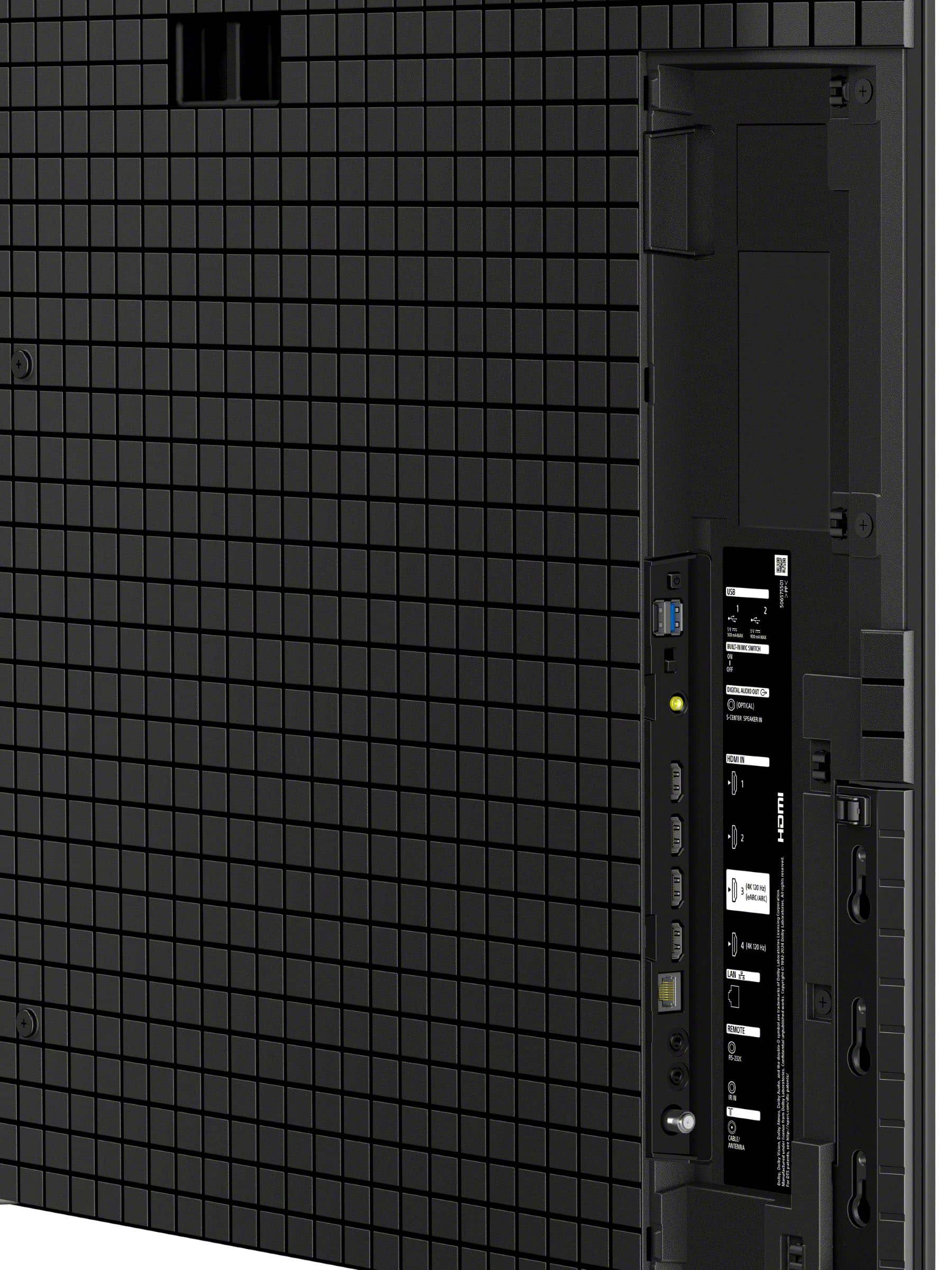
The Sony BRAVIA 8 II delivers impressive gaming performance with input lag as low as 8.5 milliseconds—the delay between controller input and on-screen response. HDMI 2.1 support enables 4K gaming at 120Hz with Variable Refresh Rate (VRR) to eliminate screen tearing. Exclusive PlayStation 5 optimizations and Dolby Vision gaming support provide enhanced visual quality for compatible titles.
Both TVs handle modern gaming well, but the Sony's lower input lag and more comprehensive HDMI 2.1 implementation make it slightly preferable for competitive gaming. However, the Samsung Q8F offers excellent gaming performance for its price point and includes unique features that some gamers will appreciate.
At the time of writing, these TVs represent fundamentally different value propositions. The Samsung Q8F delivers approximately 70% of flagship TV performance at roughly 30% of the cost. It's an exceptional choice for buyers who want premium features without the premium price, particularly in bright viewing environments where its QLED technology shines.
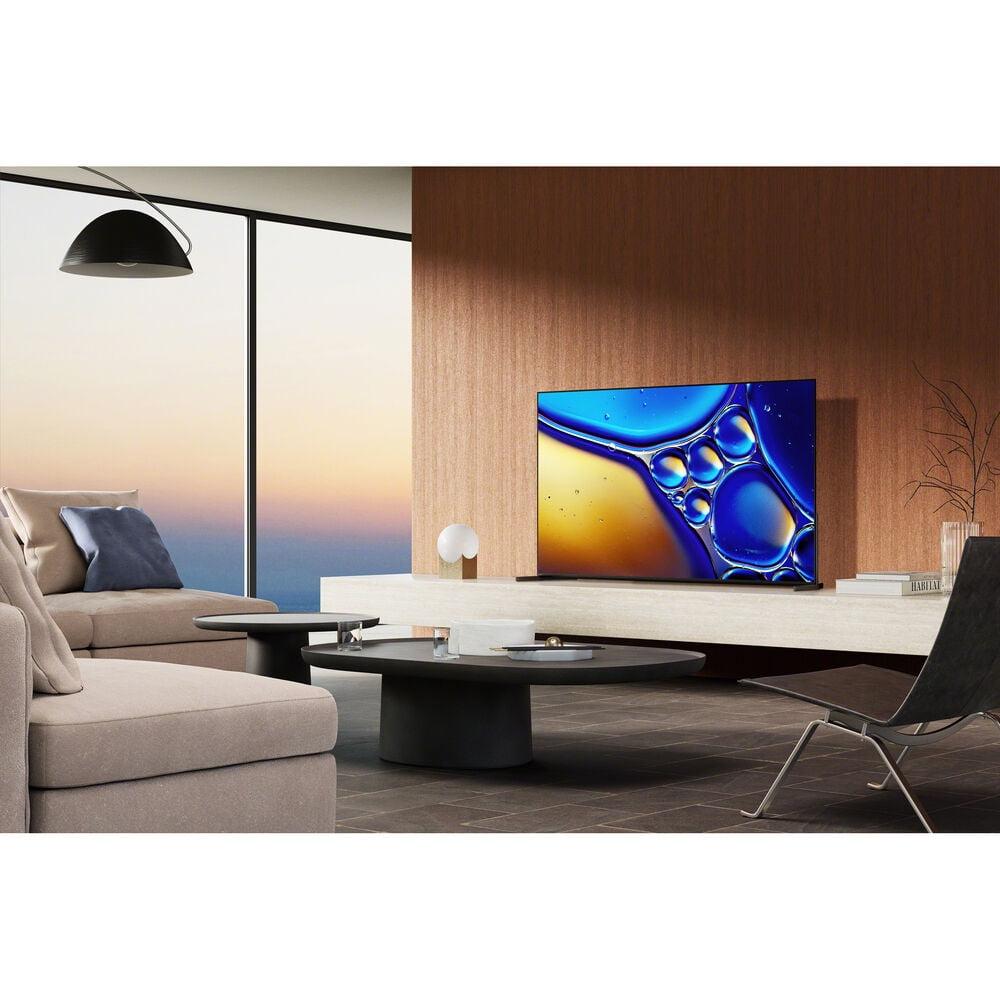
The Sony BRAVIA 8 II commands flagship pricing for flagship performance. The QD-OLED technology, superior processing, and comprehensive feature set justify the cost for users who prioritize picture quality above all else. For dedicated home theater rooms or serious movie enthusiasts, the additional investment delivers meaningful benefits.
OLED displays like the Sony BRAVIA 8 II carry a theoretical risk of burn-in—permanent image retention from static content like news tickers or game interfaces. Modern OLED panels have significantly improved in this regard, and normal viewing habits rarely cause issues. However, users who frequently watch news channels or play games with persistent interface elements should consider this factor.
The Samsung Q8F faces no burn-in risk but may show more uniformity issues over time due to its edge-lit design. Both manufacturers have strong reputations for reliability, with Samsung offering slightly better long-term support for older models.
Choose the Samsung Q8F if you want premium TV features without flagship pricing. It's ideal for bright living rooms, Samsung ecosystem users, and anyone seeking excellent performance per dollar. The TV handles everything from streaming to gaming competently while delivering impressive picture quality that satisfies most viewers.
Choose the Sony BRAVIA 8 II if picture quality is your primary concern regardless of cost. Home theater enthusiasts, serious movie watchers, and PlayStation 5 gamers will appreciate the superior contrast, color accuracy, and audio integration. The QD-OLED technology represents the current pinnacle of consumer display technology.
Both TVs succeed in their intended markets. The Samsung offers exceptional value for mainstream users, while the Sony delivers reference-quality performance for enthusiasts. Your decision should align with your budget, viewing environment, and performance priorities. In our evaluation, both TVs earn recommendations within their respective categories—the Samsung Q8F as an outstanding value choice and the Sony BRAVIA 8 II as a no-compromise flagship performer.
| Samsung 65" QLED Q8F 4K Smart TV 2025 | Sony BRAVIA 8 II 65" QD-OLED 4K Google TV 2025 |
|---|---|
| Display Technology - Determines brightness capabilities and black levels | |
| QLED with Quantum Dots, edge-lit LED backlight | QD-OLED with self-emissive pixels and quantum dots |
| Peak Brightness - Critical for HDR impact and bright room performance | |
| High QLED brightness, excellent for well-lit rooms | ~1,880 nits peak (25% brighter than previous Sony OLEDs) |
| Black Levels - Affects contrast and dark scene detail | |
| Good blacks with local dimming, some light bleeding | Perfect pixel-level blacks with zero blooming |
| HDR Support - Determines compatibility with premium content | |
| HDR10, HDR10+ Adaptive (no Dolby Vision) | Dolby Vision, HDR10, HDR10+, IMAX Enhanced |
| Processor - Controls picture optimization and AI features | |
| Q4 AI Processor with scene optimization | 2nd Gen Cognitive XR Processor with AI Scene Recognition |
| Audio System - Built-in sound quality without external speakers | |
| 20W 2CH with OTS Lite object tracking | Acoustic Surface Audio+ (screen as speaker) with dual subs |
| Smart Platform - Interface and app ecosystem | |
| Tizen Smart TV with Bixby, SmartThings Hub | Google TV OS with Google Assistant, Apple AirPlay 2 |
| Gaming Features - Console compatibility and performance | |
| Motion Xcelerator 144Hz, ALLM, Game Mode Plus | 8.5ms input lag, HDMI 2.1 (4K/120Hz, VRR), PS5 optimizations |
| Design - Physical appearance and mounting options | |
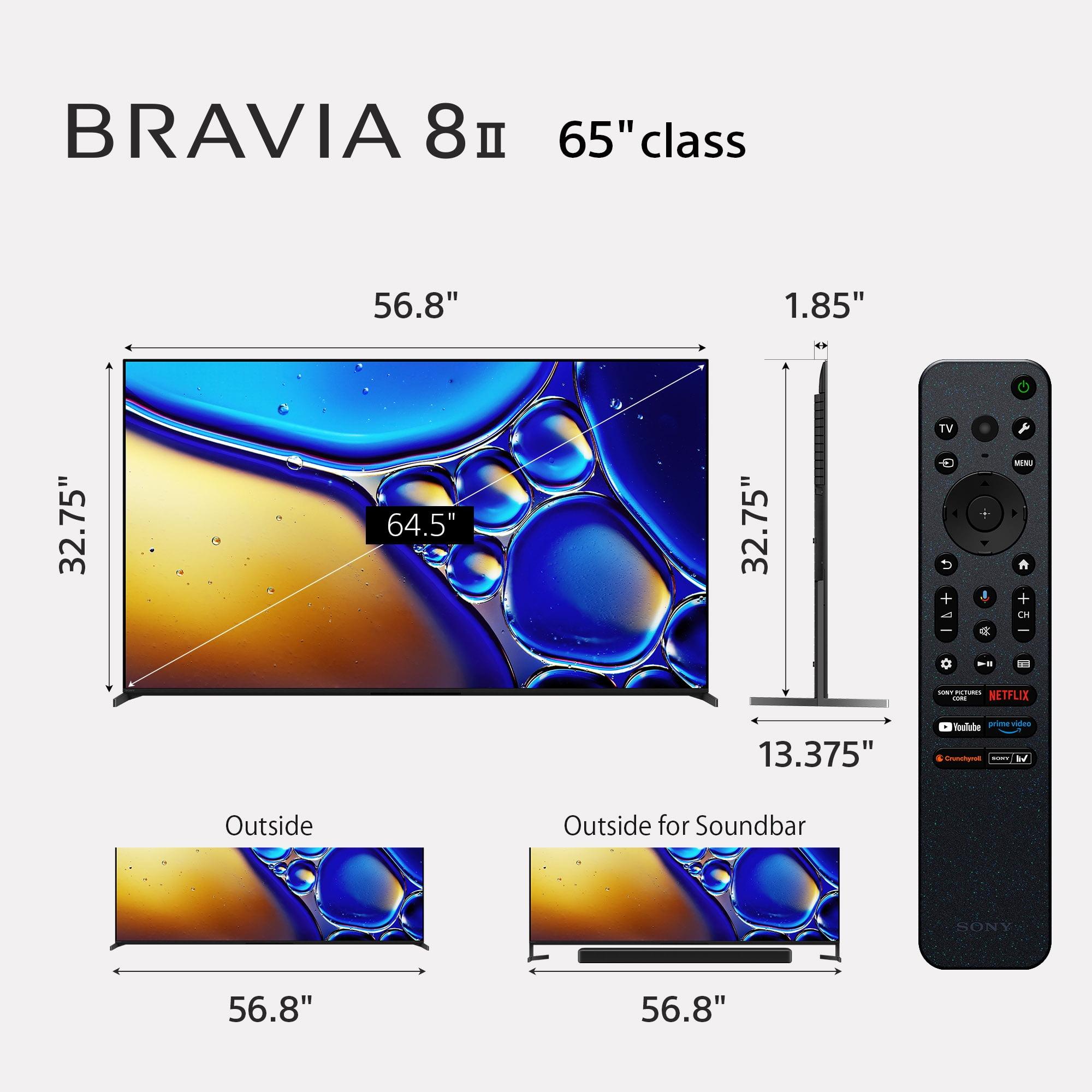
| AirSlim design with 3 bezel-less sides | Ultra-thin OLED with multi-position stand options |
| HDMI 2.1 Ports - Next-gen console and PC connectivity | |
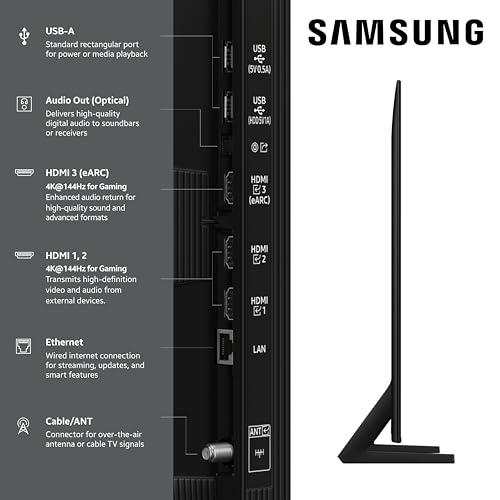
| Standard HDMI ports with gaming features | 2 HDMI 2.1 ports supporting full 4K/120Hz gaming |
| Target Room Environment - Where each TV performs best | |
| Bright living rooms with ambient light | Controlled lighting or dedicated home theaters |
| Value Positioning - Performance relative to cost | |
| Premium features at mid-tier pricing | Flagship performance at premium pricing |
The Sony BRAVIA 8 II delivers superior picture quality for movies with its QD-OLED technology providing perfect blacks, infinite contrast, and more accurate colors. The Samsung Q8F offers impressive brightness and vibrant colors but cannot match the Sony's contrast performance in dark scenes that are common in films.
The Samsung Q8F uses QLED technology with a traditional LED backlight shining through quantum dots and an LCD panel. The Sony BRAVIA 8 II uses QD-OLED where each pixel produces its own light, eliminating the need for a backlight and enabling perfect blacks while maintaining bright, accurate colors through quantum dot enhancement.
The Samsung Q8F performs better in bright rooms due to its QLED technology's higher overall brightness output. While the Sony BRAVIA 8 II is brighter than previous OLED TVs, the Samsung's LED-based system still maintains better visibility and color saturation in high ambient light conditions.
No, there's a key difference. The Sony BRAVIA 8 II supports all major HDR formats including Dolby Vision, HDR10, HDR10+, and IMAX Enhanced. The Samsung Q8F supports HDR10 and Adaptive HDR10+ but lacks Dolby Vision support, which could limit compatibility with some streaming content.
The Sony BRAVIA 8 II has superior built-in audio with its Acoustic Surface Audio+ technology that turns the entire screen into a speaker system with dual subwoofers. The Samsung Q8F has decent 20W speakers with object tracking sound, but the Sony's innovative screen-speaker design provides clearer dialogue and better overall audio quality.
Yes, both TVs support modern gaming features. The Sony BRAVIA 8 II offers 8.5ms input lag, full HDMI 2.1 support with 4K/120Hz and VRR, plus exclusive PlayStation 5 optimizations. The Samsung Q8F provides Motion Xcelerator 144Hz, Auto Game Mode, and gaming enhancements, making both suitable for next-gen console gaming.
Both platforms are excellent but serve different preferences. The Samsung Q8F uses Tizen with deep Samsung ecosystem integration, SmartThings Hub functionality, and Multi-View capabilities. The Sony BRAVIA 8 II runs Google TV with superior content discovery, Google Assistant integration, and Apple AirPlay 2 support for broader device compatibility.
Only the Sony BRAVIA 8 II has potential burn-in risk as an OLED display, though modern OLED panels are much more resistant than earlier generations. The Samsung Q8F has no burn-in risk due to its LED-based technology, making it worry-free for users who frequently watch content with static elements like news tickers.
The Samsung Q8F offers exceptional value, delivering premium features and solid performance at a significantly lower price point. The Sony BRAVIA 8 II provides flagship-level performance that justifies its premium pricing for users who prioritize absolute picture quality and cutting-edge display technology.
The Sony BRAVIA 8 II offers superior viewing angles as OLED technology maintains color accuracy and contrast from wide side positions. The Samsung Q8F has good viewing angles for a QLED TV but experiences some color shifting and brightness reduction when viewed from extreme side angles.
The Sony BRAVIA 8 II is ideal for dedicated home theaters with its perfect blacks, accurate colors, superior contrast, and screen-based audio system that creates a more cinematic experience. The Samsung Q8F can work well in home theaters but truly excels in multi-purpose rooms with variable lighting conditions.
Yes, both TVs handle sports effectively. The Samsung Q8F uses Motion Xcelerator 144Hz for smooth motion handling, while the Sony BRAVIA 8 II employs XR OLED Motion technology for blur-free fast action. The Sony's OLED technology provides slightly better motion clarity, but both deliver satisfying sports viewing experiences.
We've done our best to create useful and informative comparisons to help you decide what product to buy. Our research uses advanced automated methods to create this comparison and perfection is not possible - please contact us for corrections or questions. These are the sites we've researched in the creation of this article: bestbuy.com - rtings.com - tomsguide.com - youtube.com - samsung.com - youtube.com - youtube.com - youtube.com - rtings.com - rtings.com - linqcdn.avbportal.com - bestbuy.com - samsung.com - samsung.com - samsung.com - youtube.com - youtube.com - billsmith.com - samsung.com - samsung.com - samsung.com - hometechnologyreview.com - shopjetson.com - certappl.com - samsung.com - theapplianceplug.com - samsung.com - manuals.plus - bestbuy.com - device.report - samsung.com - shopsilica.com - dentonstv.com - techradar.com - rtings.com - bestbuy.com - whathifi.com - rtings.com - hometechnologyreview.com - youtube.com - hometechnologyreview.com - hometechnologyreview.com - hometechnologyreview.com - valueelectronics.com - smarthomesounds.co.uk - electronics.sony.com - valueelectronics.com - bestbuy.com - youtube.com - displayspecifications.com - hometechnologyreview.com - flatpanelshd.com

Privacy Policy
Terms and Conditions - Affiliate Policy
Home Security
© Copyright 2008-2026.
11816 Inwood Rd #1211, Dallas, TX 75244