

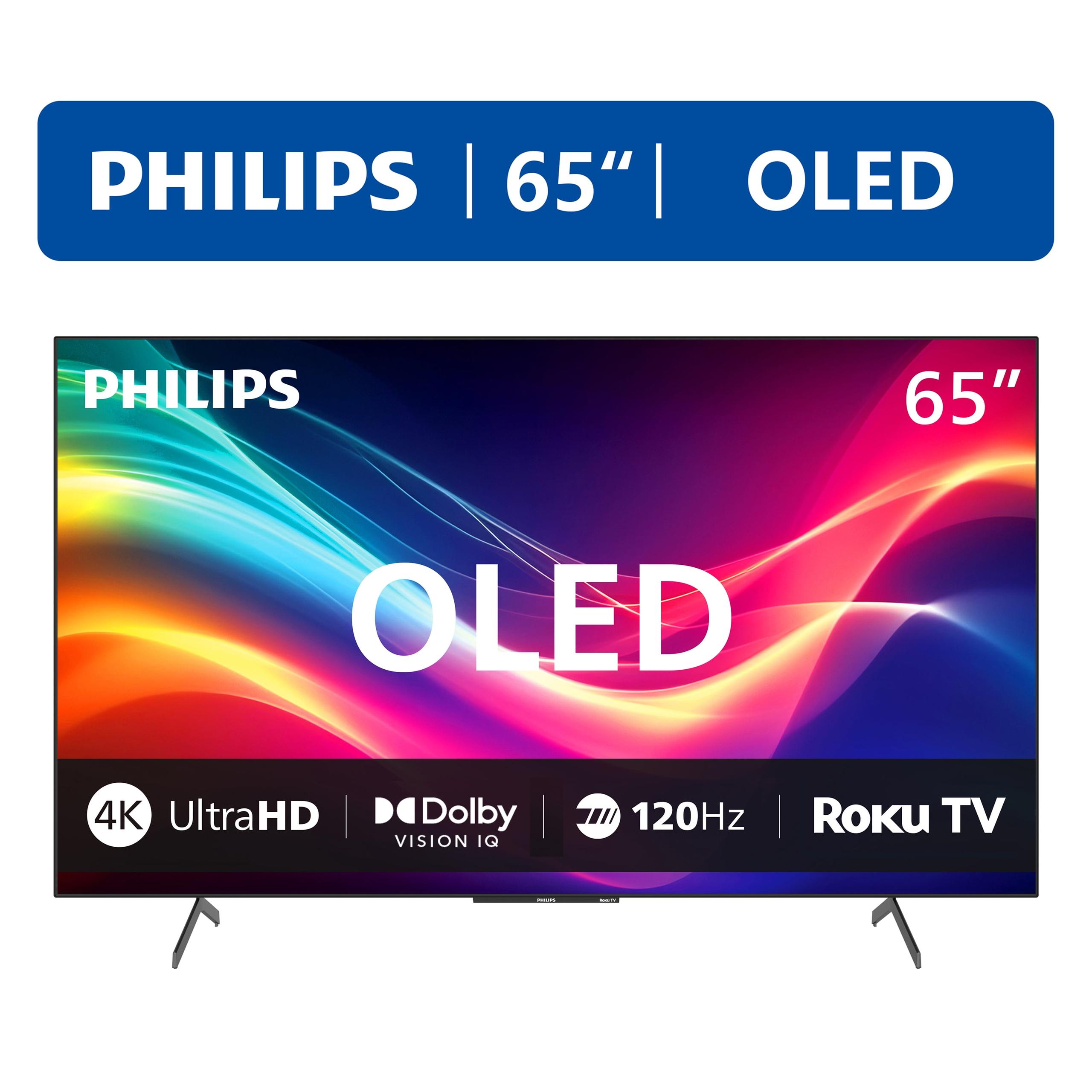
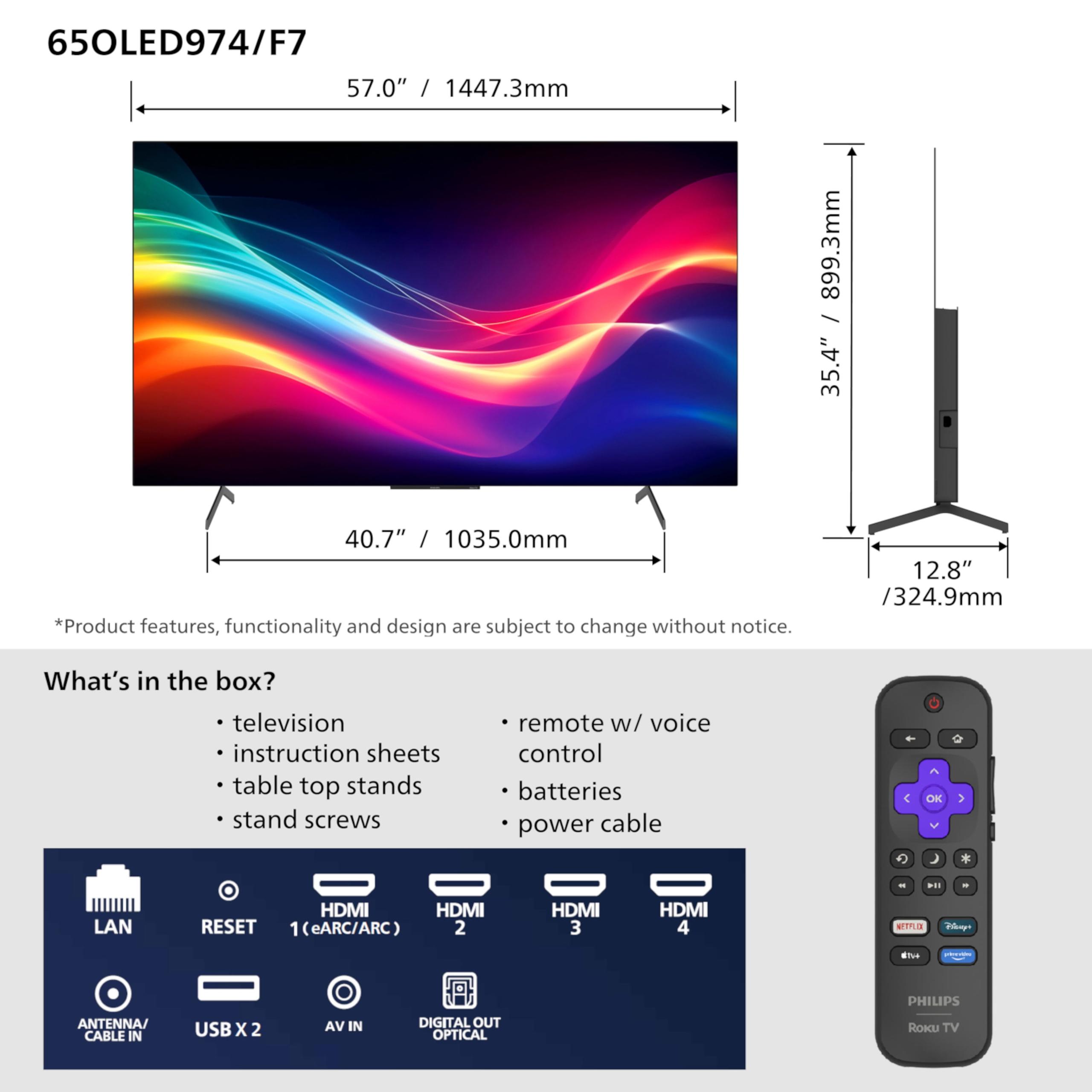

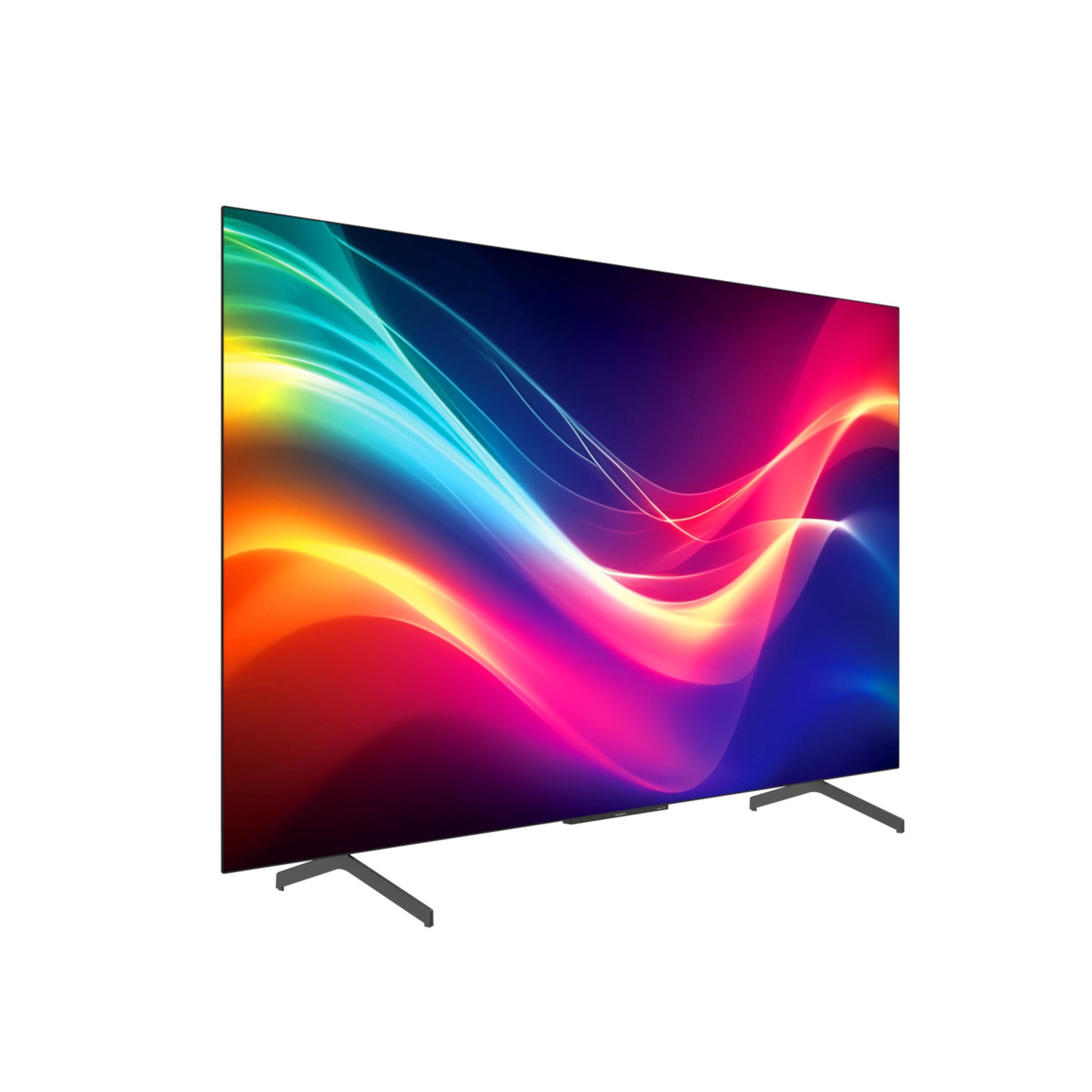
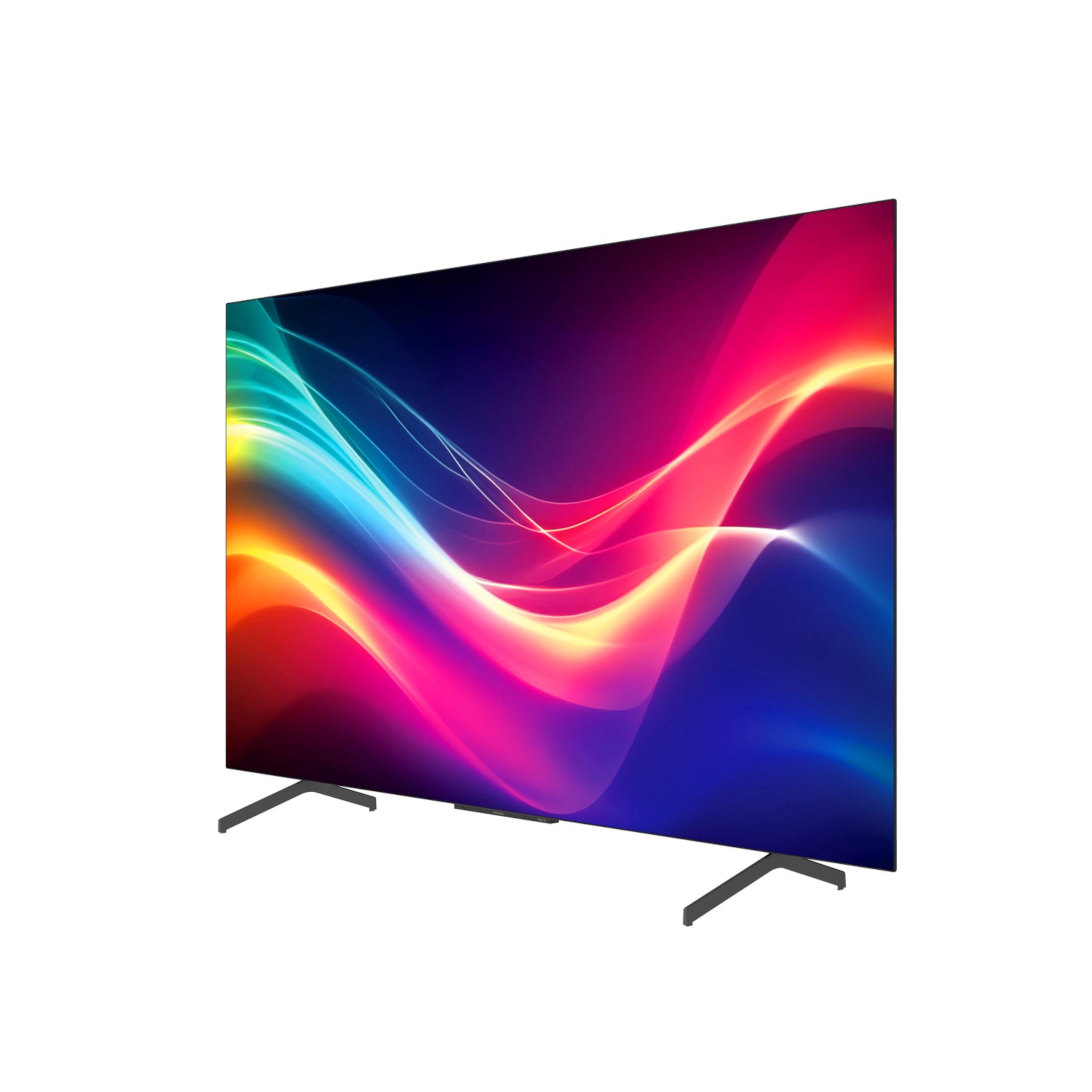
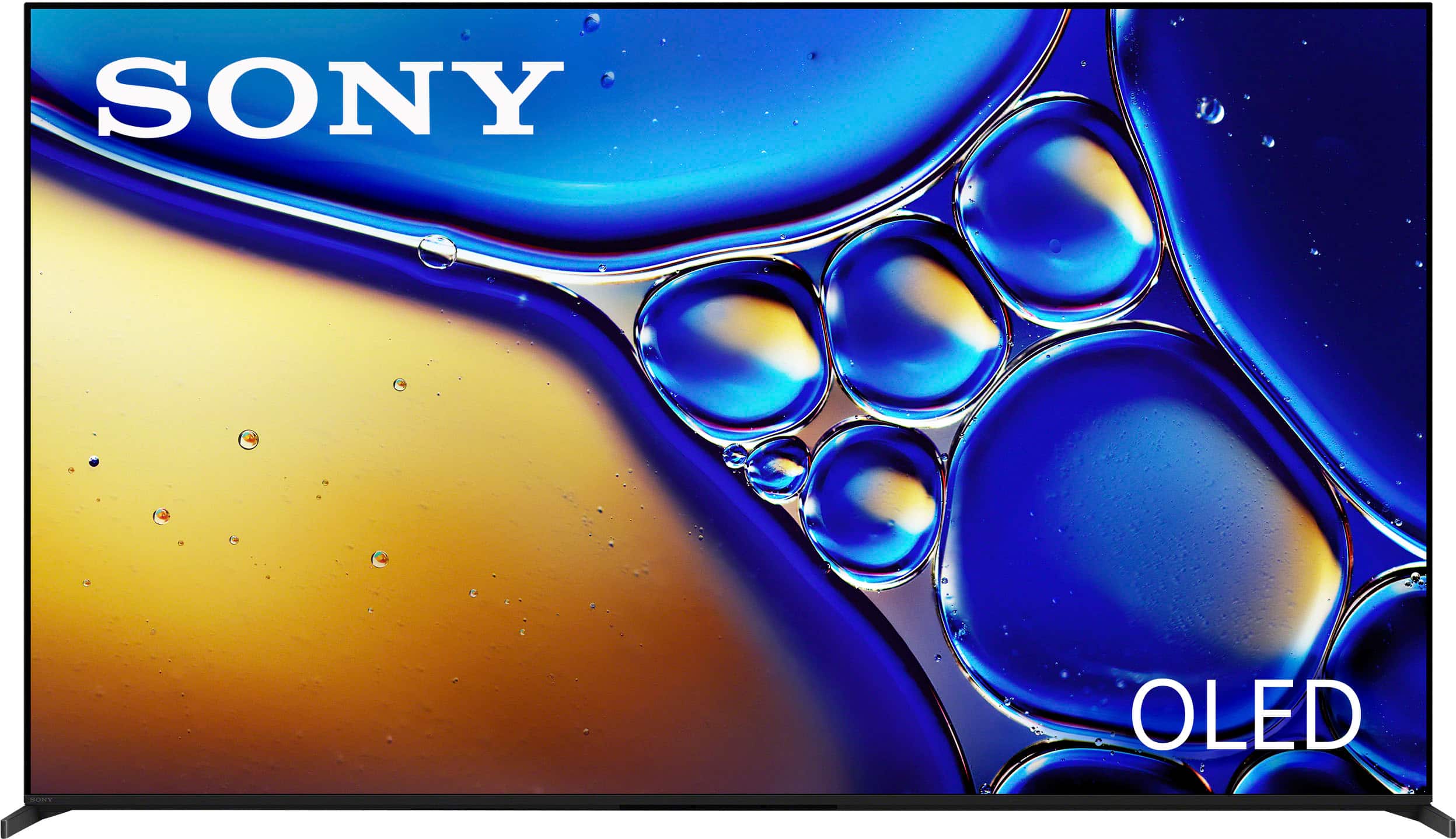
Choosing between two premium OLED TVs can feel overwhelming, especially when they're separated by a significant price gap. The Philips 65OLED974/F7 and Sony BRAVIA 8 II represent two very different approaches to delivering that perfect OLED experience we all crave—one prioritizes accessibility, while the other pushes technological boundaries.
Both TVs promise the core benefits that make OLED technology so appealing: perfect black levels, vibrant colors, and wide viewing angles. However, their execution and performance capabilities tell vastly different stories. At the time of writing, the Sony BRAVIA 8 II costs roughly double what you'd pay for the Philips 65OLED974/F7, immediately raising the question: is that premium justified?
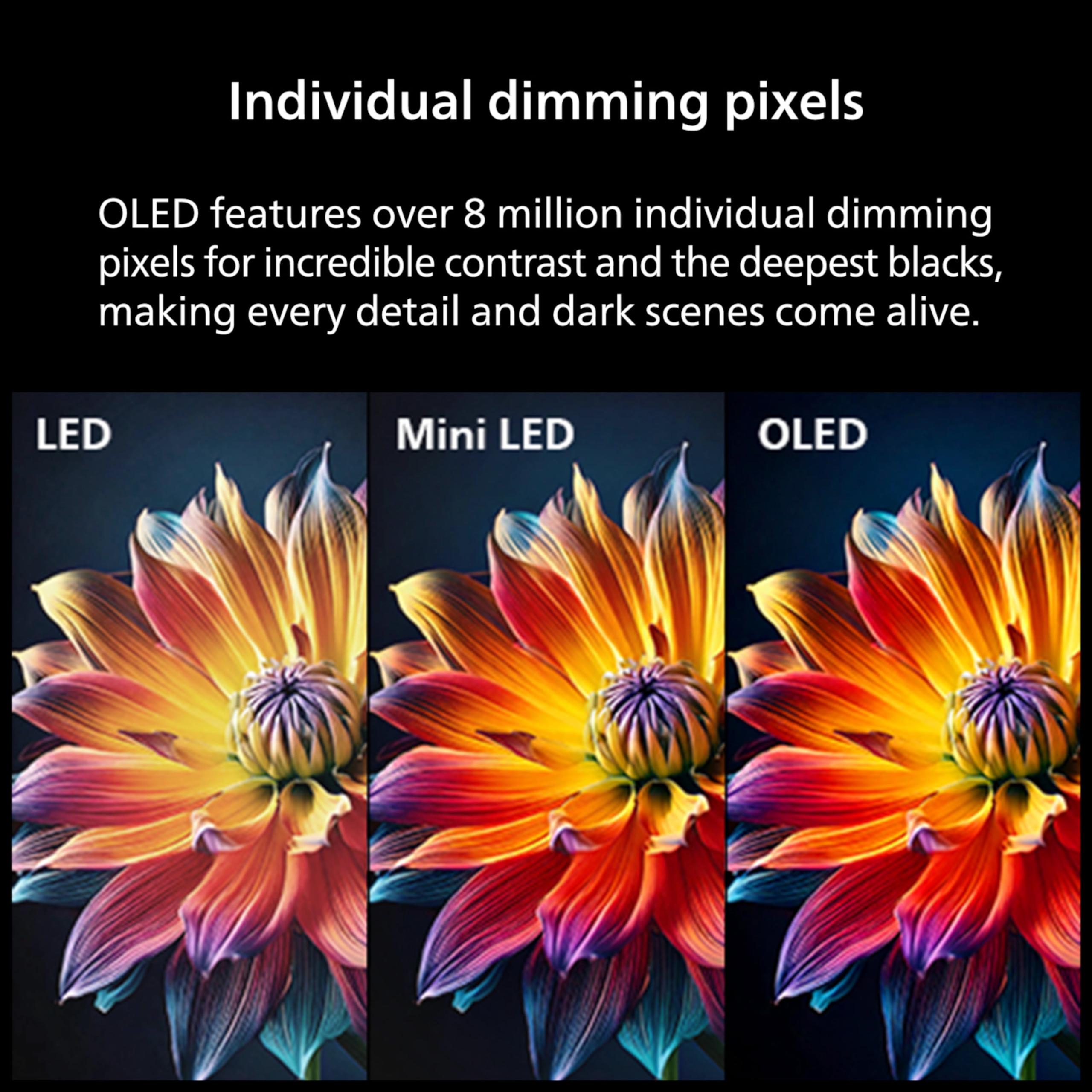
Before diving into the comparison, it's worth understanding why OLED technology has become the gold standard for premium TVs. Unlike traditional LCD displays that rely on backlights, OLED panels feature millions of individual pixels that can turn completely off to create true blacks. This fundamental difference means no light bleeding around dark scenes—when you're watching a space movie, those black areas of the cosmos appear genuinely black, not the grayish color you see on cheaper TVs.
The main considerations when choosing between premium OLEDs boil down to brightness capability (crucial for HDR content and bright rooms), color accuracy, processing power for upscaling and optimization, smart TV platform quality, gaming features, audio performance, and ultimately, value for money.
The most significant distinction between these two TVs lies in their display technology. The Philips 65OLED974/F7, released in 2024, uses a standard OLED panel—the same fundamental technology that's been refined over recent years. While this delivers excellent contrast and color in optimal conditions, it struggles with a common OLED weakness: brightness.
The Sony BRAVIA 8 II, launched in 2025, represents Sony's latest flagship approach with QD-OLED (Quantum Dot OLED) technology. This newer panel type combines traditional OLED's self-lighting pixels with quantum dots—microscopic crystals that convert blue light into pure red and green. The result is a display that's approximately 50% brighter than standard OLED panels, reaching peak brightness levels around 1,880 nits compared to much lower levels on traditional OLEDs.
What does this brightness difference mean in practice? HDR (High Dynamic Range) content is designed to showcase extreme brightness differences—think of sunlight streaming through a window or car headlights at night. The Sony BRAVIA 8 II can actually display these bright highlights with the impact directors intended, while the Philips 65OLED974/F7 renders them more subdued. Based on our research into user experiences, this brightness limitation makes the Philips model unsuitable for well-lit rooms, where it struggles to overcome ambient light and reflections.
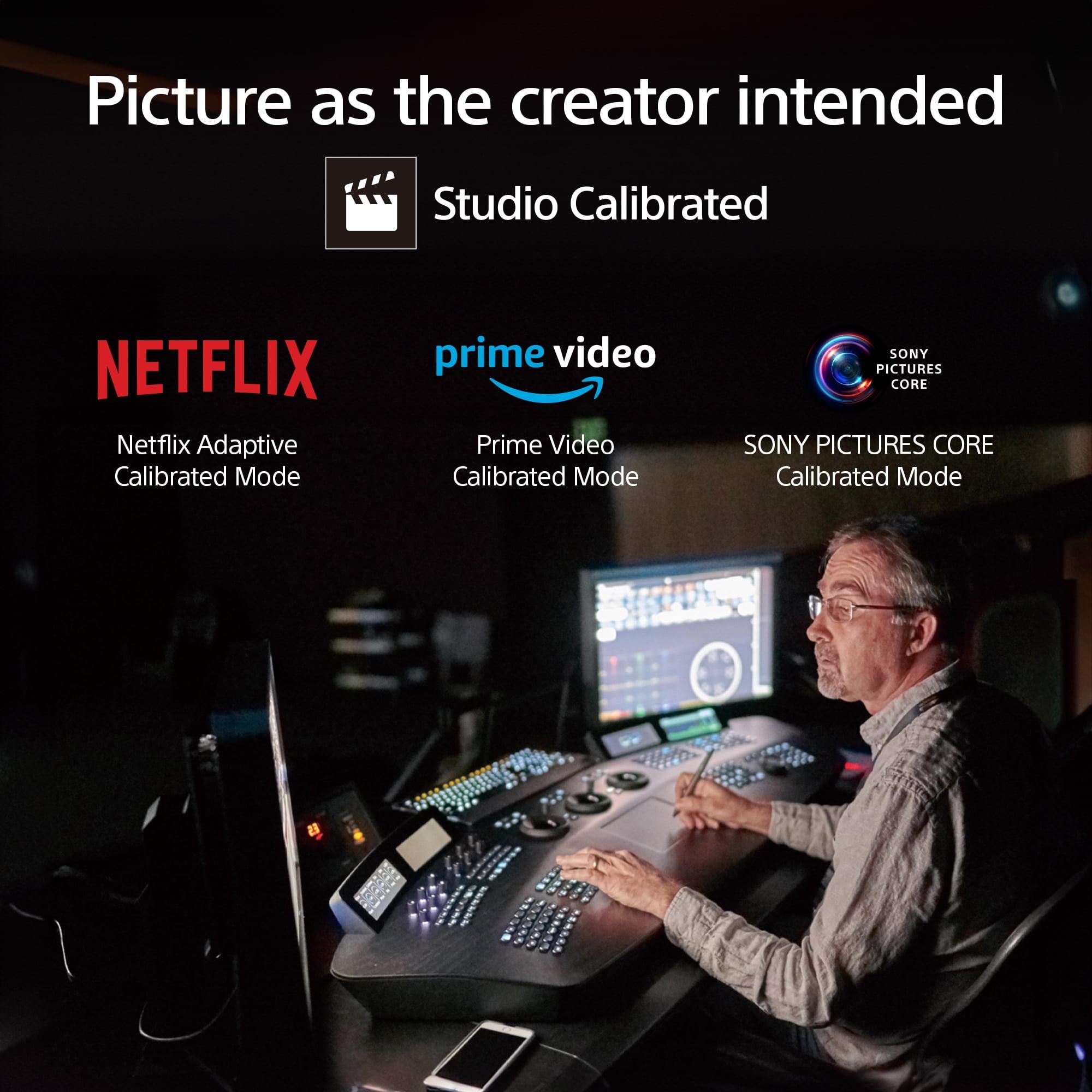
Color reproduction reveals another key difference in these TVs' approaches. The Sony BRAVIA 8 II incorporates XR Triluminos Max, Sony's most advanced color processing technology. Combined with quantum dot enhancement, this system can display billions of colors with cinema-grade accuracy. The TV includes studio-calibrated modes specifically for Netflix, Prime Video, and Sony Pictures Core, ensuring you see content exactly as filmmakers intended.
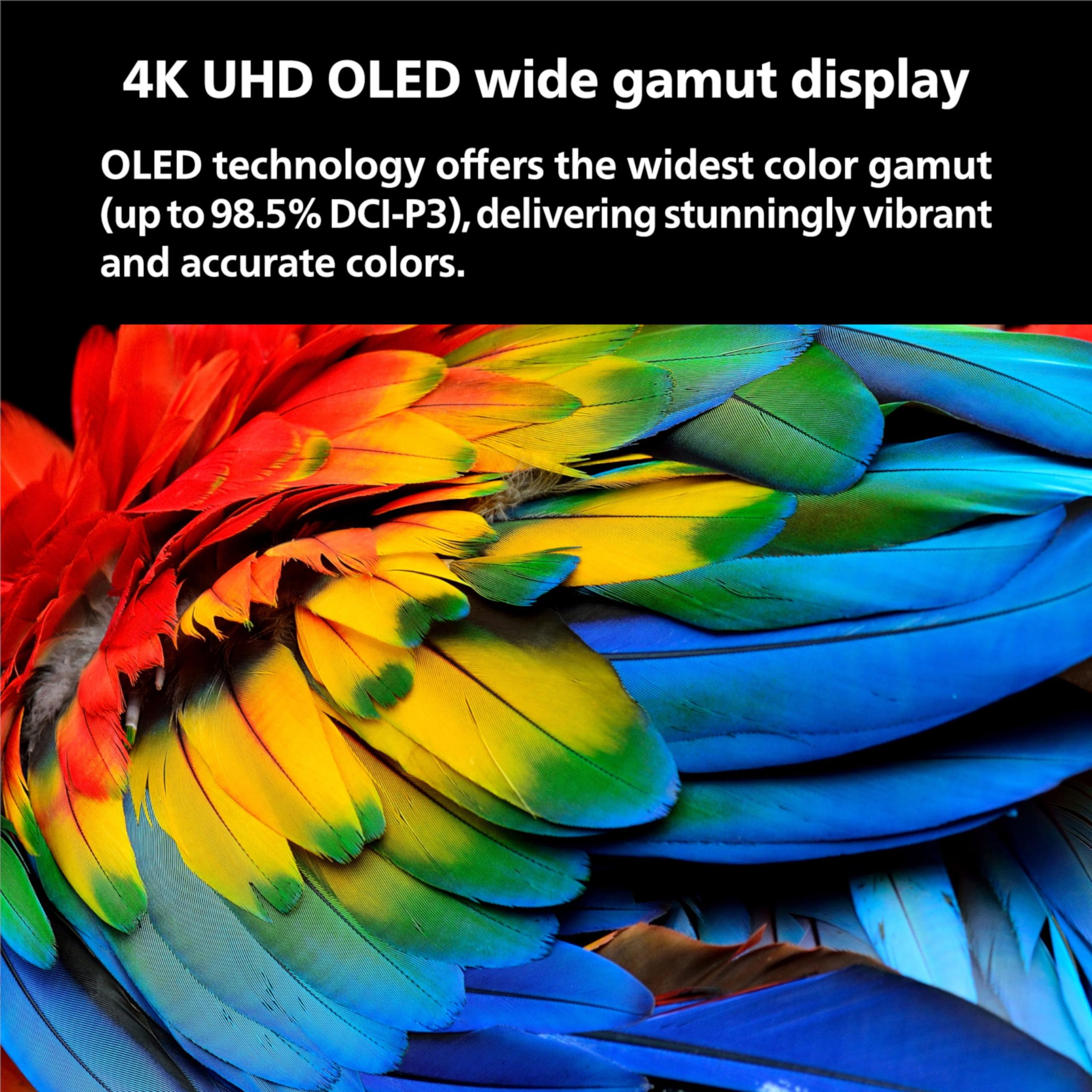
The quantum dot layer in the Sony BRAVIA 8 II expands the color gamut (the range of colors the TV can display) significantly. This means more saturated, lifelike colors—grass appears genuinely green rather than slightly yellowish, and skin tones look natural across different lighting conditions.
The Philips 65OLED974/F7 offers good color performance with vibrant SDR (Standard Dynamic Range) colors straight out of the box, requiring no calibration for most users. However, expert consensus suggests that HDR color accuracy is only decent, and the TV's limited brightness affects color volume—the TV's ability to display bright, saturated colors simultaneously.
For home theater enthusiasts who prize accuracy, the Sony's approach aligns better with professional standards. The Philips model delivers pleasing colors for everyday viewing but may disappoint those seeking reference-quality reproduction.
Modern TV processing has evolved far beyond simple image scaling. The Sony BRAVIA 8 II features Sony's latest XR Processor with AI scene recognition—essentially, artificial intelligence that analyzes what's happening on screen and adjusts settings accordingly. Watching a nature documentary? The processor enhances greens and blues. Dark thriller? It optimizes shadow detail while maintaining contrast.
This AI-driven approach extends to upscaling, where the XR Clear Image technology can take lower-resolution content (like 1080p Netflix shows) and intelligently add detail to approach 4K quality. The system doesn't just make images bigger—it analyzes textures, edges, and patterns to recreate lost information.
The Philips 65OLED974/F7 takes a more basic approach to processing. While it handles standard upscaling adequately, our research indicates it lacks sophisticated noise reduction—the system designed to clean up compression artifacts in streaming content. Users report that the "Noise Reduction" feature appears ineffective, meaning you'll notice more digital artifacts in lower-quality sources.
This processing difference becomes most apparent when watching content that isn't pristine 4K. If you frequently stream older shows, watch cable TV, or use gaming consoles with lower-resolution games, the Sony's superior processing provides a noticeable advantage.
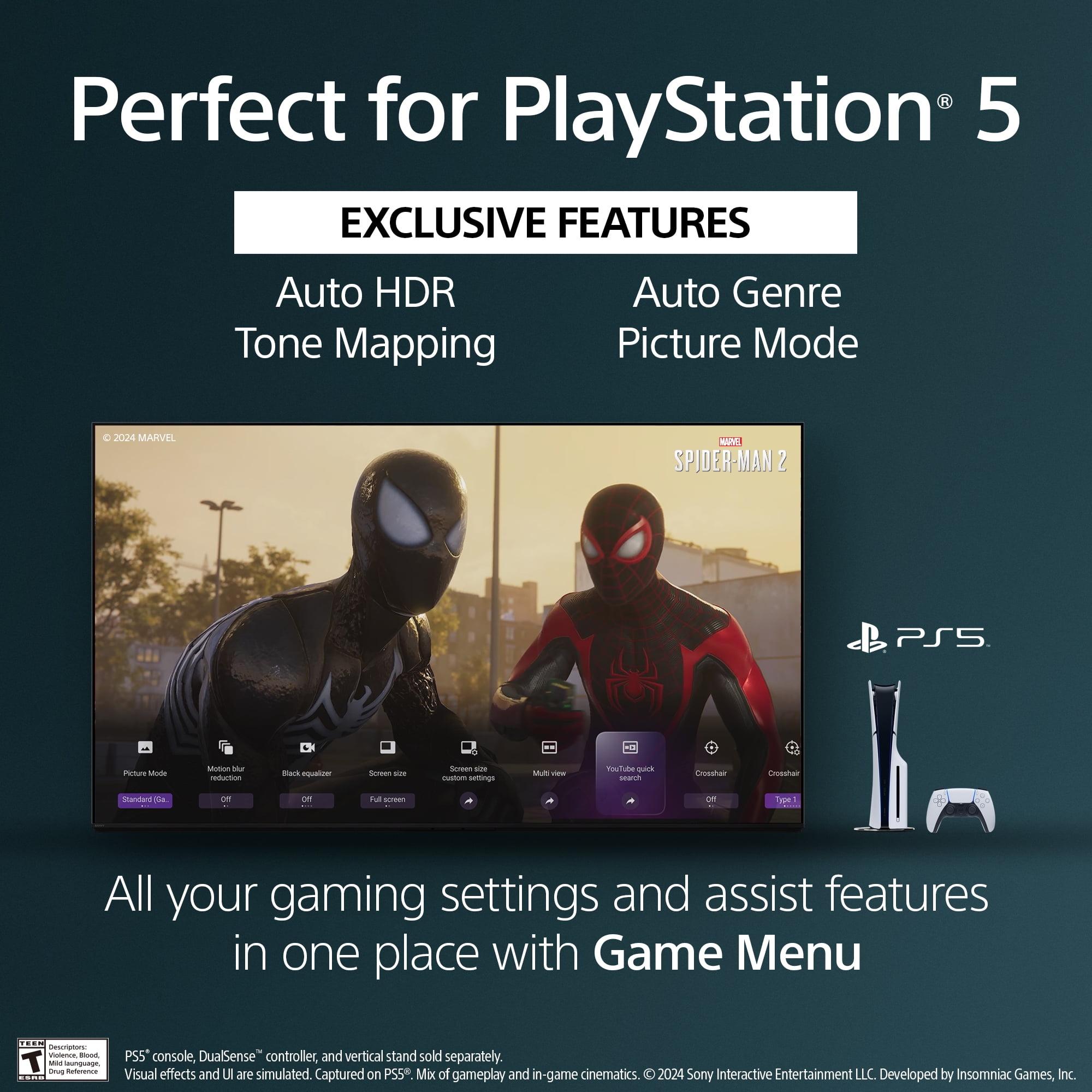
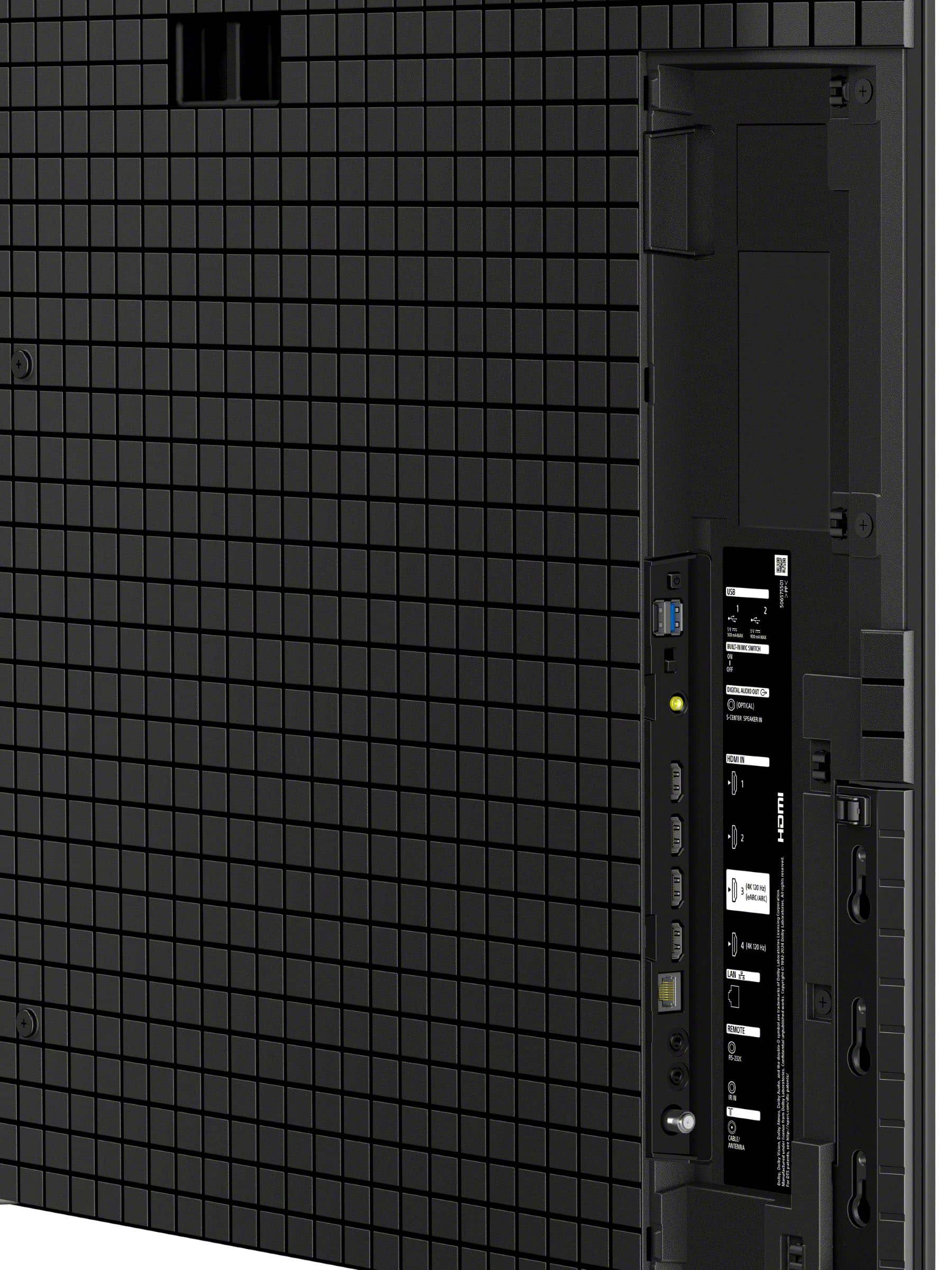
Both TVs cater well to gaming, but with different strengths. The Sony BRAVIA 8 II achieves input lag as low as 8.5ms in optimal settings, supports 4K gaming at 120Hz through HDMI 2.1, and includes Variable Refresh Rate (VRR) and Auto Low Latency Mode (ALLM). VRR syncs the TV's refresh rate with your console's frame rate, eliminating screen tearing, while ALLM automatically switches to game mode when it detects a gaming signal.
Sony includes PlayStation-specific optimizations and supports Dolby Vision gaming—a newer format that enhances HDR gaming visuals. However, the TV only provides two HDMI 2.1 ports, which could be limiting if you have multiple high-end gaming devices.
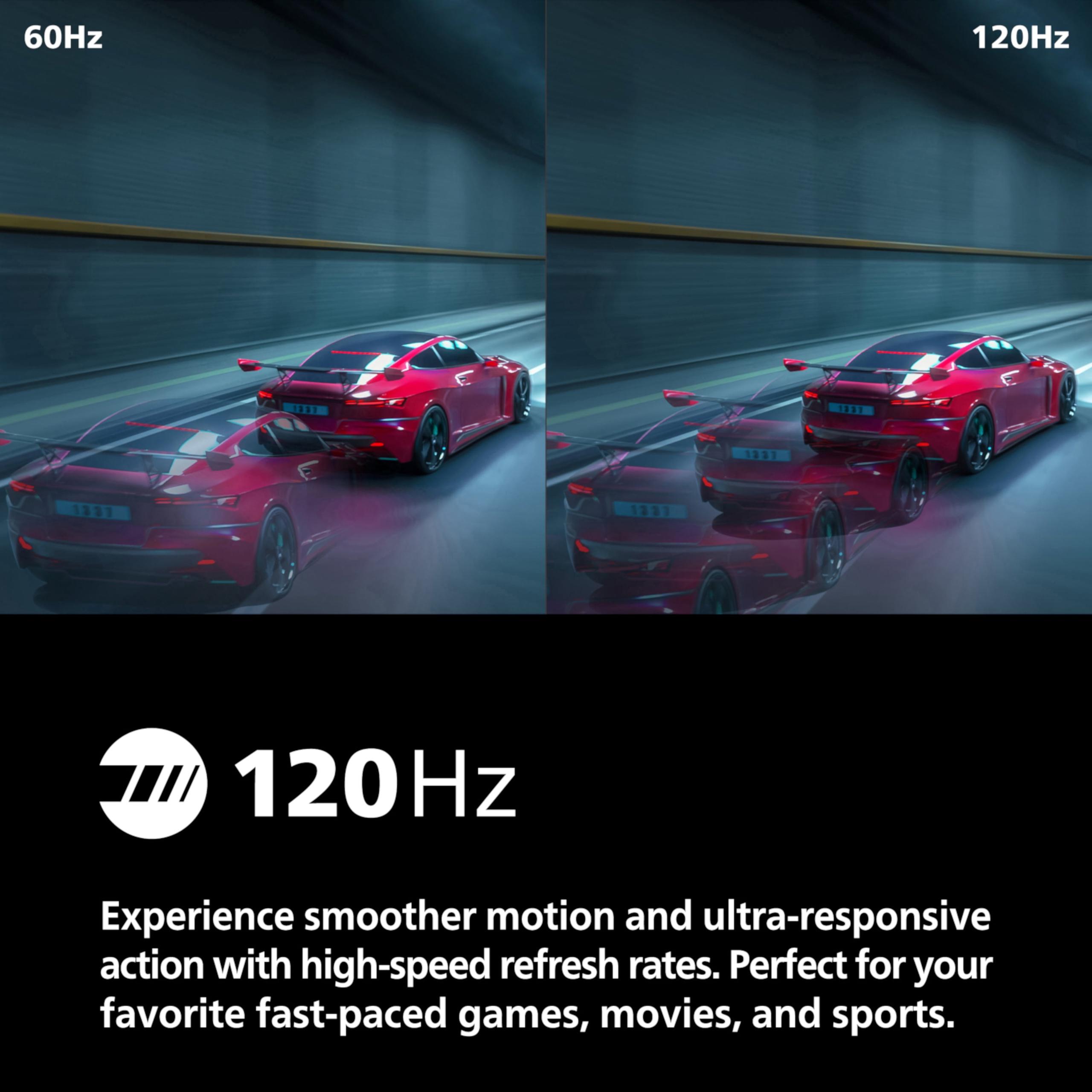
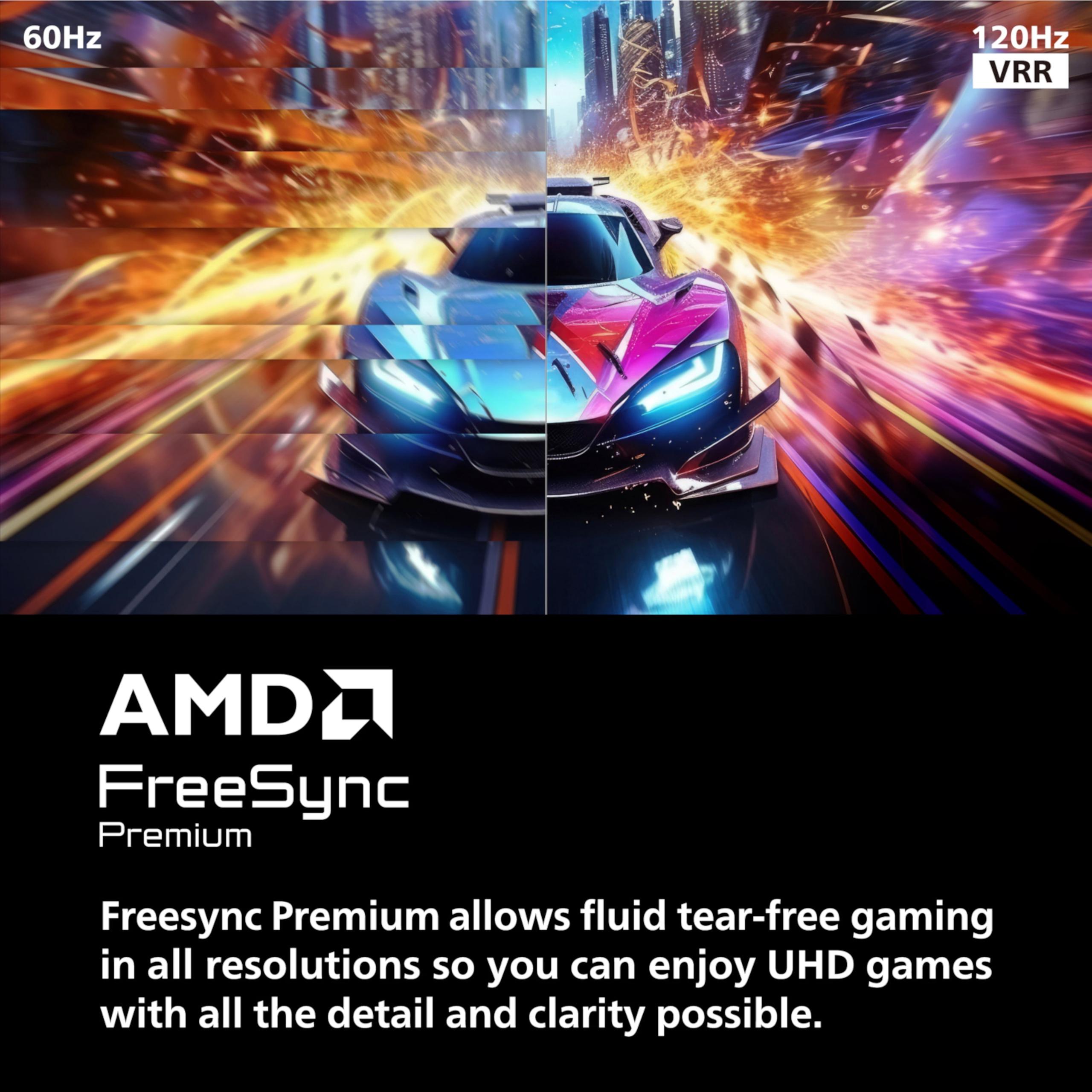
The Philips 65OLED974/F7 offers equally impressive gaming credentials with AMD FreeSync Premium support, sub-0.1ms pixel response time, and low input lag, especially at 120Hz. It also provides 4K@120Hz gaming on two ports. The near-instantaneous pixel response means zero motion blur during fast-paced gaming—crucial for competitive gaming where every frame matters.
Both TVs excel for gaming, making the choice dependent on your specific console ecosystem and whether you prioritize Sony's processing enhancements or Philips' raw response times.
Audio represents one of the Sony BRAVIA 8 II's most innovative features. Acoustic Surface Audio+ technology uses actuators (vibrating motors) positioned behind the screen to turn the entire display into a speaker. Sound literally emanates from where the action occurs on screen—when someone speaks on the right side, you hear their voice from that location rather than from speakers below the screen.
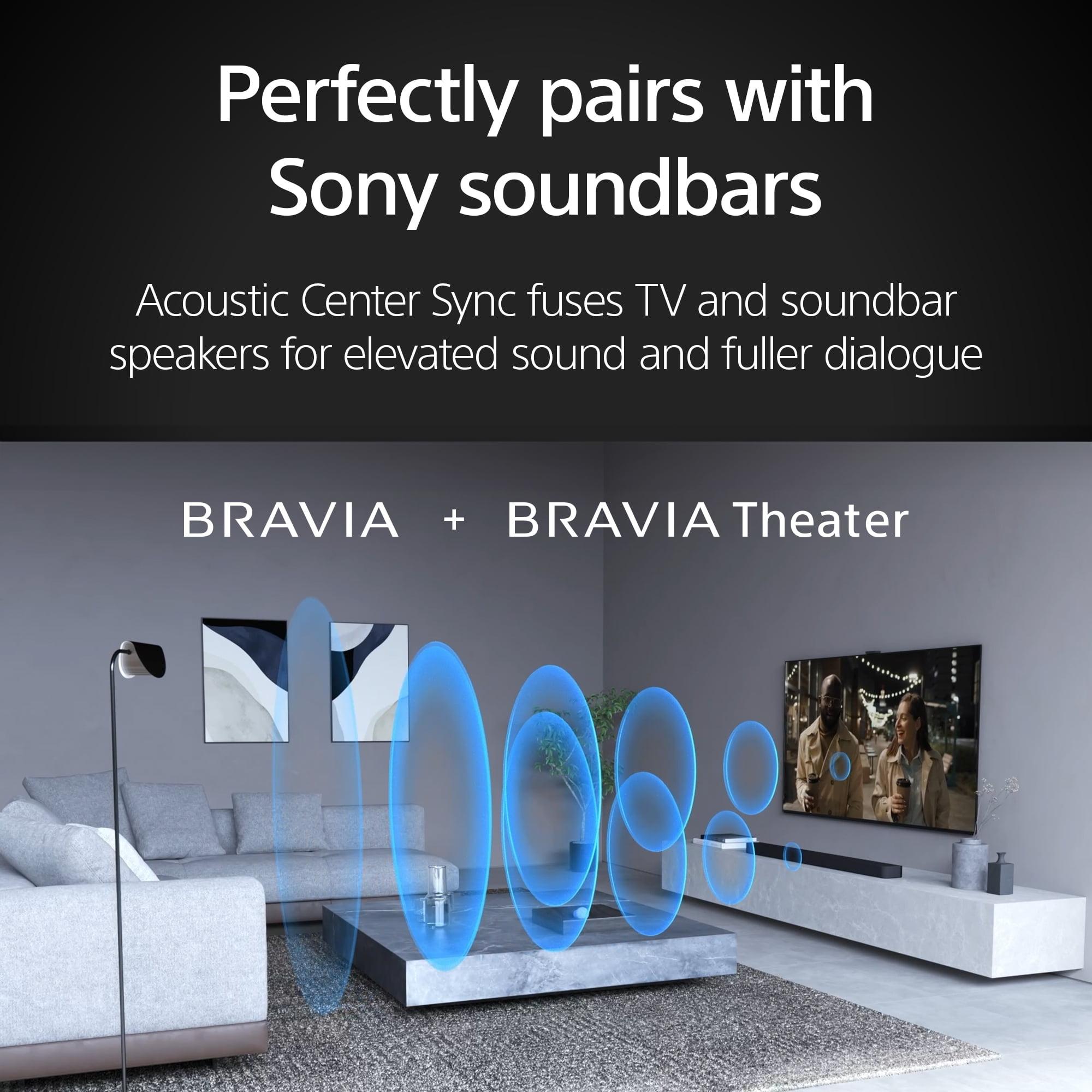
This 2025 model upgrades the system with improved actuators and Voice Zoom 3, which uses AI to enhance dialogue clarity even during loud action sequences. When paired with compatible Sony soundbars, the TV can function as a dedicated center channel through Acoustic Center Sync, creating a more cohesive surround sound experience.
The Philips 65OLED974/F7 uses a more traditional approach with a 2.1 speaker system (two main speakers plus a subwoofer) that supports Dolby Atmos for three-dimensional audio. While this delivers clear dialogue and impactful bass, it can't match the spatial accuracy of the Sony's screen-as-speaker technology.
For users who plan to add a soundbar eventually, this difference matters less. However, if you prefer using built-in speakers, the Sony's innovative approach provides a more immersive experience.
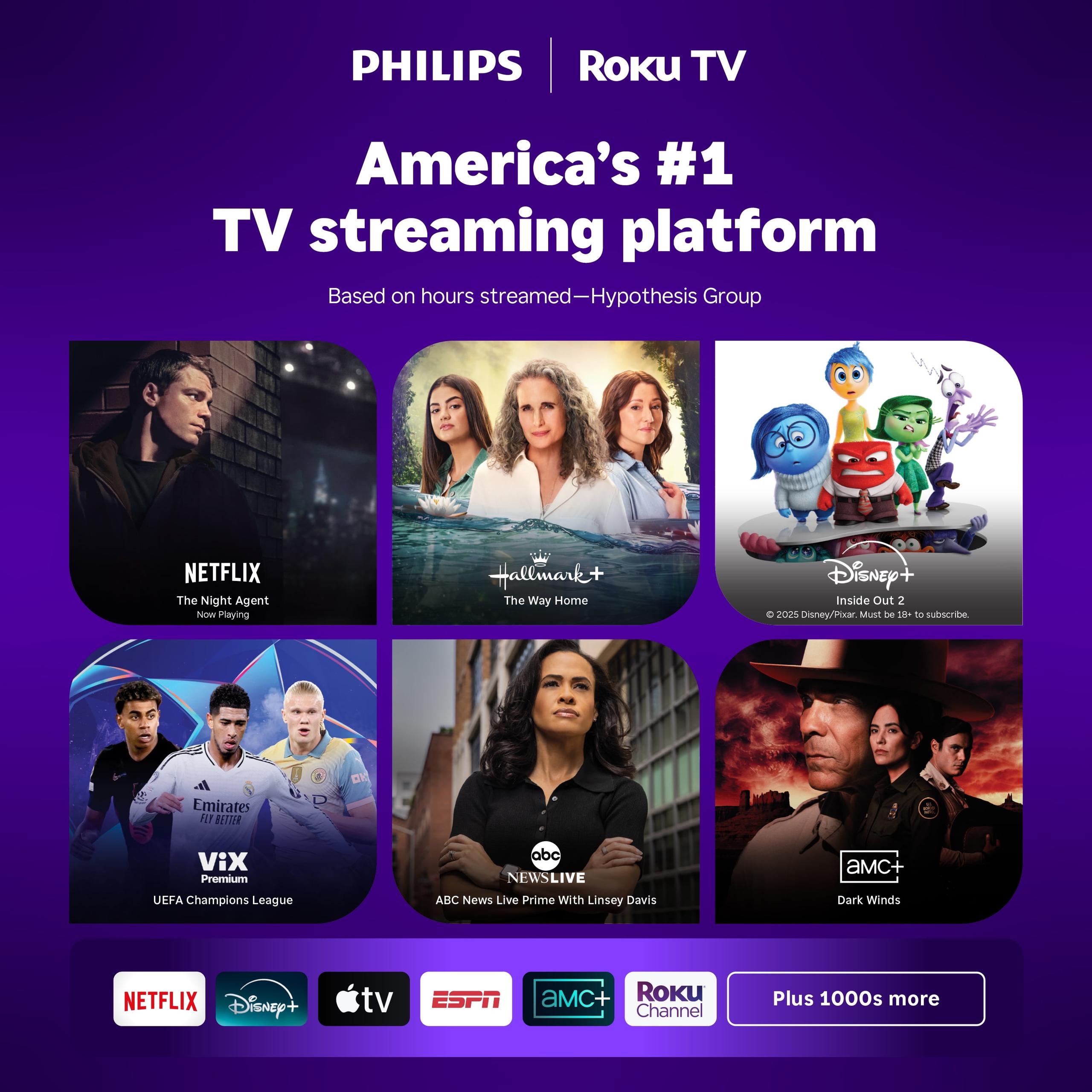
Platform preference often comes down to personal taste, but there are practical differences worth considering. The Philips 65OLED974/F7 runs Roku TV, renowned for its intuitive interface and comprehensive app ecosystem. Roku's strength lies in its simplicity—the home screen presents your apps clearly, search works across multiple services, and the platform rarely frustrates users with complexity.
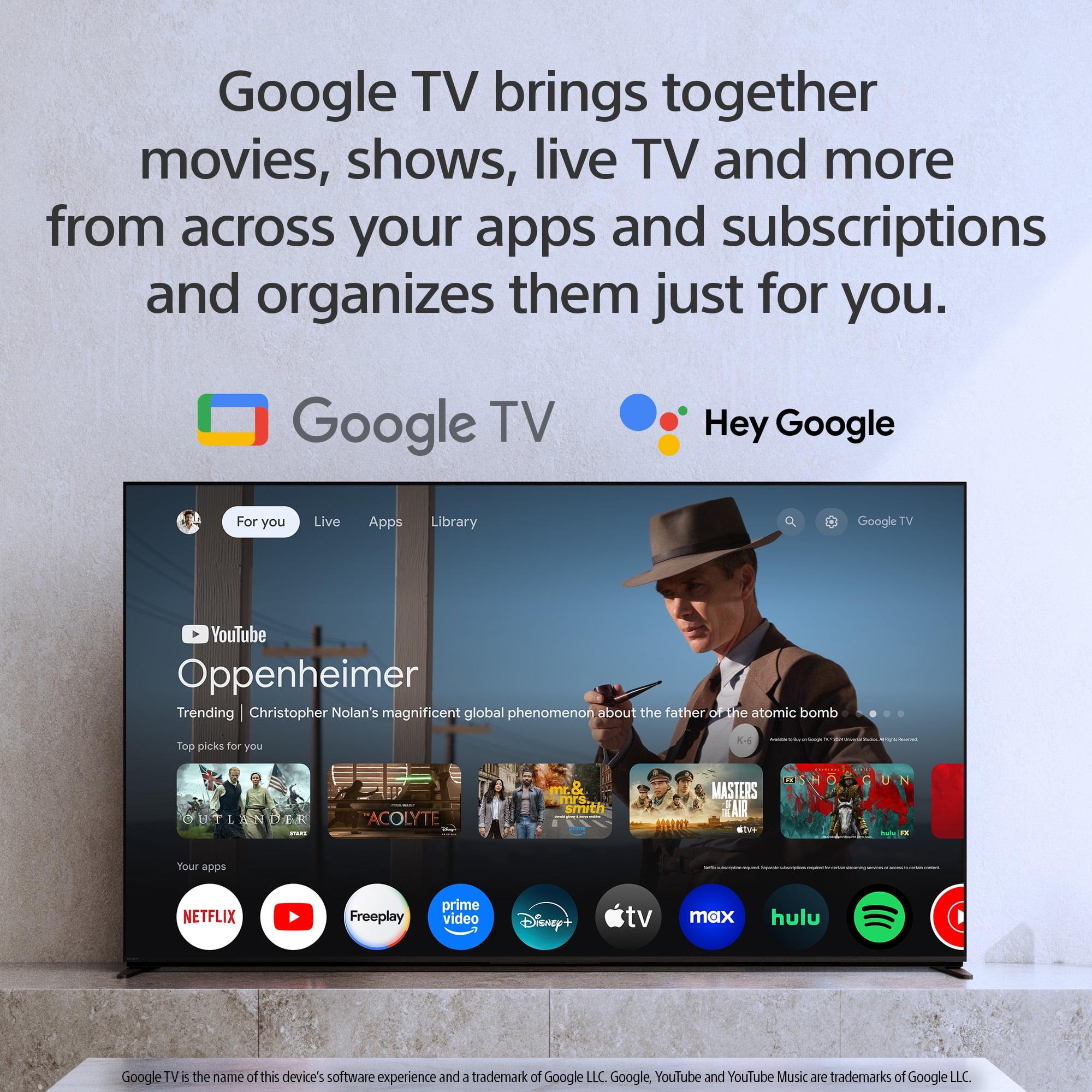
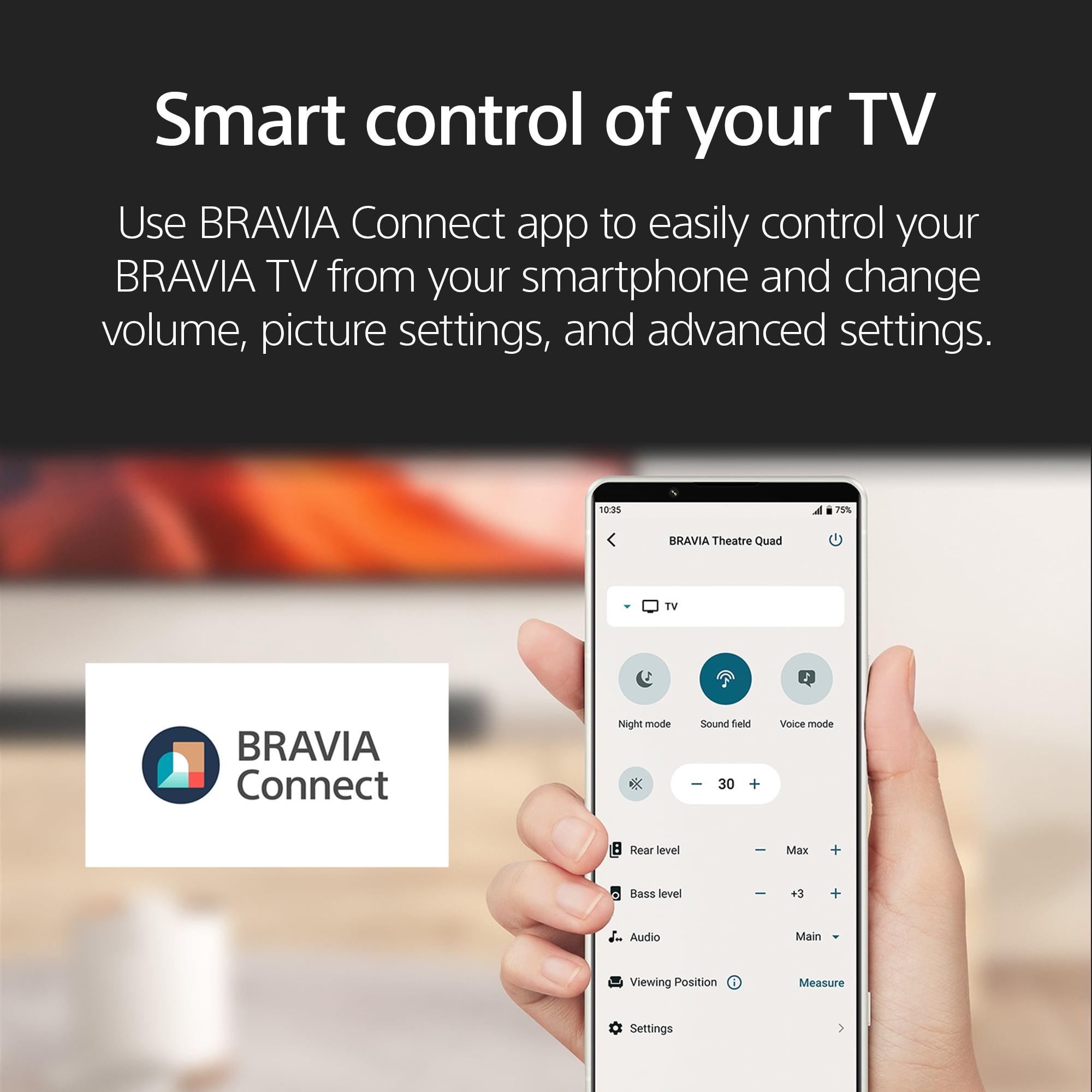
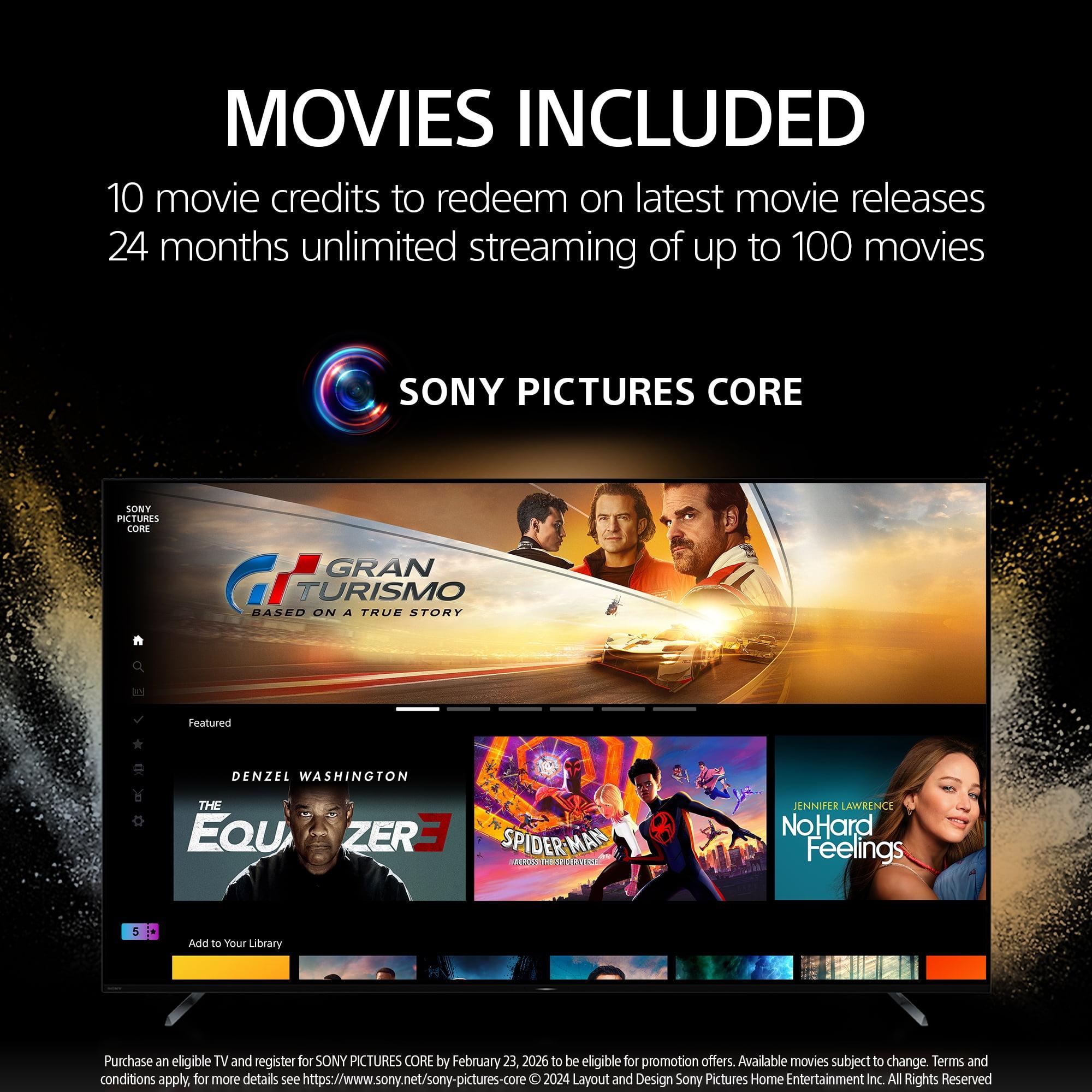
The Sony BRAVIA 8 II uses Google TV, which offers more sophisticated features but with added complexity. Google Assistant integration allows voice control of smart home devices, while Google Cast and Apple AirPlay 2 support provide flexible casting options. Sony Pictures Core inclusion offers access to a premium movie library with studio-quality versions of films.
For users who want their TV to integrate with smart home systems or prefer Google's ecosystem, the Sony provides more functionality. Those seeking straightforward, reliable smart TV operation might prefer Roku's approach.
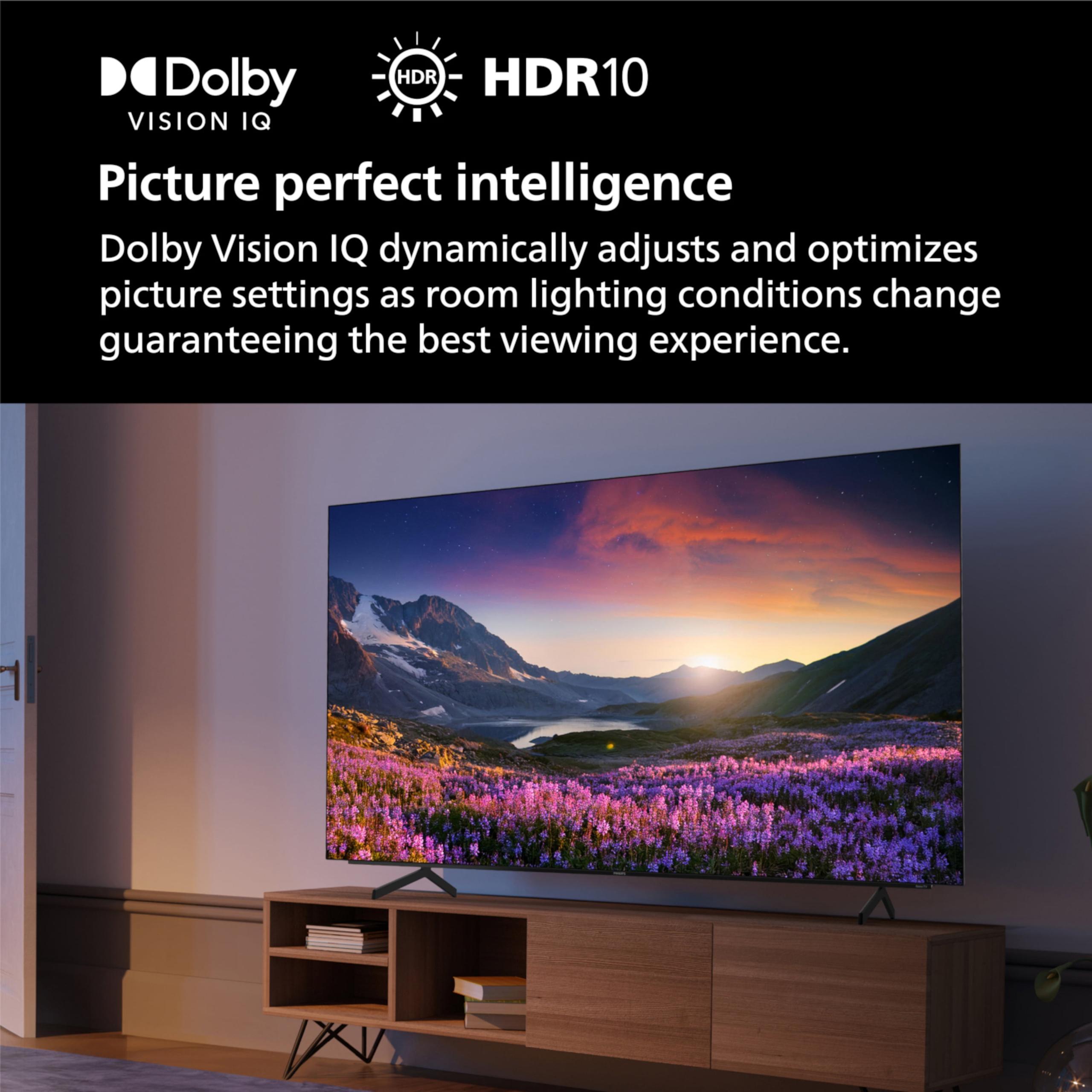
Room lighting considerations ultimately drive much of this comparison. Our research into user experiences consistently highlights that the Philips 65OLED974/F7 performs best in dim environments. Its limited brightness means bright rooms wash out the picture, HDR content lacks impact, and daytime viewing suffers. However, in dark rooms, it delivers the stunning OLED experience with perfect blacks and vibrant colors.
The Sony BRAVIA 8 II's superior brightness makes it versatile across lighting conditions. While it still looks best in controlled lighting, it maintains picture quality and HDR impact even with some ambient light present. This versatility justifies much of its premium pricing—it's a TV you can enjoy throughout the day rather than just during evening viewing.
At the time of writing, the Philips 65OLED974/F7 represents exceptional value for users who understand its limitations. If your primary viewing happens in a dim family room or dedicated home theater, and you're looking to experience OLED technology without premium pricing, it delivers core OLED benefits admirably.
The Sony BRAVIA 8 II's higher price reflects genuinely advanced technology rather than marketing fluff. The QD-OLED panel, AI processing, and innovative audio justify the premium for users who value technological sophistication and versatile room placement.
For dedicated home theater setups, both TVs offer compelling arguments. The Philips 65OLED974/F7 excels in light-controlled environments where its brightness limitations don't matter, delivering perfect blacks crucial for cinematic immersion. Its gaming capabilities make it excellent for theater rooms that double as gaming spaces.
The Sony BRAVIA 8 II brings cinema-accurate color reproduction and studio-calibrated modes that align with professional standards. Its superior processing makes it better at handling the variety of content sources typical in home theaters—from streaming services to Blu-ray discs to gaming consoles.
Choose the Philips 65OLED974/F7 if you primarily watch in dim rooms, want to experience OLED technology affordably, prefer Roku's straightforward interface, and don't need the brightest HDR performance. It's ideal for budget-conscious buyers who understand they're making brightness trade-offs for significant savings.
Select the Sony BRAVIA 8 II if you need bright room viewing capability, want cinema-accurate color reproduction, value AI-powered optimization, desire premium audio technology, and can justify the premium pricing for superior performance. It's the choice for enthusiasts who want cutting-edge technology and versatile placement options.
The Sony BRAVIA 8 II represents what premium OLED technology can achieve in 2025, while the Philips 65OLED974/F7 offers accessible entry into OLED ownership. Both deliver the fundamental OLED advantages, but their execution and capabilities serve different needs and budgets. Understanding your viewing environment, priorities, and budget will guide you to the right choice between these two compelling options.
| Philips 65OLED974/F7 | Sony BRAVIA 8 II |
|---|---|
| Display Technology - Determines brightness capability and color performance | |
| Standard OLED panel with traditional W-OLED technology | QD-OLED (Quantum Dot OLED) - Sony's latest flagship panel technology |
| Peak Brightness - Critical for HDR impact and bright room viewing | |
| Poor brightness, unsuitable for well-lit rooms | ~1,880 nits peak - 50% brighter than standard OLED panels |
| Color Performance - Affects realism and vibrancy | |
| Good SDR colors out-of-box, decent HDR color accuracy | XR Triluminos Max with quantum dots - billions of accurate colors |
| Processing Technology - Impacts upscaling and optimization | |
| Basic processing, ineffective noise reduction | XR Processor with AI scene recognition - automatic content optimization |
| Smart TV Platform - Daily user experience | |
| Roku TV - simple, intuitive interface | Google TV with Google Assistant - more features but complex |
| Gaming Features - Console compatibility | |
| 4K@120Hz, AMD FreeSync Premium, <0.1ms response time | 4K@120Hz, VRR, ALLM, 8.5ms input lag, Dolby Vision gaming |
| Audio Technology - Built-in sound quality | |
| Traditional 2.1 speaker system with Dolby Atmos | Acoustic Surface Audio+ - entire screen becomes speaker |
| Room Lighting Suitability - Where you can place the TV | |
| Best in dim/dark rooms only - struggles with ambient light | Versatile placement - performs well in moderately lit rooms |
| HDR Format Support - Premium content compatibility | |
| Standard HDR formats | Dolby Vision, HDR10, HLG, IMAX Enhanced |
| HDMI 2.1 Ports - Next-gen console support | |
| 2 ports with full 4K@120Hz support | 2 ports with full 4K@120Hz support |
| Studio Calibration - Content creator accuracy | |
| No specific calibrated modes | Netflix, Prime Video, Sony Pictures Core calibrated modes |
| Value Proposition - Who should buy each | |
| Budget OLED for dark room viewing and gaming | Premium flagship for bright rooms and cinema accuracy |
The Sony BRAVIA 8 II is significantly better for bright rooms. Its QD-OLED panel delivers around 1,880 nits peak brightness, which is 50% brighter than standard OLED technology. The Philips 65OLED974/F7 struggles in well-lit environments due to poor peak brightness and is best suited for dim or dark rooms only.
The Philips 65OLED974/F7 uses standard OLED technology with organic compounds that emit light. The Sony BRAVIA 8 II uses QD-OLED (Quantum Dot OLED), which combines OLED pixels with quantum dots to achieve brighter images and wider color gamuts. QD-OLED is newer technology that addresses traditional OLED brightness limitations.
Both TVs excel for gaming. The Philips 65OLED974/F7 offers sub-0.1ms response time and AMD FreeSync Premium support. The Sony BRAVIA 8 II provides 8.5ms input lag, Dolby Vision gaming, and PlayStation-specific optimizations. Both support 4K@120Hz and have two HDMI 2.1 ports, making either excellent for modern consoles.
This depends on your preferences. The Philips 65OLED974/F7's Roku TV offers a simple, intuitive interface that's easy for all ages to use. The Sony BRAVIA 8 II's Google TV provides more advanced features like Google Assistant integration and smart home control, but with added complexity.
For dedicated home theaters in dark rooms, the Philips 65OLED974/F7 delivers excellent performance with perfect blacks and vibrant colors. However, the Sony BRAVIA 8 II offers cinema-accurate color reproduction with studio-calibrated modes for Netflix and other streaming services, making it better for serious movie enthusiasts who want reference-quality images.
The Sony BRAVIA 8 II features innovative Acoustic Surface Audio+ technology that turns the entire screen into a speaker, delivering more immersive sound. The Philips 65OLED974/F7 uses a traditional 2.1 speaker system with separate drivers and a subwoofer. Both support Dolby Atmos, but Sony's approach provides better spatial audio placement.
The Philips 65OLED974/F7 offers exceptional value for budget-conscious buyers who primarily watch in dark rooms. The Sony BRAVIA 8 II costs significantly more but provides genuinely superior technology including QD-OLED brightness, AI processing, and versatile room placement capabilities that justify the premium for many users.
Yes, both support HDR content but differently. The Philips 65OLED974/F7 supports standard HDR formats but with limited brightness that makes HDR highlights appear muted. The Sony BRAVIA 8 II supports Dolby Vision, HDR10, HLG, and IMAX Enhanced with much brighter peak performance that delivers the full HDR impact as intended.
The Sony BRAVIA 8 II excels for streaming with studio-calibrated modes for Netflix, Prime Video, and Sony Pictures Core, plus superior AI processing for upscaling lower-quality content. The Philips 65OLED974/F7 offers good streaming through Roku's comprehensive app ecosystem but lacks advanced processing features.
The Philips 65OLED974/F7 provides straightforward smart TV functionality through Roku with voice remote control and easy navigation. The Sony BRAVIA 8 II offers more advanced smart features including Google Assistant, Apple AirPlay 2, Chromecast support, and smart home integration, appealing to users who want comprehensive connectivity.
Both TVs handle motion excellently due to OLED's fast pixel response times. The Philips 65OLED974/F7 achieves sub-0.1ms response with no motion blur. The Sony BRAVIA 8 II includes XR OLED Motion technology for optimized motion handling. Both eliminate blur during sports and action scenes effectively.
Choose the Philips 65OLED974/F7 if you watch primarily in dark rooms, want OLED technology affordably, and prefer simple smart TV operation. Select the Sony BRAVIA 8 II if you need bright room performance, want cinema-accurate colors, value advanced AI processing, and can justify the premium for cutting-edge QD-OLED technology.
We've done our best to create useful and informative comparisons to help you decide what product to buy. Our research uses advanced automated methods to create this comparison and perfection is not possible - please contact us for corrections or questions. These are the sites we've researched in the creation of this article: rtings.com - versus.com - versus.com - rtings.com - samsclub.com - versus.com - youtube.com - usa.philips.com - bestbuy.com - usa.philips.com - consumerreports.org - usa.philips.com - documents.philips.com - tvoutlet.ca - displayspecifications.com - business.walmart.com - displayspecifications.com - ecoustics.com - walmart.com - techradar.com - rtings.com - bestbuy.com - whathifi.com - rtings.com - hometechnologyreview.com - youtube.com - hometechnologyreview.com - hometechnologyreview.com - hometechnologyreview.com - valueelectronics.com - smarthomesounds.co.uk - electronics.sony.com - valueelectronics.com - bestbuy.com - youtube.com - displayspecifications.com - hometechnologyreview.com - flatpanelshd.com

Privacy Policy
Terms and Conditions - Affiliate Policy
Home Security
© Copyright 2008-2026.
11816 Inwood Rd #1211, Dallas, TX 75244