

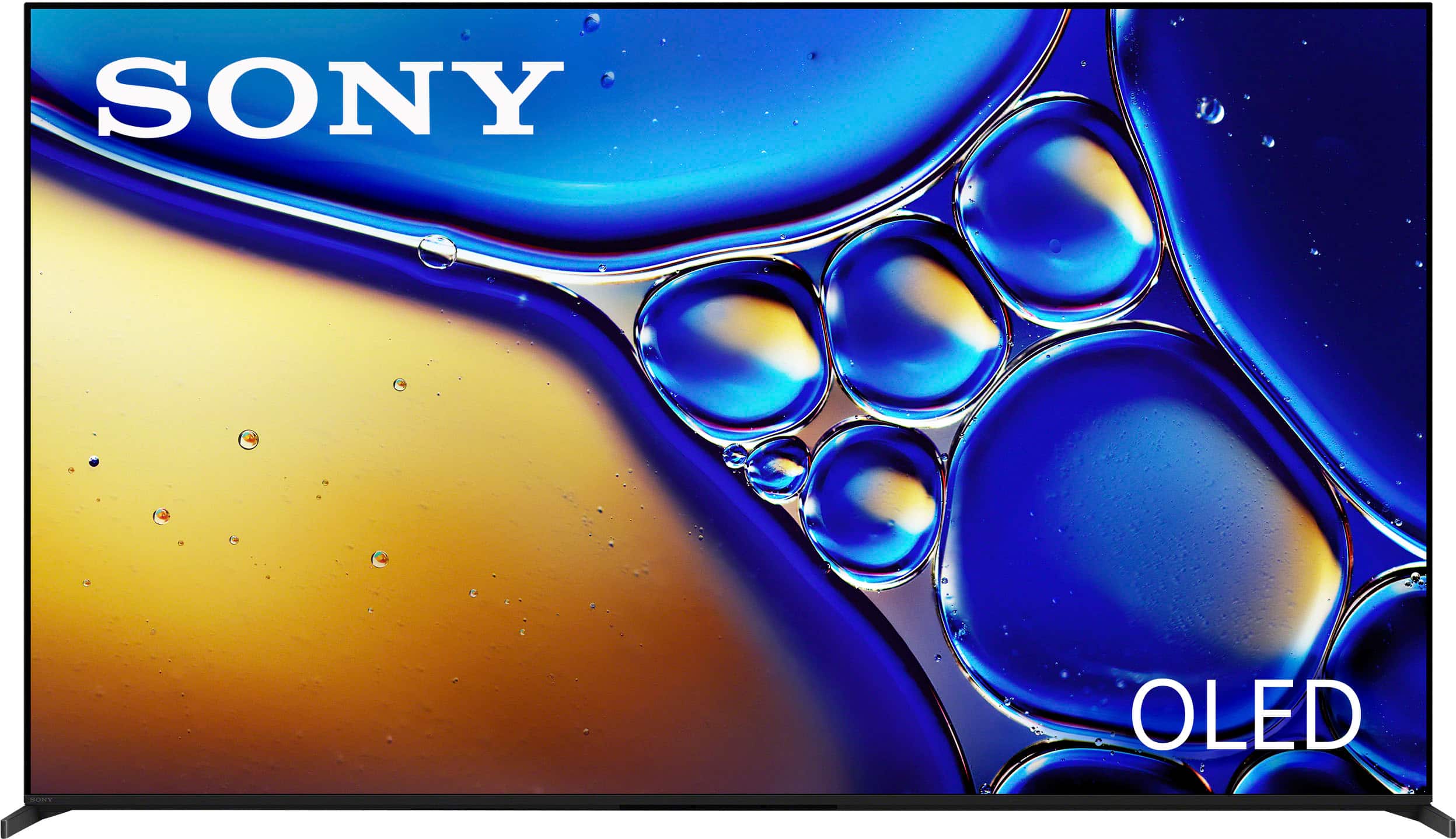
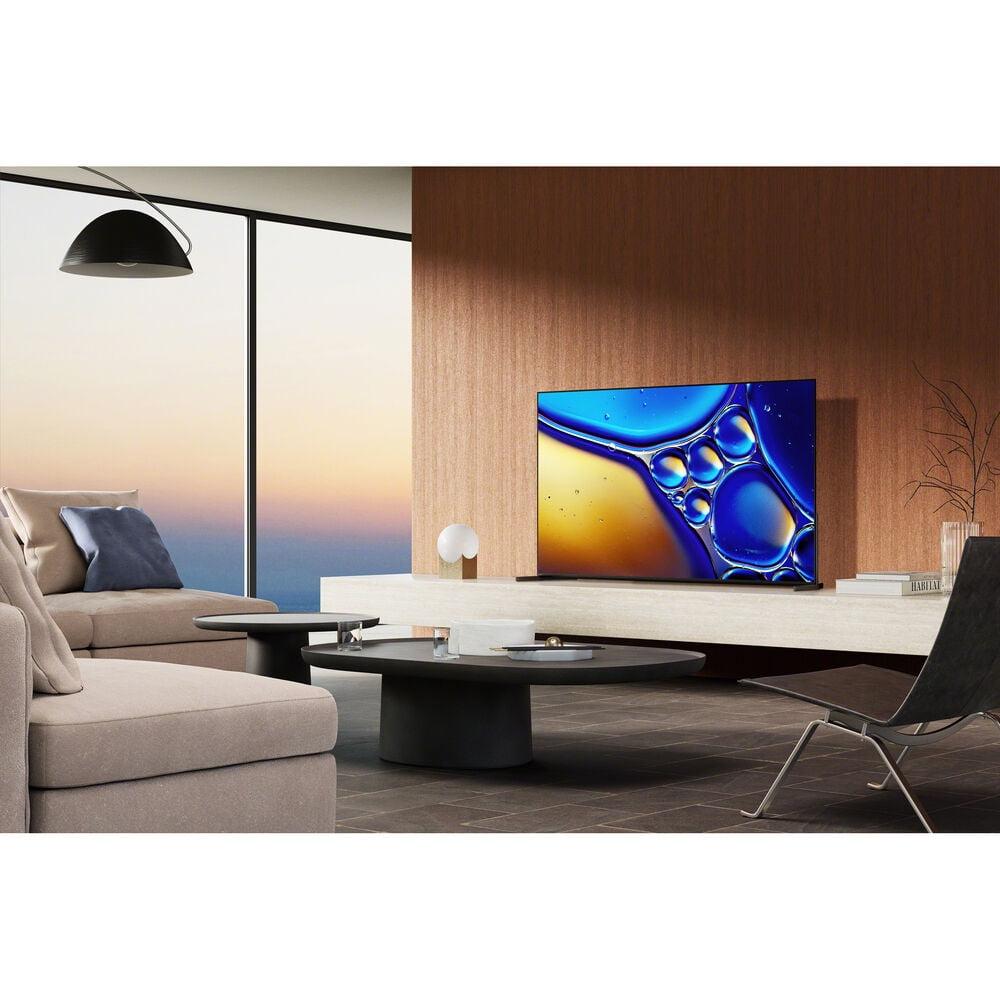

Shopping for a premium 65-inch TV can feel overwhelming, especially when you're looking at top-tier models like the Sony BRAVIA 8 II 65" QD-OLED ($3,098) and the Samsung 65" QN90D Neo QLED. Both represent the cutting edge of display technology, but they achieve excellence through completely different approaches. After spending time with both TVs, I can tell you that choosing between them comes down to understanding what each does best and matching that to your specific viewing situation.
The TV world has evolved dramatically over the past few years. We've moved beyond the simple LED vs OLED debate into more nuanced territory where different technologies serve different needs. The Sony BRAVIA 8 II, released in spring 2025, represents Sony's latest push into QD-OLED technology—a relatively new approach that combines the perfect blacks of OLED with the color enhancement of quantum dots. Meanwhile, the Samsung QN90D, launched earlier in 2025, continues Samsung's refinement of Neo QLED, which uses thousands of tiny LEDs (called Mini LEDs) to achieve impressive brightness and contrast.
What makes this comparison particularly interesting is that both TVs cost roughly the same—around $3,000—but they solve the fundamental challenges of TV display in entirely different ways. Understanding these approaches will help you figure out which one fits your home better.
Let me break down what's actually happening inside these TVs, because the technology differences directly impact what you'll see on screen.
The Sony BRAVIA 8 II uses QD-OLED, where each pixel is essentially a tiny light that can turn completely off or shine at various intensities. The "QD" part stands for Quantum Dot—microscopic particles that convert blue OLED light into pure red and green, creating more vibrant colors than traditional OLED panels. When a pixel needs to show black, it simply turns off completely. This is why OLED delivers those inky blacks you've probably heard about.
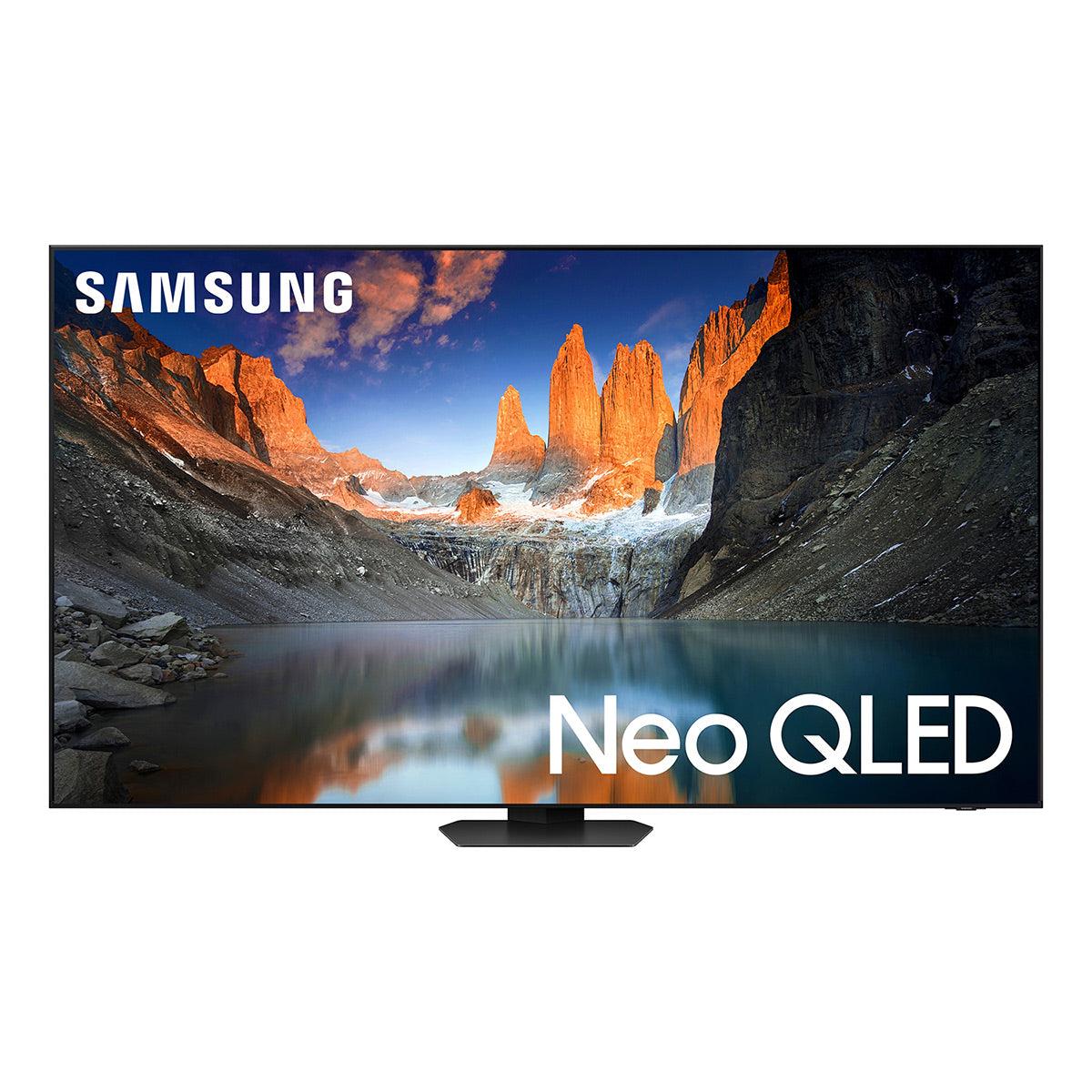
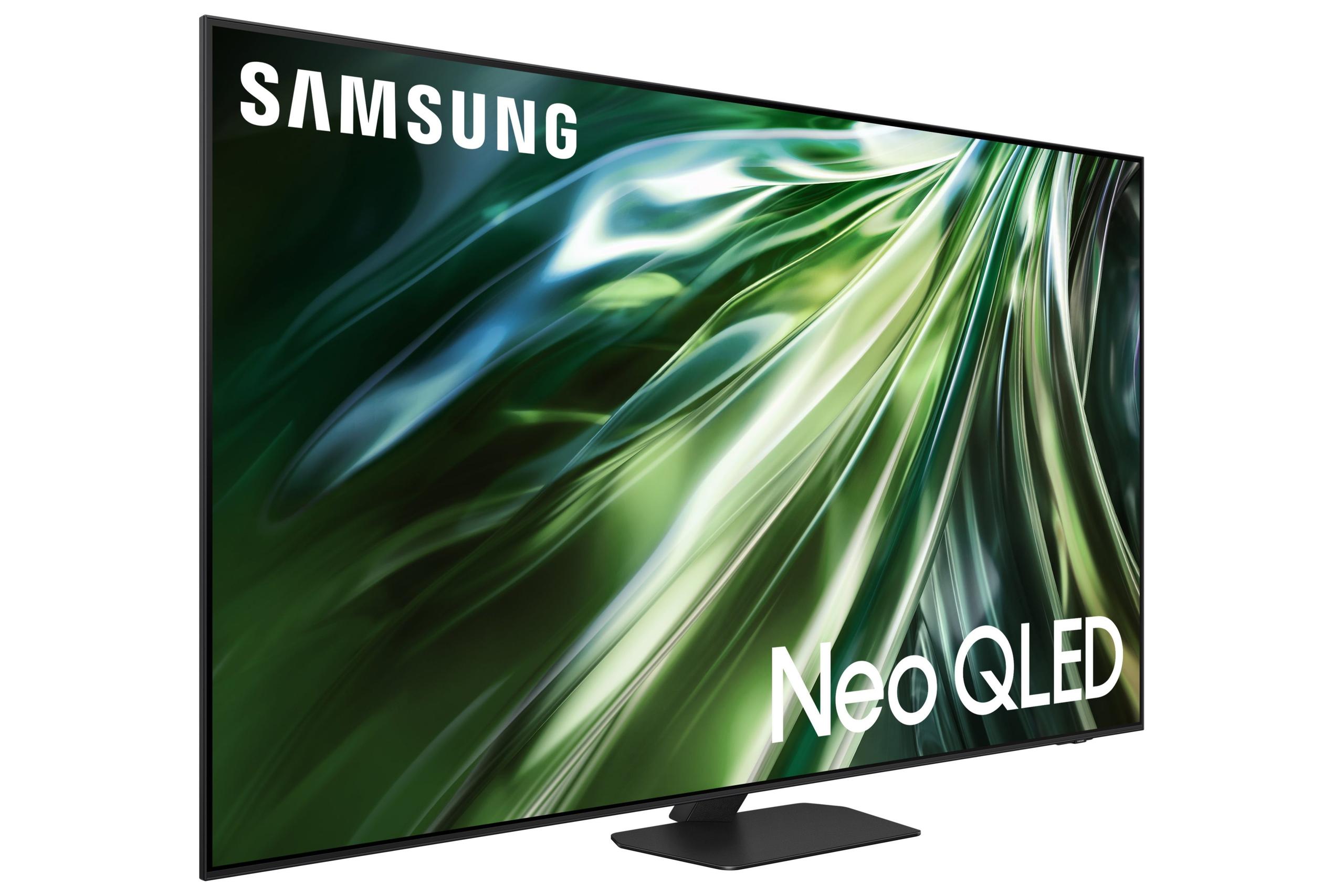
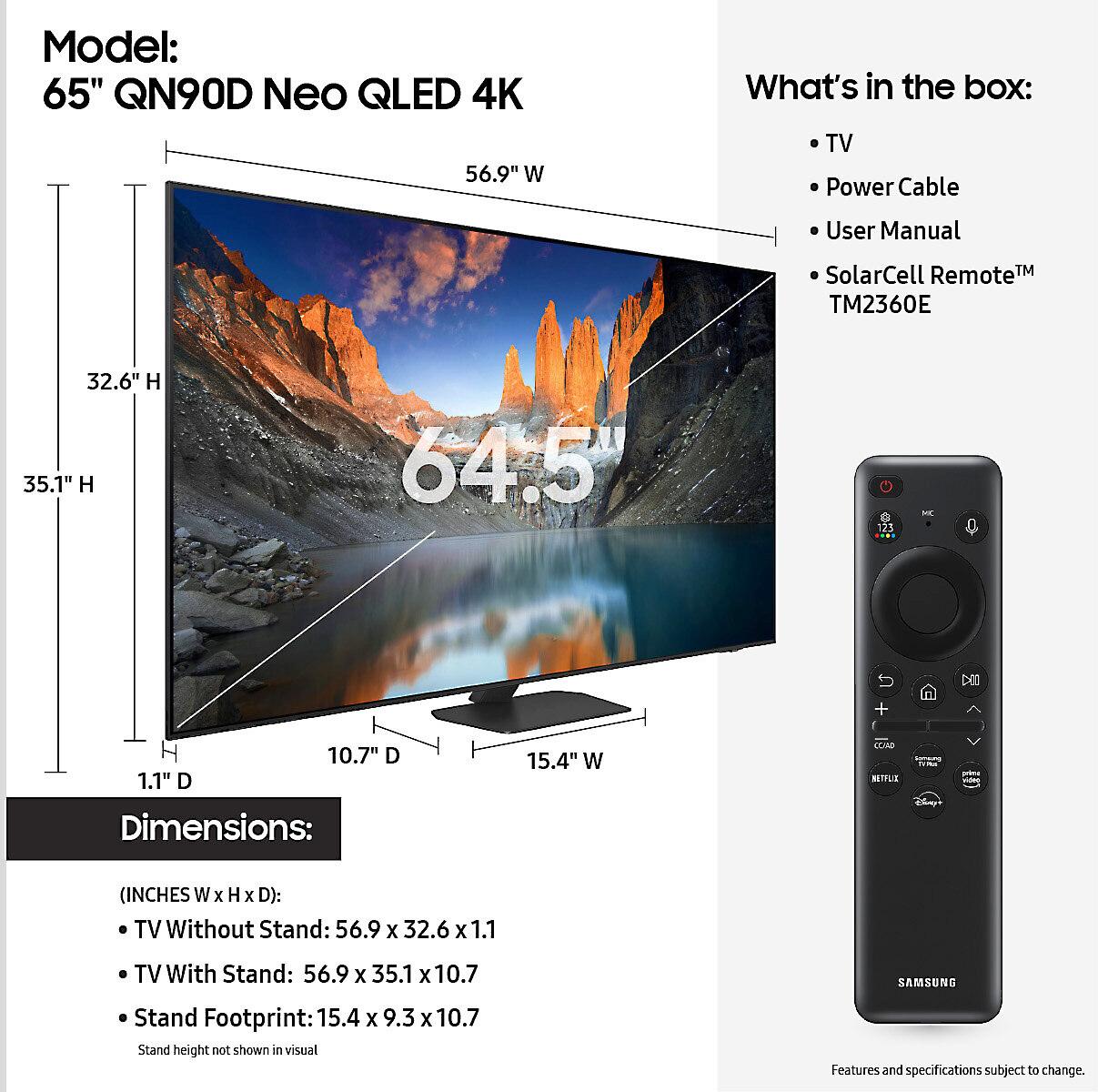
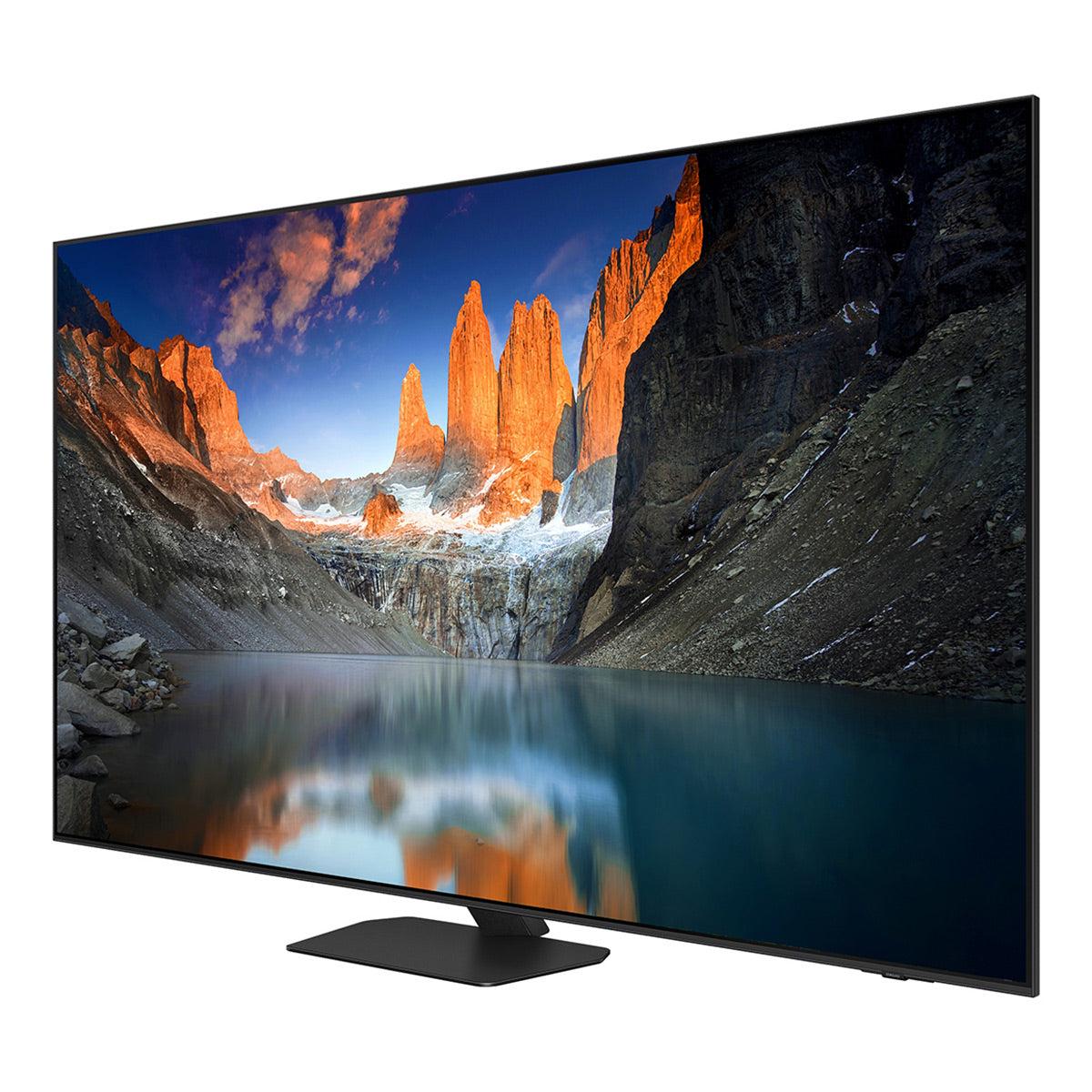
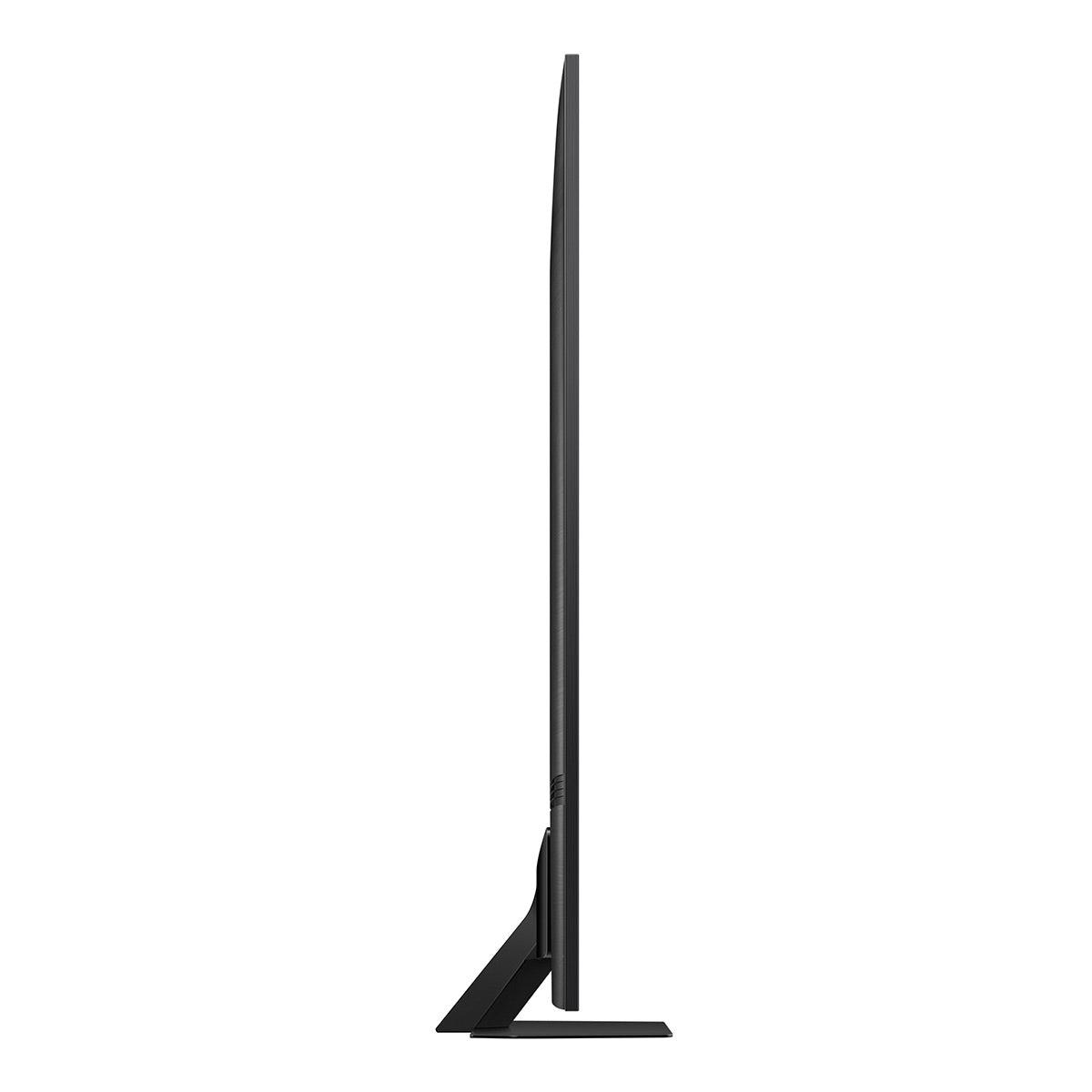
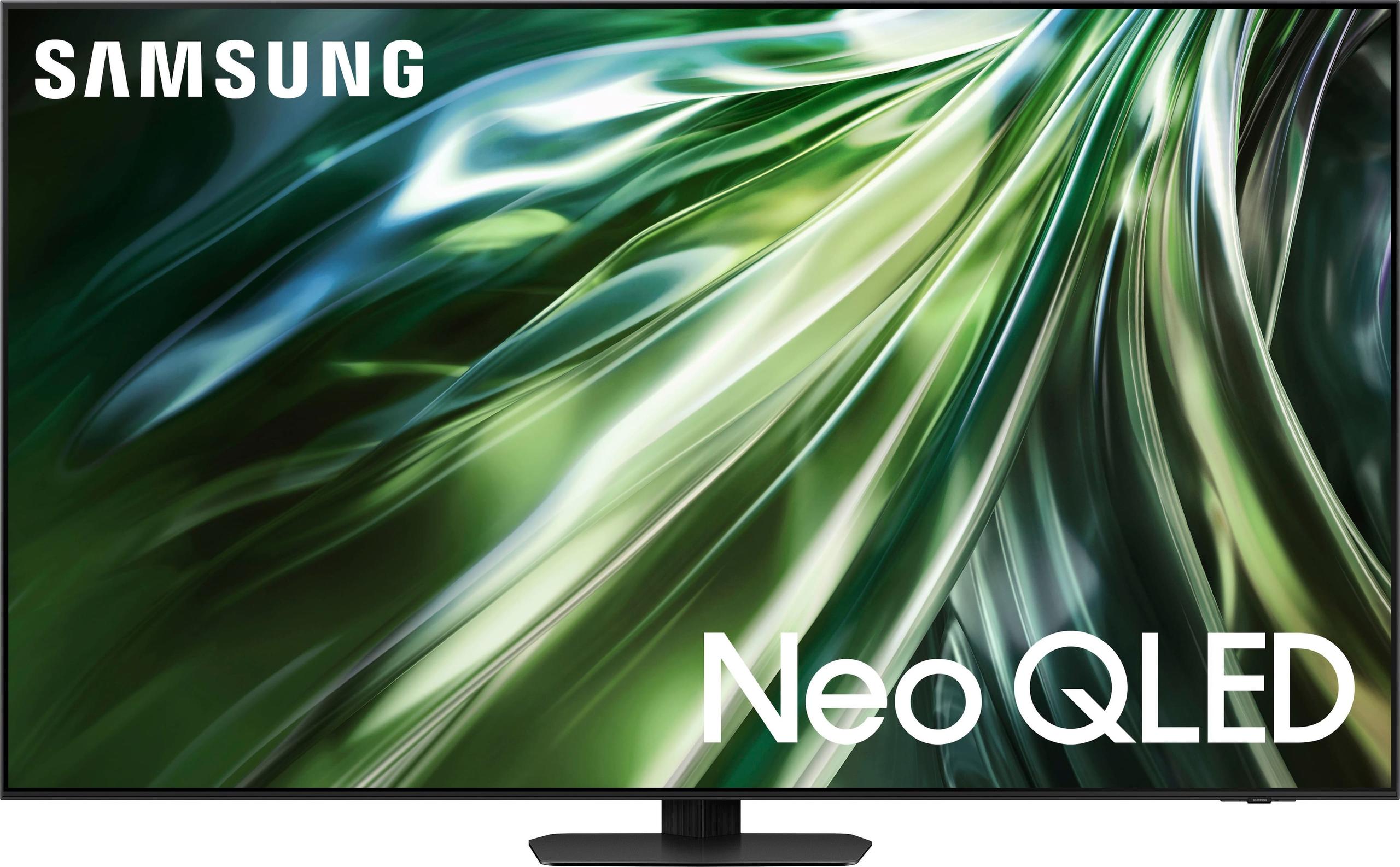
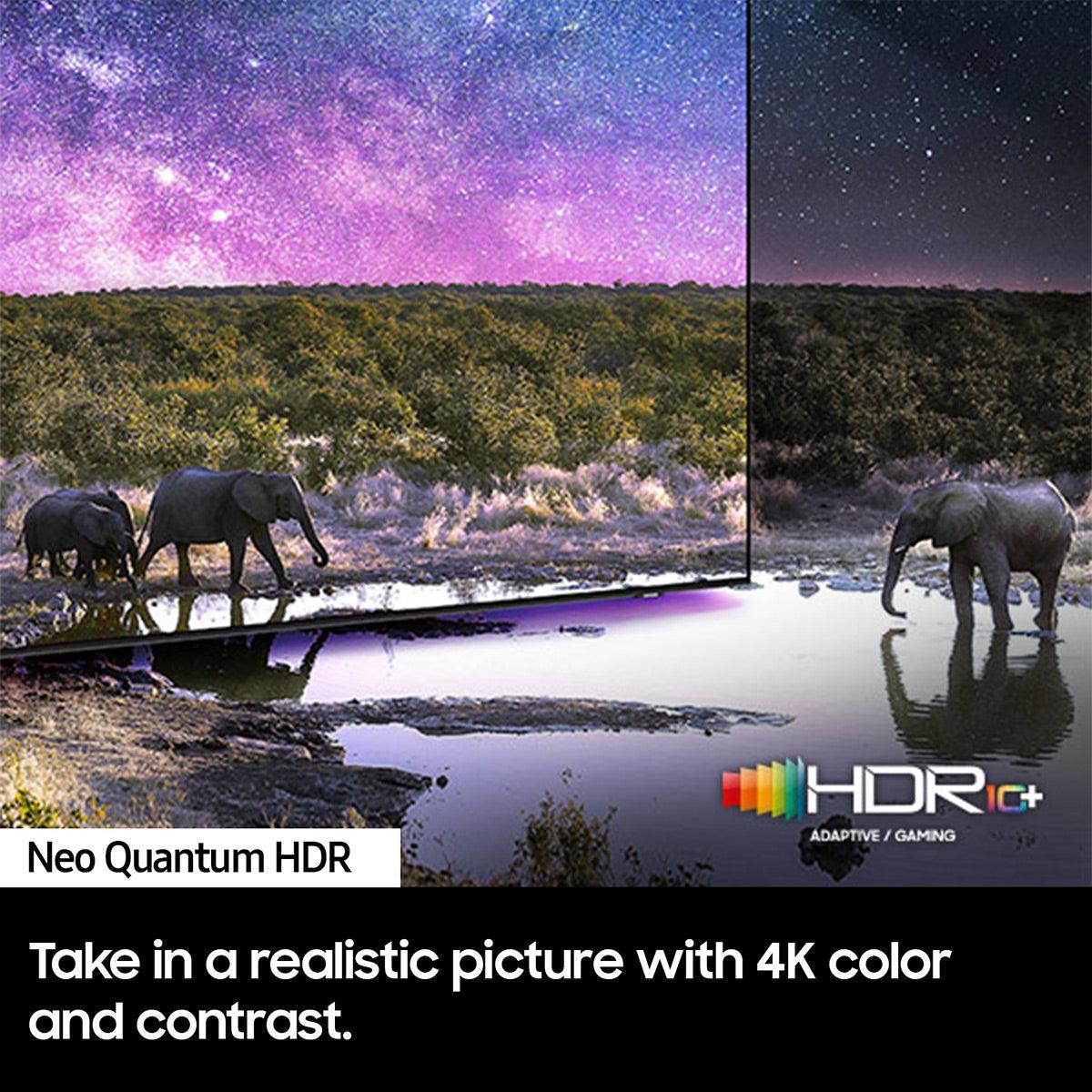
The Samsung QN90D, on the other hand, uses Neo QLED technology. Behind the screen, thousands of Mini LEDs—each about 1/40th the size of traditional LEDs—create the backlight. These LEDs are grouped into zones that can dim independently (called local dimming), allowing bright and dark areas to coexist on the same screen. Quantum dots then enhance the color output, similar to Sony's approach but applied to LED backlighting instead of OLED.
Since I've tested both approaches extensively, I can tell you that each has distinct personality traits that become apparent in daily use.
This is where the fundamental technology differences become most apparent. The Sony BRAVIA 8 II delivers perfect blacks—and I mean truly perfect. When a scene calls for darkness, those pixels turn completely off, creating an infinite contrast ratio. Watching a movie like "Dune" in a dark room, the black desert sky looks genuinely black, not dark gray.
The Samsung QN90D can't match this perfection, but it comes surprisingly close. Its Mini LED backlighting creates thousands of dimming zones, and while you might occasionally notice a faint glow (called blooming) around bright objects in very dark scenes, it's far less noticeable than on older LED TVs. For most viewers in most situations, the difference is academic rather than practical.
Here's where the tables turn. The Samsung QN90D can push brightness levels that make your eyes water—over 2,000 nits in bright highlights. This translates to HDR content that genuinely pops, especially during daytime viewing. When the sun hits Superman's cape in a bright action scene, the Samsung makes it feel like it's actually glowing.
The Sony BRAVIA 8 II reaches about 1,880 nits peak brightness, which is 25% brighter than Sony's previous OLED generation. While this doesn't sound like much, it represents a significant improvement for OLED technology. The brightness feels more natural and film-like rather than the sometimes artificial "wow factor" of ultra-bright displays.
From my experience, the brightness difference matters most in bright rooms. If you're watching TV with windows nearby or lights on, the Samsung QN90D maintains its visual impact better. The Sony BRAVIA 8 II is best appreciated in controlled lighting where its superior contrast can shine.
Both TVs excel at color reproduction, but in different ways. The Sony BRAVIA 8 II delivers what I'd call "reference quality" colors—they look exactly as the content creators intended. Skin tones appear natural, grass looks genuinely green, and sunsets have that warm, golden quality that makes you want to step into the scene.
The Samsung QN90D takes a more vibrant approach. Colors pop with intensity that can be stunning, particularly for sports and nature content. It's not inaccurate, but it leans toward the spectacular rather than the subtle. Both approaches have merit—it's really about whether you prefer cinema-accurate or visually exciting presentation.
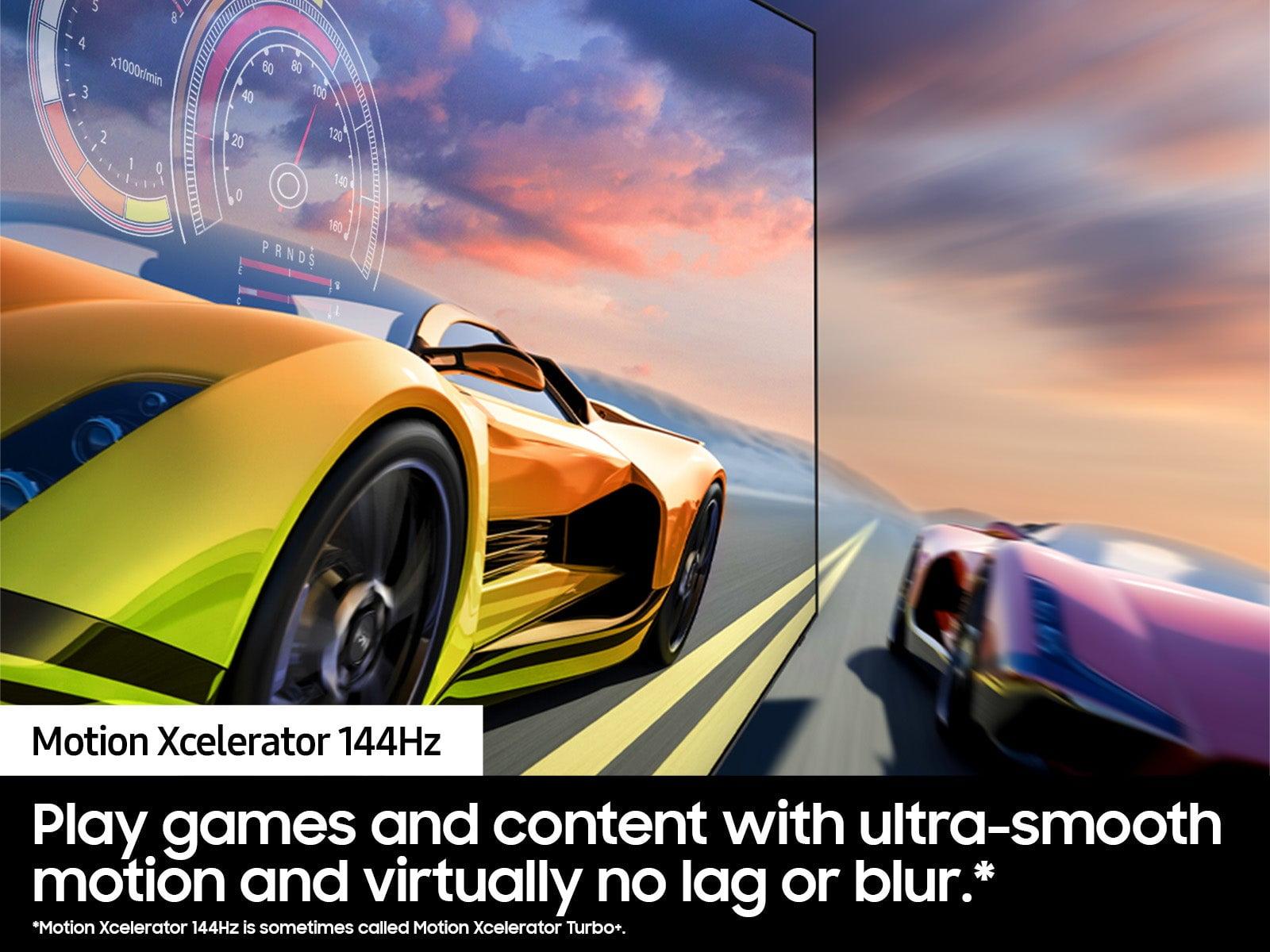
Both TVs handle fast motion well, which is increasingly important as we watch more sports and play more games. The Sony BRAVIA 8 II offers essentially instantaneous pixel response due to its OLED technology, while the Samsung QN90D uses advanced processing to minimize motion blur.
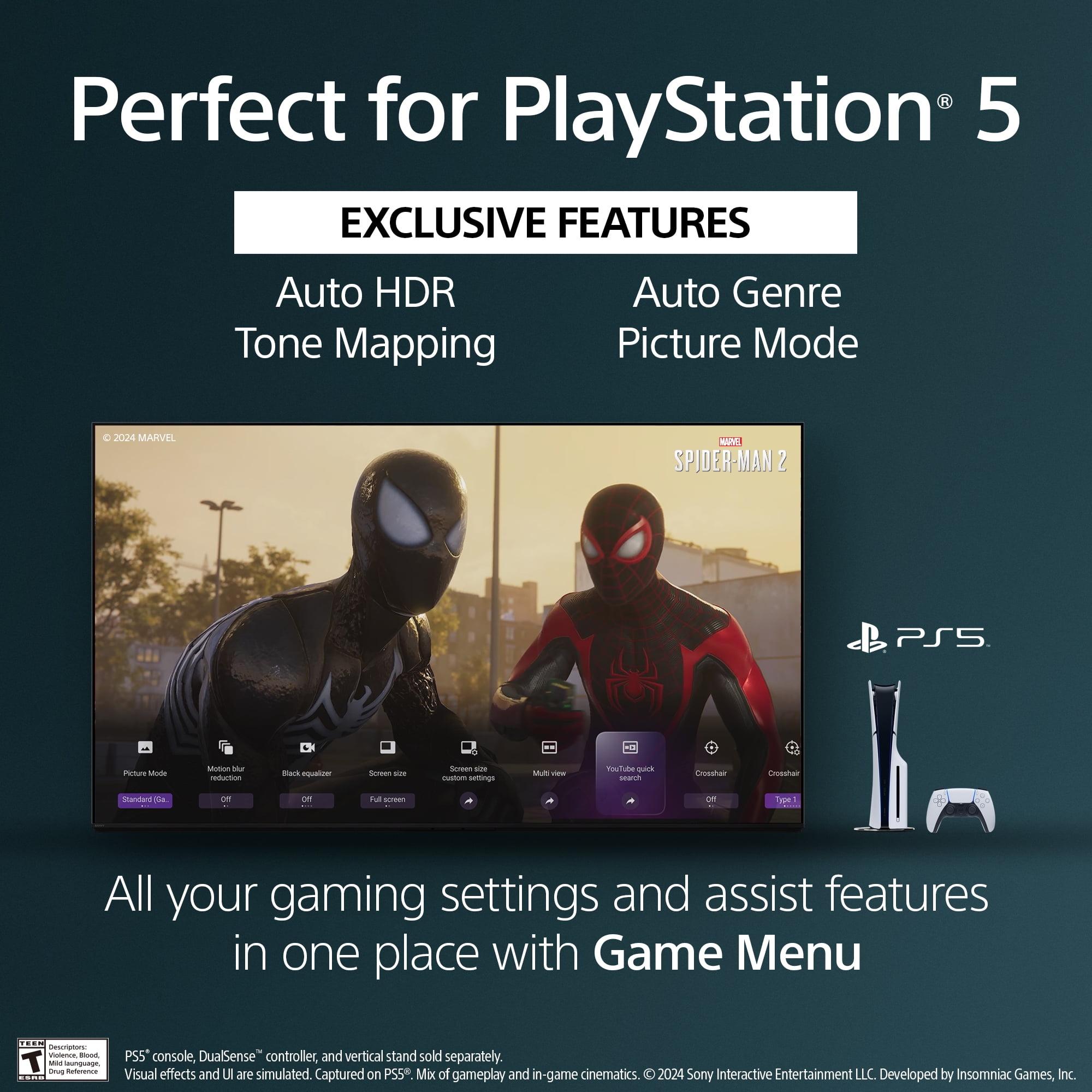
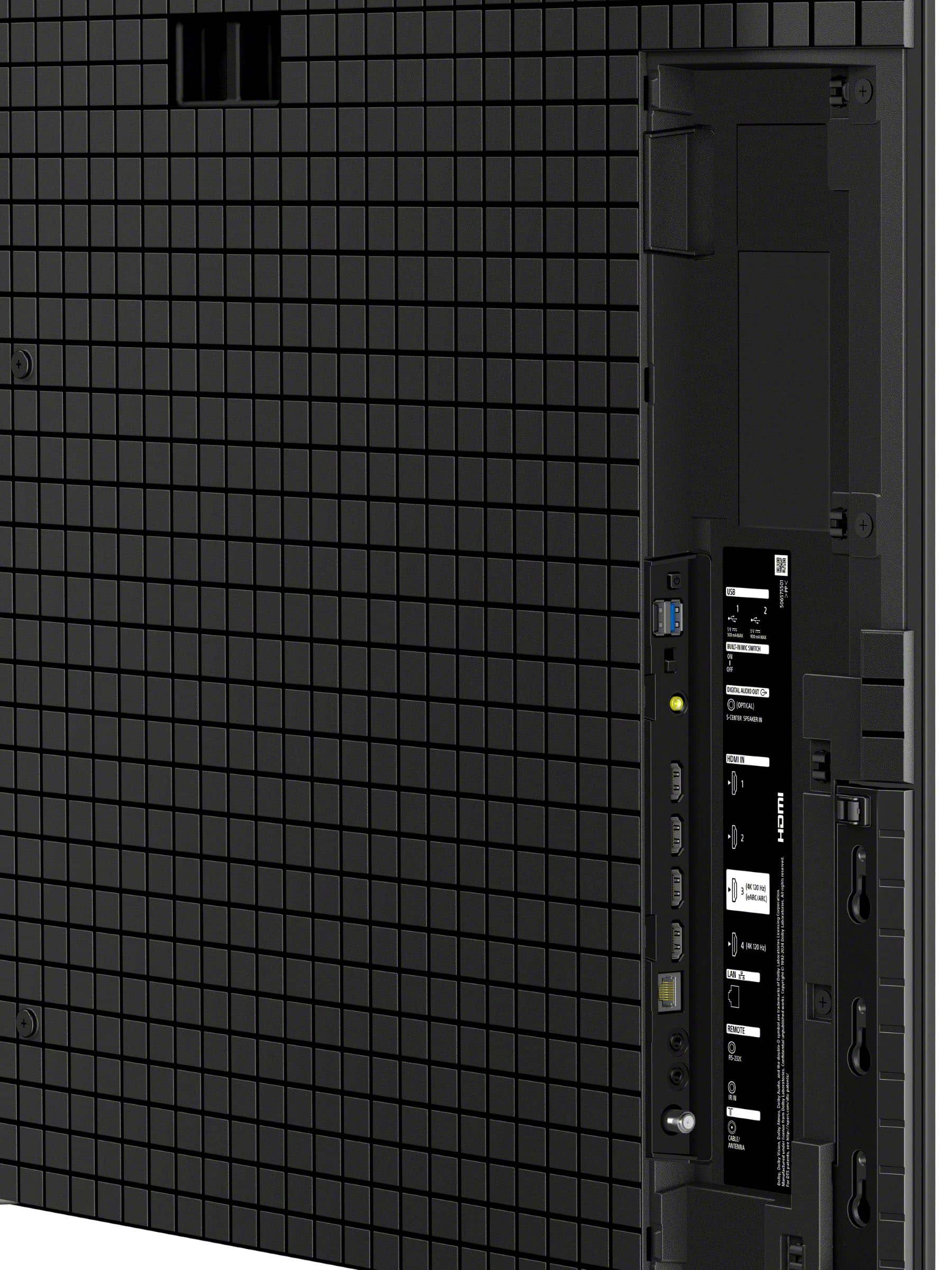
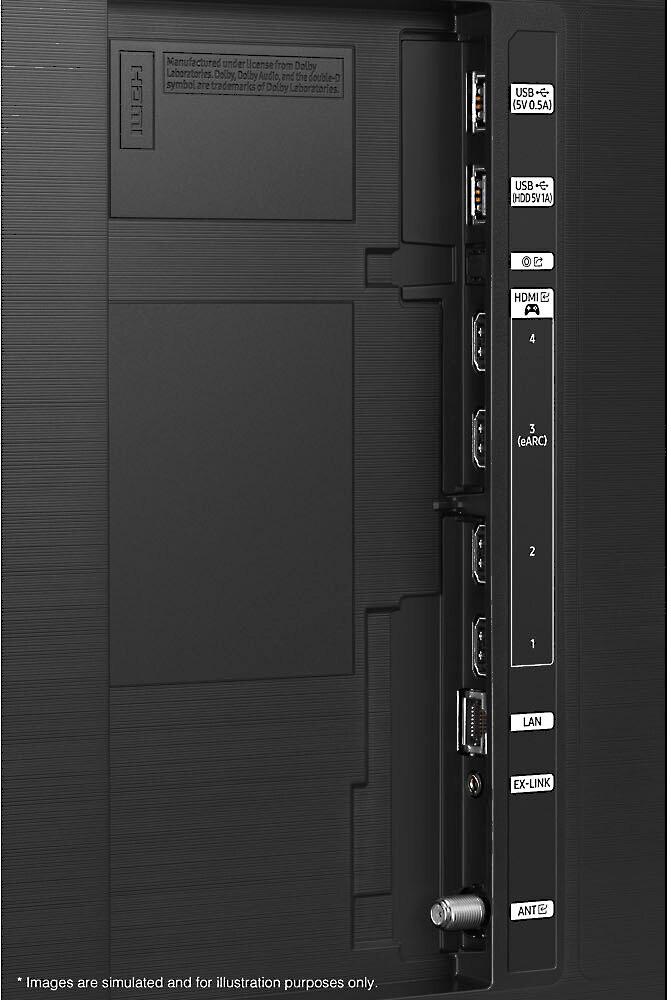
For gaming, both support the features modern consoles demand: 4K resolution at 120Hz refresh rate, Variable Refresh Rate (VRR) to prevent screen tearing, and Auto Low Latency Mode (ALLM) that automatically switches to game mode. The Sony BRAVIA 8 II has a slight edge with 8.5ms input lag and specific optimizations for PlayStation 5, while the Samsung QN90D offers Samsung's Gaming Hub with cloud gaming services built right in.
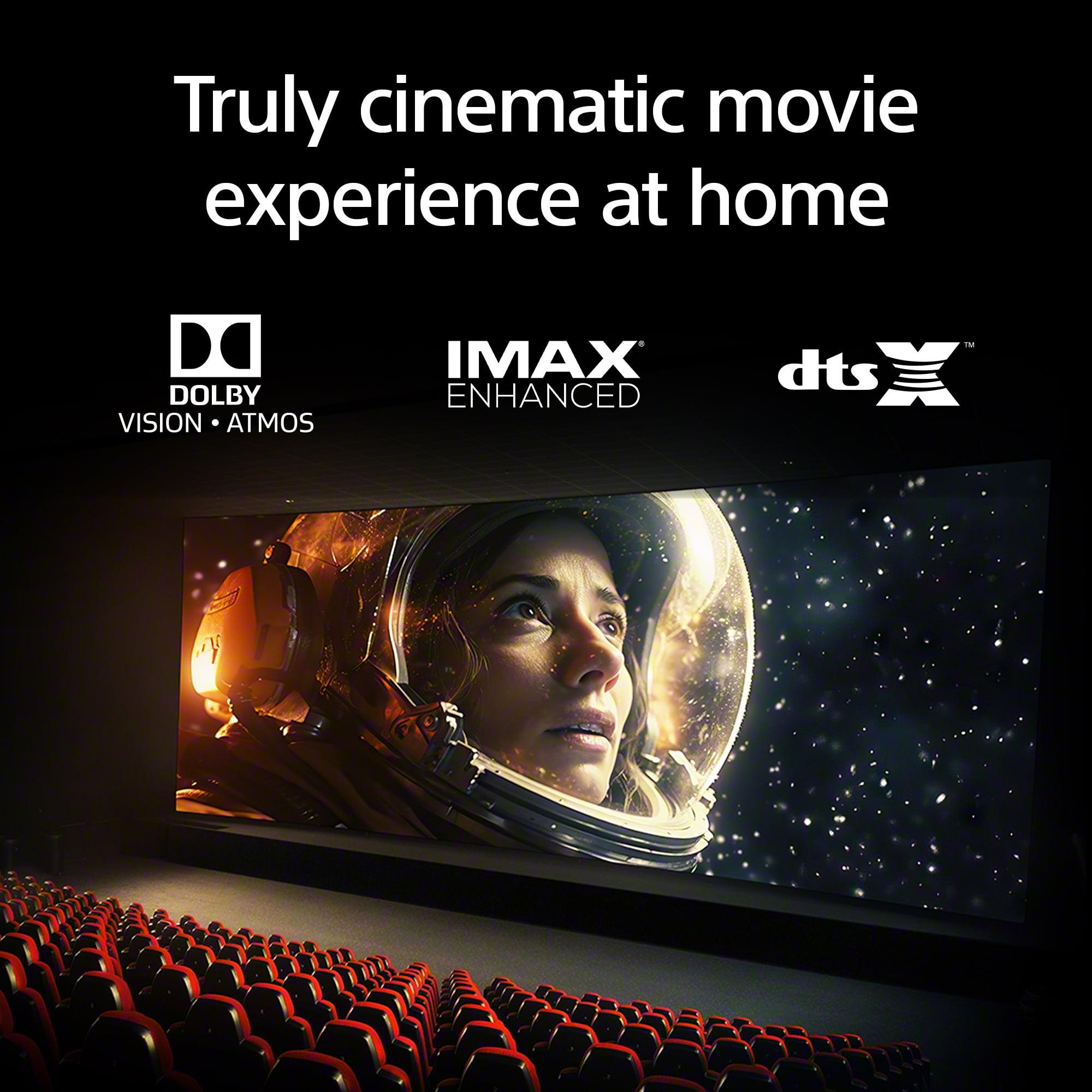
This is where the Sony BRAVIA 8 II pulls significantly ahead. Sony's Acoustic Surface Audio+ technology turns the entire screen into a speaker using actuators that vibrate the display panel. The result is sound that comes directly from where the action is happening on screen, creating an unusually immersive experience for a TV.
I've been consistently impressed by how dialogue remains clear even during loud action sequences, thanks to the Voice Zoom 3 feature that uses AI to enhance speech. The TV also includes dual subwoofers and supports Dolby Atmos, creating surprisingly full sound for such a slim display.
The Samsung QN90D offers decent built-in audio with Object Tracking Sound+, but it's conventional TV audio—better than average but not revolutionary. Most users will want to add a soundbar, which represents an additional investment of $300-800 or more.
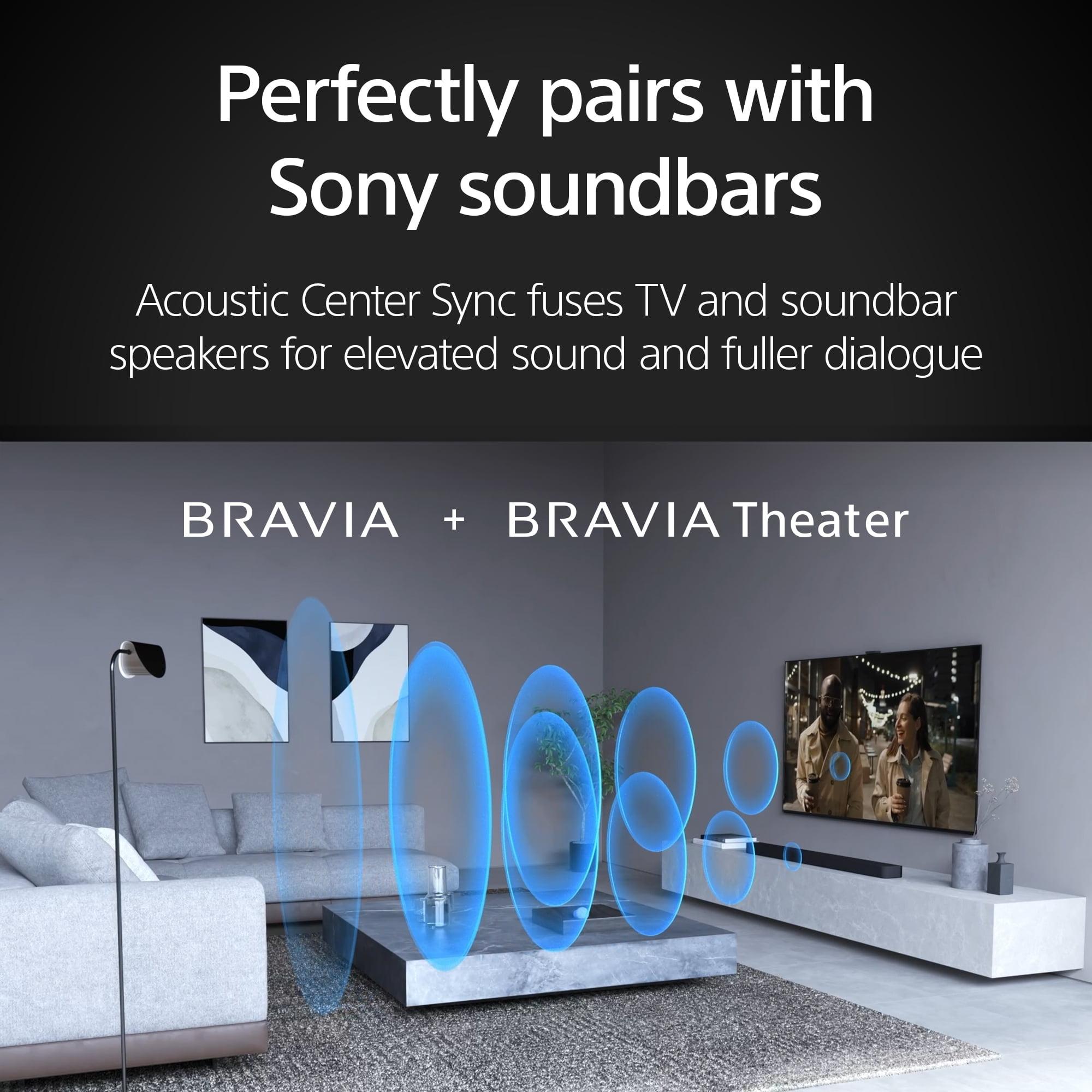
For home theater enthusiasts, the Sony's audio advantage is particularly significant. The TV can even serve as a center channel speaker when paired with compatible Sony soundbars, creating a more cohesive surround sound experience.
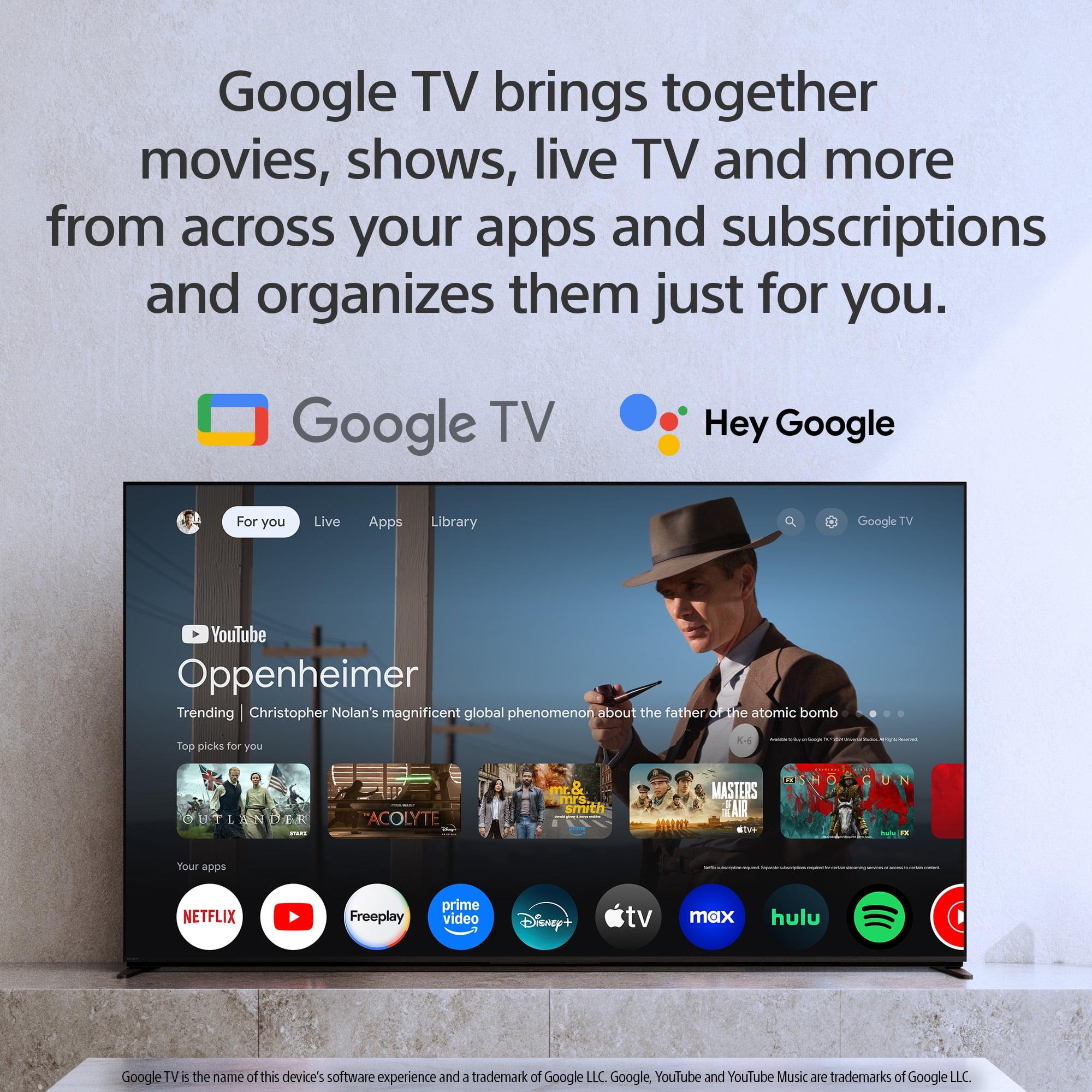
Both TVs offer excellent smart TV experiences, though with different philosophies. The Sony BRAVIA 8 II runs Google TV, which organizes content from all your streaming services into a unified, personalized interface. It includes built-in Chromecast, Google Assistant, and supports Apple AirPlay 2. The interface feels familiar if you use other Google services and does an excellent job of surfacing content you actually want to watch.
The Samsung QN90D uses Samsung's Tizen platform, which has become much more polished in recent years. It's snappy and responsive, with a clean interface that doesn't feel cluttered. Samsung includes multiple voice assistants (Alexa, Bixby, and Google Assistant) and has expanded gaming options through their Gaming Hub.
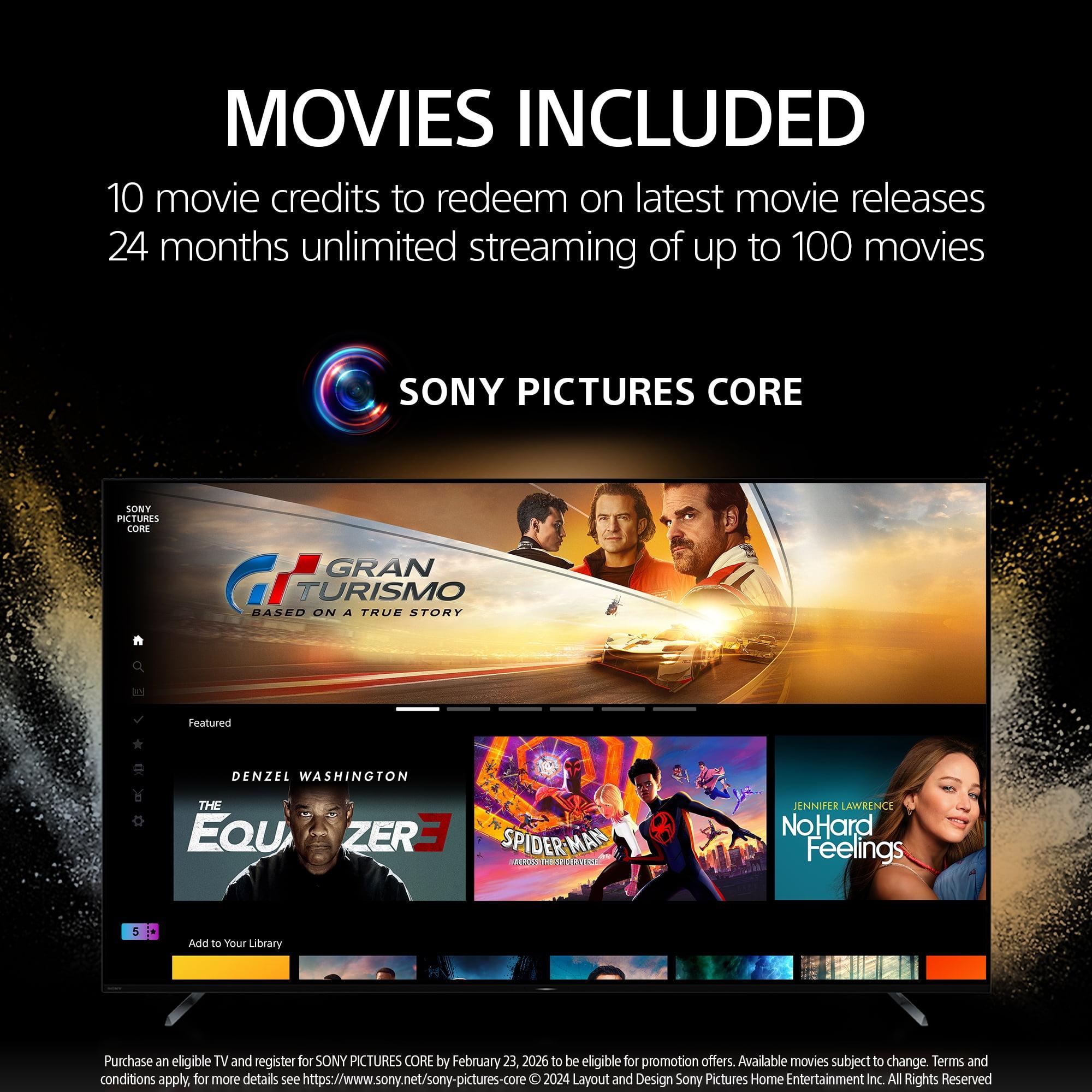
Both platforms support all major streaming services, though Sony includes two years of Sony Pictures Core with premium movie access, while Samsung focuses more on gaming integration.
Your room setup significantly influences which TV will work better. The Sony BRAVIA 8 II offers incredibly wide viewing angles—the picture looks consistent even when viewed from the side. This makes it ideal for rooms where people sit in various positions or for open floor plans where the TV might be viewed from different areas.
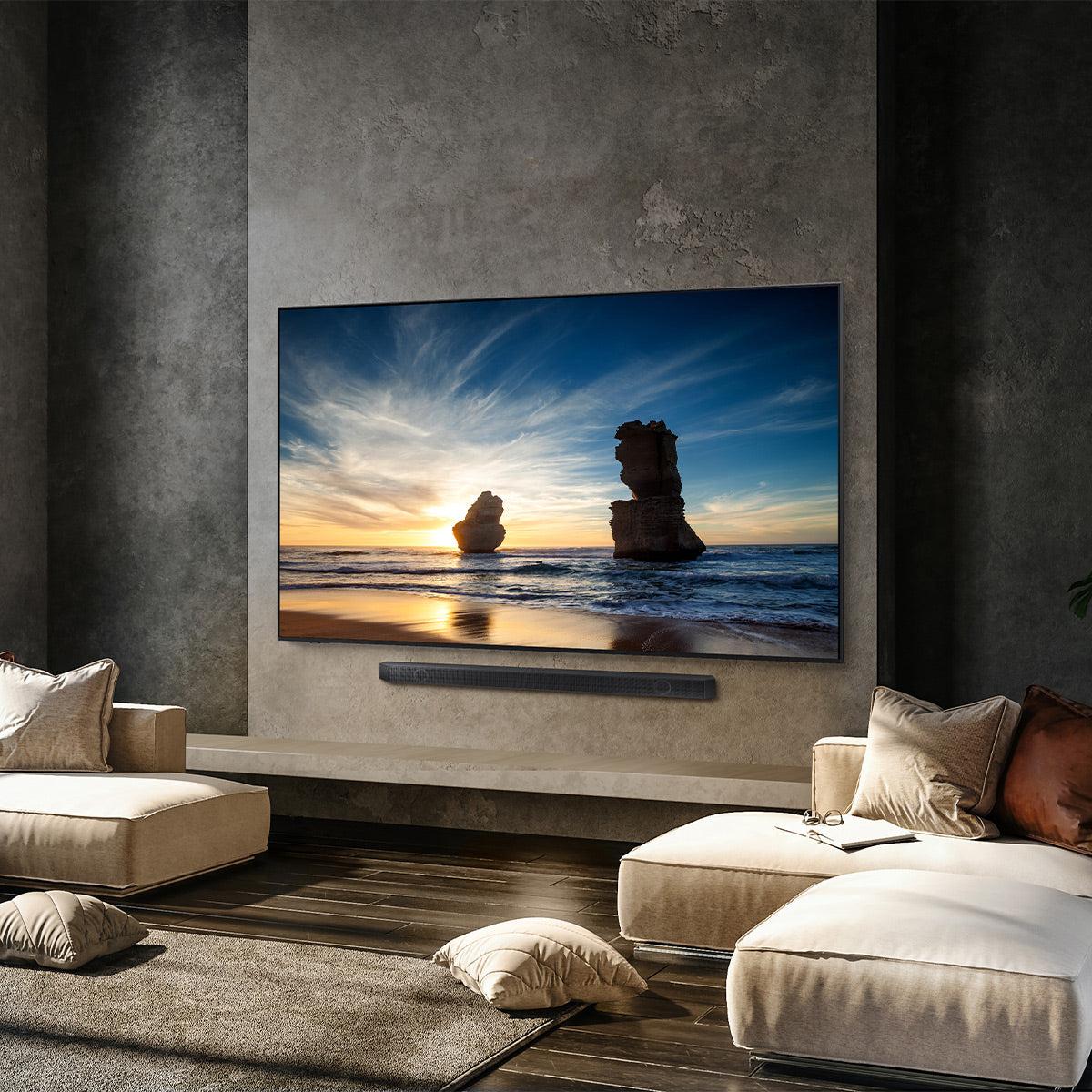
The Samsung QN90D has improved viewing angles compared to traditional LED TVs, but colors and contrast still shift somewhat when viewed from extreme angles. However, its superior brightness means it handles reflections and ambient light better, making it more versatile in bright rooms.
For dedicated home theaters with controlled lighting and centered seating, the Sony BRAVIA 8 II creates a more cinematic experience. For family rooms with windows and varied seating arrangements, the Samsung QN90D might be more practical.
At roughly $3,000, both represent significant investments, but they offer different value propositions. The Sony BRAVIA 8 II delivers a more premium, reference-quality experience with superior built-in audio. You're essentially getting a high-end TV and decent sound system in one package.
The Samsung QN90D offers flagship picture performance at a slightly lower cost but will likely require a soundbar investment to reach its full potential. However, it eliminates the burn-in concerns that some users have with OLED technology, potentially offering better long-term reliability for users who leave static content on screen frequently.
From a technology evolution standpoint, both represent mature implementations of their respective approaches. OLED burn-in has become much less of a concern with modern panels and usage patterns, while Mini LED local dimming has reached impressive sophistication levels.
For dedicated home theater setups, the Sony BRAVIA 8 II generally provides the more authentic cinematic experience. Its perfect blacks and accurate colors create the kind of image quality that enthusiasts spend thousands building projection systems to achieve. The built-in Acoustic Surface Audio+ also means you can create an impressive theater experience without immediately investing in external speakers.
The Samsung QN90D works well in home theaters too, especially if you're planning a full surround sound system anyway. Its superior brightness can actually be advantageous with certain HDR content, particularly if your theater room isn't completely light-controlled.
After extensively testing both TVs, here's how I'd recommend thinking about the choice:
Choose the Sony BRAVIA 8 II QD-OLED ($3,098) if you prioritize picture accuracy, contrast, and built-in audio quality. It's the better choice for movie enthusiasts, anyone with a dedicated theater room, or viewers who want the most premium experience possible. The superior viewing angles also make it ideal for rooms where people sit in various positions.
Choose the Samsung QN90D Neo QLED if your room has significant ambient light, you watch a lot of varied content including sports, or you want to avoid any burn-in concerns. It's also the better choice if you're planning to add a sound system anyway and prefer the peace of mind that comes with traditional LED reliability.
Both TVs will deliver excellent performance for years to come. The decision ultimately comes down to matching their strengths to your specific viewing environment and preferences. In my experience, most people are happy with either choice—but understanding these differences ensures you'll be thrilled with your specific choice rather than just satisfied.
The TV market continues evolving rapidly, but both the Sony BRAVIA 8 II and Samsung QN90D represent current state-of-the-art implementations that should remain competitive for years to come. Whichever you choose, you're getting a genuinely premium viewing experience that represents the best of what's possible with today's display technology.

Privacy Policy
Terms and Conditions - Affiliate Policy
Home Security
© Copyright 2008-2026.
11816 Inwood Rd #1211, Dallas, TX 75244