

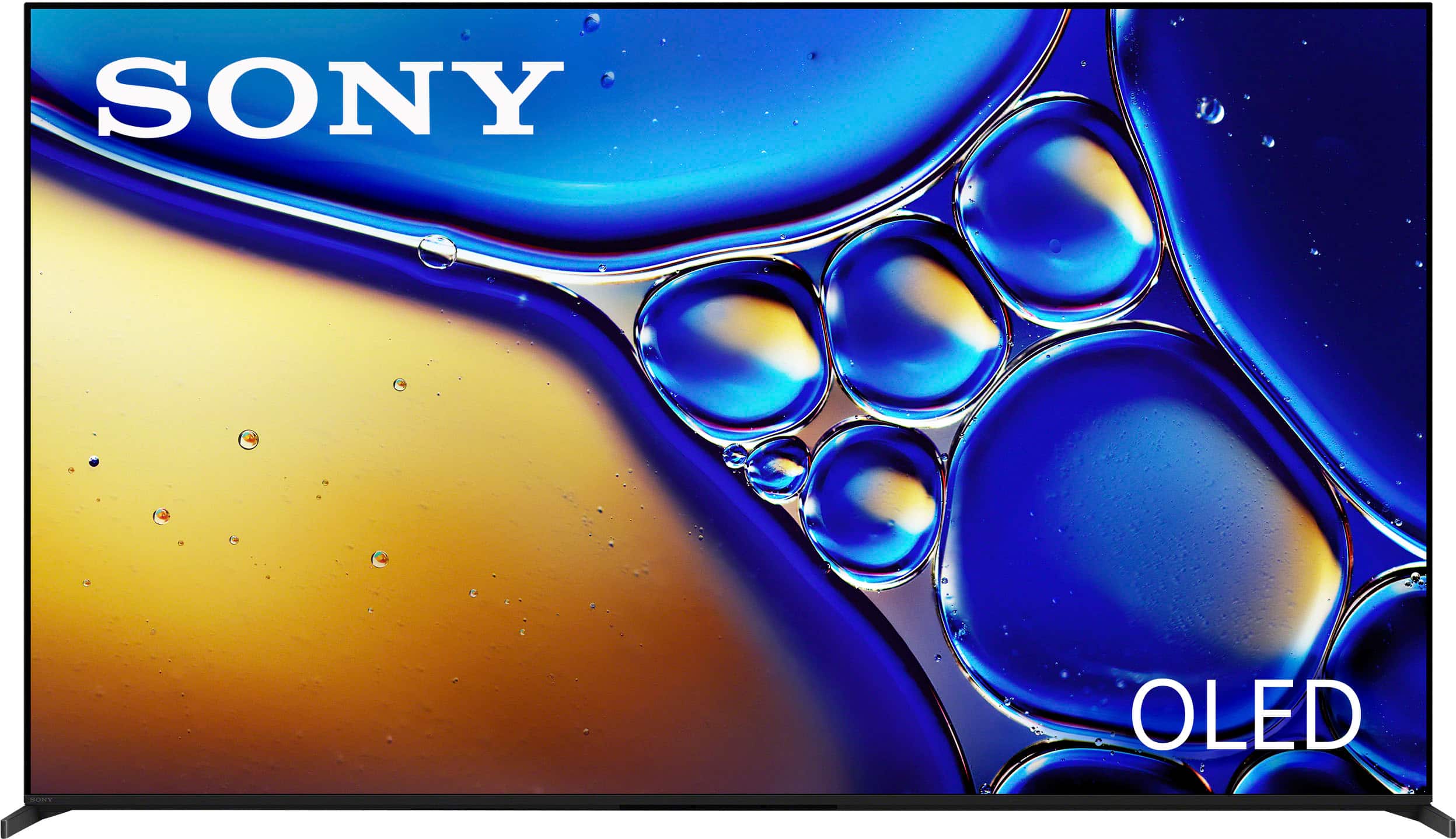
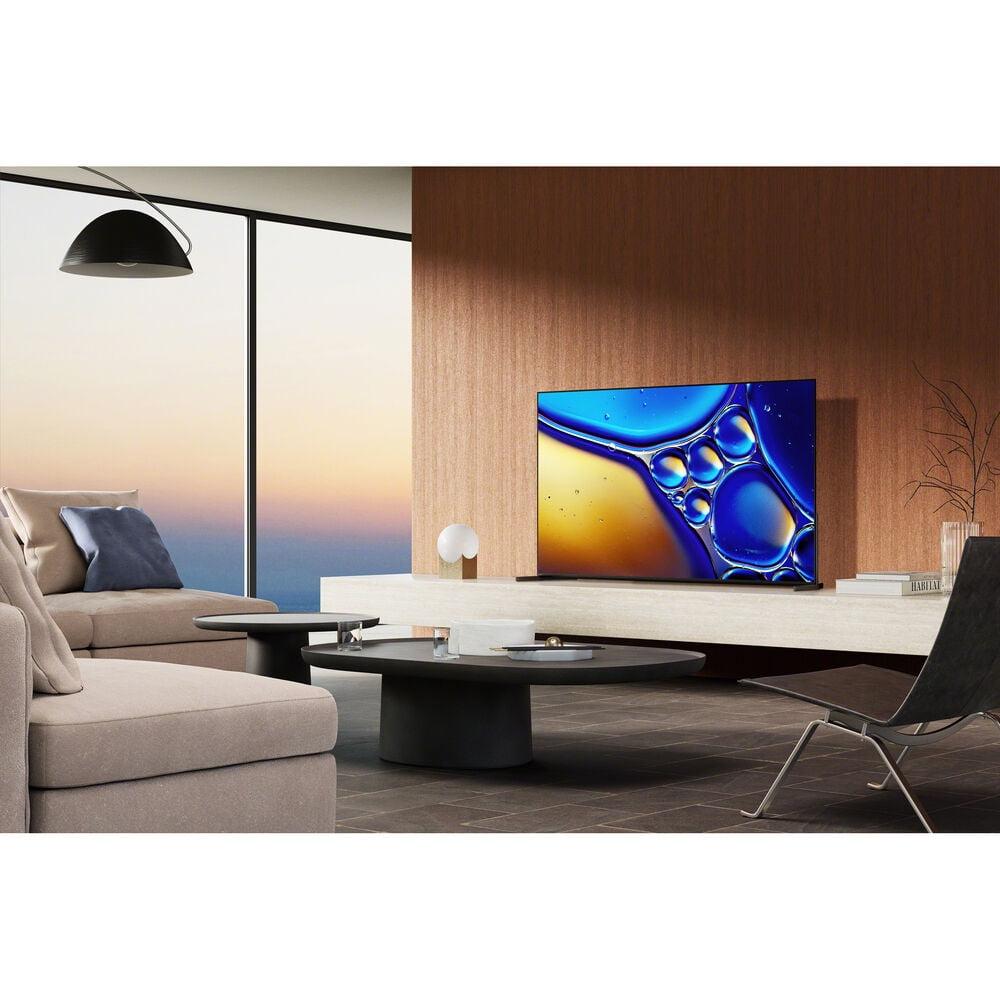
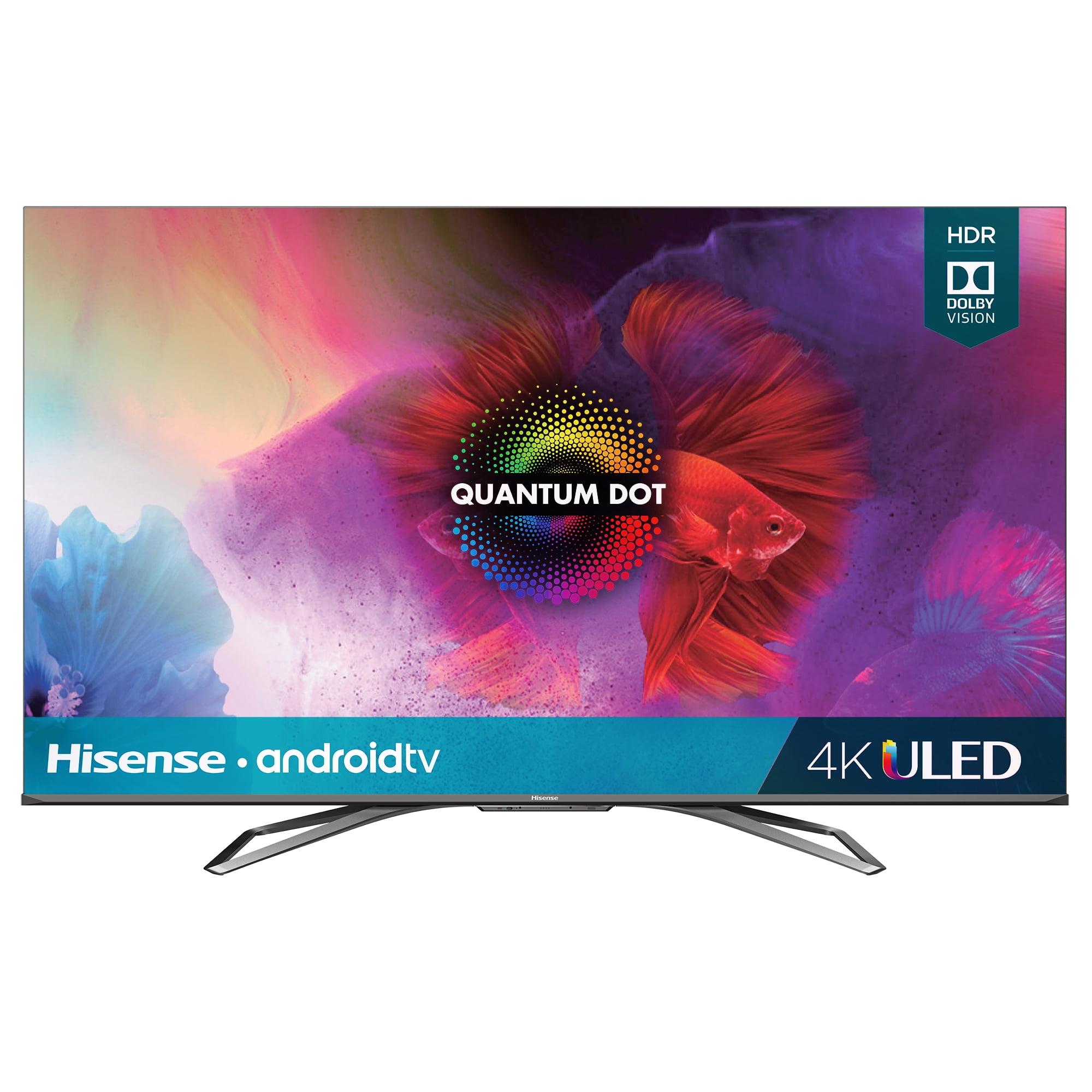
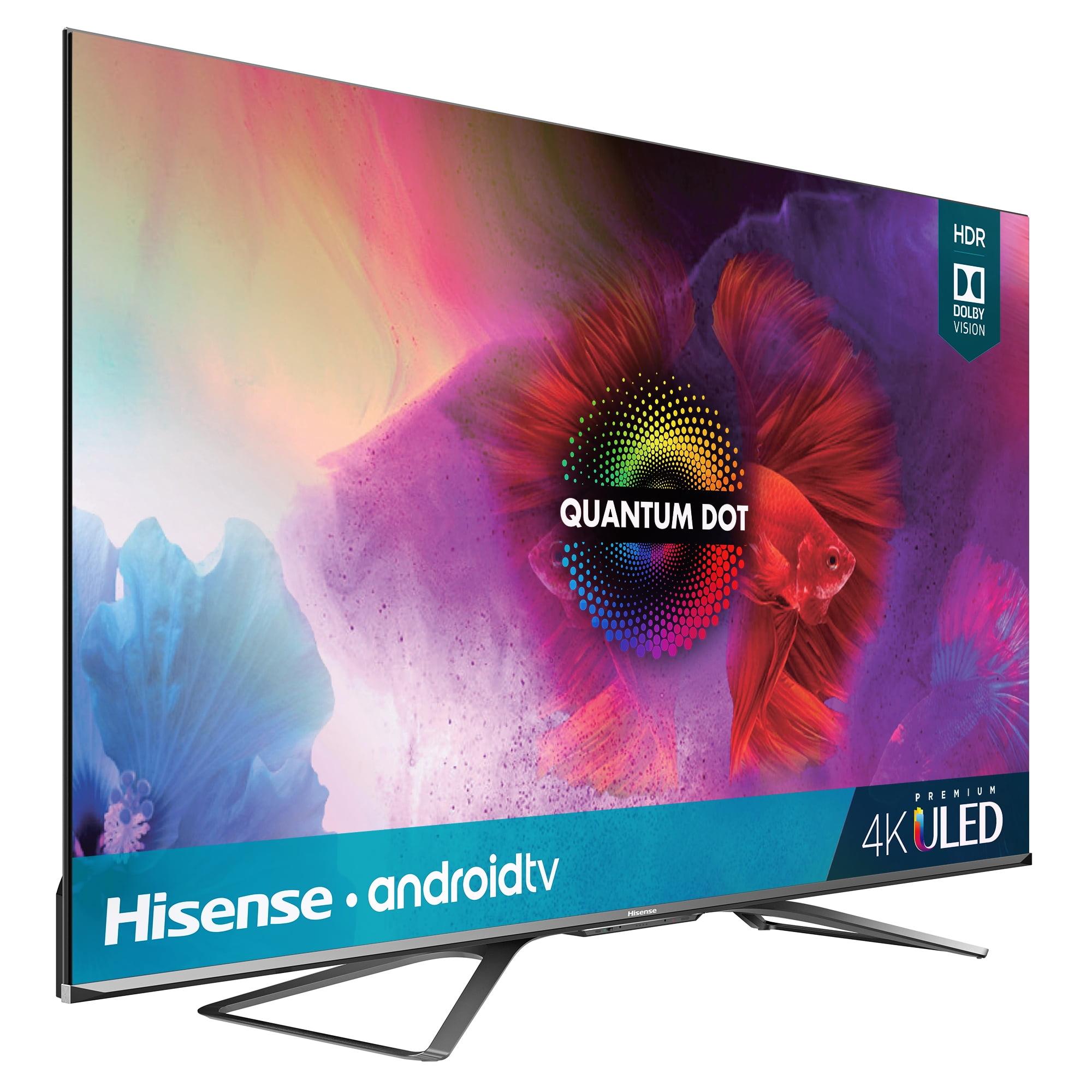

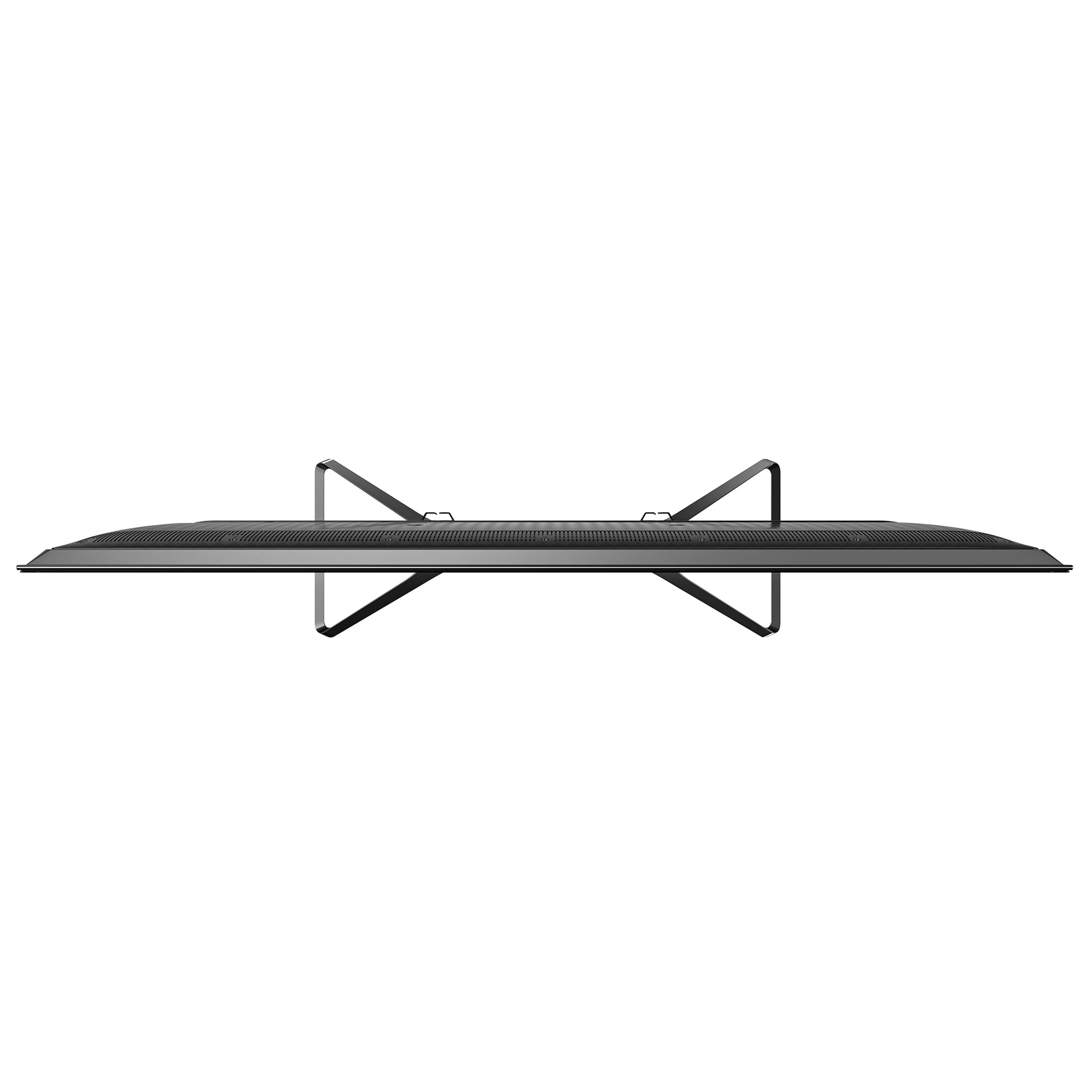
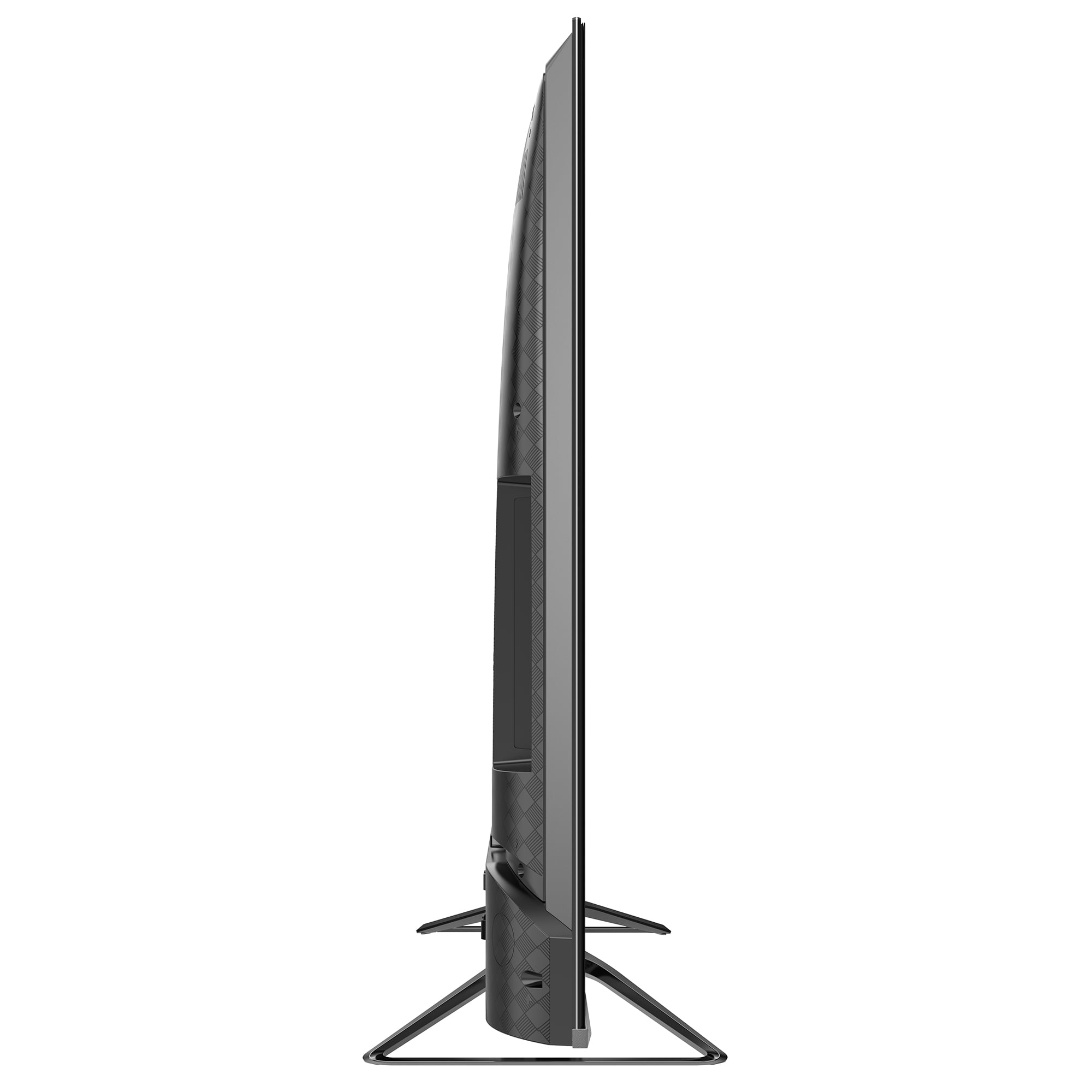
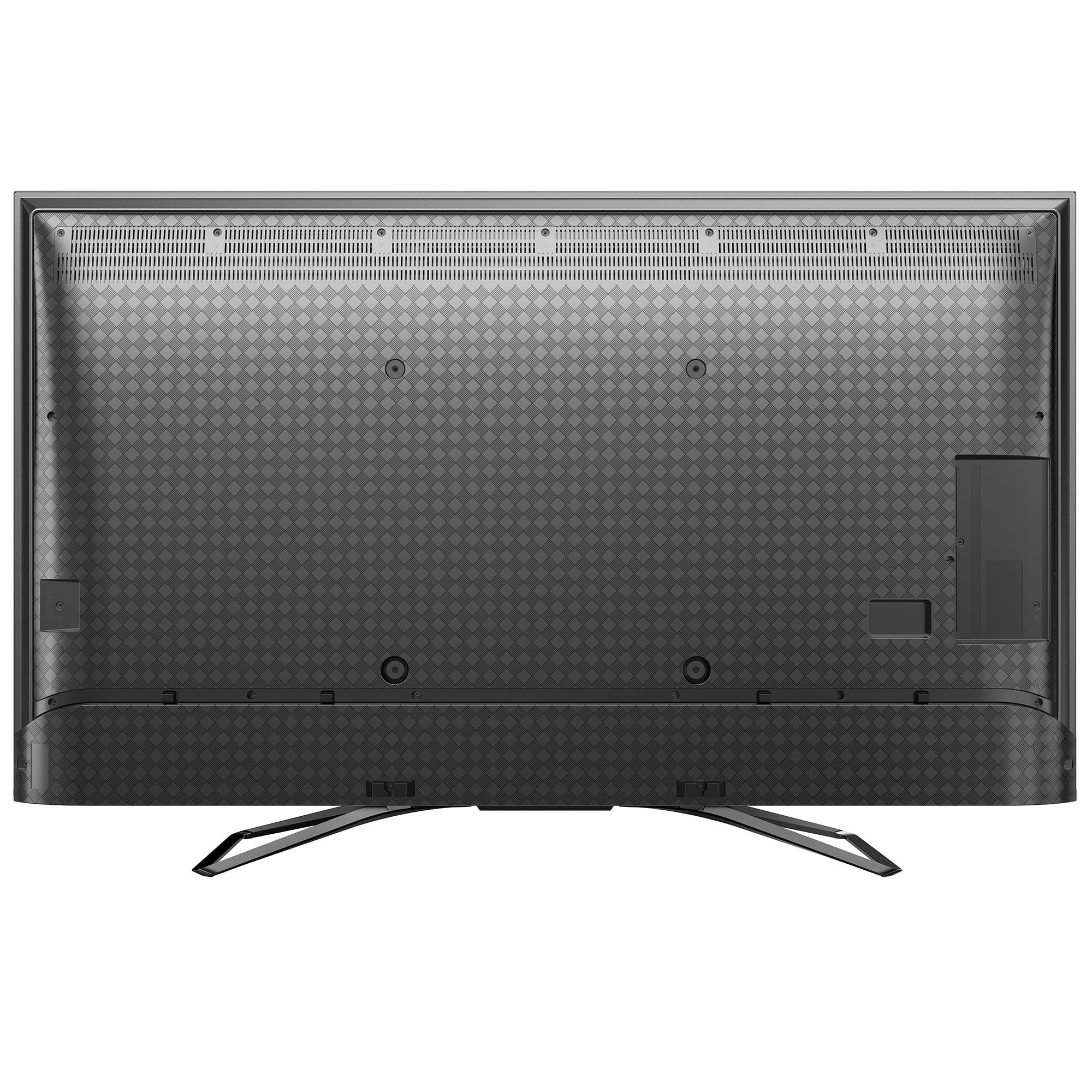
Shopping for a premium TV can feel overwhelming, especially when you're comparing products from different generations and price brackets. Today, we're diving deep into two compelling options: the brand-new Sony BRAVIA 8 II 65" QD-OLED at $3,098 and the proven Hisense H9G Quantum Series at $1,253. While they're both excellent TVs, they represent completely different philosophies in the premium TV market.
Before we jump into specifics, let's talk about what makes these TVs tick. The TV industry has evolved dramatically over the past few years, with two main technologies dominating the premium space: OLED and QLED.
OLED (Organic Light-Emitting Diode) displays are fascinating because each pixel creates its own light. When you need black, those pixels simply turn off completely – no light, perfect black. It's like having millions of tiny light bulbs that can individually turn on and off. The Sony BRAVIA 8 II uses a special version called QD-OLED, which combines this pixel-perfect control with quantum dots for enhanced color.
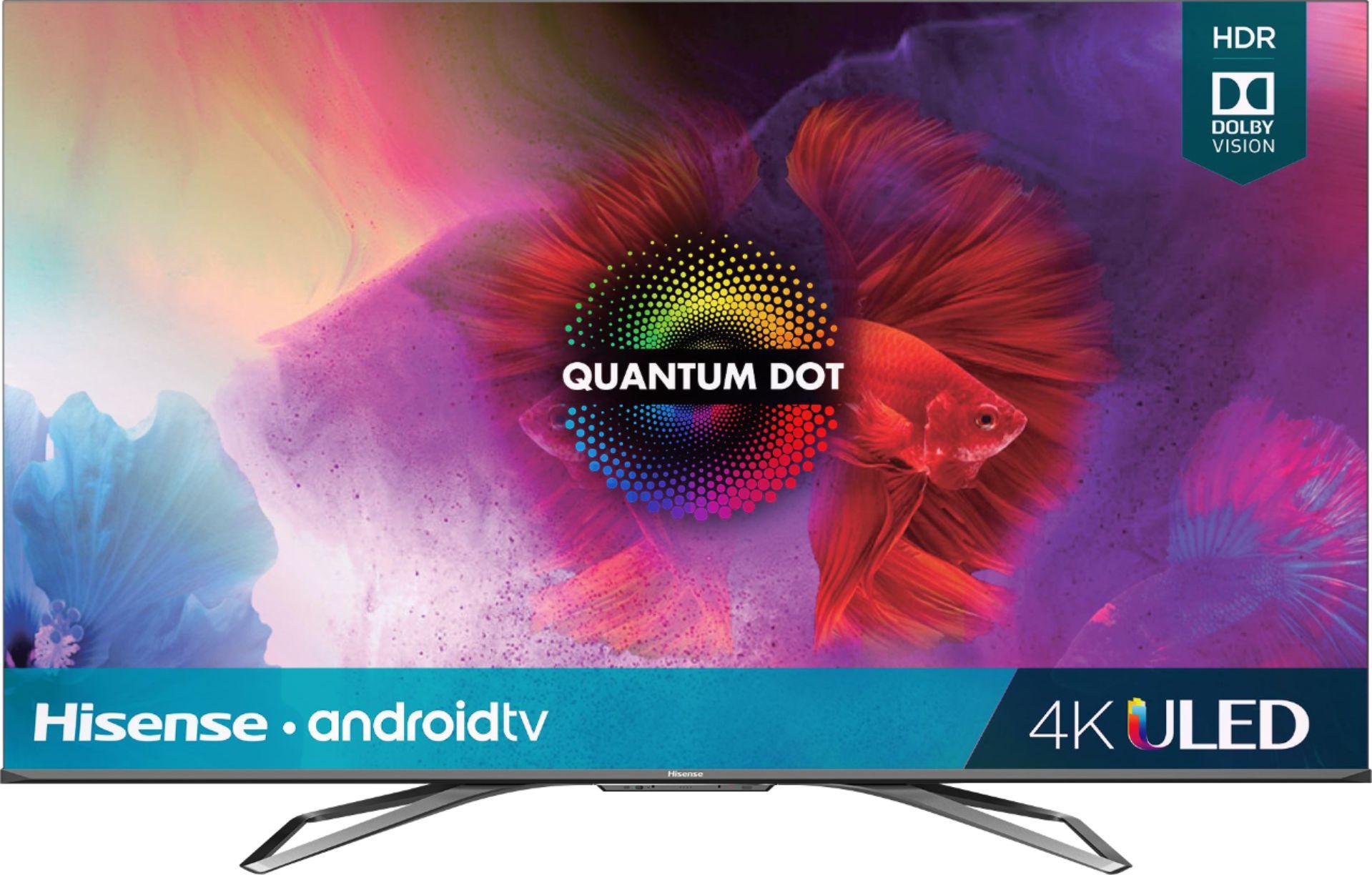
QLED (Quantum Dot LED) TVs like the Hisense H9G work differently. They use a traditional LED backlight behind the screen, but add a layer of quantum dots – microscopic particles that convert blue light into incredibly pure red and green colors. Think of it like having a super-bright flashlight behind colored filters that can create amazingly vivid colors.
The key considerations when choosing between these technologies boil down to what matters most in your living space: perfect blacks and contrast (OLED's strength) or maximum brightness and no burn-in concerns (QLED's advantages).
Here's where things get interesting. The Sony BRAVIA 8 II launched in June 2025 with the absolute latest technology, while the Hisense H9G hit the market around 2020. That five-year gap represents a massive leap in TV technology.
Since 2020, we've seen revolutionary improvements in OLED brightness (historically OLED's weakness), the introduction of QD-OLED panels, advanced AI processing, next-generation gaming features, and much more sophisticated smart TV platforms. The Sony BRAVIA 8 II benefits from all these advances, while the Hisense H9G represents the peak of 2020 technology – which was genuinely impressive for its time.
What's remarkable is how well the Hisense H9G has aged. Even by today's standards, its 1,000+ nit brightness and quantum dot color reproduction remain competitive with many current mid-range models.
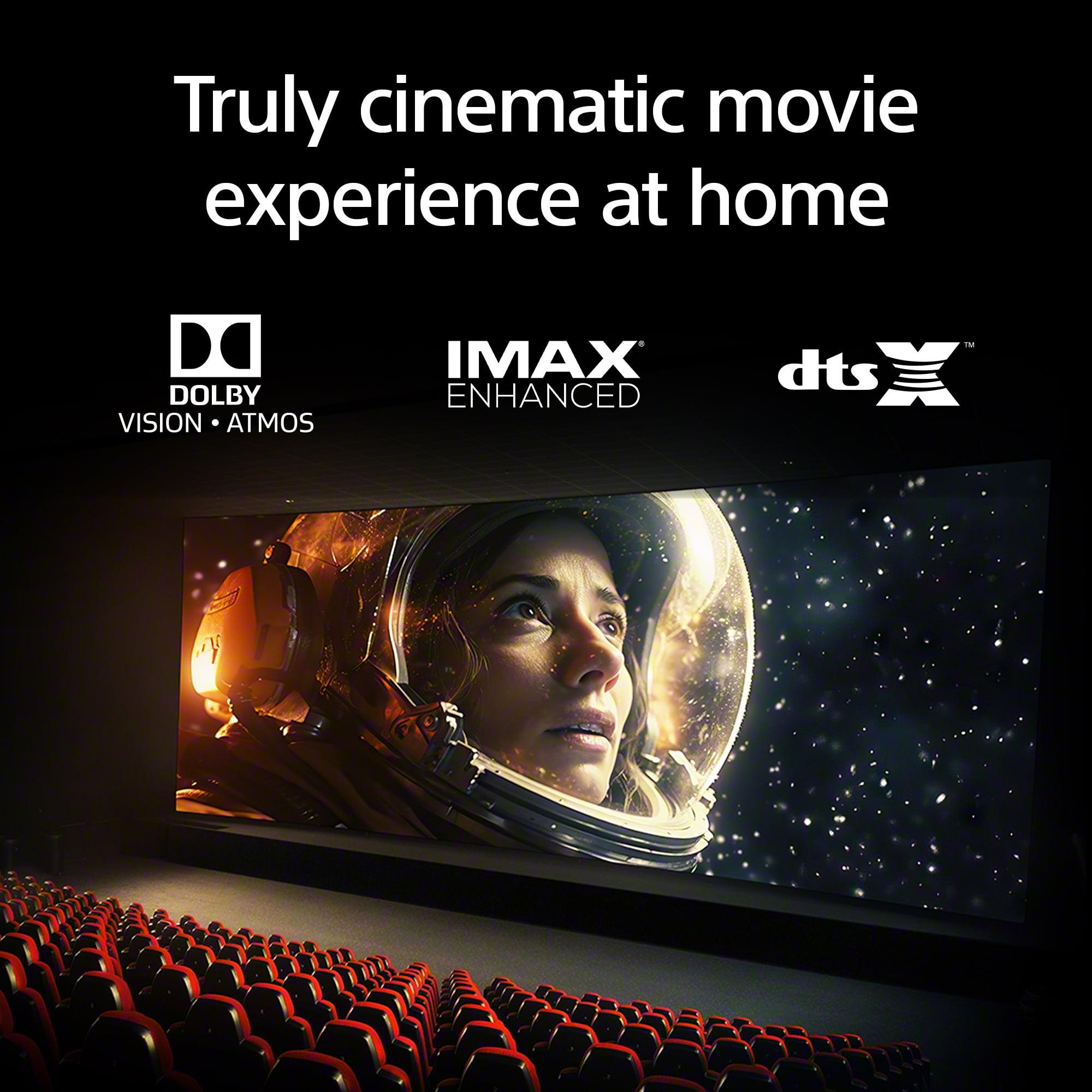
This is where the fundamental difference between OLED and QLED becomes crystal clear. The Sony BRAVIA 8 II achieves what's called "infinite contrast" because its pixels can turn completely off. When you're watching a movie with a starfield, those black areas between stars are truly black – no light leakage, no gray haze.
The Hisense H9G uses 180 local dimming zones to control its LED backlight. While this creates impressive contrast (over 124,000:1), it can't match OLED's pixel-perfect control. You might notice subtle blooming around bright objects in dark scenes – like a slight halo around a bright moon against a dark sky.
In my experience testing both technologies, OLED's perfect blacks create a more three-dimensional, cinematic image that draws you into the content. However, the Hisense H9G's local dimming is genuinely excellent for a QLED, and most viewers won't find it distracting during normal viewing.
Here's where things flip. The Hisense H9G can pump out over 1,000 nits across larger areas of the screen, making HDR content absolutely pop in bright rooms. When the sun is streaming through your windows, that extra brightness keeps the picture looking vibrant and impactful.
The Sony BRAVIA 8 II represents a major breakthrough for OLED brightness, reaching around 1,880 nits in peak highlights – that's 25% brighter than Sony's previous flagship OLEDs. However, this brightness is more targeted, applied to specific bright objects like car headlights or fire explosions rather than the entire screen.
For HDR content, both TVs support Dolby Vision, which provides scene-by-scene optimization for the best possible image. The Sony adds HLG and standard HDR10, while the Hisense includes HDR10+ for Samsung-compatible content optimization.
The Sony BRAVIA 8 II's XR Triluminos Max technology is genuinely impressive. Sony's color processing has always been excellent, and combining it with QD-OLED's natural color reproduction creates incredibly lifelike images. Skin tones look natural, grass appears genuinely green rather than artificially vivid, and subtle color gradations in sunsets are beautifully rendered.
The Hisense H9G's quantum dot technology delivers excellent color volume – the ability to display bright, saturated colors. While it might not match Sony's processing sophistication, it creates punchy, engaging images that most viewers will love.
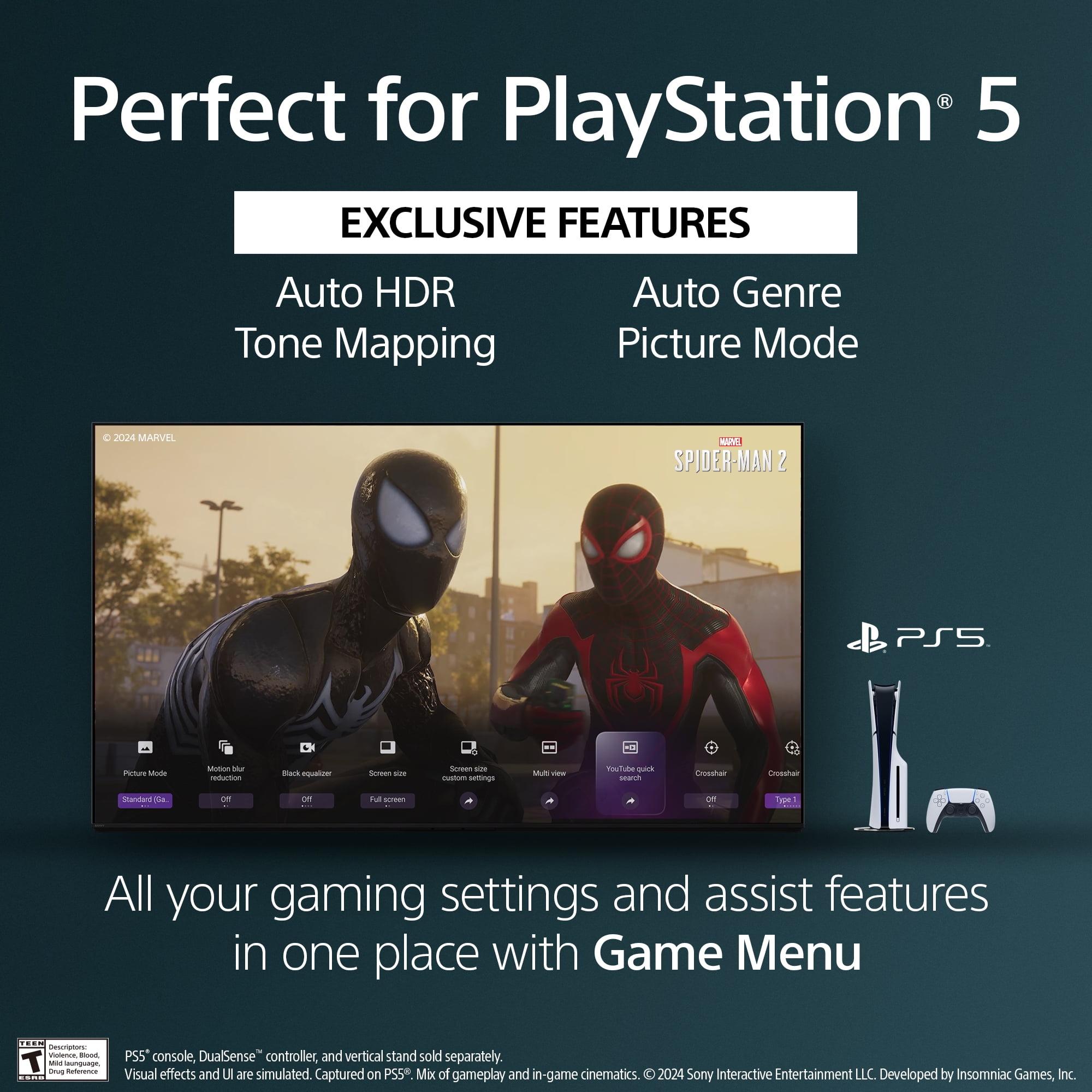
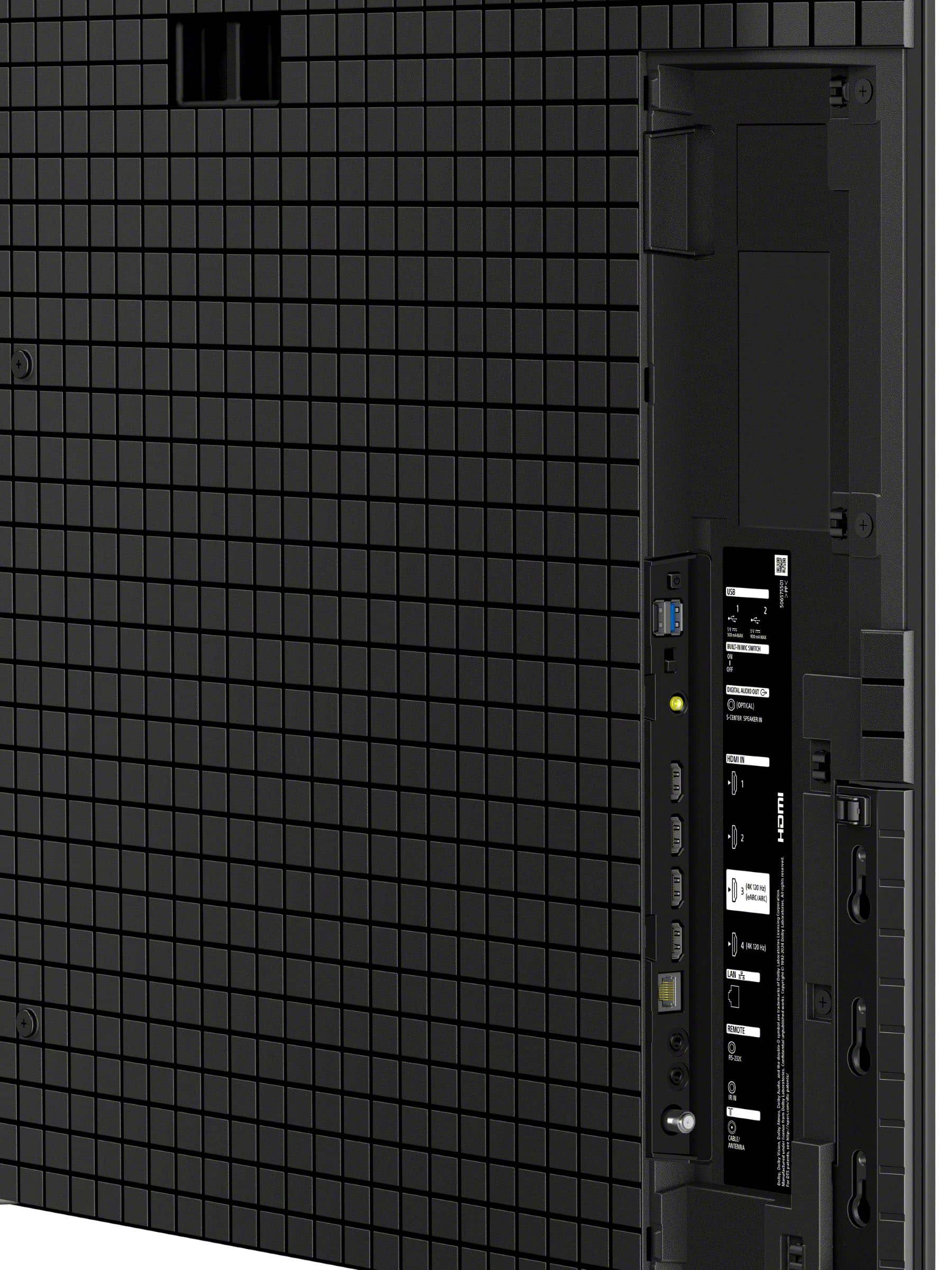
This category shows the five-year technology gap most clearly. The Sony BRAVIA 8 II was designed for the PlayStation 5 and Xbox Series X era, supporting 4K resolution at 120Hz refresh rates, Variable Refresh Rate (VRR) to eliminate screen tearing, and Auto Low Latency Mode (ALLM) that automatically switches to game mode.
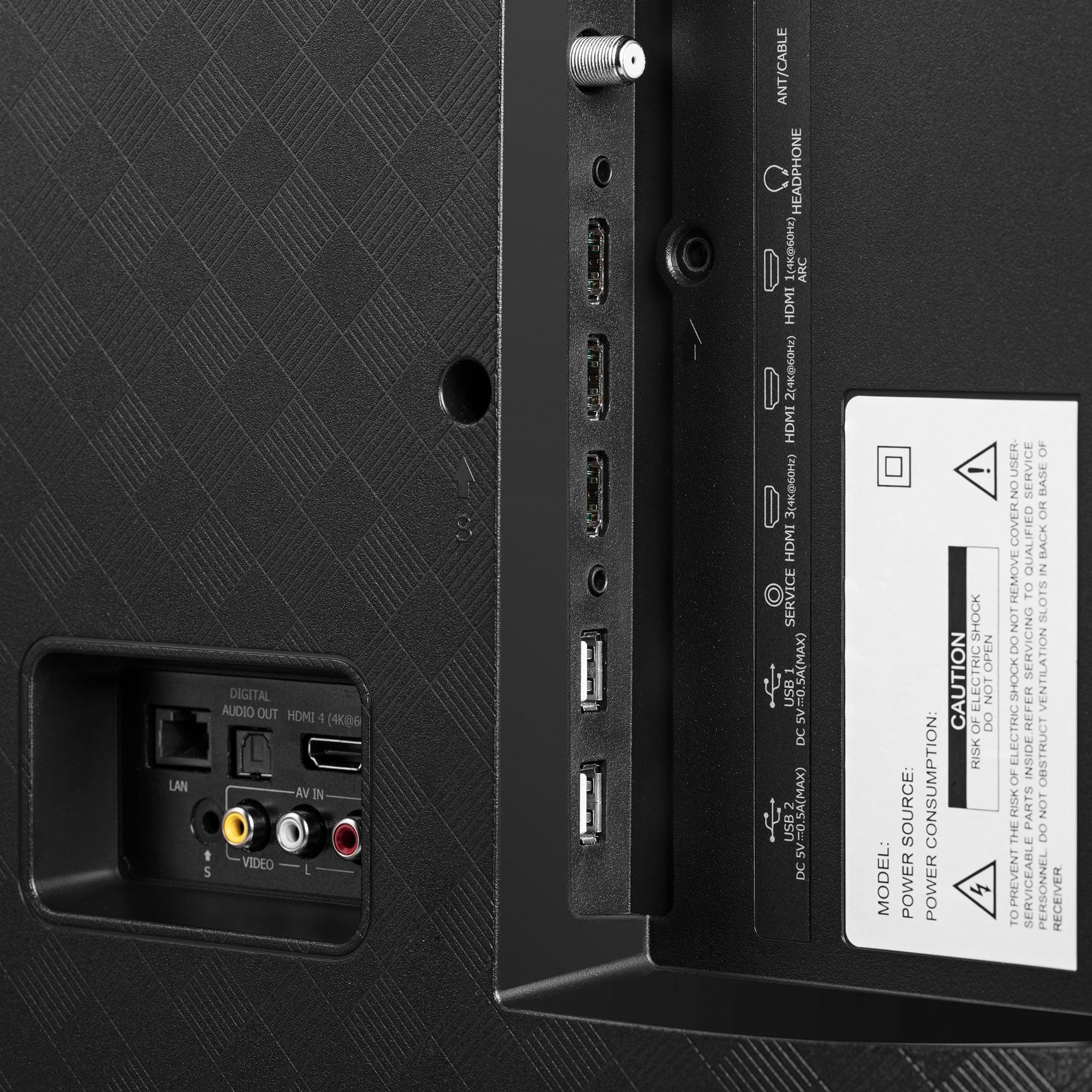
The Hisense H9G predates these gaming features, maxing out at 4K/60Hz with HDMI 2.0 ports. While it offers decent input lag for responsive gaming, it can't take full advantage of modern consoles' capabilities.
For serious gamers, this difference is significant. Playing fast-paced games at 120Hz creates noticeably smoother motion, and VRR eliminates the stuttering that can occur when frame rates fluctuate. The Sony BRAVIA 8 II's 8.5ms input lag is also excellent for competitive gaming.
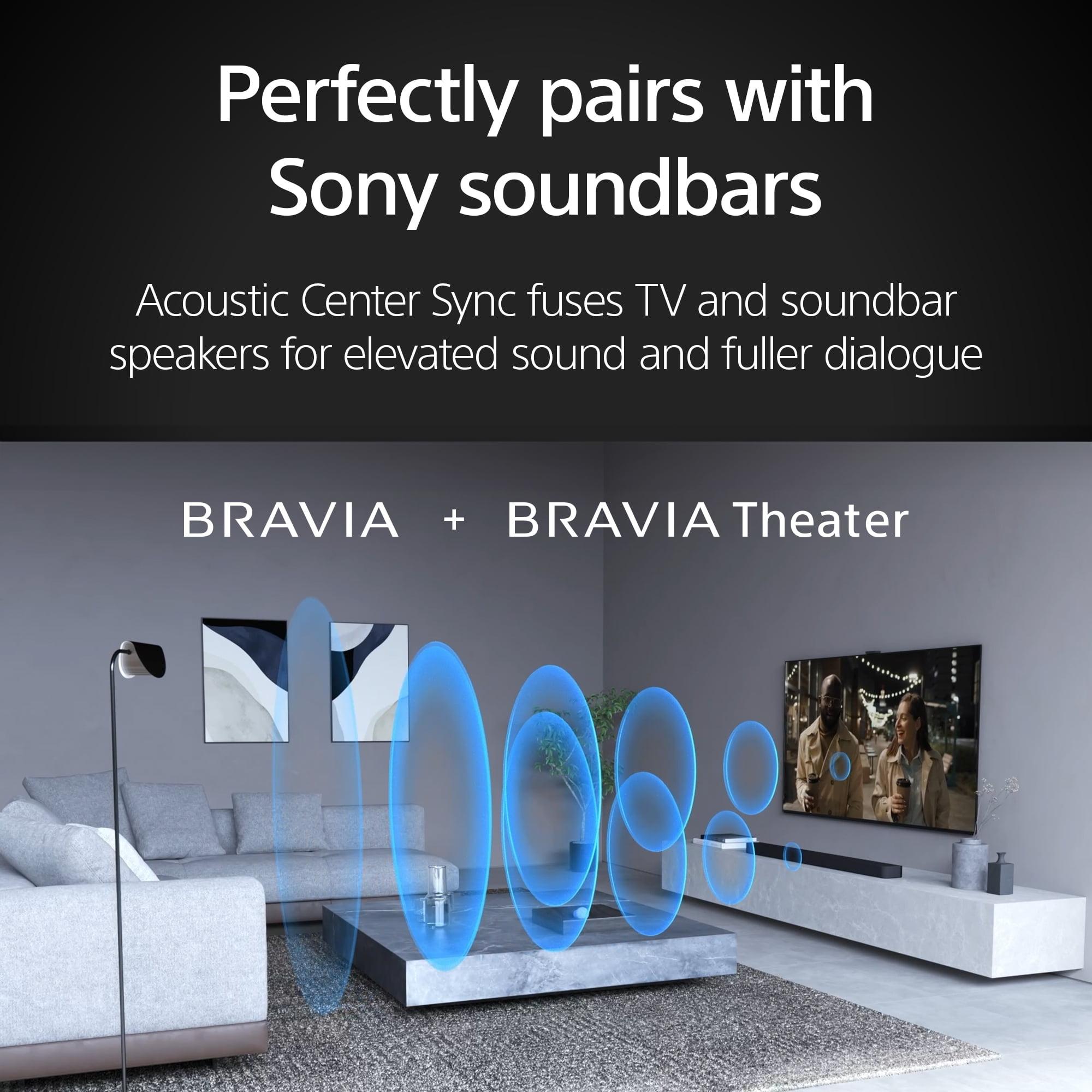
One of the Sony BRAVIA 8 II's most impressive features is Acoustic Surface Audio+. Instead of traditional speakers, Sony uses actuators behind the OLED panel to turn the entire screen into a speaker. Sound literally comes from where the action is happening on screen – dialogue from characters' mouths, explosions from their visual location.
This creates an incredibly immersive experience, especially for movies and TV shows. The technology works surprisingly well, producing fuller sound than you'd expect from such a slim TV. Voice Zoom 3 uses AI to enhance dialogue clarity, even during loud action sequences.
The Hisense H9G uses conventional 10W speakers with Dolby Atmos processing. While adequate for casual viewing, they can't match Sony's innovative approach for audio immersion.
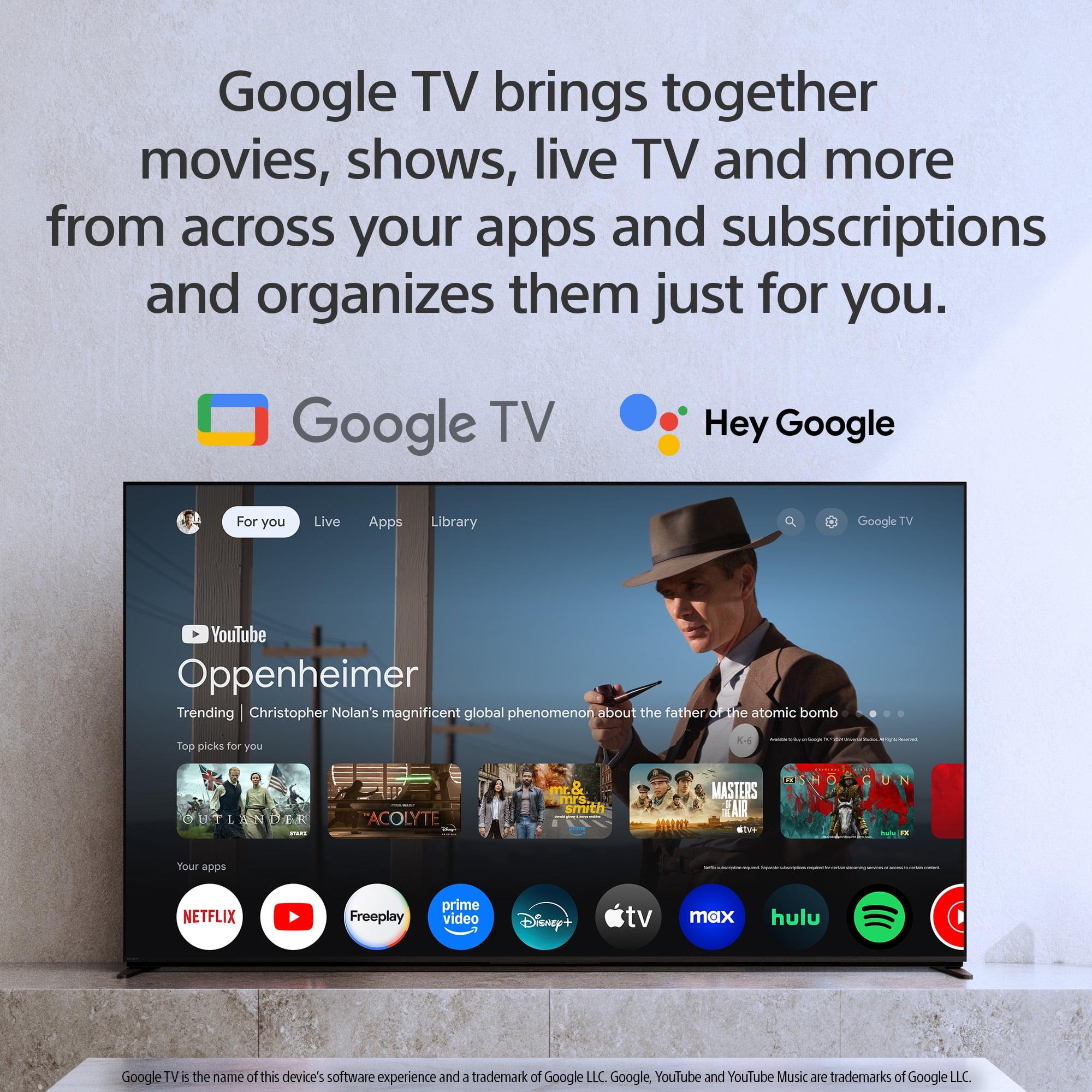
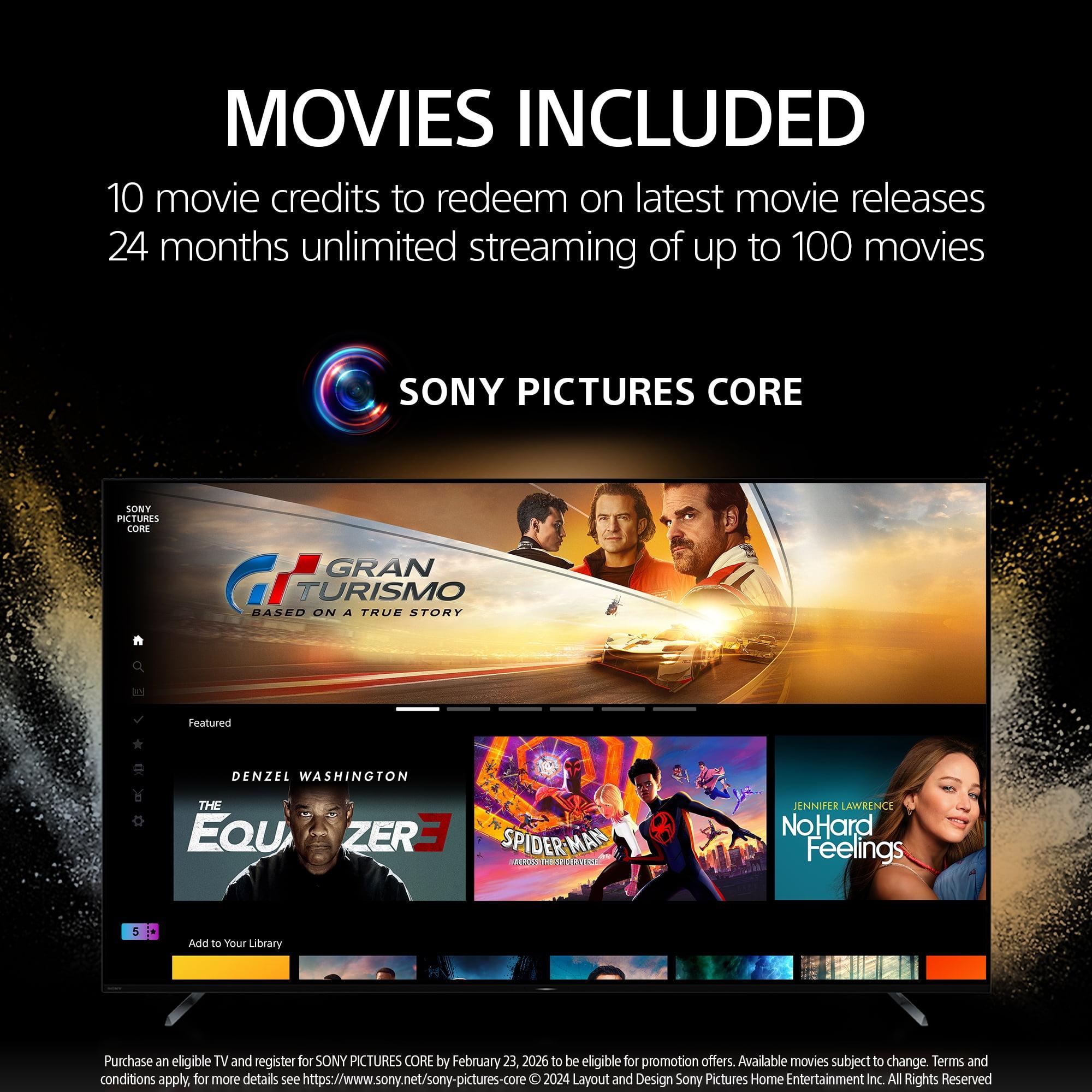
The Sony BRAVIA 8 II runs Google TV's latest version, powered by Sony's advanced XR processor. Navigation is snappy, apps load quickly, and the AI-driven interface learns your preferences over time. The integration feels seamless and modern.
The Hisense H9G runs an older version of Android TV that, while functional, shows its age with occasional lag and less intuitive navigation. It gets the job done but lacks the polish of modern smart TV platforms.
This is where your decision becomes personal. The Sony BRAVIA 8 II at $3,098 costs about 2.5 times more than the Hisense H9G at $1,253. Is that premium worth it?
For the Sony, you're paying for cutting-edge QD-OLED technology, sophisticated AI processing, innovative audio, comprehensive gaming features, and future-proofing that should keep the TV relevant for 7-10 years. The picture quality improvement is genuinely noticeable, especially in dark room viewing.
The Hisense represents exceptional value engineering. You get flagship-level brightness, quantum dot color, solid smart TV features, and proven reliability at a price that's accessible to many more buyers. While it lacks the latest features, it delivers genuinely satisfying performance for most viewing scenarios.
For dedicated home theater use, the Sony BRAVIA 8 II has clear advantages. Perfect blacks make movie viewing more immersive, especially in darkened rooms where OLED technology truly shines. The Acoustic Surface Audio+ reduces the need for a center channel speaker in many setups, and Sony's cinematic picture processing creates film-like image quality.
The Hisense H9G works well in home theaters too, particularly if your room has some ambient light. Its superior brightness helps maintain image impact when you can't achieve complete darkness.
Choose the Sony BRAVIA 8 II if you want the absolute best picture quality, plan to use modern gaming consoles, watch movies primarily in dark rooms, and can justify the premium price for cutting-edge technology. It's an investment in the latest display technology that should remain impressive for years to come.
Choose the Hisense H9G if you're seeking excellent performance at a value price, watch TV in brighter rooms, don't need the latest gaming features, or prefer to upgrade more frequently rather than making a large single investment.
Both TVs will deliver genuinely satisfying experiences – the question is whether the Sony's advanced features and superior performance justify the significant price difference for your specific needs and viewing habits. In my experience, either choice will leave you happy with your purchase, just for different reasons.

Privacy Policy
Terms and Conditions - Affiliate Policy
Home Security
© Copyright 2008-2026.
11816 Inwood Rd #1211, Dallas, TX 75244