

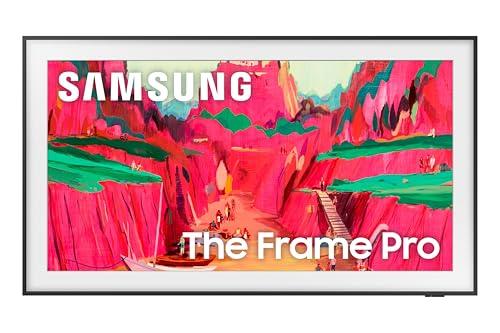


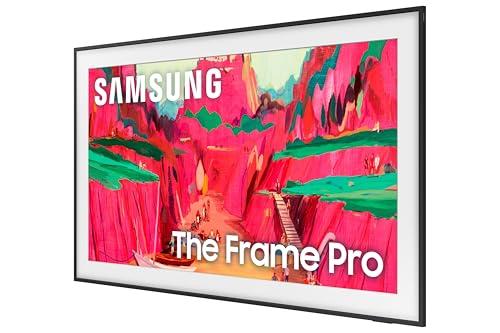
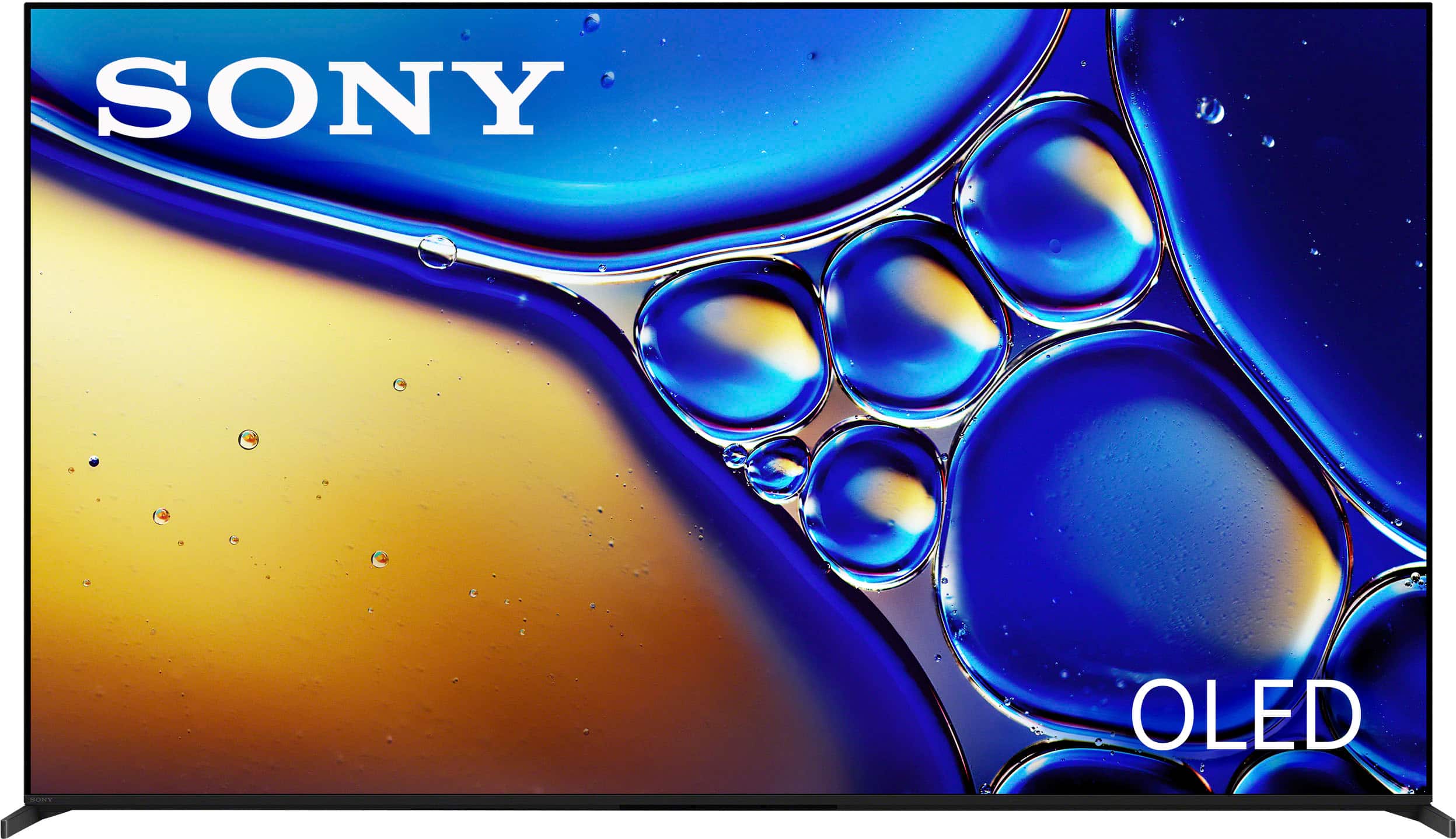
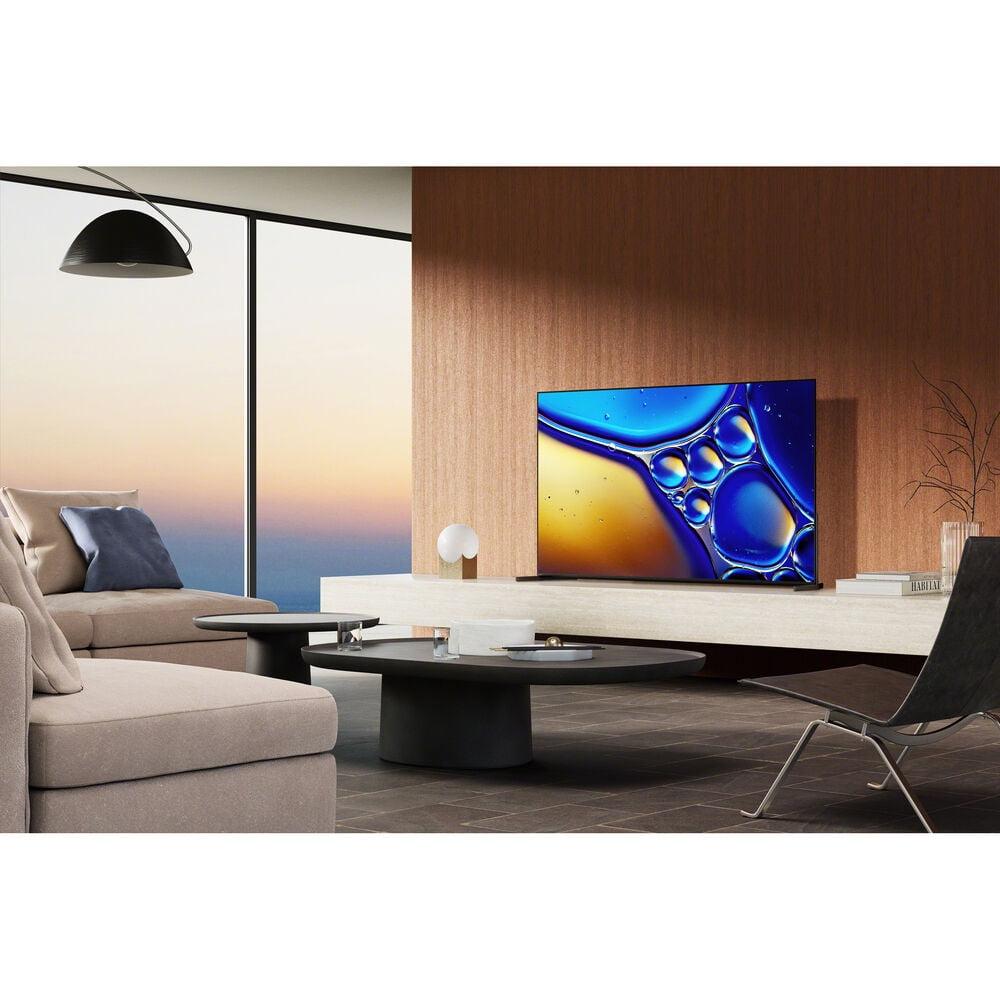


When shopping for a premium 65-inch TV in 2025, you're likely to encounter two very different approaches to television excellence. The Samsung 65" The Frame Pro represents the pinnacle of lifestyle television design, while the Sony BRAVIA 8 II pushes the boundaries of pure picture performance. Both launched in 2025 with significant technological upgrades, but they serve distinctly different purposes despite sharing the same screen size category.
The premium TV landscape has evolved dramatically over the past few years. Where once buyers simply chose between LCD and OLED, today's market offers sophisticated hybrid technologies that blur traditional lines. The most important considerations when evaluating these high-end displays include peak brightness (how bright the screen can get), color accuracy (how true-to-life colors appear), contrast ratio (the difference between the darkest blacks and brightest whites), and viewing environment compatibility.
Room lighting has become particularly crucial as TV technology has advanced. Some displays excel in bright, sunlit living rooms, while others perform best in darker, theater-like environments. Gaming performance has also emerged as a major factor, with features like variable refresh rate (VRR) and auto low latency mode (ALLM) becoming standard expectations rather than luxury features.
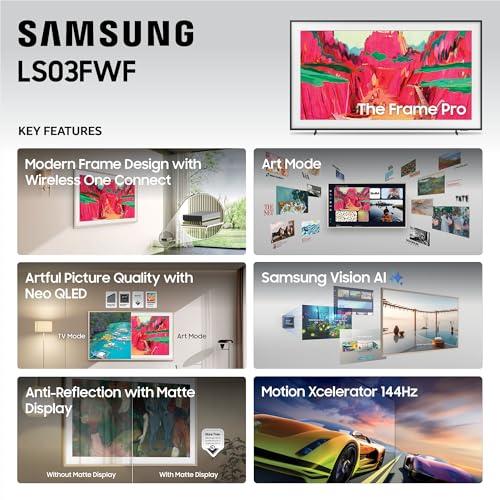
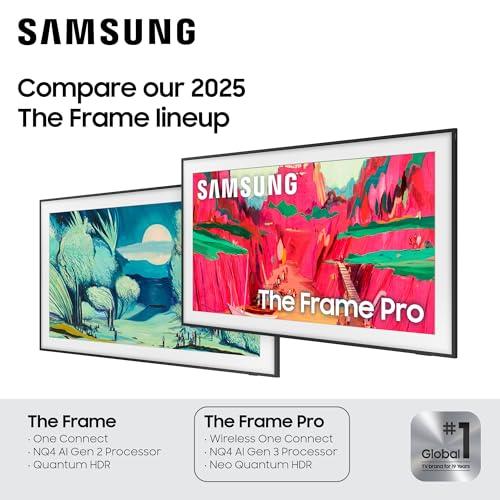
The Samsung Frame Pro employs Neo QLED technology, which combines thousands of tiny LED backlights (called Mini LEDs) positioned behind a quantum dot layer. Think of quantum dots as microscopic crystals that convert blue LED light into pure red and green light, creating more accurate colors than traditional LCD panels. The "Neo" designation refers to Samsung's advanced local dimming system, where different zones of LEDs can brighten or dim independently to create better contrast.
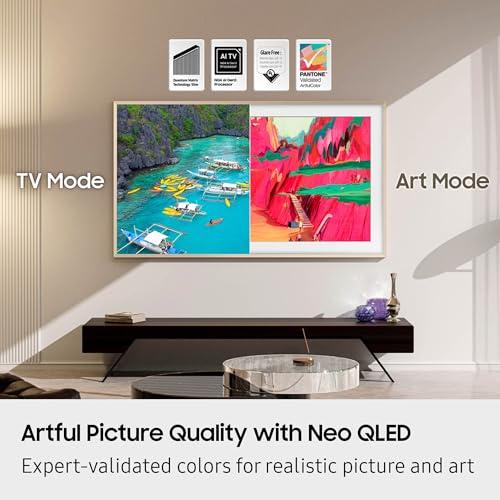
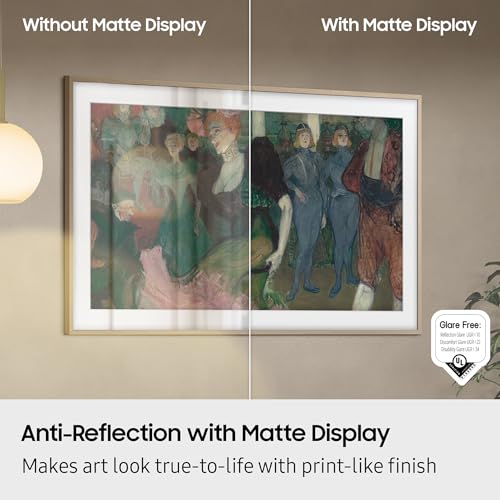
What makes this approach particularly clever for the Frame Pro is how Samsung maintains an ultra-thin profile despite packing in sophisticated backlighting technology. The matte anti-reflection coating is another key differentiator - it scatters incoming light to reduce glare, making the screen appear more like a real painting or photograph when displaying artwork.
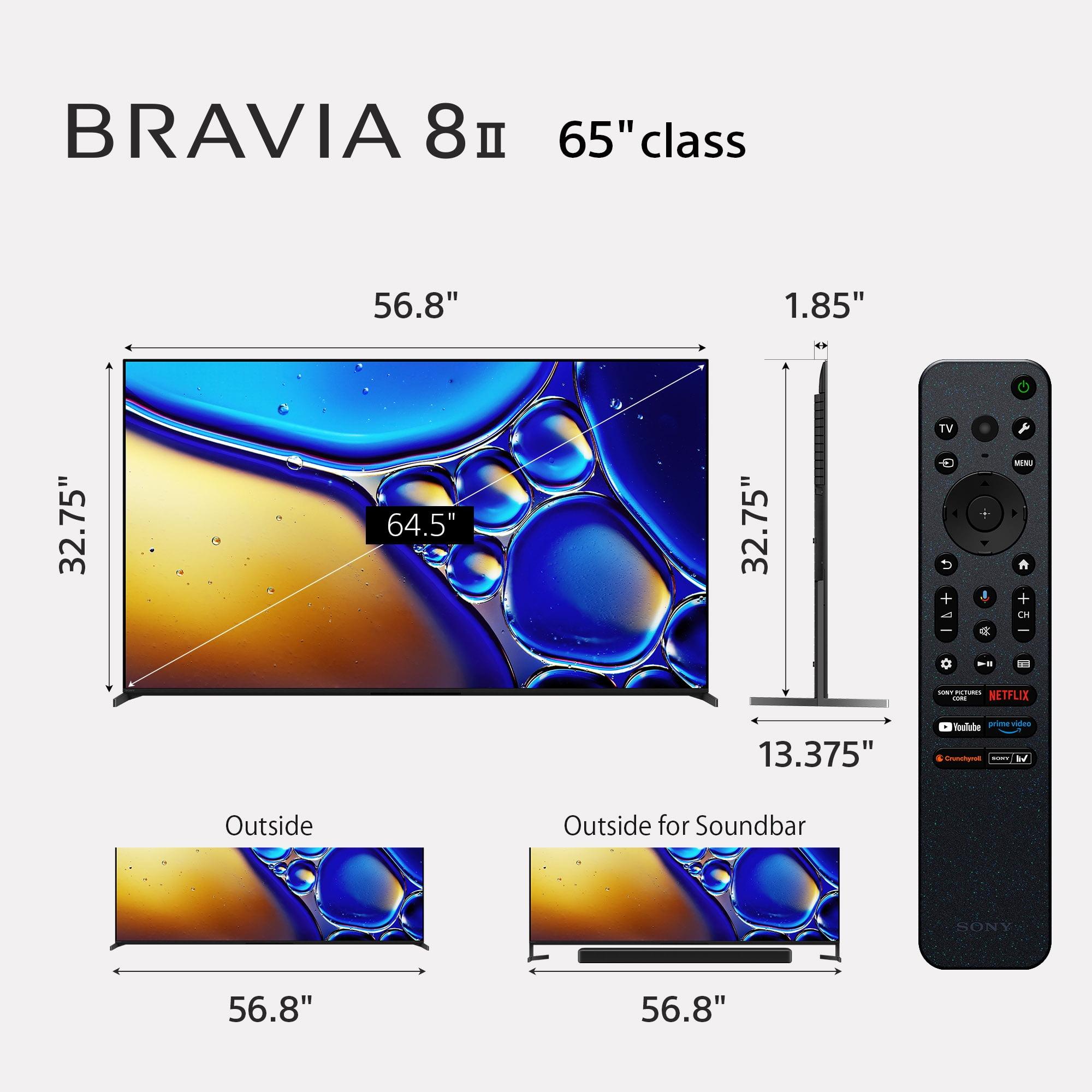
The Sony BRAVIA 8 II takes a radically different approach with QD-OLED (Quantum Dot OLED) technology. Instead of using a backlight, each pixel generates its own light using blue OLED materials. Quantum dots then convert this blue light into red and green, eliminating the need for color filters entirely. This results in what Sony calls "perfect blacks" - when a pixel needs to display black, it simply turns off completely.
The 2025 generation of QD-OLED panels represents a significant brightness improvement over previous OLED technology. Where traditional OLED TVs often struggled in bright rooms, the BRAVIA 8 II can achieve peak brightness levels that compete with high-end LCD displays while maintaining OLED's signature perfect black levels.
Peak brightness determines how impactful HDR (High Dynamic Range) content appears on screen. HDR content contains brightness information that can range from pitch black to brilliant sunlight, and your TV needs sufficient peak brightness to display these highlights convincingly.
Our research indicates the Samsung Frame Pro achieves approximately 1,000-1,200 nits of peak brightness, which is excellent for a lifestyle-focused TV. This level provides solid HDR performance and ensures the display remains visible even in very bright rooms. The matte coating further enhances bright-room performance by reducing distracting reflections.
The Sony BRAVIA 8 II pushes brightness significantly higher, reaching up to 1,880 nits in small highlight areas. This 50% increase over traditional OLED panels makes HDR content appear more dramatic and lifelike. When watching a scene with bright car headlights or sunlight streaming through a window, the Sony can reproduce these highlights with much greater intensity and realism.
Black levels determine how convincing dark scenes appear and affect overall contrast perception. The Samsung Frame Pro uses local dimming (selectively dimming LED zones) to achieve very good black levels, though some light bleeding around bright objects may be visible in completely dark rooms.
The Sony BRAVIA 8 II achieves perfect blacks since OLED pixels can turn completely off. This creates an infinite contrast ratio - bright highlights can appear right next to perfect darkness without any blooming or halo effects. For movie watching, especially in dark environments, this creates a more immersive and theatrical experience.
Color performance involves both accuracy (how true-to-life colors appear) and volume (how many colors the display can show at different brightness levels). The Samsung Frame Pro features Pantone validation, meaning colors meet professional photography standards. This is particularly important for its art display function, ensuring digital artwork appears as the artist intended.
The Sony BRAVIA 8 II utilizes XR Triluminos Max technology combined with quantum dots to display what Sony calls "billions of colors." The QD-OLED panel can maintain color accuracy even at high brightness levels, something traditional OLED panels struggle with.
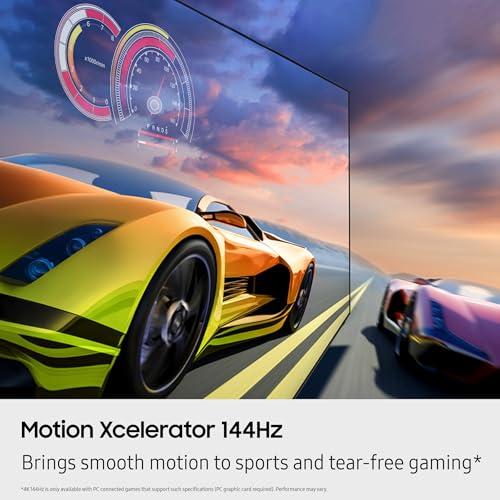
Both displays excel at motion processing, though through different methods. The Samsung Frame Pro supports up to 144Hz refresh rates, making it future-ready for high-frame-rate gaming and sports content. The Sony BRAVIA 8 II operates at 120Hz but includes sophisticated motion interpolation and black frame insertion for smooth movie playback.
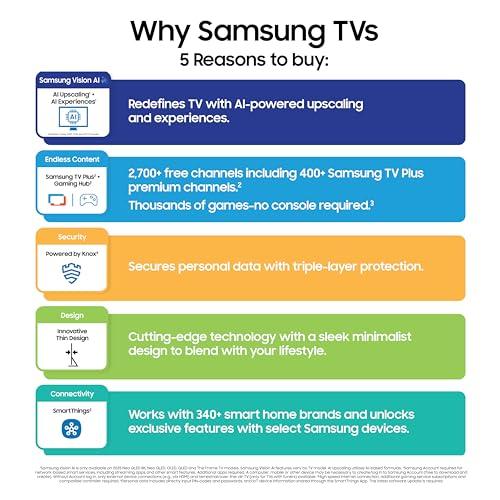
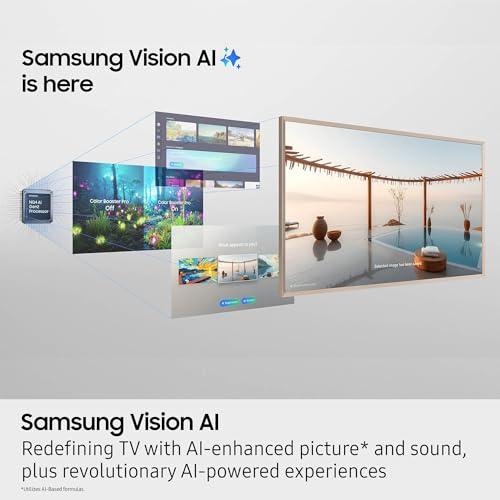
For upscaling lower-resolution content to 4K, both TVs employ AI-enhanced processing. Samsung's Vision AI analyzes content type and applies appropriate enhancement algorithms, while Sony's XR Processor uses cognitive processing that mimics how human eyes and brains perceive images.
Gaming has become a crucial TV consideration, with both displays supporting modern console features but taking different approaches to optimization.
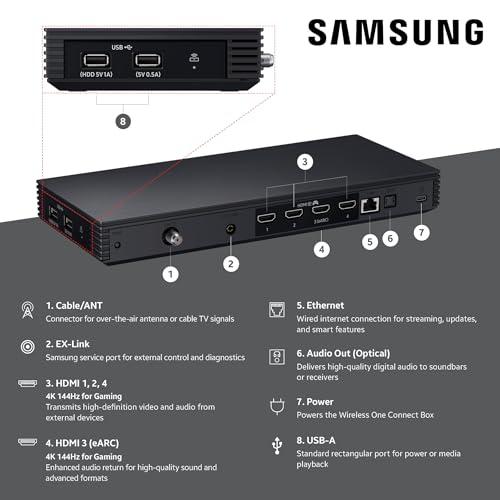
The Samsung Frame Pro supports 144Hz refresh rates across all five HDMI ports, making it exceptional for PC gaming and future console generations. However, based on expert reviews, input lag (the delay between controller input and screen response) appears higher than gaming-focused displays.
The Sony BRAVIA 8 II achieves remarkable 8.5ms input lag in game mode, among the lowest available in premium TVs. This near-instantaneous response makes it excellent for competitive gaming where every millisecond matters. The 120Hz refresh rate covers all current console gaming needs.
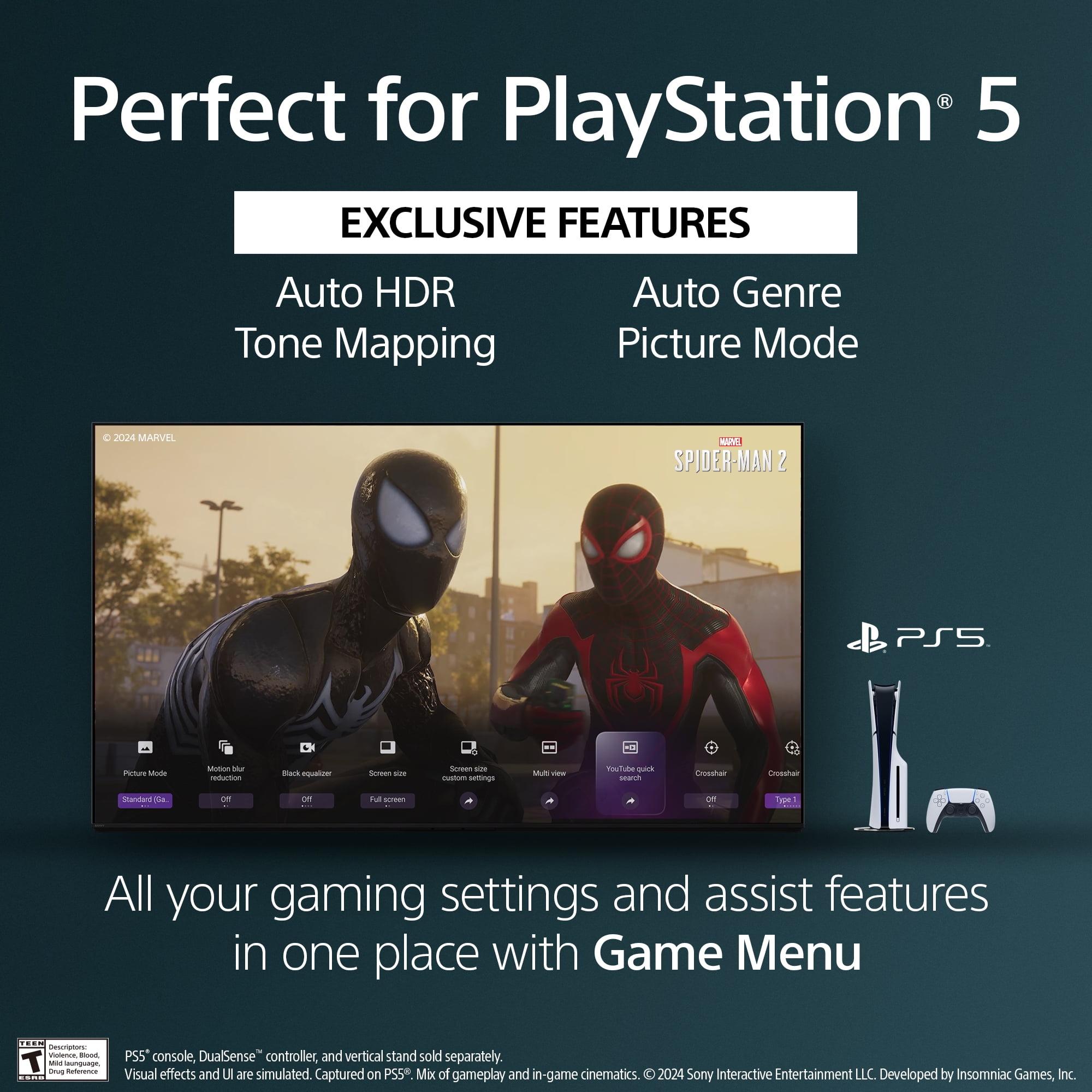
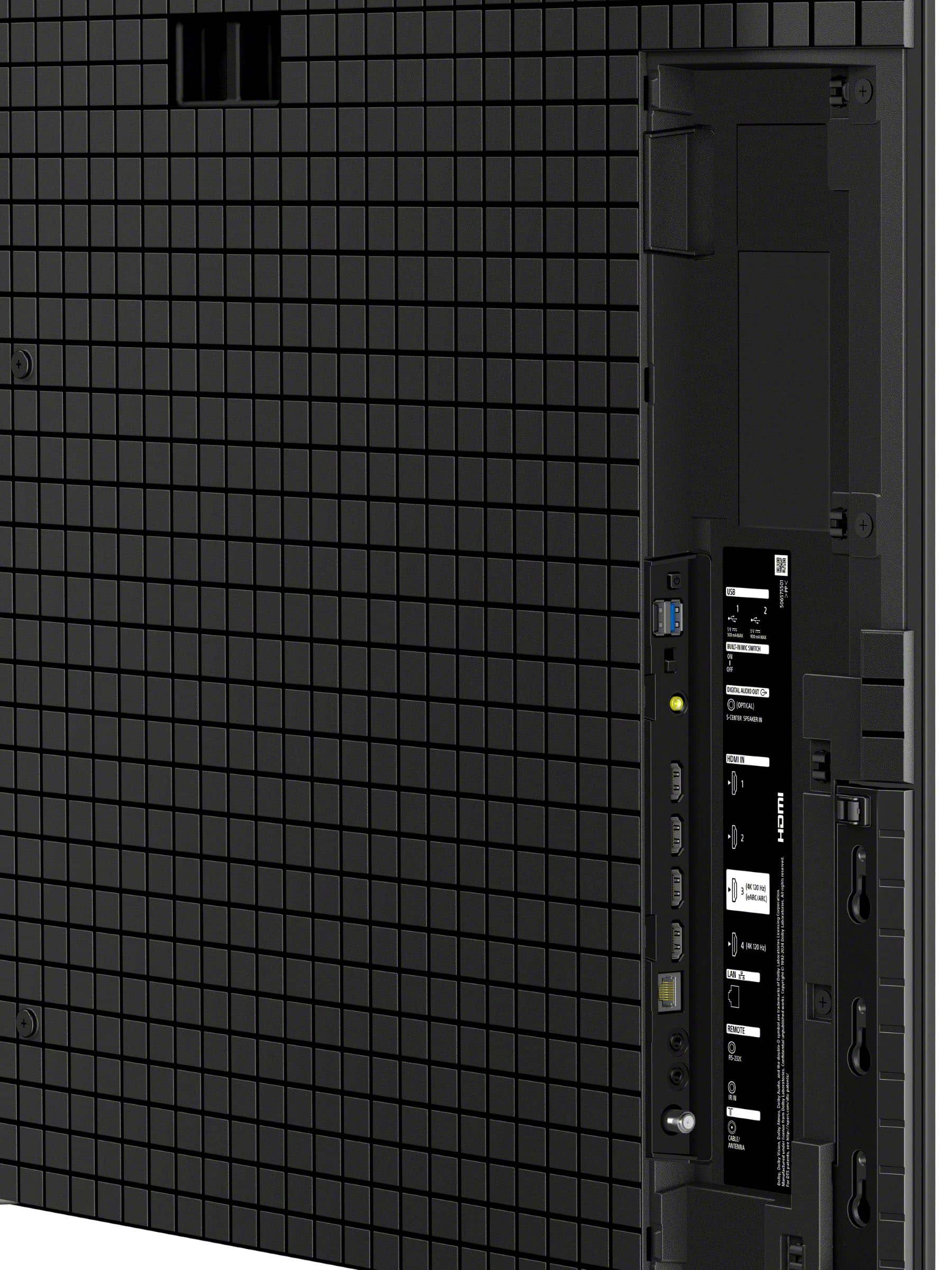
Both displays support Variable Refresh Rate (VRR), which synchronizes the TV's refresh rate with the gaming console's output to eliminate screen tearing. The Samsung Frame Pro includes HDMI Forum VRR and FreeSync Premium Pro across all ports. The Sony BRAVIA 8 II offers VRR on two HDMI 2.1 ports with special PlayStation 5 optimizations.
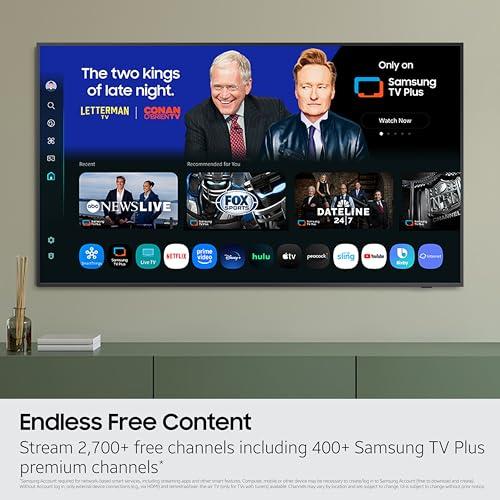
The Samsung Frame Pro runs Tizen OS with Samsung's Vision AI, providing intelligent content recognition and automatic picture optimization. The interface prioritizes Samsung's ecosystem integration, including seamless soundbar connectivity and smartphone control.
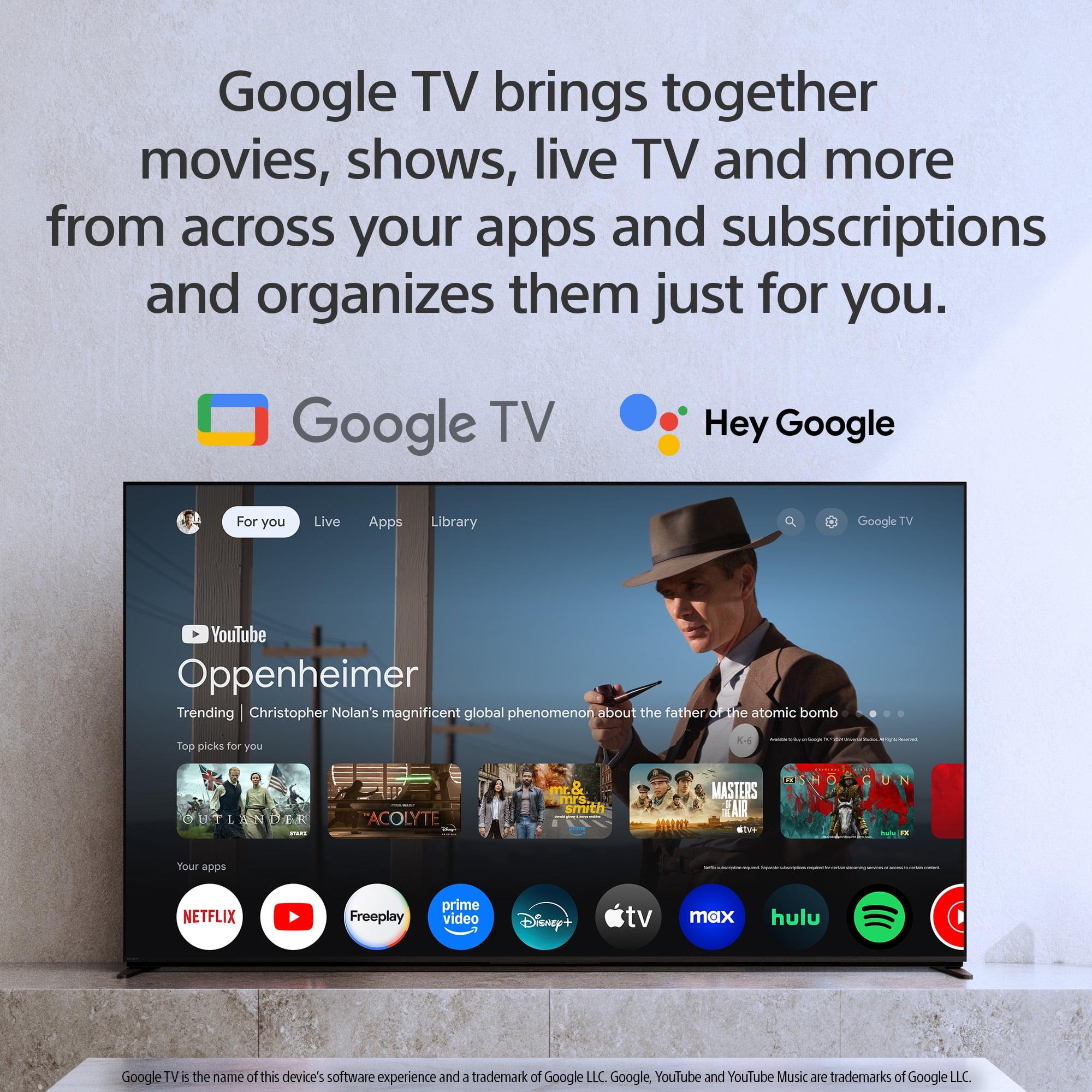
The Sony BRAVIA 8 II operates on Google TV (version 12), offering broader smart home integration and Google Assistant functionality. The interface feels more familiar to Android users and provides excellent streaming app selection and performance.
Audio technology differs significantly between these models. The Samsung Frame Pro includes a standard speaker system with Q-Symphony support, allowing coordination with Samsung soundbars for enhanced dialogue clarity and surround effects.
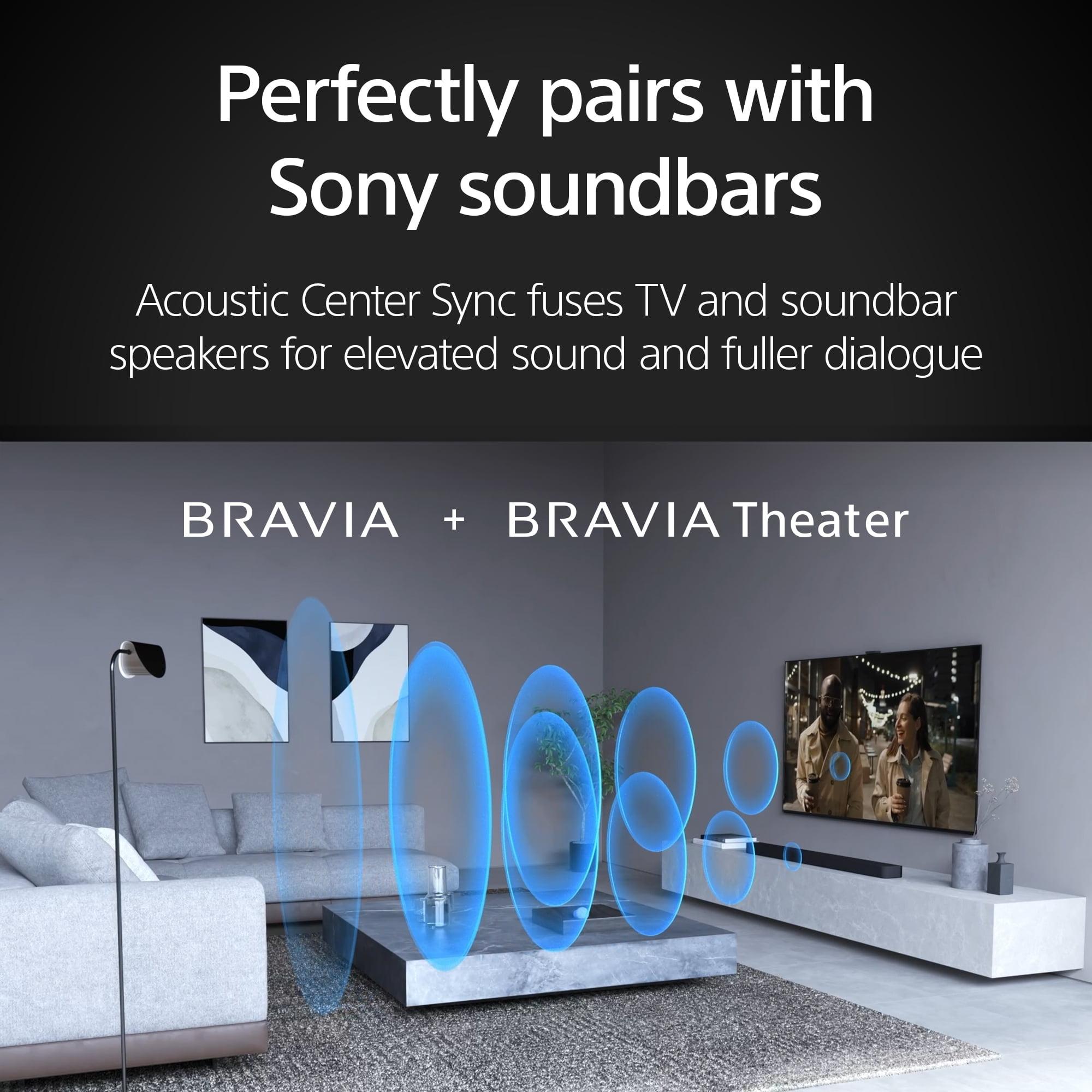
The Sony BRAVIA 8 II features Acoustic Surface Audio+, which uses actuators behind the screen to make the entire display vibrate and produce sound. This creates a unique experience where audio appears to emanate directly from the action on screen. Voice Zoom 3 technology uses AI to enhance dialogue clarity even during loud action sequences.
The Samsung Frame Pro represents a fundamental reimagining of television as home décor. Art Mode transforms the display into a digital art gallery, with access to thousands of curated artworks through Samsung's Art Store. Customizable bezels allow matching the TV to room aesthetics, while the matte screen makes displayed art appear more like traditional paintings or photographs.
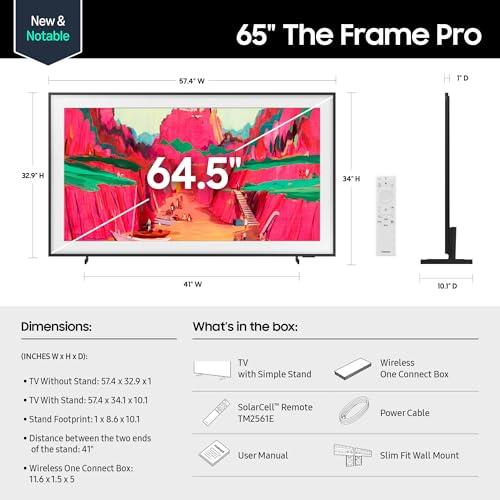
The Wireless One Connect Box eliminates visible cables entirely, connecting to the TV wirelessly from up to 33 feet away. This innovation allows perfect wall mounting without any visible wires, maintaining the gallery aesthetic. The box can be hidden in a cabinet or entertainment center while still providing full functionality.
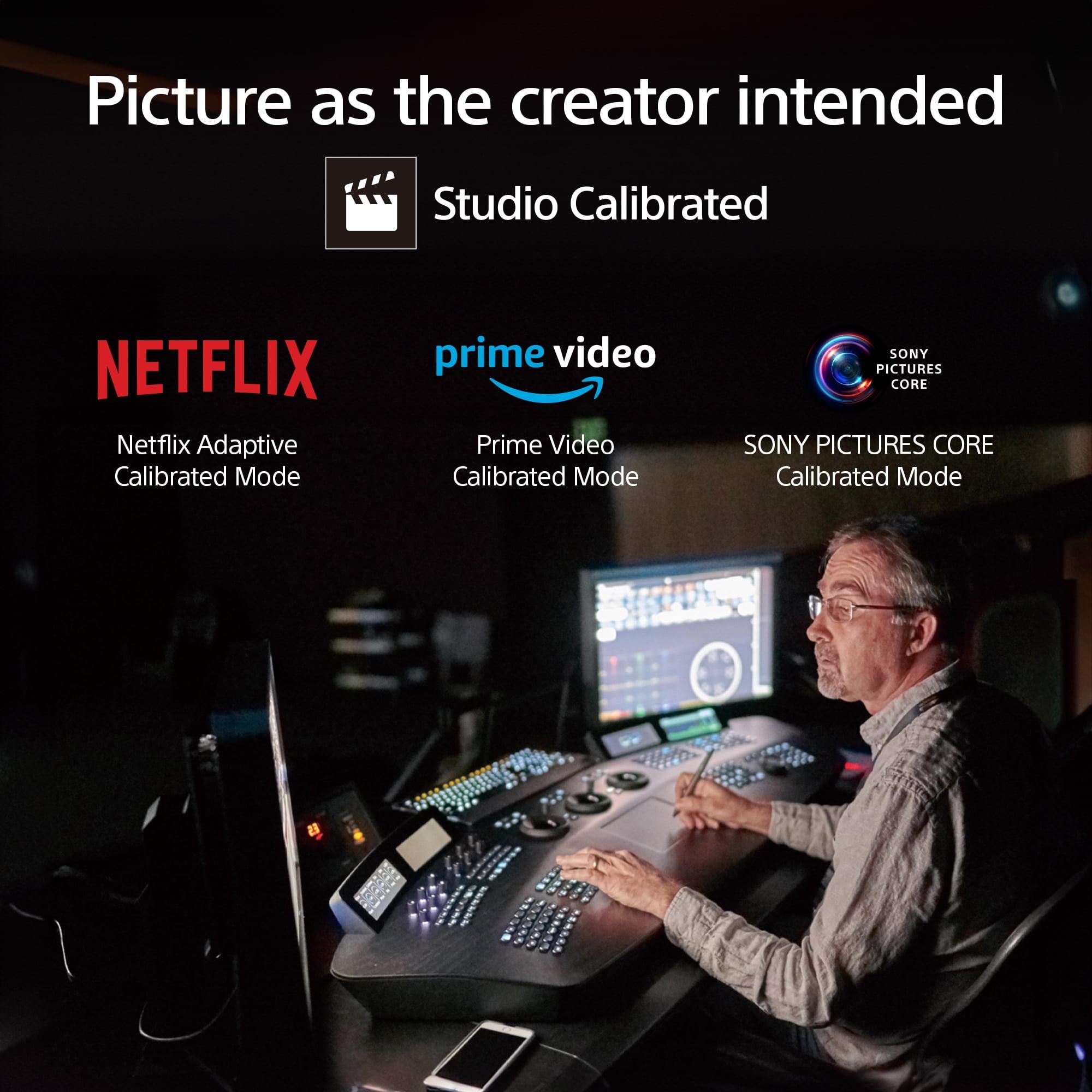
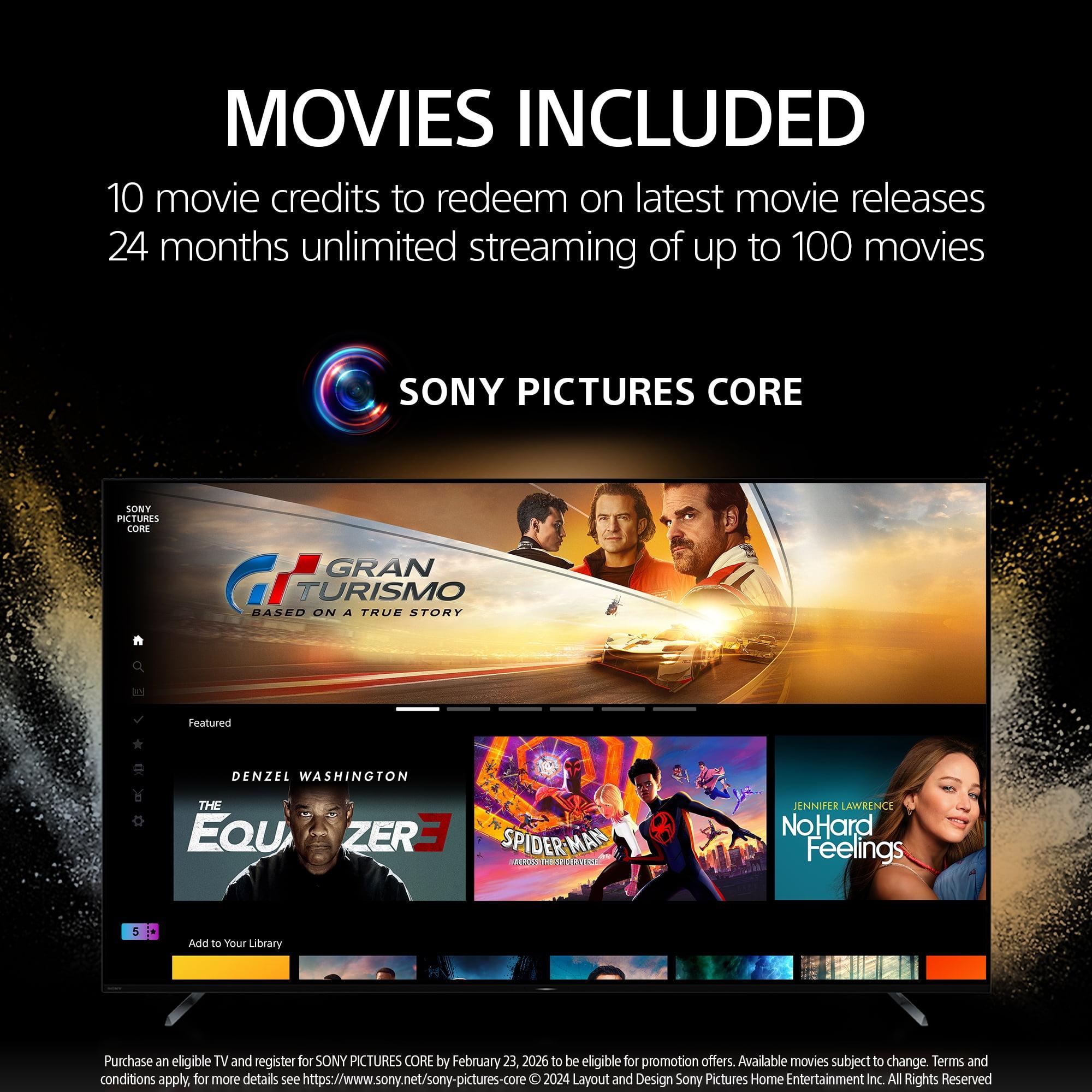
The Sony BRAVIA 8 II prioritizes absolute picture quality above design considerations. The glossy screen maximizes color vibrancy and contrast in controlled lighting environments. Studio calibrated modes for Netflix, Prime Video, and Sony Pictures Core ensure content appears exactly as creators intended.
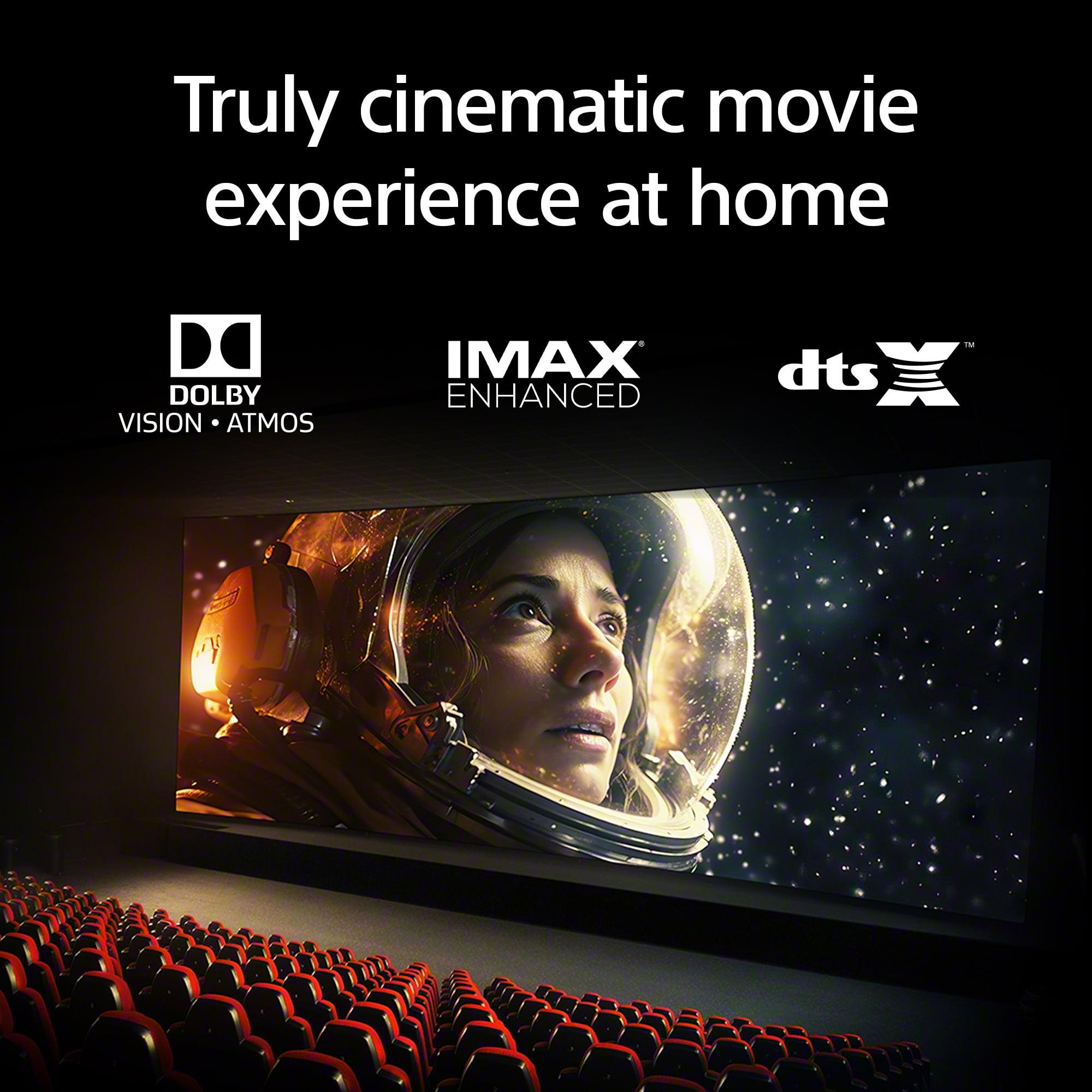
IMAX Enhanced support provides expanded aspect ratios and enhanced audio for specially formatted content. The TV's slim profile and premium materials create an elegant appearance, though it lacks the Frame Pro's art display versatility.
The Samsung Frame Pro excels in bright environments thanks to its matte anti-reflection coating and high SDR (Standard Dynamic Range) brightness. Large windows, overhead lighting, and general ambient light won't significantly impact viewing quality. The matte finish also enhances the art display function by reducing distracting reflections.
The Sony BRAVIA 8 II performs better in bright rooms than traditional OLED displays but still raises black levels in high ambient light. The glossy screen can create reflections in certain lighting conditions, though the exceptional peak brightness helps maintain image impact.
For dedicated home theater use, the Sony BRAVIA 8 II provides superior performance. Perfect blacks create exceptional depth and dimensionality, while the high peak brightness ensures HDR highlights appear dramatic and realistic. The Acoustic Surface Audio+ technology enhances immersion by making sound appear to come directly from the screen.
The Samsung Frame Pro performs very well in dark rooms but cannot match OLED's perfect black levels. However, it offers less risk of permanent image retention (burn-in) that can affect OLED displays with static content like news tickers or gaming UI elements.
At the time of writing, these displays occupy different price tiers, with the Samsung Frame Pro positioned as a premium lifestyle TV offering flagship features at a more accessible price point. The Sony BRAVIA 8 II commands a significant premium reflecting its cutting-edge QD-OLED technology and reference-quality performance.
The value equation depends heavily on intended use. The Samsung Frame Pro offers unique versatility as both entertainment display and art piece, potentially eliminating the need for separate wall art in some rooms. The Sony BRAVIA 8 II provides uncompromising picture quality for serious movie watching and gaming.
Want a TV that seamlessly integrates into your living space as both entertainment display and art piece. The wireless connectivity and customizable design make it ideal for open-concept homes or rooms where cable management is challenging. Its bright room performance and matte coating work well in family rooms with lots of windows or ambient lighting. The 144Hz support future-proofs the display for next-generation gaming, though competitive gamers might prefer displays with lower input lag.
Prioritize absolute picture quality and plan to use the TV primarily for watching movies, sports, or gaming in a controlled lighting environment. The perfect blacks and exceptional HDR brightness create a truly cinematic experience that justifies the premium pricing for serious enthusiasts. The ultra-low input lag makes it excellent for competitive gaming, while the advanced audio system reduces the immediate need for external speakers.
Both displays represent significant technological achievements in their respective categories. The Samsung Frame Pro successfully combines lifestyle integration with solid performance, making premium TV features accessible to design-conscious buyers. The Sony BRAVIA 8 II pushes display technology boundaries, offering reference-quality performance for those willing to invest in the absolute best.
Consider your viewing habits, room environment, and long-term needs carefully. The Samsung Frame Pro offers greater versatility and unique functionality, while the Sony BRAVIA 8 II provides superior pure performance. Either choice represents a substantial upgrade over budget displays and should provide years of satisfaction with appropriate use case matching.
| Samsung 65" The Frame Pro 4K Neo QLED Smart TV 2025 | Sony BRAVIA 8 II 65" QD-OLED 4K Google TV 2025 |
|---|---|
| Panel Technology - Determines fundamental picture quality characteristics | |
| Neo QLED Mini LED with Quantum Dots | QD-OLED (self-emitting pixels with quantum dots) |
| Peak Brightness - Critical for HDR impact and bright room viewing | |
| ~1,000-1,200 nits (excellent for bright rooms) | Up to 1,880 nits (50% brighter than traditional OLED) |
| Black Levels - Affects contrast and dark scene detail | |
| Very good local dimming, minimal blooming | Perfect blacks (infinite contrast ratio) |
| Screen Finish - Impacts reflection handling and art display | |
| Matte anti-reflection (ideal for any lighting) | Glossy (maximizes color vibrancy in controlled light) |
| Gaming Refresh Rate - Higher numbers mean smoother motion | |
| 144Hz (future-ready for next-gen consoles) | 120Hz (covers all current gaming needs) |
| Gaming Input Lag - Lower is better for competitive gaming | |
| Standard (not optimized for gaming) | 8.5ms (among the best available) |
| Smart Platform - Affects app selection and user experience | |
| Tizen OS with Samsung Vision AI | Google TV (version 12) with Google Assistant |
| Audio Technology - Impacts sound quality without external speakers | |
| Standard speakers with Q-Symphony support | Acoustic Surface Audio+ (screen-as-speaker technology) |
| Connectivity Innovation - Affects installation flexibility | |
| Wireless One Connect Box (cable-free setup) | Traditional wired connection |
| Art Display Capability - Unique lifestyle feature | |
| Full Art Mode with customizable bezels | Standard TV-only functionality |
| Room Compatibility - Where each TV performs best | |
| Excels in bright rooms, good in dark rooms | Best in dim-to-moderate lighting |
| Burn-in Risk - Long-term durability consideration | |
| Very low risk (Mini LED technology) | Potential risk with static content (OLED limitation) |
| Value Positioning - Performance per dollar at time of writing | |
| Premium lifestyle TV with solid performance | Flagship pricing for reference-quality picture |
The Samsung 65" The Frame Pro is significantly better for bright rooms thanks to its matte anti-reflection coating and high SDR brightness. The matte finish reduces glare from windows and overhead lighting, while the Neo QLED Mini LED technology maintains excellent picture quality even in direct sunlight. The Sony BRAVIA 8 II can struggle with reflections due to its glossy screen, though it's much brighter than traditional OLED displays.
The Samsung Frame Pro uses Neo QLED, which combines thousands of mini LED backlights with quantum dots for precise brightness control and vibrant colors. The Sony BRAVIA 8 II uses QD-OLED technology, where each pixel generates its own light and can turn completely off for perfect blacks. QD-OLED offers superior contrast with perfect blacks, while Neo QLED provides better bright room performance and eliminates burn-in risk.
The Sony BRAVIA 8 II is superior for serious gaming with its exceptional 8.5ms input lag and optimizations for PlayStation 5. However, the Samsung Frame Pro supports 144Hz refresh rates across all HDMI ports, making it more future-ready for next-generation gaming. Choose the Sony for competitive gaming and the Samsung for casual gaming with future-proofing.
Yes, the Samsung 65" The Frame Pro is specifically designed as a dual-purpose TV and art display. It features Art Mode with access to thousands of curated artworks, customizable bezels to match your decor, and a matte screen that makes digital art appear like real paintings. The wireless One Connect Box eliminates visible cables for a clean, gallery-like appearance. The Sony BRAVIA 8 II doesn't offer art display functionality.
The Sony BRAVIA 8 II offers superior picture quality for movies with perfect blacks, higher peak brightness (up to 1,880 nits), and more accurate colors. The QD-OLED technology creates exceptional contrast and depth that's ideal for cinematic content. The Samsung Frame Pro provides very good picture quality but cannot match OLED's perfect black levels and infinite contrast ratio.
The Sony BRAVIA 8 II is exceptional for dedicated home theaters with its perfect blacks, high brightness, and Acoustic Surface Audio+ technology that makes sound appear to come from the screen. It supports IMAX Enhanced and studio-calibrated modes for reference-quality viewing. The Samsung Frame Pro works well in home theaters but is better suited for multi-purpose living spaces where it can also function as artwork.
Both TVs offer excellent smart platforms. The Sony BRAVIA 8 II runs Google TV with superior app selection, Google Assistant integration, and better smart home connectivity. The Samsung Frame Pro uses Tizen OS with Samsung Vision AI and seamless integration with Samsung ecosystem products. Choose based on your preferred ecosystem - Google services or Samsung devices.
The Sony BRAVIA 8 II has superior built-in audio with Acoustic Surface Audio+ technology that turns the entire screen into a speaker, creating immersive sound that appears to come from the action. It also features Voice Zoom 3 for enhanced dialogue clarity. The Samsung Frame Pro has standard TV speakers with Q-Symphony support for Samsung soundbar integration.
The Samsung Frame Pro has lower long-term risk due to its Mini LED technology, which doesn't suffer from potential burn-in issues. The Sony BRAVIA 8 II uses OLED technology, which can experience permanent image retention (burn-in) with static content like news tickers or gaming interfaces, though modern OLEDs have much better burn-in resistance than earlier generations.
Both TVs handle sports well, but for different reasons. The Samsung Frame Pro excels in bright living rooms where sports are typically watched, with excellent motion handling and 144Hz support. The Sony BRAVIA 8 II offers superior contrast and color accuracy that makes sports more vibrant and realistic, especially in controlled lighting conditions.
The Samsung Frame Pro typically offers better value by combining solid premium TV performance with unique art display functionality at a more accessible price point. You're getting two products in one - a high-quality TV and a digital art frame. The Sony BRAVIA 8 II commands premium pricing for cutting-edge picture quality that's best appreciated by serious enthusiasts.
Choose the Samsung 65" The Frame Pro if you want a versatile TV that doubles as wall art, have a bright living space, or prefer better value with unique lifestyle features. Choose the Sony BRAVIA 8 II 65" QD-OLED if you prioritize absolute picture quality, have a dedicated viewing room with controlled lighting, or are willing to pay premium pricing for reference-grade performance.
We've done our best to create useful and informative comparisons to help you decide what product to buy. Our research uses advanced automated methods to create this comparison and perfection is not possible - please contact us for corrections or questions. These are the sites we've researched in the creation of this article: tomsguide.com - youtube.com - smarthomesounds.co.uk - images.samsung.com - rtings.com - samsung.com - bestbuy.com - bestbuy.com - businessinsider.com - dentonstv.com - samsung.com - flatpanelshd.com - samsung.com - jefflynch.com - youtube.com - costco.com - techradar.com - rtings.com - bestbuy.com - whathifi.com - rtings.com - hometechnologyreview.com - youtube.com - hometechnologyreview.com - hometechnologyreview.com - hometechnologyreview.com - valueelectronics.com - smarthomesounds.co.uk - electronics.sony.com - valueelectronics.com - bestbuy.com - youtube.com - displayspecifications.com - hometechnologyreview.com - flatpanelshd.com

Privacy Policy
Terms and Conditions - Affiliate Policy
Home Security
© Copyright 2008-2026.
11816 Inwood Rd #1211, Dallas, TX 75244