

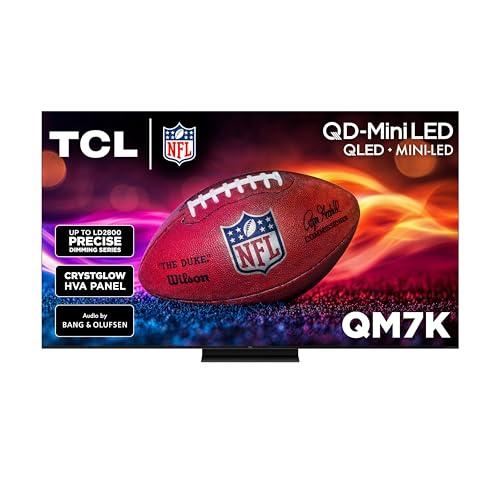
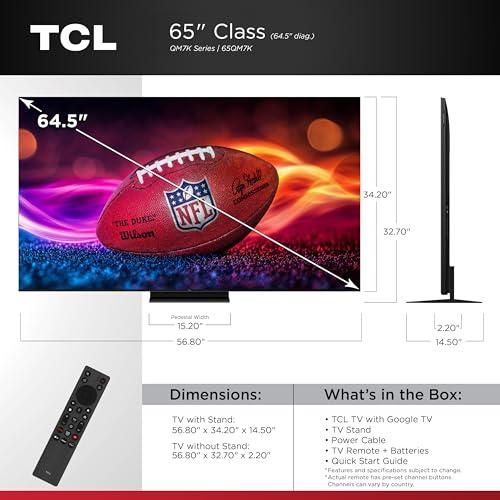
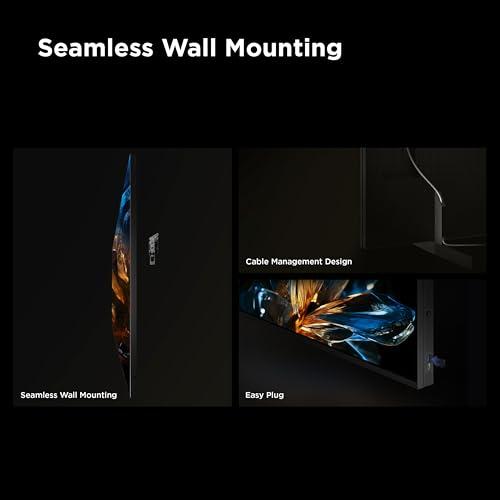
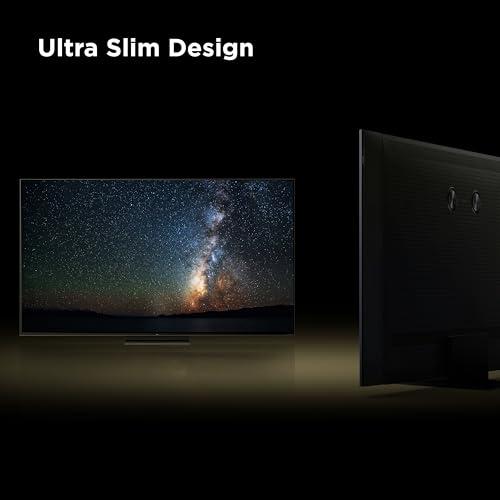
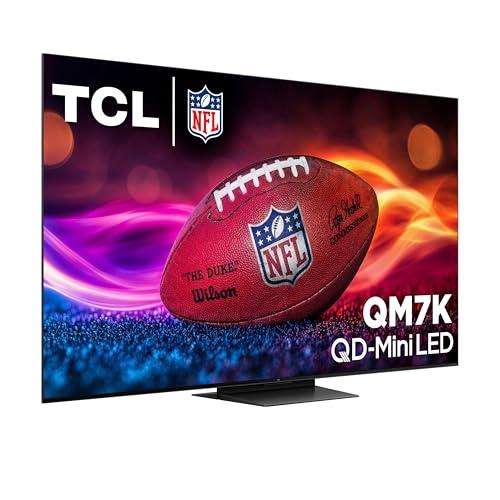
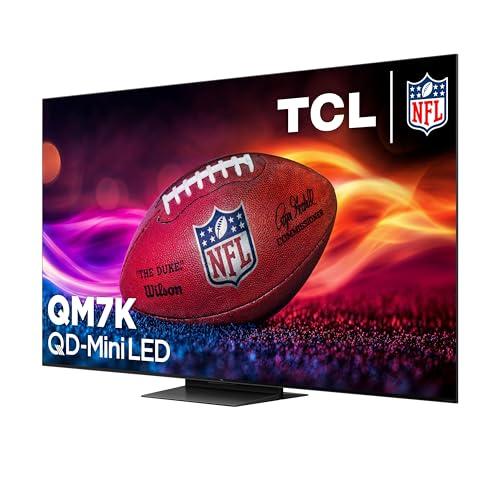
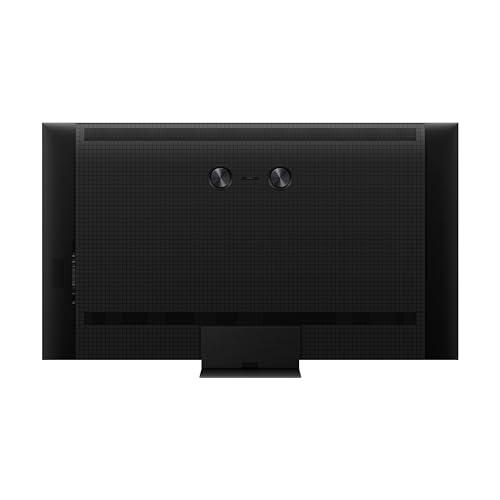
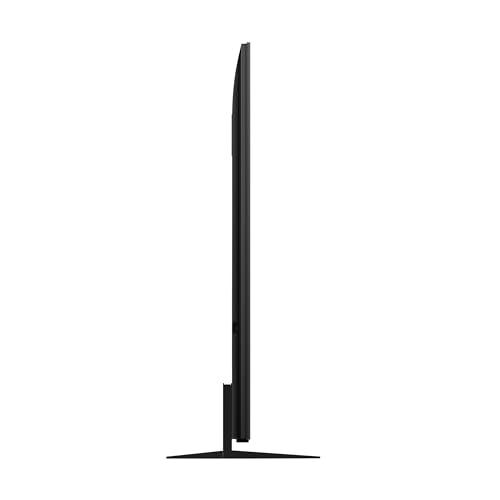
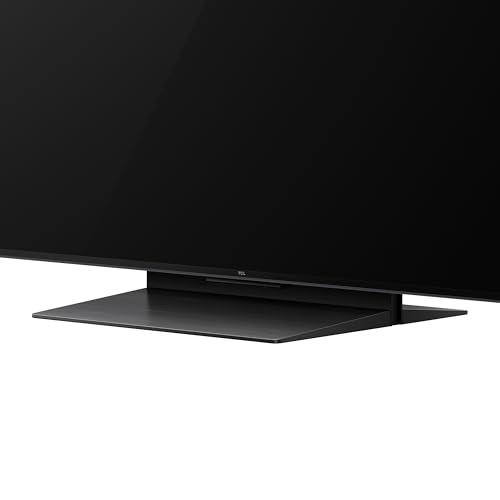
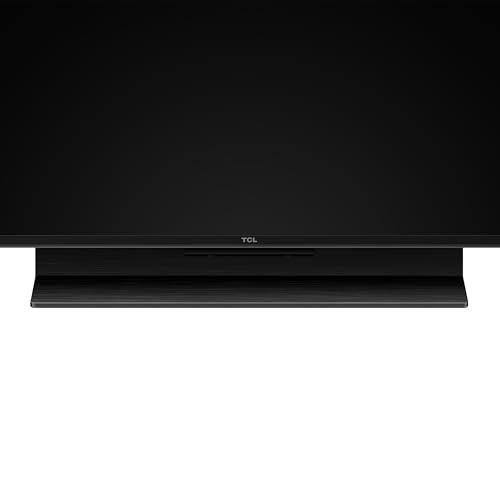
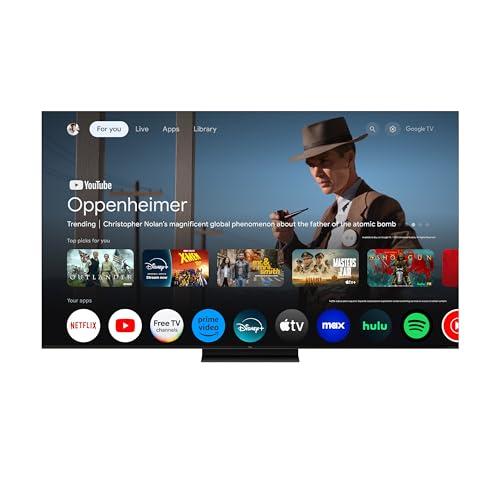
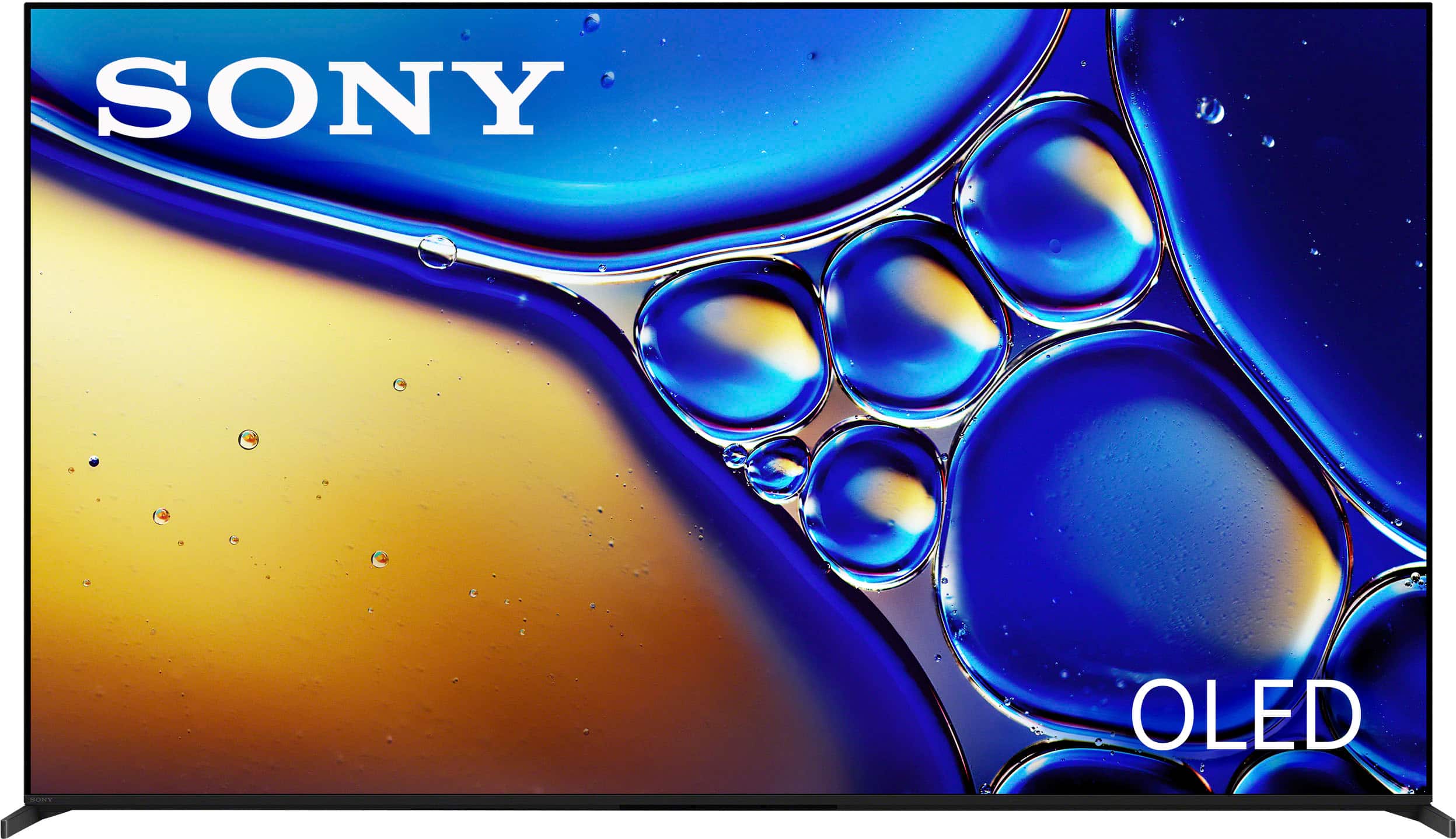
Shopping for a premium 65-inch 4K TV in 2025 means choosing between two fundamentally different approaches to delivering stunning picture quality. The TCL 65QM7K represents the cutting edge of Mini-LED technology, while the Sony BRAVIA 8 II showcases the latest evolution in OLED displays. Both TVs target enthusiasts who want exceptional performance, but they achieve it through completely different methods—and that makes all the difference in deciding which one belongs in your living room.
The premium TV landscape has evolved dramatically over the past few years. Where we once had to choose between bright LCD displays or perfect-black OLEDs with limited brightness, manufacturers have pushed both technologies to new heights. The TCL QM7K, released in 2025, builds on TCL's reputation for delivering flagship features at competitive prices. Meanwhile, the Sony BRAVIA 8 II, also launching in 2025, represents Sony's response to years of criticism about OLED brightness limitations.
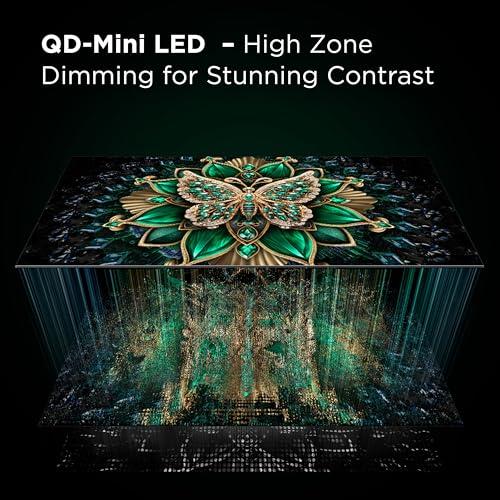
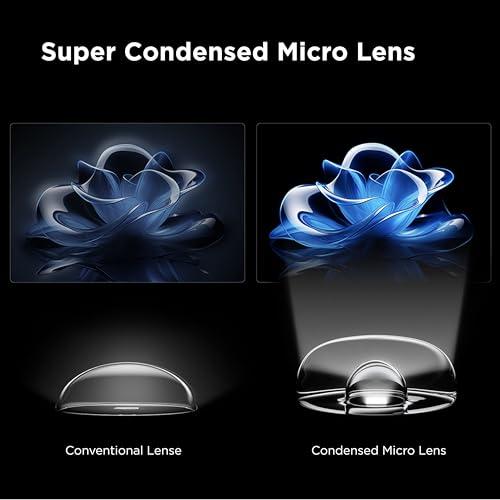
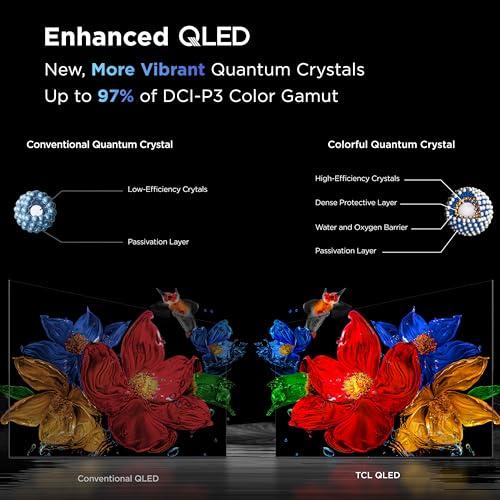
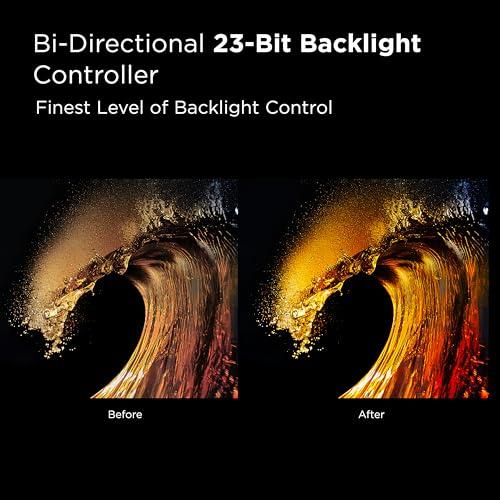
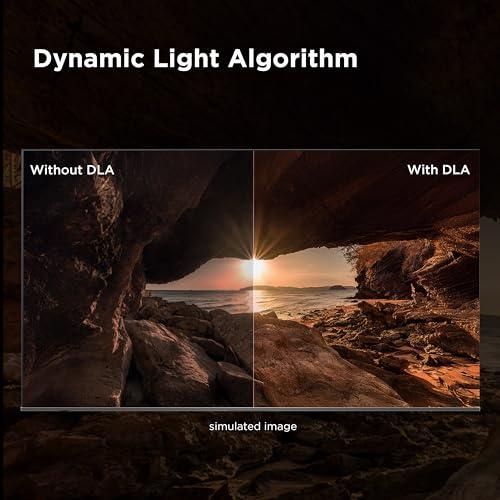
Before diving into performance comparisons, it's crucial to understand what makes these TVs fundamentally different. The TCL QM7K uses QD-Mini LED technology—a hybrid approach that combines thousands of tiny LED lights (Mini-LEDs) with quantum dot films that enhance color reproduction. Think of it as having up to 2,500 individual flashlights behind the screen, each capable of turning on and off independently to create bright highlights and deep shadows. This is called local dimming, and more zones generally mean better control over light and shadow.
The Sony BRAVIA 8 II takes a completely different approach with QD-OLED technology. Instead of backlights, each pixel generates its own light—imagine millions of tiny colored bulbs that can turn completely off for perfect blacks or shine brightly for highlights. The "QD" part stands for Quantum Dot, a technology that converts blue OLED light into pure red and green for more accurate colors.
Both approaches have their strengths, and understanding these differences helps explain why these TVs excel in different scenarios.
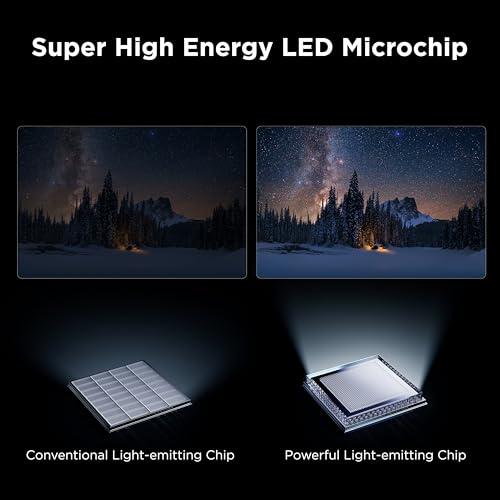
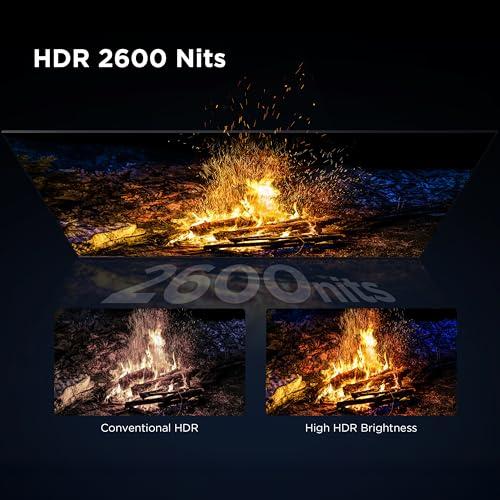
When it comes to raw brightness capability, the TCL QM7K dominates with peak brightness reaching up to 3,000 nits—that's roughly three times brighter than most standard TVs. This massive brightness advantage becomes crucial when watching High Dynamic Range (HDR) content, which is designed to showcase the full spectrum from deep shadows to blazing highlights that mirror real-world lighting.
HDR performance has become one of the most important factors in premium TV evaluation, and brightness is a huge part of that equation. When you're watching a sunset scene in a nature documentary or an explosion in an action movie, that extra brightness translates to more impactful, lifelike visuals. The TCL QM7K's 3,000-nit capability means HDR highlights maintain their punch even in bright living rooms with lots of natural light.
The Sony BRAVIA 8 II, while significantly brighter than previous OLED generations at around 1,880 nits, still can't match the Mini-LED's peak output. However, Sony's approach to brightness is more sophisticated. Rather than just pushing maximum brightness, Sony's XR Processor uses AI scene recognition to intelligently manage brightness based on content type. A campfire scene might not hit peak brightness, but it will look remarkably realistic with perfect black shadows surrounding natural-looking flames.
Based on our research into professional reviews and user feedback, the brightness difference becomes most apparent in bright rooms during daytime viewing. The TCL QM7K maintains HDR impact even with sunlight streaming through windows, while the Sony BRAVIA 8 II performs best in controlled lighting conditions where its superior contrast and color accuracy can shine.
While the TCL QM7K wins the brightness battle, the Sony BRAVIA 8 II achieves something Mini-LED technology simply cannot: perfect blacks. When an OLED pixel is off, it produces zero light—resulting in true black that makes colors appear more vibrant and creates a sense of three-dimensional depth that's immediately noticeable.
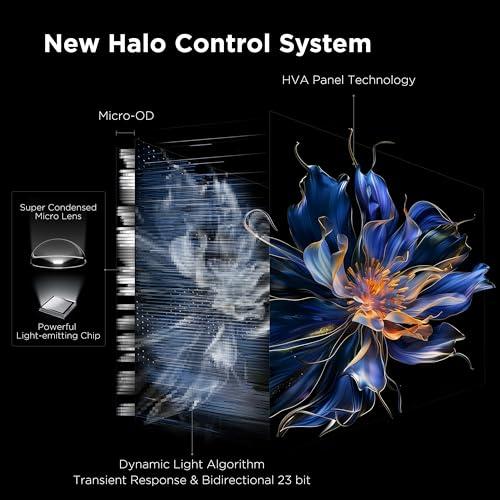
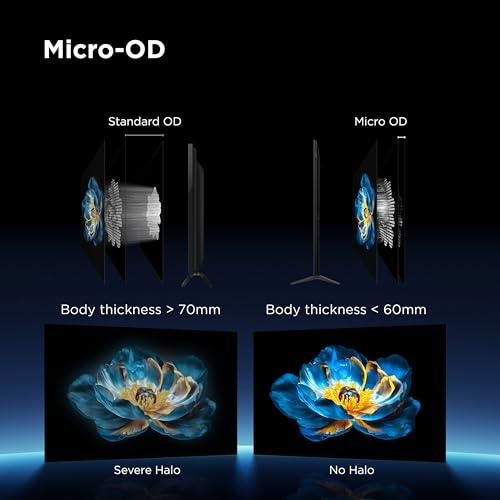
The TCL QM7K uses local dimming with up to 2,500 zones to approximate this effect, and it does remarkably well. TCL's Halo Control System minimizes blooming (the unwanted glow around bright objects), but physics prevents it from achieving the pixel-perfect control of OLED. In dark scenes, you might notice subtle halos around bright objects like stars against a night sky or white text on black backgrounds.
This difference becomes most apparent when watching movies in dark rooms—the traditional home theater environment. The Sony BRAVIA 8 II's perfect blacks create an almost window-like viewing experience where the TV seems to disappear, leaving only the content floating in space. This characteristic makes OLED technology particularly compelling for movie enthusiasts who prioritize that cinematic experience.
However, the TCL QM7K's impressive 7,000:1 native contrast ratio and advanced local dimming produce excellent results in most real-world scenarios. For many viewers, the difference in black levels becomes less significant when weighed against the TCL's superior brightness and more aggressive HDR presentation.
Gaming has become a crucial consideration for premium TV buyers, especially with PlayStation 5 and Xbox Series X pushing 4K gaming at higher frame rates. Both TVs support essential gaming features, but they approach performance differently.
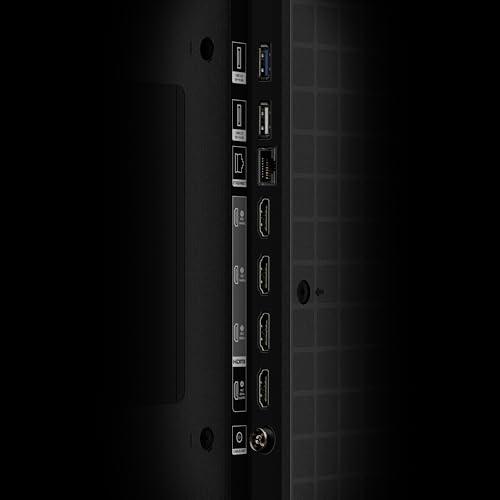
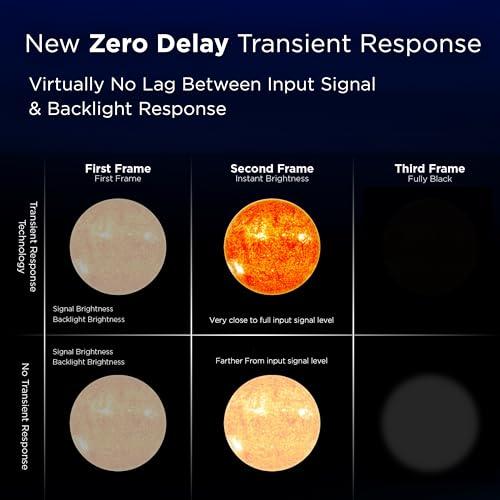
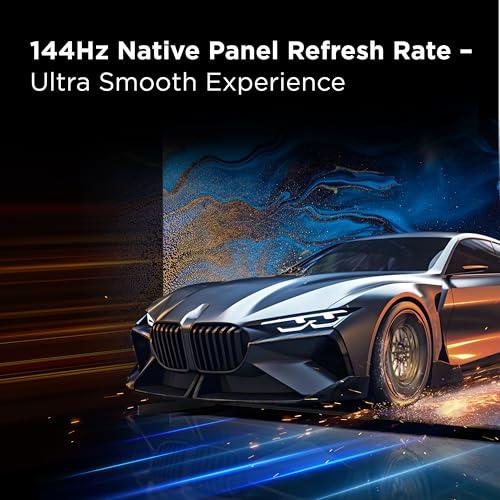
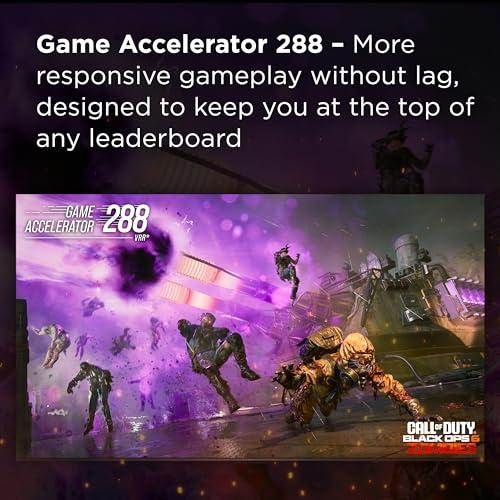
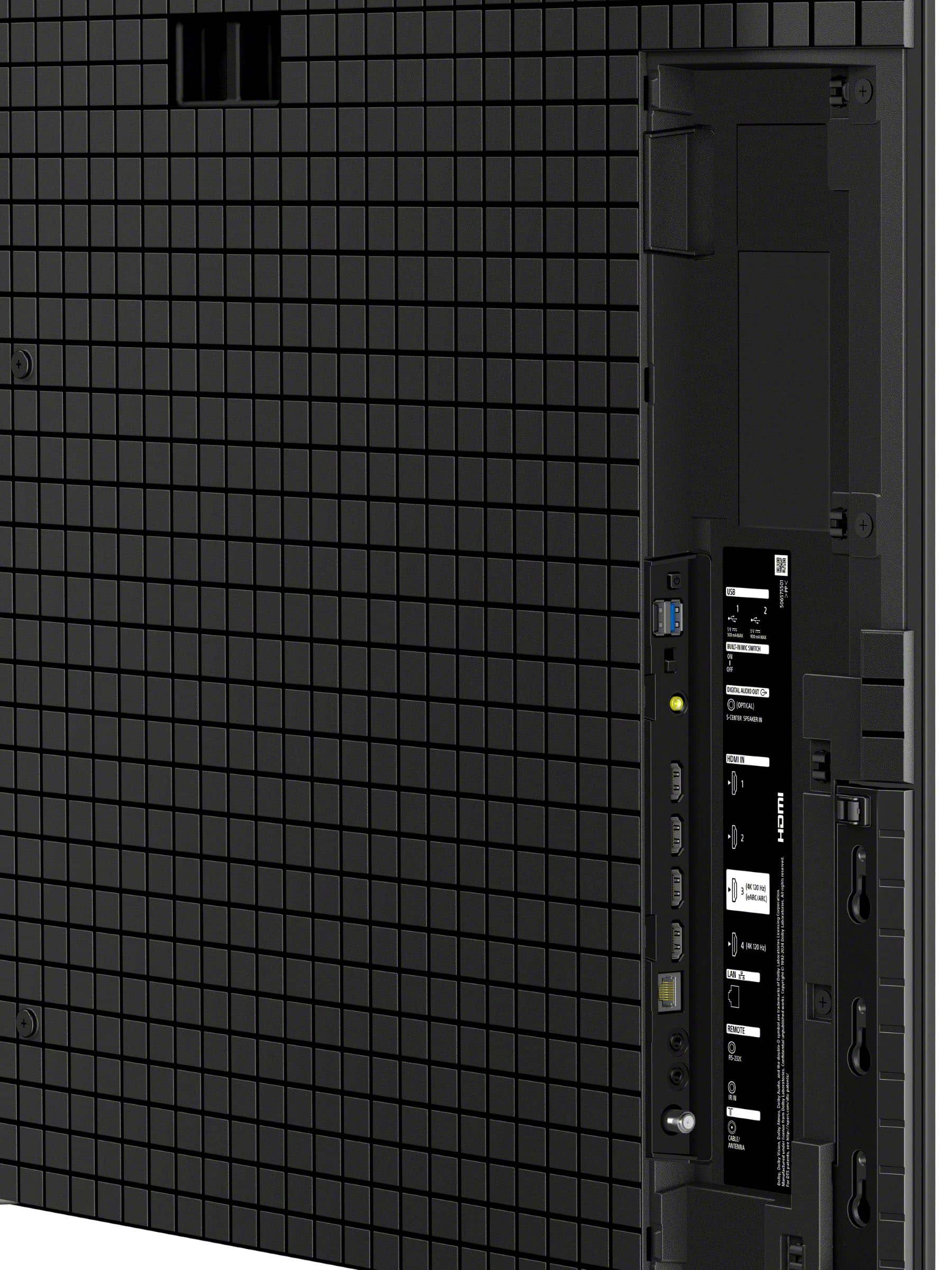
The TCL QM7K takes a more aggressive gaming-focused approach with native 144Hz refresh rate—that's 144 frames per second capability that surpasses even the latest gaming consoles. Its Game Accelerator 288 feature can push variable refresh rates up to 288Hz at 1080p resolution, making it exceptional for PC gaming where high frame rates matter most. The TV includes four HDMI ports with two supporting HDMI 2.1 specifications needed for 4K gaming at 120Hz.
Variable Refresh Rate (VRR) technology synchronizes the TV's refresh rate with the gaming console's output, eliminating screen tearing—those horizontal lines that appear when frame rates don't match perfectly. Auto Low Latency Mode (ALLM) automatically switches to gaming mode when it detects a console, reducing input lag (the delay between pressing a button and seeing the action on screen).
The Sony BRAVIA 8 II offers a more refined gaming experience with its 8.5ms input lag—among the lowest available—and superior motion handling that keeps fast-moving objects sharp. While it caps at 120Hz native refresh rate, OLED's instantaneous pixel response time creates incredibly smooth motion without the slight blur that can affect LCD-based displays during rapid movements.
From our analysis of gaming-focused reviews, competitive gamers and PC enthusiasts tend to prefer the TCL QM7K's higher refresh rates and multiple HDMI 2.1 ports, while console gamers often appreciate the Sony BRAVIA 8 II's superior motion clarity and lower input lag for precision gaming.
Premium TV audio has improved dramatically in recent years, and both models offer impressive built-in sound systems that reduce the immediate need for external speakers.
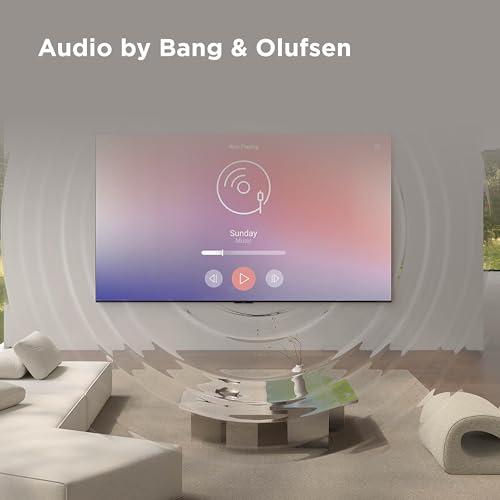
The TCL QM7K features a Bang & Olufsen-tuned 60W audio system with Dolby Atmos support. Dolby Atmos creates three-dimensional soundscapes where audio can move around and above the listener, adding immersion to movies and games. The system delivers clear dialogue and reasonable bass response, though like most flat-panel TVs, it benefits from a subwoofer for full-range audio.
The Sony BRAVIA 8 II implements Acoustic Surface Audio+ technology—a fascinating innovation where actuators behind the OLED panel vibrate the screen itself to create sound. This means audio appears to come directly from the action on screen rather than from speakers below the display. When a character speaks, their voice emerges from their location on screen, creating remarkably natural sound positioning.
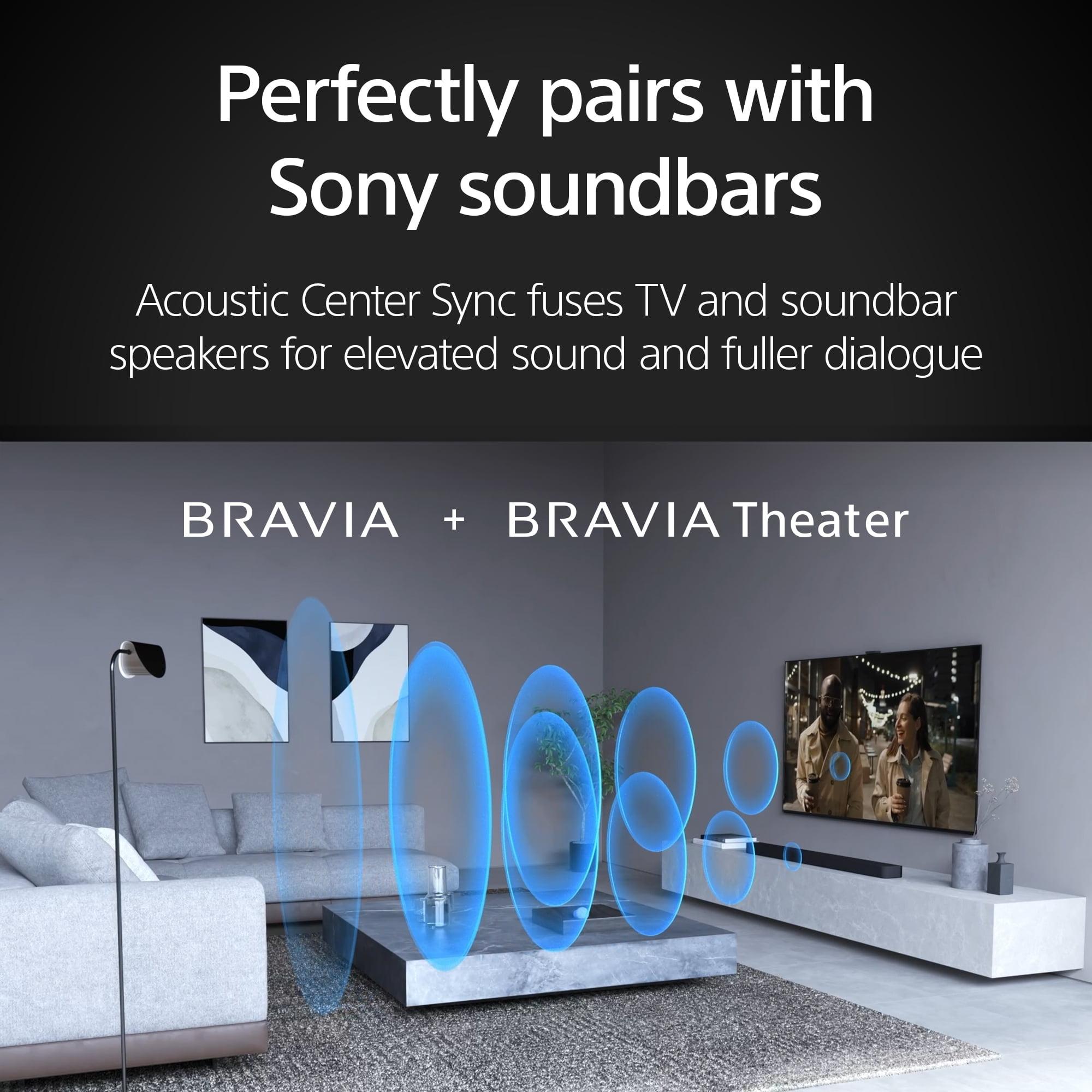
Sony's Voice Zoom 3 feature uses AI processing to enhance dialogue clarity during loud action sequences—a common problem with movie soundtracks designed for theater systems. The TV can also function as a center channel speaker when paired with compatible Sony soundbars through its S-Center input, integrating seamlessly into larger audio systems.
Based on audio-focused reviews, the Sony BRAVIA 8 II's Acoustic Surface Audio+ provides a more immersive and natural listening experience, while the TCL QM7K offers solid conventional audio that works well for most content.
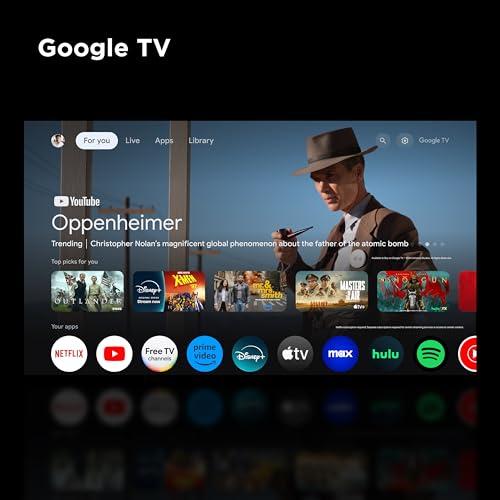
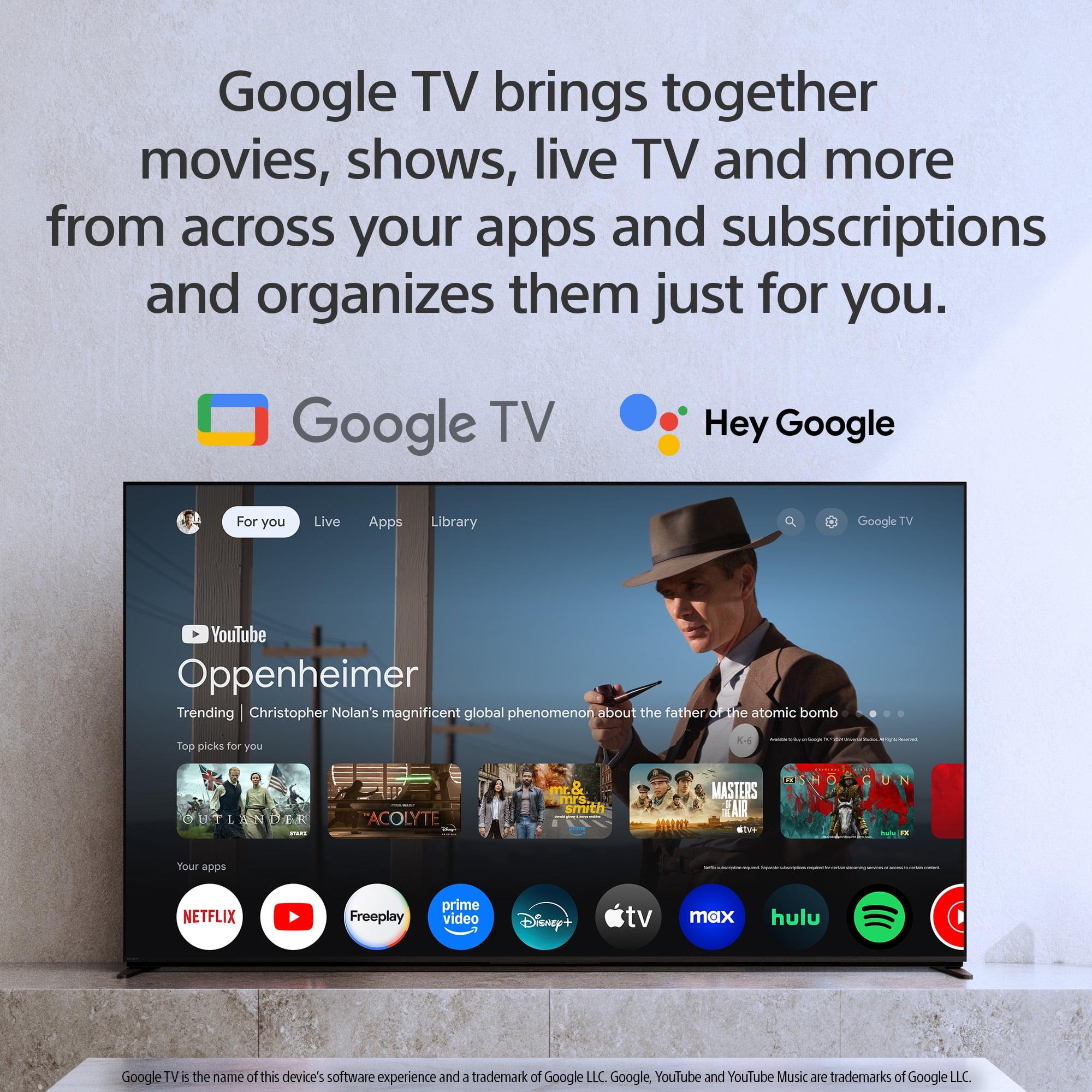
Both TVs run Google TV, Google's latest smart platform that replaced Android TV. Google TV offers comprehensive streaming app support, including Netflix, Prime Video, Disney+, HBO Max, and YouTube, with an interface that aggregates content recommendations across services.
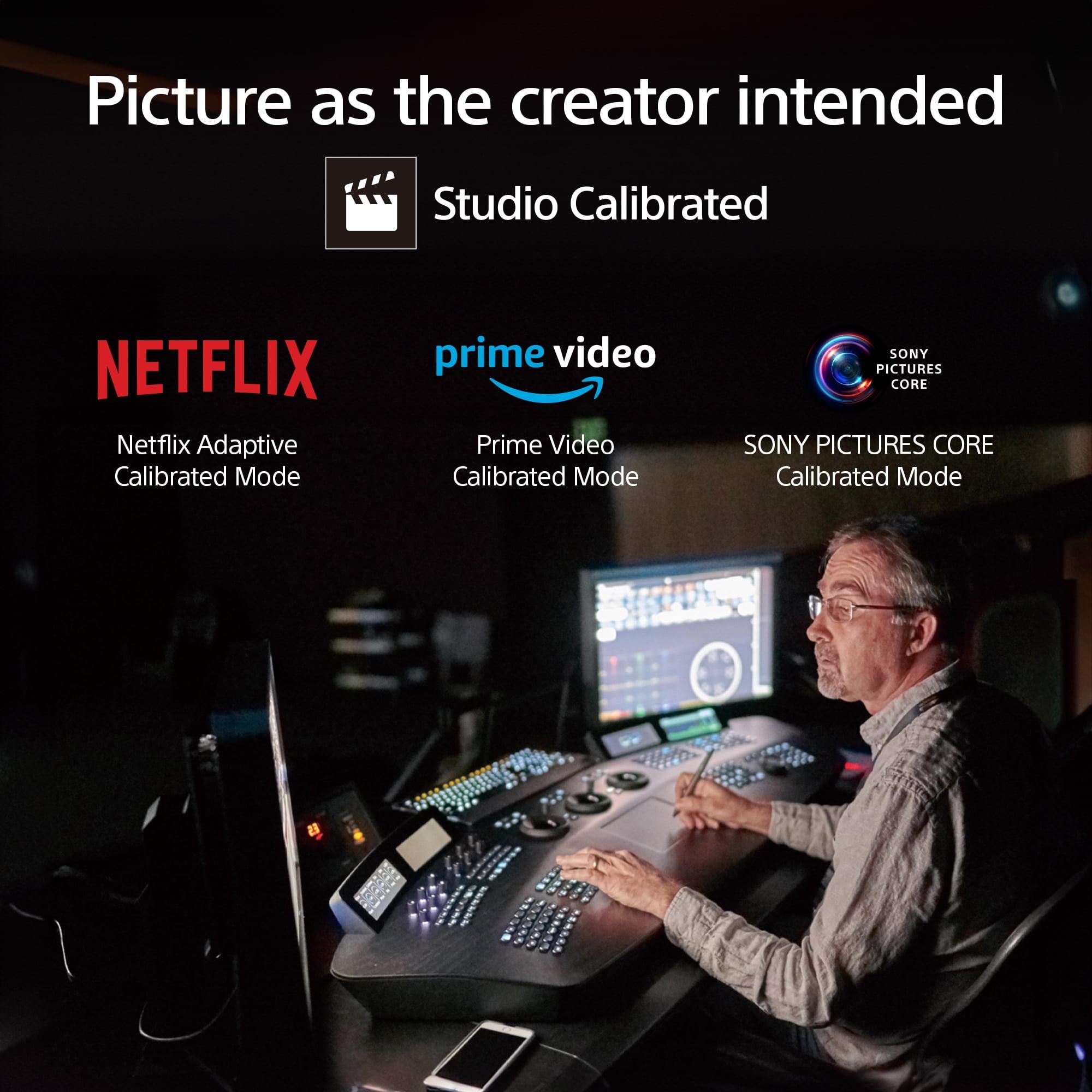
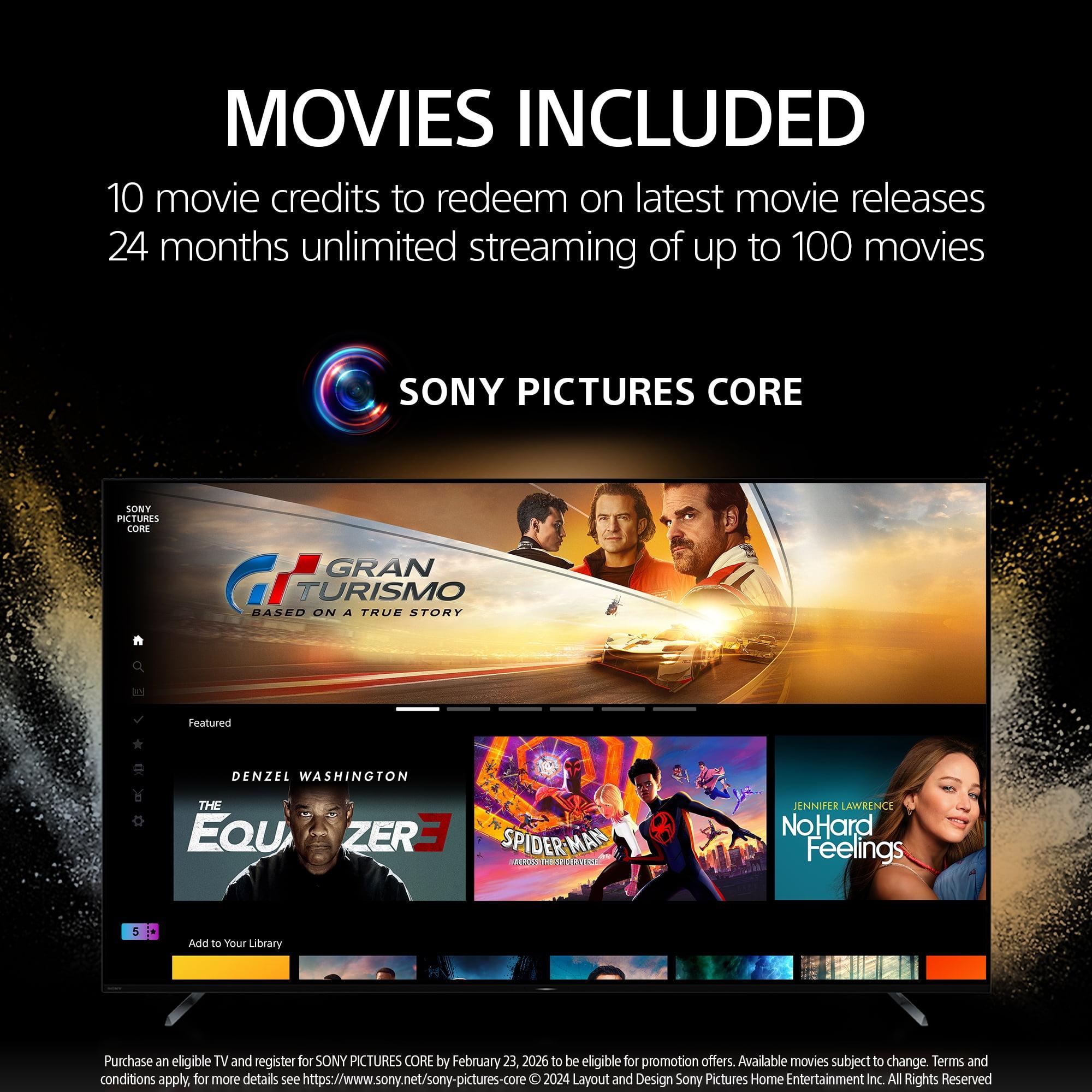
The Sony BRAVIA 8 II benefits from Sony's reputation for software refinement and longer update support. Sony includes studio-calibrated picture modes specifically optimized for Netflix, Prime Video, and Sony Pictures Core streaming services. These modes ensure content appears as creators intended, with accurate colors and contrast that match professional monitors used in post-production.
The TCL QM7K offers the same Google TV functionality with hands-free voice control through built-in microphones and support for both Google Assistant and Alexa voice commands. TCL's interface feels responsive and includes gaming-specific features like automatic picture mode switching for different content types.
Both TVs support Apple AirPlay 2 for streaming from iPhones and iPads, plus Google Cast for Android devices. Wi-Fi 5 connectivity handles streaming without issues, though Wi-Fi 6 would have been preferable for future-proofing.
At the time of writing, these TVs occupy different price tiers that reflect their target audiences and technology costs. The TCL QM7K represents exceptional value in the premium TV segment, delivering features typically found in much more expensive displays. Its combination of high brightness, comprehensive gaming features, and solid build quality creates a compelling package for performance-focused buyers.
The Sony BRAVIA 8 II commands a significant premium that reflects OLED manufacturing costs and Sony's brand positioning. However, the price difference has narrowed considerably compared to previous generations, making OLED technology more accessible to mainstream buyers.
When evaluating value, consider the total cost of ownership. OLED displays carry some risk of burn-in (permanent image retention) with static content like news tickers or gaming HUDs, though modern OLEDs include numerous protection features. Mini-LED displays like the TCL QM7K don't face this limitation, potentially offering longer worry-free ownership.
For dedicated home theater setups, the choice becomes more nuanced. The Sony BRAVIA 8 II excels in dark, controlled environments where its perfect blacks and superior color accuracy create reference-quality imagery. Its wide viewing angles ensure consistent picture quality across theater seating, while Acoustic Surface Audio+ reduces the need for immediate speaker upgrades.
The TCL QM7K works exceptionally well in multipurpose rooms where ambient light control isn't perfect. Its superior brightness maintains HDR impact even with some room lighting, and its more aggressive picture processing can actually enhance the viewing experience for action movies and sports content.
Professional calibration can optimize either TV for home theater use, but the Sony BRAVIA 8 II generally requires less adjustment out of the box for accurate color reproduction.
The TCL QM7K makes the most sense for buyers who prioritize gaming performance, bright room viewing, and maximum features per dollar. If you game regularly on PC or next-generation consoles, watch TV during daytime hours, or simply want flagship-level performance without flagship pricing, the TCL offers compelling advantages.
The Sony BRAVIA 8 II targets buyers who prioritize picture quality above all else and have the budget for premium technology. If you watch movies in a dedicated theater room, value color accuracy and contrast over peak brightness, or want the most refined viewing experience available, the Sony justifies its premium pricing.
Both TVs represent the current pinnacle of their respective technologies, and either choice will deliver years of exceptional viewing. The decision ultimately comes down to matching the TV's strengths to your specific viewing habits, room conditions, and budget priorities. In the rapidly evolving world of display technology, both the TCL QM7K and Sony BRAVIA 8 II showcase how far premium TVs have advanced—and how good the choices have become for discerning viewers.
| TCL 65QM7K QD-Mini LED 4K Google TV | Sony BRAVIA 8 II 65" QD-OLED 4K Google TV 2025 |
|---|---|
| Display Technology - Determines fundamental picture characteristics | |
| QD-Mini LED with up to 2,500 local dimming zones | QD-OLED with self-emissive pixels |
| Peak Brightness - Critical for HDR impact and bright room viewing | |
| Up to 3,000 nits (exceptional for daytime HDR) | ~1,880 nits (25% brighter than previous Sony OLEDs) |
| Black Levels - Affects contrast and dark scene detail | |
| 7,000:1 native contrast with minimal blooming | Perfect pixel-level blacks with infinite contrast |
| Refresh Rate - Important for gaming and sports | |
| Native 144Hz with Game Accelerator 288Hz VRR | Native 120Hz with superior motion processing |
| Gaming Input Lag - Critical for competitive gaming | |
| Low lag with ALLM and VRR support | 8.5ms (among the lowest available) |
| HDMI 2.1 Ports - Needed for next-gen console gaming | |
| 2 HDMI 2.1 ports out of 4 total | 2 HDMI 2.1 ports out of 4 total |
| Audio Technology - Built-in sound quality | |
| Bang & Olufsen 60W with Dolby Atmos | Acoustic Surface Audio+ (screen-as-speaker) |
| Smart Platform - Interface and app ecosystem | |
| Google TV with hands-free voice control | Google TV with studio-calibrated streaming modes |
| Viewing Angles - Important for wide seating arrangements | |
| Good with anti-reflective coating | Excellent OLED wide-angle performance |
| Burn-in Risk - Long-term durability consideration | |
| No burn-in risk (LCD-based technology) | Minimal risk with modern OLED protections |
| Room Lighting Suitability - Where each TV performs best | |
| Excellent for bright rooms, good for dark rooms | Best for controlled lighting, adequate for bright rooms |
| Value Positioning - Performance per dollar at time of writing | |
| Exceptional value with flagship features | Premium pricing for reference-quality performance |
The TCL QM7K offers superior gaming specs with native 144Hz refresh rate and Game Accelerator 288Hz VRR, making it ideal for PC gaming and future consoles. The Sony BRAVIA 8 II provides lower 8.5ms input lag and superior motion clarity, which benefits competitive console gaming. Both support HDMI 2.1 features, but the TCL QM7K edges ahead for serious gamers.
The TCL QM7K uses QD-Mini LED technology with thousands of tiny backlights and up to 2,500 local dimming zones for bright HDR performance. The Sony BRAVIA 8 II uses QD-OLED technology where each pixel creates its own light, delivering perfect blacks and infinite contrast. Mini-LED excels in bright rooms, while OLED performs best in controlled lighting.
The TCL QM7K significantly outperforms with up to 3,000 nits peak brightness compared to the Sony BRAVIA 8 II's 1,880 nits. This makes the TCL much better for bright living rooms with lots of natural light, maintaining HDR impact even during daytime viewing. The Sony works best in rooms with controlled lighting.
Yes, both the TCL QM7K and Sony BRAVIA 8 II run Google TV with access to all major streaming apps. However, the Sony includes studio-calibrated modes for Netflix, Prime Video, and Sony Pictures Core, while the TCL offers hands-free voice control. Both support Apple AirPlay 2 and Google Cast.
The Sony BRAVIA 8 II delivers superior audio with Acoustic Surface Audio+ technology that turns the entire screen into a speaker, creating more natural sound placement. The TCL QM7K features Bang & Olufsen-tuned 60W speakers with Dolby Atmos, which provides good sound but follows conventional speaker placement below the screen.
The TCL QM7K has no burn-in risk since it uses LCD-based Mini-LED technology. The Sony BRAVIA 8 II uses OLED technology which has minimal burn-in risk with modern protections, but static images like news tickers or gaming HUDs could potentially cause permanent retention over extended periods.
For dedicated home theater rooms with controlled lighting, the Sony BRAVIA 8 II excels with perfect blacks, superior color accuracy, and wide viewing angles that create a more cinematic experience. The TCL QM7K works better in multipurpose rooms where some ambient light is present, maintaining HDR impact in less-than-ideal lighting conditions.
The TCL QM7K offers native 144Hz refresh rate with support for up to 288Hz VRR, providing exceptionally smooth motion for sports and fast action. The Sony BRAVIA 8 II uses 120Hz with superior OLED motion processing that eliminates blur naturally. Both handle sports well, but the TCL has the technical advantage for high frame rate content.
The TCL QM7K provides exceptional value by delivering flagship-level features like high brightness, comprehensive gaming support, and premium build quality at a more accessible price point. The Sony BRAVIA 8 II commands a premium for its OLED technology and Sony's processing refinement, justified for buyers prioritizing ultimate picture quality.
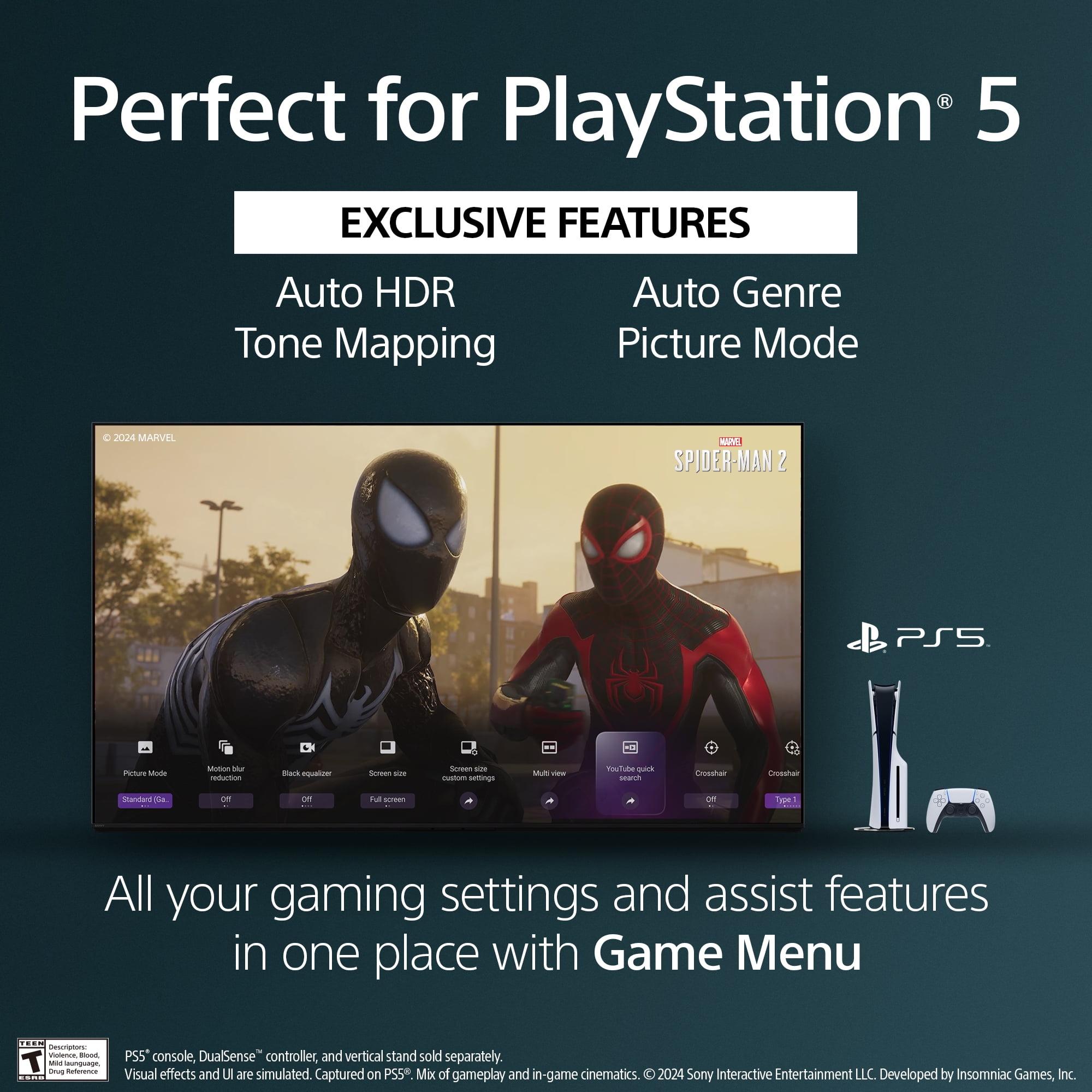
Yes, both the TCL QM7K and Sony BRAVIA 8 II fully support 4K gaming at 120Hz from next-generation consoles through HDMI 2.1 ports. Both include VRR (Variable Refresh Rate) and ALLM (Auto Low Latency Mode) features. The Sony BRAVIA 8 II also offers special PlayStation integration features for enhanced gaming.
The Sony BRAVIA 8 II achieves perfect blacks since OLED pixels can turn completely off, creating infinite contrast ratio. The TCL QM7K uses advanced local dimming with 2,500 zones to achieve impressive 7,000:1 native contrast, but cannot match OLED's pixel-perfect black levels. This difference is most noticeable in dark room viewing.
The TCL QM7K performs significantly better in bright rooms due to its 3,000-nit peak brightness capability, maintaining vibrant HDR colors even with sunlight streaming through windows. The Sony BRAVIA 8 II includes anti-reflective coating but its lower peak brightness means HDR content may appear less impactful in very bright environments.
We've done our best to create useful and informative comparisons to help you decide what product to buy. Our research uses advanced automated methods to create this comparison and perfection is not possible - please contact us for corrections or questions. These are the sites we've researched in the creation of this article: bestbuy.com - businessinsider.com - tomsguide.com - tomsguide.com - rtings.com - tomsguide.com - youtube.com - rtings.com - consumerreports.org - youtube.com - youtube.com - displayspecifications.com - youtube.com - tcl.com - tcl.com - tcl.com - youtube.com - rcwilley.com - bestbuy.com - tclcentral.com - displayspecifications.com - tomsguide.com - tcl.com - brandsmartusa.com - tcl.com - tcl.com - gizmochina.com - nfm.com - dolby.com - alexraytv.com - techradar.com - rtings.com - bestbuy.com - whathifi.com - rtings.com - hometechnologyreview.com - youtube.com - hometechnologyreview.com - hometechnologyreview.com - hometechnologyreview.com - valueelectronics.com - smarthomesounds.co.uk - electronics.sony.com - valueelectronics.com - bestbuy.com - youtube.com - displayspecifications.com - hometechnologyreview.com - flatpanelshd.com

Privacy Policy
Terms and Conditions - Affiliate Policy
Home Security
© Copyright 2008-2026.
11816 Inwood Rd #1211, Dallas, TX 75244