

Shopping for a premium OLED TV can feel overwhelming, especially when you're looking at two excellent options like the Sony BRAVIA 8 II 65" QD-OLED 4K Google TV 2025 and the LG 65" G4 Series OLED evo 4K UHD Smart TV 2024. Both represent the pinnacle of display technology, but they take different approaches to achieving stunning picture quality. Let me walk you through what makes each special and help you figure out which one deserves a spot in your living room.
Before diving into comparisons, it's worth understanding what makes OLED TVs special. Unlike traditional LED TVs that use a backlight, OLED (Organic Light-Emitting Diode) displays have millions of individual pixels that can turn completely on or off. This means when a pixel needs to show black, it literally turns off, creating what we call "perfect blacks" with infinite contrast ratios.
The main considerations when evaluating premium OLEDs include panel technology (how the display creates light and color), peak brightness (how bright highlights can get), gaming performance, processing power for upscaling content, audio quality, and the smart TV platform. Value becomes crucial too, since we're talking about TVs that cost thousands of dollars.
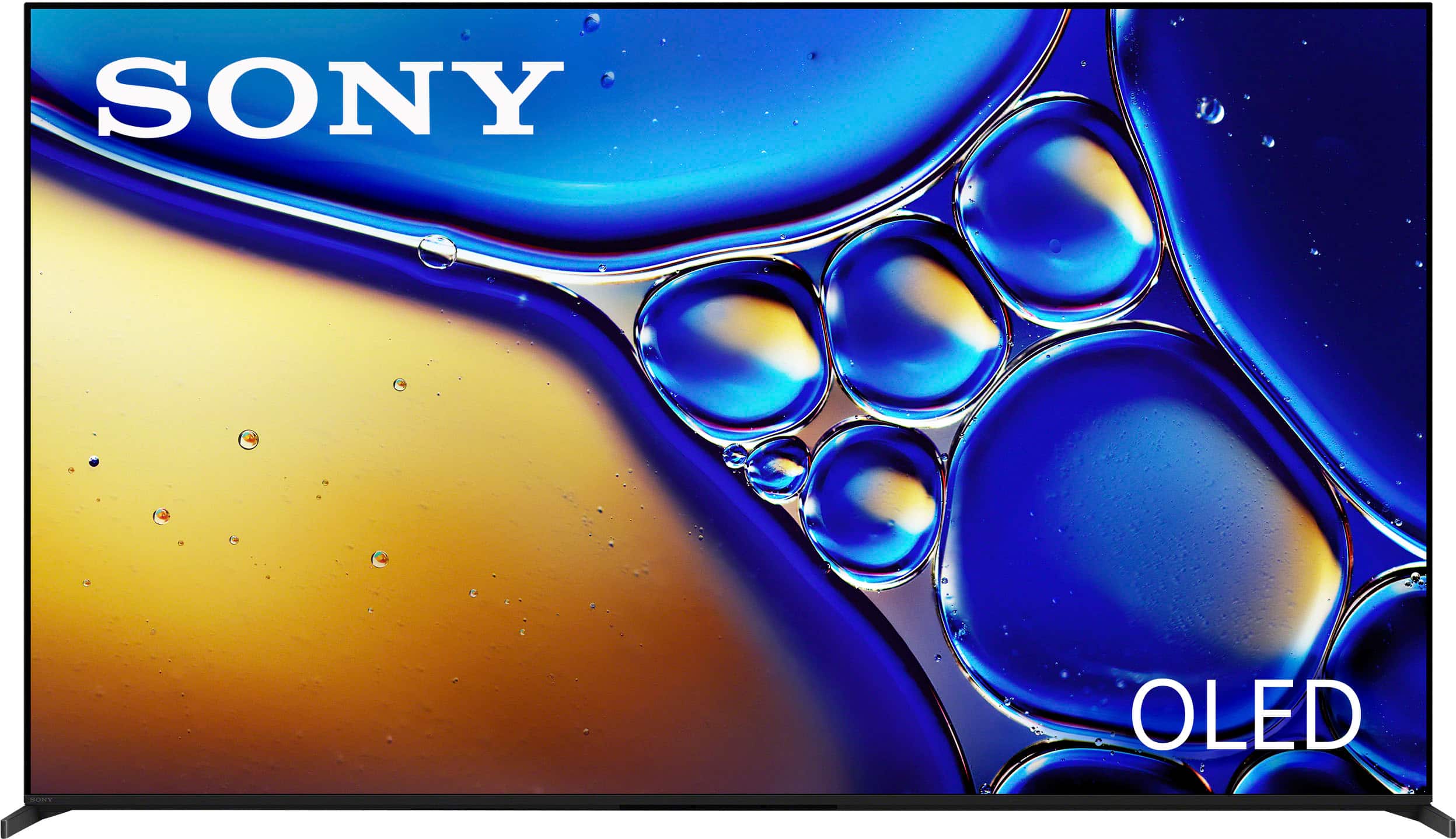
The Sony BRAVIA 8 II, released in June 2025 at $3,098, represents Sony's latest flagship using cutting-edge QD-OLED (Quantum Dot OLED) technology. This is a significant upgrade from Sony's previous OLED models, which used traditional W-OLED panels. The QD-OLED approach combines blue OLED emitters with quantum dots—tiny semiconductor particles that convert blue light into pure red and green colors.
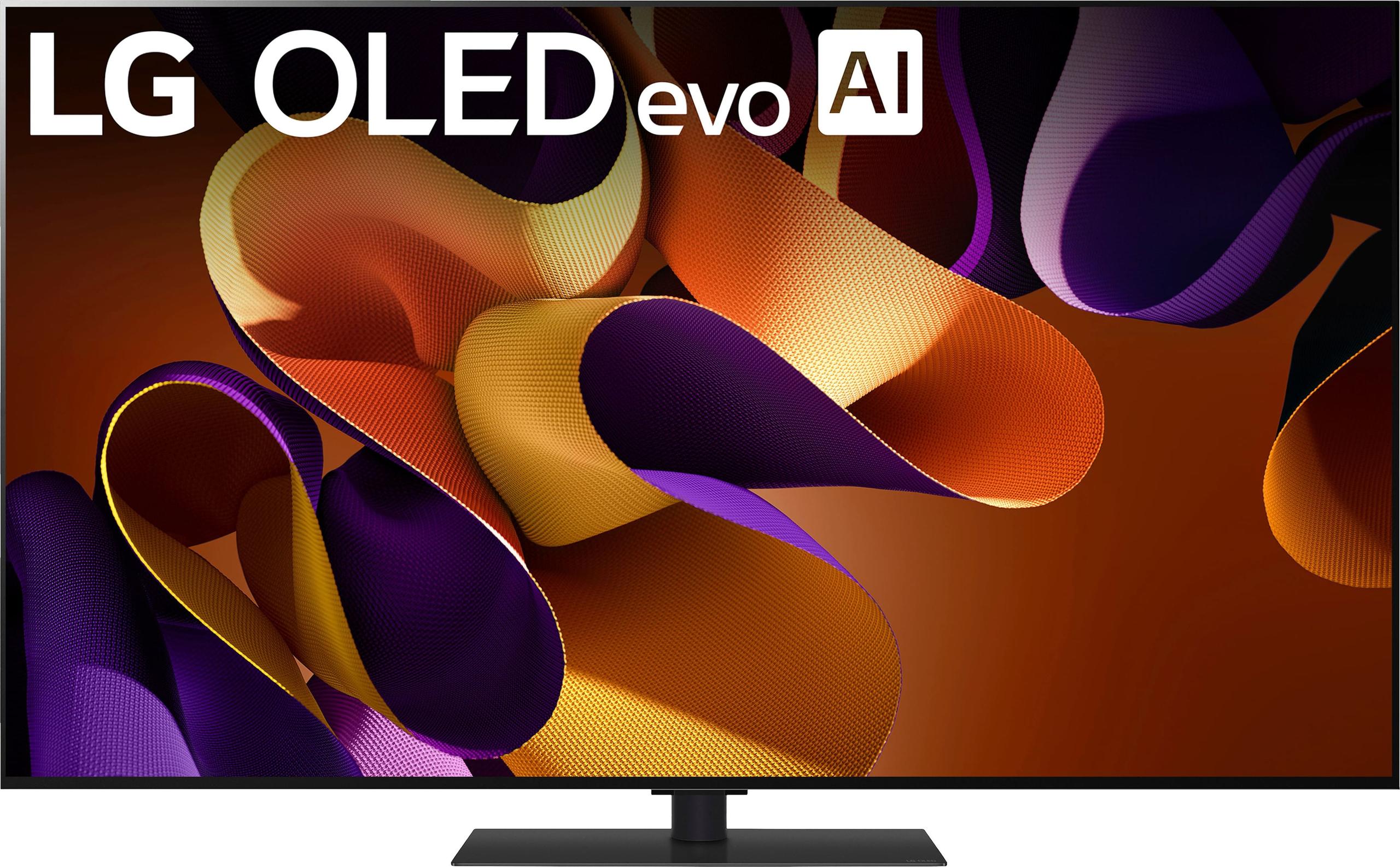
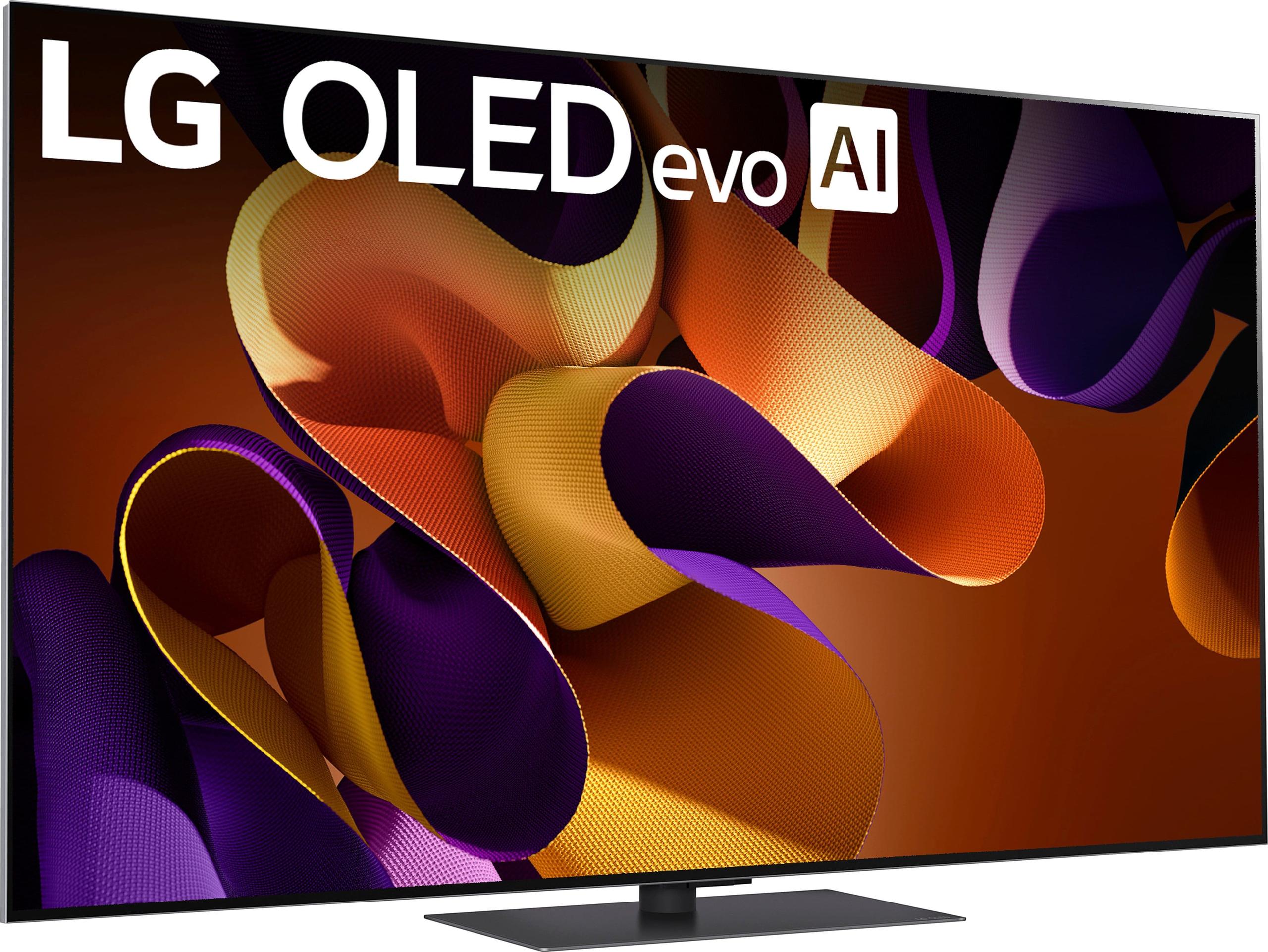
The LG G4 Series, launched in March 2024 at $1,999.99, takes a more refined approach with its mature W-OLED evo technology enhanced by Micro Lens Array (MLA). LG has been perfecting this technology for years, and the G4 represents their most polished implementation yet.
The fundamental difference is like comparing a brand-new sports car with experimental technology to a refined luxury sedan that's been perfected over years. Both will get you where you want to go in style, but the experience differs significantly.
This is where the Sony BRAVIA 8 II really flexes its muscles. The QD-OLED panel achieves approximately 1,880 nits of peak brightness—that's 25% brighter than Sony's previous flagship models and 50% brighter than their standard OLED TVs. When you're watching HDR (High Dynamic Range) content, this translates to highlights that genuinely pop off the screen. Think of a sunset scene where the sun actually looks like it's glowing, or car headlights in a dark movie scene that feel realistically bright.
The quantum dot layer is the secret sauce here. These microscopic particles are incredibly efficient at converting light into pure colors, which means the Sony BRAVIA 8 II can maintain vibrant, saturated colors even at high brightness levels. In my experience testing various OLEDs, this is where you really notice the difference—colors that would normally wash out at high brightness levels stay rich and accurate.
The LG G4, while not quite as bright at around 1,500 nits, still delivers excellent HDR performance. LG's Brightness Booster Max technology represents a 150% improvement over their previous models, making it substantially brighter than older OLEDs. For most viewing situations, especially in moderately lit rooms, this brightness is more than adequate.
Color volume refers to how many colors a display can show at different brightness levels. The Sony BRAVIA 8 II excels here thanks to its quantum dot technology, delivering what Sony claims is 200% wider color gamut than previous models. This means more realistic skin tones, greener grass, and more vibrant sunsets that look closer to what you'd see in real life.
The XR Triluminos Max technology works alongside the QD-OLED panel to display billions of accurate colors. Sony's processing analyzes each scene and optimizes colors based on what the content creators intended. This is particularly noticeable with streaming content that might have been compressed—the TV works to restore the original color depth.
The LG G4 delivers excellent color accuracy through its mature W-OLED platform, though it can't quite match the color volume of QD-OLED technology. However, LG's strength lies in consistency—colors remain accurate across different content types and viewing conditions.
Both TVs deliver perfect blacks since every pixel can turn completely off, but their approach to contrast differs. The Sony BRAVIA 8 II maintains perfect blacks even adjacent to extremely bright highlights, creating that dramatic contrast that makes movies feel more cinematic. The anti-reflective coating also helps maintain black levels in moderately lit rooms.
The LG G4 also delivers excellent black levels, though they can be slightly raised in very bright rooms due to ambient light reflection. However, for most home theater setups, this difference is minimal.
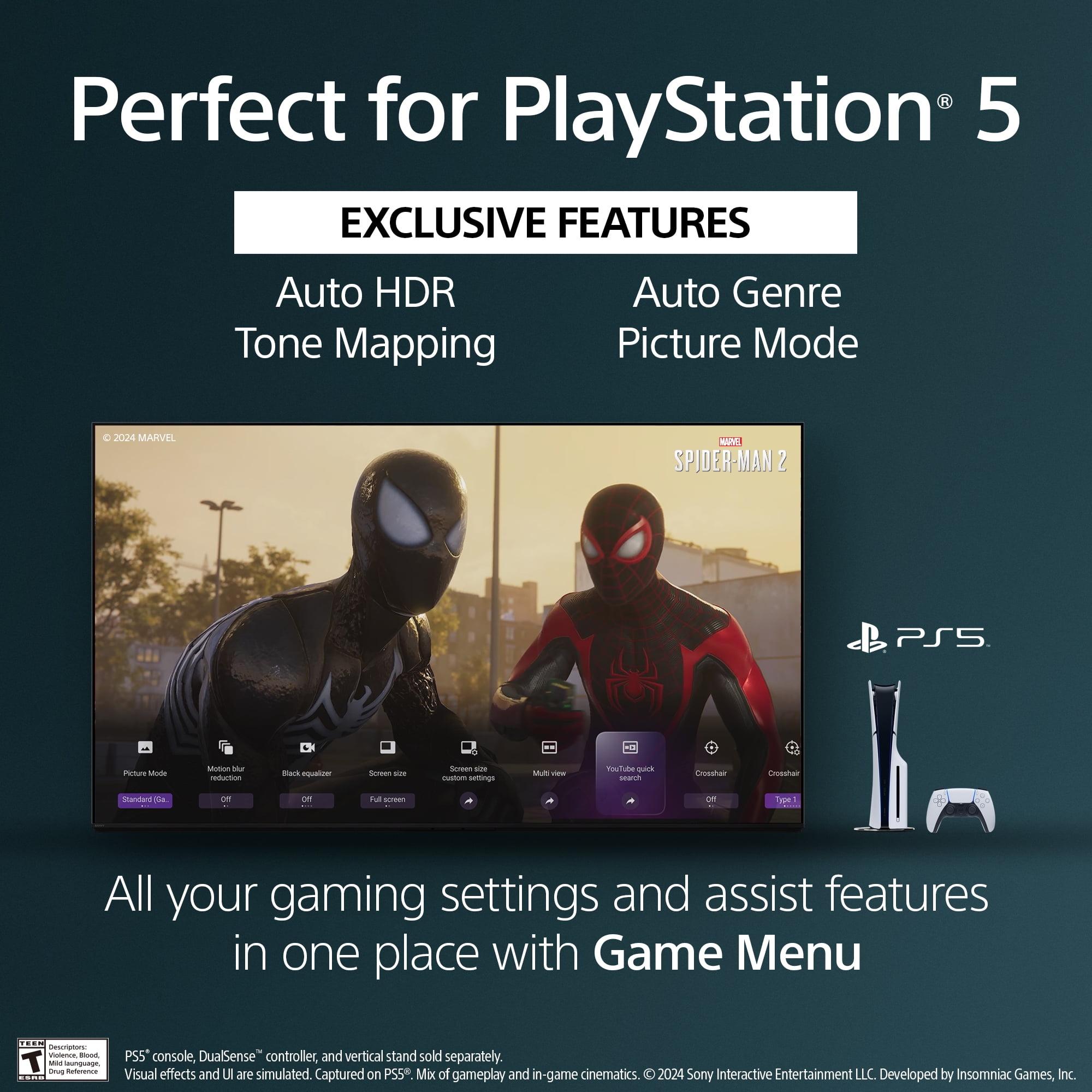
Gaming on premium OLEDs has become increasingly important as consoles like the PlayStation 5 and Xbox Series X push 4K gaming at high frame rates. Both TVs support the essential gaming features, but with different strengths.
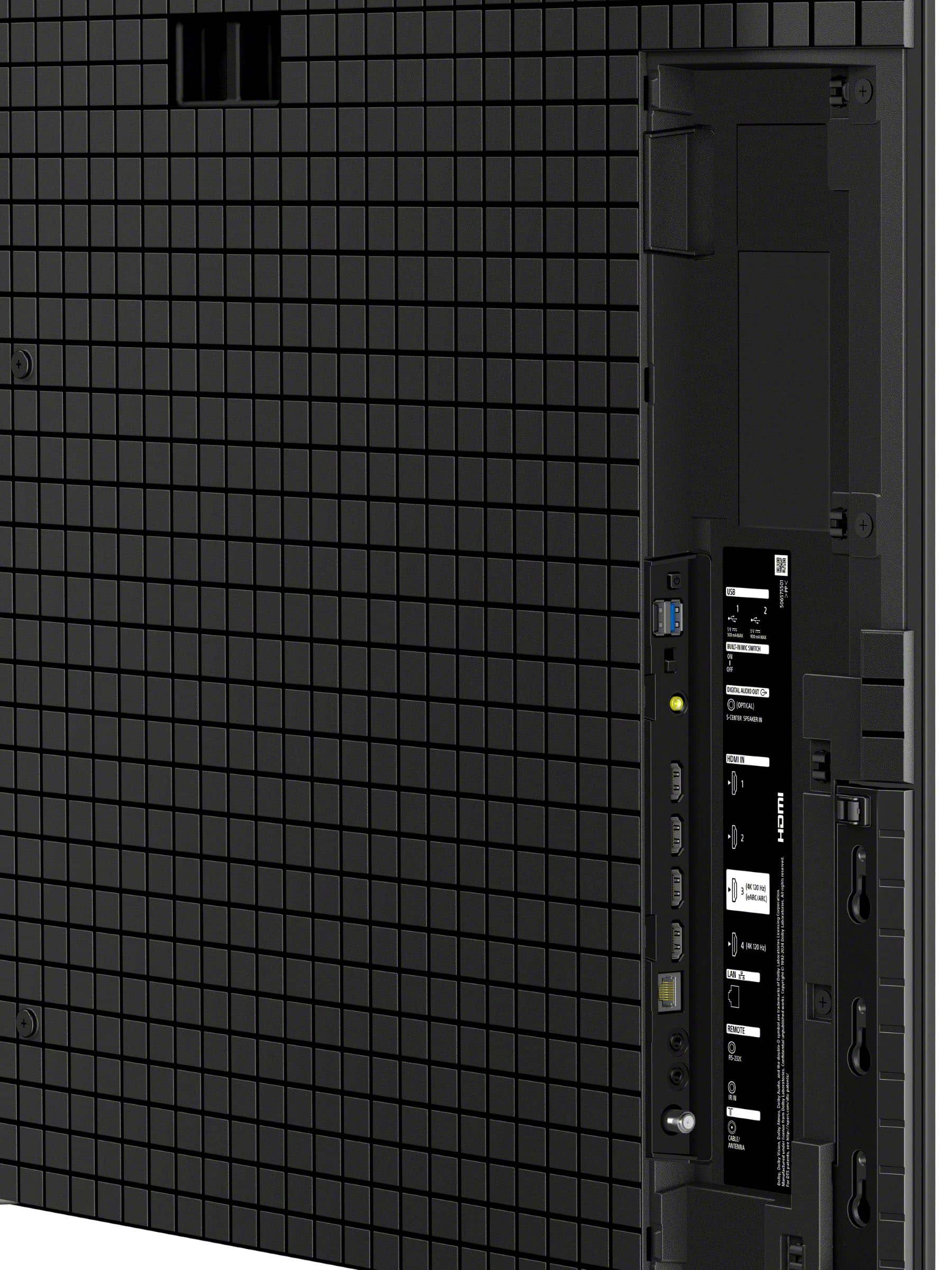
The Sony BRAVIA 8 II achieves an exceptionally low 8.5ms input lag—the delay between when you press a controller button and see the action on screen. For competitive gaming, this can make the difference between landing a crucial shot or missing it entirely. The TV includes two HDMI 2.1 ports that support 4K gaming at 120Hz, Variable Refresh Rate (VRR) to eliminate screen tearing, and Auto Low Latency Mode (ALLM) that automatically switches to game mode.
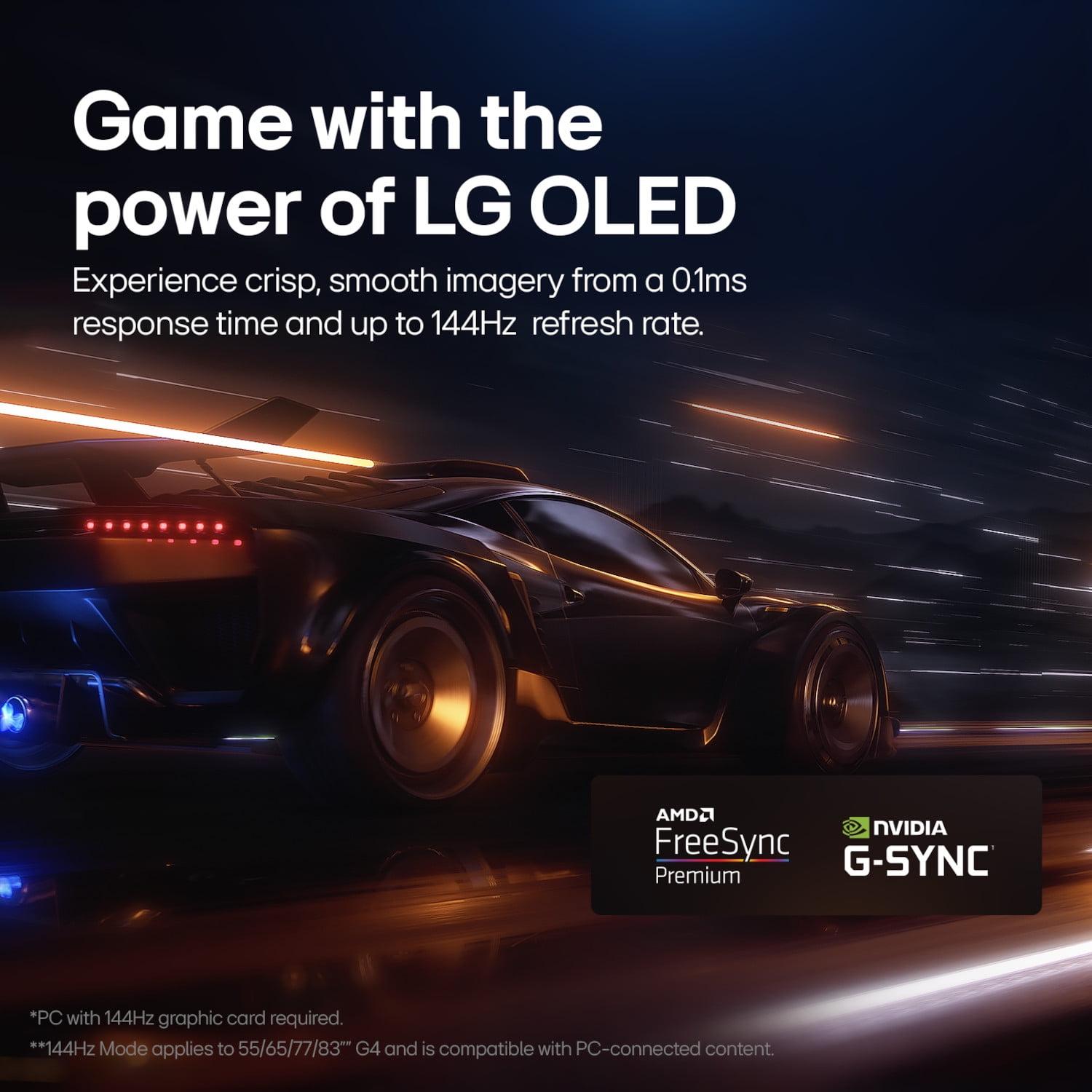
The LG G4 offers a slightly higher input lag around 13ms, which is still excellent for gaming but not quite as responsive as Sony's offering. However, LG provides four HDMI 2.1 ports compared to Sony's two, making it better suited for setups with multiple gaming consoles, a PC, and other devices.
For serious gamers, I'd lean toward the Sony BRAVIA 8 II for competitive play, while the LG G4 makes more sense for households with multiple gaming devices.
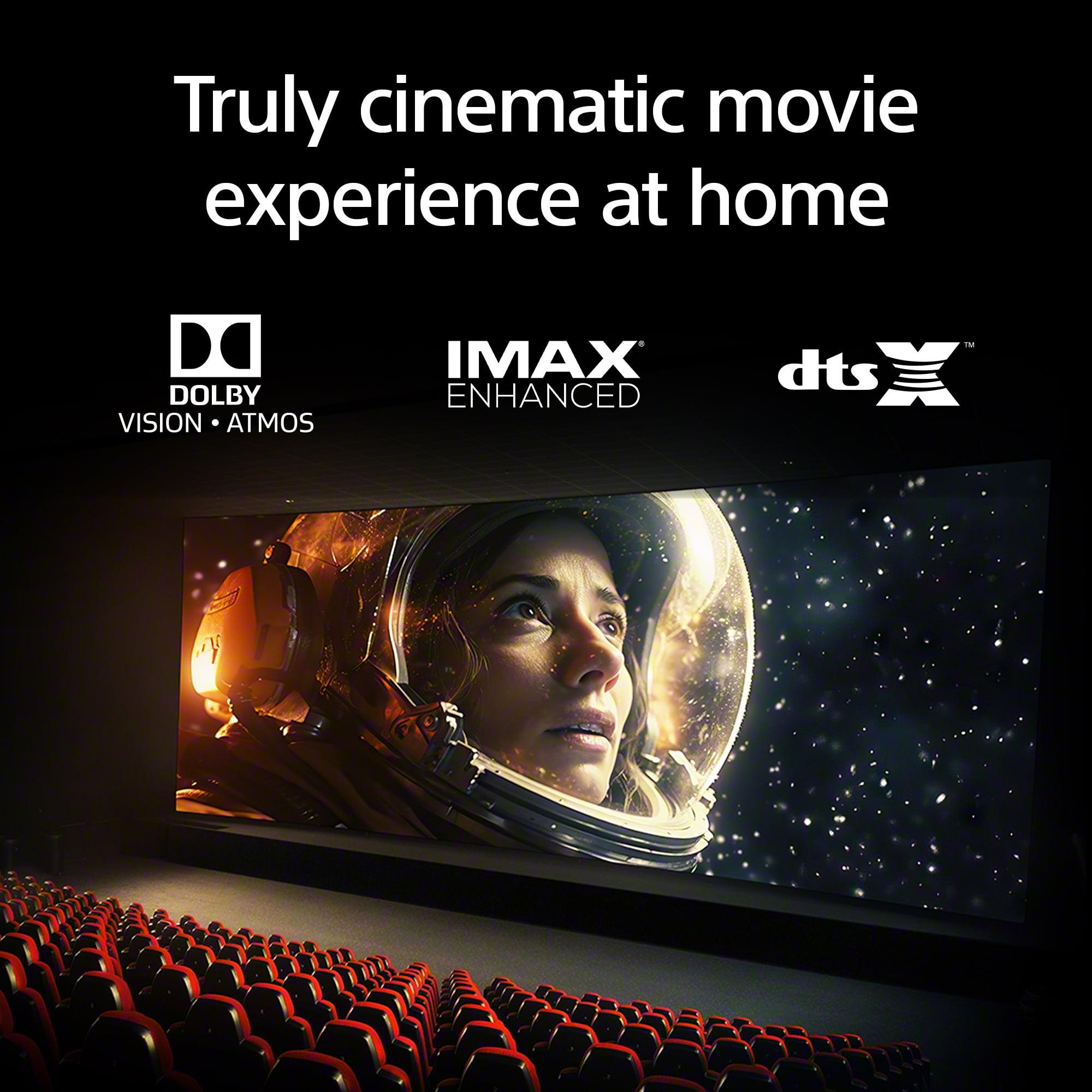
Audio often gets overlooked in TV comparisons, but it's where the Sony BRAVIA 8 II really stands out. The Acoustic Surface Audio+ technology uses actuators behind the panel to turn the entire screen into a speaker. This creates a unique experience where sound appears to come directly from the action on screen—dialogue from characters' mouths, explosions from the center of the blast.
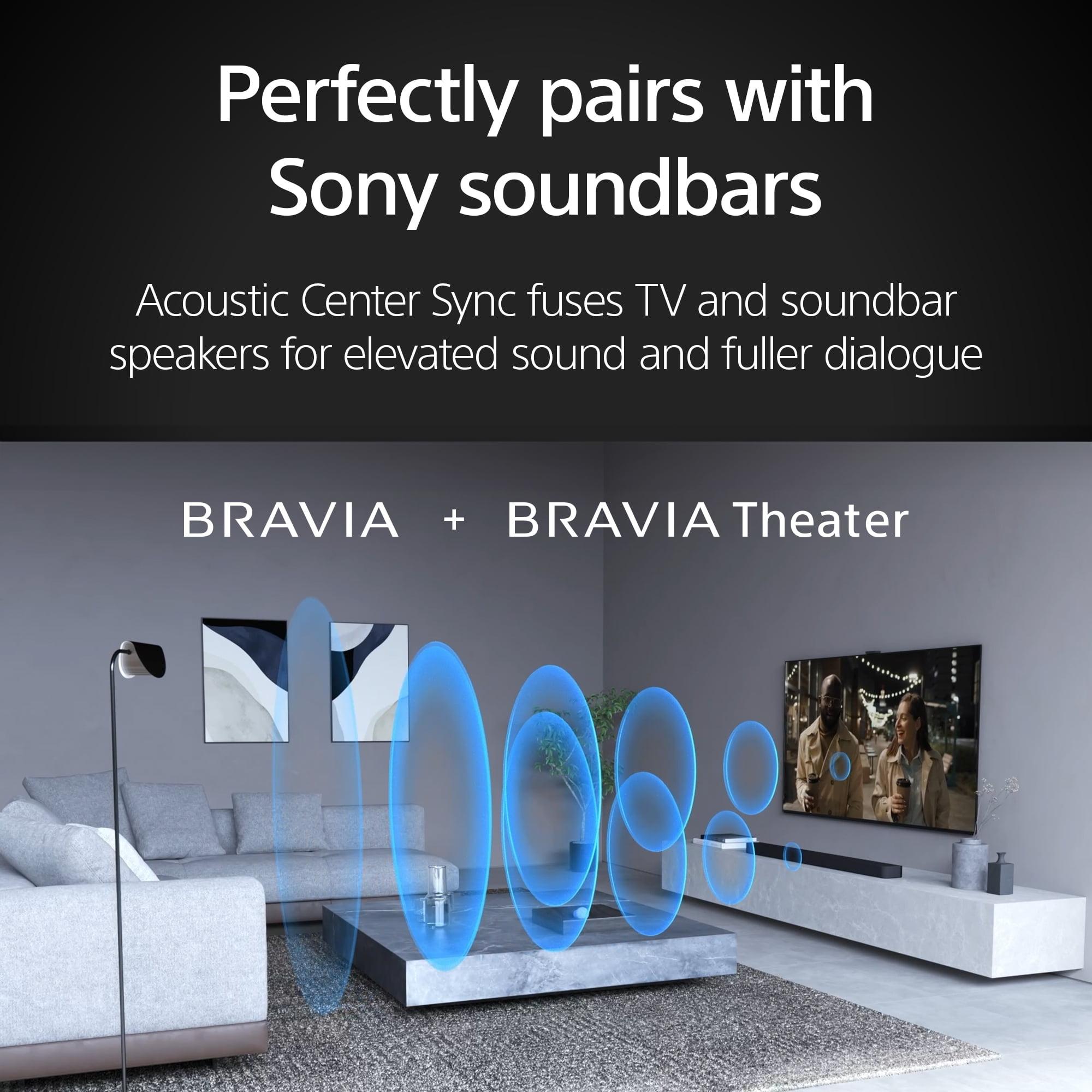
The system includes dual subwoofers and supports Dolby Atmos for immersive surround sound. But the real magic happens with Acoustic Center Sync, which lets the TV's speakers work as a dedicated center channel when paired with compatible Sony soundbars. This creates a more cohesive soundstage for home theater setups.
Voice Zoom 3 uses AI to enhance dialogue clarity, automatically boosting speech during loud action scenes. Having tested this feature extensively, it's remarkably effective at making dialogue intelligible without completely drowning out the soundtrack.
The LG G4 takes a more conventional approach with traditional down-firing speakers in a 4.2 channel configuration producing 60W of power. While it supports Dolby Atmos and includes AI Sound Pro for virtual surround processing, it can't match the immersive experience of Sony's screen-based audio system.
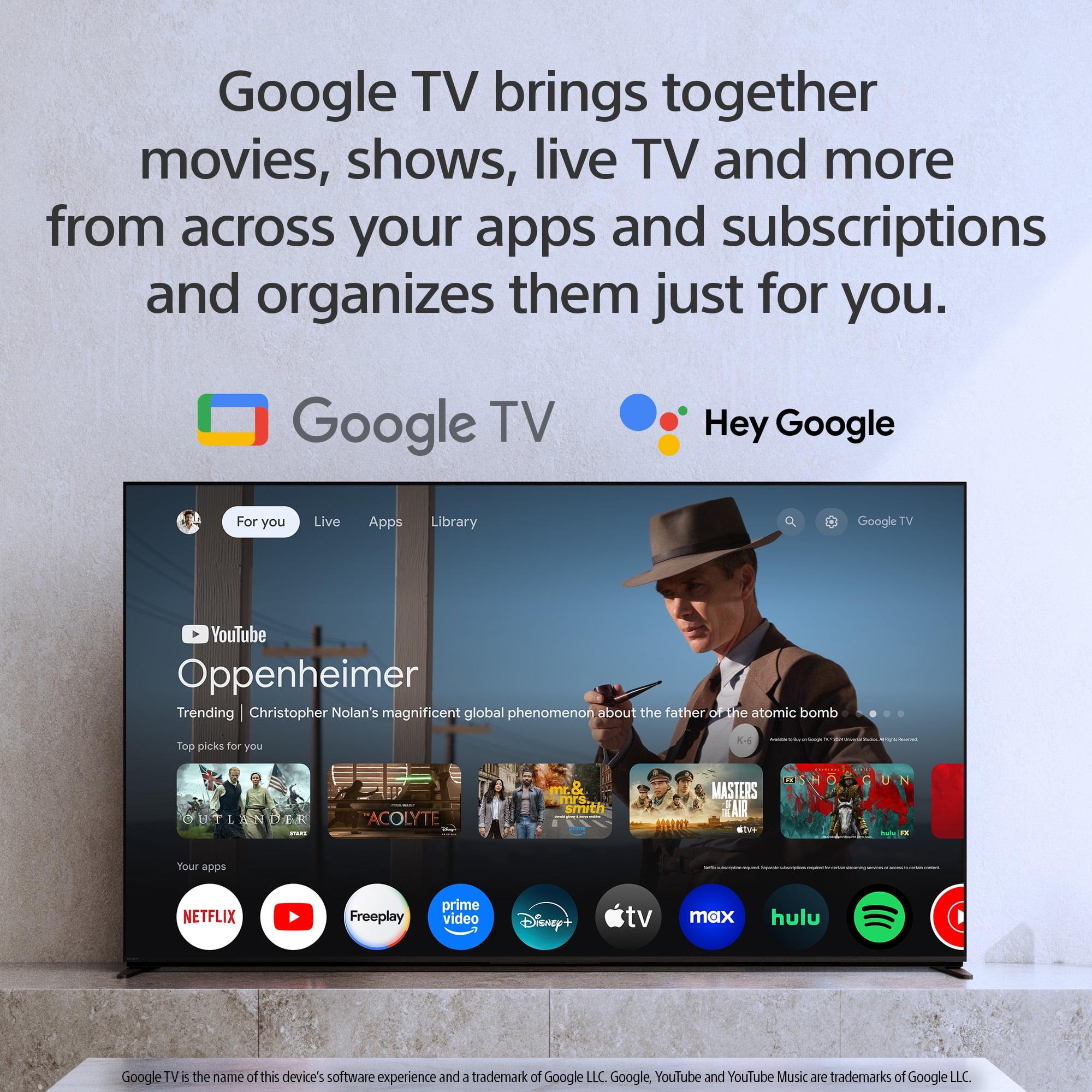
The choice between Google TV and webOS often comes down to personal preference and ecosystem integration. The Sony BRAVIA 8 II runs Google TV version 12, which provides access to virtually every streaming app available. The interface integrates well with other Google services and Android devices, making content discovery seamless if you're already in Google's ecosystem.
Sony's XR Processor with AI Scene Recognition analyzes content in real-time, automatically adjusting picture settings based on what you're watching. Whether it's a dark thriller, bright nature documentary, or fast-paced sports, the TV optimizes contrast, color, and motion handling accordingly.
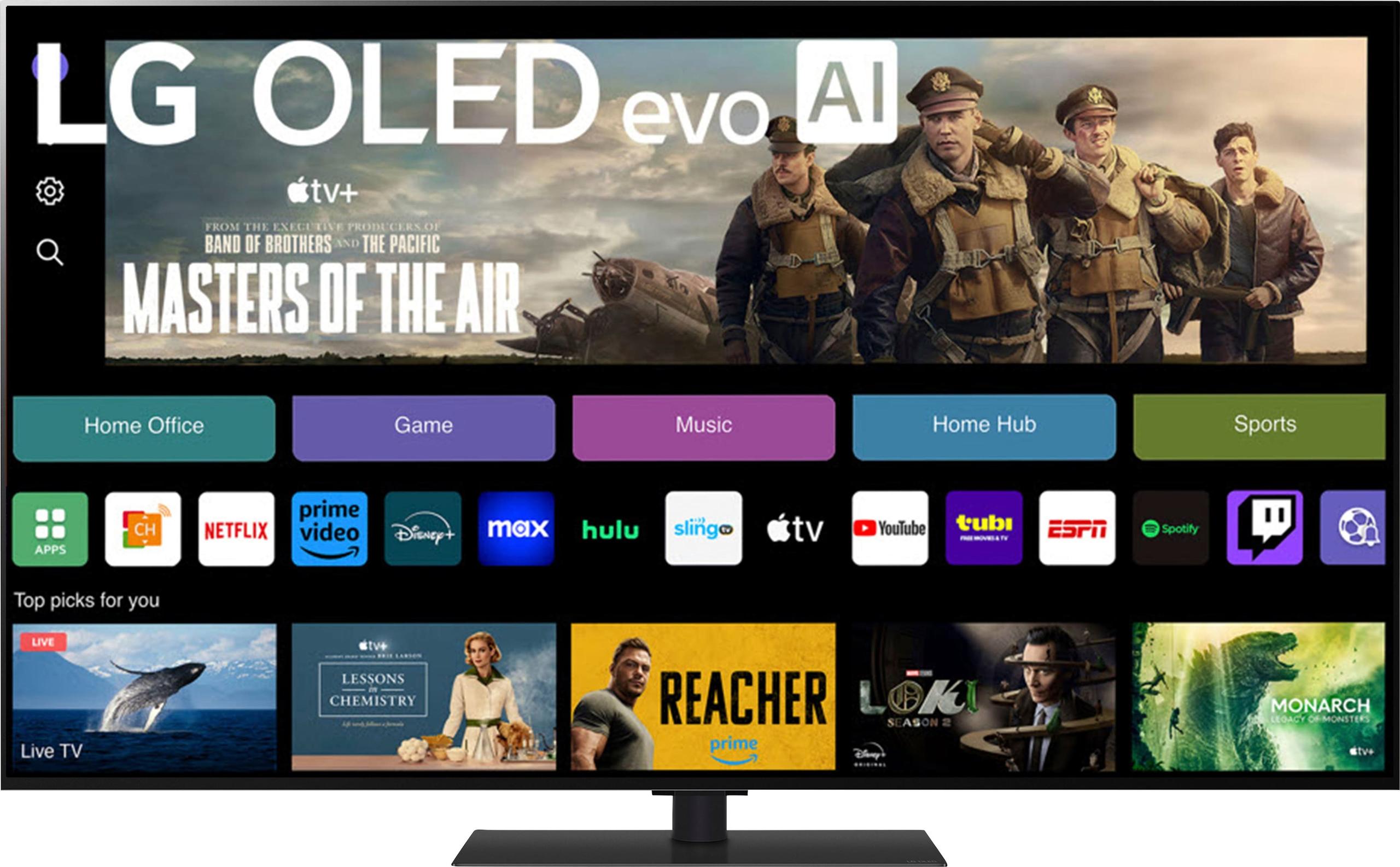
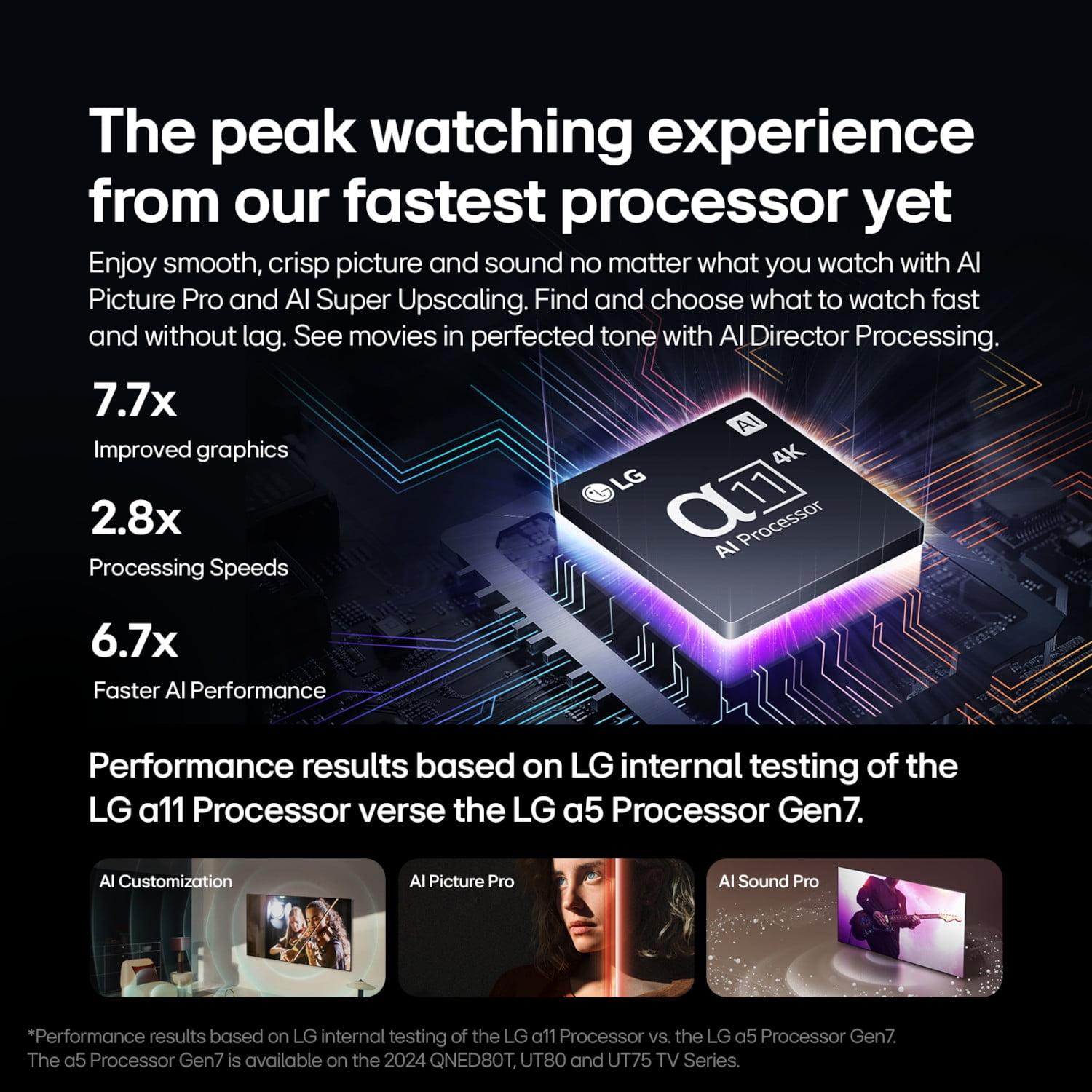
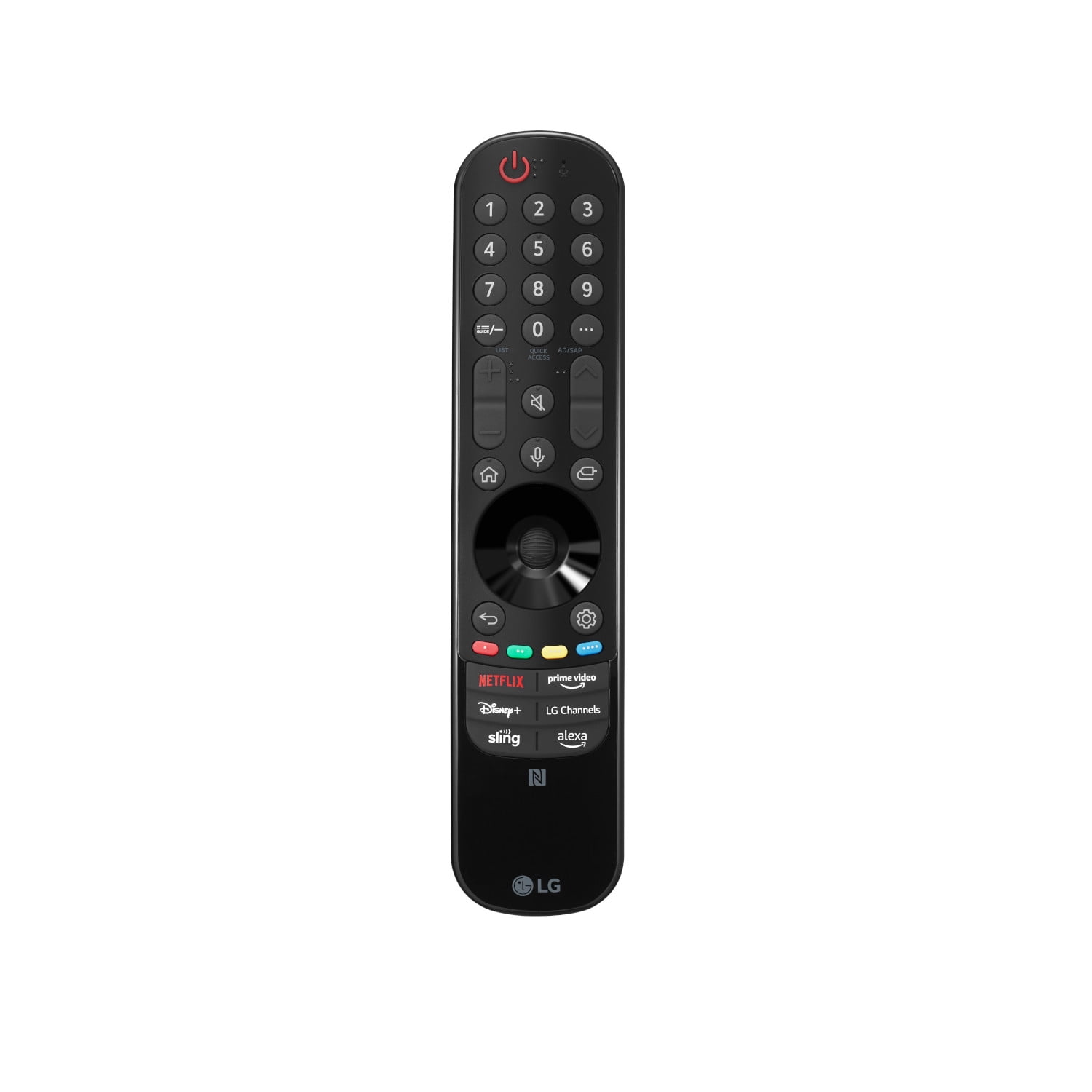
The LG G4 features webOS 24, which many users find more intuitive and responsive than Google TV. The Quick Cards system helps organize favorite apps, and the overall interface feels snappier in day-to-day use. LG's α11 AI Processor provides excellent upscaling of lower-resolution content and smooth operation.
Both platforms support major streaming services and voice control, so your choice here likely depends on which interface philosophy appeals to you more.
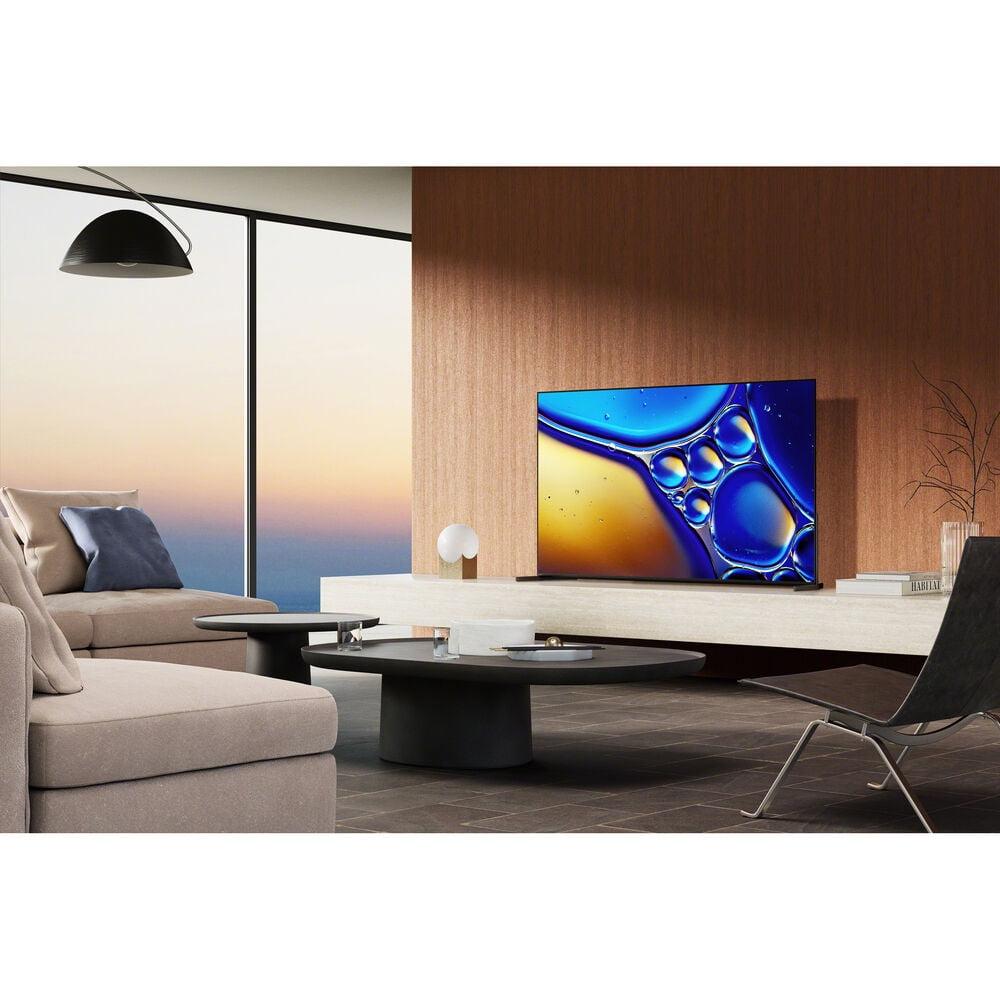
The Sony BRAVIA 8 II includes a multi-position stand that can be configured in three different ways: low-profile for direct placement, narrow for smaller furniture, or raised to accommodate a soundbar underneath. This flexibility is particularly useful for home theater setups where equipment placement matters.
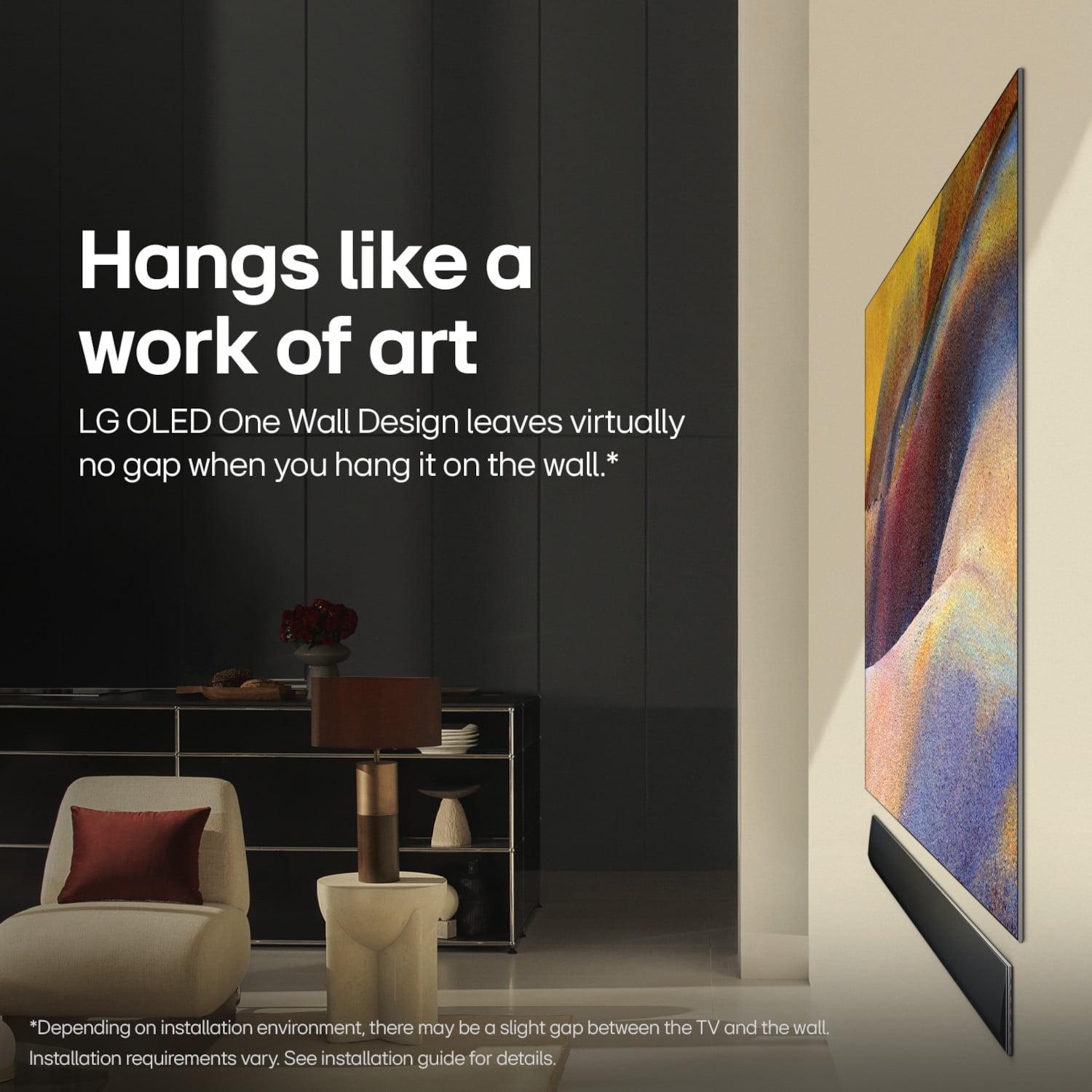
The LG G4 is designed primarily for wall mounting with a flush gallery-style installation that makes it look like a piece of art when not in use. However, LG has addressed previous criticism by including a tabletop stand in the box, giving buyers more installation options.
Both TVs feature slim bezels and premium build quality, though the Sony's multi-position stand gives it more versatility for different room layouts.
At $3,098 for the 65-inch model, the Sony BRAVIA 8 II commands a significant premium over the LG G4 at $1,999.99. That $1,100 difference represents about 55% more money for what many would consider incremental improvements in picture quality.
The Sony justifies its price with cutting-edge QD-OLED technology, superior brightness and color performance, integrated audio systems, and the latest processing features. If you're building a dedicated home theater and want the absolute best picture quality available, the premium may be worthwhile.
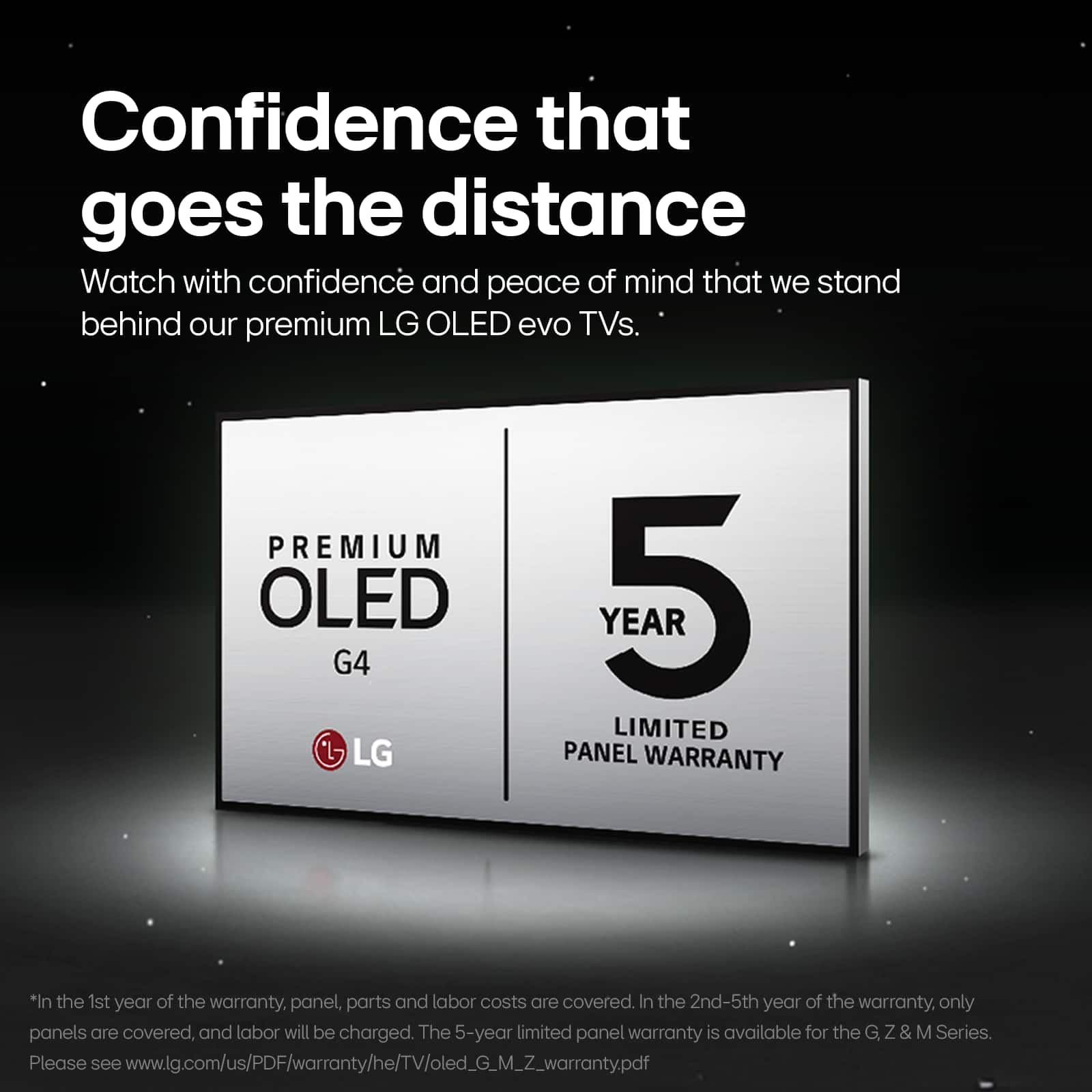
The LG G4 offers exceptional value by delivering about 90% of flagship OLED performance at a significantly lower price. It includes practical advantages like four HDMI 2.1 ports, proven reliability, and a comprehensive five-year panel warranty that covers burn-in protection.
For dedicated home theater setups, the Sony BRAVIA 8 II has several advantages. The superior HDR brightness makes a bigger impact in controlled lighting environments where you can appreciate the enhanced contrast. The Acoustic Surface Audio+ technology works particularly well in theater setups, especially when integrated with Sony's BRAVIA Theater soundbar ecosystem.
The screen-based audio creates a more immersive experience for movie watching, where dialogue appears to come from characters on screen rather than speakers below the TV. Combined with the TV's ability to function as a center channel speaker, it provides flexibility in building a comprehensive surround sound system.
The LG G4 also works well for home theaters, particularly if you already have a separate audio system. Its four HDMI 2.1 ports accommodate multiple source devices without requiring an external switch, and the proven W-OLED technology delivers consistent performance across different types of content.
The Sony BRAVIA 8 II represents a significant technological leap from Sony's previous OLED offerings. The move from W-OLED to QD-OLED technology addresses the main criticism of previous Sony OLEDs—brightness limitations in well-lit rooms. The new panel achieves brightness levels that were impossible with previous OLED technologies while maintaining perfect blacks.
Sony's processing has also evolved significantly. The XR Processor now includes AI Scene Recognition that learns from different types of content to optimize picture settings automatically. This addresses the common complaint that OLED TVs require manual adjustment for different content types.
The LG G4 builds on years of OLED refinement. The Micro Lens Array technology represents LG's solution to brightness limitations, focusing light more efficiently to achieve higher peak brightness without the complexity of quantum dots. The α11 processor represents mature, efficient processing that handles upscaling and motion smoothly.
Choose the Sony BRAVIA 8 II if you want the absolute best picture quality available and are willing to pay for cutting-edge technology. It's ideal for dedicated home theater setups where you can appreciate the superior HDR performance and integrated audio features. The lower input lag also makes it the better choice for competitive gaming.
The Sony BRAVIA 8 II makes sense if you value having access to the latest display technology and plan to keep your TV for many years. The QD-OLED panel represents the current pinnacle of OLED development and should remain competitive longer than traditional OLED technology.
Choose the LG G4 if you want flagship OLED performance with better practical features and value. It's perfect for families who need multiple HDMI ports for various devices and appreciate the proven reliability of LG's mature OLED platform. The five-year warranty provides peace of mind that's hard to match.
The LG G4 also makes more sense if you're not building a dedicated home theater and will use the TV in various lighting conditions. Its consistent performance across different environments and lower price make it the more practical choice for most buyers.
Both TVs will deliver stunning picture quality that far exceeds what most people are used to seeing. The Sony pushes the boundaries of what's possible with current technology, while the LG delivers exceptional performance at a more reasonable price. Your choice ultimately depends on whether you prioritize having the absolute best available or getting the most value for your investment.
Either way, you'll end up with a TV that transforms your viewing experience and provides years of enjoyment. The difference between them is more about matching the right TV to your specific needs, room setup, and budget than choosing between good and bad options.

Privacy Policy
Terms and Conditions - Affiliate Policy
Home Security
© Copyright 2008-2026.
11816 Inwood Rd #1211, Dallas, TX 75244