

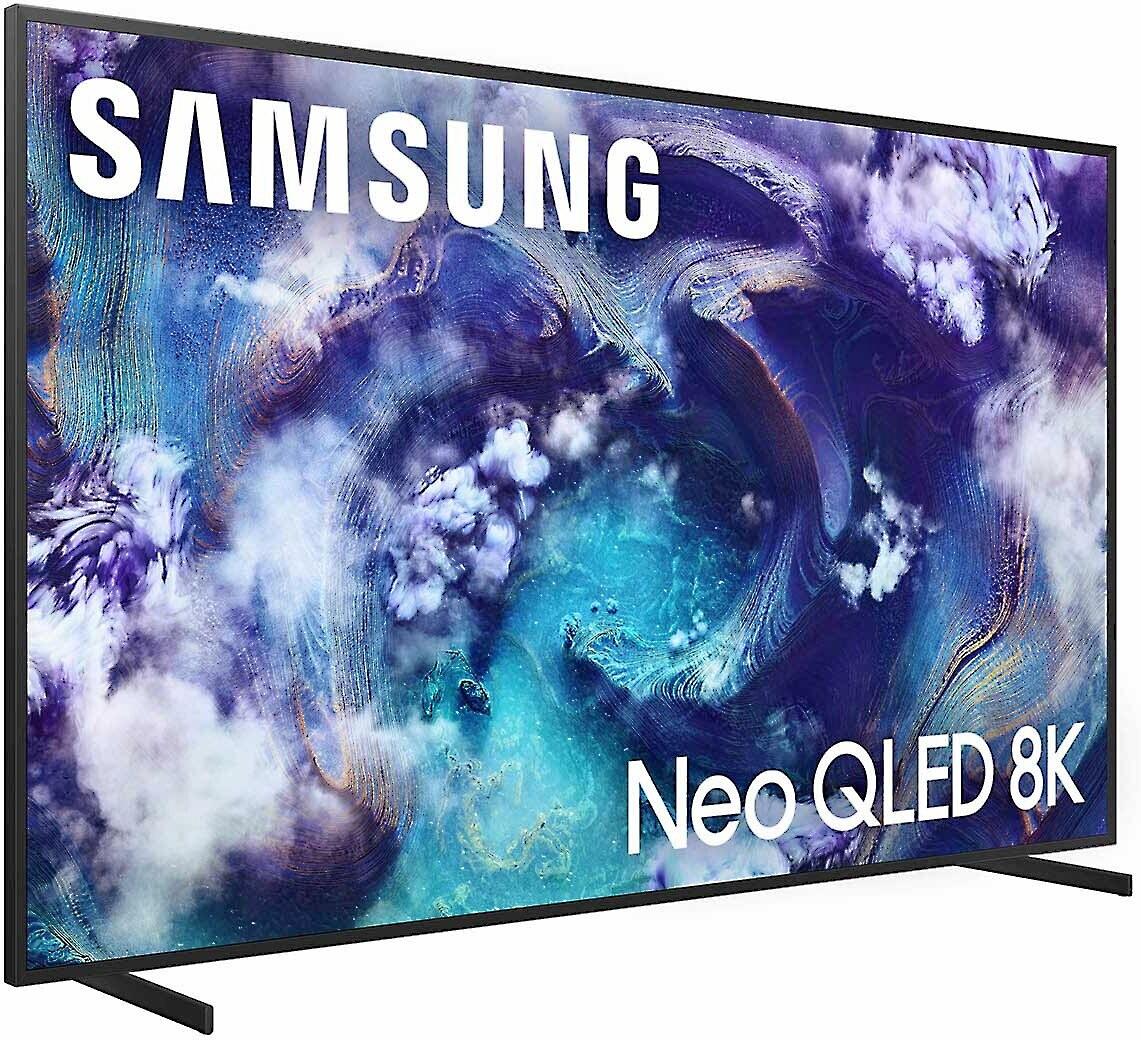
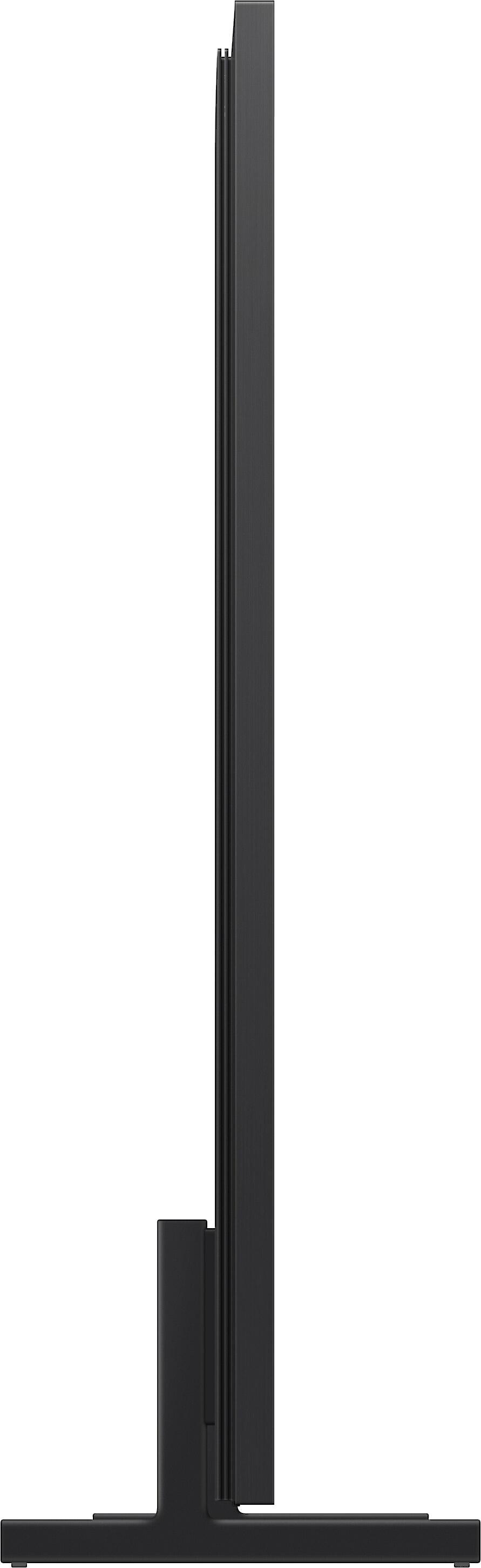
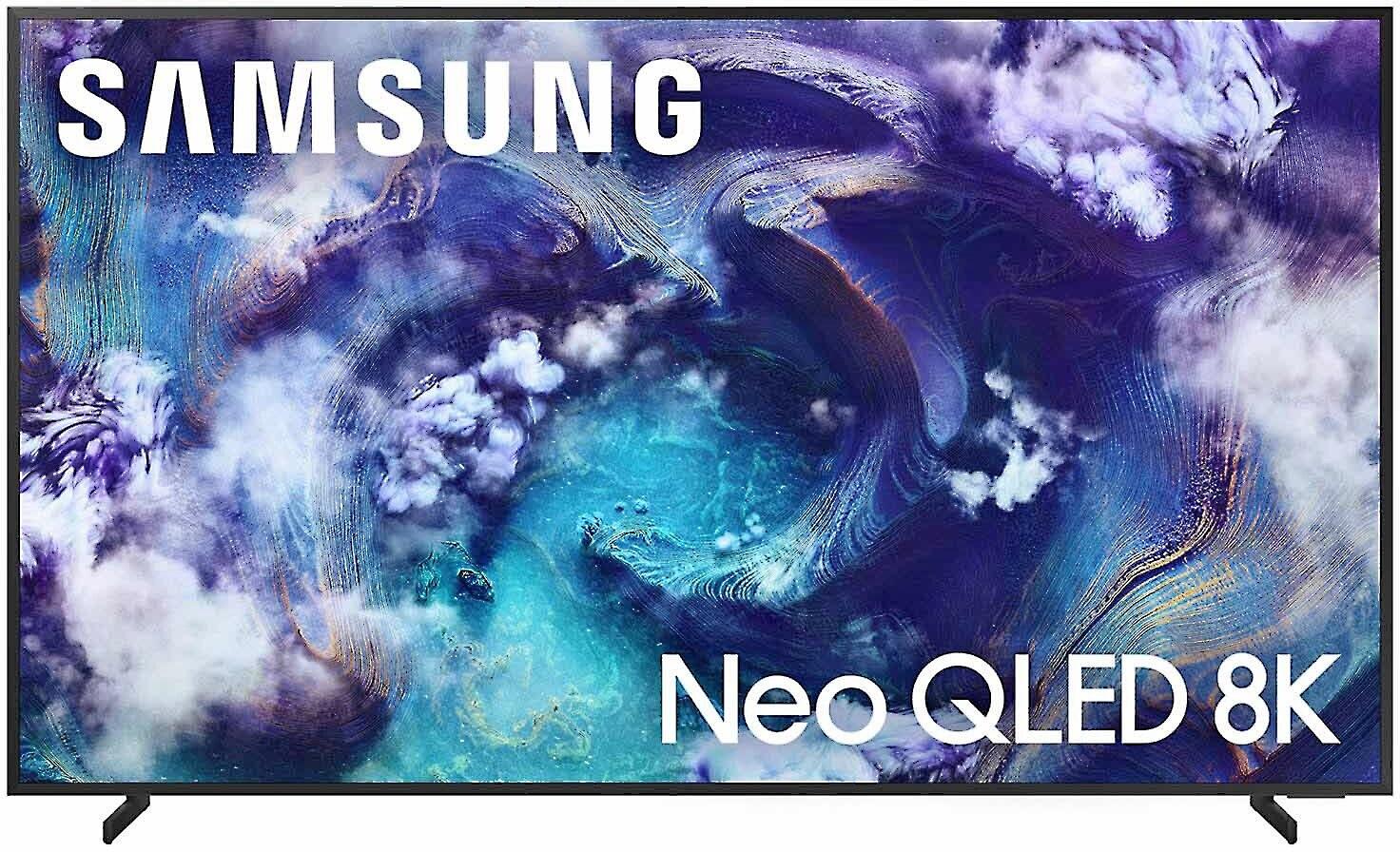
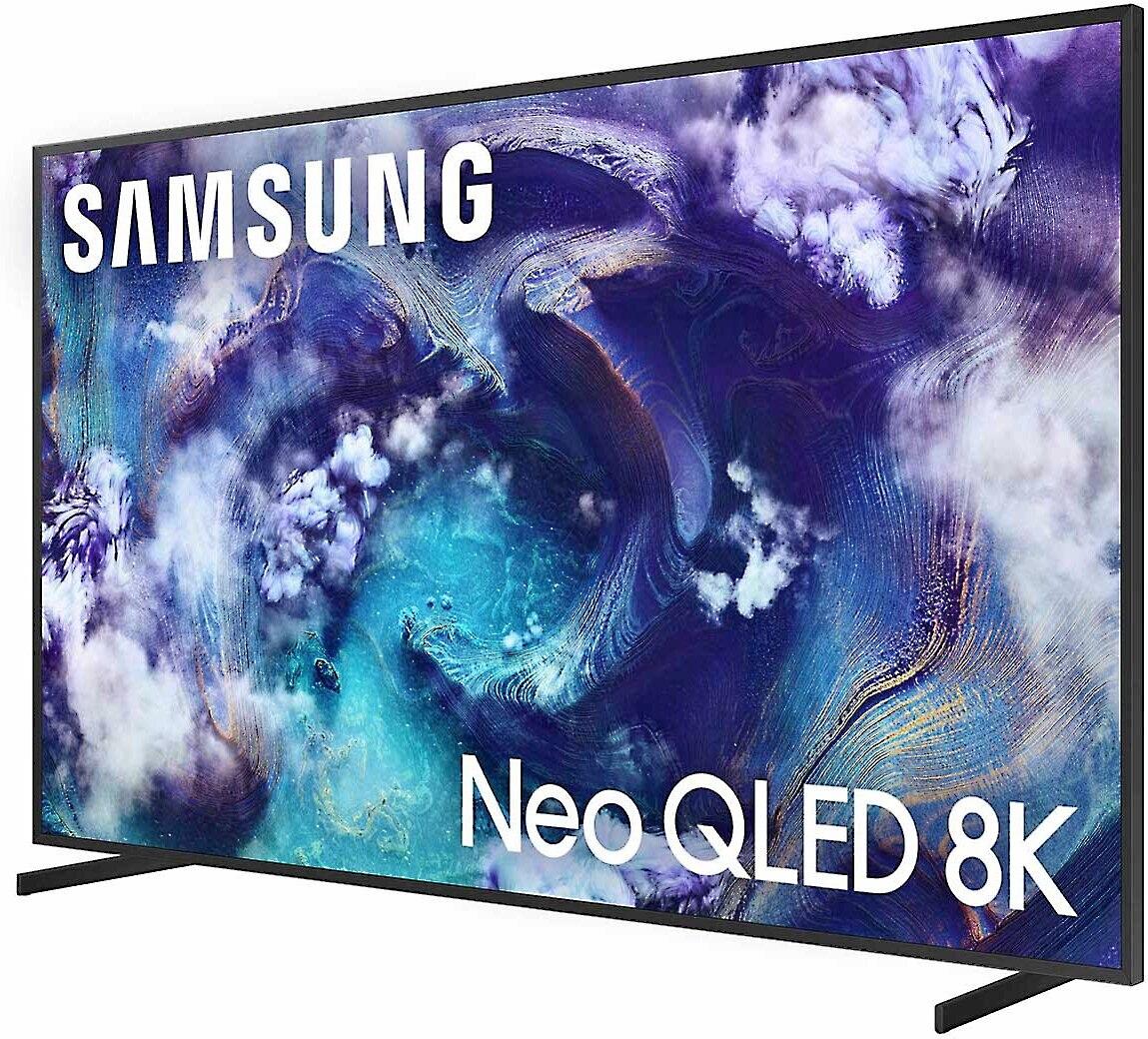
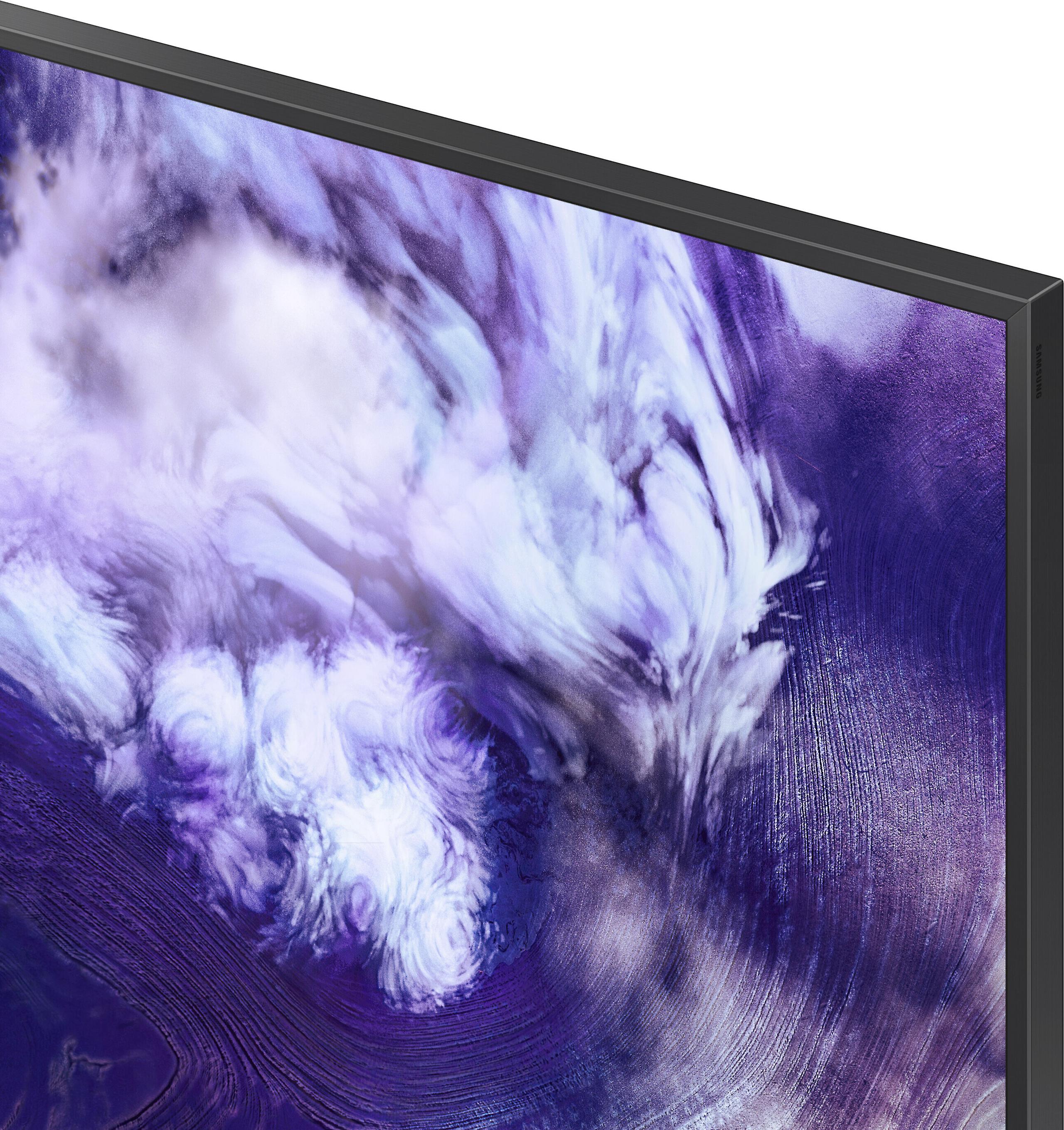

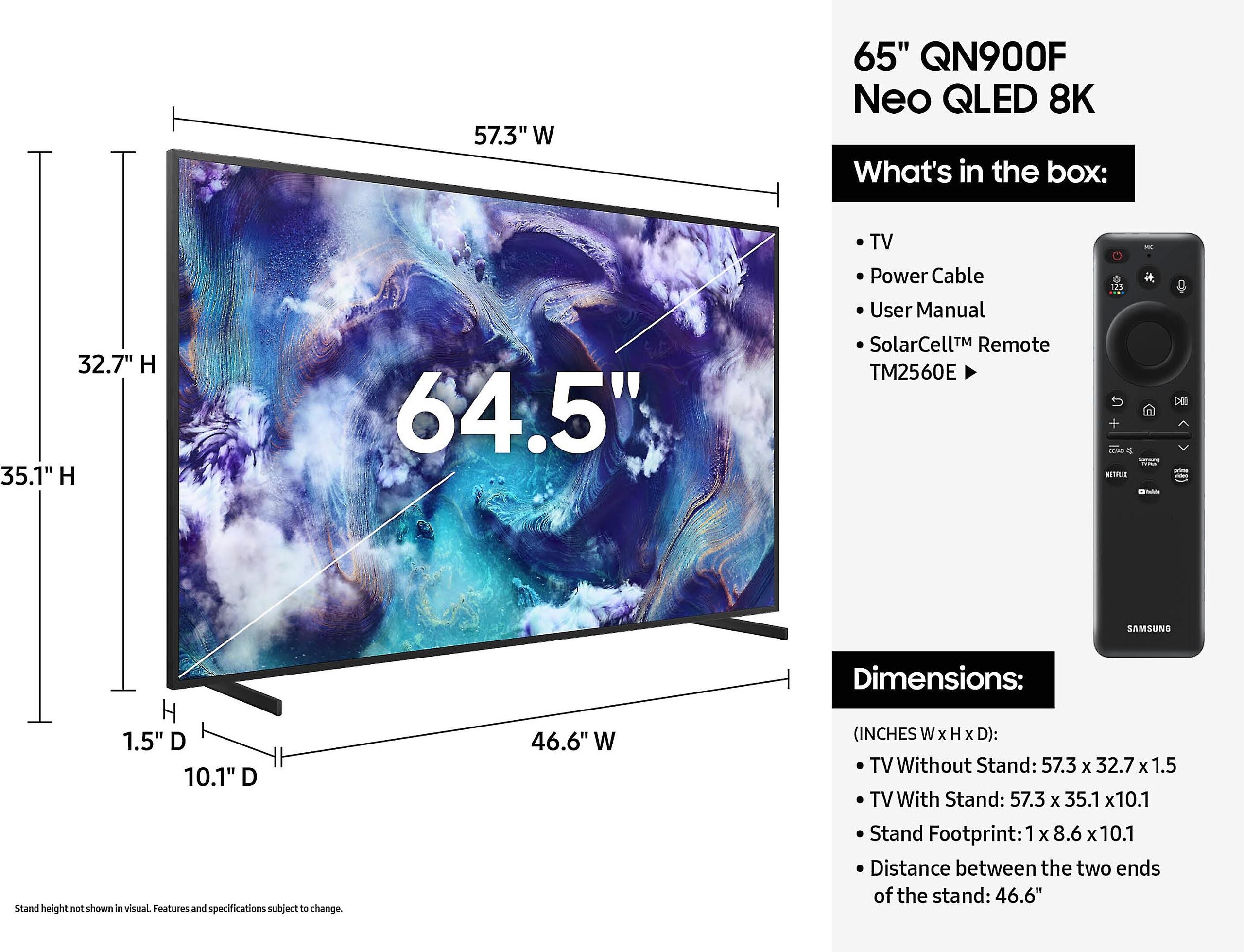
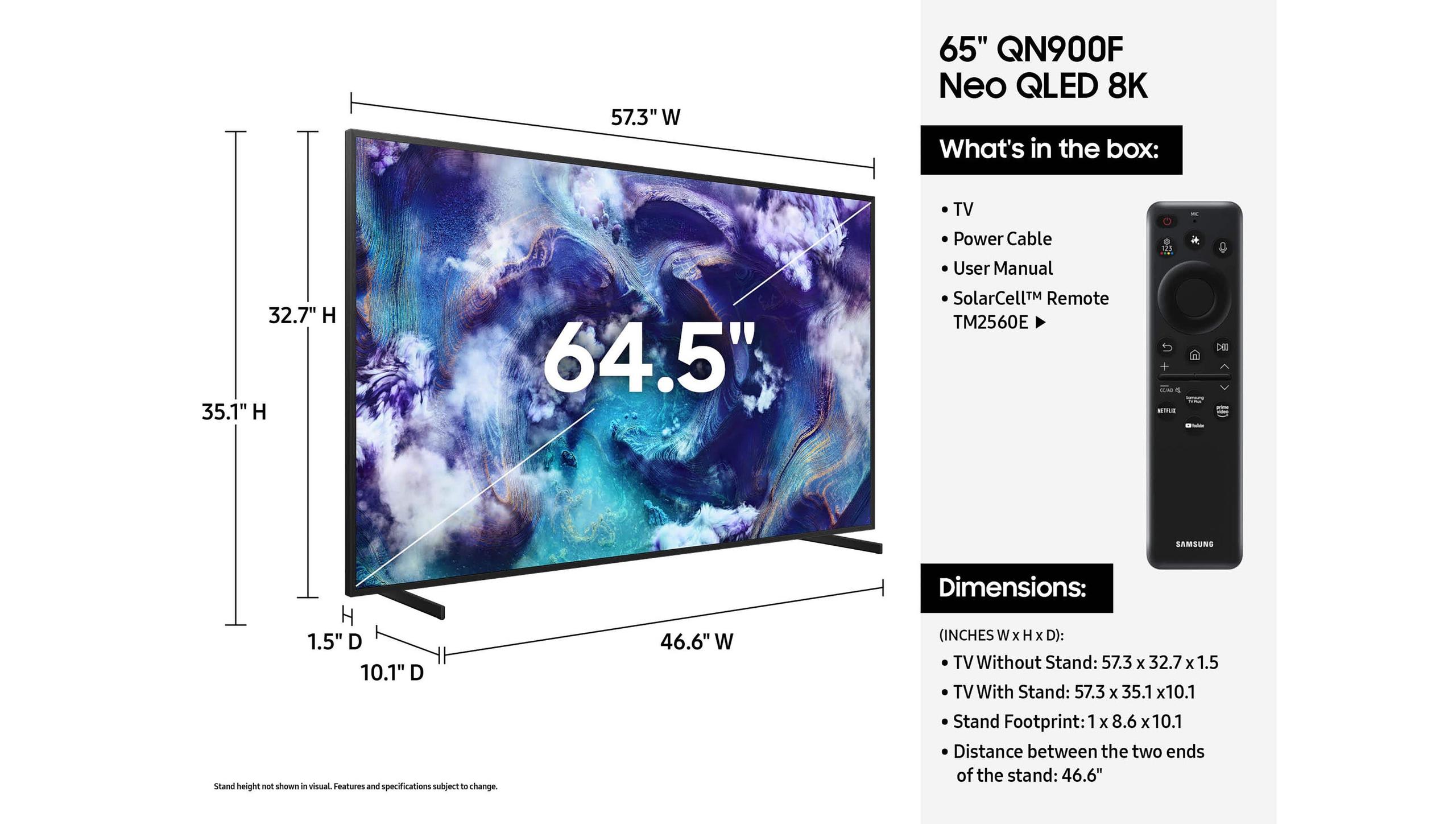
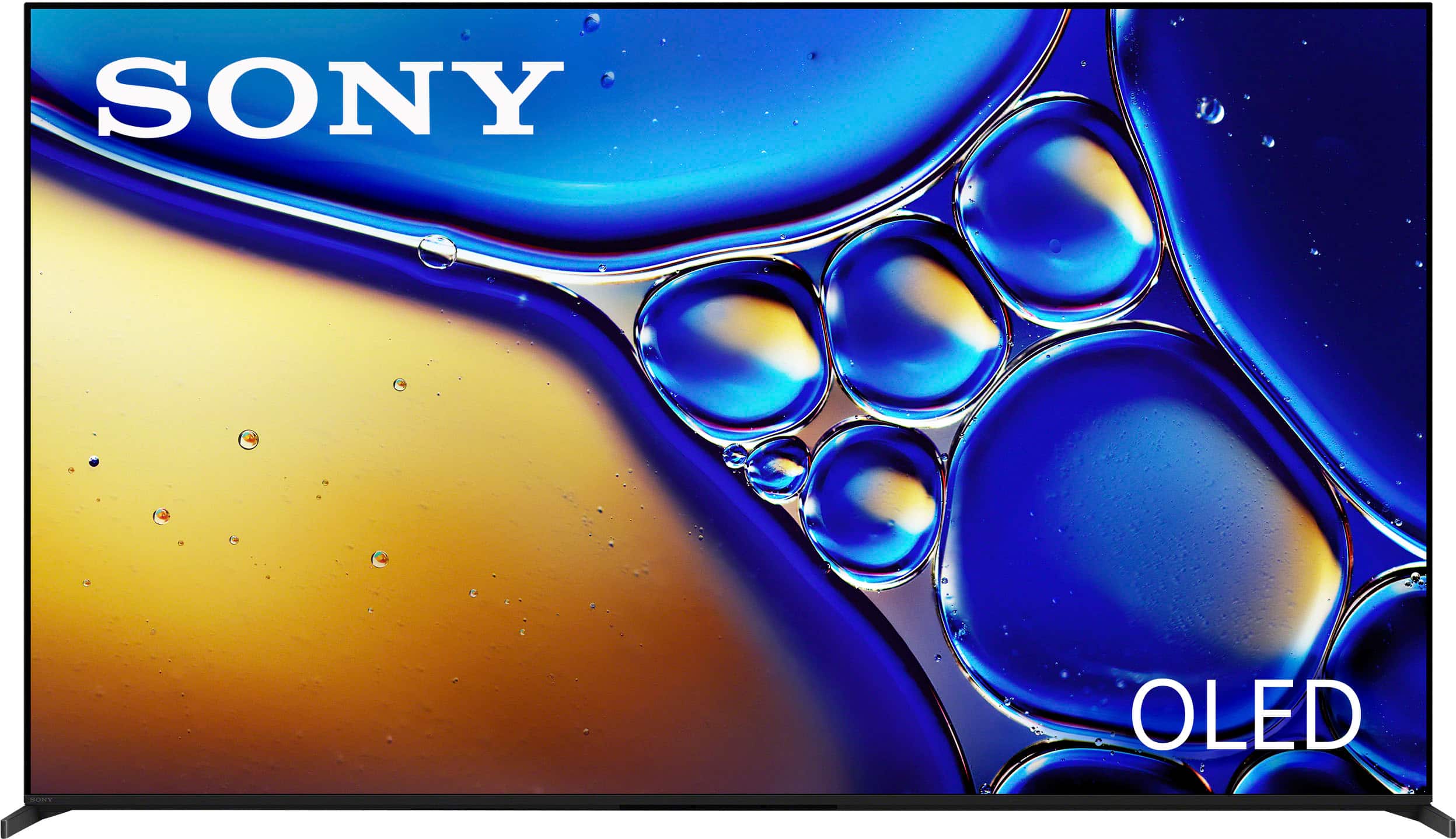

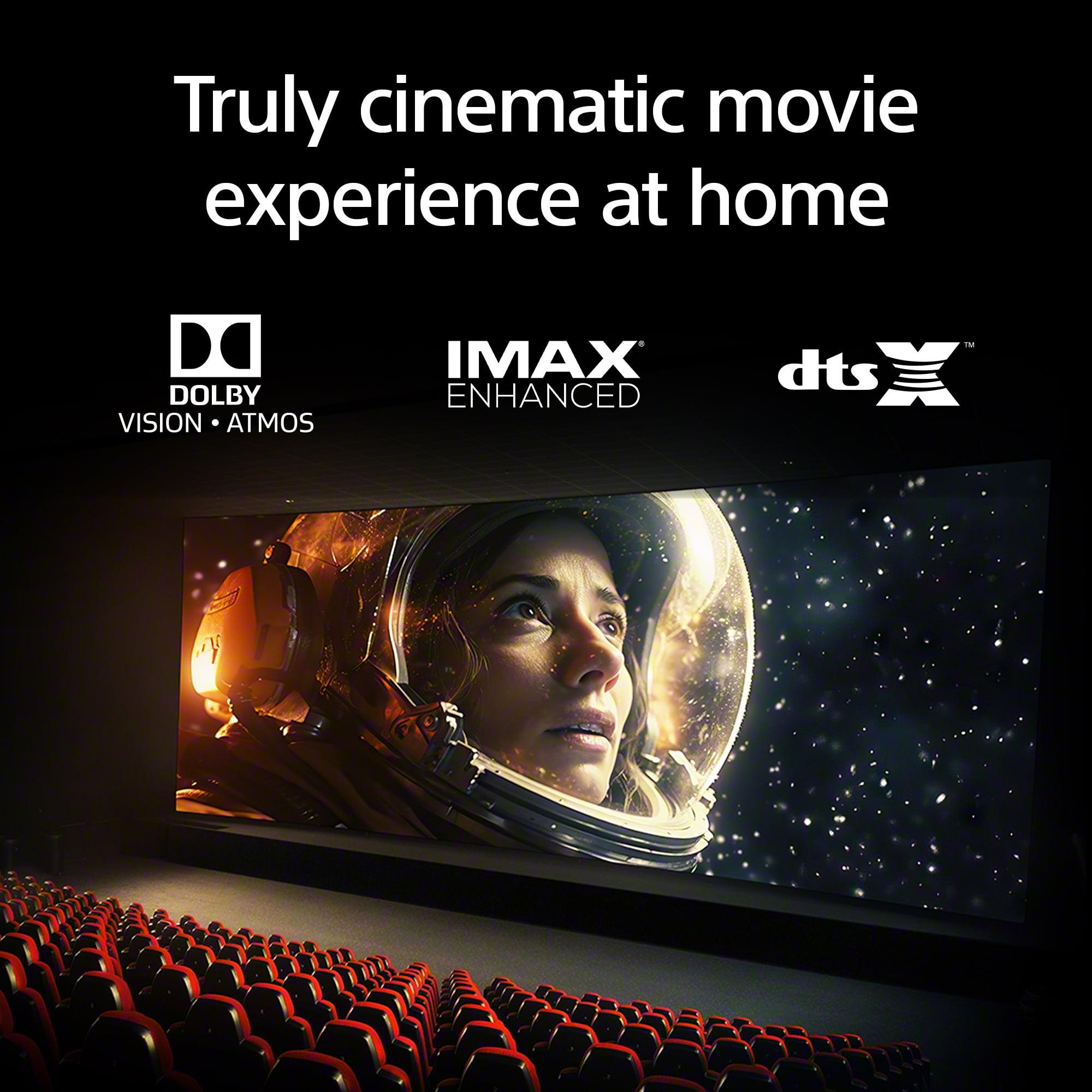
When you're shopping for a high-end 65-inch TV in 2025, two models stand head and shoulders above the rest: the Samsung 65" Neo QLED 8K QN900F Vision AI Smart TV and the Sony BRAVIA 8 II 65" QD-OLED 4K Google TV. Both launched in 2025 and represent the absolute pinnacle of their respective manufacturers' engineering prowess, but they take completely different approaches to achieving stunning picture quality.
The choice between these two isn't just about picking features from a spec sheet – it's about understanding two fundamentally different philosophies in display technology. Samsung has doubled down on resolution and brightness, cramming 33 million pixels into their 8K panel while using thousands of tiny LED lights for incredible brightness. Sony, meanwhile, has focused on perfecting each individual pixel with their QD-OLED technology, where every single dot of light can turn completely off for perfect blacks.
At the time of writing, both TVs command premium prices in the $3,000+ range, making this decision particularly important for your wallet and your viewing experience for years to come.
The Samsung QN900F represents what happens when a company decides that more pixels automatically equals better pictures. This TV packs 7,680 x 4,320 pixels – that's four times more than a 4K TV. To put this in perspective, if you printed out each pixel as a tiny dot, you'd have over 33 million individual points of light working together to create your image.
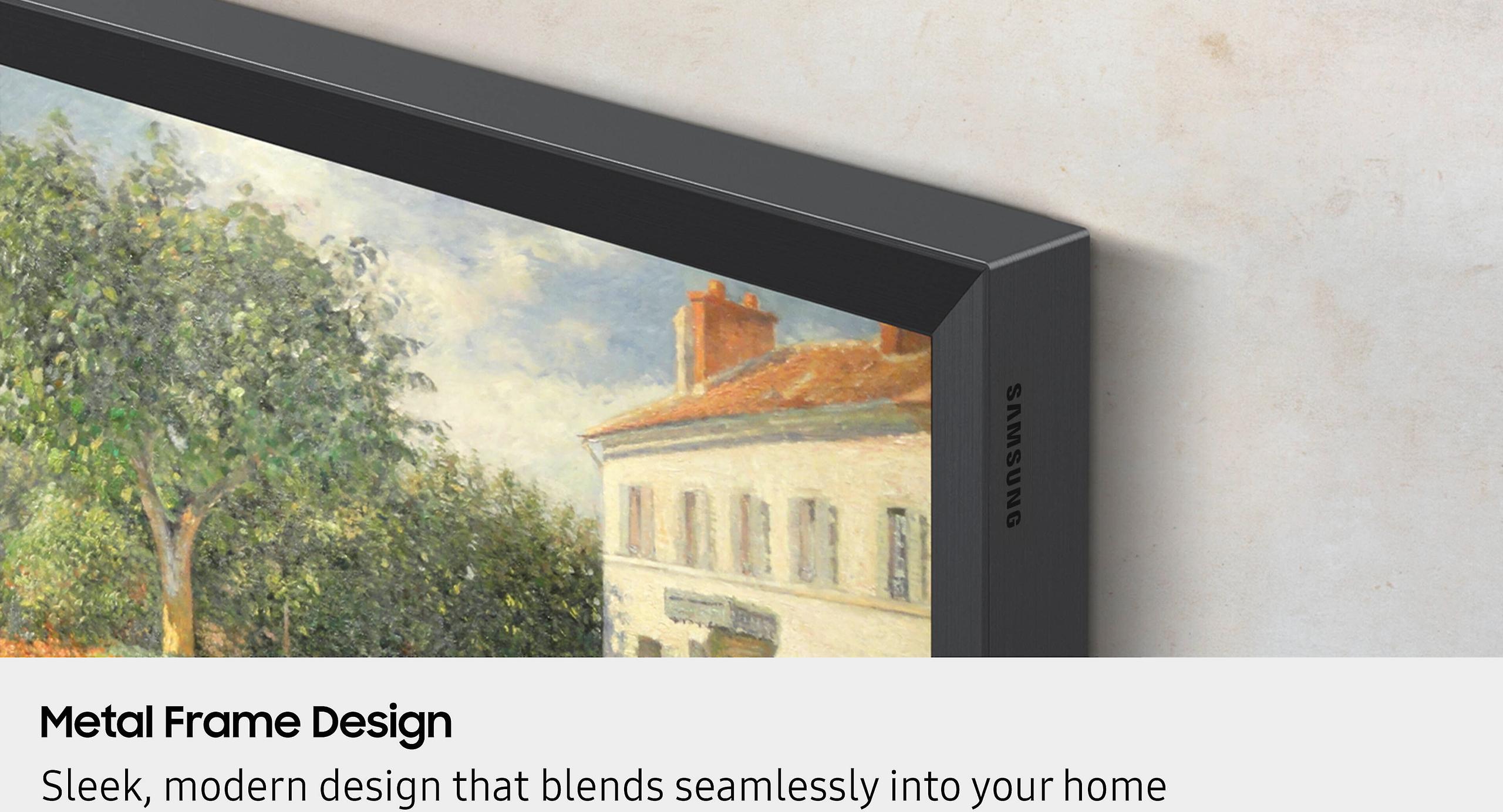
But raw pixel count means nothing without the technology to make those pixels shine. Samsung pairs their 8K resolution with Neo QLED technology, which uses thousands of "Mini LEDs" – imagine taking the LED backlights from regular TVs and shrinking them down to the size of rice grains. These Mini LEDs sit behind the screen in precise zones, and Samsung's Quantum Matrix Technology Pro can dim or brighten each zone independently. This creates what Samsung calls "1.5x more lighting zones" than their previous generation, giving you incredible control over brightness and darkness in different parts of the screen.
The real magic happens with Samsung's NQ8 AI Gen3 Processor, which uses 768 neural networks (compared to just 20 in their 4K models) to constantly analyze what you're watching. When you're streaming a 4K Netflix show, this processor examines every single frame and uses artificial intelligence to guess what those extra 8K pixels should look like. It's not just making things bigger – it's actually recreating detail that wasn't originally captured.
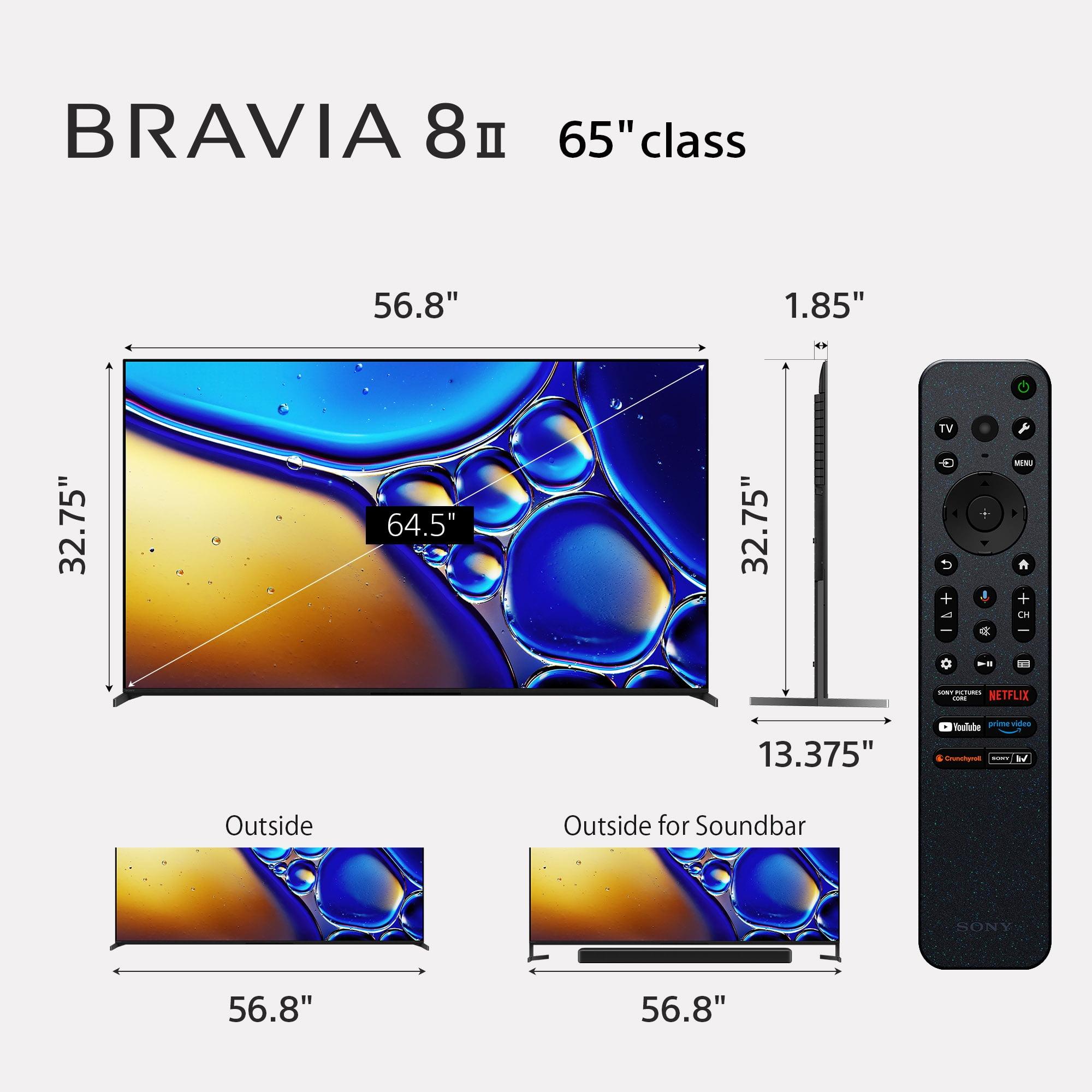
The Sony BRAVIA 8 II takes the opposite approach: instead of cramming in more pixels, Sony has focused on making each pixel absolutely perfect. This TV uses QD-OLED technology, which combines two of the most advanced display technologies ever created.
OLED (Organic Light Emitting Diode) means each pixel produces its own light and can turn completely off for true black. When you're watching a space movie and see stars against the blackness of space, those black areas on the Sony literally produce zero light – they're as dark as if the TV were turned off. This creates infinite contrast, meaning the difference between the darkest blacks and brightest whites is theoretically unlimited.
The "QD" part stands for Quantum Dots – microscopic crystals that convert blue light into incredibly pure red and green colors. Sony's 2025 QD-OLED panel is 25% brighter than their previous flagship OLED and 50% brighter than their standard OLED models, addressing the traditional weakness of OLED technology in bright rooms.
Sony's XR Processor with AI Scene Recognition works differently than Samsung's approach. Instead of trying to create pixels that weren't there originally, it analyzes the content type – whether you're watching a nature documentary, a dark thriller, or fast-paced sports – and optimizes the picture settings for that specific type of content in real time.
Here's where these TVs show their fundamental differences. The Samsung QN900F can get significantly brighter than the Sony BRAVIA 8 II, especially in scenes with lots of bright content. This matters enormously if you watch TV during the day with windows open or lights on. Samsung's Mini LED backlight can push certain parts of the screen to extreme brightness while keeping other areas relatively dim – perfect for scenes like a bright explosion against a dark sky.
The Sony, reaching peaks around 1,880 nits, is impressively bright for an OLED but still can't match the Samsung's peak brightness capabilities. However, brightness isn't everything. The Sony's advantage lies in how it handles the contrast between bright and dark areas. Since each pixel can turn completely off, bright objects seem to pop off the screen in a way that even the best LED TVs can't quite match.
For HDR (High Dynamic Range) content – which includes most Netflix originals, 4K Blu-rays, and premium streaming content – both TVs support Dolby Vision, though they implement it differently. The Samsung uses its superior brightness to make HDR highlights really punch, while the Sony uses its perfect blacks to create more realistic contrast ratios.
Both TVs excel at color reproduction but through different methods. The Samsung QN900F achieves what they call "100% Color Volume" using quantum dots, meaning it can display accurate colors even at maximum brightness levels. Most TVs struggle to maintain color accuracy when pushing high brightness, but Samsung's quantum dot technology maintains color integrity across all brightness levels.
The Sony BRAVIA 8 II approaches color differently with its XR Triluminos Max technology. Instead of trying to display the most colors possible, Sony focuses on displaying colors as they would appear in real life. Their quantum dot OLED combination produces what many reviewers describe as the most natural-looking colors available, with skin tones that look genuinely human and grass that looks actually green rather than artificially enhanced.
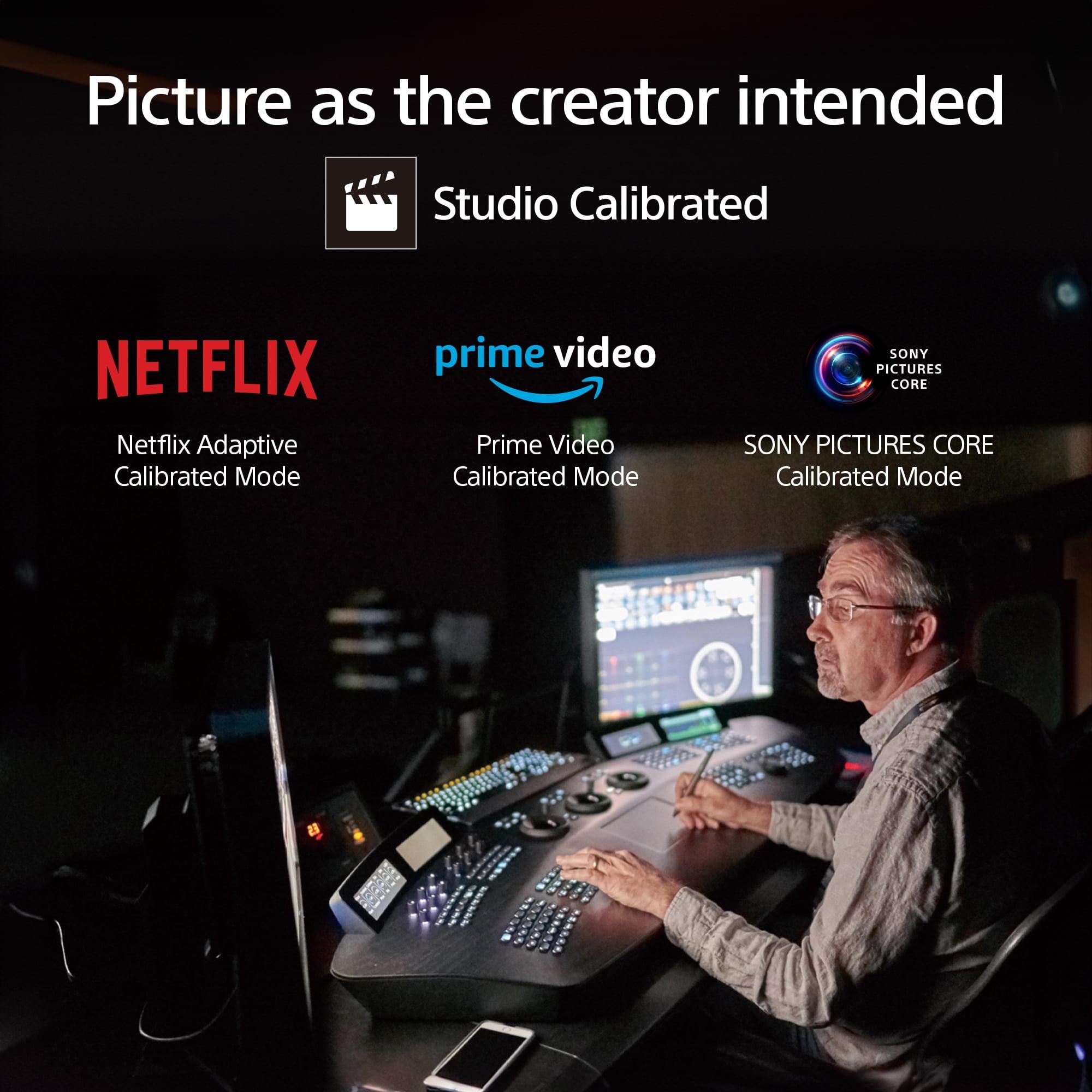
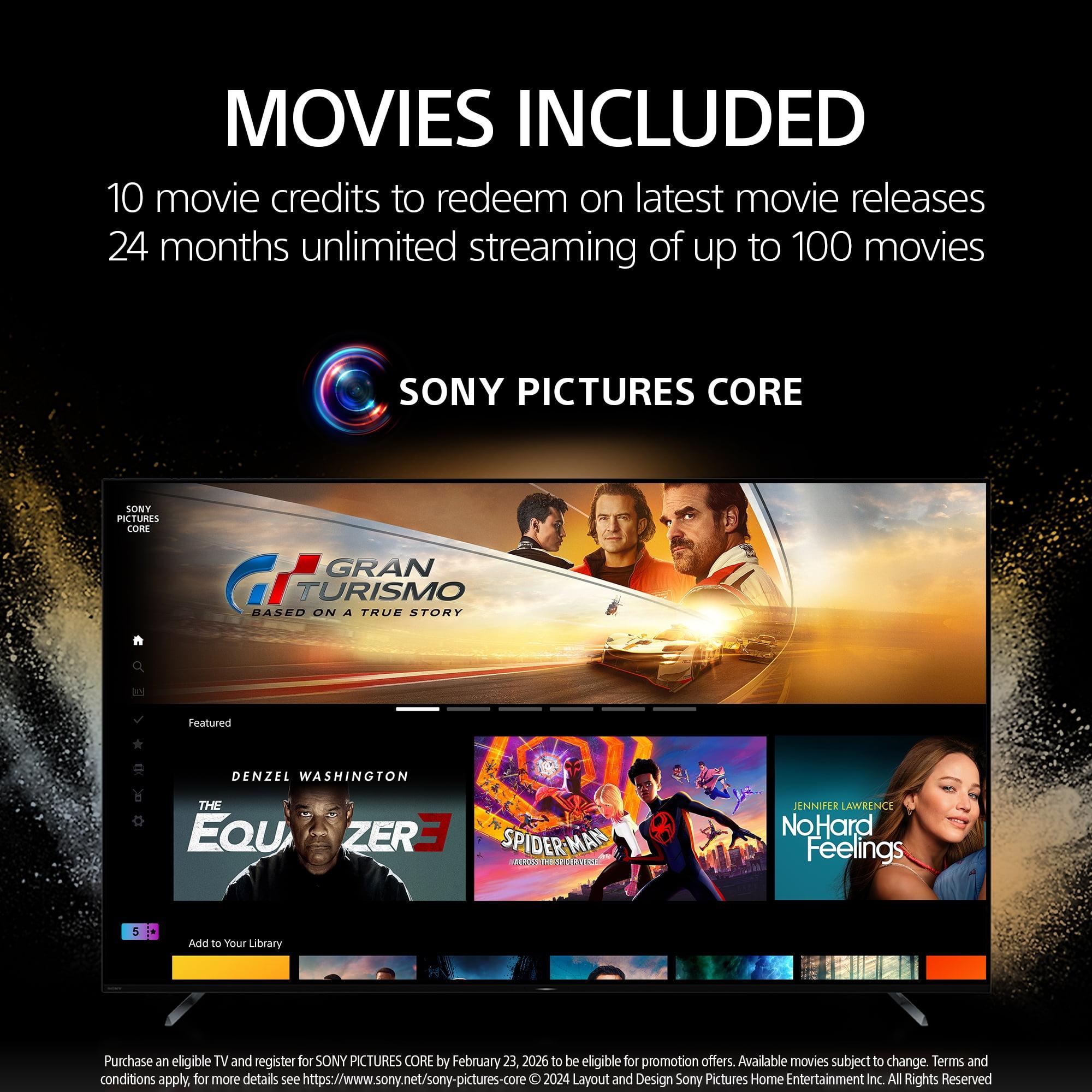
Sony also includes studio-calibrated picture modes for Netflix, Prime Video, and their own Sony Pictures Core service. These modes display content exactly as the filmmakers intended, with color grading and brightness levels matching what directors saw when they approved the final product.
This is where the fundamental resolution difference matters most. The Samsung QN900F has four times the pixel density of the Sony BRAVIA 8 II. When you're watching actual 8K content – which is still rare but growing – the Samsung can display every single detail that was originally captured. Even with 4K content, Samsung's AI upscaling creates additional detail that can make images look sharper and more three-dimensional.
However, the Sony fights back with superior motion handling and processing. Sony's XR OLED Motion technology eliminates blur during fast-moving scenes better than most LED-based TVs, including Samsung's offering. The Sony also excels at displaying subtle details in shadows and highlights that might get lost on other displays.
Gaming performance has become crucial for premium TVs, especially with PlayStation 5 and Xbox Series X pushing 4K gaming to new heights. The Samsung QN900F clearly wins on paper with its Motion Xcelerator technology supporting up to 240Hz refresh rates at 4K resolution. This means incredibly smooth gameplay, especially for competitive online games where every millisecond matters.
The Samsung also includes FreeSync Premium Pro, which synchronizes the TV's refresh rate with your graphics card to eliminate screen tearing and stuttering. For PC gamers or those using Xbox consoles, this creates silky-smooth gameplay even when frame rates fluctuate.
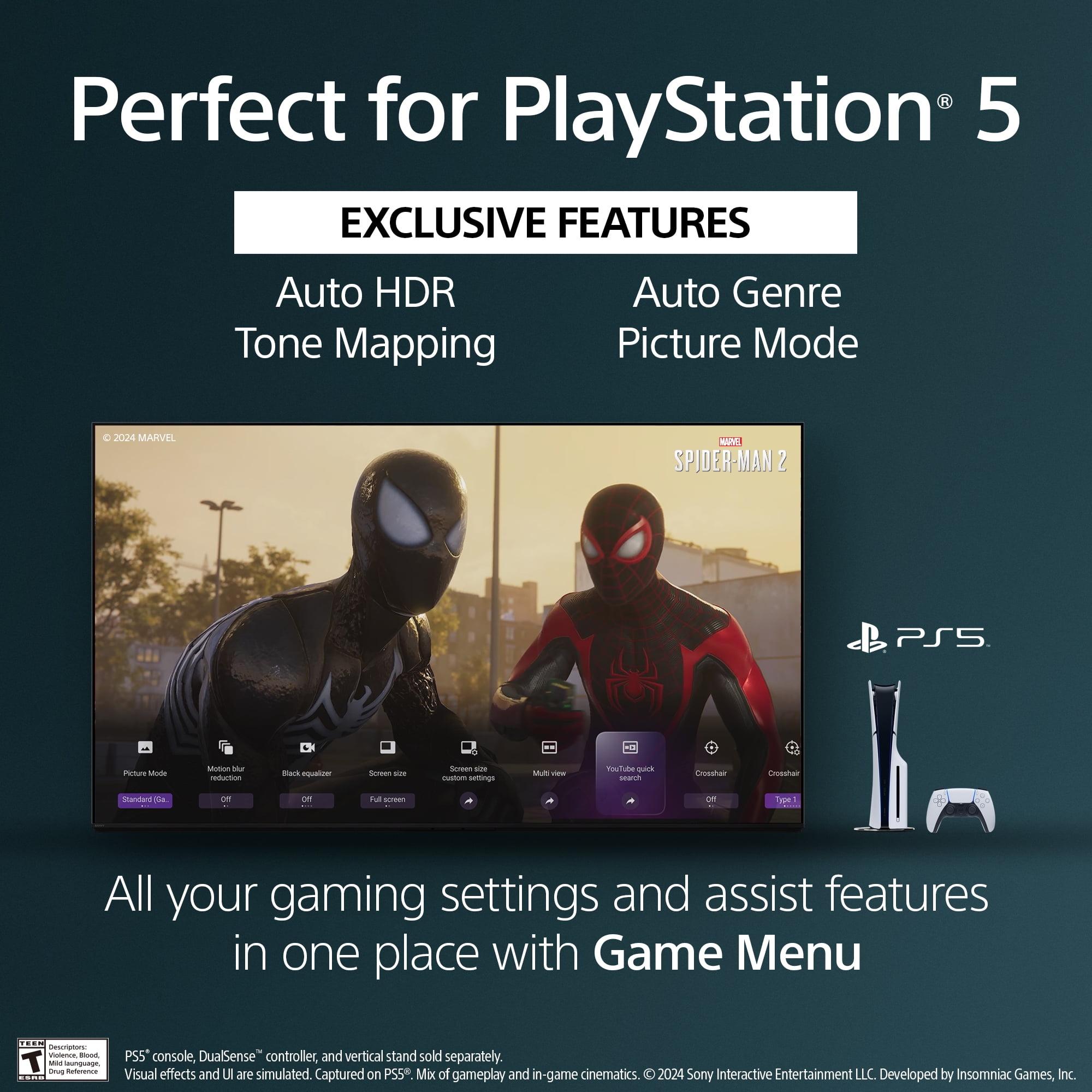
The Sony BRAVIA 8 II counters with features that prioritize image quality over raw performance. Its 8.5ms input lag is excellent, and the OLED technology provides instant pixel response times that eliminate motion blur entirely. Sony also includes special integration with PlayStation consoles, automatically optimizing picture settings when it detects PS5 gameplay.
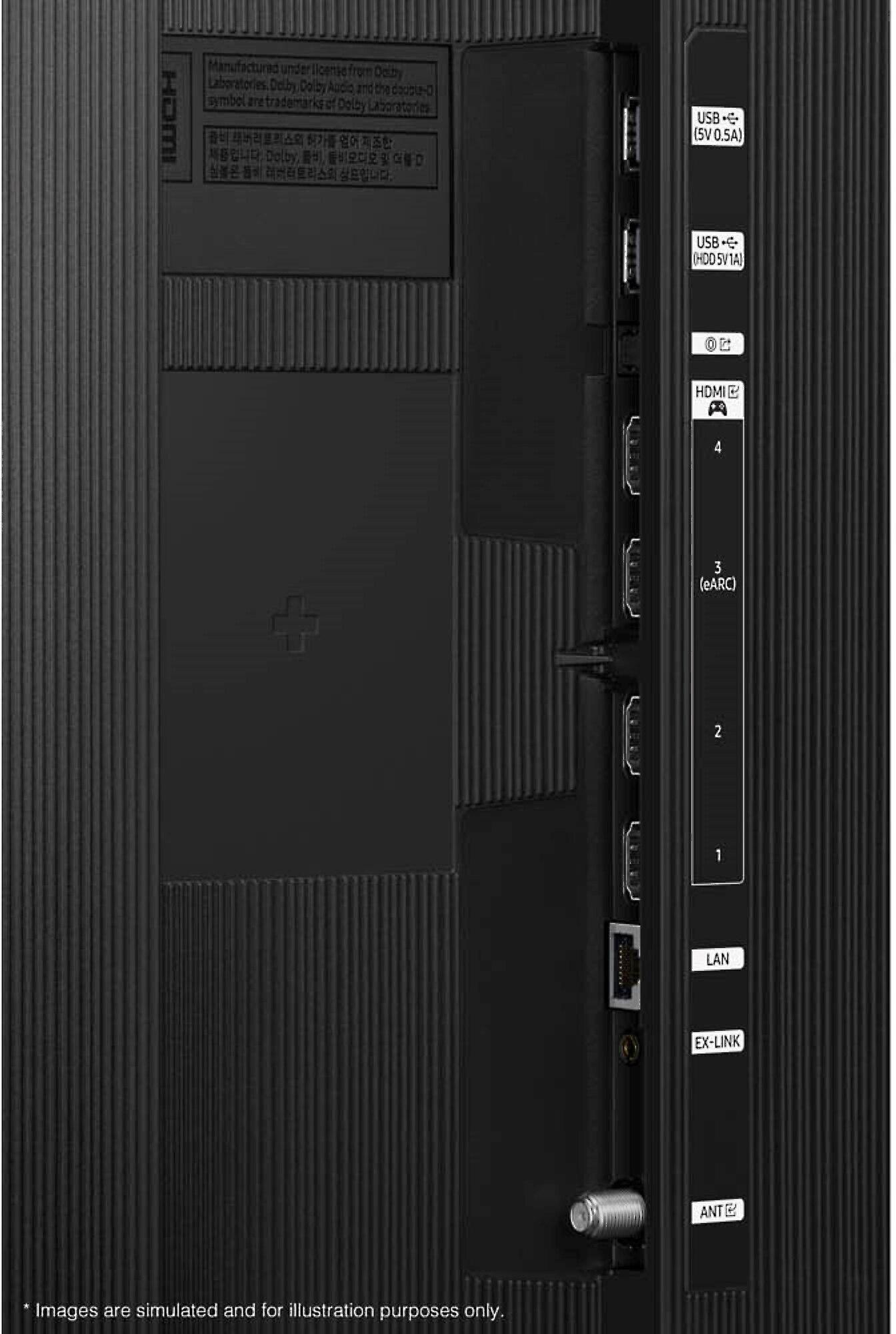
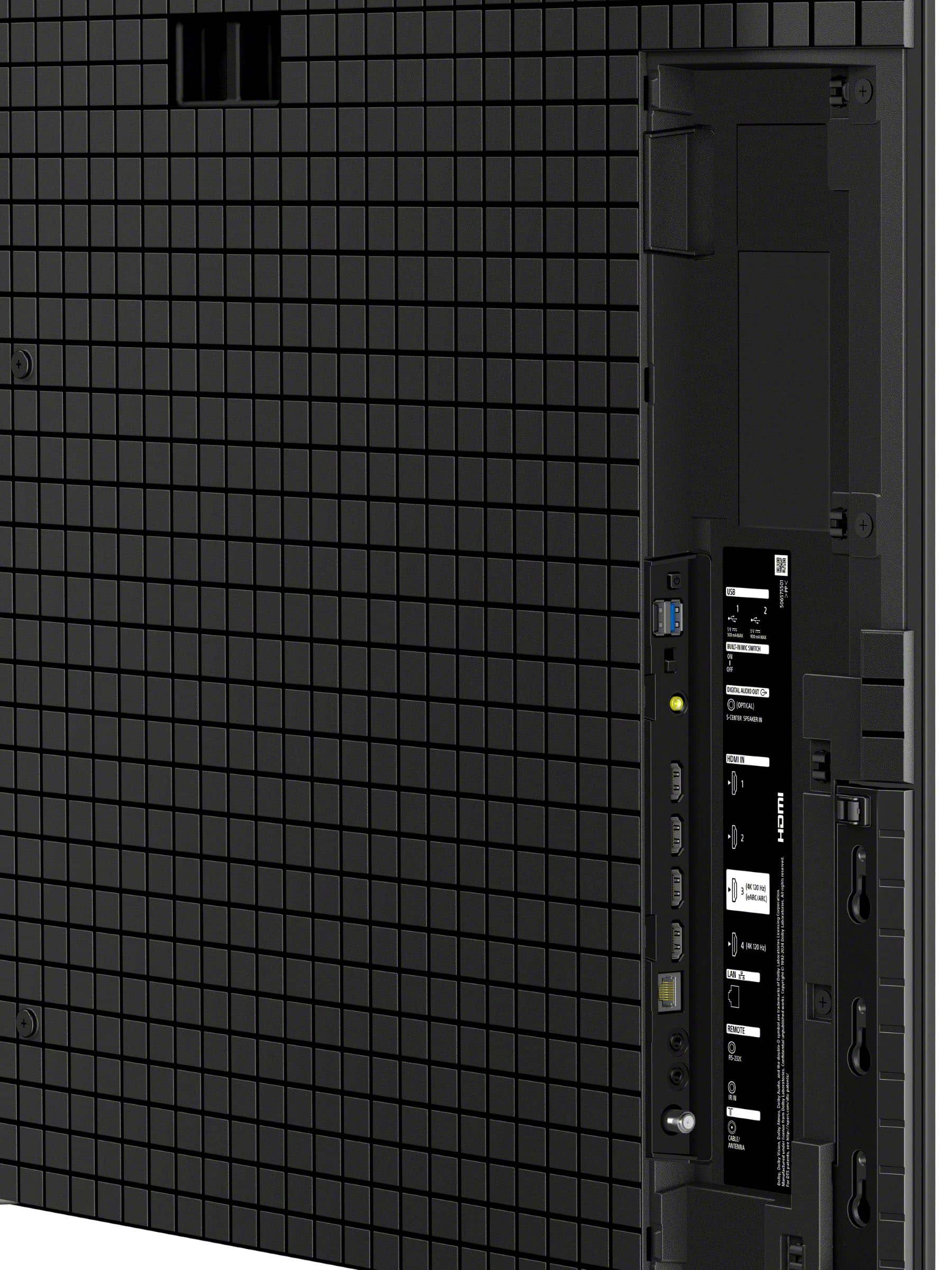
However, the Sony has a significant limitation: only two HDMI 2.1 ports compared to Samsung's more generous port selection. If you're connecting multiple gaming consoles, a PC, and a sound system, you might run out of high-bandwidth connections on the Sony.
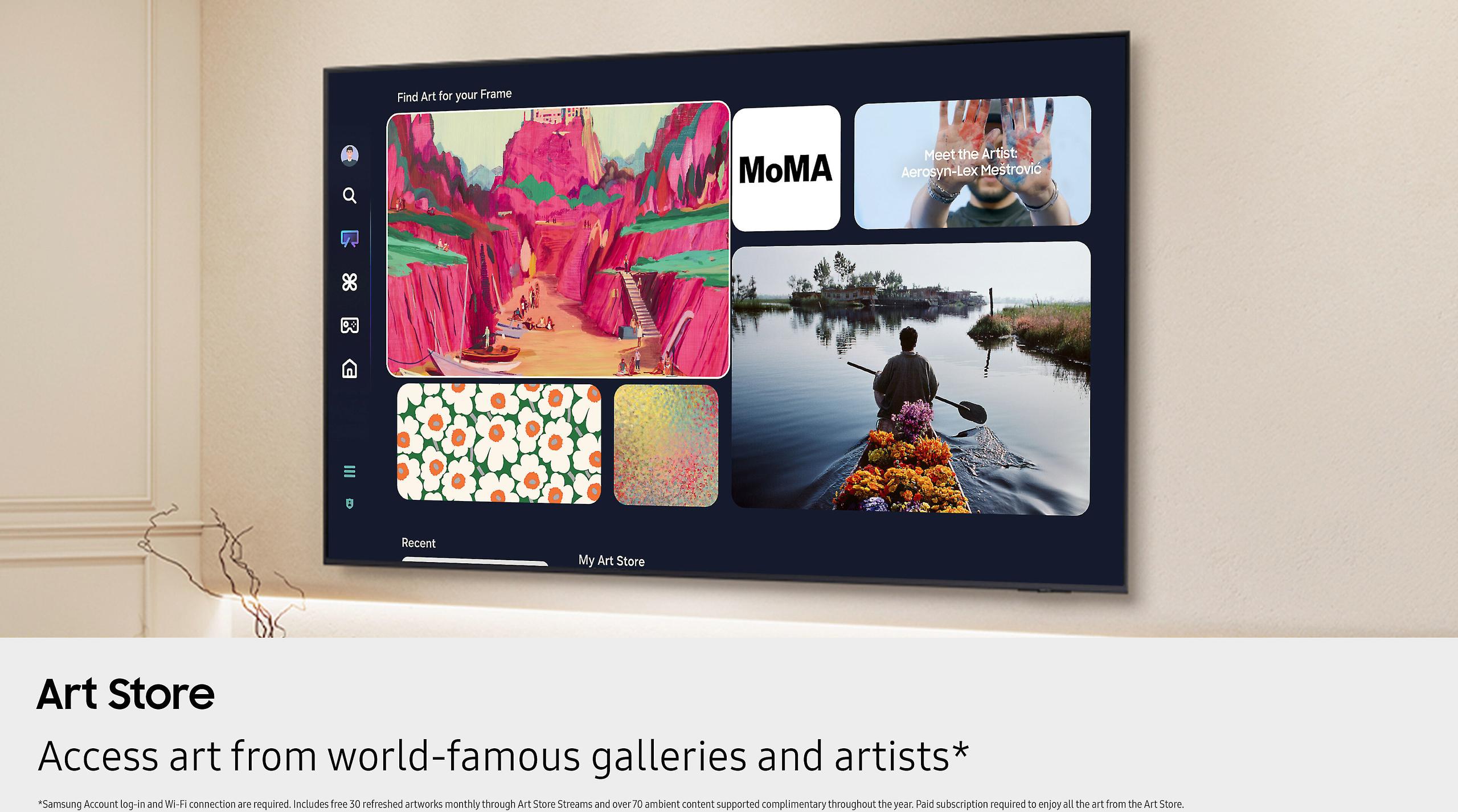
Both TVs run different operating systems that significantly impact daily use. The Samsung QN900F uses Samsung's Tizen-based One UI, which integrates deeply with Samsung's Vision AI technology. The standout feature is Click to Search, which can identify actors, products, or locations on screen and provide instant information. Live Translate can provide real-time subtitle translation for foreign content.
Samsung also includes their SmartThings hub functionality, turning your TV into a smart home controller. You can control lights, thermostats, and other connected devices directly from the TV interface. The Wireless One Connect Box is particularly clever – it can transmit 8K signals wirelessly from up to 30 feet away, dramatically reducing cable clutter behind your TV.
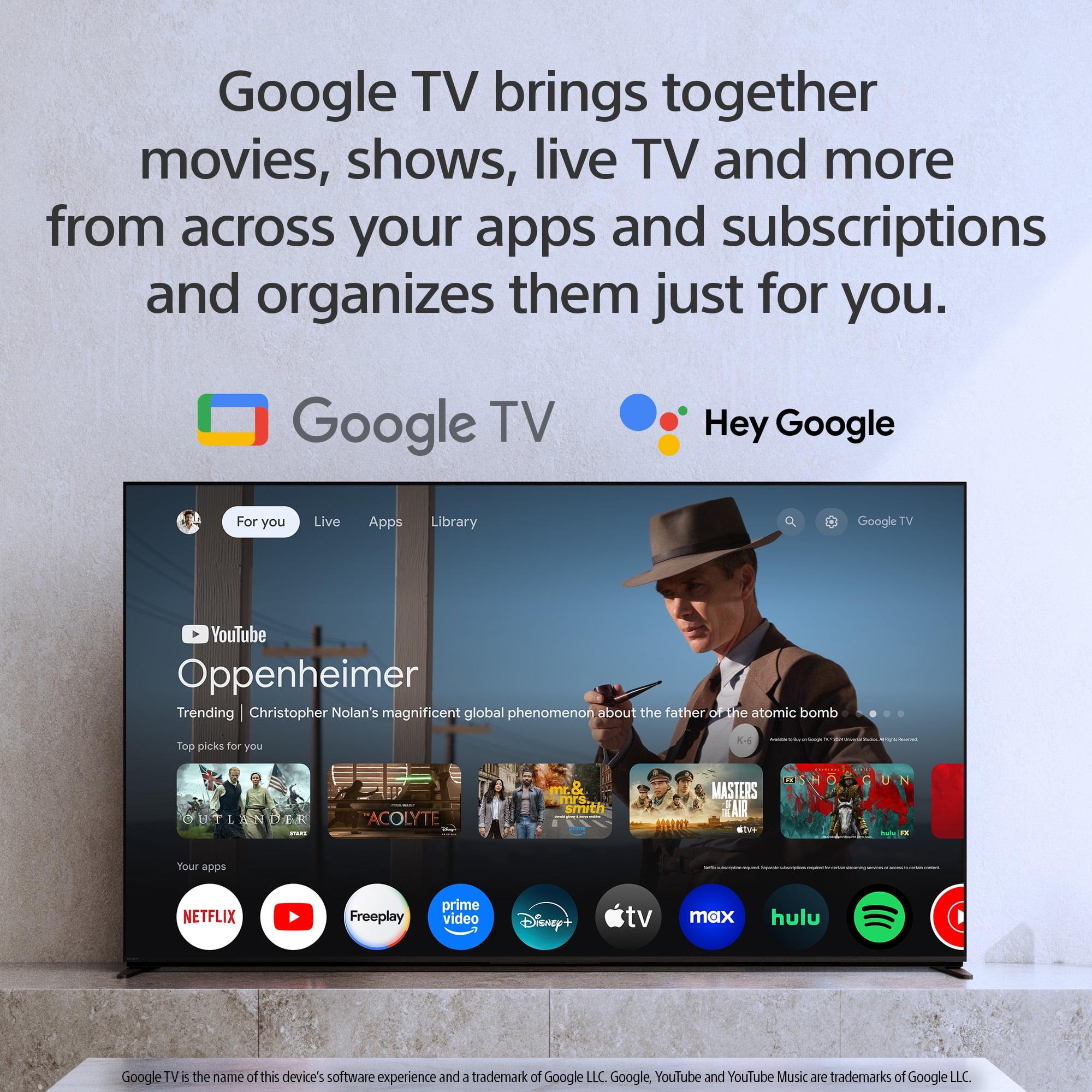
The Sony BRAVIA 8 II runs Google TV, which many users find more intuitive and comprehensive than Samsung's approach. Google TV aggregates content from all your streaming services into unified recommendations and watchlists. The integration with Google Assistant is seamless, and the TV supports both Apple AirPlay 2 and Google Cast for easy phone-to-TV streaming.
Sony includes two years of Sony Pictures Core streaming service, which offers the largest collection of IMAX Enhanced movies and studio-calibrated content. This service alone adds significant value to the Sony package.
Audio quality separates these TVs significantly. The Samsung QN900F includes Object Tracking Sound Pro, which uses multiple speakers positioned around the TV to create sound that follows action across the screen. When a car drives from left to right, the audio literally moves with it. The top-channel speakers add genuine height for Dolby Atmos content.
The Sony BRAVIA 8 II uses a completely different approach with Acoustic Surface Audio+. The entire OLED screen acts as a speaker, using actuators behind the panel to create sound directly from where the action is happening. This creates an incredibly immersive experience where dialogue comes directly from actors' mouths and sound effects originate from their visual locations.
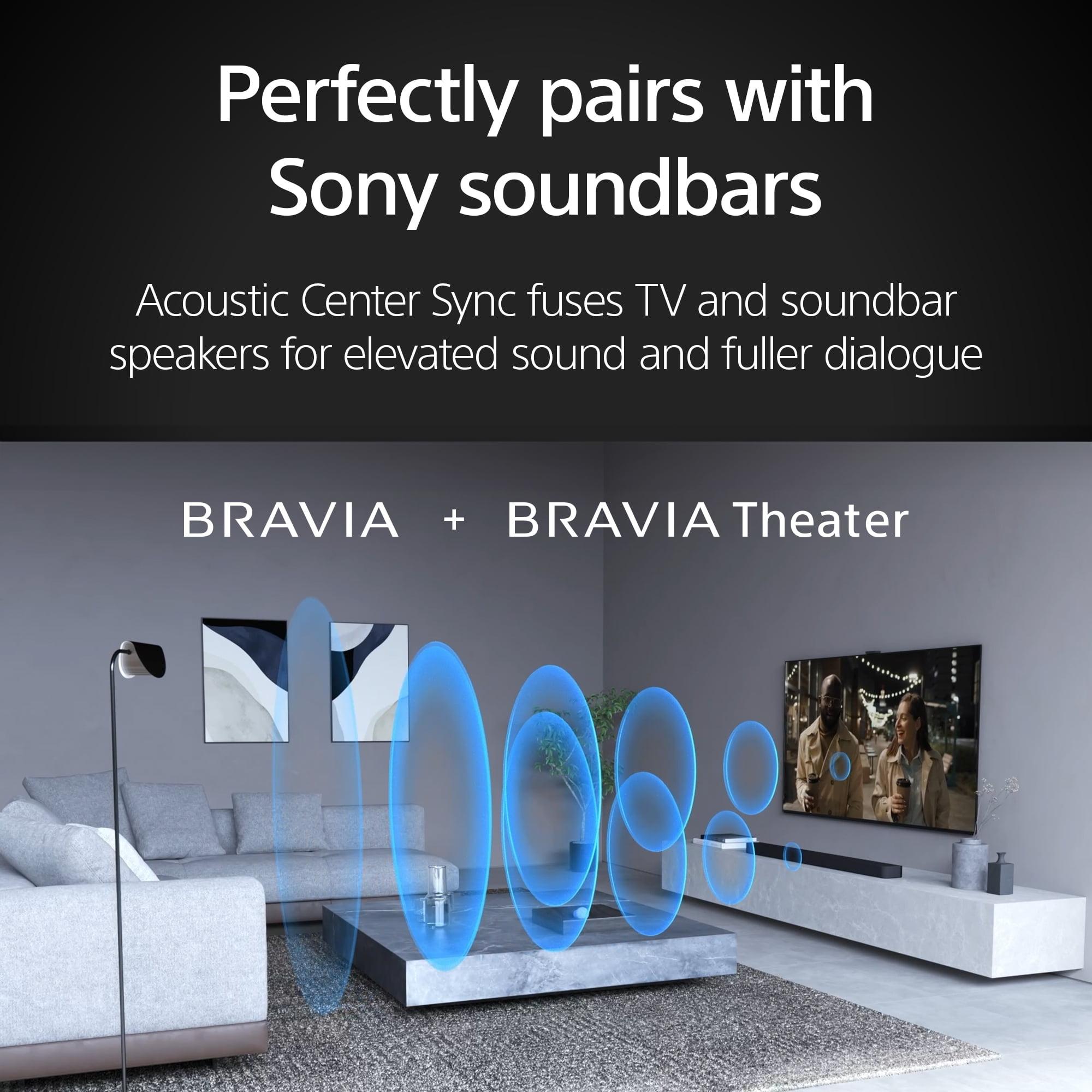
Sony's Voice Zoom 3 technology uses AI to enhance dialogue clarity, automatically boosting conversation levels during loud action scenes. When paired with compatible Sony soundbars, the TV can function as a dedicated center channel speaker through Acoustic Center Sync, creating a more cohesive surround sound experience than traditional TV-plus-soundbar setups.
Your room setup dramatically influences which TV will perform better. The Samsung QN900F excels in bright environments thanks to its anti-glare coating and superior peak brightness. If your living room has large windows or you typically watch with lights on, the Samsung maintains picture quality that the Sony simply can't match during daytime viewing.
The Samsung's wider color gamut and enhanced brightness also make HDR content more impactful in bright rooms, where the Sony's perfect blacks become less noticeable against ambient light.
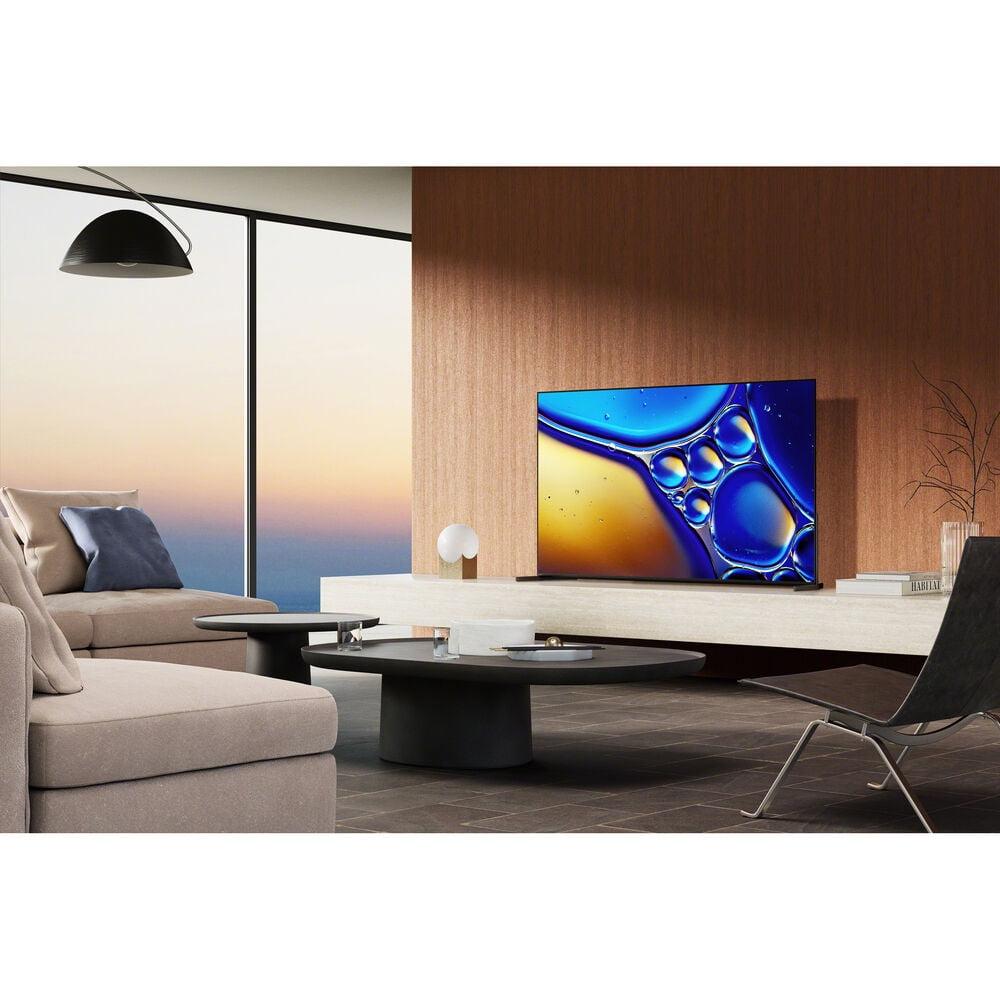
The Sony BRAVIA 8 II shines in dedicated home theater setups with controlled lighting. In dark or dimly lit rooms, the perfect blacks and infinite contrast create a more cinematic experience that draws you into the content. The wide viewing angles ensure excellent picture quality even for viewers sitting off to the side.
However, the Sony's glossy screen can be problematic with direct light sources, creating reflections that the Samsung's anti-reflective coating handles better.
The resolution difference raises important questions about future content. The Samsung QN900F bets on 8K content becoming mainstream, positioning itself for next-generation streaming and gaming. YouTube already offers 8K videos, and some streaming services are beginning to experiment with 8K content.
However, 8K content remains scarce, and many experts question whether the human eye can distinguish 8K from 4K at typical viewing distances. Samsung's AI upscaling helps bridge this gap, but you're essentially paying for technology that may not provide visible benefits for several years.
The Sony BRAVIA 8 II represents a more conservative approach, perfecting current 4K technology rather than chasing resolution numbers. OLED technology does carry a theoretical risk of burn-in with static content like news tickers or gaming HUDs, though modern OLED panels have largely mitigated this through various protective technologies.
After extensive research into professional reviews and user experiences, clear patterns emerge for who should choose each TV.
Choose the Samsung QN900F if you have a bright living room, prioritize gaming performance, or want maximum future-proofing. The superior brightness, advanced gaming features, and 8K resolution make it ideal for mixed-use environments where the TV needs to perform well in various lighting conditions and usage scenarios. The Samsung excels for sports viewing, competitive gaming, and daytime entertainment.
The Sony BRAVIA 8 II better serves cinephiles with dedicated home theaters, controlled lighting, and a focus on movies and premium content. The perfect blacks, superior color accuracy, and integrated audio create a more immersive cinematic experience that the Samsung can't match in optimal viewing conditions.
Both TVs represent excellent value in the premium segment, with pricing remaining competitive between the two at the time of writing. The Samsung offers more cutting-edge features and future-proofing, while the Sony provides superior fundamental picture quality and a more refined viewing experience.
Your room lighting, primary usage patterns, and content preferences should ultimately drive your decision. In bright spaces with mixed usage, the Samsung wins. In dedicated theaters focused on movie watching, the Sony takes the crown. Either choice will deliver exceptional performance that'll satisfy discerning viewers for years to come.
| Samsung 65" Neo QLED 8K QN900F Vision AI Smart TV 2025 | Sony BRAVIA 8 II 65" QD-OLED 4K Google TV 2025 |
|---|---|
| Display Technology - Fundamental approach to picture quality | |
| Neo QLED with Mini LED backlight and Quantum Matrix Pro | QD-OLED with self-emitting pixels and quantum dots |
| Resolution - Native pixel count and detail capability | |
| 8K (7680 x 4320) - 4x more pixels than 4K | 4K (3840 x 2160) - Current content standard |
| Peak Brightness - Critical for HDR impact and bright room viewing | |
| Higher peak brightness with Mini LED zones | ~1,880 nits (25% brighter than previous Sony OLEDs) |
| Black Levels - Foundation of contrast and picture depth | |
| Excellent local dimming with minimal blooming | Perfect pixel-level blacks with infinite contrast |
| Gaming Performance - Refresh rates and input lag for console gaming | |
| 240Hz at 4K, Motion Xcelerator 165Hz, FreeSync Premium Pro | 120Hz at 4K, 8.5ms input lag, 2 HDMI 2.1 ports only |
| AI Processing - Content enhancement and upscaling capability | |
| NQ8 AI Gen3 with 768 neural networks, 8K AI Upscaling Pro | XR Processor with AI Scene Recognition, content-type optimization |
| Audio Technology - Built-in sound quality and features | |
| Object Tracking Sound Pro with top-channel speakers | Acoustic Surface Audio+ (screen-as-speaker) with Voice Zoom 3 |
| Smart Platform - Interface and app ecosystem | |
| One UI Tizen with Vision AI, SmartThings hub, Wireless One Connect | Google TV with comprehensive app support, Sony Pictures Core included |
| Room Compatibility - Optimal viewing environment | |
| Excellent in bright rooms with anti-glare coating | Best in controlled lighting, wide viewing angles |
| Color Accuracy - Natural vs enhanced color reproduction | |
| 100% Color Volume with quantum dots, AI color enhancement | XR Triluminos Max with studio-calibrated picture modes |
| Future-Proofing - Readiness for next-generation content | |
| Native 8K resolution ready for future content | Perfected 4K technology with current content focus |
| Design Philosophy - Engineering priorities and trade-offs | |
| Resolution and brightness maximization | Pixel quality and cinematic accuracy optimization |
The Sony BRAVIA 8 II 65" QD-OLED delivers superior movie picture quality with perfect blacks, infinite contrast, and studio-calibrated color accuracy. Its QD-OLED technology creates more cinematic visuals in dark rooms, while the Samsung 65" Neo QLED 8K QN900F excels in bright viewing environments with higher peak brightness.
The Samsung QN900F's 8K resolution provides future-proofing and exceptional AI upscaling of current content, but most viewers won't notice the difference at typical viewing distances. The Sony BRAVIA 8 II's perfected 4K technology with superior processing often looks better than Samsung's 8K with current content sources.
The Samsung Neo QLED 8K QN900F wins for gaming with 240Hz refresh rates at 4K, FreeSync Premium Pro support, and multiple HDMI 2.1 ports. The Sony BRAVIA 8 II offers excellent 120Hz gaming with 8.5ms input lag but has only 2 HDMI 2.1 ports, limiting connectivity options.
The Samsung QN900F significantly outperforms in bright rooms thanks to its Mini LED backlight achieving higher peak brightness and anti-glare coating. The Sony BRAVIA 8 II struggles more with ambient light due to its glossy OLED screen, making it better suited for controlled lighting environments.
The Sony BRAVIA 8 II offers superior audio with its Acoustic Surface Audio+ technology that turns the entire screen into a speaker, plus Voice Zoom 3 for dialogue clarity. The Samsung QN900F provides Object Tracking Sound Pro with dedicated top speakers, but Sony's screen-based audio creates more immersive sound placement.
The Samsung Neo QLED QN900F runs Tizen OS with Vision AI features like Click to Search and SmartThings hub integration, plus a Wireless One Connect Box. The Sony BRAVIA 8 II uses Google TV with better app ecosystem, seamless Google/Apple integration, and includes Sony Pictures Core streaming service.
The Sony BRAVIA 8 II excels in dedicated home theaters with its perfect blacks, wide viewing angles, and cinematic color accuracy in controlled lighting. The Samsung QN900F works better in multipurpose rooms that need to handle both daytime and nighttime viewing with varying light conditions.
The Sony BRAVIA 8 II produces more natural, film-accurate colors with its quantum dot OLED technology and studio calibration modes. The Samsung QN900F delivers more vibrant, saturated colors with 100% color volume across all brightness levels, appealing to viewers who prefer punchy visuals.
Both TVs offer excellent longevity, but considerations differ: the Samsung Neo QLED 8K QN900F has no burn-in risk and 8K future-proofing, while the Sony BRAVIA 8 II has minimal OLED burn-in risk with modern panels and focuses on perfecting current technology rather than chasing specifications.
The Samsung QN900F costs more for 8K technology with limited content availability and can show some blooming around bright objects. The Sony BRAVIA 8 II has lower peak brightness than Mini LED competitors, only 2 HDMI 2.1 ports, and potential OLED burn-in concerns with static content.
Value depends on priorities: the Samsung Neo QLED 8K QN900F provides cutting-edge features and future-proofing for tech enthusiasts, while the Sony BRAVIA 8 II offers superior fundamental picture quality and cinematic experience for movie lovers at competitive premium pricing.
Choose the Samsung QN900F if you have a bright room, prioritize gaming, want 8K future-proofing, or need maximum versatility. Select the Sony BRAVIA 8 II if you have a dedicated theater space, prioritize movie watching, value natural colors, or prefer Google's smart TV platform.
We've done our best to create useful and informative comparisons to help you decide what product to buy. Our research uses advanced automated methods to create this comparison and perfection is not possible - please contact us for corrections or questions. These are the sites we've researched in the creation of this article: rtings.com - samsung.com - techradar.com - dolby.com - youtube.com - samsung.com - youtube.com - samsung.com - samsung.com - samsung.com - samsung.com - displayspecifications.com - samsung.com - rtings.com - bestbuy.com - merlinstv.com - news.samsung.com - bestbuy.com - techradar.com - rtings.com - bestbuy.com - whathifi.com - rtings.com - hometechnologyreview.com - youtube.com - hometechnologyreview.com - hometechnologyreview.com - hometechnologyreview.com - valueelectronics.com - smarthomesounds.co.uk - electronics.sony.com - valueelectronics.com - bestbuy.com - youtube.com - displayspecifications.com - hometechnologyreview.com - flatpanelshd.com

Privacy Policy
Terms and Conditions - Affiliate Policy
Home Security
© Copyright 2008-2026.
11816 Inwood Rd #1211, Dallas, TX 75244