

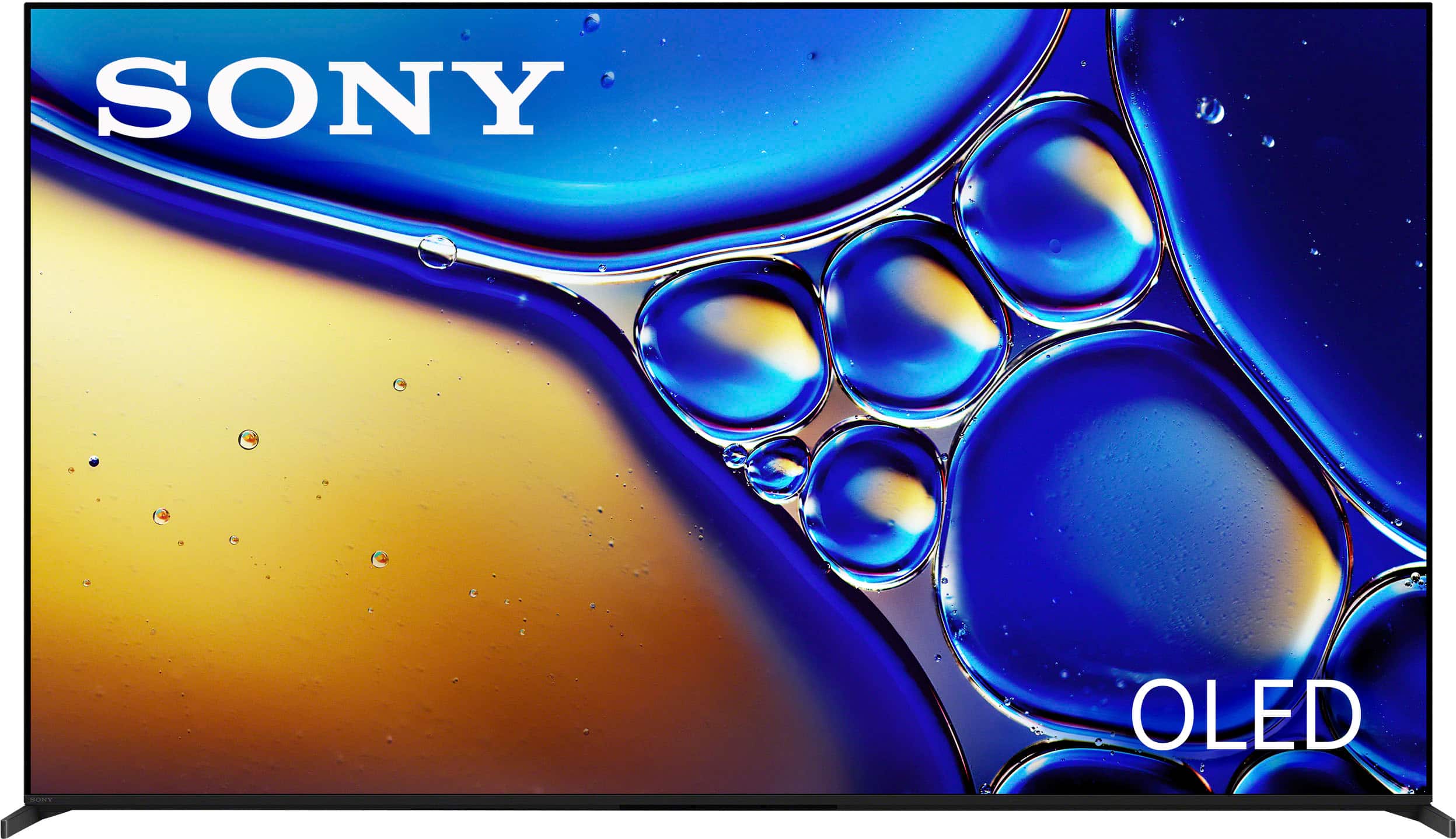
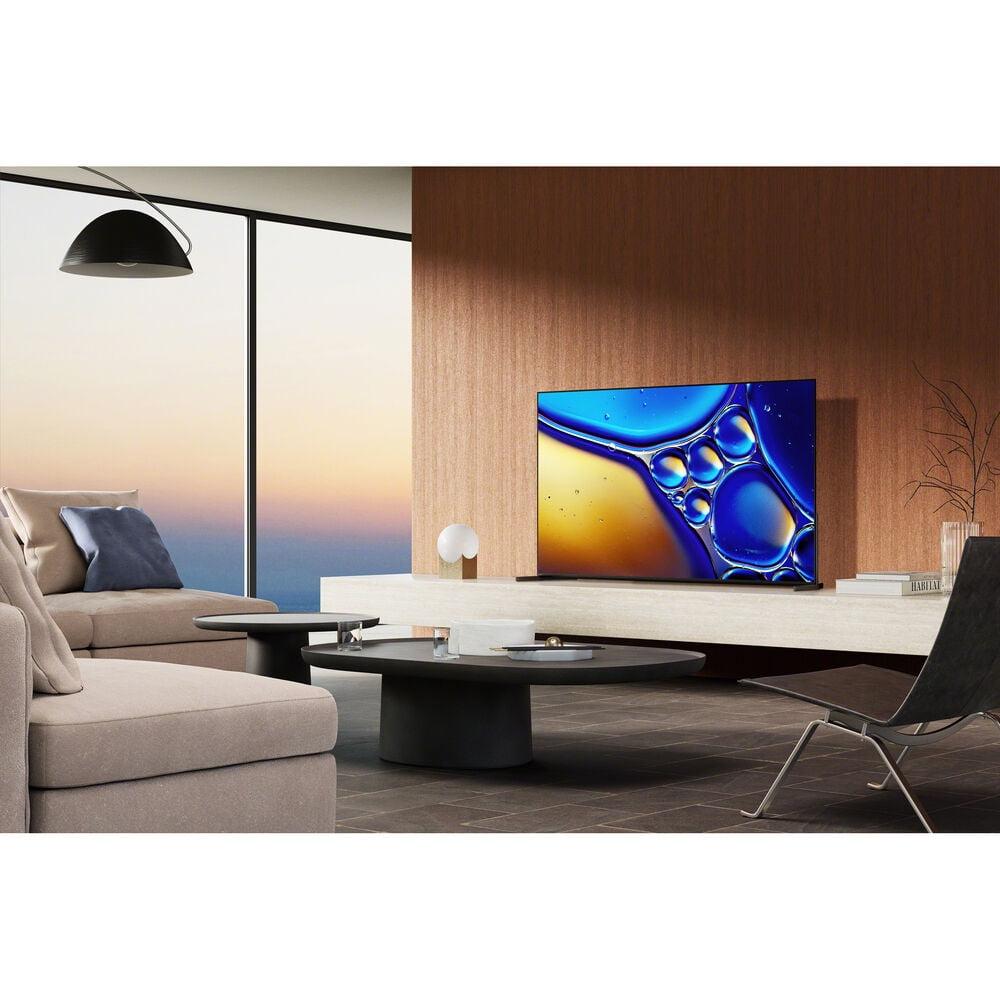

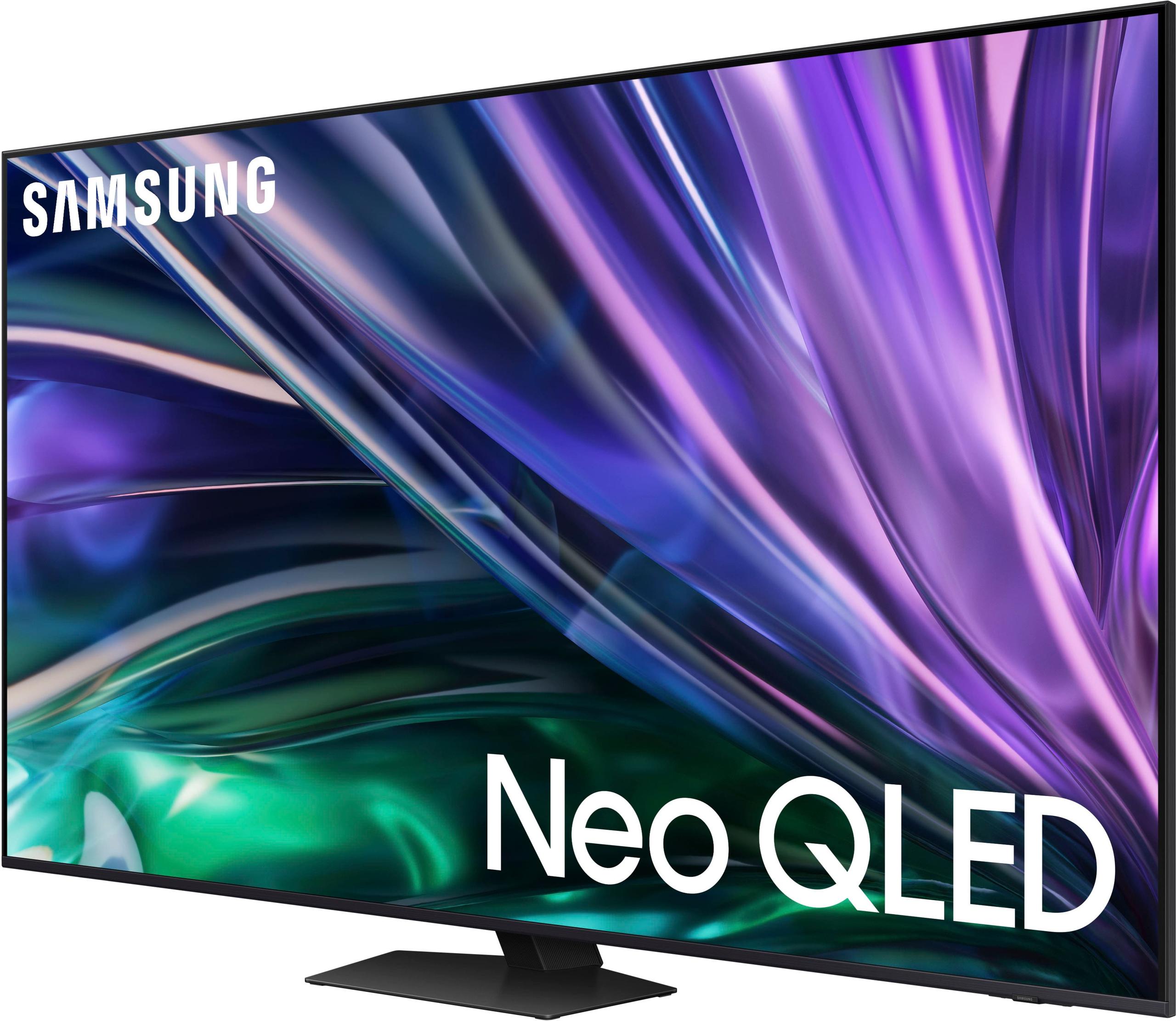
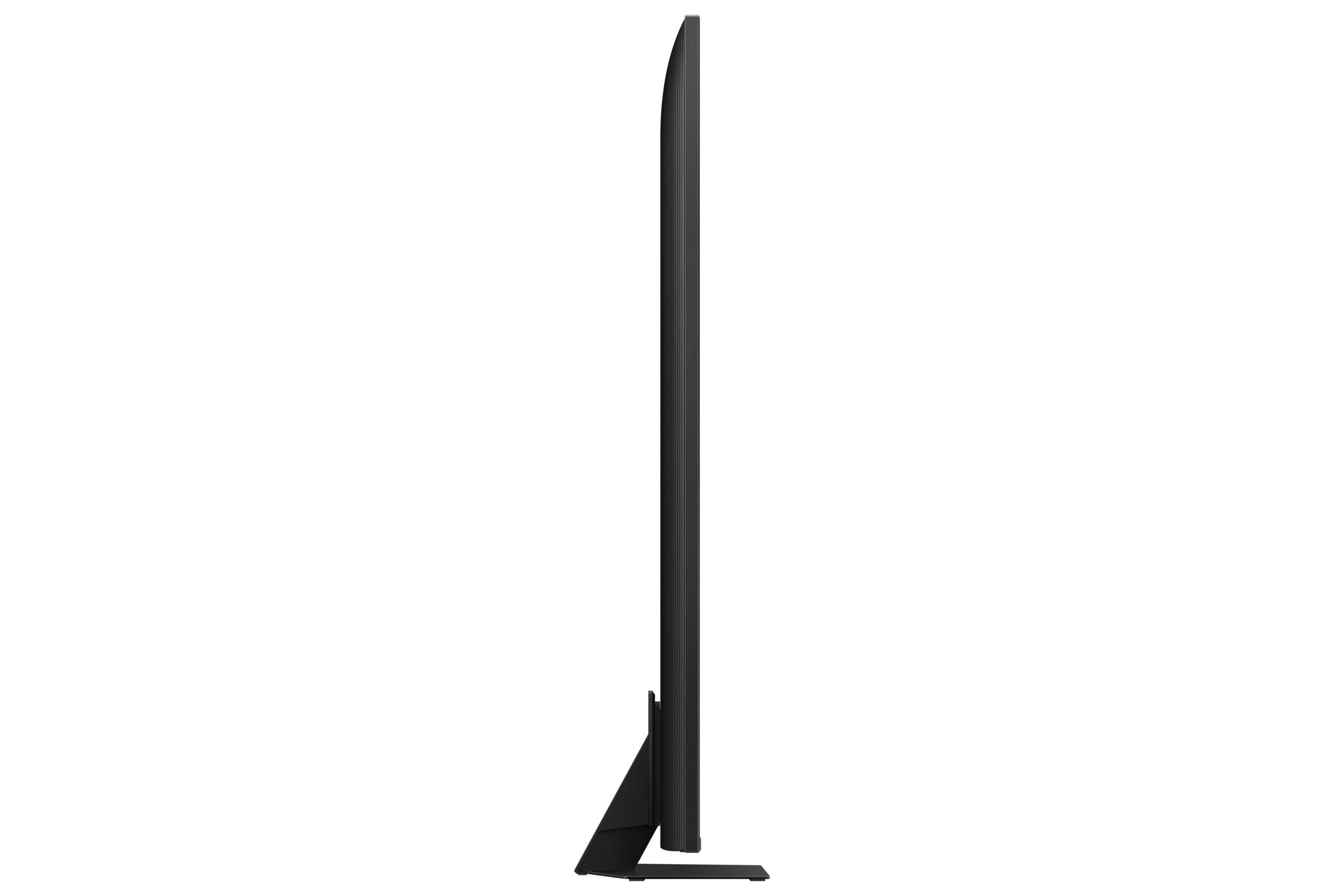
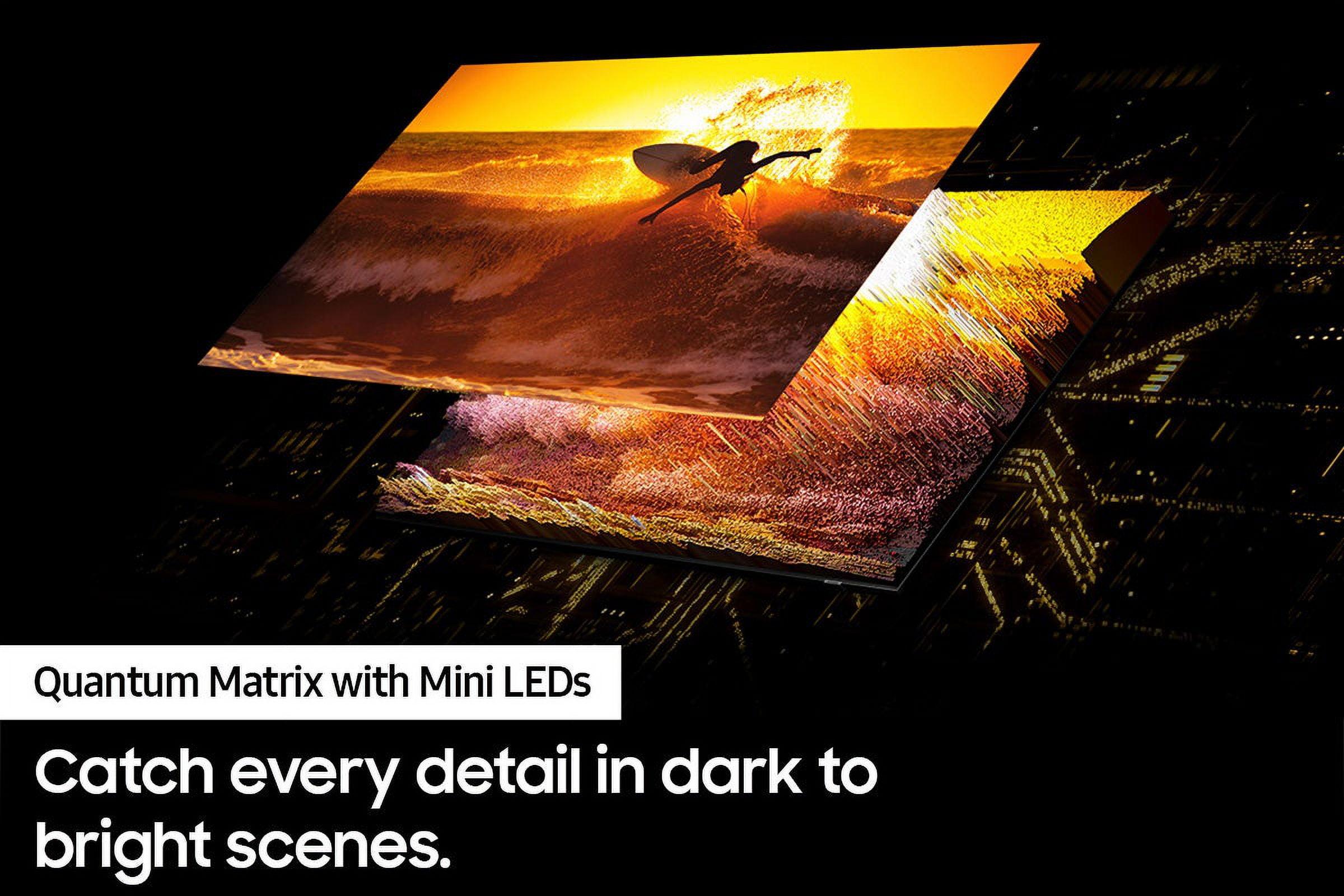
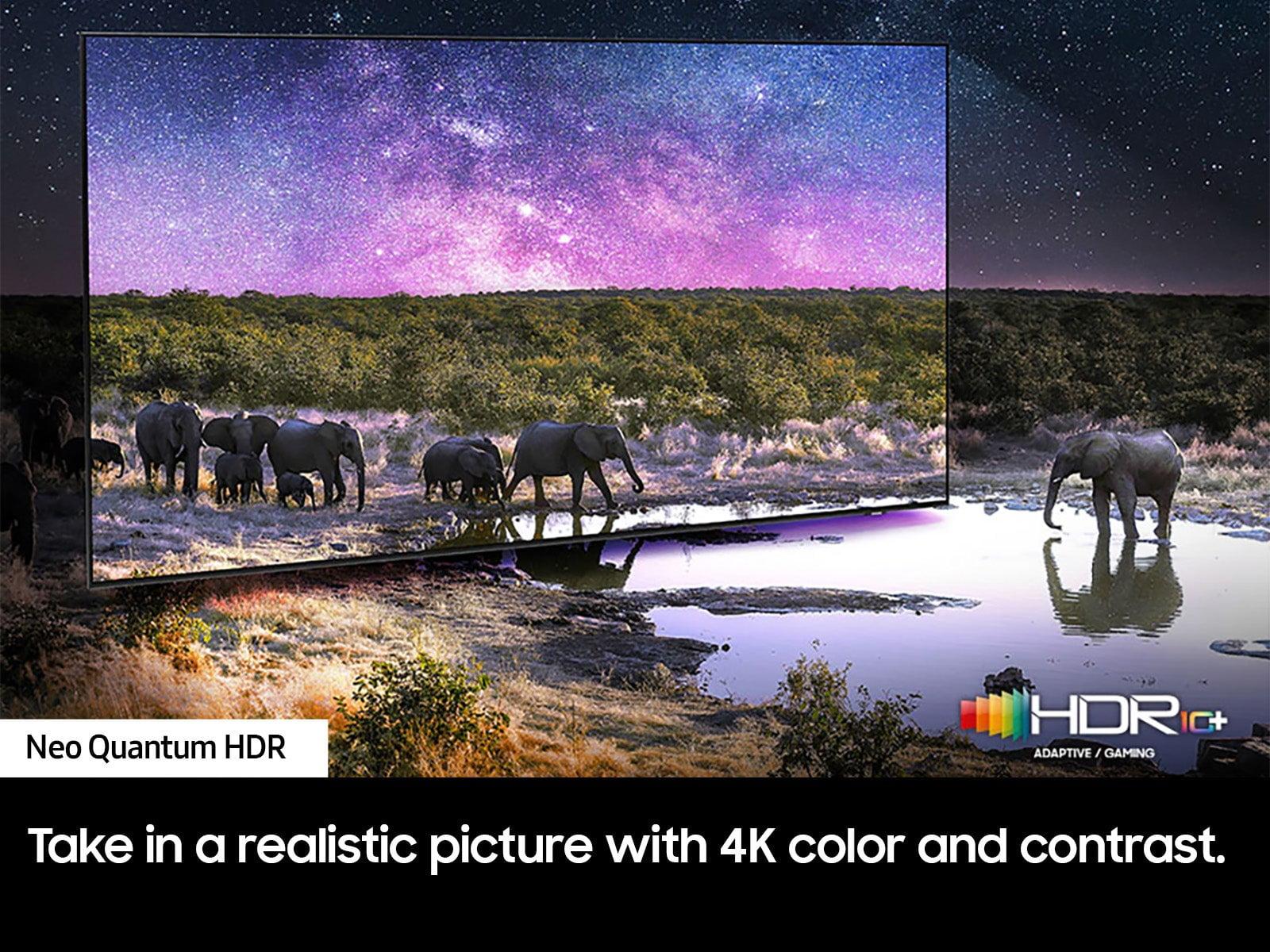

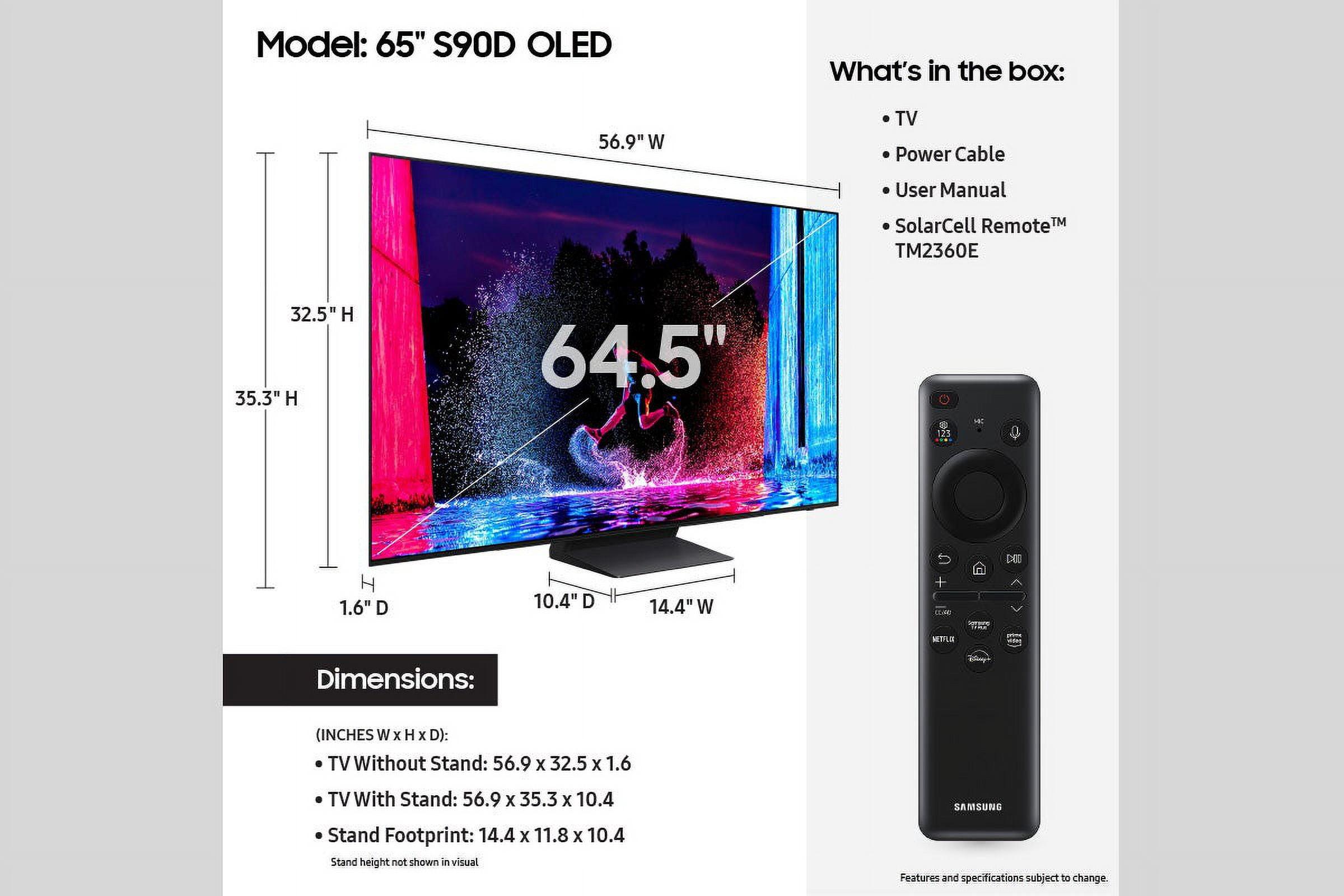
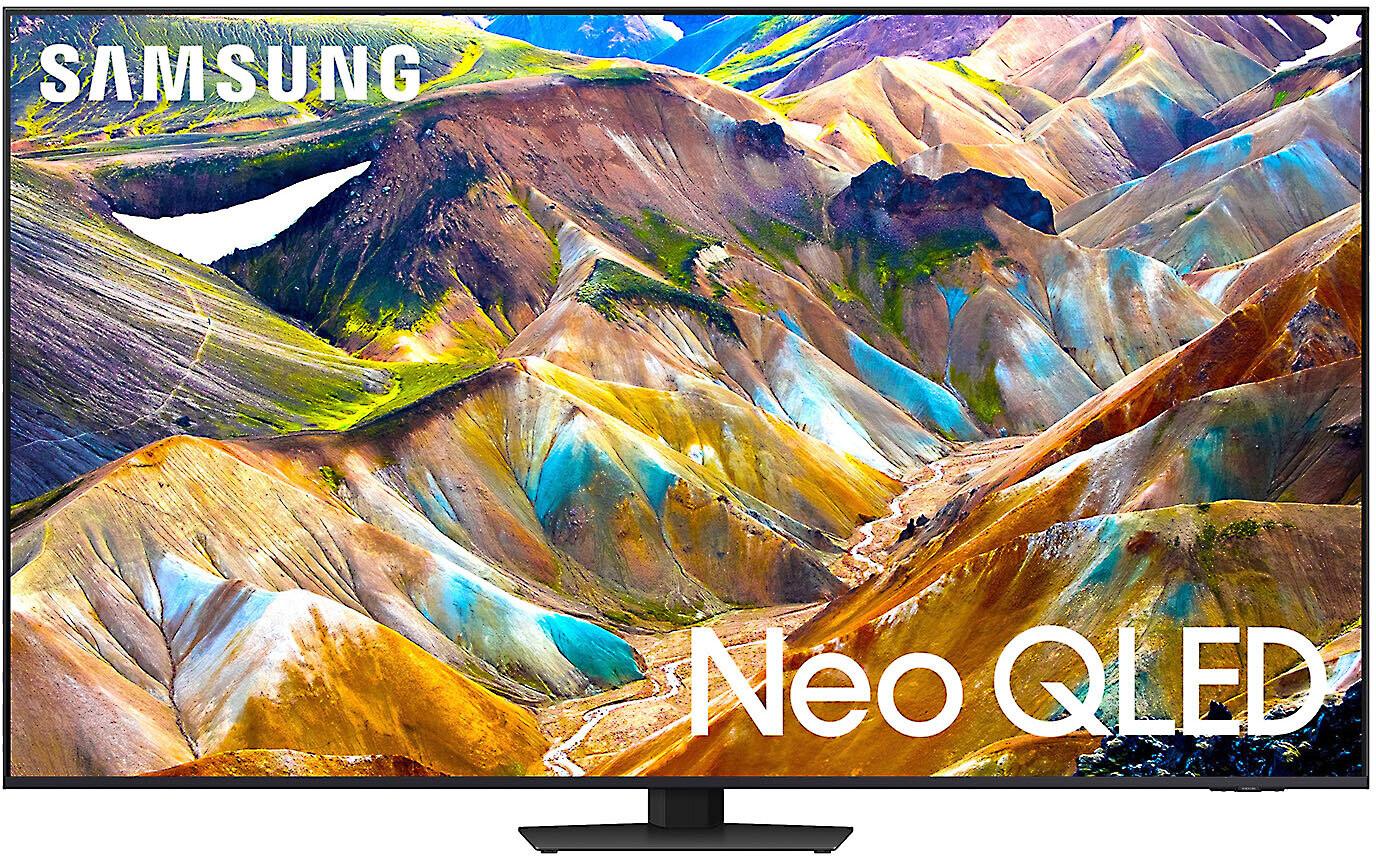
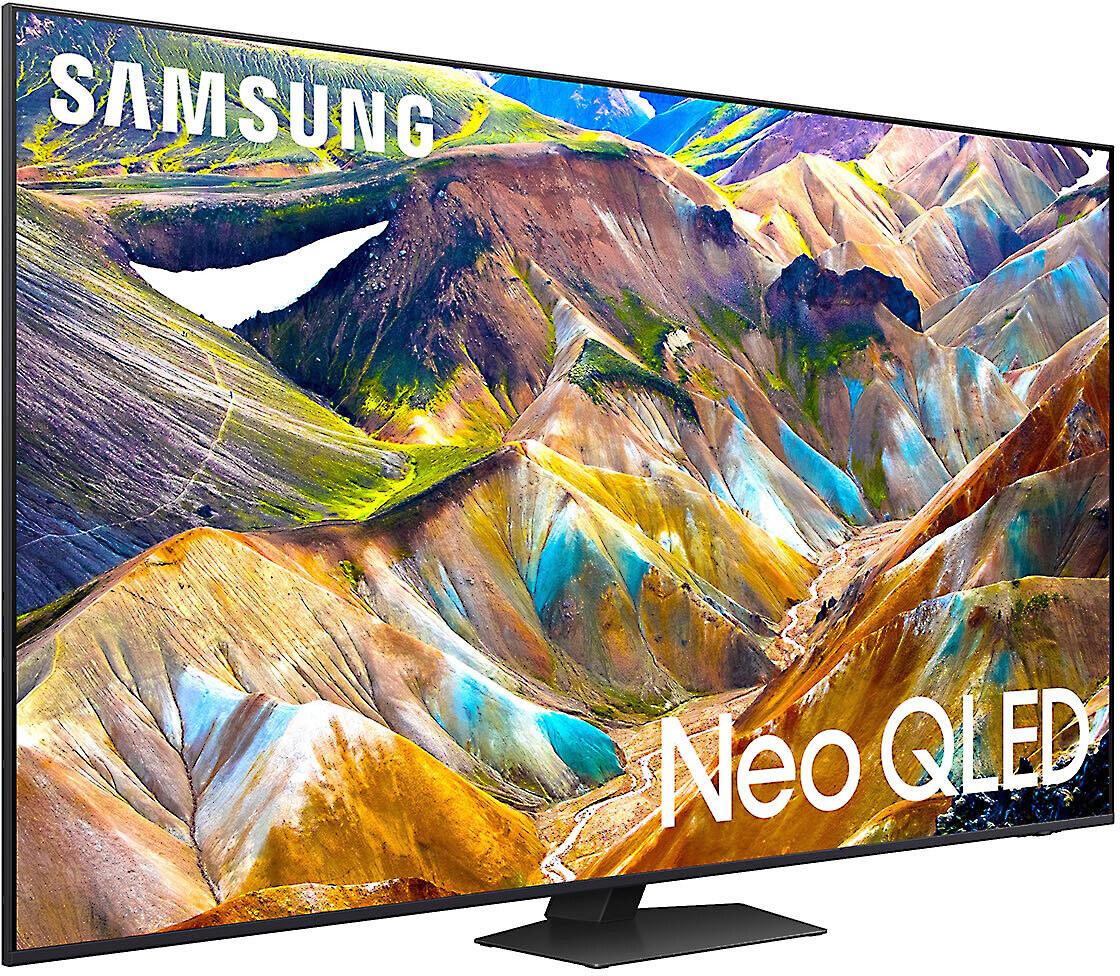
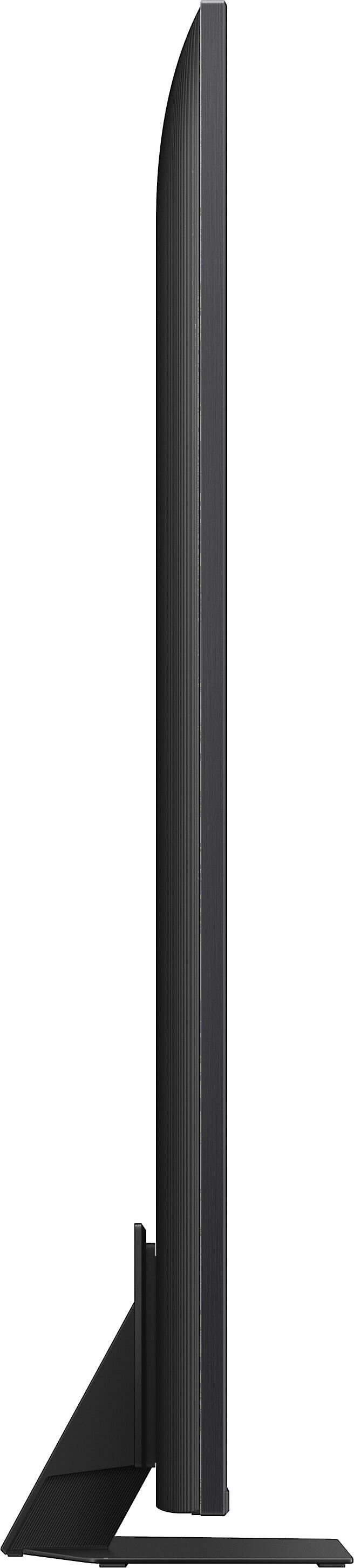
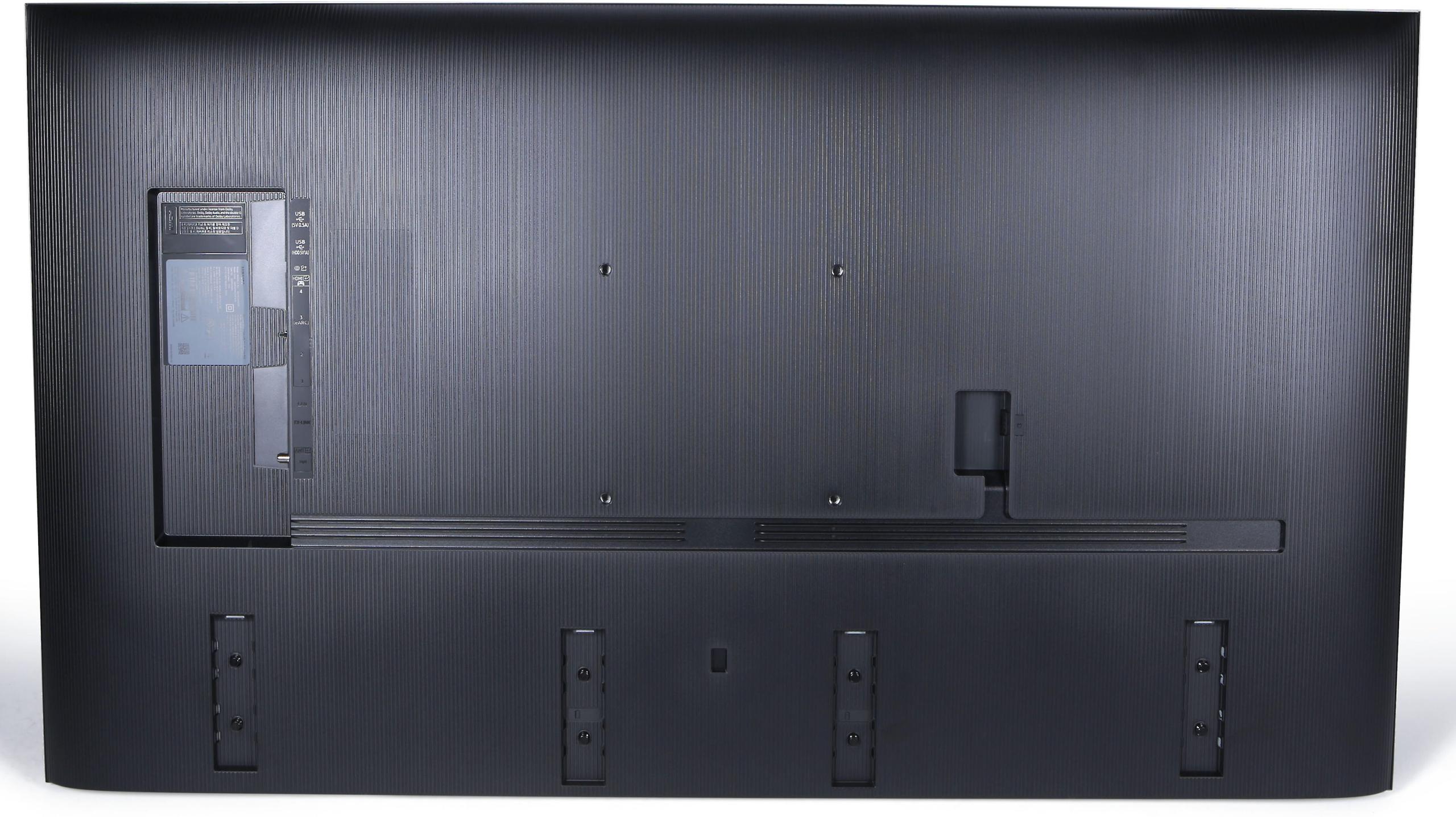
Shopping for a premium OLED TV can feel overwhelming, especially when you're comparing models that both promise exceptional picture quality. The Sony BRAVIA 8 II 65" QD-OLED 4K Google TV 2025 at $3,098 and the Samsung 65" OLED S90D TV at $1,197 represent two very different approaches to premium television technology. While both deliver the stunning contrast and perfect blacks that make OLED displays so coveted, they target different priorities and budgets.
Before diving into comparisons, it's worth understanding what makes OLED special. Unlike traditional LED TVs that use a backlight, OLED (Organic Light-Emitting Diode) displays have pixels that light themselves. This means when a pixel needs to show black, it simply turns off completely, creating perfect darkness alongside bright highlights. It's this contrast that makes OLED TVs look so cinematic.
Both the Sony BRAVIA 8 II and Samsung S90D use QD-OLED technology, which adds quantum dots to traditional OLED panels. Think of quantum dots as tiny color converters that take blue light and transform it into incredibly pure red and green colors. This combination delivers wider color ranges and often higher brightness than standard OLED panels.
The main considerations when choosing between premium OLEDs include picture accuracy, brightness capabilities, gaming features, smart platform preferences, audio quality, and ultimately, value for money. Each of these factors matters differently depending on how you plan to use your TV.
The Samsung S90D launched in early 2024 as Samsung's answer to making premium QD-OLED technology more accessible. Samsung positioned it as a high-performance model without the ultra-premium pricing of their flagship S95 series. Throughout 2024, the S90D proved popular precisely because it delivered impressive QD-OLED performance at a more reasonable price point.
Sony's response came in spring 2025 with the BRAVIA 8 II, which replaced their previous BRAVIA 8 model's W-OLED panel with a new-generation QD-OLED panel. This wasn't just a simple panel swap – Sony integrated their latest XR processor with AI scene recognition and improved their color processing to work specifically with the quantum dot technology.
The timing difference matters because it gives Samsung's model a proven track record, while Sony's represents the very latest thinking in OLED processing. However, both use similar underlying QD-OLED panel technology, so the differences come down to how each company processes and displays that image.
Here's where these TVs start to diverge significantly. The Samsung S90D achieves peak brightness around 1,000 nits in HDR highlights, while the Sony BRAVIA 8 II reaches approximately 800-900 nits. In practical terms, this means Samsung's TV makes HDR content more impactful, especially in rooms with ambient light.
I've noticed this brightness difference most dramatically when watching HDR movies during daytime. The Samsung's brighter highlights make explosions, sunlight, and other bright objects really pop off the screen. Sony's approach is more restrained, but that restraint often serves the overall image better. Sony's tone mapping – the process that decides how to display HDR content – preserves more detail in both bright and dark areas simultaneously.
The Sony BRAVIA 8 II supports Dolby Vision, which is crucial for streaming services like Netflix, Disney+, and Apple TV+. Dolby Vision provides scene-by-scene optimization, meaning the TV receives specific instructions for how each moment should look. The Samsung S90D uses HDR10+ instead, which is similar but not as widely supported by streaming services.
Sony's color science has always impressed me, and the BRAVIA 8 II continues that tradition. Its XR Triluminos Max technology produces colors that look natural and film-like. Skin tones appear realistic, grass looks genuinely green rather than artificially vivid, and sunset scenes have that warm, golden quality you remember from real life.
Samsung takes a different approach with the S90D. Its colors are more vibrant and saturated, creating images that immediately grab your attention. This isn't necessarily wrong – many people prefer this more dynamic look, especially for sports and gaming. Samsung's quantum dot implementation pushes color volume higher, meaning bright colors stay pure and intense even at high brightness levels.
The difference becomes most apparent when watching the same movie on both TVs. Sony's processing aims to reproduce what the director intended, while Samsung's approach makes everything look more spectacular. Neither is objectively better, but they serve different preferences.
Both TVs handle motion well, but they use different techniques. The Sony BRAVIA 8 II employs XR OLED Motion processing, which reduces blur while maintaining natural film texture. Sony's approach to upscaling – making lower-resolution content look better – is particularly impressive, using AI to restore detail and reduce noise in streaming content.
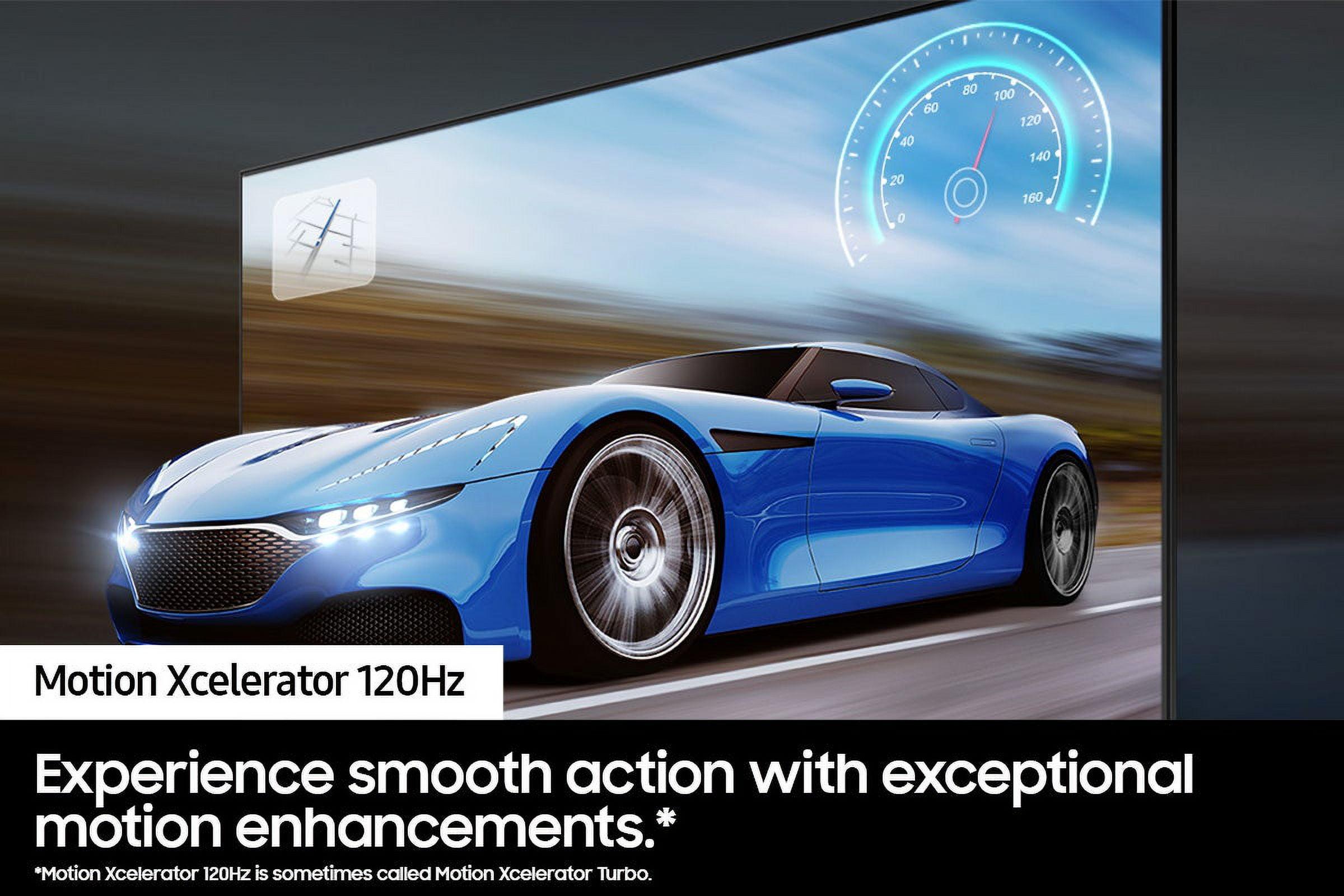
The Samsung S90D offers Motion Xcelerator Turbo+ and can display up to 144Hz refresh rates, making it superior for gaming and high-frame-rate content. For movies and TV shows, both perform excellently, though Sony's processing tends to preserve the original artistic intent better.
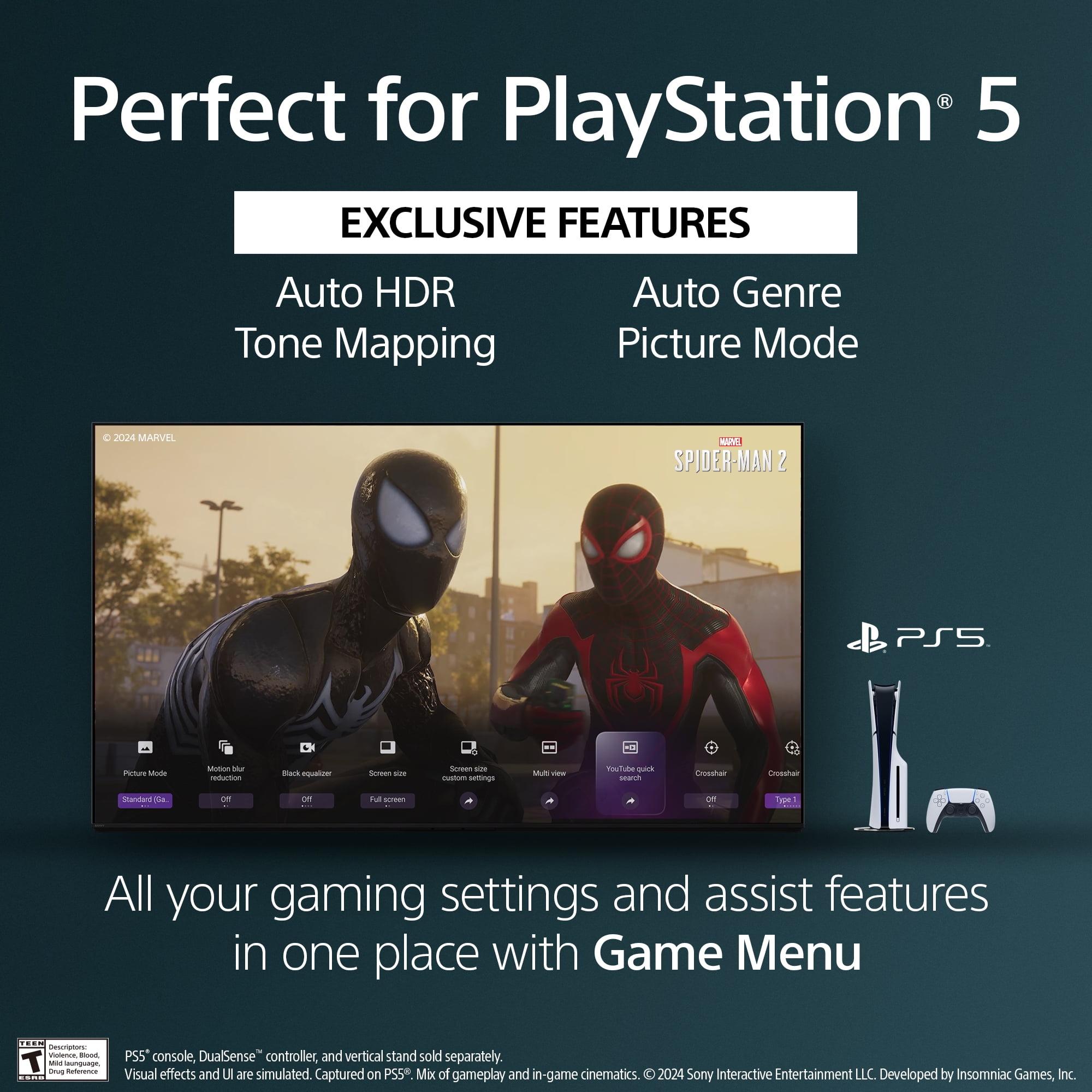
If gaming matters to you, the Samsung S90D is the obvious choice. All four of its HDMI ports support HDMI 2.1, which means 4K resolution at 120Hz or 144Hz refresh rates, Variable Refresh Rate (VRR) to eliminate screen tearing, and Auto Low Latency Mode (ALLM) that automatically switches to game mode when it detects a console.
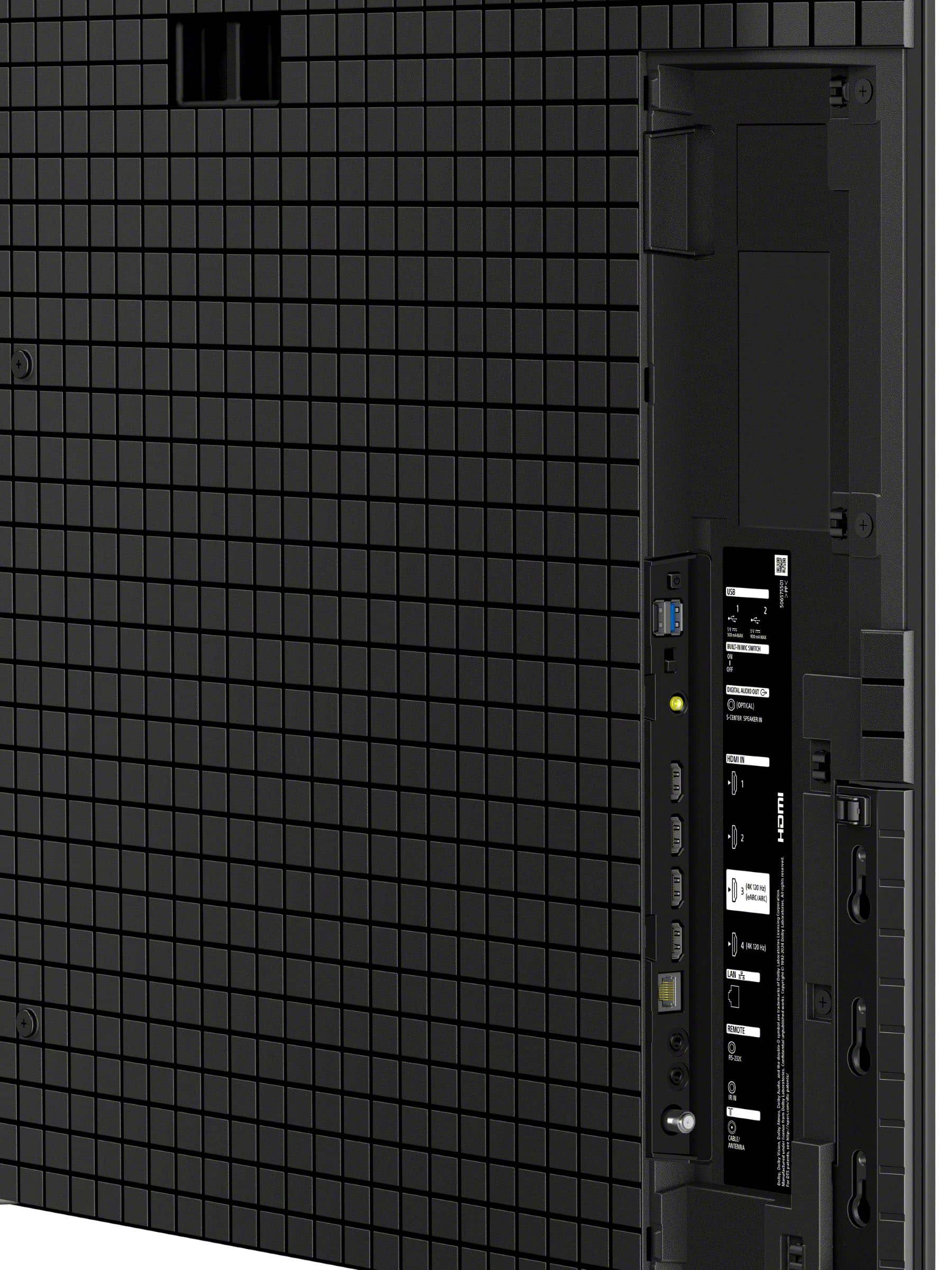
The Sony BRAVIA 8 II only provides HDMI 2.1 on two of its four ports, and tops out at 120Hz. While this is perfectly adequate for most gaming scenarios, it limits your flexibility if you want to connect multiple gaming devices, a high-end PC, and other equipment simultaneously.
Input lag – the delay between pressing a button and seeing the result on screen – is lower on the Samsung, making competitive gaming more responsive. Samsung also includes FreeSync Premium support, which works particularly well with PC gaming setups.
For casual gaming, both TVs perform well enough that most people won't notice a difference. But for serious gamers, especially those with multiple consoles or PC gaming rigs, the Samsung S90D's additional HDMI 2.1 ports and higher refresh rate capabilities provide more flexibility and future-proofing.
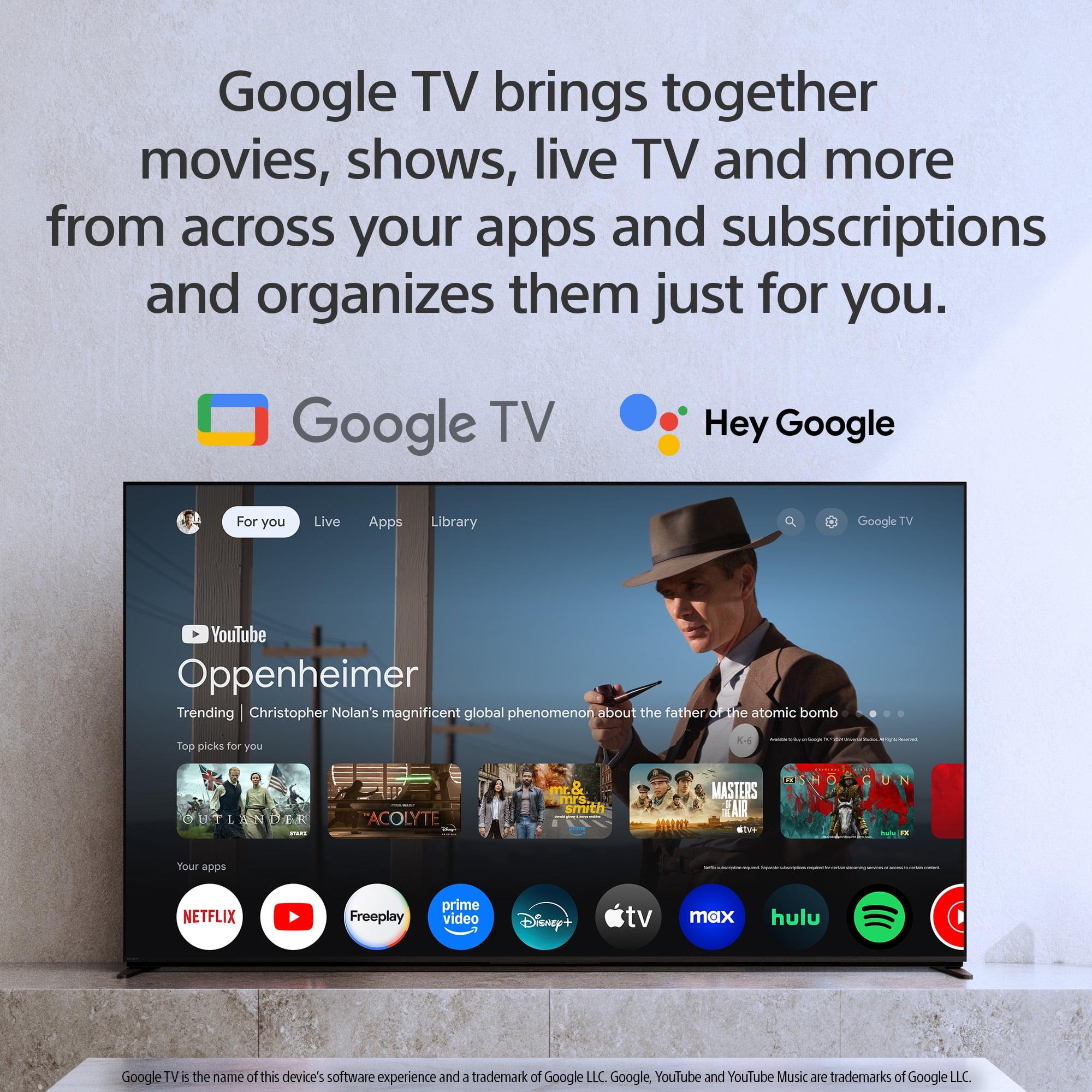
The Sony BRAVIA 8 II runs Google TV, which I find more intuitive than most smart TV platforms. It integrates well with Android phones, provides excellent app selection, and offers seamless casting from mobile devices. Google Assistant works naturally for voice control, and the interface learns your viewing habits to make better recommendations.
Samsung's Tizen OS on the S90D offers multiple voice assistant options – Bixby, Alexa, and Google Assistant all work. The interface is gaming-focused with features like a dedicated game bar for adjusting settings quickly. While Tizen's app selection isn't quite as comprehensive as Google TV, it covers all the major streaming services most people use.
Both platforms receive regular updates and handle streaming well. Your choice here often comes down to ecosystem preference – if you use Google services heavily, Sony's implementation feels more natural. If you're invested in Samsung's ecosystem or prefer having multiple voice assistant options, Samsung's approach offers more flexibility.
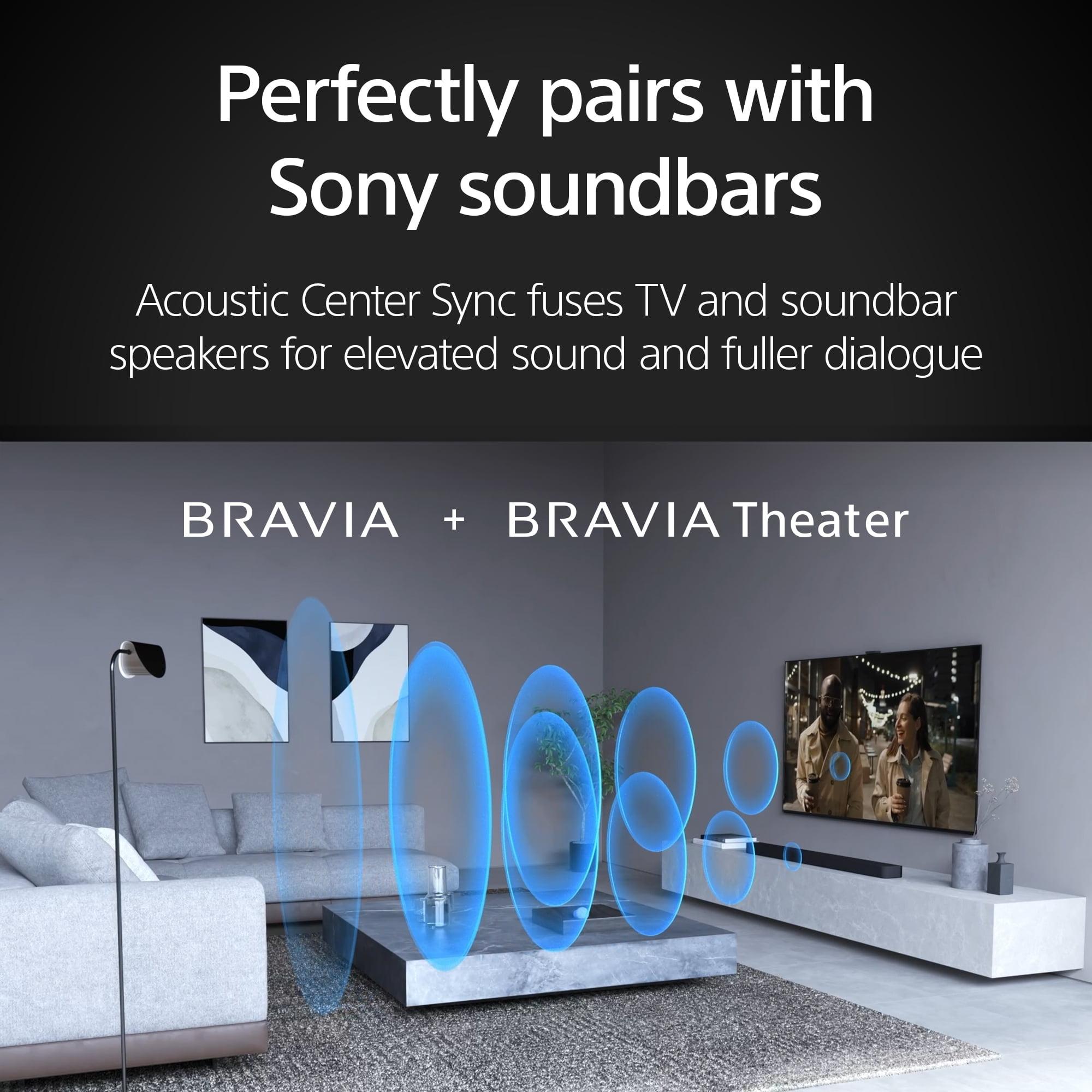
Built-in TV audio rarely impresses, but both of these TVs do better than average. The Sony BRAVIA 8 II produces 50 watts of audio power using Acoustic Surface Audio+ technology, which essentially turns the entire screen into a speaker. This creates an interesting effect where dialogue appears to come directly from actors' mouths on screen.
Sony's Voice Zoom 3 feature uses AI to enhance dialogue clarity, which I've found particularly helpful during action scenes where explosions and music can overwhelm conversation. The overall sound quality is fuller and more detailed than the Samsung S90D.
The Samsung S90D provides 40 watts of power with Dolby Atmos support and Object Tracking Sound Lite, which tries to match audio movement to visual action. While not as powerful as Sony's system, it's still respectable for built-in TV audio.
Both TVs will eventually benefit from a dedicated soundbar, but Sony's superior built-in audio means you can delay that purchase longer without feeling like you're missing out on the full experience.
For dedicated home theater setups, these TVs serve different purposes. The Sony BRAVIA 8 II excels in controlled lighting environments where its superior color accuracy and Dolby Vision support shine. Its more restrained brightness works perfectly in dark rooms, and the natural color processing creates a truly cinematic experience.
The Samsung S90D handles ambient light better due to its higher brightness, making it more versatile for family rooms or spaces where you can't always control lighting. Its more vibrant color presentation can also be preferable for sports viewing and mixed content consumption.
Both TVs offer wide viewing angles thanks to OLED technology, so they work well for larger seating arrangements. However, the Sony's build quality feels more premium, with heavier construction and more refined materials that suit upscale home theater installations.
Here's where the comparison becomes stark. The Samsung S90D costs $1,197 while delivering roughly 85-90% of the Sony BRAVIA 8 II's picture quality at just 39% of its $3,098 price. This represents exceptional value in the premium TV market.
The Sony's premium comes from superior color processing, Dolby Vision support, better build quality, and enhanced audio. These improvements are real and meaningful, but they're incremental rather than revolutionary. For most viewers, the Samsung provides such strong performance that the Sony's advantages don't justify the dramatic price difference.
The Samsung also offers better gaming features and more HDMI 2.1 ports, making it more versatile for modern entertainment setups. Unless you specifically prioritize ultimate color accuracy and don't mind paying significantly more for incremental improvements, the value equation strongly favors Samsung.
Choose the Sony BRAVIA 8 II if you're building a dedicated home theater, prioritize absolute color accuracy, value Dolby Vision support, and want the most premium build quality available. It's the better choice for serious movie enthusiasts who watch primarily in controlled lighting conditions and don't mind paying extra for refinement.
The Samsung S90D makes more sense for most buyers. It delivers excellent picture quality, superior gaming features, better bright-room performance, and exceptional value. Choose Samsung if you want premium OLED performance without premium pricing, plan to do significant gaming, or need multiple HDMI 2.1 connections.
Both TVs will provide years of exceptional viewing experiences. The Samsung offers better overall value and versatility, while the Sony provides ultimate refinement for those willing to pay for it. In most cases, the Samsung's combination of performance, features, and pricing makes it the smarter choice, leaving you with extra budget for a quality soundbar or other home theater components.
The decision ultimately comes down to your priorities: exceptional value and gaming performance with the Samsung S90D, or ultimate color accuracy and premium build quality with the Sony BRAVIA 8 II. Either way, you're getting access to the best display technology available today.

Privacy Policy
Terms and Conditions - Affiliate Policy
Home Security
© Copyright 2008-2026.
11816 Inwood Rd #1211, Dallas, TX 75244