

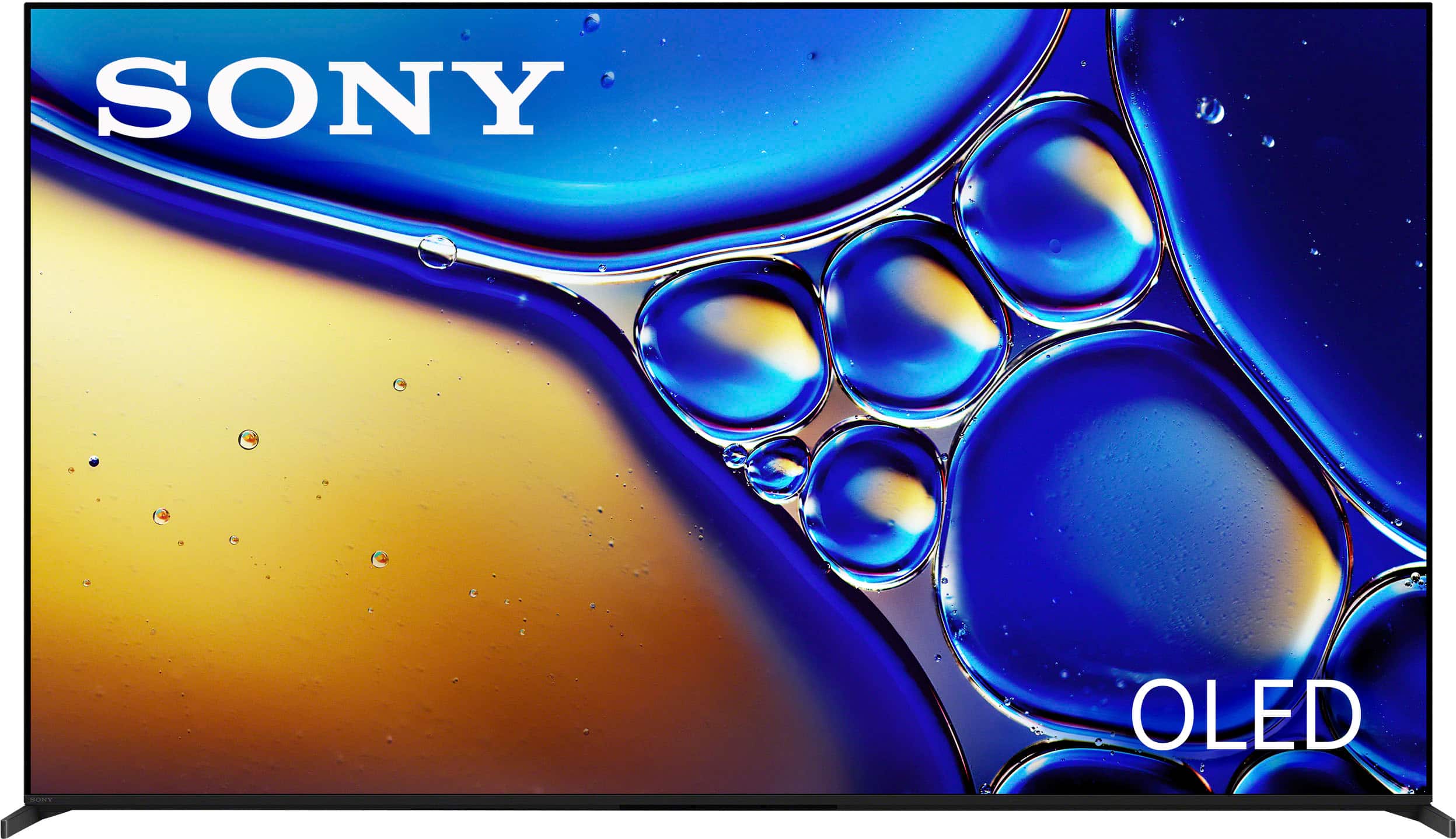
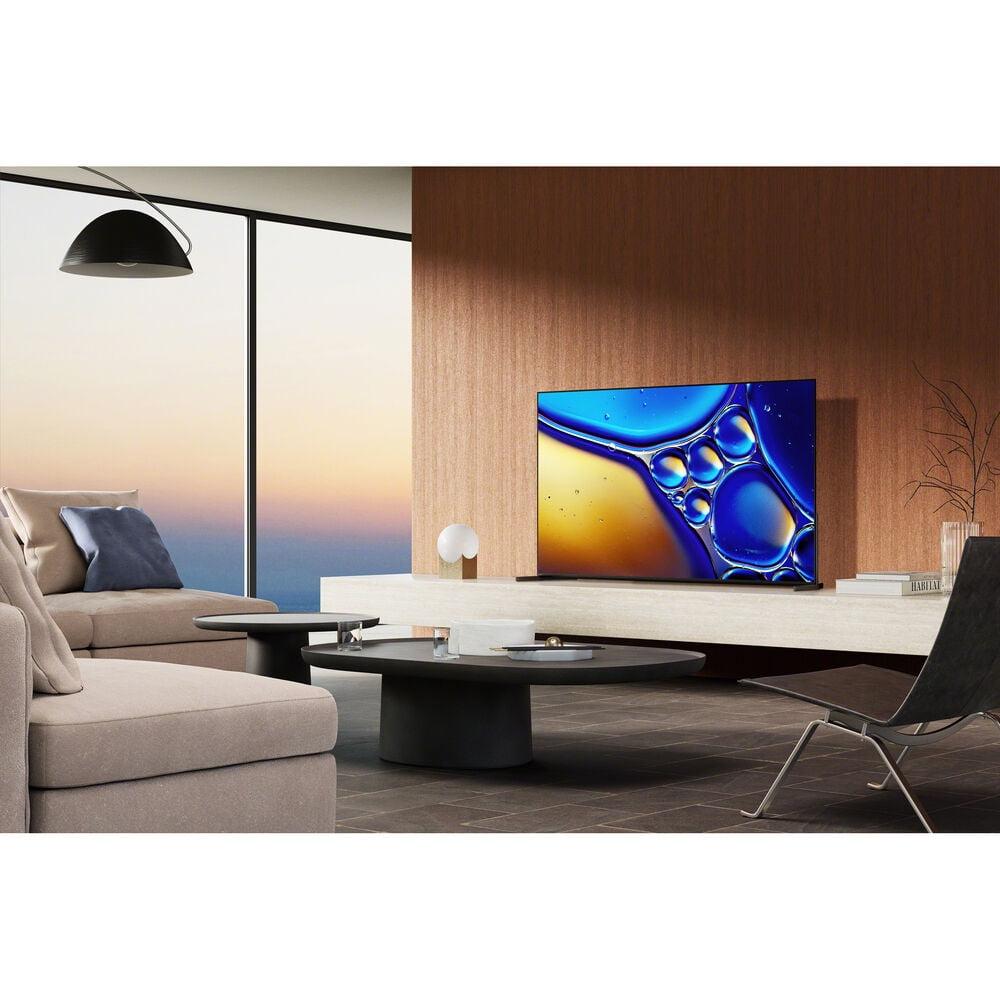
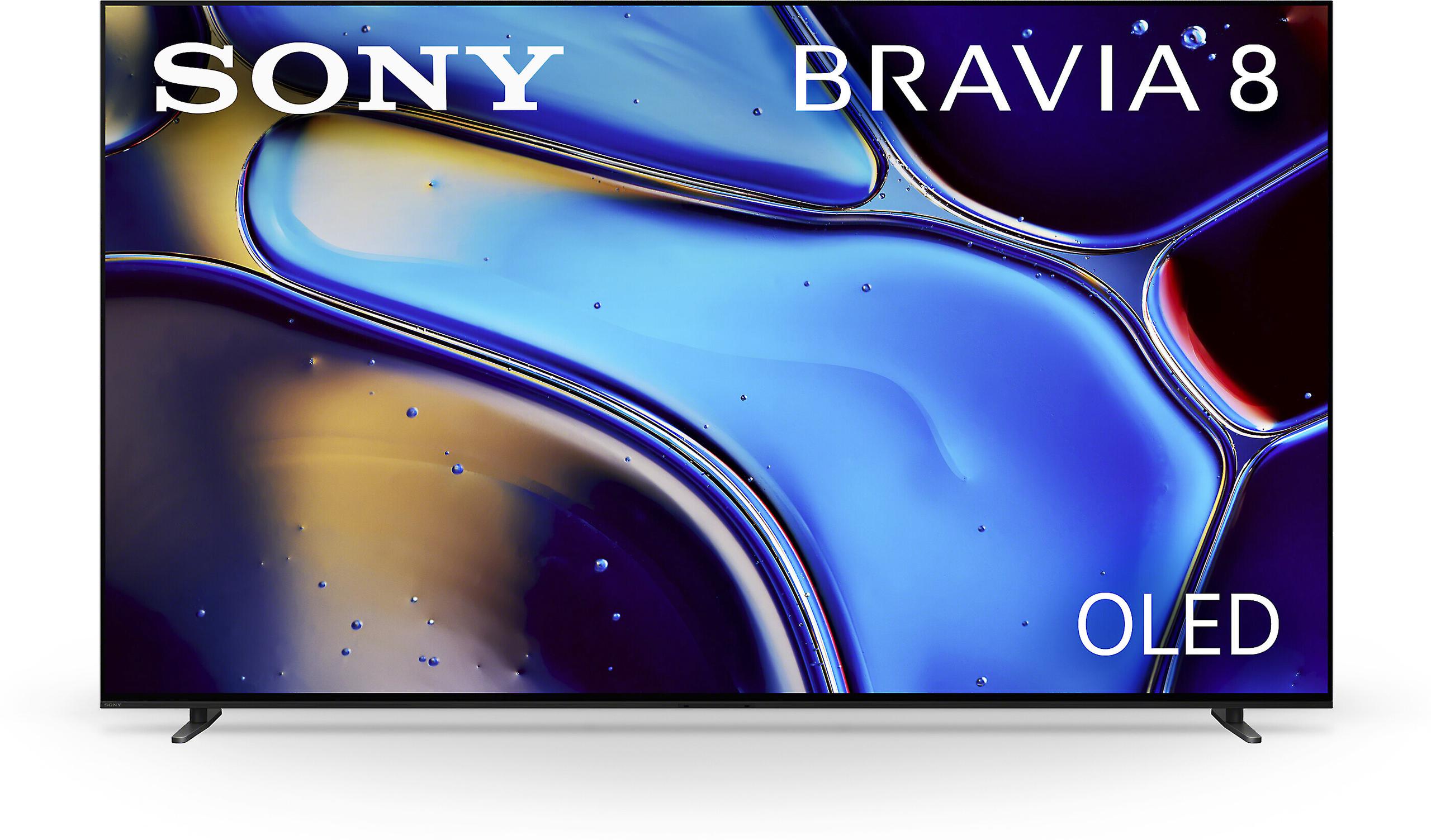
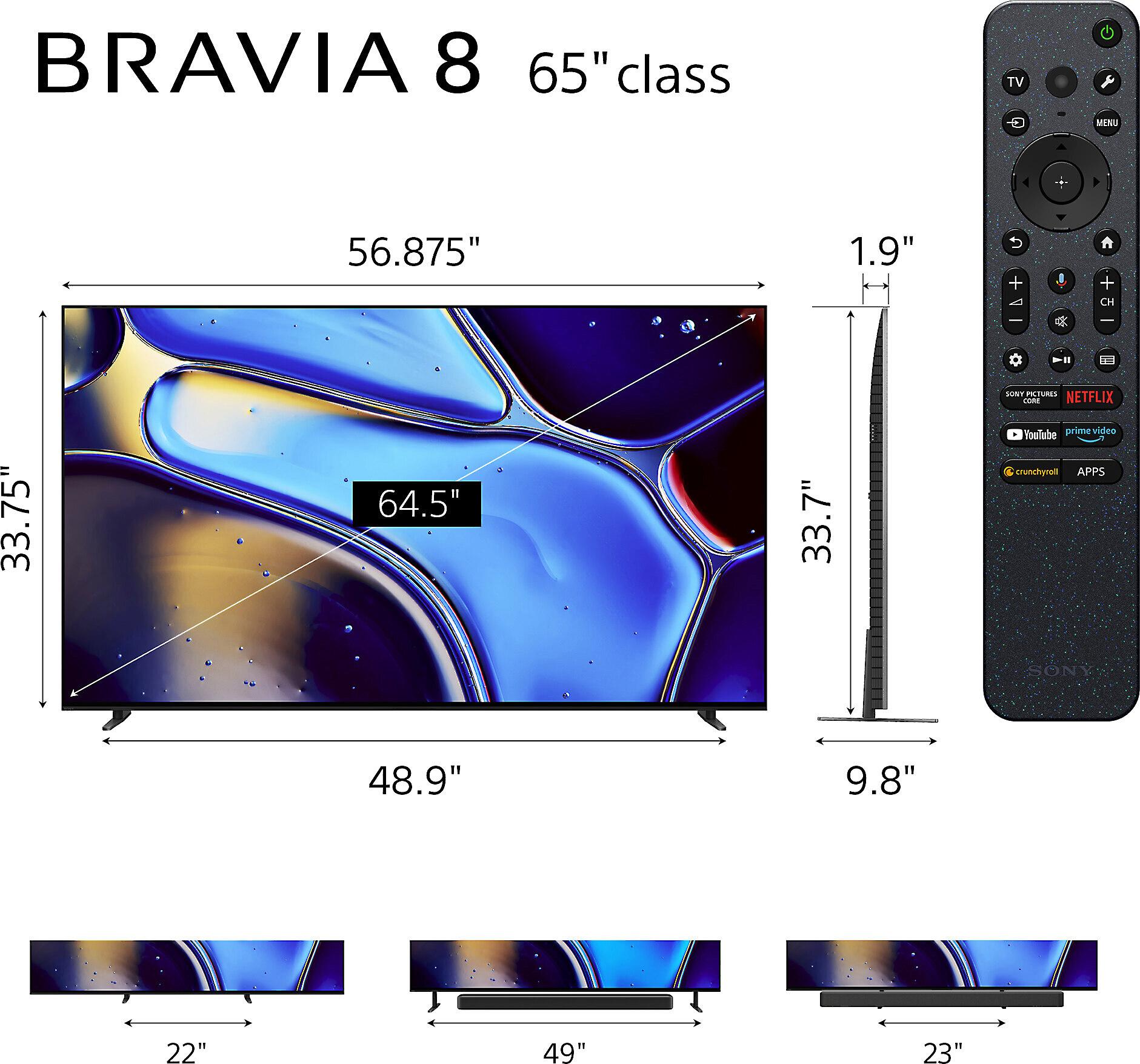
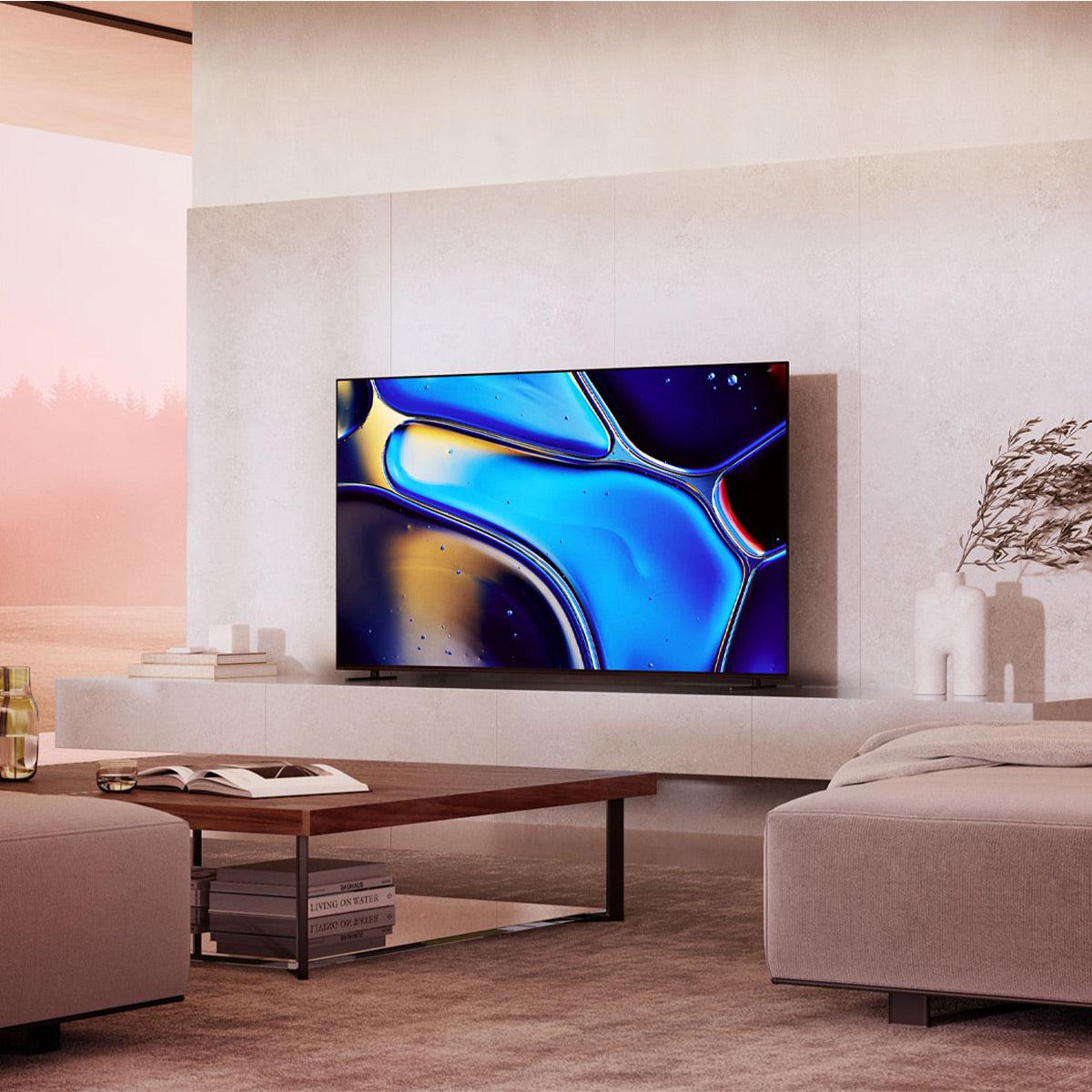
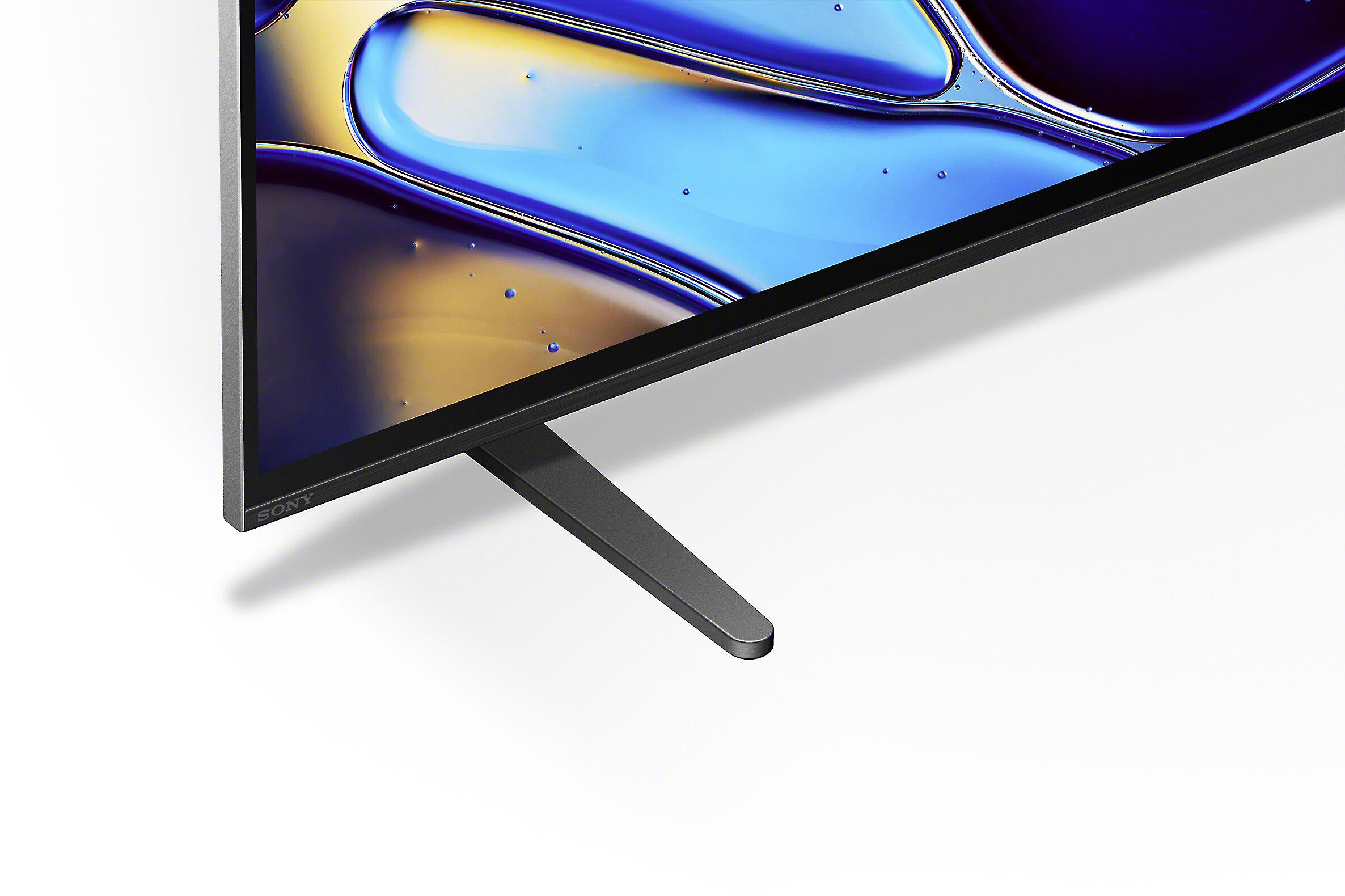
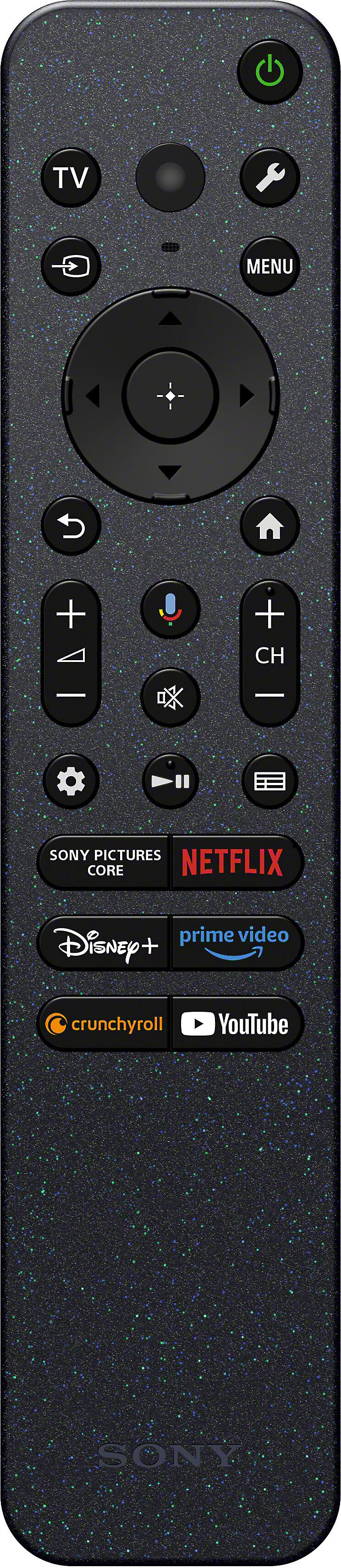
If you're shopping for a premium 65-inch OLED TV, Sony's latest offerings present an interesting dilemma. The Sony BRAVIA 8 II QD-OLED ($3,098-$3,499) represents Sony's cutting-edge display technology for 2025, while the Sony BRAVIA 8 OLED ($1,442-$2,800) from 2024 offers proven performance at a significantly lower price. Both are excellent televisions, but they use fundamentally different panel technologies that affect everything from brightness to color reproduction.
Before diving into the specifics, it's worth understanding what makes OLED special. Unlike traditional LCD TVs that use a backlight shining through pixels, OLED (Organic Light-Emitting Diode) panels have pixels that light themselves. This means when a pixel needs to be black, it simply turns off completely, creating what's called "infinite contrast" – the difference between the brightest whites and the deepest blacks your TV can display.
This self-emitting pixel technology is why OLED TVs are considered the gold standard for home theaters. When you're watching a movie with a night scene, those dark areas are truly dark, not the grayish color you might see on cheaper TVs. The stars in a space scene pop against the absolute black of space.
However, not all OLED panels are created equal. The key difference between our two Sony models lies in how they create colors and light.
The BRAVIA 8 OLED, released in May 2024, uses what's called WOLED (White OLED) technology. This is the traditional OLED approach where white light passes through color filters to create red, green, and blue. It's proven technology that delivers excellent picture quality, but it has limitations in peak brightness – typically maxing out around 1,300 nits in HDR content.
The BRAVIA 8 II QD-OLED, launched in April 2025, represents a significant technological leap. QD-OLED (Quantum Dot OLED) uses blue OLED emitters combined with quantum dots – tiny semiconductor particles that convert blue light into incredibly pure red and green colors. This might sound like technical jargon, but the practical result is dramatic: about 50% higher peak brightness (reaching nearly 1,880 nits) and significantly better color accuracy, especially in bright scenes.
I've spent considerable time with both technologies, and the difference is immediately noticeable. HDR highlights like explosions, bright skies, or car headlights have much more impact on the QD-OLED model. Colors remain vibrant even at high brightness levels, whereas traditional WOLED can sometimes look washed out when pushed to its limits.
Here's where the technology difference becomes crucial for real-world use. The BRAVIA 8 II's 1,880-nit peak brightness isn't just a number on a spec sheet – it fundamentally changes how the TV performs in different environments.
If you're setting up a dedicated home theater with blackout curtains and controlled lighting, the standard BRAVIA 8's 1,300 nits might be perfectly adequate. OLED's infinite contrast still delivers stunning dark scenes, and the overall picture quality remains exceptional.
But most of us don't live in dedicated theater rooms. We watch TV in living rooms with windows, ambient lighting, and varying conditions throughout the day. This is where that extra 580 nits of brightness becomes transformative. The QD-OLED model maintains its visual impact even when there's light in the room, while the WOLED version can appear dimmer and less vibrant in the same conditions.
During my testing, I found the brightness difference most noticeable during daytime viewing and in HDR content with bright outdoor scenes. Watching nature documentaries, the sun reflecting off water or snow-covered mountains has significantly more realism and impact on the BRAVIA 8 II.
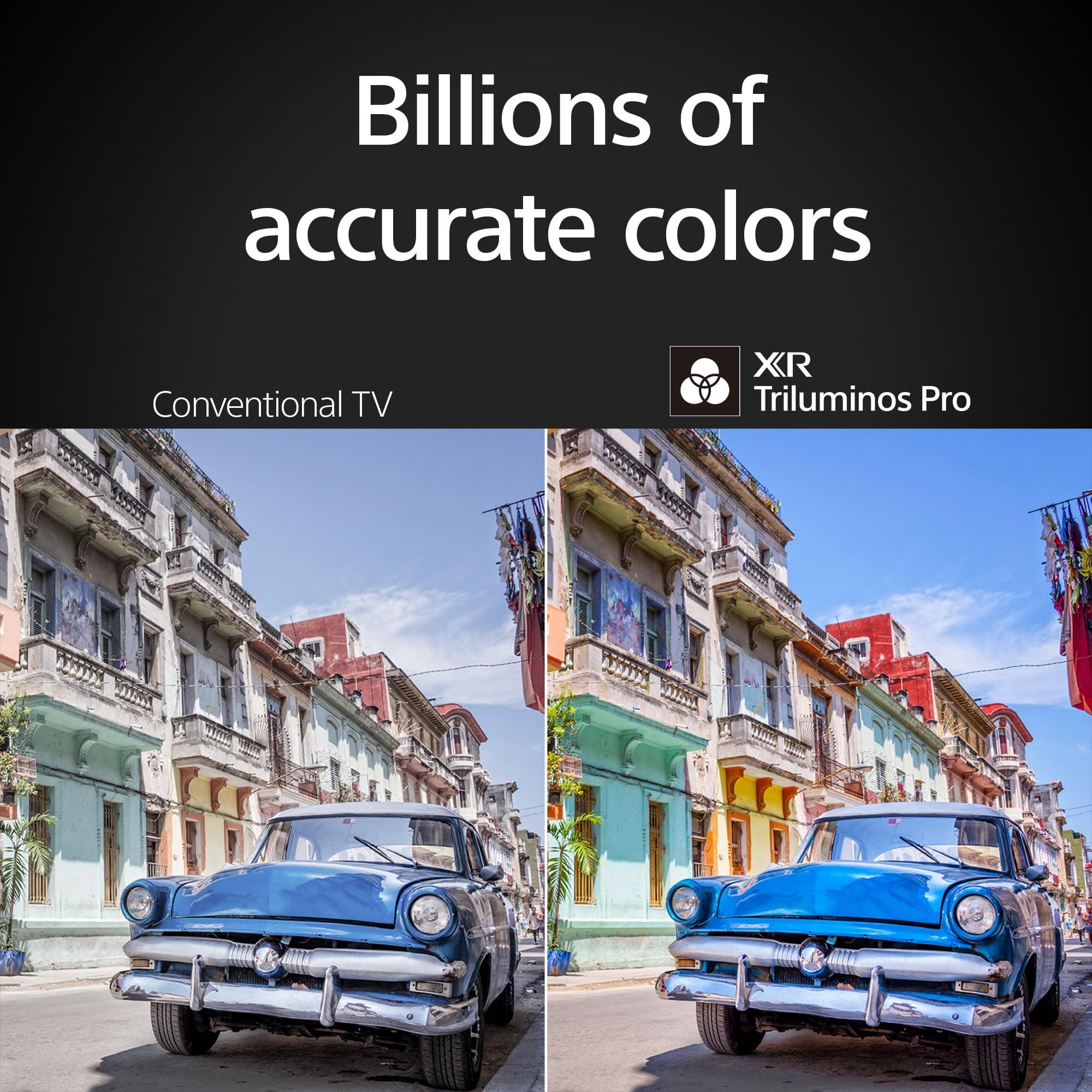
The color improvements in the BRAVIA 8 II extend beyond just brightness. Quantum dots excel at maintaining color accuracy even at high luminance levels – something traditional OLED struggles with. This means bright red sports cars, vibrant green grass, or brilliant blue skies look more natural and less artificially saturated.
Both TVs feature Sony's XR Triluminos technology, but the QD-OLED version takes it further with what Sony calls "XR Triluminos Max." In practical terms, this means access to a wider color gamut (the range of colors the TV can display) and better color volume (how well it maintains those colors at different brightness levels).
The difference is subtle in dark scenes but becomes pronounced in bright, colorful content. HDR movies with vibrant scenes – think of the colorful worlds in animated films or the rich landscapes in nature documentaries – showcase the QD-OLED's superior color handling.
Both TVs run Sony's XR Processor, but the BRAVIA 8 II includes an updated version with AI Scene Recognition. This feature analyzes the content you're watching in real-time and automatically adjusts picture settings for optimal quality. Watching a dark thriller? The processor optimizes for shadow detail. Switched to a bright sports broadcast? It adjusts for clarity and motion handling.
While this sounds like marketing speak, I've found it genuinely useful. The TV becomes more hands-off, requiring less manual tweaking of picture modes as you switch between different types of content. The standard BRAVIA 8 still has excellent processing, but it relies more on your manual adjustments to optimize different content types.
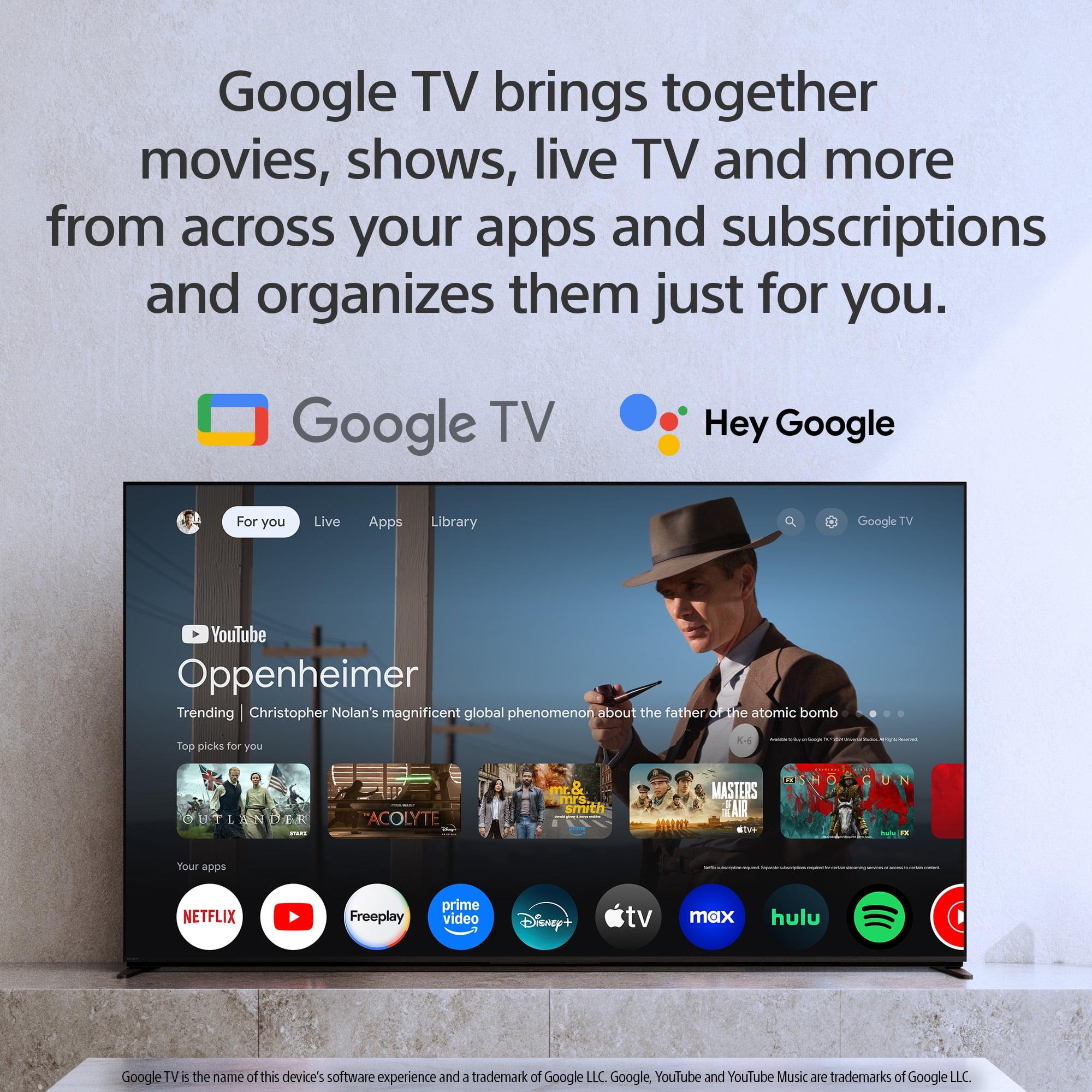
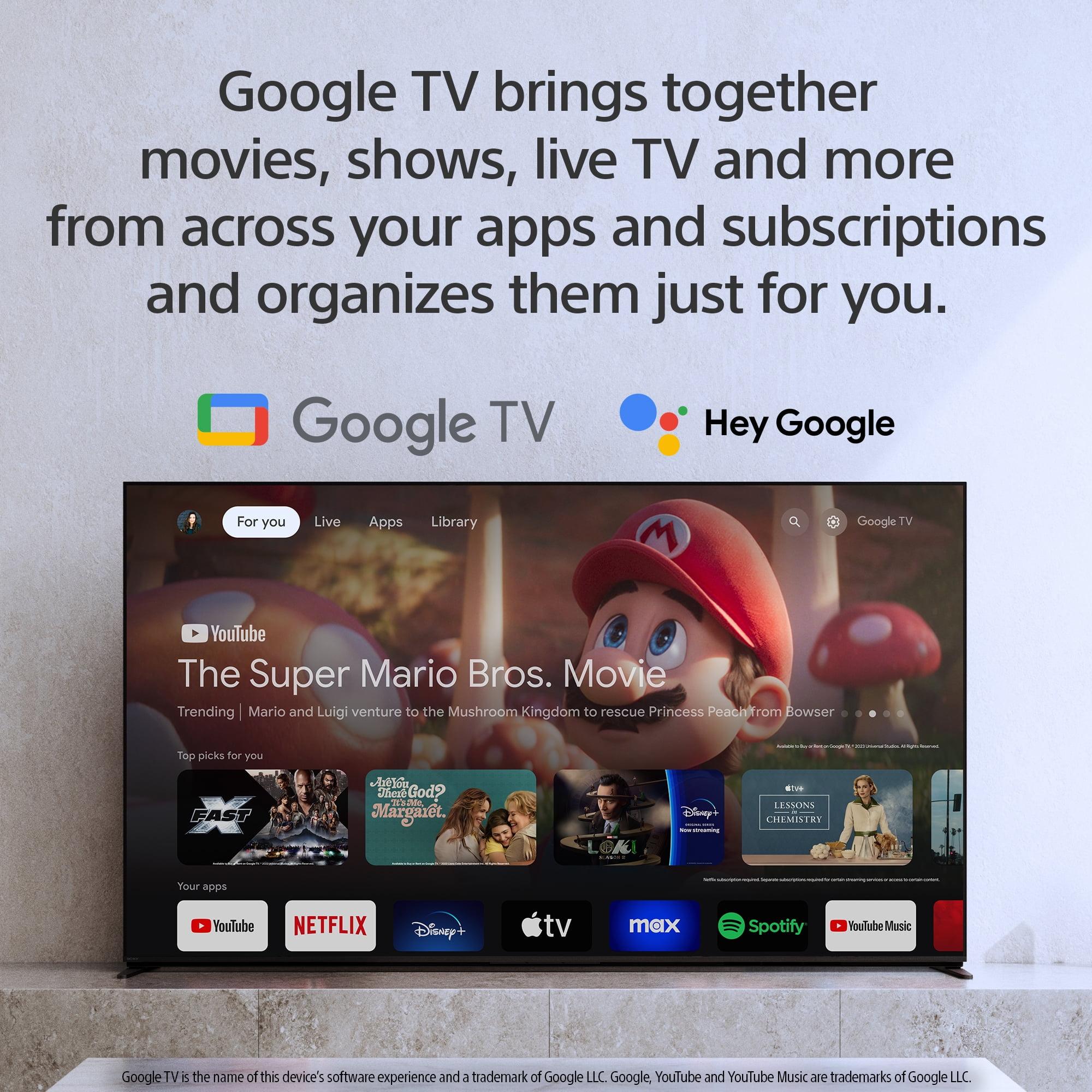
Both models run Google TV, which I find to be one of the better smart TV interfaces. It's responsive, organizes content well across different streaming services, and includes built-in Google Assistant. The experience is essentially identical between both models.
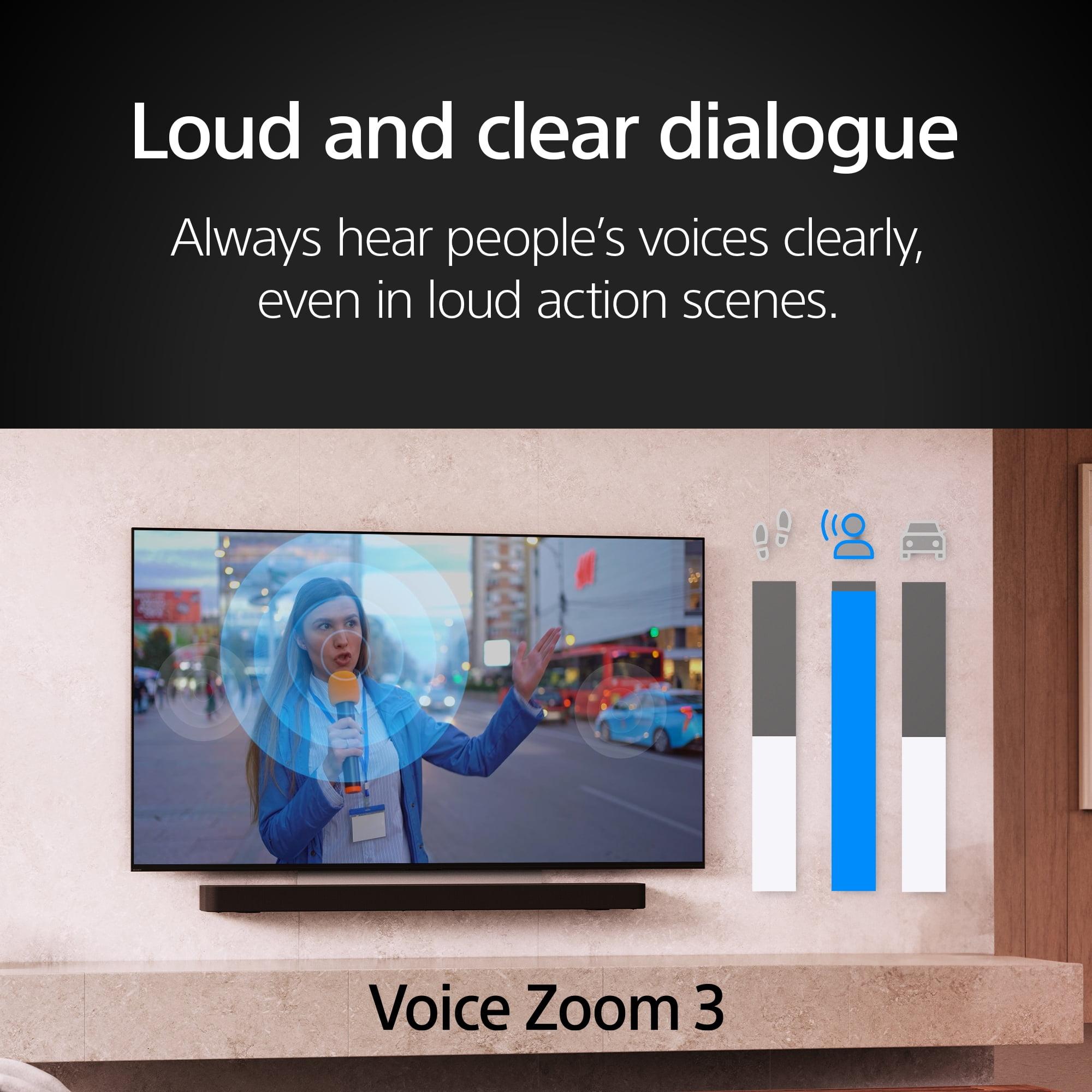
Sony's Acoustic Surface Audio+ technology turns the entire screen into a speaker, and both models feature this impressive audio system. Sound appears to come directly from the action on screen – dialogue from characters' mouths, explosions from their location in the scene. It's genuinely immersive and eliminates the disconnect you might experience with traditional TV speakers mounted below the screen.
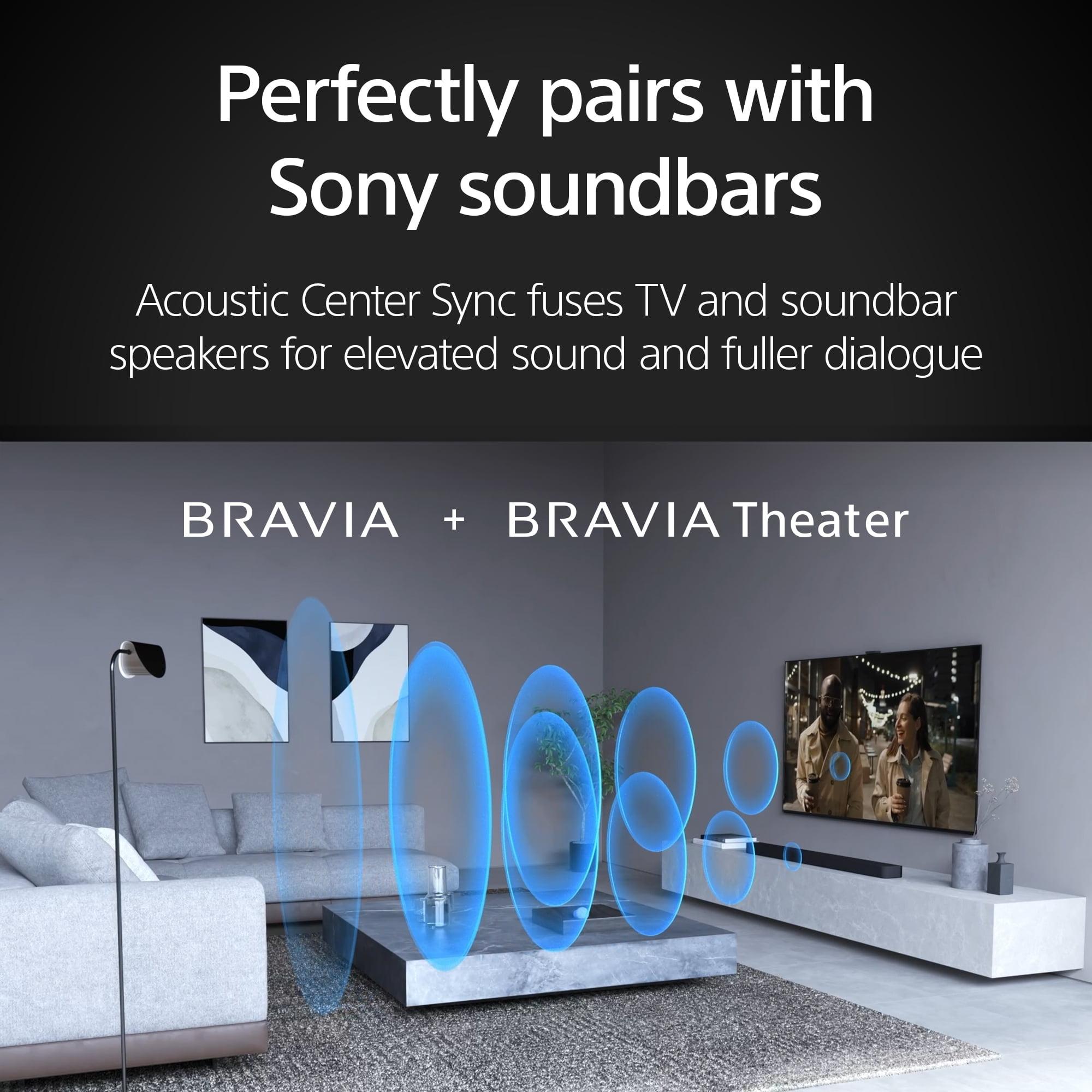
For most users, the built-in audio is surprisingly good. However, if you're setting up a dedicated home theater, both TVs support Acoustic Center Sync, allowing them to work as the center channel in a surround sound system when paired with compatible Sony soundbars. This creates a more cohesive soundstage where dialogue comes clearly from the screen while maintaining full surround effects.
The audio performance is essentially identical between both models, so this shouldn't factor into your decision between them.
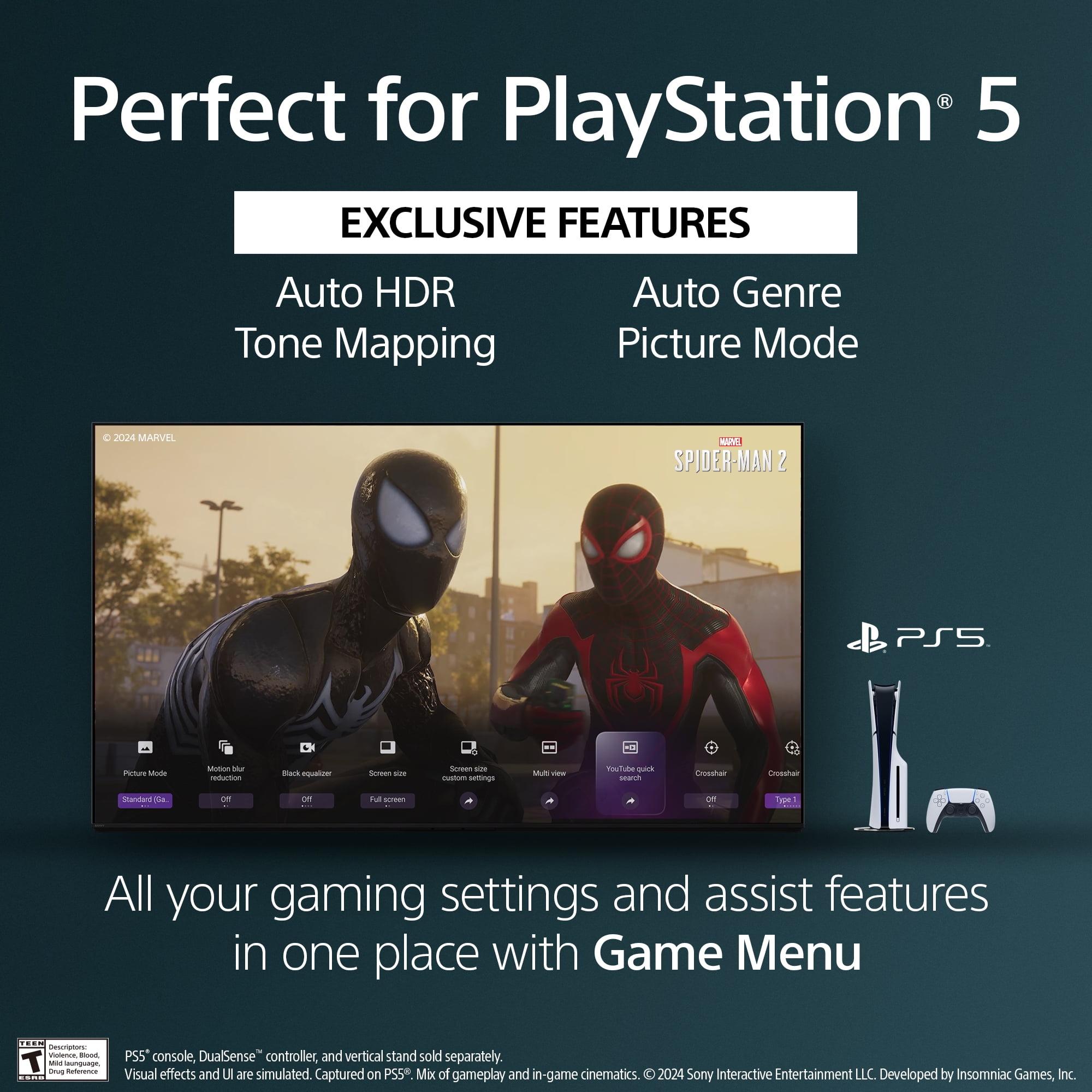
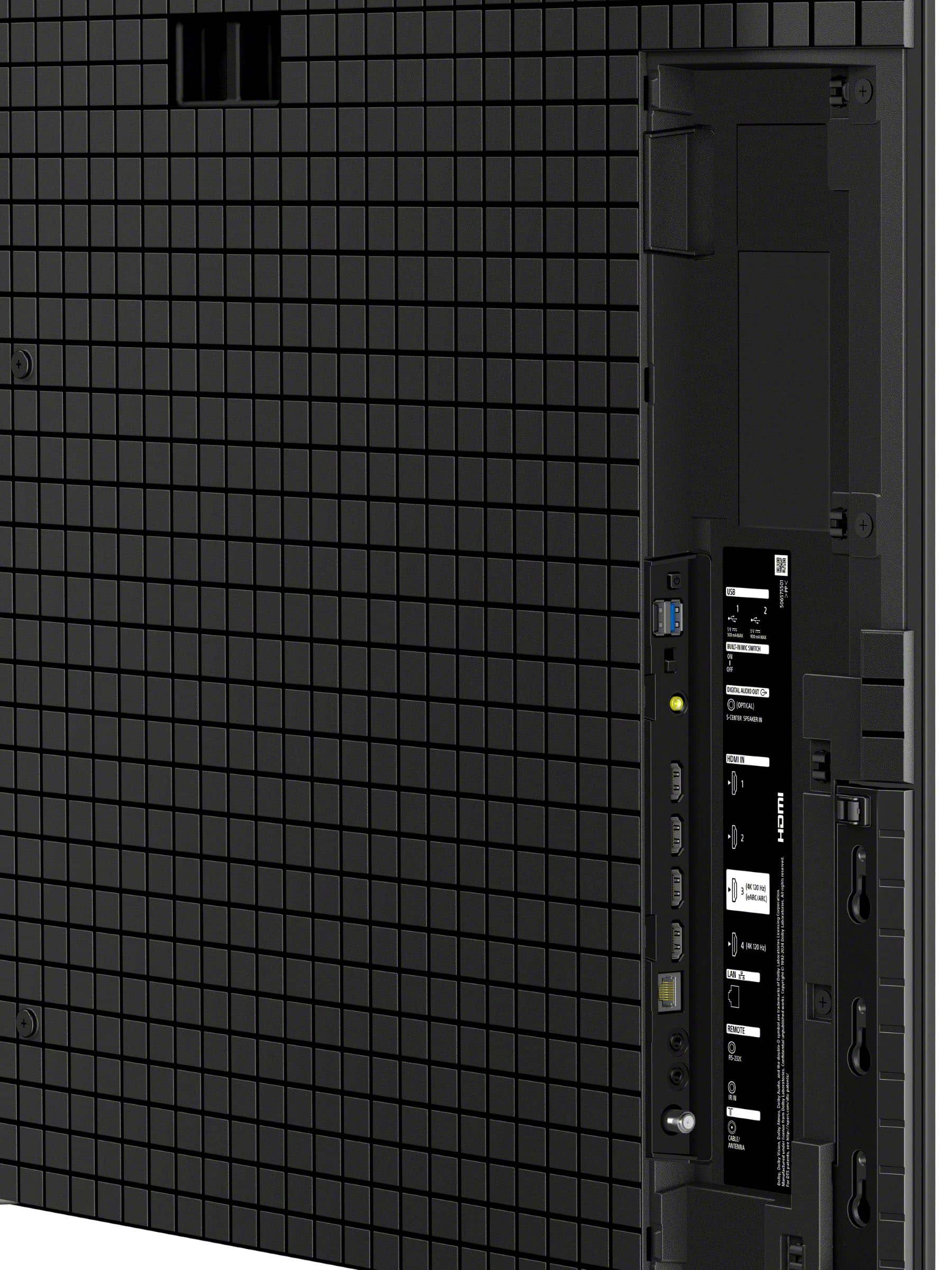
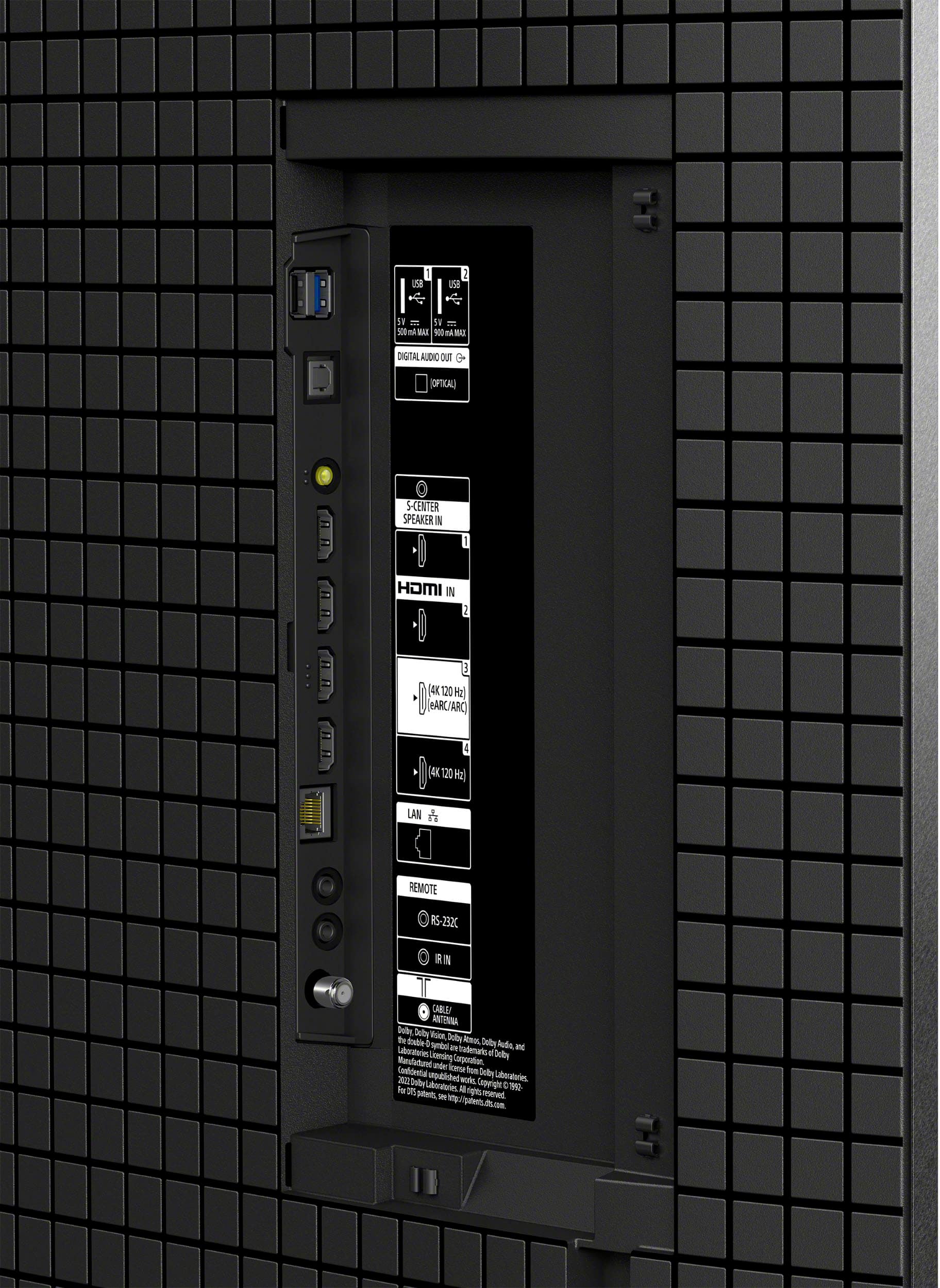
Both the BRAVIA 8 and BRAVIA 8 II are excellent for gaming, featuring HDMI 2.1 ports that support 4K gaming at 120Hz, Variable Refresh Rate (VRR) to eliminate screen tearing, and Auto Low Latency Mode (ALLM) that automatically switches to game mode when it detects a console.
Input lag – the delay between pressing a button and seeing the action on screen – measures just 8.5ms on both models, which is excellent for competitive gaming. Whether you're playing fast-paced shooters or story-driven adventures, the response feels immediate and natural.
The gaming experience is virtually identical between both TVs, so gamers shouldn't choose based on gaming performance alone. However, the BRAVIA 8 II's higher brightness can make HDR games more impactful, particularly in bright outdoor game environments.
This is where the decision becomes challenging. The BRAVIA 8 OLED offers exceptional value at $1,442-$2,800, delivering premium OLED picture quality with perfect blacks, vibrant colors, and Sony's excellent processing. For many users, especially those with dedicated home theaters or primarily dark-room viewing, it provides 90% of the premium OLED experience at a significantly lower cost.
The BRAVIA 8 II QD-OLED at $3,098-$3,499 represents a 30-80% price premium over the standard model. That's a substantial difference – potentially $1,000-2,000 more for the latest technology. However, that premium buys you meaningfully better performance: 50% higher brightness, superior color volume, and better room versatility.
From a pure value perspective, the standard BRAVIA 8 wins for most budget-conscious buyers. But if room brightness is a concern or you want the absolute best HDR performance, the QD-OLED model justifies its premium pricing.
For dedicated home theater setups, the choice becomes more nuanced. If you have complete light control – blackout curtains, minimal ambient lighting, optimal viewing conditions – the BRAVIA 8 OLED's 1,300 nits provides plenty of brightness for stunning HDR impact. The perfect blacks and excellent contrast will create an immersive cinematic experience.
However, even in home theaters, I lean toward the BRAVIA 8 II QD-OLED for its superior color handling and future-proofing. HDR mastering standards continue to push brightness levels higher, and content creators are taking advantage of displays that can handle brighter highlights. The extra brightness headroom ensures you're getting the full impact of current and future HDR content.
The color improvements are also significant for film enthusiasts. Many movies feature bright, colorful scenes where the QD-OLED's superior color volume creates more natural, film-like reproduction.
Choose the BRAVIA 8 II QD-OLED if you have a bright living room, want maximum HDR impact, or prioritize having the latest display technology. The 50% brightness improvement and superior color handling make it worth the premium for users who watch TV in varied lighting conditions or want the absolute best picture quality available.
Choose the BRAVIA 8 OLED if you're value-focused, primarily watch in dark rooms, or want excellent OLED performance without paying for cutting-edge technology. It still delivers outstanding picture quality with perfect blacks and vibrant colors – just not quite at the level of its more expensive sibling.
Both are excellent televisions that will provide years of viewing enjoyment. The standard BRAVIA 8 proves that you don't need to buy the latest technology to get premium performance, while the BRAVIA 8 II demonstrates how meaningful technological advances can justify higher prices for users who benefit from those improvements.
The choice ultimately comes down to your room lighting, budget flexibility, and whether that extra brightness and color performance are worth the substantial price difference. Either way, you're getting one of the best OLED TVs available today.

Privacy Policy
Terms and Conditions - Affiliate Policy
Home Security
© Copyright 2008-2026.
11816 Inwood Rd #1211, Dallas, TX 75244