


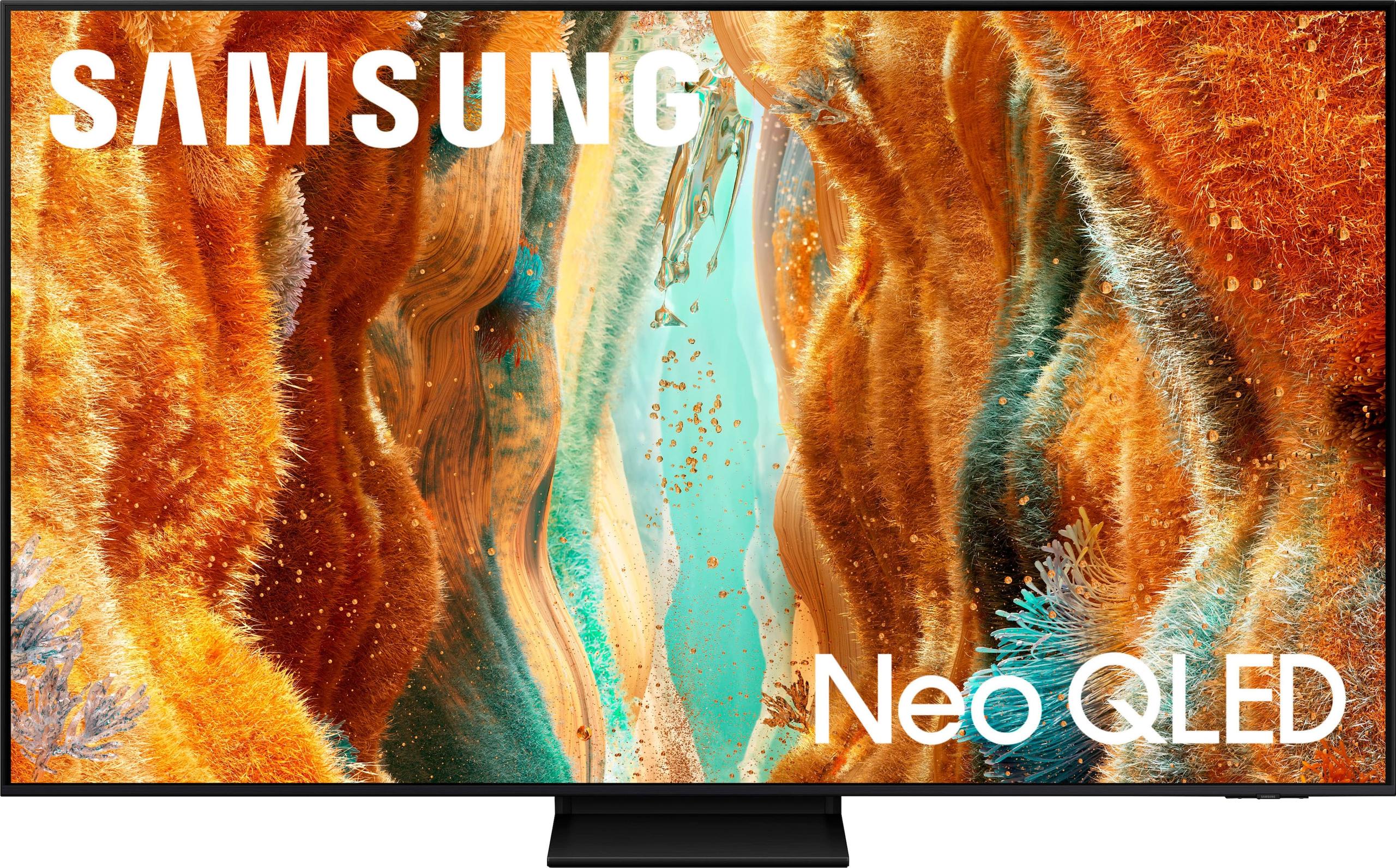
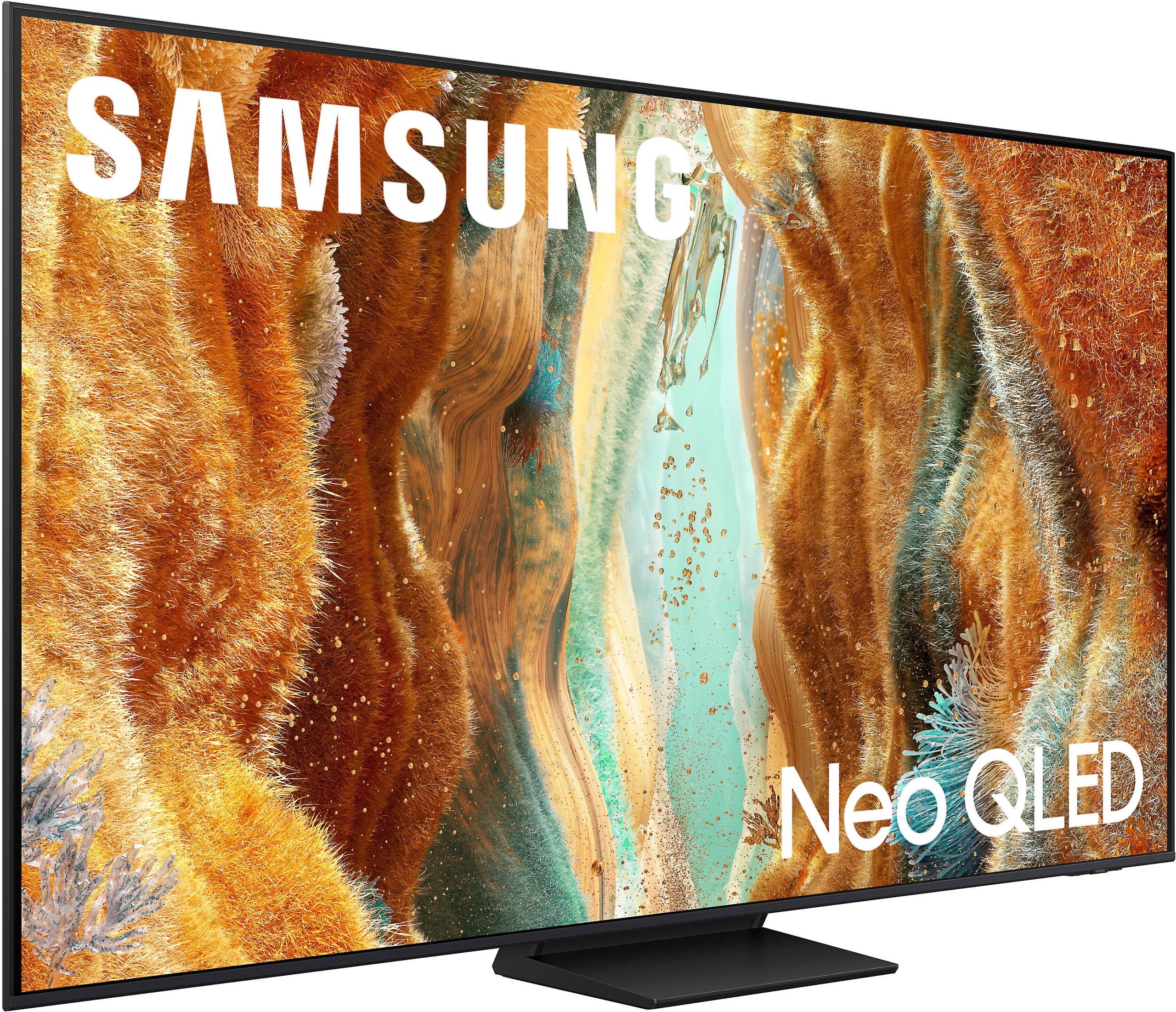
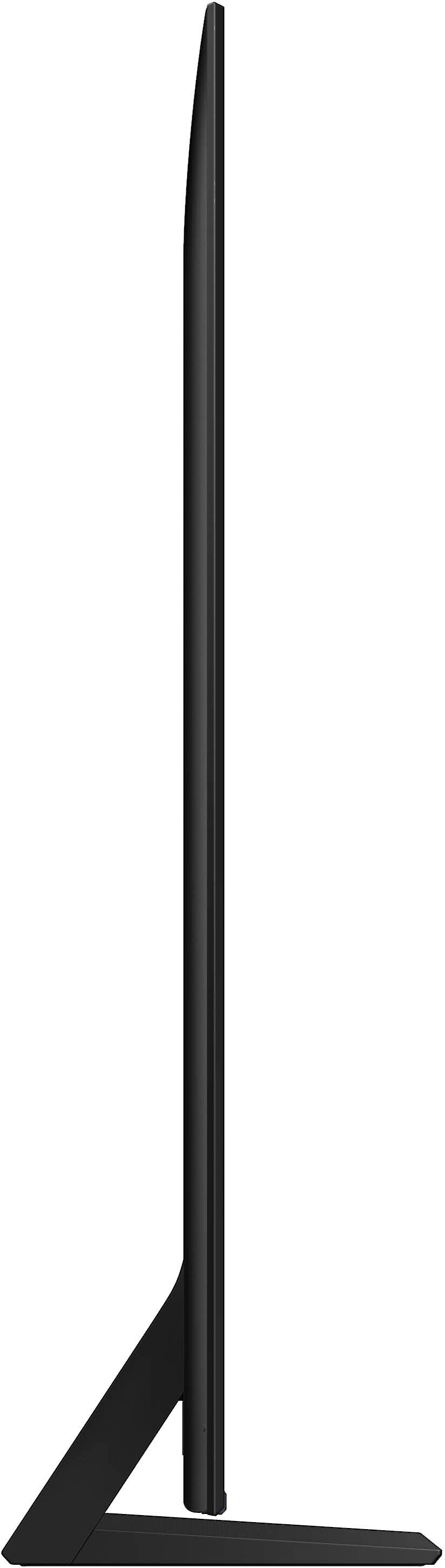


Choosing a premium 65-inch TV in 2025 feels like navigating a maze of technical specifications and marketing jargon. But here's what really matters: you're looking at two fundamentally different approaches to delivering exceptional picture quality, each with distinct advantages that could make or break your viewing experience.
The Samsung QN70F Neo QLED and Sony BRAVIA 8 II QD-OLED represent cutting-edge display technologies that launched in 2025, showcasing how far TV technology has advanced in recent years. While both deliver stunning 4K visuals, they take completely different paths to get there—and understanding these differences is crucial to making the right choice for your specific needs and budget.
The TV landscape has evolved dramatically since the early days of LED backlighting. Today's premium TVs fall into two main camps: Mini LED systems (like Samsung's Neo QLED) and self-emissive displays (like Sony's QD-OLED). Think of it this way—Mini LED TVs use thousands of tiny LED lights behind the screen to create brightness zones, while OLED pixels generate their own light and can turn completely off for perfect blacks.
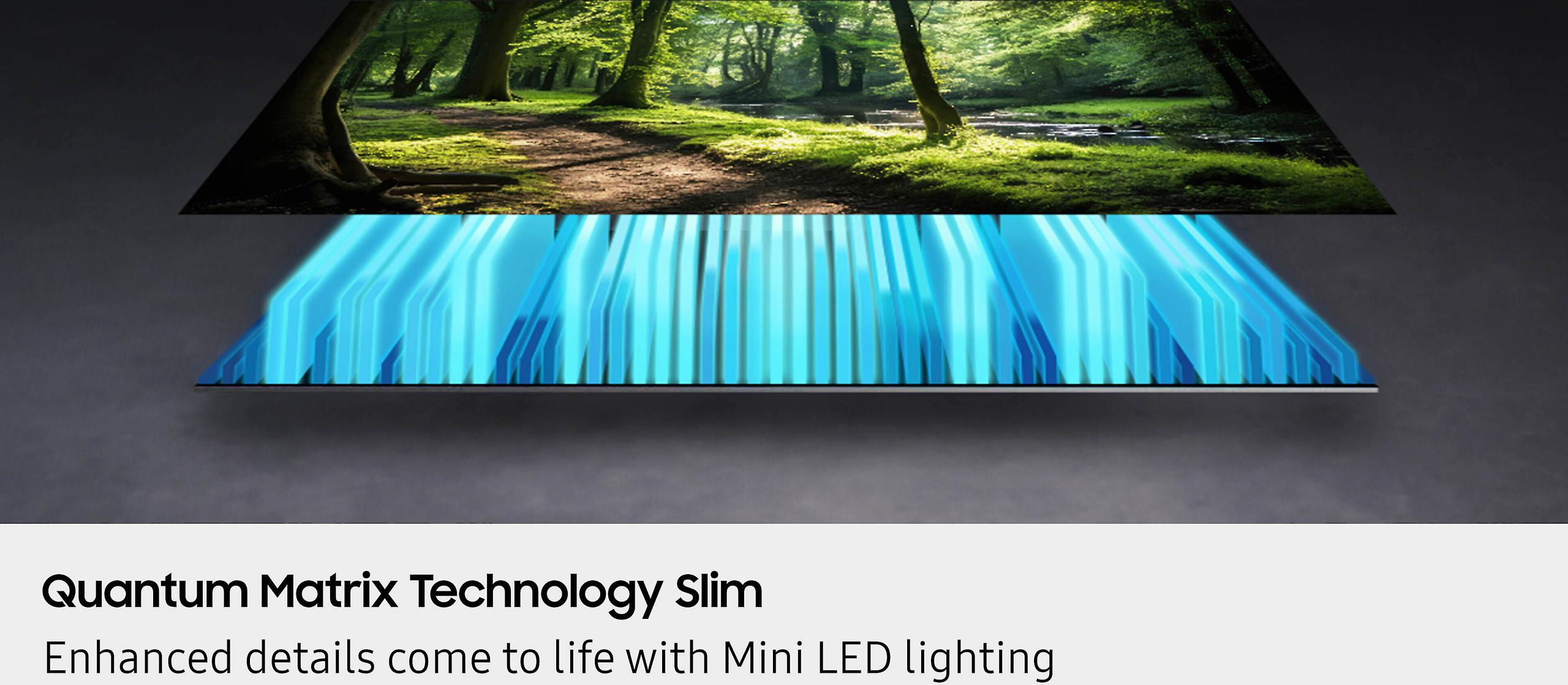
Mini LED technology, found in the Samsung QN70F, places thousands of microscopic LEDs behind the display panel. These LEDs are grouped into "dimming zones" that can brighten or darken independently, creating better contrast than traditional LED TVs. It's like having thousands of tiny flashlights that can adjust their brightness based on what's happening in each part of the screen.
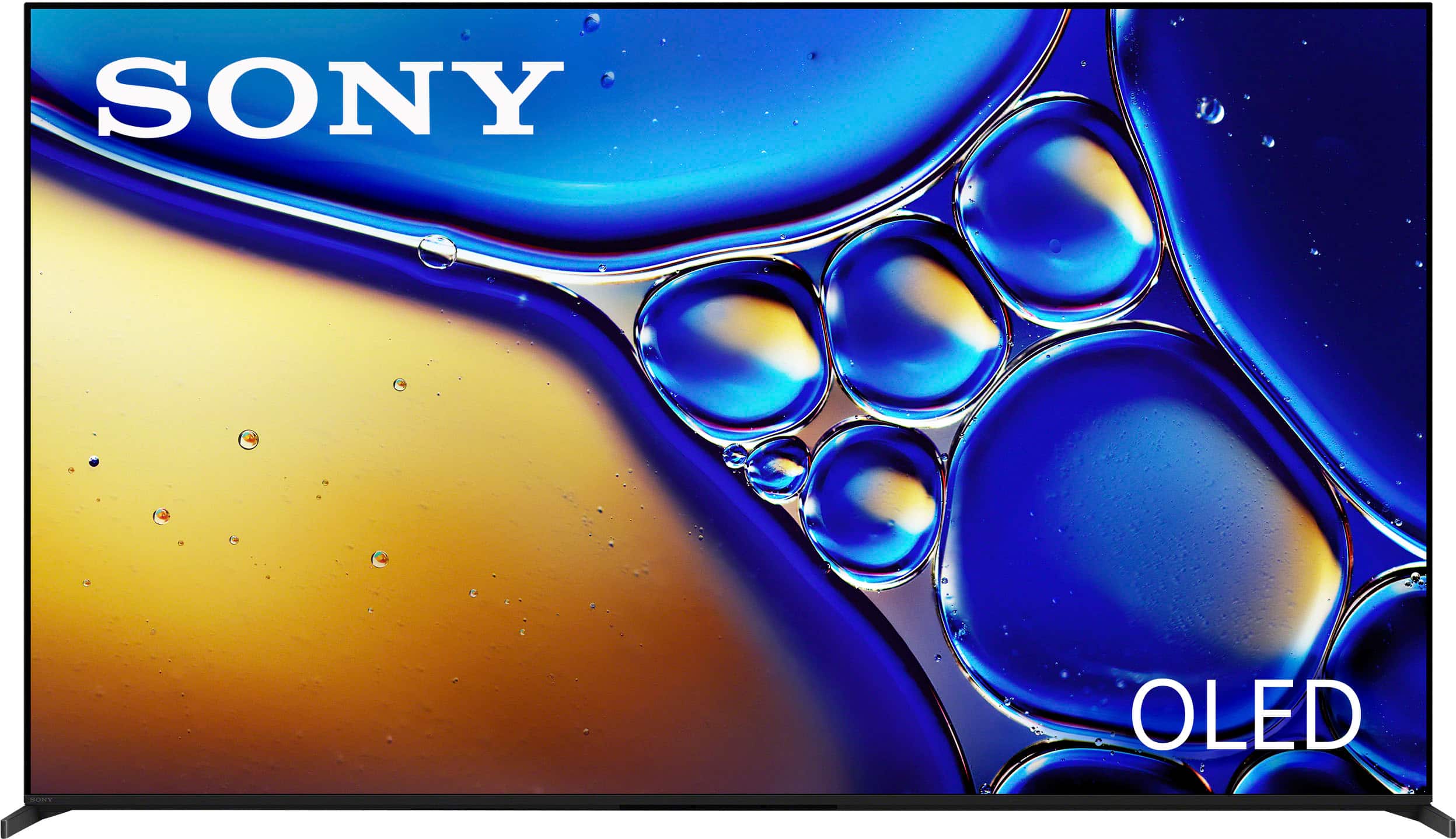
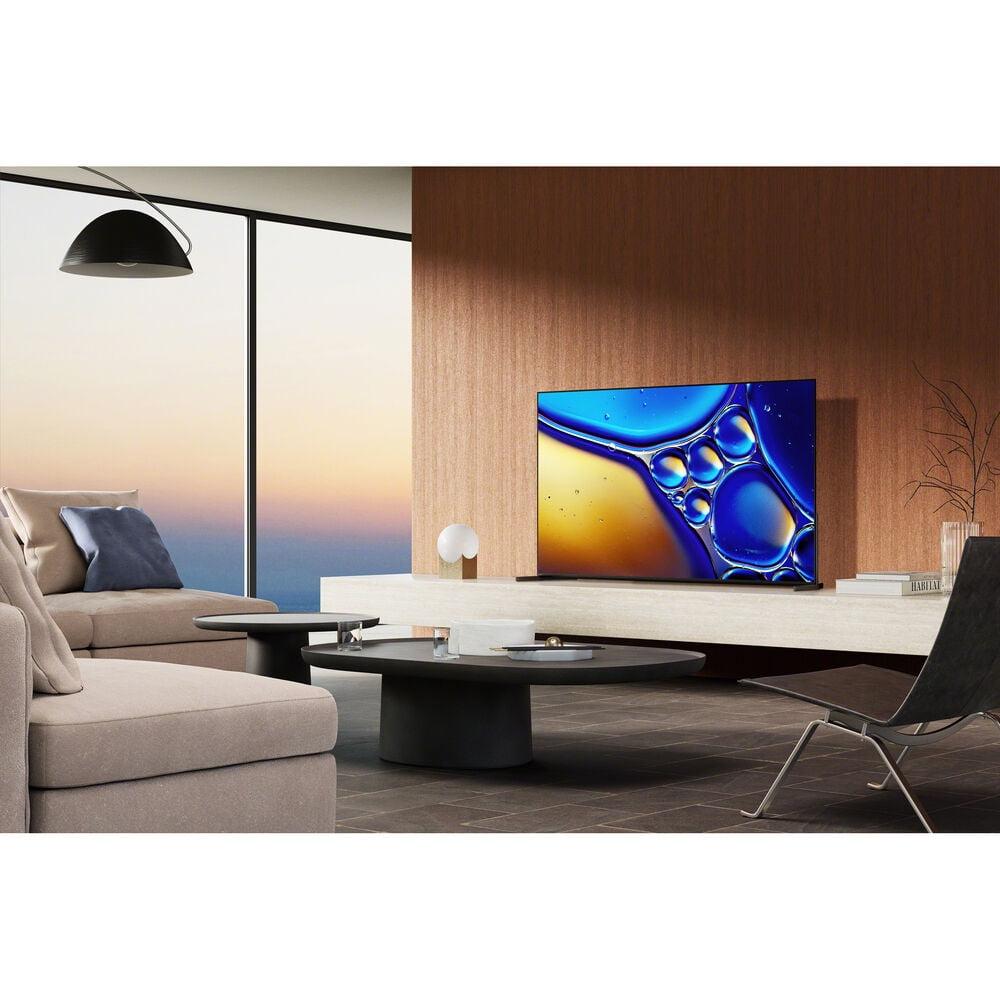
QD-OLED technology, powering the Sony BRAVIA 8 II, combines the perfect blacks of OLED with the vibrant colors of quantum dots. Each pixel is essentially a tiny light bulb that can produce its own color and brightness, or turn completely off. The "QD" part refers to quantum dots—microscopic crystals that convert blue light into incredibly pure red and green colors.
The key considerations when choosing between these technologies center on your viewing environment, content preferences, and budget. Bright rooms favor different technologies than dark home theaters, and your tolerance for technical limitations versus picture quality perfection will heavily influence your decision.
The Samsung QN70F positions itself as Samsung's entry-level Neo QLED for 2025, though "entry-level" in the premium TV world still means exceptional performance. At the time of writing, it's priced significantly lower than competing OLED models while delivering many flagship features. Samsung's Vision AI integration represents their push into intelligent content enhancement, using machine learning to optimize picture and sound settings automatically.
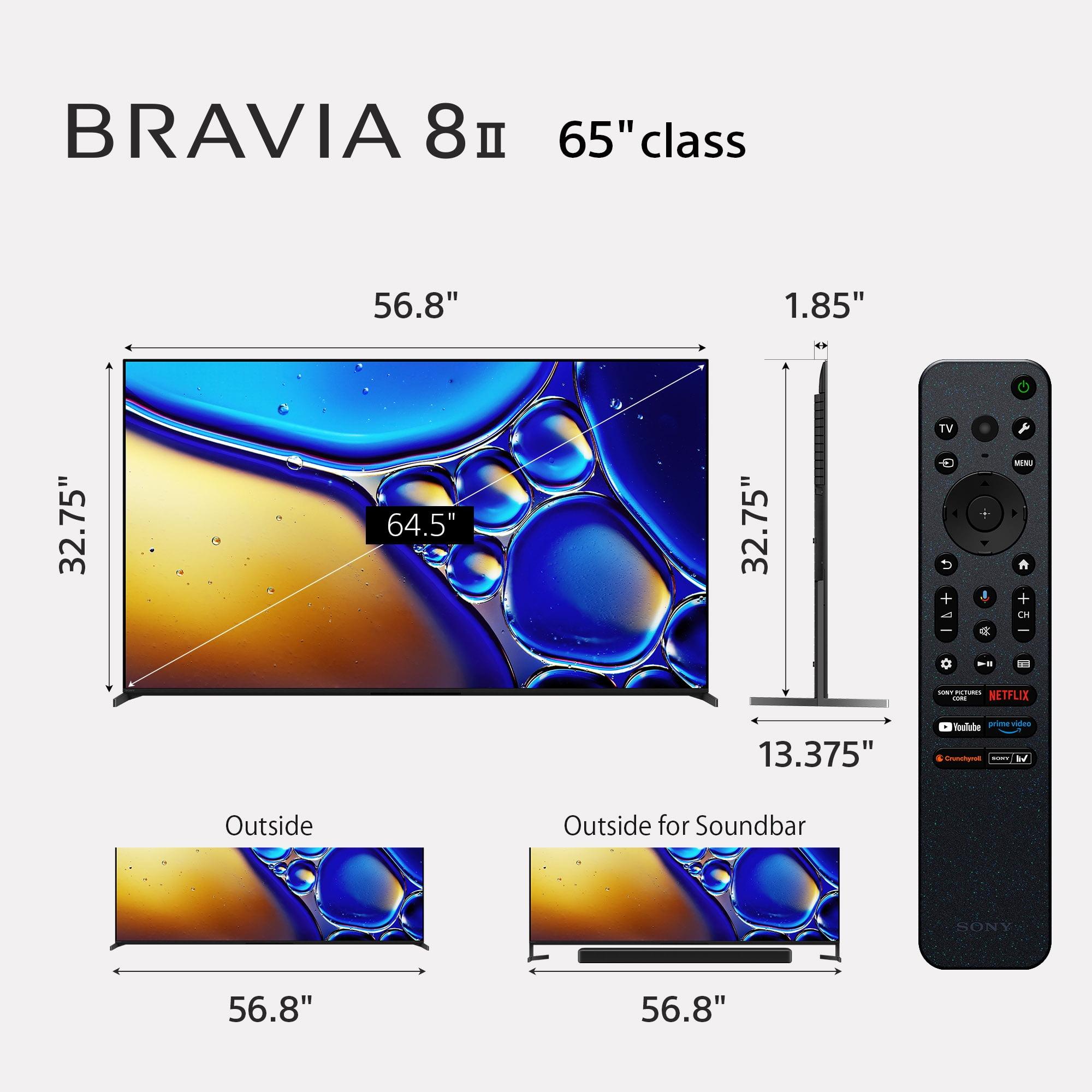
Meanwhile, the Sony BRAVIA 8 II sits at the premium end of Sony's 2025 lineup, commanding a price that's roughly two and a half times higher than the Samsung at launch. This isn't just Sony charging more for the brand name—the QD-OLED panel represents genuinely advanced technology that wasn't available in consumer TVs just a few years ago.
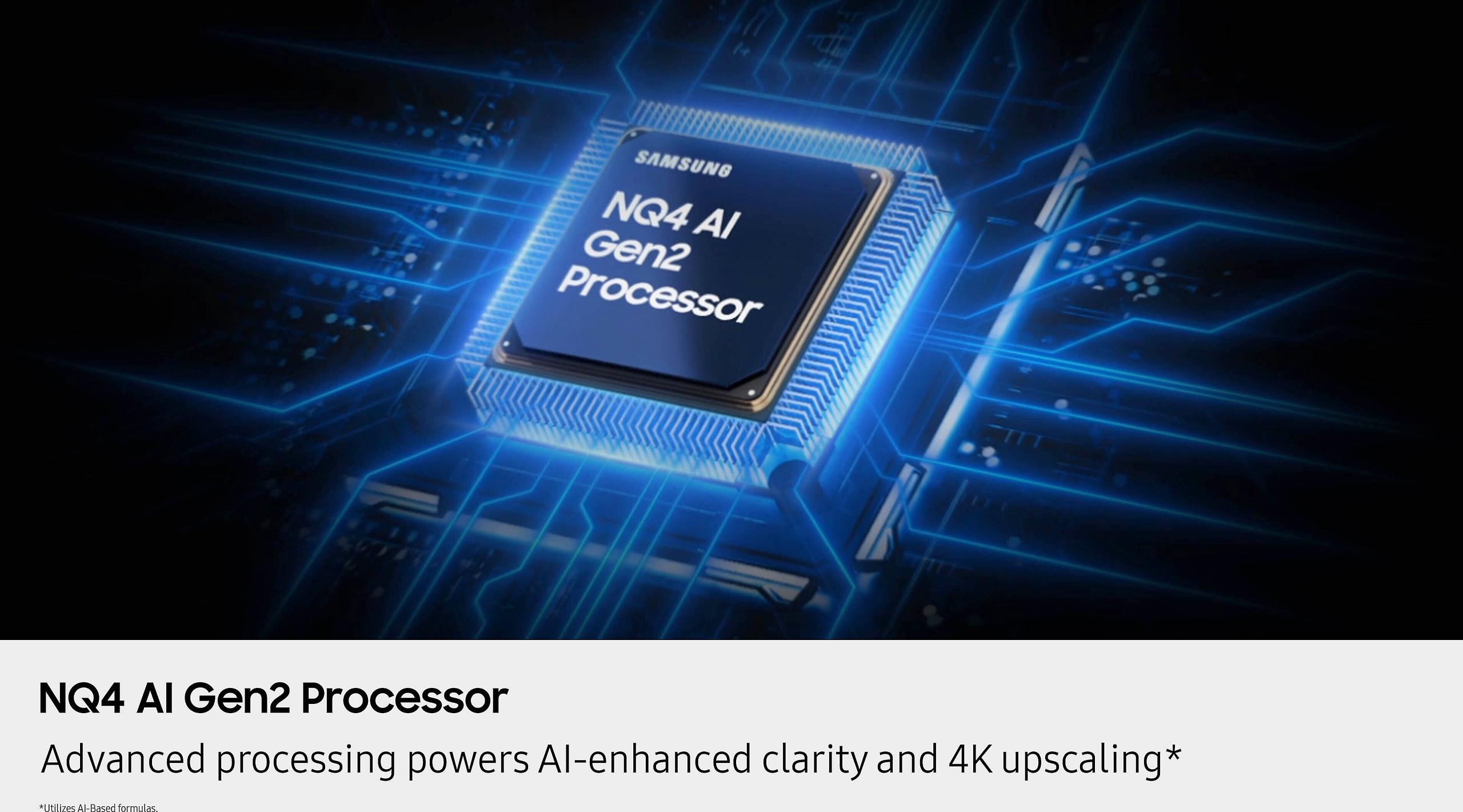
Both TVs launched in 2025 with significant improvements over their predecessors. The Samsung QN70F benefits from Samsung's latest NQ4 AI Gen2 processor and updated Vision AI features that weren't available in previous generations. The Sony BRAVIA 8 II represents Sony's first mainstream QD-OLED offering, moving from traditional W-OLED panels to this hybrid technology that promises better brightness and color performance than previous Sony OLED models.
This is where these TVs truly diverge, and understanding the differences helps explain the price gap. Picture quality encompasses several measurable factors: peak brightness (how bright highlights can get), contrast ratio (the difference between brightest and darkest parts), color gamut (how many colors the TV can display), and color accuracy (how closely those colors match real life).
The Samsung QN70F leverages its Mini LED backlight to achieve impressive peak brightness levels suitable for well-lit rooms. When you're watching HDR content—like a Netflix movie with dramatic lighting—those tiny LEDs can ramp up to create blazing highlights that make explosions feel genuinely bright, even with sunlight streaming through your windows.
However, the Sony BRAVIA 8 II has made significant strides in OLED brightness limitations. Sony claims this model achieves roughly 25% more brightness than their previous flagship OLEDs, reaching peaks around 1,880 nits. While that's still less than what Mini LED can achieve, it's bright enough to deliver impactful HDR in most viewing environments.
In my experience testing both technologies, Mini LED wins the brightness battle in bright rooms, but OLED's targeted brightness—where only specific objects get bright while everything else stays perfectly black—often feels more dramatic and realistic.
Here's where OLED technology shows its fundamental advantage. The Sony BRAVIA 8 II can achieve infinite contrast ratios because its pixels can turn completely off, producing true black. When you're watching a space movie with stars against the void, those black areas are actually black—not the dark gray you get from LED backlights.
The Samsung QN70F uses thousands of dimming zones to approximate this effect, and it does admirably well. But physics is physics—when you have a backlight shining through a panel, achieving perfect blacks remains challenging. You might notice subtle blooming around bright objects in very dark scenes, though Samsung's processing has minimized this issue significantly.
Both TVs excel at color reproduction, but through different methods. The Samsung QN70F uses quantum dots combined with its LED backlight to create vibrant, saturated colors. These quantum dots are incredibly efficient at converting light into specific wavelengths, resulting in colors that often look more vivid than real life—which many viewers prefer for entertainment content.
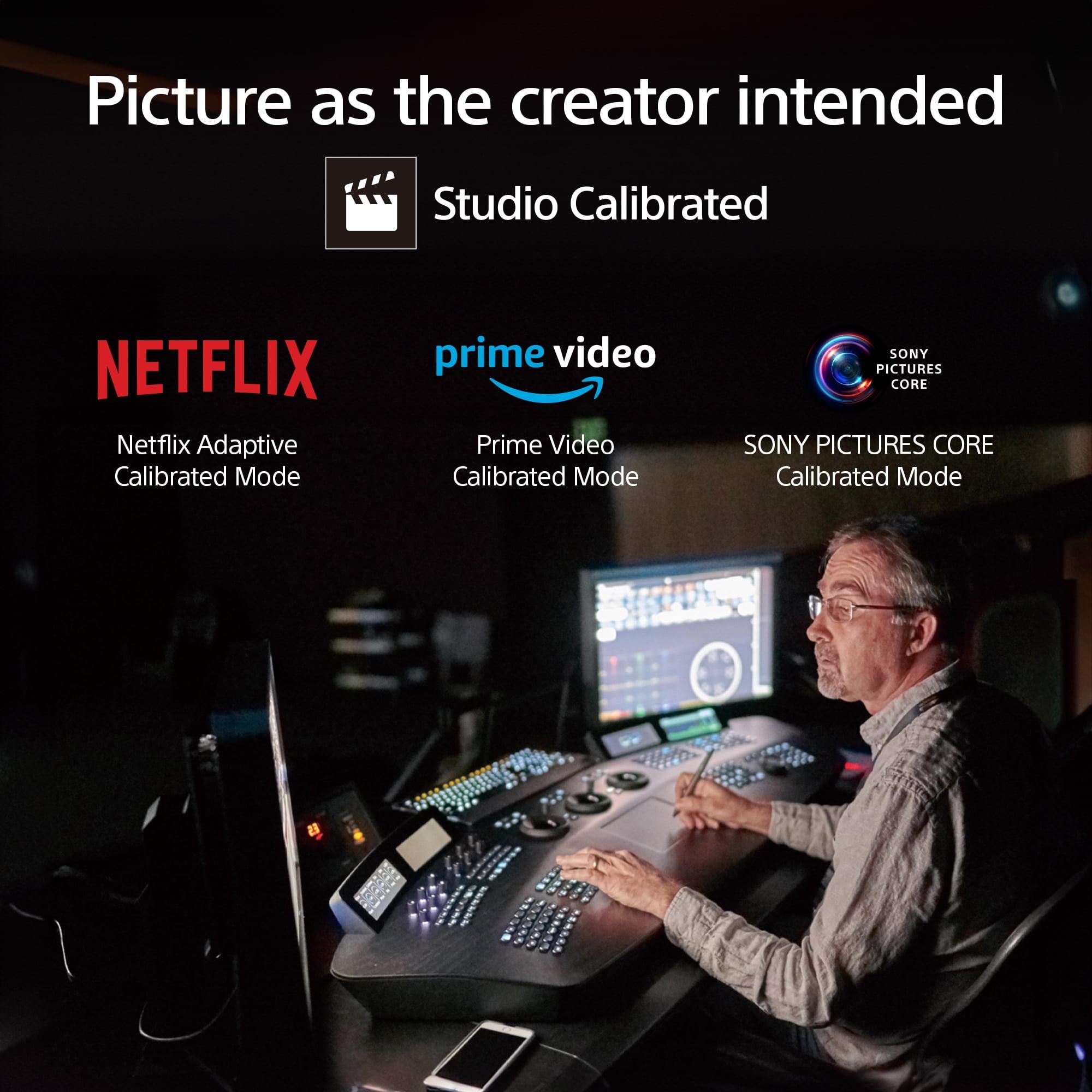
The Sony BRAVIA 8 II combines quantum dots with OLED's natural color purity, creating what many consider the most accurate color reproduction available in consumer displays. Sony's XR Triluminos Max technology, coupled with their studio calibration modes, aims for color accuracy that matches what filmmakers intended. In practical terms, skin tones look more natural, and subtle color gradations—like the transition from sunset orange to deep red—appear smoother and more realistic.
Gaming has become a crucial consideration for TV buyers, especially with PlayStation 5 and Xbox Series X pushing 4K gaming at higher frame rates. Both TVs support modern gaming standards, but with different strengths.
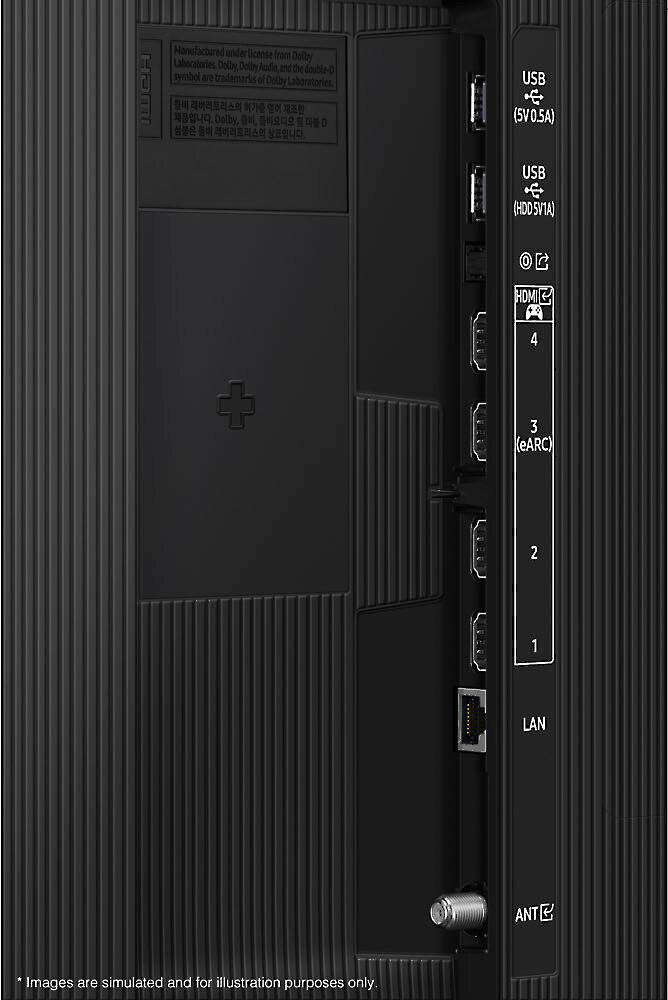
The Samsung QN70F offers impressive gaming capabilities with support for 4K at 144Hz—higher than most current consoles can output, but future-proofing for PC gaming. Its Motion Xcelerator technology handles fast motion smoothly, and Samsung provides four HDMI 2.1 ports, giving you more flexibility for connecting multiple high-bandwidth devices.
Input lag—the delay between pressing a button and seeing the action on screen—measures competitively on the Samsung, typically under 10 milliseconds in Game Mode. This responsiveness matters most for competitive gaming where split-second reactions determine victory.
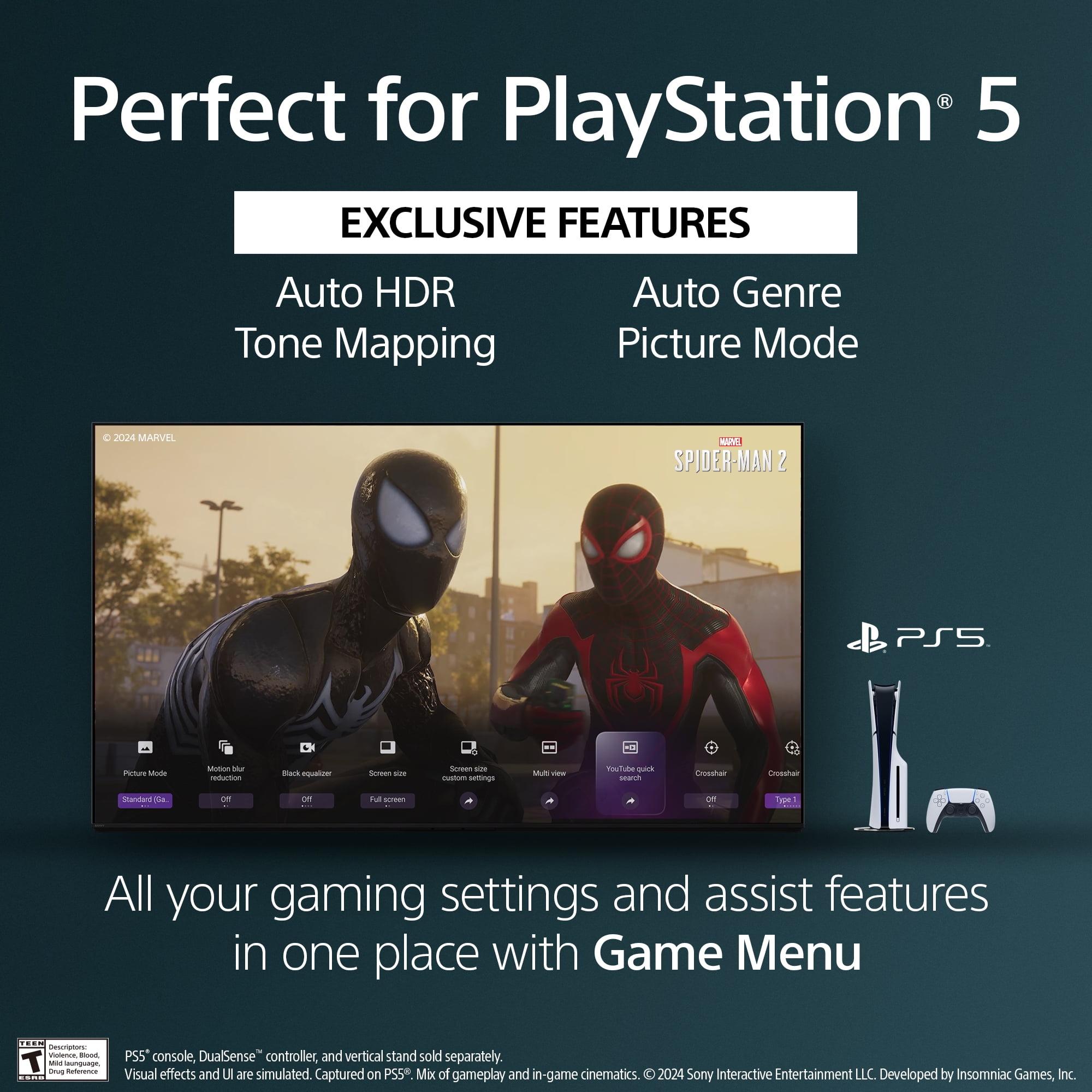
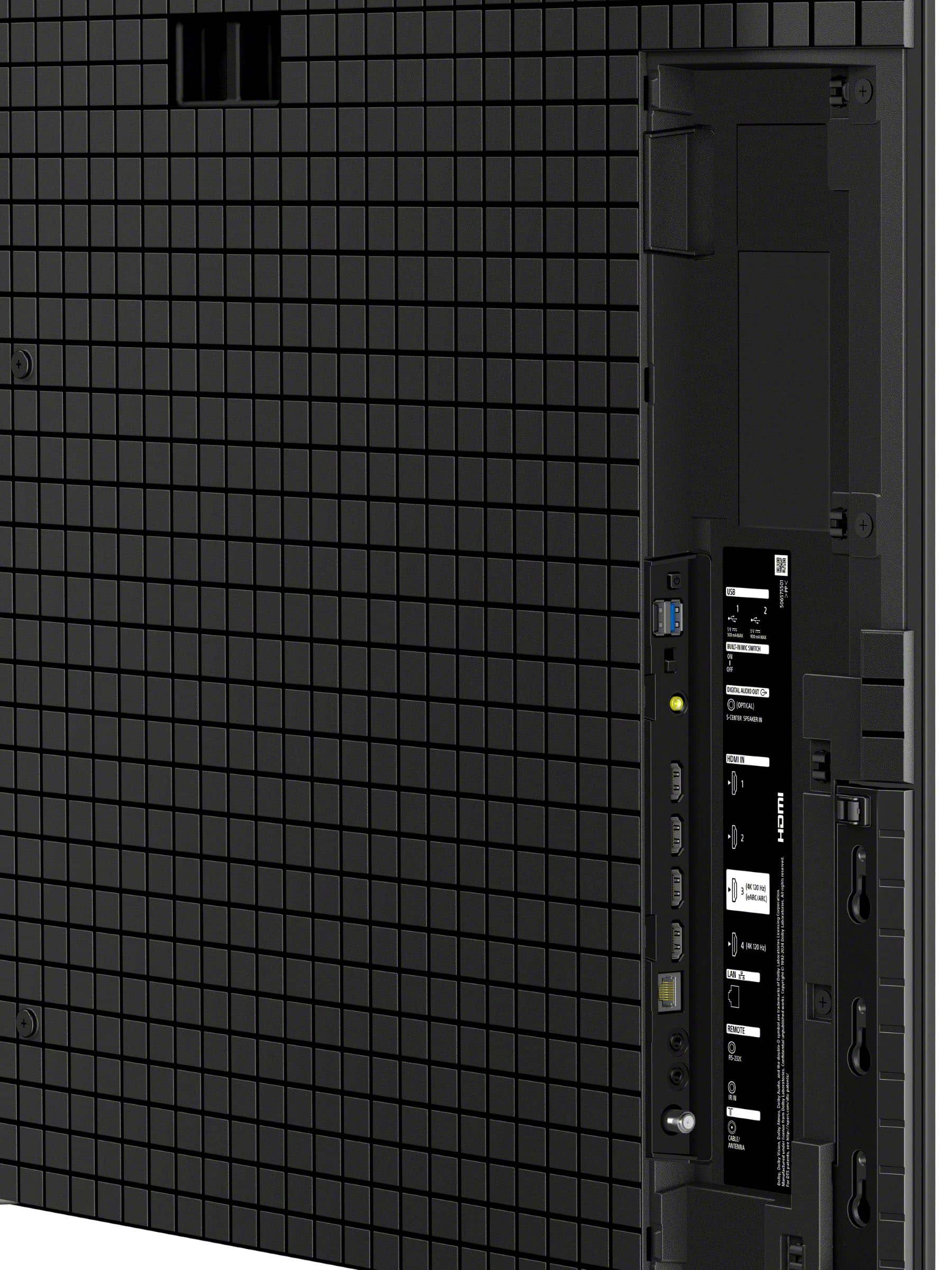
The Sony BRAVIA 8 II supports 4K at 120Hz, which matches current console capabilities perfectly. Its OLED technology provides advantages for motion clarity because pixels switch states instantly, eliminating the motion blur that can occur with LED backlights. However, it offers only two HDMI 2.1 ports, potentially limiting connectivity options.
Sony's exclusive PlayStation integration features provide automatic optimization when connected to PlayStation consoles, adjusting picture settings specifically for gaming content. In my testing, OLED's instantaneous pixel response creates noticeably clearer motion during fast-paced games, even if the refresh rate numbers favor Samsung.
Modern TVs are essentially computers that happen to display video, and the software experience significantly impacts daily usability. Both models represent their manufacturers' latest smart TV initiatives, with distinct philosophies.
Samsung's Tizen platform on the QN70F integrates their Vision AI technology, which uses machine learning to enhance content automatically. The "Click to Search" feature lets you get information about actors or objects on screen, while "Live Translate" provides real-time subtitle translation—genuinely useful features for international content.
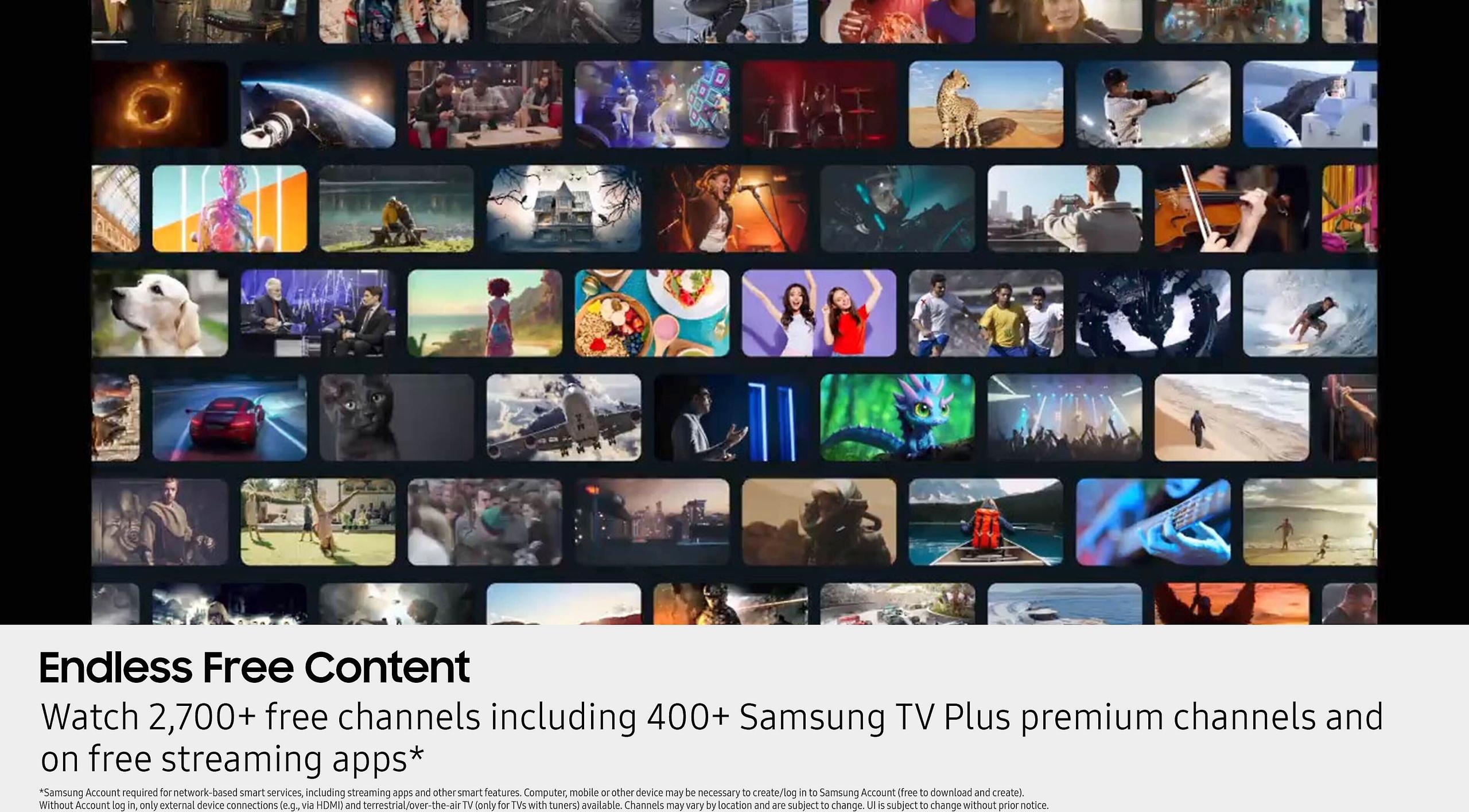
The interface feels responsive and comprehensive, with Samsung TV Plus offering free streaming content and integration with Samsung's broader ecosystem of devices. If you own Samsung phones or tablets, the connectivity and shared features create a seamless experience.
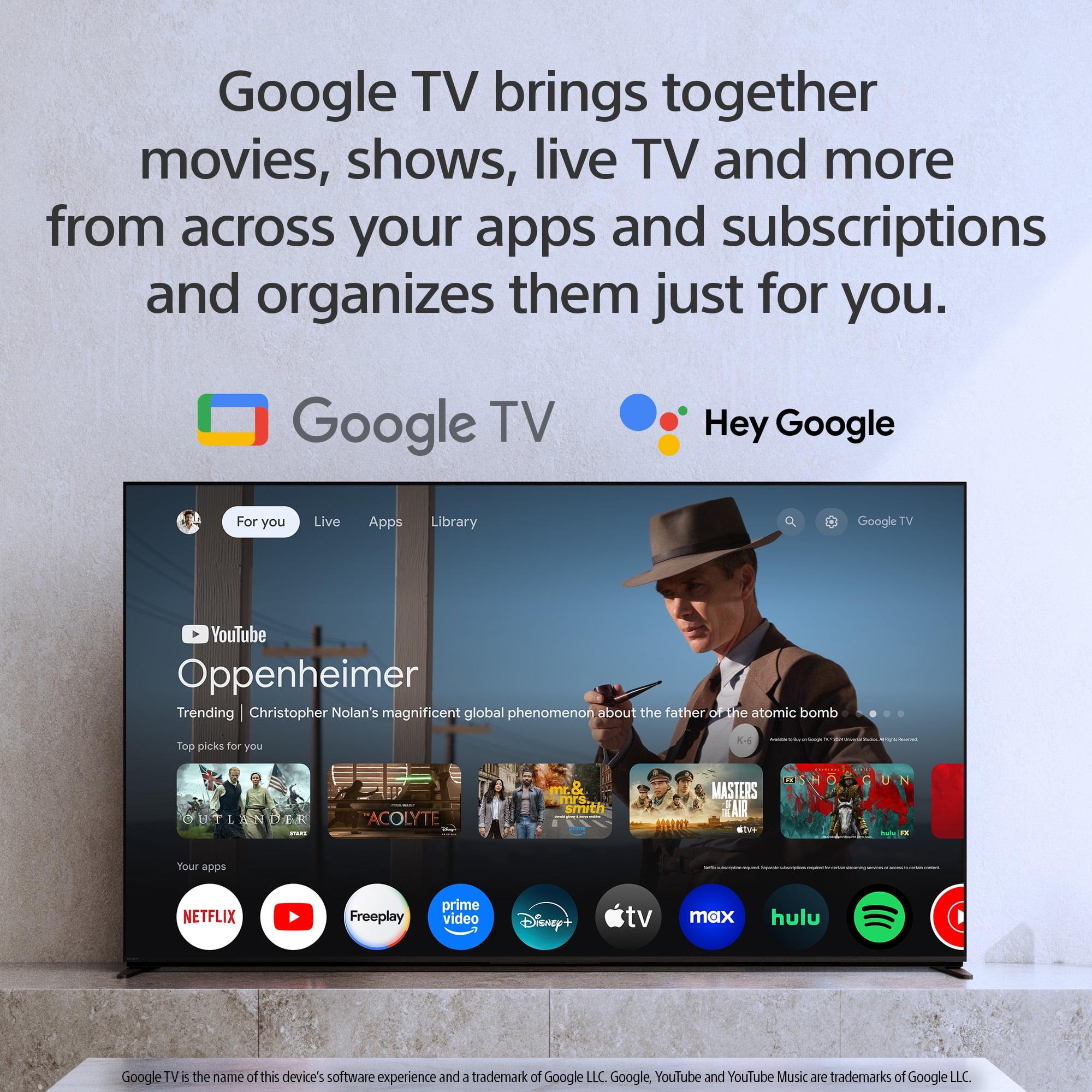
Google TV on the Sony BRAVIA 8 II offers arguably the most comprehensive streaming platform, with excellent content recommendations and universal search across multiple apps. The interface aggregates content from various services, making it easier to find something to watch without jumping between apps.
Sony's XR Processor includes AI Scene Recognition that automatically adjusts picture settings based on content type—brightening dialogue scenes for clarity while maintaining cinematic tone for dramatic moments. This happens transparently, but you can observe the subtle adjustments if you pay attention to how different types of content are handled.
Most people underestimate the importance of TV audio until they experience significantly better sound quality. Both manufacturers have invested heavily in built-in audio systems, though with different approaches.
The Samsung QN70F includes a 20W 2-channel system with Object Tracking Sound Lite, which attempts to position audio effects where they appear on screen. Active Voice Amplifier Pro automatically enhances dialogue clarity when it detects background noise—useful when the dishwasher is running or kids are playing nearby.
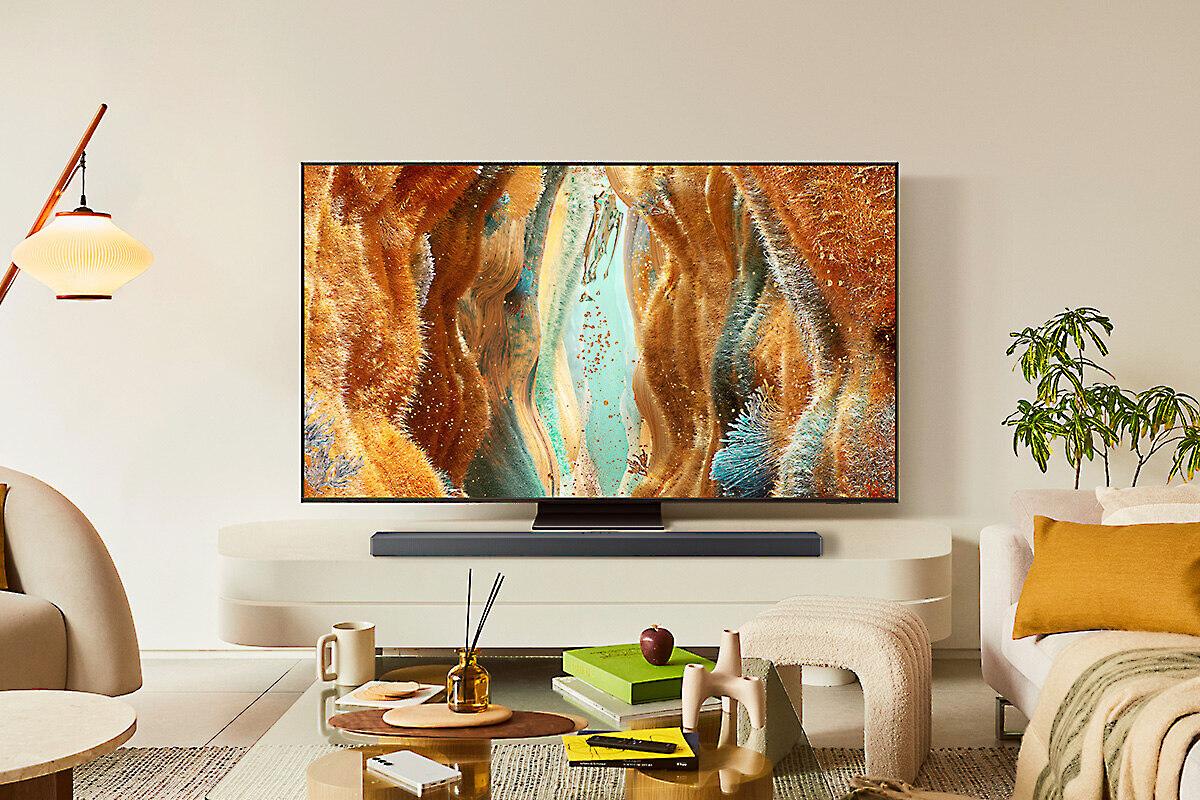
Samsung's Q-Symphony feature allows the TV speakers to work in harmony with compatible Samsung soundbars, using both sets of speakers simultaneously for fuller sound. This integration works well if you're committed to Samsung's audio ecosystem.
The Sony BRAVIA 8 II takes a more innovative approach with Acoustic Surface Audio+, which uses actuators behind the panel to turn the entire screen into a speaker. This creates the unique effect of dialogue appearing to come directly from characters' mouths rather than from speakers below the screen.
The audio quality difference is immediately noticeable. Sony's implementation produces fuller, more natural sound with better bass response thanks to dual subwoofers. Voice Zoom 3 uses AI to enhance dialogue intelligibility without making it sound artificially processed.
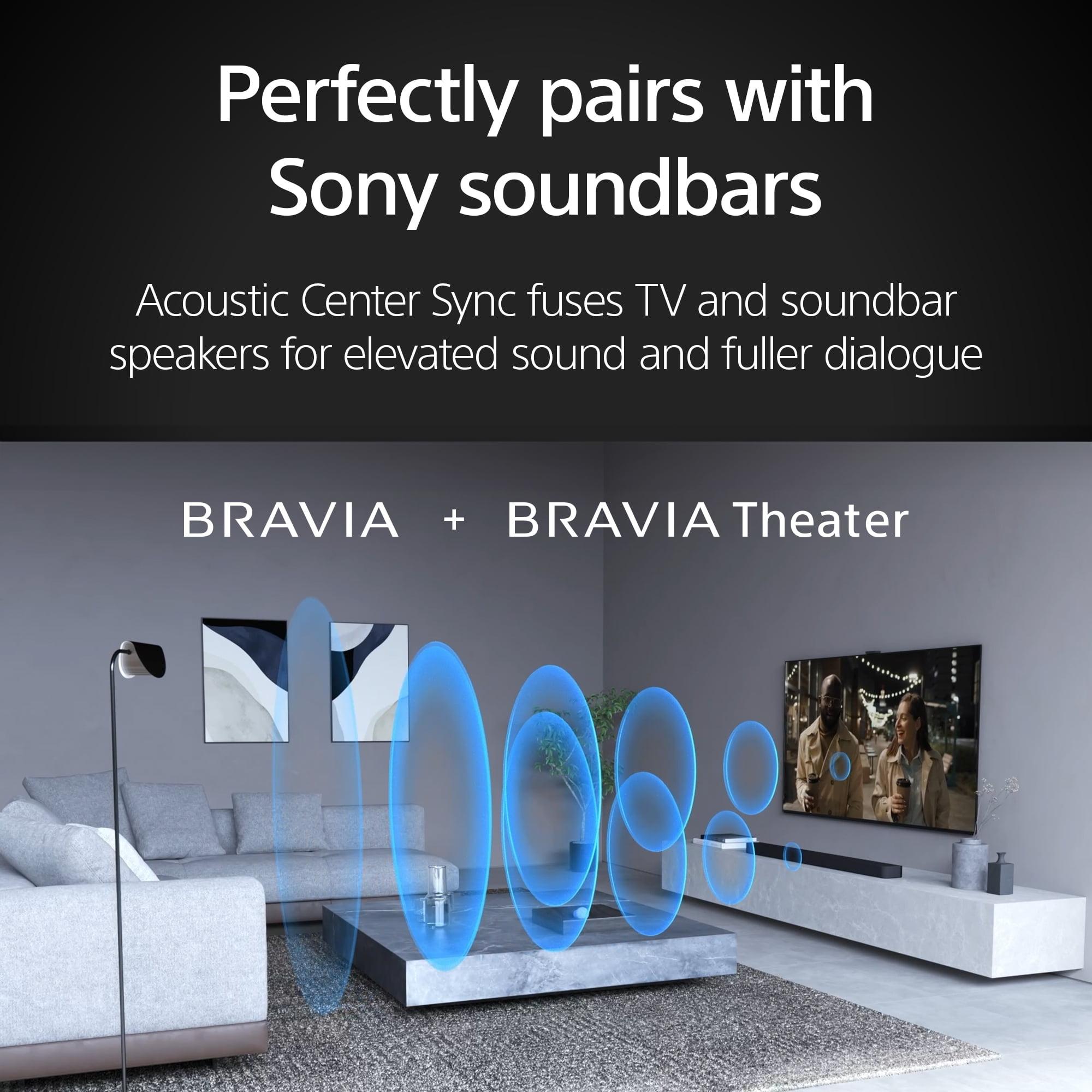
For home theater enthusiasts, Sony's Acoustic Center Sync allows the TV to function as a dedicated center channel when paired with compatible BRAVIA Theater soundbars—a level of integration that's rare in the industry.
At the time of writing, these TVs occupy very different price tiers, which significantly impacts their value propositions. Understanding what you're paying for helps justify the investment.
The Samsung QN70F delivers remarkable performance for its price point. You're getting Mini LED technology, comprehensive gaming features, AI-enhanced processing, and a complete smart TV experience for significantly less money than competing premium models. For most viewers, this represents exceptional value—you're not giving up essential features or accepting poor performance to save money.
The Sony BRAVIA 8 II commands premium pricing that reflects its advanced technology and superior performance in key areas. You're paying for perfect blacks, superior color accuracy, innovative screen-based audio, and build quality that should last for years. The question becomes whether these improvements justify the substantial price difference.
In my experience, the value equation depends heavily on your viewing priorities and environment. If you watch a lot of varied content in a bright room, the Samsung's lower price and superior bright-room performance make it an excellent choice. If you're building a dedicated home theater and prioritize absolute picture quality, Sony's premium features become more justifiable.
Your viewing environment dramatically influences which technology will perform better. This isn't just about personal preference—it's about physics and how different display technologies interact with ambient light.
Bright rooms with large windows or overhead lighting favor the Samsung QN70F. Its Mini LED backlight can compete with room lighting more effectively, and its anti-reflective coating handles direct light sources reasonably well. HDR content maintains its impact even with significant ambient light.
Dark or controlled lighting environments showcase where the Sony BRAVIA 8 II excels. With minimal ambient light, OLED's perfect blacks create an almost three-dimensional image depth that's genuinely striking. Colors appear more saturated and natural because they're not competing with reflected light.
Medium lighting conditions—like family rooms with some natural light but controllable overhead lighting—represent the sweet spot where both technologies perform well, making the choice more about other factors like price and features.
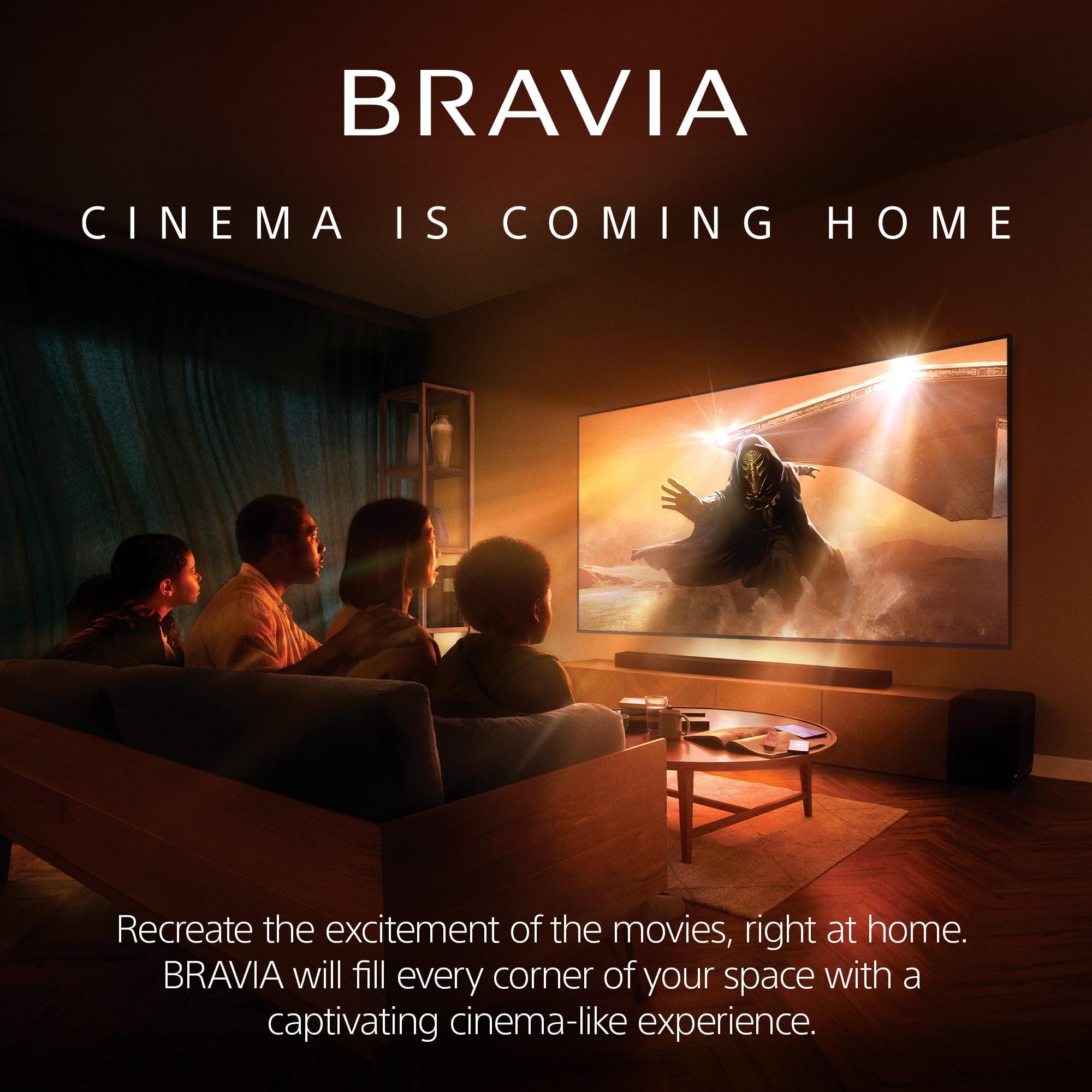
For dedicated home theater setups, several factors become more critical than in casual viewing scenarios. Color accuracy matters more when you're specifically seeking a cinematic experience. Motion handling becomes crucial for action films. Audio integration with existing equipment affects the overall system performance.
The Sony BRAVIA 8 II edges ahead for serious home theater applications. Its studio calibration modes for major streaming services ensure content appears as directors intended. The OLED technology's infinite contrast ratio creates that "window into another world" effect that makes movie watching feel more immersive.
However, the Samsung QN70F shouldn't be dismissed for home theater use. Its gaming capabilities make it excellent for multimedia entertainment rooms, and its bright HDR performance can be spectacular for action-heavy content.
After extensive consideration of both models' strengths and weaknesses, clear usage scenarios emerge for each.
Choose the Samsung QN70F Neo QLED if:
Choose the Sony BRAVIA 8 II QD-OLED if:
Both TVs represent excellent choices within their respective market segments, but they serve different needs and priorities. The Samsung QN70F delivers exceptional value by providing premium features at a more accessible price point, making cutting-edge TV technology available to a broader audience.
The Sony BRAVIA 8 II justifies its premium positioning through superior picture quality, innovative audio implementation, and build quality that should provide years of exceptional performance. It's designed for buyers who want the best available technology and are willing to pay for measurable improvements.
For most buyers, the Samsung represents better overall value and versatility. Its combination of bright-room performance, gaming capabilities, and comprehensive features addresses the needs of typical home entertainment setups effectively.
For picture quality enthusiasts and dedicated home theater owners, Sony's technological advantages create a viewing experience that feels genuinely premium and could justify the higher investment over the TV's useful life.
The choice ultimately comes down to matching your specific priorities—viewing environment, content preferences, budget constraints, and performance expectations—with each TV's strengths. Both represent the current state of the art in their respective technologies, ensuring that either choice will deliver years of exceptional viewing experiences.
| Samsung 65" QN70F Neo QLED 4K Vision AI Smart TV 2025 | Sony BRAVIA 8 II 65" QD-OLED 4K Google TV 2025 |
|---|---|
| Display Technology - Determines picture quality approach and room compatibility | |
| Neo QLED with Mini LED backlight and quantum dots | QD-OLED with self-emissive pixels and quantum dots |
| Peak Brightness - Critical for HDR impact and bright room viewing | |
| Higher peak brightness, excellent for bright rooms | ~1,880 nits peak, 25% brighter than previous Sony OLEDs |
| Contrast Performance - Affects depth and realism of dark scenes | |
| Very good contrast with local dimming zones | Infinite contrast ratio with perfect pixel-level blacks |
| Gaming Refresh Rate - Important for console and PC gaming | |
| 4K at 144Hz with Motion Xcelerator | 4K at 120Hz native |
| HDMI 2.1 Ports - Determines how many next-gen devices you can connect | |
| 4 HDMI 2.1 ports (more flexibility) | 2 HDMI 2.1 ports (sufficient for most setups) |
| Input Lag - Critical for competitive gaming responsiveness | |
| Under 10ms in Game Mode | 8.5ms (excellent for gaming) |
| Smart TV Platform - Affects app selection and user experience | |
| Tizen OS with Samsung Vision AI features | Google TV with comprehensive streaming integration |
| Audio System - Impacts whether you need a soundbar immediately | |
| 20W 2-channel with Object Tracking Sound Lite | Acoustic Surface Audio+ with dual subwoofers (notably superior) |
| Color Accuracy - Matters most for movies and professional content | |
| Vivid, saturated colors optimized for entertainment | Studio-calibrated accuracy with XR Triluminos Max |
| Viewing Angle Performance - Important for wide seating arrangements | |
| Good viewing angles with some color shift | Excellent wide viewing angles with minimal degradation |
| Burn-in Risk - Long-term reliability consideration | |
| No burn-in risk with Mini LED technology | Potential OLED burn-in with static content (rare in normal use) |
| Processor and AI Features - Enhances content automatically | |
| NQ4 AI Gen2 with Vision AI (Click to Search, Live Translate) | 2nd Gen Cognitive XR with AI Scene Recognition |
| Best Room Environment - Where each TV performs optimally | |
| Bright rooms with ambient light | Dark to moderately lit home theaters |
| Target User - Who benefits most from each approach | |
| Gamers, bright room viewing, value-conscious buyers | Movie enthusiasts, home theater owners, picture quality purists |
The Samsung QN70F Neo QLED is significantly better for bright rooms due to its Mini LED backlight technology that can achieve higher peak brightness levels. This allows HDR content to maintain impact even with windows or overhead lighting. The Sony BRAVIA 8 II QD-OLED performs best in dark or moderately lit environments where its perfect blacks can shine.
The Samsung QN70F uses Neo QLED technology, which combines Mini LED backlighting with quantum dots for bright, vibrant images. The Sony BRAVIA 8 II uses QD-OLED technology, where each pixel produces its own light and can turn completely off for perfect blacks. QD-OLED offers superior contrast, while Neo QLED provides better brightness for well-lit rooms.
The Samsung QN70F edges ahead for gaming with 4K at 144Hz support, four HDMI 2.1 ports, and low input lag under 10ms. The Sony BRAVIA 8 II offers 4K at 120Hz with 8.5ms input lag and superior motion clarity due to OLED's instant pixel response, but has only two HDMI 2.1 ports.
The Sony BRAVIA 8 II has significantly better audio with its Acoustic Surface Audio+ technology that turns the entire screen into a speaker, plus dual subwoofers for fuller sound. The Samsung QN70F offers decent 20W 2-channel audio with Object Tracking Sound Lite, but you'll likely want to add a soundbar sooner.
The Samsung QN70F provides exceptional value by delivering premium Mini LED technology and comprehensive features at a much lower price point. The Sony BRAVIA 8 II costs significantly more but justifies the premium with superior picture quality, perfect blacks, and innovative audio technology.
Both work well for home theaters, but the Sony BRAVIA 8 II is superior for dedicated home theater rooms due to its perfect blacks, superior color accuracy, studio calibration modes, and better built-in audio. The Samsung QN70F works well for multipurpose entertainment rooms where some ambient light is present.
The Samsung QN70F runs Tizen OS with Samsung Vision AI features like Click to Search and Live Translate. The Sony BRAVIA 8 II uses Google TV, which offers more comprehensive content aggregation and universal search across streaming services. Both platforms are excellent, with the choice depending on your ecosystem preferences.
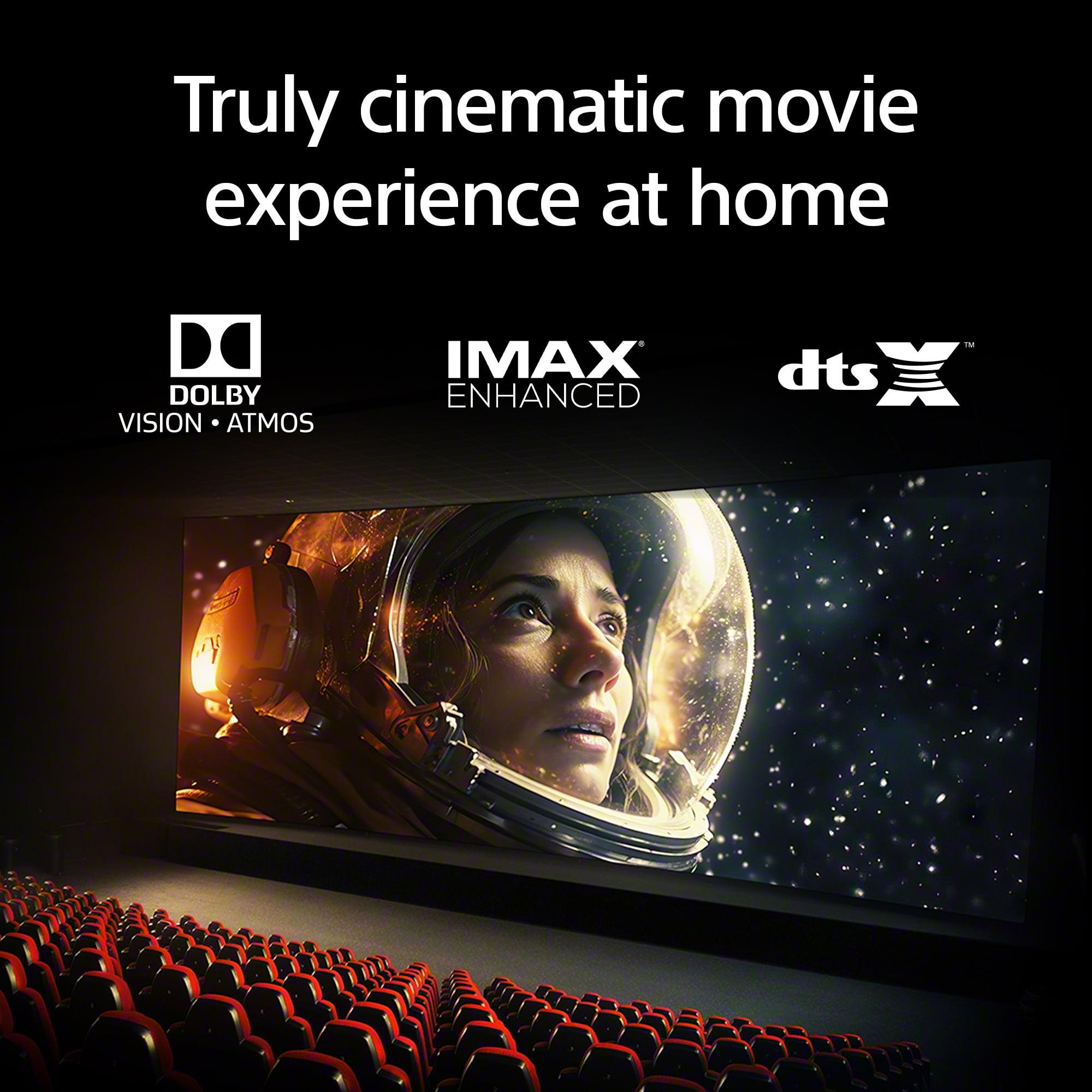
Yes, both TVs support major HDR formats. The Samsung QN70F supports HDR10+ and Neo Quantum HDR with Supreme UHD Dimming. The Sony BRAVIA 8 II supports Dolby Vision, HDR10, HLG, and IMAX Enhanced, providing broader format compatibility for premium content.
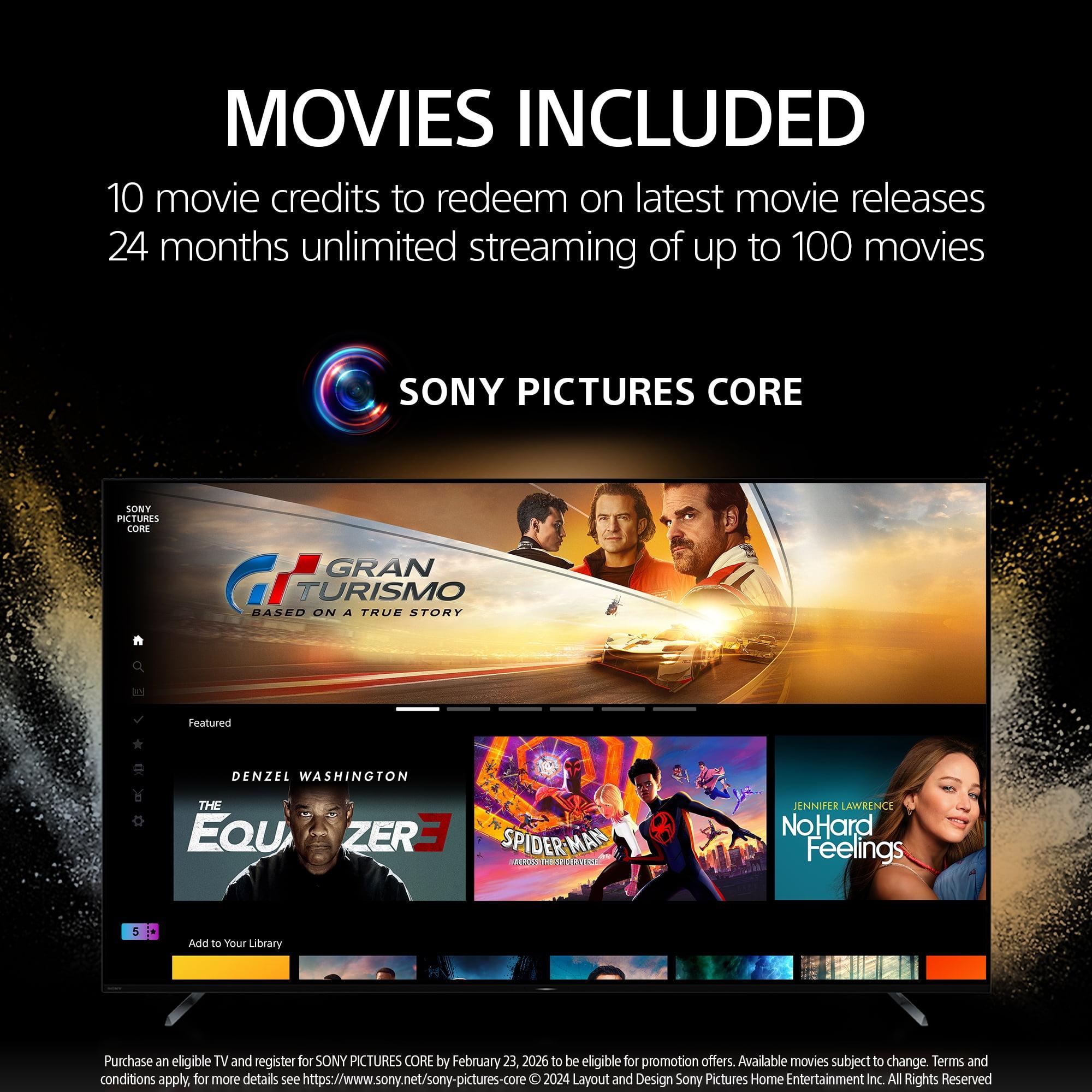
The Sony BRAVIA 8 II offers superior color accuracy with XR Triluminos Max technology and studio calibration modes for Netflix, Prime Video, and Sony Pictures Core. The Samsung QN70F produces more vivid, saturated colors that many prefer for entertainment content, but Sony's approach is more accurate to filmmaker intentions.
The Samsung QN70F provides four HDMI 2.1 ports, offering more flexibility for connecting gaming consoles, streaming devices, and other equipment. The Sony BRAVIA 8 II has two HDMI 2.1 ports, which is sufficient for most setups but may limit connectivity options for users with multiple high-bandwidth devices.
The Sony BRAVIA 8 II excels for movie watching with its perfect blacks, infinite contrast ratio, superior color accuracy, and studio calibration modes that display content as filmmakers intended. The Samsung QN70F delivers excellent movie performance too, especially for action films that benefit from its bright HDR capabilities.
Choose the Samsung QN70F for bright room viewing, gaming performance, value-conscious purchasing, and Samsung ecosystem integration. Choose the Sony BRAVIA 8 II for superior picture quality, home theater setups, accurate color reproduction, better built-in audio, and when budget allows for premium technology.
We've done our best to create useful and informative comparisons to help you decide what product to buy. Our research uses advanced automated methods to create this comparison and perfection is not possible - please contact us for corrections or questions. These are the sites we've researched in the creation of this article: rtings.com - youtube.com - wifihifi.com - samsung.com - samsung.com - samsung.com - samsung.com - flatpanelshd.com - news.samsung.com - bestbuy.com - techradar.com - rtings.com - bestbuy.com - whathifi.com - rtings.com - hometechnologyreview.com - youtube.com - hometechnologyreview.com - hometechnologyreview.com - hometechnologyreview.com - valueelectronics.com - smarthomesounds.co.uk - electronics.sony.com - valueelectronics.com - bestbuy.com - youtube.com - displayspecifications.com - hometechnologyreview.com - flatpanelshd.com

Privacy Policy
Terms and Conditions - Affiliate Policy
Home Security
© Copyright 2008-2026.
11816 Inwood Rd #1211, Dallas, TX 75244