

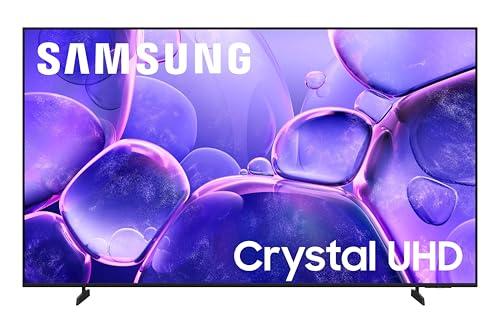
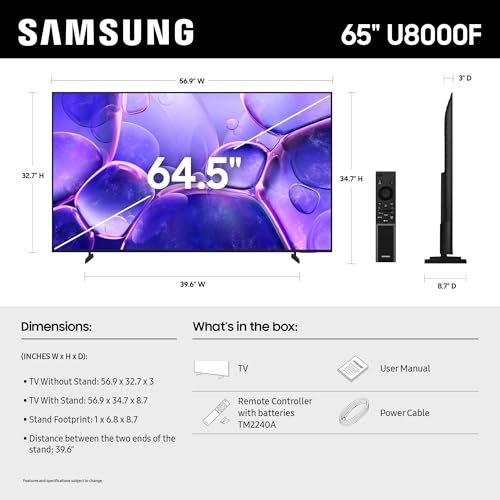
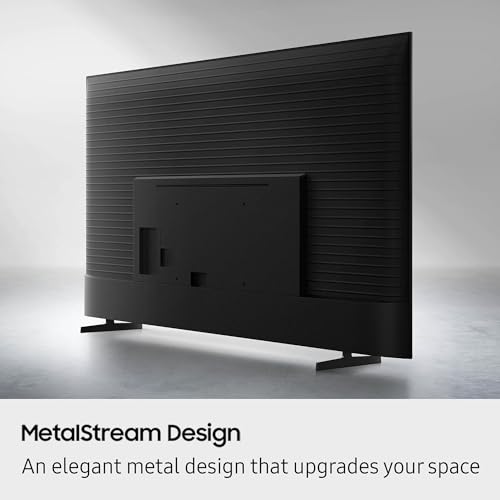
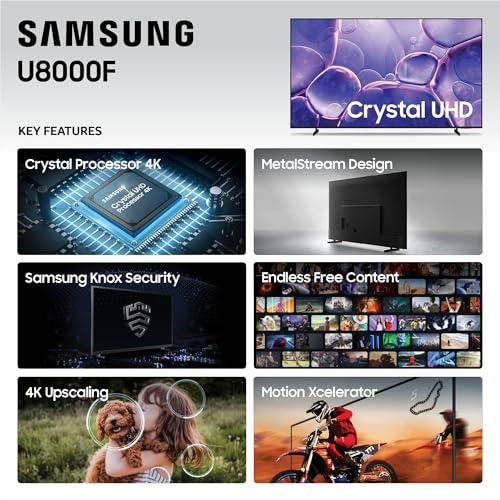

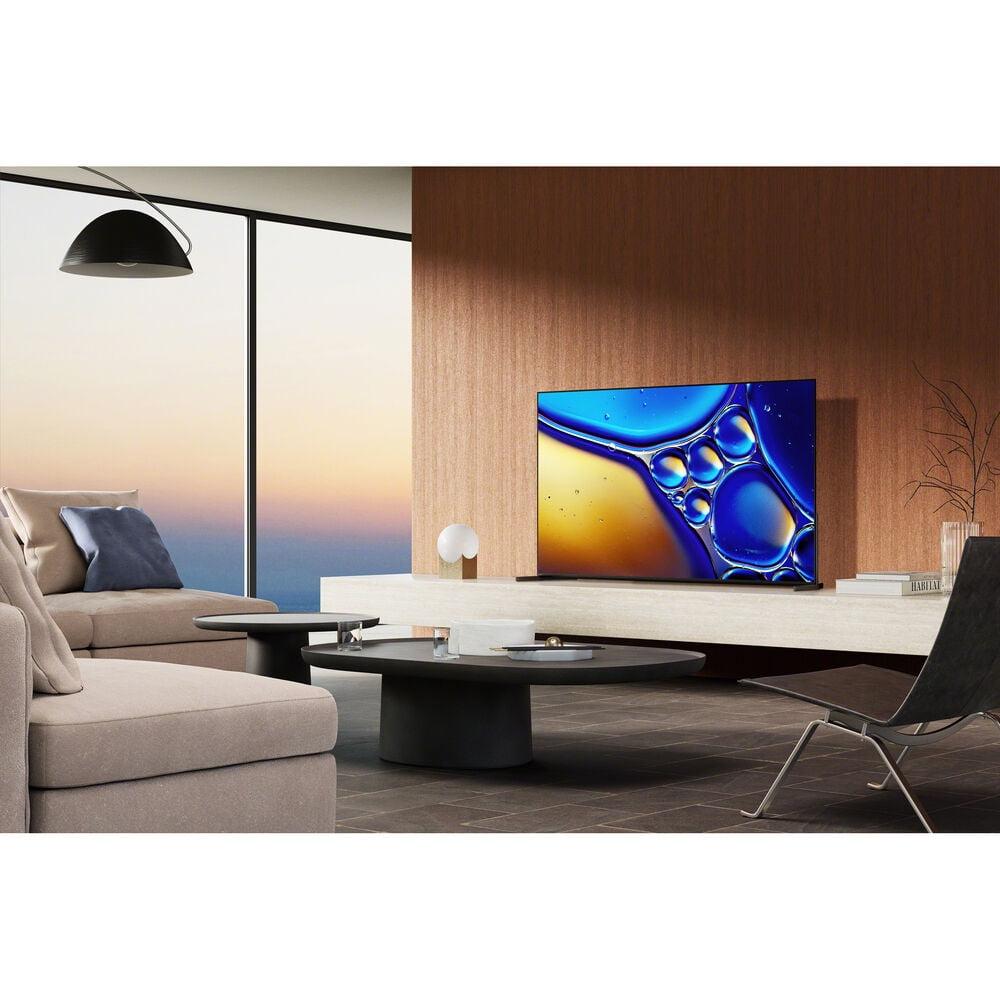
When you walk into a TV store in 2025, you'll find yourself facing a bewildering array of options spanning from budget-friendly models under $1,000 to premium displays that cost more than a used car. The Samsung 65-Inch Crystal UHD U8000F and Sony BRAVIA 8 II 65" QD-OLED represent two completely different philosophies in TV design—one prioritizes affordability and basic functionality, while the other pushes the boundaries of what's possible with modern display technology.
Released in 2025, both TVs reflect the current state of their respective market segments. The Samsung U8000F continues Samsung's tradition of offering decent entry-level TVs with their reliable smart platform, while the Sony BRAVIA 8 II represents Sony's latest flagship OLED technology, incorporating quantum dots for the first time in their OLED lineup. Understanding the fundamental differences between these approaches will help you make the right choice for your specific needs and budget.
The most crucial difference between these TVs lies in their display technology, which affects virtually every aspect of your viewing experience. The Samsung U8000F uses traditional LED backlighting with an LCD panel—imagine thousands of tiny LED lights behind a liquid crystal display that selectively blocks or allows light through to create images. This approach has been refined over decades and offers reliable, affordable performance.
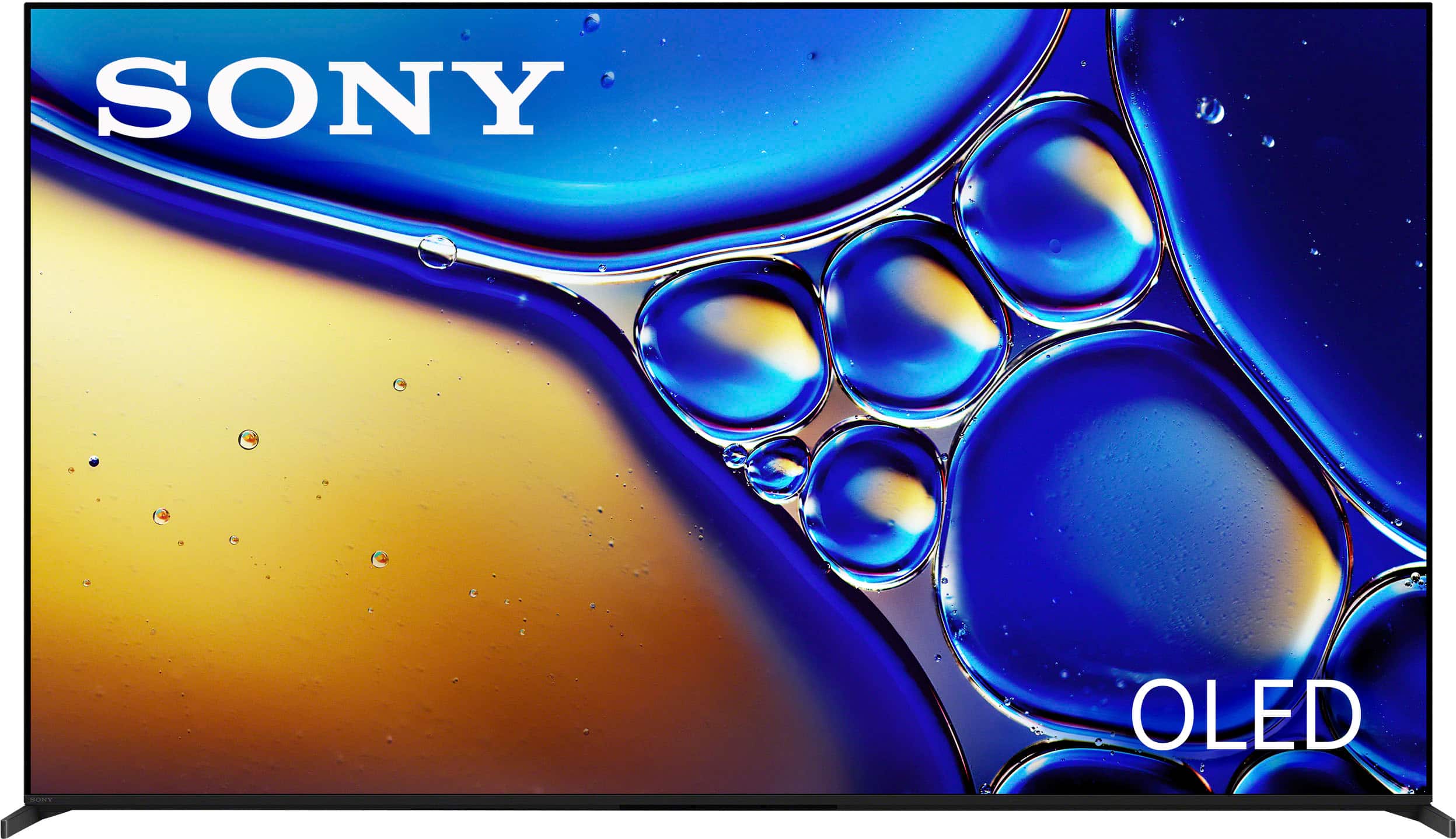
The Sony BRAVIA 8 II uses QD-OLED (Quantum Dot Organic Light-Emitting Diode) technology, which represents the cutting edge of consumer display tech. Instead of a backlight, each of the 8 million pixels generates its own light. When a pixel needs to be black, it simply turns off completely—creating perfect blacks that LED TVs cannot match. The quantum dot layer converts blue OLED light into pure red and green colors, resulting in a wider color gamut (the range of colors a display can show) than traditional OLED panels.
This fundamental difference cascades into every performance category. LED TVs like the Samsung struggle with contrast because their backlight always creates some light bleeding through, making blacks appear gray. OLED TVs like the Sony can achieve infinite contrast ratios since their blacks are truly black—no light emission at all.
Our research into professional reviews and user feedback reveals a stark performance gap between these displays. The Sony BRAVIA 8 II consistently delivers what reviewers describe as "three-dimensional, dynamic, and cinematically authentic" images. The QD-OLED panel achieves approximately 1,880 nits of peak brightness—25% brighter than Sony's previous flagship OLEDs—while maintaining perfect black levels.
The Samsung U8000F, by contrast, suffers from what multiple professional reviews characterize as "washed out" picture quality. Without local dimming (a technology that adjusts backlight brightness in different screen zones), the TV cannot create convincing dark scenes. Reviews consistently mention "poor black levels" and "decent but not impressive" native contrast. When watching a movie with dark scenes, like a thriller or space epic, the difference becomes immediately apparent—the Samsung shows these scenes as various shades of gray, while the Sony displays true blacks with bright stars or highlights that seem to pop off the screen.
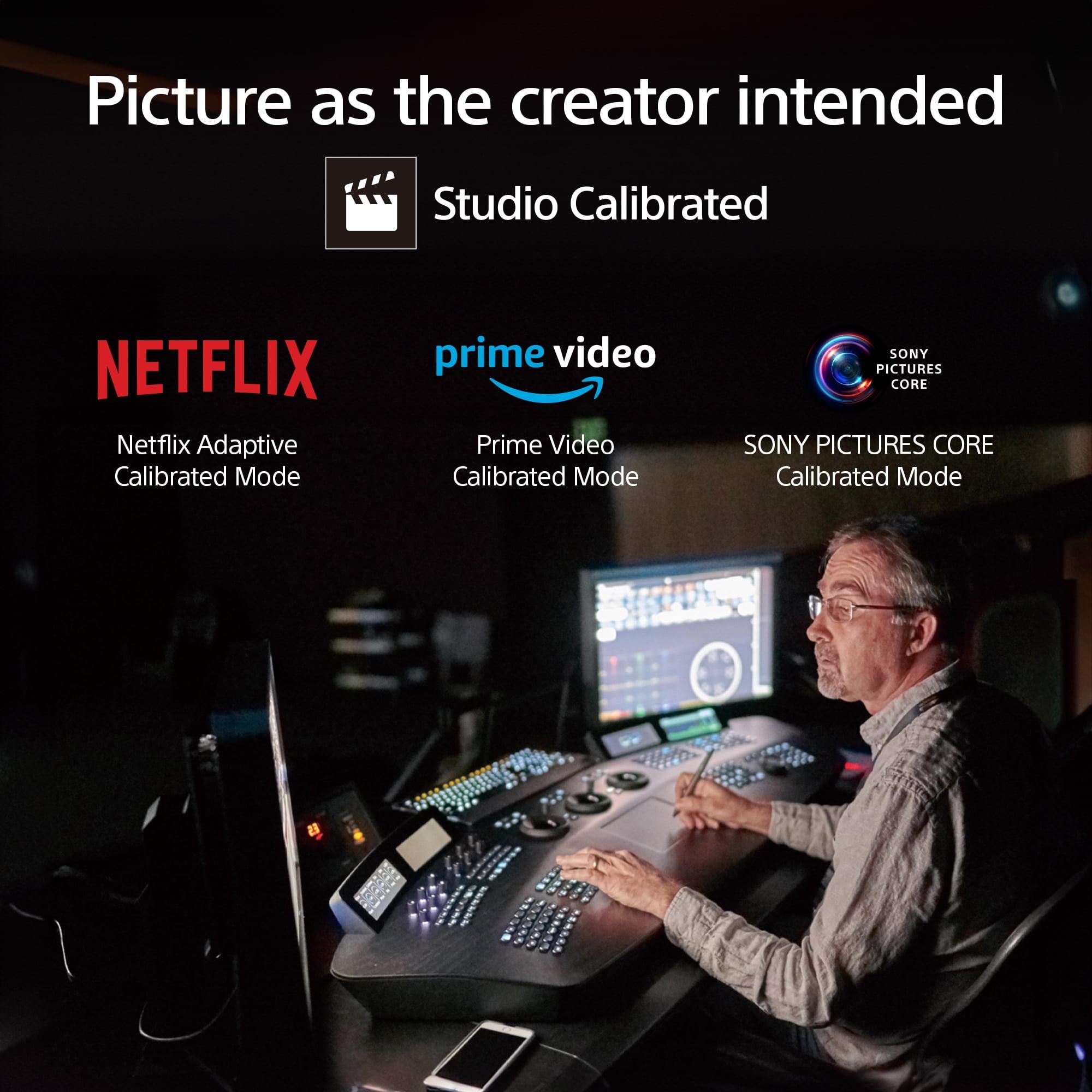
Color performance tells a similar story. The Sony's XR Triluminos Max technology, combined with quantum dots, produces billions of accurate colors with exceptional color volume—meaning colors remain vibrant even in bright scenes. Professional calibrators have praised its out-of-the-box accuracy. The Samsung U8000F offers good color accuracy in standard dynamic range (SDR) content, but reviews note that colors "are not very bright or vibrant" in high dynamic range (HDR) content where the TV's brightness limitations become apparent.
Viewing angles present another significant difference. OLED technology maintains color accuracy and brightness regardless of where you sit, making the Sony ideal for family viewing or wide seating arrangements. The Samsung's LCD panel shows "rapid quality degradation when viewed at angles," with colors shifting and brightness decreasing noticeably when you move away from the center position.
High Dynamic Range (HDR) represents one of the biggest improvements in TV technology over the past decade, expanding the range between the brightest whites and darkest blacks while showing more colors than standard content. However, displaying HDR properly requires sufficient brightness and contrast—areas where these TVs diverge dramatically.
The Sony BRAVIA 8 II supports Dolby Vision, the premium HDR format used by Netflix, Disney+, and major movie studios. Dolby Vision uses dynamic metadata to optimize HDR settings scene by scene, ensuring you see exactly what content creators intended. Combined with the TV's high peak brightness and perfect blacks, HDR content delivers the "wow factor" that makes you feel like you're looking through a window rather than at a screen.
The Samsung U8000F supports HDR10+ (Samsung's competing format) but notably lacks Dolby Vision support—a significant limitation given Dolby Vision's widespread adoption. More critically, professional reviews consistently note that the Samsung is "not bright enough to deliver an impactful HDR experience." The TV technically accepts HDR signals but cannot display them with enough brightness or contrast to create a meaningful visual difference from standard content.
For home theater enthusiasts, this difference is crucial. When watching a movie like "Blade Runner 2049" or "Dune" in HDR, the Sony can reproduce the intense brightness of neon signs or desert suns while maintaining perfect detail in shadows. The Samsung would show the same scenes with compressed highlights and lifted blacks, losing much of the visual impact.
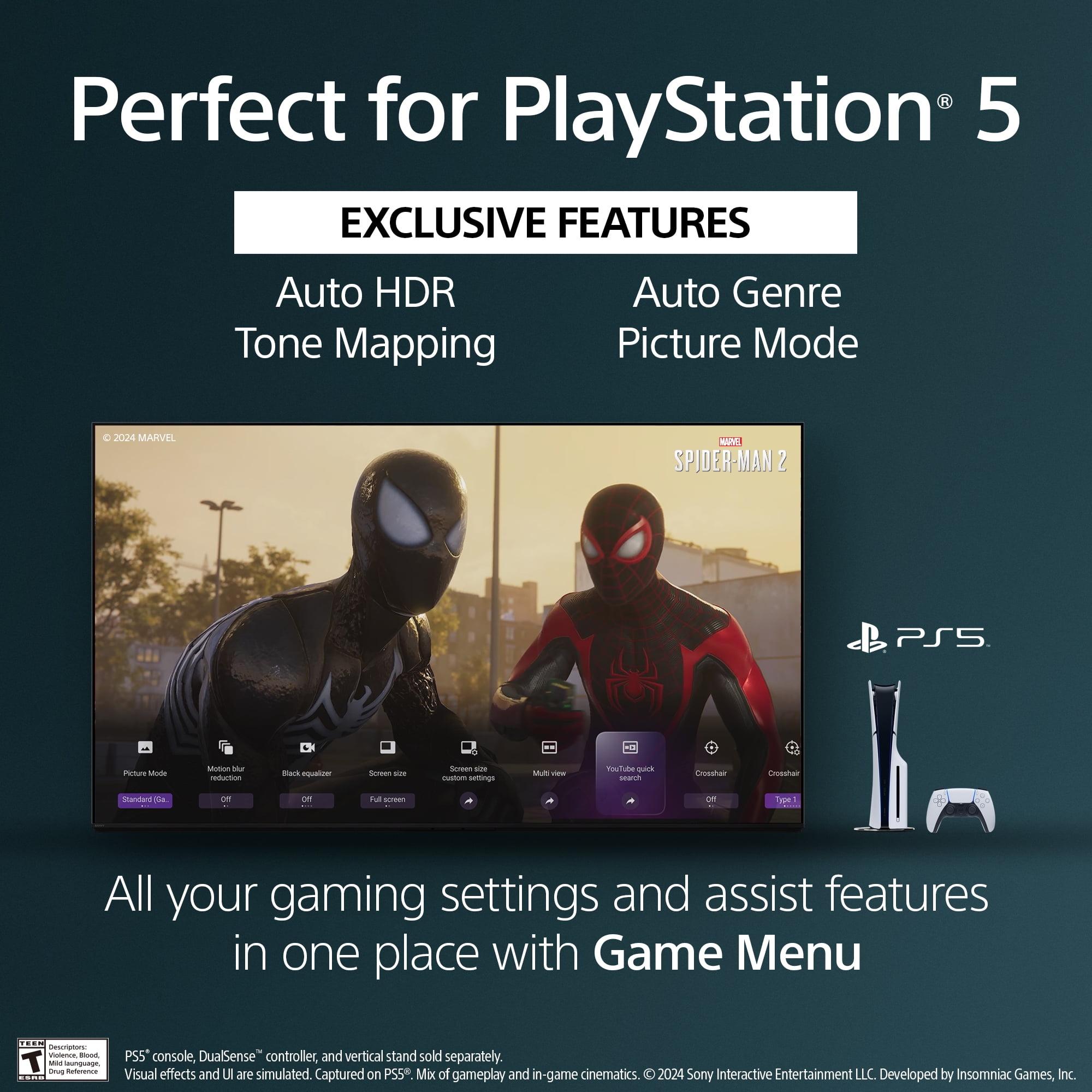
Gaming has become increasingly important in TV selection, especially with PlayStation 5 and Xbox Series X consoles capable of 4K gaming at 120 frames per second. The performance differences between these TVs in gaming scenarios are substantial.
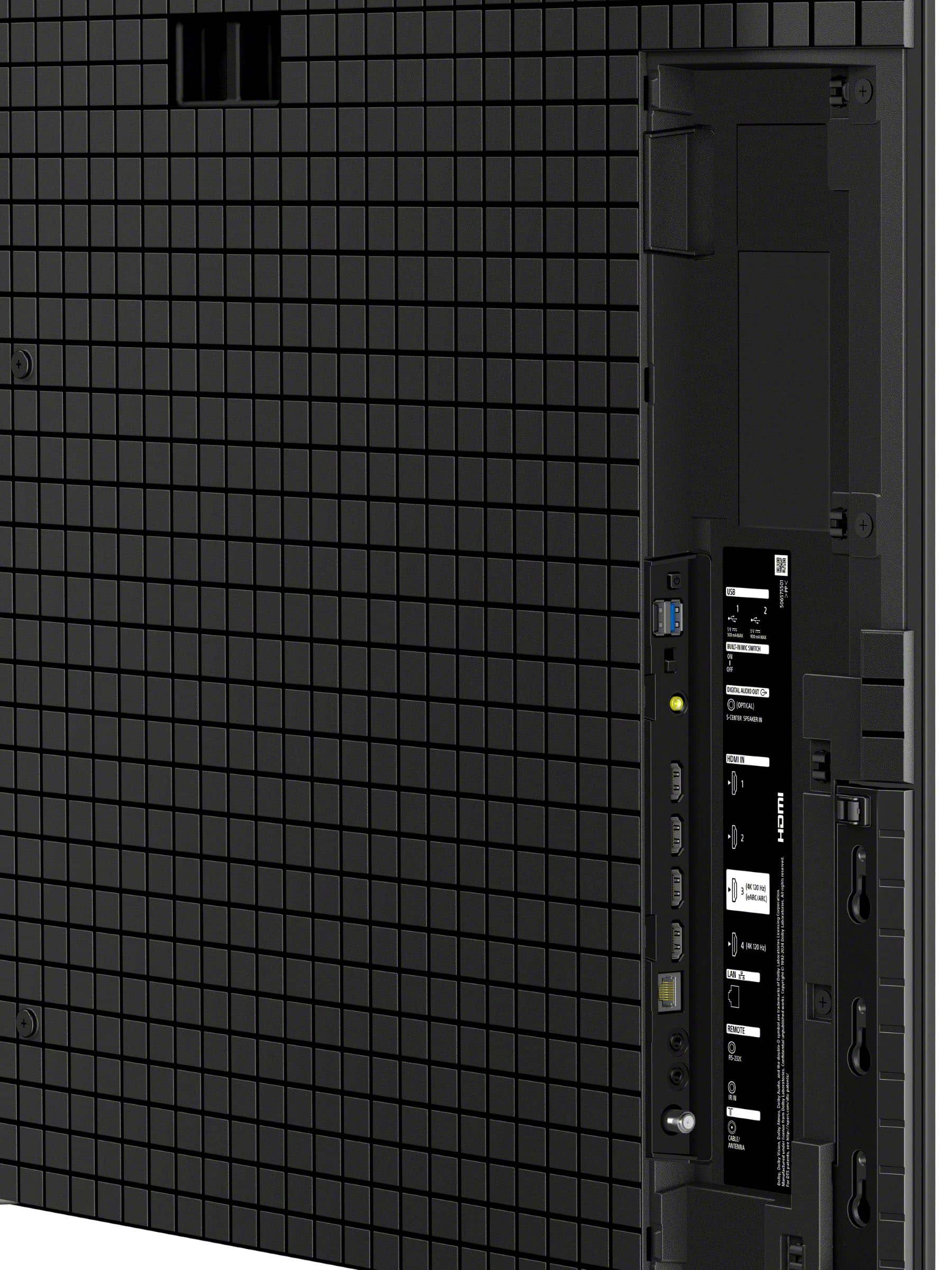
The Sony BRAVIA 8 II includes two HDMI 2.1 ports supporting the full bandwidth needed for 4K at 120Hz gaming. Its native 120Hz refresh rate works seamlessly with Variable Refresh Rate (VRR), which eliminates screen tearing by matching the TV's refresh rate to the console's output frame rate. The OLED technology provides near-instantaneous pixel response times, meaning fast-moving objects appear sharp without motion blur—crucial for competitive gaming.
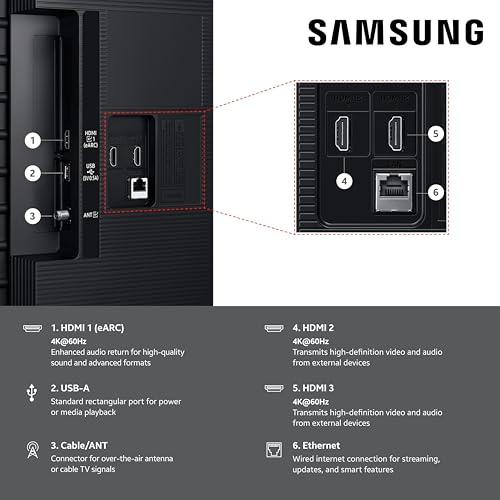
The Samsung U8000F presents significant limitations for modern gaming. While it supports VRR and Auto Low Latency Mode (ALLM), its 60Hz panel and HDMI 2.0 ports mean "VRR won't work most of the time," according to professional reviews. The TV can only display 60 frames per second maximum, forcing modern consoles to operate below their capabilities. Additionally, reviews note "poor motion handling with slow response time," creating noticeable blur during fast-paced gaming sequences.
Input lag—the delay between pressing a button and seeing the result on screen—affects gaming responsiveness. Both TVs offer reasonably low input lag in their gaming modes, though the Samsung does achieve competitive numbers in this area, representing one of its few gaming strengths.
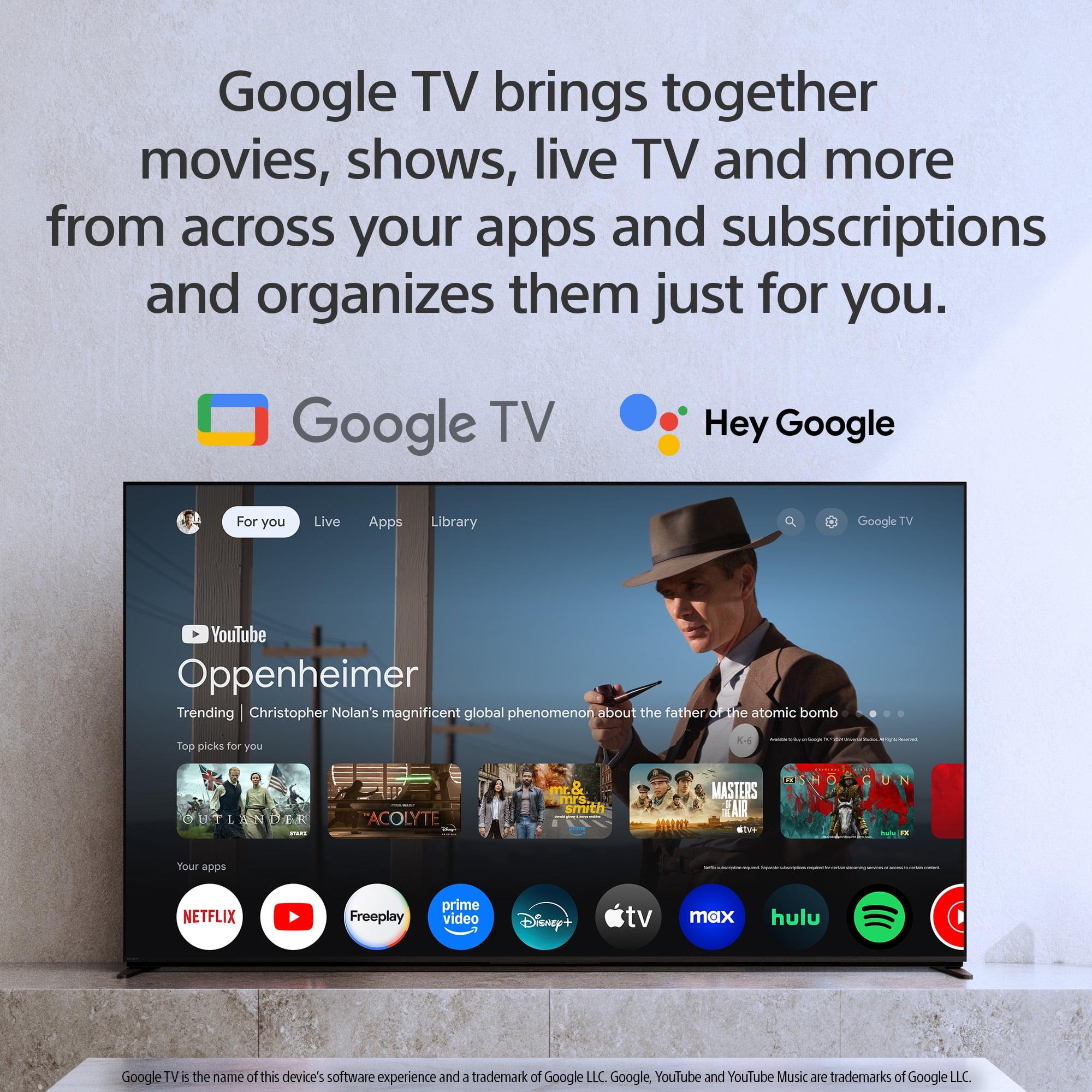
Both TVs run mature smart TV platforms, but with different approaches. The Sony BRAVIA 8 II uses Google TV (version 12), providing access to virtually every streaming service and a recommendation system that learns your preferences. The interface feels responsive thanks to the powerful XR processor, and built-in Google Assistant enables voice control for content search and smart home integration.
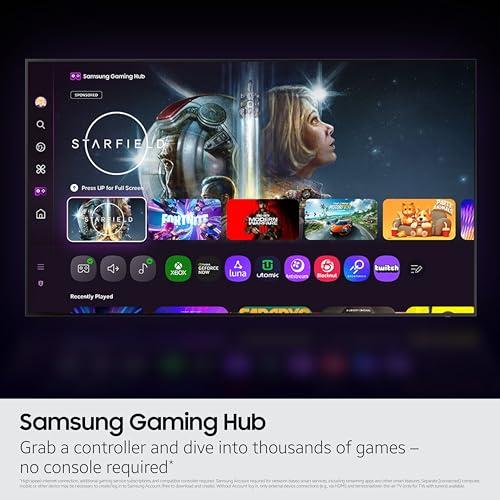
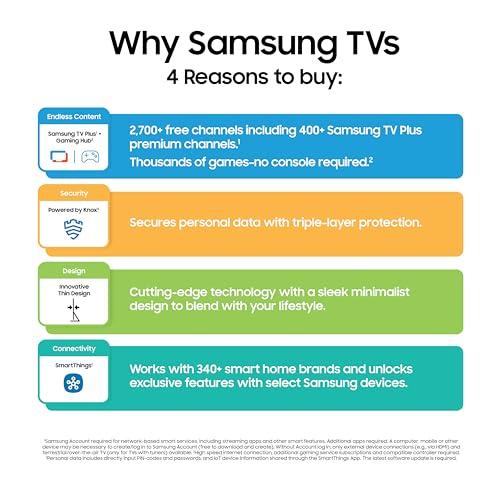
The Samsung U8000F runs Samsung's Tizen OS, which has evolved into a polished, user-friendly platform. Samsung TV Plus provides free streaming channels, and the interface integrates well with Samsung mobile devices and smart home products. Both platforms receive regular updates and offer comprehensive app selections.
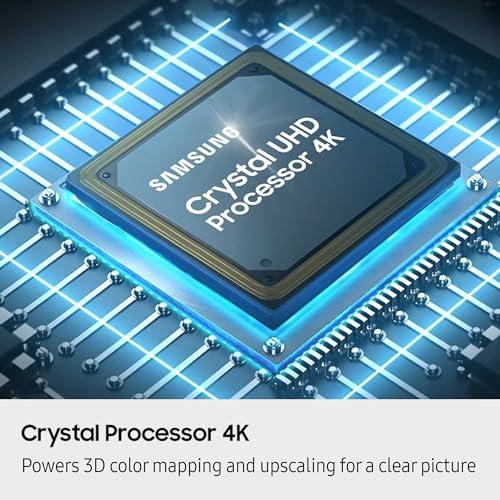
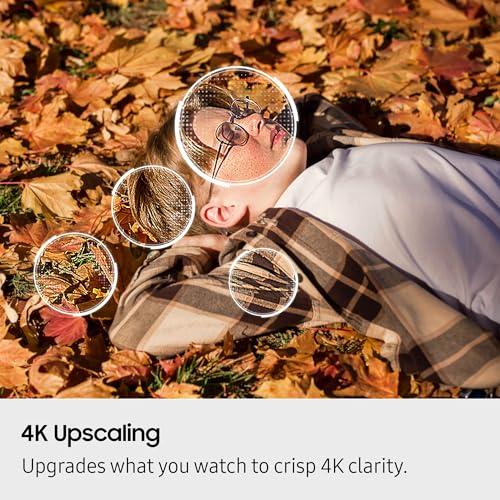
The Sony's 2nd Generation Cognitive XR Processor with AI Scene Recognition represents a significant advantage in content optimization. This processor analyzes each scene and adjusts picture settings automatically—brightening dark scenes in dramas, enhancing color saturation in nature documentaries, or optimizing contrast for sports. The Samsung's Crystal Processor 4K provides basic upscaling but lacks this intelligent scene-by-scene optimization.
TV audio often receives less attention than picture quality, but it significantly impacts your viewing experience. The Sony BRAVIA 8 II incorporates Acoustic Surface Audio+ technology, where actuators behind the OLED panel vibrate to create sound directly from the screen surface. This creates an immersive effect where dialogue appears to come from actors' mouths and sound effects originate from their visual locations.
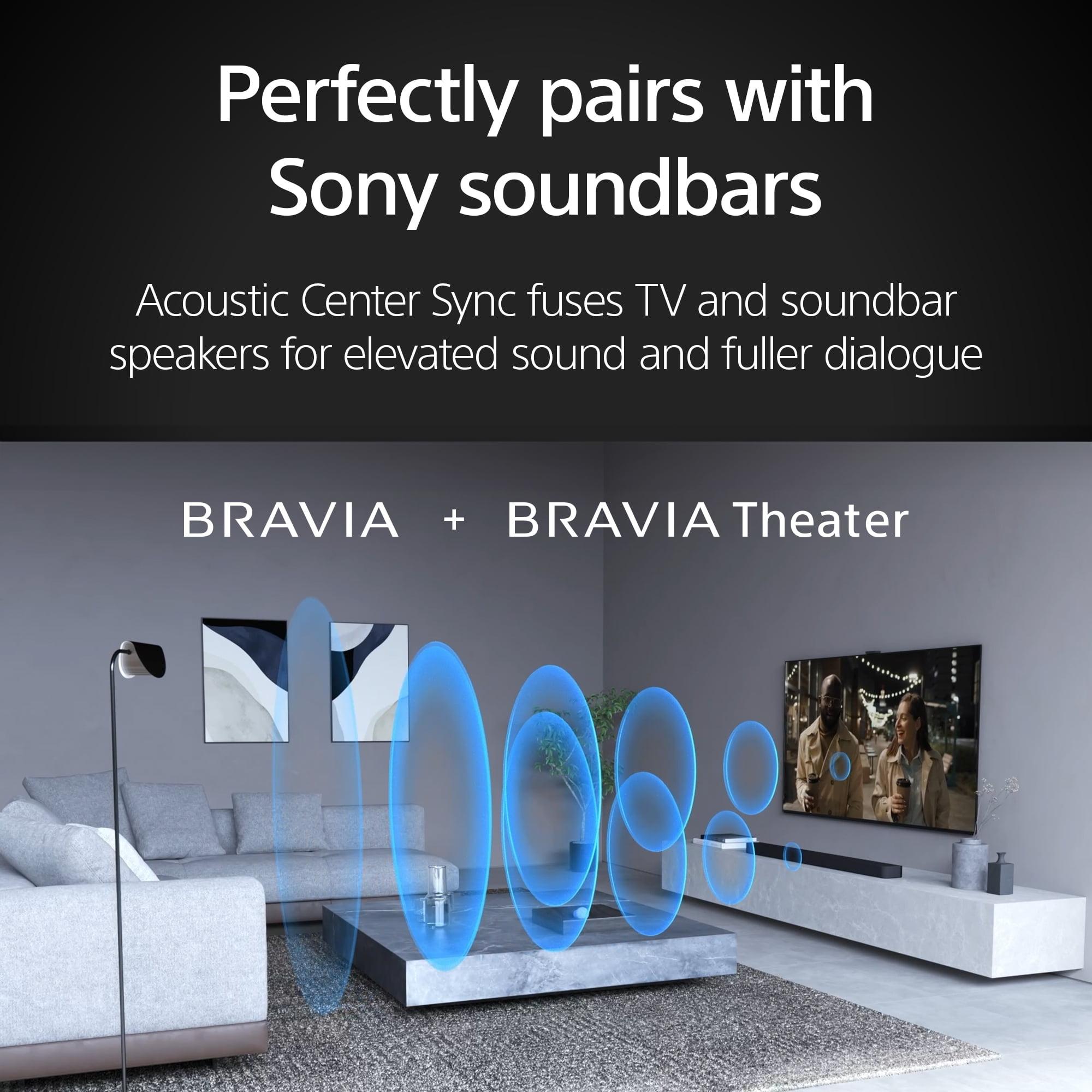
The Sony also includes an S-Center input, allowing the TV to function as a center channel speaker when paired with compatible soundbars—a unique feature that enhances dialogue clarity in home theater setups. Support for premium audio formats like Dolby Atmos and DTS:X ensures compatibility with high-quality sound sources.
The Samsung U8000F features a basic 20W, 2-channel speaker system with Object Tracking Sound Lite. While adequate for casual viewing, reviews consistently recommend adding a soundbar for better audio quality. The sound is described as clear but lacking depth and power, particularly for movie soundtracks and music.
Your viewing environment significantly affects TV performance, and these models suit different room conditions. The Sony BRAVIA 8 II handles various lighting conditions well thanks to its high peak brightness and anti-reflective screen coating. While OLED TVs historically struggled in bright rooms, this 2025 model addresses those concerns with substantially improved brightness levels.
The Samsung U8000F shows significant limitations in bright environments. Professional reviews note "sub-par direct reflection handling" where "mirror-like reflections are barely reduced in intensity." The TV performs adequately in moderately lit rooms but struggles with bright windows or direct lighting, making room placement crucial for acceptable performance.
For home theater applications, the Sony excels in darkened rooms where its perfect blacks and wide color gamut create a cinematic experience. The Samsung works better as a general-purpose TV in family rooms with consistent, moderate lighting.
At the time of writing, these TVs occupy vastly different price segments, with the Samsung U8000F positioned as an affordable entry point into 4K smart TV territory, while the Sony BRAVIA 8 II commands premium pricing reflecting its flagship status.
The Samsung makes sense for budget-conscious buyers who need basic 4K functionality and smart TV features without demanding exceptional picture quality. It works well as a secondary TV for bedrooms, kitchens, or guest rooms where viewing conditions are controlled and expectations are modest. The reliable Tizen platform and Samsung's brand reputation provide peace of mind for buyers prioritizing value over performance.
The Sony targets enthusiasts and home theater applications where picture quality justifies premium pricing. Despite the higher cost, it represents competitive value within the flagship OLED segment, often pricing below comparable models from other manufacturers while delivering superior performance.
Choose the Samsung U8000F if you're working within a strict budget and primarily watch standard streaming content in controlled lighting conditions. It's adequate for casual viewing and provides smart TV functionality without major compromises in basic usability. This TV works best for buyers who understand they're accepting significant limitations in exchange for affordability.
However, if picture quality matters to you—and if you're reading a detailed TV comparison, it probably does—the Sony BRAVIA 8 II represents a worthwhile investment. The performance gap between LED and OLED technology is substantial and affects every aspect of your viewing experience. Modern streaming services increasingly offer 4K HDR content that showcases the Sony's capabilities while exposing the Samsung's limitations.
For home theater enthusiasts, the choice is clear: the Sony delivers reference-quality performance that transforms movie watching into an engaging experience. The perfect blacks, vibrant colors, and immersive audio create the cinematic experience that makes premium TVs worthwhile investments.
The fundamental question isn't whether the Sony is better—professional reviews and user feedback consistently confirm its superiority across virtually every performance metric. The question is whether the substantial price difference fits your budget and viewing priorities. In my experience evaluating TV technologies, the gap between entry-level LED and premium OLED is one of the most dramatic performance differences you'll find in consumer electronics.
Both TVs will likely serve their intended audiences well, but understanding these fundamental differences ensures you'll choose the right technology for your specific needs and avoid disappointment with your purchase.
| Samsung 65-Inch Crystal UHD U8000F 4K Smart TV 2025 | Sony BRAVIA 8 II 65" QD-OLED 4K Google TV 2025 |
|---|---|
| Display Technology - Fundamental difference affecting all picture quality aspects | |
| LED-backlit LCD with VA panel | 4th Generation QD-OLED with quantum dots |
| Peak Brightness - Critical for HDR impact and bright room viewing | |
| Limited brightness, insufficient for impactful HDR | ~1,880 nits peak, 25% brighter than previous flagship OLEDs |
| Black Levels & Contrast - Determines picture depth and realism | |
| Poor blacks appear gray, no local dimming | Perfect blacks (pixels turn completely off), infinite contrast |
| Refresh Rate - Essential for modern gaming and smooth motion | |
| 60Hz maximum (limits gaming performance) | 120Hz native (supports 4K@120Hz gaming) |
| HDR Support - Affects premium streaming content quality | |
| HDR10+ only, insufficient brightness for real HDR impact | Dolby Vision, HDR10, HLG with excellent brightness for true HDR |
| HDMI Connectivity - Future-proofing for gaming consoles | |
| 3x HDMI 2.0 ports (4K@60Hz maximum) | 2x HDMI 2.1 + 2x standard (supports 4K@120Hz, VRR, ALLM) |
| Viewing Angles - Important for family viewing and room layout | |
| Rapid color/brightness degradation when viewed off-center | Wide viewing angles maintain color accuracy from any position |
| Smart Platform - Daily user interface experience | |
| Samsung Tizen OS with Samsung TV Plus | Google TV OS v12 with extensive app ecosystem |
| Processor - Affects upscaling quality and smart features | |
| Crystal Processor 4K (basic upscaling) | 2nd Gen Cognitive XR with AI Scene Recognition |
| Audio Technology - Built-in sound quality | |
| 20W 2-channel speakers with OTS Lite | Acoustic Surface Audio+ (sound from screen), Dolby Atmos |
| Motion Handling - Critical for sports and gaming | |
| Poor motion with slow response time causing blur | Near-instantaneous OLED response with XR Motion processing |
| Color Performance - Affects picture vibrancy and accuracy | |
| Good SDR accuracy, limited color volume in HDR | XR Triluminos Max with billions of accurate colors |
| Target Market - Who should consider each TV | |
| Budget-conscious buyers needing basic 4K functionality | Home theater enthusiasts and serious gamers wanting flagship performance |
The primary difference is display technology. The Samsung U8000F uses traditional LED backlighting with an LCD panel, while the Sony BRAVIA 8 II features advanced QD-OLED technology where each pixel creates its own light. This fundamental difference affects every aspect of picture quality, with the Sony delivering perfect blacks, higher brightness, and superior color accuracy compared to the Samsung.
The Sony BRAVIA 8 II performs significantly better in bright rooms thanks to its higher peak brightness (~1,880 nits) and anti-reflective screen coating. The Samsung U8000F struggles with reflections and lacks sufficient brightness to overcome glare, making it better suited for moderately lit or darker rooms.
The Sony BRAVIA 8 II is superior for gaming with its 120Hz refresh rate, HDMI 2.1 ports supporting 4K@120Hz, and near-instantaneous pixel response time. The Samsung U8000F is limited to 60Hz and HDMI 2.0, which restricts modern gaming console performance and makes VRR features largely ineffective.
Yes, but with significant differences. The Sony BRAVIA 8 II supports Dolby Vision and delivers impactful HDR with its high brightness and perfect blacks. The Samsung U8000F only supports HDR10+ and lacks the brightness needed for meaningful HDR impact, making HDR content appear similar to standard content.
Both offer solid smart platforms, but the Sony BRAVIA 8 II has advantages with Google TV OS providing broader app support and AI-powered content recommendations. The Samsung U8000F uses reliable Tizen OS with Samsung TV Plus free channels. The Sony's more powerful processor also enables better content optimization and faster navigation.
The Sony BRAVIA 8 II maintains excellent picture quality from any viewing angle due to OLED technology. The Samsung U8000F shows rapid color and brightness degradation when viewed off-center, making it less suitable for wide seating arrangements or family viewing scenarios.
The Sony BRAVIA 8 II is significantly better for home theater use, offering perfect blacks, vibrant colors, Dolby Vision support, and Acoustic Surface Audio+ technology. The Samsung U8000F lacks the contrast and brightness needed for cinematic experiences, making it more suitable for casual TV watching than serious movie viewing.
The Sony BRAVIA 8 II features advanced Acoustic Surface Audio+ where the screen itself produces sound, creating immersive audio that matches on-screen action. The Samsung U8000F has basic 20W speakers that provide clear but limited sound quality, typically requiring a soundbar for better audio performance.
Value depends on your priorities. The Samsung U8000F offers good value for budget-conscious buyers needing basic 4K smart TV functionality. The Sony BRAVIA 8 II provides exceptional value in the premium segment, offering flagship OLED performance at competitive pricing for enthusiasts who prioritize picture quality.
The Sony BRAVIA 8 II excels at motion handling with OLED's instant pixel response and advanced processing, making it ideal for sports and fast-action content. The Samsung U8000F suffers from poor motion handling with slow response times that create noticeable blur during fast-moving scenes, limiting its sports viewing quality.
The Sony BRAVIA 8 II is significantly more future-proof with HDMI 2.1 ports, 120Hz capability, Dolby Vision support, and advanced processing that will handle upcoming content standards. The Samsung U8000F is limited by its 60Hz refresh rate and HDMI 2.0 connectivity, which may not support future gaming and streaming developments.
Choose the Samsung U8000F if you need an affordable 4K smart TV for casual viewing in controlled lighting and aren't concerned with premium picture quality. Select the Sony BRAVIA 8 II if you want exceptional picture quality for movies, gaming, or home theater use and can invest in premium display technology that will provide superior performance for years to come.
We've done our best to create useful and informative comparisons to help you decide what product to buy. Our research uses advanced automated methods to create this comparison and perfection is not possible - please contact us for corrections or questions. These are the sites we've researched in the creation of this article: bestbuy.com - youtube.com - youtube.com - rtings.com - youtube.com - samsung.com - hometechnologyreview.com - rtings.com - samsung.com - displayspecifications.com - samsung.com - displayspecifications.com - walmart.com - billsmith.com - dentonstv.com - samsung.com - samsung.com - samsung.com - youtube.com - bestbuy.com - bestbuy.com - youtube.com - samsung.com - donstv.com - techradar.com - rtings.com - bestbuy.com - whathifi.com - rtings.com - hometechnologyreview.com - youtube.com - hometechnologyreview.com - hometechnologyreview.com - hometechnologyreview.com - valueelectronics.com - smarthomesounds.co.uk - electronics.sony.com - valueelectronics.com - bestbuy.com - youtube.com - displayspecifications.com - hometechnologyreview.com - flatpanelshd.com

Privacy Policy
Terms and Conditions - Affiliate Policy
Home Security
© Copyright 2008-2026.
11816 Inwood Rd #1211, Dallas, TX 75244