

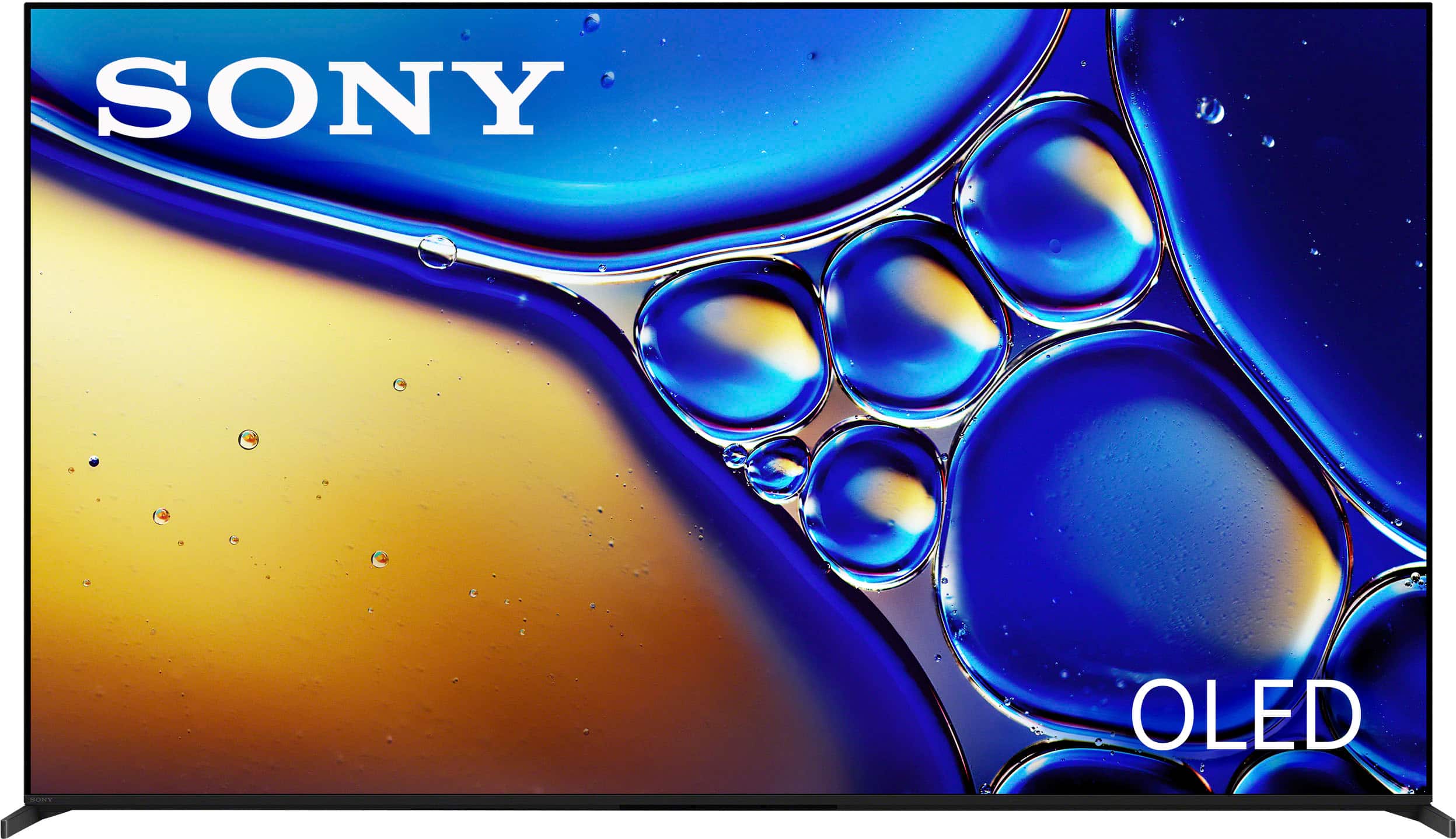
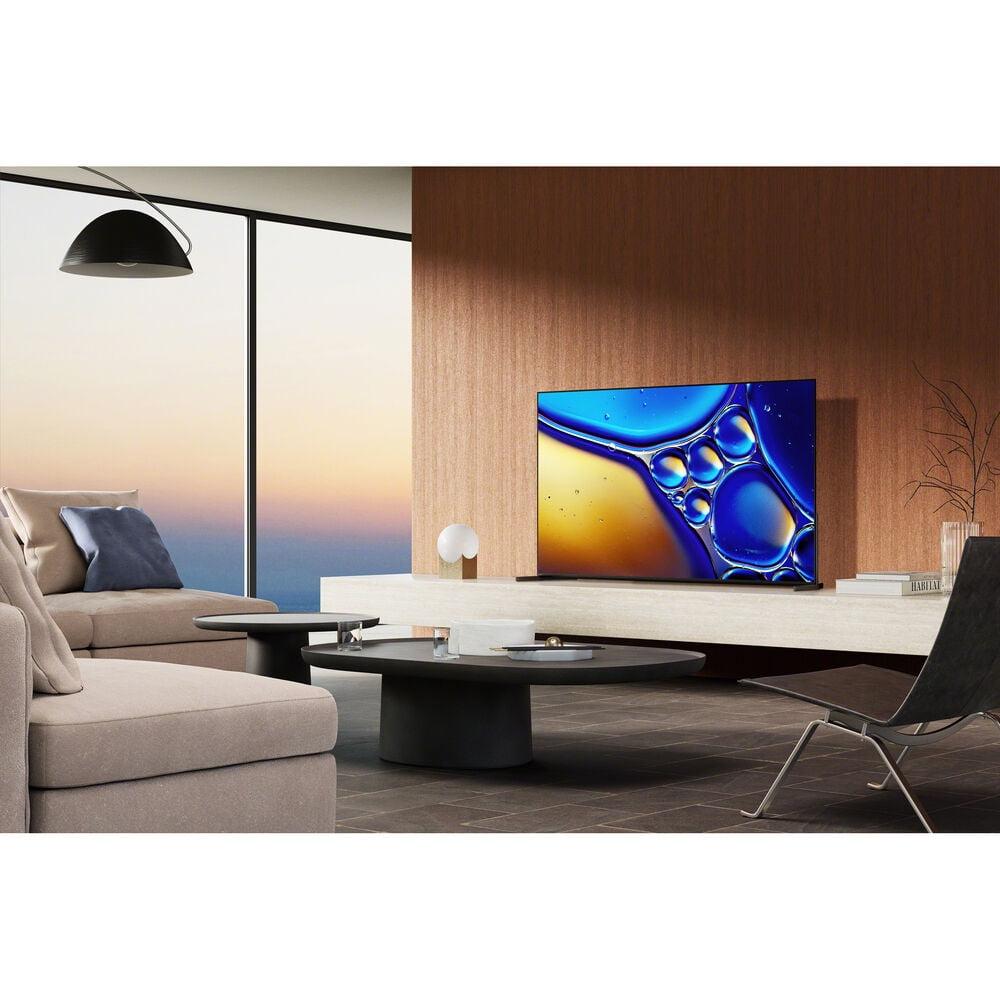
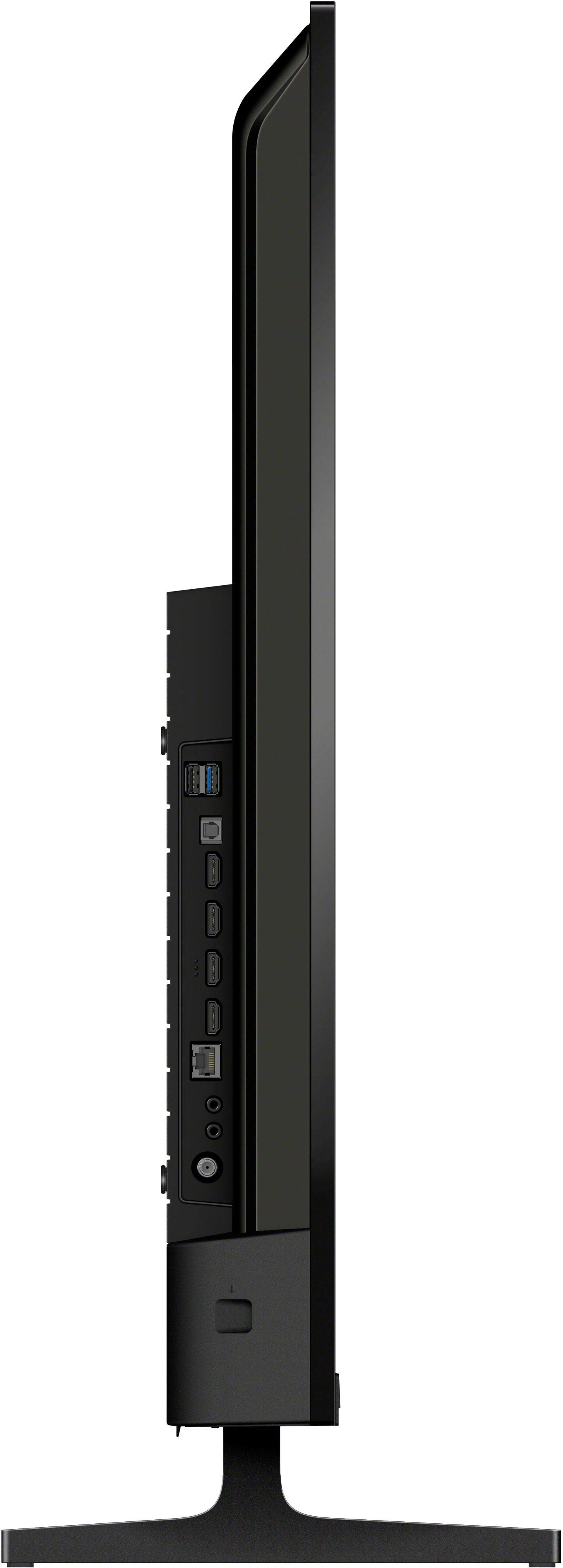
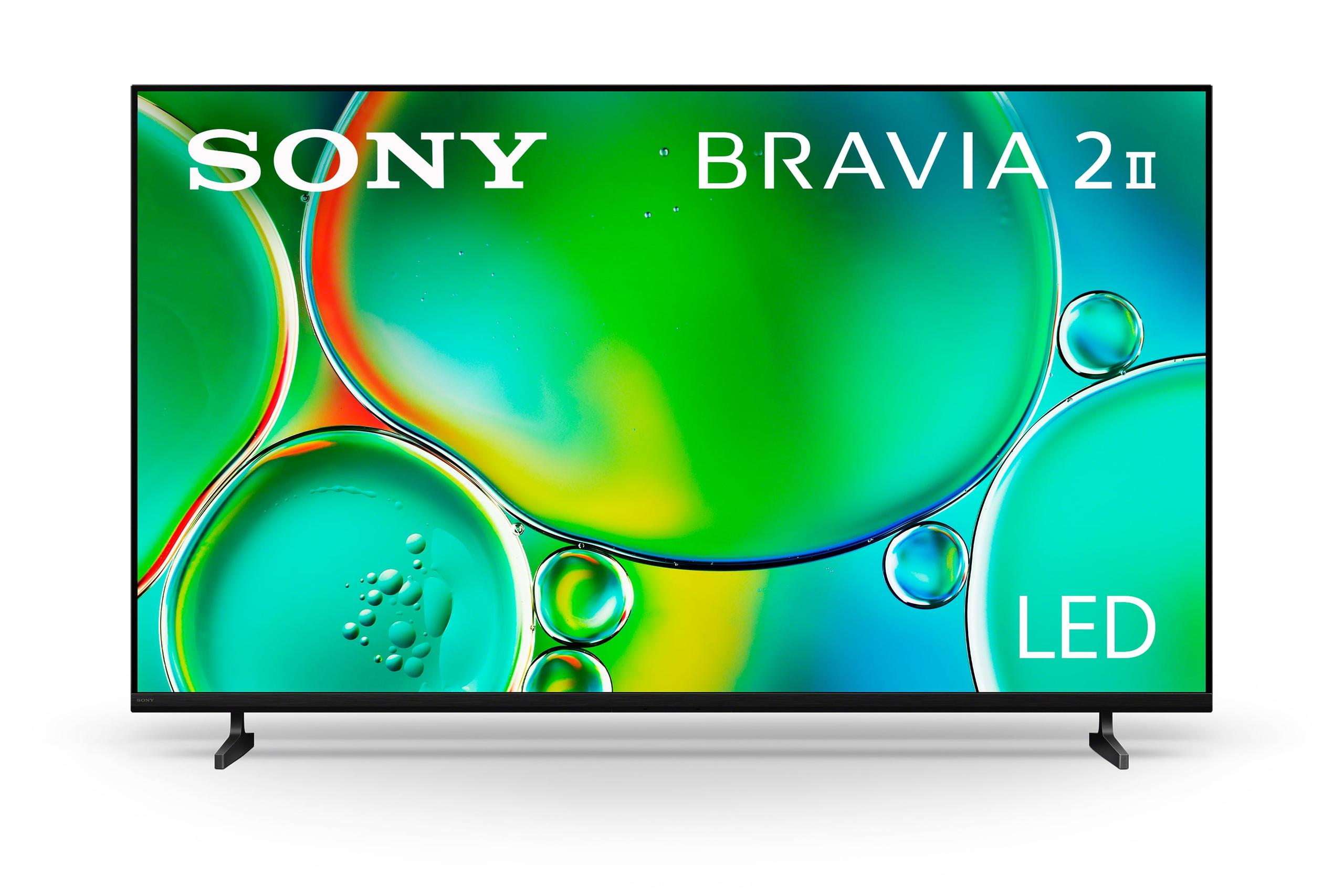
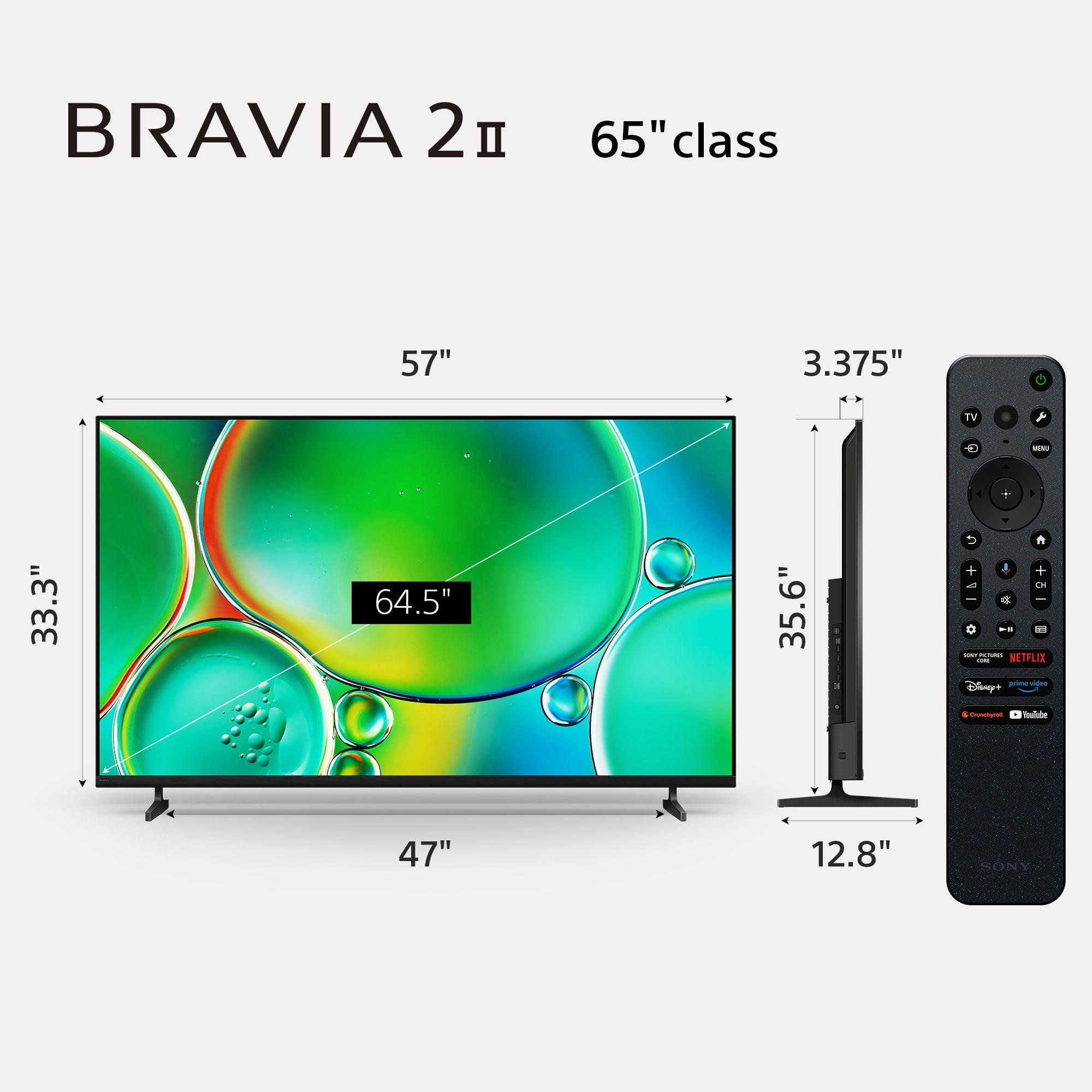




When Sony released their 2025 TV lineup in spring of that year, they made an interesting statement about the current state of television technology. The Sony BRAVIA 8 II 65" QD-OLED at $3,098 represents the pinnacle of what's possible when cost isn't the primary concern, while the Sony BRAVIA 2 II 65" LED at $650 shows how far budget TVs have come in delivering decent 4K experiences. These aren't just different price points—they're fundamentally different approaches to home entertainment.
The TV market in 2025 has become incredibly diverse, spanning from basic LED displays to cutting-edge QD-OLED panels. This evolution happened relatively quickly. Just five years ago, most people were choosing between standard LED and OLED. Now we have QLED (quantum dot LED), Mini-LED, and QD-OLED technologies, each with distinct advantages.
The key factors that separate a great TV from an adequate one haven't changed much: how deep the blacks look, how bright and colorful the picture appears, how smooth motion looks during fast scenes, and whether the TV can handle the latest gaming consoles properly. What has changed dramatically is how different technologies achieve these goals and at what price points.
The BRAVIA 8 II's QD-OLED panel represents Sony's most significant display upgrade in years. QD-OLED combines the best aspects of OLED and quantum dot technologies—imagine taking OLED's perfect blacks (where pixels can turn completely off) and adding quantum dots that convert blue light into pure red and green colors with incredible efficiency.
This 4th generation QD-OLED panel achieves something remarkable: it's 25% brighter than Sony's previous flagship OLEDs while maintaining those perfect black levels. In practical terms, this means HDR content like Dolby Vision movies actually pop off the screen with bright highlights, while dark scenes retain all their shadow detail without any grayish fog that typical LED TVs produce.
The quantum dot layer acts like a color translator, taking the blue light from OLED emitters and converting it into incredibly pure red and green light. This process creates what's called a wider color gamut—essentially, the TV can display more colors than standard displays, making everything from grass to skin tones look more lifelike.
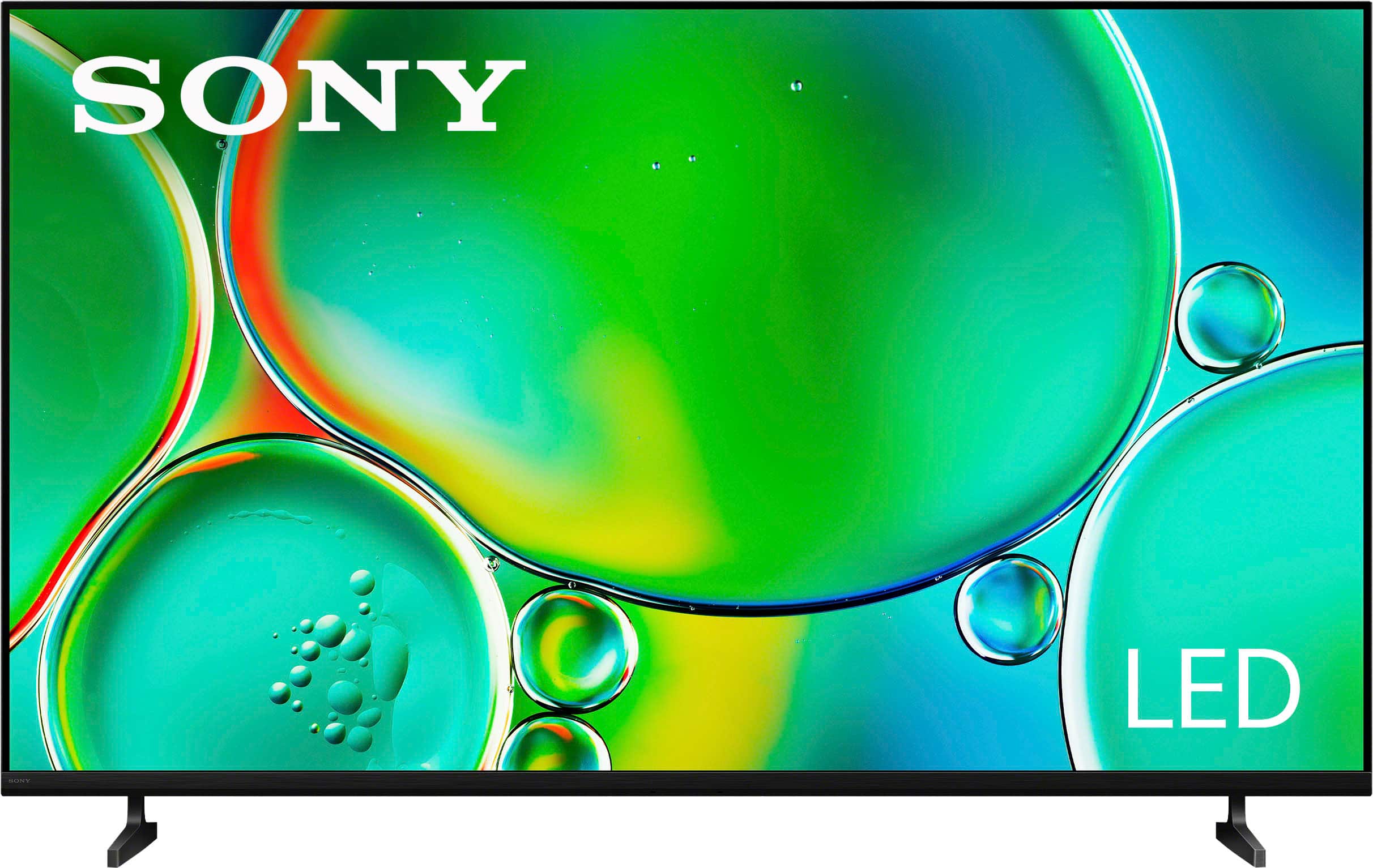
The BRAVIA 2 II uses traditional LED technology, which places LED lights behind an LCD panel. Think of it like a flashlight shining through a colored transparency sheet. The LCD panel acts as millions of tiny shutters that can partially block or allow light through to create the image you see.
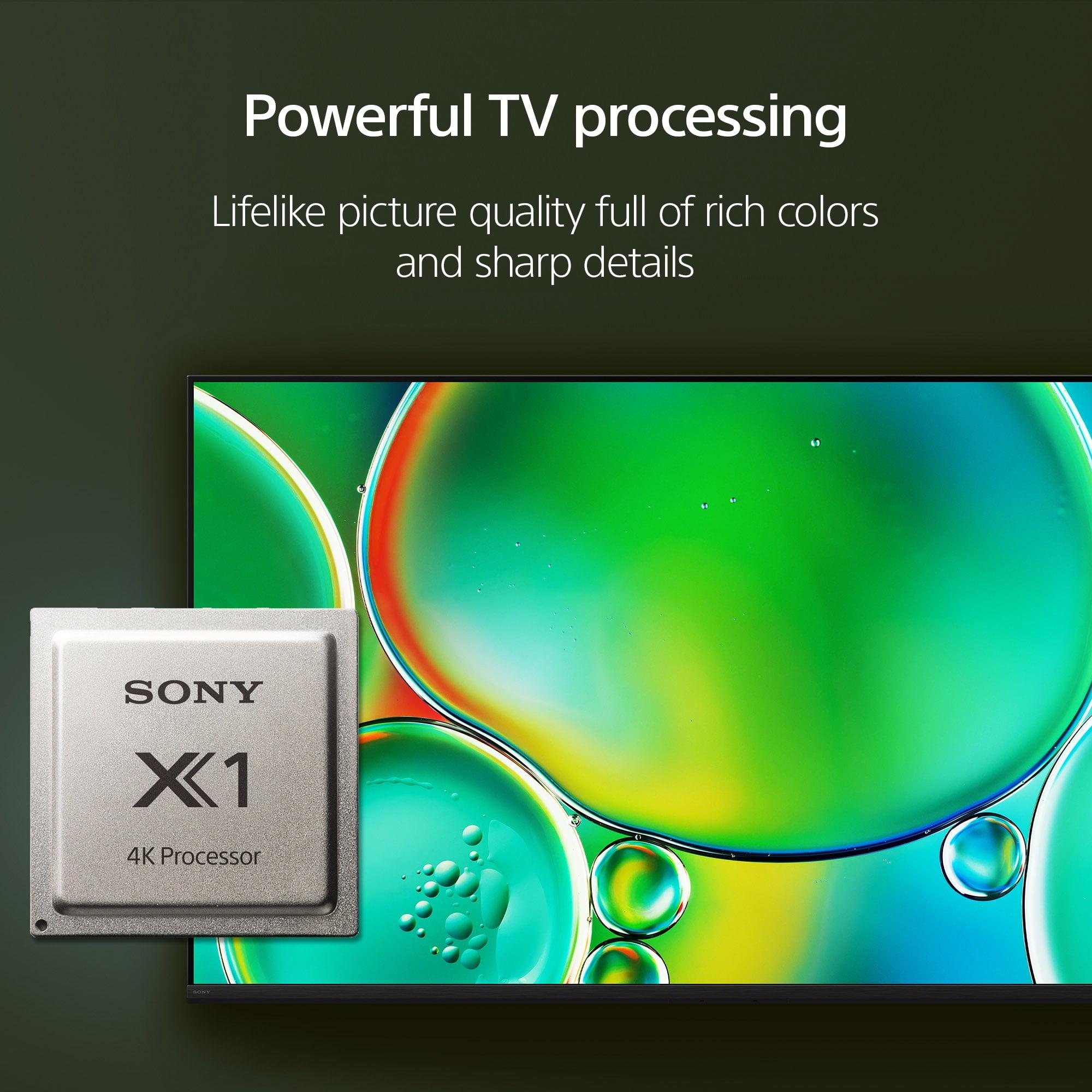
This approach has inherent limitations. Since the LEDs are always on, the TV can't achieve true black—there's always some light leaking through, creating what we call "lifted blacks" that appear grayish. However, LED technology has improved significantly. Sony's 4K Processor X1 in the BRAVIA 2 II includes upscaling algorithms that can make HD content look surprisingly sharp on the 4K screen.
The frame dimming system in the BRAVIA 2 II provides basic local dimming, meaning different sections of the backlight can dim independently. It's not as precise as the individual pixel control in the BRAVIA 8 II, but it's a step up from older LED TVs that had uniform backlighting across the entire screen.
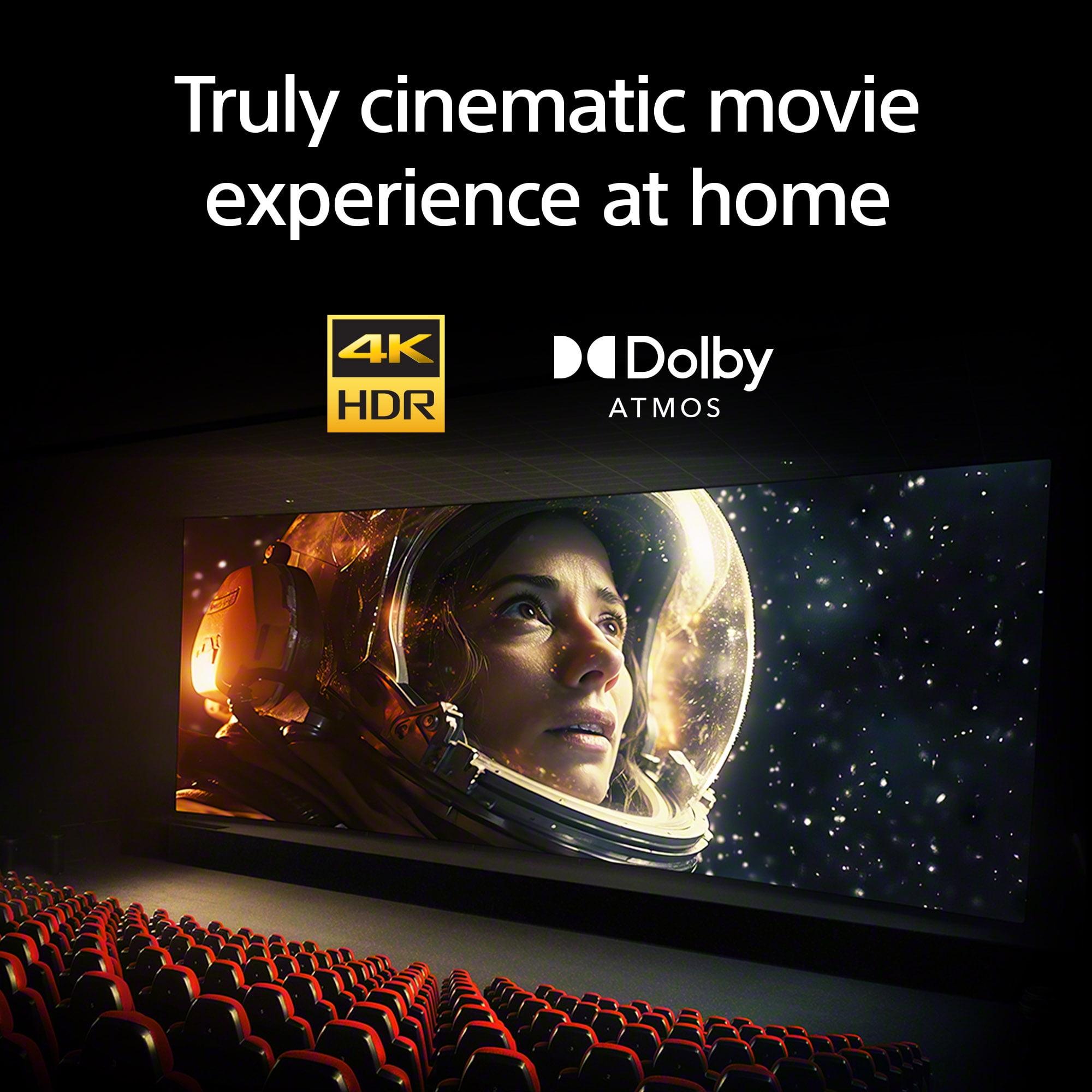
This is where the technology difference becomes most apparent. The BRAVIA 8 II's QD-OLED achieves what's called infinite contrast ratio because its pixels can turn completely off, creating true black next to bright colors. When you're watching a movie with a starfield, each star appears to float in completely black space.
The BRAVIA 2 II, despite its frame dimming, still suffers from the fundamental LED limitation—the backlight is always somewhat on. In that same starfield scene, you'd see the stars against a slightly grayish background. It's not terrible, especially if you haven't experienced perfect blacks, but the difference is significant when watching movies in a dark room.
Here's where things get interesting. The BRAVIA 8 II reaches peak brightness levels around 1,880 nits in HDR content. That might not sound like much compared to some Mini-LED TVs that can hit 4,000+ nits, but QD-OLED's efficiency means those bright highlights appear incredibly vibrant and well-controlled.
More importantly, the BRAVIA 8 II can create this brightness in precise areas while keeping surrounding pixels completely black. When the sun breaks through clouds in a nature documentary, it genuinely looks like light is emanating from the screen.
The BRAVIA 2 II has much lower peak brightness—Sony doesn't specify exact numbers, but typical budget LEDs manage 300-500 nits. HDR content still benefits from the TV's tone mapping, but bright highlights won't have the same impact. Think of it as the difference between a flashlight and a candle—both provide light, but one is clearly more impressive.
Sony's XR Triluminos Max technology in the BRAVIA 8 II works with the QD-OLED panel to display what Sony calls "billions of colors." This isn't marketing hyperbole—the quantum dot layer can reproduce colors that standard displays simply can't show. Reds are deeper, greens more vibrant, and subtle color transitions appear smoother.
The BRAVIA 2 II uses Sony's Live Color technology, which enhances the standard LED color reproduction. It's a significant improvement over basic LED TVs, but it's working within the limitations of the LED backlight and color filters. Colors look good, especially compared to older TVs, but they lack the depth and saturation of QD-OLED.
Gaming capabilities have become a crucial differentiator in modern TVs, especially with PlayStation 5 and Xbox Series X pushing 4K at 120Hz.
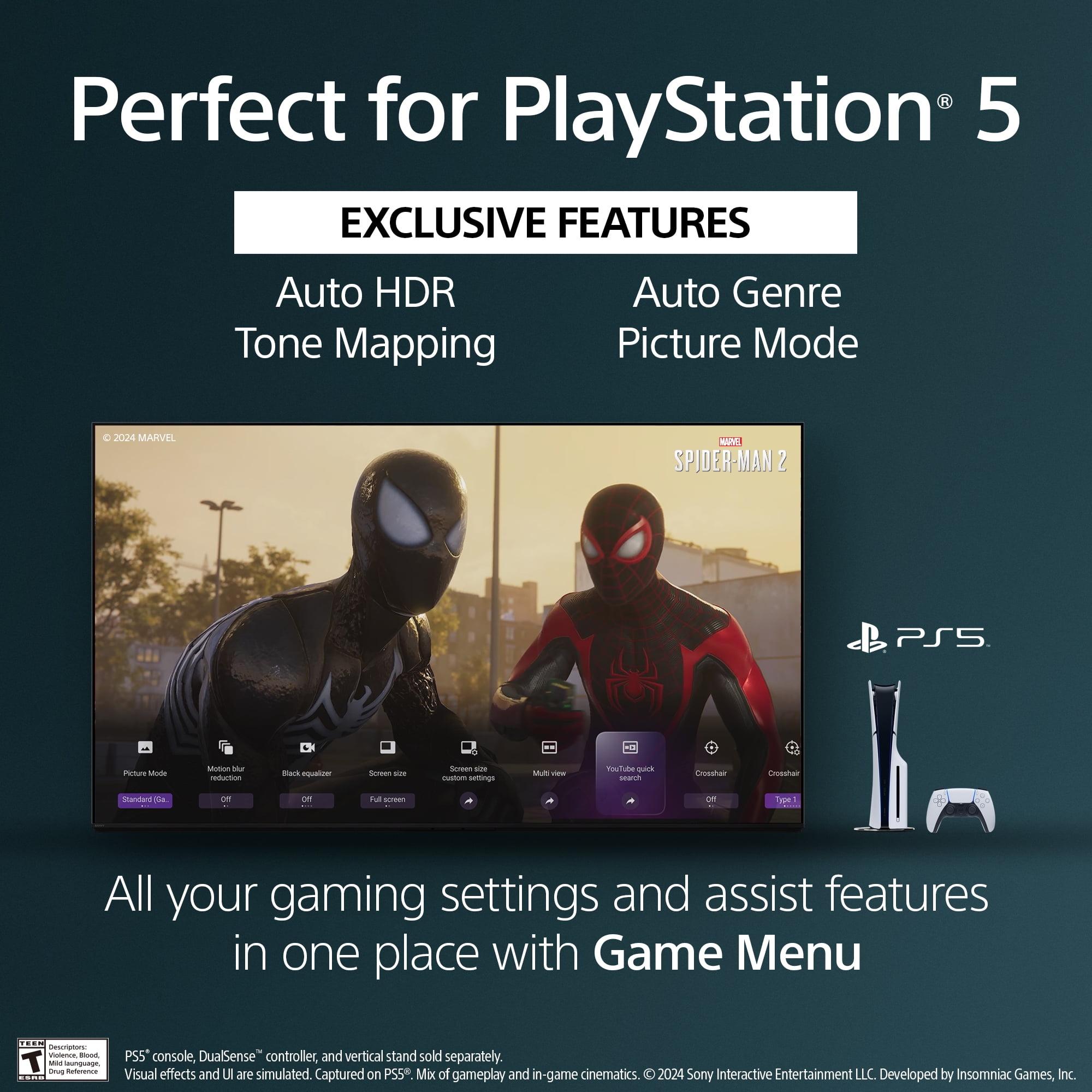
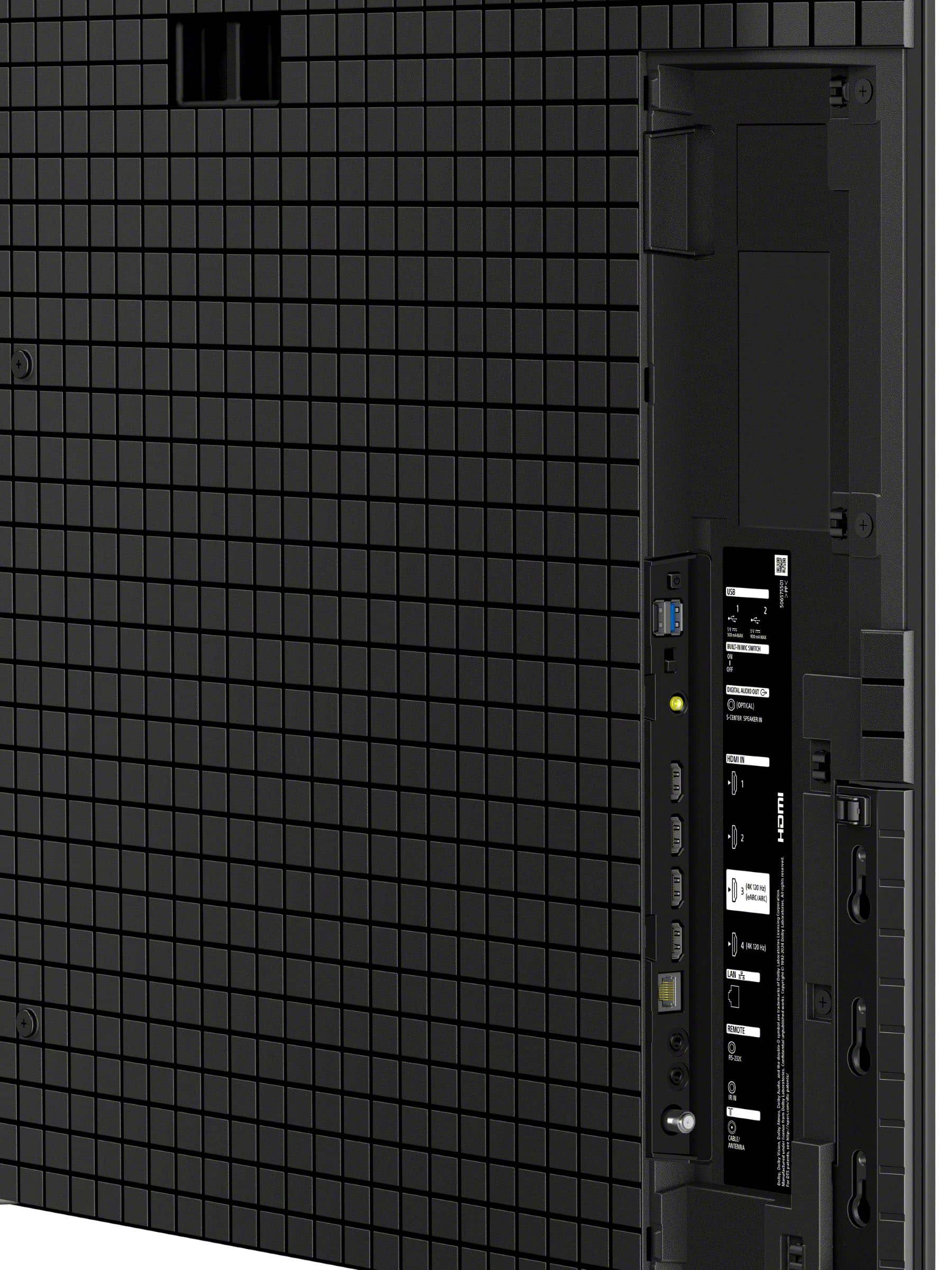
The BRAVIA 8 II includes two HDMI 2.1 ports that support the full suite of next-gen gaming features. Variable Refresh Rate (VRR) eliminates screen tearing by matching the TV's refresh rate to the console's output. Auto Low Latency Mode (ALLM) automatically switches to game mode when it detects a console, reducing input lag to as low as 8.5 milliseconds.
These features matter more than you might think. That 8.5ms input lag means there's barely any delay between pressing a button and seeing the action on screen—crucial for competitive gaming. The VRR support means games that can't maintain consistent 120fps will still look smooth without the jarring screen tearing that occurs on displays without this feature.
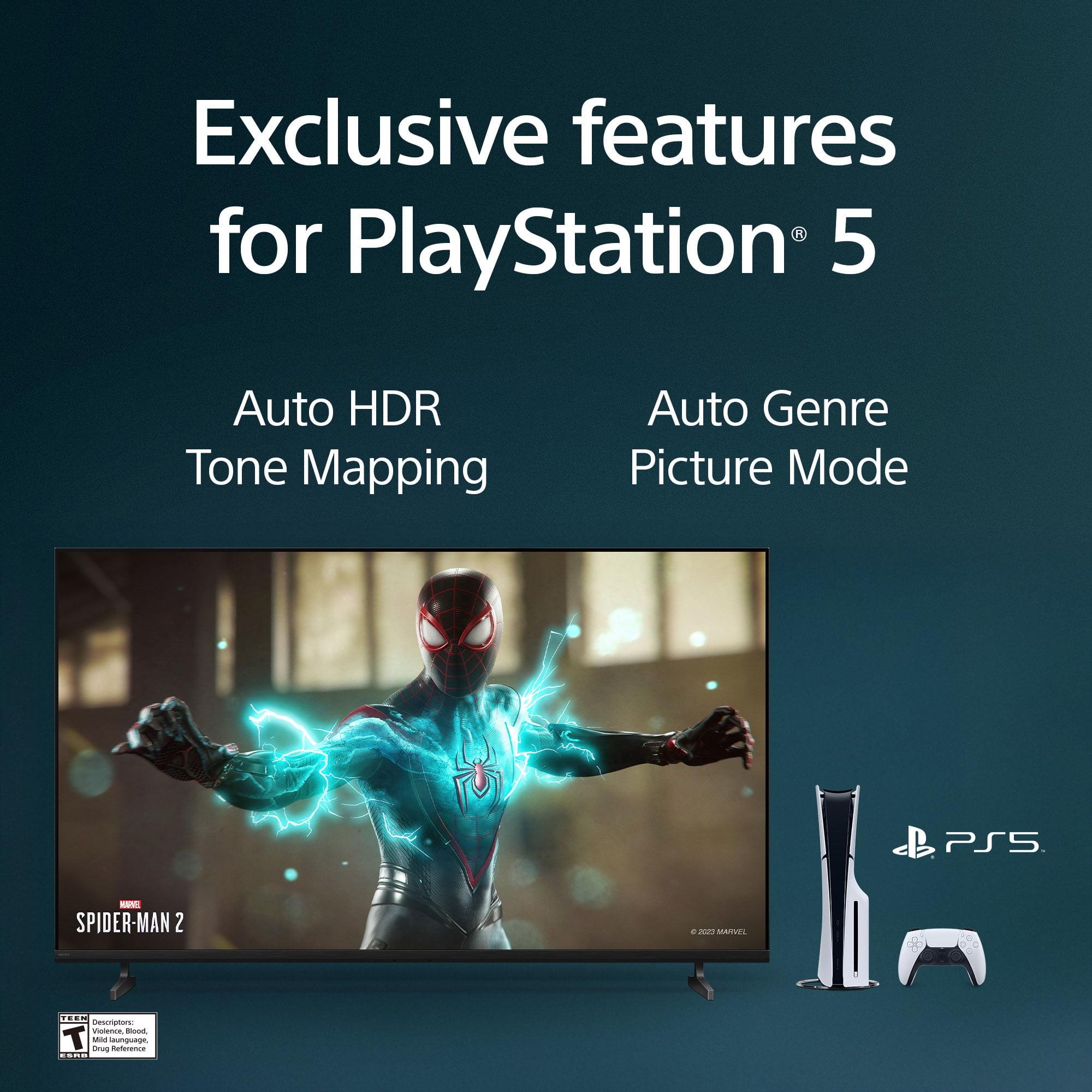
Sony has also included PlayStation 5-specific optimizations, including Auto HDR Tone Mapping that automatically adjusts HDR settings for optimal gaming performance, and Dolby Vision Gaming support for enhanced color and contrast in supported games.
The BRAVIA 2 II takes a more basic approach to gaming. It supports 4K at 60Hz and includes ALLM for reduced input lag, but lacks VRR and 120Hz support. For casual gamers playing single-player adventures or older titles, this is perfectly adequate. The TV will display games clearly and with reasonable responsiveness.
However, if you own a PS5 or Xbox Series X and want to take advantage of their capabilities, you'll be leaving performance on the table. Fast-paced games like first-person shooters or racing games benefit significantly from higher refresh rates and VRR.
The BRAVIA 8 II features Sony's Acoustic Surface Audio+ technology, which turns the entire screen into a speaker. Actuators behind the panel vibrate the screen itself to create sound, meaning dialogue appears to come directly from characters' mouths rather than from speakers below the screen.
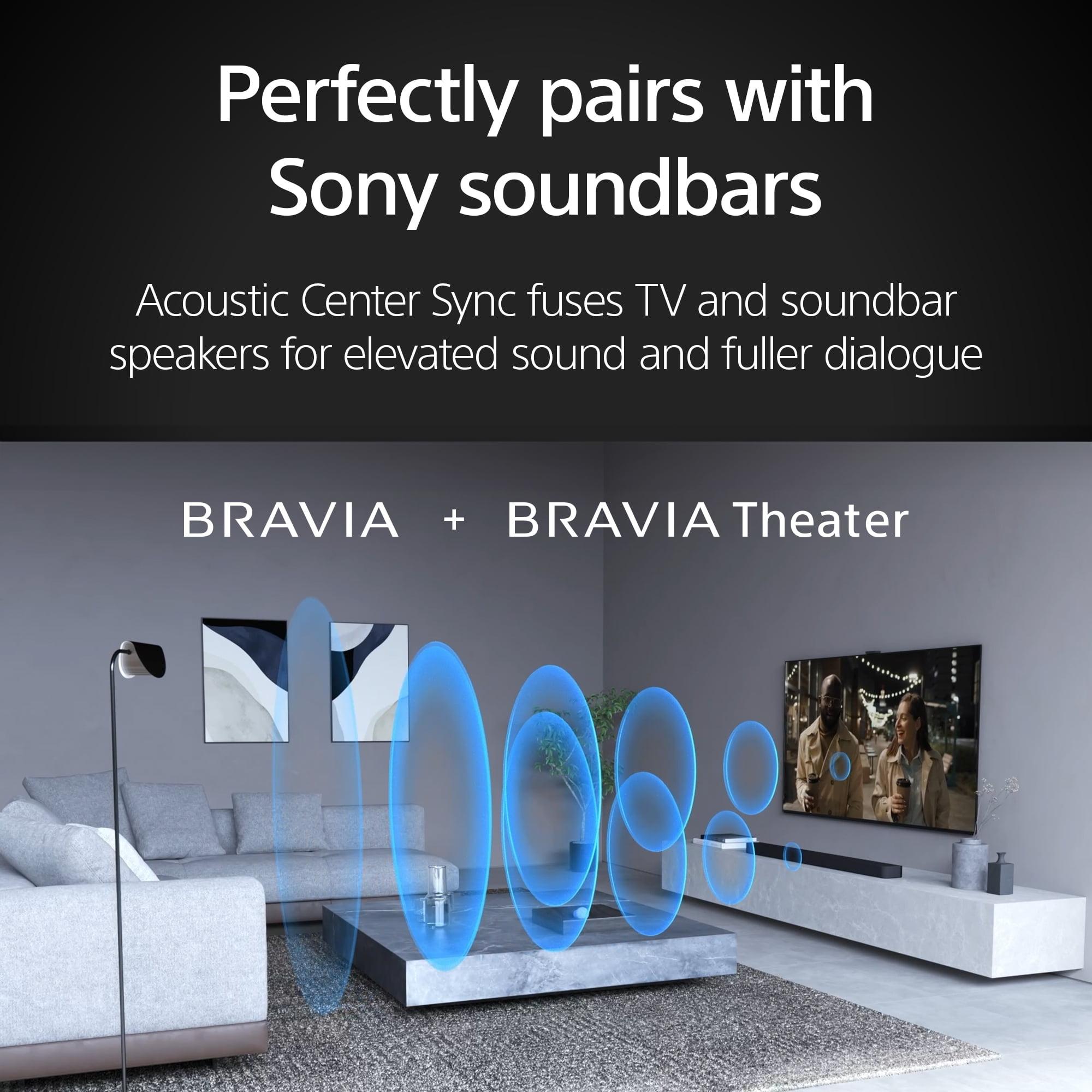
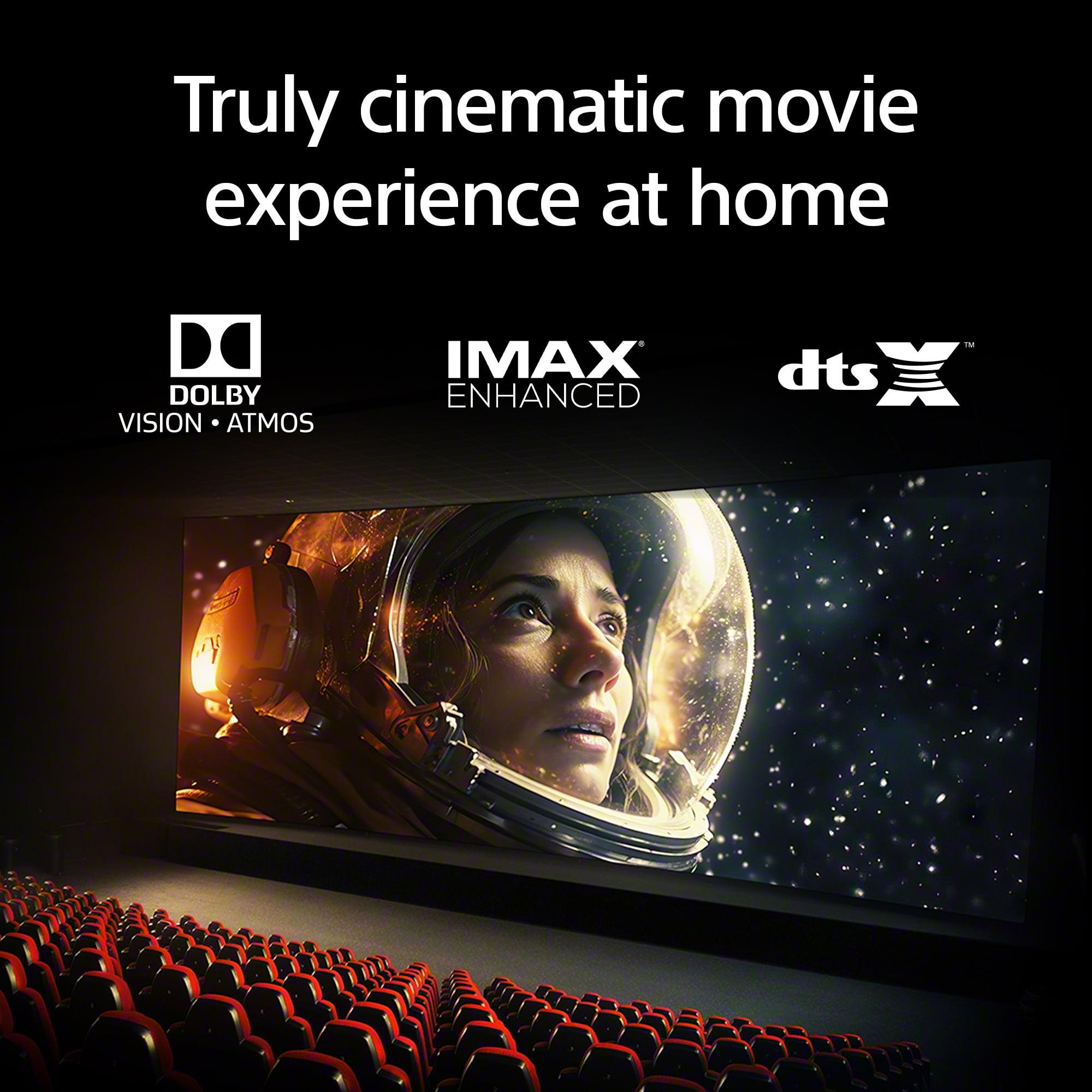
This creates a more immersive experience, especially for movies and TV shows. The system includes dedicated subwoofers for bass response and supports advanced audio formats like Dolby Atmos and DTS:X. The S-Center input allows the TV to function as the center channel in a surround sound system when paired with compatible Sony soundbars—a unique feature that can enhance your home theater setup.
The BRAVIA 2 II uses a conventional approach with 40W speakers positioned at the bottom of the TV. While it supports Dolby Atmos processing, it's doing so through traditional downward-firing speakers rather than the immersive screen-based audio of the premium model.
The sound quality is adequate for casual viewing and represents an improvement over many budget TVs, but it lacks the positional accuracy and immersive quality of the BRAVIA 8 II's system. Most users would benefit from adding a soundbar, which is a common upgrade path for budget TV buyers.
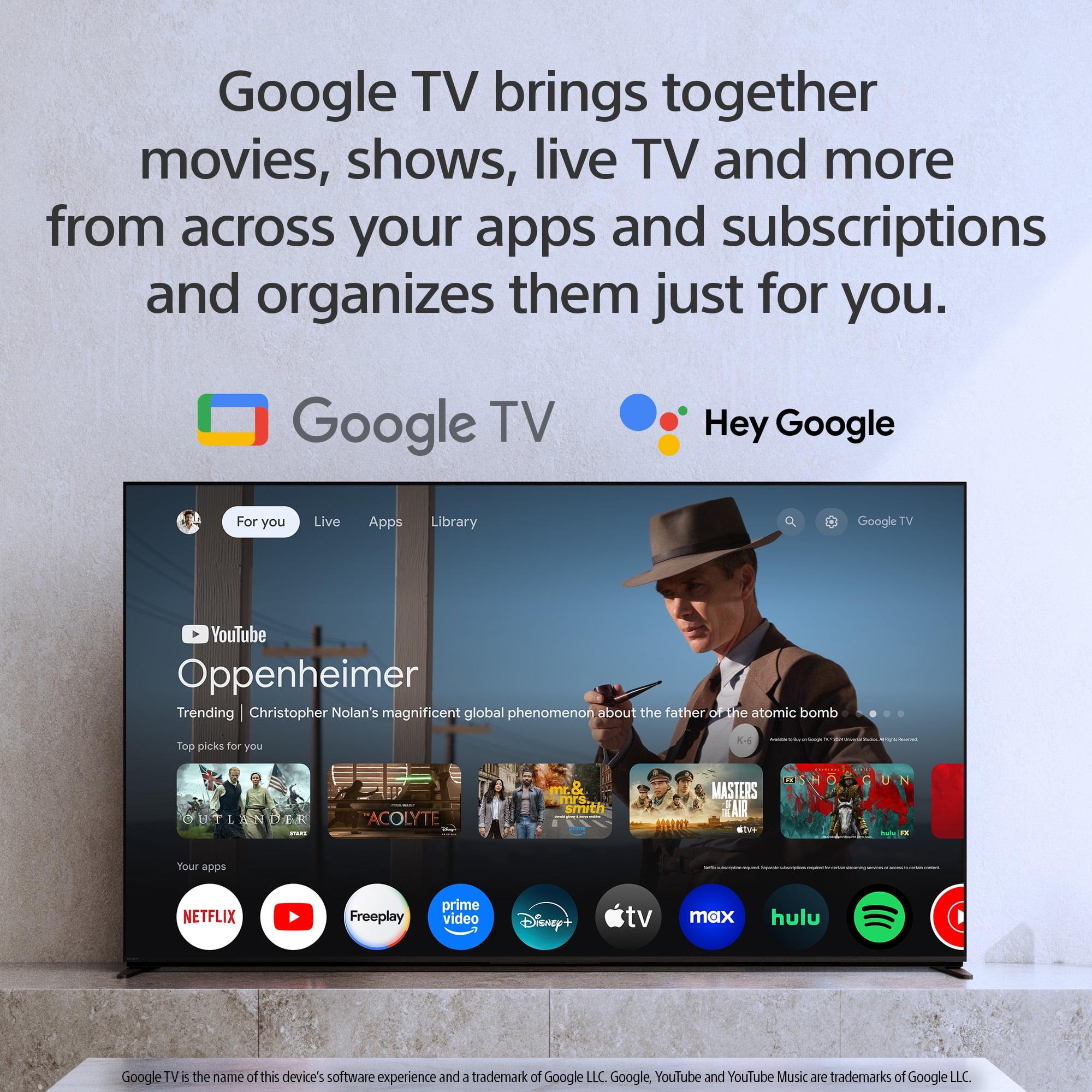
Both models run Google TV, which is excellent news for the user experience. Google TV has evolved into one of the better smart TV platforms, offering intuitive navigation, comprehensive app support, and helpful content recommendations.
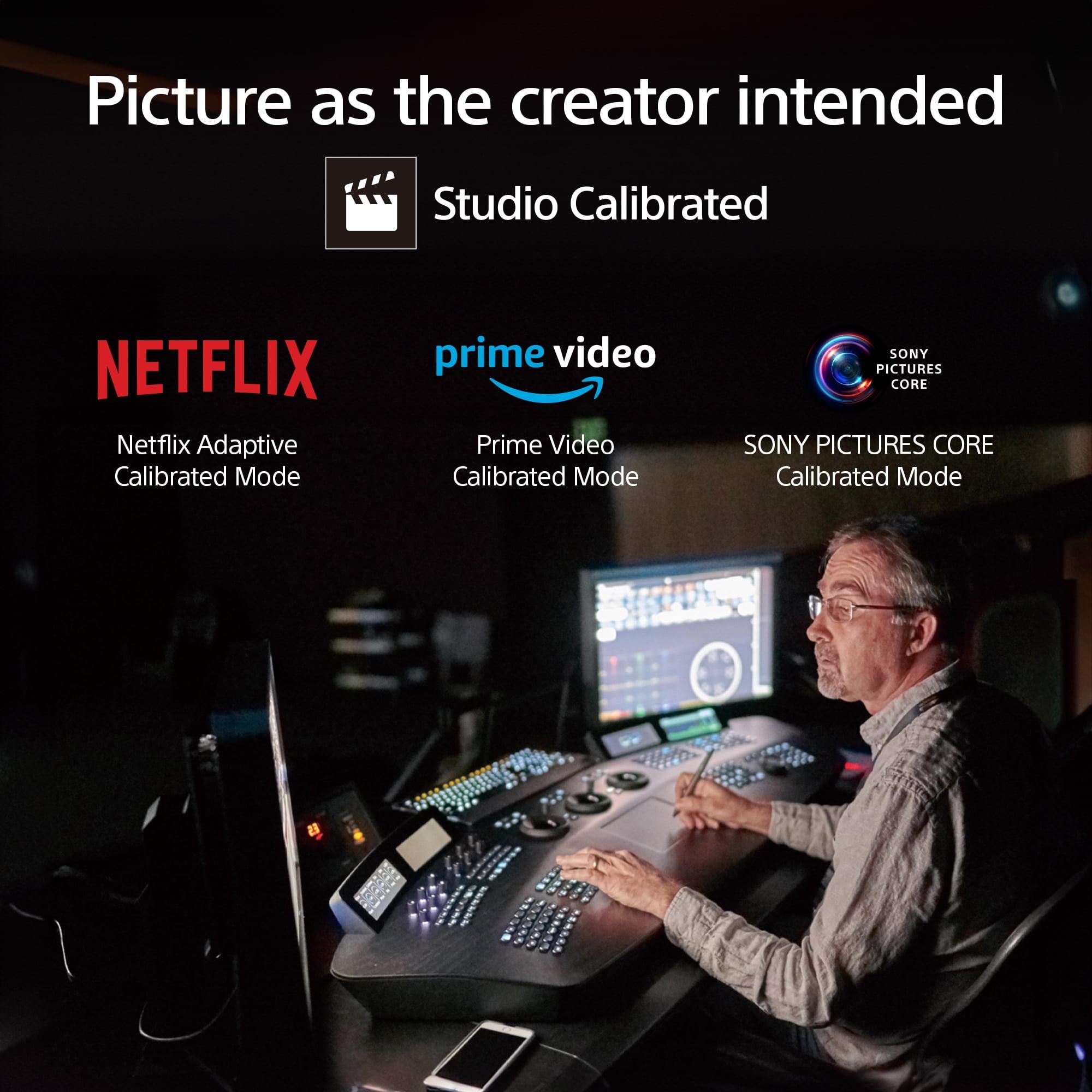
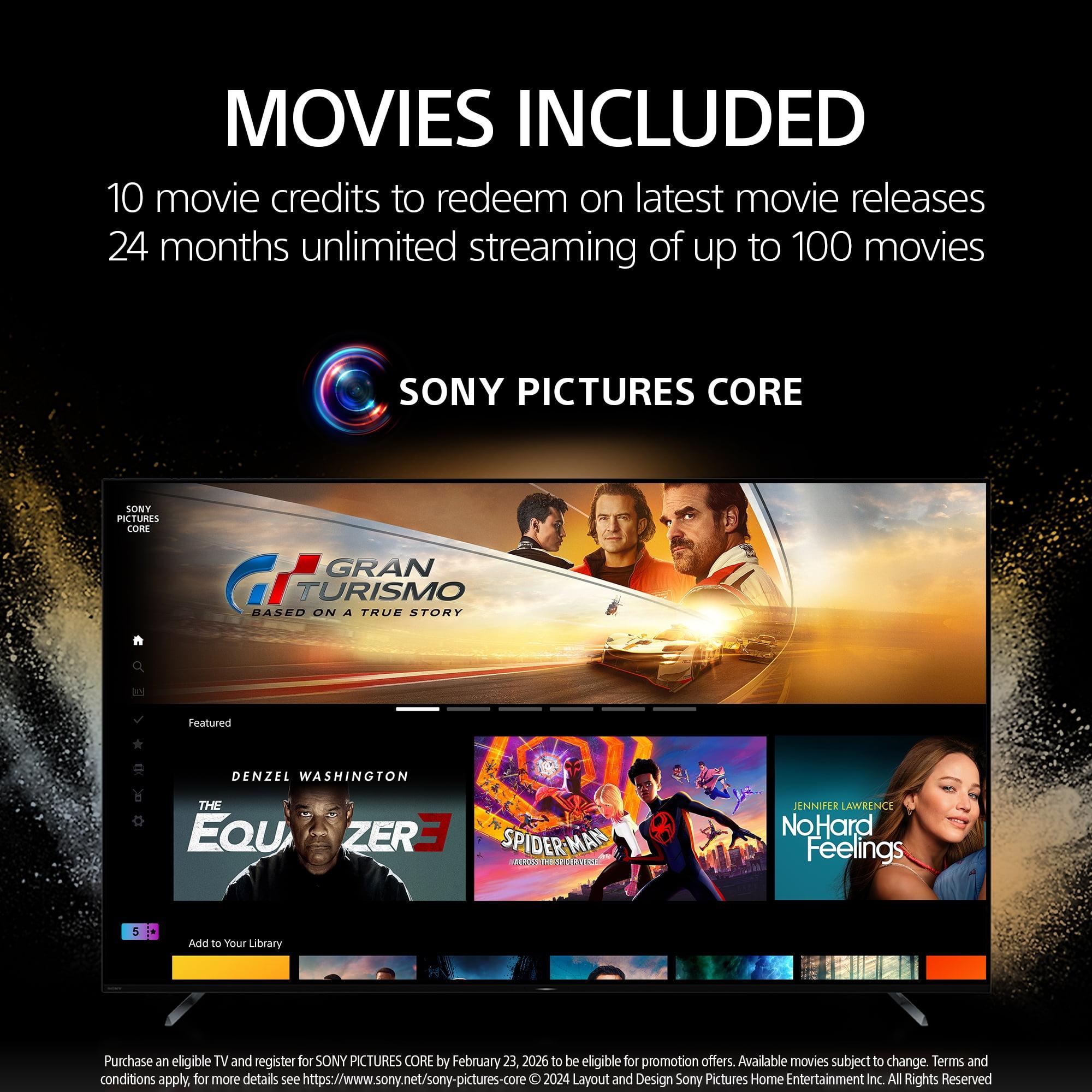
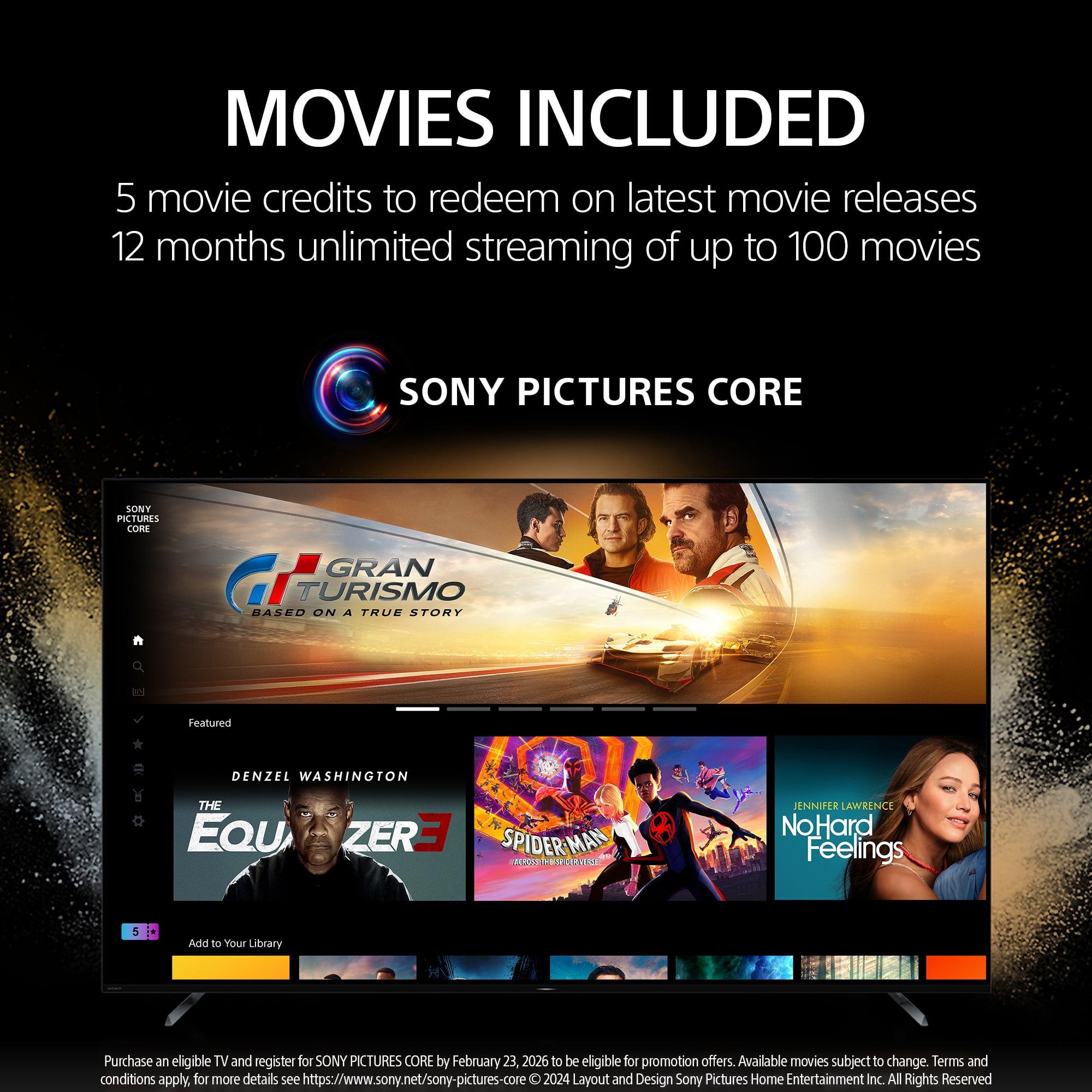
The BRAVIA 8 II includes premium features like studio calibrated modes for Netflix, Prime Video, and Sony Pictures Core. These modes ensure that streaming content displays with the color accuracy and brightness that content creators intended. Sony also includes two years of Sony Pictures Core streaming service, which offers a curated selection of movies with IMAX Enhanced presentation.
The BRAVIA 2 II provides the core Google TV experience with access to all major streaming apps and services. While it lacks the specialized calibration modes, it still benefits from Sony's 4K X-Reality PRO upscaling, which analyzes and enhances lower-resolution content.
If you're building a dedicated home theater, the choice between these models depends heavily on your room conditions and priorities.
The BRAVIA 8 II excels in dark rooms where its perfect blacks can truly shine. Movie nights become more cinematic when space scenes show true black backgrounds and shadow details remain visible without appearing grayish. The wide viewing angles mean everyone in the room gets a great picture, regardless of seating position.
Interestingly, very bright rooms can level the playing field somewhat. The BRAVIA 2 II's LED backlight doesn't suffer from the slight reflection issues that can affect OLED panels in direct sunlight. However, the BRAVIA 8 II includes improved anti-reflective coating that helps mitigate this traditional OLED weakness.
For serious home theater setups, the BRAVIA 8 II's S-Center input provides unique flexibility. You can use the TV's screen-based speakers as your center channel while adding separate left, right, and surround speakers. This creates dialogue that appears to come directly from the screen—something traditional center channel speakers can't match.
The $2,400 price difference between these models represents one of the largest gaps in Sony's lineup, and it raises important questions about value.
The BRAVIA 8 II justifies its cost if picture quality significantly impacts your enjoyment. If you're the type of person who notices compression artifacts in streaming video or gets bothered by motion blur in action scenes, the superior processing and panel technology will provide ongoing satisfaction.
For gaming enthusiasts with next-gen consoles, the advanced gaming features provide tangible benefits that budget alternatives can't match. The future-proofing aspect also matters—this TV will handle whatever gaming and video standards emerge over the next several years.
The BRAVIA 2 II addresses a simple reality: many people want a large, modern TV without spending premium prices. At $650 for a 65-inch 4K display with smart features and decent picture quality, it delivers considerable value for families primarily watching streaming content and cable TV.
The key is managing expectations. This isn't a reference-quality display, but it's a significant upgrade from older TVs and provides the smart features that have become essential.
Choose the BRAVIA 8 II if you want the best possible picture quality and have the budget to support it. This TV rewards viewers who appreciate cinematic experiences, serious gamers, and anyone building a premium home theater setup.
The BRAVIA 2 II makes sense if you need a large screen for everyday viewing and want to keep costs reasonable. It's perfect for families upgrading from older TVs or anyone who values screen size over premium features.
Consider your viewing habits, room conditions, and long-term plans. If you watch a lot of high-quality content in controlled lighting and gaming is important, the premium model provides value that extends beyond its initial cost. If you primarily stream casual content and budget is a primary concern, the LED model delivers solid performance at an accessible price point.
The gap between these models reflects the current state of TV technology—incredible premium options exist, but solid budget alternatives ensure everyone can access modern features and decent picture quality.

Privacy Policy
Terms and Conditions - Affiliate Policy
Home Security
© Copyright 2008-2026.
11816 Inwood Rd #1211, Dallas, TX 75244