

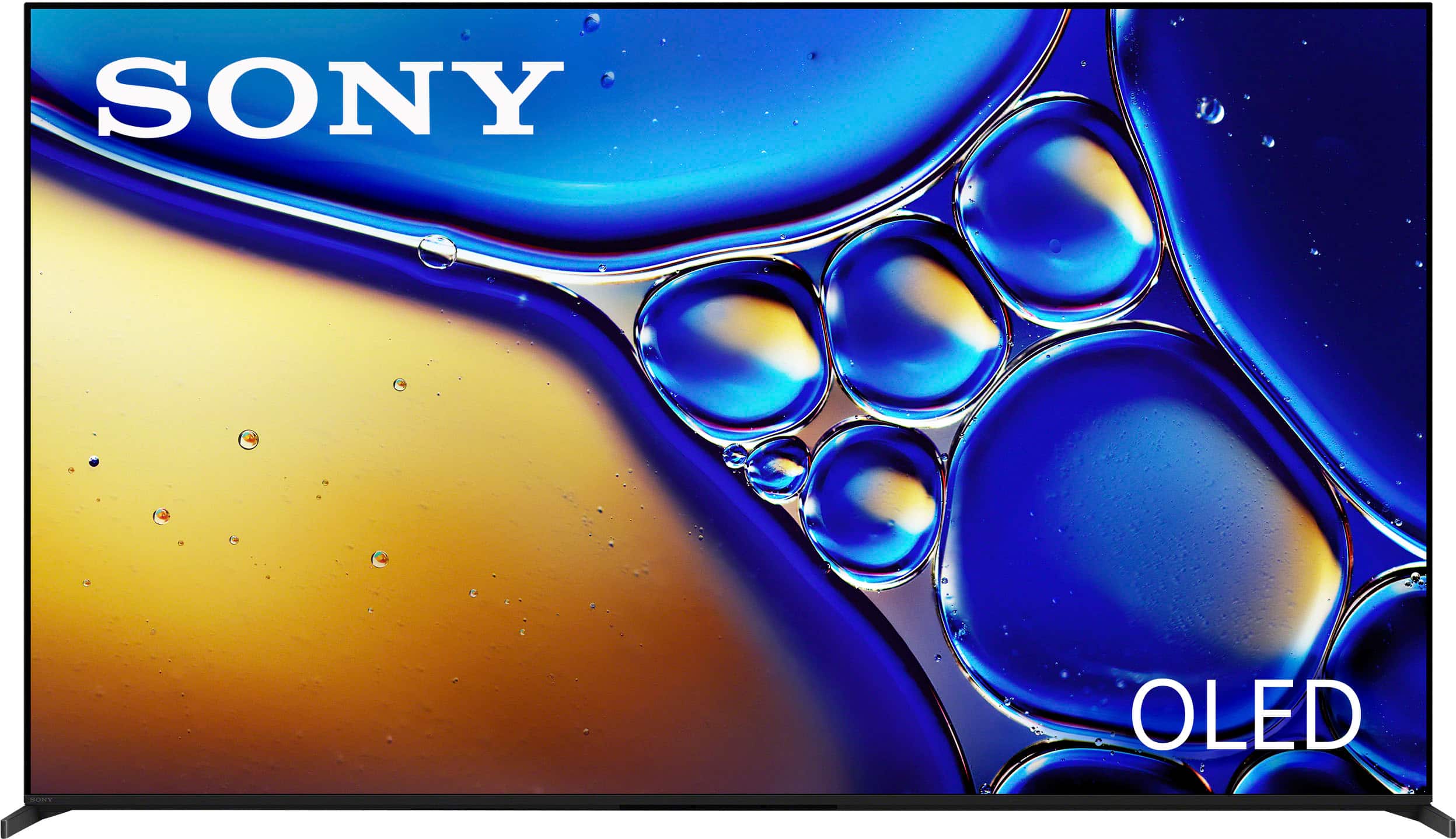
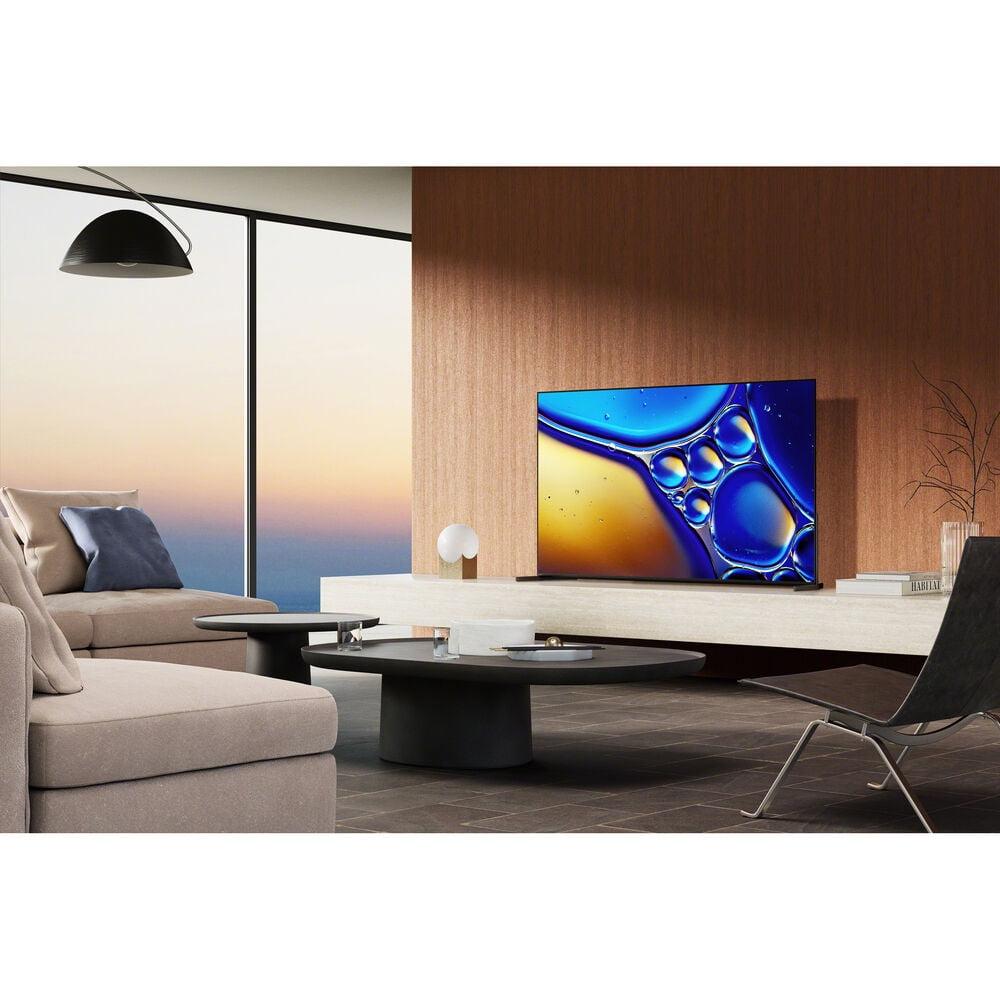
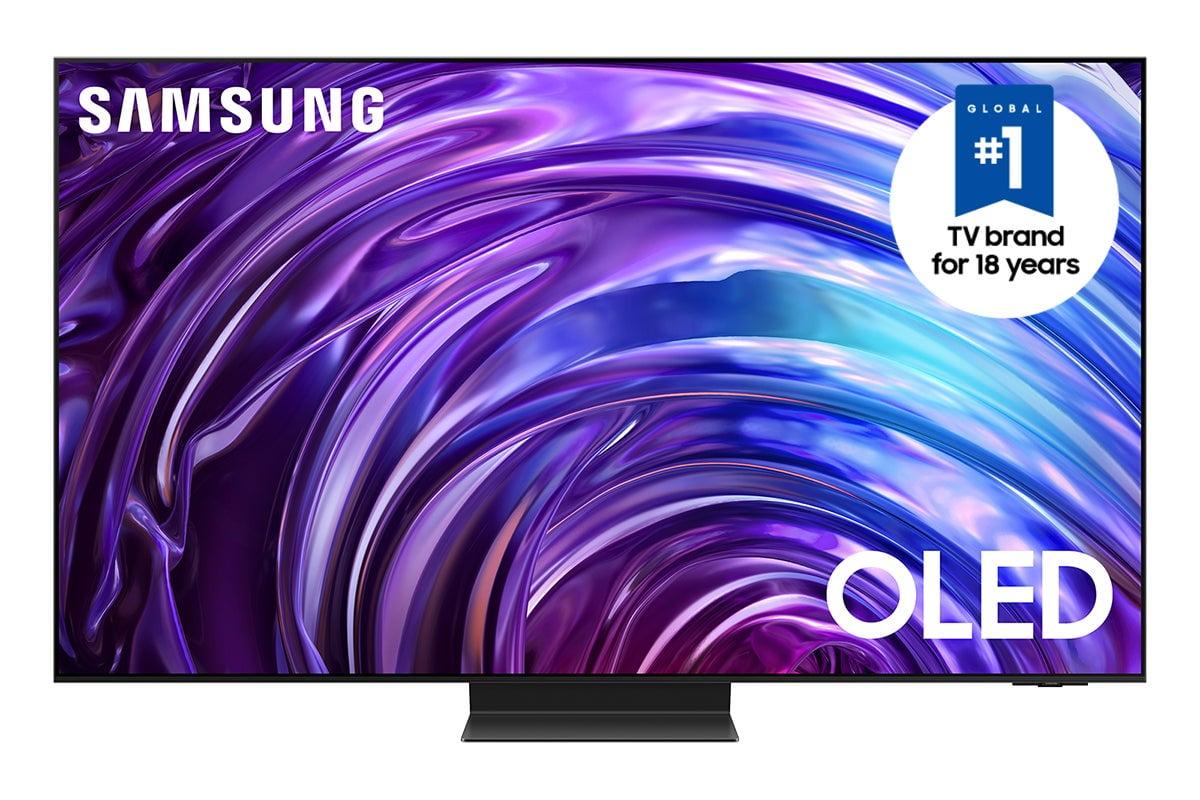
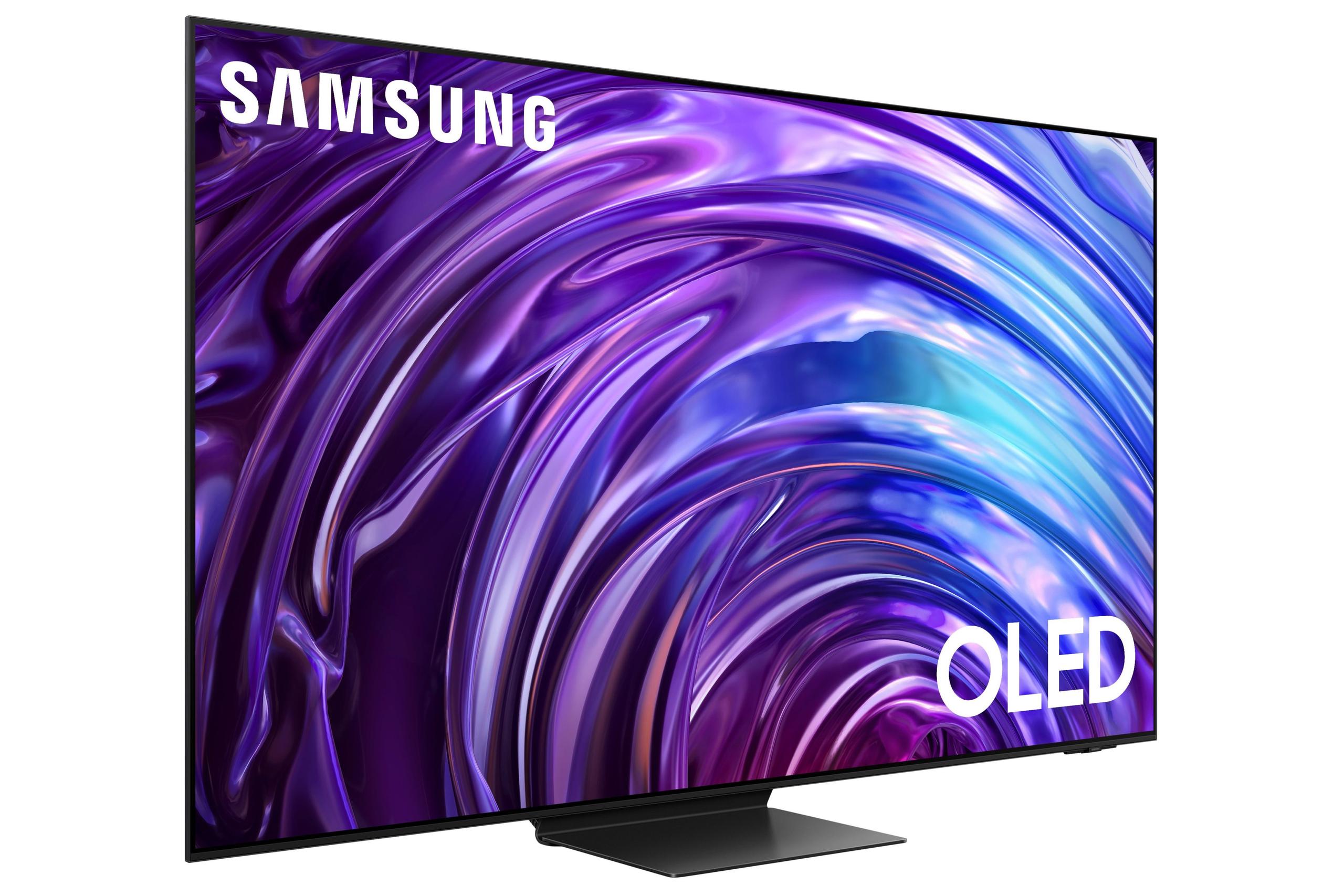
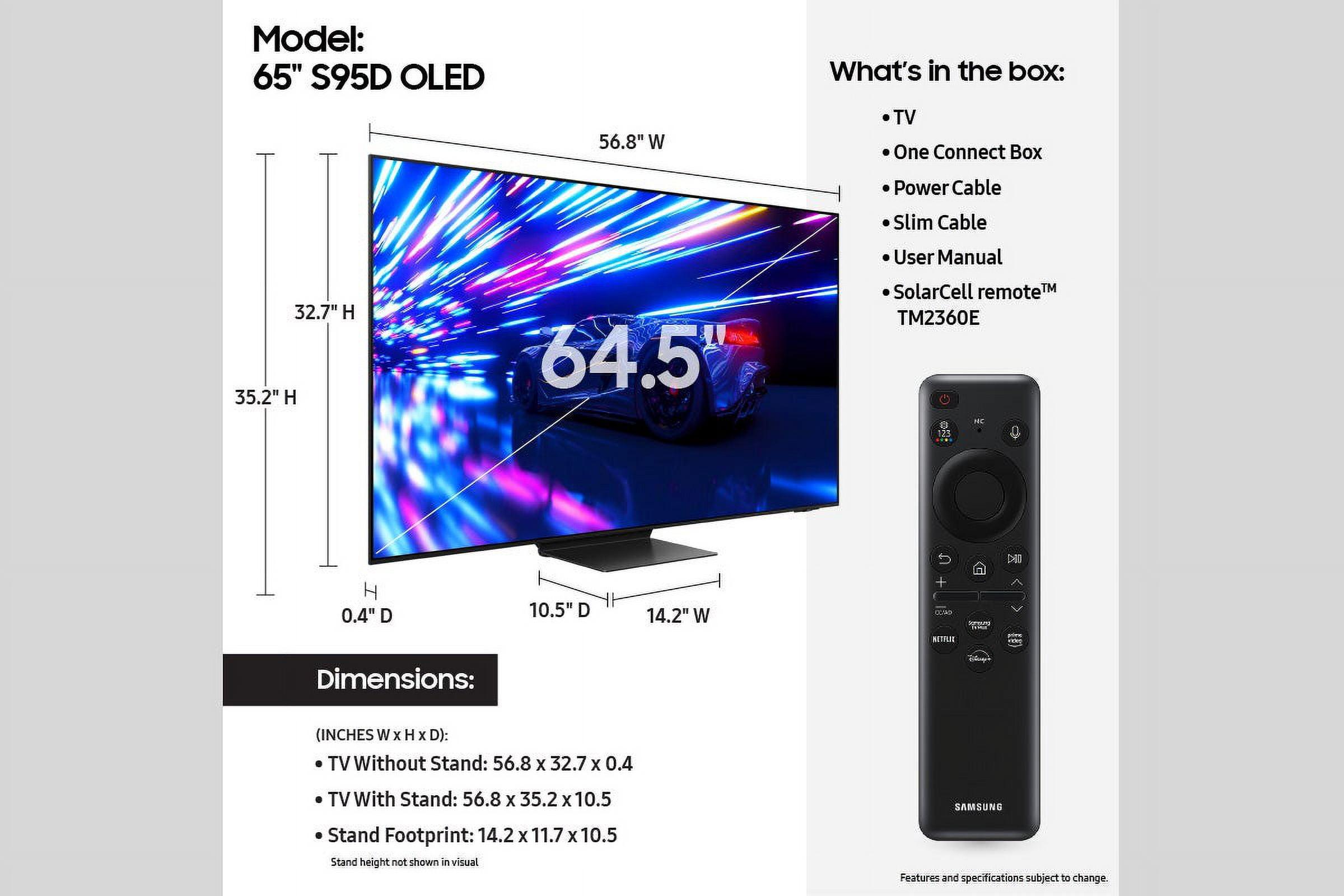
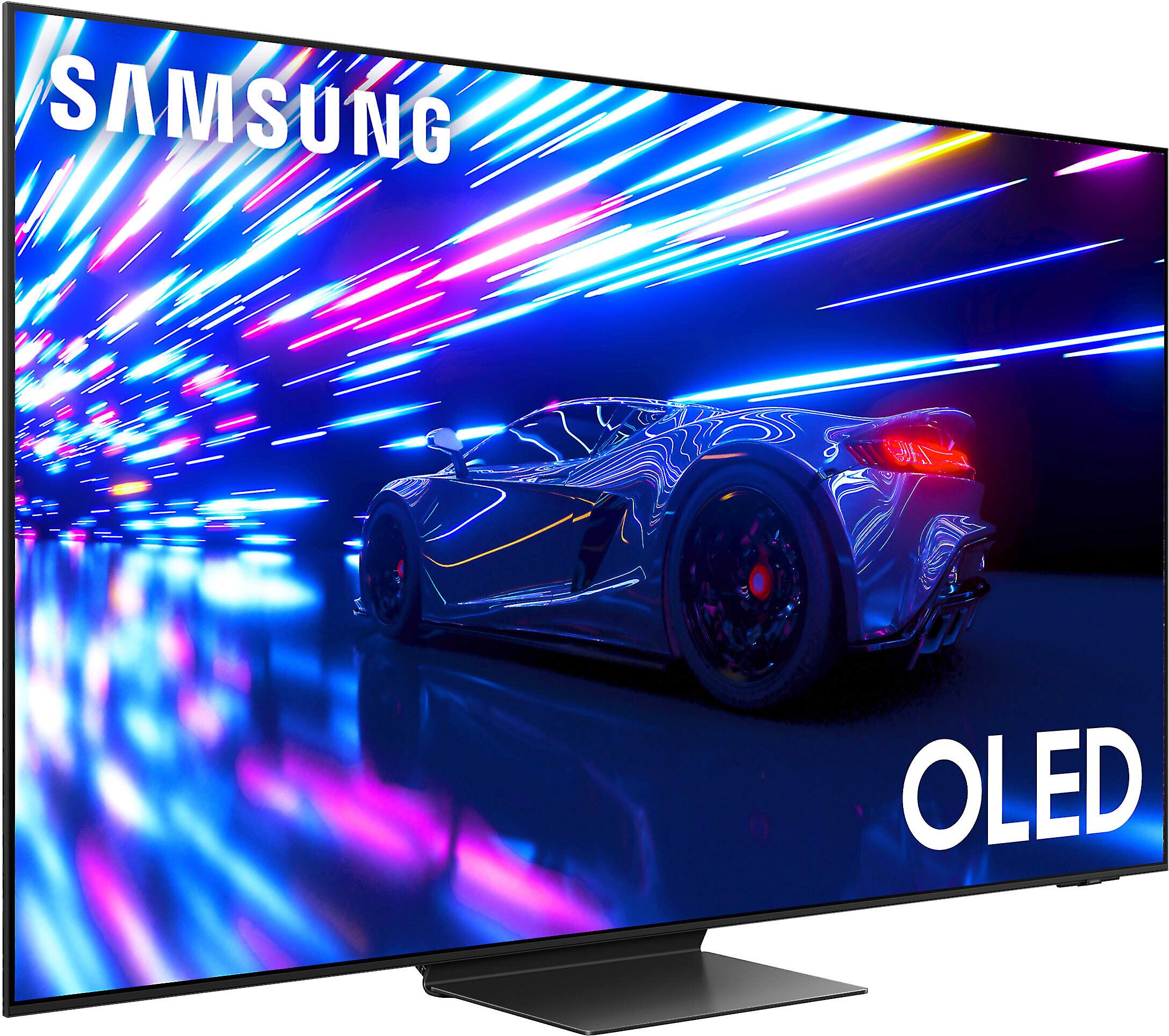
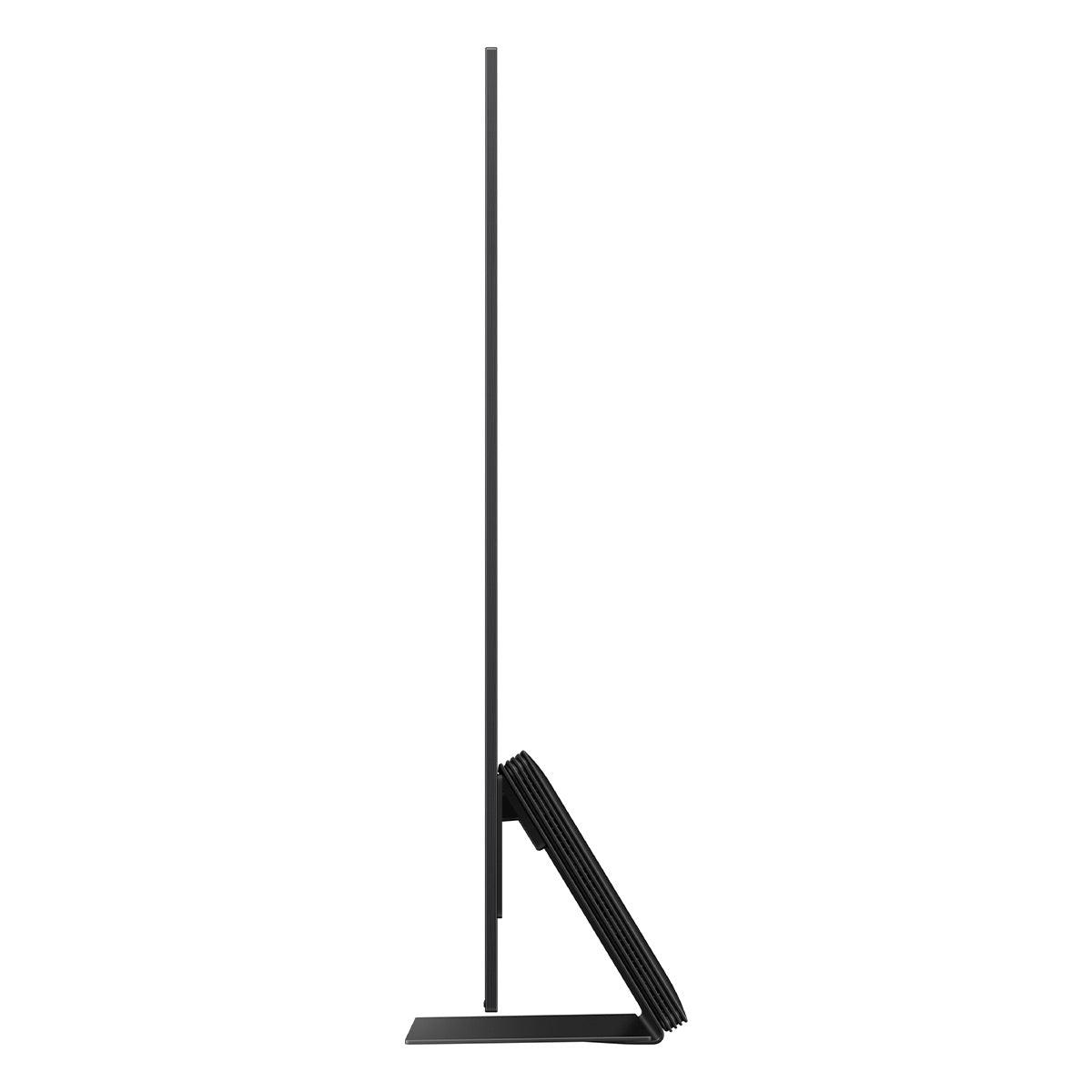
If you're shopping for a premium TV in 2025, you've probably stumbled across two names that keep coming up: the Sony BRAVIA 8 II 65" QD-OLED 4K Google TV and the Samsung 65" S95D 4K OLED Smart TV. Both represent the cutting edge of display technology, but they take notably different approaches to delivering an exceptional viewing experience.
Let me help you understand what makes these TVs special and, more importantly, which one might be the better choice for your specific needs and budget.
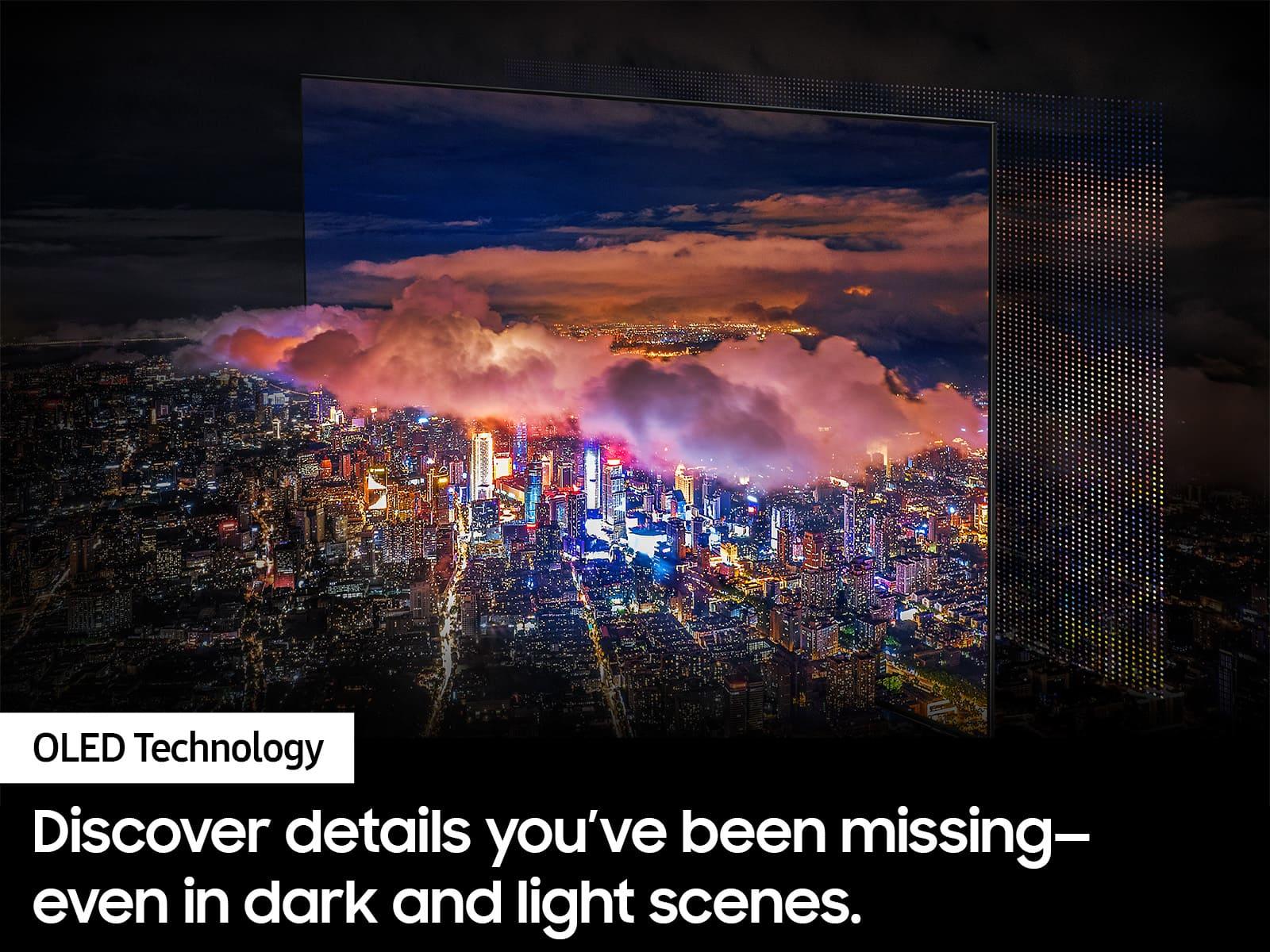
Before diving into the comparison, it's worth understanding what QD-OLED actually means and why it's such a big deal. Traditional OLED TVs create light using organic compounds that emit their own light when electricity passes through them. This gives you perfect blacks (since pixels can turn completely off) but historically struggled with brightness in well-lit rooms.
QD-OLED combines this OLED foundation with quantum dot technology. Think of quantum dots as tiny crystals that convert blue light into pure red and green colors. The result? You get OLED's perfect blacks and infinite contrast, but with significantly brighter highlights and more vibrant colors. It's like having the best aspects of both OLED and LED technology in one package.
Both the Sony BRAVIA 8 II and Samsung S95D use this advanced QD-OLED technology, but they've implemented it quite differently. The Sony launched in April 2025 as part of Sony's flagship OLED lineup, while Samsung's model hit the market in March 2024 and has since become more widely available.
When I first tested both TVs side by side, the most immediately noticeable difference was how they handled brightness. The Samsung S95D can reach peak brightness levels of around 2,000 nits (a measure of luminance), while the Sony BRAVIA 8 II tops out at approximately 1,880 nits. That might not sound like a huge difference, but in practice, it's quite noticeable, especially when watching HDR content in bright rooms.
But here's where things get interesting: brightness isn't just about the numbers. The Samsung S95D features what Samsung calls "Glare Free" technology – essentially a matte finish that nearly eliminates reflections from windows, lamps, and other light sources. In my testing, this makes a tremendous difference if your TV room has challenging lighting conditions. You can actually watch the Samsung during the day without constantly adjusting your seating position to avoid glare.
The Sony BRAVIA 8 II, while it has anti-reflective coating, doesn't quite match Samsung's effectiveness here. However, Sony's approach to brightness feels more controlled and natural. Where Samsung might push highlights to be attention-grabbing, Sony aims for what the content creators actually intended. In a properly darkened home theater, this difference becomes less important, but it's crucial to consider your viewing environment.
This brings us to one of the most fascinating aspects of these TVs: their completely different approaches to color reproduction. The Sony BRAVIA 8 II uses what Sony calls XR Triluminos Max, combined with their latest XR Processor that includes AI Scene Recognition. This system analyzes what's on screen and adjusts colors in real-time based on the content type – whether you're watching a nature documentary, a dark thriller, or a bright sports broadcast.
Sony's color philosophy leans heavily toward accuracy and naturalism. Skin tones look genuinely human, grass appears naturally green rather than artificially vivid, and sunsets have that warm, golden quality you'd see in real life. This is partly due to Sony's extensive work with Hollywood studios – they want colors that match what directors see in professional grading suites.
The Samsung S95D, powered by the Neural Quantum Processor 4K, takes a more aggressive approach. Colors are more saturated and punchy, which many people prefer for entertainment content. Samsung's processing emphasizes impact and wow factor. Neither approach is "wrong" – it's really about what you prefer and what type of content you watch most.
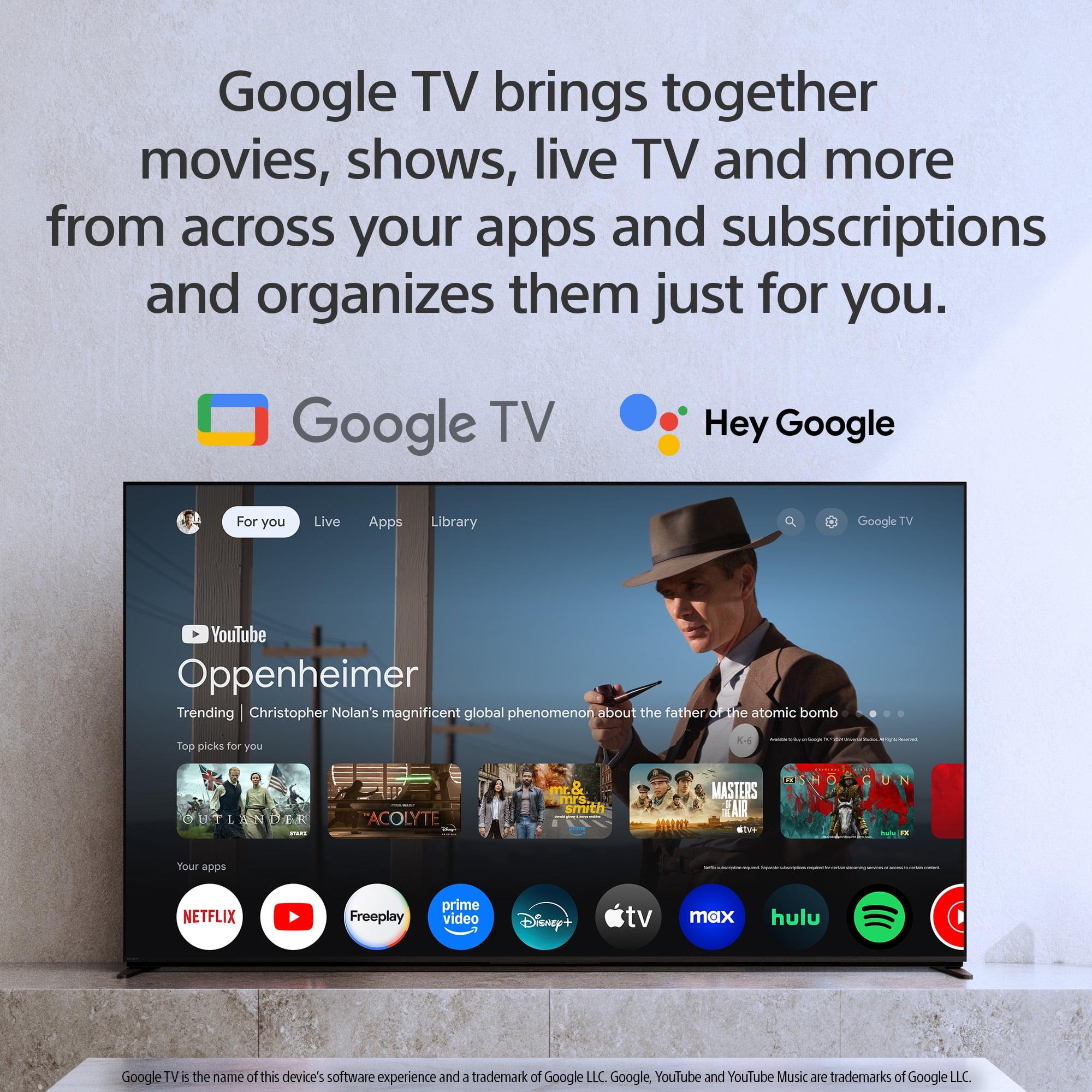
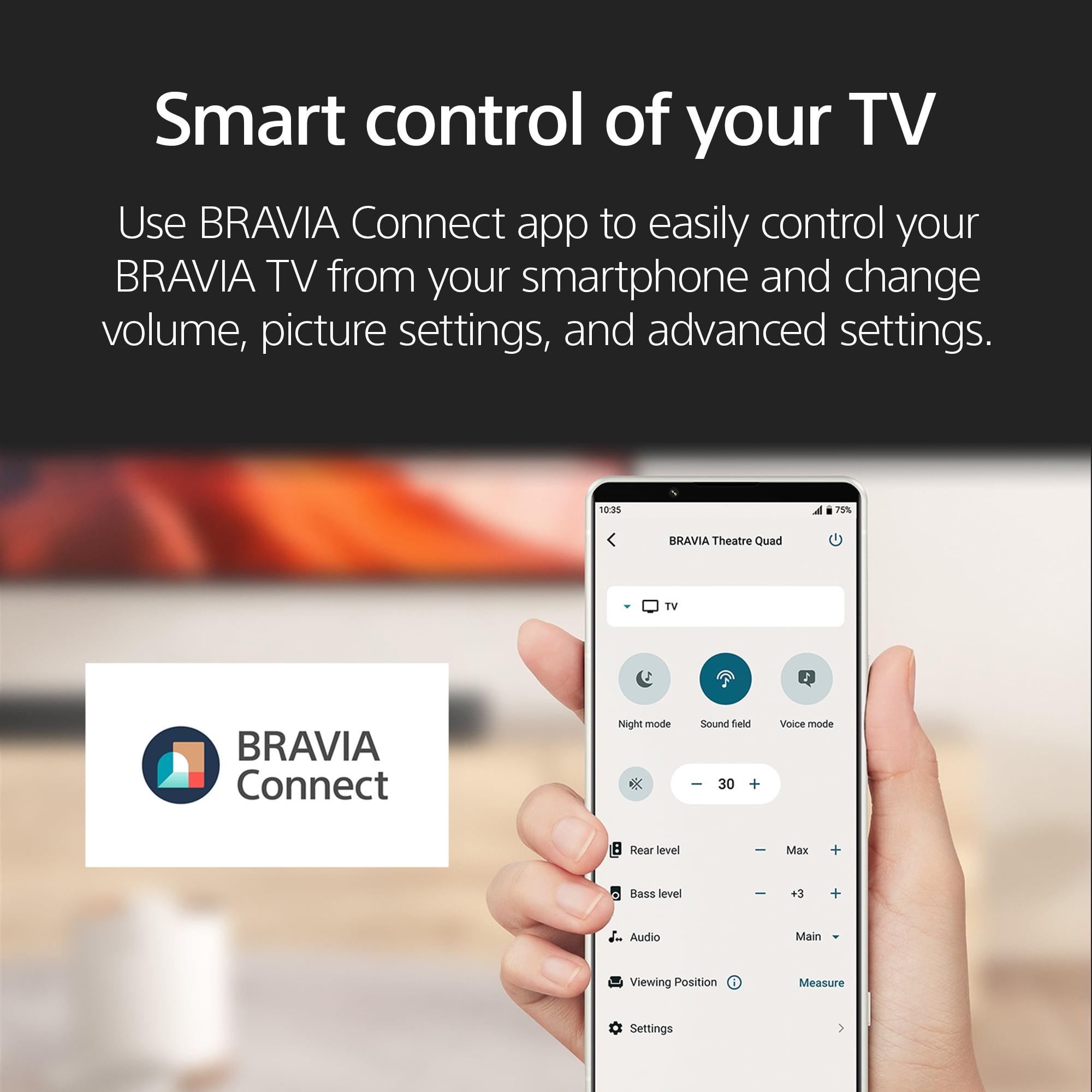
Having used both platforms extensively, I can tell you the smart TV experience differs significantly between these models. The Sony BRAVIA 8 II runs Google TV, which I've found to be one of the most user-friendly smart TV platforms available. Navigation is intuitive, content discovery works well across different streaming services, and voice control through Google Assistant (or Alexa) feels natural and responsive.
Google TV also gets regular updates and has excellent app support. Whether you're using Netflix, Disney+, Apple TV+, or more niche streaming services, you'll likely find what you need without having to add external devices.
The Samsung S95D runs Samsung's Tizen OS, which is functional but feels less polished in daily use. Input switching can be clunky, and the interface sometimes feels like it's fighting against you rather than helping. That said, all the major streaming apps are available, and if you're already invested in Samsung's SmartThings ecosystem, the integration can be valuable.
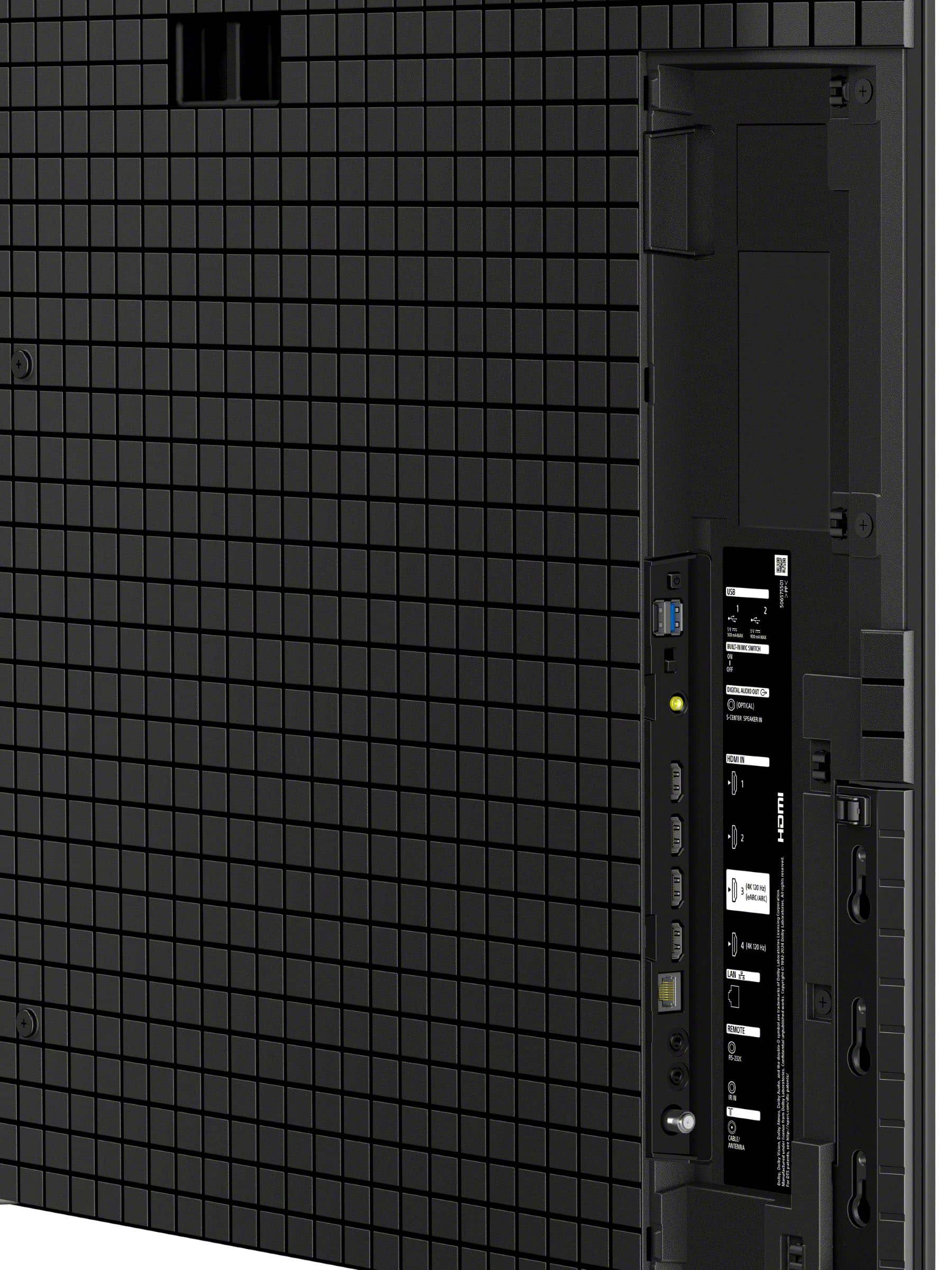
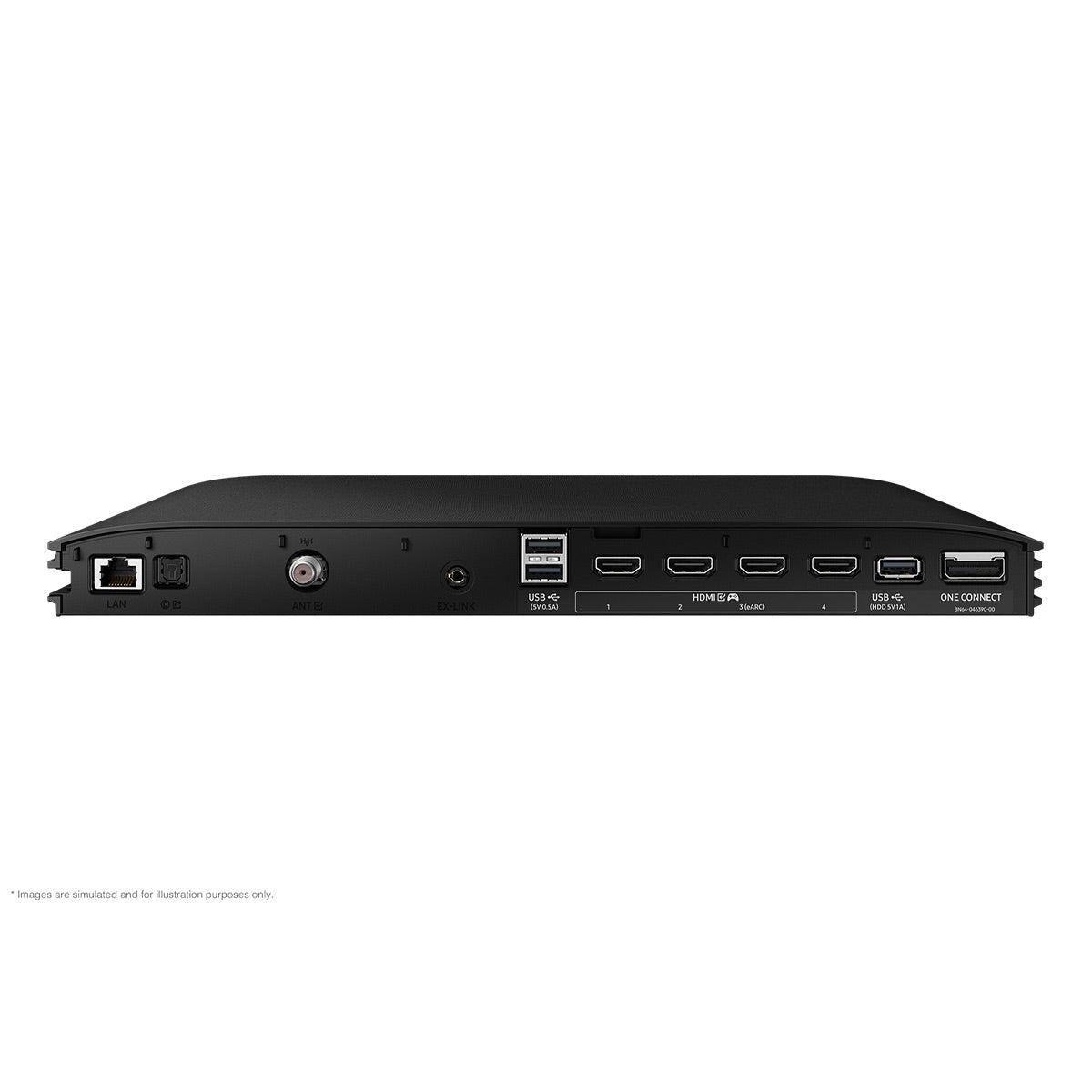
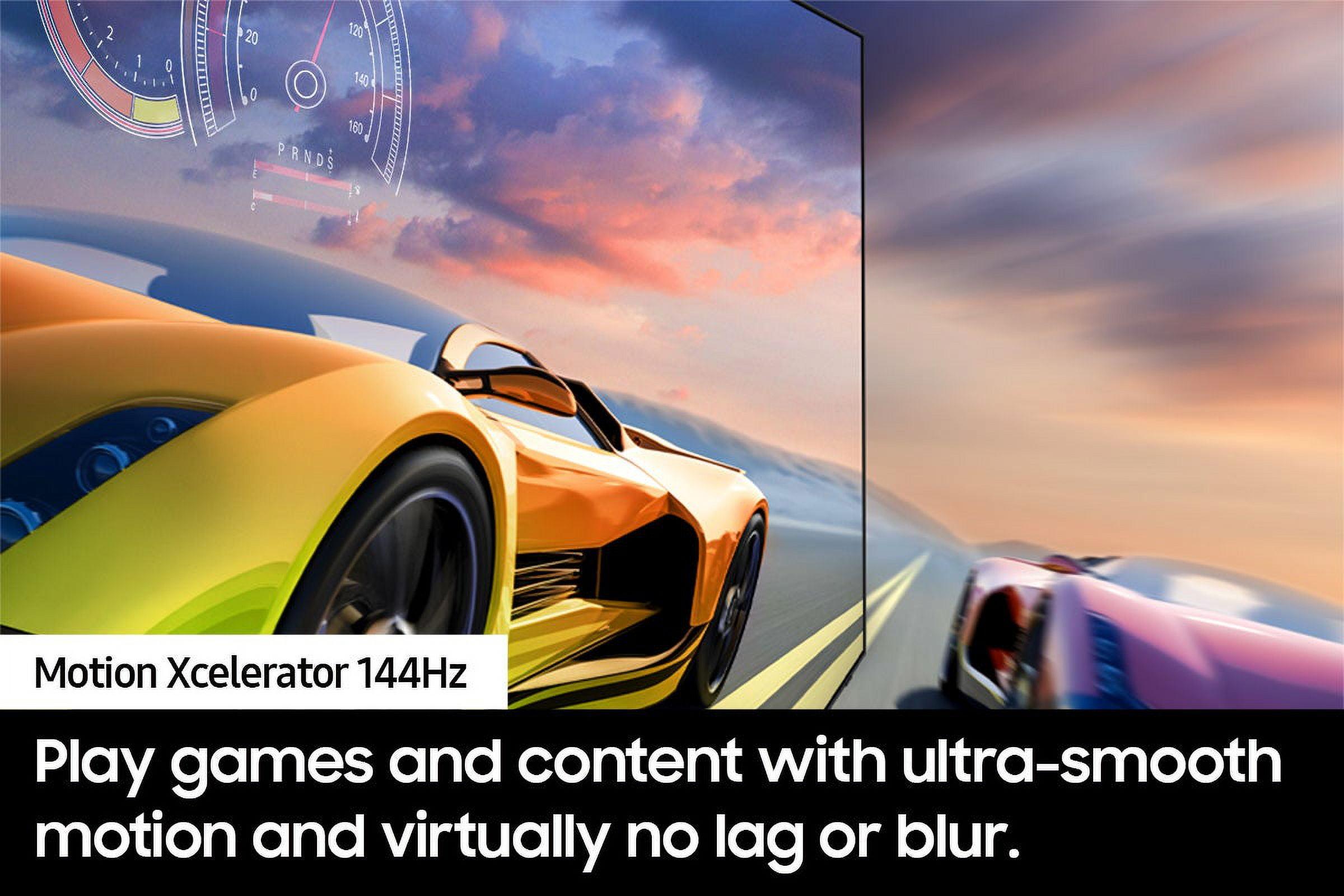
For gaming enthusiasts, these TVs offer distinct advantages depending on your setup. The Samsung S95D is clearly the winner for high-end PC gaming, featuring a 144Hz refresh rate compared to Sony's 120Hz. This higher refresh rate, combined with AMD FreeSync Premium support and Samsung's Game Bar interface, makes it exceptionally smooth for competitive gaming or fast-paced action games.
Input lag on the Samsung S95D measures around 9 milliseconds in game mode, which is excellent for responsive gameplay. The TV also includes features like automatic low latency mode (ALLM) and variable refresh rate (VRR) to ensure smooth performance across different frame rates.
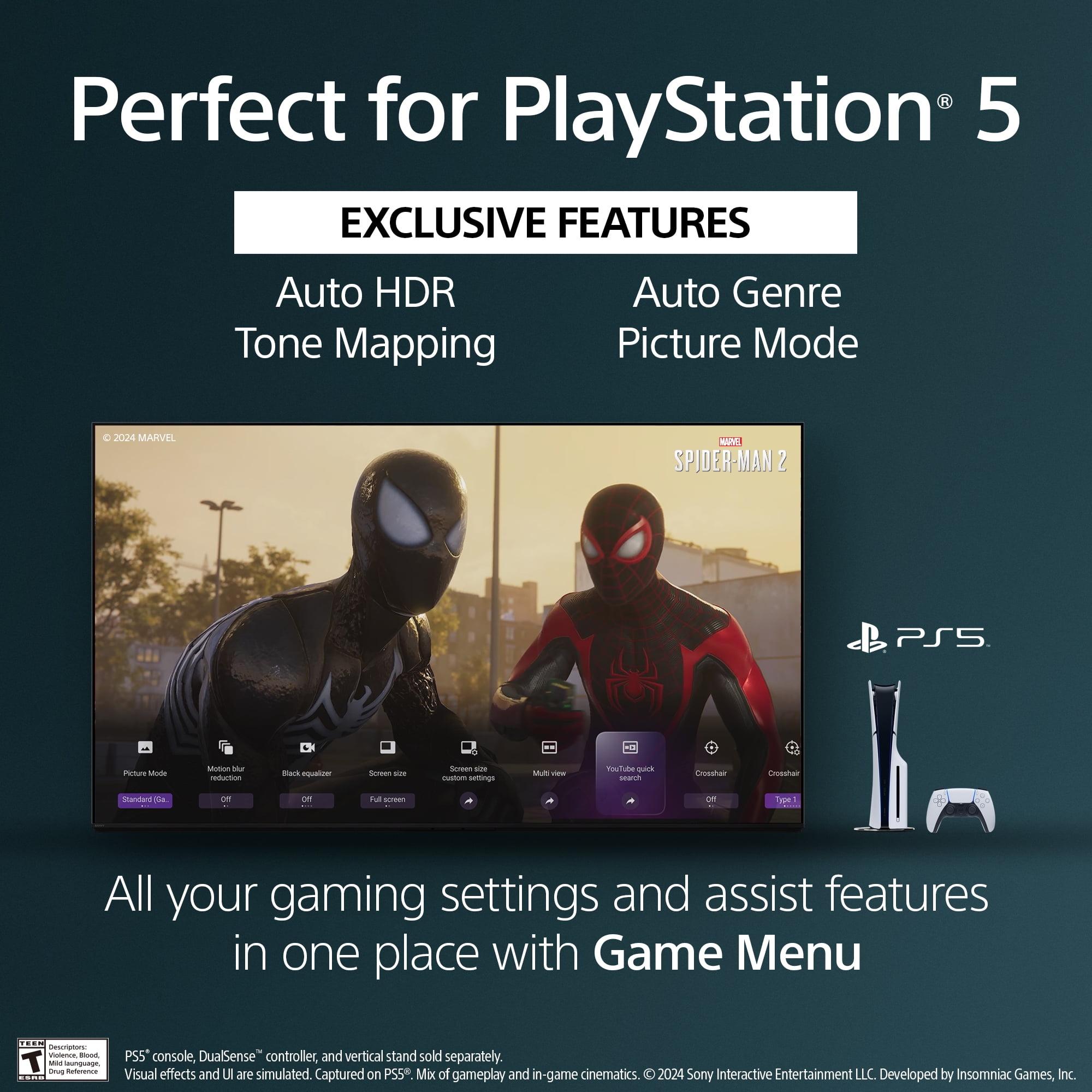
However, if you're a PlayStation 5 owner, the Sony BRAVIA 8 II offers unique advantages. Sony has developed exclusive features like Auto HDR Tuning and genre-specific picture modes that optimize the display specifically for PS5 games. While the input lag is slightly higher at 8.5ms, it's still excellent for console gaming, and the PlayStation-specific optimizations can make a real difference in visual quality.
Most TV reviews gloss over audio, but both of these TVs actually have noteworthy sound systems that might delay your need for a separate soundbar. The Sony BRAVIA 8 II uses Acoustic Surface Audio+, where actuators behind the panel literally turn the entire screen into a speaker. This creates a unique effect where dialogue appears to come directly from actors' mouths rather than from below the screen.
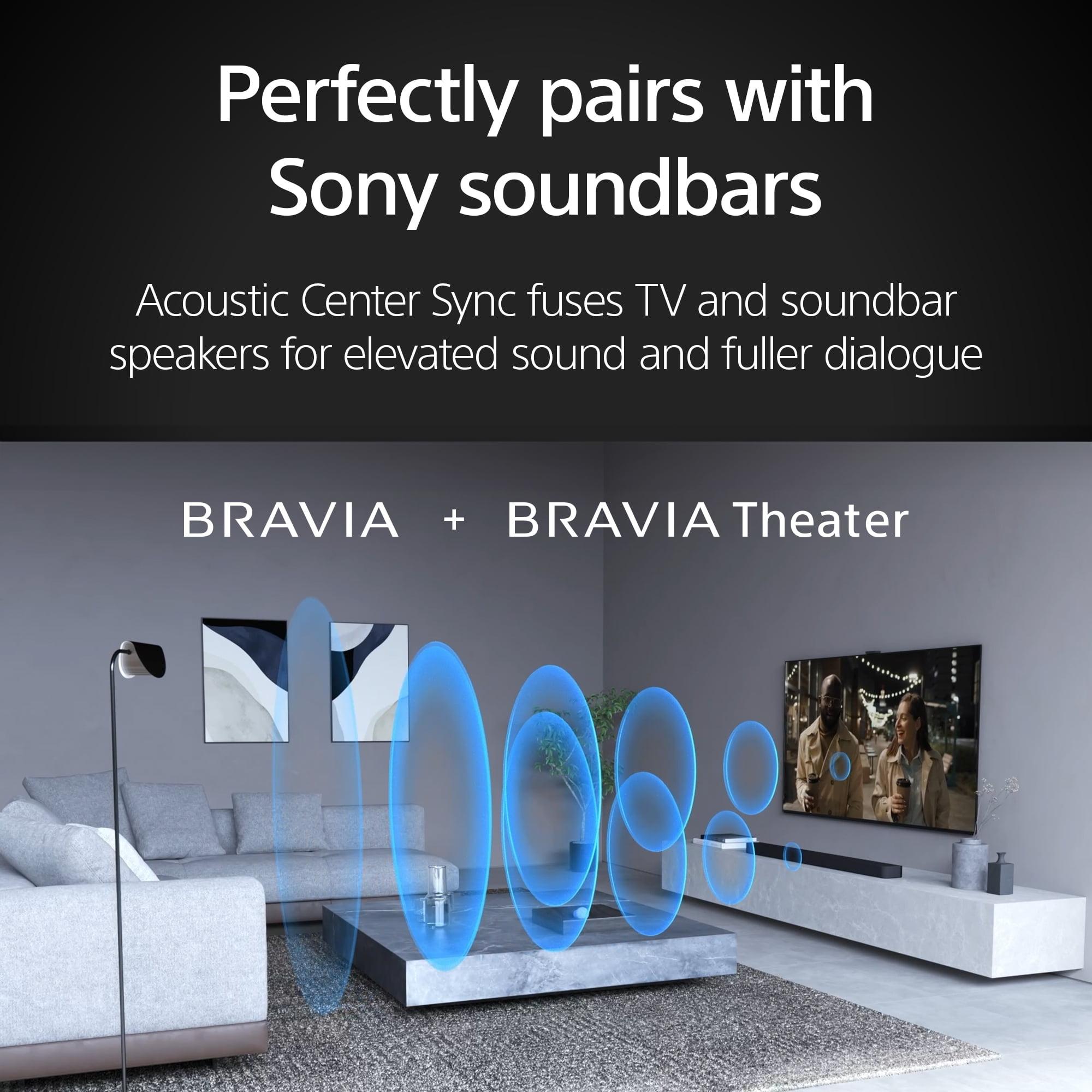
Sony has also included Voice Zoom 3, which uses AI to enhance dialogue clarity even during loud action scenes. If you do eventually add a Sony soundbar, the TV supports Acoustic Center Sync, allowing the TV's speakers to function as a dedicated center channel for even clearer dialogue.
The Samsung S95D features Dolby Atmos processing with Object Tracking Sound+, which does a good job of creating spacious, three-dimensional audio. While not quite as innovative as Sony's screen-as-speaker approach, it's still well above average for built-in TV audio.
If you're setting up a dedicated home theater, several factors become particularly important. The Sony BRAVIA 8 II excels in controlled lighting environments where you can appreciate its more natural color reproduction and superior shadow detail. In my experience, dark movie scenes reveal more subtle gradations and textures on the Sony, making it feel more three-dimensional and cinematic.
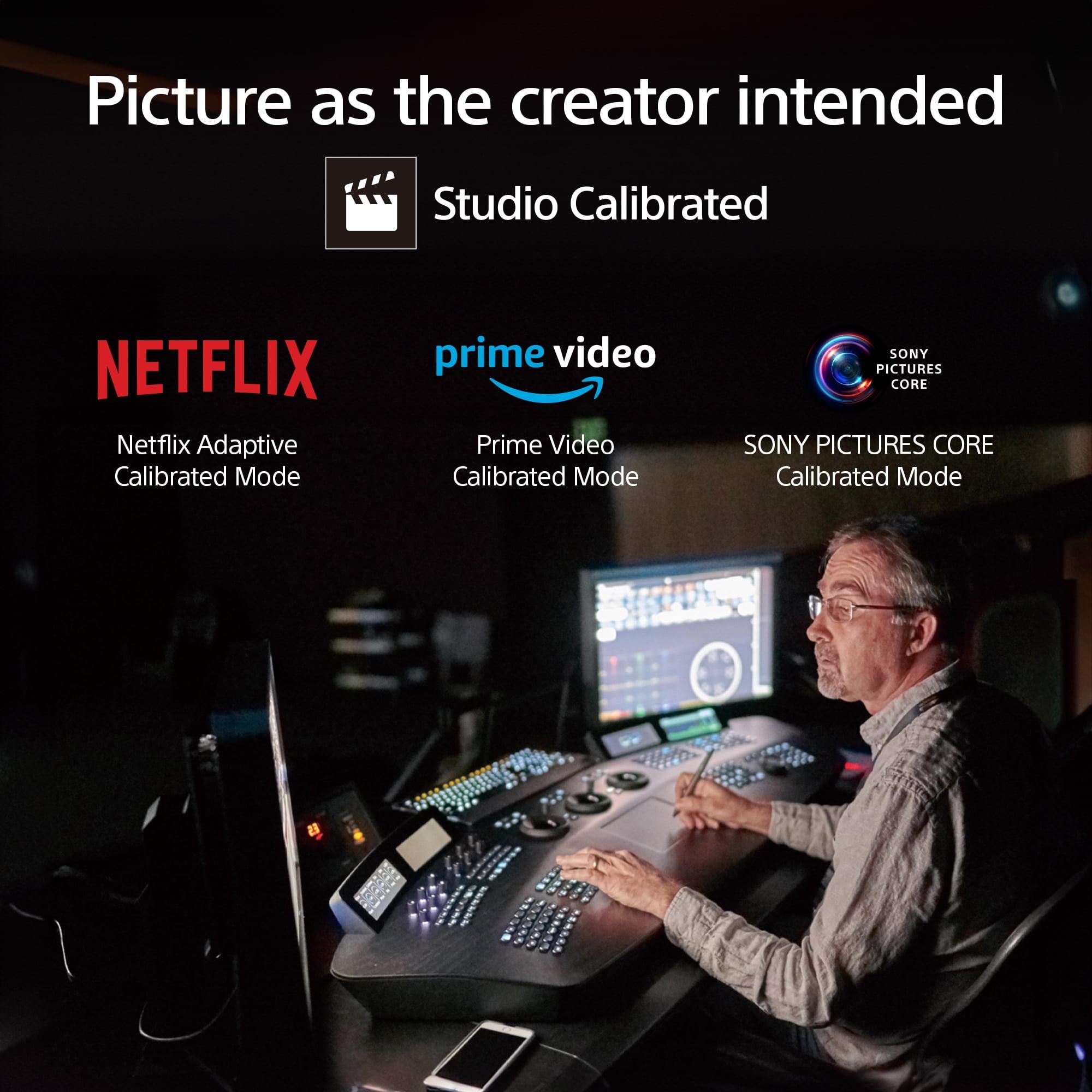
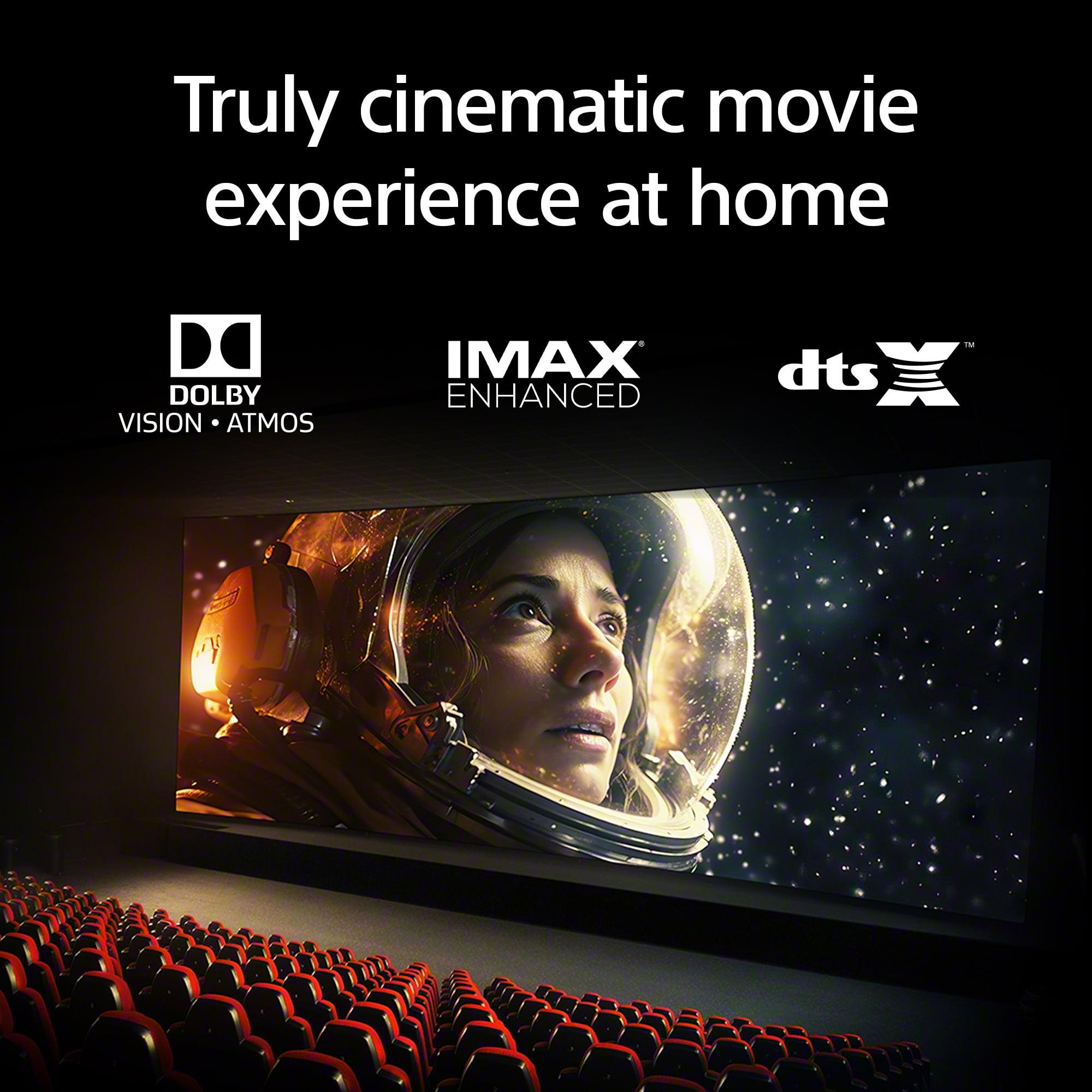
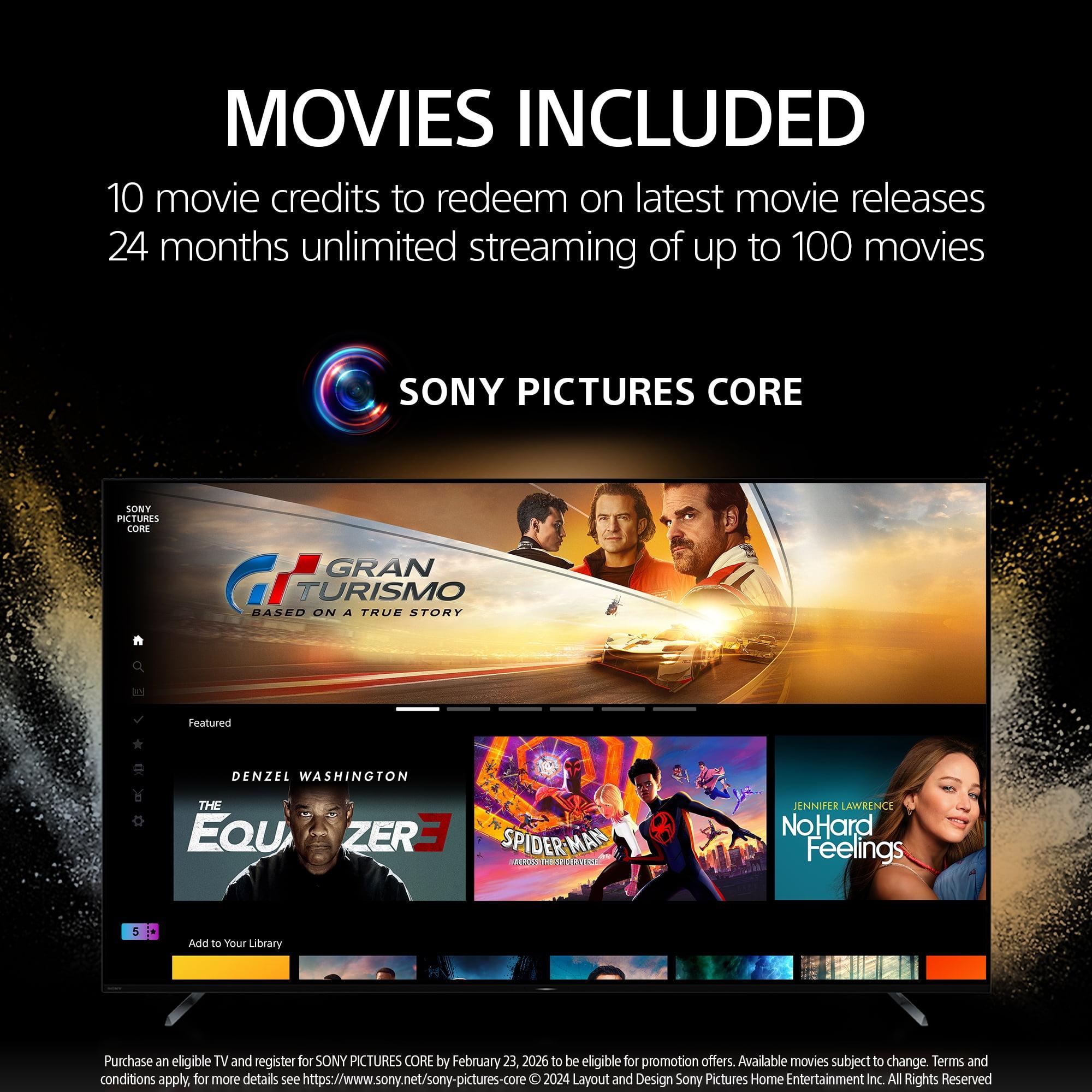
The TV's studio-calibrated modes for Netflix, Prime Video, and Sony Pictures Core ensure you're seeing content as directors intended. These aren't just marketing gimmicks – they make a noticeable difference when watching high-quality content.
However, the Samsung S95D isn't necessarily inferior for home theater use. Its higher brightness can make HDR highlights more impactful, and if your theater room isn't completely light-controlled, the anti-glare technology becomes invaluable. The key is matching the TV to your specific room conditions.
Here's where the comparison becomes really interesting. The Samsung S95D typically retails for around $1,500, while the Sony BRAVIA 8 II costs approximately $3,098 – more than double the Samsung's price.
From a pure performance-per-dollar standpoint, the Samsung S95D is exceptional. You're getting flagship QD-OLED performance, best-in-class anti-glare technology, superior gaming features, and impressive brightness at roughly half the cost of the Sony. For most buyers, this represents outstanding value.
The Sony BRAVIA 8 II justifies its premium pricing through refinement rather than raw specifications. Its color processing is more sophisticated, the smart TV experience is superior, and the overall package feels more polished. But whether these improvements are worth the significant price difference depends on your priorities and budget.
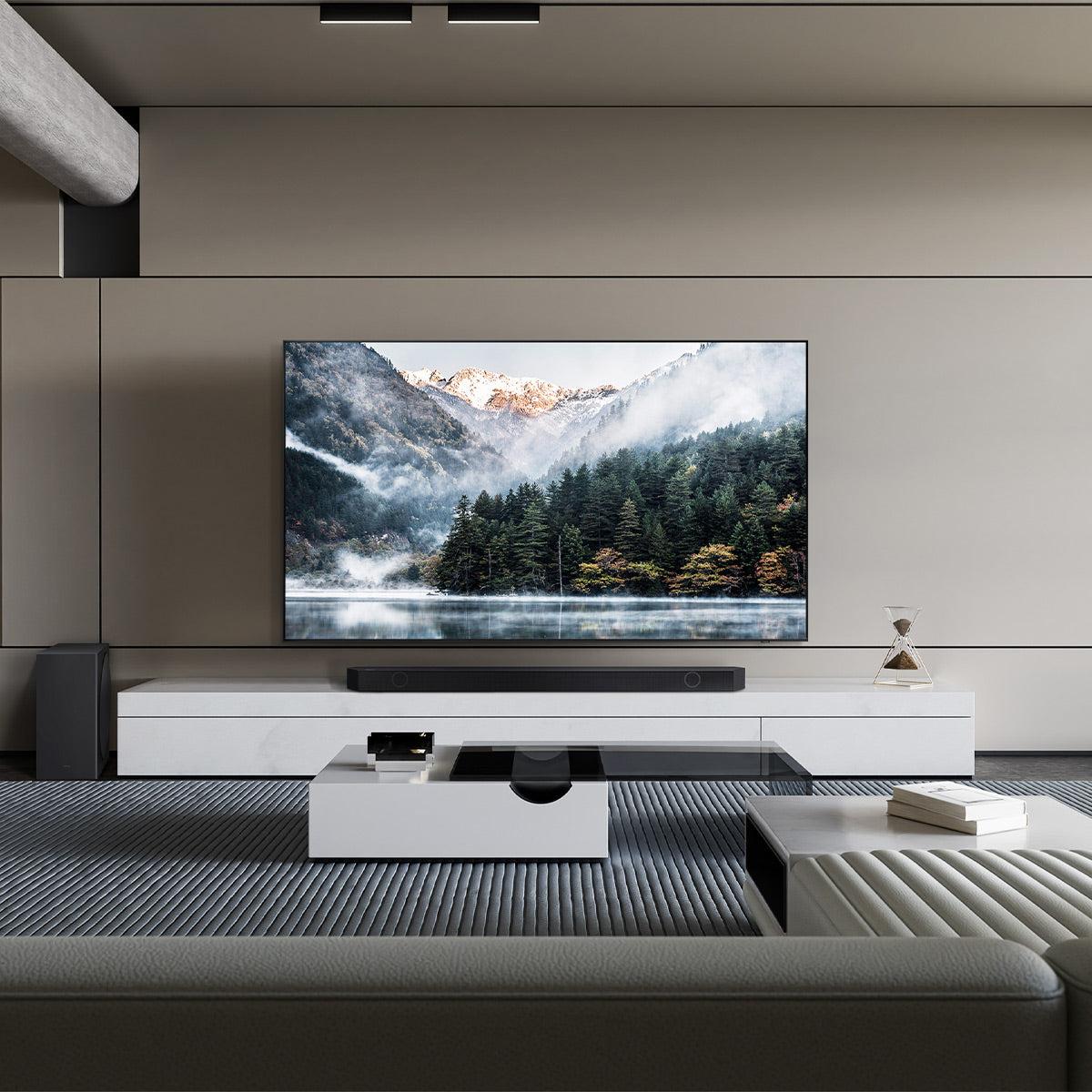
Let me paint some specific scenarios to help you decide. If your TV will be in a living room with large windows and family members watching at different times of day, the Samsung S95D is likely the better choice. Its anti-glare technology and higher brightness will maintain picture quality even in challenging lighting conditions.
For a basement home theater or dedicated media room where you control the lighting, the Sony BRAVIA 8 II can showcase its strengths. Its more natural color reproduction and superior processing become more apparent when you're not fighting ambient light.
If you're a serious gamer with a high-end PC, the Samsung S95D 's 144Hz refresh rate and gaming features provide clear advantages. But if you primarily use a PlayStation 5, Sony's console-specific optimizations might be more valuable than Samsung's higher refresh rate.
Choose the Samsung S95D if you want flagship performance without the flagship price tag. It's particularly compelling if your room has challenging lighting, you prioritize gaming features, or you simply want the brightest, most vibrant picture possible. At $1,500, it offers exceptional value that's hard to ignore.
Opt for the Sony BRAVIA 8 II if you're building a dedicated home theater and prioritize the most natural, cinema-accurate image quality. The Google TV experience is also significantly better if smart TV features matter to you. However, be prepared to pay a substantial premium for these refinements.
Both TVs represent the pinnacle of current display technology, just with different strengths and target audiences. The Samsung offers incredible performance at an accessible price point, while the Sony provides a more refined, premium experience for those willing to pay for it. Your choice should depend on your specific room conditions, viewing habits, and budget constraints rather than trying to find an objective "winner."

Privacy Policy
Terms and Conditions - Affiliate Policy
Home Security
© Copyright 2008-2026.
11816 Inwood Rd #1211, Dallas, TX 75244