

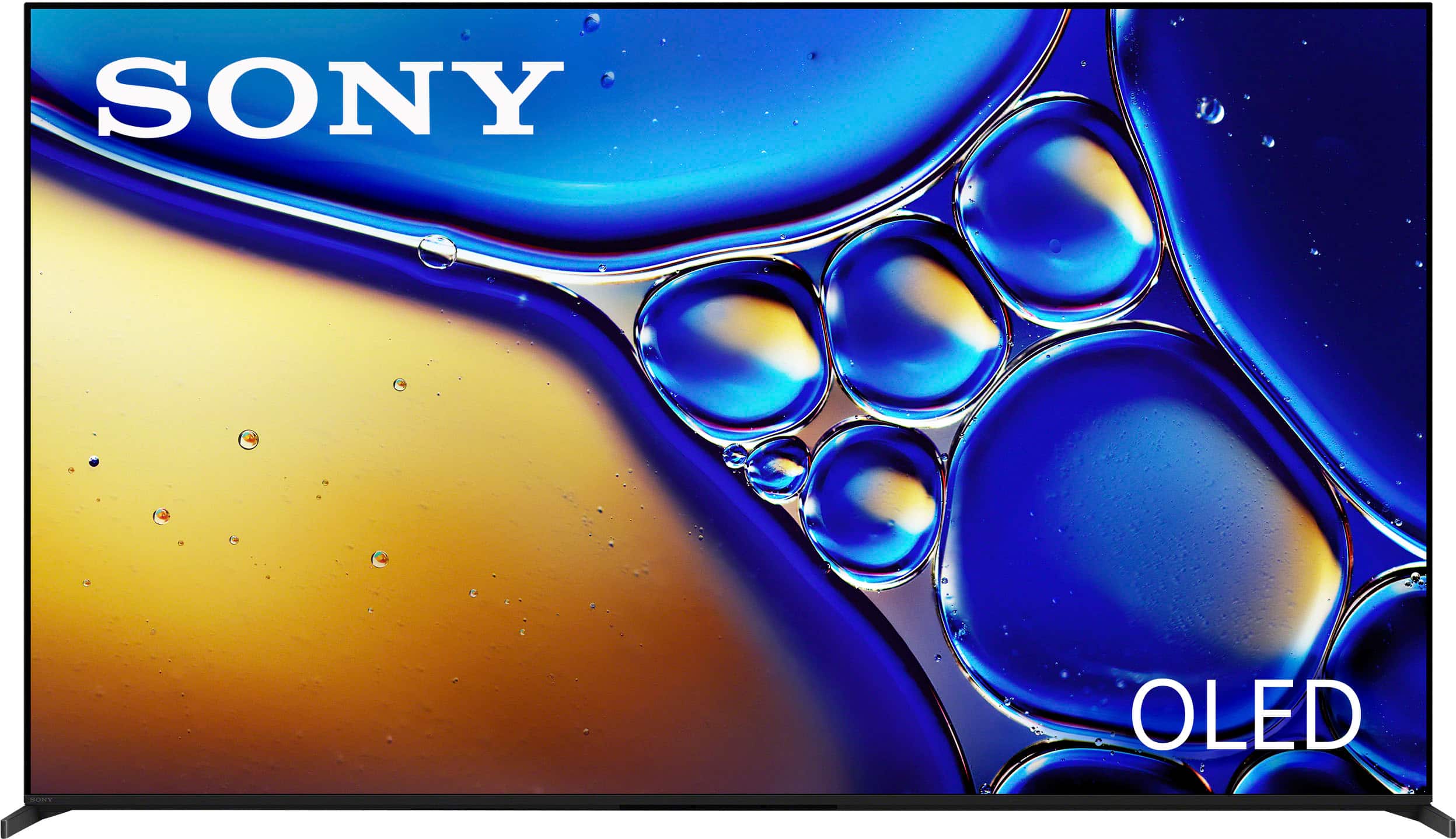
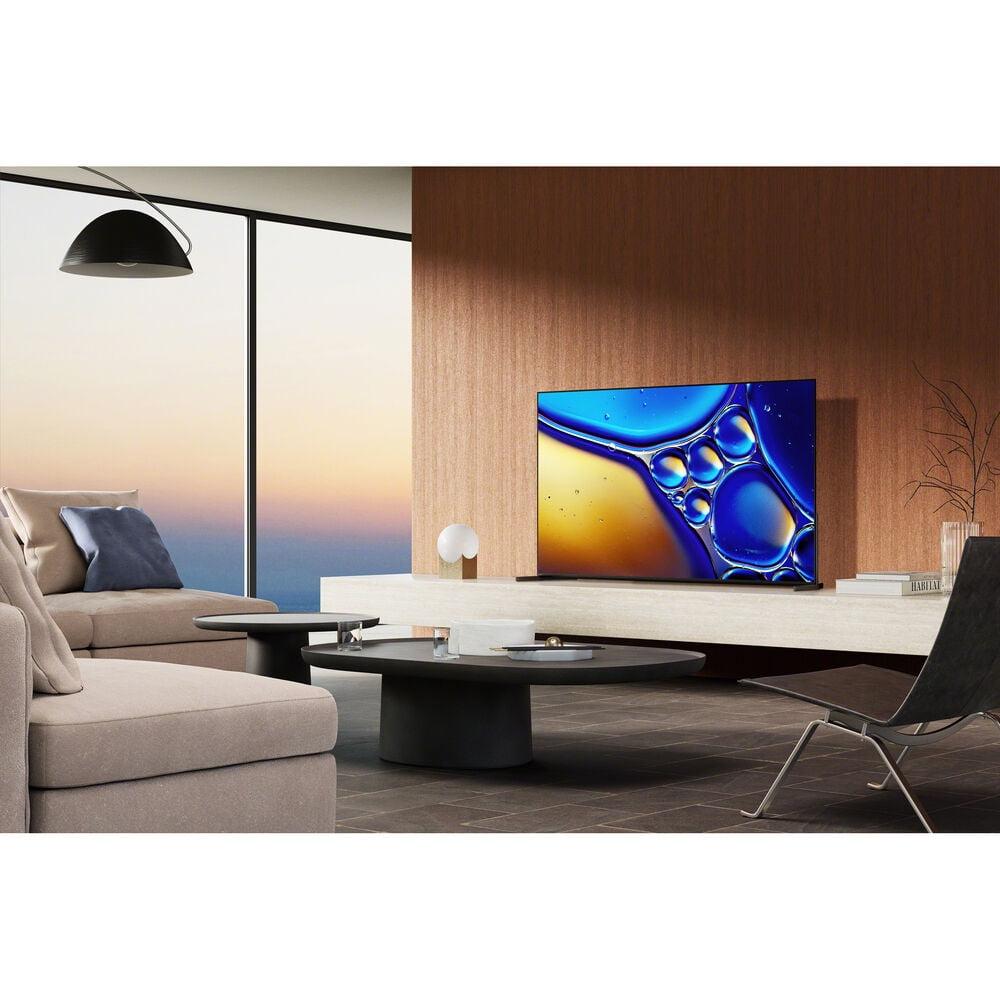
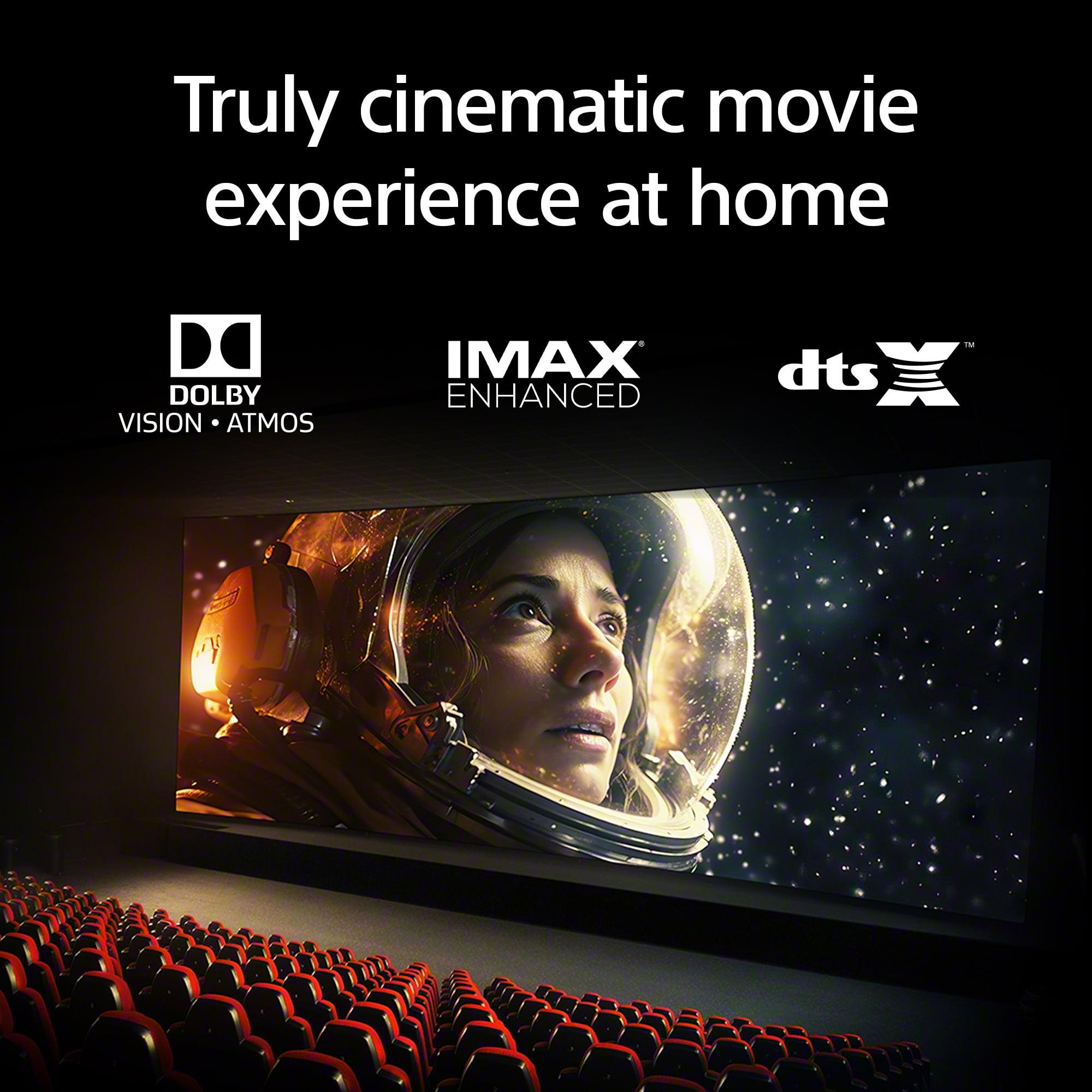
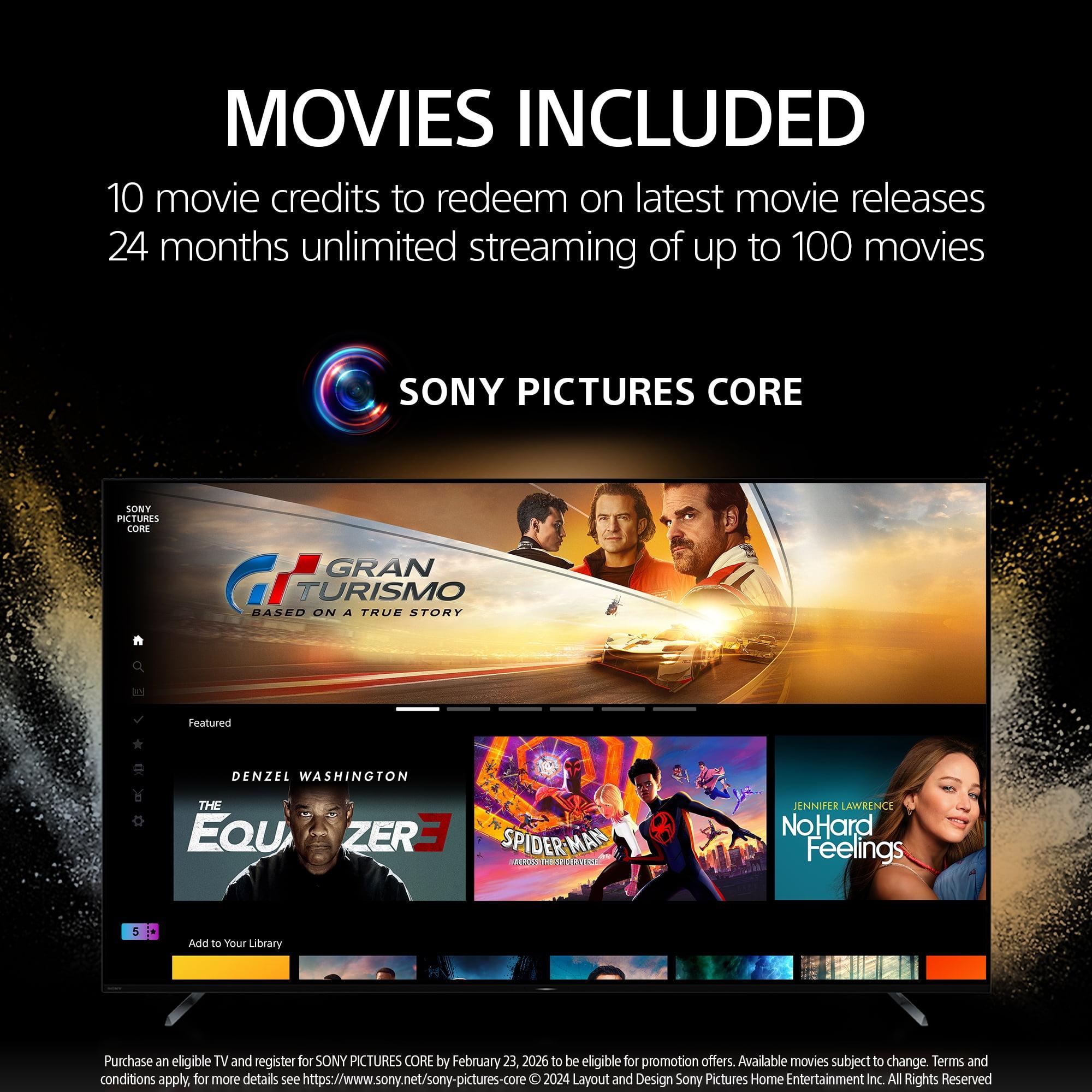
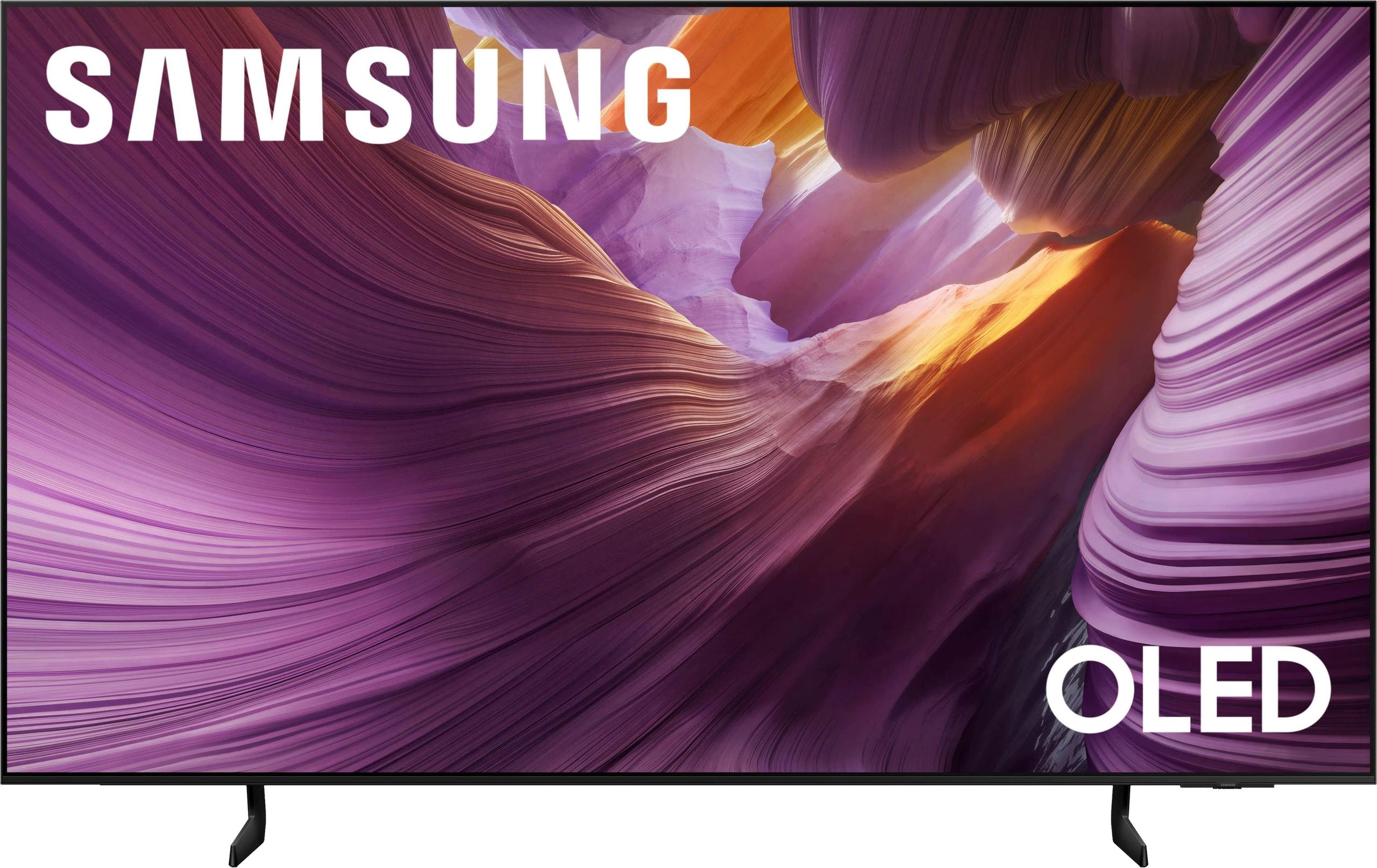
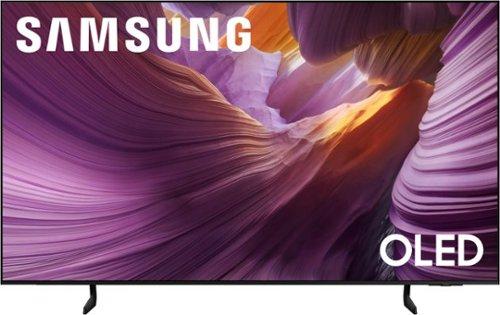
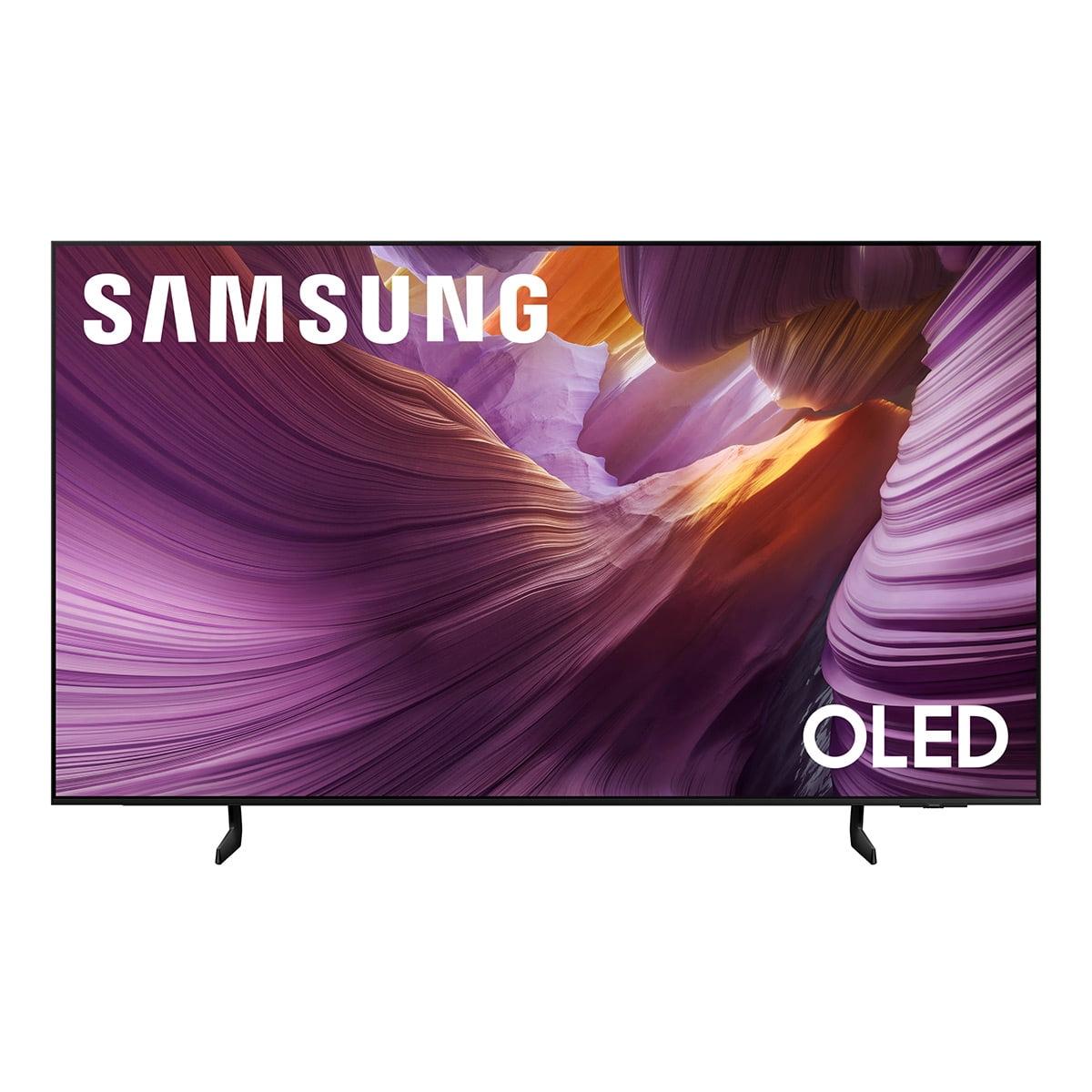
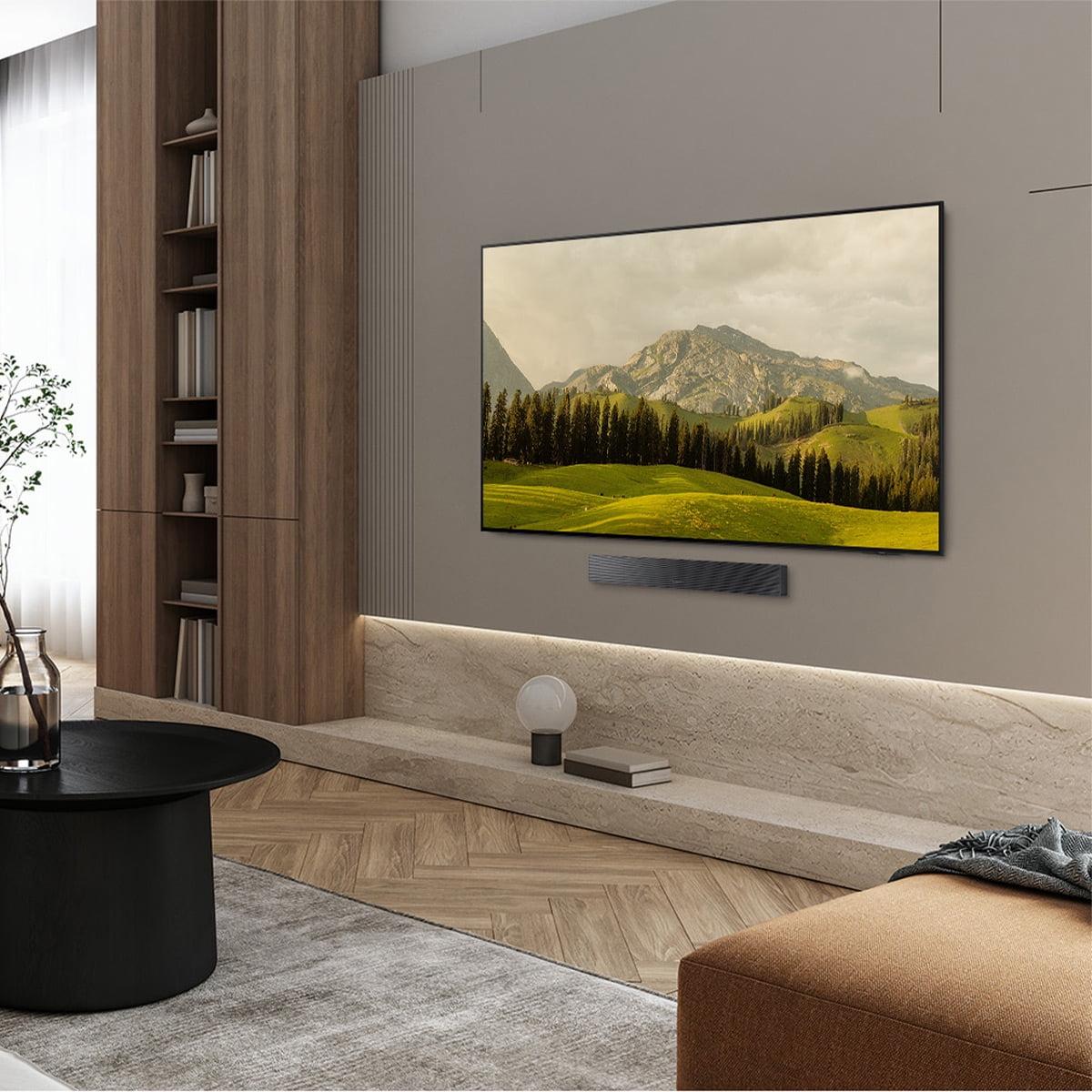

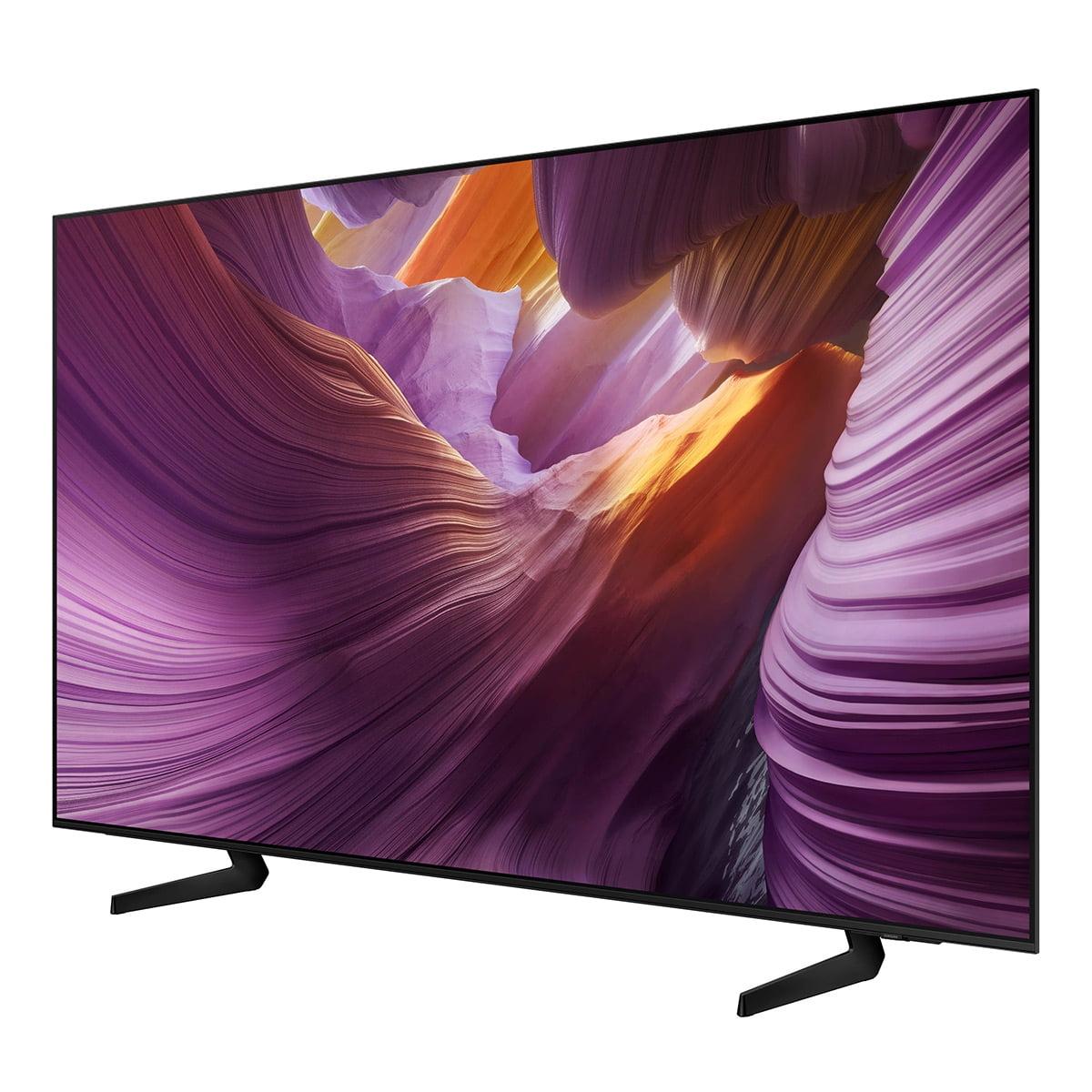
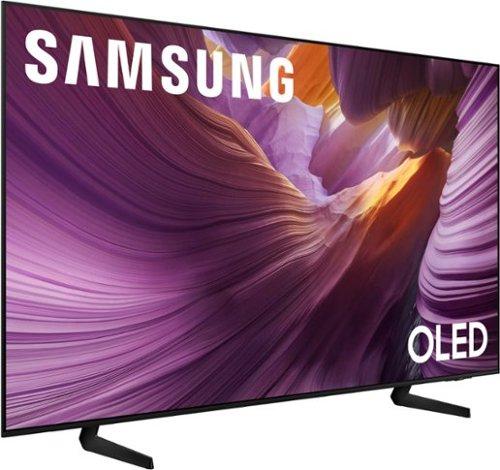
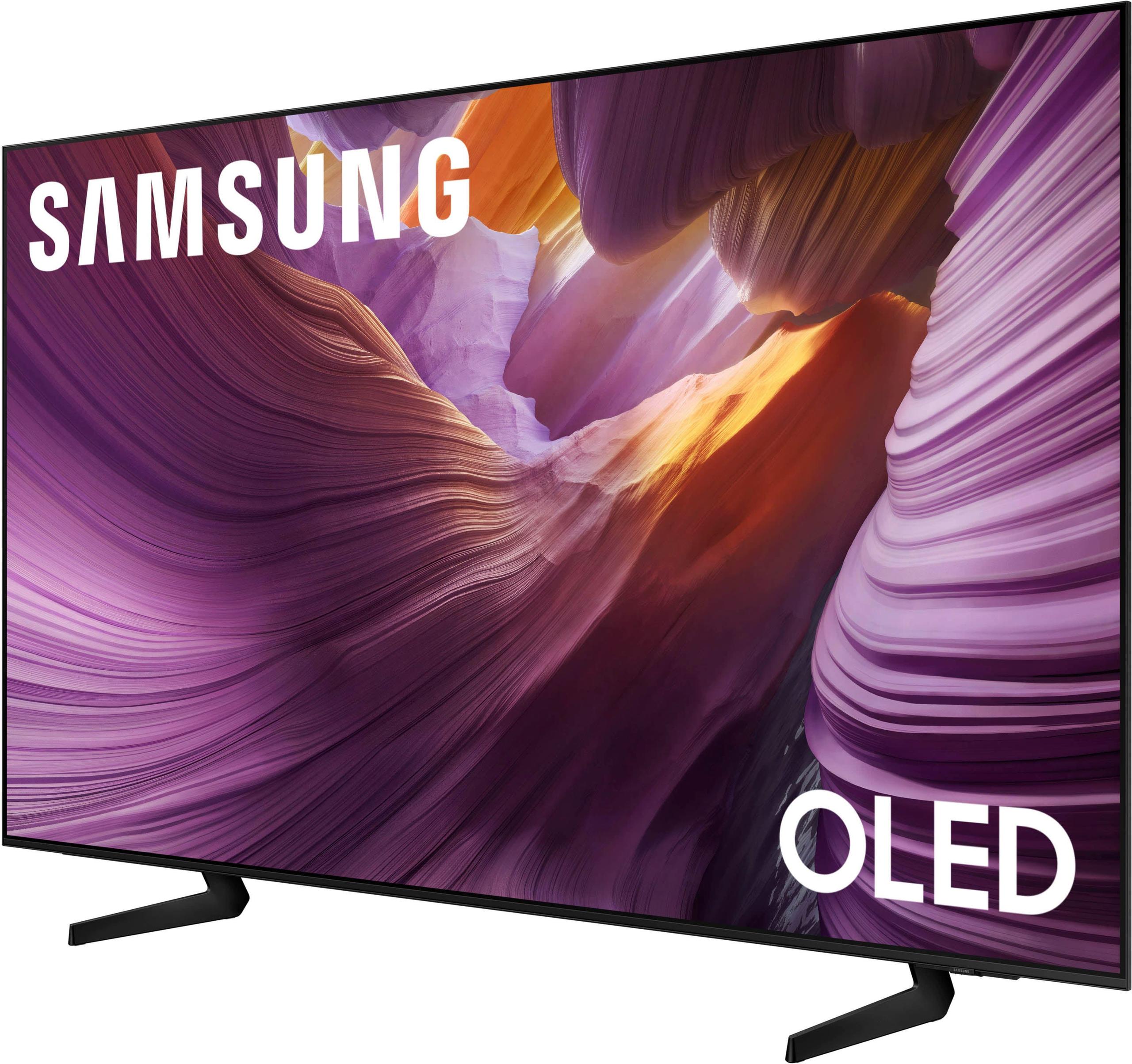
Shopping for a premium TV in 2025? You've probably stumbled across two compelling options: the Sony BRAVIA 8 II 65" QD-OLED 4K Google TV ($3,098) and the Samsung 65" S85F OLED 4K Smart TV ($1,599). Both represent the latest in display technology, but they take dramatically different approaches to delivering that perfect picture you're after.
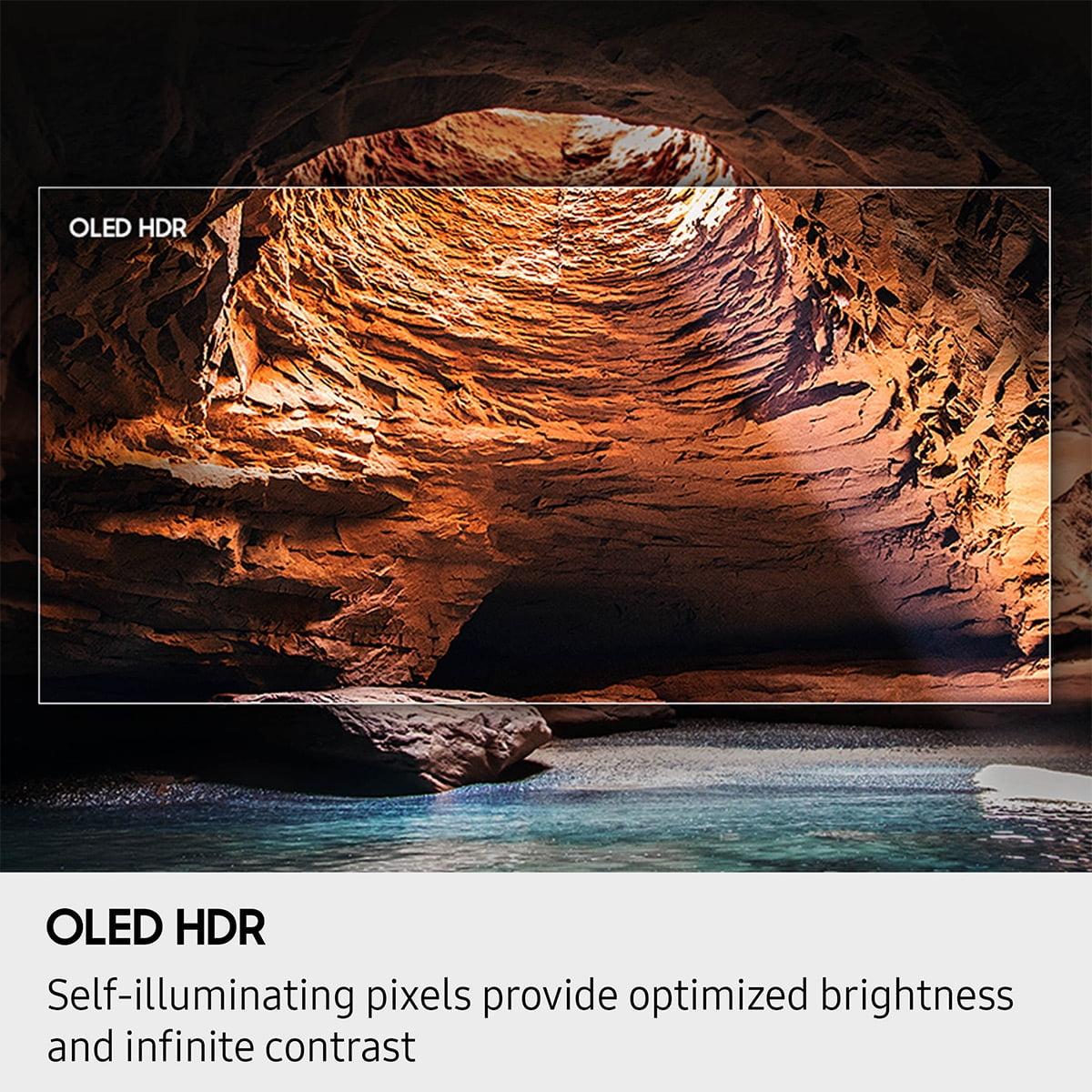
Before we dive deep into what makes each TV special, let's talk about what QD-OLED actually means and why it matters. QD-OLED stands for Quantum Dot OLED—it's essentially the marriage of two display technologies. Traditional OLED gives you those perfect blacks by turning pixels completely off, while quantum dots boost color vibrancy and brightness. When you combine them, you get displays that are brighter than regular OLEDs while maintaining those inky blacks that make movies look incredible in dark rooms.
Both TVs hit the market in spring 2025, representing significant upgrades from their 2024 predecessors. The Sony BRAVIA 8 II replaced Sony's previous Bravia 8 model by swapping out its W-OLED panel for this new QD-OLED technology, resulting in about 25% better brightness. Meanwhile, Samsung's S85F sits as the company's entry-level OLED for 2025, using the same core QD-OLED panel technology found in their flagship models but at a much more accessible price point.
When you're shopping for a premium OLED TV, you're looking at the cream of the crop in display technology. These aren't your basic LED TVs—we're talking about displays where each pixel can turn completely on or off, creating contrast ratios that regular TVs simply can't match. Think of it like having millions of tiny light switches that can create the deepest blacks right next to the brightest whites.
The key things that separate premium OLEDs from the pack include peak brightness (how bright the TV can get for HDR highlights), color accuracy (how true-to-life the colors look), smart features (the built-in apps and interface), gaming performance (input lag and refresh rates), and audio quality. In my experience testing TVs over the years, these factors make the difference between a good TV and one that makes you pause and think "wow, that looks incredible."
What's particularly exciting about 2025's crop of OLEDs is how much brighter they've become. Earlier OLED TVs, while gorgeous in dark rooms, often struggled in bright living rooms. These new QD-OLED panels address that limitation head-on, though as we'll see, some do it better than others.
Here's where these two TVs start to show their different personalities. The Samsung S85F ($1,599) delivers significantly higher peak brightness, hitting up to 2,132 nits in optimal conditions. To put that in perspective, that's bright enough to make HDR highlights like explosions, lightning, or the sun genuinely pop off the screen, even in a moderately bright room.
The Sony BRAVIA 8 II ($3,098), while brighter than previous Sony OLEDs, still falls short of Samsung's numbers. Sony's 25% brightness improvement over their previous flagship sounds impressive on paper, but in real-world viewing, it translates to roughly 1,880 nits peak brightness. That's still excellent, but when you're watching HDR content side-by-side, the Samsung's highlights have more impact.
However—and this is important—brightness isn't everything. The Sony's XR Processor with AI Scene Recognition is genuinely impressive technology. It analyzes what you're watching in real-time and adjusts the picture accordingly. Watching a nature documentary? It'll boost greens and blues. Dark thriller? It'll enhance shadow detail while maintaining those crucial dark atmosphere elements. This kind of intelligent processing often makes the Sony BRAVIA 8 II look more natural and film-like, even if it's not as punchy bright.
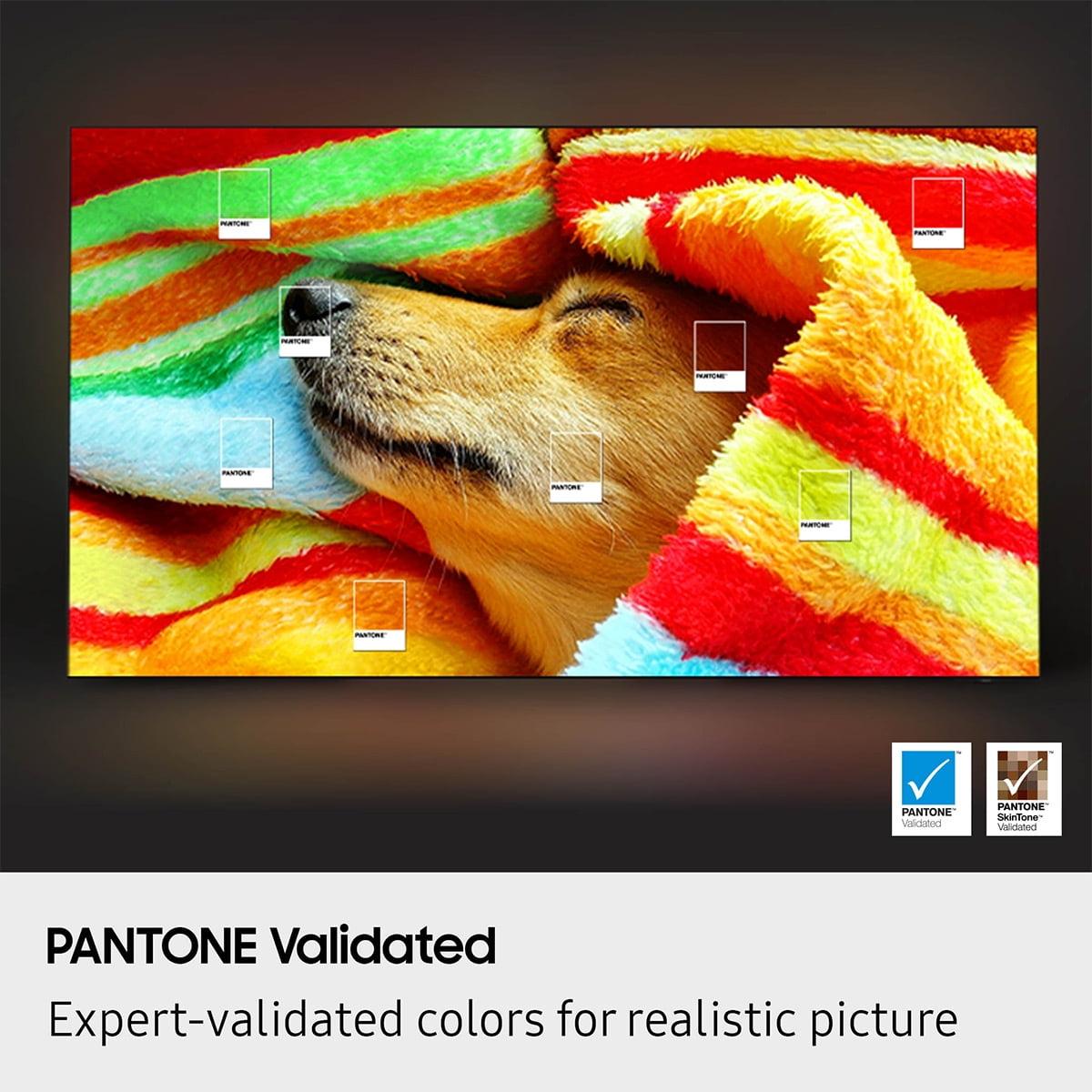
This is where personal preference and viewing habits really matter. The Samsung S85F delivers colors that are vibrant and exciting—the kind that make you notice how green grass looks or how blue the sky appears. Samsung's approach tends to favor impact and "wow factor." Their Color Booster Pro technology uses AI to enhance colors scene-by-scene, and the result is often spectacular, especially for HDR content.
Sony takes a different approach with their XR Triluminos Max technology. Instead of going for maximum vibrancy, Sony aims for accuracy. Skin tones look natural, sunset colors have that warm, realistic quality you remember from real life. In my testing, Sony's processing consistently makes lower-quality content look better through superior upscaling—think older movies or streaming content that isn't 4K.
The Sony's processing advantage becomes really apparent when watching mixed content. That Netflix show from a few years ago that looks a bit soft? Sony's AI upscaling will clean it up significantly better than Samsung's processing. But if you're primarily watching new 4K HDR movies and shows, Samsung's more aggressive color enhancement might give you more of that "theater experience" feeling.
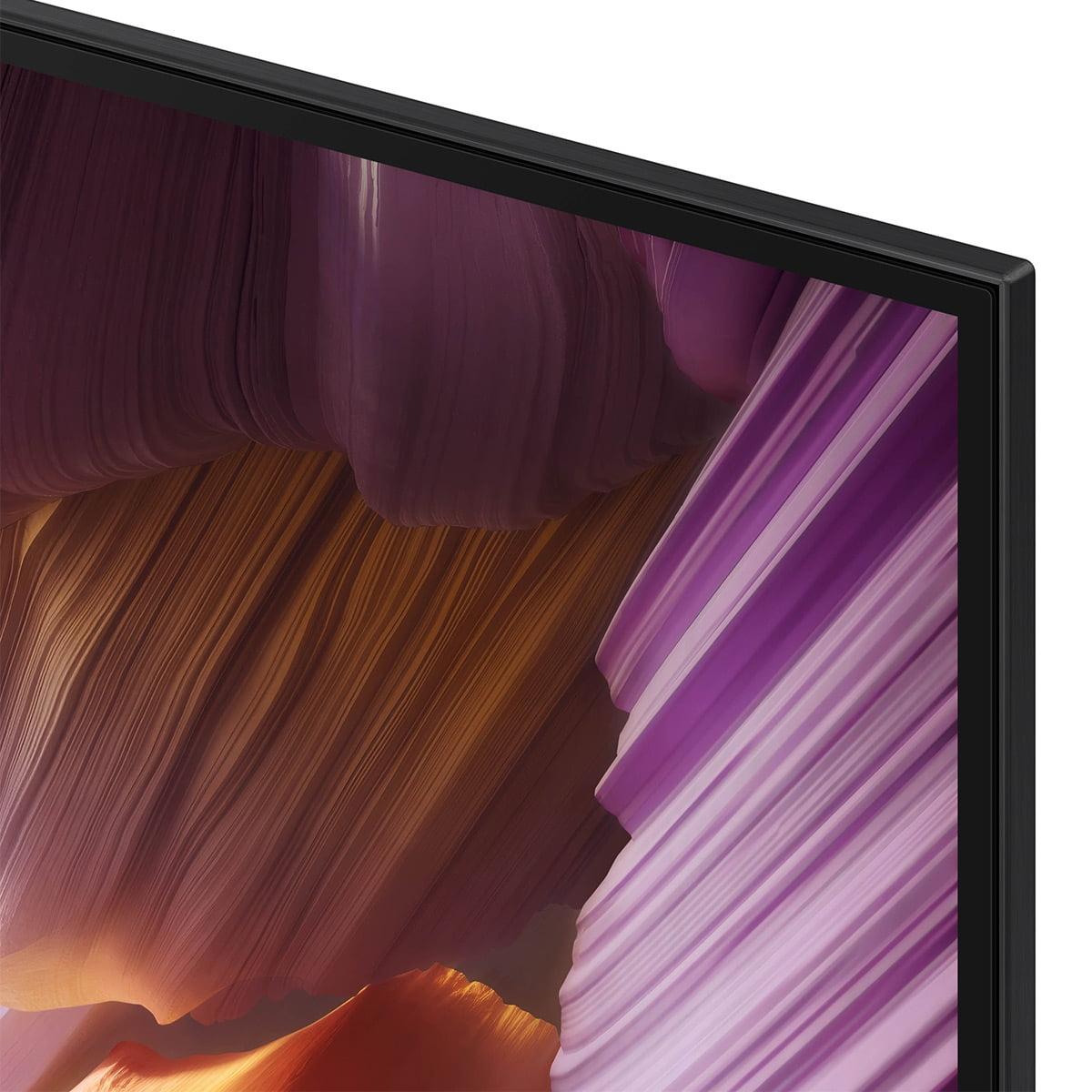
Here's a crucial real-world consideration: the Samsung S85F absolutely dominates in bright rooms. Samsung's Glare Free 2.0 technology is genuinely impressive—it nearly eliminates reflections that would make other TVs unwatchable during daytime viewing. Combined with its higher peak brightness, the Samsung maintains its picture quality even when you've got windows open and natural light streaming in.
The Sony BRAVIA 8 II has anti-reflective coating, but it's not as effective as Samsung's solution. In my experience, Sony OLEDs are at their best in controlled lighting environments. If you've got a dedicated home theater room or tend to watch TV primarily in the evening, the Sony's more accurate processing and colors really shine. But if your TV lives in a bright living room where you watch during the day, the Samsung is the clear winner.
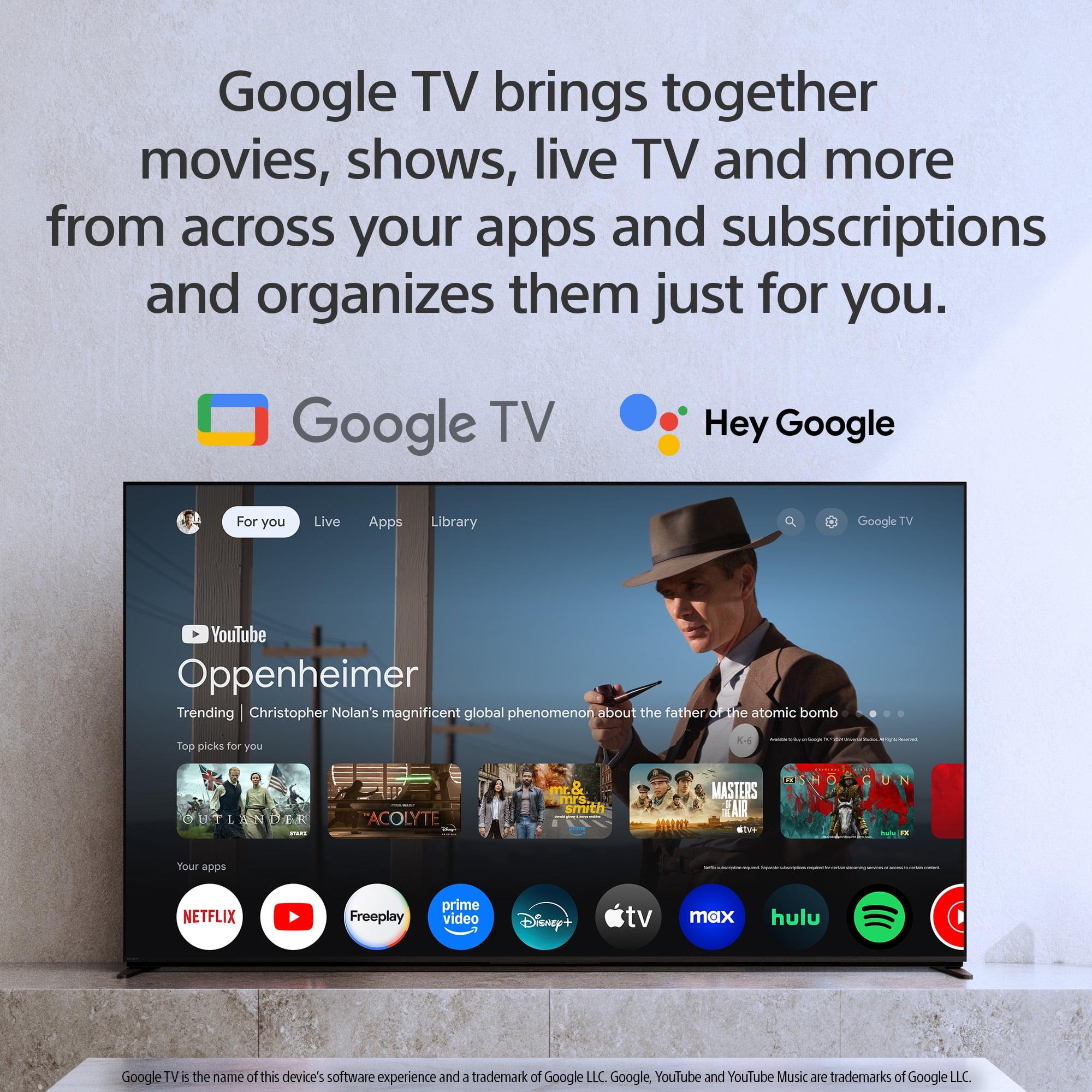
The software experience on these TVs represents two completely different philosophies. The Sony BRAVIA 8 II runs Google TV, which integrates seamlessly if you're already using Android phones, Google services, or Chromecast devices. The interface is clean, recommendations are generally good, and you get access to the full Google Play Store for apps.
More importantly for home theater enthusiasts, the Sony supports Dolby Vision HDR—this is a big deal if you're serious about picture quality. Dolby Vision provides dynamic metadata that adjusts HDR settings scene-by-scene, rather than just once per movie. Netflix, Disney+, and Apple TV+ all offer extensive Dolby Vision content, and the difference is noticeable on compatible displays.
The Samsung S85F runs Samsung's Tizen OS, which is fast and responsive but doesn't support Dolby Vision—instead relying on HDR10+ for enhanced HDR. While HDR10+ is good, it's not as widely supported as Dolby Vision across streaming services. However, Tizen's interface is polished, and if you're using Samsung phones or other Samsung devices, the integration is excellent.
Both TVs handle the basics well—Netflix, Disney+, Amazon Prime, YouTube, and other major apps all work smoothly. The choice here often comes down to ecosystem preference and whether Dolby Vision support matters to you.
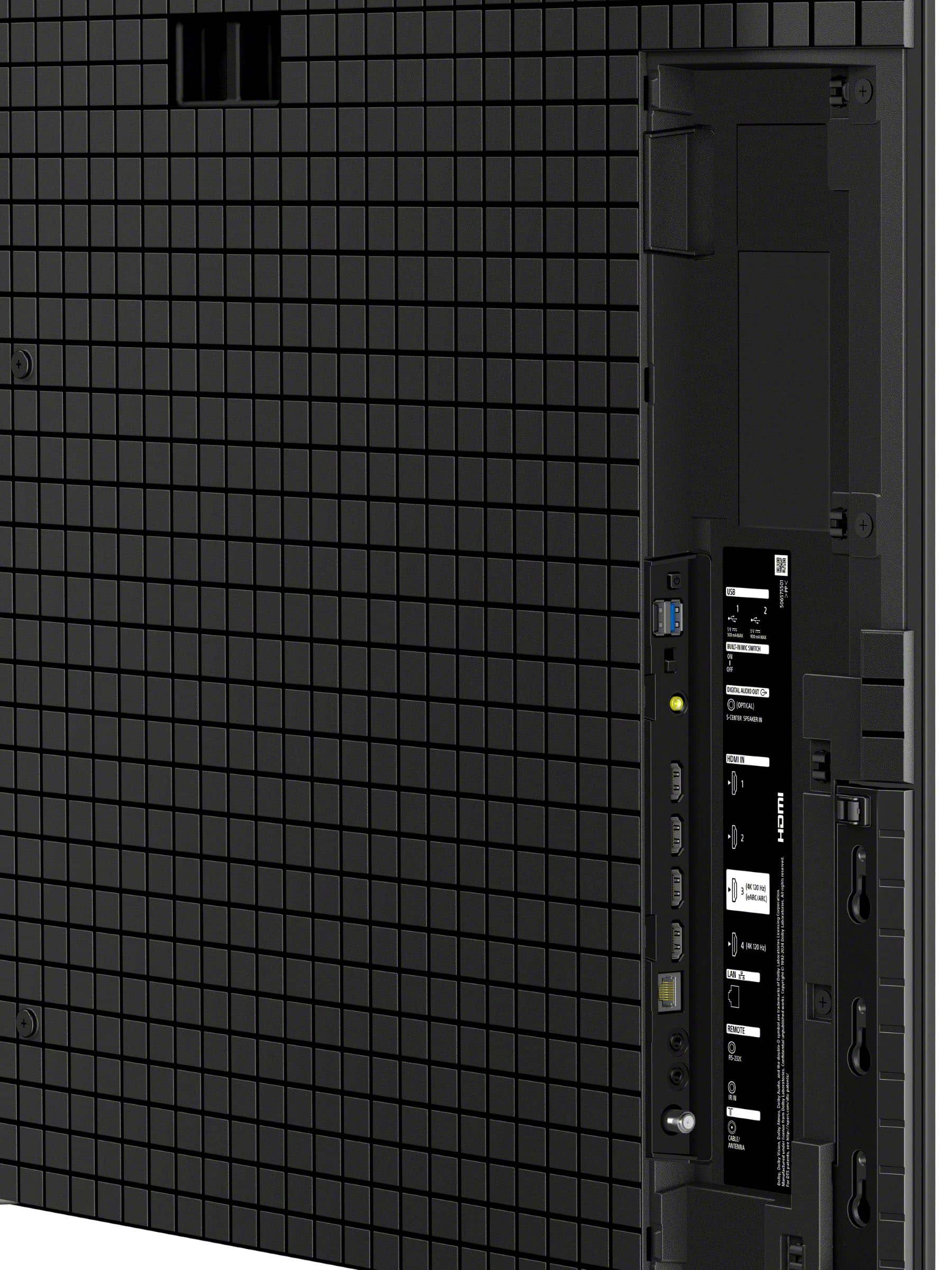
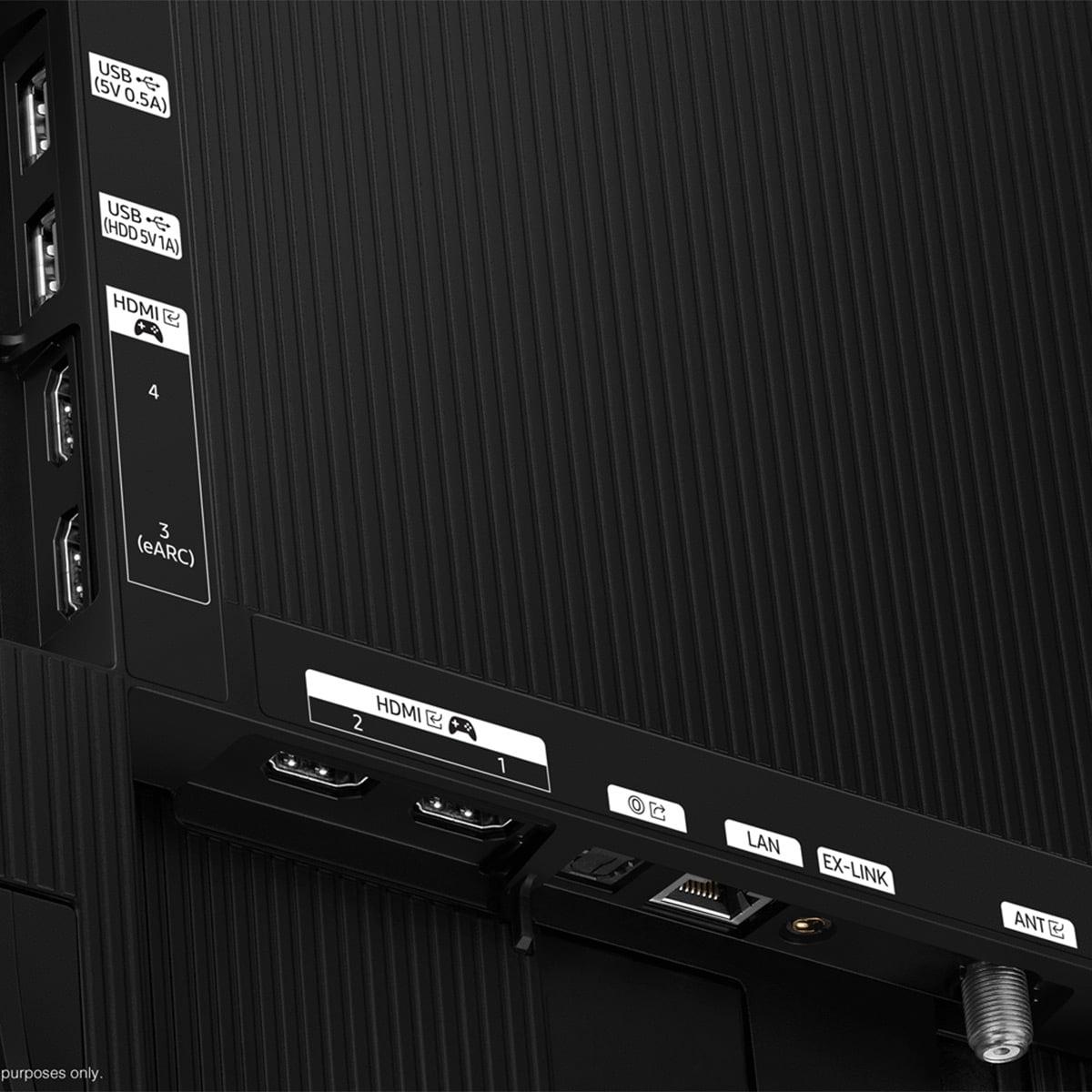
Gaming is where the Samsung S85F ($1,599) really flexes its muscles. With four HDMI 2.1 ports compared to Sony's two, you've got more flexibility for connecting multiple next-gen consoles, a PC, and other high-bandwidth devices. Samsung also supports 4K gaming at 165Hz, which is future-proofing for PC gaming that doesn't exist yet but likely will in the coming years.
Input lag—the delay between pressing a button and seeing the action on screen—is crucial for competitive gaming. The Samsung achieves lower input lag overall, making it particularly appealing for serious gamers. The comprehensive Game Bar provides easy access to gaming features like VRR (Variable Refresh Rate, which eliminates screen tearing), ALLM (Auto Low Latency Mode), and various gaming-specific picture modes.
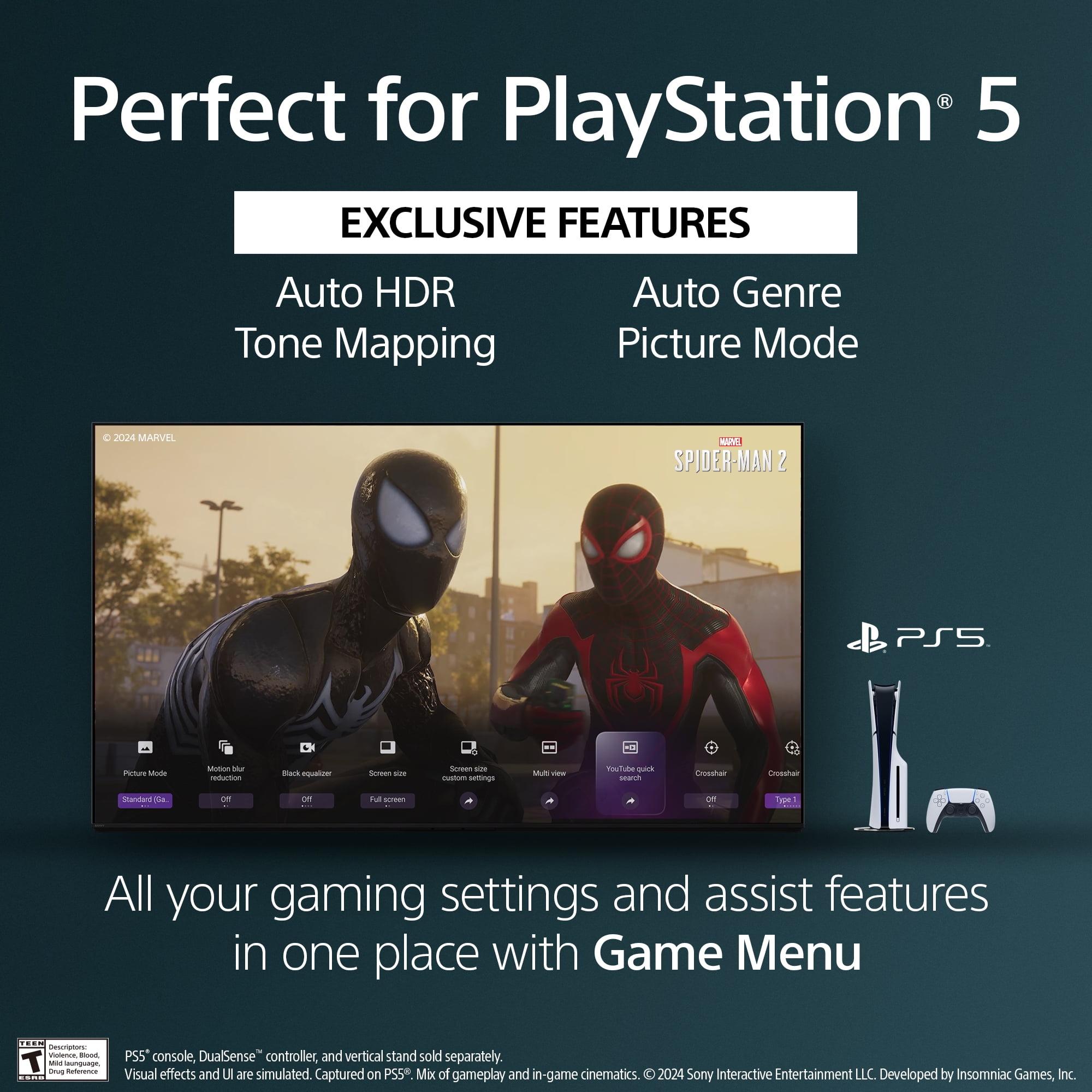
The Sony BRAVIA 8 II isn't slouch for gaming, with input lag as low as 8.5ms and solid 4K/120Hz support with VRR. It also includes PlayStation-specific optimizations that automatically adjust settings when you connect a PS5. However, with only two HDMI 2.1 ports, you might find yourself swapping cables if you have multiple gaming devices.
For most console gamers, both TVs will deliver excellent experiences. But if you're a PC gamer planning to upgrade to cutting-edge graphics cards, or you have multiple gaming systems, the Samsung's additional ports and higher refresh rate support make it the better choice.
This is where the Sony BRAVIA 8 II does something genuinely unique. Sony's Acoustic Surface Audio+ technology turns the entire screen into a speaker using actuators behind the panel. The result is sound that appears to come directly from the action on screen—dialogue seems to emerge from actors' mouths, and sound effects have better positional accuracy.
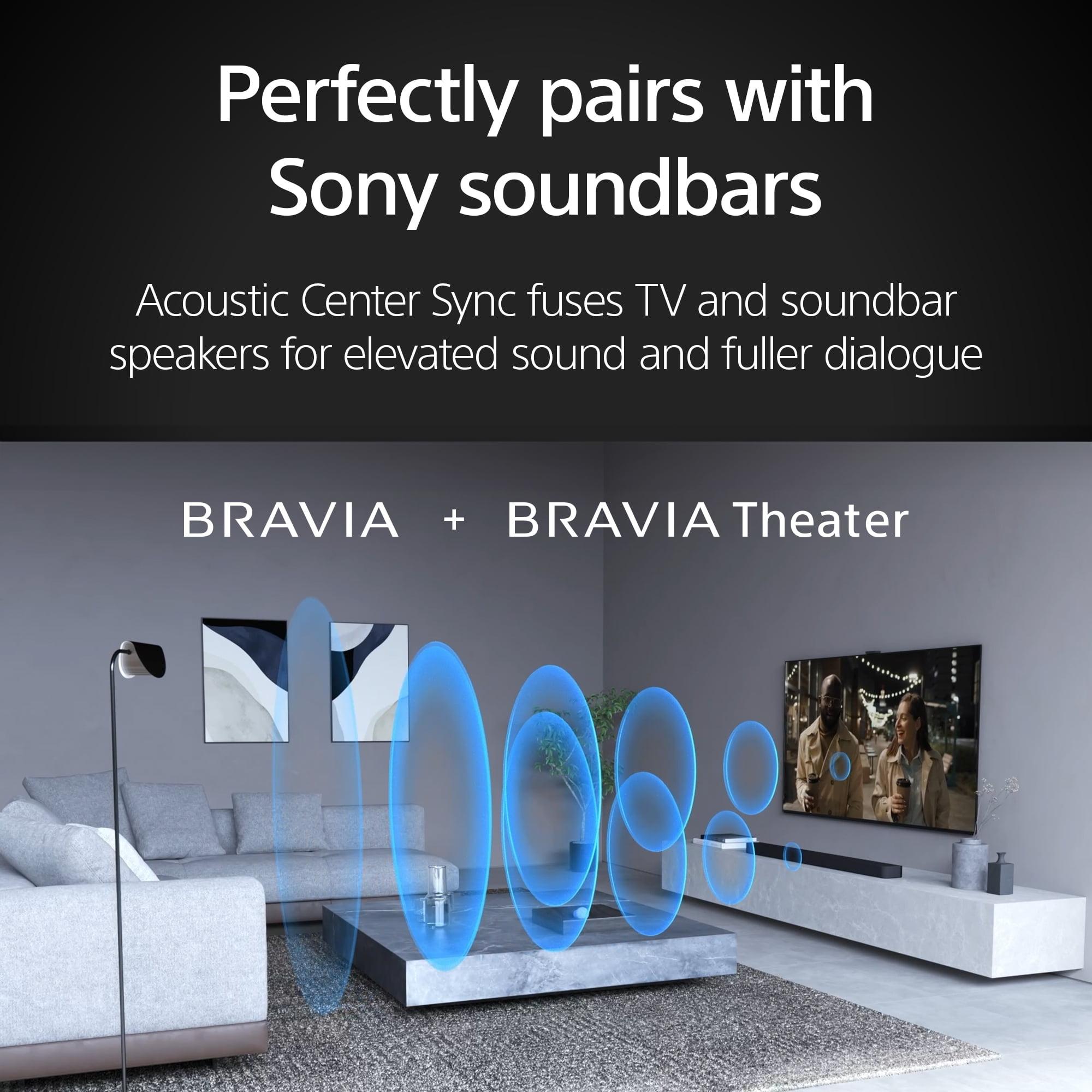
Even more interesting, the Sony can function as a center channel speaker when paired with compatible Sony soundbars. This means your TV becomes part of your surround sound system, handling dialogue while the soundbar handles everything else. It's a clever solution that can improve your home theater setup without requiring a separate center channel speaker.
The Sony also supports DTS audio passthrough, which matters if you have a collection of Blu-rays or digital movies with DTS soundtracks. The Samsung S85F doesn't support DTS passthrough, instead downsampling these audio tracks.
Samsung's audio is more conventional but still good for a TV. The Object Tracking Sound Lite technology tries to match audio positioning to on-screen action, and Q-Symphony allows coordination with Samsung soundbars. However, it can't match Sony's innovative screen-based audio system for immersion.
Here's where things get really interesting. The Samsung S85F at $1,599 costs nearly half as much as the Sony BRAVIA 8 II at $3,098, yet delivers many of the same core benefits of QD-OLED technology. That's a massive difference that could fund a good soundbar, streaming device upgrades, or simply leave more money in your pocket.
The Samsung's value proposition is compelling: you get QD-OLED's superior brightness and color compared to traditional OLED, excellent gaming features, and solid smart TV functionality at a mainstream premium price. The brightness advantage alone makes it more versatile across different room lighting conditions.
Sony's premium pricing needs to be justified by its unique strengths: the innovative audio system, superior processing and upscaling, Dolby Vision support, and more natural color accuracy. These are valuable features, but they appeal to a narrower audience of home theater enthusiasts and videophiles who prioritize these specific capabilities.
In my experience, the law of diminishing returns applies here. The Samsung gets you 90% of premium OLED performance at 50% of the Sony's cost. The Sony's extra features are genuinely useful, but they're expensive refinements rather than game-changing differences for most viewers.
If you're building a dedicated home theater, several factors tip the scales. The Sony BRAVIA 8 II supports Dolby Vision, which is increasingly important as more content uses this format. The processing advantages become more apparent on a big screen in a dark room, where you can appreciate subtle details and accurate colors.
The Acoustic Surface Audio+ technology is particularly compelling in home theater setups. Traditional TV speakers fire sound away from the screen, but Sony's approach creates better dialogue clarity and sound positioning. If you're not immediately adding a soundbar, the Sony provides a better audio experience out of the box.
However, the Samsung S85F isn't without home theater merits. Its higher brightness helps HDR content maintain impact even in rooms that aren't completely dark. The superior anti-glare coating means you don't need blackout curtains to enjoy good picture quality.
For most home theater setups, I'd lean toward the Sony if budget allows and you value its processing and audio innovations. But the Samsung represents exceptional value and might let you invest the savings in other home theater components like a quality soundbar or media player.
Choose the Sony BRAVIA 8 II ($3,098) if you're a home theater enthusiast who values color accuracy, has controlled lighting, wants Dolby Vision support, and appreciates innovative audio technology. The superior processing makes it particularly appealing if you watch a lot of older or lower-resolution content that benefits from upscaling.
Choose the Samsung S85F ($1,599) if you want excellent OLED performance without the premium price, have a bright room, prioritize gaming features, or simply want the most brightness and impact from your HDR content. The value proposition is outstanding, and the performance gaps with the Sony are smaller than the price difference suggests.
Both TVs represent excellent choices in the premium OLED category, but they serve different priorities and budgets. The Samsung proves that you don't need to spend flagship money to get flagship performance, while the Sony justifies its premium with unique features that appeal to discerning viewers. Your room, viewing habits, and budget will ultimately determine which approach serves you better.

Privacy Policy
Terms and Conditions - Affiliate Policy
Home Security
© Copyright 2008-2026.
11816 Inwood Rd #1211, Dallas, TX 75244