

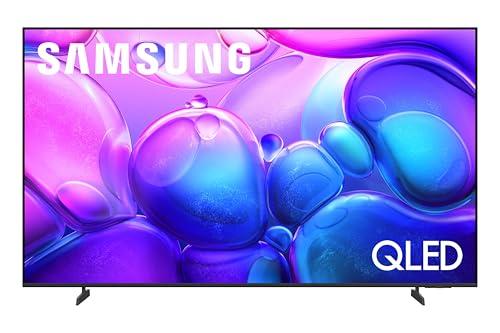
Choosing between the Samsung 75-Inch QLED Q6F Series 2025 and Sony BRAVIA 8 II 65" QD-OLED isn't just about picking a TV—it's about choosing between two fundamentally different display technologies that will define your viewing experience for years to come. At the time of writing, these TVs represent a fascinating clash between budget-conscious screen size and premium picture quality, with a price difference of roughly 4:1.
The TV landscape in 2025 revolves around a core question: do you want bigger or better? Traditional LED-LCD TVs (including QLED variants like the Samsung Q6F) use backlighting systems where LED lights shine through liquid crystal displays. Think of it like a flashlight behind a stained glass window—the light passes through colored filters to create the image you see.
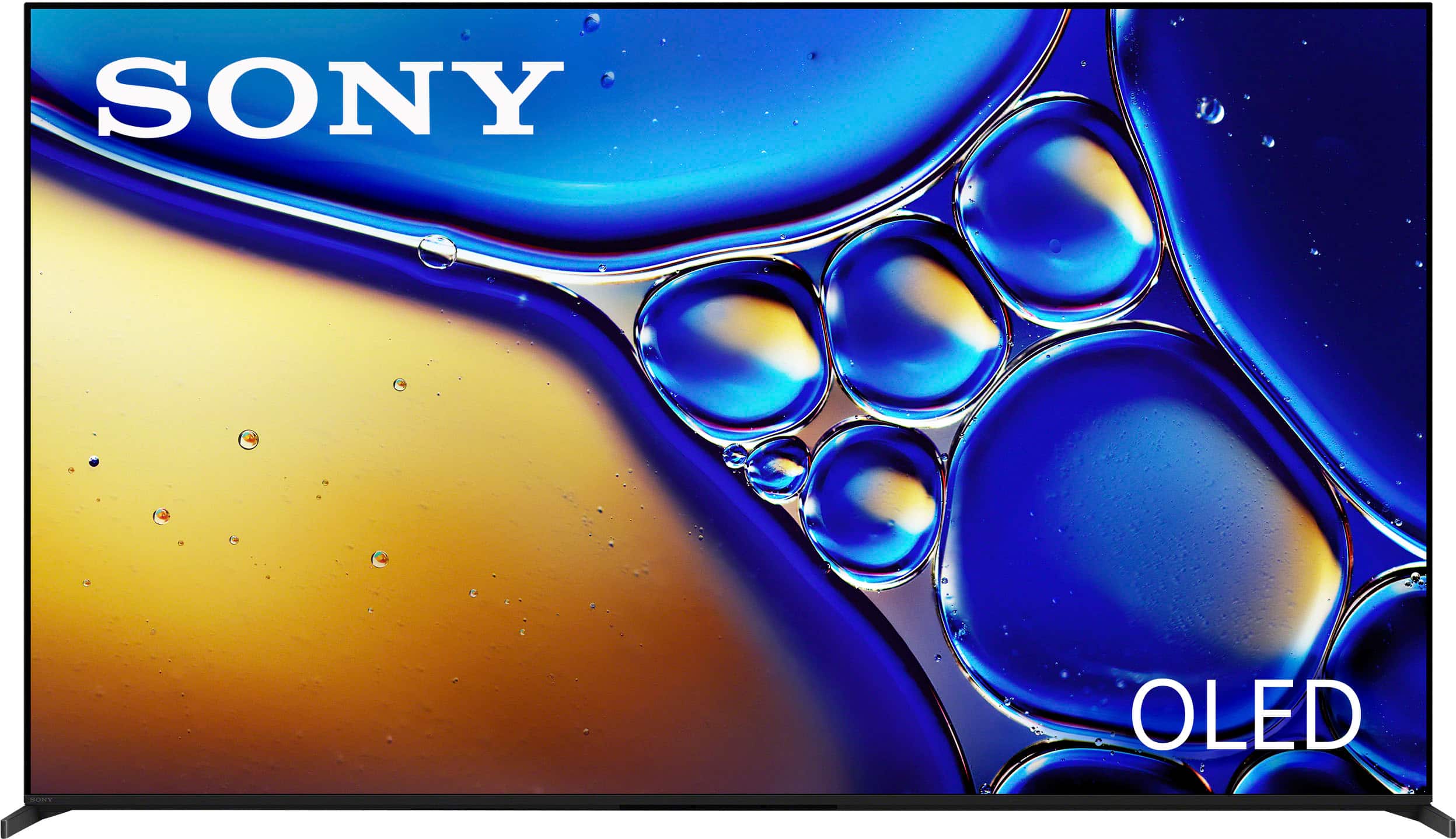
OLED technology, used in the Sony BRAVIA 8 II, works completely differently. Instead of backlighting, each pixel is essentially a tiny light bulb that can turn completely on or off. This fundamental difference creates dramatically different viewing experiences, particularly when it comes to contrast—the difference between the darkest blacks and brightest whites your TV can display.
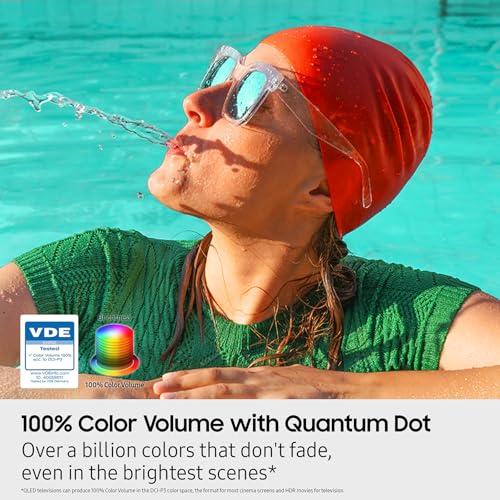
The BRAVIA 8 II takes this further with QD-OLED technology, which combines quantum dots (microscopic crystals that convert light into specific colors) with OLED's self-emitting pixels. It's like having millions of perfectly controlled colored lights that can turn completely off when needed.
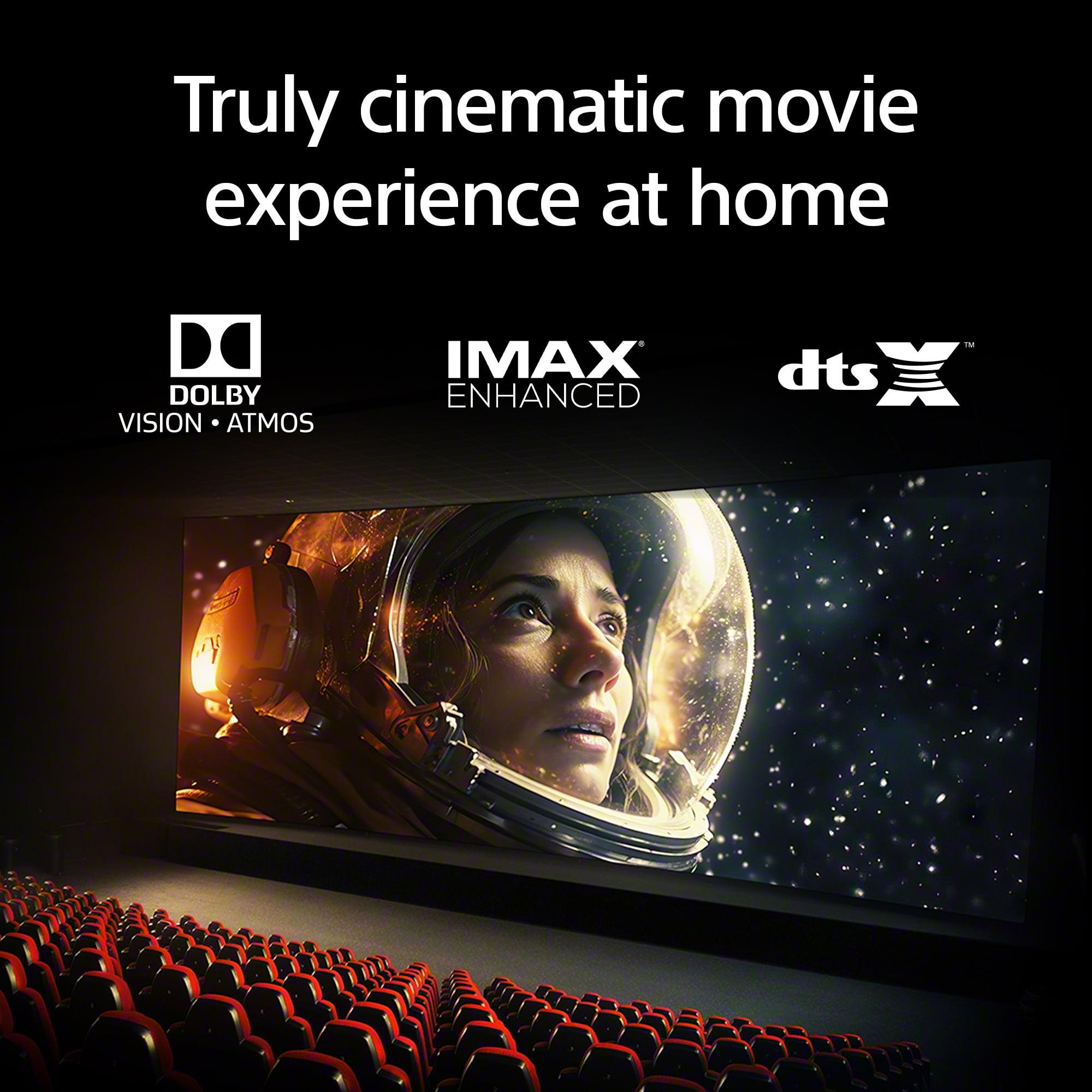
Here's where the Sony BRAVIA 8 II absolutely dominates. OLED's ability to turn individual pixels completely off creates what we call "infinite contrast"—true blacks that look genuinely black, not the dark gray you get from LED-LCD TVs. When you're watching a movie with a starfield scene, the Sony makes those stars pop against genuinely black space, while the Samsung Q6F shows stars against a dark gray background due to its backlight bleeding through.
This isn't just about movies looking prettier—it affects everything. Text appears sharper against dark backgrounds, shadow details in games become more visible, and HDR content (high dynamic range, which creates more realistic brightness and color) has dramatically more impact. Our research into professional reviews consistently shows that once viewers experience true OLED blacks, returning to LED-LCD can feel like a significant downgrade.
Both TVs use quantum dot technology, but they apply it differently. The Samsung Q6F layers quantum dots over a traditional LED-LCD panel—it's an enhancement that improves color over basic LED TVs, but it's still fundamentally limited by the underlying LCD technology.
The Sony BRAVIA 8 II uses quantum dots directly with OLED emitters, creating what Sony calls "XR Triluminos Max." This combination produces billions of colors with better accuracy across all brightness levels. In practical terms, skin tones look more natural, sunsets have that warm golden quality you see in real life, and animated content displays with the vibrancy creators intended.
Professional reviewers consistently note that the Sony's color accuracy makes the Samsung Q6F look oversaturated by comparison, even though Samsung's quantum dot enhancement does improve colors significantly over basic LED TVs.
This is where LED-LCD technology traditionally wins, and it's the Samsung Q6F's strongest advantage. LED-LCD TVs can push much higher peak brightness levels, which matters in bright rooms or when you want HDR highlights to really punch through ambient light.
However, the 2025 Sony BRAVIA 8 II represents a significant leap forward in OLED brightness. Sony claims it's 25% brighter than their previous flagship OLEDs, reaching around 1,880 nits peak brightness. While this still doesn't match the highest-end LED TVs, it's bright enough for most HDR content to look impressive, even in moderately lit rooms.
The key difference is how brightness is used. The Samsung spreads its brightness across the entire backlight, while the Sony can make specific objects brilliantly bright while keeping the surrounding area completely black. It's the difference between turning up all the lights in a room versus using a spotlight on a specific area.
HDR (High Dynamic Range) technology expands the range of colors and brightness your TV can display, making images more realistic and impactful. The Sony BRAVIA 8 II supports the full suite of HDR formats, including Dolby Vision—the premium HDR standard used by Netflix, Apple TV+, and many streaming services. Dolby Vision adds dynamic metadata, which means the TV receives frame-by-frame instructions on how to display each scene optimally.
The Samsung Q6F, being an entry-level QLED, supports HDR10+, which offers similar dynamic optimization but isn't as widely adopted as Dolby Vision. More importantly, the Sony's superior contrast and color accuracy make HDR content significantly more impactful, regardless of format support.
Professional testing shows that the Sony handles HDR tone mapping—the process of translating HDR content to your TV's capabilities—with exceptional sophistication. Even when it can't match the raw brightness of some competitors, its processing ensures that HDR highlights look natural and balanced rather than blown out or dim.
OLED technology offers near-instantaneous pixel response times, which means moving objects on screen appear crystal clear without motion blur. This is particularly noticeable in sports, action movies, and gaming. The Sony BRAVIA 8 II can display fast-moving objects with clarity that LED-LCD TVs struggle to match.
The Samsung Q6F uses Motion Xcelerator technology to predict and smooth motion between frames, which helps reduce blur but can't achieve the natural clarity of OLED's instant response. For most viewers watching standard content, the difference is noticeable but not necessarily deal-breaking. However, for sports enthusiasts or gamers, OLED's motion clarity provides a significant advantage.
The Sony BRAVIA 8 II features Sony's XR Processor with AI Scene Recognition, which analyzes the content you're watching and optimizes picture settings in real-time. Watching a nature documentary? It enhances greens and blues. Viewing a dark thriller? It optimizes shadow detail and contrast. This isn't just marketing—professional reviews consistently note how the Sony's processing makes content look more refined and intentional.
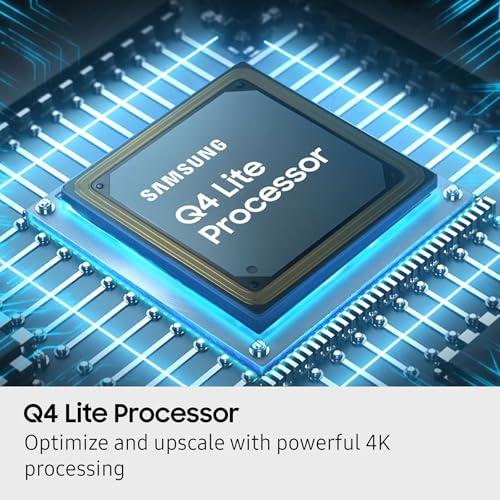
The Samsung Q6F uses the Q4 Lite processor, which handles basic upscaling and optimization but without the sophisticated AI-driven adjustments found in premium models. For viewers primarily watching 4K content, this difference is less noticeable, but those streaming older shows or watching cable TV will see a meaningful improvement with the Sony's advanced processing.
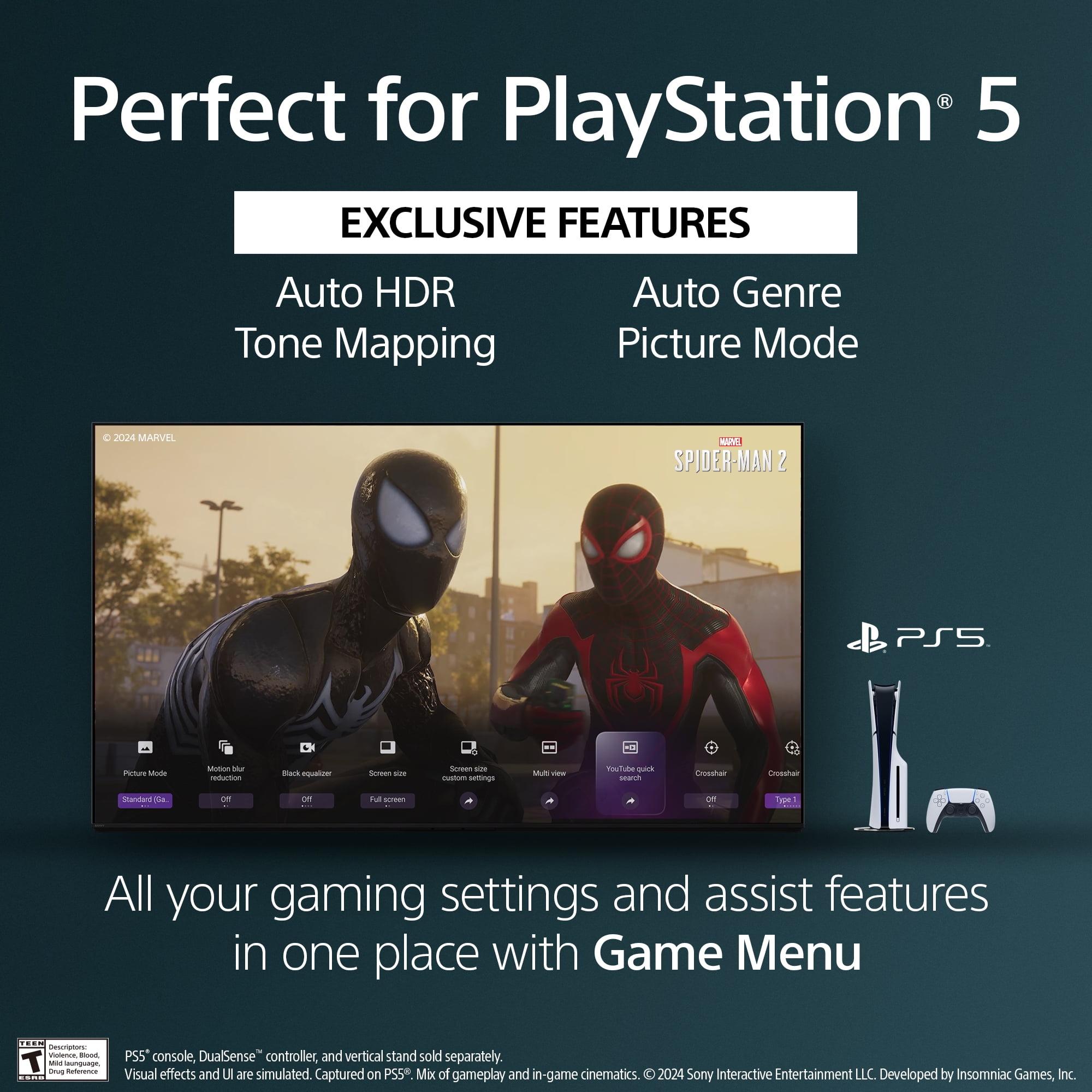
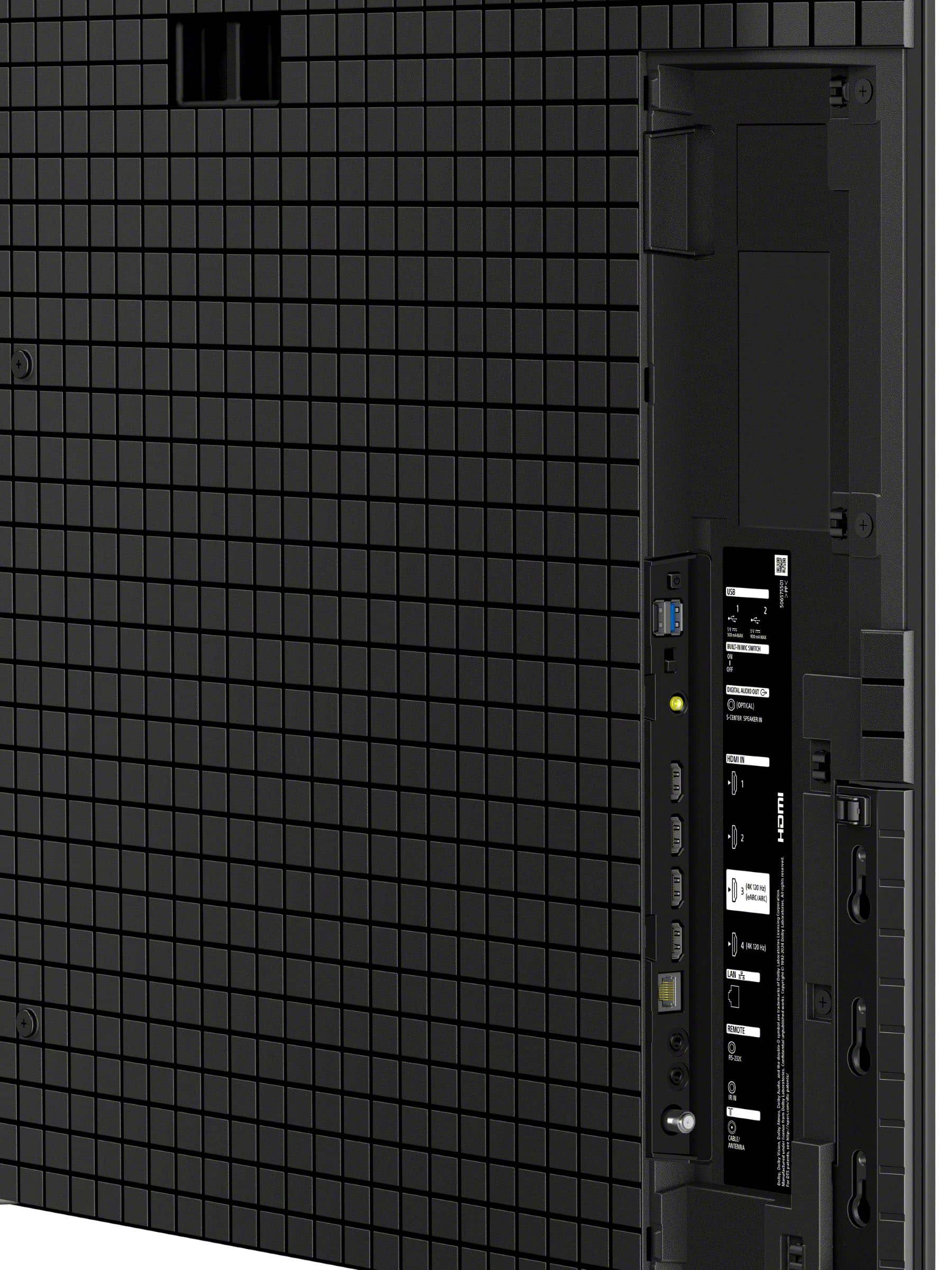
The Sony BRAVIA 8 II includes two HDMI 2.1 ports supporting 4K gaming at 120Hz, Variable Refresh Rate (VRR) to eliminate screen tearing, and Auto Low Latency Mode (ALLM) for optimized gaming performance. These features are essential for PlayStation 5 and Xbox Series X owners who want to experience next-generation gaming as developers intended.
However, the Sony's input lag—the delay between pressing a button and seeing the action on screen—is higher than gaming-focused competitors. While perfectly fine for single-player games and most multiplayer experiences, competitive gamers might notice the difference in fast-paced PvP games.
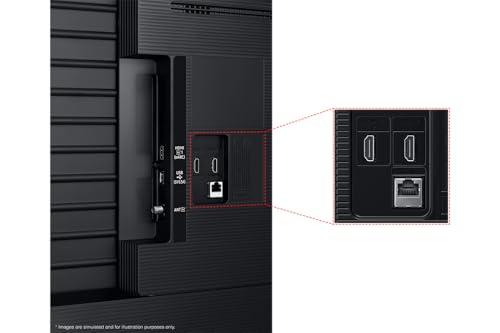
The Samsung Q6F, being an entry-level model, lacks these advanced gaming features. It's suitable for casual gaming and older consoles, but won't unlock the full potential of modern gaming hardware.
OLED's perfect blacks and instant response create gaming experiences that LED-LCD simply cannot match. Dark areas in games reveal hidden details, HDR lighting effects look more realistic, and fast action remains crystal clear. Our research into gaming reviews consistently shows that once players experience OLED gaming, returning to LED-LCD feels like a downgrade, even on higher-end models.
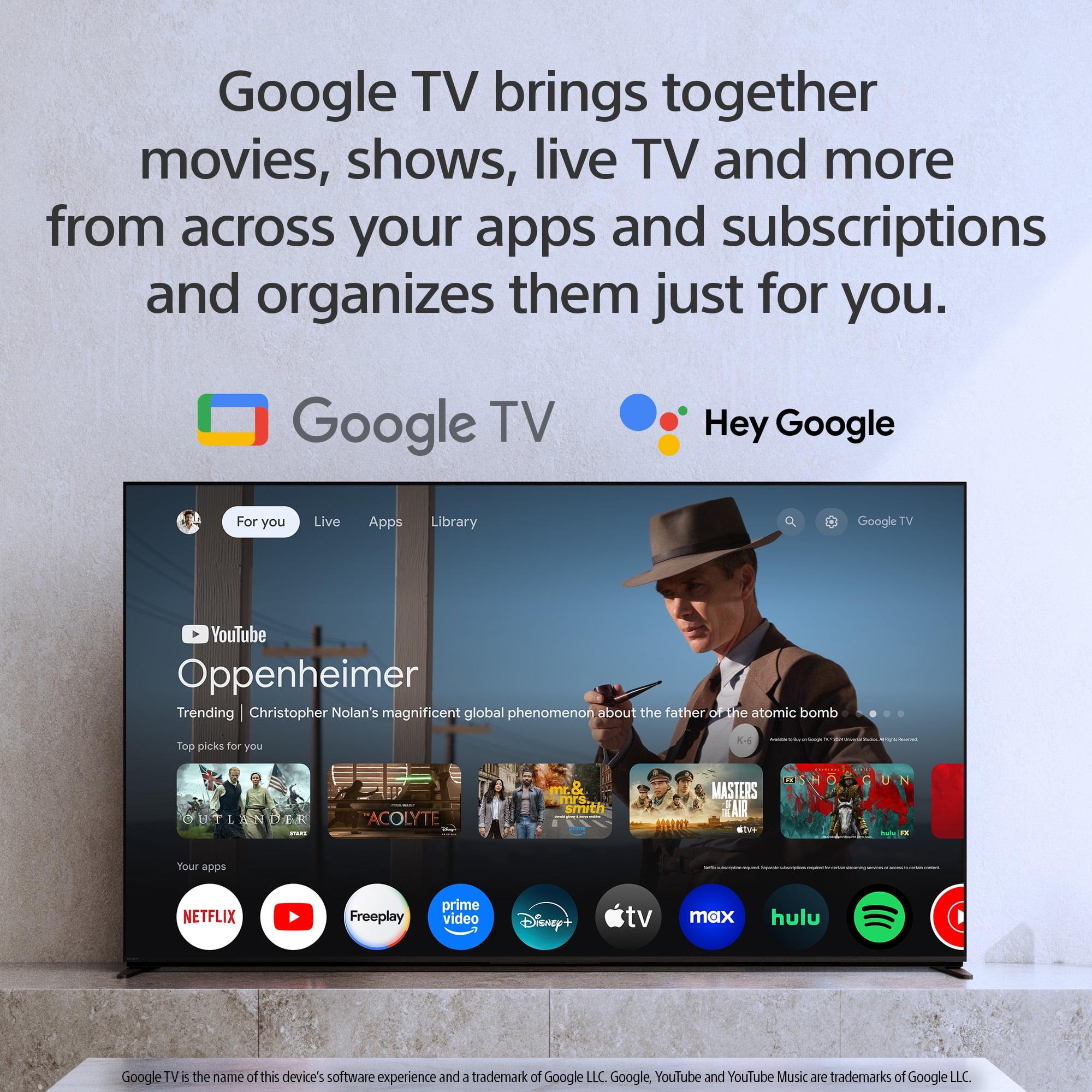
The Sony BRAVIA 8 II runs Google TV, which offers excellent app selection, intuitive content discovery, and seamless integration with Google services. The interface is clean and responsive, with regular updates ensuring long-term support.
The Samsung Q6F uses Samsung's Tizen platform, which also provides comprehensive app support but integrates more deeply with Samsung's ecosystem. Both platforms are mature and capable—your choice here likely depends on your existing smart home setup and service preferences.
This is where the Sony BRAVIA 8 II truly excels with its Acoustic Surface Audio+ technology. Instead of traditional speakers, the TV uses actuators behind the screen to turn the entire display into a speaker. Sound appears to come directly from on-screen action—dialogue from characters' mouths, explosions from their source, and music that fills the soundstage naturally.
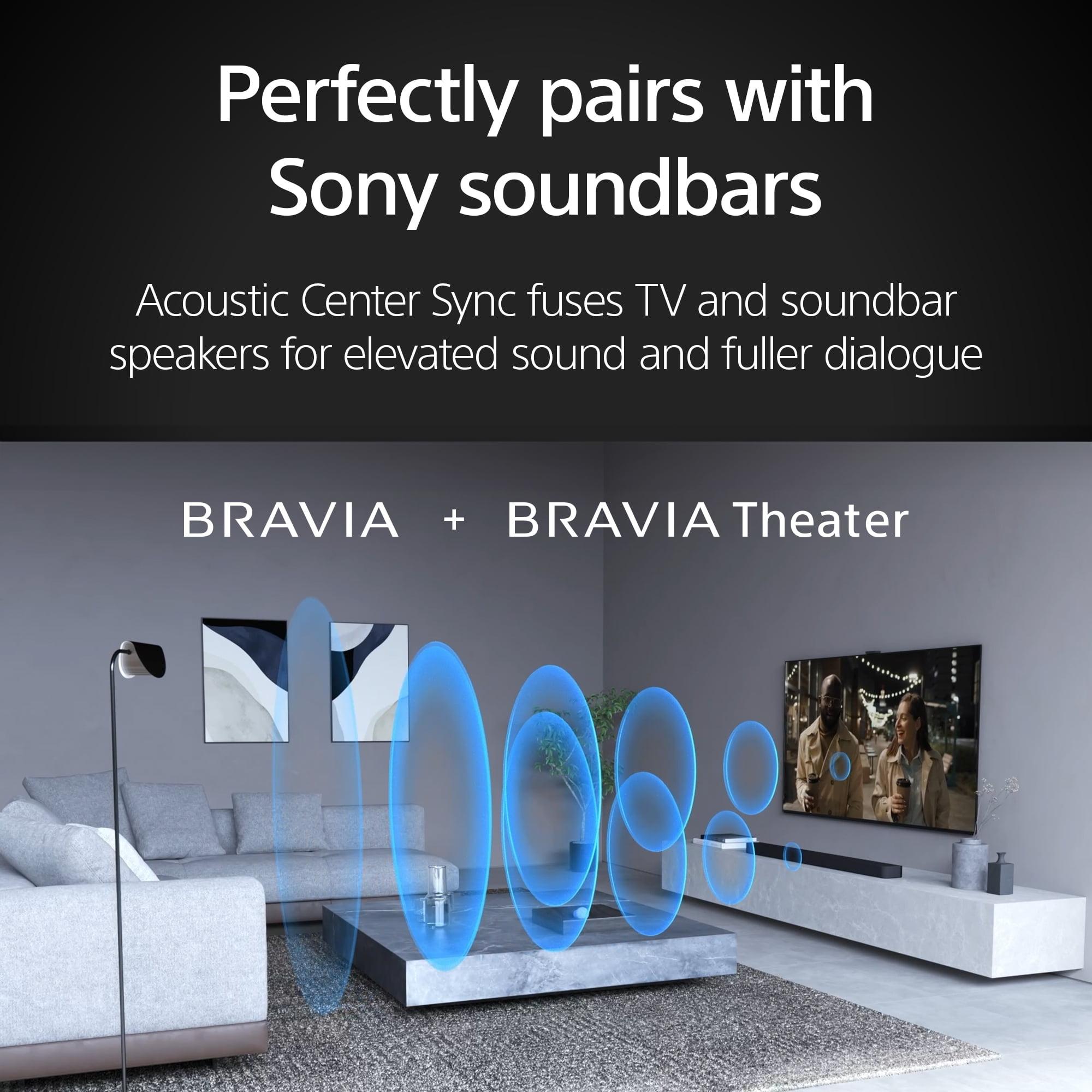
This technology also allows the TV to function as a center channel when paired with compatible Sony soundbars, creating a more cohesive surround sound experience. The Samsung Q6F includes standard TV speakers that are adequate but unremarkable.
At the time of writing, the price difference between these TVs reflects their fundamentally different market positions. The Samsung Q6F offers significantly more screen area at roughly one-quarter the cost, prioritizing size over picture quality refinement.
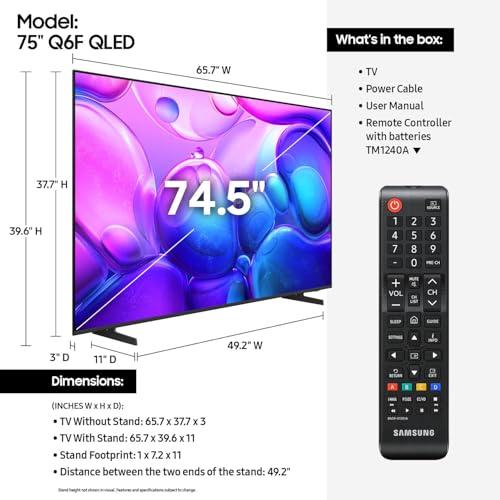
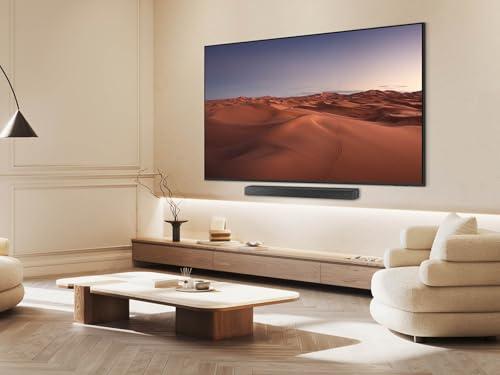
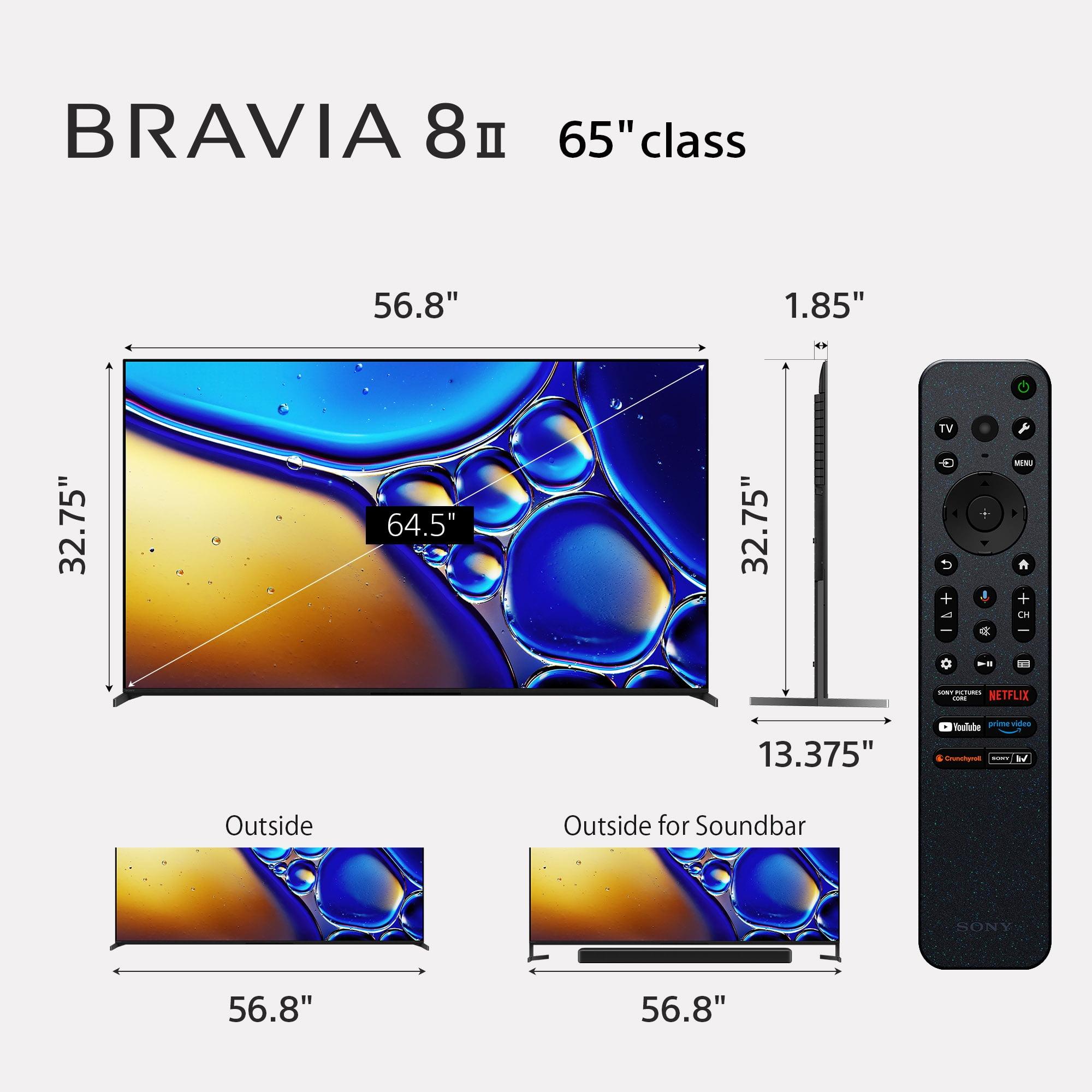
Screen size impact is real and measurable. The Samsung's 75-inch display provides 44% more viewing area than the Sony's 65-inch screen. For large rooms, family viewing, or when budget is the primary constraint, this difference can outweigh picture quality considerations.
However, our research into long-term user satisfaction suggests that picture quality improvements provide more lasting satisfaction than size increases. Many viewers report that after the initial adjustment period, they forget about screen size but continue to appreciate superior contrast, color, and processing daily.
The Sony BRAVIA 8 II represents future-proof technology with comprehensive HDR support, advanced gaming features, and processing capabilities that will remain relevant for years. Professional reviewers awarded it "best home cinema TV of 2025," suggesting its performance will age well.
The Samsung Q6F offers excellent value for its price point but may feel limited sooner as your content consumption evolves or as you become more discerning about picture quality.
For dedicated home theater use, the Sony BRAVIA 8 II is clearly superior. Its perfect blacks excel in dark viewing environments, while its sophisticated HDR processing and color accuracy create truly cinematic experiences. The built-in audio system reduces the immediate need for external speakers, though serious enthusiasts will still want a dedicated sound system.
The Samsung Q6F can certainly anchor a home theater setup, particularly in brighter rooms where its LED backlight maintains better visibility. However, the contrast and color limitations become more apparent in dark, controlled environments where premium displays truly shine.
Choose the Samsung 75-Inch QLED Q6F Series 2025 if you're primarily concerned with screen size, have a limited budget, or view mostly in bright environments. It's an excellent entry point into 4K and quantum dot technology, offering good performance at an accessible price. Families who prioritize having everyone see comfortably over absolute picture quality will appreciate the larger screen.
Choose the Sony BRAVIA 8 II 65" QD-OLED if picture quality is your priority and the premium price fits your budget. It's the clear choice for movie enthusiasts, gamers with next-gen consoles, or anyone who wants what professional reviewers consider the best overall TV experience available in 2025.
The decision ultimately comes down to your priorities and room setup. Both TVs serve their markets well, but they're designed for different types of viewers. The Samsung maximizes value and size, while the Sony maximizes performance and features. Understanding which approach better fits your needs—and budget—will guide you to the right choice.
| Samsung 75-Inch QLED Q6F Series 2025 Smart TV | Sony BRAVIA 8 II 65" QD-OLED 4K Google TV 2025 |
|---|---|
| Display Technology - The fundamental difference that determines picture quality | |
| QLED (LED-LCD with quantum dots) | QD-OLED (self-emitting pixels with quantum dots) |
| Screen Size - Bigger screen vs premium technology trade-off | |
| 75 inches (44% more viewing area) | 65 inches (premium quality in smaller package) |
| Contrast Ratio - Critical for dark room viewing and HDR impact | |
| Standard LED-LCD contrast (blacks appear gray) | Infinite contrast (perfect blacks, pixels turn completely off) |
| Peak Brightness - Important for bright rooms and HDR highlights | |
| Standard QLED brightness for price range | ~1,880 nits (25% brighter than previous Sony OLEDs) |
| HDR Support - Determines compatibility with premium streaming content | |
| HDR10, HDR10+ (good but limited) | Dolby Vision, HDR10, IMAX Enhanced (comprehensive premium support) |
| Gaming Features - Essential for PlayStation 5 and Xbox Series X owners | |
| Basic gaming, 60Hz refresh rate | Two HDMI 2.1 ports, 4K@120Hz, VRR, ALLM support |
| Motion Handling - Critical for sports and action content | |
| Motion Xcelerator (standard LCD processing) | Near-instantaneous OLED response (crystal clear motion) |
| Smart TV Platform - Your daily interface and app ecosystem | |
| Samsung Tizen OS with voice assistants | Google TV with built-in Google Assistant |
| Audio Technology - Built-in sound quality without external speakers | |
| Standard TV speakers (2CH, 20W) | Acoustic Surface Audio+ (entire screen becomes speaker) |
| Processor - Determines upscaling quality and smart features | |
| Q4 Lite Processor (basic upscaling) | XR Processor with AI Scene Recognition (advanced optimization) |
| Color Performance - Accuracy and vibrancy of displayed colors | |
| Quantum Dot enhancement over standard LED | XR Triluminos Max with QD-OLED (billions of accurate colors) |
| Value Proposition - Best use case for each TV | |
| Maximum screen size at budget price point | Premium picture quality and future-proof features |
| Best For - Target buyer profiles | |
| Large families, bright rooms, budget-conscious buyers | Movie enthusiasts, gamers, dark room viewing, quality-focused buyers |
The fundamental difference is display technology. The Samsung 75-Inch QLED Q6F Series 2025 uses LED backlighting with quantum dots, while the Sony BRAVIA 8 II 65" QD-OLED features self-emitting pixels that can turn completely off. This means the Sony delivers perfect blacks and infinite contrast, while the Samsung offers good colors and brightness at a more affordable price point.
The Sony BRAVIA 8 II 65" QD-OLED is significantly better for dark rooms due to its OLED technology. Each pixel can turn completely off, creating true blacks that make movies and shows look more cinematic. The Samsung Q6F uses backlighting that creates gray blacks rather than true black levels.
The Samsung 75-Inch QLED Q6F Series 2025 offers better value for large families because it provides 44% more screen area at a much lower price point. The larger 75-inch screen ensures everyone can see comfortably from various seating positions, making it ideal for family movie nights and group viewing.
The Sony BRAVIA 8 II 65" QD-OLED justifies its premium pricing through superior picture quality, perfect contrast, comprehensive HDR support including Dolby Vision, and advanced gaming features. However, the Samsung Q6F offers excellent value if screen size and budget are higher priorities than absolute picture quality.
The Sony BRAVIA 8 II 65" QD-OLED is better for next-gen gaming with two HDMI 2.1 ports supporting 4K at 120Hz, Variable Refresh Rate, and Auto Low Latency Mode. The Samsung Q6F lacks these advanced gaming features and is limited to standard gaming performance.
The Samsung 75-Inch QLED Q6F Series 2025 generally performs better in very bright rooms due to its LED backlighting technology that can achieve higher overall brightness levels. The Sony BRAVIA 8 II has improved brightness over previous OLEDs but still performs best in controlled lighting conditions.
Both TVs offer excellent smart platforms. The Sony BRAVIA 8 II 65" QD-OLED runs Google TV with comprehensive app support and Google Assistant integration, while the Samsung Q6F uses Tizen OS with good app selection and multiple voice assistant support. Your choice depends on ecosystem preference rather than capability.
The Sony BRAVIA 8 II 65" QD-OLED significantly outperforms the Samsung with its Acoustic Surface Audio+ technology that turns the entire screen into a speaker. The Samsung Q6F has standard TV speakers that are adequate but will likely benefit from adding a soundbar for better audio quality.
The Sony BRAVIA 8 II 65" QD-OLED provides a superior streaming experience with Dolby Vision support for premium content on Netflix, Disney+, and Apple TV+. Its advanced processing and perfect contrast make streaming content look more cinematic. The Samsung Q6F handles standard streaming well but lacks premium HDR format support.
The Sony BRAVIA 8 II 65" QD-OLED offers superior motion clarity due to OLED's near-instantaneous pixel response, making fast sports action appear crystal clear. The Samsung Q6F uses Motion Xcelerator processing that helps but cannot match OLED's natural motion clarity for sports and action content.
The Sony BRAVIA 8 II 65" QD-OLED likely offers better long-term value with future-proof features, comprehensive HDR support, and premium build quality that professional reviewers have recognized. The Samsung Q6F provides good value initially but may feel limited sooner as content and technology standards evolve.
This depends on your priorities and room setup. Choose the Samsung 75-Inch QLED Q6F Series 2025 if maximum screen size fits your space and budget constraints. Choose the Sony BRAVIA 8 II 65" QD-OLED if you prioritize the best possible picture quality, plan to watch premium content, or want a true home theater experience in your living space.
We've done our best to create useful and informative comparisons to help you decide what product to buy. Our research uses advanced automated methods to create this comparison and perfection is not possible - please contact us for corrections or questions. These are the sites we've researched in the creation of this article: youtube.com - rtings.com - cnet.com - youtube.com - rtings.com - samsung.com - bestbuy.com - samsung.com - samsung.com - bestbuy.com - manuals.plus - arrowassociatedstores.com - samsung.com - samsung.com - samsung.com - flatpanelshd.com - device.report - techradar.com - rtings.com - bestbuy.com - whathifi.com - rtings.com - hometechnologyreview.com - youtube.com - hometechnologyreview.com - hometechnologyreview.com - hometechnologyreview.com - valueelectronics.com - smarthomesounds.co.uk - electronics.sony.com - valueelectronics.com - bestbuy.com - youtube.com - displayspecifications.com - hometechnologyreview.com - flatpanelshd.com

Privacy Policy
Terms and Conditions - Affiliate Policy
Home Security
© Copyright 2008-2026.
11816 Inwood Rd #1211, Dallas, TX 75244