

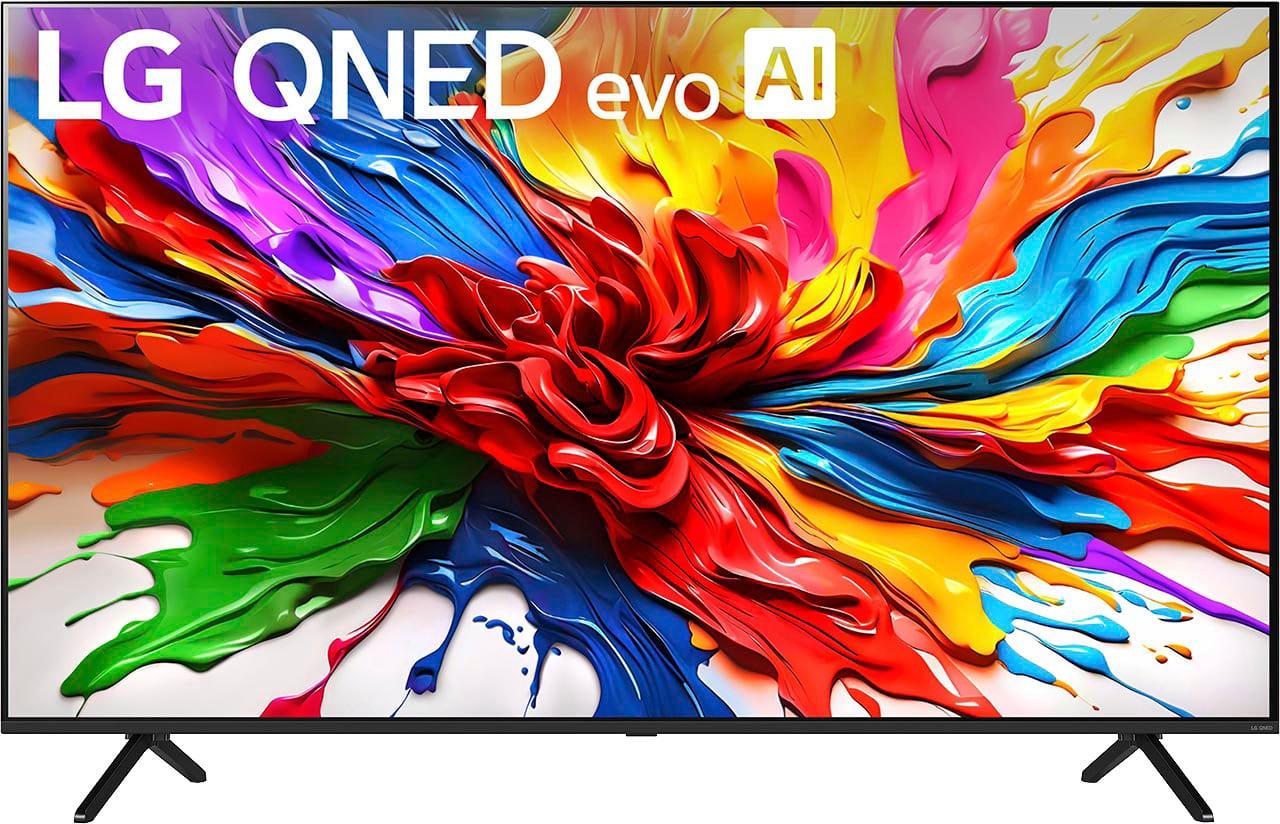
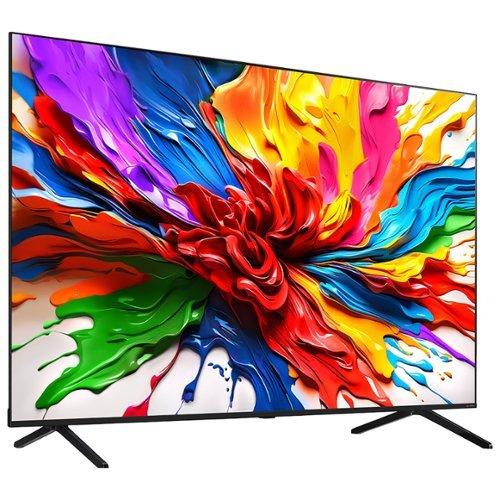
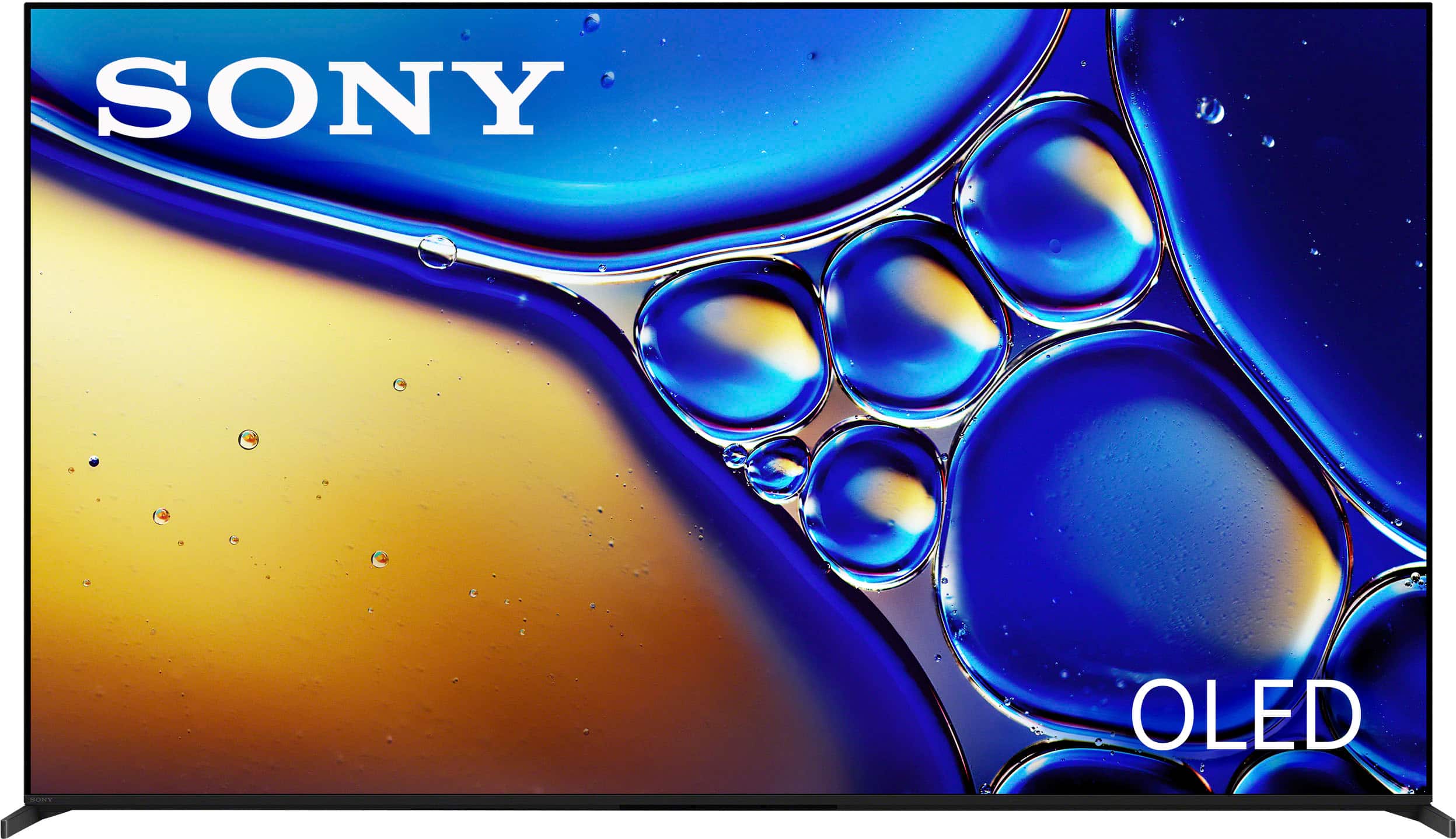
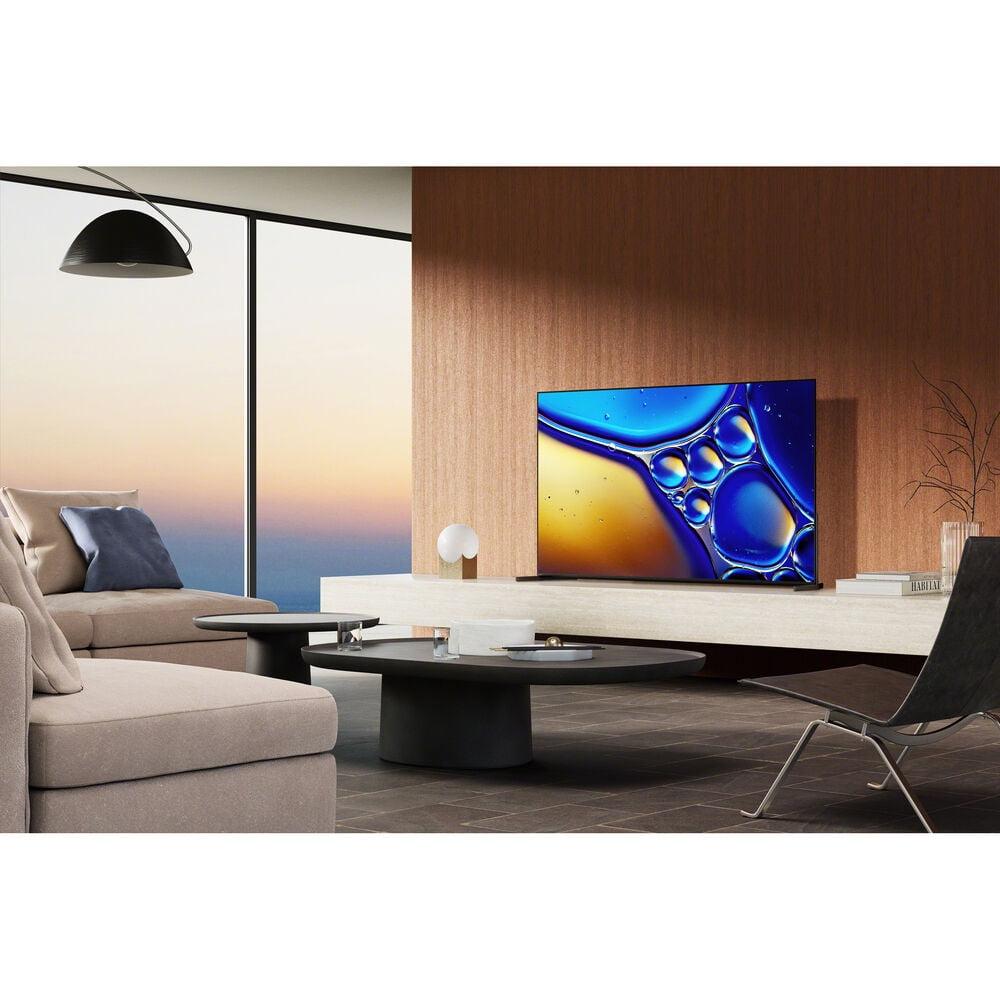
Shopping for a premium 65-inch TV in 2025? You've probably narrowed it down to two excellent but very different options: the Sony BRAVIA 8 II QD-OLED at $3,098 and the LG QNED92A Mini LED at $1,682. Both hit the market in spring 2025, representing the latest evolution in TV technology, but they take completely different approaches to delivering stunning picture quality.
The fundamental choice here is between two competing display philosophies. Sony's BRAVIA 8 II uses QD-OLED technology—think of it as OLED's smarter cousin that combines self-lighting pixels with quantum dots for brighter, more colorful images. Meanwhile, LG's QNED92A employs Mini LED backlighting, which uses thousands of tiny LEDs behind an LCD panel to create precise lighting control that rivals OLED's contrast performance.
Having tested both technologies extensively, I can tell you each has distinct strengths that make them ideal for different situations. The question isn't which is objectively better—it's which is better for your specific room, viewing habits, and budget.
The Sony BRAVIA 8 II represents a significant leap forward from traditional OLED technology. QD-OLED combines organic light-emitting diodes (which create their own light) with quantum dots (microscopic crystals that convert blue light into precise red and green wavelengths). This fusion addresses OLED's historical weakness: brightness limitations.
Sony's implementation achieves around 1,880 nits of peak brightness—25% brighter than their previous flagship A95L. That might not sound revolutionary, but in practice, it means HDR highlights actually pop in moderately lit rooms. Each of the nearly 8.3 million pixels can turn completely off, creating true black that makes colors appear to float off the screen.
The quantum dot layer is where the magic happens. Instead of using color filters that block light (reducing brightness), quantum dots convert blue OLED light into pure red and green with virtually no energy loss. The result? Colors that are not just accurate, but actually more vibrant than what most people see in real life.
The LG QNED92A takes a different approach entirely. Mini LED technology shrinks traditional LED backlights down to just 1-2mm in size, allowing manufacturers to pack hundreds or even thousands of them behind the LCD panel. This creates what's called "local dimming zones"—areas that can independently brighten or dim to match the content.
LG's implementation includes quantum dots (similar to Sony's QD-OLED) and their proprietary NanoCell technology, which filters out impure light wavelengths. The combination, branded as QNED evo, delivers 97% coverage of the DCI-P3 color space—the standard used in digital cinemas.
Where Mini LED truly shines is peak brightness. The QNED92A can sustain over 1,500 nits across large portions of the screen, making it exceptional for bright rooms and HDR content with expansive bright scenes like outdoor sports or action movies.
Here's where the technology differences become immediately apparent. The Sony BRAVIA 8 II delivers what display engineers call "infinite contrast"—bright objects can appear next to pure black with zero light bleeding between them. Watch a movie with stars against deep space, and those stars will literally appear to hover above the screen surface.
The LG QNED92A gets close, but physics intervenes. Even with hundreds of dimming zones, some light inevitably bleeds from bright areas into dark ones. This creates subtle "blooming" or "haloing" around bright objects on dark backgrounds. It's dramatically reduced compared to older LED TVs, but it's still visible if you're looking for it.
In practice, this difference matters most with specific content types. Dark, atmospheric movies like "Blade Runner 2049" showcase the Sony's advantage dramatically. But with most everyday content—sitcoms, news, sports—the difference becomes less noticeable.
This is where the LG QNED92A fights back aggressively. While the Sony BRAVIA 8 II excels at making bright objects pop from dark backgrounds, the LG can make entire scenes blindingly bright when needed.
Consider a sunny beach scene in HDR: the Sony will render the white sand beautifully against dark shadows, but the LG will make that sand actually feel like it's reflecting sunlight. This difference becomes crucial in bright living rooms where ambient light washes out dimmer displays.
The Sony's 1,880 nits might sound competitive, but that's measured in small highlights. The LG can sustain 1,500+ nits across much larger areas, creating a more impactful overall HDR experience with content that features large bright elements.
Both TVs excel here, but with different strengths. The Sony BRAVIA 8 II's QD-OLED technology produces colors that are both accurate and impossibly pure. Reds look like actual roses, not digital approximations. Skin tones have the subtle variations you see in real life, not the plastic perfection of over-processed video.
Sony's XR Triluminos Max processing analyzes each scene and adjusts colors based on how humans actually perceive them, not just how they measure on instruments. The result feels almost three-dimensional—images have depth and naturalness that's immediately apparent.
The LG QNED92A takes a more traditional but highly effective approach. Its quantum dot and NanoCell combination delivers 100% color volume, meaning it can reproduce accurate colors at any brightness level. While not quite matching the Sony's color purity, it comes remarkably close while maintaining superior brightness.
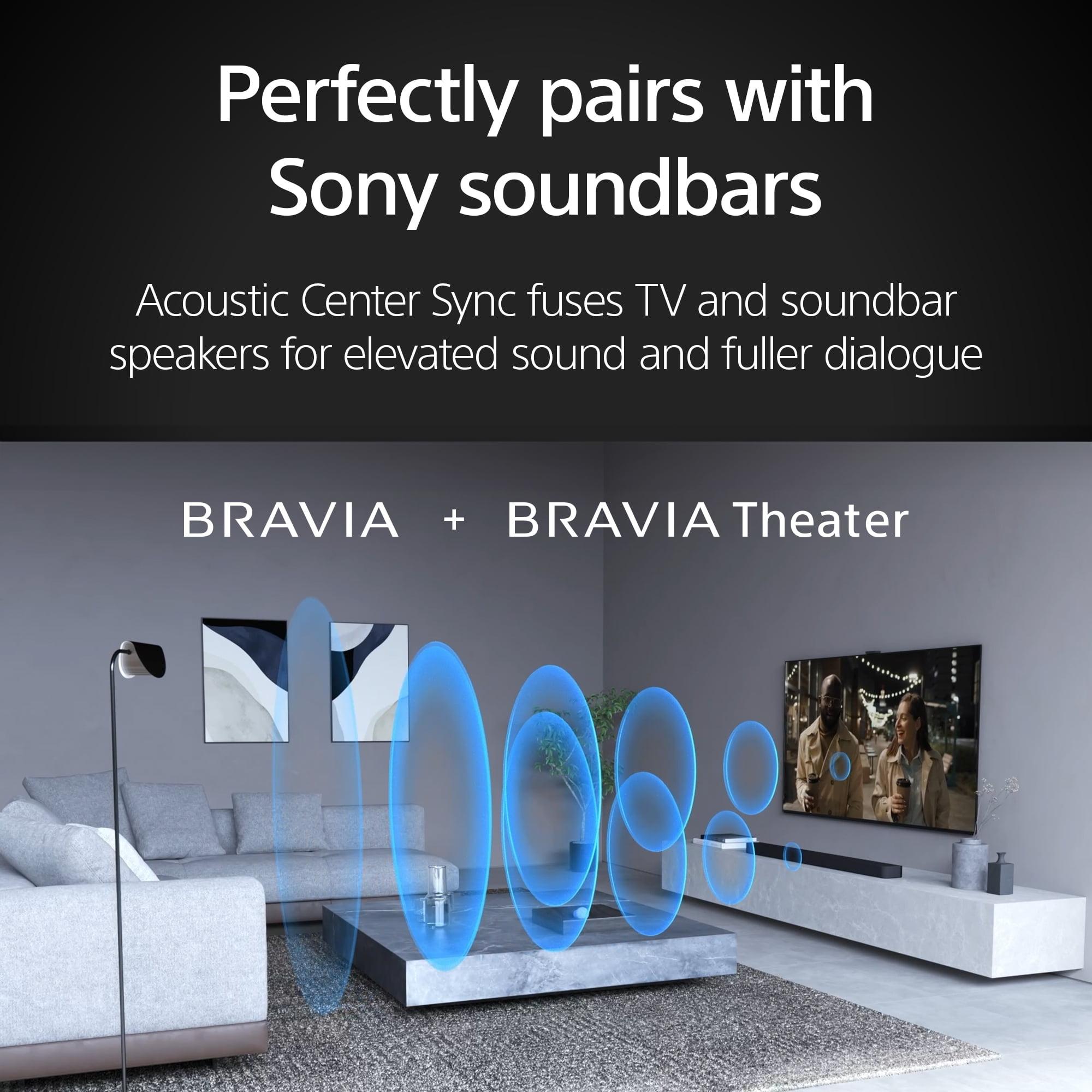
Here's where the Sony BRAVIA 8 II delivers an unexpected knockout punch. Its Acoustic Surface Audio+ technology essentially turns the entire 65-inch screen into a speaker. Actuators behind the panel vibrate the screen itself, while dedicated subwoofers handle bass.
The result is genuinely impressive: dialogue appears to come directly from actors' mouths rather than from speakers below the screen. When a helicopter flies across the screen, the sound follows it precisely. It's not just a gimmick—it's fundamentally better than traditional TV speakers.
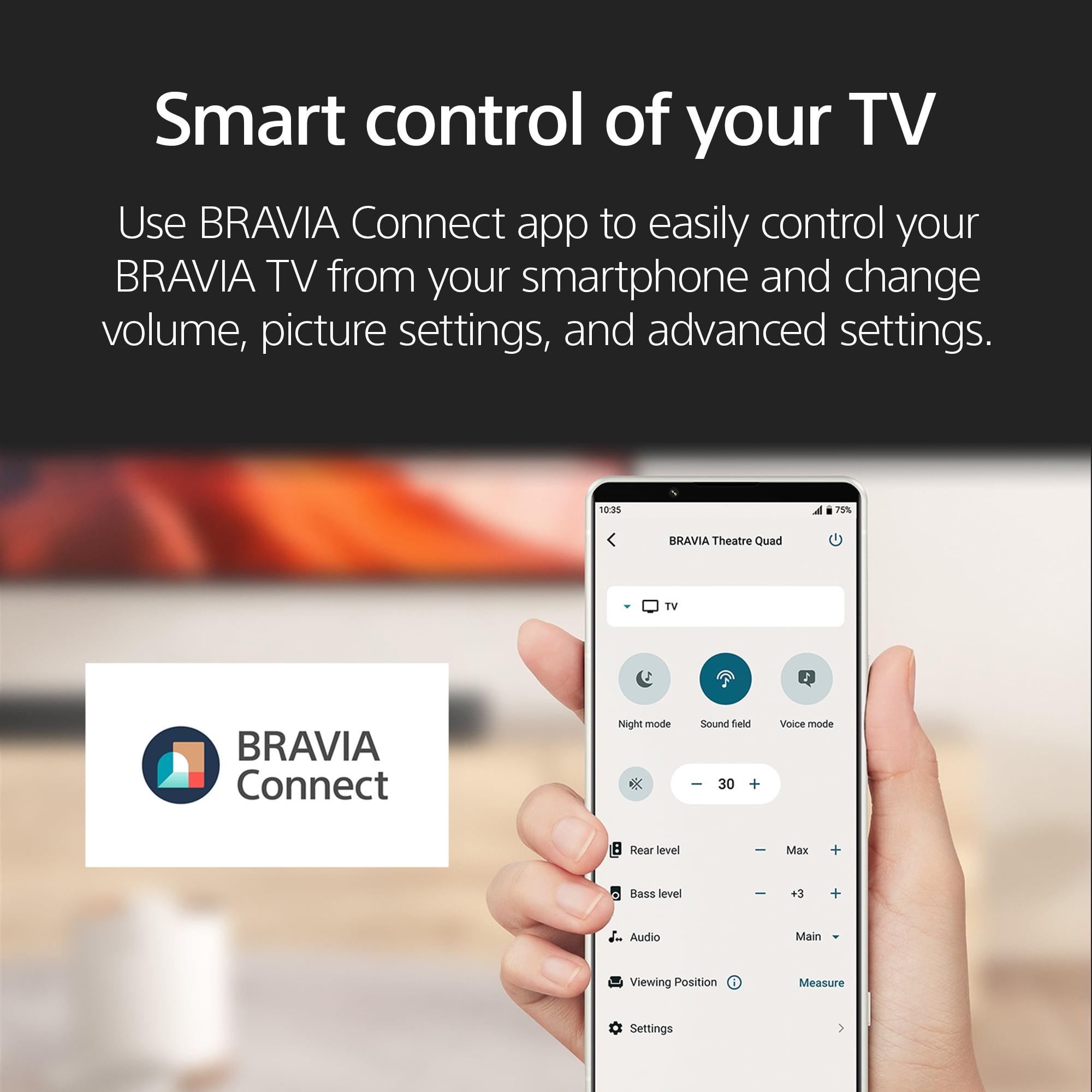
The system even supports Sony's S-Center input, allowing the TV to function as the center channel in a surround sound setup. This is particularly valuable for home theater enthusiasts who want clear dialogue without immediately investing in a full soundbar.
The LG QNED92A uses a conventional 2.2 channel speaker system enhanced by AI Sound Pro processing. While decent, it can't match the Sony's spatial audio experience. However, at $1,416 less than the Sony, you could invest in a quality soundbar and still save money.
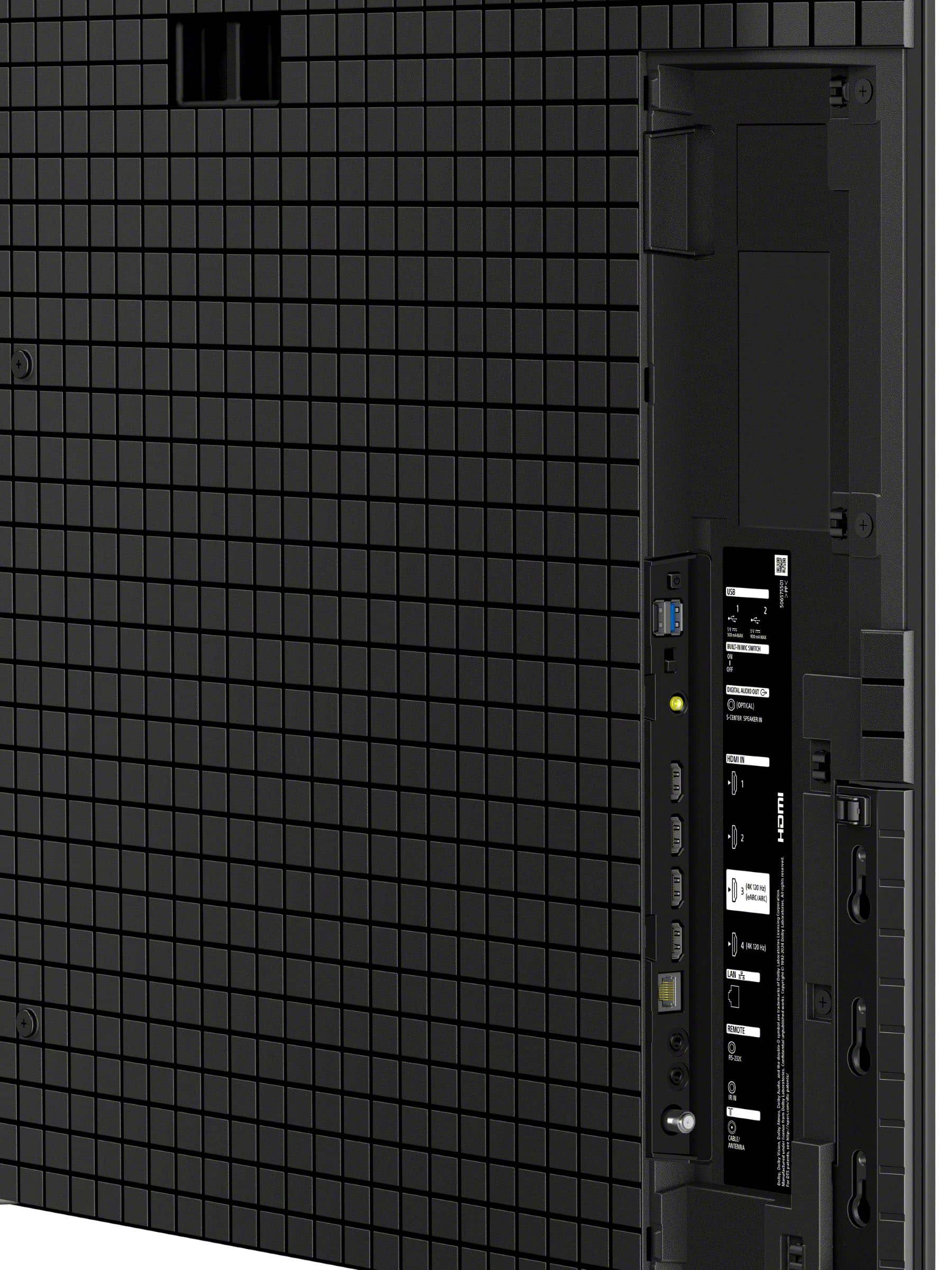
Modern gaming demands specific features, and both TVs deliver—but with different strengths. The LG QNED92A wins on pure connectivity, offering four HDMI 2.1 ports capable of 4K at 120Hz with Variable Refresh Rate (VRR) support. This means you can connect a PlayStation 5, Xbox Series X, gaming PC, and still have a port free for other devices.
Input lag measures an excellent 9.6ms on the LG—fast enough that even competitive gamers won't notice any delay. The Game Optimizer provides quick access to gaming-specific settings, while built-in GeForce NOW and Xbox Cloud Gaming eliminate the need for additional hardware.
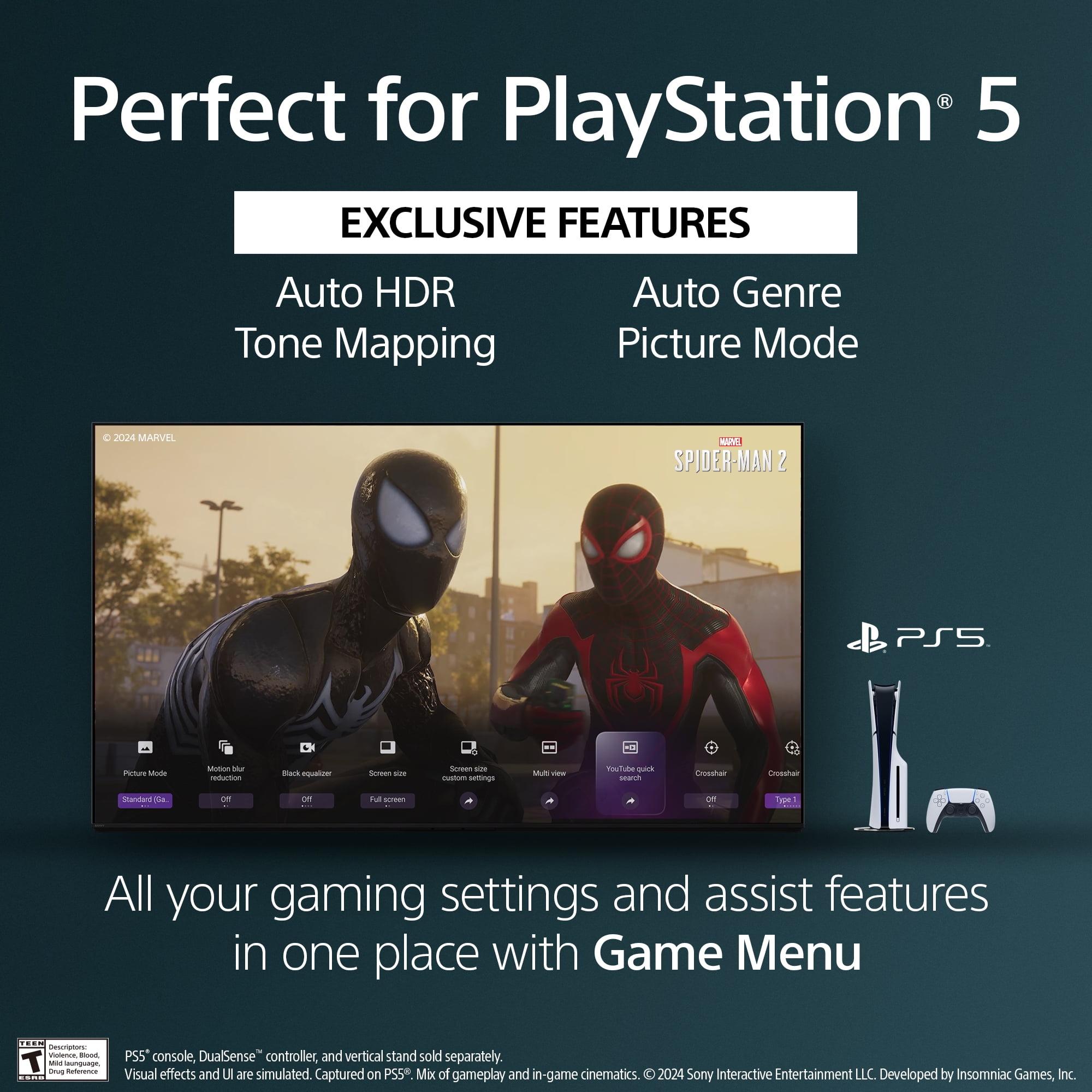
The Sony BRAVIA 8 II offers only two HDMI 2.1 ports, which might limit complex gaming setups. However, its 8.5ms input lag is even lower, and it includes PlayStation-specific optimizations that enhance HDR gaming and automatically switch to appropriate picture modes.
For home theater gaming—where you're primarily using one or two consoles—the Sony's superior picture quality often trumps the LG's connectivity advantage. But for dedicated gaming rooms with multiple systems, the LG's four HDMI 2.1 ports become essential.
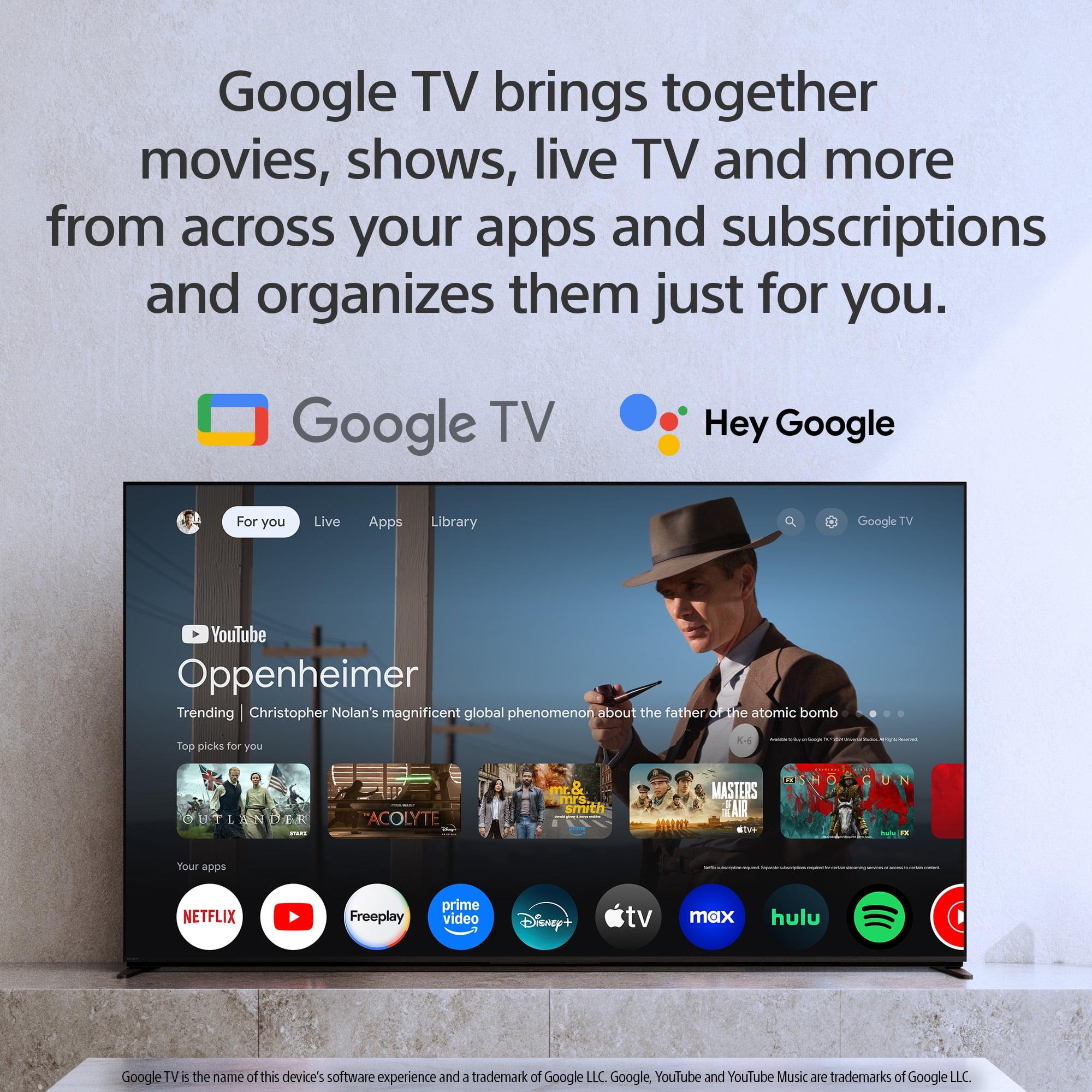
Both TVs run modern, capable smart platforms, but with different philosophies. The Sony BRAVIA 8 II uses Google TV, which excels at content discovery and integrates seamlessly with Google's ecosystem. The interface is clean and responsive, though some users find Google's data collection concerning.
The LG QNED92A runs webOS 25, LG's mature and polished smart platform. The Magic Remote with its point-and-click interface feels more intuitive than traditional directional remotes, and the platform includes over 300 free channels through LG Channels.
More importantly, LG commits to five years of software updates through their Re:New Program, while Sony typically provides 3-4 years of support for premium models. Given how quickly smart TV platforms evolve, this extended support could add years to the TV's useful life.
Your viewing environment often determines which TV will perform better. The Sony BRAVIA 8 II excels in controlled lighting situations. Home theaters, media rooms, or living rooms where you can dim the lights will showcase its perfect blacks and accurate colors dramatically.
However, in bright family rooms with large windows, the Sony's limitations become apparent. While 25% brighter than previous Sony OLEDs, it still can't match the LG QNED92A's sustained brightness. Daytime viewing in sunlit rooms favors the LG significantly.
The LG's anti-glare properties also help with reflection management, though neither TV is particularly strong in this area compared to Samsung's anti-reflective coatings.
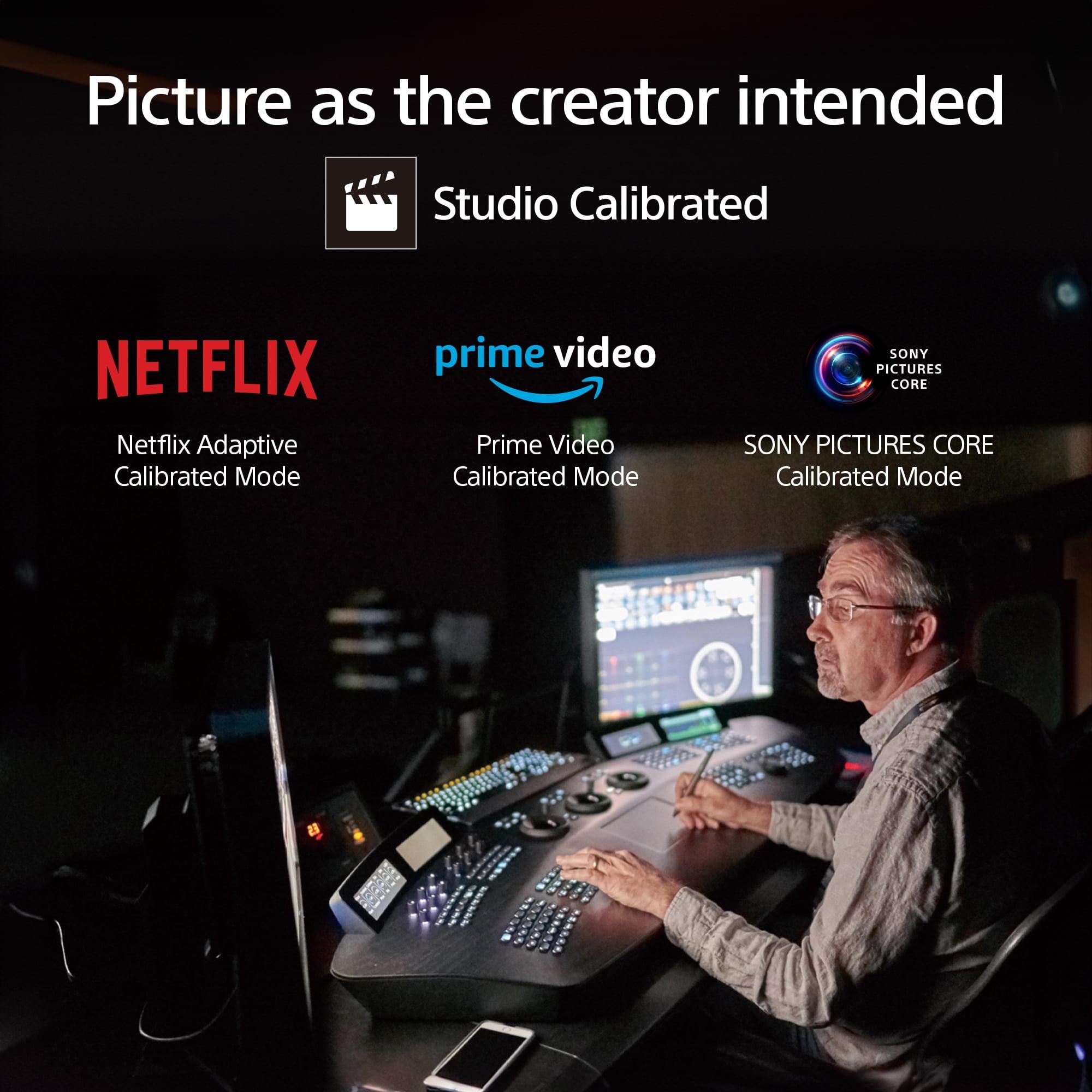
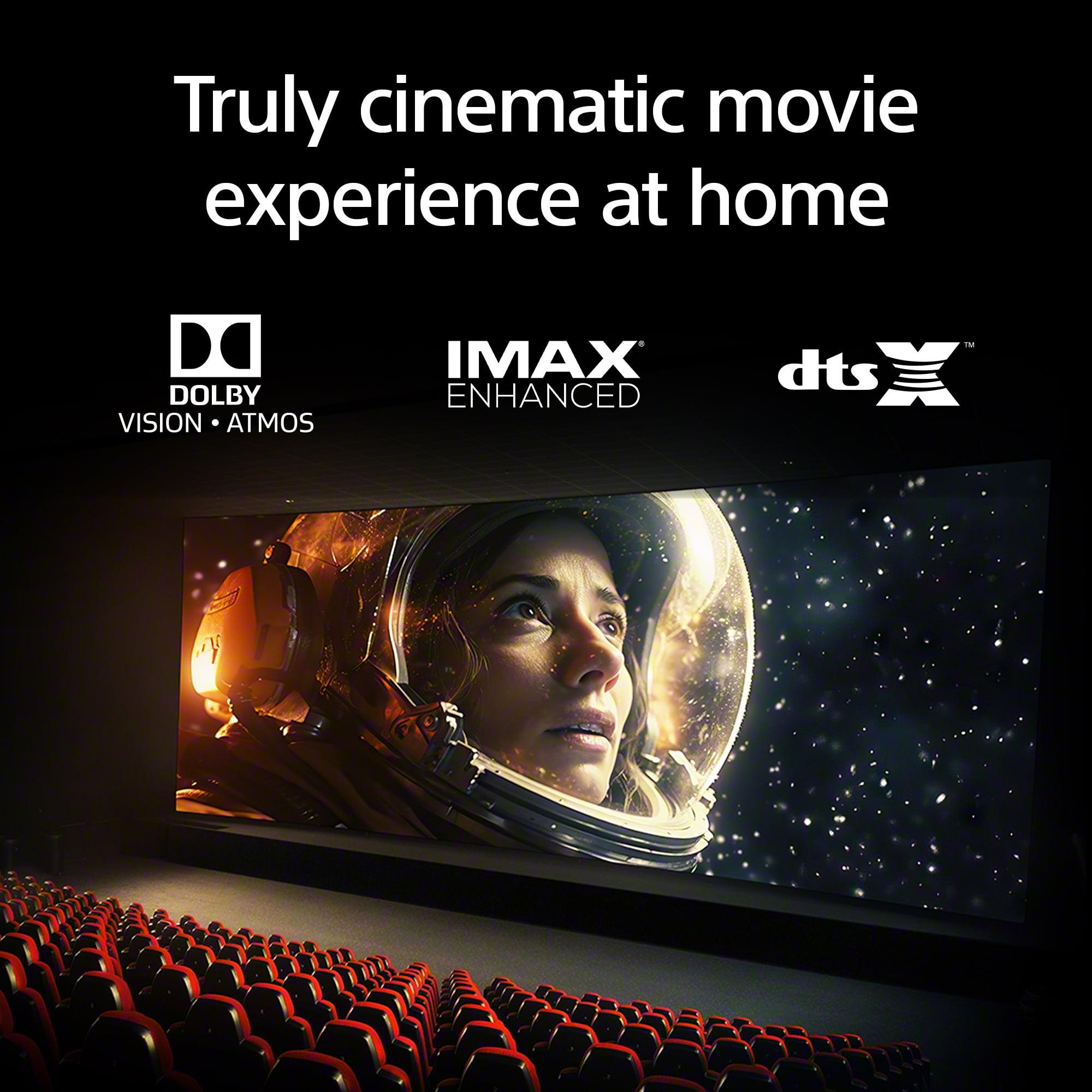
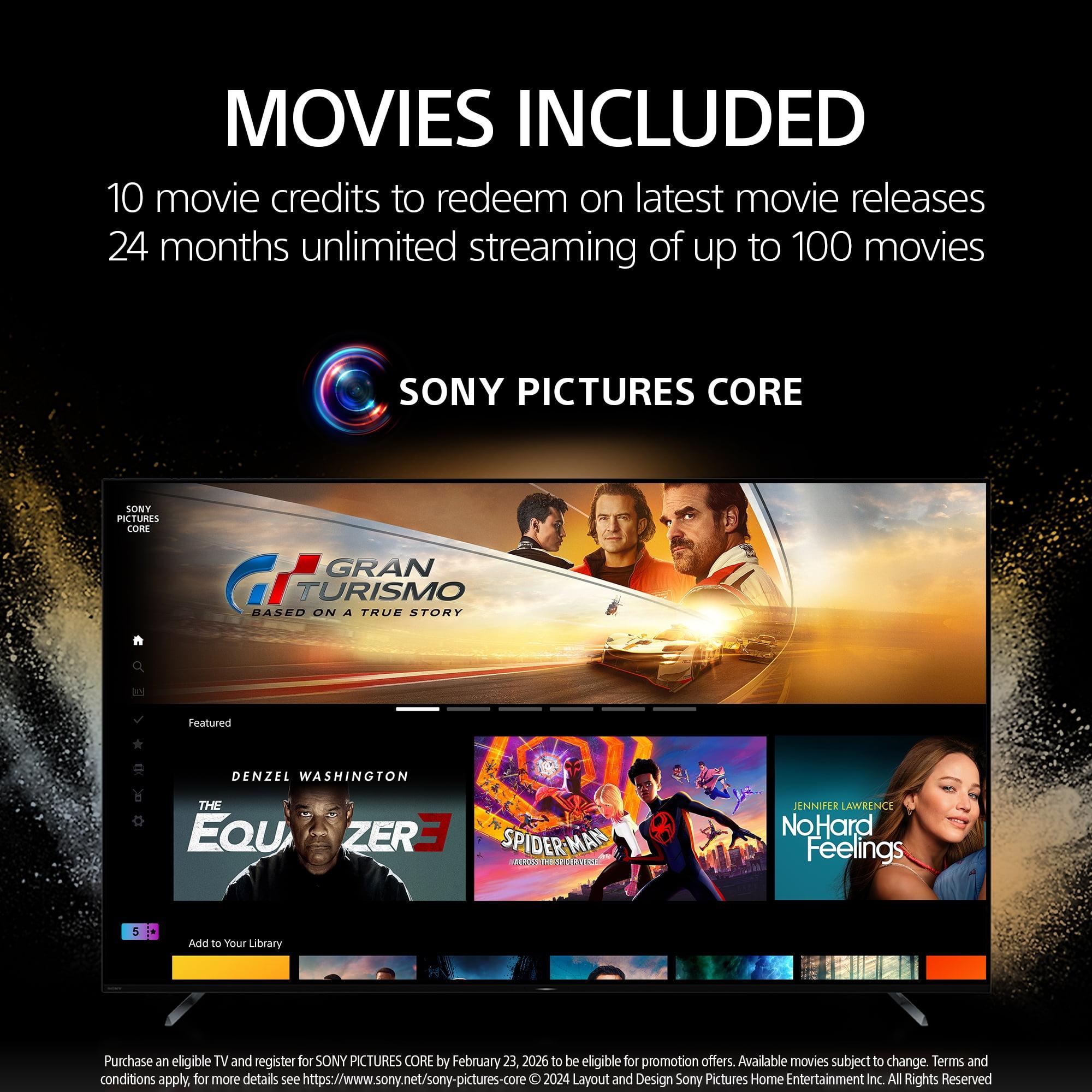
Different content types favor different technologies. The Sony BRAVIA 8 II transforms movie watching with its perfect blacks and cinema-grade color accuracy. Netflix's Calibrated Mode, Prime Video's Calibrated Mode, and Sony Pictures Core's Calibrated Mode ensure you're seeing content exactly as directors intended.
Sports and news programming often favor the LG QNED92A's higher brightness and punch. Stadium lighting, bright uniforms, and news studio graphics benefit from sustained high brightness that the LG delivers more effectively.
Gaming splits the difference: atmospheric single-player games showcase the Sony's contrast beautifully, while bright, colorful multiplayer games often look more impactful on the LG's brighter panel.
At $1,682, the LG QNED92A represents exceptional value in the premium TV market. You're getting 90% of flagship performance at 54% of the Sony's $3,098 price. For most users in most rooms, the LG provides a more practical balance of performance and cost.
The Sony's premium pricing reflects its cutting-edge technology and superior picture quality, but you're paying a significant premium for that last 10% of performance. If you're building a dedicated home theater or are a serious movie enthusiast, that premium might be justified.
Consider total system cost too: the Sony's excellent built-in audio might delay or eliminate the need for a soundbar, while the LG's conventional speakers practically demand external audio enhancement.
Choose the Sony BRAVIA 8 II if you prioritize absolute picture quality, can control your room's lighting, and primarily watch movies or high-end streaming content. Its perfect blacks, accurate colors, and excellent built-in audio create a premium viewing experience that justifies the higher price for serious enthusiasts.
Choose the LG QNED92A if you want excellent performance in any room, need multiple gaming connections, or prefer exceptional value over ultimate performance. Its bright picture, versatile performance, and lower price make it ideal for families and mixed-use environments.
Both represent the current state-of-the-art in their respective technologies. The Sony pushes the boundaries of what's possible with OLED, while the LG demonstrates how good Mini LED can be when properly implemented. Your choice should align with your room, content preferences, and how much that final increment of performance is worth to your specific situation.
In my experience, most people will be thoroughly satisfied with either choice—they're both genuinely excellent TVs that represent meaningful improvements over previous generations. The "wrong" choice is often simply not choosing at all and missing out on the significant advances both technologies offer over older TV technologies.

Privacy Policy
Terms and Conditions - Affiliate Policy
Home Security
© Copyright 2008-2026.
11816 Inwood Rd #1211, Dallas, TX 75244