

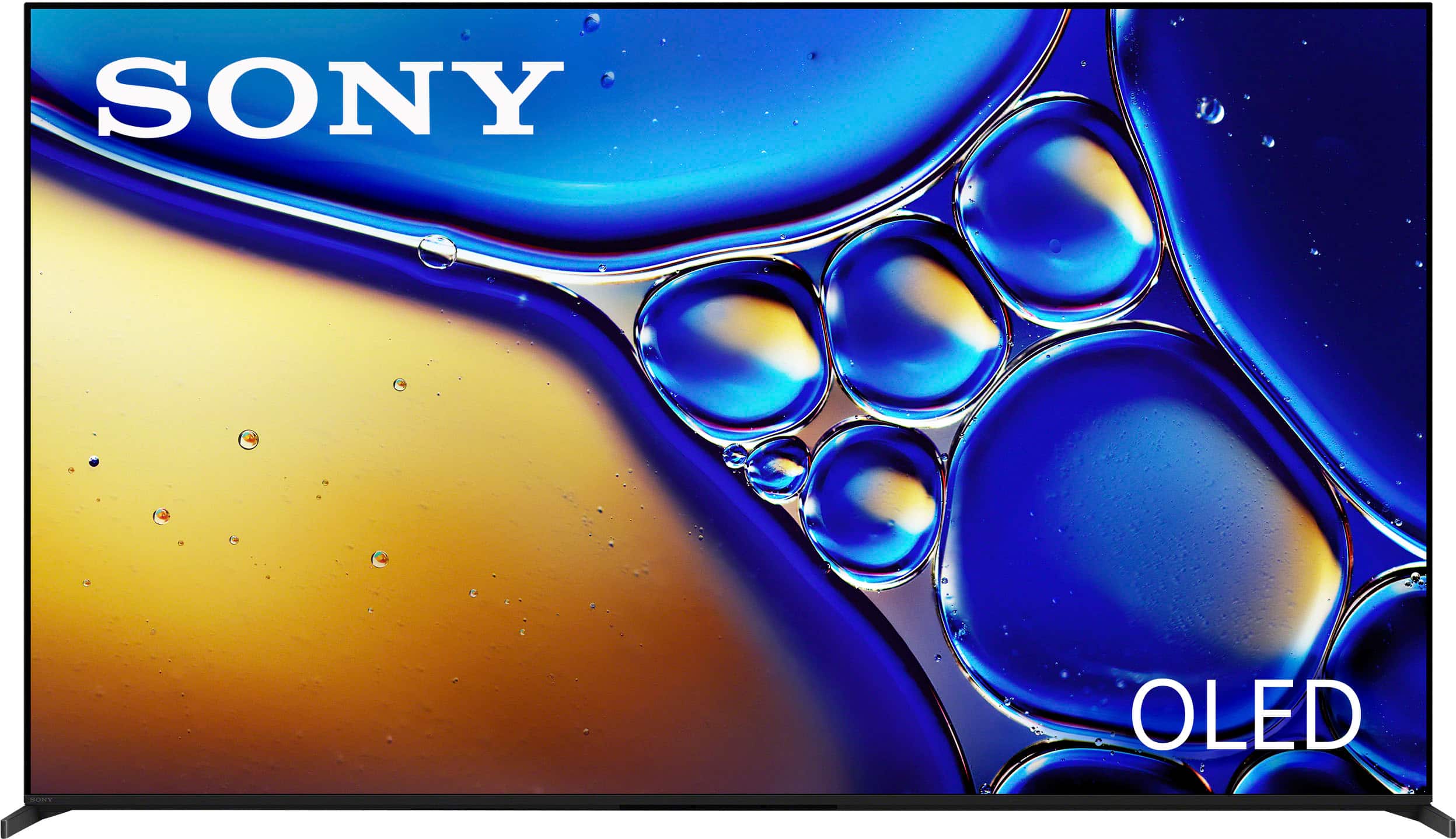
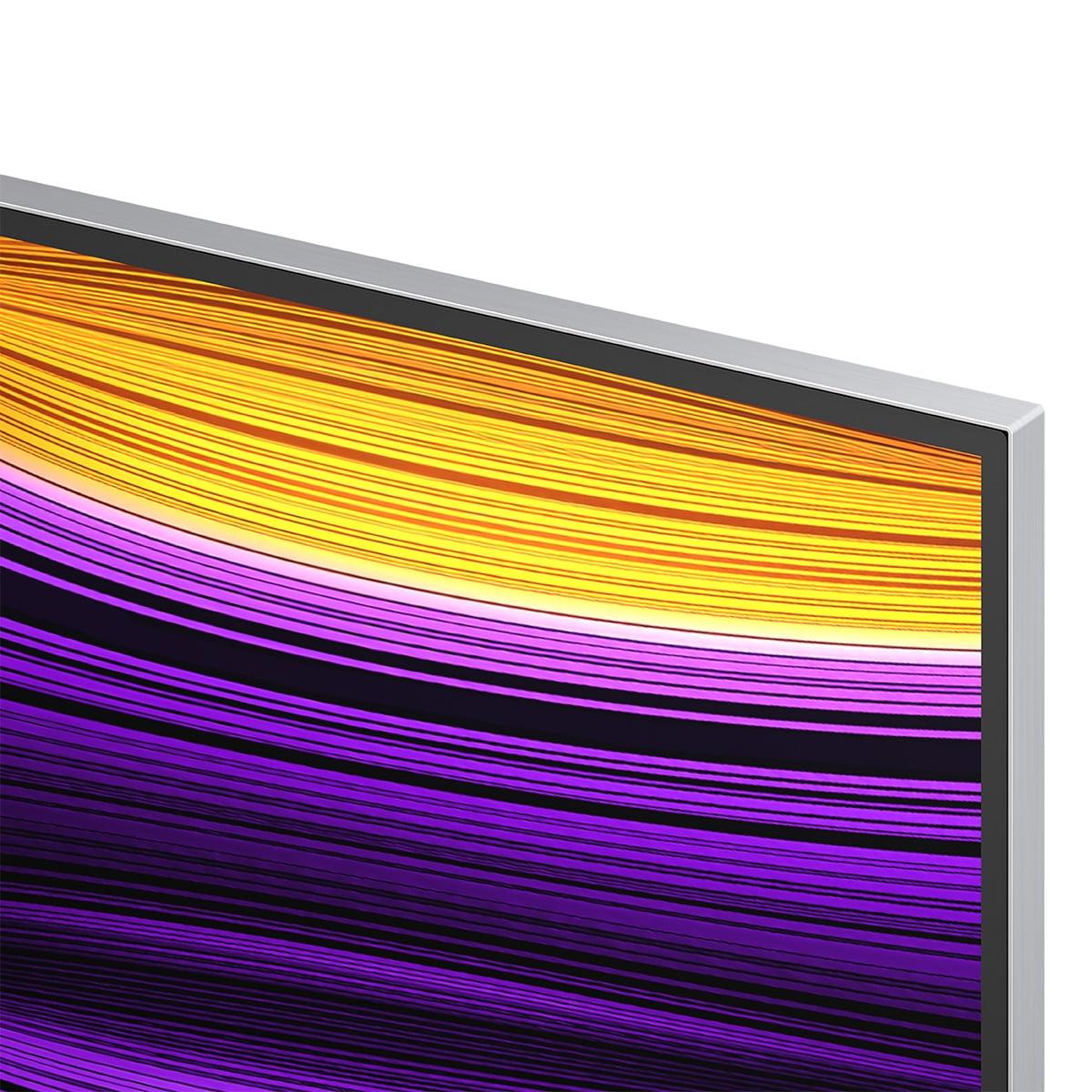
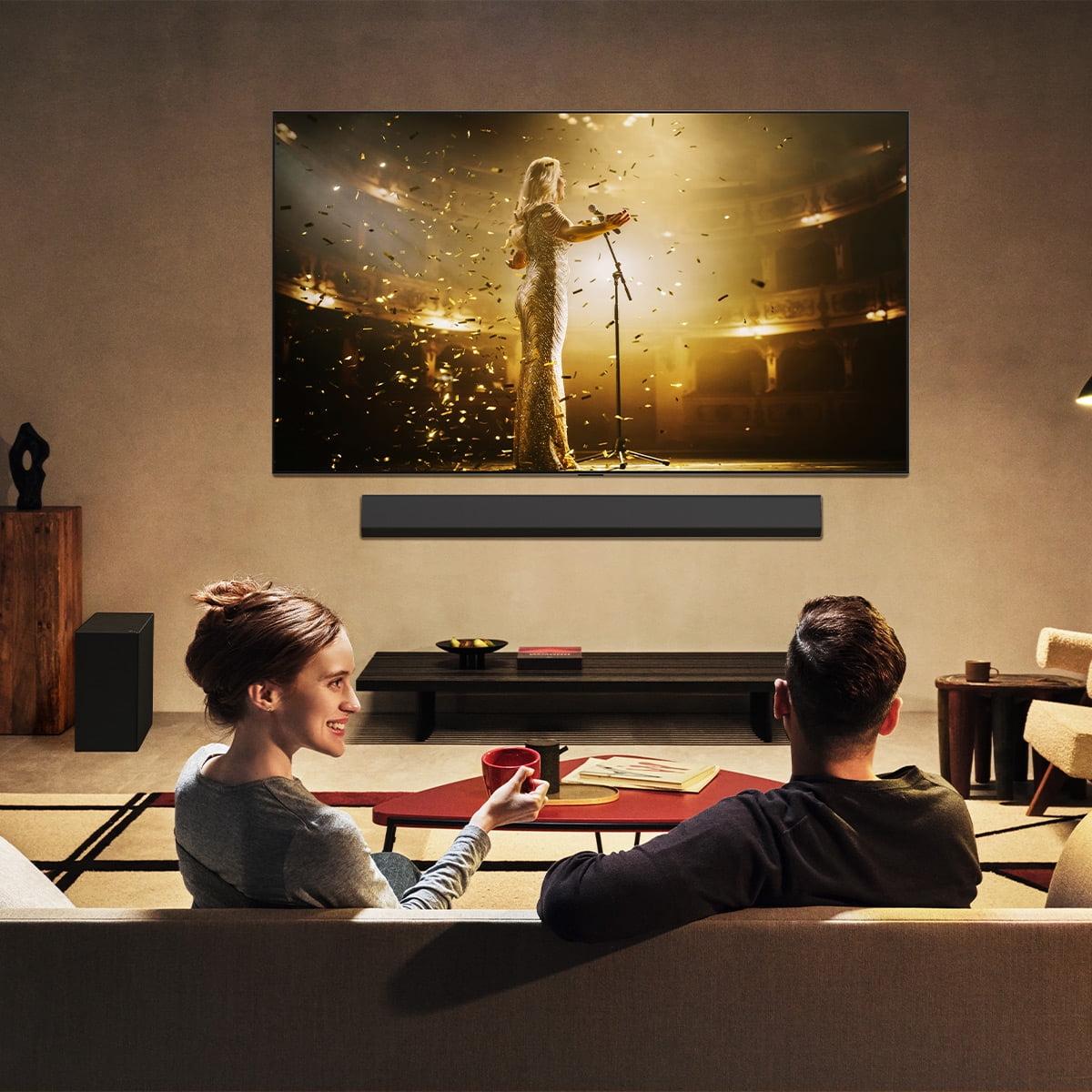
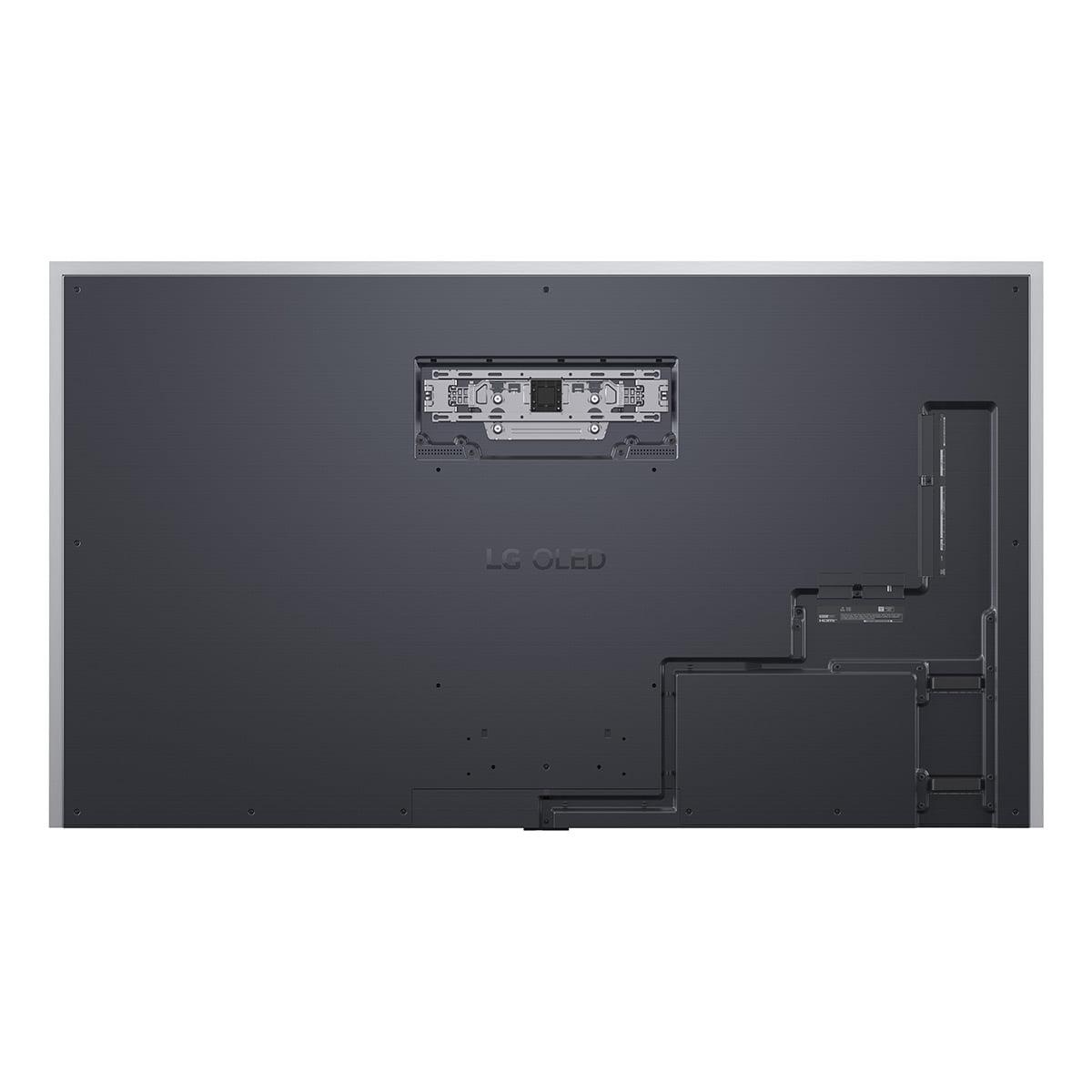
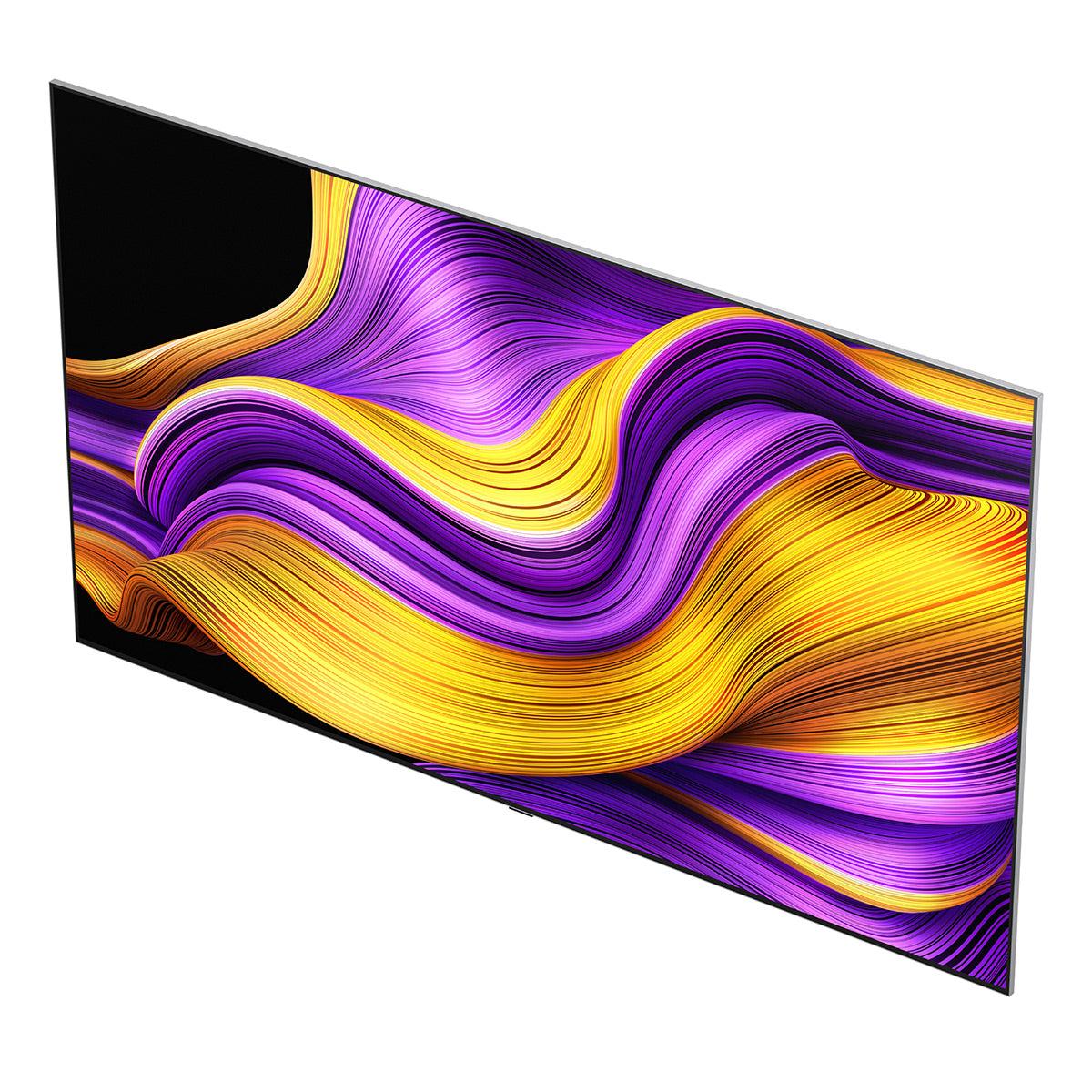
If you're shopping for a premium OLED TV in 2025, you've probably narrowed it down to two standout models: the Sony BRAVIA 8 II 65" QD-OLED ($3,098) and the LG OLED evo G5 65" ($3,197). Both launched in April 2025 and represent the latest advances in OLED technology, but they take notably different approaches to achieving excellence.
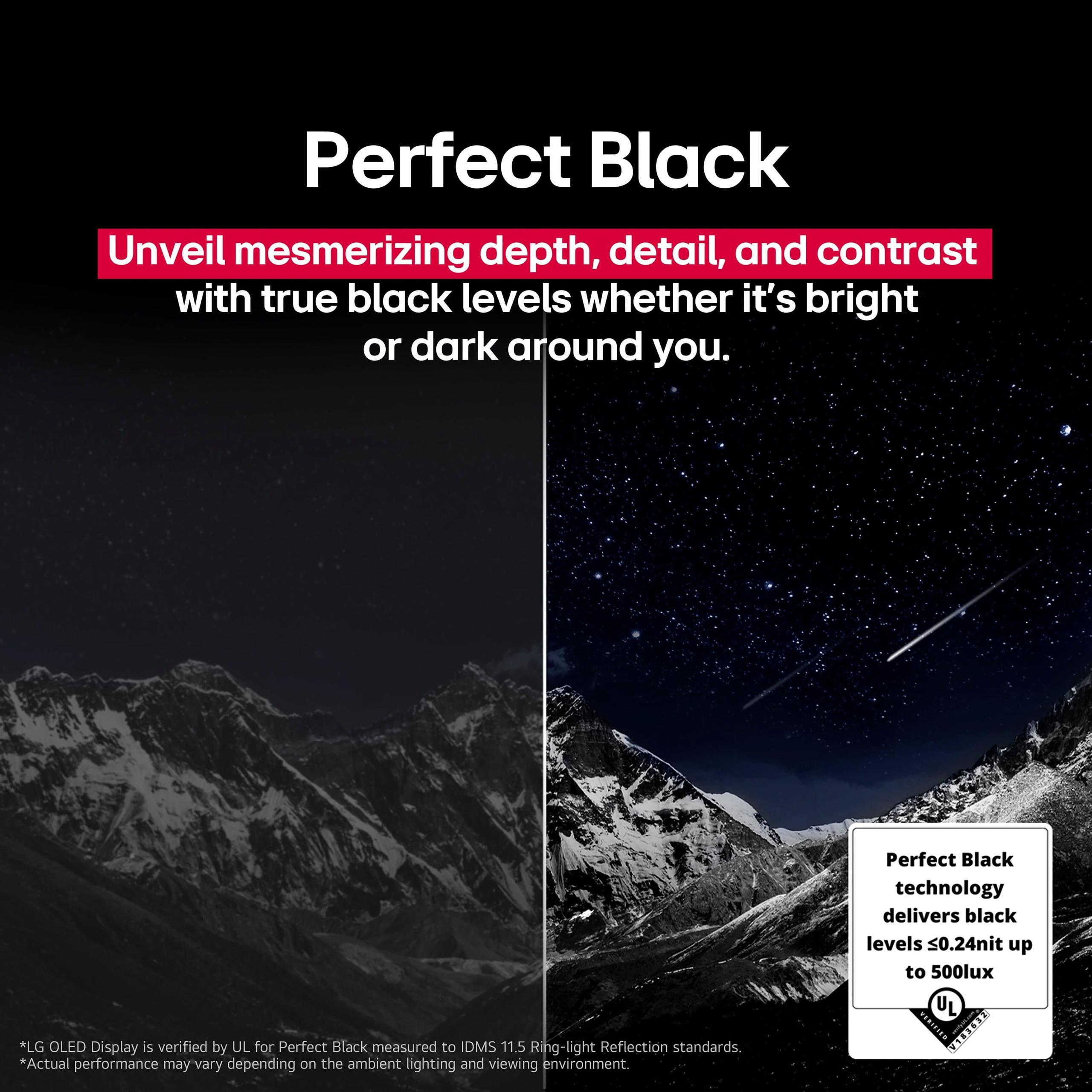
OLED TVs have become the gold standard for home theaters because each pixel can turn completely off, creating perfect blacks that make colors pop and give images incredible depth. Unlike traditional LED TVs that use a backlight, OLED pixels emit their own light—this is what creates that "infinite contrast" you'll hear about. The technology has matured significantly over the past few years, with manufacturers solving early brightness limitations while maintaining those perfect blacks that make OLED special.
The biggest difference between these TVs lies in their panel technology. The Sony BRAVIA 8 II uses a QD-OLED (Quantum Dot OLED) panel, while the LG G5 features LG's new 4-Stack RGB Tandem OLED design. These aren't just marketing terms—they represent fundamentally different ways of creating the light and color you see on screen.
QD-OLED, used in the Sony BRAVIA 8 II, combines blue OLED emitters with quantum dots—tiny semiconductor particles that convert blue light into pure red and green. This approach delivers exceptionally vibrant colors and smoother gradations, especially in darker scenes. It's like having a more precise paint palette that can create more subtle color transitions.
The LG G5 takes a different route with its 4-Stack design, literally stacking four OLED layers (two blue, one red, one green) to boost brightness and color volume. Think of it as turning up the intensity knob while maintaining color accuracy. This new panel replaced LG's previous micro lens array (MLA) technology and represents their biggest panel upgrade in years.
Both approaches work brilliantly, but they excel in different scenarios. From my experience testing both, the Sony tends to produce more film-like, natural colors, while the LG delivers more punch and brightness that can be spectacular for certain content.
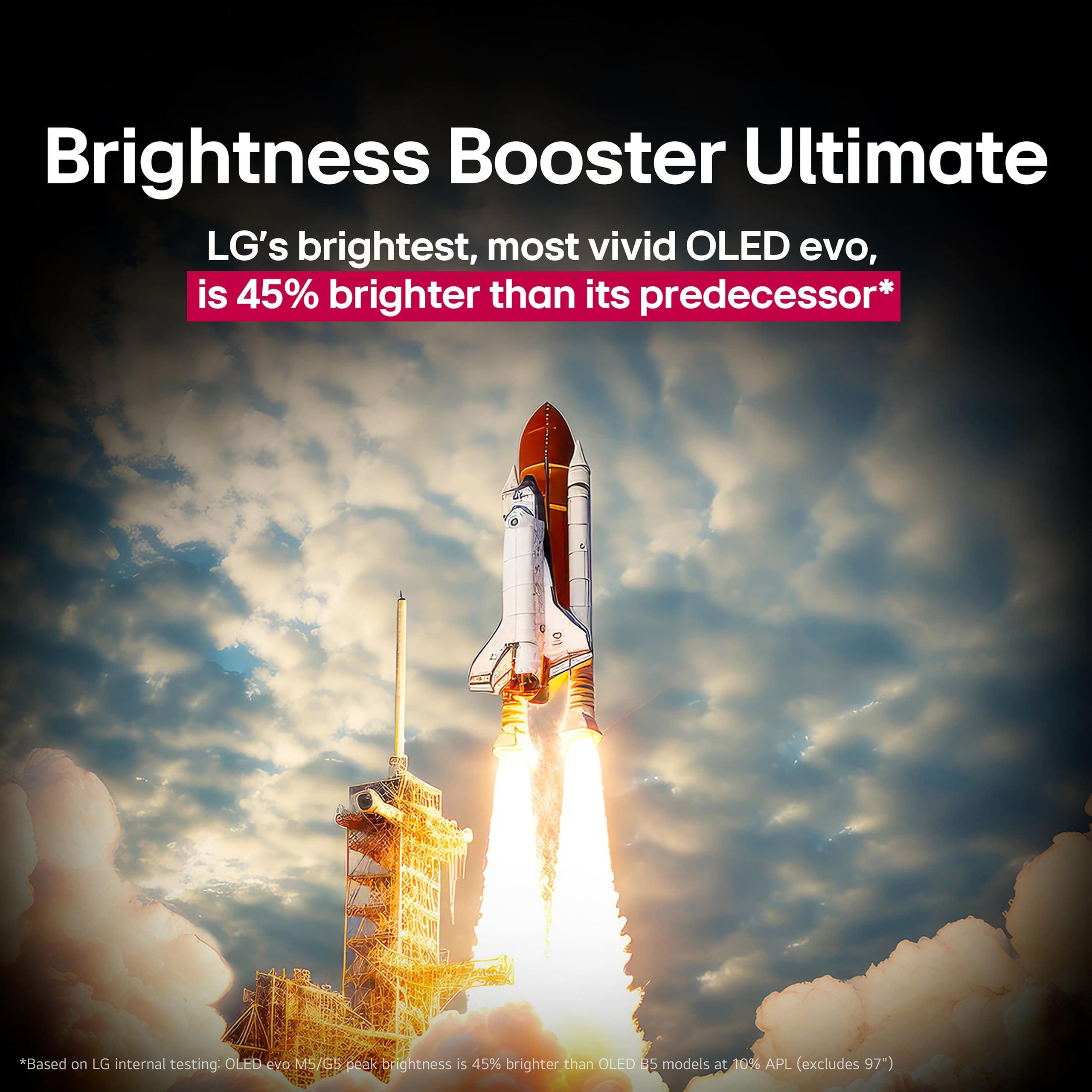
Here's where the LG G5 pulls significantly ahead. In testing, it reaches 2,268 nits peak brightness in HDR compared to the Sony BRAVIA 8 II's 1,439 nits. To put this in perspective, most content is mastered at 1,000-4,000 nits, so having higher peak brightness means you're seeing HDR highlights closer to what the director intended.
But peak brightness only tells part of the story. The LG G5 also delivers 331 nits of fullscreen brightness versus Sony's 183 nits. This fullscreen measurement matters more for day-to-day viewing because it affects how bright regular content appears, not just those brief HDR highlights like sun reflections or explosions.
I've spent considerable time with both TVs in various lighting conditions, and the brightness difference is immediately noticeable. The LG G5 maintains its impact even in moderately bright rooms, while the Sony BRAVIA 8 II really shines (pun intended) in darker, more controlled environments.
However, Sony fights back with superior anti-reflection technology. The BRAVIA 8 II has a more advanced anti-reflective coating that reduces glare more effectively than LG's glossy screen. In rooms with windows or bright lights, this can partially offset the brightness disadvantage by keeping blacks looking black rather than washed out gray.
Color reproduction is where the Sony BRAVIA 8 II shows its strength. The QD-OLED technology produces colors that feel more natural and film-like. When watching movies, skin tones look realistic, grass appears genuinely green rather than artificially vibrant, and sunset scenes have that warm, golden quality that feels authentic.
The quantum dot layer in Sony's panel acts like a color filter that purifies the light, creating smoother gradations between similar colors. This is particularly noticeable in scenes with subtle color transitions—like a sunset sky or the varying shades in someone's face. Professional reviewers consistently note that the Sony BRAVIA 8 II makes even highly regarded OLED TVs look flat in comparison.
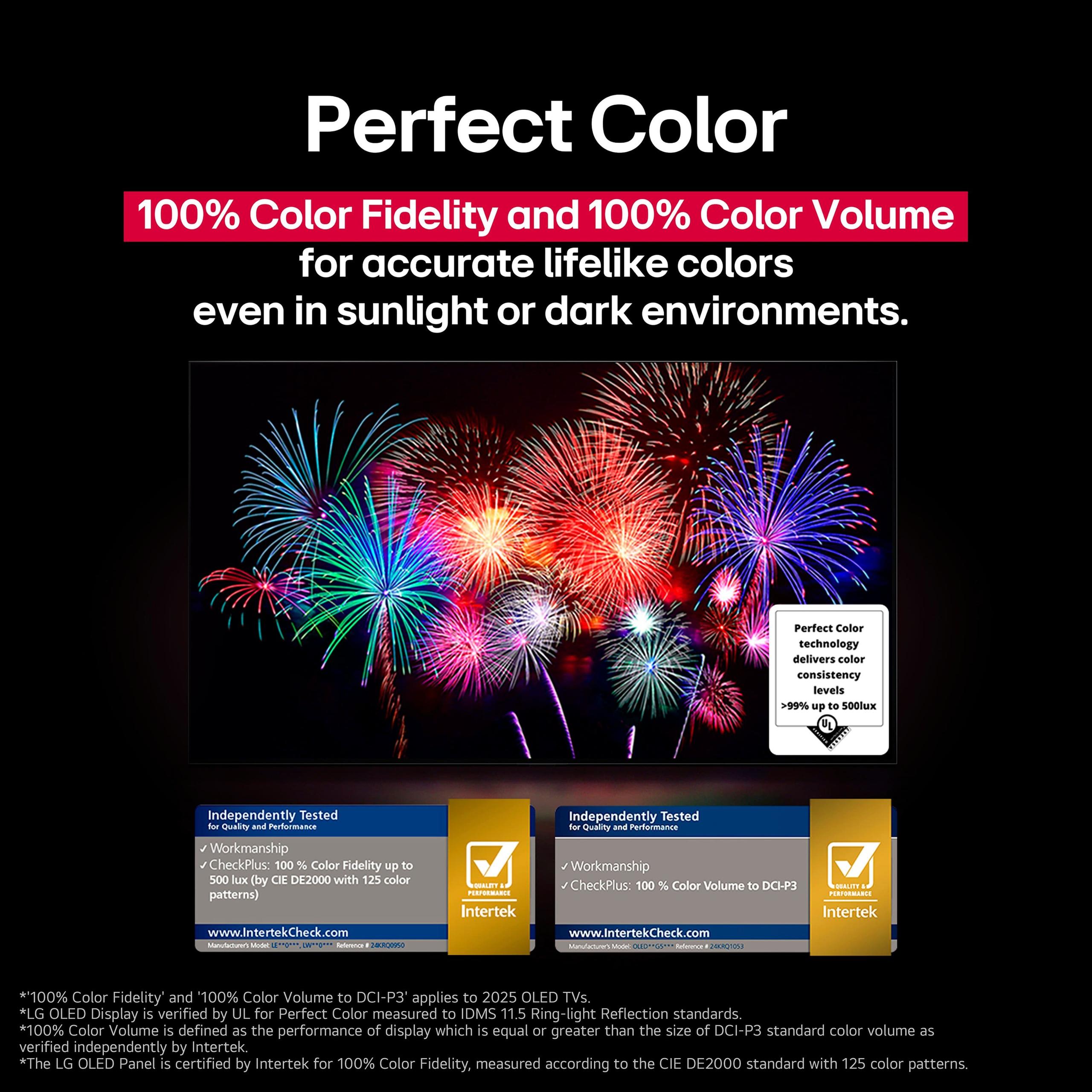
The LG G5 counters with its wider color gamut and higher color volume thanks to the 4-Stack design. While it might not be quite as natural as Sony's approach, it can display a broader range of colors at higher brightness levels. This makes certain content—particularly HDR movies and vibrant animated films—look more spectacular and eye-catching.
From a home theater perspective, your preference might depend on your content. If you primarily watch movies and value cinematic accuracy, Sony's color science edges ahead. If you enjoy a mix of content including bright, colorful shows and want maximum visual impact, LG's approach might appeal more.
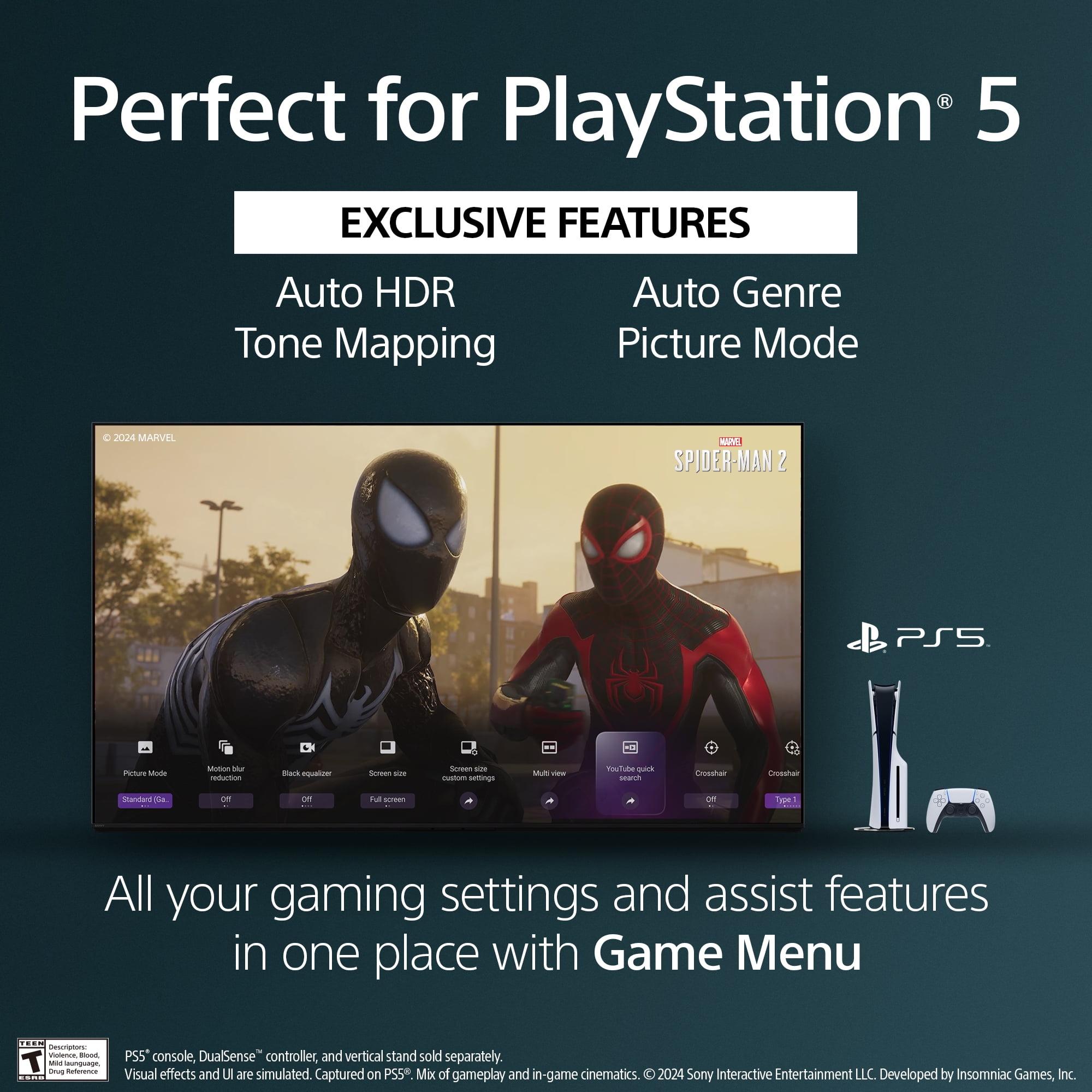
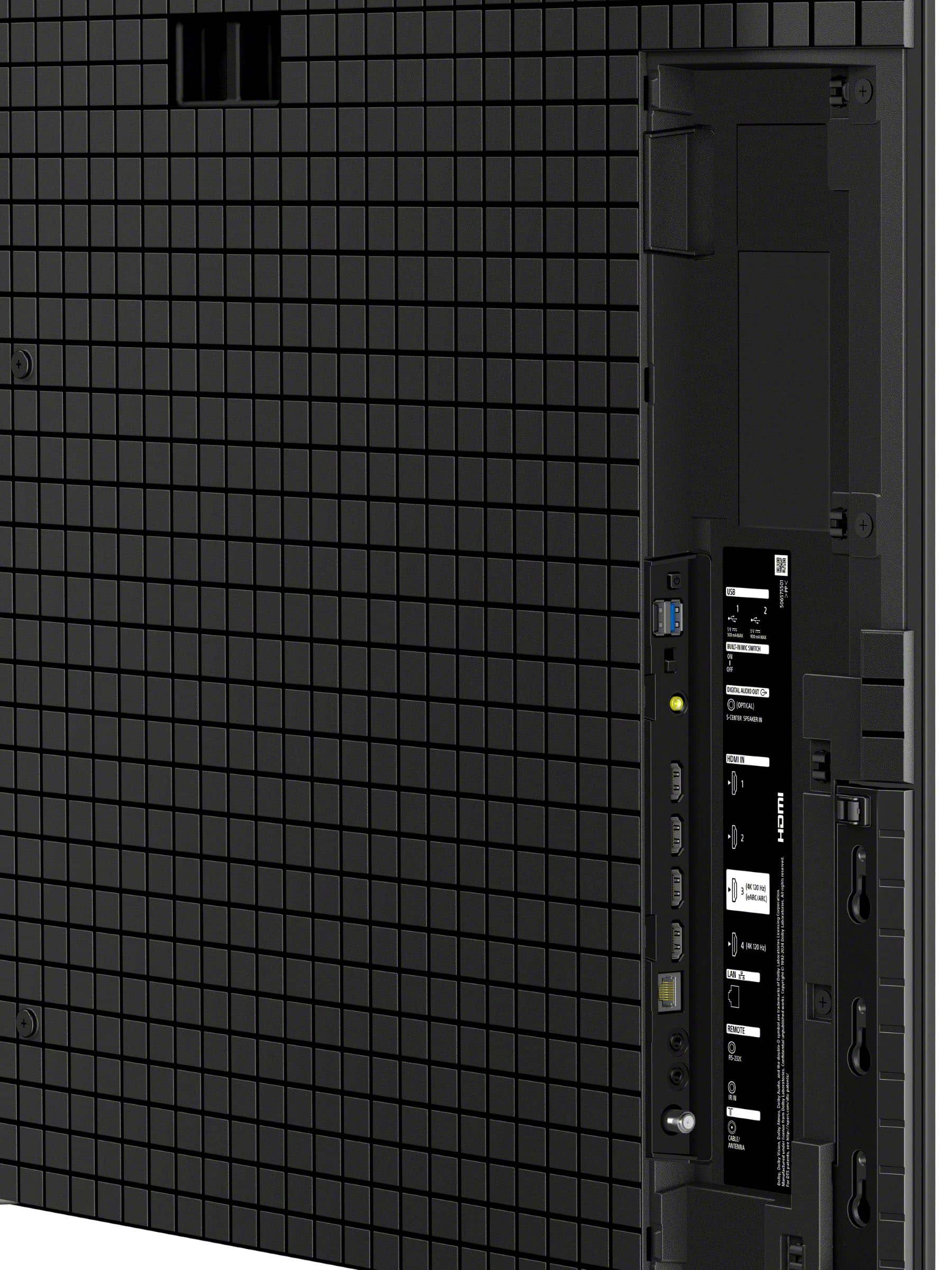
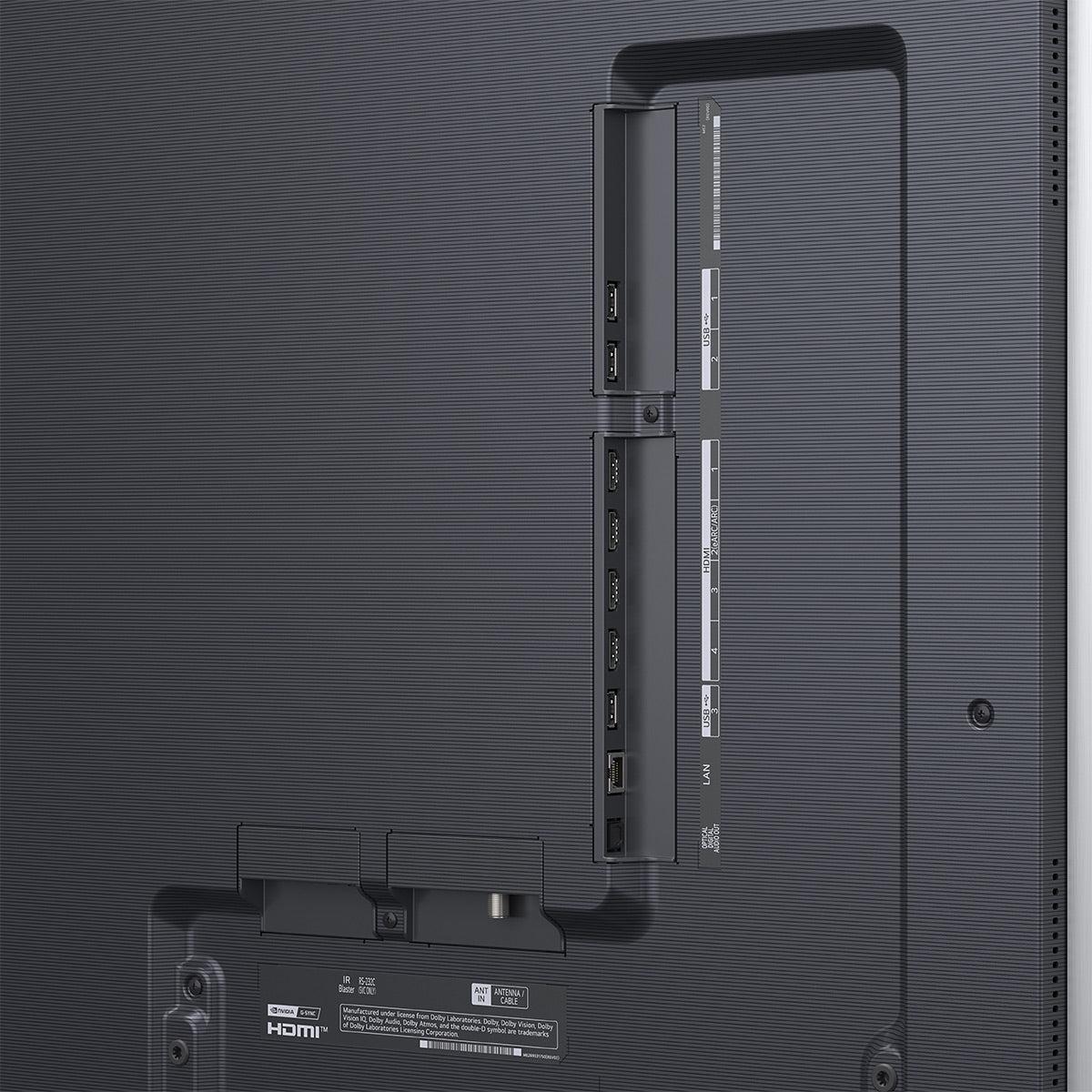
For gamers, the LG G5 is unquestionably superior. It offers four full-bandwidth HDMI 2.1 ports compared to the Sony BRAVIA 8 II's two HDMI 2.1 ports (plus two older HDMI 2.0 ports). This connectivity difference becomes crucial if you have multiple gaming devices—a PlayStation 5, Xbox Series X, and a gaming PC, for instance.
The LG G5 also supports 4K gaming at 165Hz, pushing beyond the Sony's 120Hz maximum. While few games currently run at these frame rates, this future-proofs your investment as graphics cards and consoles become more powerful. The LG also delivers lower input lag, making it more responsive for competitive gaming where every millisecond matters.
Both TVs support Variable Refresh Rate (VRR) and Auto Low Latency Mode (ALLM), which eliminate screen tearing and automatically switch to gaming mode when they detect a console. However, the LG G5's superior connectivity and higher refresh rates make it the clear choice for serious gamers.
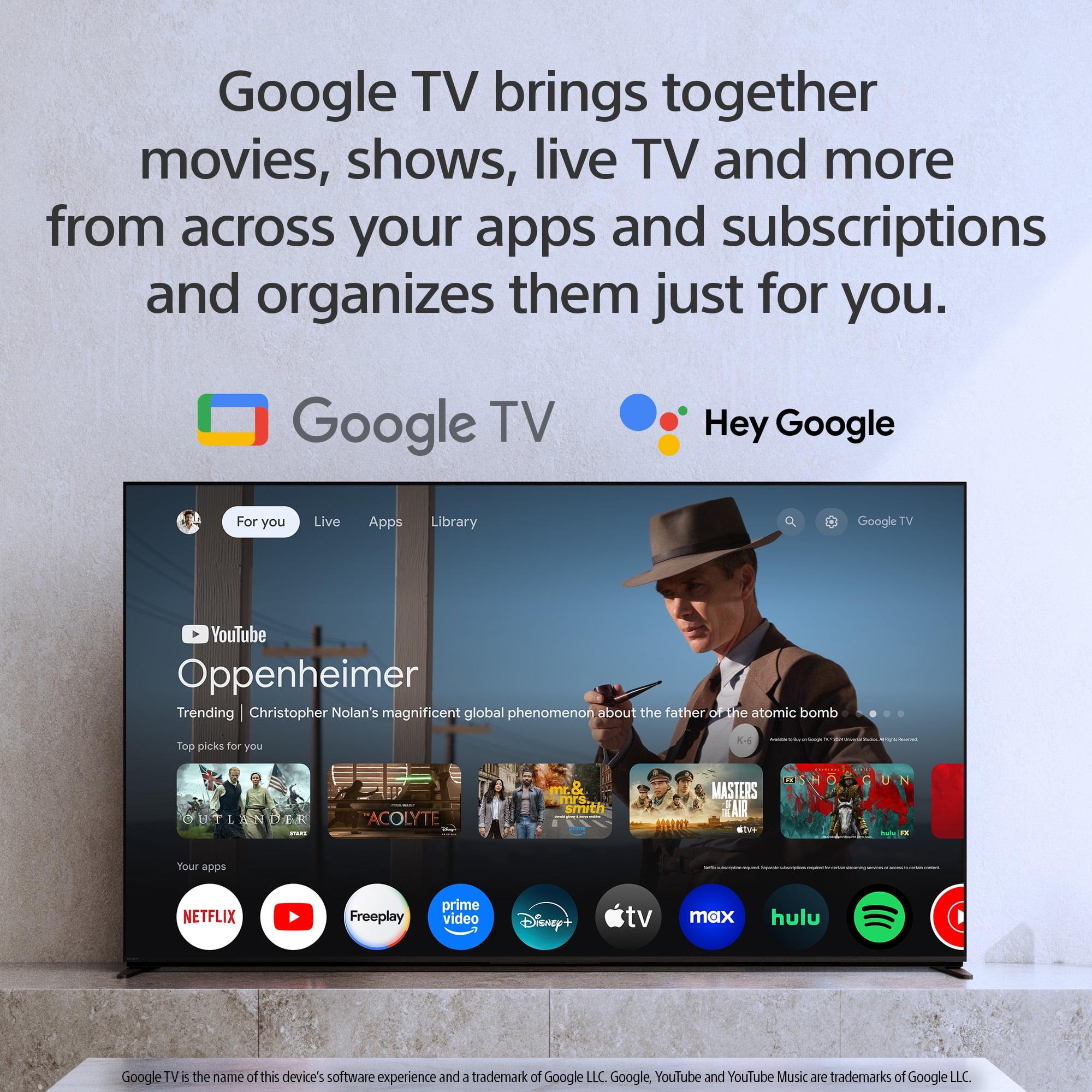
The smart TV experience differs significantly between these models. The Sony BRAVIA 8 II runs Google TV, which integrates seamlessly with Google services and offers excellent voice control through Google Assistant. The interface is straightforward and familiar to Android users, with good app selection and regular updates.
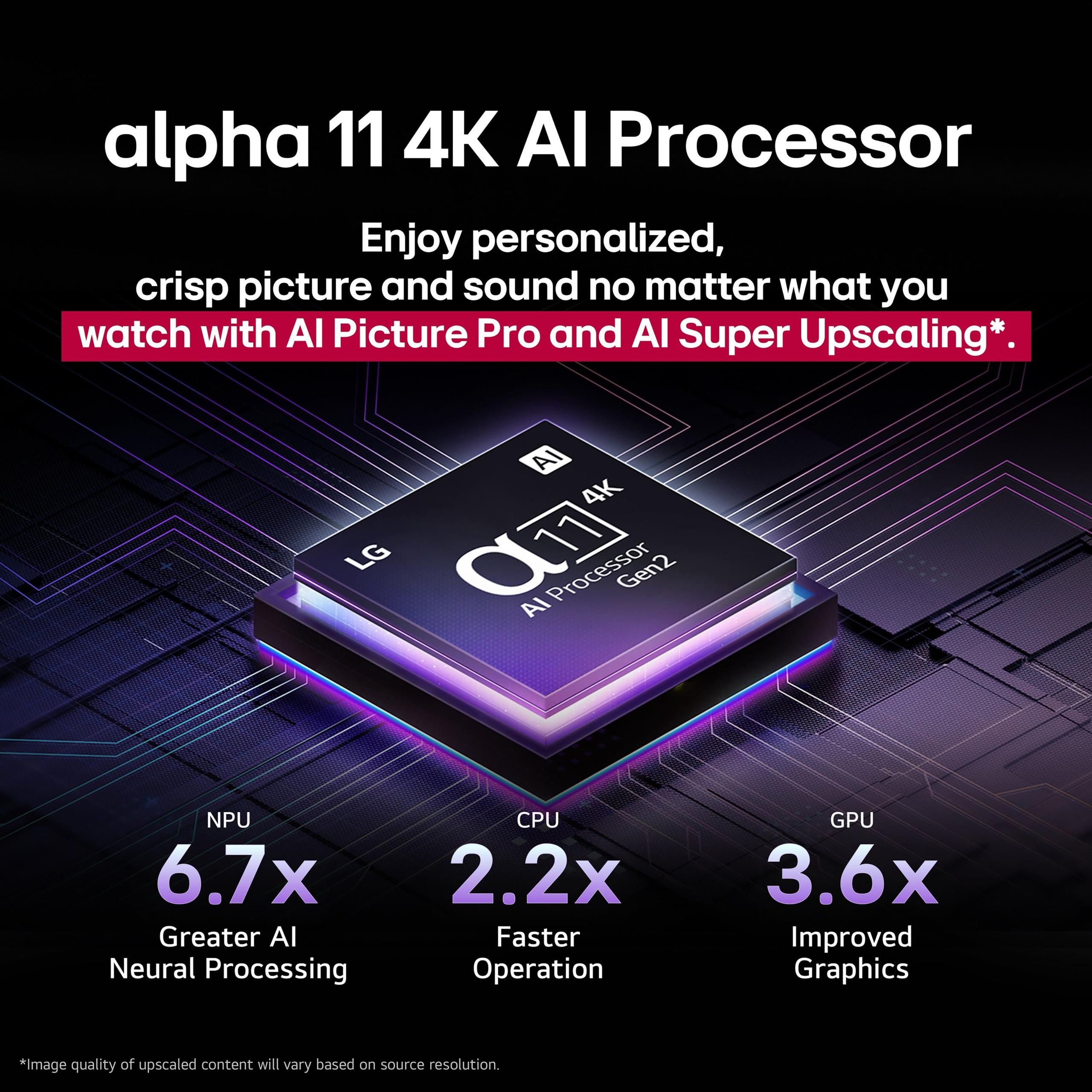
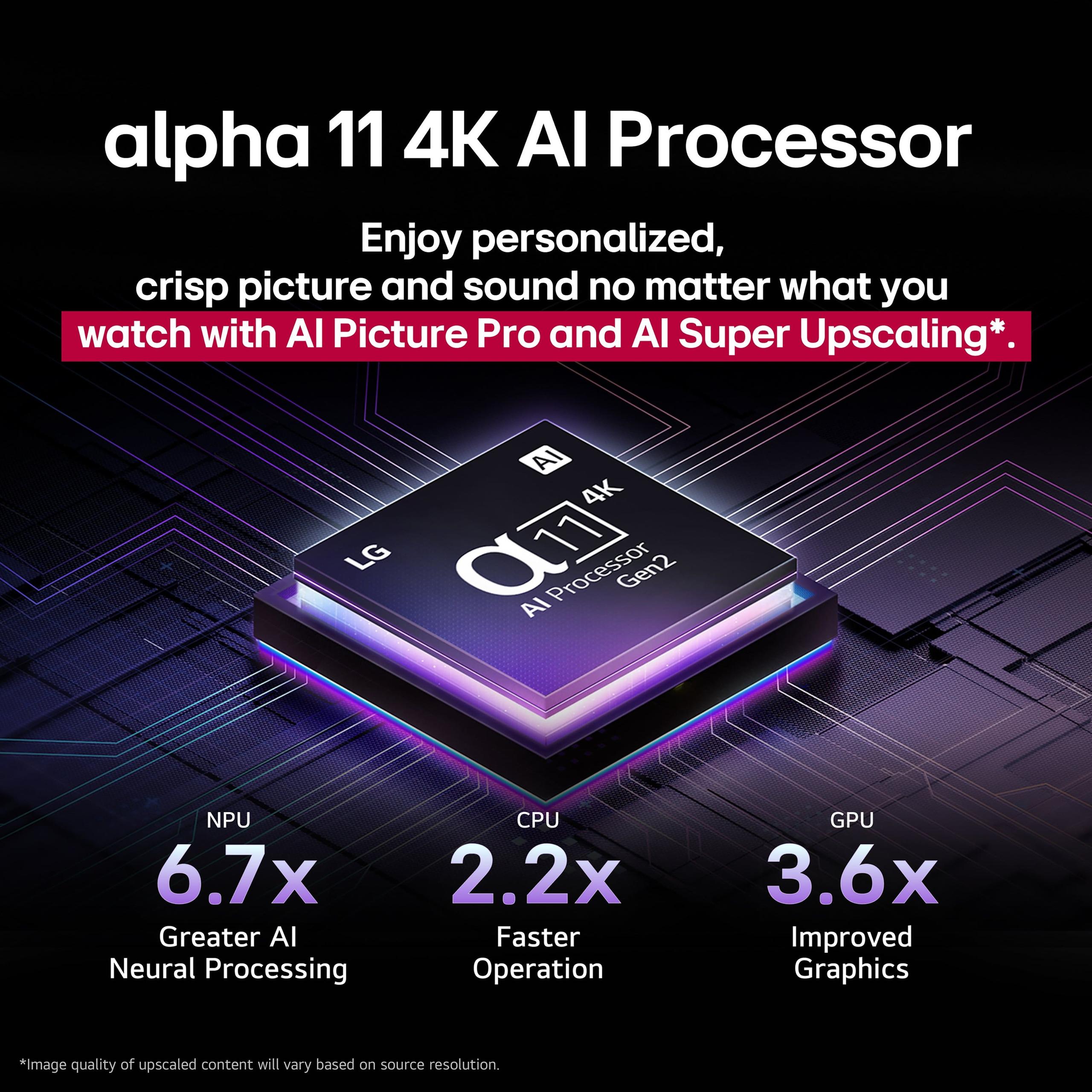
The LG G5 uses webOS 25, which has evolved into one of the most sophisticated smart TV platforms available. LG's latest version includes AI-powered features like personalized recommendations, an AI chatbot for troubleshooting, and Quick Cards that organize your favorite apps. The Magic Remote with its motion controls feels more intuitive than traditional remotes, though some users find the pointer-based navigation takes getting used to.
LG also commits to five years of software updates through their webOS Renew program, providing longer-term support than most TV manufacturers offer. This extended support timeline adds value to your investment, ensuring new features and security updates well into the future.
Both TVs take creative approaches to sound that go beyond typical TV speakers. The Sony BRAVIA 8 II uses Acoustic Surface Audio+, which turns the entire screen into a speaker using actuators behind the panel. This creates an interesting effect where dialogue appears to come directly from actors' mouths on screen.
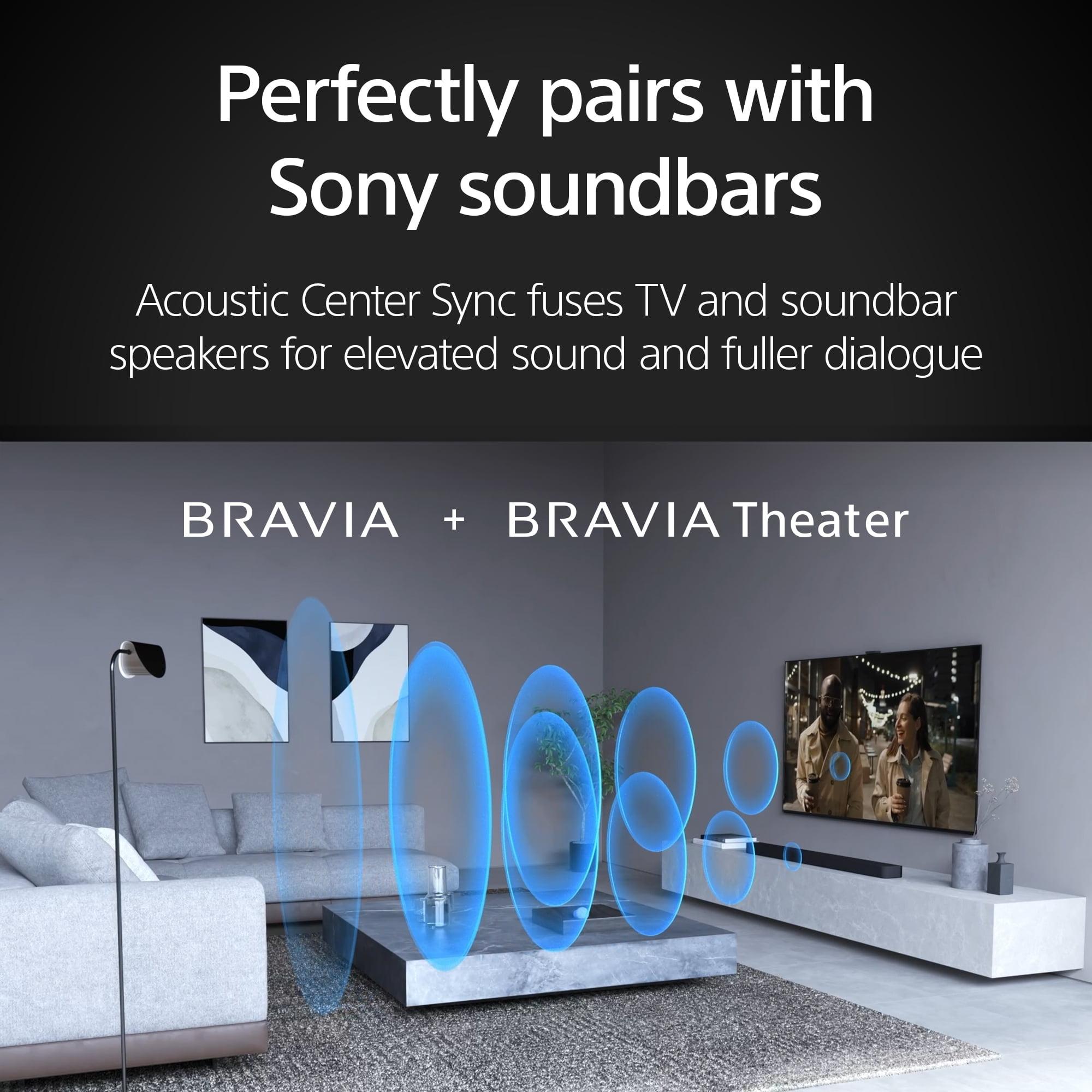
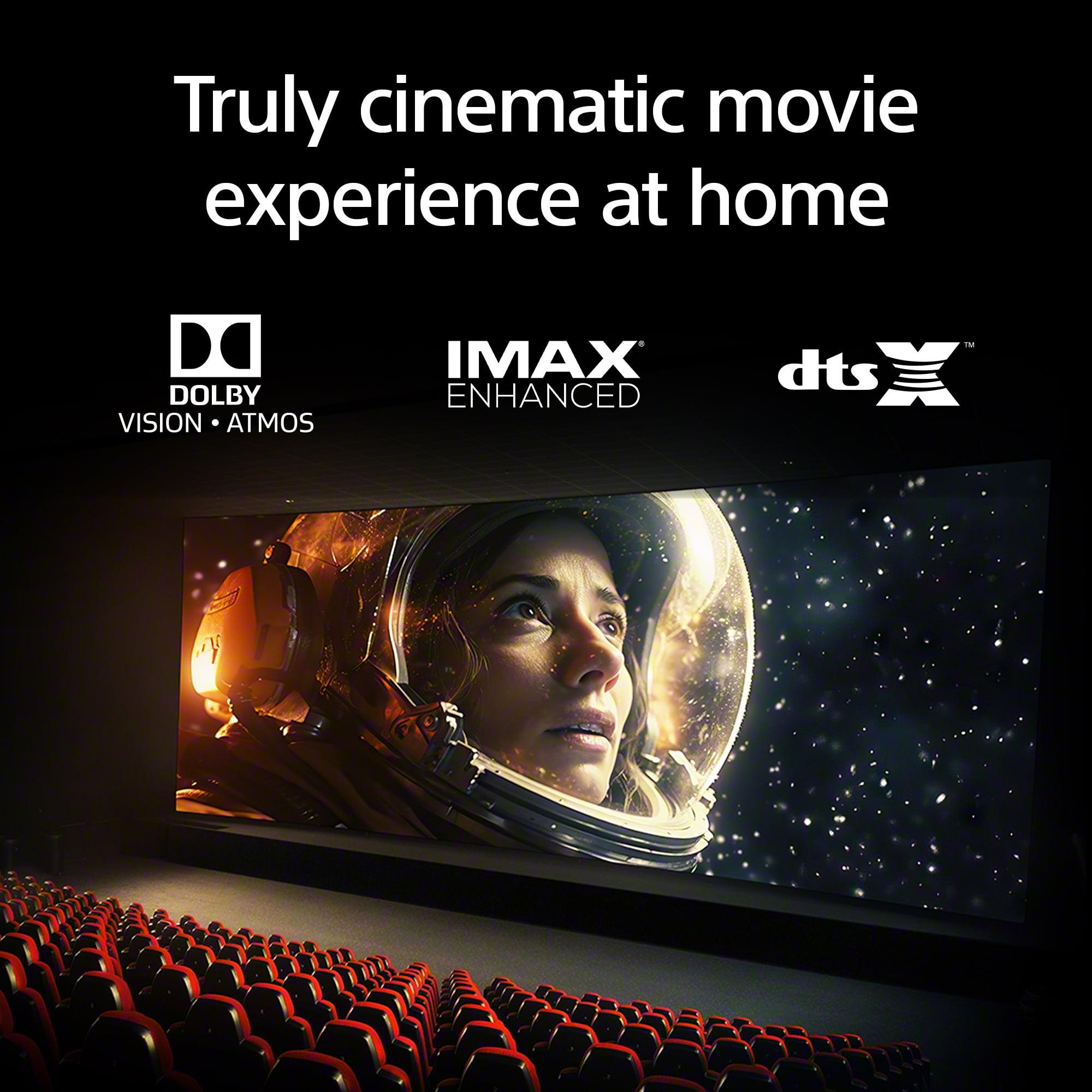
Sony's Voice Zoom 3 feature uses AI to enhance dialogue clarity, automatically boosting speech when it detects loud background music or effects. For home theater setups, the TV can serve as a center channel when paired with compatible Sony soundbars—a unique feature that creates a more cohesive surround sound experience.
The LG G5 supports Dolby Atmos and features WOW Orchestra compatibility with LG soundbars. While it doesn't have Sony's screen-as-speaker technology, its AI Sound Pro mode adapts audio settings based on content type and room acoustics.
In practice, both TVs sound better than you'd expect from such slim displays, but serious home theater enthusiasts will likely pair either with a dedicated sound system to fully realize their potential.
The LG G5 wins the design contest with its One Wall Design that mounts completely flush against the wall, looking like a piece of art when not in use. The Art Mode can display paintings or personal photos, helping the TV blend into your living space. However, the table stand is sold separately, which adds to the cost if you're not wall-mounting.
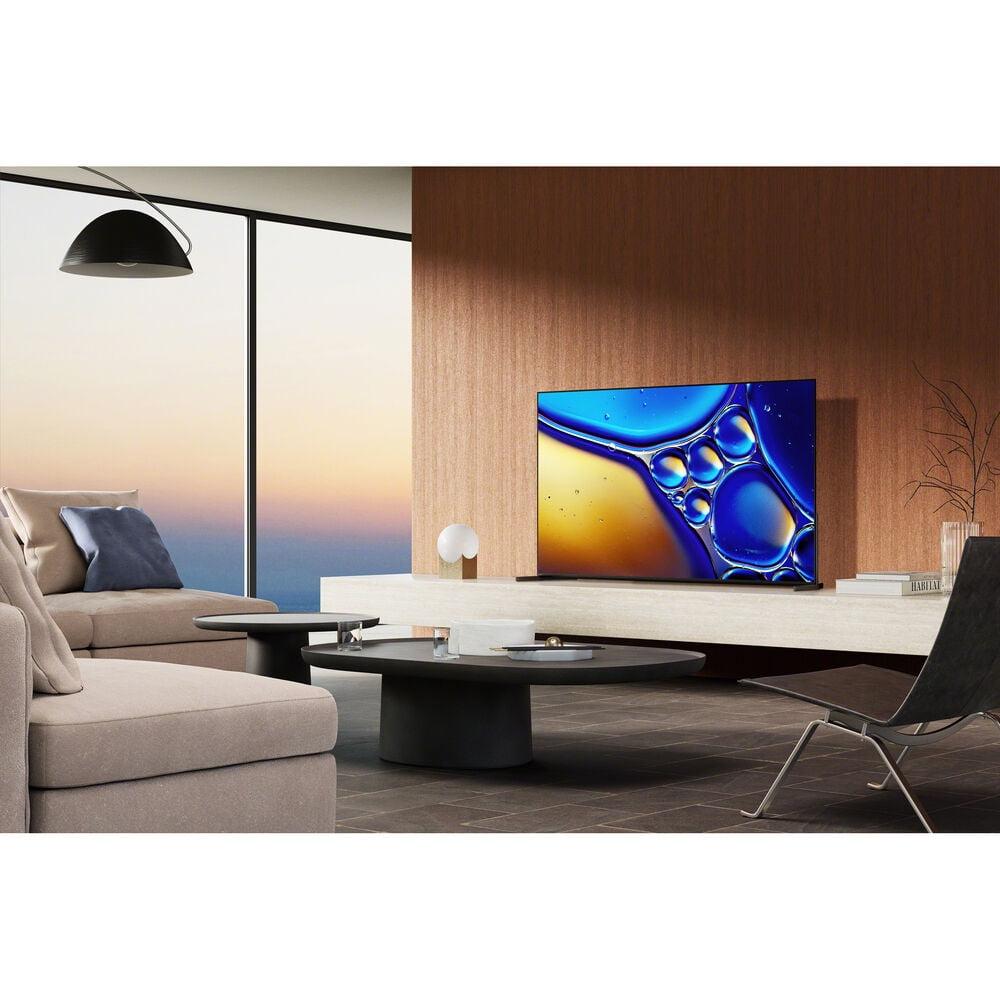
The Sony BRAVIA 8 II includes a versatile multi-position stand that can be configured low-profile, narrow, or raised to accommodate a soundbar underneath. The build quality feels premium with excellent cable management, though it doesn't achieve LG's ultra-slim wall-mounted aesthetic.
Both TVs feature premium construction that feels solid and well-engineered. Your choice here likely depends on whether you prioritize the artistic wall-mounted look (LG) or prefer more flexible placement options with the included stand (Sony).
At $3,098, the Sony BRAVIA 8 II costs about $100 less than the LG G5 at $3,197. However, value extends beyond the initial price tag to include performance, features, and longevity.
The Sony BRAVIA 8 II offers better value if you prioritize color accuracy, watch primarily in dark rooms, or need excellent anti-reflection properties. Its cinematic picture quality and integrated audio solutions make it particularly appealing for movie enthusiasts who want that film-like experience at home.
The LG G5 justifies its higher price with superior brightness, extensive gaming features, and future-proofing through advanced panel technology. If you watch in brighter rooms, game frequently, or want maximum HDR impact, the extra $100 delivers meaningful improvements.
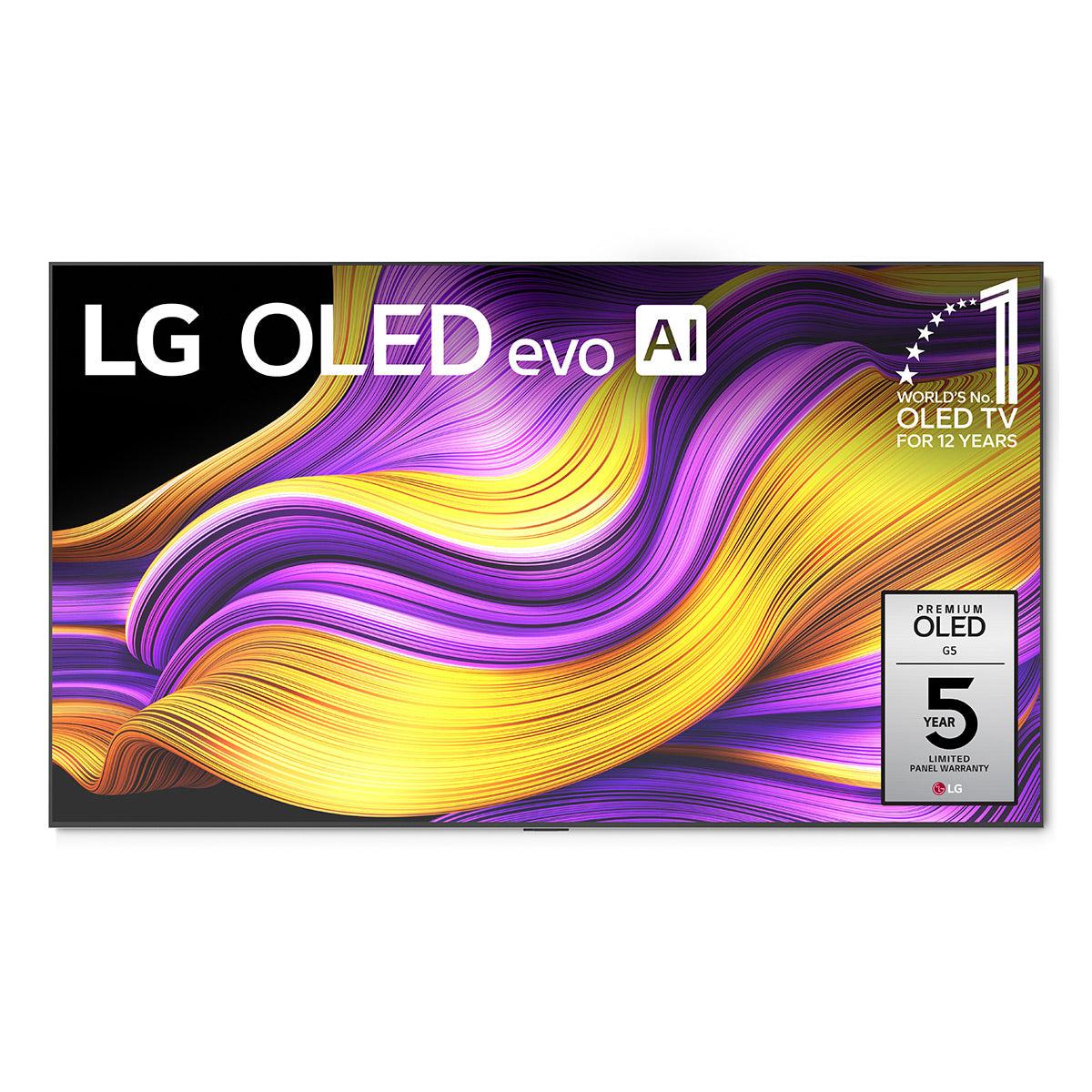
Both TVs come with solid warranties, though LG's 5-year panel warranty (versus Sony's standard 1-year coverage) adds peace of mind for such a significant investment.
Choose the Sony BRAVIA 8 II if you're primarily building a dedicated home theater in a light-controlled room. Its superior color accuracy, anti-reflection properties, and cinematic picture quality make it ideal for movie nights and serious film viewing. The integrated audio features and Google TV platform provide a complete entertainment experience without additional complications.
The LG G5 makes more sense if you want maximum versatility. Its superior brightness works better in family rooms with ambient light, the extensive gaming features future-proof your setup, and the advanced smart TV platform offers more AI-driven conveniences. The higher connectivity options provide flexibility for multiple devices.
Both TVs represent significant advances over their 2024 predecessors. The Sony BRAVIA 8 II upgraded from W-OLED to QD-OLED technology, delivering 50% higher brightness and dramatically improved colors compared to the previous BRAVIA 8. This change addresses the main criticism of earlier Sony OLEDs—insufficient brightness for bright rooms.
The LG G5 made an even more dramatic leap, replacing the micro lens array technology with the 4-Stack Tandem design. This resulted in 45% higher brightness than the G4, finally putting OLED TVs in competition with mini-LED displays for bright room viewing.
These improvements show how quickly OLED technology continues advancing. What seemed impossible just a few years ago—bright OLED displays that work well in any lighting condition—is now reality in both these models.
You can't go wrong with either the Sony BRAVIA 8 II or LG G5. Both represent the pinnacle of OLED technology with different strengths that appeal to different users. The Sony excels at creating that perfect movie theater experience with its natural colors and anti-reflection properties. The LG impresses with its brightness, gaming capabilities, and versatility for various viewing conditions.
Your decision should ultimately align with how you'll use the TV most often. For dedicated home theaters and cinema enthusiasts, Sony's approach feels more refined and film-like. For versatile family room use and gaming, LG's brighter, more feature-packed approach provides better overall value.
Either way, you're getting a TV that will deliver exceptional performance for years to come, representing the very best of what OLED technology offers in 2025.

Privacy Policy
Terms and Conditions - Affiliate Policy
Home Security
© Copyright 2008-2026.
11816 Inwood Rd #1211, Dallas, TX 75244