


Choosing between Sony's flagship TVs can feel overwhelming, especially when both the BRAVIA 8 II QD-OLED and BRAVIA 9 Mini LED promise exceptional picture quality. After spending considerable time with both displays, I've found they represent two distinct philosophies in premium TV technology—and understanding these differences is key to making the right choice for your home.
The TV landscape has evolved dramatically over the past few years, with manufacturers pushing the boundaries of both brightness and contrast. Today's premium TVs fall into two main camps: OLED (Organic Light-Emitting Diode) and Mini LED QLED technologies. Think of OLED pixels as millions of tiny light bulbs that can turn completely on or off individually, while Mini LED uses thousands of small LED backlights behind a traditional LCD panel to control brightness with incredible precision.
When shopping for a premium TV, you're primarily considering how it handles different lighting conditions in your room, what types of content you watch most, where people sit relative to the screen, and of course, your budget. The Sony BRAVIA 8 II and BRAVIA 9 tackle these challenges in fundamentally different ways.
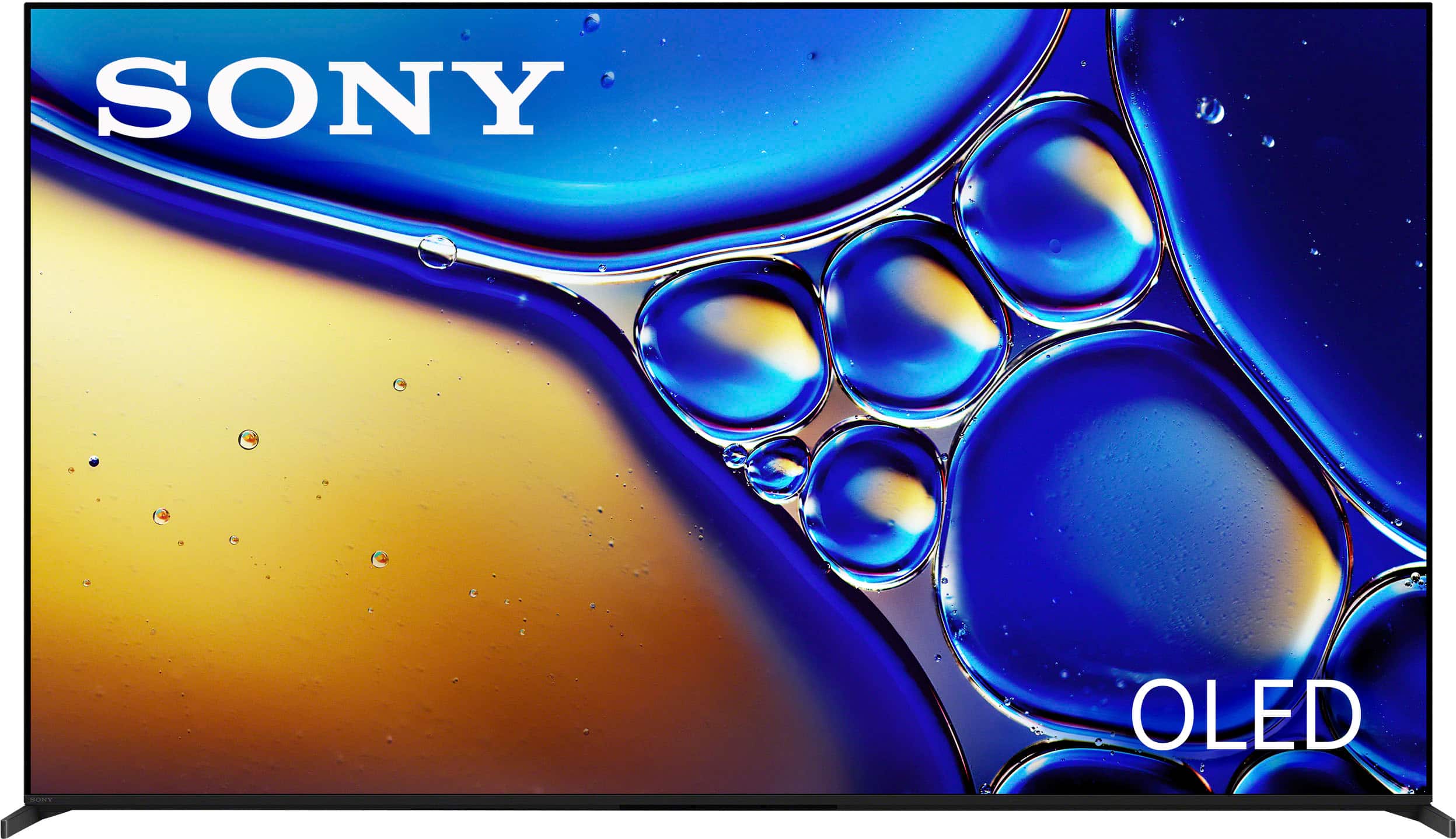
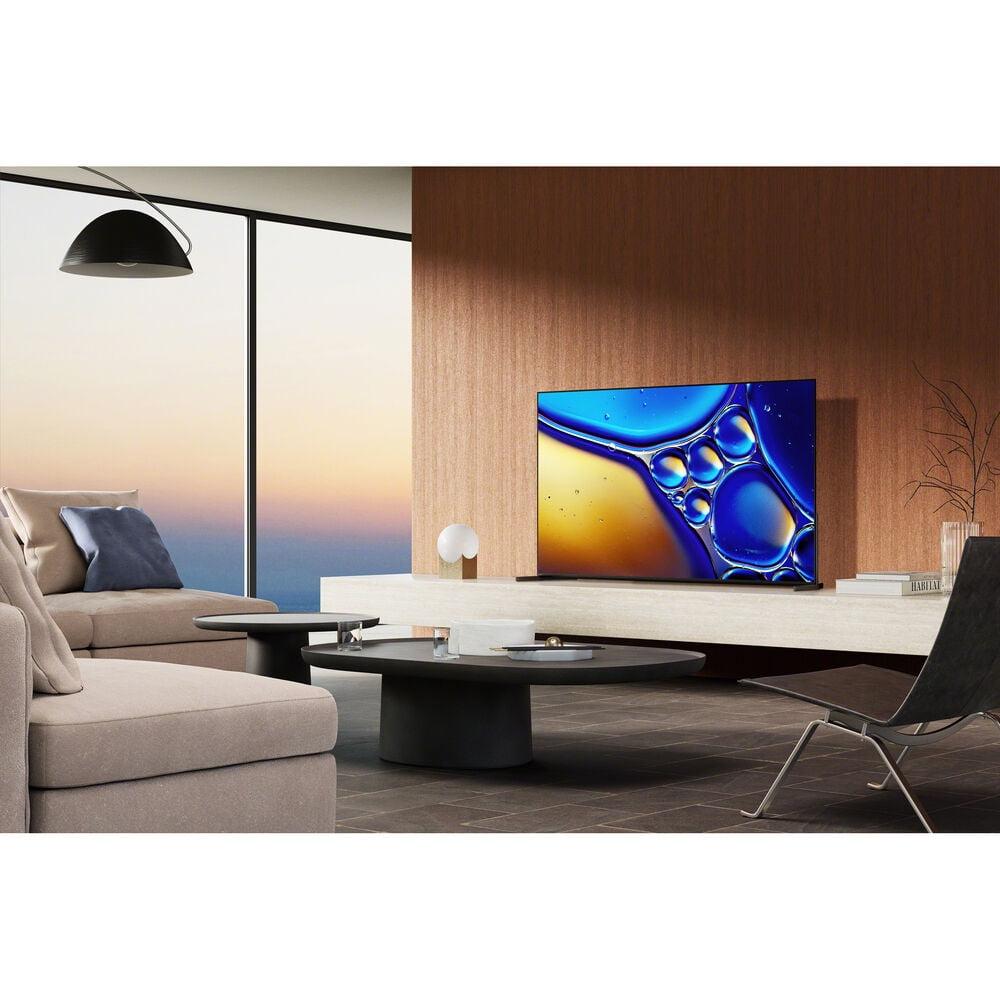
The BRAVIA 8 II, released in April 2025, represents Sony's latest flagship OLED technology. It uses second-generation QD-OLED (Quantum Dot OLED) panels that combine the perfect blacks OLED is famous for with enhanced brightness and color volume thanks to quantum dot technology. Sony claims this new panel is 25% brighter than their previous flagship A95L and an impressive 50% brighter than the standard BRAVIA 8 model it replaces.
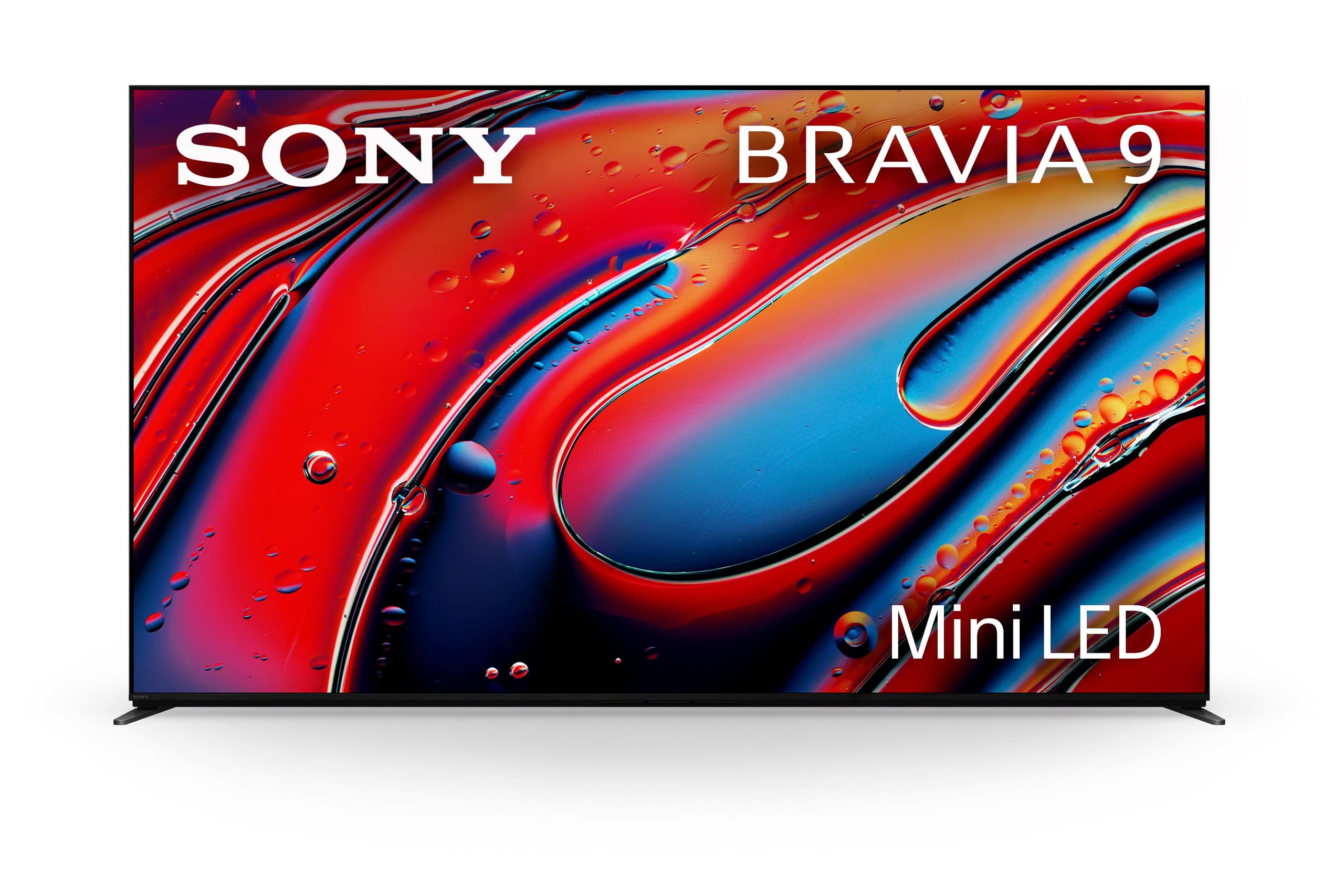
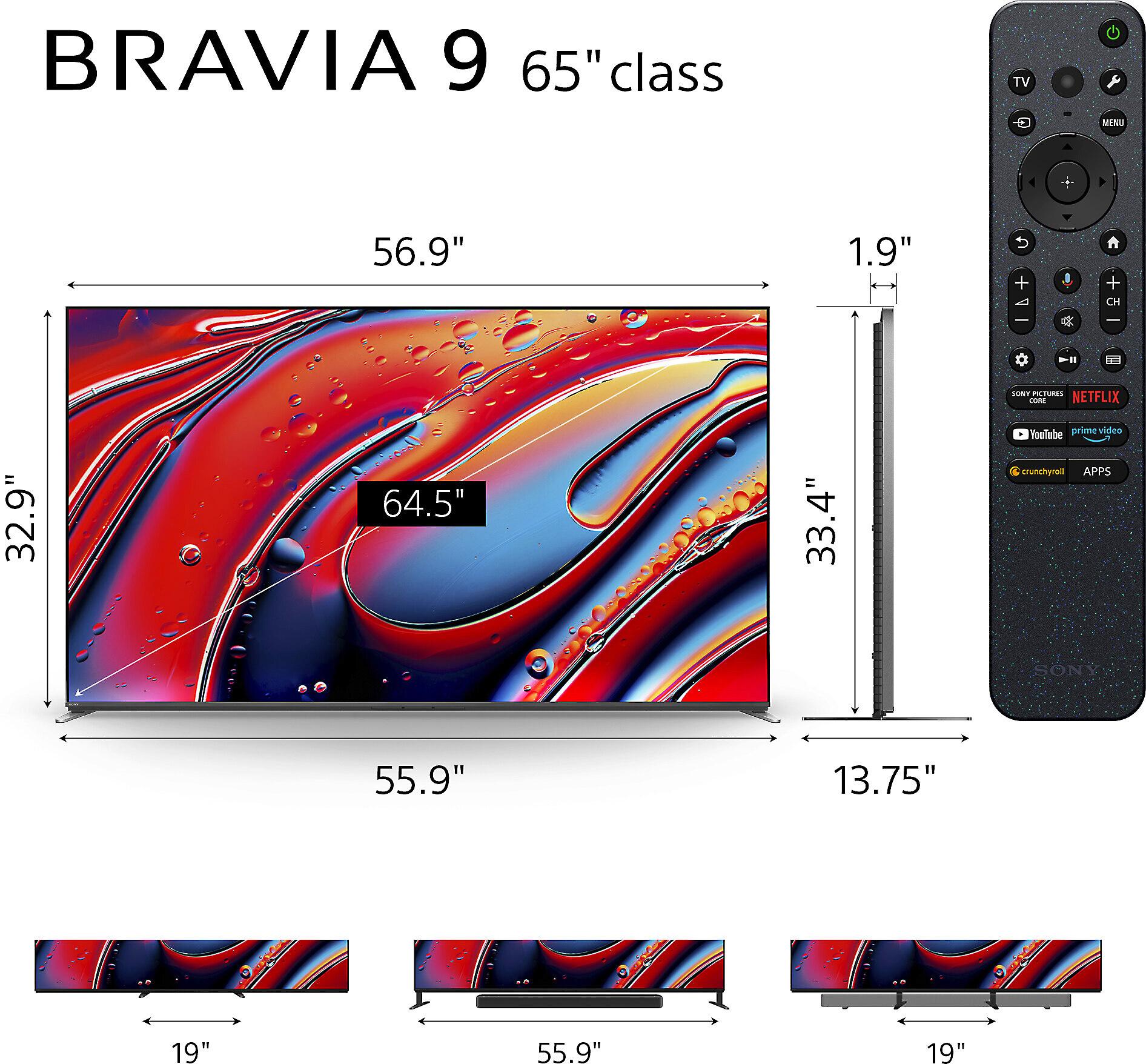
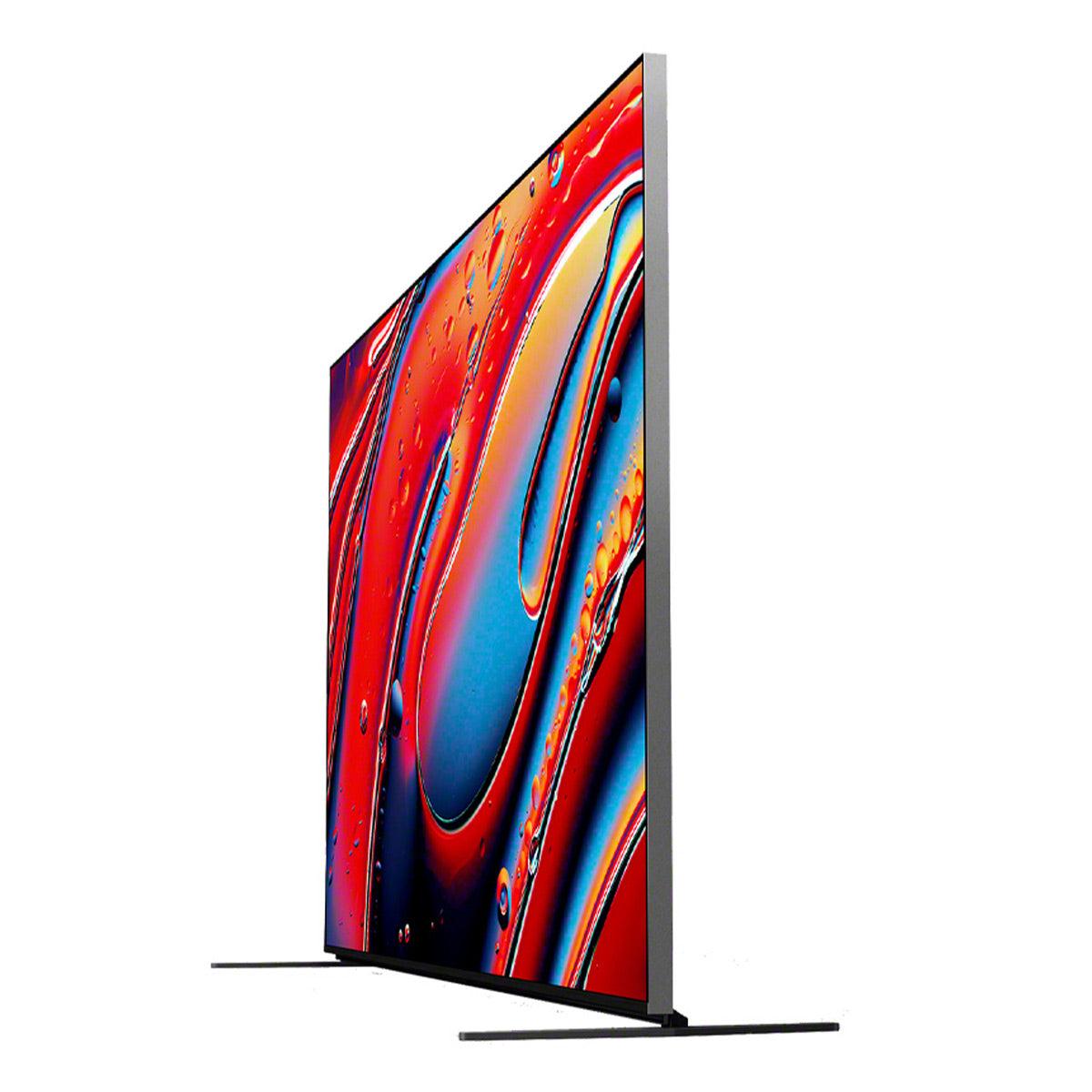
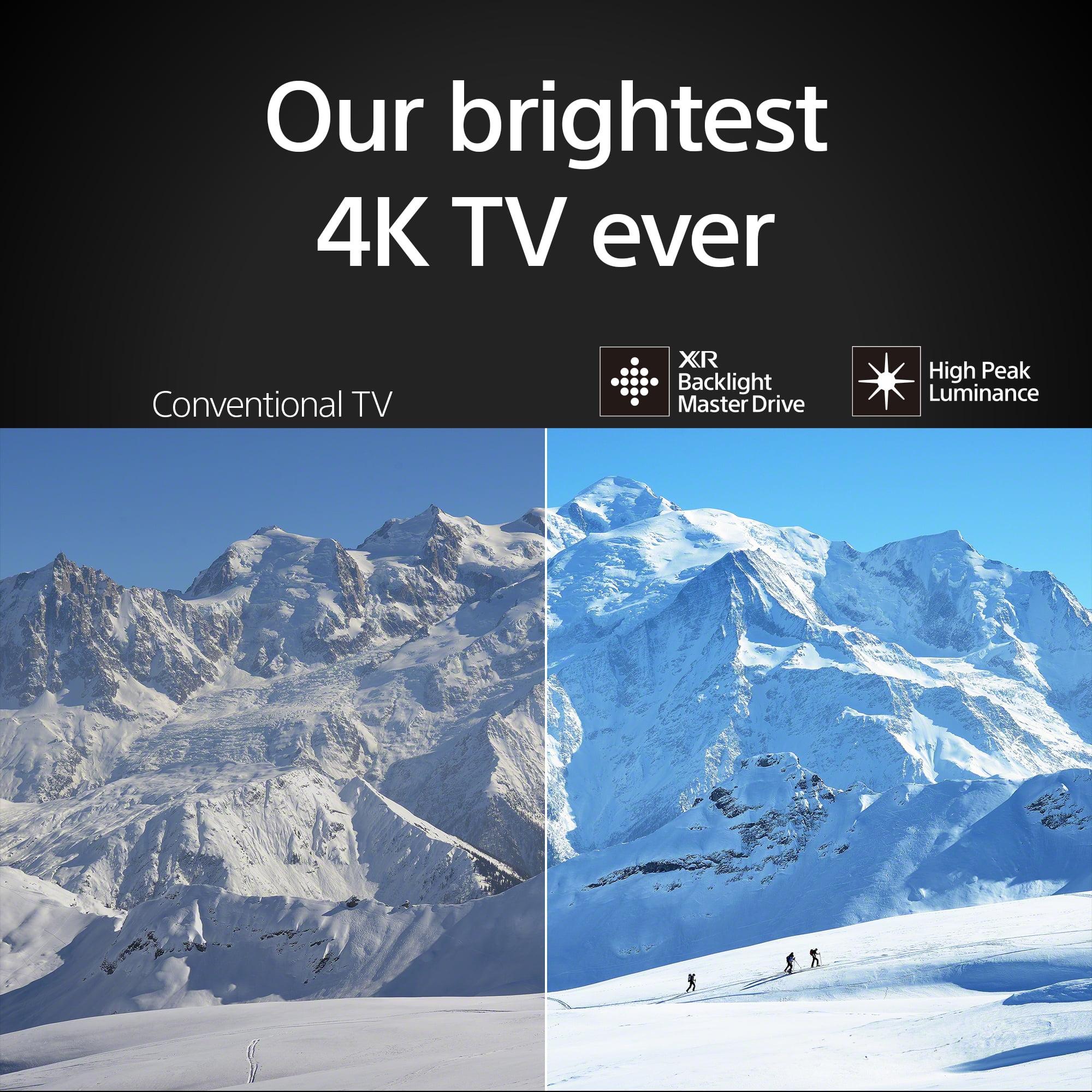
Meanwhile, the BRAVIA 9, which launched in 2024, showcases Sony's most advanced Mini LED implementation. This TV packs thousands of precisely controlled Mini LEDs behind a QLED panel, creating what Sony calls their brightest TV ever. The company redesigned the backlighting system to include three times as many dimming zones as their previous X95L model while improving power efficiency by 30%.
The BRAVIA 8 II's QD-OLED panel technology is genuinely impressive. Each pixel generates its own light and can turn completely off, creating what's called "infinite contrast"—the difference between the brightest white and darkest black a display can produce. When you're watching a space scene with stars against the void, those black areas are truly black, not the dark gray you might see on other display types.
What makes QD-OLED special is the addition of quantum dots—microscopic particles that convert blue OLED light into pure red and green. This process creates more accurate, saturated colors while boosting overall brightness. In practical terms, you'll notice skin tones look more natural, grass appears genuinely green rather than yellowish, and sunsets have that warm, golden quality that feels lifelike.
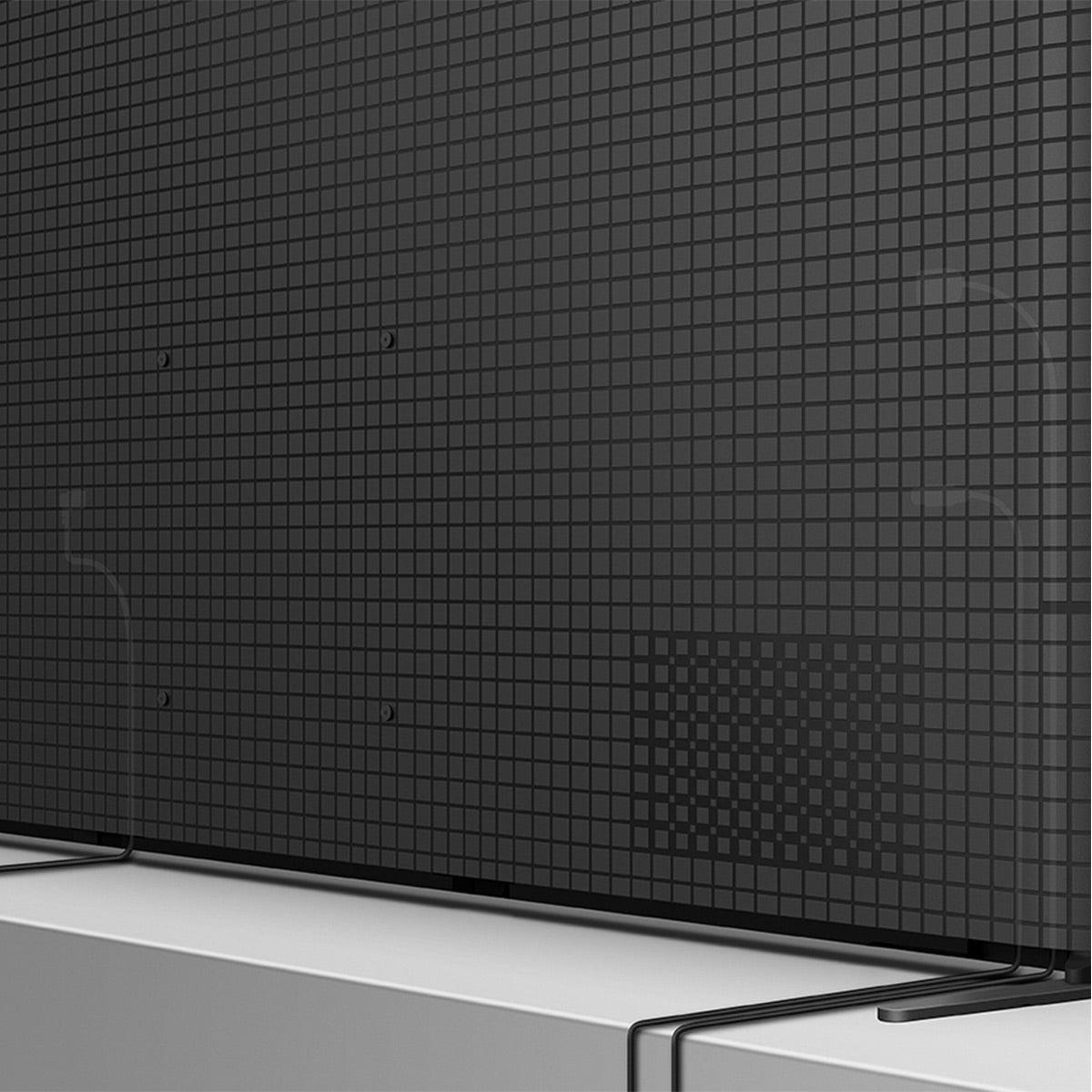
The BRAVIA 9 takes a different route entirely. Instead of self-emitting pixels, it uses thousands of tiny LED backlights (hence "Mini LED") arranged behind an LCD panel. These LEDs are grouped into dimming zones—areas that can brighten or dim independently to create contrast. While this can't achieve the pixel-perfect control of OLED, Sony's implementation gets remarkably close while delivering significantly higher peak brightness.
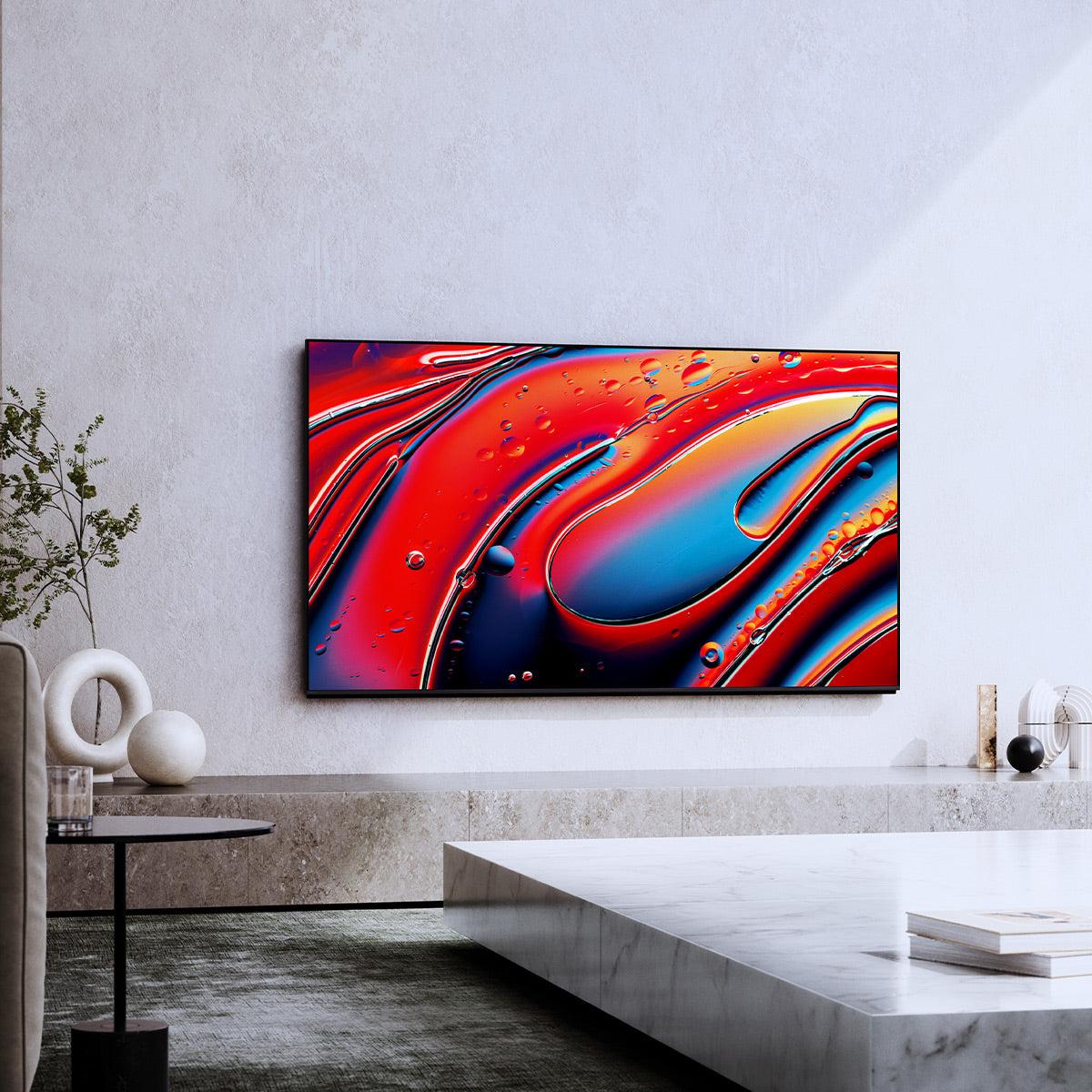
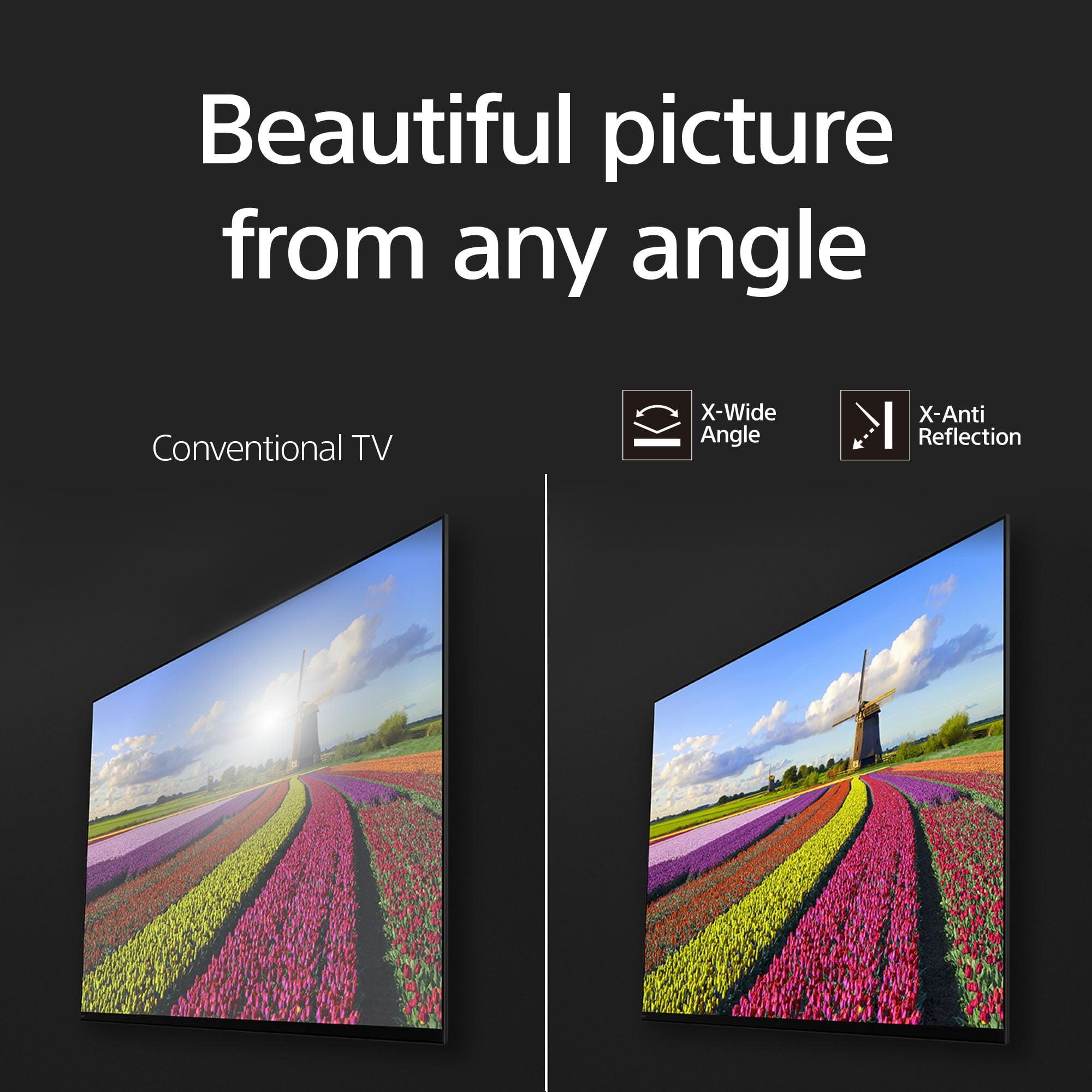
The advantage becomes obvious in bright rooms. Where the BRAVIA 8 II might struggle to overcome ambient light, the BRAVIA 9 can push brightness levels high enough to maintain image impact even with windows open during the day. Sony's engineers also added their X-Anti Reflection technology, which reduces glare more effectively than most competitors.
Here's where the fundamental differences become clear. The BRAVIA 8 II peaks around 1,880 nits—impressive for OLED and a significant jump from previous generations. However, the BRAVIA 9 can sustain much higher brightness levels across larger portions of the screen. In HDR (High Dynamic Range) content, which uses extended brightness and color ranges to create more realistic images, this difference is immediately noticeable.
When watching HDR movies like "Blade Runner 2049" or "Mad Max: Fury Road," the BRAVIA 9 makes highlights like explosions, car headlights, and bright sky scenes pop with intensity that the BRAVIA 8 II simply can't match in terms of raw impact. However, the OLED's perfect blacks create a sense of depth and dimensionality that many find more engaging, especially in darker scenes.
Both TVs use Sony's advanced color processing, but they achieve accuracy differently. The BRAVIA 8 II's XR Triluminos Max system leverages quantum dots to display what Sony claims are billions of accurate colors. The result is remarkably natural color reproduction—faces look like faces, not orange caricatures, and subtle color gradations in scenes like sunsets or ocean water appear smooth and realistic.
The BRAVIA 9 uses XR Triluminos Pro, which produces vibrant, punchy colors that remain saturated even at high brightness levels. While slightly less natural than the OLED in side-by-side comparisons, it delivers colors that feel more impactful in bright viewing conditions.
This is where OLED technology still reigns supreme. The BRAVIA 8 II's ability to turn pixels completely off creates perfect blacks with no light bleed or "blooming" around bright objects. Watch a movie with bright text on a black background, and you'll see exactly what I mean—the text appears to float in perfect darkness.
The BRAVIA 9 has made impressive strides in black level performance for a Mini LED TV. Sony's advanced local dimming can create very deep blacks, but physics prevents it from matching OLED's pixel-level control. You might notice slight blooming around very bright objects against dark backgrounds, though it's minimal compared to older LED TVs.
Your room's lighting conditions will largely determine which TV serves you better. In my experience, the BRAVIA 8 II excels in dark to moderately lit rooms. Late evening movie watching becomes an almost cinematic experience, with perfect blacks creating incredible depth and the improved brightness handling HDR highlights beautifully.
However, during daytime viewing or in rooms with large windows, the BRAVIA 9's superior brightness and reflection handling become game-changers. I've found it maintains picture quality and color saturation even in challenging lighting conditions where the BRAVIA 8 II might appear washed out.
The BRAVIA 8 II offers exceptional viewing angles—a traditional OLED strength. Family members sitting off to the sides will see virtually the same picture quality as those sitting directly in front. Colors remain accurate and contrast stays strong even at extreme viewing angles.
The BRAVIA 9 provides good viewing angles for a Mini LED TV, but you'll notice some color shifting and contrast reduction when viewing from the sides. For a family room where people sit in various positions, this could be a consideration.
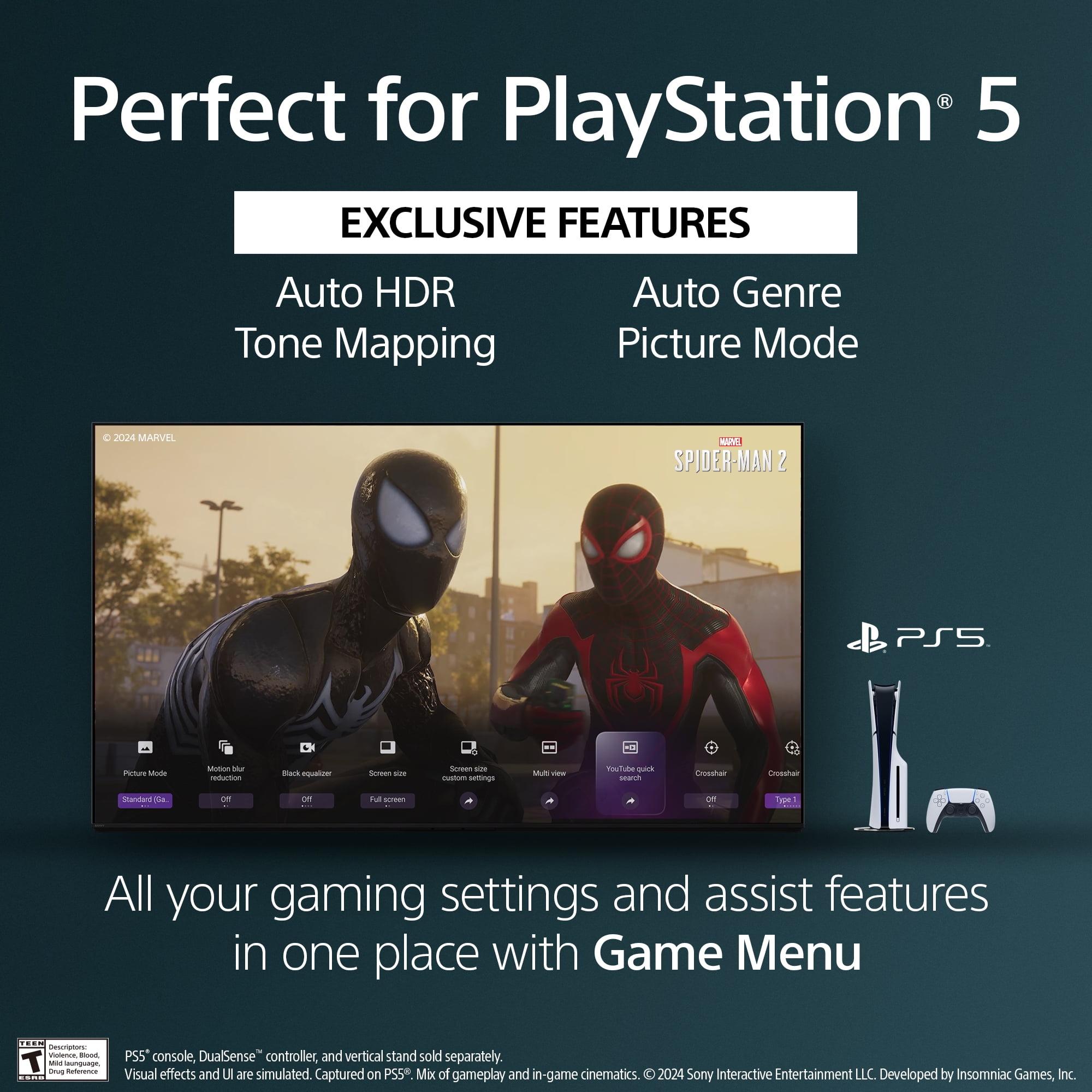
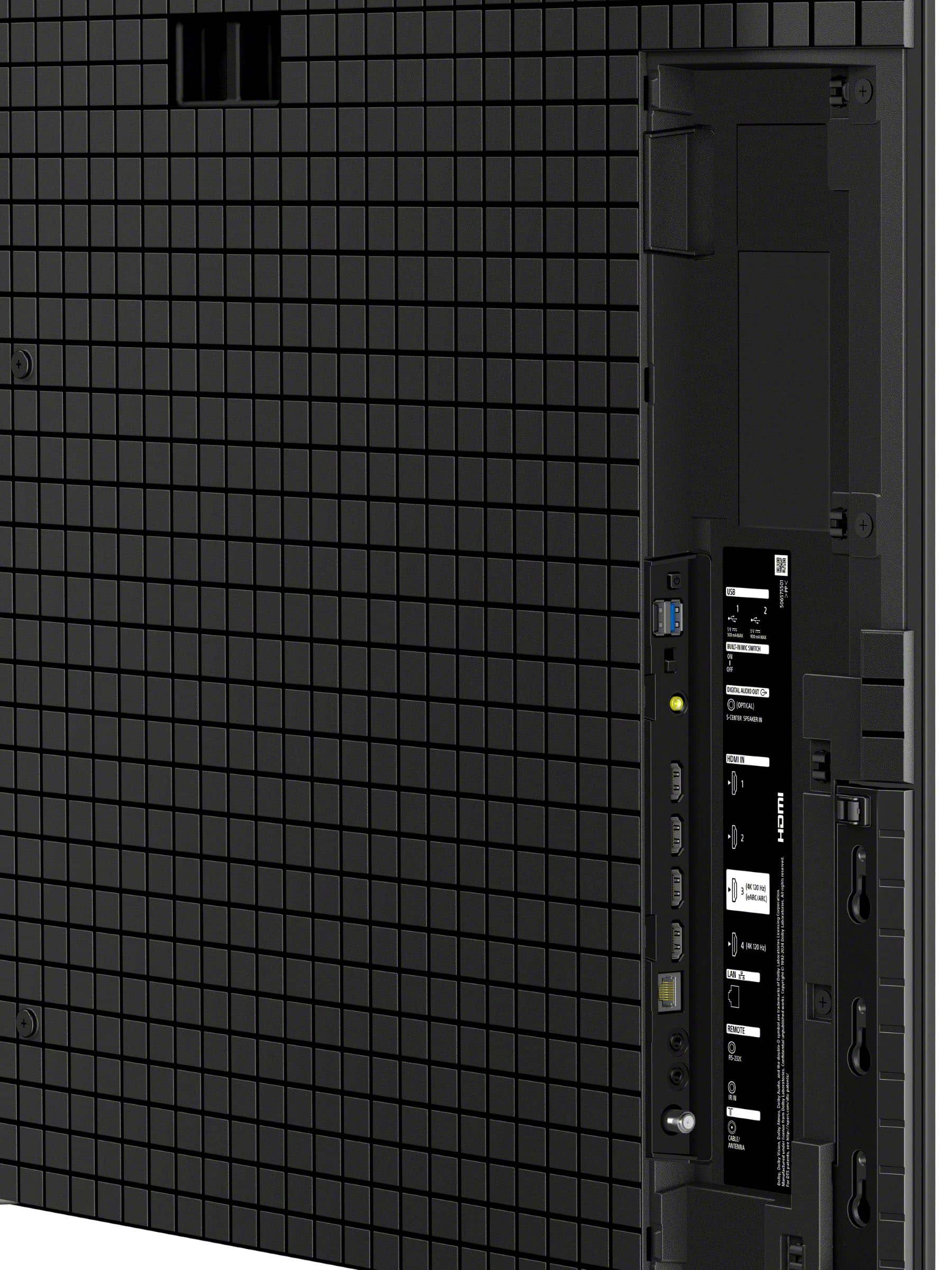
Both TVs support modern gaming features that console owners expect. Each includes two HDMI 2.1 ports supporting 4K resolution at 120Hz refresh rates—essential for PlayStation 5 and Xbox Series X gaming. They also support Variable Refresh Rate (VRR), which synchronizes the TV's refresh with the console's frame rate to eliminate screen tearing, and Auto Low Latency Mode (ALLM), which automatically switches to the TV's lowest input lag mode when gaming.
The BRAVIA 8 II achieves input lag as low as 8.5 milliseconds, which feels incredibly responsive for competitive gaming. However, its lower overall brightness might be less ideal for bright gaming environments. The BRAVIA 9 offers competitive input lag while maintaining better visibility in well-lit gaming setups.
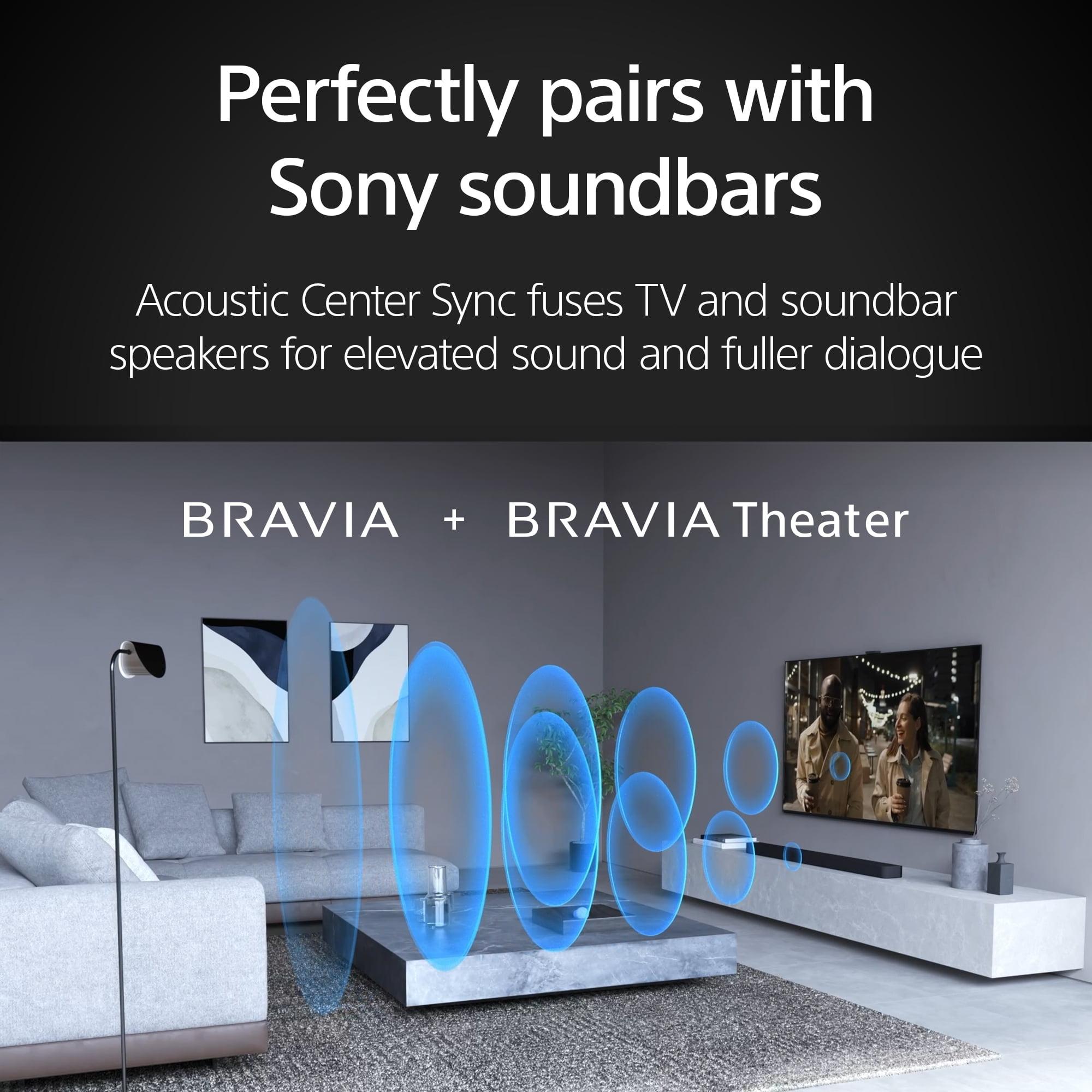
Sony has invested heavily in audio technology for both models. The BRAVIA 8 II features Acoustic Surface Audio+, which uses actuators behind the OLED panel to turn the entire screen into a speaker. This creates an interesting effect where dialogue appears to come directly from actors' mouths on screen, enhancing immersion.
The BRAVIA 9 employs a 2.2.2 channel system with 70 watts of power, including up-firing beam tweeters that bounce sound off your ceiling to create height effects. Both TVs support Dolby Atmos and can function as center channel speakers when paired with compatible Sony soundbars—a unique feature that's particularly valuable for home theater setups.
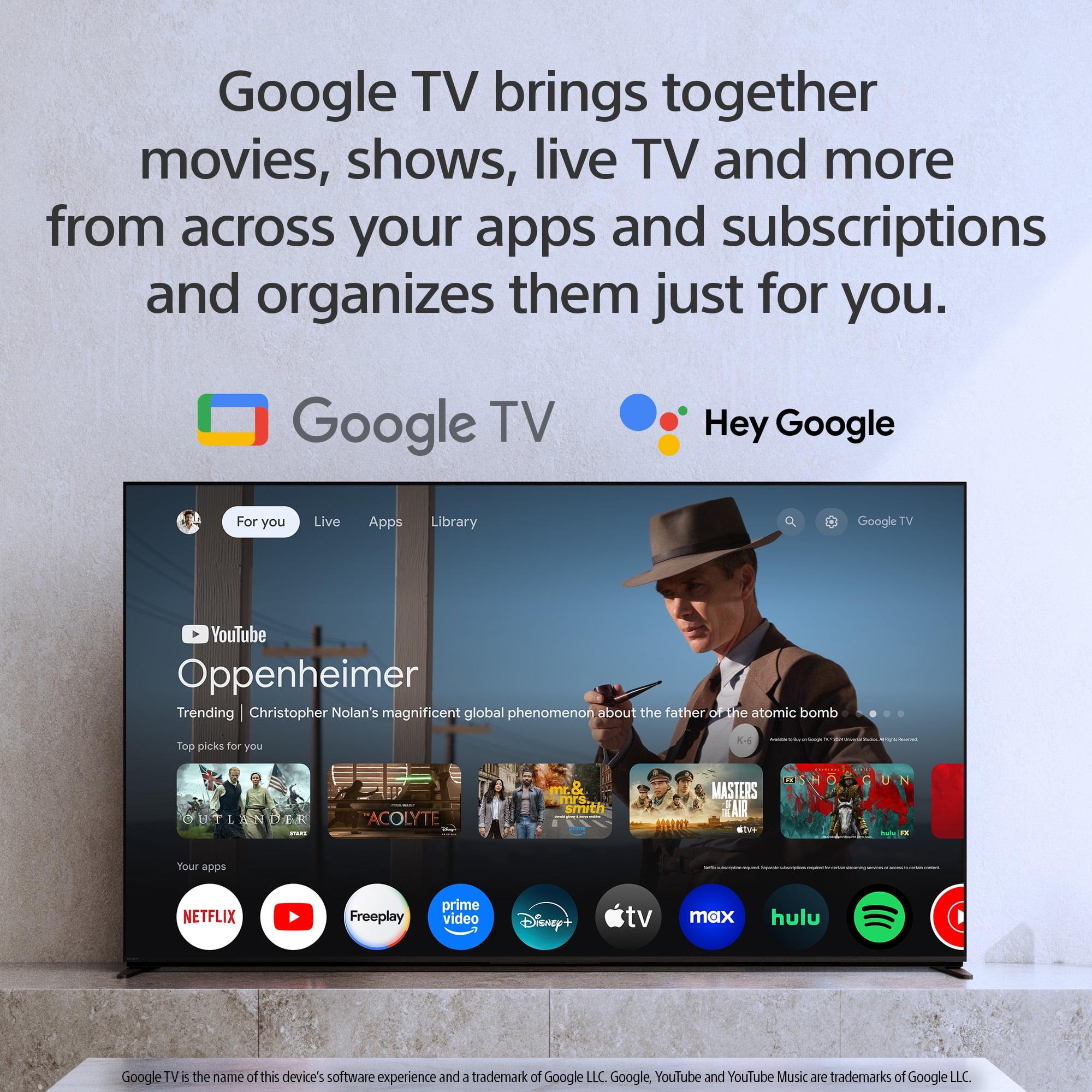
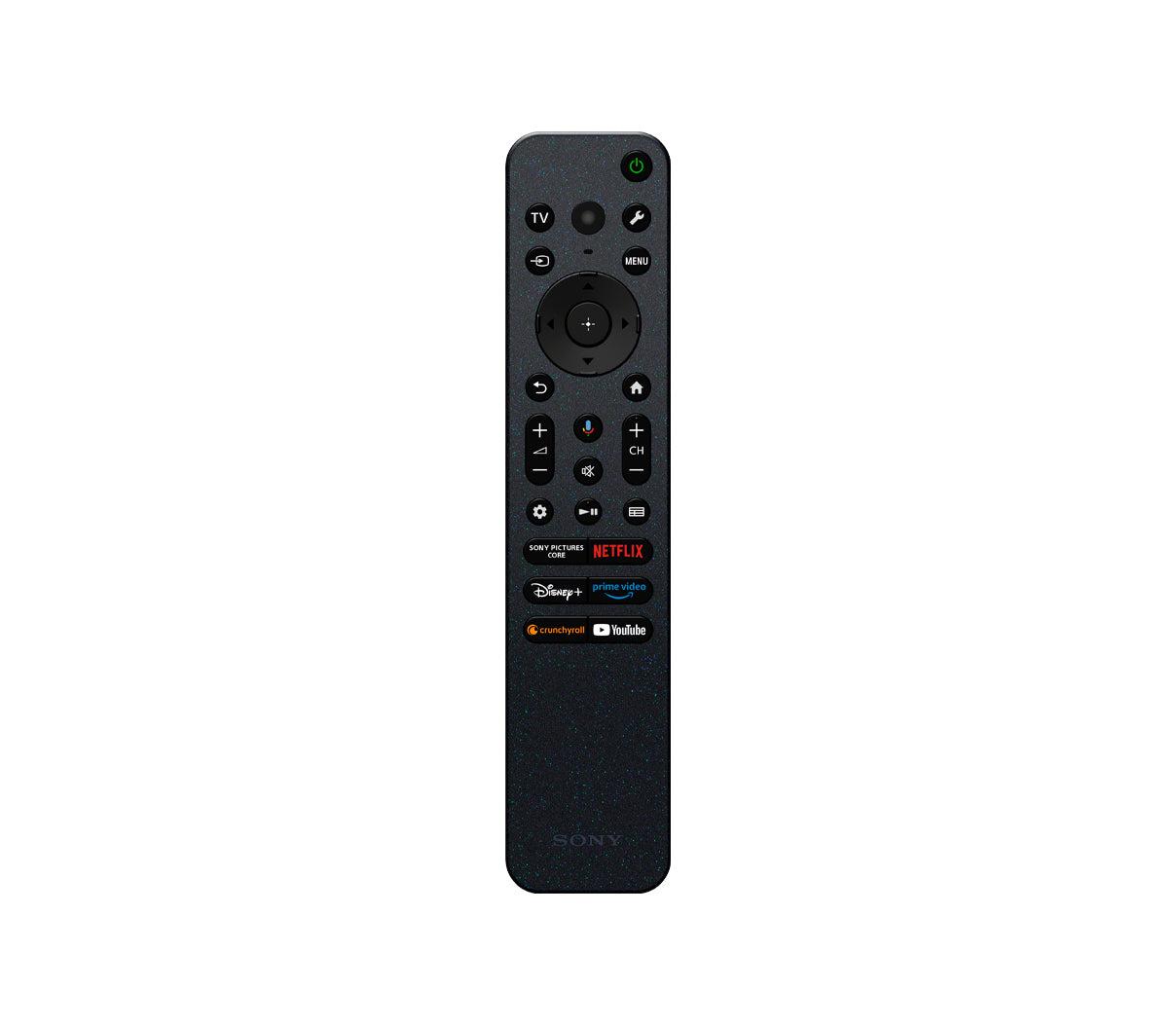
Both TVs run Google TV (version 12), providing access to all major streaming services with a clean, responsive interface. Sony's Quick Settings menu makes adjusting picture and sound settings straightforward, and both include Google Assistant for voice control. The BRAVIA 8 II adds AI Scene Recognition, which automatically adjusts picture settings based on content type—useful for optimizing the viewing experience without manual tweaking.
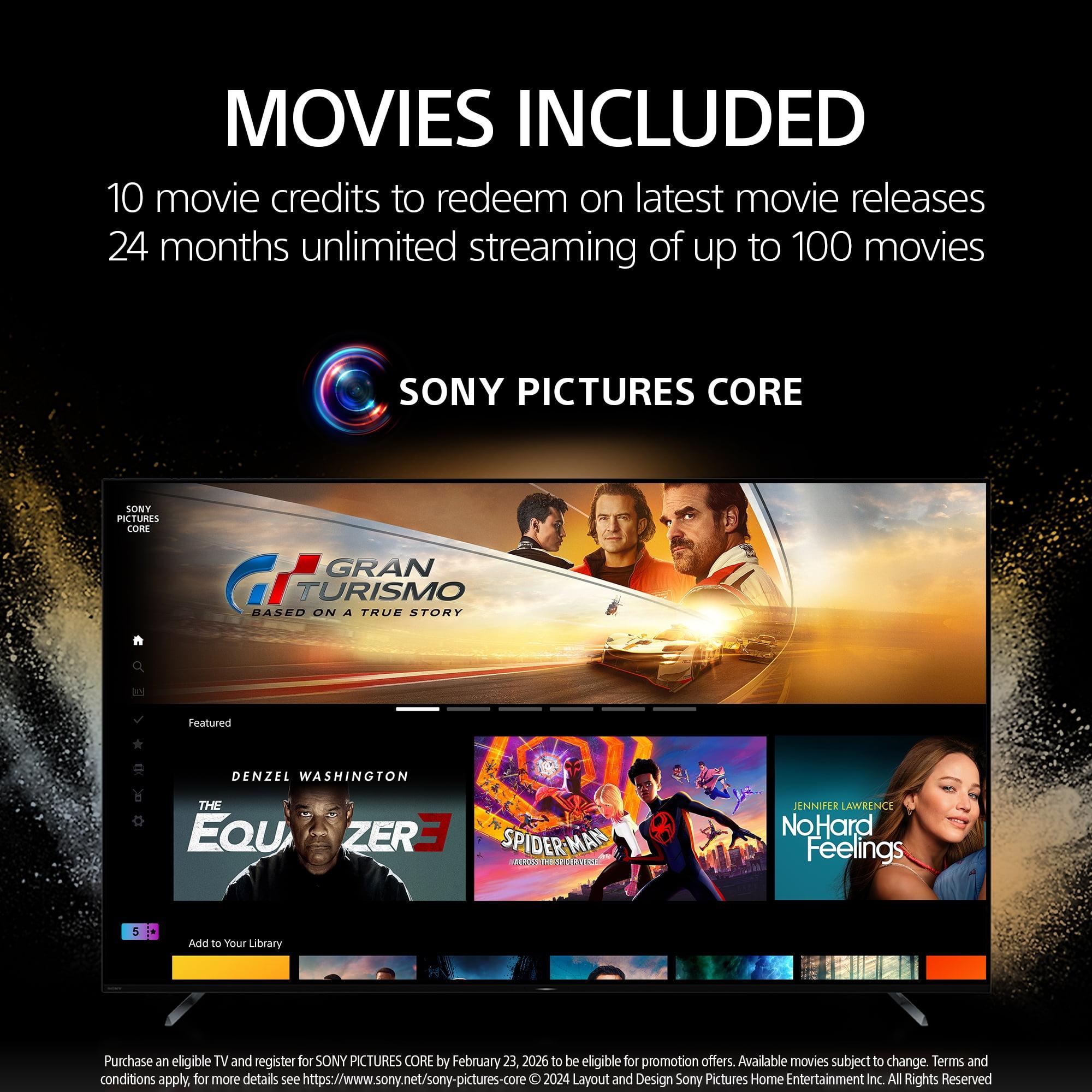
Both models include Sony Pictures Core with two years of unlimited streaming and credits for new releases, plus studio-calibrated picture modes for Netflix, Prime Video, and Sony's own content that display movies as their creators intended.
For dedicated home theater use, the choice depends on your setup and priorities. The BRAVIA 8 II delivers the most film-like experience in a controlled lighting environment. Its perfect blacks and natural color reproduction create the immersive, cinematic feel that movie enthusiasts crave. The screen-as-speaker technology also provides excellent dialogue clarity without requiring an immediate soundbar upgrade.
The BRAVIA 9 might be the better choice if your theater room has any ambient light challenges or if you want maximum HDR impact. Its brightness capabilities ensure that even subtle HDR details remain visible, and the robust built-in audio system provides impressive sound for casual viewing.
Currently, the BRAVIA 9 offers compelling value at around $2,074 for the 65" model, down significantly from its $3,299 launch price. The BRAVIA 8 II sits at approximately $3,098, reduced from its original $3,999 price point.
This pricing difference is substantial and reflects the BRAVIA 9's year-plus market presence versus the BRAVIA 8 II's recent introduction. Both represent significant investments, but the BRAVIA 9 currently delivers flagship-level performance at a more accessible price point.
The BRAVIA 8 II comes with OLED's traditional concerns: potential burn-in with static content (though modern OLEDs are much more resistant), limited screen size options (only 55" and 65"), and higher pricing. Its brightness, while improved, still trails the brightest OLED competitors from LG and Samsung.
The BRAVIA 9 can't achieve OLED's perfect blacks and has more limited viewing angles. Some users also report preferences for OLED's more natural image reproduction, particularly for film content in dark rooms.
Choose the BRAVIA 8 II if you primarily watch content in dark or controlled lighting conditions, value perfect blacks and natural color reproduction above all else, and don't mind paying a premium for cutting-edge OLED technology. It's ideal for movie enthusiasts who want the most cinematic experience possible and for those who prioritize wide viewing angles for family use.
Opt for the BRAVIA 9 if you need a TV that performs well in various lighting conditions, want maximum brightness and HDR impact, prefer better value for your investment, or need larger screen sizes (75" and 85" options available). It's perfect for bright living rooms, sports viewing, and those who want flagship performance without OLED's premium pricing.
Ultimately, both represent excellent choices that will serve you well for years to come. The decision often comes down to your specific viewing environment and what aspects of picture quality matter most to your household. Consider your room's lighting, typical viewing habits, and budget to determine which Sony flagship will best enhance your home entertainment experience.

Privacy Policy
Terms and Conditions - Affiliate Policy
Home Security
© Copyright 2008-2026.
11816 Inwood Rd #1211, Dallas, TX 75244